
Investing in vehicles may seem unusual but some trucks have proven themselves by holding or even growing in value over time. Unlike stocks, which are subject to wide swings based on market sentiment, quarterly reports, macroeconomic forces, or regulatory concerns, classic and certain modern trucks combine rarity, demand, and tangible utility.
A truck that is well regarded, limited in production, historically significant, or highly desirable among collectors can often outperform many equities during turbulent periods.
Physical assets like trucks carry intrinsic value, they do not vanish, they provide utility (or nostalgia), and they are collectible. In essence, they offer a more concrete safety net than shares, which can drop to zero or lose massive value in short spans.
Trucks that appreciate tend to share some common traits. First, they often have strong heritage brands or models that are linked to cultural or industrial milestones. Second, they usually are scarce, either through limited production or through few surviving specimens.
Third, condition matters intensely; restoration, originality, maintenance, and provenance can greatly affect value. Fourth, demand must be steady or increasing; enthusiasts, collectors, or even users must want these trucks for their rarity, design or performance.
When these factors align, investment in a truck can provide stability, sometimes income (if used or rented), and often less volatility than many stocks.
This article presents twelve trucks that are safer investments than stocks. Each model has attributes that make it attractive: historic value, rarity, iconic status, practical usage, or a mix. Some are vintage pickups, others are limited edition modern trucks. All are either already sought after by collectors or show signs of being undervalued.
While buying any classic or collectible truck has risks, restoration costs, storage, maintenance, insurance, these twelve offer compelling safety relative to many stock investments.
When chosen carefully, they tend to hold value well and even appreciate. This discussion does not constitute financial advice, but aims to inform about twelve trucks that stand a better chance of preserving or increasing value over time compared to many ordinary stocks.
Also Read: 5 Cars That Still Run Strong After Abandonment vs 5 That Don’t
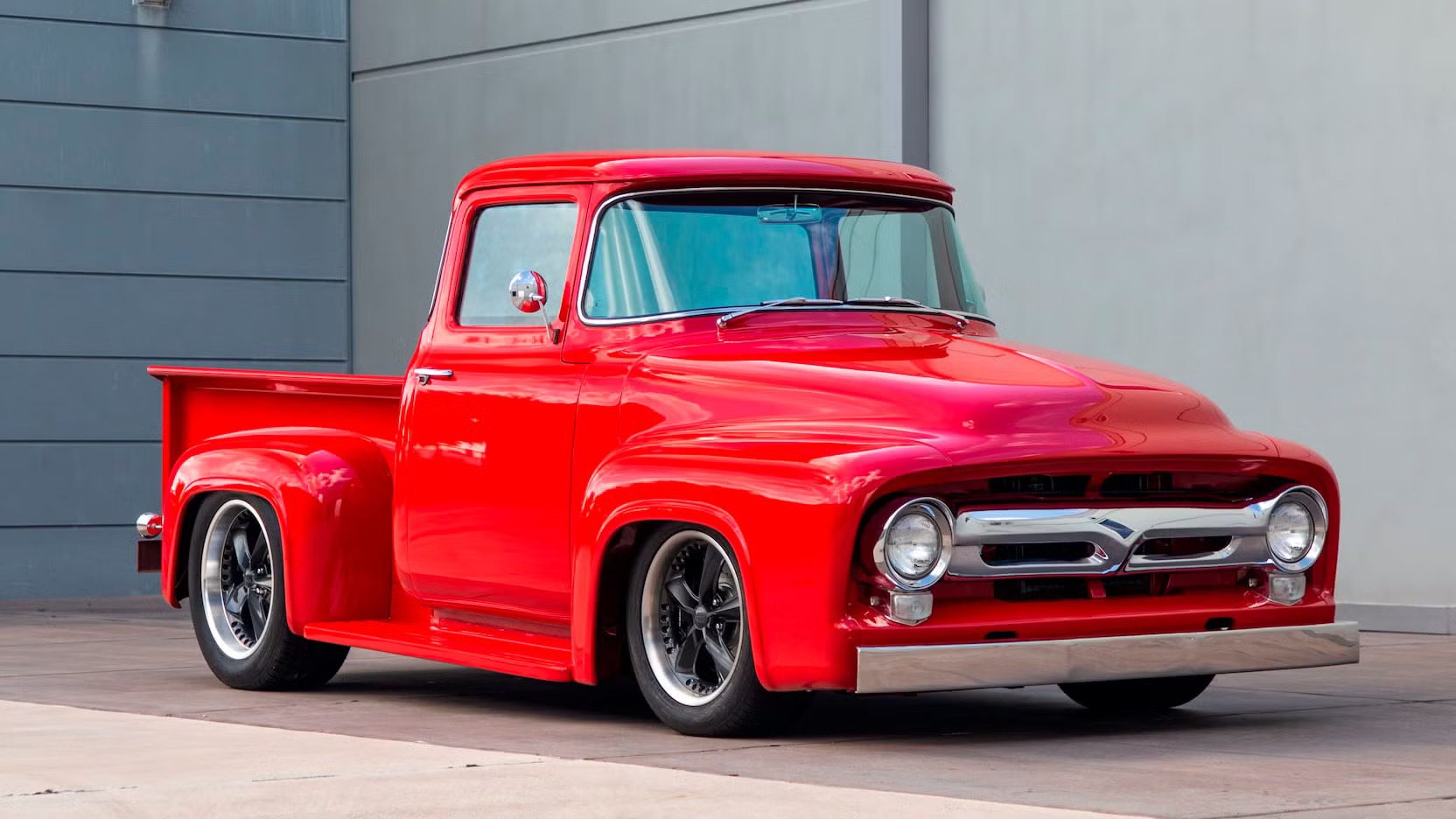
1. Ford F‑100 “Twin I‑Beam” (‘55‑’66)
The Ford F‑100 series bearing the “Twin I‑Beam” front suspension from 1955 to 1966 combines cultural appeal, mechanical uniqueness, and strong collector demand.
These early F‑100s came in multiple body styles, Short Bed, Long Bed, Styleside, Flareside, and their looks resonate with vintage Americana. Restoration parts are widely available but rare enough that originality still carries weight. Clean, original or well‑restored examples command high prices because collectors prize originality over modifications.
Scarcity is a factor. Many F‑100s from that era were work trucks and saw heavy wear. Rust, accidents, or neglect meant that fewer pristine survivors remain. Those that do are often restored with great care.
Survivorship bias makes condition extremely important: a low-mileage example with original driveline, correct trim, good body panels will fetch premium value. Enthusiast clubs, swap meets, and parts networks reinforce maintenance of these trucks. That ensures that parts, restoration knowledge, and expertise remain alive.
Another strength lies in diversification of appeal. These trucks are not merely collector’s items; many are restored as drivers rather than display pieces. Cruising shows, vintage truck rallies, and even everyday use bring visibility.
That visibility strengthens desirability, which tends to preserve or increase value. In contrast, certain exotic cars lose soul when merely displayed, these trucks often retain function. Owners often drive them, which means wear must be managed, but utility amplifies their value.
Finally, compared to many stocks, these F‑100s offer less dependence on intangible variables like quarterly earnings or investor sentiment. Value is grounded in physical condition, design, and historical appeal.
While market trends for collectibles can shift, classic F‑100s have a long history of steady value increases. For someone willing to invest effort, space, and capital, an F‑100 with strong provenance and condition stands a good chance of outperforming many blue‑chip stocks over a decade or more.
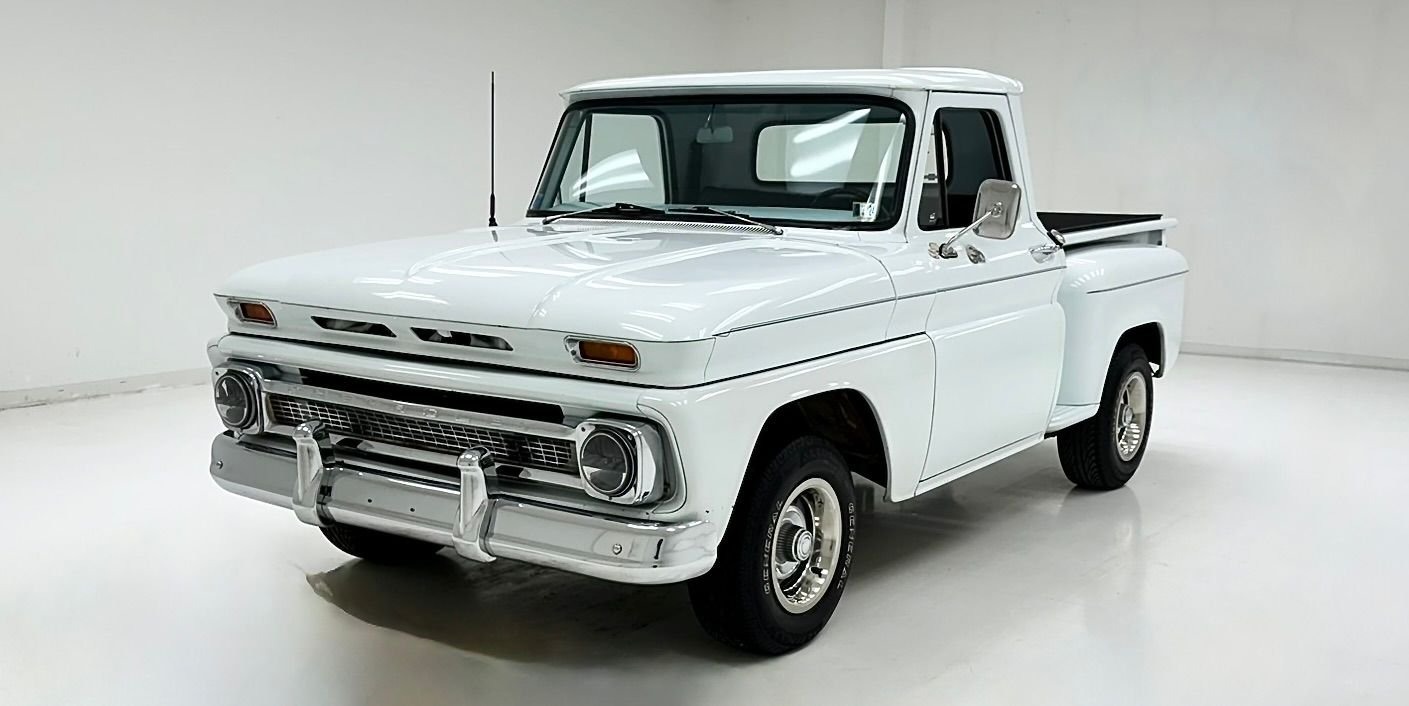
2. Chevrolet C10 Fleetside (‘60s / early ’70s)
The Chevrolet C10 Fleetside from the 1960s and early 1970s represents another safe truck investment. These trucks combined style, utility, and a strong following among restorers.
The Fleetside bed style, smooth lines, and Chevrolet’s strong mid‑century design appeal make these models highly collectible. When well preserved or properly restored, these trucks attract buyers who appreciate both utility and aesthetics.
The demand for either all‑original or sympathetic builds bolsters value on both ends of the spectrum. Original sheet metal, correct emblems, and matching drivelines raise the price. Conversely, high-quality resto‑mods appeal to a different but strong buyer pool. This dual appeal provides a cushion: if pure originals are scarce, modification work can still enhance value if done carefully.
The parts ecosystem for C10s is well developed. Reproduction body panels, trim, chassis parts, and mechanical components are widely available. That reduces risk for restorers and investors.
Repairs, maintenance, and restoration are feasible without months of waiting or exorbitant shipping costs for every part. That availability also helps to moderate restoration costs, reducing the downside risk. A buyer who invests considerable money into a restored C10 knows that resale opportunities are significant.
Like the Ford F‑100s, these Chevrolet C10s derive value from being more than showpieces. Many are driven, displayed, and enjoyed. Their cultural presence, films, advertisements, and vintage iconography contribute.
That keeps demand alive. In contrast to many stocks, whose value can collapse with bad news or changing regulations, a well‑maintained C10 has a physical presence that carries enduring appeal. As long as people value mid‑century style, quality restoration, and the smell of gasoline, these trucks will likely preserve or increase value steadily.
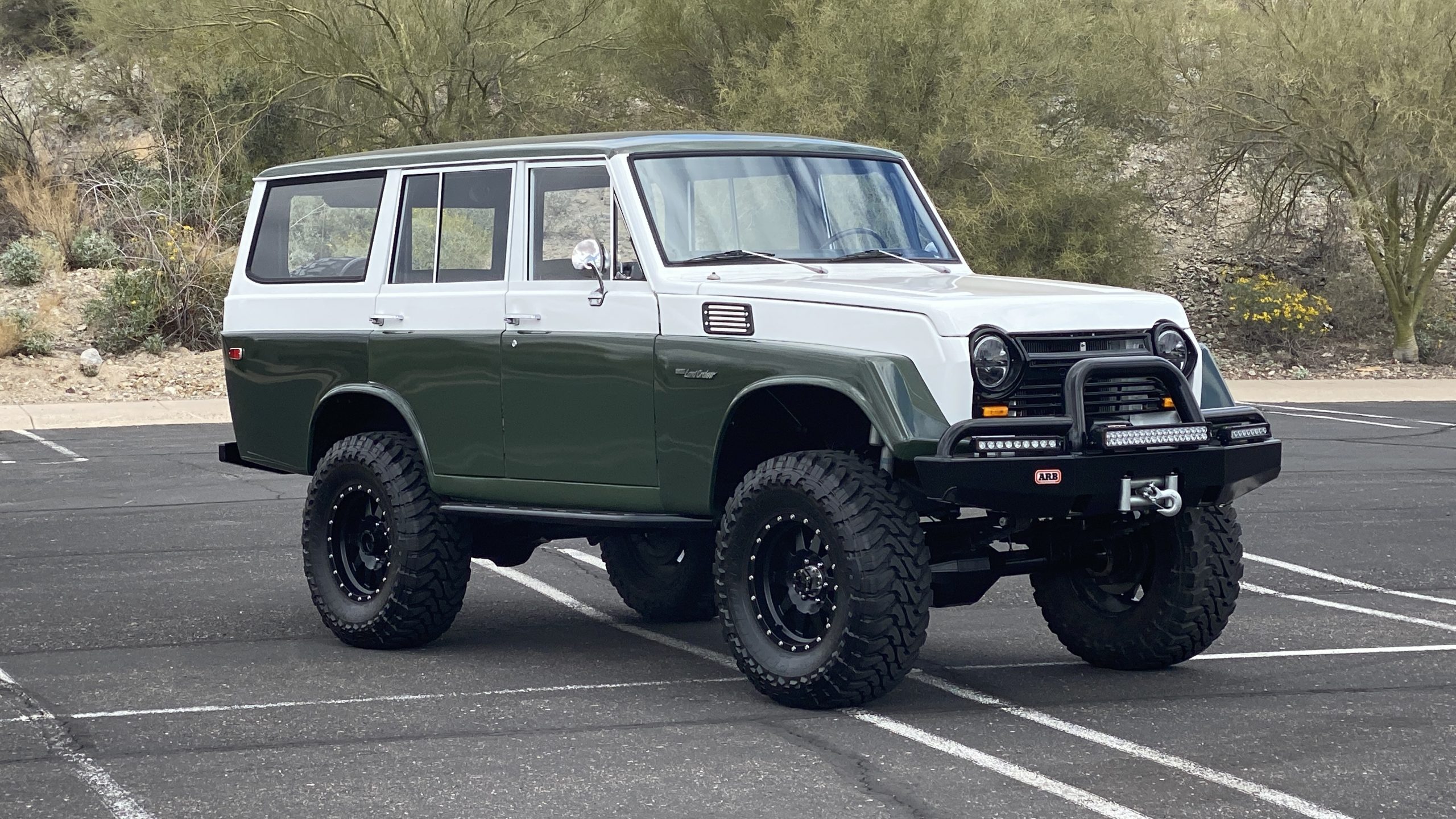
3. Toyota Land Cruiser FJ55 / “Bus” (1967‑80)
The Toyota Land Cruiser FJ55, known colloquially as the “Bus,” offers a blend of rugged utility, rarity, and global reputation. Its styling, with straight lines, upright windshield, and full‑size station wagon body, makes it iconic.
From its origins as a workhorse to its renown in overlanding, this model enjoys a strong following. It is rare enough in many markets that finding completed restorations or solid donor trucks is challenging. That scarcity supports strong valuations.
Durability and reputation play large roles in its investment value. These trucks were built for tough environments. Under simple, robust mechanical designs, they have proven reliable over decades.
That means restorers or buyers can often count on parts or mechanics to get them working with less uncertainty than exotic or highly engineered vehicles. Reliability matters to investors because mechanical surprises reduce value. A Land Cruiser FJ55 that is drivable, or can be made so without exotic hassles, engenders confidence.
Cultural prestige adds to its appeal. Among off‑road enthusiasts, overlanders, classic car collectors, and Toyota lovers, the FJ55 is a jewel. It is less common than the smaller FJ40s, especially in good shape.
Buyers often appreciate its spacious interior, seating capacity, and mix of rugged off‑road capability with comfort. That makes it desirable in multiple niches. When demand crosses niche lines (classic car, overland rig), the value tends to be more resilient.
Value retention is also helped by global demand. In places where rugged terrain rules, Land Cruisers are prized. In more temperate climates, collectors value them for image, nostalgia, or aesthetic.
Because the FJ55 has good parts availability (both OEM and aftermarket) and known weak‑point corrections, owners are able to maintain or restore them without overwhelming cost. Compared to stocks, which may crash because of intangible risks, a well-preserved or restored FJ55 has more assured value in many circumstances.
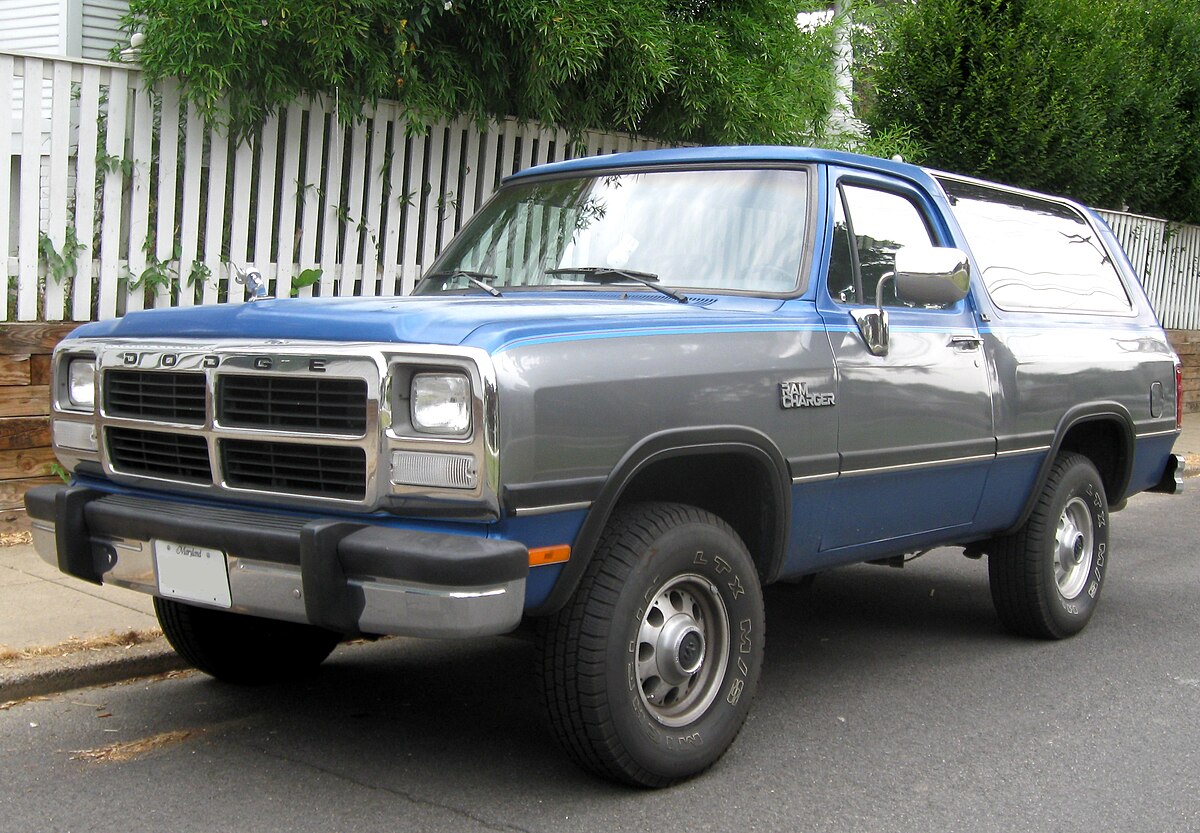
4. Dodge Ramcharger (First‑Gen; late ’70s / early ’80s)
The first‑generation Dodge Ramcharger from the late 1970s and early 1980s is increasingly appreciated by collectors. Full‑size, body‑on‑frame, four‑wheel‑drive rigs are fewer every year.
Many were used hard off‑road or in harsh climates; rust and neglect took toll. The survivors in good condition are rarer than many might suppose. Those that remain either need restoration or have been well preserved, making them standouts in the collector marketplace.
Functionally, the Ramcharger offered serious off‑road capability with a spacious cabin, capable drivetrain, and rugged build quality. Buyers today prize trucks that combine utility and vintage character, and the Ramcharger does that.
People use them for restoration, off‑road conversion, or sometimes even daily driving. That versatility helps stabilize demand. When trucks are purely “show,” value relies heavily on appearance; when trucks can be used and still look good, more buyers see value.
Parts availability is more limited than for domestic pickups, but the aftermarket has grown. Reproduction parts, used spares, and community‑sourced solutions help restorers tame costs. Knowledge about weak points, rust zones, and maintenance of drivetrain components has matured.
That makes potential restorers better informed and better able to preserve value. Someone investing in one must account for cost of restoration, but the margin for gains is attractive where the condition is strong.
In comparison with many stocks, the first‑gen Ramcharger holds value in tangible ways. It has a presence, mechanical robustness, visual appeal, and crossover attraction between off‑road users and collectors.
While no investment is risk‑free, a clean, well-documented Ramcharger tends to behave more like property or collectible art than a volatile stock. Over time, especially as fewer rusted or neglected models survive, scarcity will likely drive upward pressure on value.
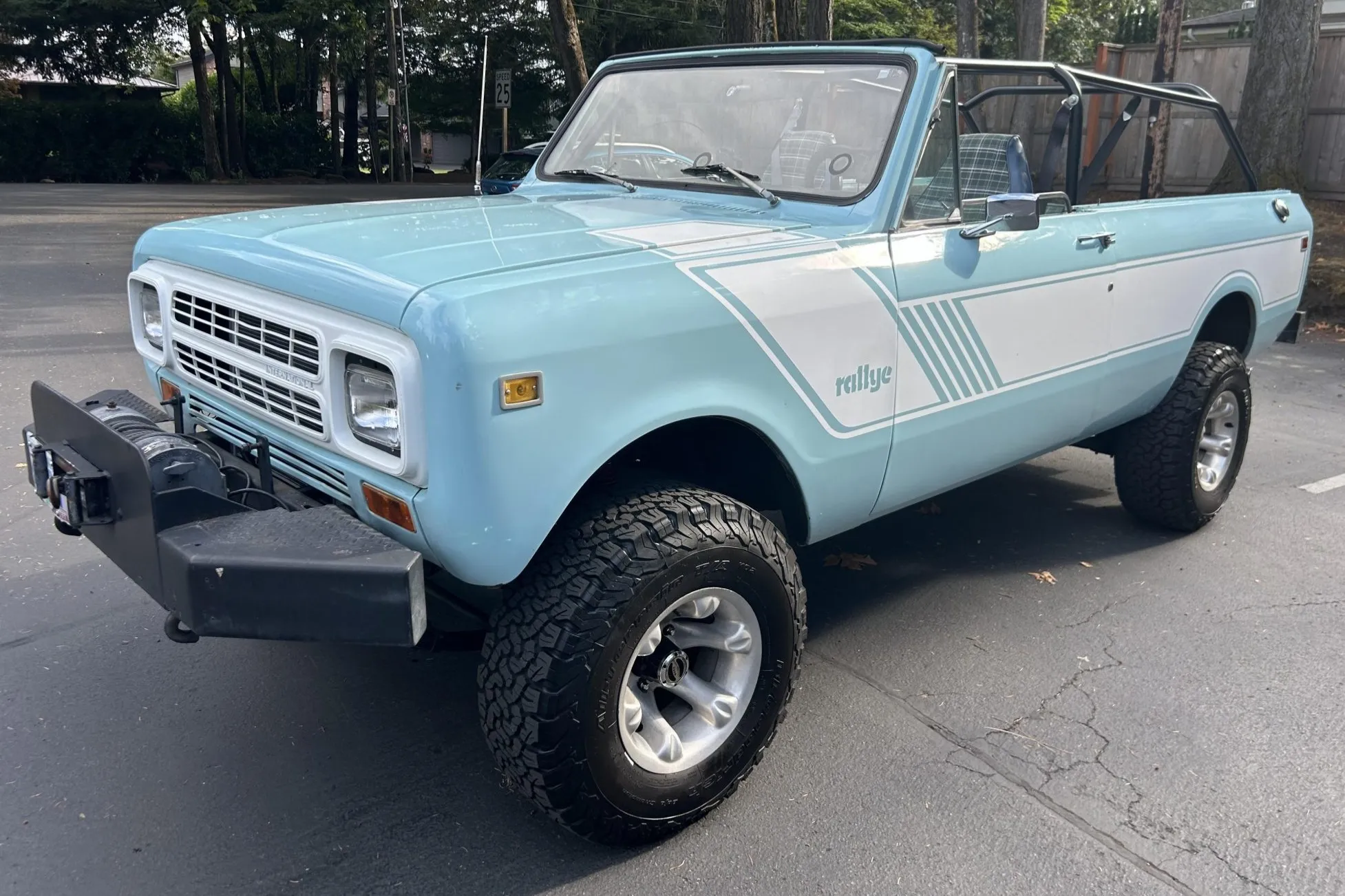
5. International Harvester Scout II (1971‑80)
The Scout II was made by International Harvester, known for agricultural and industrial equipment. It represented the company’s attempt to compete in the light‑utility portion of the off‑road market.
The Scout II has boxy styling, simple mechanics, good off‑road capability, and a loyal following. It is less common than many of its peers, and fewer examples remain with high integrity of original parts and rust‑free bodies. That gives well kept examples strong investment potential.
Owners and collectors prize originality in these Scouts: correct trim, matching engine, uncut or rust minimized, intact panels. Mechanical simplicity is part of the appeal. The Scout II avoided excess complexity, which means restorers face fewer unknowns.
Those looking for vehicles to drive often favor Scout II over more delicate collector trucks because maintenance tends to be straightforward. Mechanical simplicity lowers risk of expensive surprises.
The truck’s aesthetics, square fenders, minimal ornamentation, and utilitarian interior give it vintage charm. In recent years, demand among restomod buyers has increased, which means that even modified Scout IIs, when done with taste, can command good prices.
The dual market for original and tasteful modifications helps a collector or investor realize value whether preserving exact originality or making improvements. That dual demand provides a cushion against extreme depreciation.
Lastly, compared to many traditional investments including small or volatile stocks, owning a Scout II offers something physical you can see, touch, drive. Its value is not solely a number on paper. Even in downturns, well maintained classic trucks (especially in a niche with fewer survivors) often retain a base value, as enthusiasts keep buying.
When fewer models survive, prices tend to increase steadily. For those who invest in one, with attention to condition, documentation, and storage, a Scout II has strong potential to outperform stock allocations of similar cost over long spans.
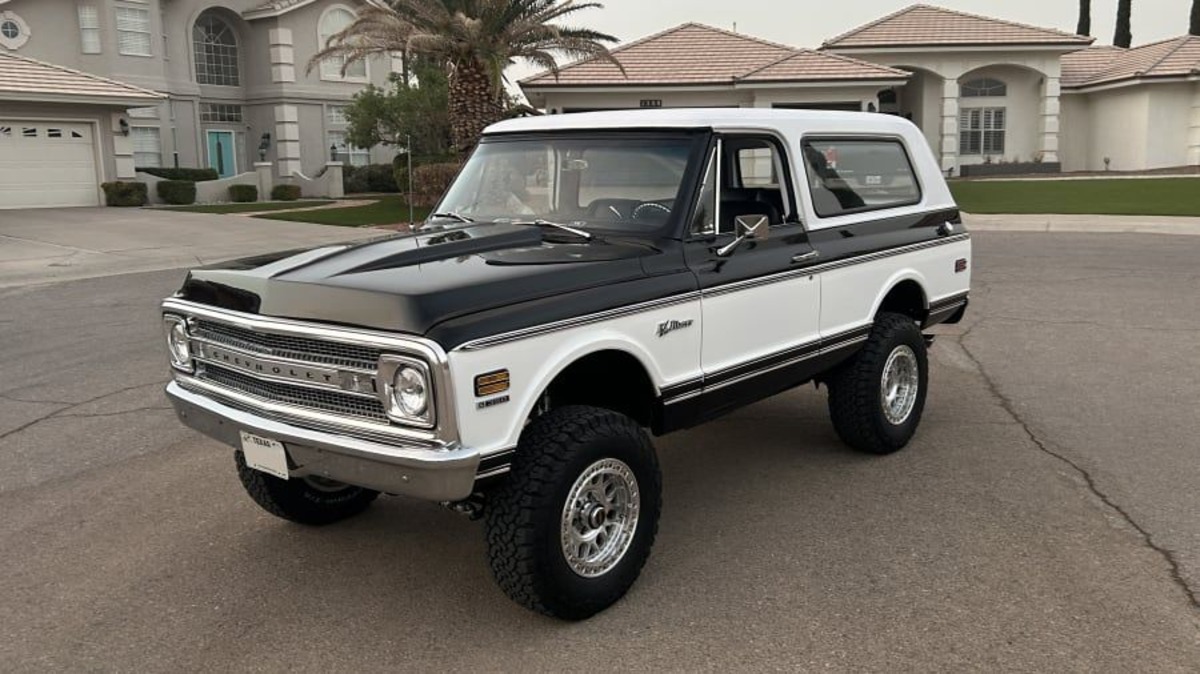
6. Chevrolet K5 Blazer (First Generation; late ’60s / early ’70s)
The first-generation Chevrolet K5 Blazer shares traits with other vintage off‑roaders but has its own appeal. It was among the early full‑size SUV/truck hybrids.
Removable tops, capable engine options, four‑wheel drive, and sturdy chassis make it both fun and rugged. Its heritage is significant: these were among the trucks that formed the foundation of modern SUV popularity. Collectors now view the early K5 Blazer as a pioneer.
Rarity adds weight. Many K5 Blazers were subjected to harsh use. Harsh winters, off‑road use, salt corrosion, and abandonment have claimed many. Those that survive with good body structure, rust management, and intact drivetrains are increasingly scarce. Rare condition variants (factory options, special colors) tend to fetch steep sums at auctions. That scarcity helps to sustain upward pressure on prices.
Parts and restoration support are now substantial. Enthusiast networks, forums, reproduction panels, trim, and mechanical parts are easier to access than they used to be.
Restorers have discovered most of the common weak points and developed fixing strategies. That reduces unexpected costs and allows better preservation of value. As repairability improves, risk lowers. Investors know that a vintage truck that can be restored without astronomical costs is more likely to yield gains.
The market for Blazers includes both nostalgic buyers and modern users. Some desire original specification rigs for show or display. Others want restomods or mild modifications for off‑road fun, weekend drives, or aesthetic statement.
That diversity means that even if demand in one segment softens, other segments may stay healthy. Compared to many stocks that suffer from broader market shifts, regulation, or competition, a well‑cared first‑gen K5 Blazer often retains or improves value steadily when buyer interest is consistent.
Also Read: 10 Cars With Surprisingly Low Lifetime Repair Costs
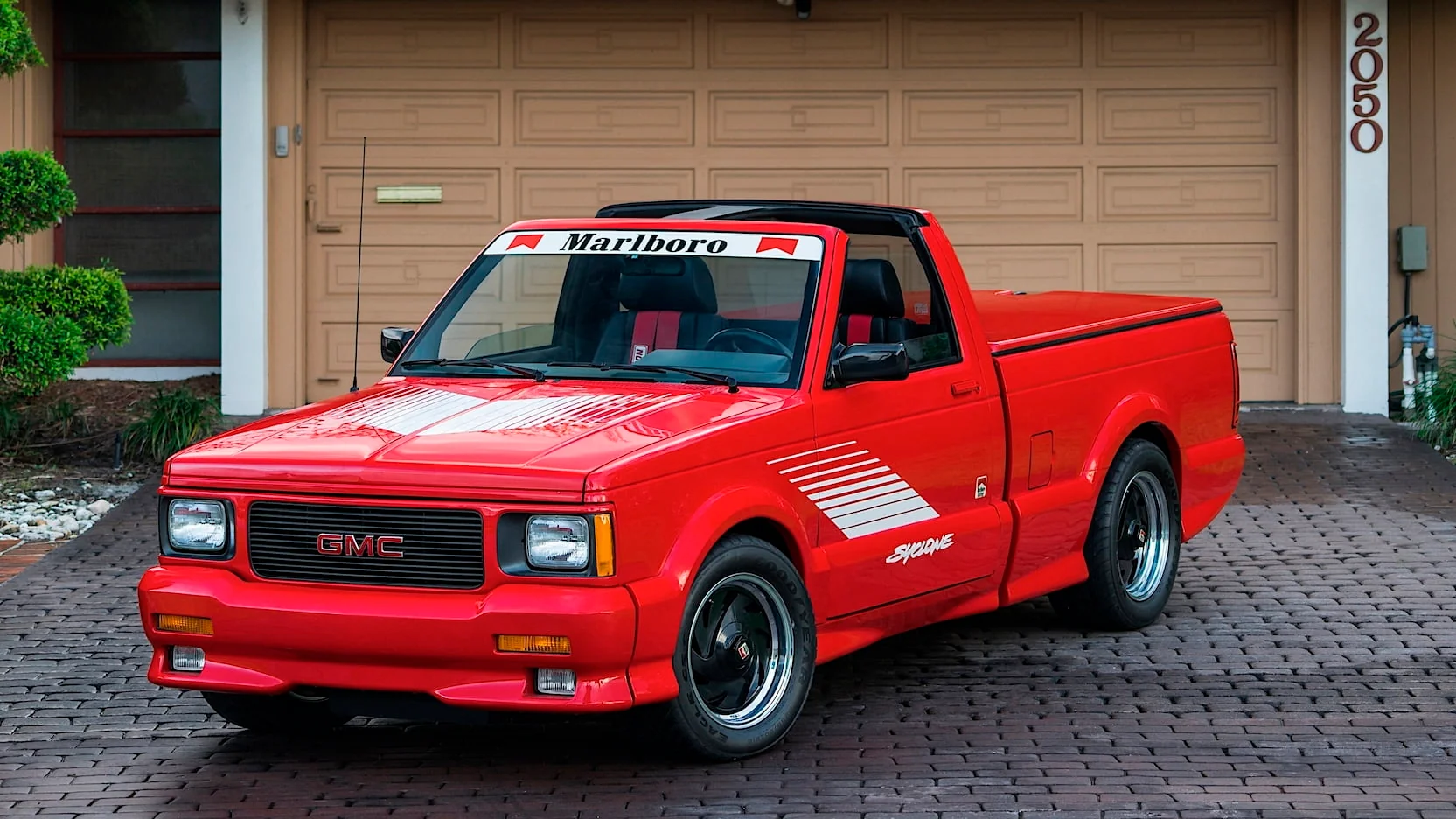
7. GMC Syclone / Typhoon (Early 90s)
The GMC Syclone (a high‐performance pickup) and the Typhoon (SUV variant) were produced in limited numbers in the early 1990s. They combined turbocharged V6 engines, all‑wheel drive, and boosted performance uncommon in trucks of that era.
Initially seen as a novelty, over time they have gained status among collectors and performance truck enthusiasts. Their rarity and distinctiveness provide strong investment foundations.
These trucks diverged from classic styling roots; they represent an era when manufacturers experimented with blending utility, performance, and novelty.
That makes them historically interesting. Their performance remains capable, and their engineering, while old, can be maintained with care. Enthusiasts appreciate that these trucks can still show speed and handling when properly restored. That performance adds to desirability and tends to support prices.
Scarcity is considerable. Production numbers were low. Many early Syclones and Typhoons were used hard, often modified, abused, or neglected.
Surviving examples in good, stock configuration with service history are rare. That translates into higher prices for those in excellent condition. Restoration for a poor one can be expensive, but because values of good ones are strong, careful selection can yield good returns.
In comparison with volatile equities, these trucks offer stability derived from physical rarity and a strong niche. While they may not have the mass appeal of older classics, those who know them value them highly.
If you purchase one in good shape, maintain it properly, and document its history, you’re investing in more than just metal. You’re investing in something unlikely to become worthless if the performance truck niche remains valued. That gives a safer upside than many volatile growth stocks.
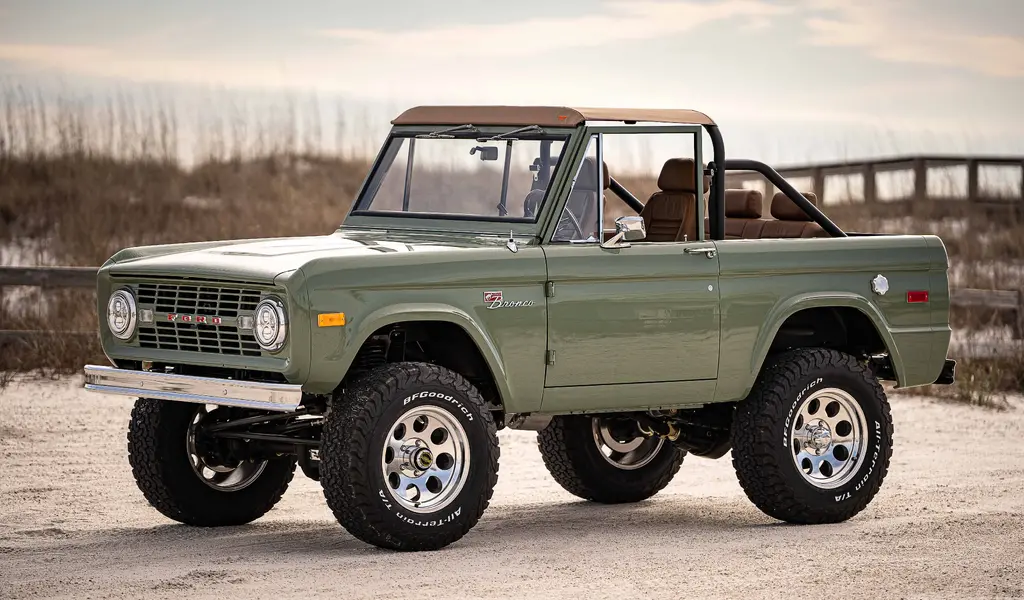
8. Ford Bronco (First Generation; 1966‑77)
The first-generation Bronco quickly became a symbol of rugged independence. Its compact size, capable four‑wheel drive, and distinct proportions make it one of the most beloved American off‑road trucks/trailer sets. The Bronco name has legendary status. Collectors value early ones highly. Availability of clean examples is shrinking. That scarcity drives interest and value.
Building one of these Bronco trucks is expensive. Chassis rust, body panel damage, and missing parts plague many. But when you find a Bronco in solid condition, preserved or restored with care, you get something that is part of automotive folklore. People want them for display, for taste, for driving. The iconic status helps maintain value even when markets wobble.
Parts networks are strong. Restoration parts, reproduction panels, and mechanical pieces are widely available. Aftermarket companies have grown around Bronco parts, sharing knowledge of weak points, structural reinforcement, rust repair, and proper mechanical rebuilds. That structural support reduces the risk that a restoration will be ruinously expensive or time‑consuming.
Bronco values have shown strong trends upward over years. Auctions, enthusiast events, and media exposure keep their appeal in the public eye. Even when collectible markets suffer, the Bronco often holds better than many specialist cars because of its cultural recognition.
In contrast many stocks can collapse overnight with a bad earnings round or regulatory blow; a first generation Bronco tends to preserve baseline value simply because enough people know what it is and want it.
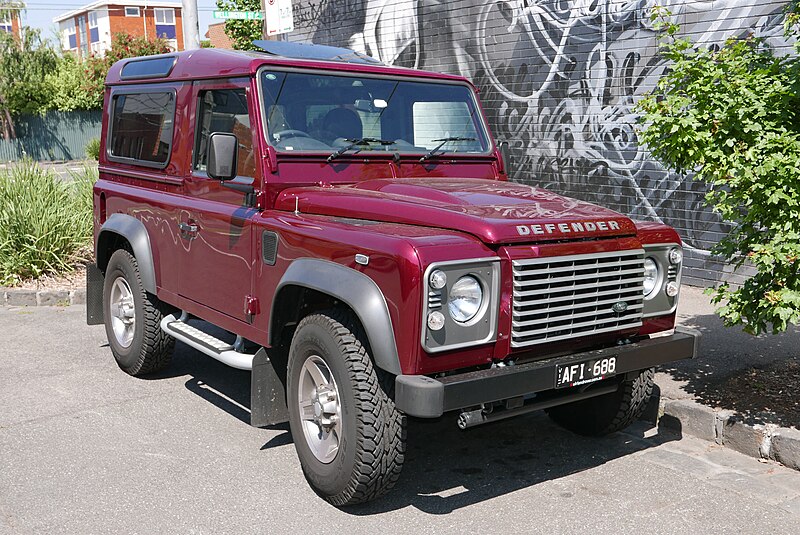
9. Land Rover Defender 110 (Classic; pre‑90s)
The Land Rover Defender 110 made before major modernization is prized for its utility, global service history, and simple mechanical design. These trucks were used everywhere from deserts to jungles, on farms to film sets. Their reputation for going almost anywhere has given them cultural wings.
The longer wheelbase version (110) adds interior space and presence. Pre‑90s models have less electronic complexity, making them easier to maintain and restore.
Many of these Defenders suffered from neglect. Rust, mechanical wear, replacement of panels, and lack of documentation have reduced surviving numbers in collectible condition. But those that remain are appreciated for originality and patina.
Vehicles that show use but still retain integrity and functionality are often even more desirable than perfectly restored “show” vehicles, for many buyers. That demand for authenticity strengthens value.
Parts availability globally is substantial. Land Rover maintains strong brand enthusiasm. Aftermarket suppliers, specialist restoration shops, used part networks, and salvage operations help maintain supply of necessary components.
Though importing some parts may be expensive, the known weak points are well documented. That lowers surprises. A knowledgeable owner can avoid major pitfalls and preserve investment.
The Defender 110’s appeal crosses utilitarian users, overland enthusiasts, collectors, and even people wanting rugged daily drivers. That breadth of appeal helps value stability.
In harsh economic environments, people still value durable utility; in better times collectors pay for condition and heritage. Because of that, these Defenders tend to hold value well relative to many stocks, especially speculative ones without consistent earnings or substance.
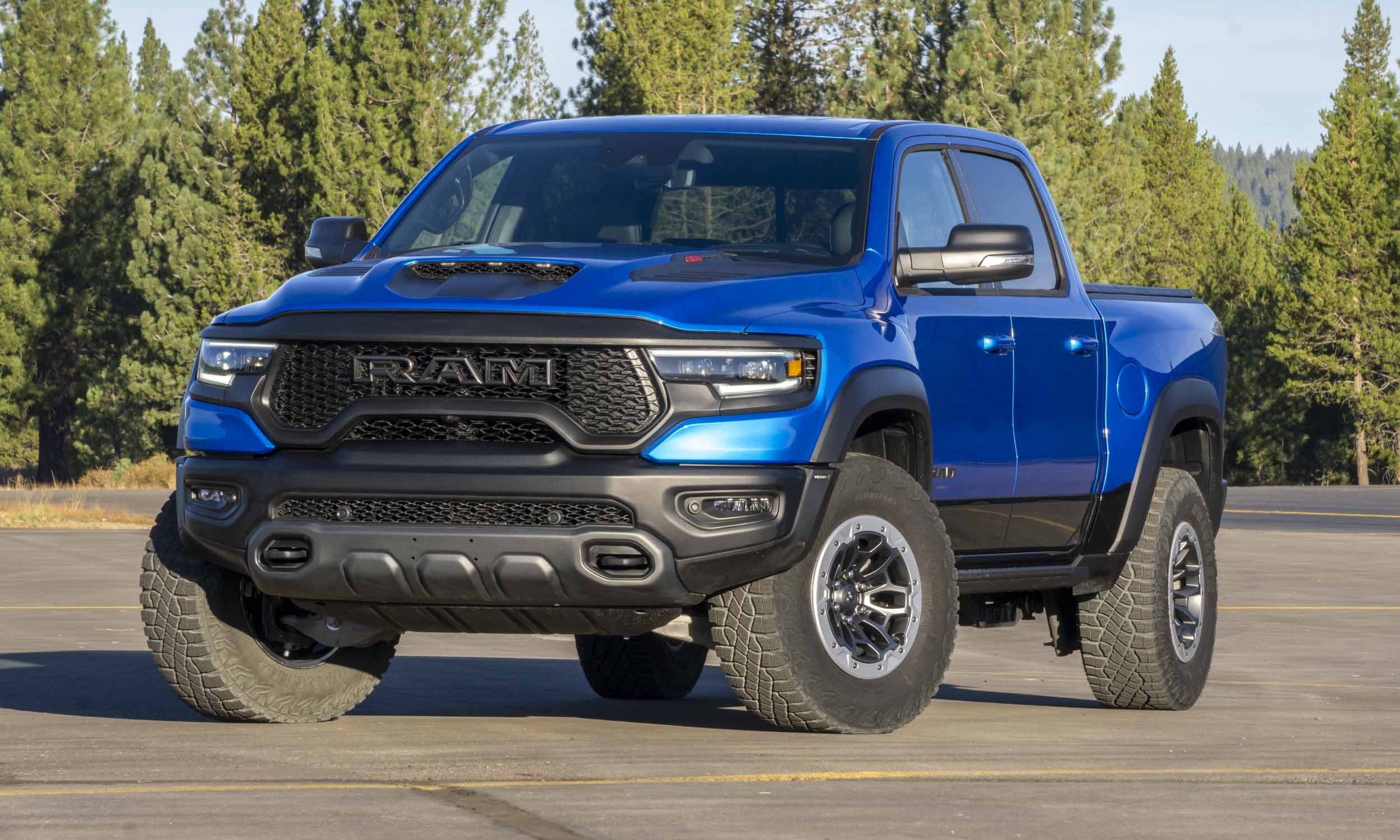
10. Ram 1500 TRX (First Generation; 2021‑2023)
The Ram 1500 TRX is a modern super‑pickup engineered for performance. With a supercharged V8, high horsepower, off‑road capability, aggressive styling, and limited production relative to standard trucks, it occupies a niche.
Early examples already show collector interest because performance pickups remain relatively rare. Buyers who value both utility and extreme performance may see this truck as modern classic in the making.
Because it is new, depreciation is an issue at first. But limited production helps. If Ram limits certain options, colors, or trims, then those variants may become collectible more quickly. Owners who keep one with low miles, proper maintenance, and desirable specifications may see value remain high or even appreciate.
The novelty of high-performance pickups means that demand can outstrip supply, especially among enthusiasts seeking modern monster trucks that also can be driven.
Modern mechanical complexity adds risk. Maintenance costs, technological failures, depreciation of non‑mechanical components can hurt value.
However, TRX’s foundation, durable platform, known parts suppliers, and aftermarket support is fairly strong. If properly maintained and documented, future buyers may prize a clean, well kept TRX more than a mismatched, abused one. Condition and documentation again are major determinants.
Comparison with stocks is favorable under certain scenarios. If one buys a TRX and holds it for several years with low mileage, no accidents, full service records, the risk of losing all value is very low.
While the purchase cost is high, the upside can be meaningful: the combination of performance, limited numbers, and cultural interest may create enough demand to offset depreciation. Many speculative stocks may underperform, have sharp losses, or fail entirely.
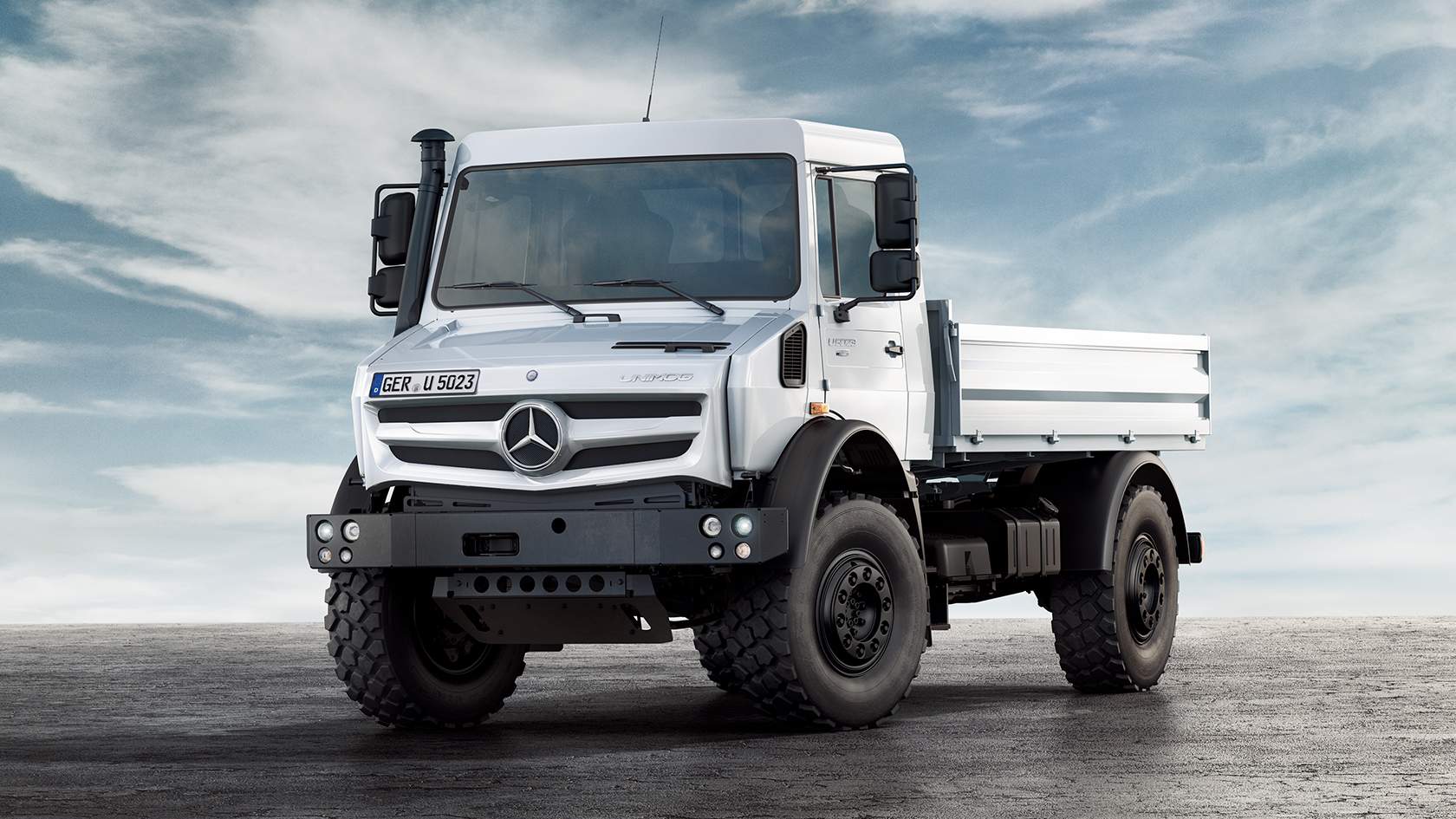
11. Mercedes‑Benz Unimog (Older Models)
The older Unimogs are extraordinary work trucks. Intended for agricultural, military, and industrial uses, they have unmatched off‑road capability.
Their engineering is robust, their parts supply (while sometimes specialized) is well established among enthusiasts and operators. Because they are unusual, being both utilitarian and iconic, they attract collectors who value function as much as form.
Their rarity in certain markets adds value. In many regions, finding one in decent condition is difficult. These trucks were often used harshly and seldom preserved. Many were discarded, scrapped, or parted out. Survivors that are well kept, documented and functional are increasingly sought after both for restoration and use. That places upward pricing pressure.
Maintenance can be expensive, especially if specialized parts or services are needed. But because many Unimogs are still used in challenging conditions, the supply of parts, manuals, and mechanics remains.
Investors who are careful in selecting ones that have been well maintained or restored already avoid many pitfalls. As restoration expertise improves, the cost of keeping one in top shape becomes more predictable. That predictability reduces investment risk.
Compared with many stocks, owning a Unimog offers more control. One can assess its mechanical condition, document service history, maintain it, insure it, store it. Its worth doesn’t fluctuate purely on external financial markets.
Its rarity, its utility, and its cultural prestige act as buffers. For people who appreciate industrial history, off-road ability, and classic engineering, an older Unimog might well outperform many stock investments over time.
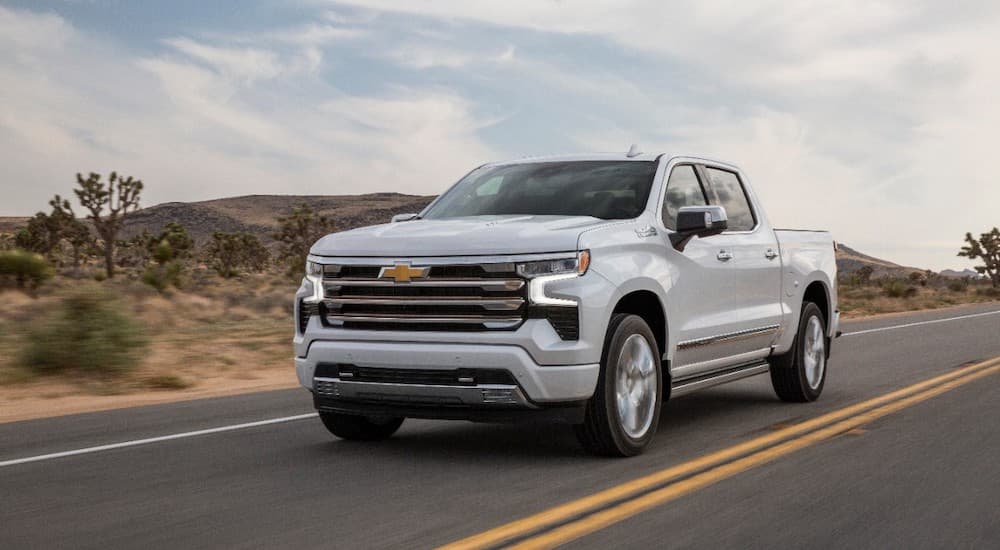
12. Chevrolet Silverado 1500 (Heritage Edition; Low Production Runs)
The Chevrolet Silverado 1500 Heritage Edition or other special low-production run Silverados are modern trucks with collector potential.
When manufacturers produce a limited number of variants, special colors, unique trim, and specific powertrain options, these trucks tend to retain higher resale value. Because many pickups are common, those finishes or trims that are rare become distinguishing factors.
Buyers who want something beyond the ordinary often pay a premium for trucks with special badging, features, and documentation. If the special edition Heritage completes with packaging that includes numbered badges, unique styling, and limited factory availability, demand may be higher among collectors or enthusiasts.
That raises value relative to standard versions. Over time as new models are produced, earlier special variants sometimes become nostalgic or rare.
Modern truck investment involves newer vehicles, which depreciate quickly initially. But limited editions mitigate that risk. A well-kept Heritage Silverado with low mileage, solid service history, clean record, and maintained originality of special features will likely suffer less depreciation.
Over time, if the edition becomes more desirable, it may even appreciate. That possibility tilts safety compared to many speculative equity investments.
Finally, compared to many stocks, investing in a special edition pickup like a Heritage Edition Silverado gives you a physical asset with utility.
If one needs a truck, one can use it. It can be insured, displayed, sold. Even if markets fluctuate, trucks with recognized status, documented history, and rarity often retain value above base models. For investors who maintain condition, avoid severe wear, keep documentation, and store properly, the payoff may well exceed that of high‑risk stocks.
