
When looking at the long timeline of automotive and engineering history, many would expect modern engines to stand at the peak of performance, efficiency, and innovation. Newer technologies such as turbocharging, hybrid systems, and advanced ECU tuning have certainly helped vehicles become more efficient and meet environmental regulations.
However, newer doesn’t always mean better when considering factors like raw performance, engine longevity, emotional driving feel, and engineering purity.
There are engines from past decades that still leave a lasting impression on drivers and engineers alike, sometimes even surpassing their modern replacements in ways that cannot be measured solely in horsepower figures or emissions scores.
Some older engines were built with fewer compromises, especially during eras where regulations were less stringent and the focus leaned more towards durability, mechanical excellence, and straightforward power delivery. In contrast, many modern power plants are restricted by emissions regulations, cost-saving production decisions, and the push for fuel economy.
This results in engines that may outperform on paper but lack the character or reliability of their predecessors. A handful of engines, both from production and motorsport history, still stand out today as benchmarks for quality, performance, and innovation, even decades after they first turned over.
What defines outperforming in this context is not just acceleration or top speed. It includes torque curves, engine responsiveness, high-revving capability, mechanical simplicity, reliability under stress, and emotional connection.
Some of these engines were engineering marvels for their time and continue to be respected by gearheads, racers, and even modern engineers looking back for inspiration. While technological evolution is inevitable and often beneficial, there are machines from the past that remain surprisingly ahead of the curve.
Whether through superior engineering choices, overbuilt construction, or simply the unique charm of analog machinery, these engines still hold their ground or surpass what came after them.
Also Read: 5 Cars That Still Run Strong After Abandonment vs 5 That Don’t
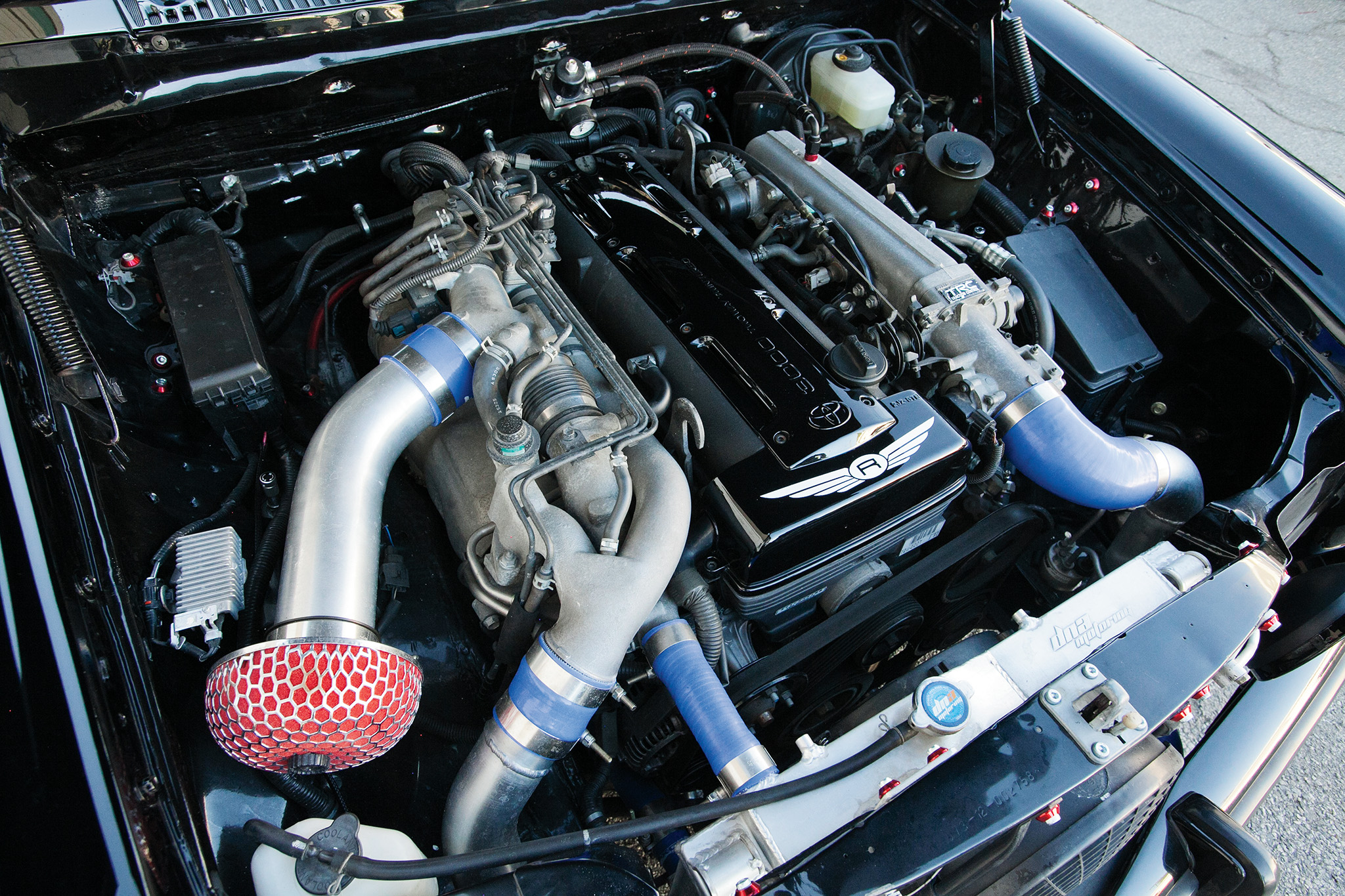
1. Toyota 2JZ-GTE
The 2JZ-GTE, found in the fourth-generation Toyota Supra, is one of the most celebrated engines in automotive history. Designed during a time when Toyota had no reason to cut corners, this inline-six engine featured a cast-iron block, dual overhead cams, and sequential turbocharging.
Even in stock form, it was capable of producing over 276 horsepower, though most examples made more in real-world conditions. The strong bottom end allowed tuners to easily push it far beyond factory specifications without compromising reliability.
What really sets the 2JZ-GTE apart is its ability to handle extremely high power levels. With forged internals and an iron block, it became a favorite among tuners aiming for 800+ horsepower builds.
Many of today’s turbocharged engines are lighter and more efficient, but they often lack the overbuilt nature that allows the 2JZ-GTE to thrive under heavy modifications. Modern counterparts may use aluminum blocks and finer tolerances, which can reduce weight but also limit durability under extreme conditions.
Another advantage is the engine’s tunability. The 2JZ-GTE can be modified with relative ease thanks to its straightforward design and a wealth of aftermarket support.
Unlike many modern engines that rely heavily on complex electronics and emissions equipment, the 2JZ-GTE allows for significant power increases with minimal electronic intervention. That gives drivers a sense of mechanical involvement that is often lost in newer cars.
Lastly, its longevity is proven. Many 2JZ-GTE engines have passed 200,000 miles while still making substantial power. That kind of durability, combined with tuning potential and power delivery, makes it more than a match for many of today’s more fragile and electronically-governed engines.

2. Honda F20C
The Honda F20C, found in the original S2000, is a high-revving marvel of engineering. Producing 240 horsepower from just 2.0 liters, it held the world record for the highest specific output of a naturally aspirated production engine for years.
It revved to an eye-watering 9000 rpm, a figure that even modern performance engines struggle to match without forced induction or hybrid assistance. This engine was a triumph in achieving peak power without compromising reliability.
Modern Honda engines, while still reliable and efficient, have shifted focus toward fuel economy and emissions. Turbocharged variants offer better torque at low RPMs, but they often lack the sharp throttle response and linear power delivery of the F20C.
While newer engines have become quieter and smoother, the raw, mechanical sensation of winding out an F20C is something most current production cars simply can’t replicate.
The construction of the F20C also speaks volumes. With a forged steel crankshaft, fiber-reinforced pistons, and a block made from a high-pressure die-cast aluminum alloy, it was engineered for endurance.
It could take hours of abuse on the track without a complaint. This made it a favorite for weekend racers and track-day enthusiasts who wanted a car that could double as both a commuter and a competition machine.
Its lack of forced induction also meant fewer points of failure. While turbo engines can offer better numbers on paper, they introduce complexity that the F20C simply didn’t need. Its high-revving nature, combined with its lightweight and balanced design, continues to make it a more emotionally satisfying and mechanically pure engine compared to its modern counterparts.
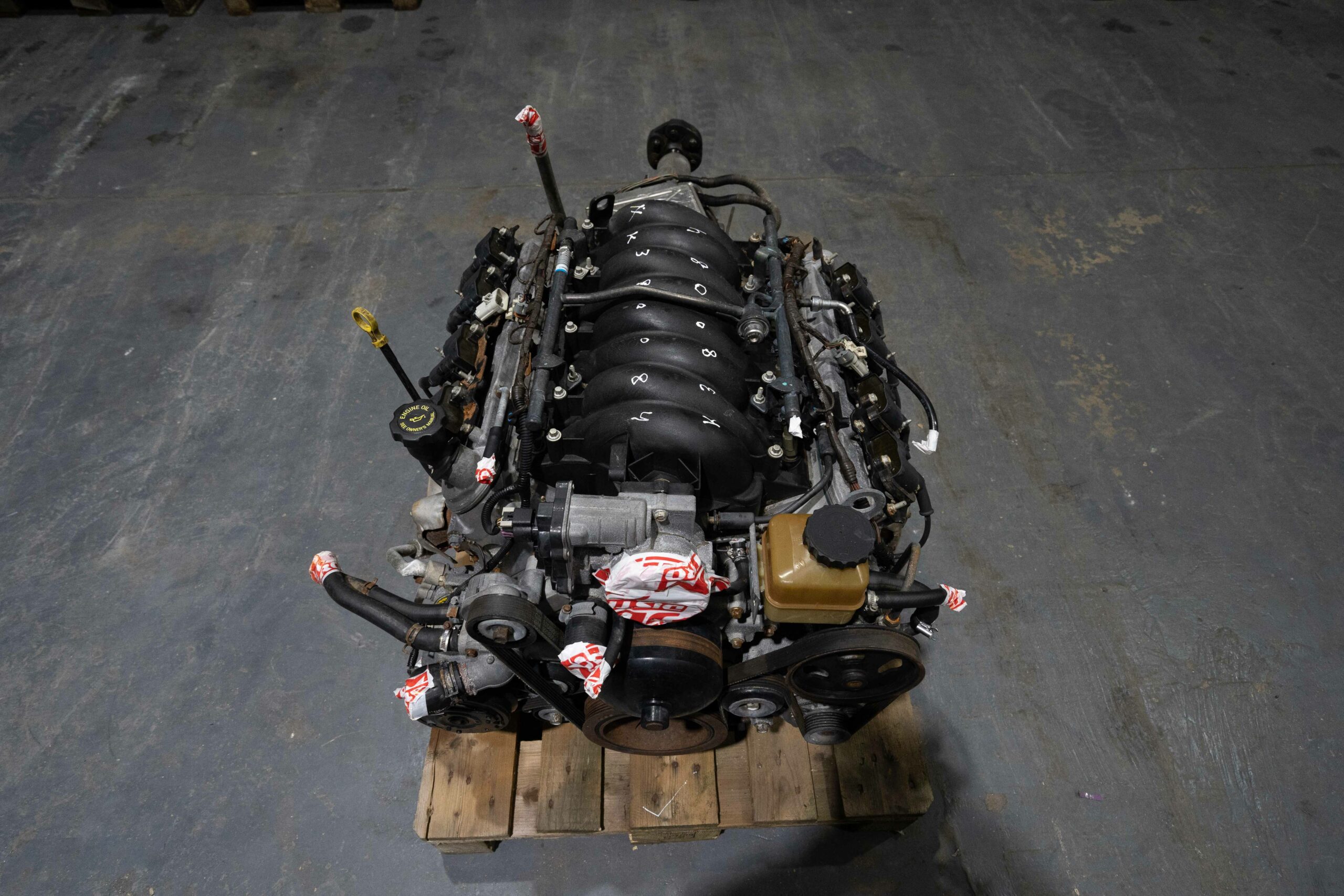
3. GM LS1 V8
The LS1 marked a turning point in American V8 engine design when it debuted in the 1997 Corvette. It replaced the aging small-block Chevy with an all-aluminum architecture while maintaining the proven pushrod design. This gave it a compact size and lower weight compared to more complex overhead cam designs.
While many modern V8s have advanced in terms of variable valve timing and direct injection, the LS1 still stands out for its sheer simplicity and effectiveness.
At 5.7 liters, the LS1 made 345 horsepower and 350 lb-ft of torque in its early iterations. What really made the engine special was its torque curve.
It provided strong low-end grunt and a smooth pull all the way to redline, giving drivers a very satisfying experience. Unlike many newer turbocharged engines, there was no noticeable lag or delay in response. It felt direct and responsive at all times.
Reliability was another hallmark. The LS1 could go for hundreds of thousands of miles with basic maintenance. Its simple design made it easy to work on, tune, and swap into other vehicles.
This has led to the so-called “LS swap” phenomenon, where enthusiasts place LS engines into everything from classic muscle cars to Japanese imports and even off-road rigs. Very few modern engines have inspired such widespread adoption in the aftermarket community.
While newer LS-based engines have added features like active fuel management and direct injection, many enthusiasts still prefer the original LS1 for its balance of simplicity, performance, and affordability. It’s an engine that does exactly what it promises with minimal fuss and continues to outperform many of its more complicated successors.
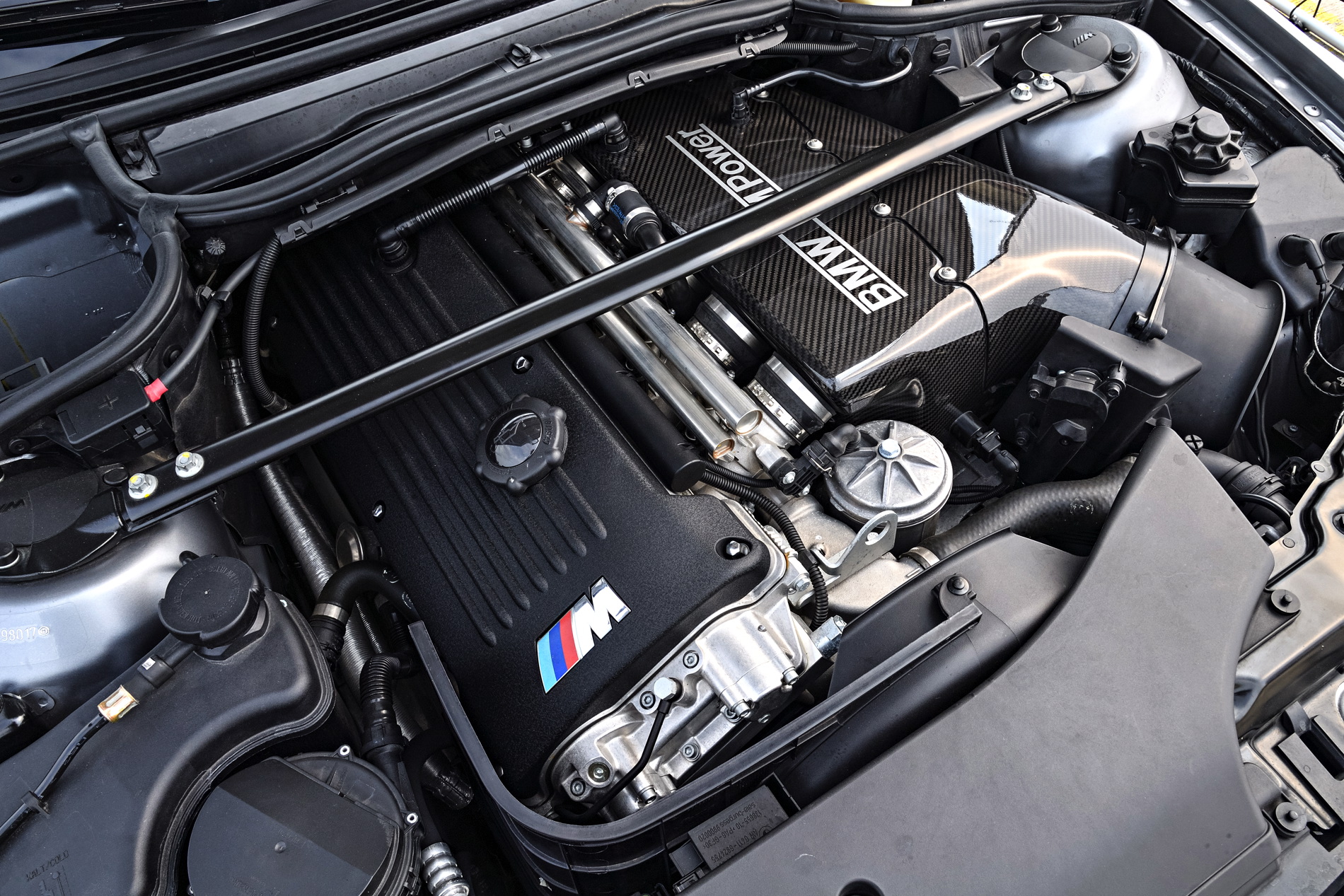
4. BMW S54
The BMW S54 inline-six engine found in the E46 M3 is often regarded as one of the finest naturally aspirated engines ever produced. It made 333 horsepower from 3.2 liters, revved to 8000 rpm, and featured individual throttle bodies for razor-sharp response.
Compared to modern turbocharged BMW engines, the S54 offers a rawer, more connected driving experience that many enthusiasts still prefer. Part of what makes the S54 so special is how it delivers its power. It builds steadily and aggressively, rewarding drivers who push the engine to higher revs.
This is a stark contrast to many of BMW’s current turbocharged engines, which prioritize low-end torque at the expense of high-rev excitement. The S54 invites the driver to stay in the throttle longer and explore the full range of the powerband.
It also sounds exceptional. The mechanical growl of the S54, especially when paired with a performance exhaust, is far more engaging than the muted tones of modern BMW engines that are often enhanced or synthesized through speakers. There’s an authenticity in the S54’s soundtrack that adds to its emotional appeal.
In terms of engineering, the S54 was built to last. While it does require careful maintenance, especially with regard to VANOS and rod bearings, many of its issues are well-documented and preventable. When properly cared for, it’s an engine that can continue to thrill well beyond 150,000 miles. Compared to many of BMW’s newer, more complex powerplants, the S54 remains a standard-bearer for purity and performance.
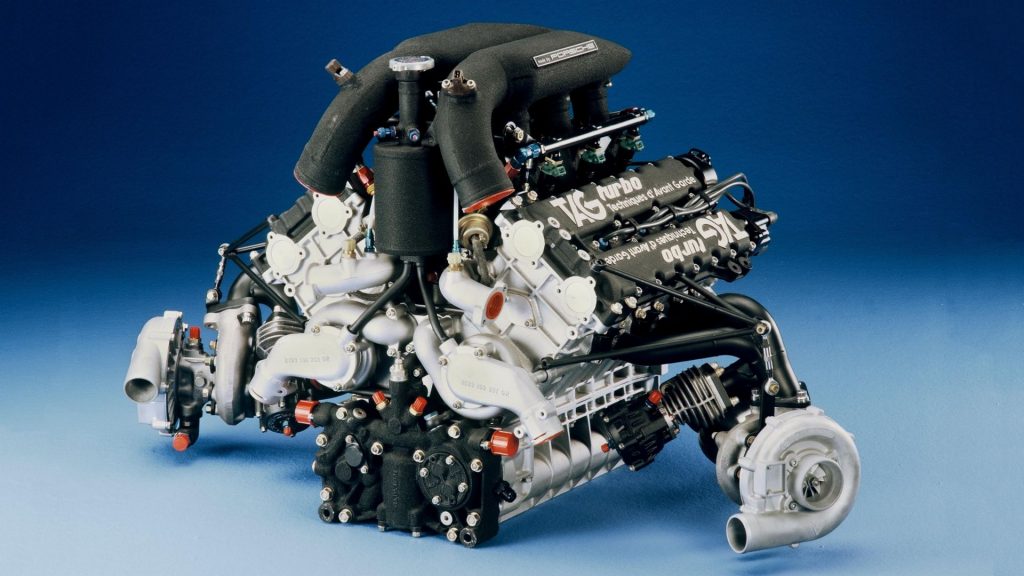
5. Porsche Mezger Flat-Six (GT3 / GT2)
The Mezger engine, named after famed Porsche engineer Hans Mezger, is often cited as the high-water mark of Porsche’s internal combustion design. It powered several legendary 911 models, including the 996 and 997 GT3 and GT2 variants.
Unlike Porsche’s standard flat-six engines, the Mezger was based on the architecture used in Porsche’s Le Mans-winning race cars. This connection to motorsport heritage was not just marketing fluff; it was reflected in the way the engine performed under pressure.
Designed for durability at high RPMs and sustained track abuse, the Mezger flat-six remains one of the most respected powerplants Porsche has ever built.
Its distinguishing features include a dry sump lubrication system, separate crankcase and cylinder block construction, and bulletproof internals. While modern Porsche engines are more efficient and meet stricter emissions standards, they often lack the mechanical honesty and resilience of the Mezger unit.
The dry sump system alone provided a major advantage in maintaining oil pressure during high lateral loads, making it ideal for serious track use. This kind of engineering is rarely found in modern street engines, where cost and packaging constraints have taken priority.
One of the greatest strengths of the Mezger engine was its ability to take abuse without protest. Whether revving close to its redline lap after lap or running flat-out on the autobahn, it held together in a way that many modern engines simply can’t match.
This resilience made it a favorite among driving purists who needed a machine that could perform without compromise. Many owners of Mezger-powered GT cars still report high mileage with minimal engine degradation, a testament to the robust design and conservative tuning approach Porsche applied.
Modern 911 engines, especially turbocharged variants, deliver more torque and better fuel economy. However, they rely on technologies that dull the immediacy and analog feel of a truly great power plant.
While newer engines may win in acceleration and emissions testing, they often fall short in delivering the visceral, race-bred experience that the Mezger flat-six offered. For enthusiasts who value driving engagement above all else, the Mezger engine remains the more desirable option.
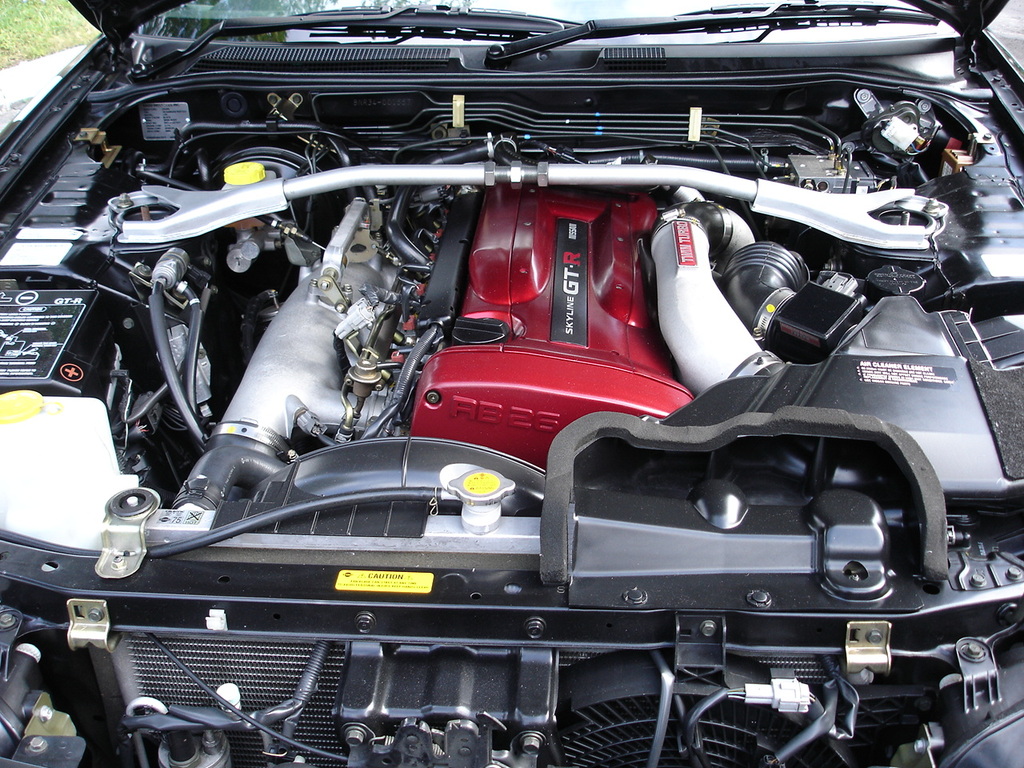
6. Nissan RB26DETT
The RB26DETT, famously found in the Nissan Skyline GT-R (R32 through R34), is another example of an engine built with no compromises. It featured a twin-turbocharged inline-six layout, iron block, and forged internals, all of which contributed to its incredible tuning potential.
Despite being factory-rated at 276 horsepower due to Japan’s gentleman’s agreement among manufacturers, the engine was known to make significantly more in real-world conditions. More importantly, it was capable of safely handling 500–600 horsepower with supporting mods, and even higher numbers with proper internal upgrades.
The RB26’s biggest advantage over modern turbo engines is its robust construction. Many current engines are designed with thin margins to reduce weight and meet efficiency targets, making them less ideal for high-horsepower applications without significant internal upgrades.
The RB26, on the other hand, was over-engineered in a way that allowed for high boost pressures and long-term abuse. It was not uncommon to see these engines in street-legal cars running over 700 horsepower, something few modern inline-sixes can claim without extensive reinforcement.
Another highlight was the engine’s responsiveness and balanced feel. The inline-six configuration provided smooth power delivery, and the twin-turbo setup ensured that lag was kept to a minimum. In comparison, many modern turbocharged engines suffer from a disconnected feel, where power delivery is less linear and more reliant on electronic controls.
The RB26, especially when tuned, had a more direct relationship between throttle input and engine response, a trait that enhances driver confidence and connection.
In terms of longevity and versatility, the RB26 still stands tall. It’s been used in everything from drag racing to time attack and drifting, often in chassis that push the limits of grip and speed.
Modern replacements, like Nissan’s VR-series engines, may offer better emissions and thermal efficiency, but they lack the durability and simplicity that made the RB26 such a powerhouse. Enthusiasts and tuners alike still gravitate toward this platform, proving that its strengths have stood the test of time.
Also Read: 10 Cars With Surprisingly Low Lifetime Repair Costs
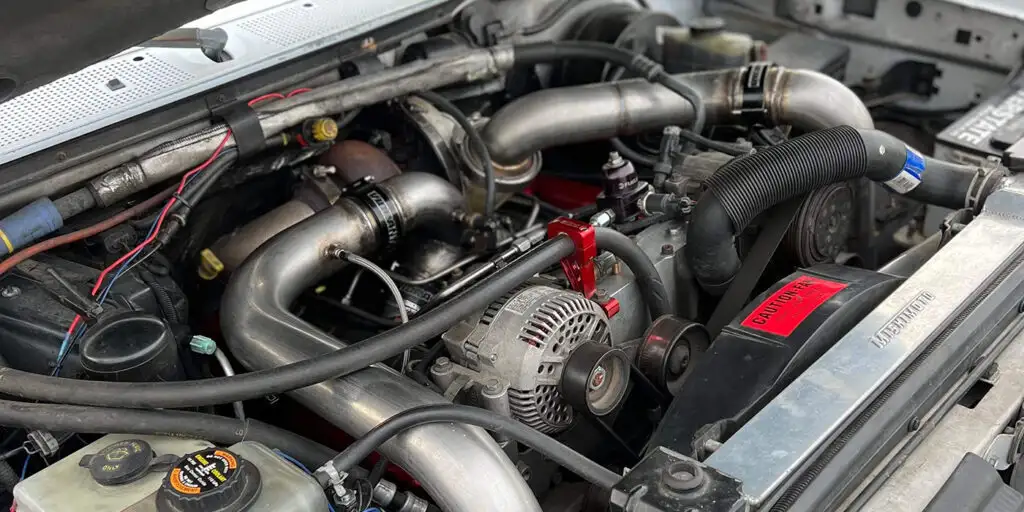
7. Ford 7.3L Power Stroke Diesel (Navistar)
The original 7.3L Power Stroke diesel, built by Navistar for Ford from the mid-1990s through the early 2000s, is regarded by many as the pinnacle of diesel durability in light-duty trucks. Its mechanical fuel injection system, cast-iron block and heads, and robust internals made it a workhorse that could run for hundreds of thousands of miles with basic maintenance.
While newer diesel engines from Ford offer more power, better emissions compliance, and advanced technology like common-rail injection, the 7.3L is still considered by many to be the most reliable and toughest engine Ford ever put in a truck.
One of the main reasons the 7.3L Power Stroke stands out is its simplicity. Modern diesels are loaded with emissions equipment, such as EGR systems, DPFs, and DEF injection, that, while important for air quality, also introduce additional failure points and maintenance costs.
The 7.3L, by contrast, had a relatively simple design that prioritized durability over complexity. It was easier to work on, more forgiving of neglect, and less likely to suffer from catastrophic failures due to sensors or control modules.
Towing capability was another strong point. Even though the 7.3L didn’t have the massive torque numbers seen in modern diesels, its low-end grunt and consistent power delivery made it ideal for hauling heavy loads over long distances.
Truck owners often report half a million miles or more with original engines, provided they followed a regular maintenance schedule. That kind of longevity is rare in today’s tightly engineered and emissions-focused diesel engines.
Another important point is the cost of ownership. While newer diesels may be faster and cleaner, they’re also more expensive to repair and maintain. The 7.3L Power Stroke represents a time when engines were built to be tools, not just technology showcases.
This engine earned its reputation the hard way, by doing its job every day, under tough conditions, without complaint. That’s a standard many modern diesel engines still struggle to meet.
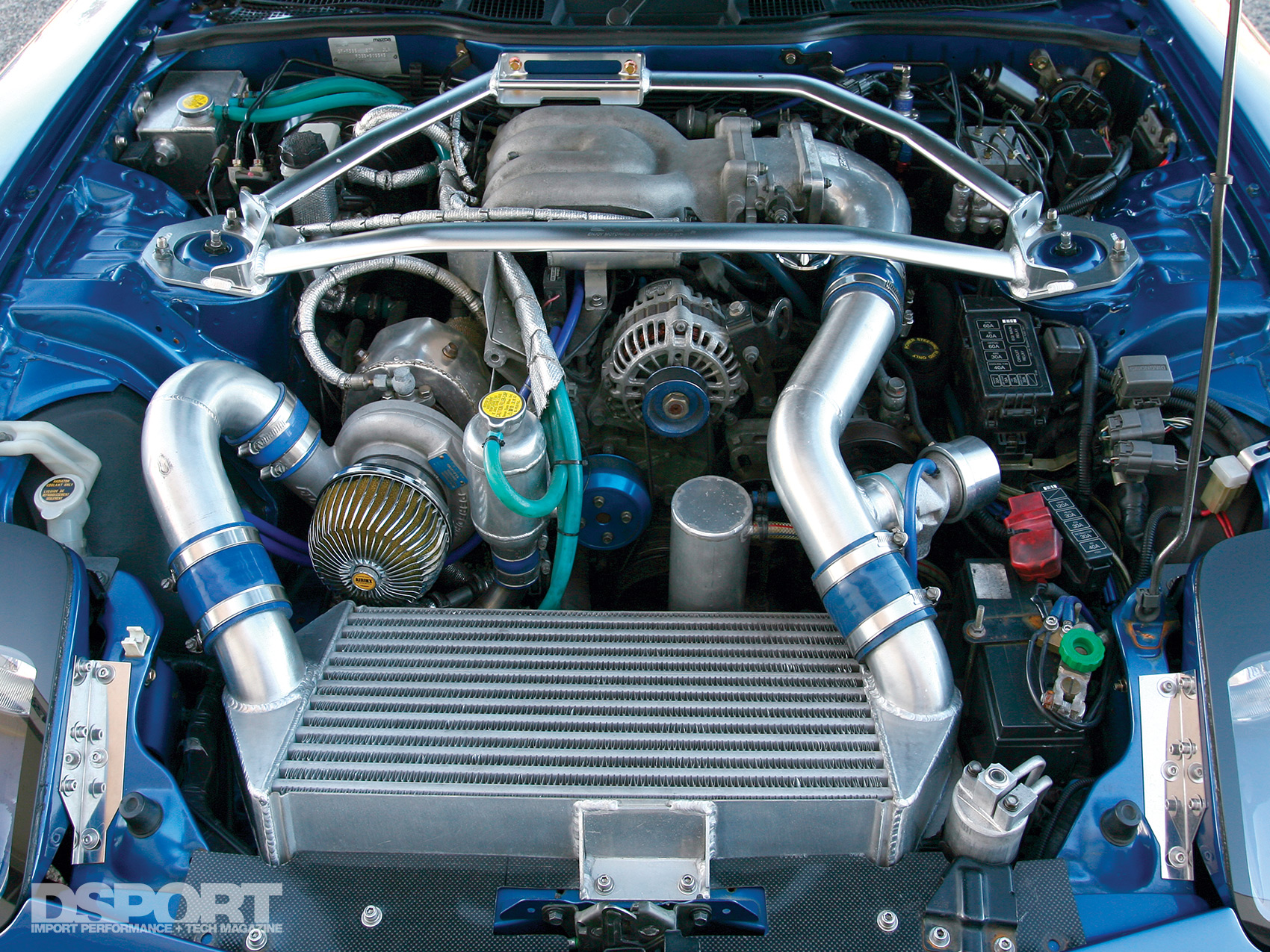
8. Mazda 13B-REW (Rotary)
The 13B-REW rotary engine used in the FD Mazda RX-7 remains one of the most unique and controversial engines in automotive history. It was lightweight, compact, and capable of delivering smooth power with high RPM capabilities.
Producing around 255 horsepower in stock form, it wasn’t the most powerful engine of its time, but its rev-happy nature and unique layout gave it a distinct performance character. Unlike piston engines, the rotary design allowed for a completely different driving feel, one that emphasized smoothness and quick throttle response.
The biggest advantage of the 13B-REW was its weight and size. At a time when performance vehicles were becoming heavier and more complex, the rotary engine kept the RX-7 incredibly light and nimble.
This allowed the car to maintain superb handling characteristics, making it a favorite among drivers who valued agility and driver feedback. Even today, few modern engines allow for such optimal weight distribution and chassis balance, which gives the rotary an edge in handling-focused applications.
While the rotary engine has gained a reputation for requiring meticulous maintenance and having a shorter lifespan than traditional engines, that perception often stems from neglect or misunderstanding of its needs.
When properly cared for, the 13B-REW is capable of impressive performance and respectable reliability. In a time when modern engines are increasingly insulated and engineered for predictability, the 13B offers a raw, connected feel that is hard to find elsewhere.
Modern rotary developments have stalled due to emissions and fuel efficiency challenges. Yet, despite these limitations, the 13B-REW still manages to outperform many newer engines in terms of weight, responsiveness, and uniqueness.
Its ability to produce power at high RPMs and its distinctive sound make it a favorite among driving purists. While it may not be the easiest engine to live with, it remains a standout for those who value innovation and character over conformity.
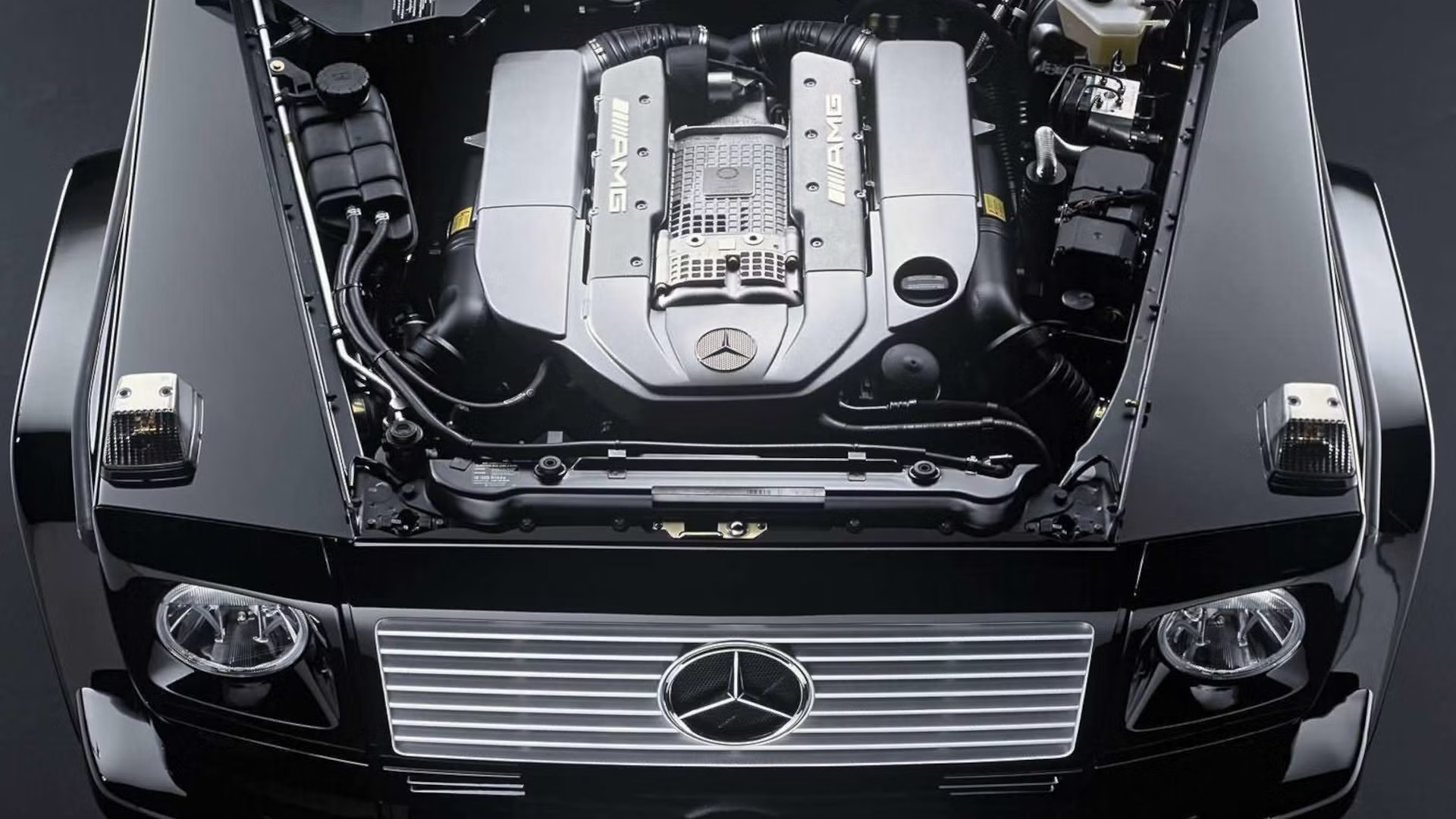
9. Mercedes-Benz M113K Supercharged V8
The M113K, a 5.4-liter supercharged V8 built by Mercedes-AMG, was used in various high-performance models during the early 2000s, including the E55 AMG, SL55 AMG, and CLK55 AMG.
This engine produced 469 horsepower and 516 lb-ft of torque, numbers that rival modern performance cars even today. What made the M113K special was not just its raw output, but the way it delivered power, smoothly, effortlessly, and with relentless force. It had a kind of low-end authority that made the cars it powered feel both luxurious and brutal.
Unlike modern AMG engines that rely heavily on turbocharging and computer-managed throttle mapping, the M113K’s roots-type supercharger provided instantaneous power with minimal delay. That immediate response, especially in the midrange, gave the driver an unfiltered connection to the engine’s torque curve.
While today’s AMG models boast more horsepower, they also introduce more lag, more complexity, and more insulation from the driving experience. The M113K had a simplicity of design and execution that many enthusiasts still admire.
Durability is another key area where the M113K shines. With a cast-iron block, robust internals, and relatively conservative tuning from the factory, it could withstand considerable stress and was known for being surprisingly reliable, even when modified.
Enthusiasts have safely pushed this engine well beyond 600 horsepower with bolt-on modifications and tuning. It didn’t require rebuilding or internal upgrades to handle performance increases, which cannot be said for all modern turbocharged V8s.
Modern AMG engines, like the 4.0-liter M177 twin-turbo V8, are technological marvels in terms of emissions compliance and efficiency.
However, they also come with greater complexity, more electronic oversight, and sometimes questionable long-term reliability. The M113K represents a golden era of overbuilt engines that prioritized strength and mechanical feel. It’s not just a powerful engine, it’s a dependable and soulful one, and many still consider it the best AMG engine ever made.
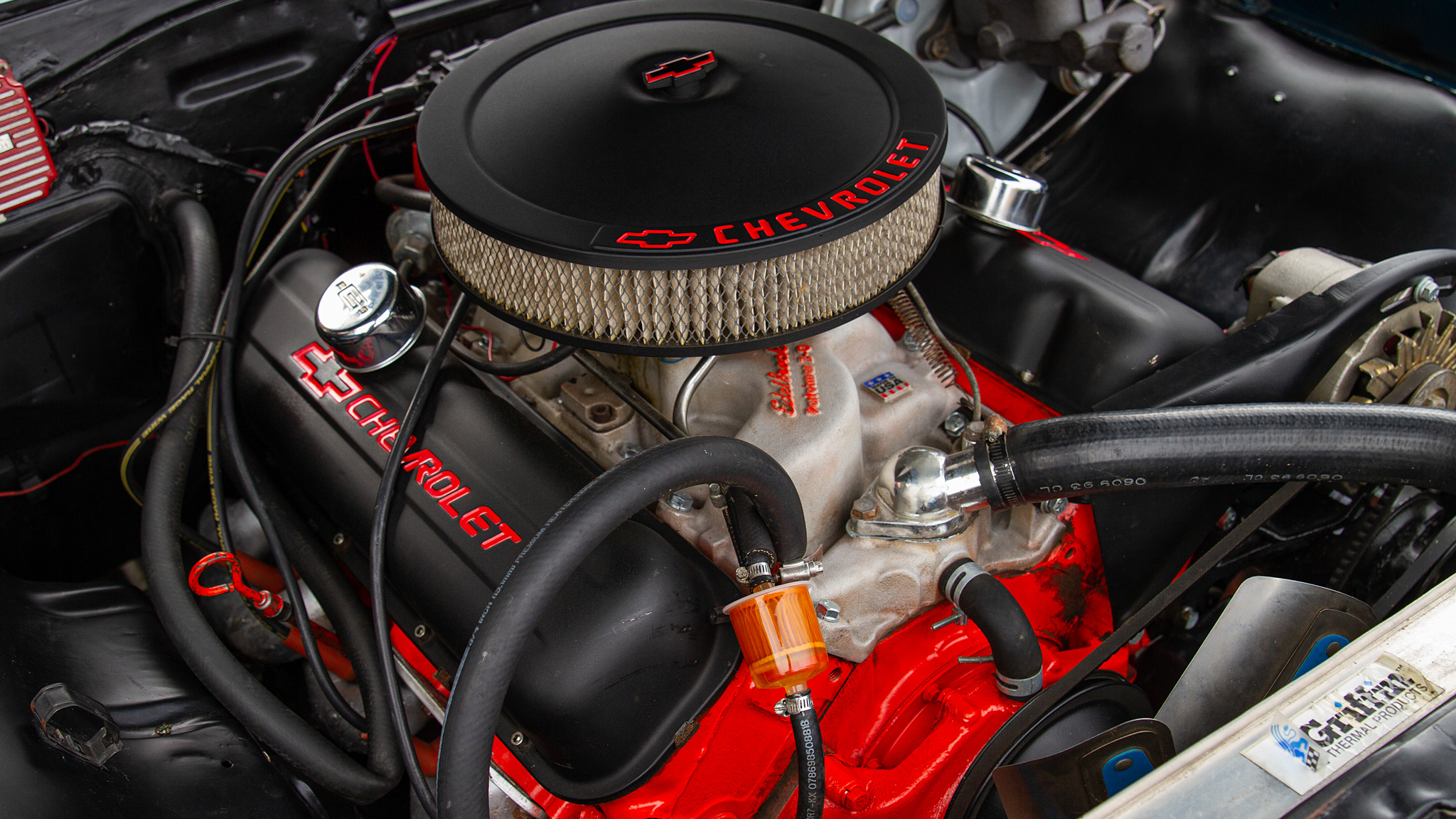
10. Chevrolet 454 Big Block V8 (LS6)
The Chevrolet LS6 454, introduced in the early 1970s, is one of the most iconic American muscle car engines ever created. Found in cars like the Chevrolet Chevelle SS, this massive 7.4-liter V8 produced a claimed 450 horsepower and 500 lb-ft of torque.
Though horsepower ratings were often conservative or manipulated for insurance purposes, real-world performance proved that the LS6 was a monster. It delivered enormous amounts of torque from very low RPMs and did so with an intimidating rumble that defined the muscle car era.
Today’s performance V8s might be more efficient or better suited for daily driving, but few can replicate the sheer presence and physicality of the 454 LS6. It was the kind of engine that made itself known with every press of the throttle, both in sound and in sheer force.
Where modern engines tend to deliver power in a more refined, subdued manner, the LS6 was about raw, unfiltered muscle. It wasn’t engineered for subtlety; it was built to dominate.
In terms of mechanical simplicity, the LS6 also stood out. With no forced induction, no electronic fuel injection (in its original form), and no digital management, it relied entirely on mechanical engineering and brute force. That simplicity made it easier to maintain and modify.
It also meant that power was immediate and direct, without digital interference or complex boost mapping. For many gearheads, this kind of analog power delivery is far more engaging than what modern powertrains can offer.
Of course, the LS6 doesn’t win any prizes for fuel efficiency or emissions, and that’s partly why engines like it have disappeared from new vehicles.
But in terms of pure performance, emotional experience, and the ability to stir the soul, the LS6 454 still outpaces many modern V8s. It’s a reminder of a time when bigger was better, and the goal was power without apology. Even after more than 50 years, its reputation as a performance benchmark hasn’t faded.
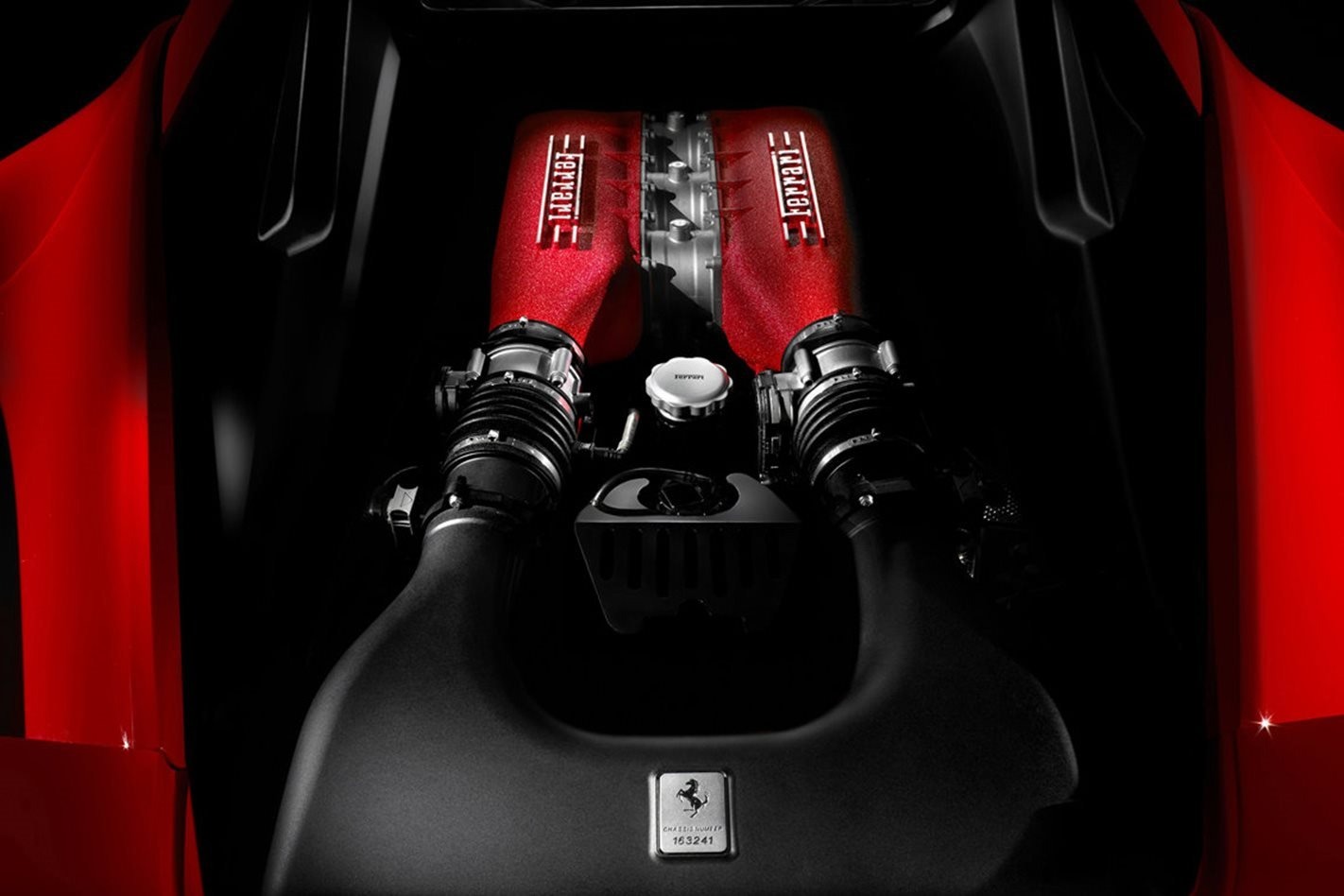
11. Ferrari F136 V8
The F136 V8 was developed jointly by Ferrari and Maserati and found in several iconic models such as the Ferrari F430, California, and 458 Italia (in modified form). This naturally aspirated 4.3-liter engine delivered a redline of 8500 rpm and horsepower figures well above 500 in later versions.
Its appeal was not just about numbers; it was about the way it built power and delivered its performance. The soundtrack alone, especially in high-rev applications, is widely considered among the best produced by a road car engine.
Modern Ferrari engines have shifted toward turbocharging and hybridization for both performance and efficiency gains. While these technologies undeniably improve acceleration and emissions, they also remove some of the visceral experience that defined older Ferraris.
The F136’s linear throttle response, immediate feedback, and high-revving nature made the car feel like an extension of the driver’s intentions. There was no waiting for boost to build or electric motors to kick in, it was pure, instantaneous reaction.
Beyond its sound and response, the engine was a mechanical work of art. With a flat-plane crankshaft, individual throttle bodies in certain variants, and careful tuning, it managed to balance performance and drivability in a way that few modern engines can match.
The connection between foot, throttle, and road was more direct than anything offered by today’s turbocharged V8s, which are often tuned for flat torque curves that, while efficient, feel less alive.
Longevity also surprised many owners. Despite its high-strung nature, the F136 V8 proved durable when properly maintained. It was designed to be used, revved, and enjoyed, not babied. That attitude reflects a time in Ferrari’s history when driving emotion was the top priority.
While modern Ferraris are undeniably faster and more technologically advanced, many purists still consider the F136 V8 to be the last truly emotional engine from the brand’s golden age.

12. Mitsubishi 4G63T
The Mitsubishi 4G63T, used in the Lancer Evolution I through IX, became a legend in the world of rally-inspired performance. This 2.0-liter turbocharged inline-four was known for its durability, tunability, and high power output relative to its displacement.
With forged internals, a stout iron block, and an aggressively tuned turbo setup, it was a favorite among tuners and racers alike. Despite its compact size, the 4G63T could easily be built to produce well over 500 horsepower with the right setup.
What set the 4G63T apart was its ability to withstand abuse. Many engines in this class would struggle to hold together under continuous high boost and high RPM stress, but the 4G63T thrived in that environment.
This reliability made it the backbone of Mitsubishi’s World Rally Championship success and a beloved platform in the aftermarket scene. Modern four-cylinder engines are often more efficient and cleaner, but rarely offer the same combination of strength and tuning flexibility.
Another key trait was its character. The engine had a distinct power band, with a noticeable turbo surge that added drama and excitement to the driving experience.
While some modern engines aim for seamless torque delivery, they often end up feeling sterile by comparison. The 4G63T kept the driver engaged, rewarding skillful shifting and throttle control. Its aggressive nature made it feel more alive than many of today’s electronically managed turbo-fours.
Today’s small turbocharged engines often rely on extensive emissions control systems and plastic components to save cost and weight. The 4G63T, by contrast, was overbuilt in all the right ways. Its rugged construction and mechanical confidence made it one of the most respected engines in its category.
Even years after it was discontinued, enthusiasts still seek it out for swaps and builds, proving that it can outperform many of its so-called modern improvements in real-world performance and driver satisfaction.
