
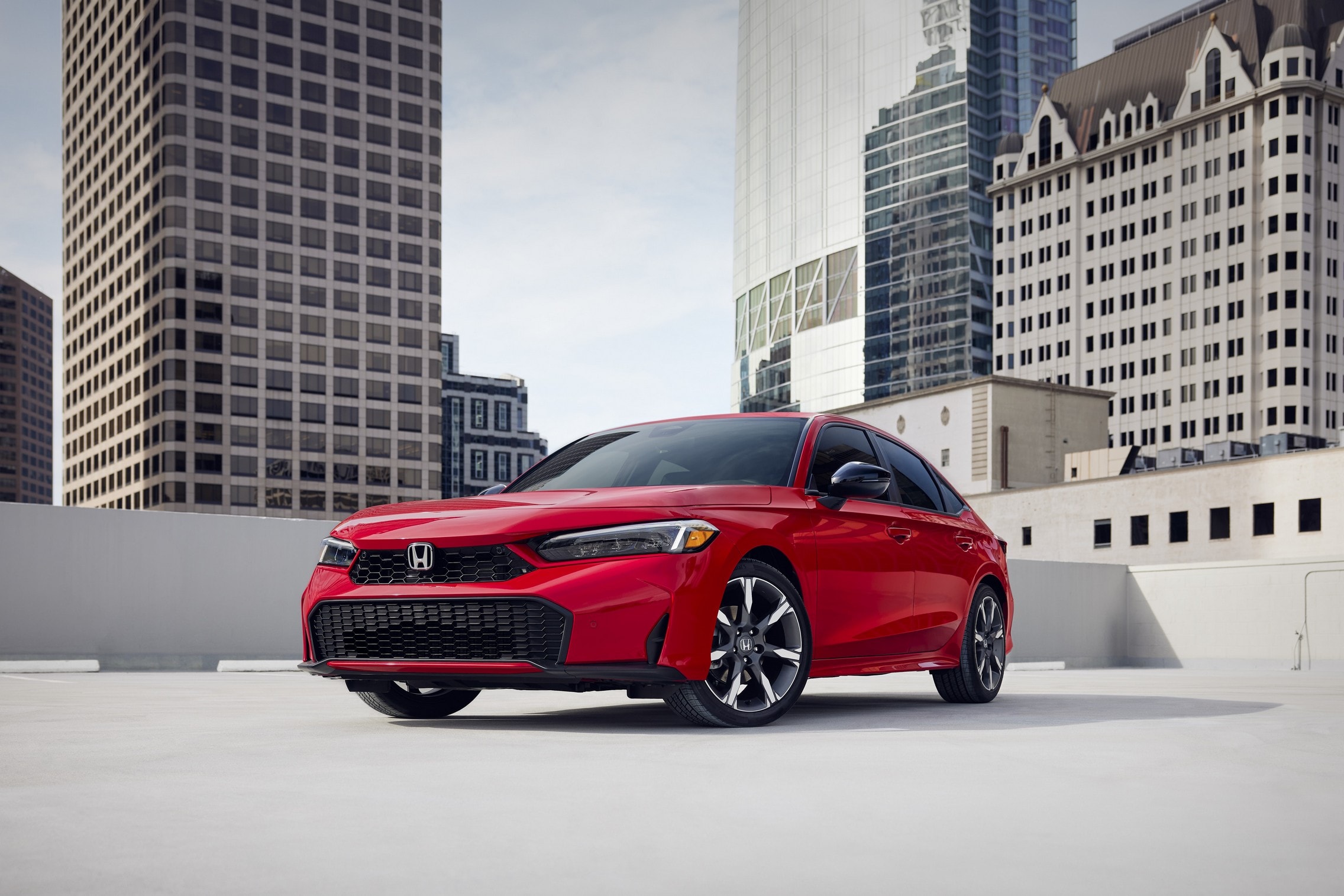
Hybrid vehicles have gained immense popularity due to their fuel efficiency, environmental benefits, and smooth driving experience. However, like all machines, the performance and reliability of a hybrid car largely depend on the design and durability of its engine system.
While some hybrid engines prove to be engineering masterpieces that keep running strong well past 200,000 miles, others can become financial nightmares just a few years after purchase. There’s a noticeable difference in build quality, battery integration, and long-term wear that separates the dependable ones from the troublesome ones.
Consumers often assume that choosing a hybrid car means long-term savings and fewer visits to the repair shop. Unfortunately, that’s not always the case. Not all hybrid systems are built with the same priorities.
Some manufacturers took their time to test and refine their hybrid powertrains, while others rushed into the market to meet growing demand without ensuring long-term dependability.
The result is a wide gap in user experience: some owners enjoy decade-long reliability with minimal issues, while others face expensive repairs before the vehicle even crosses the 100,000-mile mark.
There are hybrid engines still running reliably after 15 or even 20 years, often used as daily drivers or even taxis in large cities. At the same time, there are others that develop major issues with the hybrid battery, transmission, or internal combustion engine, resulting in costly repairs that exceed the car’s value.
Understanding which hybrid engines last and which ones struggle to hold up over time can help potential buyers make better decisions.
This article compares five of the most reliable hybrid engines that have proven to stand the test of time with five that are known for early failures.
The goal here is to help drivers recognize long-lasting technology and avoid models that can become a burden. Each engine listed is examined not just for its basic performance, but for how well it holds up in real-world usage across years and miles.
Also Read: 10 Cars With Surprisingly Low Lifetime Repair Costs
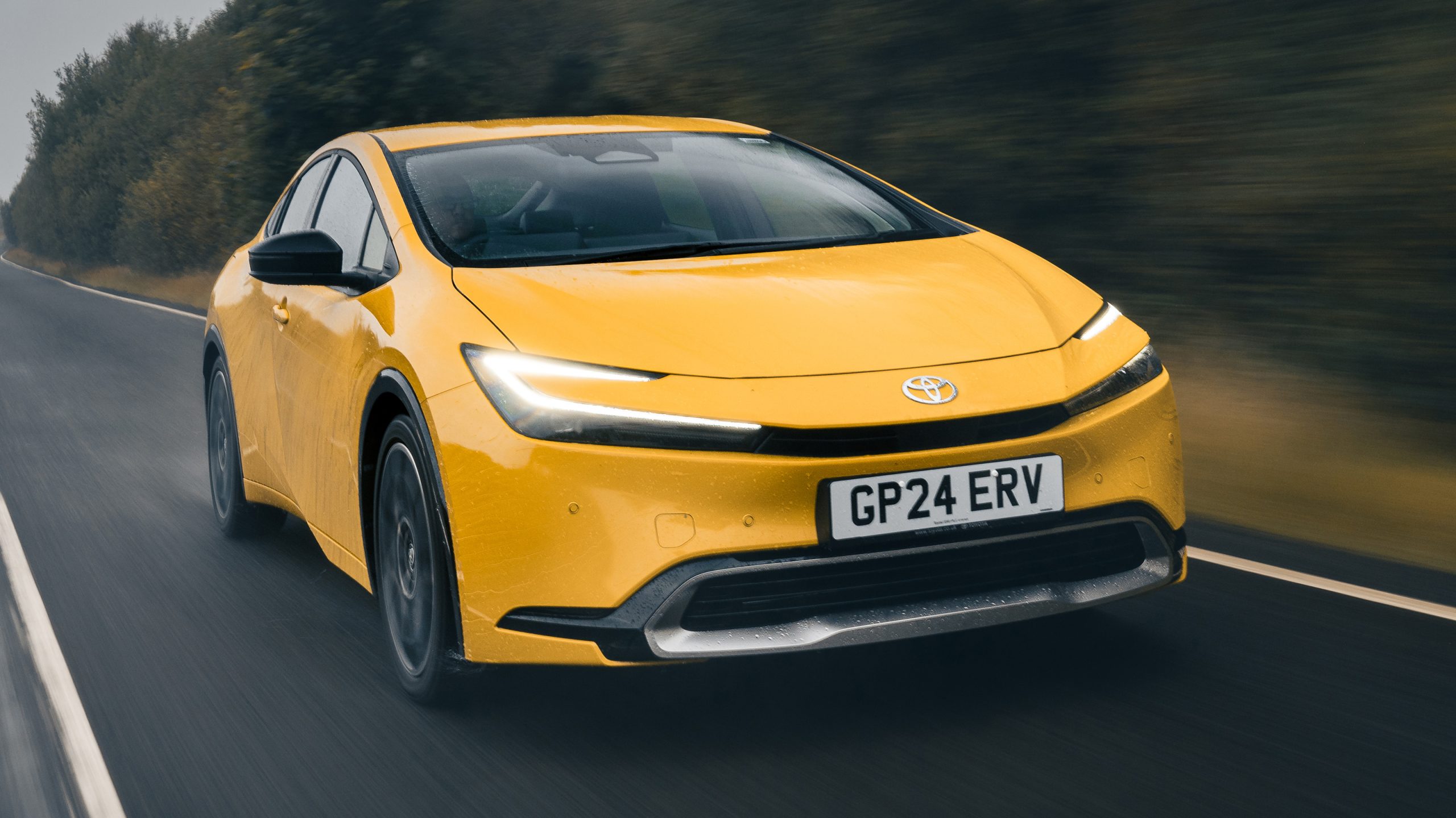
1. Toyota Prius (2nd Gen) – A Benchmark for Durability
The second-generation Toyota Prius, produced from 2004 to 2009, set a strong example of how hybrid engines could match or even exceed the longevity of traditional gasoline engines.
Toyota engineered this version with long-term durability in mind, combining a 1.5-liter gasoline engine with an electric motor in a system known as Hybrid Synergy Drive.
Many of these vehicles are still on the road today with over 200,000 or even 300,000 miles, and their owners report minimal issues with the hybrid battery or engine components.
One reason for the success of this engine is the simplicity of the design. Toyota avoided overly complex parts and instead focused on refining the system’s efficiency and longevity.
The battery pack, while not large by modern standards, was well-integrated and known to last well beyond its warranty period. Unlike some later hybrids, the regenerative braking system in the 2nd-gen Prius was less prone to failure and contributed to extending the lifespan of the brake components as well.
Another key factor in its reliability is the engine’s thermal efficiency and conservative tuning. The 1.5-liter gasoline engine was never pushed too hard and rarely faced overheating or early wear.
This allowed for a more balanced and consistent load between the gasoline and electric systems. Cooling systems, which are often points of failure in hybrid setups, were robust and rarely experienced issues unless completely neglected.
Finally, Toyota backed this vehicle with strong customer support and a growing network of hybrid-trained technicians. Combined with a reputation for reliability, the 2nd-gen Prius earned the trust of commuters, taxi drivers, and eco-conscious drivers alike.
It remains a shining example of how a hybrid engine can be both forward-thinking and built to last decades with proper maintenance.
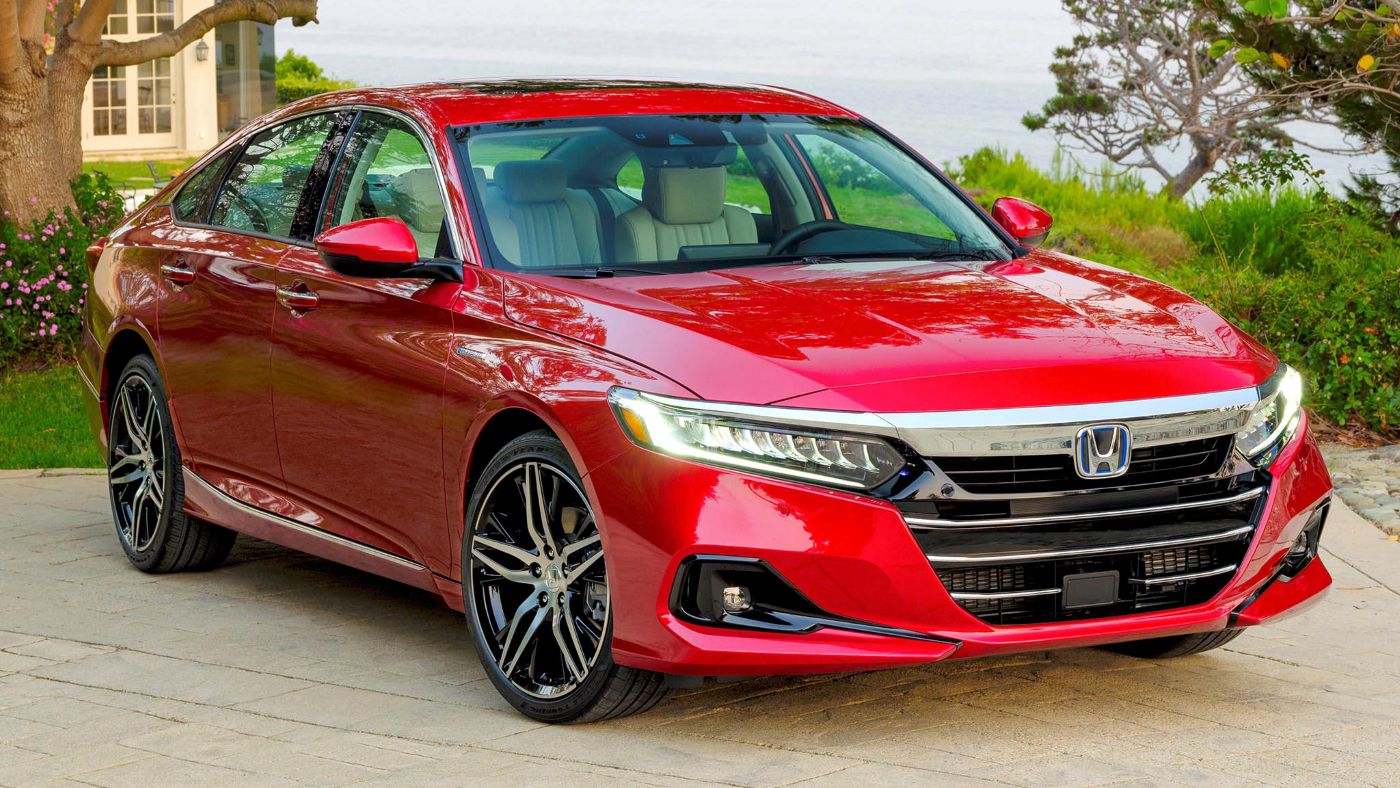
2. Honda Accord Hybrid (2014–2017) – Quiet Longevity
The hybrid engine found in the 2014–2017 Honda Accord brought a different flavor to hybrid technology by prioritizing refinement and fuel economy, yet it also delivered impressive durability.
This system used a 2.0-liter Atkinson-cycle engine paired with two electric motors and a unique e-CVT transmission. It may not have been the flashiest or most powerful hybrid, but it quietly proved itself over time as a solid long-term investment.
Honda’s approach with this system was focused on reducing mechanical wear by keeping the internal combustion engine out of low-speed driving whenever possible.
This meant fewer revolutions per minute and less engine stress in urban traffic. With fewer moving parts in its drivetrain and smart software integration, the system ran cooler and cleaner than many other hybrids of its time. Over the years, it’s shown strong resistance to typical hybrid problems such as premature battery degradation or inverter failures.
Part of what makes the Accord Hybrid engine dependable is its minimal reliance on traditional gear-based transmission components.
The e-CVT doesn’t use belts or clutches in the traditional sense, which eliminates a common point of failure. Instead, power is delivered more smoothly through electric drive, with the gasoline engine mostly serving as a generator or supplement. This design leads to less mechanical strain and fewer service needs over the long haul.
Owners frequently report reaching over 150,000 miles with no significant repairs required, and battery longevity has been excellent compared to earlier hybrid attempts.
Combined with Honda’s reputation for high-quality engines and well-matched hybrid systems, this particular generation of Accord Hybrid stands out as a wise choice for those looking for a hybrid powertrain that won’t disappoint after a few years of use.
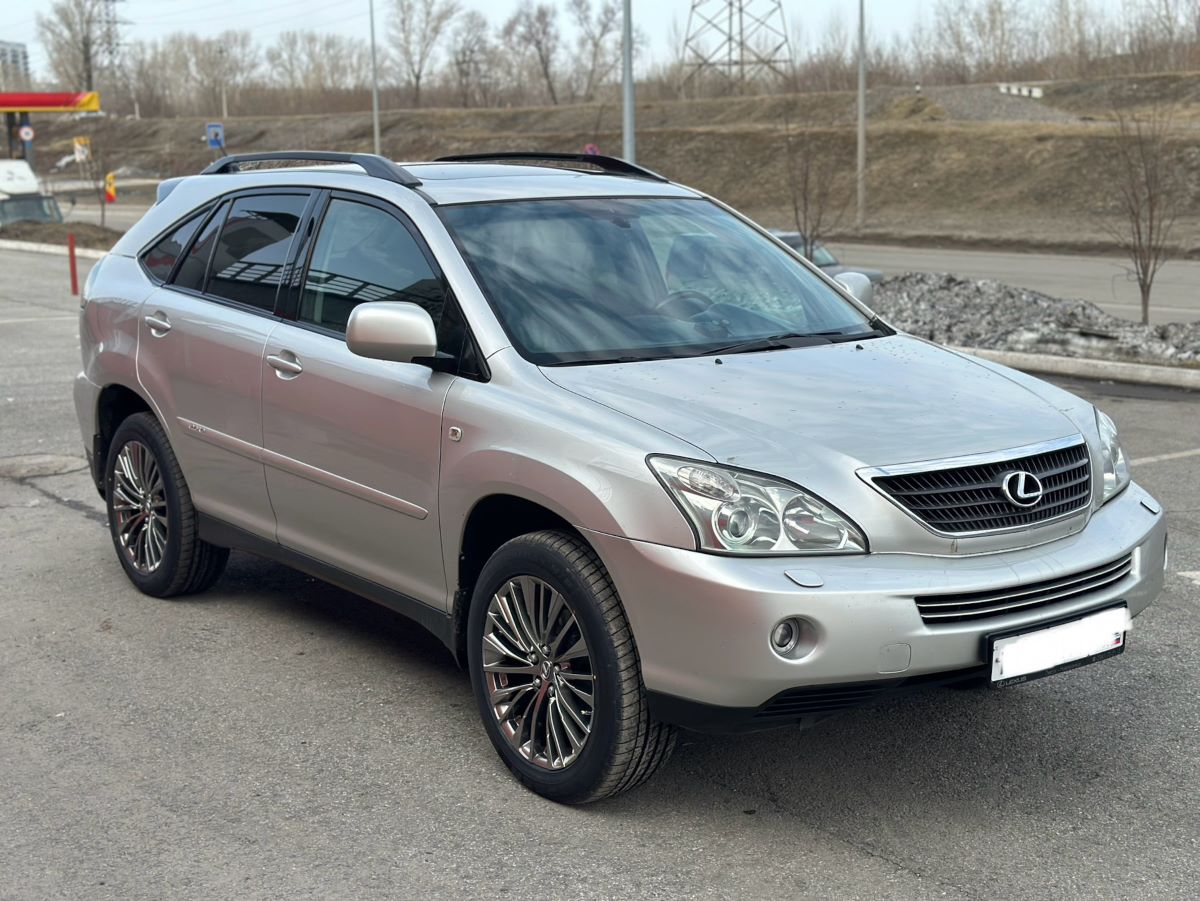
3. Lexus RX 400h (2006–2008) – Premium Hybrid with Lasting Power
The Lexus RX 400h was one of the early luxury SUVs to feature a hybrid drivetrain, and despite being released nearly two decades ago, many of these vehicles are still in use today.
Built with Toyota’s proven hybrid technology and Lexus-level refinement, the RX 400h combined a 3.3-liter V6 engine with an electric drive system. Its longevity surprised many early skeptics who doubted whether hybrid technology could handle the heavier load of an SUV.
The powertrain was engineered with the same philosophy as Toyota’s most reliable hybrids, but with additional strength to handle the RX’s size and weight.
The nickel-metal hydride battery pack, though not groundbreaking by today’s standards, held up remarkably well due to balanced energy use and strong thermal management. Lexus also added extra cooling components and higher-grade materials to support the long-term performance of the entire drivetrain.
What makes the RX 400h unique among older hybrids is how few high-mileage owners report serious drivetrain issues. The electric motors maintain their power delivery well into the vehicle’s second decade of life, and the V6 engine remains solid if oil changes and cooling system maintenance are handled on time.
The regenerative braking system and electronic drive controls also see fewer failures compared to some newer but less refined systems.
Another reason this engine earns its place on the long-lasting list is the robust support from both Lexus dealerships and independent mechanics.
Parts availability, technical documentation, and general serviceability have remained strong. It’s not unusual to find RX 400h vehicles with well over 200,000 miles still used as daily drivers, proving that even a luxury SUV can be a long-term hybrid investment when done right.
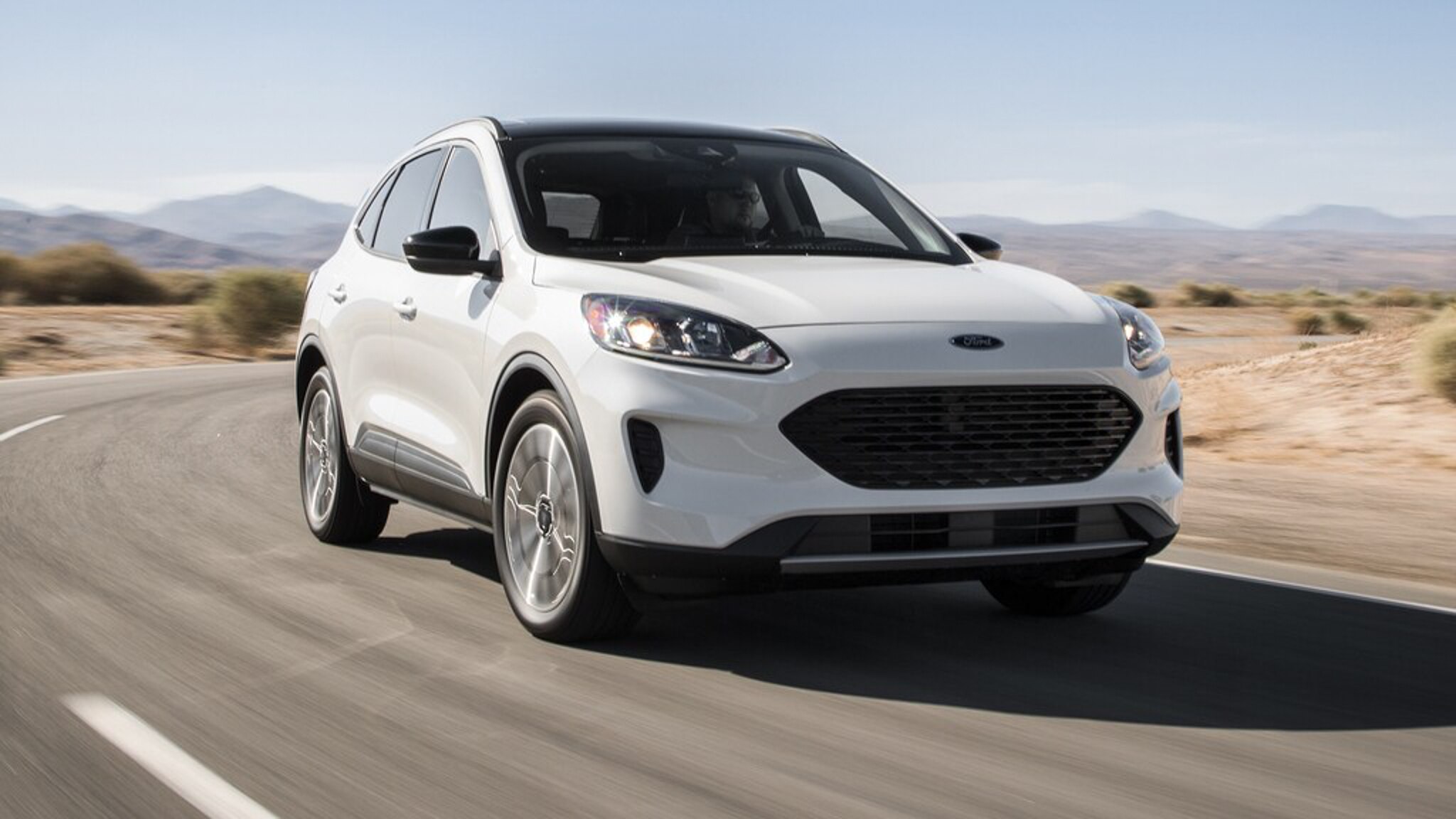
4. Ford Escape Hybrid (2005–2012) – Ford’s Early Hybrid Win
The first-generation Ford Escape Hybrid is often overlooked, but it deserves recognition as one of the most durable hybrid vehicles ever built.
This compact SUV used a 2.3-liter gasoline engine with an electric motor system co-developed with Toyota. Many of these early Escape Hybrids have surpassed 250,000 miles, especially those used in demanding environments like New York City taxi fleets.
Ford’s implementation of hybrid technology in this model was refreshingly conservative. The system didn’t push performance boundaries but instead focused on practical fuel economy and low maintenance needs.
By using proven components and a relatively low-stress engine, the Escape Hybrid avoided many of the complications seen in more ambitious hybrid attempts. Its simplicity and solid design meant fewer failure points over time.
Battery reliability in this model has been. Even with high mileage, many owners have not had to replace the hybrid battery, and those who did often found replacements reasonably priced.
Ford also designed the system with good cooling and isolation from heat sources, reducing battery wear and extending lifespan. The transmission used in the Escape Hybrid was a well-built eCVT unit that rarely faced significant mechanical issues.
This hybrid SUV’s real-world performance in fleets, where vehicles are constantly in use, speaks volumes about its durability. Taxi operators favored it for its low repair frequency and low fuel costs, with many vehicles crossing 300,000 miles before retirement.
For consumers looking for a hybrid engine that keeps going year after year with basic care, the Ford Escape Hybrid is a strong contender that still holds up today.
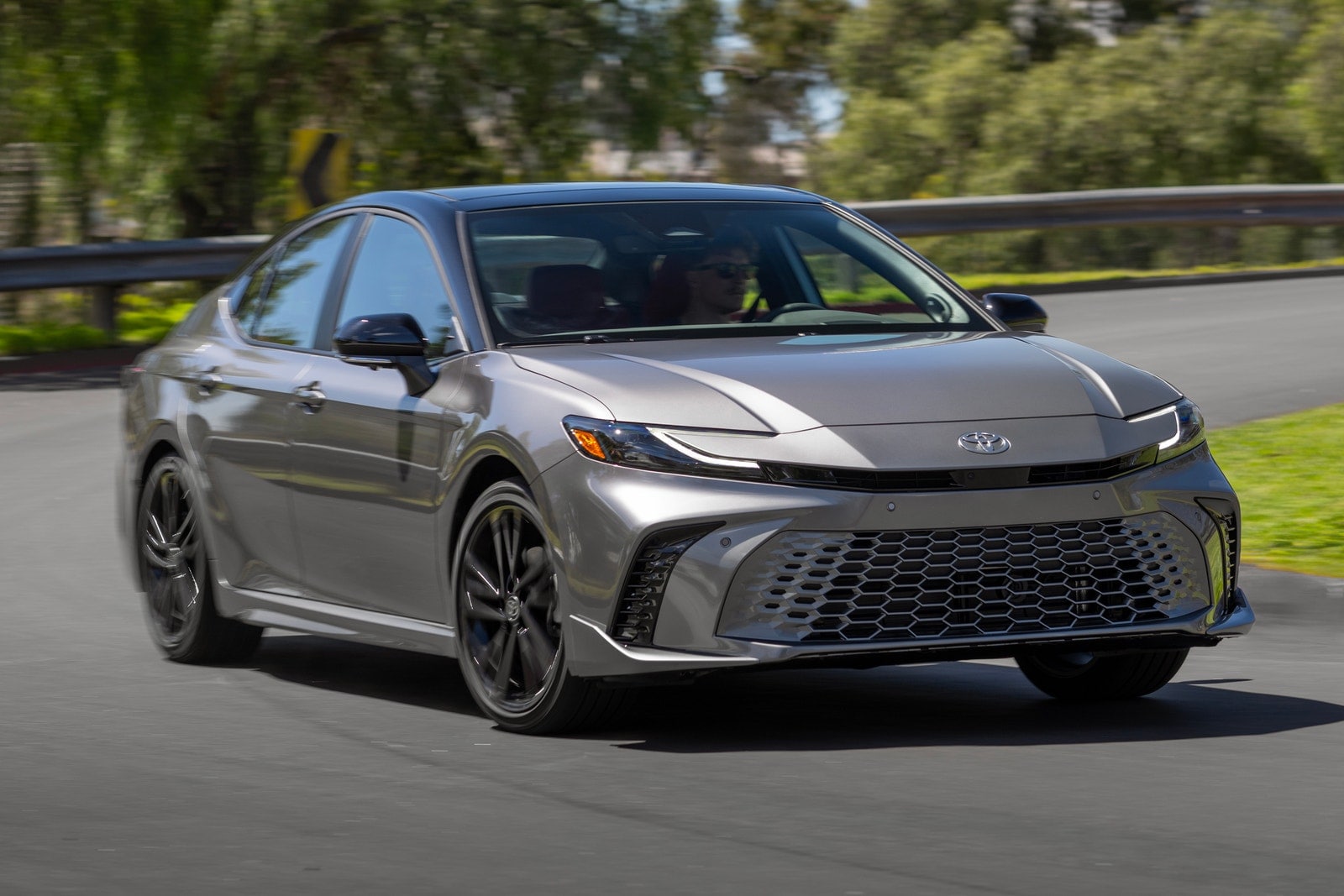
5. Toyota Camry Hybrid (2007–2011) – Quiet and Consistent
The 2007–2011 Toyota Camry Hybrid combined Toyota’s hybrid system with a midsize sedan platform known for reliability. This version featured a 2.4-liter Atkinson-cycle engine paired with a robust electric motor system, offering a well-balanced mix of power, efficiency, and long-term dependability. Many owners have reported reaching 200,000 miles without any major powertrain repairs.
This hybrid engine benefits from Toyota’s approach to hybrid longevity, using proven battery chemistry and well-tested control systems. The hybrid components were designed to work with a straightforward cooling system that minimizes heat exposure, a major factor in battery degradation.
Toyota’s engineers implemented conservative power management software that carefully balances the load between the gasoline engine and electric motor to avoid overstressing either component. This design philosophy resulted in a system that maintains good fuel efficiency while ensuring that each part is preserved over the long haul.
The nickel-metal hydride battery pack, while not as energy-dense as today’s lithium-ion units, demonstrated remarkable resilience, often remaining effective well beyond the typical eight-year warranty period.
The internal combustion engine in the Camry Hybrid is another reason for its longevity. Its Atkinson-cycle design focuses on fuel economy and operates under cooler temperatures than many traditional engines, which reduces wear on engine components like pistons, valves, and cylinder walls.
Because the engine often runs at lower RPMs during city driving, when the electric motor can handle propulsion, this reduces mechanical stress and oil consumption.
Owners of well-maintained Camry Hybrids commonly report no issues with engine block or head gasket failures, which are common trouble spots in less carefully engineered vehicles. Routine oil changes and maintenance schedules, along with Toyota’s durable engine design, help the Camry Hybrid last well into high mileage territory.
The transmission system used in this generation’s hybrid powertrain is also noteworthy. Toyota’s eCVT (electronically controlled continuously variable transmission) is designed to operate smoothly and with minimal mechanical wear because it relies on a planetary gearset and electric motor control rather than traditional friction clutches and belts.
This reduces the chances of transmission slipping or failure, a common cause of expensive repairs in conventional vehicles.
Furthermore, regenerative braking, which captures kinetic energy to recharge the battery, reduces wear on the brake pads and rotors, indirectly contributing to the vehicle’s overall longevity by minimizing maintenance costs.
Lastly, the Camry Hybrid’s reputation for reliability is bolstered by strong customer support and a large base of trained technicians familiar with Toyota hybrid systems. Parts availability and aftermarket support ensure repairs and preventive maintenance can be performed quickly and affordably.
The overall driving experience is smooth, quiet, and free from the mechanical noises or rough transitions often associated with other hybrids, adding to the feeling of a well-engineered and long-lasting vehicle.
These factors combine to make the 2007–2011 Camry Hybrid a prime example of how thoughtful engineering and consistent maintenance lead to hybrid engines that last for decades.
Hybrid Engines That Fail Early
While some hybrid engines stand the test of time, others fall short, often due to design flaws, cost-cutting measures, or unproven technology rushed to market.
Early hybrid failures frequently involve the battery, electronic control modules, or mechanical wear from complex transmissions and cooling systems that aren’t robust enough for long-term use. Below, we explore five hybrid engines notorious for failing early, often requiring costly repairs or complete replacements.
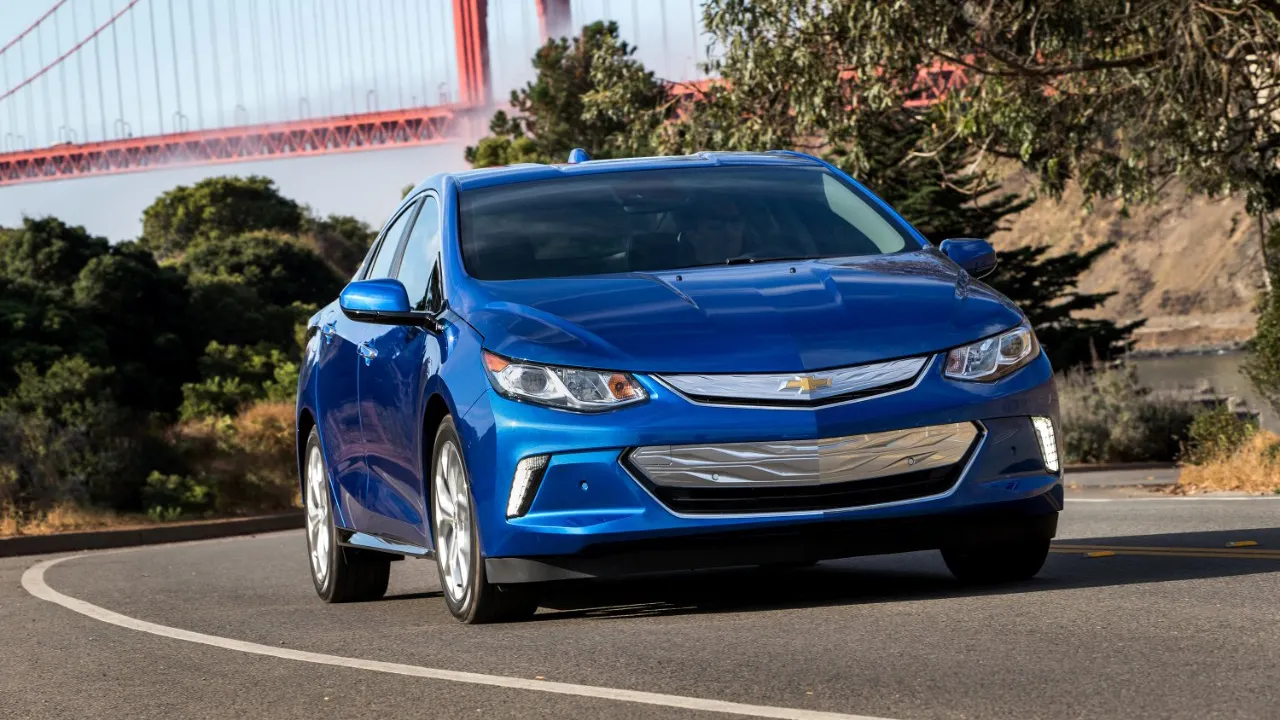
1. Chevrolet Volt (First Generation, 2011–2015) – Battery Troubles and Complexity
The first-generation Chevrolet Volt was a groundbreaking plug-in hybrid that combined a gasoline engine with an electric motor and a large lithium-ion battery pack. While the concept was innovative, the Volt’s hybrid system presented challenges that affected its reliability, particularly with the battery pack and power electronics.
Many owners reported early battery degradation, and some vehicles suffered from thermal management issues that contributed to battery failures or forced early replacements. These problems were amplified in regions with extreme temperatures, which the Volt’s cooling system struggled to manage effectively.
The Volt’s complex powertrain architecture also played a role in its durability challenges. Unlike traditional hybrids that use simpler eCVT transmissions, the Volt employed a more complicated planetary gearset combined with electric motors that required advanced computer management.
While this system allowed for impressive fuel economy and all-electric driving ranges, it also increased the risk of mechanical and electronic failures. Repairing or replacing these components was expensive and not widely supported outside of authorized dealerships, further discouraging long-term ownership for some.
Another area of concern was the battery’s cooling system design. Unlike many Toyota hybrids that use liquid cooling to maintain battery temperature, early Volts had some issues with cooling efficiency, especially in hotter climates.
Over time, this led to accelerated degradation of the battery cells, reducing the overall electric-only range and forcing owners to rely more heavily on the gasoline engine, defeating the purpose of the hybrid design. Some owners experienced early warnings and error messages related to battery health that required expensive software updates or hardware replacements.
Despite the Volt’s advanced technology and impressive fuel efficiency, these early reliability issues and the high cost of battery repairs led to a reputation for short hybrid system life.
While many Volt owners had no problems, the frequency and expense of repairs compared to more conventional hybrids meant the vehicle was less suitable for those seeking long-lasting dependability.
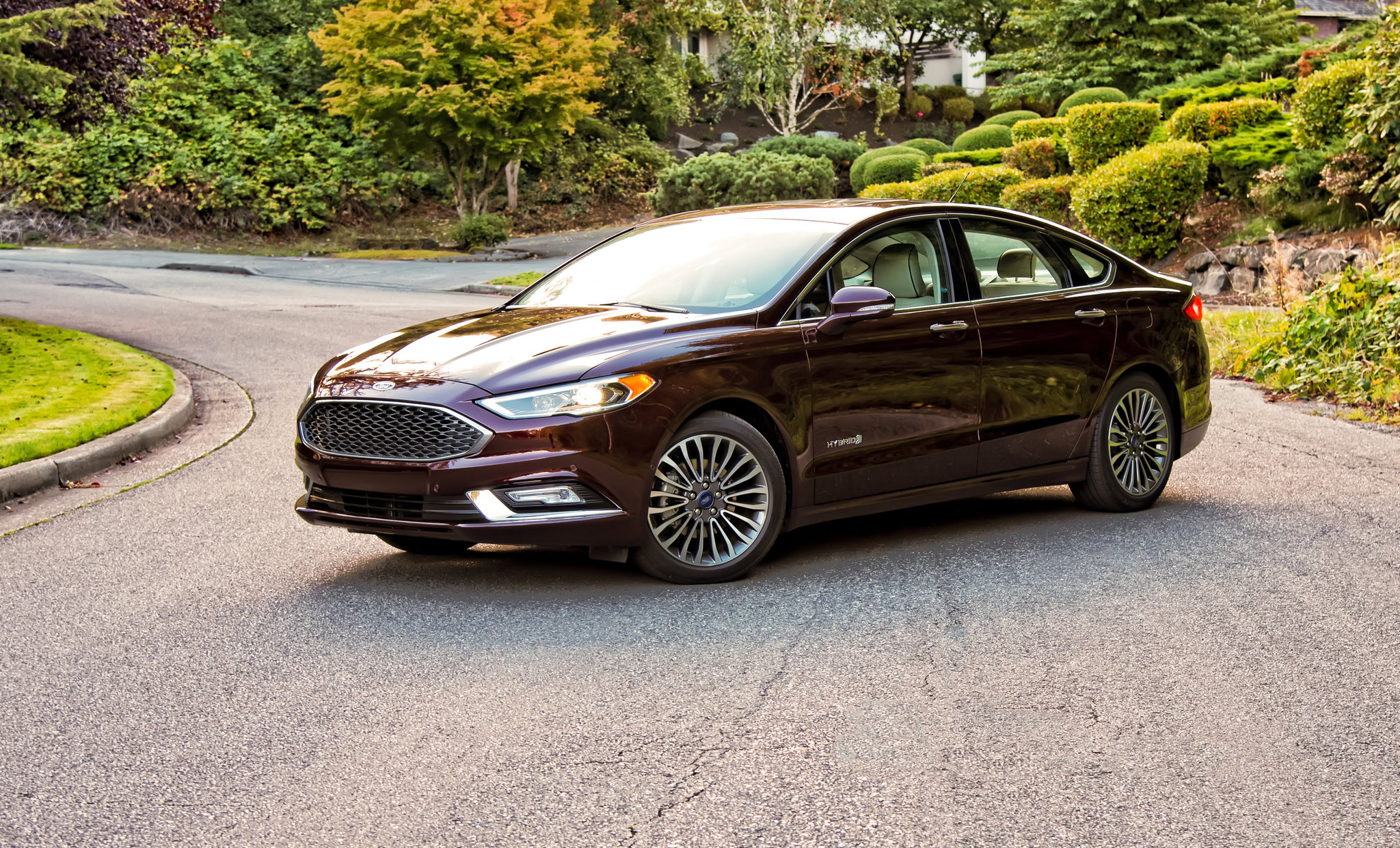
2. Ford Fusion Hybrid (2010–2012) – Transmission and Battery Failures
The early Ford Fusion Hybrid models launched between 2010 and 2012 were Ford’s serious attempt to enter the hybrid market, but several issues plagued the hybrid powertrain, especially the transmission and battery.
Unlike Ford’s later more refined hybrids, the initial Fusion Hybrid faced multiple complaints about the CVT transmission failing prematurely. The transmission is a critical component in hybrids, as it manages the power split between the engine and electric motor, and failure here often meant costly replacements.
Battery issues also surfaced early in these models, with many owners reporting reduced electric range and decreased fuel efficiency after just a few years of use. Some battery packs experienced cell failures or electrical faults requiring module replacement or complete pack swaps.
The battery’s lithium-ion chemistry, while promising better performance than nickel-metal hydride alternatives, was less mature and more susceptible to thermal damage and degradation over time.
The combination of transmission troubles and battery degradation led to a spike in maintenance costs and a drop in resale values for early Fusion Hybrid owners.
While Ford addressed some of these issues in later models by refining hardware and software controls, the early Fusion Hybrids were often seen as less reliable compared to competitors like Toyota or Honda, whose hybrid systems had more extensive testing and simpler mechanical layouts.
In addition, the Fusion Hybrid’s hybrid cooling system design did not adequately protect components under heavy use or extreme temperature conditions, contributing further to early component wear.
This hybrid system required more frequent monitoring and sometimes repairs during the vehicle’s warranty period, limiting its appeal for buyers looking for long-term durability.
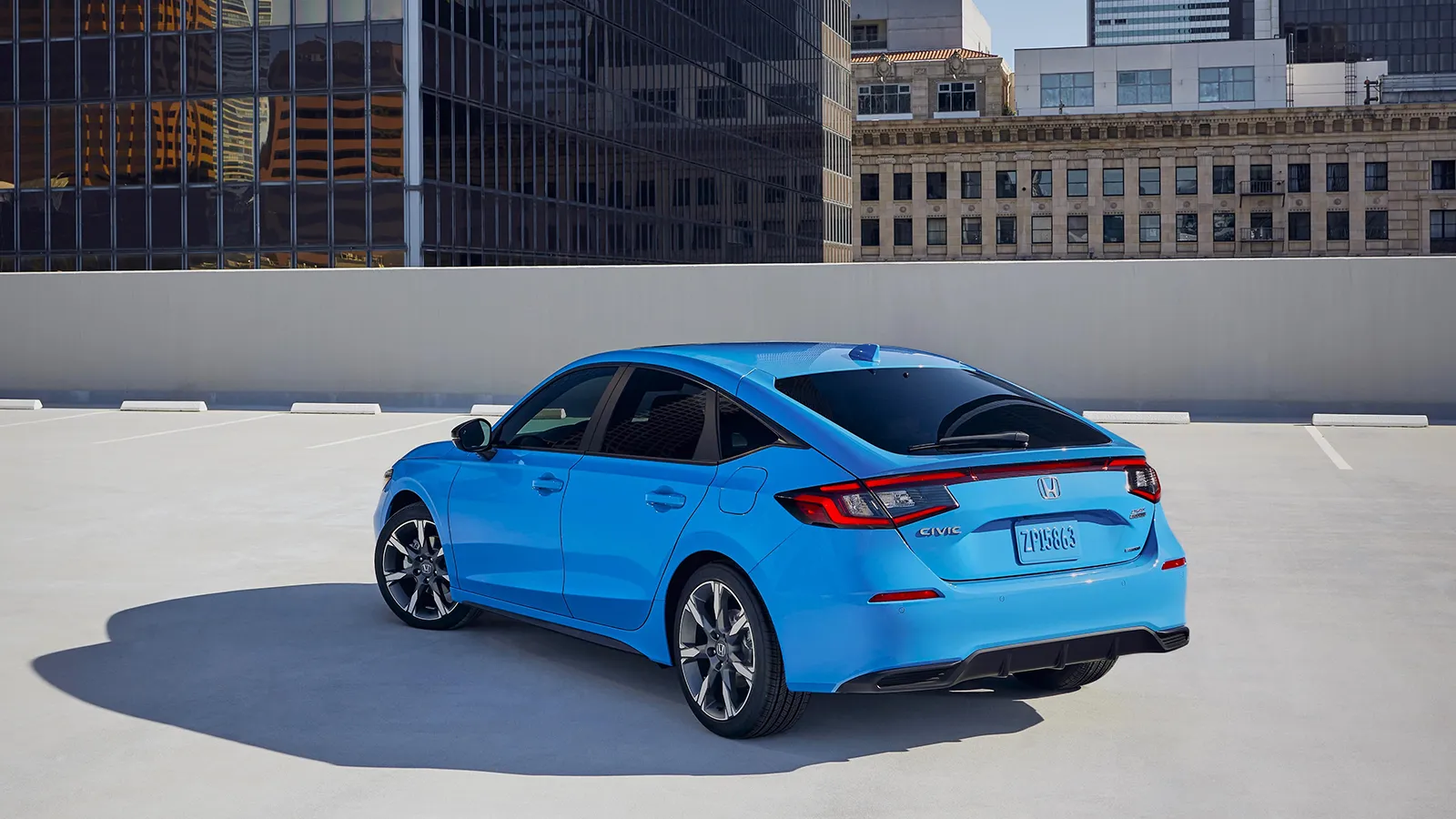
3. Honda Civic Hybrid (2003–2005) – Battery and Sensor Problems
The early 2000s Honda Civic Hybrid was one of the first affordable hybrid models, but came with some growing pains that affected its long-term reliability. Battery pack failures and issues with the system’s voltage sensors were common complaints.
The nickel-metal hydride battery packs often began to fail around the 80,000 to 100,000-mile mark, leading to reduced electric assist and poorer fuel economy. Unlike later models with improved battery management, these early hybrids suffered from less sophisticated control software and limited cooling strategies.
Sensor failures also triggered frequent warning lights and drivetrain interruptions, which required specialized diagnostics to resolve.
These electronic issues sometimes caused the hybrid system to enter a limp mode, reducing power and affecting drivability. For owners unfamiliar with hybrid technology, these problems often led to expensive trips to dealerships or hybrid specialists.
Another contributing factor to early failures was the relatively small battery capacity and conservative hybrid design. While this helped keep costs down, it also limited the system’s ability to balance power load effectively.
As a result, the gasoline engine was often taxed heavily, which in turn increased wear on the engine and transmission components. Regular maintenance was crucial, but many owners underestimated the need for hybrid-specific care, leading to preventable failures.
Despite its challenges, the Civic Hybrid’s engine itself was reliable, but the hybrid system around it lacked the robustness needed for longevity. This led to early hybrid component failures that marred the model’s reputation and pushed many owners to avoid the vehicle once more reliable hybrids entered the market.
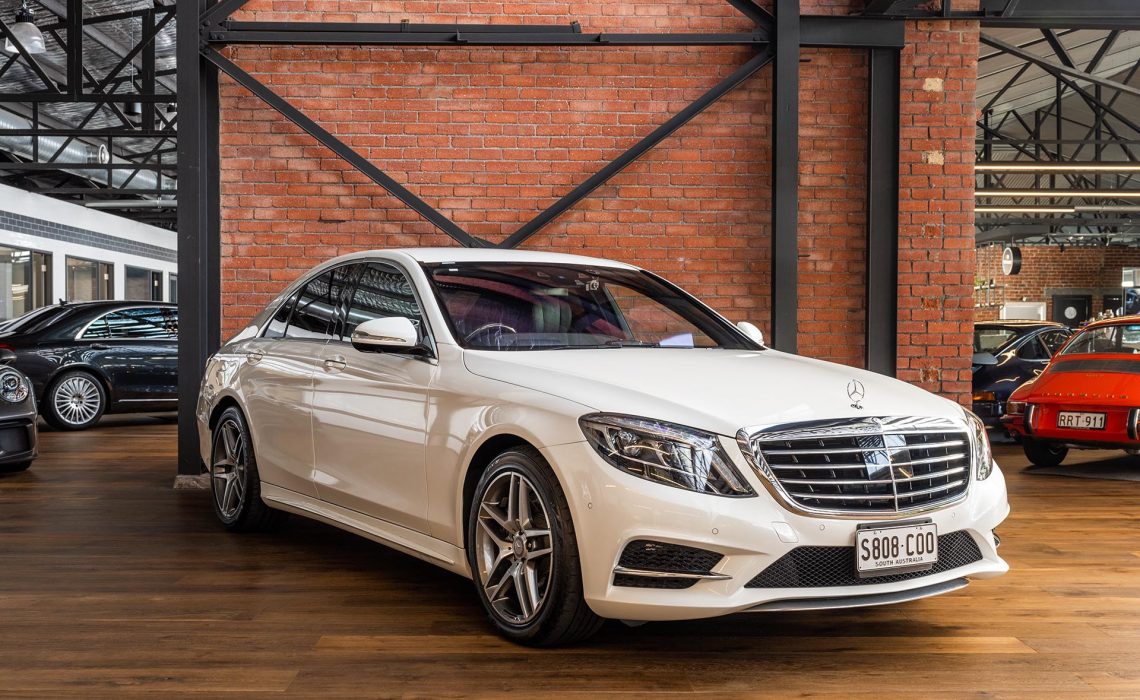
4. Mercedes-Benz S400 Hybrid (2010–2013) – High-Tech but Fragile
Mercedes-Benz entered the hybrid arena with the S400 Hybrid, aiming to combine luxury and efficiency. However, this model’s hybrid engine system suffered from issues typical of early luxury hybrids that relied heavily on advanced electronics and complex mechanical systems.
One of the main complaints was the premature failure of the lithium-ion battery pack, which was costly to replace and required dealer service.
The S400’s hybrid system involved a complex 7-speed automatic transmission paired with a powerful V6 engine and an electric motor. While this setup provided excellent performance, the complexity of the transmission and control modules introduced multiple potential failure points.
Reports of transmission hesitation, jerking, and eventual failure became more frequent after around 80,000 miles, with repair bills often reaching thousands of dollars.
Another weak point was the hybrid battery cooling system, which struggled to maintain optimal temperatures under heavy use or hot climates.
This led to accelerated degradation of the battery cells and reduced electric assist, diminishing fuel efficiency over time. The cost of battery repairs, combined with the high labor rates for luxury vehicles, made ownership expensive beyond the initial warranty period.
While the S400 Hybrid offered cutting-edge technology and a smooth driving experience, its fragility and high repair costs made it a poor choice for buyers seeking long-term durability in their hybrid engine. The car’s advanced systems, although impressive, required meticulous maintenance and ideal operating conditions to avoid early failures.
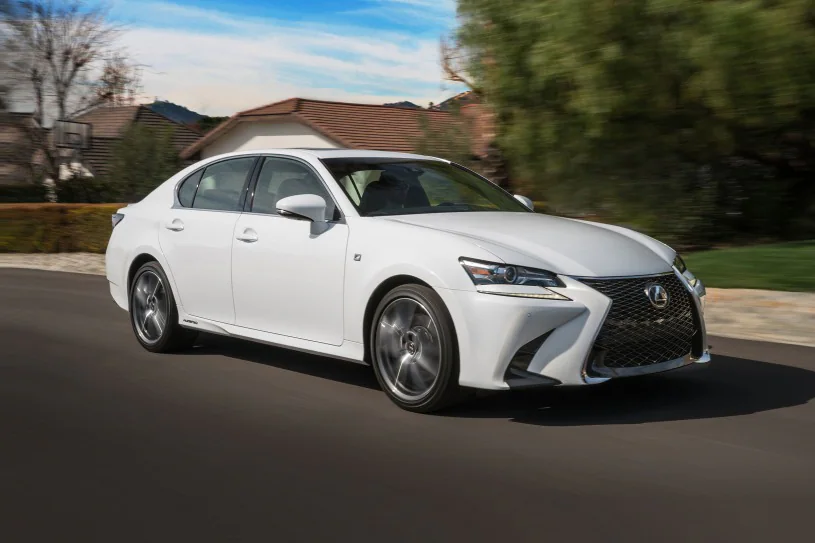
5. Lexus GS 450h (2007–2011) – Costly Repairs and Battery Issues
The Lexus GS 450h was a hybrid luxury sedan that combined a 3.5-liter V6 engine with an electric motor to deliver strong performance and fuel savings.
However, the hybrid system in this vehicle has been noted for some early failures, particularly concerning the battery pack and hybrid control electronics. Many owners reported needing battery replacements well before the expected lifespan, often between 100,000 and 120,000 miles.
Battery failure was frequently accompanied by warnings related to the hybrid system and a loss of electric assist power, leading to decreased fuel economy and increased wear on the gasoline engine.
Lexus used a complex nickel-metal hydride battery design that required sophisticated cooling and power management. In some cases, these systems did not function optimally, resulting in overheating and premature battery degradation.
The hybrid control module and inverter units also posed reliability concerns, with some reports of electronic faults causing erratic power delivery or system shutdowns.
Repairing these components was expensive, often involving dealer-only parts and labor. Combined with the cost of replacing hybrid batteries, these issues made the GS 450h less appealing as a long-term hybrid investment.
Despite Lexus’s reputation for quality, the GS 450h hybrid system was seen as less durable compared to other Toyota-based hybrids. It required consistent preventive maintenance and sometimes costly repairs that could offset the savings gained from fuel efficiency.
For buyers seeking a reliable hybrid luxury sedan with fewer risks of early failure, alternative models tended to be better choices.
Also Read: 5 Cars That Still Run Strong After Abandonment vs 5 That Don’t
The journey through the world of hybrid engines reveals a clear divide between those that stand the test of time and those that falter prematurely. The difference often comes down to engineering philosophy, component quality, and how thoroughly manufacturers test and refine their hybrid systems before release.
Hybrid engines that last for decades typically prioritize simplicity, durability, and balanced stress distribution between the gasoline engine and electric components.
In contrast, those that fail early tend to involve complex, cutting-edge technologies that, while impressive on paper, may not yet have proven their long-term reliability.
Among the hybrids that endure, vehicles like the Toyota Prius, Honda Accord Hybrid, and Lexus RX 400h demonstrate that hybrid systems can be both efficient and robust. These models benefit from conservative design choices that focus on longevity rather than chasing performance at any cost.
Their batteries, transmissions, and engine components are engineered to work harmoniously, with efficient cooling systems and dependable electronics that minimize wear.
Furthermore, strong manufacturer support, widespread mechanic familiarity, and readily available parts all contribute to keeping these vehicles on the road for hundreds of thousands of miles.
Conversely, the early failures seen in models such as the Chevrolet Volt’s first generation or the Mercedes-Benz S400 Hybrid highlight the risks of introducing complex hybrid technology without fully addressing durability challenges.
Expensive battery replacements, transmission issues, and fragile electronics can quickly turn these vehicles into costly maintenance projects.
In many cases, the very innovations meant to boost efficiency and performance end up creating weak points that shorten the engine’s lifespan. Such experiences emphasize the importance of cautious engineering and thorough field testing in hybrid development.
For consumers, understanding these distinctions is vital when selecting a hybrid vehicle. Longevity isn’t guaranteed simply because a car carries the hybrid badge. Evaluating a vehicle’s history, known issues, and manufacturer’s reputation can make the difference between years of worry-free driving and unexpected repair bills.
Moreover, regardless of the model, proper maintenance, including regular servicing of cooling systems, battery health monitoring, and attentive care of drivetrain components, is essential to extend the life of any hybrid engine.
Looking ahead, hybrid technology will continue to improve, with better battery chemistries, smarter electronics, and more efficient power management systems.
The lessons learned from past successes and failures guide manufacturers toward building hybrids that combine the best of both worlds: strong performance and lasting reliability.
