
When conditions get rough, whether it’s extreme cold, intense heat, muddy roads, or rocky terrain, not all cars are built to endure. Some vehicles, despite having flashy designs or high price tags, simply aren’t made for anything more demanding than a clean stretch of highway.
But others are built like tanks, engineered with a focus on long-term durability, ruggedness, and dependability under stress.
These are the cars that keep going when lesser models are stranded. What sets them apart isn’t just a strong engine or a lifted suspension. It’s a combination of thoughtful engineering, proven reliability records, and mechanical systems that hold up over time regardless of environment.
Automotive dependability in harsh conditions is about more than off-road capability. It’s about how the transmission responds to stress, how well the electrical system holds up under humidity, whether the frame resists rust in salted winter roads, and how easily repairs can be done when something eventually does go wrong.
Cars that thrive under these situations often come from manufacturers with long reputations for overbuilding their vehicles. The ones that remain popular even decades after release tend to be simple in construction, with fewer electronic components that might fail in adverse weather or terrain.
People who live in rural areas, mountainous regions, or remote locations understand that dependability isn’t a luxury, it’s a necessity. A vehicle breaking down in these settings is more than just inconvenient. It can mean being stranded miles from help in freezing temperatures or in the middle of a desert with no cell service.
That’s why some drivers stick with tried-and-true models, sometimes keeping them for decades. They aren’t looking for new features or luxury interiors. They want something that starts every time, climbs over obstacles without hesitation, and keeps them moving through rain, snow, or blistering sun.
What follows is a list of 14 cars, SUVs, and trucks known for their toughness in difficult environments. These aren’t necessarily the flashiest vehicles on the market. Some might not even get much attention at a dealership.
But they’ve proven themselves time and again to be the kinds of cars you can count on when the road disappears or the weather turns. If you’re someone who needs their vehicle to be a partner rather than a liability, these are the machines worth considering.
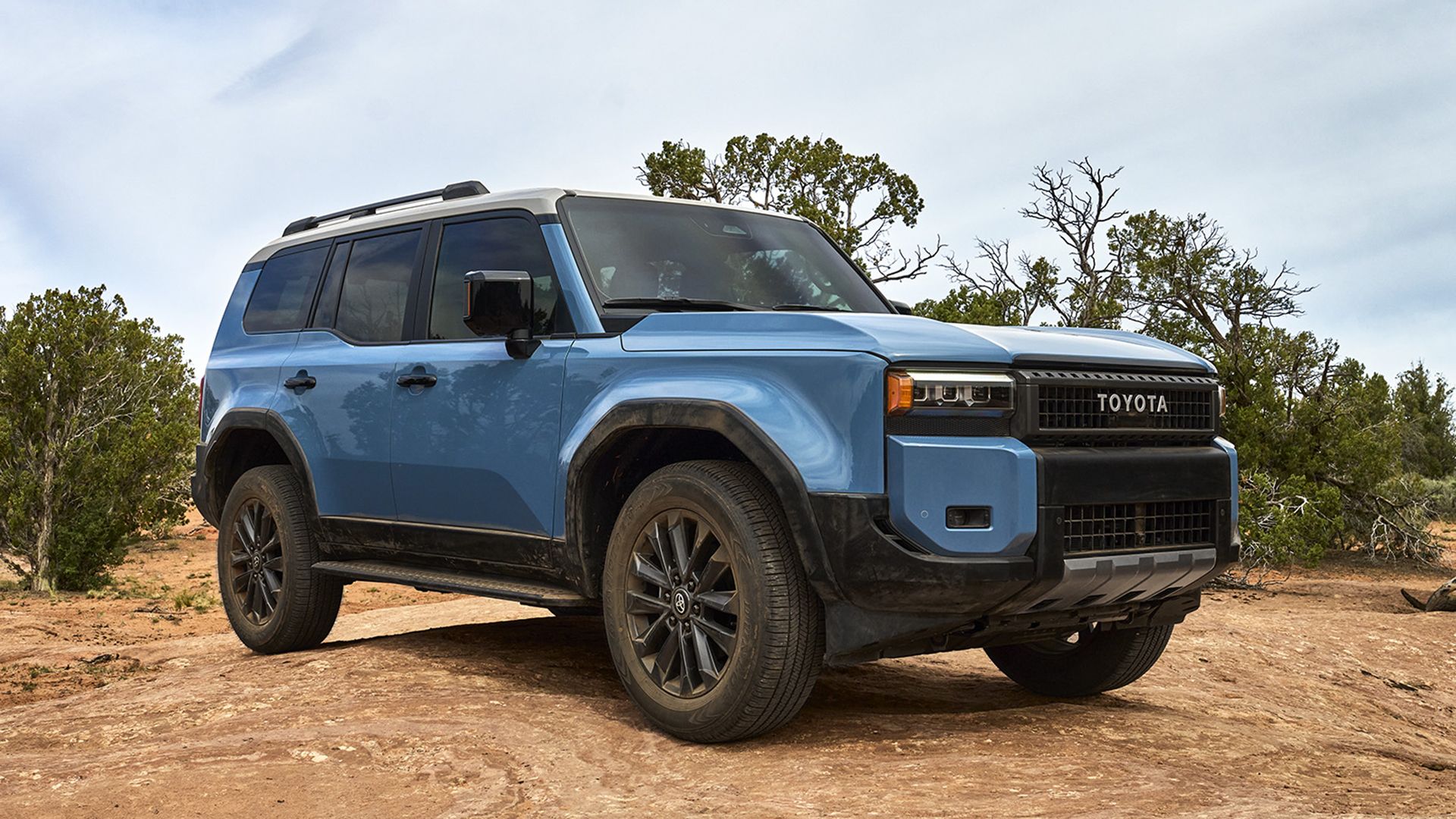
1. Toyota Land Cruiser
The Toyota Land Cruiser is one of the most legendary vehicles when it comes to surviving the worst road conditions. Known for its military-grade reliability, this vehicle has been used all over the world in some of the most inhospitable climates imaginable.
It was originally designed to be a rugged off-roader, and decades later, it remains true to that purpose. The body-on-frame design, solid axle setups in earlier models, and simple mechanical systems make it a favorite for those who want something they can trust no matter what.
One of the reasons the Land Cruiser rarely breaks down is its engineering focus on longevity over innovation. Toyota hasn’t rushed to throw in complicated electronics or flashy features that might malfunction in tough conditions.
Instead, they’ve kept the design straightforward and prioritized durability. This makes the Land Cruiser easier to maintain and repair, even in areas with limited access to high-end service centers or parts.
The Land Cruiser also stands out for how it handles extreme temperature changes. Whether you’re driving in subzero winters or across sun-baked desert roads, the engine cooling and heating systems are robust enough to prevent overheating or freezing.
The drivetrain and suspension are also built with enough give and strength to handle sudden changes in terrain without throwing things out of alignment or causing critical damage.
Perhaps what has built the Land Cruiser’s reputation the most is the loyalty of its owners. People who own one tend to keep them for decades, and it’s not uncommon to see high-mileage models still running without major work.
That kind of track record doesn’t come from luck. It comes from consistent reliability and the kind of overbuilt quality that makes it a safe choice when you can’t afford to take risks with your vehicle.
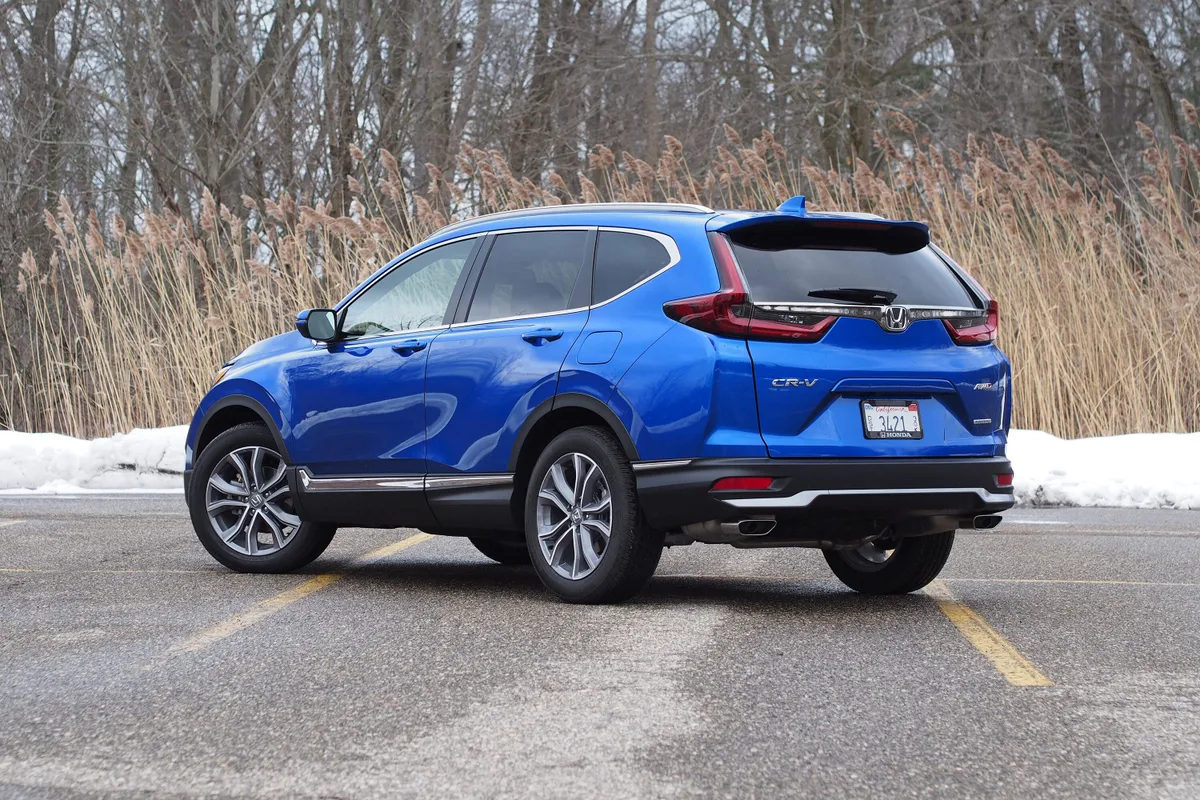
2. Honda CR-V
The Honda CR-V might not be the first car that comes to mind when talking about durability in extreme environments, but it deserves a place on this list.
It offers a unique combination of compact design, mechanical simplicity, and high-quality engineering that allows it to keep running strong even when pushed beyond what most would expect from a crossover.
Its all-wheel-drive system, while not built for hardcore off-roading, is more than capable of handling snow, gravel, and mud on a regular basis.
One of the main strengths of the CR-V is Honda’s long-standing reputation for creating engines that last. The four-cylinder engines used in most CR-V models are known to push well beyond 200,000 miles with little more than routine maintenance.
These engines aren’t just efficient; they’re resilient. They handle poor fuel quality, inconsistent servicing, and challenging driving conditions with impressive reliability.
Another factor in the CR-V’s ability to handle harsh conditions is its chassis and suspension tuning. While it’s not designed to crawl over rocks, it absorbs road imperfections better than many of its competitors.
When driving over potholes, dirt roads, or washboard surfaces, the CR-V manages to maintain traction and stability. This helps prevent damage to the underbody and reduces the likelihood of mechanical failure from prolonged stress.
What makes the CR-V a favorite in cold climates is how well it deals with winter. The heating system warms the cabin quickly, the electronics hold up well in freezing temperatures, and the AWD kicks in smoothly when needed.
Even after years of use, many CR-Vs start without hesitation in cold mornings, showing that while it might look like an ordinary family car, it has the heart of something much tougher.
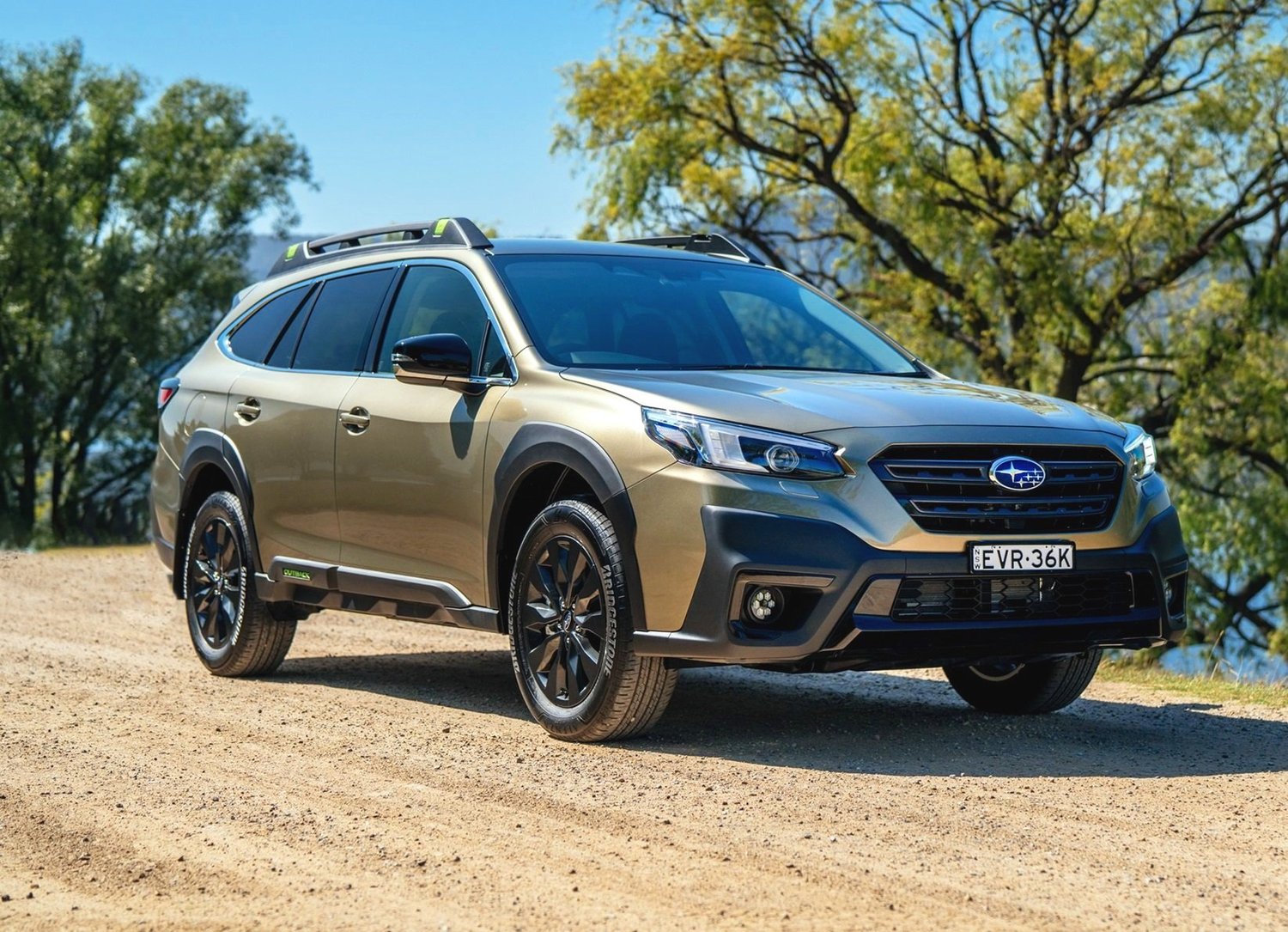
3. Subaru Outback
The Subaru Outback has carved out a loyal following in regions where snow, ice, and rough roads are part of everyday life. It sits in a category of its own, blending the best aspects of a wagon and an SUV.
Built with standard all-wheel drive across all trims, it’s more than capable of handling treacherous weather and loose terrain. It isn’t marketed as an extreme off-roader, but many have discovered that it performs impressively in environments where other vehicles struggle.
One of the Outback’s most consistent traits is its engine reliability. The flat-four engines, especially the naturally aspirated versions, are less prone to overheating and are easy to service.
The simplicity of the engine layout also contributes to better weight distribution, which improves balance and traction. While turbocharged models add power, it’s often the base engines that prove most durable over the long term.
Another key element of the Outback’s toughness is its symmetrical all-wheel-drive system. Unlike part-time systems that engage only when slip is detected, Subaru’s AWD runs constantly, giving the driver a confident grip on the road at all times.
This makes a difference not only in snow and ice but also in wet, muddy, or loose gravel situations. It’s especially valuable in areas where sudden changes in terrain are frequent.
Owners of the Outback often report high mileage without major issues. Beyond the drivetrain, the interior electronics and materials hold up well against temperature swings. The weather seals keep moisture out, and corrosion protection is solid for road salt exposure.
These features, combined with the car’s naturally low center of gravity, make the Outback one of the best choices for people who need a reliable daily driver in unforgiving conditions.
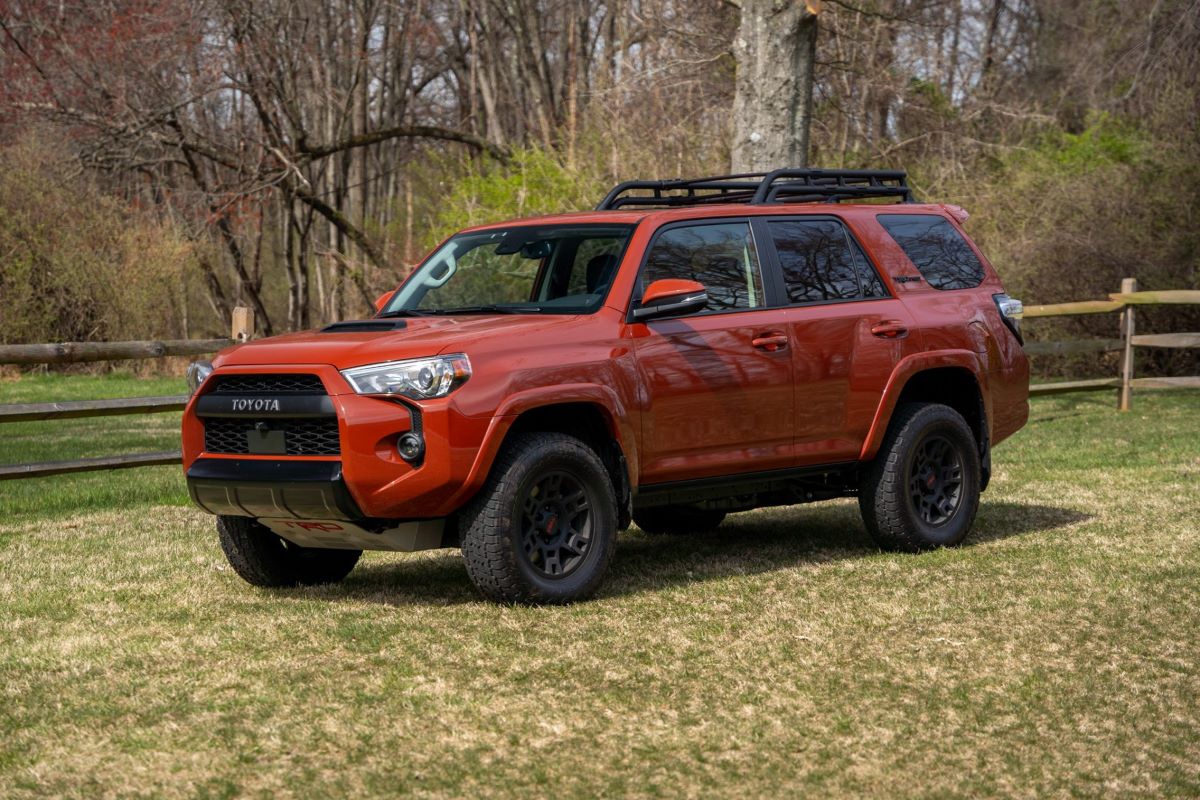
4. Toyota 4Runner
The Toyota 4Runner is a classic body-on-frame SUV that has stayed true to its roots, even as many competitors have shifted toward softer crossovers. Its rugged build and simple mechanics make it a favorite among off-roaders, overlanders, and people living in remote or mountainous areas.
The 4Runner doesn’t pretend to be something it’s not. It is a tough, capable SUV that prioritizes reliability and strength over flashy features.
One reason the 4Runner resists breakdowns is its proven drivetrain. The 4.0-liter V6 engine used in recent generations is known for being nearly bulletproof. It’s not the most fuel-efficient engine out there, but what it lacks in economy it makes up for in consistency.
Paired with a five-speed automatic transmission, the powertrain has fewer moving parts than many modern systems, which lowers the chance of something going wrong.
The suspension system is another area where the 4Runner shines. With a solid rear axle and independent front suspension, it’s built to withstand heavy abuse.
Whether climbing rocky paths, crossing rivers, or handling deep snow, the 4Runner maintains its composure. Aftermarket support is also strong, so parts are easy to find even in remote areas, and many common repairs can be done with basic tools.
Inside the cabin, things are built with function in mind. The interior may feel dated to some, but the controls are straightforward and less likely to malfunction.
The vehicle’s electronics are basic compared to competitors, which is exactly why they’re less prone to failure. Everything about the 4Runner feels designed for long-term use under tough conditions, making it one of the most trusted SUVs on the market for harsh environments.
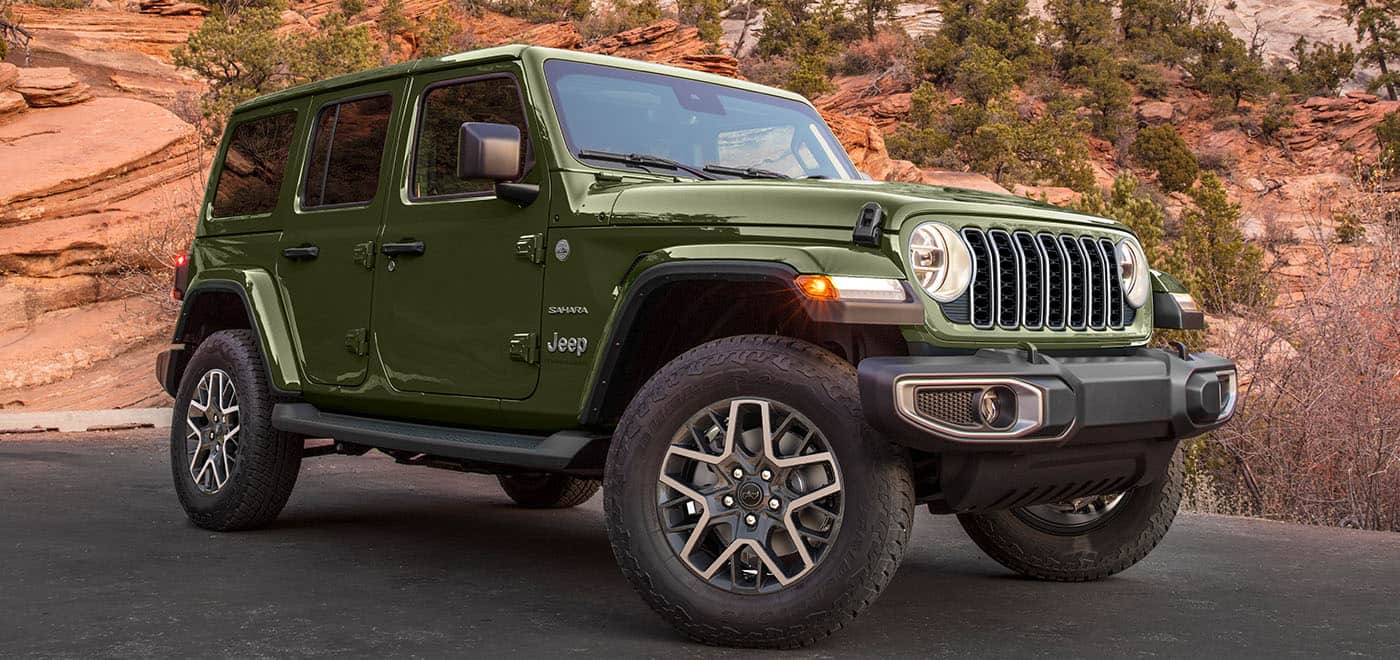
5. Jeep Wrangler
The Jeep Wrangler has long been recognized as one of the most rugged vehicles on the market. Designed with off-road use in mind, it’s no surprise that it holds up well under harsh conditions. Whether tackling rocky trails, climbing steep inclines, or plowing through snowdrifts, the Wrangler remains composed and reliable.
It’s not a soft SUV built for comfort; it’s a machine made for people who need functionality in demanding terrains. The body-on-frame construction, solid front and rear axles, and short wheelbase provide a level of maneuverability and toughness that most other vehicles can’t match.
What sets the Wrangler apart is not just its mechanical design, but the ease with which it can be repaired or modified. Owners appreciate that the engine bay is accessible, and the parts are widely available, making it possible to do much of the maintenance themselves, even in remote areas.
The drivetrain is relatively simple compared to modern SUVs, and Jeep has intentionally kept the system mechanical rather than overly electronic. This decision has helped reduce the number of failure points, particularly when water, dust, or extreme temperature swings come into play.
Another factor contributing to the Wrangler’s reliability in harsh conditions is the way it’s built to deal with exposure. From the start, it was meant to operate without being pampered.
Whether it’s open-top driving in desert conditions or fording through knee-deep water in swampy areas, the Wrangler is built to survive where more delicate vehicles might fail.
Even when interior parts wear down due to use and exposure, replacements are easy to find, and the vehicle’s modular design means upgrades or swaps are usually simple.
However, the Wrangler does come with trade-offs. Ride comfort on highways and fuel efficiency are not its strong suits. But those who choose this vehicle aren’t looking for luxury, they’re looking for trustworthiness in places where getting stuck could become dangerous.
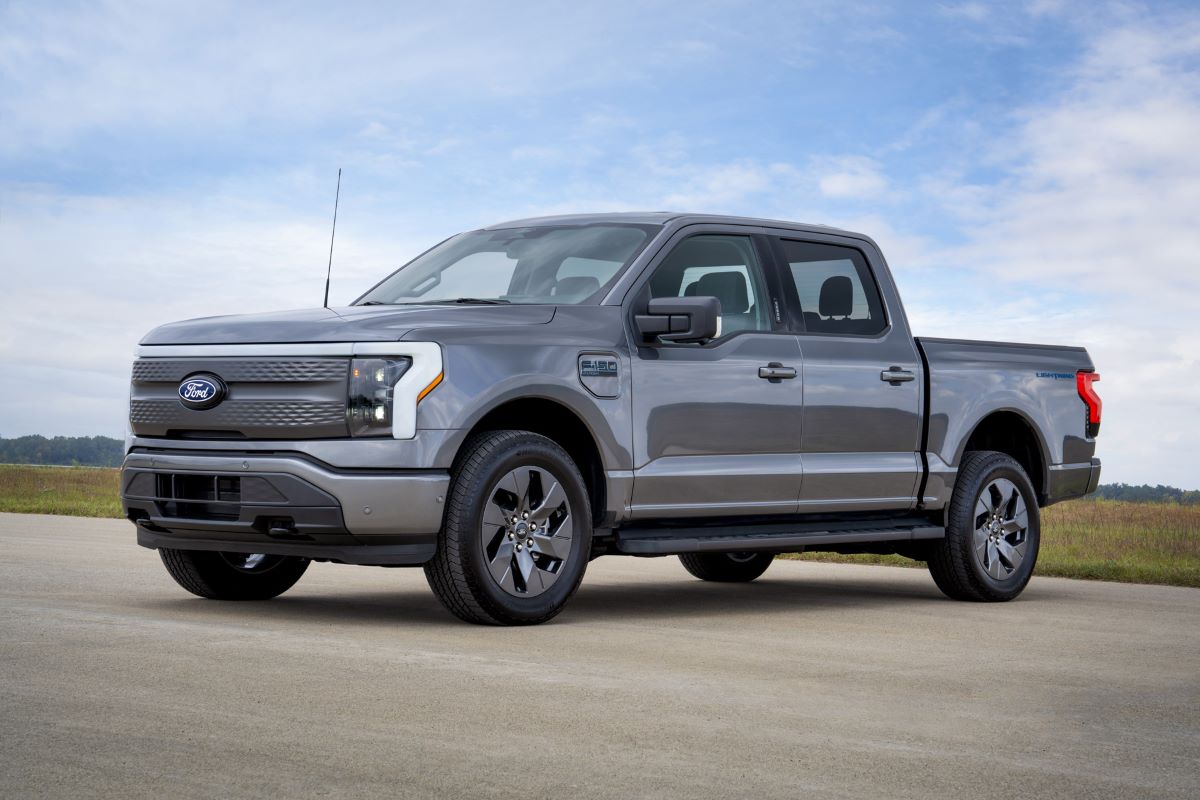
6. Ford F-150
The F-150 has evolved over the years but has always retained its core strength: a sturdy platform that doesn’t quit when the going gets tough.
One of the key strengths of the F-150 is the diversity and dependability of its engine options. From naturally aspirated V6 and V8 engines to more recent EcoBoost turbocharged units, each generation has offered something for every kind of driver. What they all share is a solid reputation for long service life when properly maintained.
In colder climates, owners report that the F-150 still starts reliably even after sitting out overnight in sub-zero temperatures. In hotter climates, the cooling systems hold up under load without letting the engine overheat. The broad range of powertrain choices gives drivers confidence, no matter where they live.
Another major factor in the F-150’s resilience is its heavy-duty suspension and frame. These trucks are built to haul, tow, and withstand impacts from uneven surfaces or off-road routes. The leaf-spring rear suspension might seem outdated to some, but its simplicity is what makes it last.
It handles weight well, absorbs shocks, and rarely requires extensive repairs unless abused. When combined with optional four-wheel drive systems, the truck is well-suited to handle everything from icy hills to muddy riverbeds. It can be used in agricultural fields, logging routes, or oil sites, places where reliability is non-negotiable.
Even the newer F-150s, with more advanced technology, are designed to take a beating. Ford has improved corrosion protection for winter salt exposure, including better sealing against water intrusion, and designed interior materials to endure dirt, moisture, and extreme temperature swings.
It may not be the cheapest truck on the market, but its reputation for surviving in tough places is well-earned. For many drivers, especially in rural or industrial settings, the F-150 is more than just a vehicle, it’s a trusted part of daily survival.
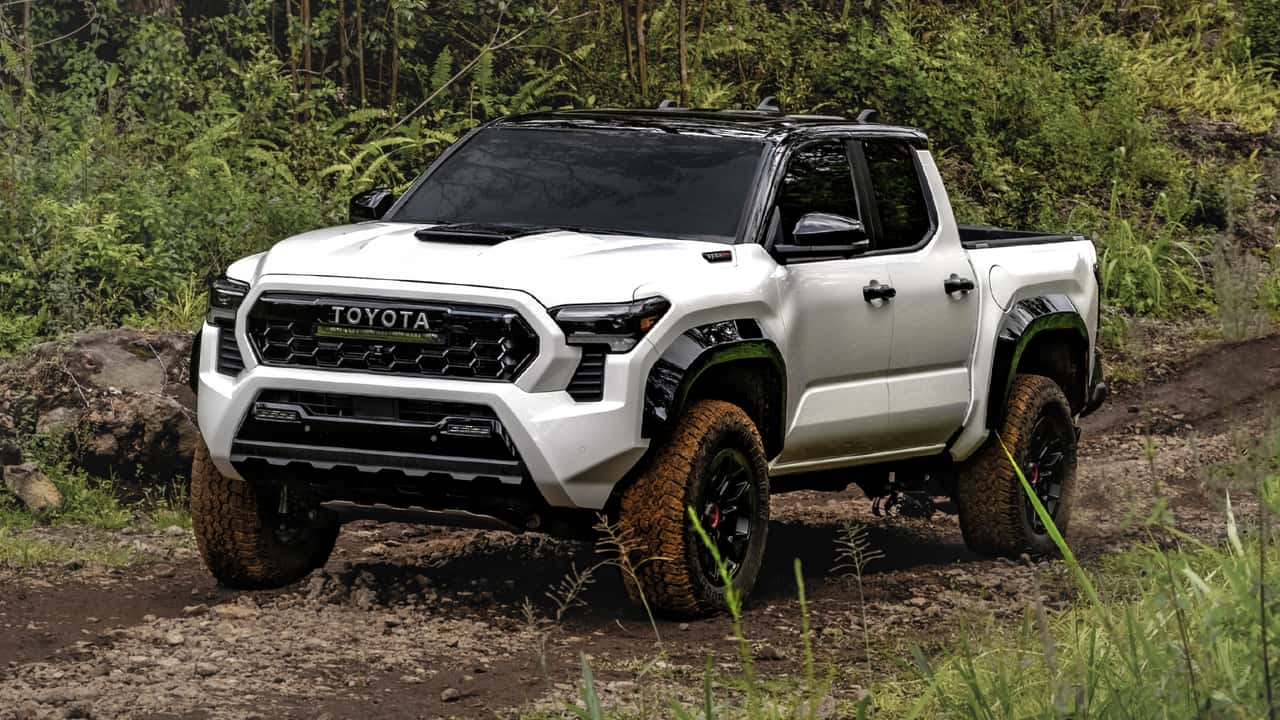
7. Toyota Tacoma
The Toyota Tacoma is a midsize pickup that punches above its weight in reliability and ruggedness. It’s particularly popular in regions where roads are more of an idea than a guarantee.
From backcountry trails to desert crossings, the Tacoma consistently proves it can keep going without serious issues. Its combination of smart engineering, tough construction, and reliable powertrains makes it one of the most respected choices for people who need a truck that just won’t quit.
One of the standout aspects of the Tacoma is its long-standing 3.5-liter V6 engine. While not the most powerful on the market, it’s known for running smoothly well past the 200,000-mile mark, often with minimal intervention beyond regular oil changes and filter replacements.
The engine tolerates heat, cold, and dust exceptionally well, which is why the Tacoma is so common in places like the Southwest U.S., where off-road conditions and high temperatures are the norm. The simplicity and reliability of this engine are part of what makes the Tacoma such a long-lasting vehicle.
In terms of structure, the Tacoma features a high-strength steel frame and a reinforced suspension designed to carry moderate loads while also absorbing the bumps and bruises of uneven terrain.
It’s smaller than full-size trucks, which makes it easier to maneuver in tight or heavily forested areas, but it still retains the toughness that larger trucks are known for.
The approach and departure angles, combined with optional skid plates and four-wheel-drive systems, make it capable of handling far more than a grocery store parking lot.
For cold-weather environments, the Tacoma holds up well thanks to its efficient defrost and heating systems, good cabin insulation, and durable materials that resist freezing or cracking. The electronics are also robust, with few reports of failures due to moisture or temperature extremes.
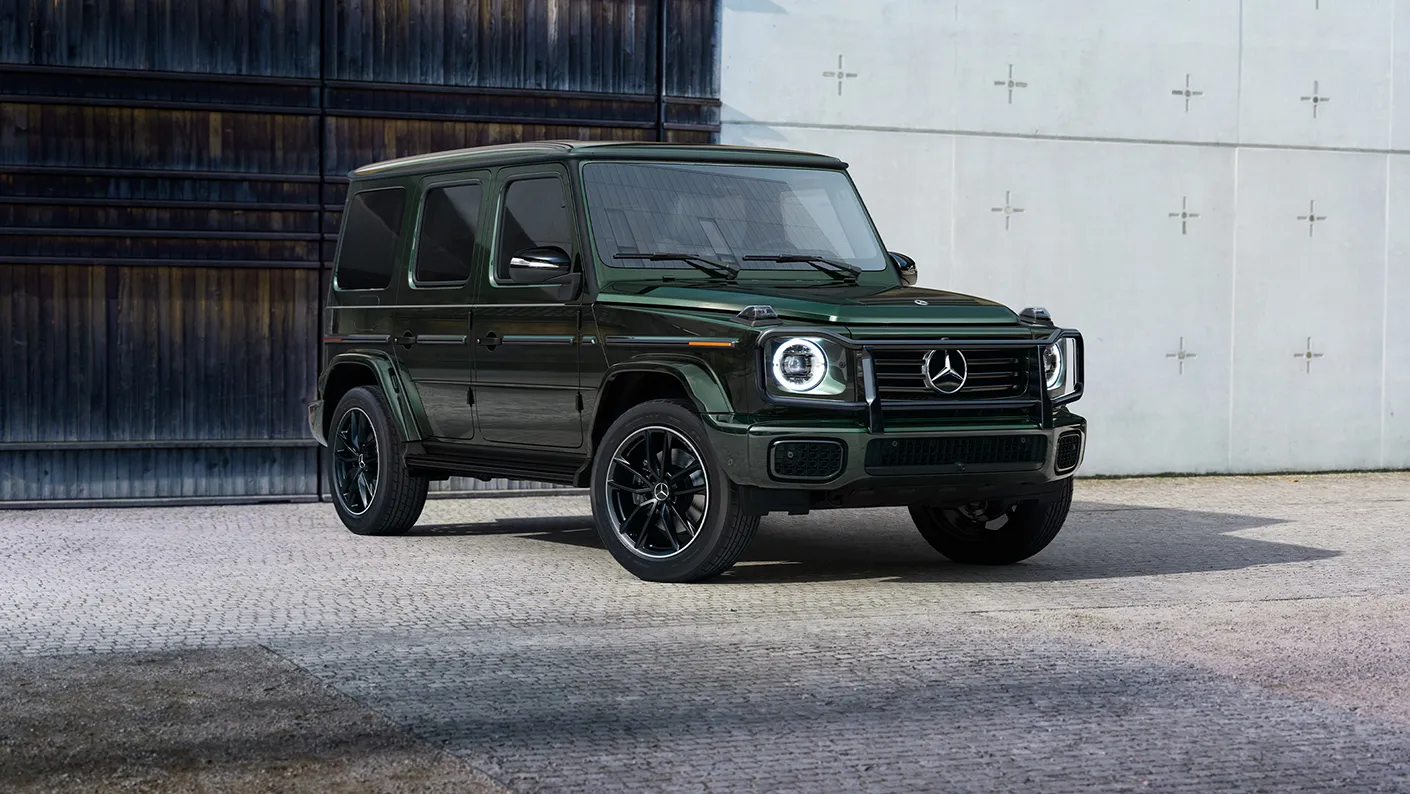
8. Mercedes-Benz G-Class
Though often associated with luxury and high-end appeal, the Mercedes-Benz G-Class, commonly referred to as the G-Wagon, has its roots in military use and was originally developed to be a utilitarian off-road vehicle.
Beneath its polished exterior lies one of the most capable and durable drivetrains ever built into a production SUV. Its boxy shape isn’t just for show; it serves a functional purpose, allowing the vehicle to maintain structural integrity even in the most punishing environments.
The G-Class comes equipped with a full-time four-wheel-drive system, three locking differentials (a rare feature even in modern off-road vehicles), and a ladder-frame chassis that’s built to handle more than its fair share of abuse.
While luxury models may seem more suited to paved city streets, the actual engineering behind the G-Wagon makes it exceptionally resilient in conditions that challenge even the toughest vehicles. Whether you’re navigating washed-out mountain roads or slogging through muddy jungle terrain, this SUV continues to move forward when others get stuck.
Under the hood, Mercedes has historically equipped the G-Class with robust V8 and even V12 engines, many of which are hand-built and engineered for longevity. Though maintenance costs can be high, it’s also true that these engines are capable of running strong for hundreds of thousands of miles when properly cared for.
In extreme temperatures, the G-Class shows little sign of weakness. The engine cooling systems and drivetrain are overbuilt to the point that even performance models can be driven in environments well outside the comfort zone of typical luxury SUVs.
That being said, it’s not the ideal vehicle for everyone due to its price and complexity. However, for those who can afford it and need a vehicle that can handle both a snow-covered mountain pass and a desert heatwave without blinking, the G-Class is a serious contender.
It might come wrapped in leather and wood trim, but don’t let the comfort fool you. This vehicle was born in battle and has kept that same DNA underneath all the modern polish.
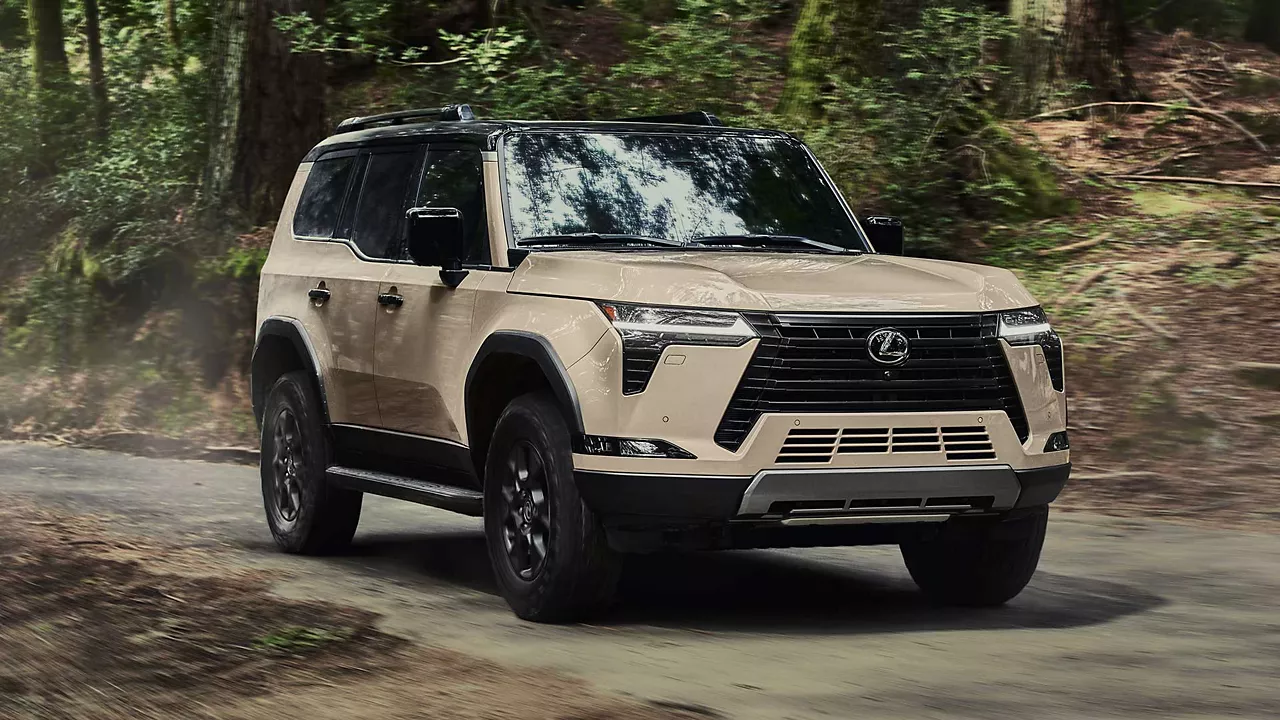
9. Lexus GX
The Lexus GX may look like a luxury SUV, but underneath its refined exterior lies a platform and drivetrain shared with the Toyota Land Cruiser Prado, a vehicle known for its off-road durability across the globe. This connection gives the GX an inherent toughness that many people overlook.
While marketed primarily toward families and urban drivers in the U.S., the GX has proven itself in remote regions where road maintenance is an afterthought and climate conditions are hostile. It’s this blend of rugged underpinnings and dependable engineering that allows it to perform consistently in extreme environments.
One of the most reliable aspects of the Lexus GX is its naturally aspirated V8 engine. Unlike turbocharged engines that can be sensitive to heat, altitude, or poor fuel quality, the GX’s V8 is built for consistency. It operates smoothly in subzero temperatures and continues to deliver power in triple-digit heat.
The simplicity of the powertrain is one of its key advantages; it doesn’t overcomplicate performance with unnecessary technology. When you press the gas pedal, you get a dependable response, regardless of what’s going on outside the vehicle.
The suspension on the GX is designed to bridge comfort and utility. With an available adjustable air suspension and a solid rear axle, it’s surprisingly capable over uneven terrain. Drivers report taking it on steep mountain passes, icy roads, and remote backcountry routes with little difficulty.
Its full-time four-wheel drive system, combined with a locking center differential, gives it strong grip on loose or slippery surfaces. Despite being marketed as a luxury SUV, the GX handles the kind of stress that would challenge even more utilitarian vehicles.
The interior materials, electronics, and climate systems also hold up impressively under wear and tear. While many luxury vehicles suffer from failing infotainment systems or delicate trim that doesn’t handle humidity or cold well, the GX’s cabin components remain functional and intact even after years of use in tough settings.
It’s built more like a durable off-roader than a fragile city cruiser. For those who want luxury without sacrificing long-term reliability in harsh conditions, the Lexus GX stands out as one of the most underrated choices on the market.
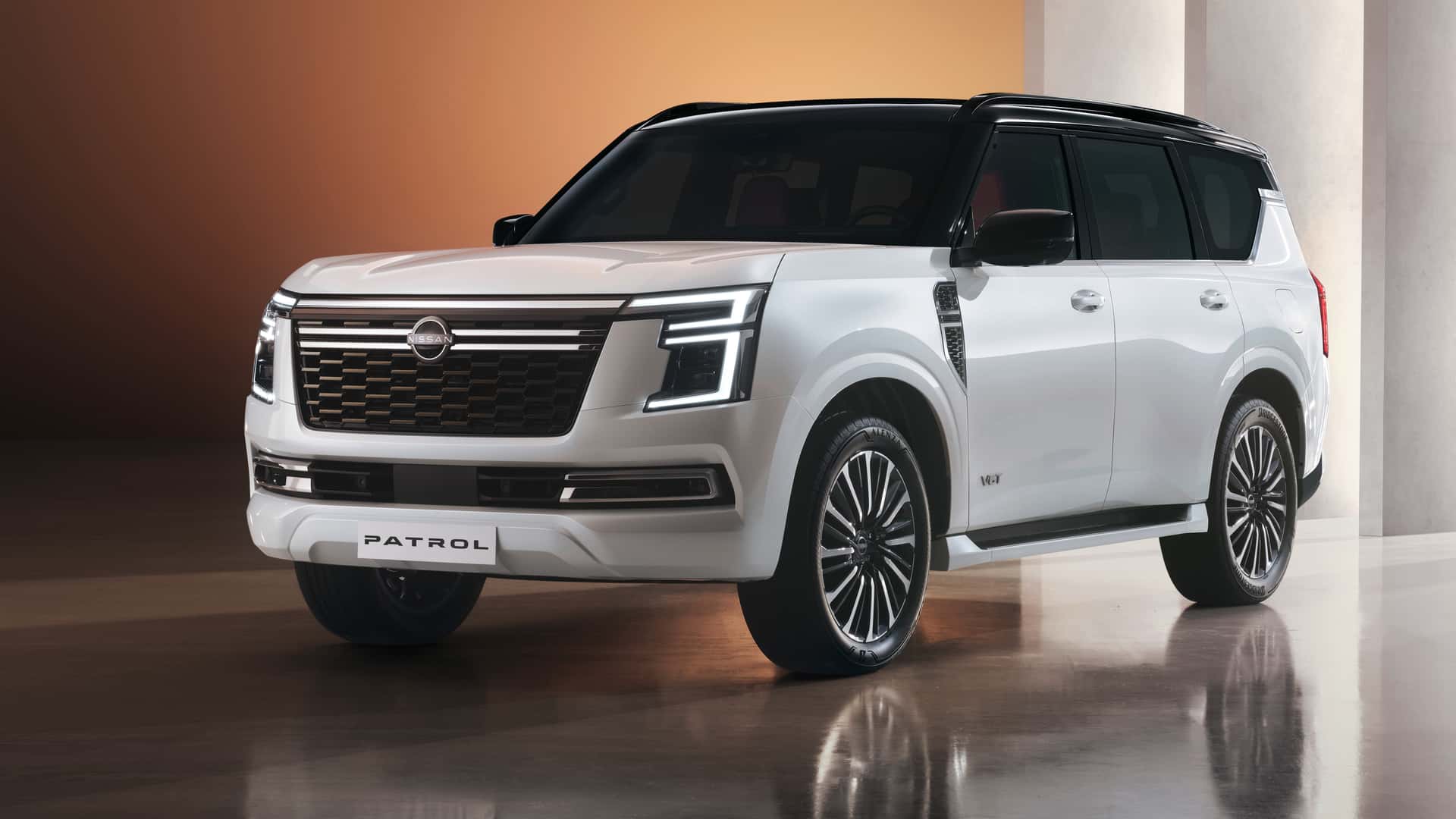
10. Nissan Patrol
The Nissan Patrol is one of the most respected vehicles globally when it comes to surviving unforgiving terrain. While it’s not widely sold in the United States, it’s a top choice in regions like the Middle East, Africa, and parts of Asia, areas known for brutal temperatures, endless deserts, and minimal road infrastructure.
The Patrol’s reputation for never quitting under pressure has made it the go-to for military units, humanitarian agencies, and off-road enthusiasts who need something reliable in places where breakdowns can be dangerous or even life-threatening.
At the core of the Patrol’s reliability is its naturally aspirated V8 or inline-six engine, depending on the generation. These engines are known for being nearly impossible to kill. They don’t overheat easily, and they aren’t plagued with the kinds of timing or turbocharger issues that affect many modern engines.
They run clean, resist carbon build-up, and are built to tolerate poor fuel quality, an essential trait in areas where premium fuel isn’t an option. The Patrol has the mechanical reliability that comes from years of development in extreme climates.
Its suspension is also designed for abuse. Whether it’s the independent front and solid rear setup in more recent models or the full solid axle layout in older ones, the Patrol’s undercarriage is built to take punishment.
People regularly report loading them with cargo, passengers, and gear, then pushing through 120-degree heat without seeing warning lights or losing traction. Even the cooling systems are oversized compared to typical SUVs, a necessity in environments where the vehicle can be baking in the sun for hours at a time while still being asked to perform.
Interior-wise, the Patrol keeps things simple but effective. It’s not as plush as luxury SUVs, but the materials used are chosen with durability in mind. The controls work reliably even after long exposure to dust, sand, and humidity.
In colder climates, the heating systems function quickly, and in warmer ones, the air conditioning is powerful and resilient. The Nissan Patrol may fly under the radar in some markets, but in areas where the land can break lesser vehicles, it has proven itself time and time again as a true workhorse.
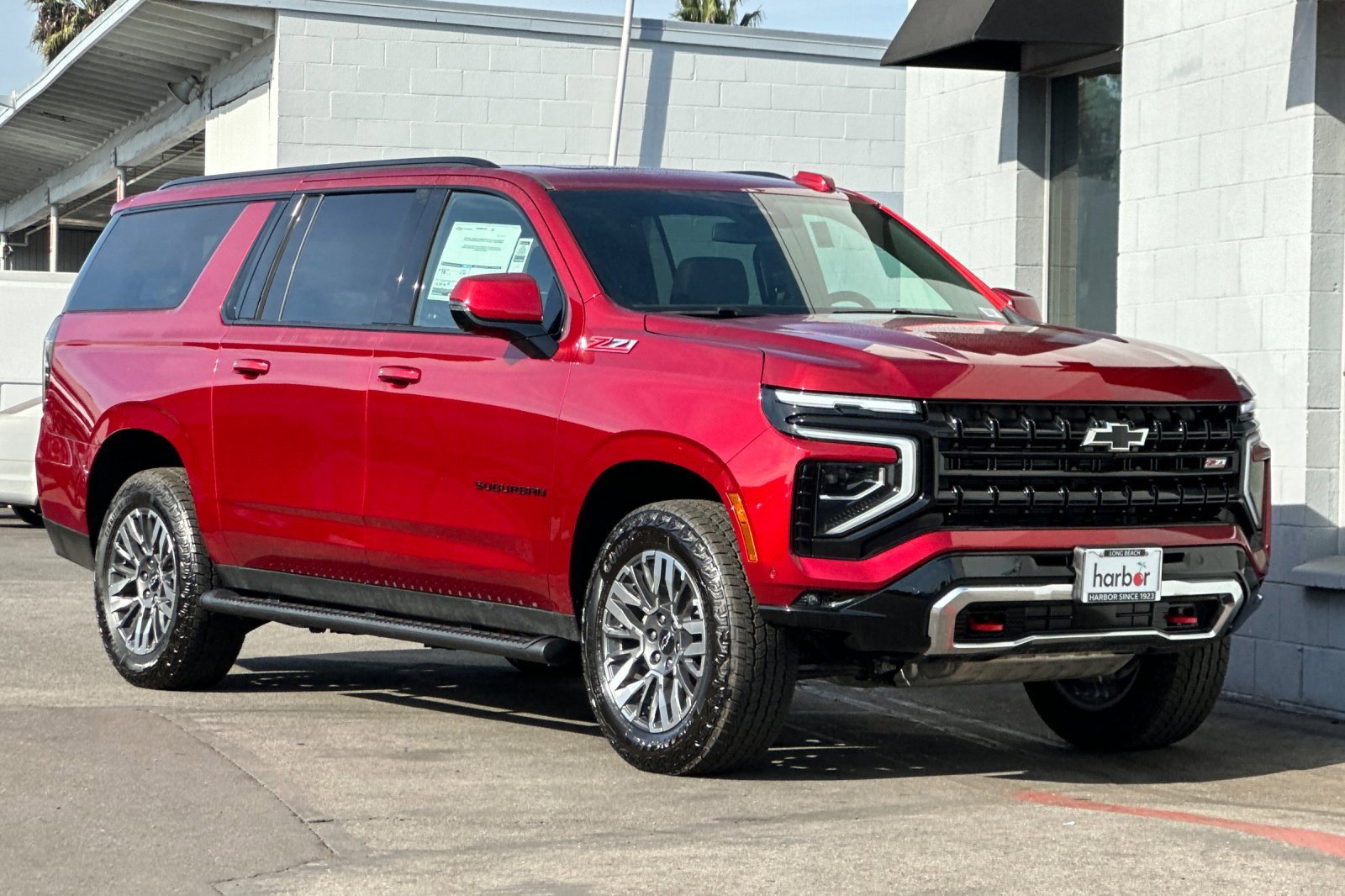
11. Chevrolet Suburban
The Chevrolet Suburban is a long-time favorite among families, government agencies, and emergency services for good reason, it’s incredibly durable and dependable, especially when the environment gets difficult.
Originally designed for heavy utility, the Suburban has retained its ability to handle extreme use cases even as it’s become more comfortable and technology-packed. Whether navigating frozen backroads, responding to disaster zones, or hauling trailers through high-altitude passes, the Suburban consistently holds up when other large SUVs might falter.
A big part of that reliability stems from the Suburban’s truck-based platform. Built on the same chassis as GM’s full-size pickups, the Suburban benefits from a design that was made for hard work.
Beyond the engine, the Suburban’s suspension and drivetrain are optimized for durability. The rear solid axle setup can take serious load and road abuse without breaking down, and the available four-wheel drive system adds an extra layer of security in icy or uneven conditions.
While it’s a large vehicle, the Suburban’s weight is distributed in a way that helps it remain balanced even on uneven surfaces. That’s part of why it’s used in places like Alaska and parts of Canada, where long distances between towns and unpredictable weather make reliability a non-negotiable requirement.
Inside, the materials and design have improved over the years but have always retained a practical edge. The electronics are not overly complicated and tend to hold up well over time. Heating and cooling systems are effective even in the third row, crucial in extreme climates where passengers are in the vehicle for long stretches.
For people who need space, towing power, and long-haul endurance, the Suburban has been a consistent answer. It may not be flashy, but it’s often the last vehicle running when others give up.
