
Electric vehicles (EVs) have become more common and more capable over the past decade. One of the biggest concerns for drivers, beyond purchase price and charging infrastructure, is range: how far can the car go on a full charge in real‐world conditions, and how much of that range remains when you push the car, drive in cold weather, or use climate control heavily.
Range isn’t just a number claimed by the manufacturer; it’s influenced by battery size and chemistry, vehicle weight and aerodynamics, driving style, ambient temperature, how much auxiliary load (heating, air‐conditioning, electronics) is used, and how well the thermal management system works.
For buyers who travel long distances or who often use highways or need confidence in cold or hot weather, choosing an EV that retains a large proportion of its rated range under varied conditions is crucial.
Some EVs have proven that they can keep range strong (i.e. they lose only a modest amount of their claimed or rated range under hard use), while others tend to drop more quickly when conditions are less than ideal (cold weather, high speeds, steep hills, heavy load).
It’s important for buyers to understand which cars perform well in that aspect, and which might disappoint. In this article I will outline five EVs that are known (based on available data and user reports) to keep range strong across many real‐world scenarios, followed by five EVs that tend to lose range more rapidly under adverse conditions.
The aim is not to shame any model, since many trade‐offs (price, performance, size, comfort) influence design, but to help prospective buyers know what to expect. Doing so can help you make more informed decisions about what kind of EV suits your lifestyle, what compromises you may face, and what strategies (pre‐conditioning, speed management, charging habits) can mitigate range loss. Let us start with those EVs that maintain range impressively well.
Also Read: 11 Best Engines That Stay Smooth After Decades of Use
5 EVs That Keep Range Strong
Here are five electric vehicles which, according to reports, owner feedback, and available data, tend to retain a large portion of their rated or advertised range under many conditions. Each of the five is followed by details on what helps them perform well, and what limitations still exist.
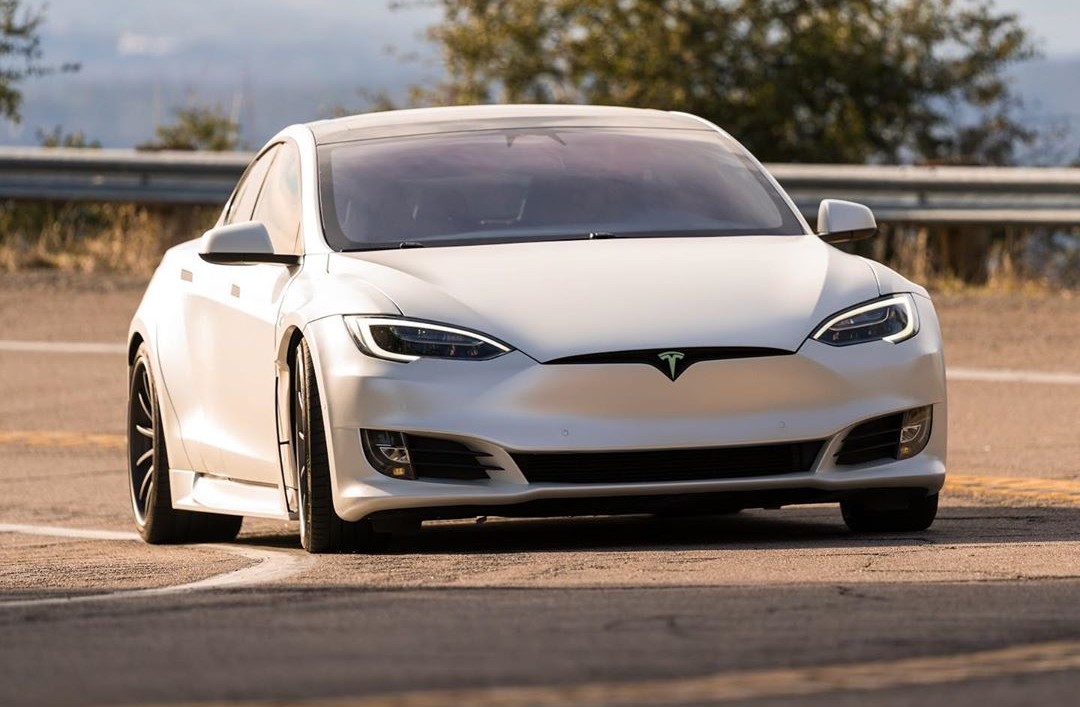
Tesla Model S Long Range
One of the strongest performers when it comes to maintaining range is the Tesla Model S in its Long Range configuration. With a large battery pack, excellent aerodynamics, and efficient drivetrain engineering, it tends to lose less percentage of its rated range under heavy highway speeds or with use of climate control than many of its peers.
Users report that at highway speeds (around 110–120 km/h, or about 70–75 mph), the drop in range is moderate, often in the 20–30 % range rather than 35–45 % for less efficient EVs. Cold weather does hurt its range more than mild climates, but the thermal management system helps reduce this loss relative to more basic designs.
Because Tesla has refined its software, including how the battery warms, how energy is shared between motors (if dual motor), and how the car handles regeneration, the efficiency remains high even under load.
Another factor is its energy‐use per kilometer. The Model S’s weight is high, but its sleek body helps reduce drag; the wheels are often optimized for efficiency, and rolling resistance is controlled well. The powertrain, motor design, inverter efficiencies, and control of auxiliary systems (e.g., heating, air‐conditioning) have all been tuned over multiple generations.
Users who maintain moderate speed, smooth acceleration, and moderate use of climate control find that the real range is very close to the quoted range more often than not. Even with more aggressive driving, the drop is more gradual.
Charging behavior also helps: the ability to precondition, to maintain battery temperature, fast charging options, all help reduce losses. Frequent fast charging can have complications, but the Model S handles it well.
Because of better thermal management, the battery stays in better shape, and drivers can reduce range loss by avoiding extreme depth of discharge cycles. Maintenance of tire pressure, choice of tires, and keeping weight low also help, but those are general for all EVs.
Still, even the Model S has limitations. Very cold weather (below freezing plus heavy heater use) can still cut range significantly. High cargo loads or steep inclines or constant full load (five passengers, luggage) will lower efficiency more. But compared to many others, the Model S has less of a surprise drop, so drivers tend to feel better about its real usable range.
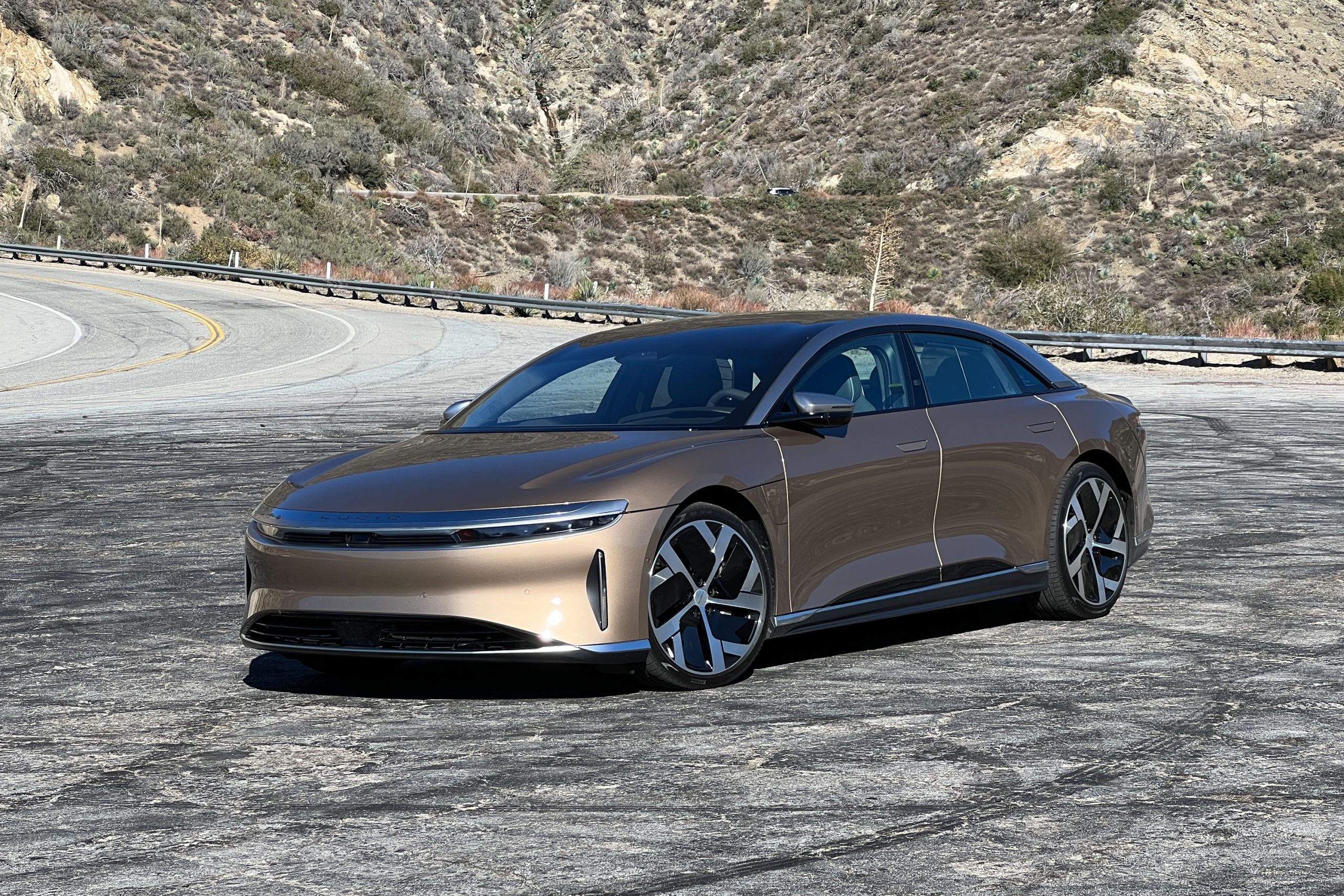
Lucid Air Dream Edition / Lucid Air Grand Touring
Lucid’s vehicles, especially the Air Dream Edition and Grand Touring versions, are built around maximizing range under varied and heavy usage. Their battery packs are large, their power electronics are highly efficient, motors are well engineered, and their aerodynamics are excellent.
Combined, that means that at highway speeds, or under load (passengers, luggage), these Lucid models tend to lose range less quickly than many competitors. Reports show that even at elevated speeds (say, 120–130 km/h), loss is relatively modest when compared to smaller or less efficient EVs. Lucid also invests in top‐tier thermal management, which helps in both hot and cold weather to reduce performance drop.
Another part of their advantage comes from weight management and component design. In spite of being large luxurious sedans, Lucid employs lightweight materials in certain structural parts, and the body shape is sculpted to reduce drag.
Where some EVs have boxy or heavy frontal areas, Lucid has very refined profiles, flush door handles, smooth underbodies, and efficient wheel designs. These help in mitigating aerodynamic losses at speed. Also, the drivetrain efficiency, inverter losses, and battery internal resistance are optimized, so less energy is wasted as heat.
User feedback has indicated that when using auxiliary systems (heating/cooling), the Lucid Air still holds up well. Its heat pump (in certain versions), or efficient heaters, reduce the drain from climate controls.
Furthermore, Lucid’s software often lets drivers know how far charging is needed, what ambient temperature effects are, and helps manage battery warming. Those features can reduce surprises in real‐world range. Charging speed also helps: faster charging tends to warm the battery, which helps when planning long trips.
The Lucid Air is expensive, heavy, and its efficiency gains come at high cost. In very cold climates (well below freezing) or with very heavy loads, even it will suffer. Also, the very high performance versions (when pushing hard acceleration) consume more energy.
Still, for drivers who balance speed, comfort, and climate control, Lucid Air Dream Edition or Grand Touring perform among the best in keeping their range strong under stress.
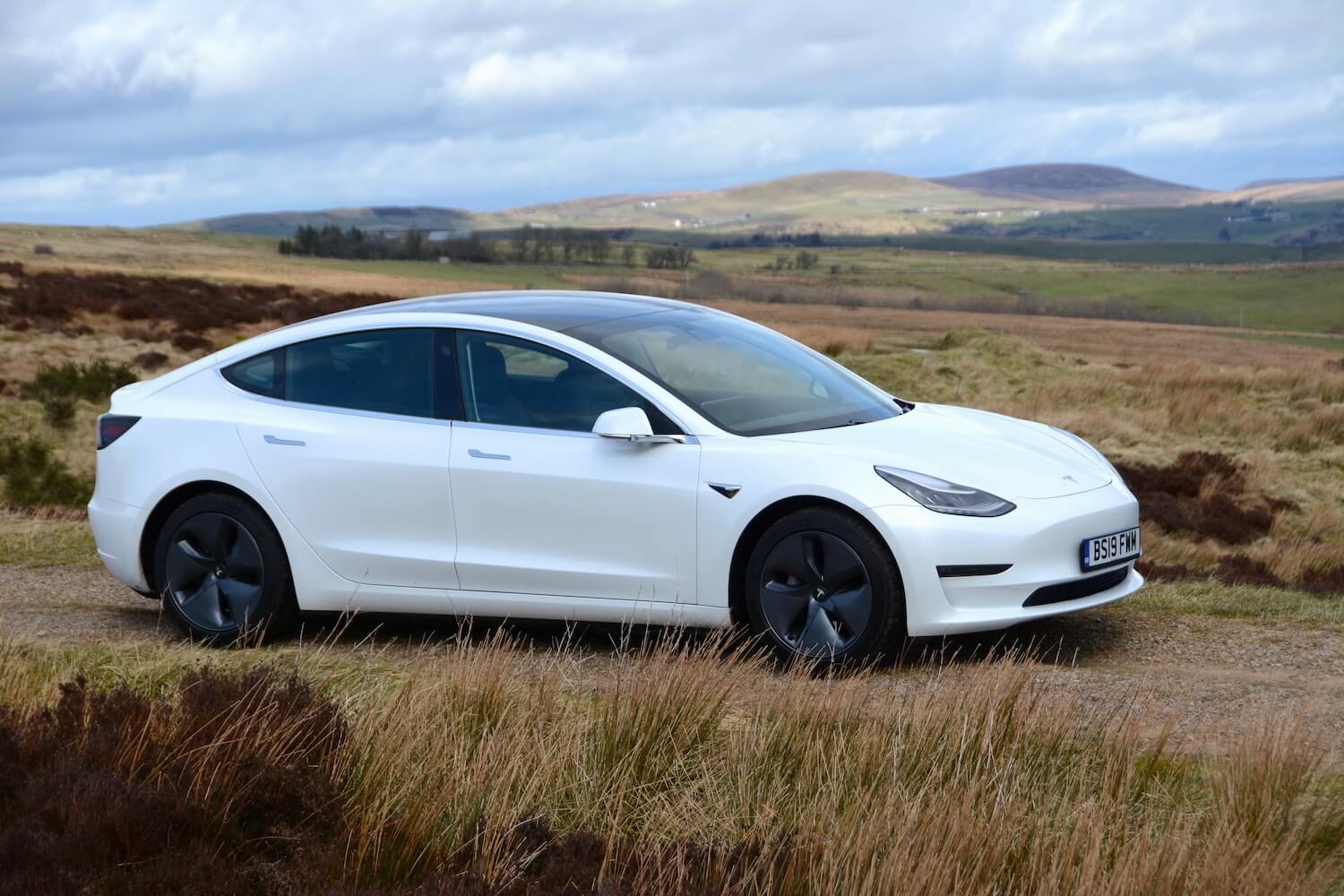
Tesla Model 3 Long Range / Model 3 Performance (but Long Range focus)
The Tesla Model 3, particularly in its Long Range version, has become almost a benchmark for what many expect from mid‐sized EVs. It often delivers a rating very close to its advertised range under mixed driving conditions; at highway speeds it loses more than in city driving, but the percentage drop tends to be less than many less efficient or heavier EVs.
Because Tesla’s engineers have thoroughly optimized the motor, power electronics, aerodynamics, and software controls, the Model 3 Long Range tends to be more forgiving in “real life” than many that quote impressive range but deliver less when pushed. Multiple owners report being able to meet or come close to posted range numbers in temperate weather, moderate speeds (say 100–110 km/h), and typical climate usage.
Key strengths include a relatively light weight for its battery size, efficient motors and inverters, and excellent aerodynamic properties (smooth roofline, tight gaps, low drag coefficient). Rolling resistance is managed well, especially when fitted with standard or low‐rolling‐resistance tires; if one instead opts for performance tires, that benefit is somewhat reduced.
The climate system in many versions includes efficient heating/cooling strategies, often including preconditioning of cabin and battery, which helps reduce the load on the battery while driving.
Charging infrastructure and battery management also play roles. Because Tesla has invested in charging networks, frequent fast charging allows topping up without large range losses due to cold batteries. Also, thermal management for the battery helps with keeping the temperature in a good band, which reduces internal losses.
The inbuilt systems for heat pump or efficient cooling in warmer climates also help. Like all EVs, very cold temperatures, high speed, steep inclines, lots of auxiliary systems will cause range decline, but in percentage terms the drop is smaller than many comparable EVs in the same price or size class.
The Long Range version is less performance‐focused than performance variants; if driven aggressively, the losses do increase. Winter heating can reduce range significantly. Also weight of passengers or cargo, and poor road surfaces, can harm efficiency. But, for many users, the Model 3 LR delivers range more reliably than many others.
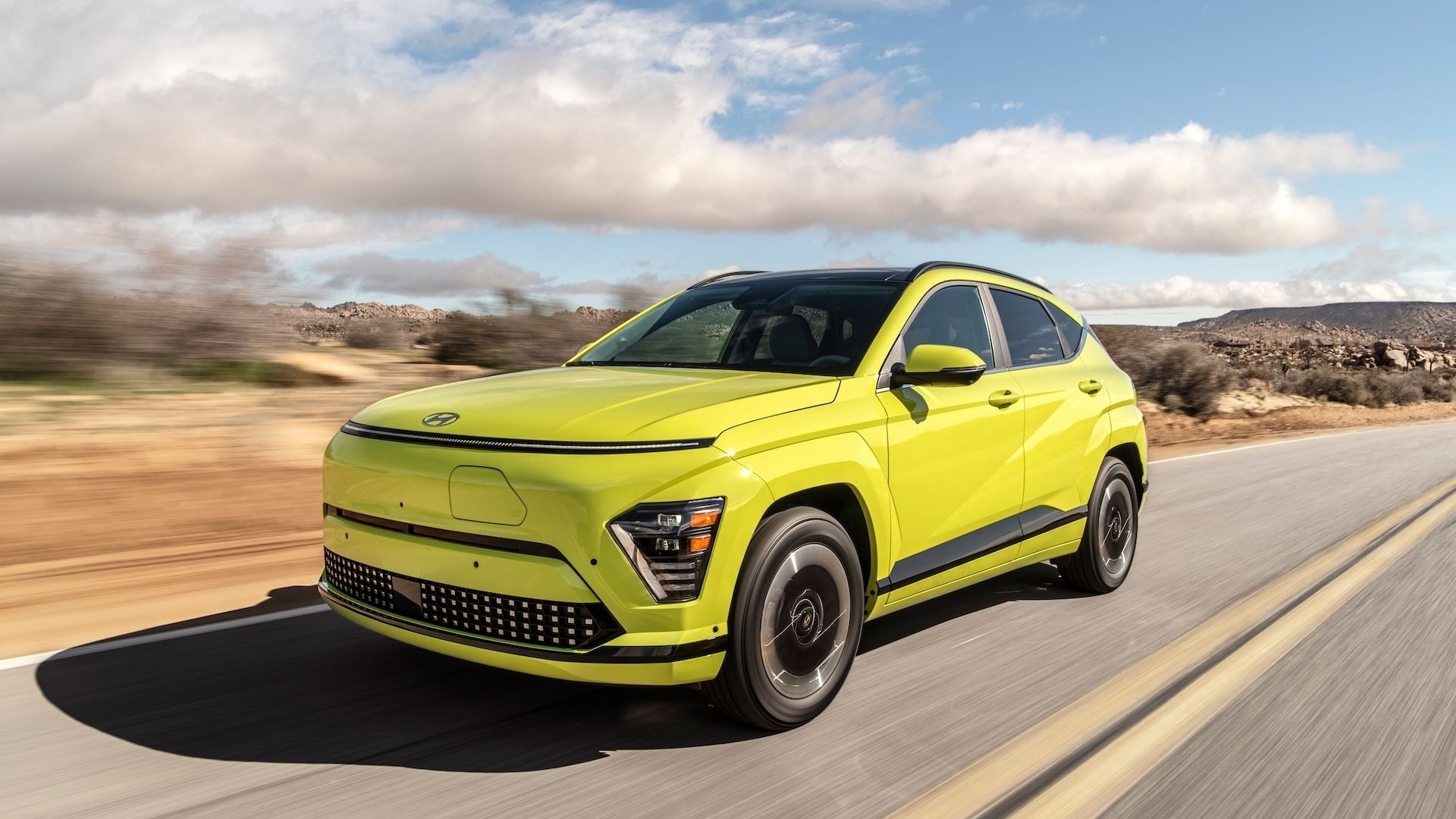
Hyundai Kona Electric / Hyundai Ioniq 5 (Efficient Variants)
Hyundai has several models that perform well in retaining range under varied driving. The Kona Electric is a good example: its battery, thermal management, and relatively light weight compared to size combine to give real‐world efficiency that keeps range strong even under moderate loads, highway speeds, and with climate control.
Many drivers have praised its ability to deliver close to its rated range in mixed city‑highway driving. It is smaller than large sedans, which helps, and its motors and power electronics are well tuned.
The Ioniq 5 (particularly its rear‐wheel drive or dual motor variant optimized for efficiency rather than maximum performance) also offers strong performance in range retention. It is larger, so more surface area and weight, but its design includes an efficient drag coefficient especially with wheels that minimize drag, a good thermal management system, and fairly efficient drive components.
Users report that under moderate speeds and moderate climate control use it holds up well; the loss is more noticeable at high speed or with high climate load, but still less steep than many less efficient EVs.
Hyundai’s climate control systems, insulation, battery warming, and sometimes heat pumps are among the better in this class, which helps reduce losses from heating or cooling. Furthermore, Hyundai tends to have good quality tires, chassis design, and less parasitic loads (electronics, etc.) which reduces waste. Also, build quality means fewer leaks of air, less unnecessary energy use, good sealing, etc., which all contribute.
At very high speed (say over 130 km/h), or in very cold or hot ambient temperature extremes (say below ‐10 °C or above 35‑40 °C), the drop becomes more pronounced. Larger wheels, performance variants, heavier loads can exacerbate losses. For buyers in very cold climates or who often carry full loads, the experience will be less ideal. Even so, among more affordable mainstream EVs, the Kona Electric and efficient variants of the Ioniq 5 are among the better for range retention.
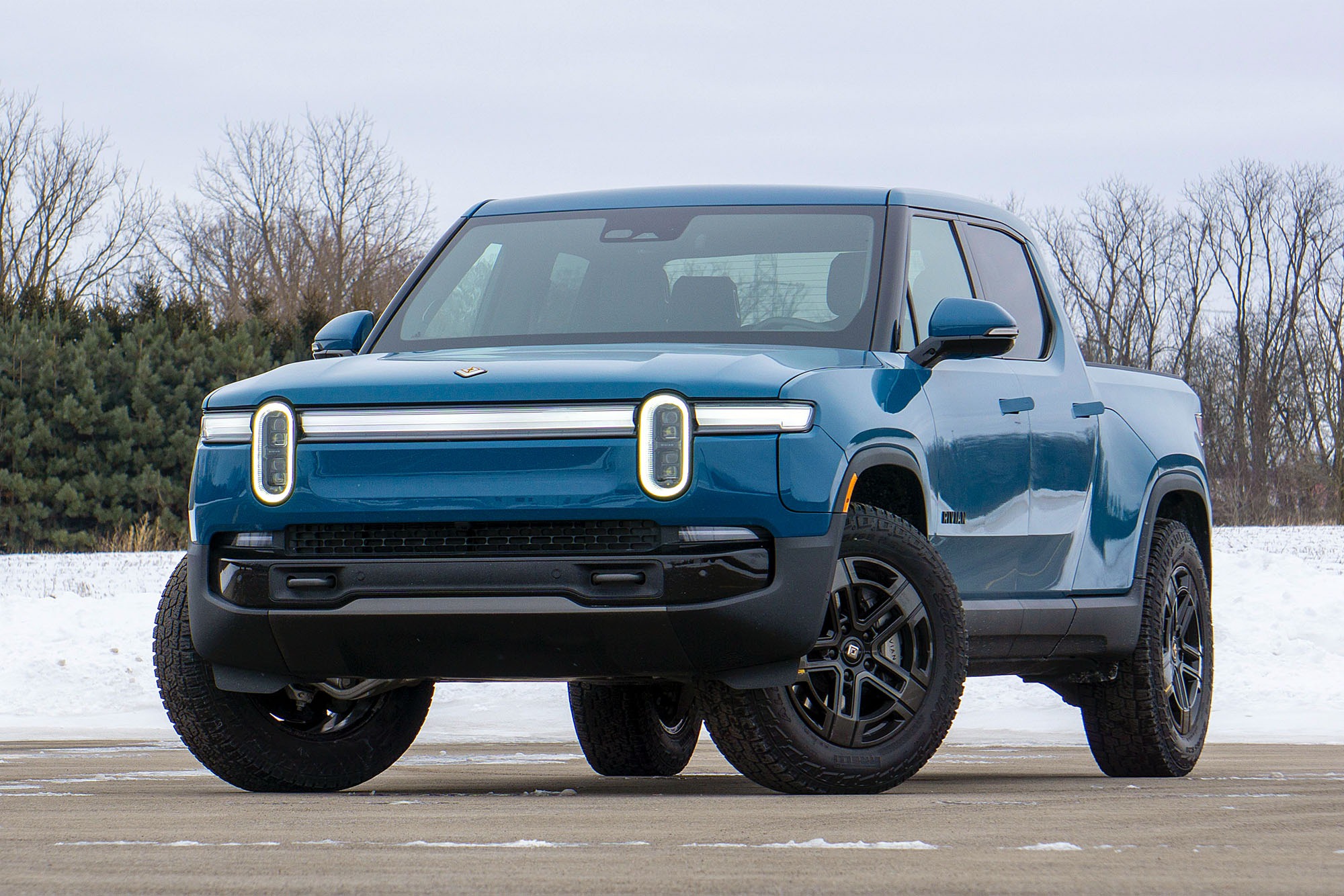
Rivian R1T / R1S / Similar Adventure EVs (Efficient Long‐Range Versions)
Among the “adventure” or “utility” electric vehicles, some retain range better than others, and the Rivian R1T (and similarly R1S) in their long‐range variants are examples that manage this balance well. As trucks or SUVs, they have disadvantages: more frontal area, more weight, more potential drag, more loss under load.
But Rivian has worked on efficient motors, battery packs, thermal systems, and software to optimize when possible. Drivers who use them on highways at moderate speed, avoid extreme loads, control auxiliary systems, find that range loss is less steep than many full‑sized utility EVs.
The R1T’s battery pack is large, so the energy reserve is big; that means even if percentage losses are similar, absolute range remains usable. Also Rivian has put effort into efficient drivetrain systems, low-friction bearings, good thermal controls, and streamlined software for regenerative braking and energy recuperation. The efficiency of the motors, the inverter design, and the hardware supporting cooling and heating contribute to holding range.
In off‑road or load conditions (e.g., towing, carrying gear), the drop is greater, but among its peers (other trucks, SUVs), it’s still relatively strong. Rivian’s aerodynamic details such as optimized wheels, underbody shielding, and software that limits drag under some conditions help. Also driver assists like route planning, energy projections, and preconditioning also assist in reducing surprises.
Heavy loads (gear, passengers, towing) increase consumption dramatically. High speed highway driving also causes more aerodynamic drag, which affects any large vehicle. Extreme temperatures affect battery efficiency and auxiliary loads. Nonetheless, among utility/ truck / adventure EVs, the Rivian long‑range versions perform admirably in keeping usable range.
Also Read: Why Owners Won’t Sell Their 300k-Mile SUVs
5 EVs That Drop Fast
Here are five EVs that are known to lose a large portion of their claimed or rated range under real‑world adverse conditions: cold weather, high speed, heavy use of climate control, or heavy loads. The drop tends to be more rapid compared to the “strong” group above. For many drivers these drops are surprising, and knowing which models are more vulnerable can help in planning.
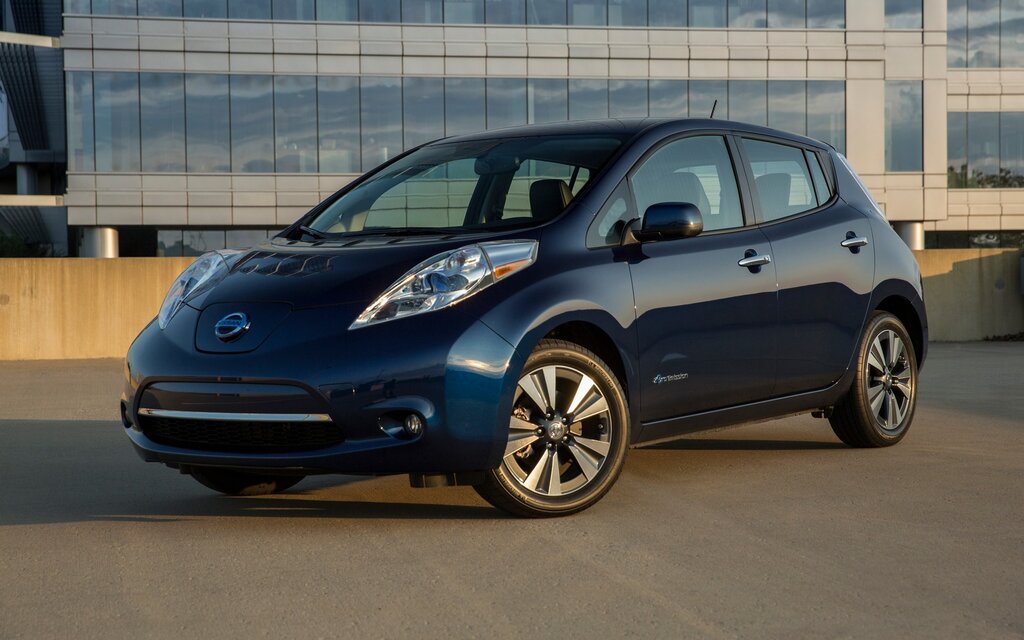
Nissan Leaf (Older Generations, Smaller Battery)
The Nissan Leaf was one of the early mainstream EVs, and in its older generations (e.g. pre‑Leaf Plus with ~40‑60 kWh battery rather than larger packs), it often loses range more quickly under harsher conditions.
Part of that is because older Leafs have less sophisticated thermal management; many are air‑cooled or have minimal cooling/heating for the battery pack, meaning that when temperatures drop, internal resistance rises, and heating costs (to warm battery and/or cabin) draw more from battery. Also battery chemistries and older designs may suffer more from degradation, higher losses.
Highway speeds contribute substantially more drag and energy expenditure than city speeds. The Leaf’s aerodynamics are okay for its time, but compared to modern EVs with lower drag coefficients, smoother profiles, and more efficient motors, the older Leaf loses more.
Owners often report that driving on highways at 100‑110 km/h leads to a drop in achievable range that is significantly worse than the proportional drop in more efficient EVs. Use of heating in winter exacerbates that.
Lightweight battery size means fewer reserve kWh to absorb inefficiencies. When battery is small, overheads (keeping electronics running, heating cabin, heating battery, climate control) take a larger share of total energy.
If you have several occupants, or cargo, the increased weight reduces efficiency. Also ancillary systems (defrosters, seat heaters) may draw relatively more. The percentage loss becomes larger, meaning the driver may find the real usable range much less than indicated in many conditions.
If used city‑only, in mild weather, and moderate speed, the Leaf still gives useful range; but for longer trips, highway driving, cold weather, it tends to disappoint. Also battery health may have degraded in older units, further reducing capacity. So from a buyer’s perspective, the Leaf (older) is more unpredictable for range under adverse conditions compared to the more efficient, better managed models.
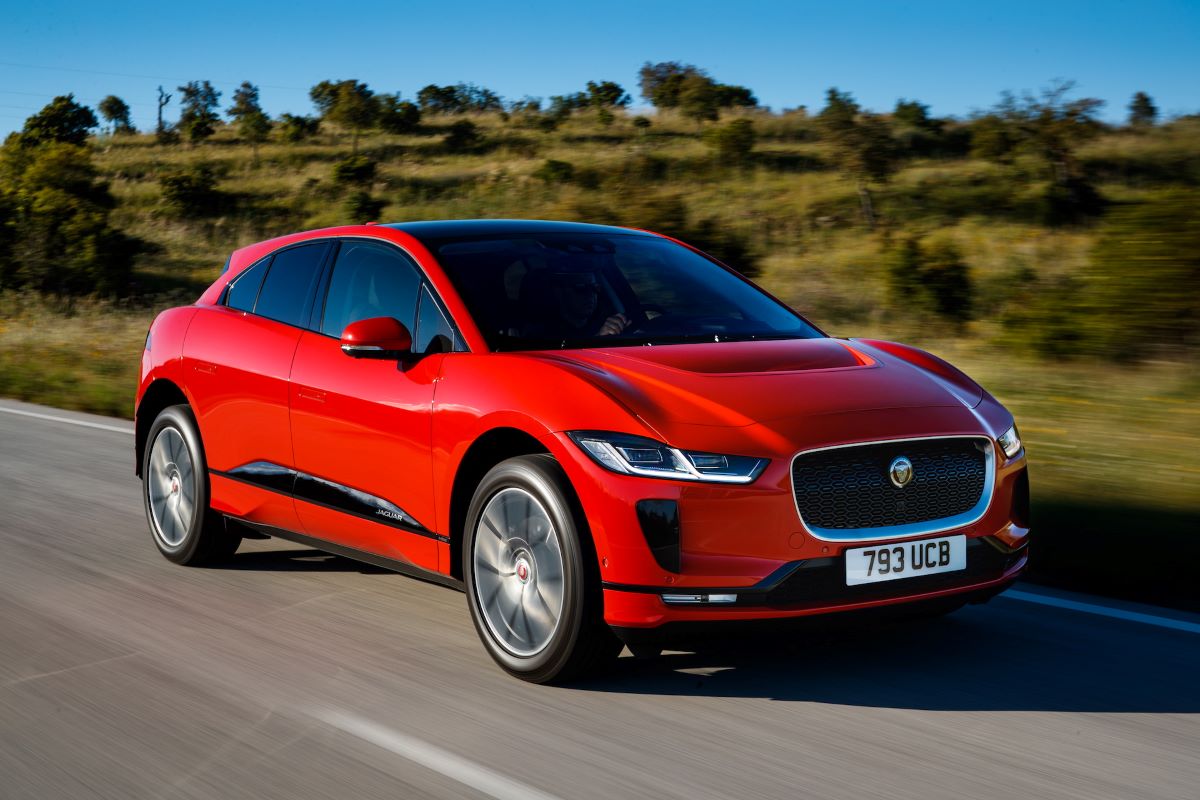
Jaguar I‑Pace
The Jaguar I‑Pace is a premium electric SUV with strong performance and luxury, but its range tends to drop more quickly under demanding conditions than many comparable EVs. Its relati
vely heavy body, higher drag coefficient, and perhaps less aggressive thermal management system in some cases contribute. At highway speeds, and with high cooling or heating loads, users report larger percentage losses in range than one might expect. Its motors and battery pack are high quality, but the geometry, premium features, and weight work against it when it comes to energy efficiency under stress.
Heating in winter, especially for cabins with large glass areas and many electronics, draws a lot of energy, and I‑Pace’s insulation or thermal buffer is less effective than some more recent EVs optimized for efficiency.
Battery cooling and heating may not manage extremes as smoothly as luxury EVs purpose‑built for long range. The result is that when ambient temperature is low or high, and when auxiliary loads are high (heated seats, defrosters, strong HVAC), the drop becomes more pronounced.
Additionally, the weight of the SUV with its luxury fitments, sound systems, glass surfaces, etc., adds to the energy needed for acceleration, for overcoming inertia, for climbing hills.
On highways where aerodynamic drag dominates energy use, a high roofline or large frontal area means more loss. Owners often note that range drops steeply when speed exceeds certain thresholds, like above 110‑120 km/h; or climbing grades, or with multiple passengers.
For daily commuting, mild weather, and moderate use, the I‑Pace is still usable. If one avoids extremes of temperature and aggressive driving, the losses are manageable. Still, for someone looking for consistency across conditions, its range drop under adverse conditions is steeper, which may mandate more frequent charging or conservative driving style.
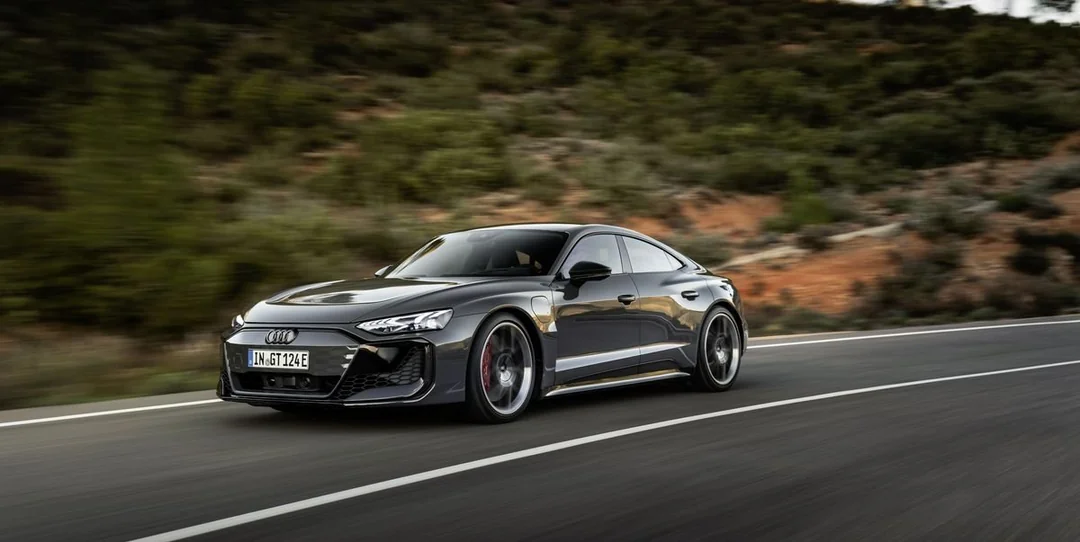
Audi e‑tron (Earlier Versions)
The Audi e‑tron (first versions before more recent efficiency improvements) is comfortable, quiet, and luxurious, but has been criticized for rapid loss of range under demanding conditions. It is heavy, larger frontal area, less aerodynamic in some respects, and its thermal management and auxiliary load usage tend to draw more energy.
At highway speeds, users often report that the actual range is far below claimed: using heaters or air‑conditioning heavily, especially in cold or hot climates, increases losses steeply.
Particularly, in cold weather, battery heating plus cabin heating draw significantly. The insulation and heat retention are good, but not as good as in newer designs that use heat pumps or more advanced battery preconditioning.
Also weight and drag increase the power required to maintain highway speeds. The cooling or heating system can impose large load, and when combined with less than optimal regenerative braking in certain driving conditions, the drop is more serious.
Additionally, the e‑tron’s motors and drivetrain are solid, but a lot of energy is expended in non‑driving functions: electronics, climate systems, cabin comfort, etc. Luxury features often come with trade‑offs in energy use.
Also, the first‑generation e‑tron models had somewhat limited battery sizes relative to the car weight, meaning overheads take relatively more. Owners report that in cold weather, range may drop by 40‑50 % or more (vs claim) under certain speeds and uses.
Updated versions have improved somewhat. Some features can be turned off or moderated to reduce losses. If driving in moderate climate, avoiding high speeds, minimizing cabin climate loads, actual range may align more with expectations. But these cars are more sensitive to condition than many other EVs that are more efficiency focused.
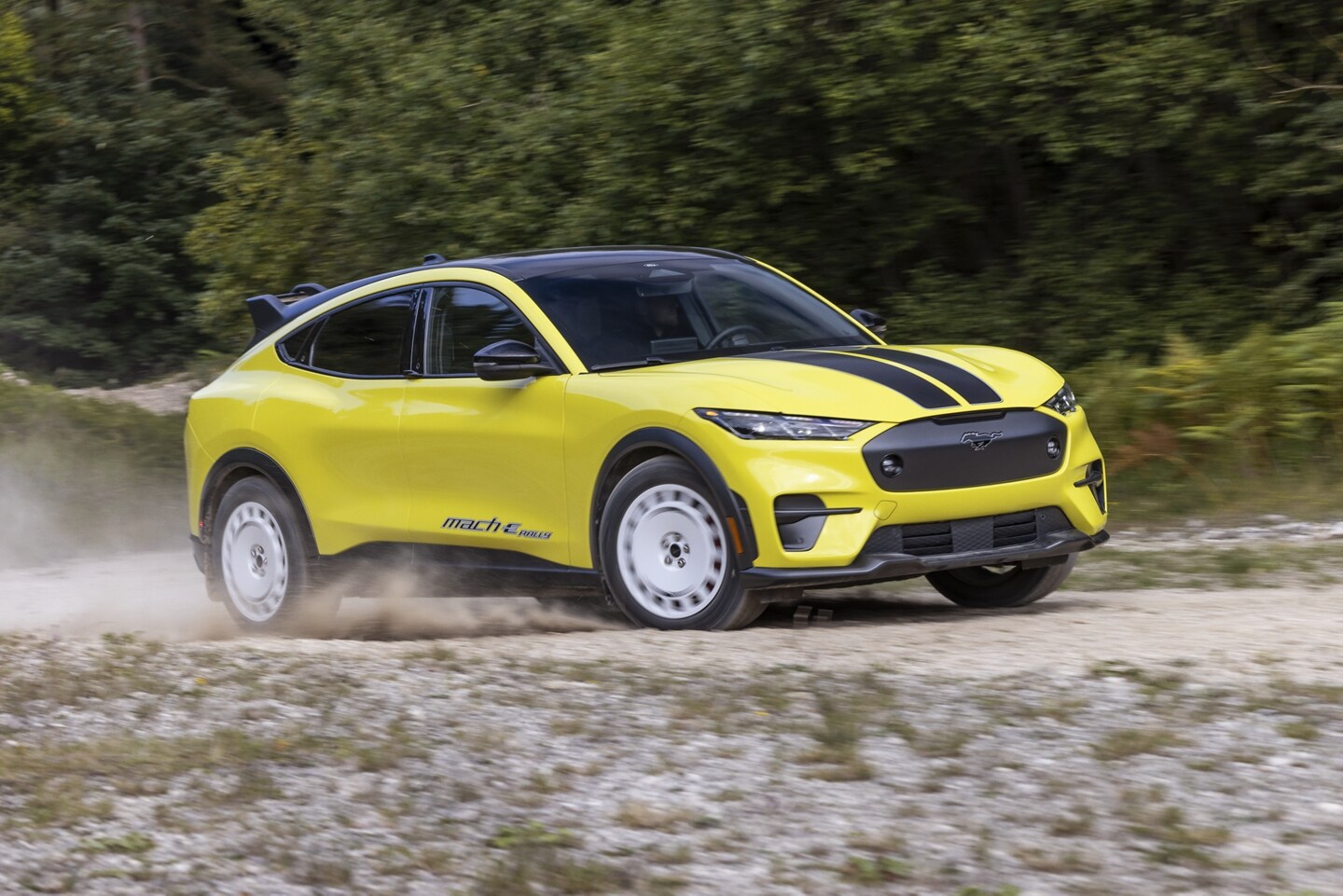
Ford Mustang Mach‑E (Standard / Lower Battery Variants)
The Ford Mustang Mach‑E is a compelling EV, but in its standard or lower battery capacity variants (non‑extended range versions) it tends to suffer more in range retention under harsh conditions.
Some of this is due to smaller battery reserve, some to less efficient components, and some to higher drag and weight versus sedans. When driven at highway speeds, or in cold weather with full use of heating or cooling, or with multiple passengers, range drops more steeply.
Drivers report that once speeds go above about 110–120 km/h, or when climate control is set to extreme heating or cooling, the energy consumption per kilometer rises sharply, and the real range falls well below what is advertised.
In cold weather, heater, battery warming, cabin heating, defrosters, etc., draw significant energy; in hot weather, air‑conditioning is similarly penalizing. Because some variants lack the most optimized thermal management or heat pump options, or have less conservative software for efficiency, the losses are larger.
Another contributor is aerodynamic design. The Mach‑E is a crossover SUV and has a less favorable drag coefficient compared to streamlined sedans. Also, heavier wheels, performance tires, and larger rims increase rolling resistance. Multiple occupants and cargo accentuate weight penalties. All this means that under stress, the Mach‑E standard versions see a sharper fall in usable range.
In moderate climates, town driving, and at moderate speeds, the Mach‑E still performs decently. Using preconditioning, planning charging, keeping speed moderate, and minimizing auxiliary loads can help manage range drop. But for someone who often drives long highway distances or in extreme climate, expectations should be tempered.
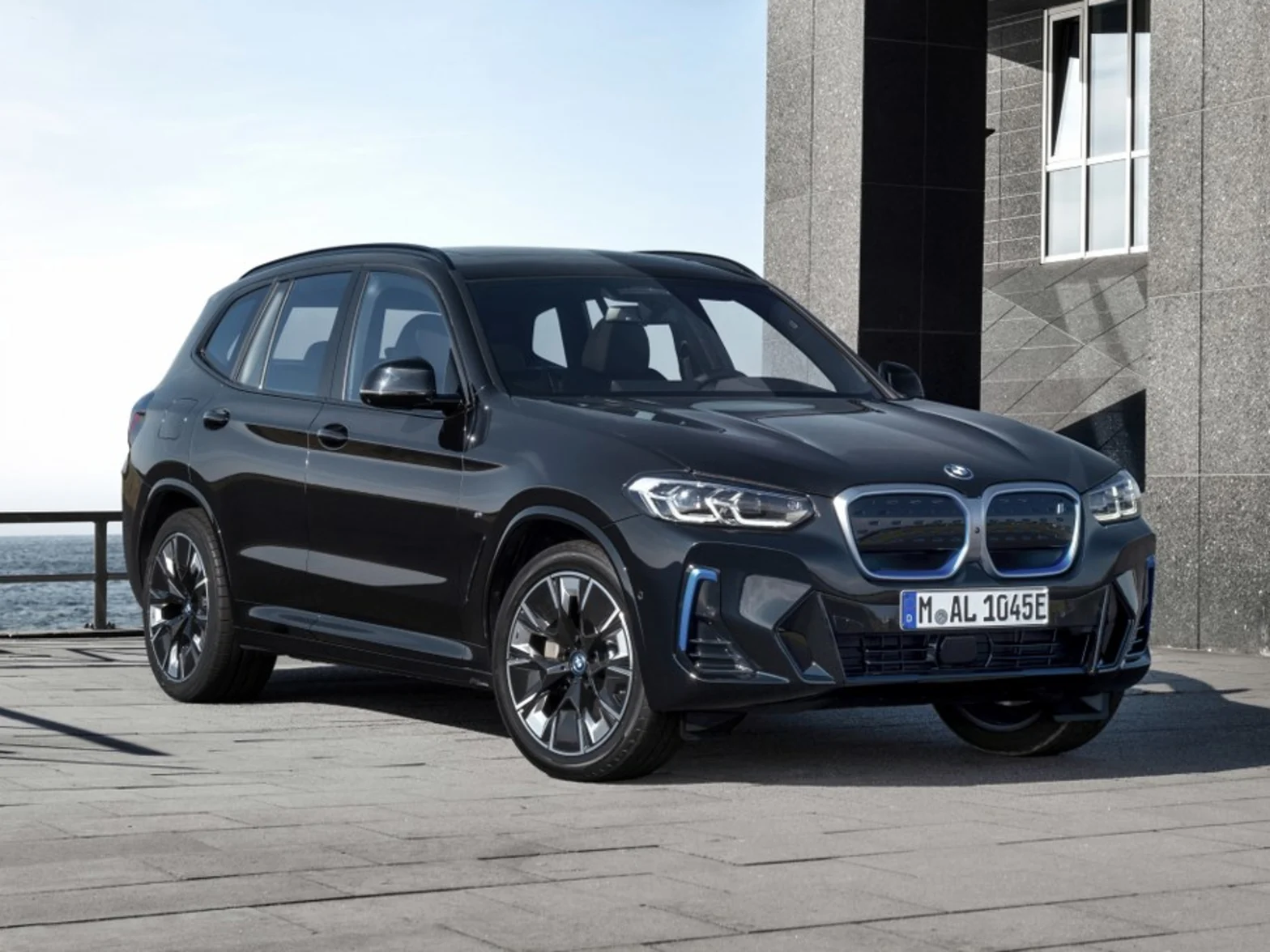
BMW i3 / BMW iX3 (Older Versions) or Similar Compact Premium EVs
The BMW i3, especially earlier models, although clever in design, is vulnerable to rapid drop in range under cold weather, high speeds, or when using auxiliary functions heavily. Its small battery pack, relatively less insulation, and older generation battery management makes losses more severe.
Because the reserve is small, overhead loads take a larger toll. At highway speeds, drag increases, and i3’s shape, though compact, doesn’t reduce drag as much as newer EV designs. Also, heating and cooling systems may not have heat pump or highly efficient components.
Similarly, other compact premium EVs with older or less efficient thermal management suffer. For example, when passengers, heating, cargo, or steep inclines combine, the drop becomes steeper. Regenerative braking helps in city driving, but on highways that advantage is minimal.
At speeds above moderate highway pace, the i3’s energy consumption grows, and its small battery means fewer cushion kilowatt hours for inefficiencies. Owners report that cold starts, volume heater use, and use of cabin heating in winter reduce range significantly, possibly by 40‑50 % or more compared to rated range in harsh conditions.
Another issue is battery degradation over time: older units may have reduced capacity, higher internal resistance, increasing losses, greater temperature sensitivity. Also many earlier models lacked sophisticated software for preconditioning battery or cabin.
Combined with less efficient motor/inverter systems compared to newer competitors, the drop in range is steep when pushed. Climate control, interior heating, infotainment, seat heaters, all increase load relative to battery size.
For city driving, or mild climates, or shorter trips, the i3 still may work fine. But for long distance travel or cold weather driving, expectations need adjusting. Users intending frequent highway use or needing consistent range under varied conditions may prefer more efficient models.
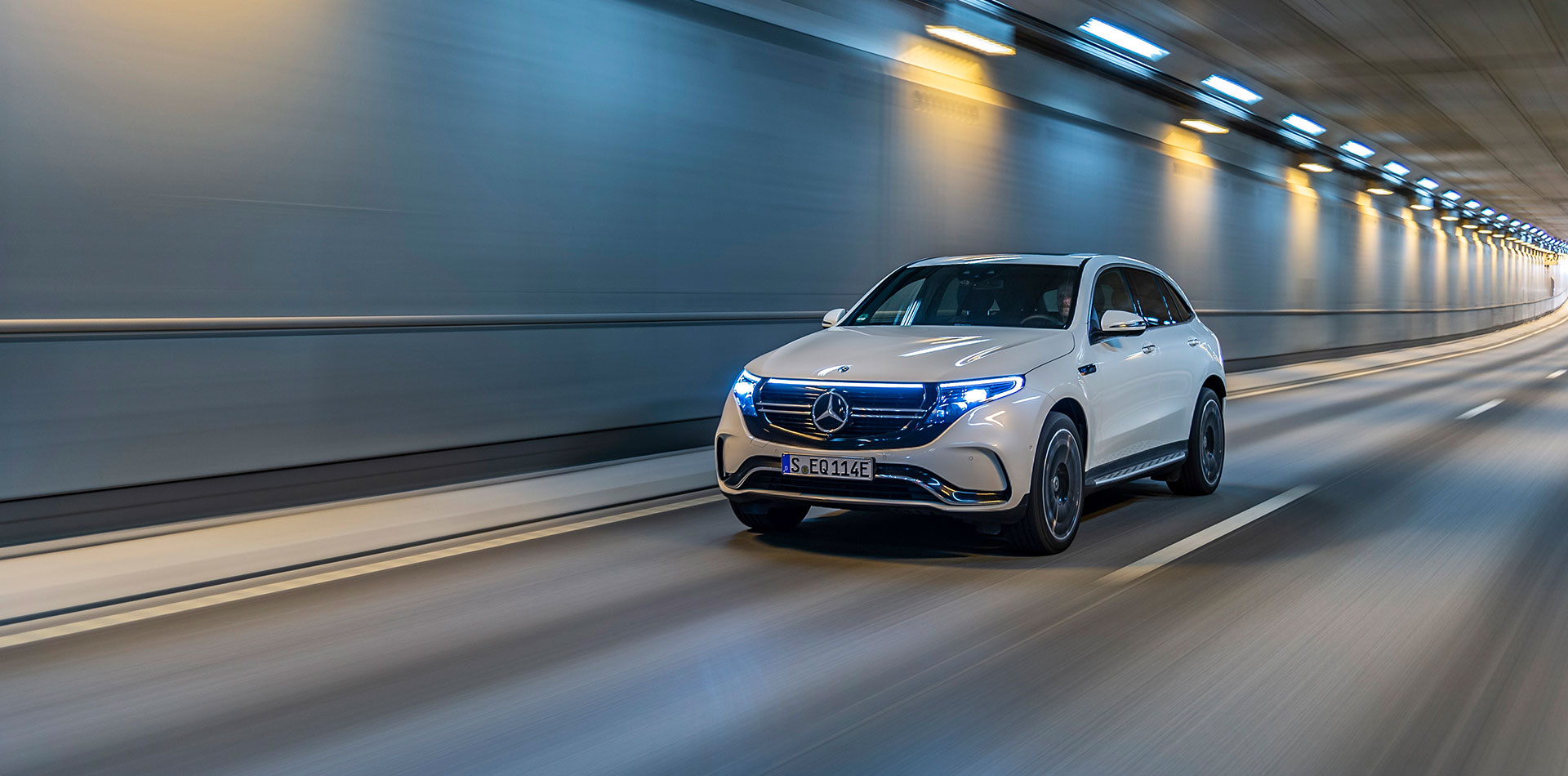
Mercedes‑Benz EQC / Early EQ Models (Before Efficiency Enhancements)
The early electric models from Mercedes‑Benz, especially the EQC and early EQ SUVs or sedans before efficiency was a primary focus, tend to lose range quickly in less than ideal conditions. They combine luxury and comfort with premium interiors, but also weight, large front and side glass, large cabin volume, and sometimes less aggressive aerodynamic refinement.
Their batteries are powerful, but some of the auxiliary systems (HVAC, infotainment, lighting) are more demanding. Thermal management systems in early units may not be as efficient. The result is that under cold weather, high speed, or heavy climate control load, the range drop is steeper.
At highway speeds, drag and energy demand for overcoming air resistance in these larger SUVs increases greatly. Large wheels, tires, higher rolling resistance, and heavier vehicle weight contribute. When adding in passengers, gear, or cargo, inefficiencies multiply.
The climate control systems in some early EQ models are powerful but not especially efficient; heater systems, air conditioning, keeping cabin comfortable, defroster, etc., draw significant energy. In hot weather air conditioning, or in cold weather heater and battery warming, all contribute to faster drain.
Climate extremes are especially harsh: in cold winters, preheating battery and cabin becomes necessary, heating systems working hard, battery internal resistance high. Heat loss is greater in large glass areas, less insulation, more cabin volume. In hot climates, air conditioning similarly stresses the system.
Also, many luxury features are always running or less optional, so you may not be able to reduce load easily. Drivers report that whereas claimed range might be reduced by 20‑25 % in normal usage, in extreme conditions the drop can be 40‑50 %. For those planning to use such vehicles in very cold or hot areas, the EQC and its peers may require more frequent charging or careful planning.
In moderate climates, gentle speeds, lighter loads, these cars perform acceptably. Comfortable interior, smooth ride, and premium features may compensate for some loss. But for consistency and strong real‐world range retention, they tend to lag behind models built with efficiency as a central pillar.
