
Electric vehicles have grown significantly in popularity, especially over the last decade. While the first wave of EVs had issues with battery life, range, and complex electronics, newer models have improved dramatically in terms of engineering and reliability.
As more drivers adopt EVs, the opinions of mechanics, those who deal with the vehicles firsthand, have become increasingly important. Mechanics work with both traditional combustion cars and electric ones, and they often develop insights into what actually holds up under wear and tear.
Their respect doesn’t come easily. It’s earned through vehicles that are easy to maintain, don’t require visit to the shop, and can hold up to the rigors of real-world use.
Durability in EVs doesn’t depend only on how long the battery lasts. It also comes from how well the cooling system is built, how robust the suspension is, how solid the charging system performs over time, and whether the vehicle software and hardware continue to work seamlessly together.
Some EVs come with flashy interiors, but they begin rattling or breaking down once they hit higher mileage. Others may have great performance numbers but require specialized tools or software just to diagnose minor issues. Mechanics prefer the ones that avoid these problems.
They look at how the parts are assembled, whether repairs are unnecessarily complex, and how often critical components fail. EVs that are designed with simplicity, strong component integration, and solid engineering tend to rise to the top of the list.
This article outlines 12 electric vehicles that have earned a reputation for being durable, well-built, and trustworthy from a mechanic’s point of view. These are not just consumer favorites or award-winners but vehicles that have proven to hold up over time in real garages and workshops.
Each one offers something different, whether it’s battery consistency, drivetrain strength, or fewer system failures. Some are older models that have stood the test of time, while others are newer entries already making an impression with their design integrity and service records.
Regardless of their brand, these EVs are recognized not because of hype, but because they continue to function properly well past the point others begin to falter. Mechanics notice when a vehicle shows up rarely in their shop, and these twelve have made a mark for all the right reasons.
Also Read: 12 Trucks That Are Safer Investments Than Stocks
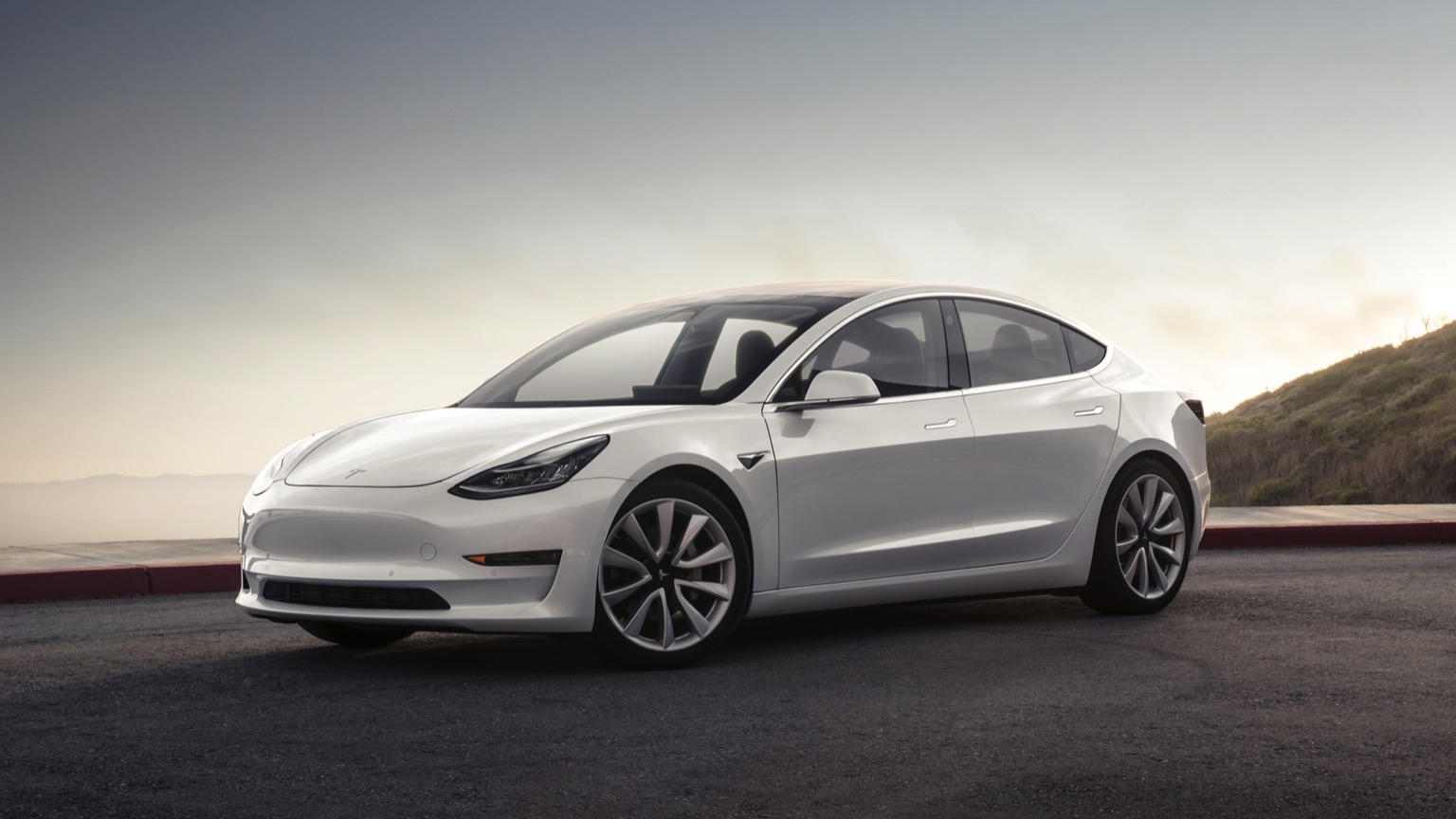
1. Tesla Model 3
The Tesla Model 3, since its release, has become a landmark in electric vehicle design. While some early builds were criticized for panel gaps and cosmetic inconsistencies, mechanics generally agree that the underlying structure and systems of the Model 3 are very well built.
The battery pack is integrated in a way that supports chassis rigidity, and the motors have proven to be durable with very few mechanical failures.
Mechanics appreciate the modular nature of the components under the hood, which makes diagnosis and repair a bit easier compared to more complicated vehicles. The drive unit in the Model 3 rarely gives trouble under normal conditions, which further adds to its reputation for durability.
The simplicity of the Model 3’s drivetrain reduces potential failure points. With far fewer moving parts than a gasoline vehicle, mechanics often note how infrequently the Model 3 comes in for drivetrain-related issues. The single-speed transmission means no shifting complications, and regenerative braking reduces wear on the brake pads.
Over time, this results in fewer visits to the shop, something that mechanics definitely take note of. The software integration also allows for early detection of issues through logs and error codes, making preventative maintenance more effective when problems do arise.
Another point of appreciation among mechanics is how the Model 3 handles thermal management. Its cooling system for the battery and motors is effective, reducing the chance of overheating or degradation during heavy use or extreme temperatures.
While software updates can occasionally introduce bugs, the physical hardware holds up well. Unlike many EVs that overcomplicate cooling systems, Tesla has managed to keep things efficient and repairable, which means the car stays on the road longer.
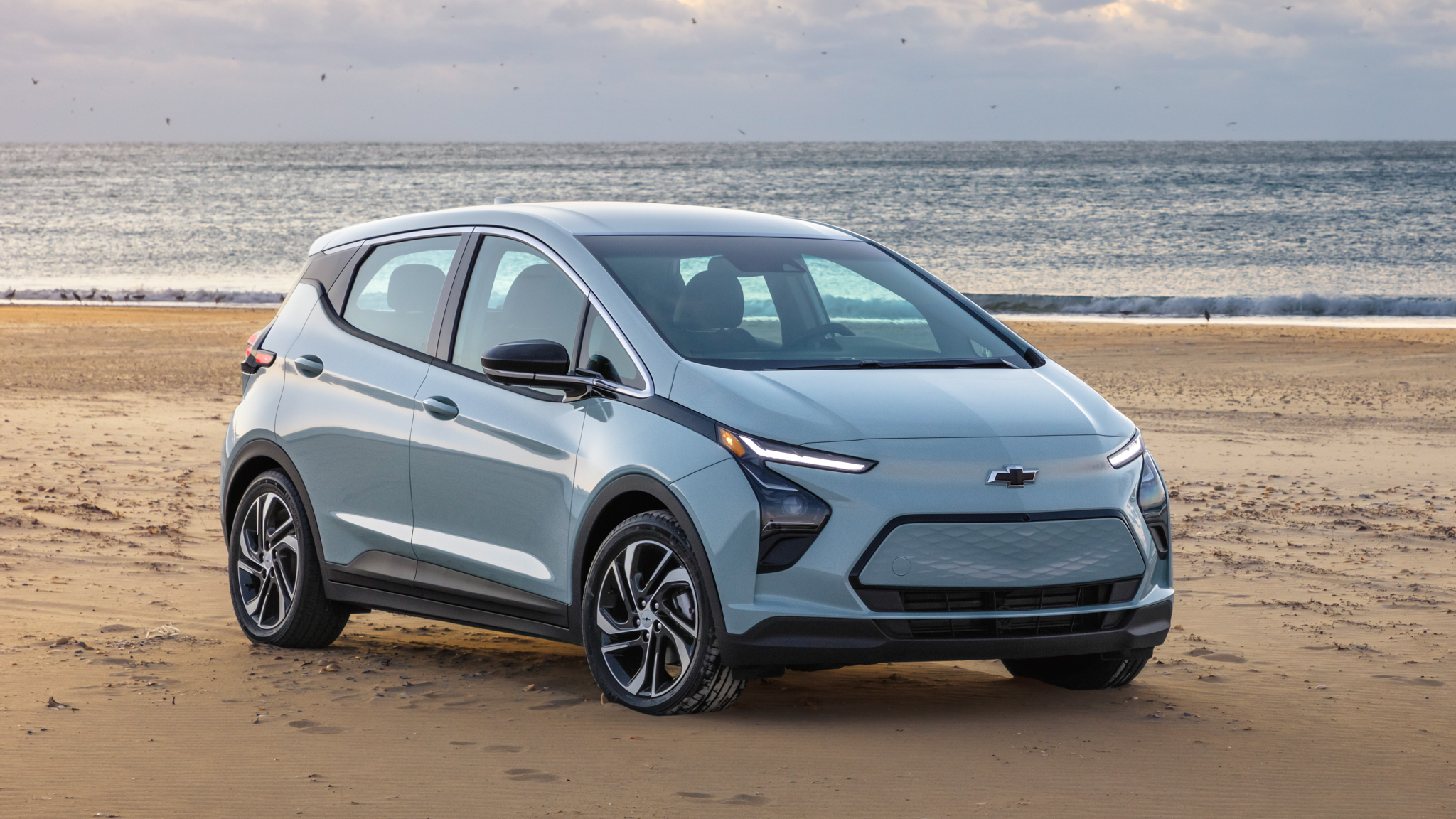
2. Chevrolet Bolt EV
The Chevrolet Bolt EV may not be the most exciting vehicle on the market, but it has developed a solid reputation among mechanics for being reliable and tough. Even with the recall issues around battery fires a few years ago, once those problems were addressed, the Bolt has proven to be one of the more consistent EVs on the road.
Its compact design and mature engineering approach have led to fewer drivetrain issues, and mechanics often mention how little maintenance these cars typically require.
Mechanics like the simplicity of the Bolt’s electric system. It doesn’t rely heavily on flashy new tech that might fail over time. Instead, it offers a dependable setup that just works.
The electric motor is sturdy, and the battery pack, once updated, has been performing well without showing early signs of degradation. While the range may not be class-leading, the Bolt’s real strength is in how rarely it runs into issues. Many Bolt owners go years without a major repair, something mechanics always notice.
One area where the Bolt earns particular respect is in its regenerative braking system. It’s well-calibrated and has reduced wear on brakes significantly over time. The steering and suspension also hold up better than expected for a vehicle in its price range.
It doesn’t have the soft ride quality of luxury EVs, but it remains tight and responsive even after tens of thousands of miles. This suggests GM focused on long-term usability, not just early performance impressions.
In terms of electronics and user interface, the Bolt is straightforward. It doesn’t overcomplicate dashboard systems or force users to rely on an all-touchscreen setup, which means fewer electrical gremlins over time.
For mechanics who deal with infotainment bugs or failing touch panels in other EVs, the Bolt’s traditional approach feels refreshing. It’s a practical, well-built car that mechanics respect not because it’s flashy, but because it keeps things simple and rarely breaks.
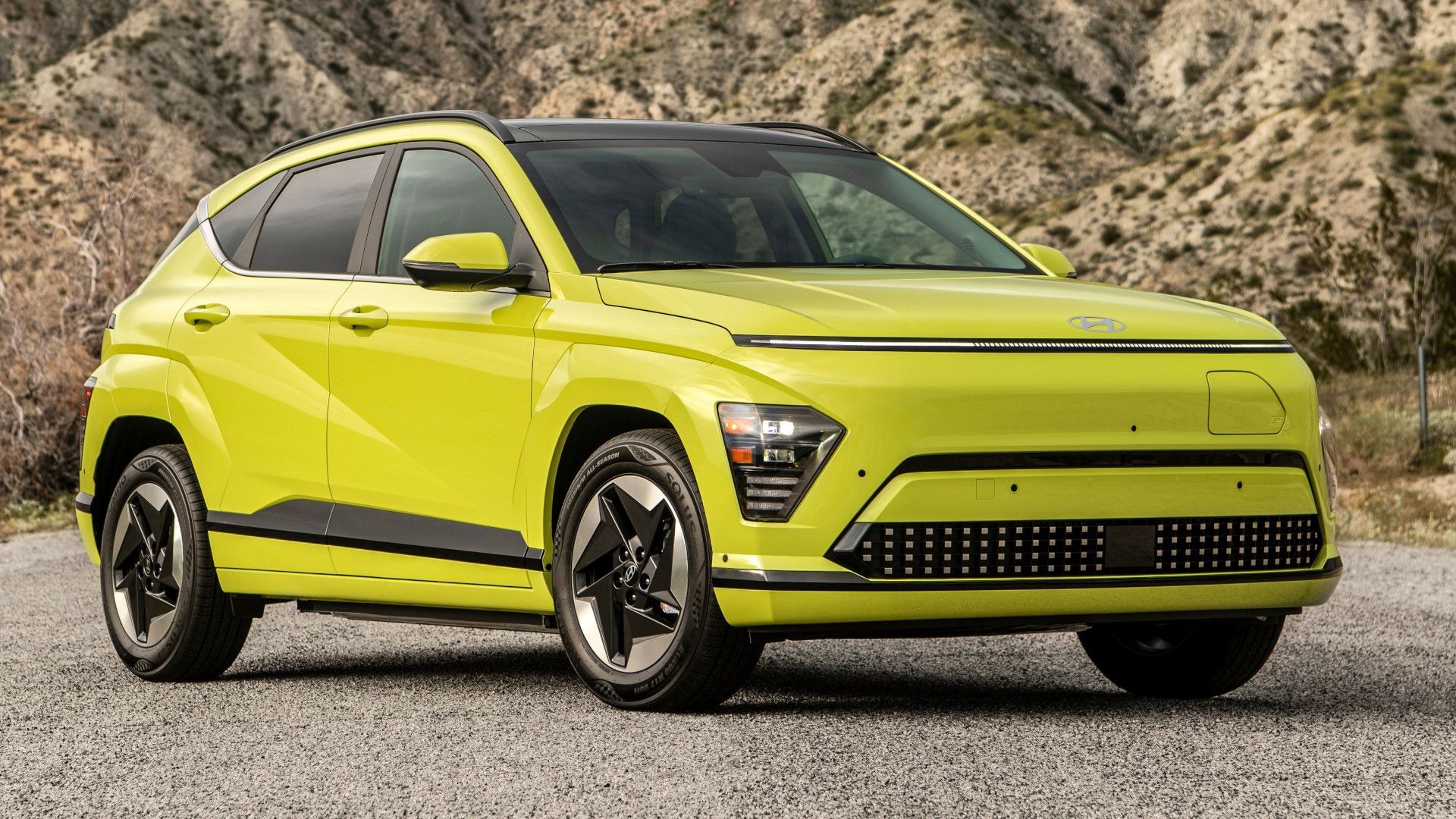
3. Hyundai Kona Electric
The Hyundai Kona Electric has steadily gained the respect of both owners and mechanics due to its robust engineering and consistency. While the design is similar to the gasoline-powered Kona, the electric version stands apart in how it performs over time.
Mechanics often mention that the Kona Electric doesn’t have the frequent software or electrical problems that some competitors face. Its drivetrain is dependable, and the motor is well-matched with the battery for a balanced driving experience that doesn’t push either component too hard.
Battery durability is one of the standout features in the Kona Electric. Even after several years, owners report minimal capacity loss, and mechanics have confirmed that battery-related issues are rare.
The thermal management system is straightforward but effective, and the entire battery assembly is housed securely with good protection against moisture or road debris. For a non-luxury vehicle, this attention to battery health is impressive and sets a solid foundation for long-term reliability.
Mechanics also appreciate the Kona’s well-built suspension and chassis components. While not sporty, the ride remains composed over time, and there are fewer complaints about squeaks, rattles, or premature wear in bushings or joints.
It’s the kind of car that doesn’t surprise a mechanic with hidden issues after three or four years. Common maintenance items like brakes and tires wear at predictable rates, and regenerative braking helps extend the life of brake components.
Another area where the Kona Electric shines is in its serviceability. The components are accessible, and standard diagnostic tools can handle most issues without needing specialized software.
This makes it easier for independent mechanics to work on the vehicle, and fewer hours spent chasing obscure problems means better long-term support. All of these factors contribute to a growing level of respect from those who work on vehicles for a living. It may not be flashy, but it gets the fundamentals right.
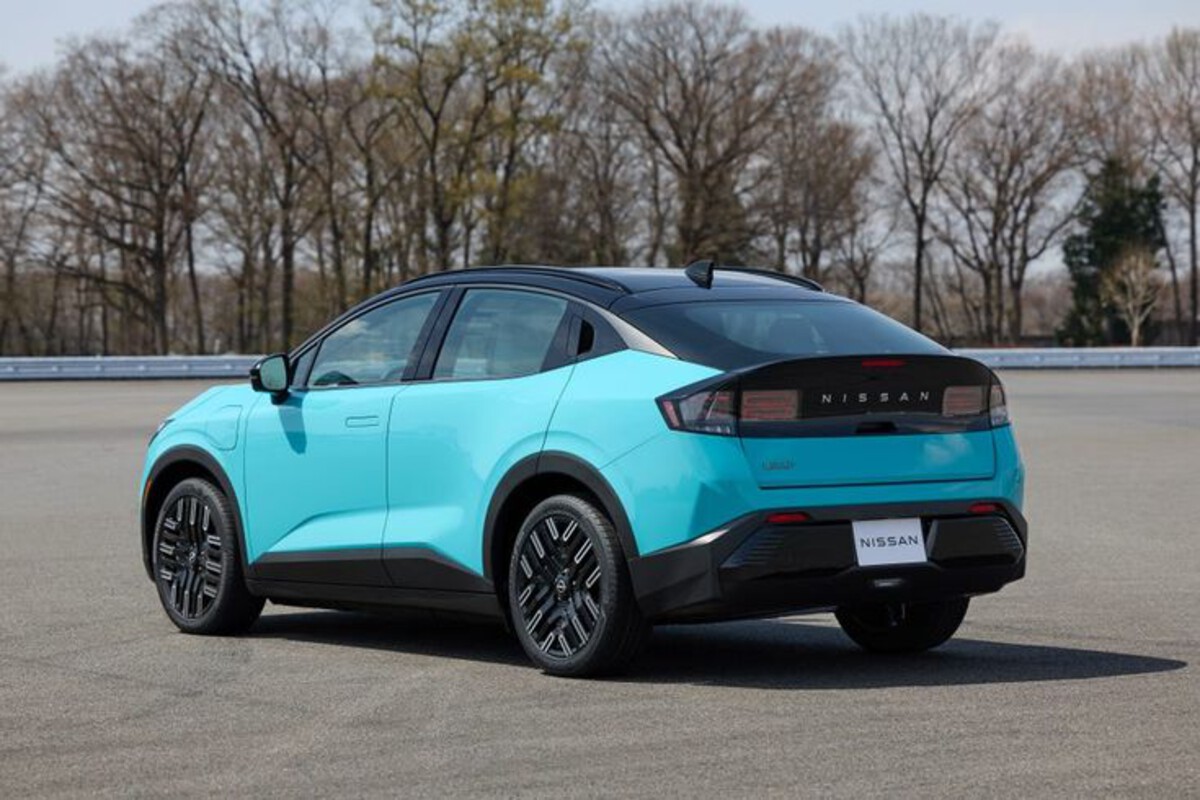
4. Nissan Leaf
The Nissan Leaf is one of the original mainstream electric vehicles, and its long history gives it an edge when it comes to long-term durability. While early models had limited range and less efficient battery chemistry, later versions improved significantly.
Mechanics respect the Leaf for its simplicity and dependability. It avoids overly complex systems and instead focuses on being a reliable commuter vehicle that holds up well over time. Even first-generation Leafs can still be found running smoothly on the road today, often with minimal issues.
One reason mechanics like the Leaf is its basic but effective drivetrain. The motor, inverter, and battery setup has proven to be dependable under most conditions. There are fewer issues with cooling systems or strange electrical faults compared to some newer, more experimental EVs.
Even though the Leaf lacks a liquid-cooled battery in earlier models, mechanics found that this didn’t lead to as many problems as originally feared, especially in moderate climates. Later models addressed that issue with better thermal management.
Mechanics also praise the Leaf’s straightforward interior and electronics. The control systems are intuitive and don’t suffer from the bugs or connectivity issues found in many touchscreen-heavy EVs.
The physical buttons and switches are more resistant to wear and failure. While the design may feel dated to some drivers, it’s exactly that low-tech approach that makes the Leaf easier and cheaper to maintain. It’s a practical vehicle made to serve a purpose, not win design awards.
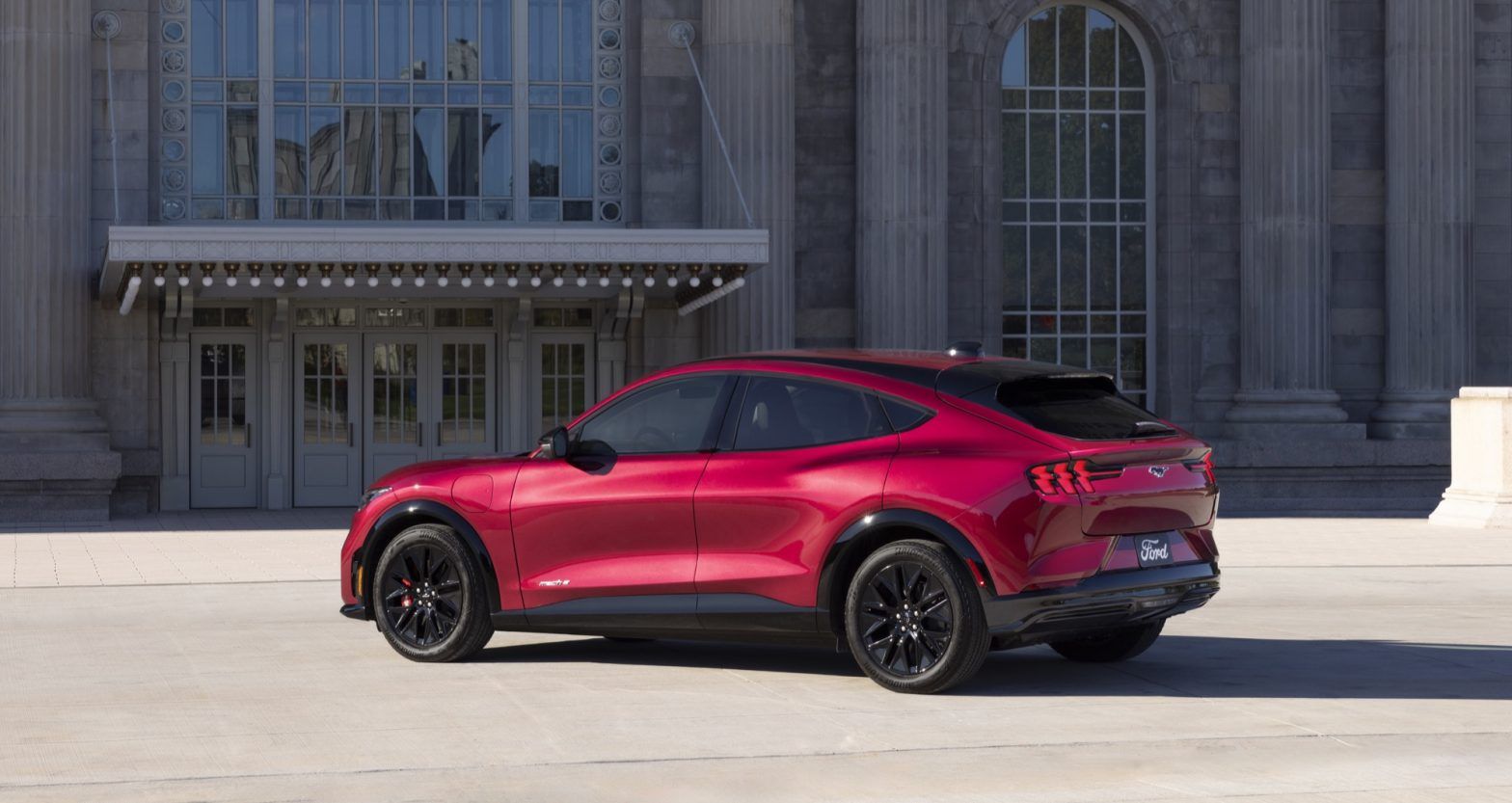
5. Ford Mustang Mach-E
The Ford Mustang Mach-E surprised many skeptics when it launched, particularly those who didn’t expect the Mustang badge on an electric crossover to amount to much. However, over time, this EV has proven itself to be more than just a branding exercise.
Mechanics often note how well it’s put together under the surface. The Mach-E uses a robust platform that’s been engineered with weight distribution and component accessibility in mind.
Its electric motors are enclosed in solid housings, and they show very few issues with premature wear. Many shop owners have commented on how rare it is to see drivetrain-related complaints on these models, even after heavy use.
One area that earns respect from the mechanical side is Ford’s attention to battery and cooling integration. The Mach-E uses a liquid-cooled battery system that has been effective in keeping battery temperatures stable under different driving conditions. Whether in colder climates or high heat, the battery maintains its performance without placing stress on other systems.
This results in fewer breakdowns and reduced strain on the thermal management components. Mechanics see a lot of EVs where the cooling system becomes a major point of failure, but the Mach-E’s setup avoids that problem by being straightforward, tightly sealed, and easy to monitor.
Suspension and chassis rigidity are other high points. The Mach-E feels solid even after thousands of miles. Mechanics often comment on the structural quality of the vehicle, particularly when lifting it for inspection. The underbody shield protects critical components, and corrosion resistance has been excellent so far.
Suspension components such as control arms and bushings have held up better than expected for a vehicle that’s used as both a commuter and family hauler. This is the type of consistency that mechanics value, especially when vehicles are subjected to rough road conditions.
Lastly, the Mach-E stands out for its diagnostic accessibility. Ford has made efforts to ensure that both dealers and independent shops have the tools to work on the vehicle. Mechanics don’t have to navigate locked systems or proprietary hurdles just to diagnose a basic issue.
With the right equipment, many repairs are manageable without jumping through hoops. That level of consideration for servicing plays a major role in why the Mach-E is gaining credibility not just with drivers, but with those who are fixing them when needed.
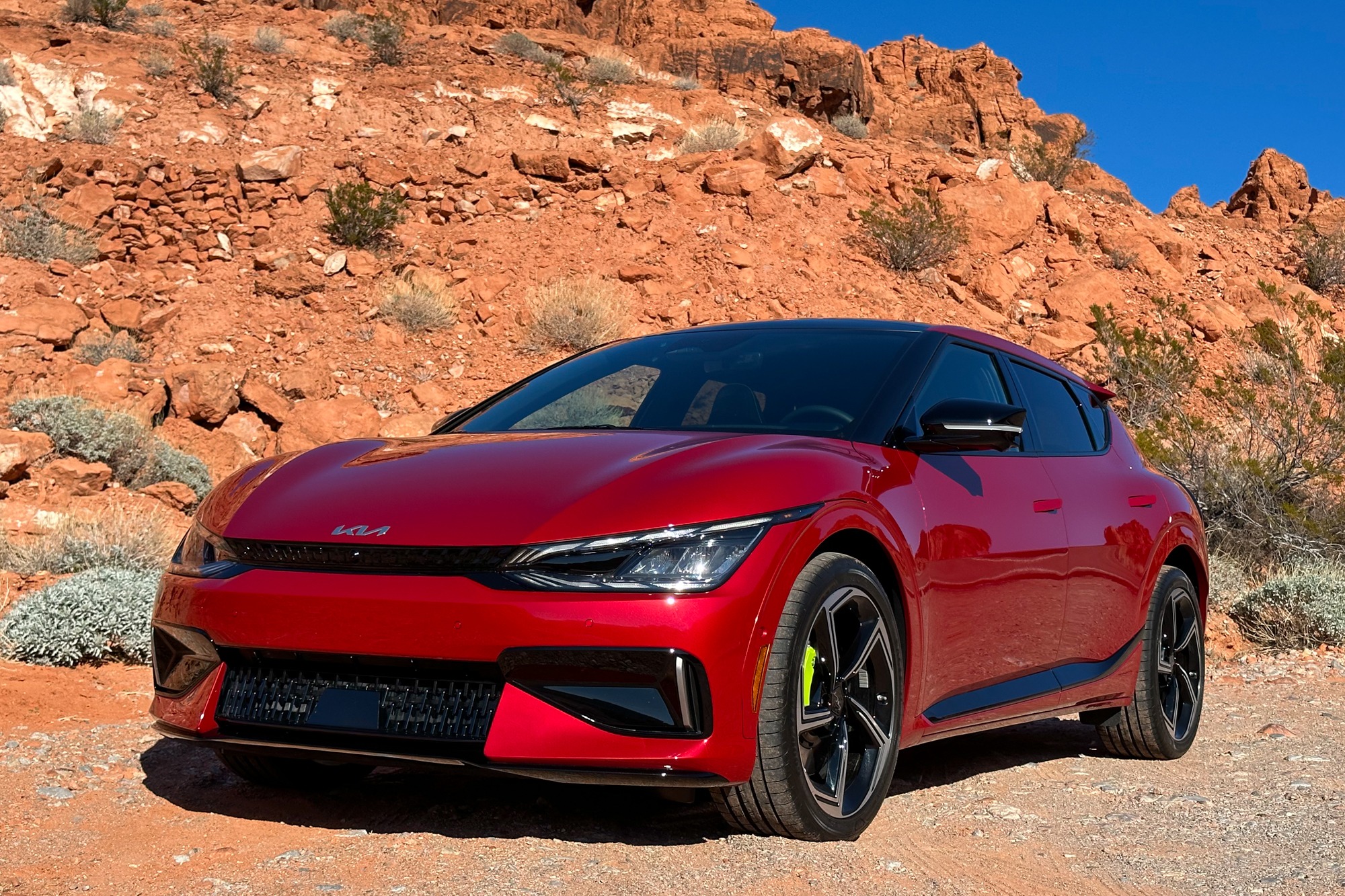
6. Kia EV6
The Kia EV6 arrived as part of Hyundai Motor Group’s next-generation EV push, and it quickly gained traction for more than just its sleek design. Under the surface, mechanics find it to be one of the more thoughtfully assembled EVs in its segment.
It’s built on the E-GMP platform, which allows for a low center of gravity, balanced weight distribution, and structural strength that holds up over time. This foundation means fewer long-term chassis issues and a solid base for the motor and battery systems. Mechanics appreciate how this reduces vehicle stress, even during aggressive driving or heavy use.
Another area where the EV6 has earned respect is battery integrity. Early indications show that battery degradation is minimal, and the vehicle’s cooling system supports this by maintaining consistent temperatures across all modules.
Unlike some EVs where cells begin to show inconsistencies after just a few years, the EV6 uses a thermal management layout that supports even cooling and extends battery lifespan.
Mechanics also point out how battery packs are mounted securely and feature protection against road salt, debris, and impact, reducing the need for costly early replacements or interventions.
From a service standpoint, the EV6 is reasonably accessible for a high-tech vehicle. Mechanics can access primary components without removing large parts of the vehicle, and that matters in the real world, where labor hours can quickly add up.
Lastly, the EV6 stands out for its alignment with practical maintenance needs. Service intervals are clearly documented, and software-related issues have been minimal in most of the units mechanics encounter.
Unlike some vehicles that rely heavily on cloud services or over-the-air updates that can glitch or delay diagnostics, the EV6 maintains a good balance between modern tech and functional reliability. That makes it a favorite among both drivers and the technicians who are expected to keep it running smoothly for the long haul.
Also Read: 12 Reputued Pickup Trucks With the Fewest Known Recalls
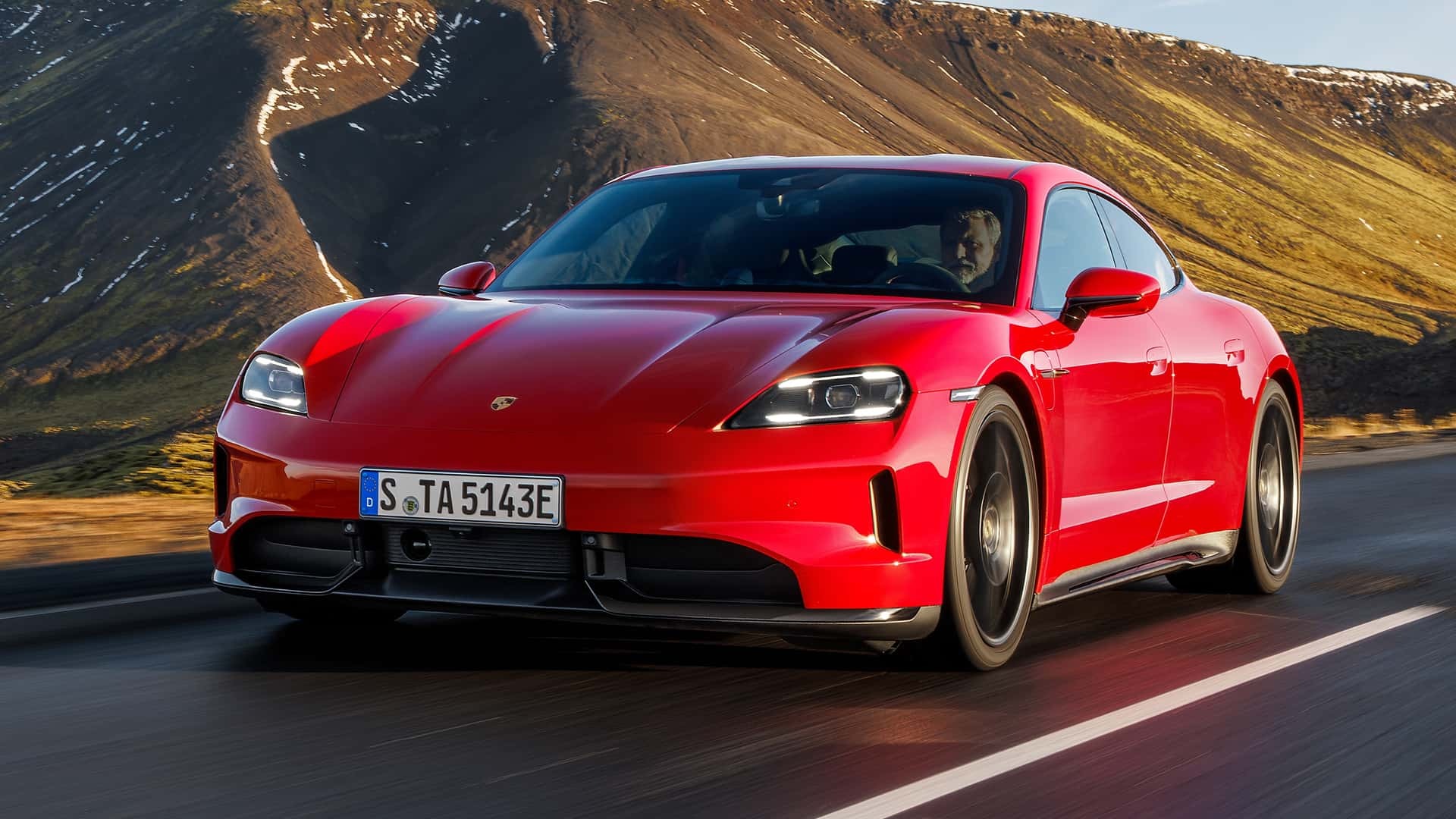
7. Porsche Taycan
The Porsche Taycan, though aimed at the premium market, is not just a luxury electric vehicle. It’s a machine built with precision, and that fact is something mechanics notice right away. Everything from the build quality of the underbody panels to the layout of the cooling systems has been engineered to high standards.
When mechanics talk about the Taycan, they usually mention how “overbuilt” it feels, in a good way. It uses redundant systems in areas like cooling and battery protection, and though this adds weight, it enhances durability significantly. The Taycan rarely comes in with powertrain issues, and its electric motors have proven stable even under repeated high-load conditions.
What makes the Taycan stand out is the resilience of its charging system. While many EVs begin to develop fast-charging throttling problems as they age, the Taycan holds up due to its advanced 800-volt system.
Mechanics who’ve worked on high-mileage units have found that the connectors, cooling lines, and charging ports hold up well even with daily fast-charging sessions. This has been a weak point in other performance EVs, but Porsche seems to have designed these components for continuous high-speed charging without significant long-term damage.
Suspension and braking systems on the Taycan also earn praise. While some EVs develop soft suspension feel or premature wear in strut mounts, the Taycan’s adaptive air suspension holds up well, even in places with poor road conditions.
The braking system, which blends traditional friction braking with regeneration, is engineered to last. Mechanics say that pads and rotors tend to wear more slowly than expected, and the software that manages this system rarely needs updates or recalibrations.
Finally, despite being a complex vehicle with layers of technology, the Taycan is surprisingly cooperative during diagnostics. Porsche has developed a strong internal support system for their certified mechanics, and even independent shops with the right tools can access systems without major hurdles.
8. BMW i3
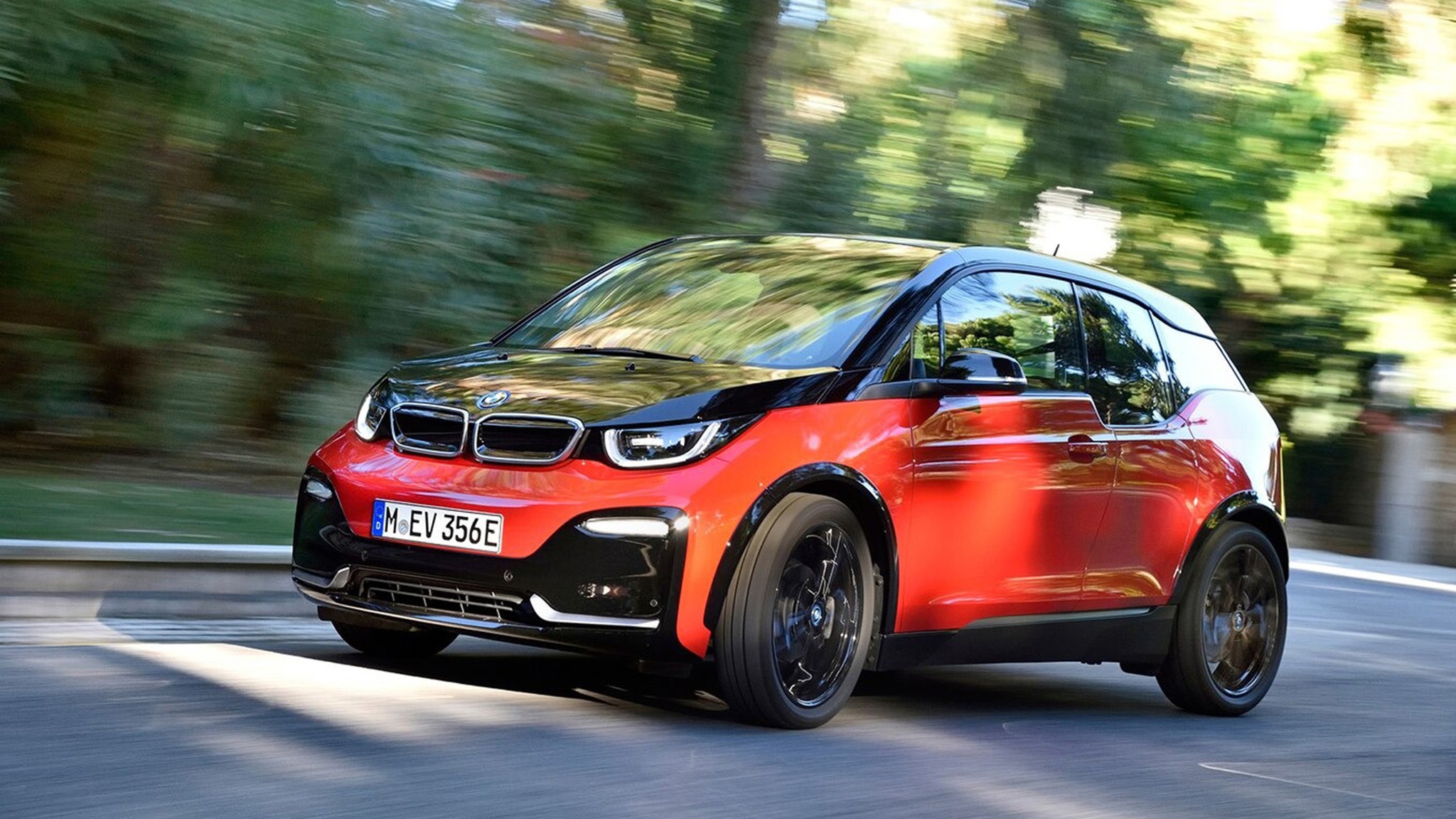
The BMW i3 is often overlooked in mainstream EV discussions, but many mechanics actually respect it for its unique design and robust reliability record. It’s a small city car with a carbon fiber reinforced plastic chassis that has aged surprisingly well.
Mechanics appreciate the rigidity and lightness of the structure, which has helped the i3 resist long-term wear in ways that heavier EVs struggle with. Though not designed for long highway trips, the i3 performs exceptionally well in urban environments and doesn’t show the same level of chassis fatigue over time.
Its electric motor is particularly efficient and has proven to be one of the most durable in its class. Even high-mileage i3s typically don’t suffer from major drivetrain issues. Battery health has also been strong, especially in later models that use improved cell chemistry.
Mechanics also point to the interior design and build quality as another strength of the i3. Unlike many economy-focused EVs that start to fall apart inside after a few years, the i3 maintains its structure well.
Seats, control surfaces, and dashboard components remain intact and rattle-free in most cases, and the simplicity of the layout means fewer components go wrong. The user interface may not be flashy, but it holds up well in day-to-day use, something mechanics and drivers alike value when the vehicle ages.
Repairability is a mixed bag, but for those familiar with BMW’s systems, the i3 is fairly cooperative. Parts are available, and the modular design of the motor and electronics makes most replacement jobs manageable. Its regenerative braking system also cuts down on brake wear, adding to its durability.
For a vehicle that’s already been on the market for over a decade, its reliability record speaks for itself. Mechanics often say the i3 is one of the few older EVs they’d still confidently recommend today.
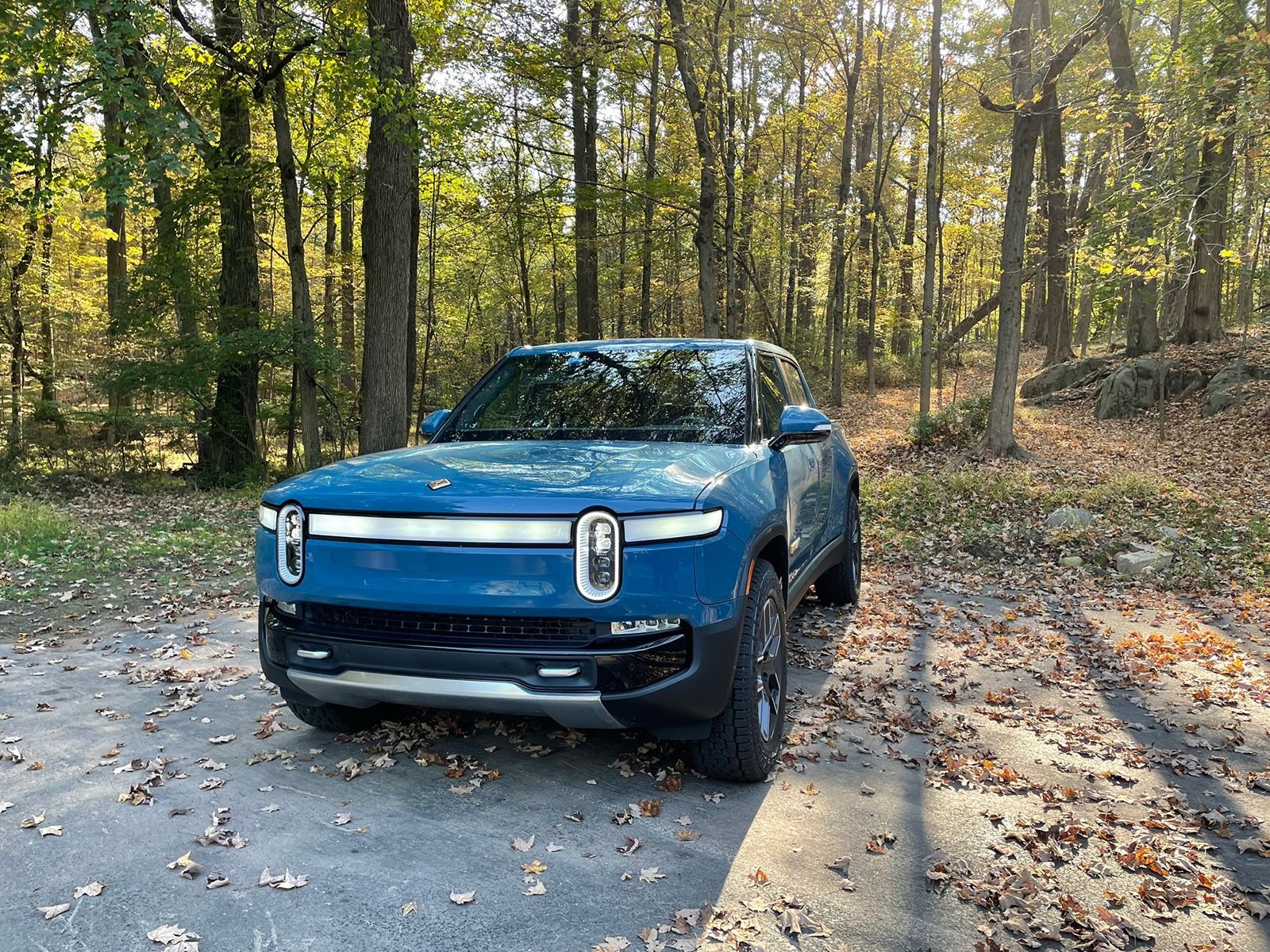
9. Rivian R1T
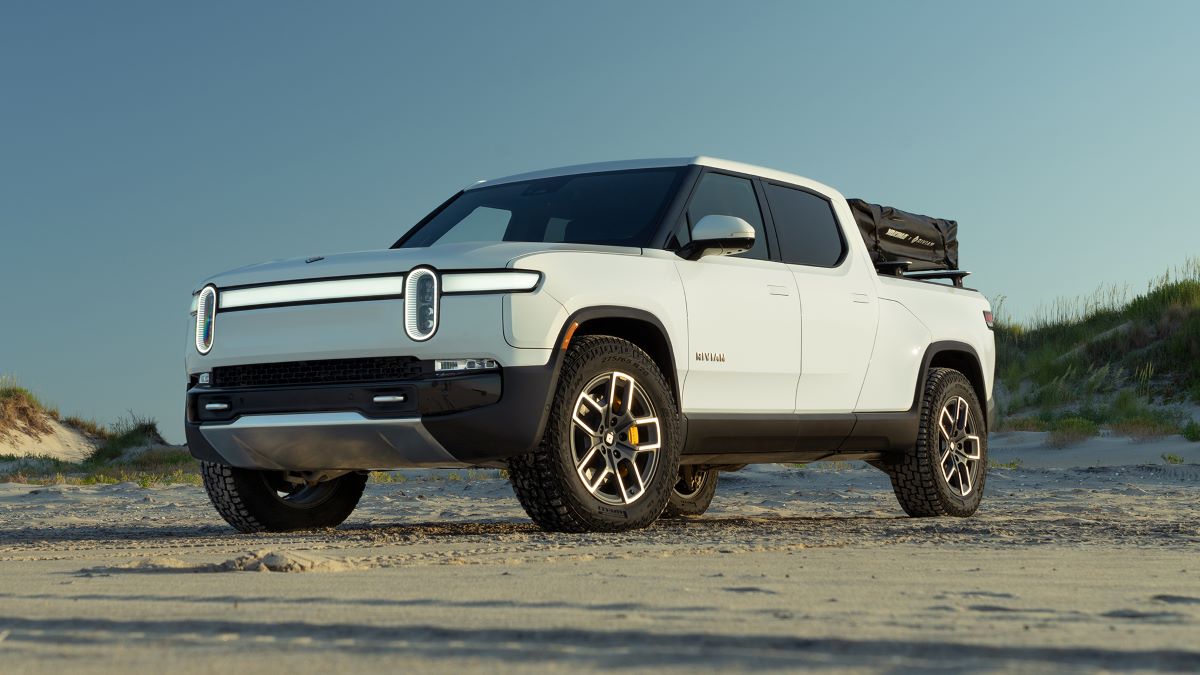
The Rivian R1T is a relatively new player in the EV world, but it has already earned respect in the garages where it matters. Designed as an electric pickup truck capable of handling off-road environments and utility tasks, the R1T’s durability focus goes beyond marketing.
Mechanics who have worked with early units often comment on how structurally sound the truck is. Its skateboard platform and heavy-duty suspension are clearly built with long-term use in mind. The frame holds up well under stress, and even after serious off-road use, alignment and wear issues have been minimal.
Mechanics are also impressed by the modular design of the drivetrain. Each wheel has its own motor in certain trims, but rather than complicating things, the system has shown to be both reliable and accessible for diagnostics. When issues do arise, they are often related to early software glitches rather than hardware failures.
Battery durability has also been a strong point in Rivian’s early models. The R1T features a well-protected battery pack with a solid thermal management setup. Mechanics note that the cooling lines and sensors are routed smartly, minimizing exposure to off-road hazards like gravel or snow buildup.
Even in harsh environments, battery-related service requests have been limited. This is particularly important in a truck, where drivers are likely to use more charge-cycles per week compared to city commuters. Having a battery system that stays stable under those demands is a major win for long-term durability.
What really surprises many mechanics is the quality of the underbody and suspension components. From the control arms to the skid plates, everything has a rugged feel that doesn’t wear out quickly. This means fewer replacements and fewer trips to the shop. In fact, many R1Ts come in for tire changes or accessory installs rather than repairs.
That speaks volumes. For a company still relatively young, Rivian has shown it can make a truck that earns the trust of people who fix vehicles for a living, not an easy accomplishment in a field full of bold claims and weak execution.
10. Toyota bZ4X / Subaru Solterra
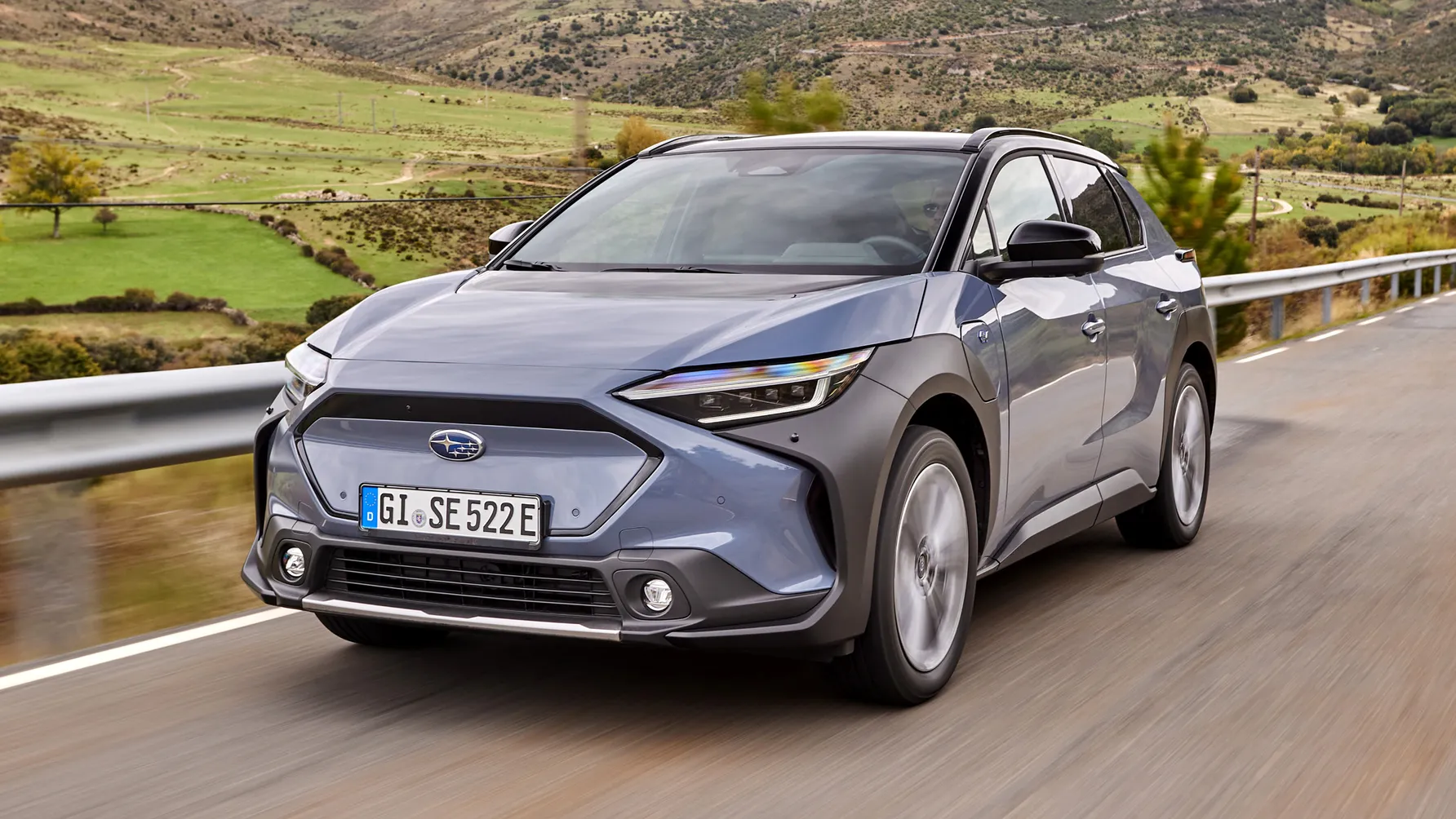
While Toyota and Subaru’s first full-electric collaboration didn’t generate overwhelming excitement at launch, mechanics have quietly praised these twin models for one important trait: consistent, reliable engineering. The bZ4X and Solterra are built on a shared platform with relatively conservative hardware choices.
This cautious approach may seem boring to some buyers, but for mechanics, it’s the kind of engineering that typically results in fewer failures. Rather than chasing range or performance records, the platform was designed with longevity and serviceability in mind.
Mechanics who’ve inspected or serviced these vehicles appreciate the simplicity of the drivetrain. There are no gimmicks, just a single or dual-motor setup built around a flat battery pack with straightforward integration.
Toyota and Subaru have experience with hybrid systems, and much of that knowledge has translated into stable power electronics in these models. The inverter, motor control units, and battery management systems are well-shielded and produce very few heat-related issues. As a result, the components don’t wear prematurely or fail unpredictably.
Another point that earns respect is the design of the cooling and electrical systems. The battery uses a liquid-cooled system, and the flow paths and sensors are designed in a way that makes them relatively easy to monitor and replace if needed.
There’s a lack of over-complication in how these systems work, which mechanics always appreciate. They’ve learned through experience that less complexity often leads to more reliability. If something does fail, it doesn’t take a full day of labor just to reach the faulty part.
Lastly, these vehicles benefit from Toyota’s conservative stance on new technology. While this approach may not always win innovation awards, it often results in more mature systems that avoid common bugs or glitches. The infotainment is less integrated with critical systems compared to other brands, reducing the risk of total system crashes.
Suspension, steering, and braking are tuned for comfort and longevity, not track performance. The end result is a pair of electric vehicles that may not impress enthusiasts but have quietly won over mechanics who prioritize vehicles that just keep working without surprises.
11. Lucid Air
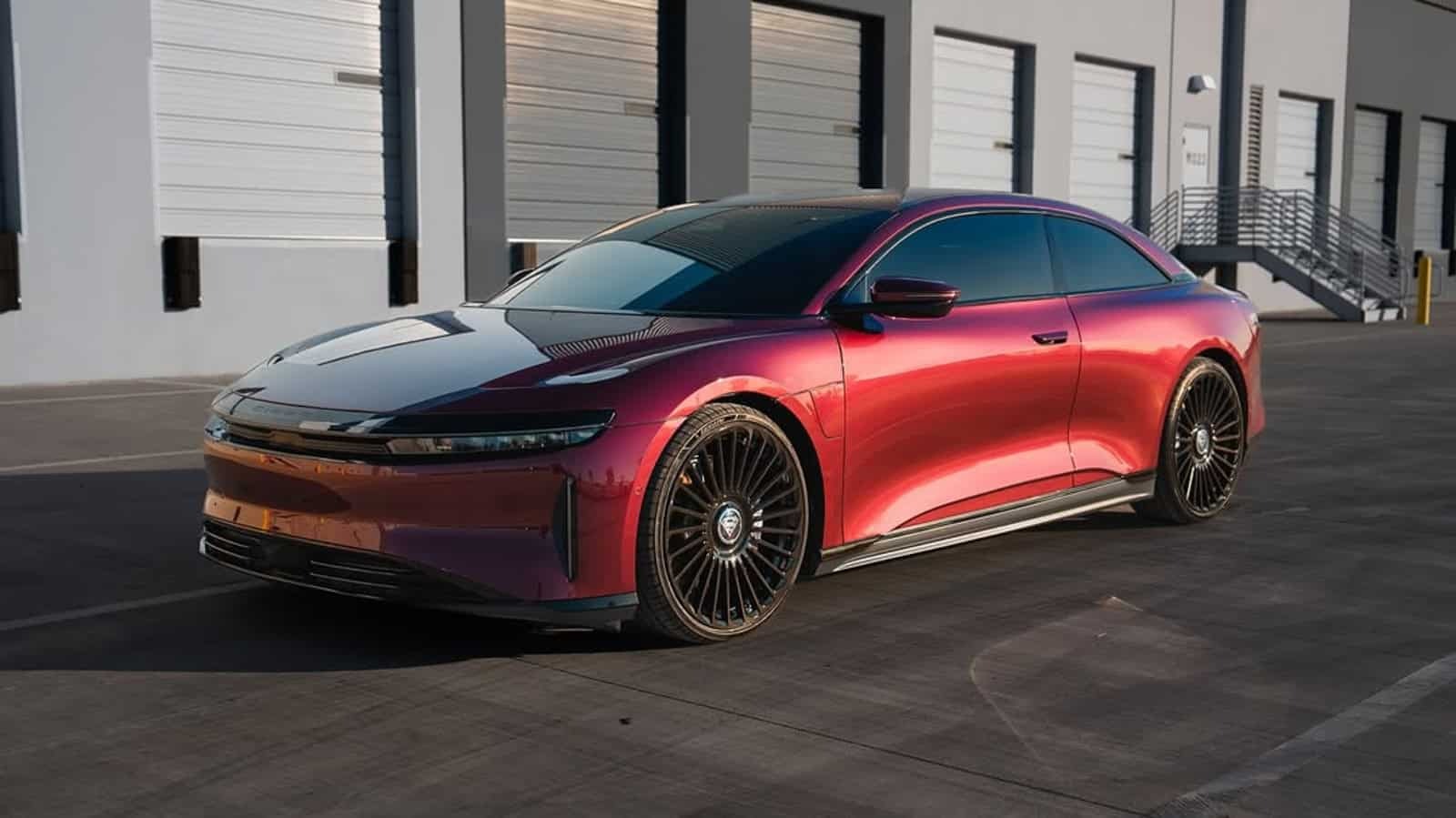
The Lucid Air has gained a reputation as one of the most advanced electric sedans on the market, and that complexity might lead some to assume it’s less durable. Surprisingly, that hasn’t been the case. Despite being a new automaker with a high-tech focus, Lucid has built the Air with a surprising amount of mechanical soundness.
Lucid’s electric motor design is a major talking point. Unlike traditional motors, Lucid developed a compact unit that includes the motor, inverter, and transmission in a very tight space. While that could have led to overheating or stress under load, it hasn’t.
Mechanics report low failure rates and very few complaints about performance degradation, even in high-use conditions. The thermal systems use a dual-loop setup that isolates cabin and powertrain heat management, which helps everything run cooler and more efficiently over time.
Battery durability is another key strength. Lucid uses a custom-designed battery pack with high-density cells and a smart balancing system. The software ensures that charge distribution is even, which avoids premature wear in certain modules, a problem in some EVs where temperature and usage aren’t evenly managed.
While parts and service centers are still limited, the units that do show up in shops have impressed mechanics with their clean layout and logical wiring. Nothing feels rushed or cheaply done, which is a common issue in new automakers trying to scale quickly.
Finally, mechanics appreciate that Lucid has taken steps to make diagnostics easier for their network of service providers. The vehicle’s internal systems generate detailed logs, and many basic issues can be addressed through remote support or well-documented procedures.
While not yet a mass-market vehicle, the Lucid Air is proving that durability can still be achieved even in premium, complex machines. From a mechanical standpoint, it’s one of the few luxury EVs that offers both cutting-edge performance and trustworthy engineering behind the scenes.
