
Some vehicles go far beyond the expected lifespan of a typical car. They become more than just a mode of transportation. These are the cars that find a permanent spot in the family garage, passed down from parents to children and even to grandchildren.
They represent consistency, reliability, and emotional value. Families keep them not just because they still work, but because they carry stories and shared experiences.
Road trips, first driving lessons, late-night drives, and holiday gatherings have all played out with these machines quietly humming in the background. And the amazing thing is, they continue to run strong.
There are a few key reasons why certain cars remain with families across generations. The first is build quality. Some manufacturers have built reputations for producing cars that can withstand years of heavy use with minimal wear. Second is maintenance.
When a vehicle is simple enough to repair and maintain without expensive parts or complicated systems, families find it easier to keep them in working condition. Finally, there’s the sentimental factor.
Not every long-lasting car is the best looking or most powerful, but it may be the one that took a family on their first vacation or drove someone home from the hospital when they were born. Those stories build emotional connections that no modern feature or sleek design can replace.
It’s worth noting that these aren’t necessarily the flashiest cars or the most advanced ones available. Most of them are rather ordinary by today’s standards. But that’s part of their charm. They are practical, simple, and proven. They don’t rely on digital wizardry or complex sensors to stay on the road.
They’re mechanical in nature, built to last, and often over-engineered. That makes them perfect for long-term use. Some of them may not even be in production anymore, but used parts are still available, and skilled mechanics still know how to work on them.
This list features ten cars known for staying within families across decades. These are the kinds of vehicles people refuse to sell, choosing instead to repair, repaint, and re-register, until they become family heirlooms on wheels. Let’s look at what makes each one worthy of being passed down.
Also Read: 12 Trucks That Are Safer Investments Than Stocks
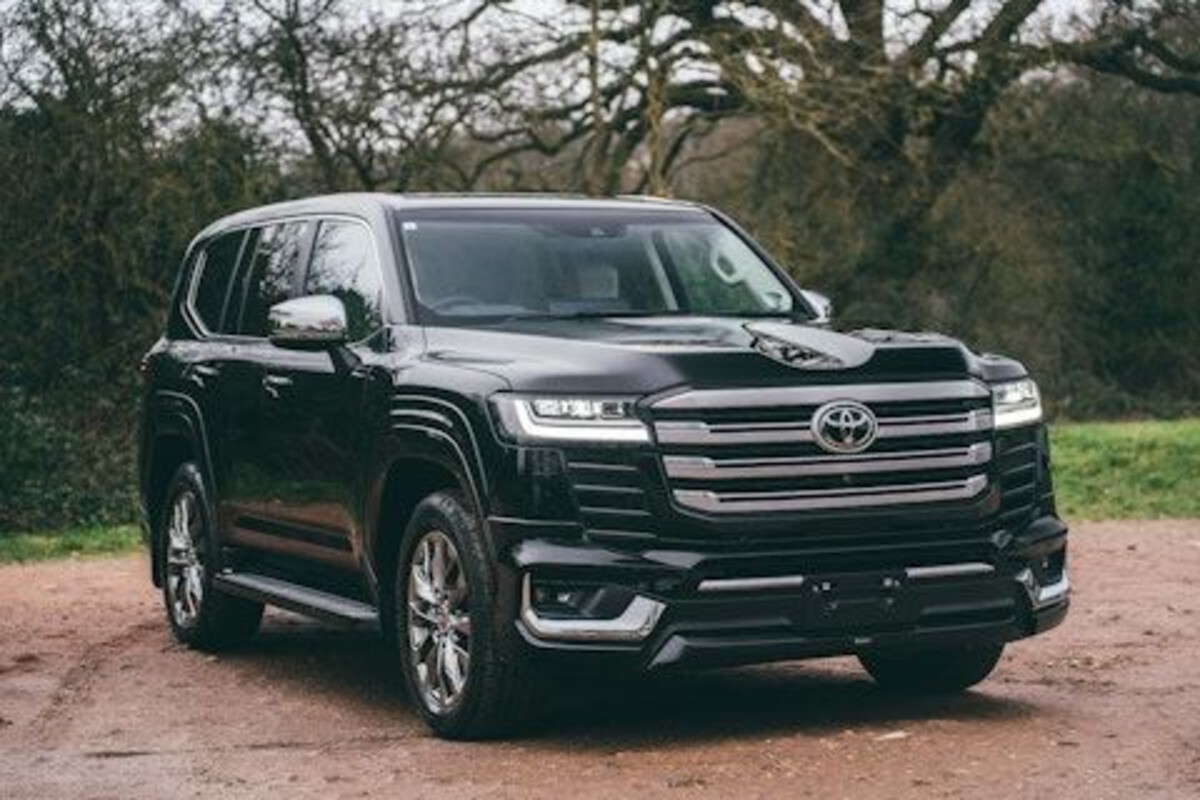
1. Toyota Land Cruiser
The Toyota Land Cruiser has a reputation for surviving just about anything. Originally designed as a military-style utility vehicle, it has become one of the most reliable full-size SUVs ever made. Whether it’s navigating through muddy off-road trails or cruising comfortably on highways, the Land Cruiser rarely gives up.
Owners have found that with regular oil changes and basic maintenance, these vehicles can run well beyond 300,000 miles. That kind of endurance makes it a strong candidate for long-term ownership across generations.
Another reason families hang on to their Land Cruisers is the quality of construction. Everything from the frame to the engine bay feels solid and well-assembled. These vehicles were often overbuilt, with large displacement engines that are tuned more for durability than speed.
The simplicity of earlier models also makes them easier to repair and modify. For families who like to tinker in their garage, this car offers years of hands-on potential. That sense of involvement makes it feel less like a tool and more like a shared project between generations.
The Land Cruiser also holds historical and emotional value. Some families have used the same vehicle for off-road adventures, camping trips, and cross-country travel for decades.
When a car is tied to these kinds of memories, it becomes difficult to part with. Stories of grandparents teaching their grandkids to drive in an old Land Cruiser are surprisingly common. And with its classic styling and solid reputation, even younger family members take pride in driving an older model.
Finally, Toyota’s commitment to parts availability has helped extend the life of the Land Cruiser. Even older models from the 1980s and 1990s still have a strong support network for parts and repairs.
Enthusiast communities around the world share tips, modifications, and troubleshooting help. That makes it easier for families to keep the same car running for decades, even if it has changed hands multiple times within the household.
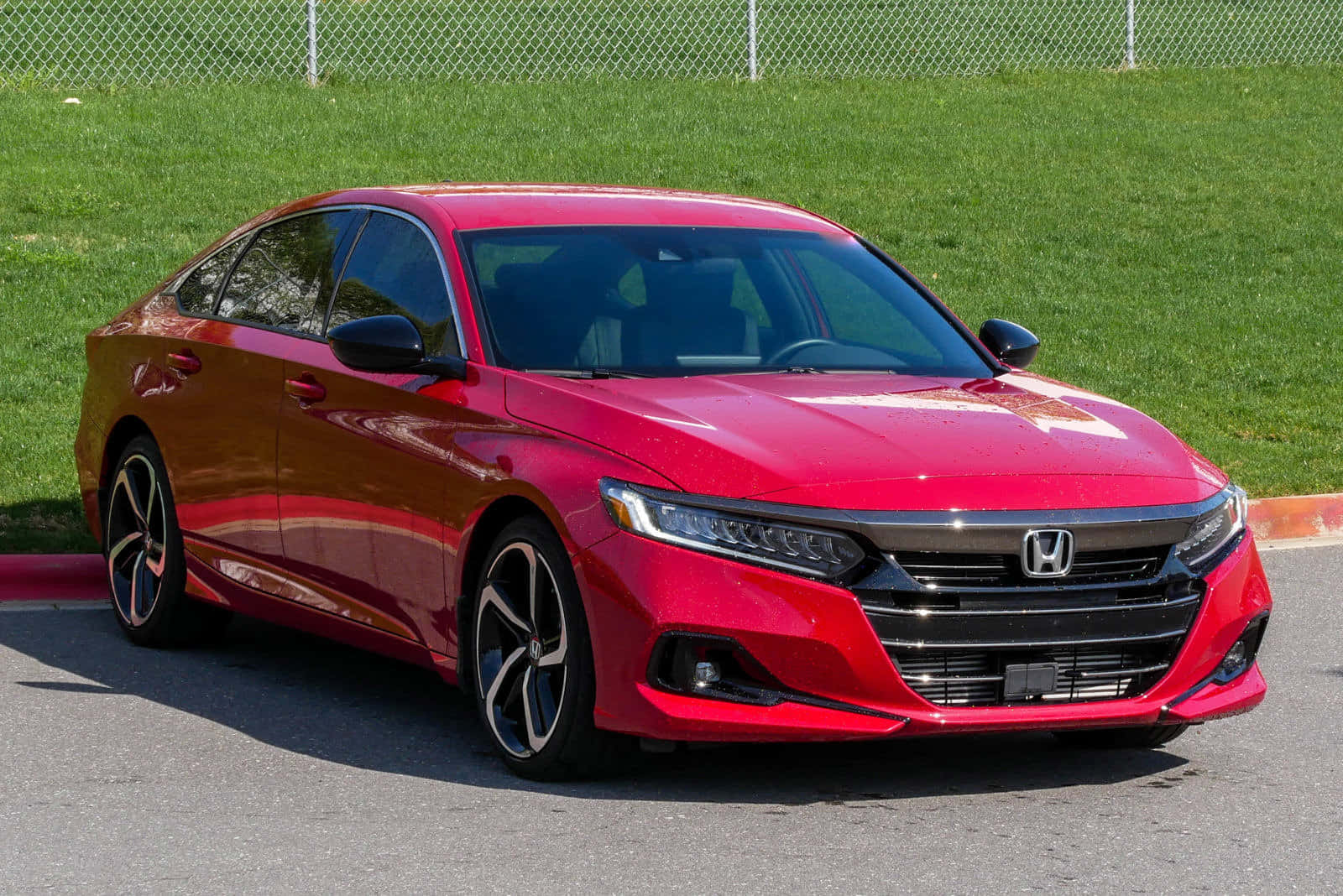
2. Honda Accord
The Honda Accord has become a household name for all the right reasons. It blends reliability, efficiency, and practicality in a package that remains attractive year after year. Families tend to keep Accords because they rarely give them a reason not to.
With proper care, they routinely reach 250,000 miles or more without needing major engine or transmission work. That consistency turns the Accord into a dependable asset, passed down as each new driver in the family gets behind the wheel.
One of the Accord’s biggest strengths is its balanced design. It isn’t overly flashy, nor is it stripped down to bare essentials. It sits right in the middle, comfortable, efficient, and relatively low-cost to maintain.
It also has strong resale value, which ironically means that many families never bother selling it. Instead, they hand it down, knowing it still has years of dependable service left. Whether as a first car for a teenager or a backup vehicle for commuting, the Accord keeps proving itself.
Another reason families hang on to the Accord is the low cost of ownership. Parts are inexpensive, and independent mechanics are usually very familiar with the model.
Even older versions are relatively easy to work on, especially those built before the wave of overly complicated electronics. When a car doesn’t break the bank to repair and rarely has issues in the first place, it quickly becomes the default family vehicle. The Accord’s fuel economy only adds to its practical value over time.
There’s also a cultural aspect to it. Many families, especially in the United States and Asia, have had more than one generation own or drive a Honda Accord.
It’s not uncommon to hear stories of someone learning to drive in their parents’ or even grandparents’ Accord. Over time, it becomes more than just a sedan. It becomes a fixture of growing up, commuting to school or work, or being the car used for weekend family events.
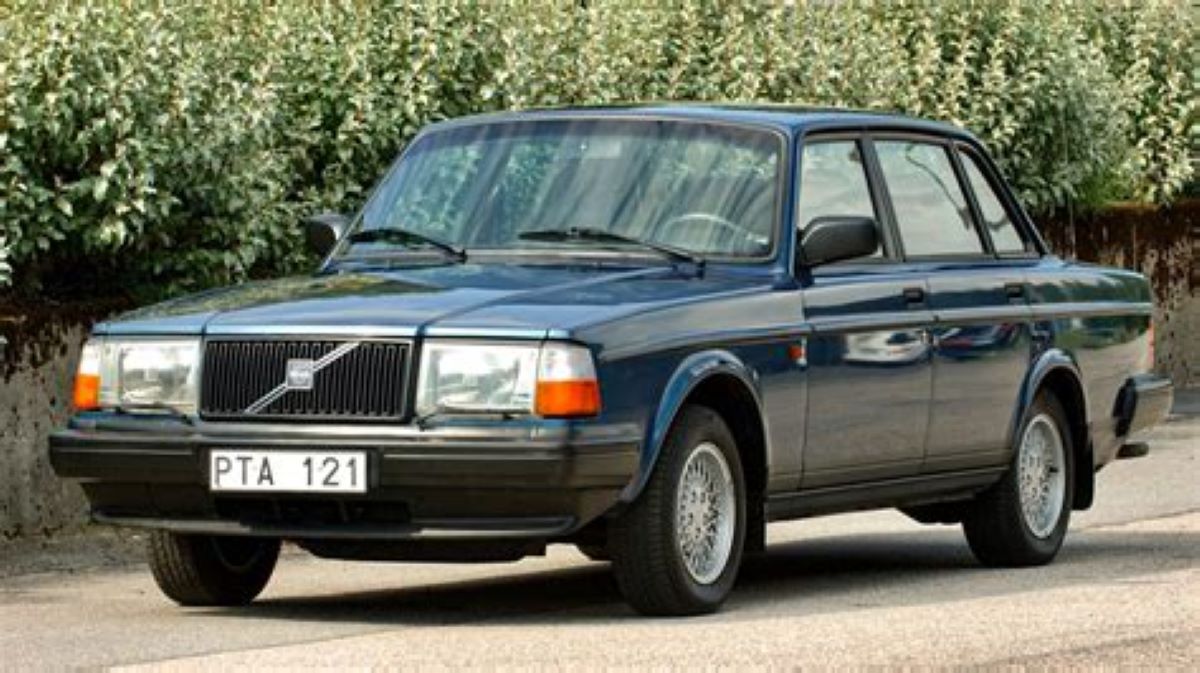
3. Volvo 240
The Volvo 240 has a boxy shape that never tried to follow trends, and maybe that’s why it has stood the test of time. Built between 1974 and 1993, it’s a car that made durability its central theme.
Many owners joke that the 240 was built to survive the end of the world. It has an incredibly sturdy frame, thick panels, and a minimalistic interior design that doesn’t age badly. Because of this, many 240s are still on the road, often being driven by the children or grandchildren of their original owners.
The engine choices in the 240 were not about high performance but about long life. The inline-4 engines were simple, over-engineered, and capable of running for hundreds of thousands of miles.
That’s why they became known for longevity. Parents who bought these cars for safety reasons in the ’80s later found they could still rely on the same car in the 2000s. The mechanical simplicity means fewer electronic failures, making it easier for amateur mechanics in the family to keep it alive.
Another important feature of the Volvo 240 is its unmatched safety reputation during its production years. Families often bought it specifically because it was one of the safest cars on the road.
That legacy continues. Parents pass it down with a sense of trust that their child will be protected. Even though safety standards have evolved, there’s a comforting sense of security when driving a 240. This emotional association with care and protection helps maintain its value within the family.
Volvo’s classic styling, while boxy and utilitarian, has gained a kind of retro appeal in recent years. Younger drivers see the 240 as a vintage icon. It may not have the speed or styling of a modern sports car, but it makes a statement.
Its continued presence in car shows and enthusiast circles also means that spare parts and community knowledge are still widely available. For a family that wants to keep a car going forever, that kind of support is essential.
4. Mercedes-Benz W123
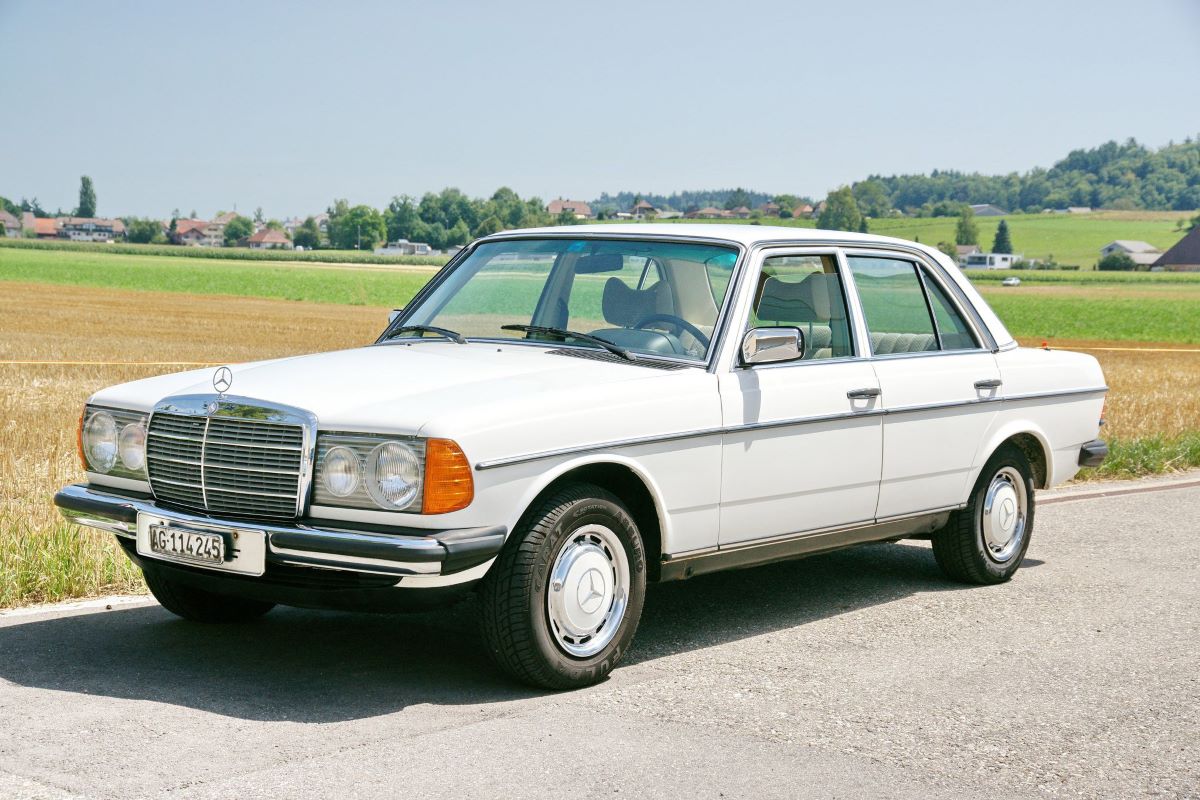
The Mercedes-Benz W123, produced from the mid-1970s through the mid-1980s, is one of the most durable sedans ever made. Built during an era when Mercedes focused more on engineering excellence than cutting-edge technology or sleek styling, the W123 became known for its rock-solid build and longevity.
These cars were not cheap when new, but they were made to last a lifetime. For many families, that turned out to be literally true. It’s not uncommon to find W123s still on the road today, being driven by second or third-generation owners.
One of the most well-known variants was the diesel-powered 240D, which may not have been quick, but it was nearly indestructible. The engines were slow-revving and intentionally underpowered, not to save money but to avoid stress on the mechanical components.
The result was a car that could easily cross the 500,000-mile mark with basic maintenance. In some countries, these cars were used as taxis, accumulating astronomical mileage with very few major repairs. That kind of track record gives families the confidence to keep the car running, year after year.
The W123 also features a timeless, clean design that has aged well. It doesn’t try to look futuristic or aggressive. Instead, it presents itself with quiet dignity.
The interior, though simple by today’s standards, was made with quality materials that didn’t fall apart with age. That attention to detail is one reason many W123s are still in excellent cosmetic shape, even decades after they left the factory. When a car looks and feels solid every time someone opens the door, it reinforces the decision to keep it.
Beyond the mechanical and design factors, there’s also a symbolic element. Owning a W123 can feel like being part of a tradition. It represents a time when cars were made to be driven for life.
Families that keep these cars often take pride in maintaining them, handing them down not just as transportation but as a kind of legacy. For some, it’s the car that brought their children home from the hospital. For others, it was the vehicle they drove across the country for college. In every case, it ends up being more than just a machine.
5. Jeep Cherokee XJ
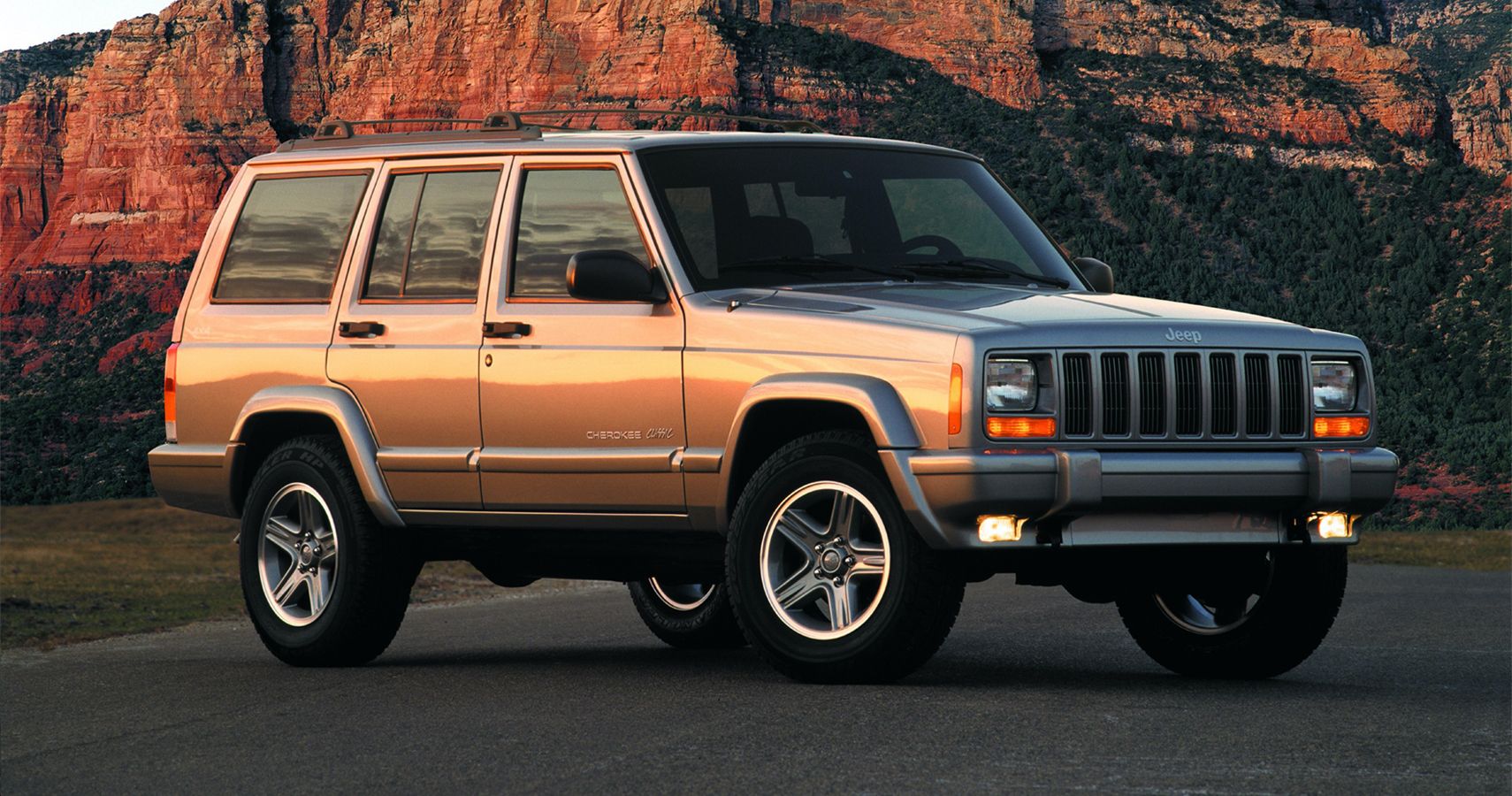
The Jeep Cherokee XJ, built from 1984 to 2001, is one of the most rugged and enduring SUVs ever made. Its boxy design and strong unibody construction make it surprisingly capable both on and off the road.
Unlike modern SUVs that prioritize comfort and electronics, the XJ kept things simple, making it easier to maintain and less likely to suffer from complex electronic failures. That simplicity, combined with its reliability, made it a favorite among families who value practical and long-lasting vehicles.
Under the hood, the most respected engine was the 4.0-liter inline-6. It’s not known for fuel economy, but it’s one of the toughest engines ever put into a production SUV. With regular maintenance, this engine could easily go beyond 300,000 miles.
Because of its longevity, many families have simply chosen to keep their Cherokees in the driveway, handing them off to kids once they get their license. And since it’s capable of handling everything from snow to muddy trails, it’s become the go-to all-purpose vehicle for many households.
Beyond its toughness, the XJ offers plenty of practicality. The interior space is generous, the seating is upright and comfortable, and visibility is excellent. These aren’t features that go out of style.
Families who own an XJ rarely find a compelling reason to replace it unless something major fails, which is rare. Even if something does go wrong, there’s a massive aftermarket for parts and plenty of mechanics who know the platform inside and out. That keeps repair costs low and makes restoration projects more feasible, even for older models.
There’s also a sense of identity that comes with keeping a Jeep Cherokee in the family. For off-roaders, it’s a legend. For commuters, it’s a tank. For teenagers, it’s often their first car. Over time, the XJ becomes part of the family story.
Whether it’s getting pulled out of the snow on a winter night, or being loaded with camping gear for a weekend trip, the Cherokee has seen it all. Families hang onto it not just for what it is, but for everything it’s been through with them.
Also Read: 12 Reputued Pickup Trucks With the Fewest Known Recalls
6. Toyota Camry
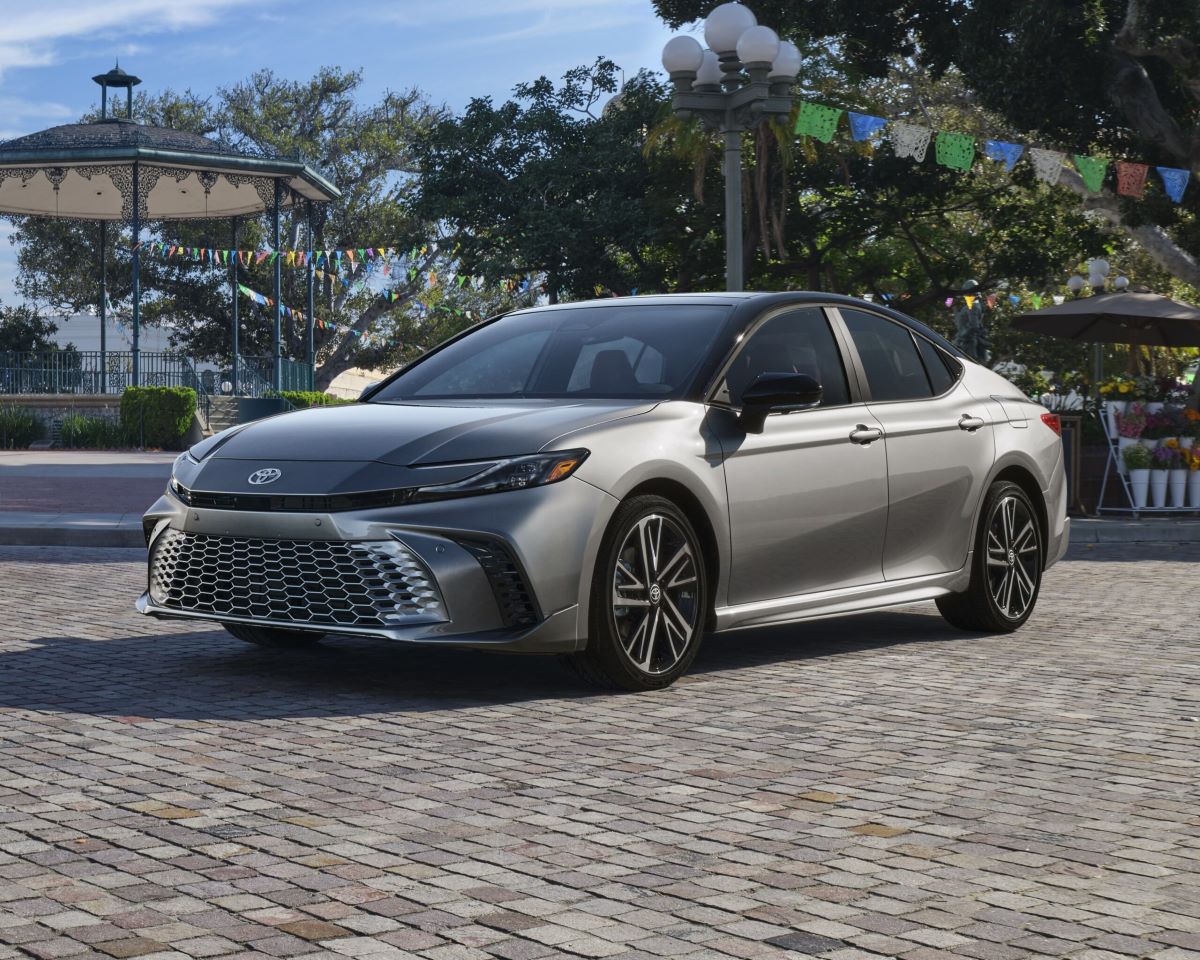
The Toyota Camry has quietly become one of the most inherited vehicles in automotive history. Its reputation for reliability, ease of maintenance, and affordability has made it a staple in family driveways for decades.
It’s not flashy and never tries to be. But when it comes to consistent performance, low maintenance costs, and dependable longevity, few sedans can compete. That’s why Camrys are so often passed down from one generation to the next, still running strong with six-digit odometers and only routine maintenance.
One of the Camry’s strengths lies in its mechanical consistency. Toyota has made gradual improvements over the years, but the general formula has remained the same: keep it simple, keep it reliable.
Older models, particularly those from the late ’90s and early 2000s, are especially well-regarded for their bulletproof engines and transmissions. These models often last 250,000 miles or more, and because so many were sold, spare parts are widely available. That keeps costs down and makes it easier for families to justify keeping the car.
There’s also the matter of comfort. Even though the Camry is not known for luxury, it does a great job of keeping its passengers comfortable, even on long trips. That contributes to its long-term appeal.
Families grow attached to the familiar feel of the seats, the layout of the controls, and the smooth ride. Once a car becomes part of daily routines, school drop-offs, grocery store runs, vacation drives, it starts to feel like part of the family. Replacing it can feel unnecessary, or even like a loss.
Then there’s the trust factor. Parents who drive Camrys and experience years of hassle-free use are often happy to pass the car on to their children. It’s not just about saving money, it’s about peace of mind. They know the vehicle is safe, reliable, and easy to handle.
That trust can span multiple generations, creating a cycle where Camrys are continuously handed down instead of being sold or traded. This long-standing reputation has helped make the Camry a permanent fixture in family life.
7. Ford F-150
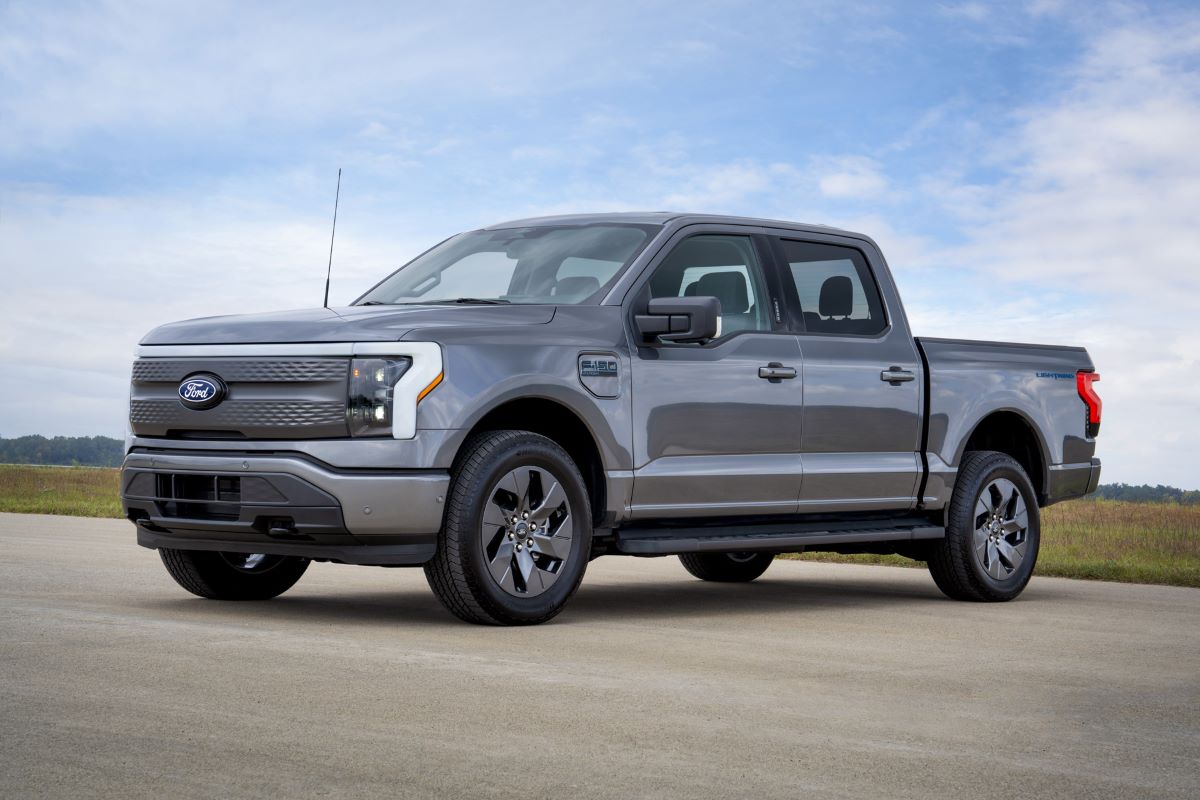
The Ford F-150 has been America’s best-selling vehicle for decades, and its popularity is more than just a trend. It’s a truck that many families use as a workhorse, a daily driver, and a trusted companion through major life events.
Durability has always been a priority with the F-150. Earlier models were designed with fewer electronics, which means fewer things to break over time. The engines, particularly the 4.9L inline-6 and 5.0L V8, were known for their longevity. Even with hard use, these engines could last for hundreds of thousands of miles if maintained properly.
Many trucks from the 1980s and 1990s are still on the road today, often kept in the family and repurposed as farm vehicles, weekend haulers, or project trucks for the next generation.
One of the other reasons the F-150 stays in families is its emotional value. A truck that was used to build a home, transport kids to school, or help someone start a business becomes more than just a tool.
Over time, it gains sentimental weight. That emotional tie often outweighs the cost of repairs or the appeal of a newer model. Some families even restore older F-150s together as a shared hobby, turning a well-used truck into a beautifully preserved symbol of family history.
The support for older F-150s is also extensive. Parts are widely available, and repair knowledge is abundant. Whether someone is replacing a rusted-out bed or rebuilding a transmission, they’ll find guides, videos, and shops ready to help.
This support system makes it practical to keep even a 30-year-old truck running like new. And since the F-150 has always had a wide range of trim levels, engine types, and configurations, it can fit nearly any family’s specific needs, even as those needs evolve.
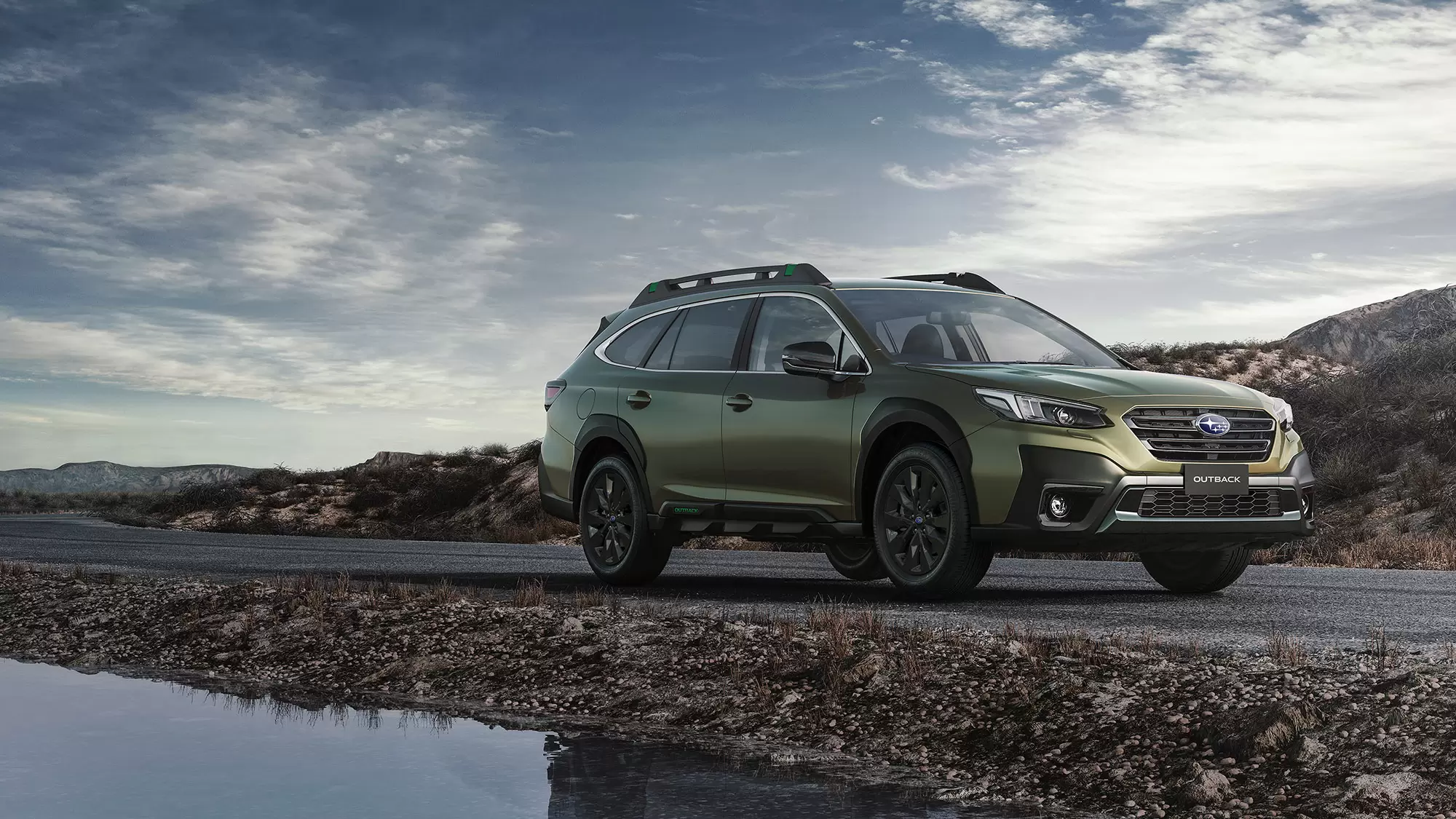
8. Subaru Outback
The Subaru Outback has long been a favorite among families that value practicality, all-weather capability, and long-term dependability. Its blend of station wagon utility and SUV-like ruggedness makes it extremely versatile.
Built for snow, dirt roads, and everyday commutes, the Outback rarely feels out of place. That ability to handle just about anything life throws at it is a big reason why it often stays in families for years, even decades. Parents pass them on to their children with confidence, knowing the car will continue to perform reliably.
One of the core reasons for the Outback’s longevity is Subaru’s symmetrical all-wheel drive system, which has proven itself through years of use in harsh climates. Whether it’s navigating through snow-covered roads in Vermont or gravel trails in Colorado, the drivetrain holds up.
Combined with Subaru’s boxer engines, which are low and balanced, the Outback provides stability and confidence in poor conditions. Families living in rural or mountainous areas often see no reason to replace something that handles terrain so well.
Maintenance is another strong point. While Subaru engines have had issues in some model years, particularly with head gaskets, these problems are well-known and widely addressed in the maintenance community. As long as an Outback is serviced regularly, it tends to avoid serious problems.
The relative ease of working on older Subarus means that many family garages have tools and parts already lined up to keep them going. It becomes a cycle: the car is worth fixing because it has always delivered, and the more it’s fixed, the longer it stays useful.
Outbacks also carry strong emotional value. They’re often the car used for family camping trips, drives to school through snowy mornings, or summer vacations with bikes strapped to the roof. Those memories become tied to the vehicle itself.
For many younger drivers, learning to drive in the same Subaru their parents used for road trips is a rite of passage. It’s not about horsepower or technology; it’s about the memories and reliability, year after year.
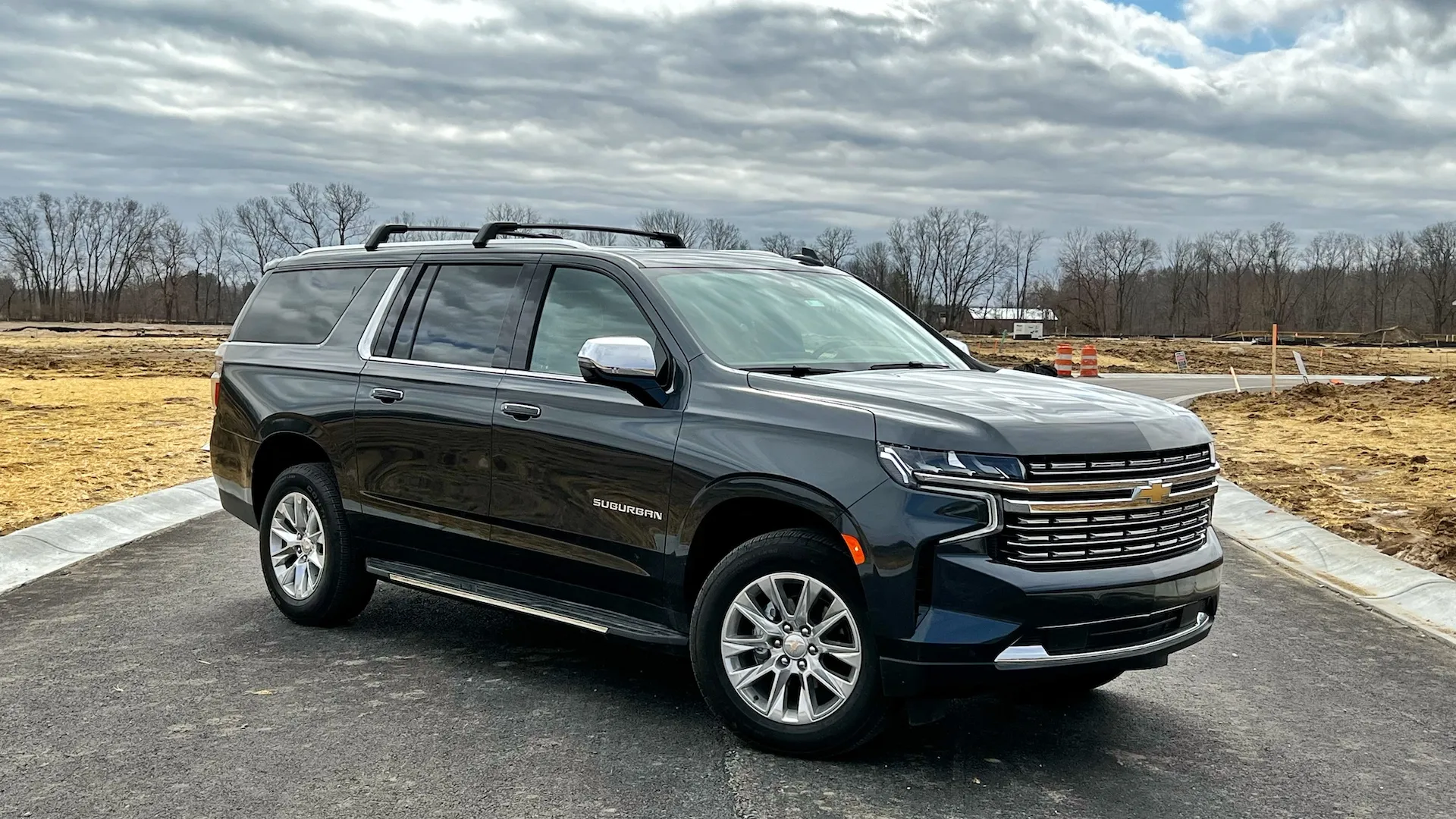
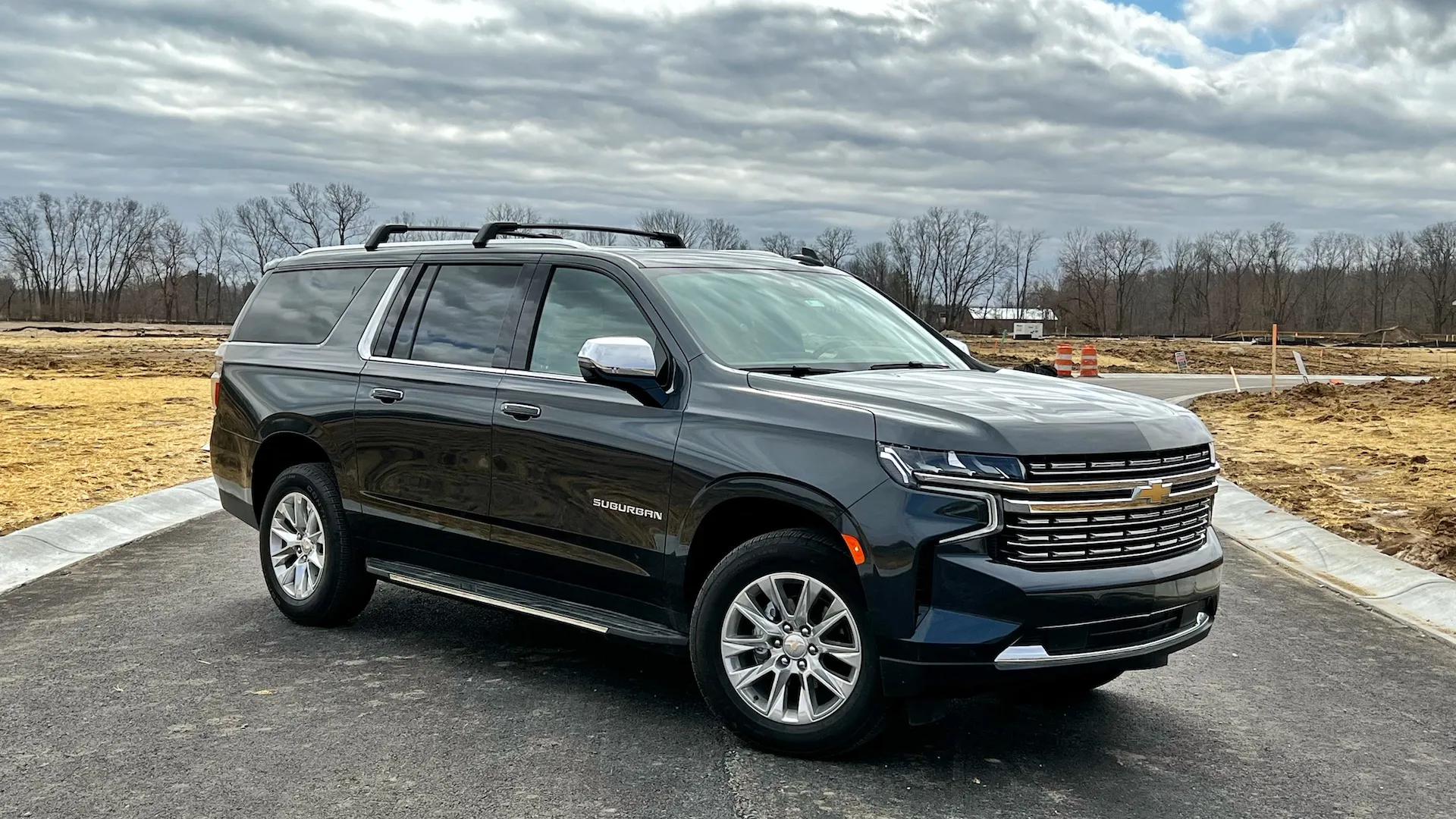
9. Chevrolet Suburban
The Chevrolet Suburban is one of the longest-running nameplates in automotive history, and with good reason. This massive, full-size SUV is known for its toughness, cargo capacity, and family-friendliness. It can seat an entire family comfortably while hauling luggage, equipment, or even a trailer.
For larger families, especially those in rural or suburban areas, the Suburban becomes more than just a vehicle. It turns into a mobile household, often sticking around for multiple generations as the go-to choice for travel, hauling, and emergencies.
Many Suburbans see life beyond 300,000 miles, especially those used on highways or maintained by mechanically inclined owners. The body-on-frame design also allows for major repairs, like frame or suspension work, without scrapping the vehicle.
Beyond mechanical durability, the Suburban offers unmatched utility. No matter how old it gets, the need for a vehicle that can carry 8 people and tow a boat never goes out of style.
Even if a newer car is purchased for daily use, the old Suburban often stays in the family, used for weekend trips, moving heavy items, or helping out neighbors. That continued usefulness gives it a long second life and keeps it from being sold or junked. It’s also common for Suburbans to be converted into work or farm vehicles once retired from family use.
There’s also something nostalgic about the Suburban. Many families associate it with cross-country drives, vacations, or summer camp drop-offs. The wide bench seats, big windows, and thundering engine sounds become familiar, comforting traits.
Kids who grew up sitting in the third row often end up driving the same vehicle as adults. By that point, it’s more than just a car. It’s a reminder of their childhood, and it becomes something worth preserving, even if newer options exist.
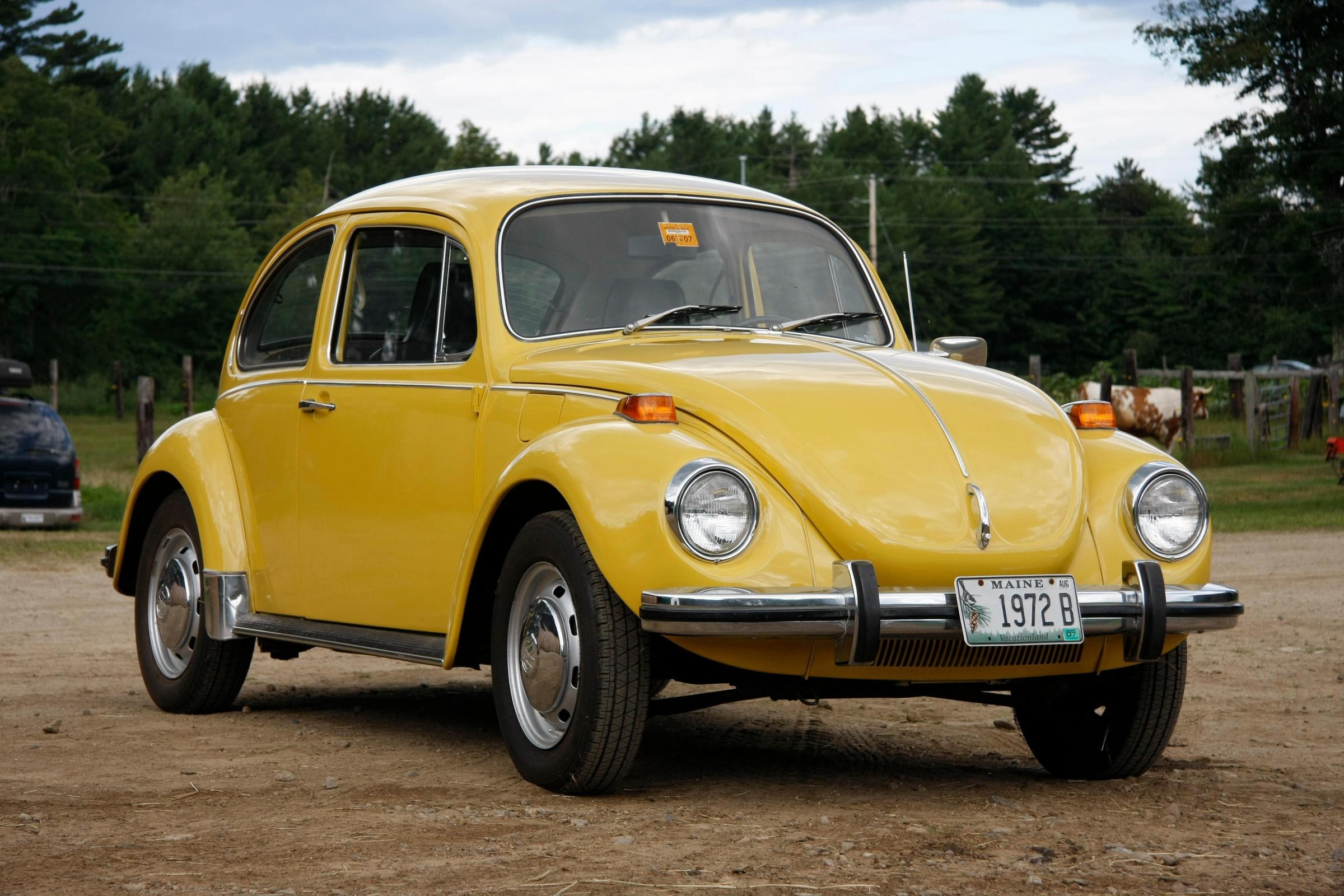
10. Volkswagen Beetle (Classic)
The classic Volkswagen Beetle, especially the models produced from the late 1930s to the 1970s, holds a unique place in automotive history. It’s one of the most iconic and instantly recognizable cars ever built.
What’s more impressive is how many are still in families today, decades after they rolled off the assembly line. Thanks to their simple air-cooled engines, minimalistic design, and almost endless parts availability, classic Beetles have earned a reputation for outliving not just trends, but entire generations.
One of the Beetle’s biggest strengths is its simplicity. The car has very few electronics, a basic engine design, and a lightweight chassis. This makes it easier to repair and maintain, even for people without professional mechanic experience.
For many families, learning how to work on a Beetle becomes a bonding activity. Grandparents teach their kids how to adjust valves or change the carburetor, and the knowledge gets passed down along with the car. That shared history keeps the car alive and relevant in the family garage.
Another key reason the Beetle stays in families is its charm. There’s something cheerful and enduring about its design. The round shape, quirky interior, and instantly recognizable sound give it character that modern cars often lack.
Even though it’s slow and doesn’t have much cargo space, it brings smiles and memories wherever it goes. That emotional pull is strong, especially for those who remember it from their childhood or associate it with significant life events.
Beyond nostalgia, there’s also a strong community around classic Beetles. Enthusiast groups, local clubs, online forums, and even car shows dedicated solely to the Beetle make it easy for owners to find support, parts, and encouragement.
This sense of community can strengthen the bond between family and vehicle. It’s common to see a grandfather’s Beetle restored by his grandchildren or featured in a family wedding decades after its original purchase. It represents continuity, not just in automotive terms, but in family life and values.
