
When drivers shop for a car, they often focus on features like comfort, style, and performance. However, the real test of a car’s value shows up over time. Reliability and durability are two qualities that many owners only come to fully appreciate after years of driving.
Some vehicles start strong but fade after 100,000 miles, burdening their owners with mounting repair bills and frustrating breakdowns. Others, however, seem almost immune to aging, continuing to deliver solid performance well past the point where most vehicles begin to struggle.
Not all cars are built to last. Manufacturing practices, engineering choices, and the quality of materials used can vary widely. Some brands invest heavily in creating vehicles that stand the test of time, while others prioritize flash and innovation at the expense of longevity.
For many buyers, choosing a car that can last over 200,000 miles without serious issues can mean a better return on investment, lower ownership costs, and fewer headaches down the road. It’s not just about the brand, either. Even within a reliable brand, not all models share the same track record. A few stand out for their remarkable resilience.
Whether it’s a sedan that keeps going strong for over a decade or an SUV that handles rough terrain without losing its edge, these vehicles build their reputations on real-world performance across hundreds of thousands of miles.
Drivers who value durability often stick to the same model for years, and in many cases, pass these vehicles down to younger family members or sell them with pride, knowing they still have plenty of life left.
This list focuses on vehicles that have earned a reputation for outlasting the competition with consistency. From family sedans to full-size trucks, each entry has a strong history of reliability, longevity, and owner satisfaction. These are not just popular models but vehicles that have proven time and again that they can keep running strong long after others have been retired.
Also Read: 5 Engines That Handle Stop-and-Go Traffic vs 5 That Break Early
1. Toyota Camry
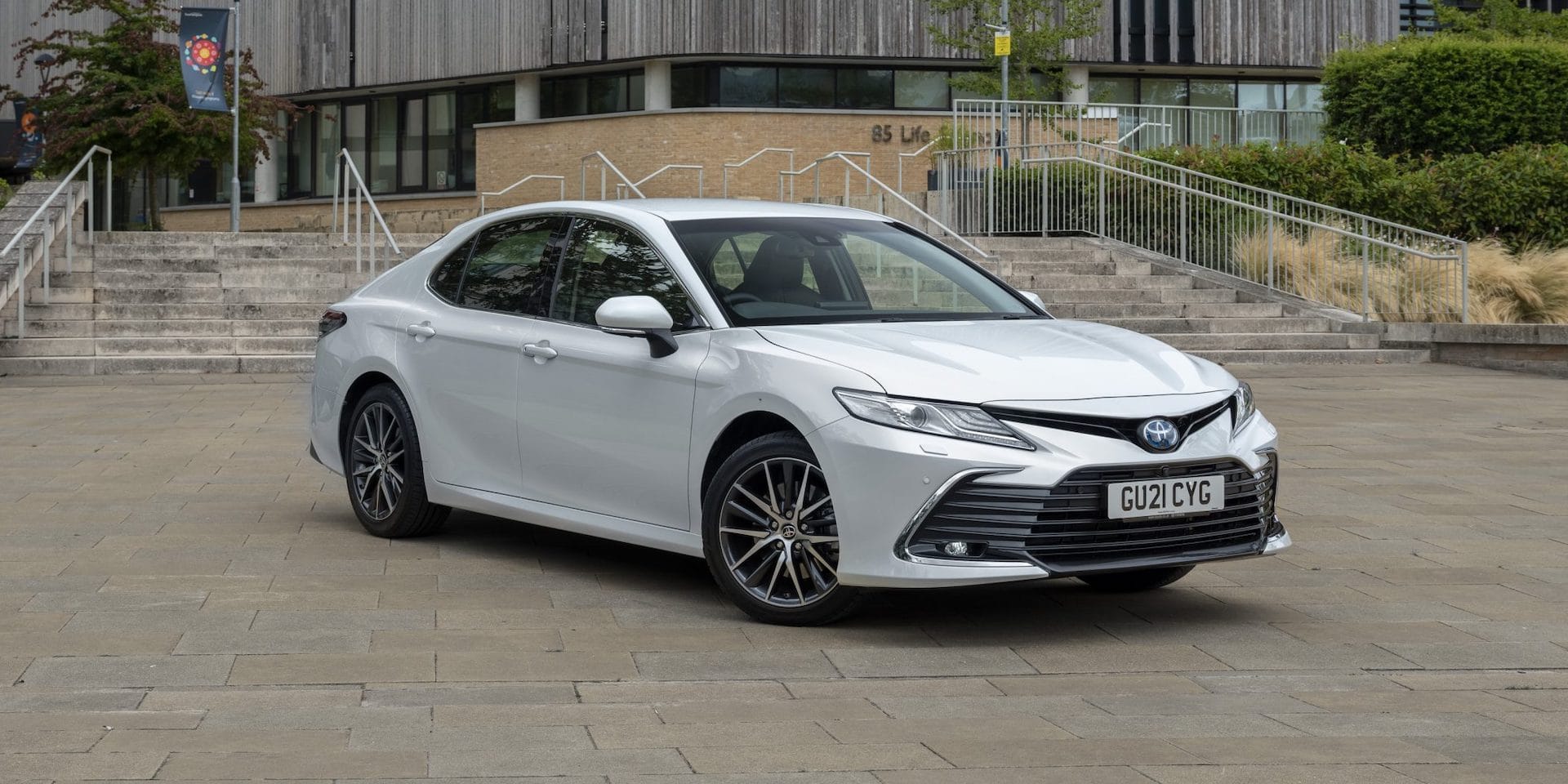
The Toyota Camry has become a symbol of durability for good reason. This midsize sedan is known for running smoothly for hundreds of thousands of miles, often with minimal issues.
Many Camrys from the early 2000s are still on the road today, serving as daily drivers or first cars for new drivers. Owners frequently report hitting 200,000 miles without needing major repairs, which speaks volumes about the engineering that goes into this model.
One of the reasons the Camry lasts so long is its consistently solid build quality. Toyota has focused on creating a vehicle that avoids overcomplication.
The engines are well-designed, especially the long-running 2.5-liter four-cylinder, which has powered various Camry generations with minimal changes. These engines are not only fuel-efficient but also reliable, requiring only basic maintenance like oil changes and timing belt replacements to keep them running for years.
Another factor contributing to the Camry’s longevity is the quality of its transmission. Both automatic and manual versions have proven to be resilient over time.
Unlike some modern transmissions that can be finicky or expensive to repair, the Camry’s units are designed with simplicity and serviceability in mind. This makes them easier to maintain and less likely to develop serious issues even after extended use.
Additionally, the Camry has consistently avoided trends that introduce reliability risks. For instance, it didn’t rush to adopt turbocharged engines or dual-clutch transmissions when those features were becoming popular.
Instead, Toyota stuck with proven components and focused on fine-tuning the vehicle year after year. This conservative approach may not excite enthusiasts, but it has won over practical drivers who care about long-term value.
2. Honda Accord
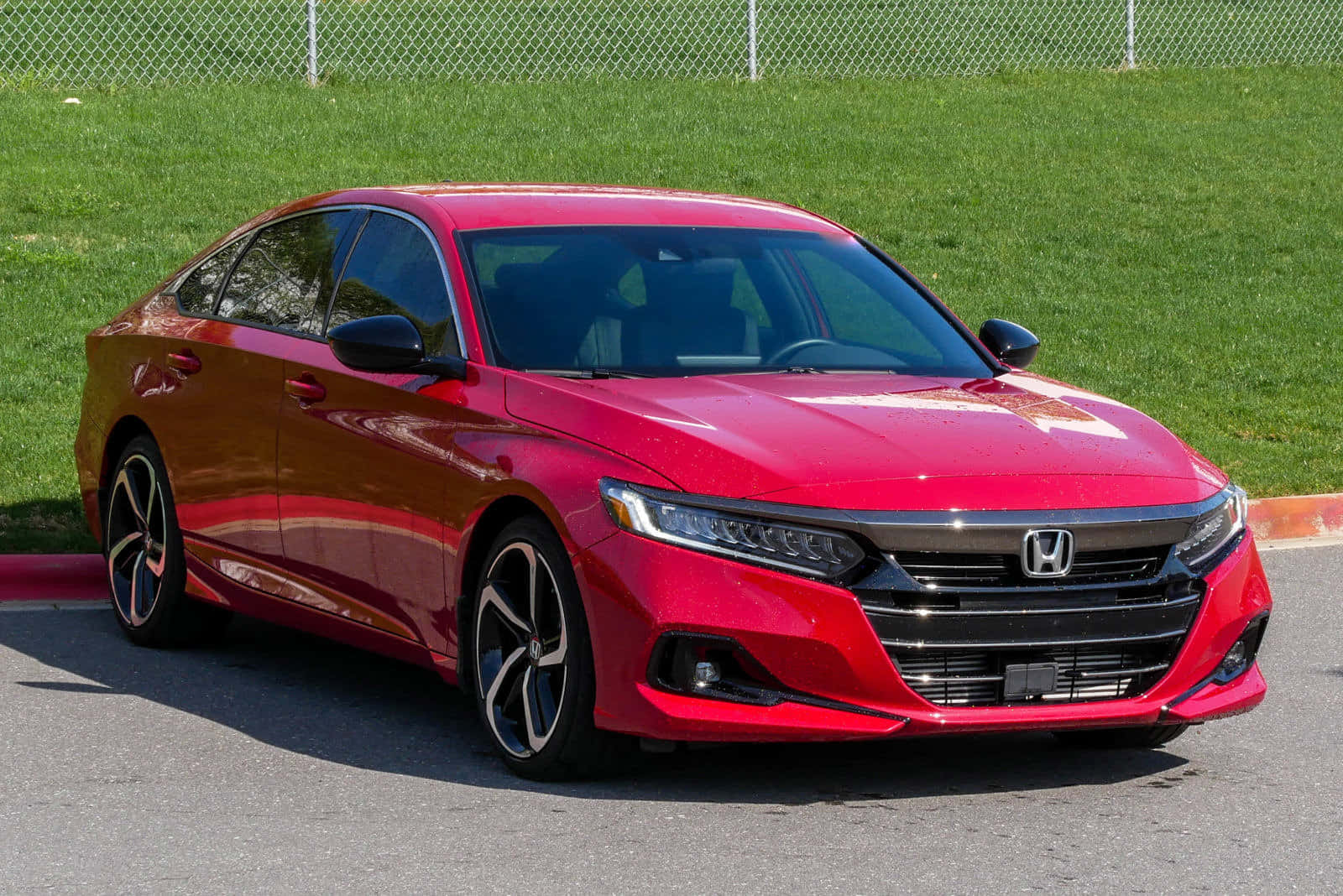
The Honda Accord is another car that continues to impress with its ability to keep going strong well into old age. With models dating back decades still performing reliably, the Accord has earned a loyal following. Its reputation isn’t built on flashy features but on the kind of dependability that makes it a favorite among commuters, families, and even taxi services.
At the heart of the Accord’s longevity is its powertrain. Honda’s engines, particularly the 2.4-liter inline-four and the 3.5-liter V6, are known for their endurance.
These engines don’t just run well when new, they maintain performance after years of use, provided they receive regular maintenance. Many Accords can hit 300,000 miles or more without requiring a rebuild, a rare achievement for any vehicle.
The Accord’s suspension and chassis also hold up well over time. Whether it’s navigating urban streets or handling long highway drives, the car maintains its composure even after years of wear.
Drivers often comment on how stable and quiet their older Accords feel, even after a decade or more on the road. This kind of consistent comfort is not common in vehicles that have seen extensive use.
Maintenance costs for the Accord are generally low, especially considering how long the vehicle lasts. Replacement parts are affordable and widely available, and many mechanics are familiar with the platform.
This reduces both the cost and complexity of repairs, which helps extend the car’s usable life even further. It’s one of the main reasons the Accord continues to be a practical and dependable choice for so many.
3. Toyota Corolla
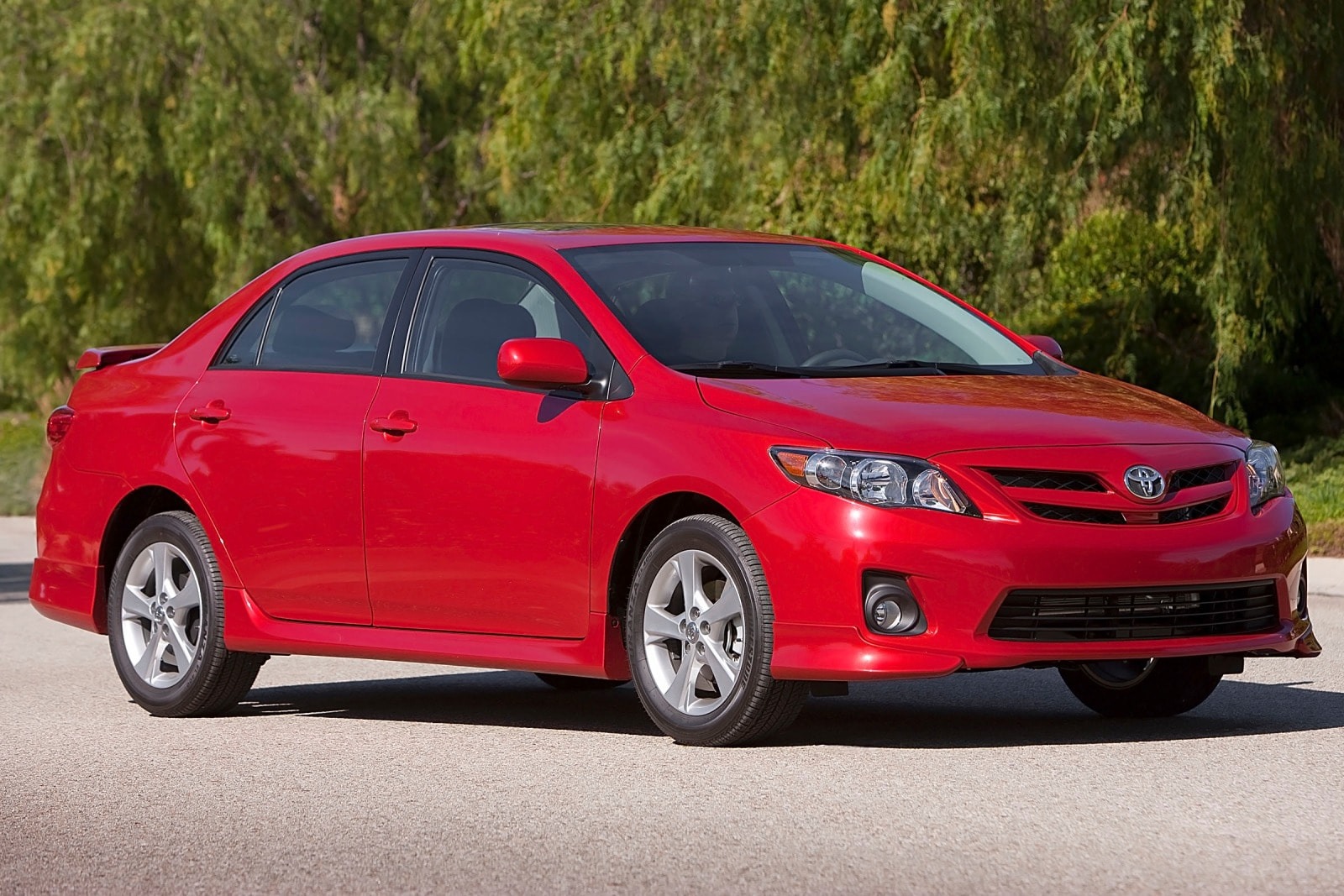
The Toyota Corolla is a global success story with a long-standing reputation for dependability. It is one of the best-selling cars in history, and part of that success comes from how long these cars tend to last. Whether used as a commuter, a student car, or a delivery vehicle, the Corolla keeps running far longer than most of its rivals.
What sets the Corolla apart is its simplicity. The design avoids unnecessary complexity, which helps limit the number of things that can go wrong. Its four-cylinder engines are built to be fuel-efficient but also incredibly durable. They tolerate rough driving and still provide consistent performance. Many Corolla owners report reaching 250,000 miles or more with just standard upkeep.
The interior materials in the Corolla also hold up better than you’d expect for a car in its class. While not luxurious, the seats, dashboard, and controls often show minimal wear even after years of use. This contributes to the perception that the vehicle is aging more slowly than others. Many drivers say their Corolla still feels relatively new even after a decade on the road.
Another factor that helps the Corolla last is how easy it is to maintain. Oil changes, brake jobs, and other routine services are straightforward.
Since Toyota kept the mechanical layout user-friendly, independent shops can do most of the work without specialized tools. This makes upkeep affordable and encourages owners to stay on top of their maintenance, which in turn extends the life of the car.
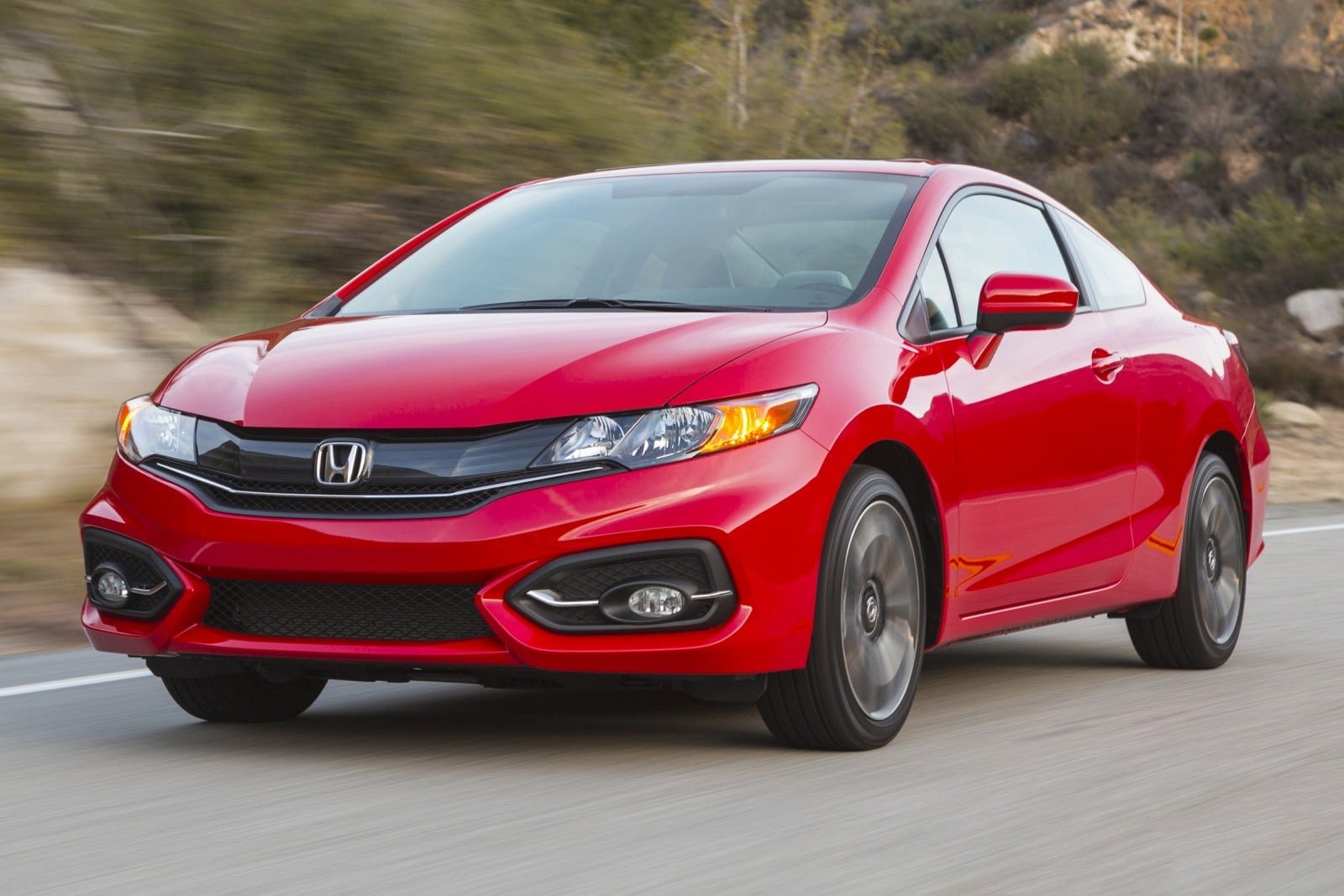
4. Honda Civic
The Honda Civic has always struck a balance between economy and endurance. For generations, this compact car has served drivers who want reliability without sacrificing fuel efficiency. It may not have the size of a midsize sedan, but it consistently outperforms larger vehicles in terms of long-term usability.
Civics from the 1990s and early 2000s are still on the road in large numbers, thanks to their rock-solid powertrains and straightforward design. These cars don’t require much to keep running well. Basic oil changes, occasional spark plug replacements, and good driving habits can easily get a Civic past the 200,000-mile mark without serious problems.
One area where the Civic excels is engine efficiency. Honda’s VTEC engines offer a unique combination of power and fuel economy, while also being incredibly tough.
These engines are often used in performance builds because of their strength, but when left in stock form, they offer decades of reliable use. They rarely overheat, burn oil, or suffer from internal failures when maintained properly.
The Civic also benefits from a wide community of support. With so many units on the road and a huge aftermarket, finding parts and information is easy. This makes repair and upkeep less stressful for owners. Whether it’s a first car or a trusted commuter, the Civic remains a go-to choice for anyone who values long-term reliability in a compact form.
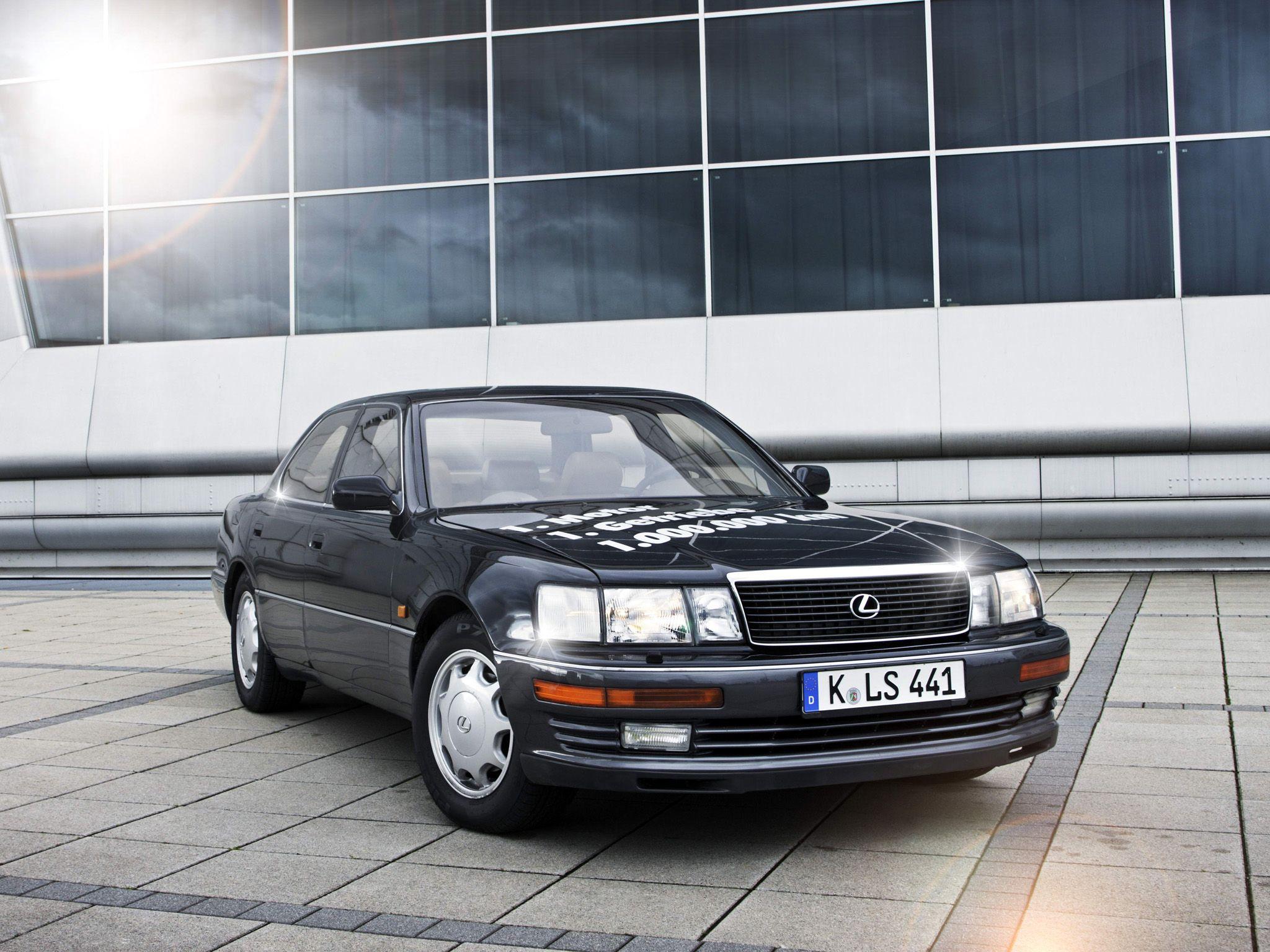
5. Lexus LS
The Lexus LS stands as a prime example of what happens when luxury meets durability. Unlike many luxury sedans that tend to prioritize performance and innovation at the cost of long-term reliability, the LS was engineered with a strong focus on longevity.
Owners often cite how their LS models feel just as refined at 200,000 miles as they did at 20,000. This is a vehicle that wears its age well, with a level of mechanical consistency that’s unusual for its class.
Part of the secret lies in the craftsmanship that goes into every Lexus LS. It was built under Toyota’s strict quality control practices, with an emphasis on overengineering. The engines, particularly the 4.6-liter V8 and earlier 4.0-liter versions, are smooth, powerful, and built to last.
These powertrains are rarely rushed or overworked, and the refinement in their design helps keep them running for decades. It’s not uncommon to find LS sedans still being driven daily with odometers well past 300,000 miles.
Another strength is the car’s ability to resist wear and tear. Suspension components, interior materials, and even the electronics inside tend to age more gracefully than those in many competing luxury vehicles.
Whereas some high-end sedans begin to experience electronic glitches, squeaks, and rattles after a few years, the LS maintains its structural and mechanical integrity far longer. This makes it a smart option for someone who wants a touch of luxury without the usual maintenance headaches.
While luxury cars often carry a reputation for high repair costs, the LS defies that trend to a large extent. Thanks to its Toyota heritage and shared components with more common models, many repairs are less expensive than they would be on a European luxury sedan.
Parts availability is good, and qualified mechanics can perform routine work without relying on brand-specific tools. This keeps operating costs manageable and contributes to the LS’s well-earned reputation for staying strong over time.
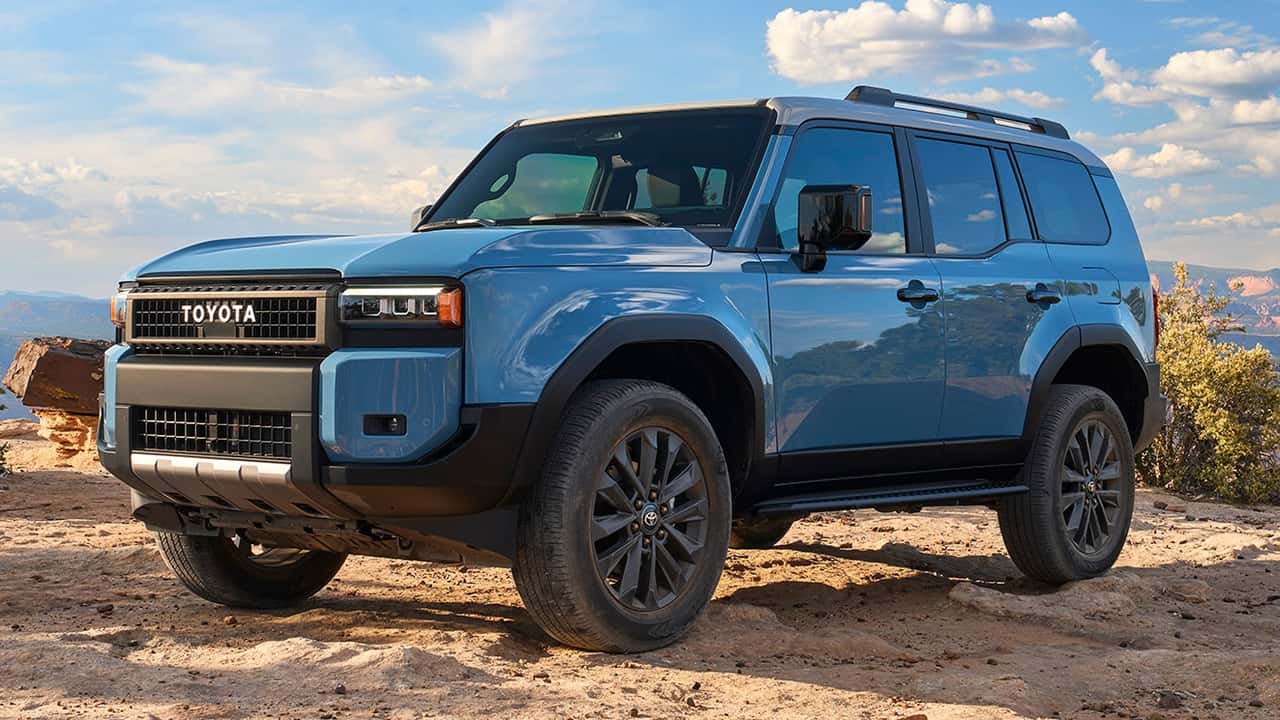
6. Toyota Land Cruiser
The Toyota Land Cruiser has long held a reputation as one of the toughest and most reliable vehicles on the planet. Known for its off-road prowess, it was originally designed for military and rugged commercial use.
Over the years, it has evolved into a luxurious SUV, but its core strength remains its ability to endure the harshest conditions without failing. From the deserts of the Middle East to icy roads in the Arctic, the Land Cruiser has proven itself to be nearly unstoppable.
One key reason for the Land Cruiser’s unmatched longevity is its use of extremely robust components. The body-on-frame construction, heavy-duty axles, and overbuilt suspension systems are all designed with the expectation of extreme use.
These components don’t just survive long journeys, they thrive in them. Many Land Cruisers remain operational after decades of use in environments that would break most vehicles within a year or two.
The drivetrain options also play a huge role in the model’s durability. Whether equipped with the inline-six engines of earlier generations or the more recent V8s, Land Cruisers have always favored large displacement, naturally aspirated engines that are easy to maintain and hard to break.
These powertrains offer high torque and consistent output even after hundreds of thousands of miles. They’re often described as engines that prefer to be worked hard rather than coddled.
In terms of ownership experience, many Land Cruiser drivers form strong attachments to their vehicles because they rarely let them down. Maintenance costs are higher than a typical Toyota, but they are far less than what you’d expect for a full-size SUV that offers so much capability.
More importantly, they tend to require fewer major repairs. The long service intervals and predictable wear patterns allow owners to plan ahead, reducing the chances of being stranded or surprised by unexpected expenses.
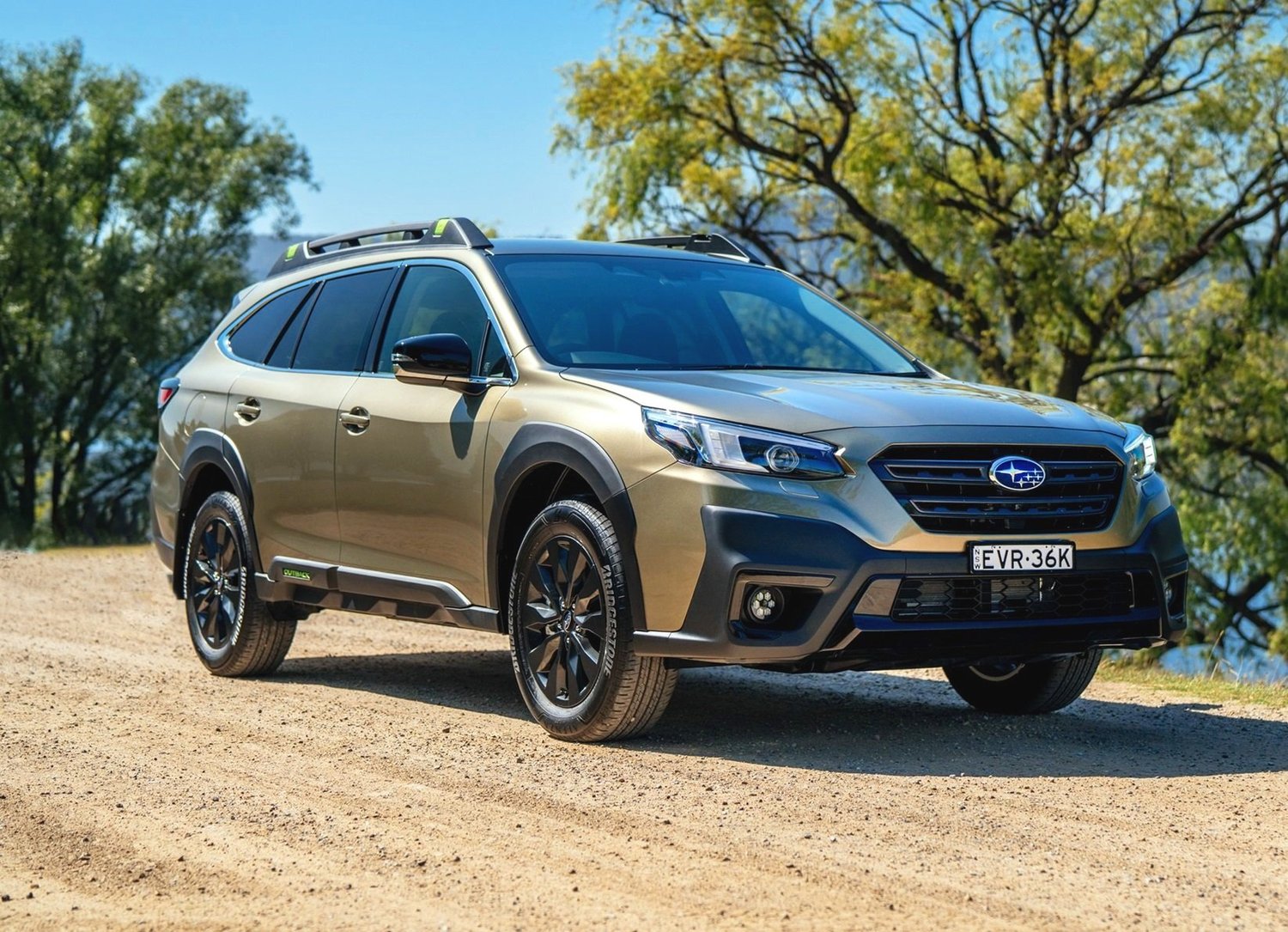
7. Subaru Outback
The Subaru Outback blends versatility and durability into a package that has appealed to outdoor enthusiasts and families alike.
With its raised ground clearance, symmetrical all-wheel-drive system, and wagon-like practicality, the Outback has carved out a unique space in the market. It’s not just useful, it’s built to last, even when faced with challenging weather and road conditions. For people who live in snowy or rural areas, it’s a dependable partner through all seasons.
Subaru’s horizontally opposed “boxer” engines give the Outback a lower center of gravity and a unique layout that distributes weight more evenly.
While these engines require careful maintenance, they can last a very long time when serviced properly. Regular timing belt replacements, head gasket inspections, and proper oil changes go a long way toward preserving their lifespan. It’s not uncommon to find older Outbacks with over 250,000 miles still used as daily drivers.
The Outback’s durability also extends to its transmission and drivetrain. The AWD system is simple, effective, and reliable, offering consistent traction in wet, icy, or uneven terrain.
Subaru’s engineering keeps this system running smoothly with minimal intervention. While CVT-equipped models require more attention, older models with manual or traditional automatic transmissions often last longer with fewer issues.
Inside the cabin, the materials may not be luxurious, but they are rugged and well-suited to withstand years of use. Seats are durable, controls remain functional even after heavy use, and the layout emphasizes practicality over flash.
Combined with its excellent safety record and strong resale value, the Subaru Outback remains a solid investment for drivers seeking long-term performance from a versatile vehicle that can navigate almost anywhere.
Also Read: 11 Best Engines That Stay Smooth After Decades of Use
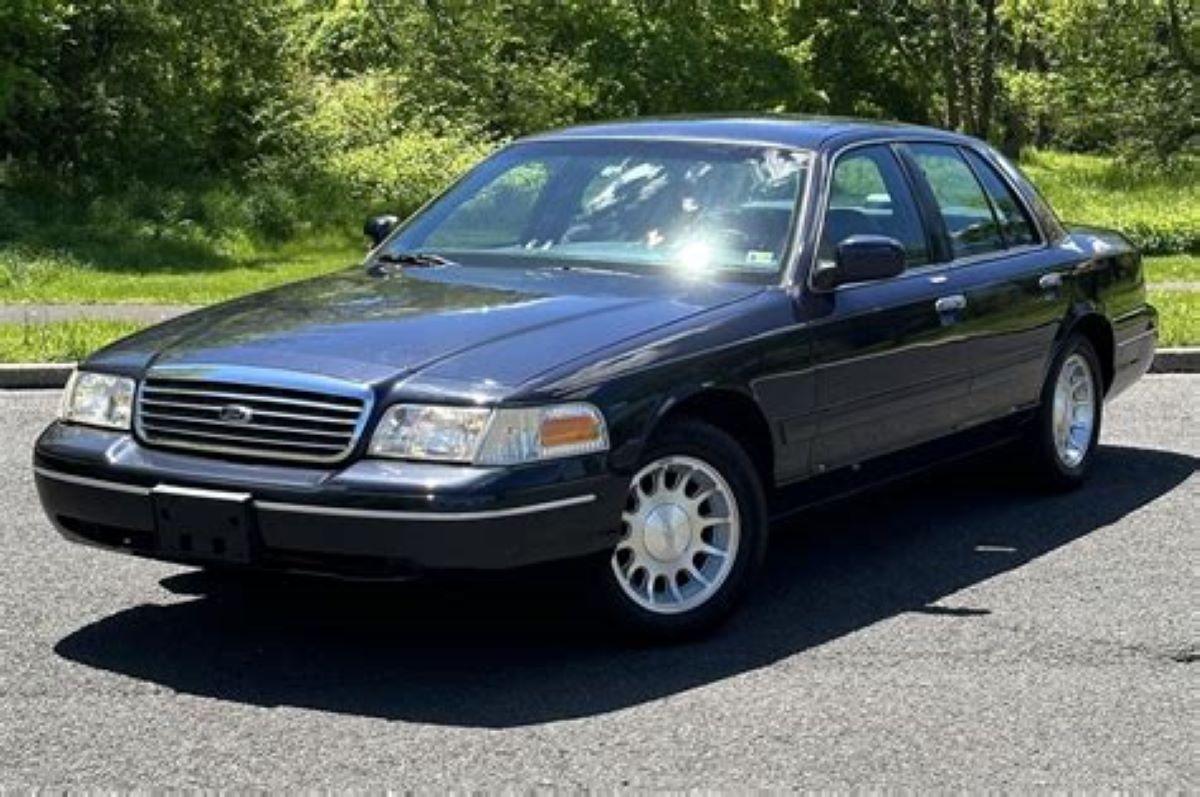
8. Ford Crown Victoria
The Ford Crown Victoria became a household name thanks to its popularity with police departments and taxi fleets. That alone says a lot about its ability to last.
Fleet buyers don’t tolerate unreliable vehicles, and the Crown Vic has proven itself over and over again under the most demanding driving conditions. With its full-size sedan layout and simple V8 engine, it’s built to endure abuse that would sideline most cars.
What made the Crown Victoria such a long-lasting vehicle is its robust 4.6-liter modular V8 engine. This engine is known for being incredibly durable and forgiving, even when maintenance isn’t perfect.
It may not be the most powerful or efficient engine, but it’s proven itself capable of running smoothly for 300,000 miles or more, especially in fleet use where the vehicle is often left idling for hours or driven nonstop over long shifts.
The body-on-frame construction gives the Crown Victoria a toughness that’s hard to find in modern cars. This design allows it to absorb impacts better and remain structurally sound for longer. It also makes repairs easier and cheaper, especially after minor accidents.
Mechanics appreciate working on this platform because of its simplicity and the abundance of available parts, many of which are interchangeable across years.
Even though it’s no longer in production, the Crown Victoria remains a favorite in the used car market, especially among people looking for affordable and long-lasting transportation.
It’s common to see them in service with private security firms, municipal fleets, or as budget-friendly family cars. Their ease of maintenance, long service intervals, and comfortable ride make them one of the longest-lasting sedans ever produced by an American manufacturer.
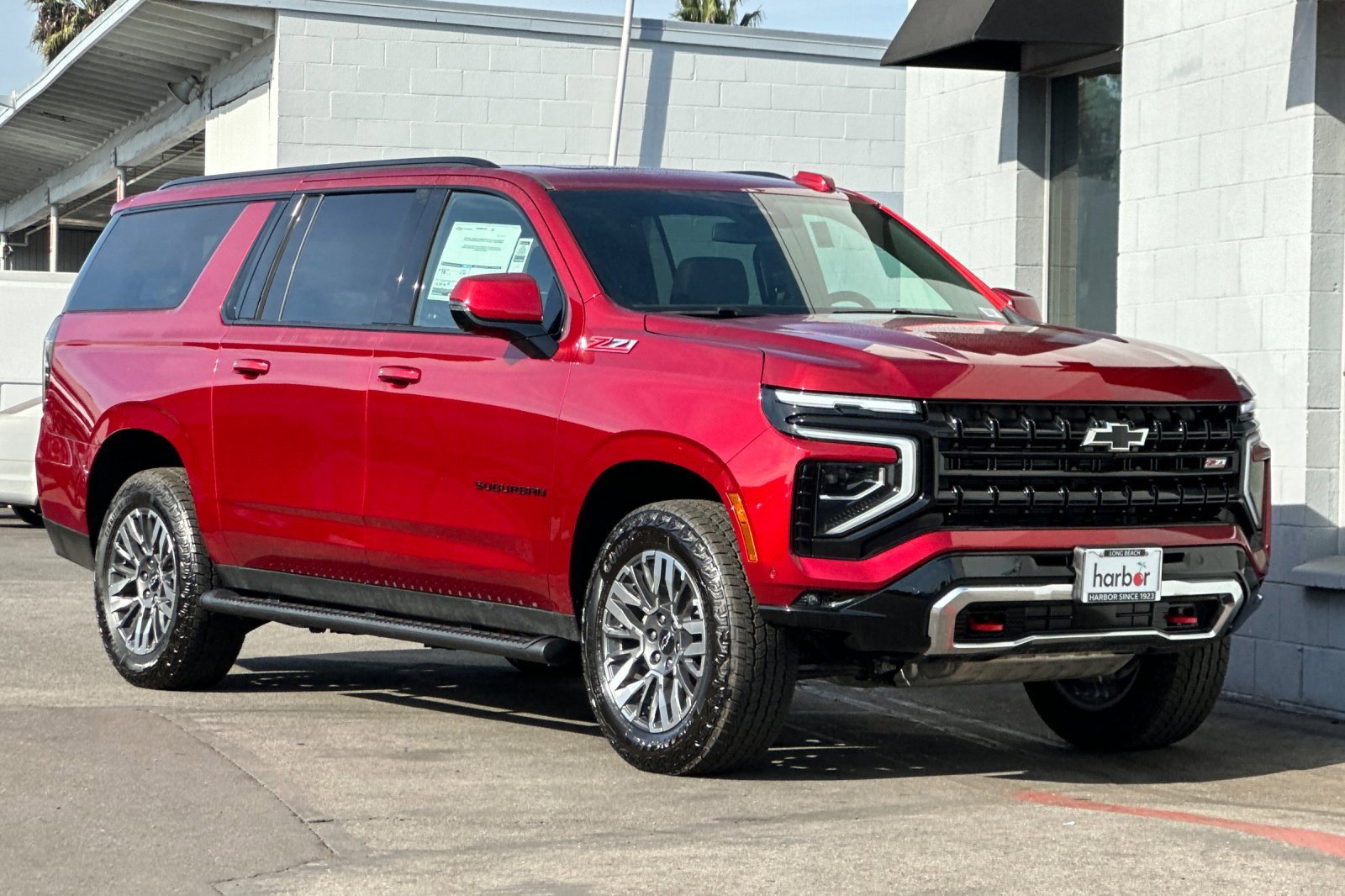
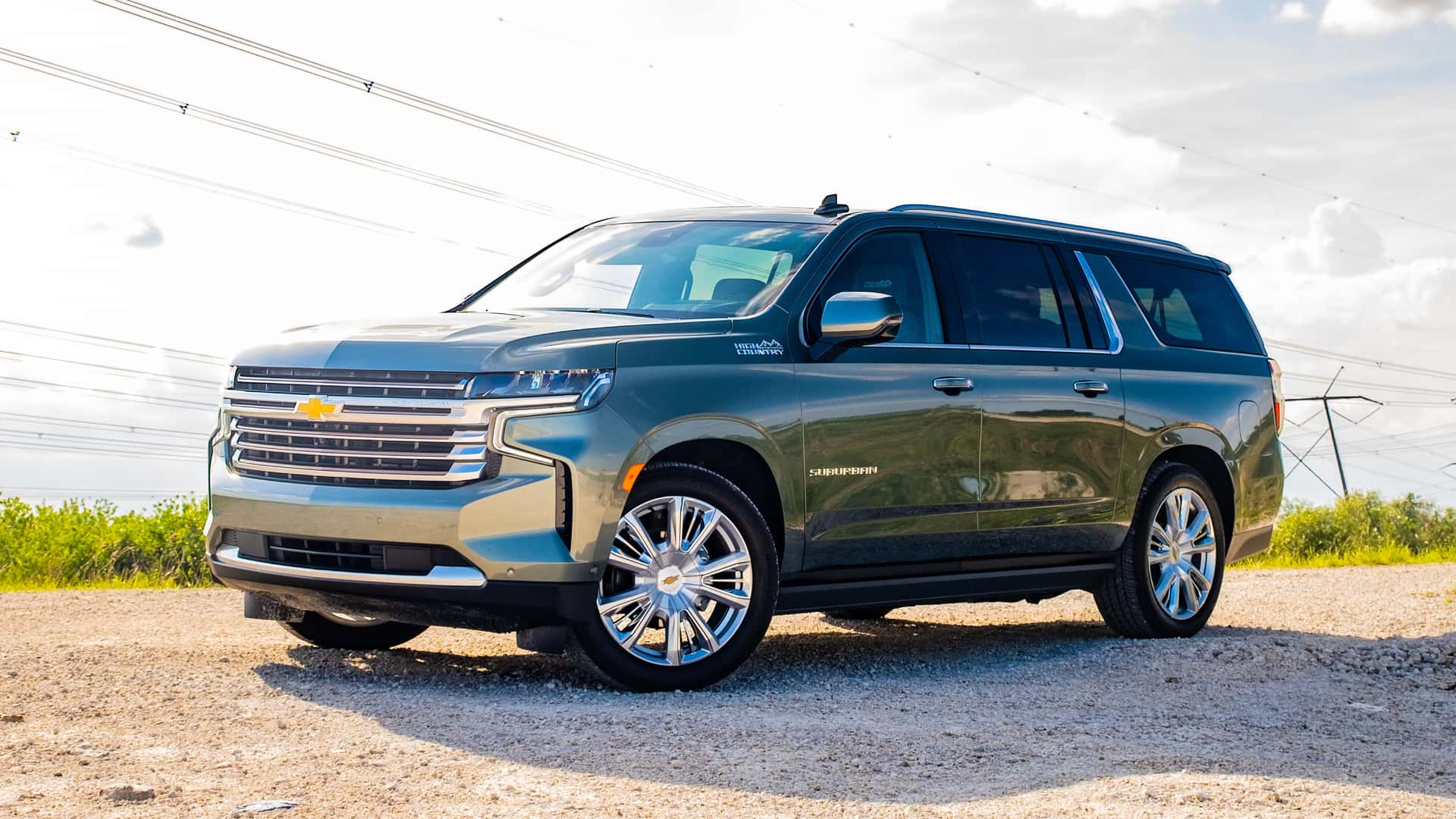
9. Chevrolet Suburban
The Chevrolet Suburban is one of the longest-running nameplates in automotive history, and for good reason. It’s a vehicle built for serious use, hauling families, trailers, and cargo across vast distances.
The Suburban has been the go-to SUV for large families, government agencies, and businesses that need a vehicle capable of hard work without frequent breakdowns. Its sheer size, paired with strong engineering, helps it outlast most of its competitors.
One reason for the Suburban’s exceptional longevity is its rugged body-on-frame design, similar to a pickup truck. This setup provides more structural resilience compared to unibody designs, allowing it to handle rough roads, towing stress, and heavy payloads without suffering long-term damage.
While it may ride a bit firmer than a crossover, this sturdiness is exactly what allows it to stay in good condition even after years of tough use.
Another key factor is the proven V8 engines that have powered various Suburban generations. The 5.3-liter and 6.0-liter V8s, in particular, are known for their reliability.
These engines are widely used across the GM truck and SUV lineup, which means they’re tested under many conditions and benefit from widespread parts availability. When maintained properly, it’s not unusual for these engines to surpass 300,000 miles with little more than routine maintenance.
The Suburban also benefits from a large support network. Because so many are still on the road, mechanics know them well and replacement parts are easy to find. This makes repair costs more manageable and reduces downtime when issues arise.
Combined with a spacious interior that holds up to years of family use or commercial work, the Suburban remains a standout for anyone who needs a durable, long-lasting vehicle.
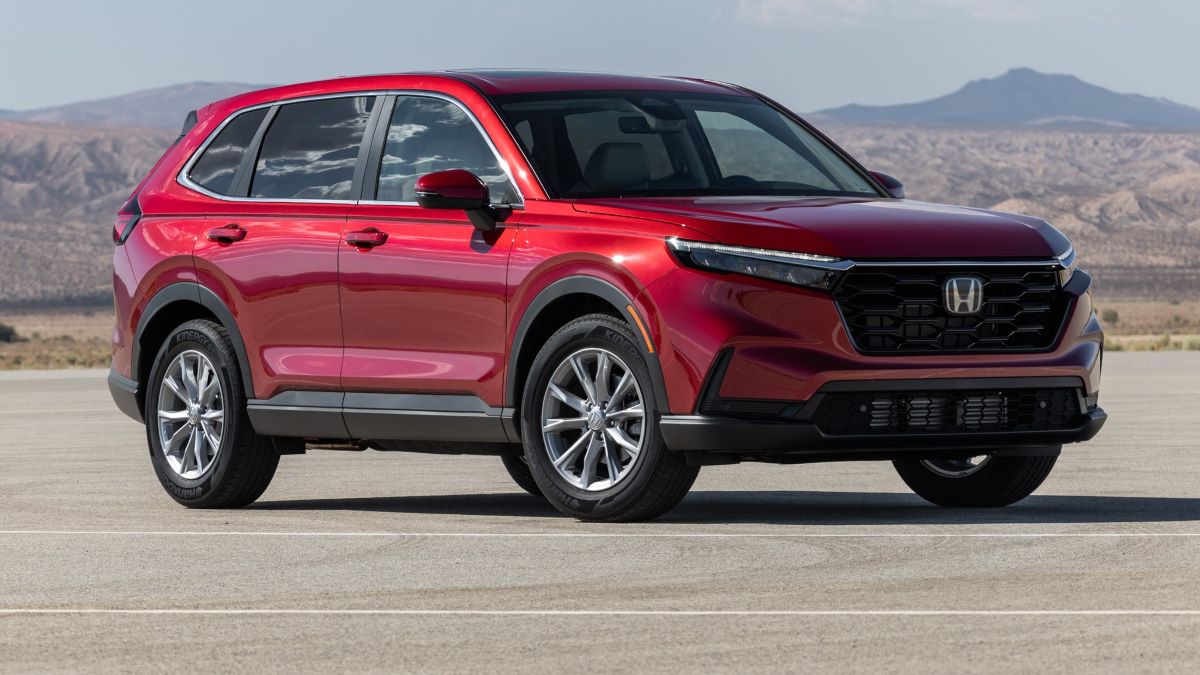
10. Honda CR-V
The Honda CR-V has earned its place as one of the most reliable compact SUVs on the market. Since its debut in the 1990s, it has become a favorite for families, commuters, and anyone who wants the utility of an SUV without the size or fuel costs of a full-size model. It’s not just popular, it’s dependable, with many examples surpassing 250,000 miles on their original powertrain.
One of the key reasons the CR-V lasts so long is its combination of a durable engine and a lightweight body. Most models feature a four-cylinder engine that, while not overly powerful, is efficient and known for being nearly bulletproof when properly maintained. Honda has refined this powertrain over multiple generations, focusing on long-term performance rather than high-end speed or aggressive tuning.
The CR-V’s simplicity helps with its longevity as well. It doesn’t overcomplicate things with unreliable systems or unproven technologies.
The drivetrain is solid, and the suspension system is tuned for comfort and endurance rather than sportiness. This balance allows the vehicle to handle everyday driving conditions with ease, and it stands up well to the kind of wear and tear that comes from long commutes or frequent weekend trips.
In addition to mechanical reliability, the CR-V also has strong interior durability. The seats, dashboard materials, and controls often look remarkably good even after years of use.
Families especially appreciate that the CR-V doesn’t show its age easily, even when subjected to spills, scuffs, and daily use. Combined with excellent resale value and a reputation for lasting beyond expectations, the CR-V continues to be a wise choice for long-term ownership.
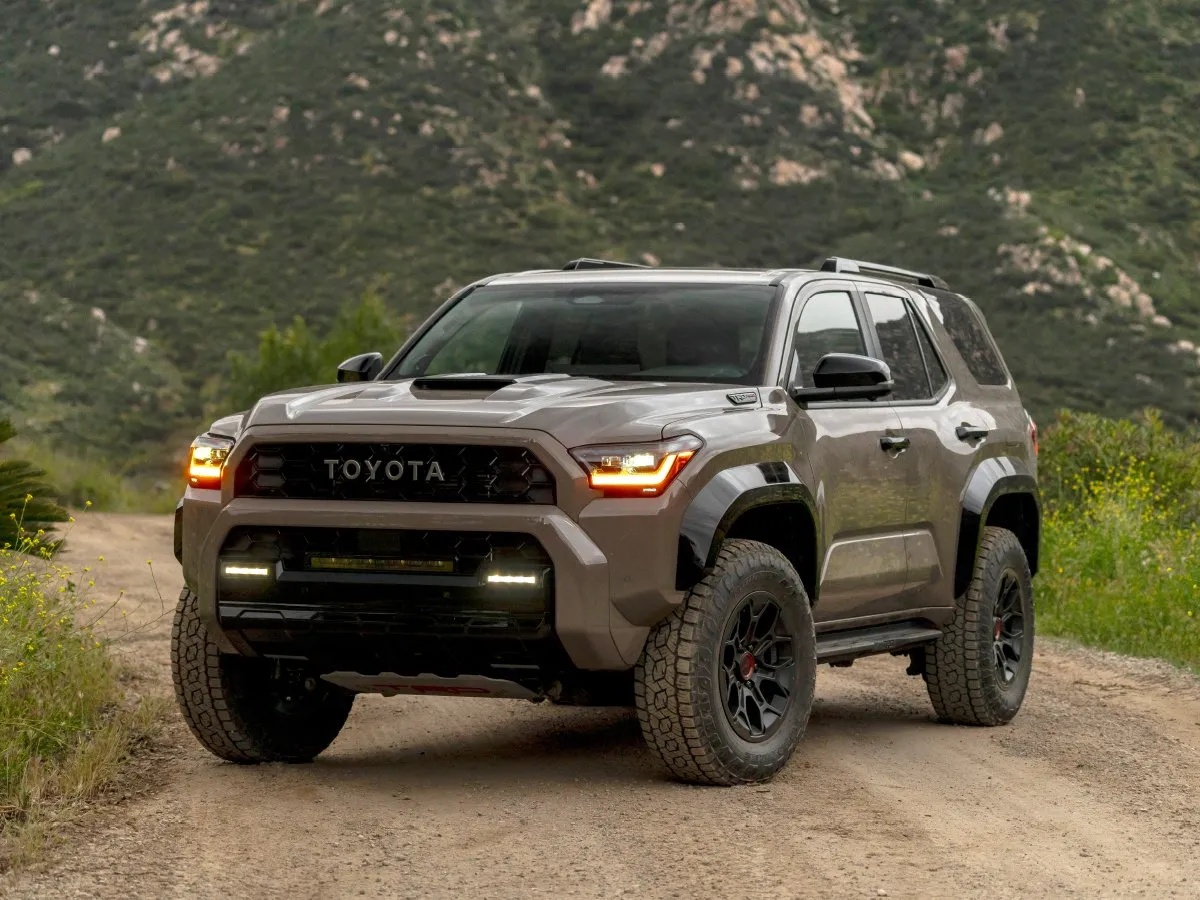
11. Toyota 4Runner
The Toyota 4Runner is a mid-size SUV that has become synonymous with long-term durability. Built with off-road capability in mind, it’s one of the few remaining SUVs that still uses a body-on-frame platform, similar to a truck.
This design gives it a serious advantage when it comes to longevity, especially for drivers who spend time on rough roads or use their vehicles for towing and outdoor adventures.
One of the most strengths of the 4Runner is its 4.0-liter V6 engine. This powertrain has a reputation for being nearly unbreakable. It’s not the most modern or fuel-efficient engine, but it delivers reliable performance and minimal mechanical problems over time.
Drivers often praise the 4Runner for starting reliably in all weather conditions and for maintaining its performance even after 200,000 miles of hard use.
Another major advantage is its drivetrain. Most 4Runner models come with a part-time or full-time 4WD system that is both simple and robust. This system allows the SUV to handle snow, mud, and rocky trails without difficulty.
Unlike some modern AWD systems that rely heavily on electronics and sensors, the 4Runner’s 4WD is more mechanical and therefore more resilient over time. It’s one of the reasons why off-road enthusiasts trust it to take them into remote areas without fear of breakdowns.
Inside, the 4Runner favors function over form, and that works in its favor when it comes to longevity. The interior materials are chosen for durability, and the layout avoids complexity.
Switchgear is large and easy to use, even with gloves, and surfaces are easy to clean. While it may not match some competitors in luxury, the interior of a well-used 4Runner often looks better than expected, thanks to its rugged design. It’s a vehicle that’s built to last, inside and out.
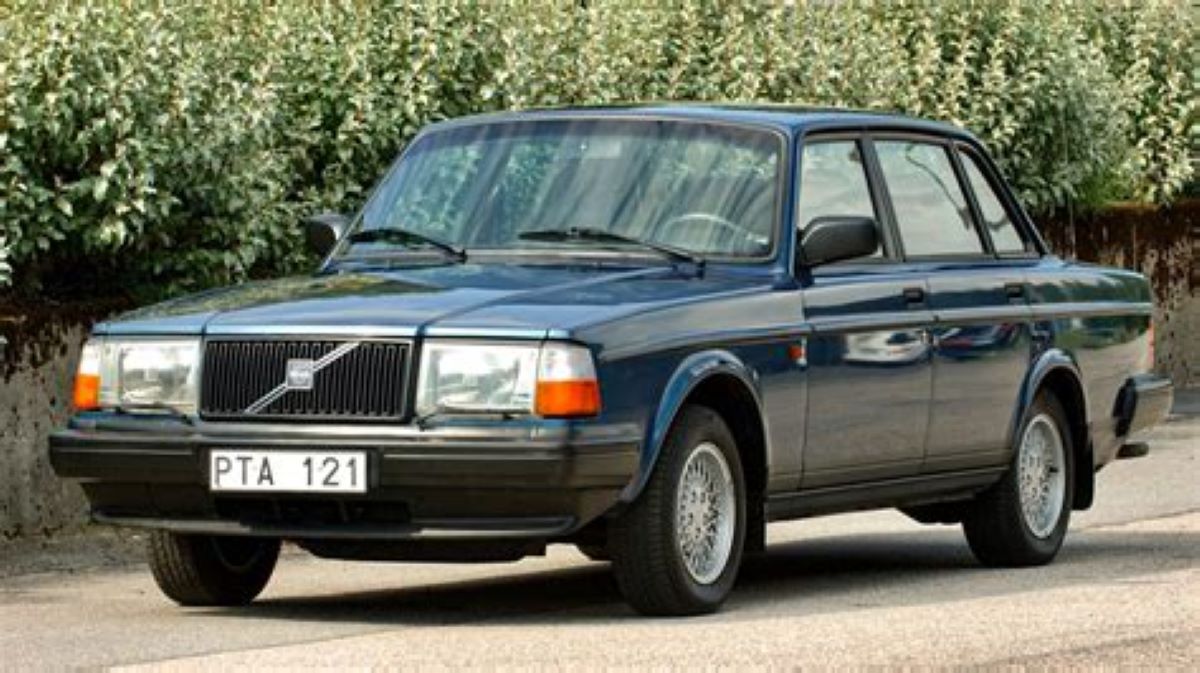
12. Volvo 240
The Volvo 240 has become a cult classic for a reason: it simply refuses to die. Manufactured from the mid-1970s through the early 1990s, the 240 is often considered one of the most overbuilt passenger cars ever made.
While its boxy styling might not appeal to everyone, its reputation for outlasting nearly every other vehicle of its era remains intact. Many examples are still daily drivers decades after they left the factory.
What made the 240 special was its engine. The inline-four engines used in the 240 series were incredibly simple, built with strong internals and mounted in a way that made servicing easy.
With a cast-iron block, low-revving character, and minimal electronics, these engines rarely failed. Even the fuel-injected models from later years kept things straightforward, avoiding the complexity that often causes older vehicles to falter.
The 240’s chassis was just as strong as its engine. It was built to handle European winters and poor road conditions, so everything from the suspension to the unibody construction was designed with long-term use in mind.
Owners have driven these cars for over half a million miles with nothing more than routine care. It’s a vehicle that rewards gentle use with a long life, but it’s also forgiving of neglect in many cases.
Volvo also used high-quality materials inside the cabin. The seats are legendary for their comfort and durability, and the dashboard, while simple, tends to last longer than what you’d find in other vehicles of its time.
These cars were built with safety and endurance in mind, and they’ve aged into reliable, character-rich classics that continue to draw attention not for flash, but for their refusal to wear out.

13. Mazda MX-5 Miata
The Mazda MX-5 Miata may not seem like an obvious candidate for longevity, being a lightweight roadster, but it has earned a place on this list thanks to its incredible mechanical simplicity and reliability.
Since its debut in 1989, the Miata has been a car that delivers fun without the usual maintenance hassles of sports cars. Owners often keep them for decades, and many early models are still running strong today.
The Miata’s small four-cylinder engines are a big part of its success. These engines are not particularly powerful, but they are built to last and are easy to maintain. They are naturally aspirated, avoid complex turbocharging systems, and are often praised for their smoothness and fuel efficiency. These engines thrive on regular maintenance and offer excellent longevity when cared for.
Another major factor is weight, or rather, the lack of it. The Miata is extremely lightweight, and that puts less strain on the engine, brakes, and suspension.
Everything in the car is designed to be efficient and balanced, which helps components last longer. Unlike heavier vehicles that wear out faster due to their mass, the Miata’s minimal design contributes directly to its long-term health.
Its reputation among car enthusiasts also means it benefits from strong community support. There are countless guides, parts suppliers, and specialists dedicated to keeping Miatas on the road.
Whether it’s an NA, NB, NC, or ND generation, you’ll find plenty of support. Owners often pass them down or hold onto them as weekend cars for decades, and the low cost of upkeep makes it easy to justify long-term ownership.
