
Choosing the right SUV for a family is often more complicated than it appears. Families need more than just a vehicle that looks good or has a powerful engine, they require comfort, space, convenience, and features that accommodate the everyday chaos of family life.
The SUV segment is one of the most popular in the automotive market because it offers a blend of utility, versatility, and safety, but not all SUVs are created equal when it comes to family comfort.
Comfort for families is not only about cushy seats or a smooth ride; it includes how spacious the interior is, how easy it is to access and install child seats, storage capacity, and how well the vehicle handles long trips or busy school runs.
Families today often spend hours in their vehicles, whether it’s commuting to school, driving to weekend sports, or going on long road trips. During these times, cramped seating, limited legroom, hard materials, and noisy cabins can make the journey unpleasant for both parents and kids.
Comfort in an SUV involves many factors working together: a quiet and smooth ride, thoughtful interior design, intuitive controls, and plenty of room for passengers and cargo. Because families vary in size and needs, some SUVs manage to meet these demands better than others.
This article compares five SUVs known for maintaining family comfort and five that tend to fall short in this area. The goal is to provide insight into what makes some SUVs stand out as family-friendly, while others struggle to keep everyone happy and comfortable.
It’s important to remember that no SUV is perfect, but some come closer than others to balancing features, space, and convenience in ways that make daily life easier for families.
When evaluating SUVs, certain key features consistently separate the comfortable from the uncomfortable. These include how the seats feel and adjust, the quality of ride suspension, the interior layout and materials, noise insulation, and available technology.
Additionally, the vehicle’s ability to easily accommodate child seats and provide ample cargo space for strollers, groceries, sports gear, or luggage often makes a significant difference. Below, you will find a breakdown of SUVs that have successfully prioritized these factors and those that haven’t, helping families make more informed decisions about their next vehicle.
Also Read: 11 Best Engines That Stay Smooth After Decades of Use
5 SUVs That Stay Comfortable for Families
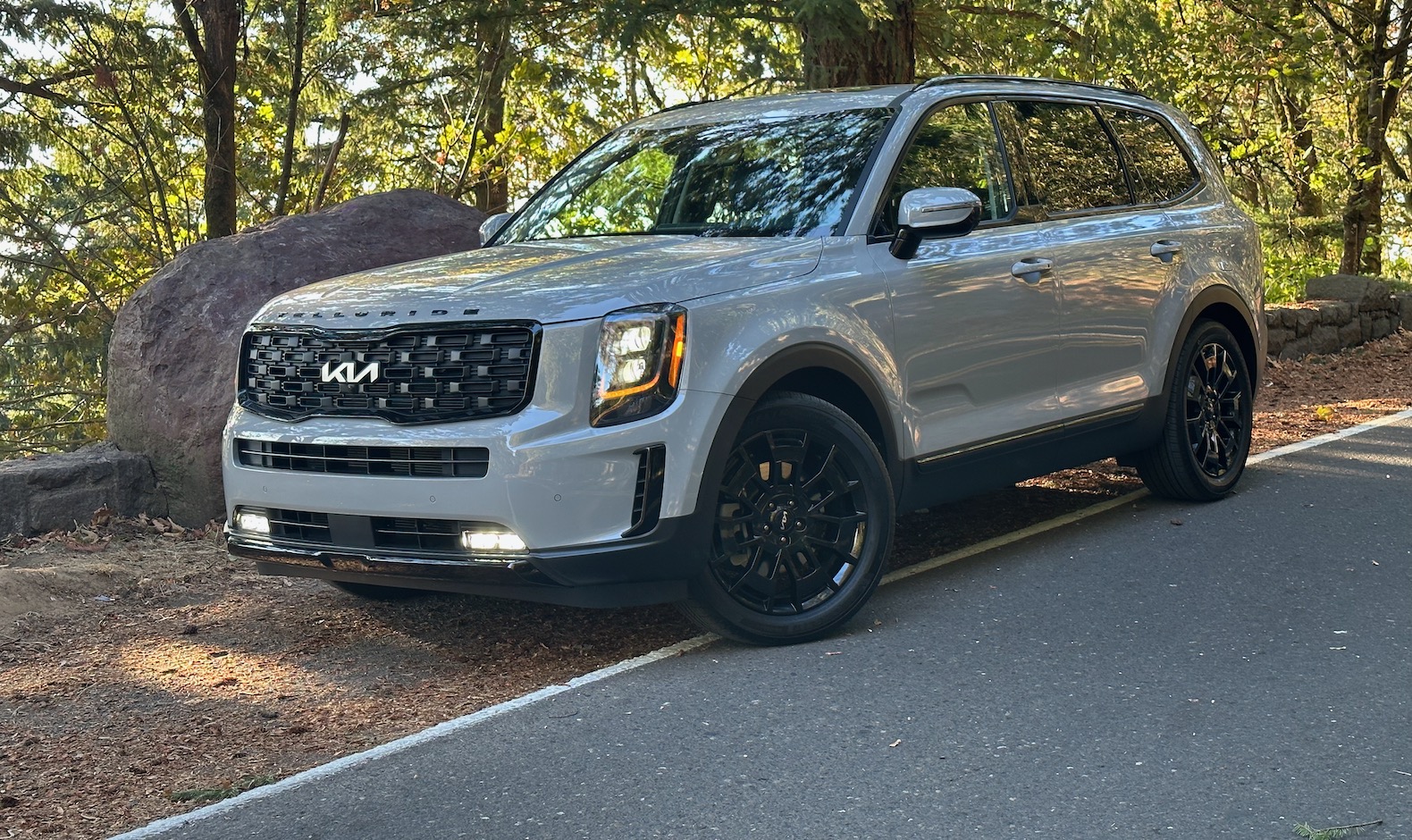
1. Kia Telluride
The Kia Telluride has become one of the most praised family SUVs in recent years, and a major part of its appeal is the high level of comfort it offers for the entire family. From the moment you step inside, the Telluride gives off a premium feel that extends to all three rows of seating.
The first and second rows offer abundant space and wide, supportive seats that feel more like lounge chairs than typical SUV seating. Even the third row, often overlooked in most midsize SUVs, is roomy enough for teenagers or average-sized adults.
Families appreciate the thoughtful layout, especially the wide rear doors and low step-in height, which make it easier for children or elderly family members to get in and out of the vehicle.
The ride quality is another area where the Telluride shines. Kia tuned the suspension to prioritize comfort without making the ride feel disconnected or overly soft. Road imperfections are soaked up well, and even over rough pavement, the cabin stays relatively calm and quiet.
The steering is easy to manage and smooth at low speeds, which helps during parking or navigating through school zones and shopping centers. At highway speeds, the vehicle maintains a composed feel with minimal wind and road noise seeping into the cabin. This quiet, refined ride makes the Telluride an excellent choice for long-distance trips or everyday commuting with kids.
The Telluride’s interior features thoughtful touches that cater to family life. High-quality materials cover the dashboard, seats, and door panels, giving the cabin a premium look without the premium price. The controls are well-organized, and the touchscreen infotainment system is simple to use.
Kia includes standard Apple CarPlay and Android Auto across all trims, allowing passengers to easily connect devices for navigation or entertainment.
Rear-seat passengers have access to USB ports, air vents, and even climate control settings, so everyone can stay comfortable no matter where they’re seated. These small conveniences make a big difference during extended time on the road.
Storage is another strong point. The Telluride provides plenty of room for cargo, even with all seats in use. The trunk area behind the third row is larger than average, which means you can fit several shopping bags, backpacks, or a stroller without folding down any seats.
When more space is needed, the rear seats fold flat quickly and easily, allowing for flexible cargo arrangements. Smaller storage bins throughout the cabin help keep essentials organized, from sunglasses and snacks to water bottles and toys. For active families, this combination of people and cargo space is one of the Telluride’s biggest advantages.
Kia also includes a comprehensive list of safety and driver assistance features as standard equipment, which enhances both comfort and peace of mind. These include blind-spot monitoring, forward collision warning, lane-keeping assist, and adaptive cruise control.
For parents driving with kids, these features reduce fatigue and provide additional security on the road. The Telluride also includes helpful extras like a rear-seat passenger alert and a quiet mode, which limits audio to the front speakers so kids can sleep in the back.
These thoughtful additions show that Kia really considered what families need, helping the Telluride stand out as one of the most well-rounded and comfortable family SUVs available.
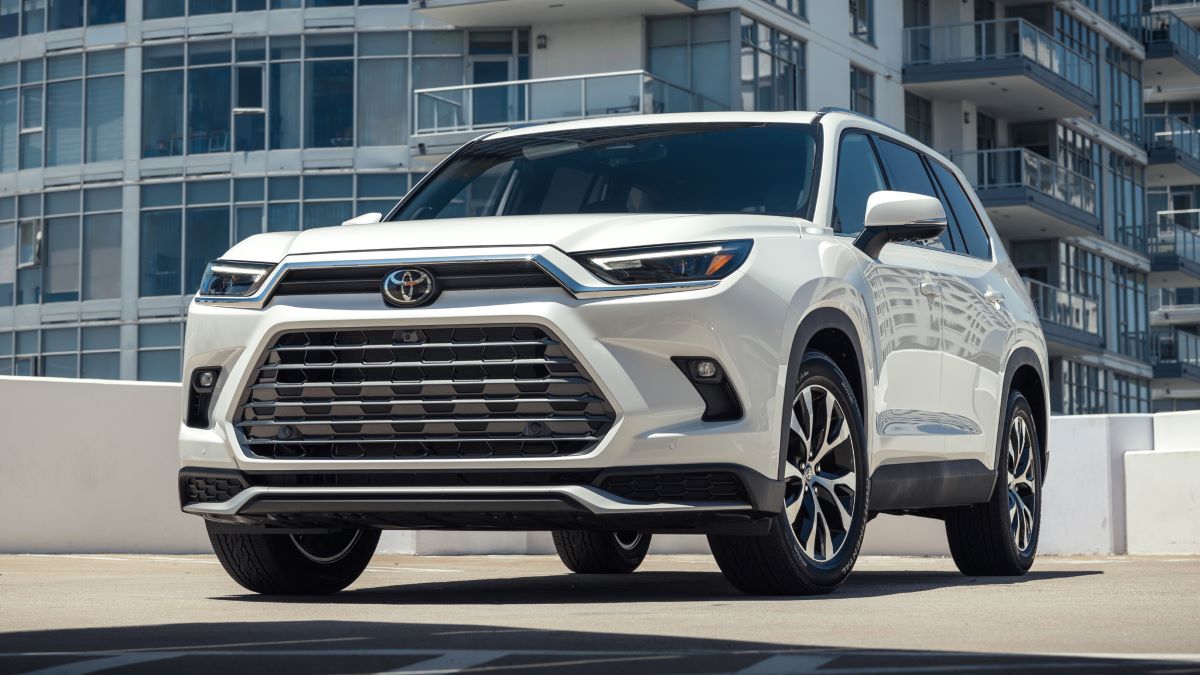
2. Toyota Highlander
The Toyota Highlander has become a trusted name among families who want a midsize SUV that prioritizes comfort, safety, and practicality. One of its biggest advantages is the thoughtful seating layout, which offers enough room for up to eight passengers, depending on configuration.
In the standard setup, the Highlander includes a second-row bench seat, but many families opt for the available captain’s chairs that make the third row more accessible. The front seats are spacious and supportive, with soft padding and wide cushions that suit longer drives.
In the second row, passengers enjoy sliding and reclining features that are rare in some competitors, making long trips less tiring for older children and adults. While the third row isn’t the most spacious in the segment, it is more usable than many similarly-sized SUVs, especially for kids or shorter adults.
One of the Highlander’s most family-friendly qualities is its smooth and quiet ride. The suspension system does a good job of handling road imperfections, allowing the vehicle to glide over potholes, speed bumps, and rough surfaces without shaking passengers.
Even when driving over older pavement or during long highway stretches, the cabin stays composed and calm. This is important for families with young children who nap in the car or those who value a stress-free atmosphere during longer trips.
Cabin noise is also kept to a minimum, with decent insulation that reduces wind and road sound from becoming disruptive. Combined with its confident handling and refined steering, the Highlander delivers a driving experience that feels balanced and reassuring without being stiff or too floaty.
Interior design and materials are another reason the Highlander works well for families. Toyota uses quality materials throughout the cabin, with soft-touch surfaces and solid construction that can stand up to daily wear and tear. Even in lower trims, the finishes feel durable and thoughtfully designed.
Buttons and controls are intuitive and easy to reach, which matters when a parent is trying to adjust settings with one hand while managing a child with the other. The infotainment system is responsive and includes features like Apple CarPlay and Android Auto as standard, allowing for easy smartphone connectivity.
Higher trims include additional features such as ventilated front seats, a panoramic sunroof, and premium audio systems, but even base models deliver enough comfort and tech to meet most family needs.
Storage and practicality are also strong points in the Highlander. The vehicle offers a reasonable amount of cargo space behind the third row, and it expands considerably with the third row folded flat. This makes it easier to load large strollers, grocery hauls, sports gear, or suitcases for road trips.
Safety and reliability are additional pillars of comfort that can’t be overlooked. The Highlander comes with Toyota’s Safety Sense suite of driver assistance features, including adaptive cruise control, lane-keeping assist, automatic emergency braking, and blind spot monitoring.
These tools help reduce driver fatigue and make the Highlander feel more secure on the road. Parents often appreciate how these systems support safer driving without being intrusive or overly sensitive.
Combined with Toyota’s long-standing reputation for reliability and low maintenance costs, the Highlander offers peace of mind not only in daily use but also in long-term ownership. It’s one of the reasons families return to the Highlander generation after generation when looking for a capable, comfortable SUV.
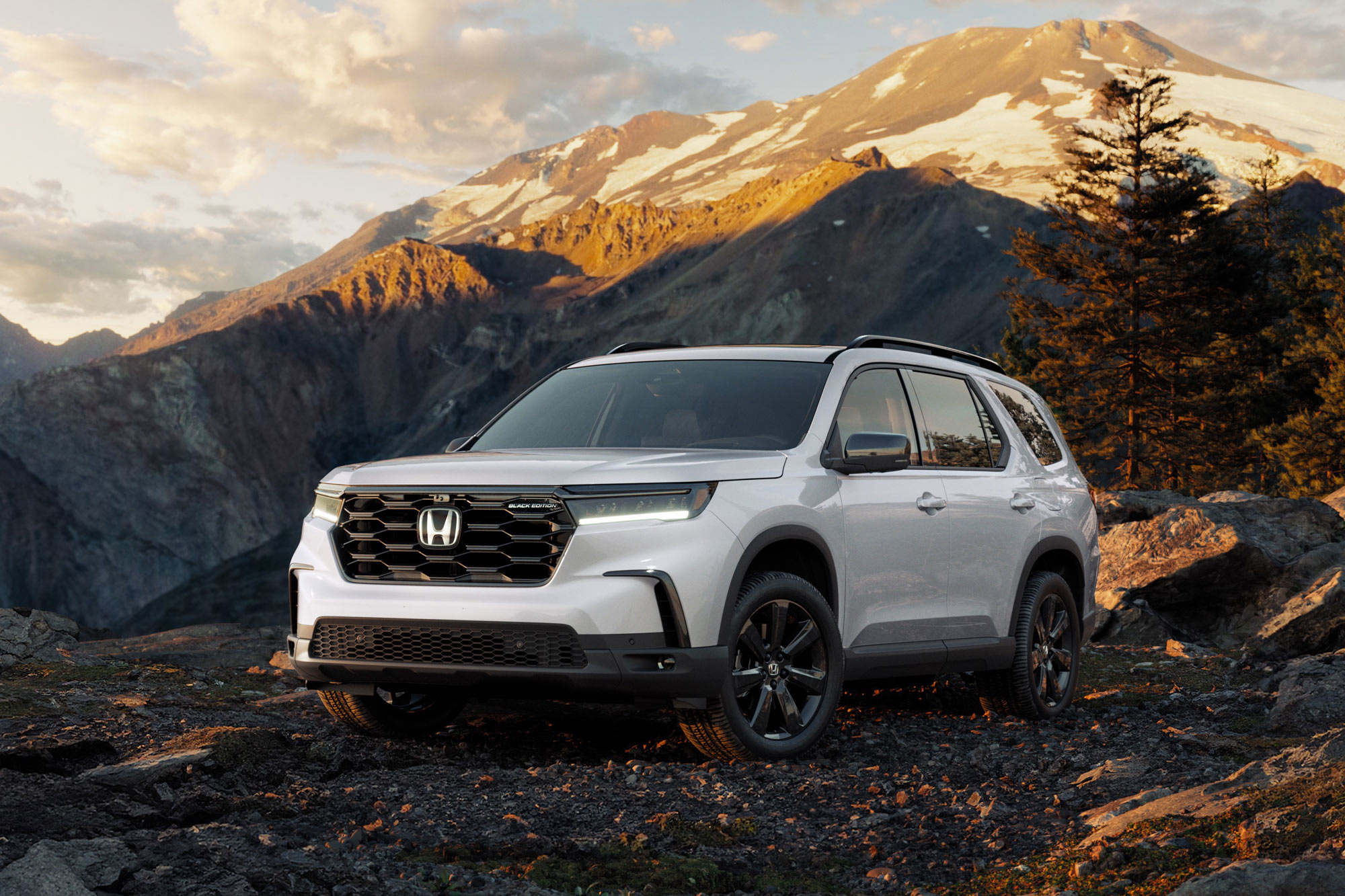
3. Honda Pilot
The Honda Pilot has consistently been a go-to choice for families looking for a spacious, practical, and comfortable three-row SUV. It delivers a roomy interior that can accommodate up to eight passengers, with particular attention paid to rear-seat space and usability.
The second row, available as either a bench or captain’s chairs, is among the most comfortable in its class, with generous legroom and reclining features. The third row is also relatively adult-friendly, making it more versatile than in many competitors. This flexibility in seating helps larger families or those who carpool regularly to adapt the interior to fit daily routines without discomfort.
The Pilot excels in providing a ride that feels smooth and stable regardless of road conditions. Honda has tuned its suspension to absorb imperfections in the road without transmitting harsh feedback to passengers. Whether it’s a suburban street full of potholes or a long stretch of highway, the Pilot keeps the cabin settled and composed.
There’s minimal bounce or lean, even with a full load of passengers. This helps prevent fatigue on long drives and keeps children comfortable during commutes or road trips. The steering is light but responsive, which makes parking and navigating city traffic less stressful for drivers.
Another highlight is the quiet cabin, which adds a layer of comfort not always found in midsize SUVs. Road and wind noise are kept low, even at highway speeds. This makes it easier to talk with rear-seat passengers, listen to music, or let kids nap without constant distractions.
The load floor is low and wide, which makes it easier to pack and unload. Inside the cabin, families will find smart storage solutions like a large center console bin, cupholders in all rows, door pockets, and tray tables in some trims. These small touches add up and help keep things organized during busy days.
Honda also includes its Honda Sensing suite of safety features across all Pilot trims, which improves the comfort of parents who want that extra layer of confidence behind the wheel.
These tools include adaptive cruise control, collision mitigation braking, and lane departure warning. Combined with Honda’s reputation for building long-lasting vehicles, the Pilot checks the boxes for families looking for comfort, practicality, and peace of mind in one well-rounded package.

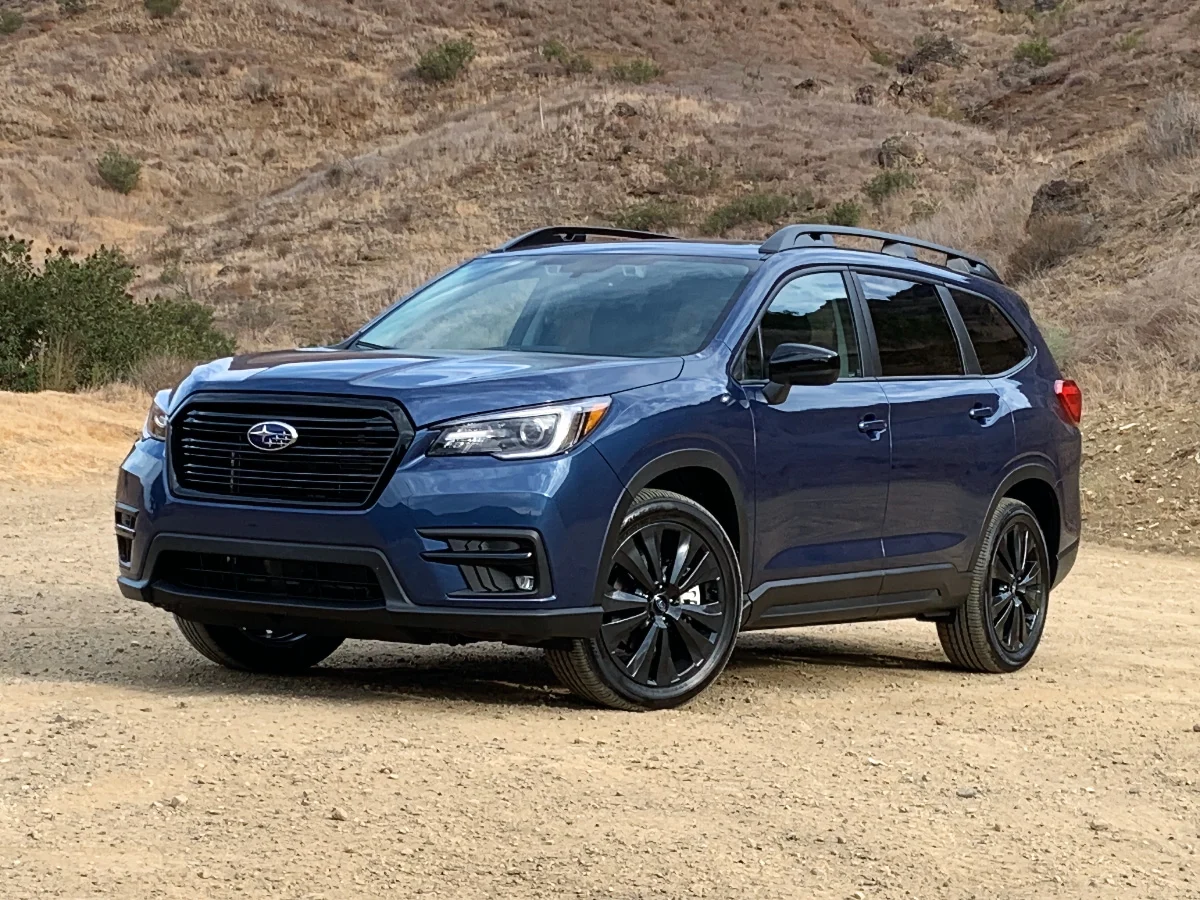
4. Subaru Ascent
The Subaru Ascent is Subaru’s largest vehicle to date, designed specifically with families in mind. It brings Subaru’s trademark all-wheel-drive capability into a roomy three-row layout that’s practical and comfortable for everyday use. With seating for seven or eight passengers depending on the trim, it provides ample space for growing families.
The standard all-wheel-drive adds peace of mind when traveling through rain or snow, without compromising the overall smoothness of the ride. Passengers rarely feel sharp jolts, which is essential for comfort on longer drives. The Ascent’s ride also feels stable and planted, even when fully loaded with passengers and cargo.
Inside the Ascent, Subaru offers a clean, functional layout with high-quality materials throughout. While not as luxurious as some of its pricier competitors, the cabin feels well-built and durable. The seats are soft without being spongy and hold up well over time.
Storage space is cleverly integrated into the design, with ample cupholders (19 total), a large center console bin, and deep door pockets. Subaru also includes seatback pockets and underfloor cargo storage, which are often overlooked but appreciated during long trips or errands. These features help keep the interior tidy even when the vehicle is packed with kids and their belongings.
The Ascent’s infotainment system is straightforward and includes Apple CarPlay, Android Auto, and Bluetooth connectivity across all trims. The large touchscreen is responsive, and physical controls are available for frequently used functions. The available rear seat reminder and cabin intercom system are added conveniences for families.
USB ports are accessible in all three rows, which helps prevent arguments over charging devices. These technology inclusions support both entertainment and communication, two key parts of keeping family trips comfortable and stress-free.
Subaru’s EyeSight Driver Assist Technology, which includes features like adaptive cruise control, pre-collision braking, and lane-keep assist, is standard across all trims. These safety tools don’t just add protection; they also contribute to driver comfort by reducing stress.
Parents who drive frequently appreciate these systems for the way they improve awareness and reduce fatigue. All of these elements, combined with Subaru’s long-standing reputation for building safe and capable vehicles, make the Ascent a top choice for families who want both confidence and comfort.
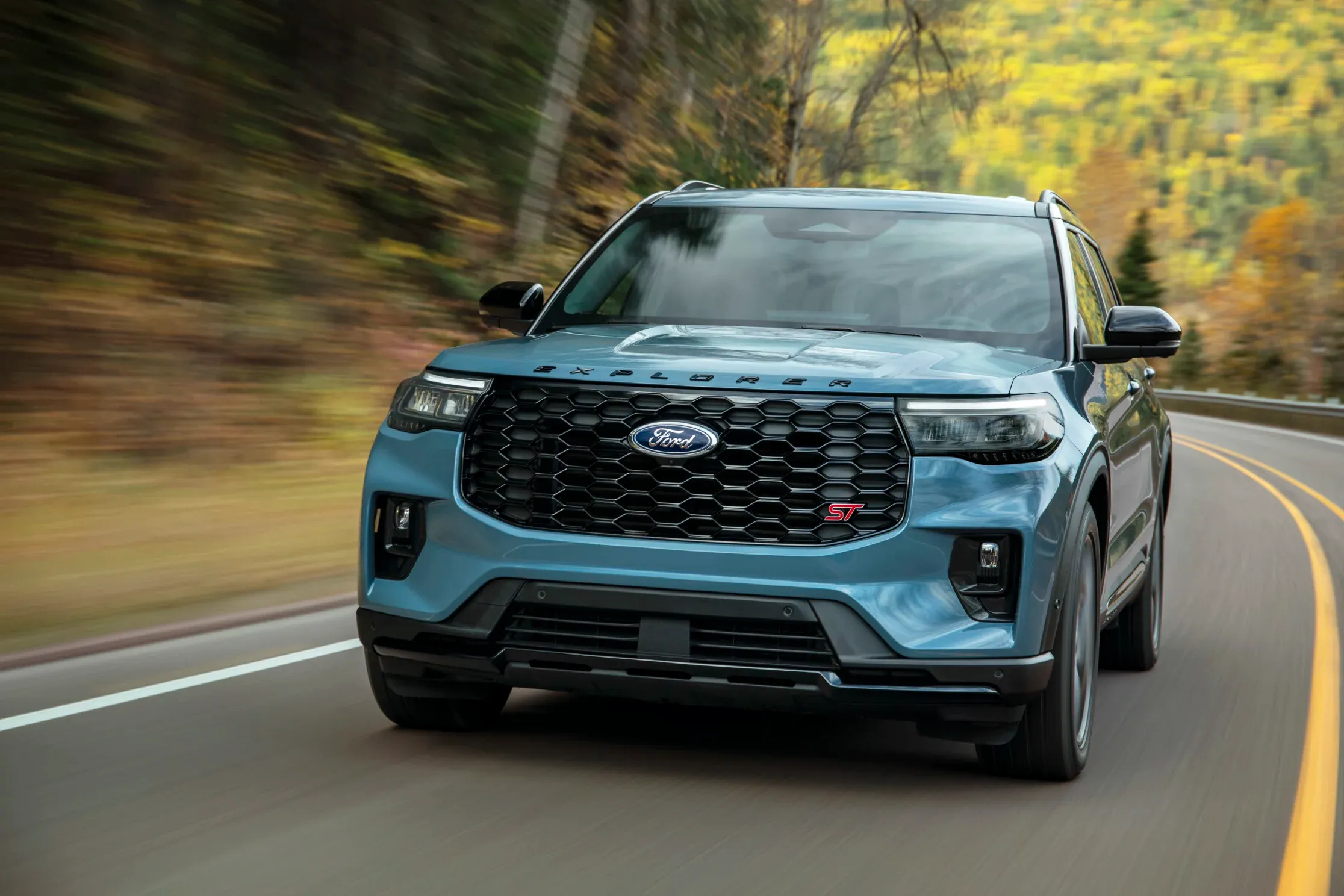
5. Ford Explorer
The Ford Explorer has a long history as a popular family SUV, and the latest versions aim to combine comfort, technology, and practicality in a single package. One of the Explorer’s most valuable features is its spacious and flexible interior. It offers three rows of seating, with the first two rows providing ample legroom and headroom for adult passengers.
The second row comes as either a bench seat or captain’s chairs, depending on the trim, which allows families to choose the setup that works best for their needs. Access to the third row is made easier through a power-folding mechanism and sliding second-row seats, which is helpful when loading kids or installing child seats.
On the road, the Explorer delivers a ride that balances comfort and confidence. The suspension does a good job of absorbing bumps and uneven pavement, while the body structure feels solid and well-composed.
The dashboard layout is clean and modern, with a large touchscreen in the center stack that integrates Apple CarPlay, Android Auto, and navigation. Rear passengers also benefit from available climate controls and USB charging ports, which help make long drives more manageable for kids with tablets or smartphones.
Cargo space in the Explorer is versatile and competitive. Even with all seats upright, there’s enough room in the rear cargo area for groceries, diaper bags, or school gear. When more space is needed, the third and second rows fold down almost completely flat, opening up a large area for bigger items like bikes, sports equipment, or vacation luggage.
A power liftgate is available on most trims, which adds convenience when loading and unloading the vehicle. In addition to the main cargo space, the Explorer includes small-item storage areas throughout the cabin that make it easier to stay organized during family outings.
Ford’s Co-Pilot360 suite of safety features comes standard on most trims and includes essentials like automatic emergency braking, blind-spot monitoring, lane-keeping assist, and rear cross-traffic alert. These systems support the driver and enhance safety without adding stress.
Adaptive cruise control and parking assistance are available on higher trims, making highway driving and city maneuvering easier. For families who value both comfort and functionality, the Explorer offers a smart mix of space, technology, and user-friendly features that make it a dependable daily companion.
Also Read: 5 Engines That Handle Stop-and-Go Traffic vs 5 That Break Early
5 SUVs That Don’t Stay Comfortable for Families
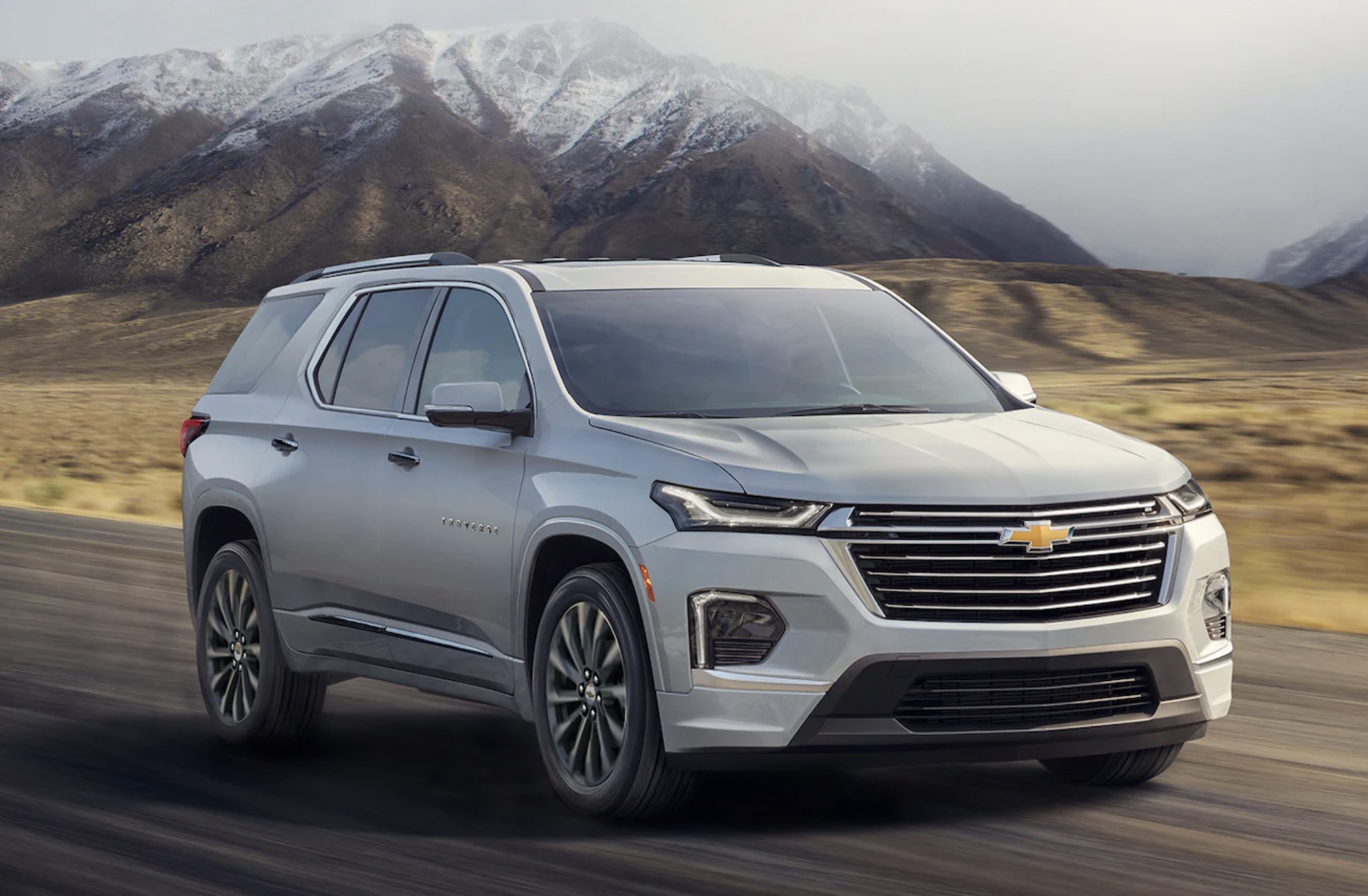
1. Chevrolet Traverse
The Chevrolet Traverse offers a large footprint and plenty of interior space, but despite its size, it doesn’t always deliver the level of comfort families expect. While it technically seats up to eight, the third row is more cramped than it should be, especially given the vehicle’s size.
Ride quality in the Traverse can also be inconsistent. On smooth pavement, the vehicle does fine, but once the surface gets rough, the suspension has trouble absorbing bumps effectively. This becomes a real issue on suburban streets filled with potholes or during highway travel when surface quality varies.
The bounce and body roll can be especially noticeable when the vehicle is fully loaded with passengers or cargo, and it can be unsettling for those in the back rows. The ride doesn’t feel refined or isolated from the road, which can make everyday errands feel more tiring than they should be.
The cabin also suffers from an overall lack of sound insulation, which becomes apparent at highway speeds or on less-than-ideal road surfaces. Wind noise seeps in through the doors and mirrors, while tire noise is more noticeable than it should be for a family-oriented SUV.
For families who value quiet time in the car, whether it’s to hold a conversation or let children nap, the Traverse may fall short. Some trims offer better noise control than others, but even the higher-end versions struggle to match the refinement found in competing SUVs at similar price points.
Interior materials also leave something to be desired. While the design is clean, much of the cabin feels built to meet a price point rather than to provide a genuinely comfortable experience. Hard plastics dominate the dashboard and door panels, and the cloth seating in lower trims lacks the durability and softness many families would expect.
Over time, these materials show wear more quickly, especially in high-contact areas. The infotainment system, while functional, doesn’t offer the smoothest user experience and feels dated compared to rivals with more responsive interfaces.
Storage and practical usability are areas where the Traverse should excel, but even here, it misses the mark in several small but meaningful ways. The cargo space is good, but the layout makes it harder to access when the third row is upright. Loading and unloading can be awkward, especially for parents managing strollers, sports gear, or groceries.
Some family-friendly features are available, such as USB ports and cupholders, but they’re unevenly distributed and not always easy to reach. Taken together, the Traverse ends up feeling like an SUV that promises more than it delivers when it comes to daily comfort for families.
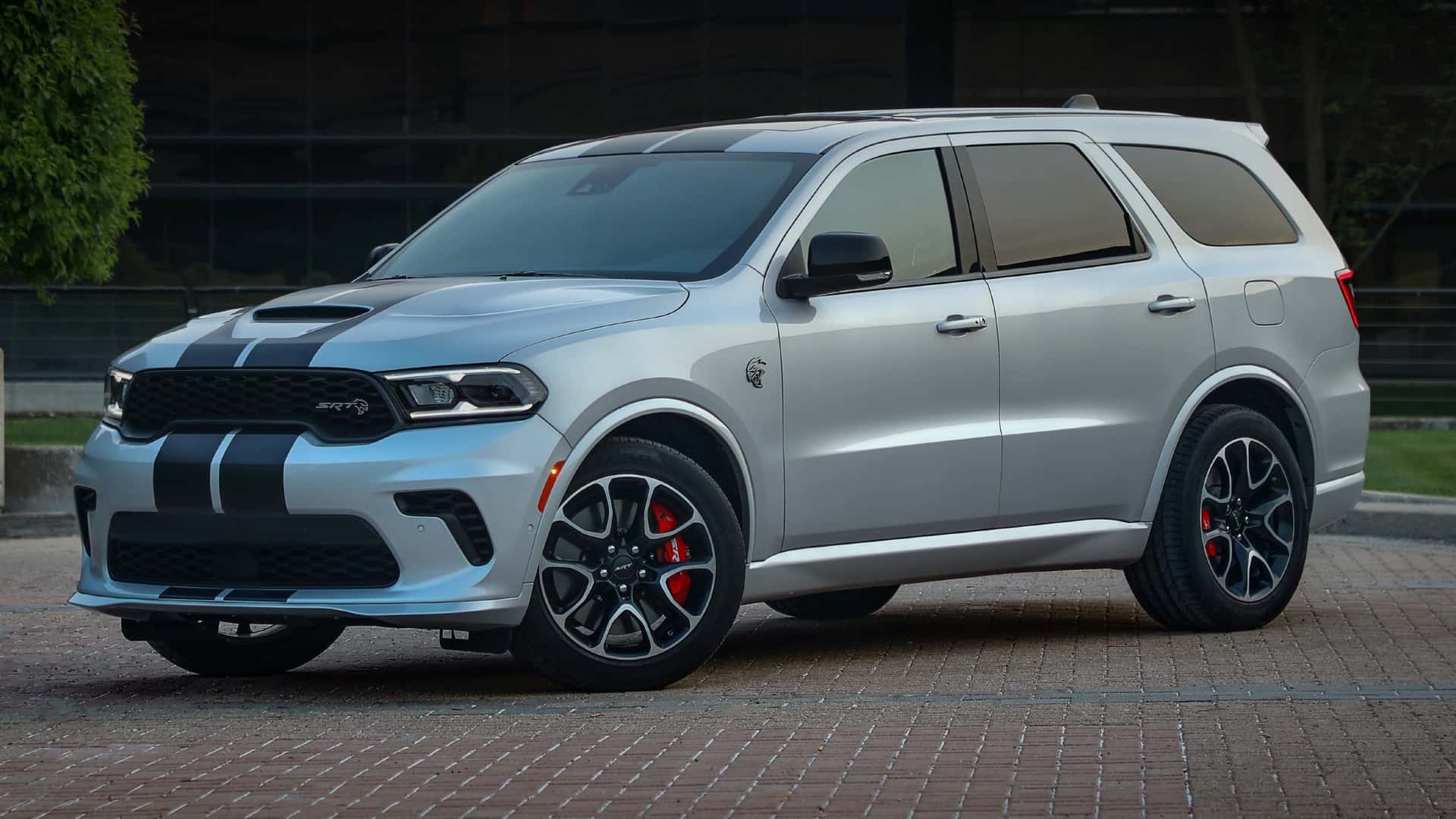
2. Dodge Durango
The Dodge Durango is known for its powerful engine options and muscle-car-inspired styling, but when it comes to family comfort, it often falls short. One of the most immediate concerns is interior space.
Despite being a three-row SUV, the third row in the Durango is cramped and sits very low to the floor, making it uncomfortable for anyone but small children.
The second row is better in terms of legroom, but the seats themselves are relatively flat and can feel hard on long drives. The front seats, although supportive for the driver, don’t offer the same level of softness or adjustability seen in other family-oriented SUVs.
Ride quality is another drawback. The Durango’s suspension is tuned more for performance than for comfort, which might appeal to driving enthusiasts but not to families looking for a calm, smooth ride. Road imperfections are felt more distinctly in the cabin, and the suspension doesn’t filter out bumps effectively.
On highways, it tends to feel planted, but in city driving or over uneven surfaces, the Durango can jostle passengers more than expected. This lack of refinement can lead to complaints from children in the rear rows or fatigue during longer journeys.
Noise insulation is mediocre at best. At higher speeds, road and wind noise begin to intrude into the cabin, making it harder to carry on a quiet conversation. Engine noise, particularly with the V6 and V8 options, is noticeable and sometimes excessive under acceleration.
While some drivers enjoy the throaty sound, it can become tiring on long trips, especially for families with small children trying to rest. The combination of hard plastics and thin door panels doesn’t help with cabin acoustics either, making the vehicle feel less cozy overall.
The Durango’s interior materials and layout don’t prioritize family-friendliness. While higher trims offer upgraded leather and more modern finishes, the lower trims are spartan, with a lot of basic plastic and outdated controls.
Storage space is limited compared to competitors, and the cabin lacks some of the clever storage bins and family-oriented features that are standard elsewhere. The infotainment system is capable and easy to use, but physical access to controls from the rear rows is limited, which makes it harder for backseat passengers to stay comfortable and entertained on their own.
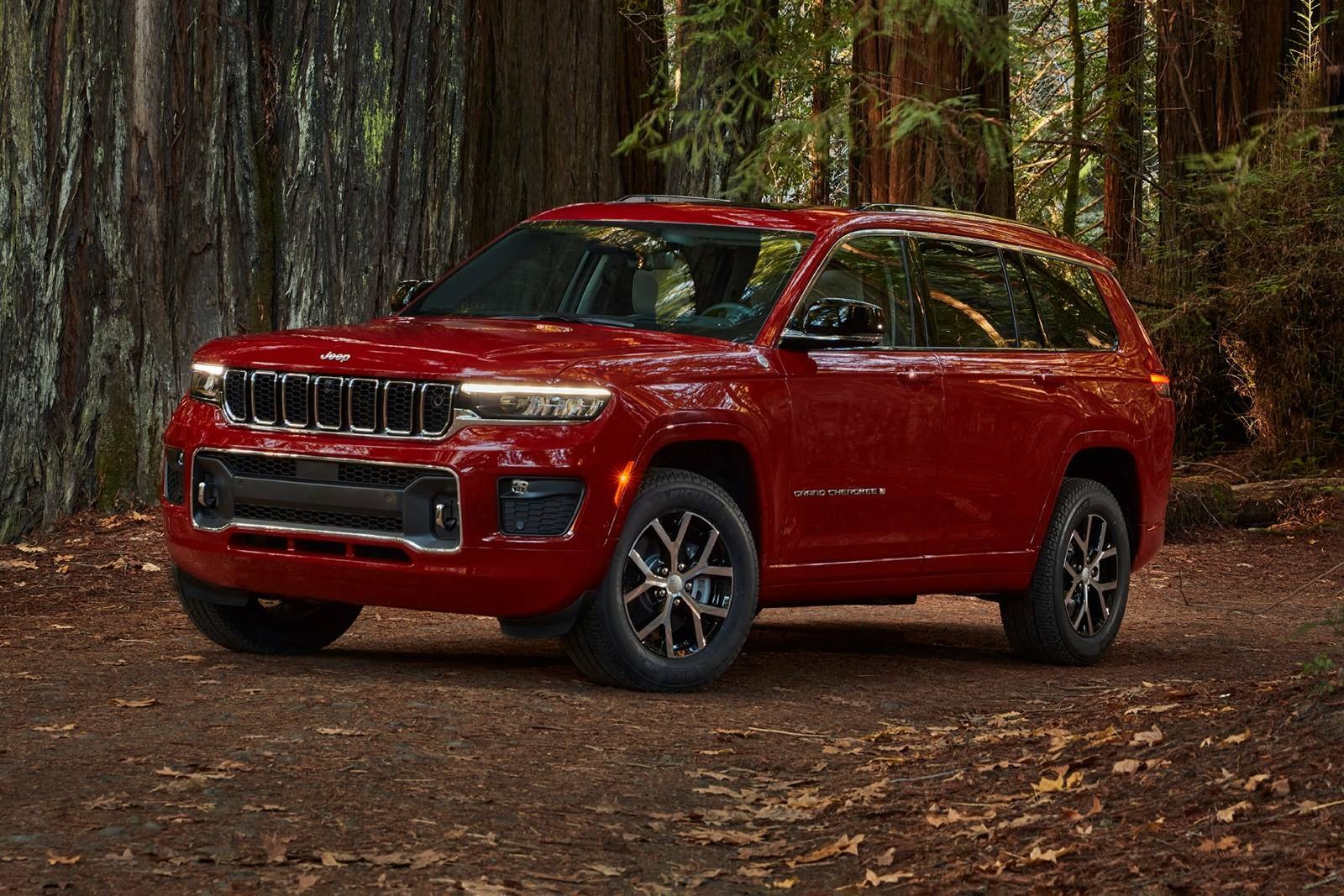
3. Jeep Grand Cherokee (Standard Two-Row)
The Jeep Grand Cherokee has long been admired for its off-road prowess and strong design, but as a family SUV, it has some comfort-related shortcomings, particularly in its standard two-row configuration. The interior space is noticeably more limited than other midsize options, especially for families needing room for multiple children or child seats.
While the front row offers a good amount of legroom and cushioning, the second row feels narrower than expected, making it less ideal for families with teenagers or adults riding in the back regularly. The lack of a third row in the standard version also reduces its practicality for larger households.
Ride comfort can be unpredictable depending on the trim level and tire setup. Lower trims with smaller wheels do a better job of absorbing road imperfections, but higher trims often come with larger wheels and stiffer suspensions that impact ride quality negatively.
Families driving over cracked pavement or uneven surfaces will notice more vibration and jolts than they might in softer-riding SUVs. The Grand Cherokee is built to be capable off-road, which contributes to its more rugged feel, but this doesn’t translate well into everyday family driving, especially on long commutes or road trips.
Interior noise is also more pronounced than in many of its rivals. Wind noise at highway speeds becomes noticeable, and depending on the engine configuration, engine noise can be excessive under hard acceleration.
While the interior materials have improved in recent models, the insulation still doesn’t meet the standard set by other midsize SUVs designed with family comfort in mind. This can be especially frustrating for parents who want a quiet cabin for sleeping children or for families that regularly take longer highway drives.
Storage and convenience features in the Grand Cherokee fall behind the competition. While the cargo space is decent for a two-row SUV, it doesn’t offer the same flexibility as vehicles with three rows or more interior compartments.
While Jeep offers a longer, three-row version in the Grand Cherokee L, the standard model lacks the space and soft-road manners to be a top choice for family comfort. Its strengths are rooted in performance and trail capability, which may appeal to adventurous individuals or couples, but the average family looking for quiet, roomy, and relaxed daily driving will likely find more satisfaction elsewhere.
4. Volkswagen Atlas
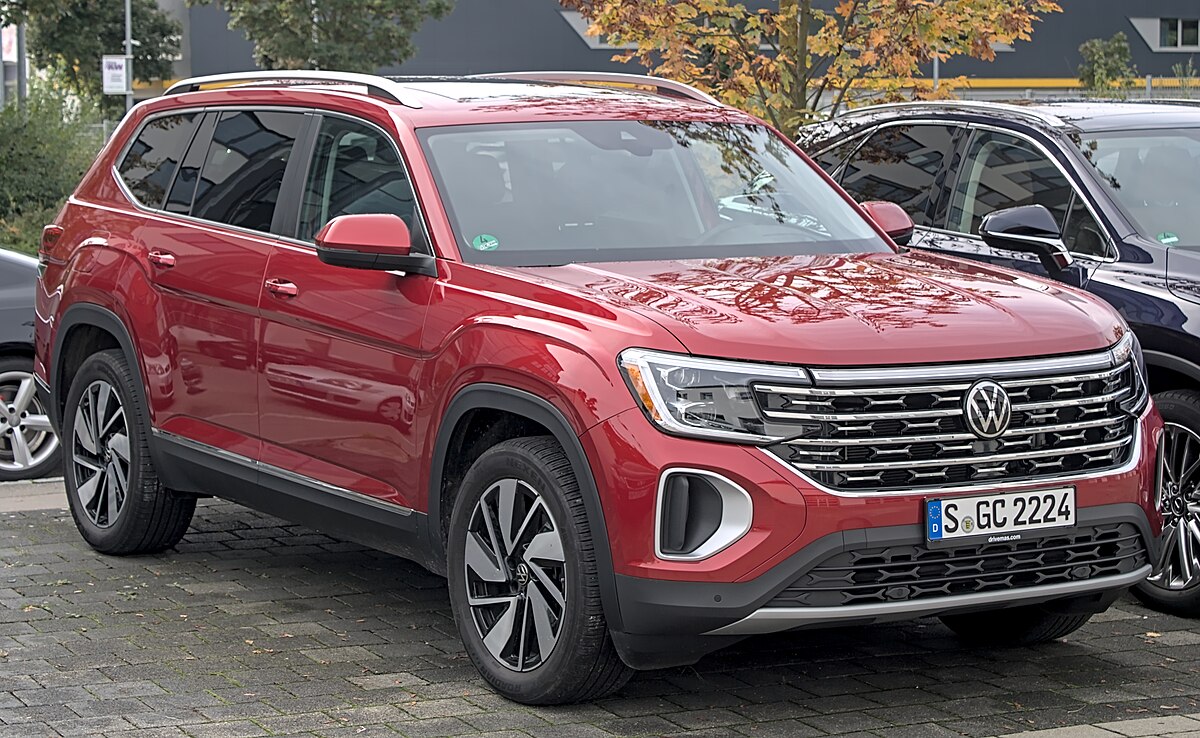
The Volkswagen Atlas initially impressed families with its large size and clever interior layout, but over time, it has shown that size alone doesn’t guarantee comfort. Although it provides three rows of seating and generous cargo space, the actual comfort level, especially over time, is where the Atlas begins to disappoint.
The ride quality in the Atlas can be inconsistent. On smooth roads, it behaves well, but on rougher surfaces, the suspension struggles to keep the cabin calm. Families will notice vibrations and a fair amount of bounce over speed bumps or cracked pavement.
When the vehicle is fully loaded with passengers and cargo, the ride becomes even more unsettled. This can be particularly frustrating for families on long road trips, where comfort is essential. It also creates additional wear on suspension components, which may lead to maintenance costs over time.
Noise control in the cabin also falls behind expectations for the segment. Wind and road noise are fairly intrusive, especially at highway speeds. The cabin doesn’t feel as insulated or solid as other midsize competitors, and this can wear on both the driver and passengers over extended drives.
The interior materials don’t help the situation much, as hard plastics and cheap trim pieces are present in many areas of the cabin, especially in lower trims. While the dashboard design is clean and functional, it lacks the warmth and polish that many families seek.
Another drawback is the durability of interior components. Some owners have reported that seat fabrics stain easily and that trim pieces don’t hold up well to the daily abuse that comes with family life.
Although the Atlas comes with modern safety features and infotainment options, these strengths are undermined by the issues in ride quality, seating support, and cabin noise.
For families who prioritize space above all else, it may still have some appeal. However, those looking for a balanced package that includes comfort, refinement, and usability will find that the Atlas doesn’t hold up as well as it should in real-world, family-driven conditions.
5. Mitsubishi Outlander (Gasoline Model)
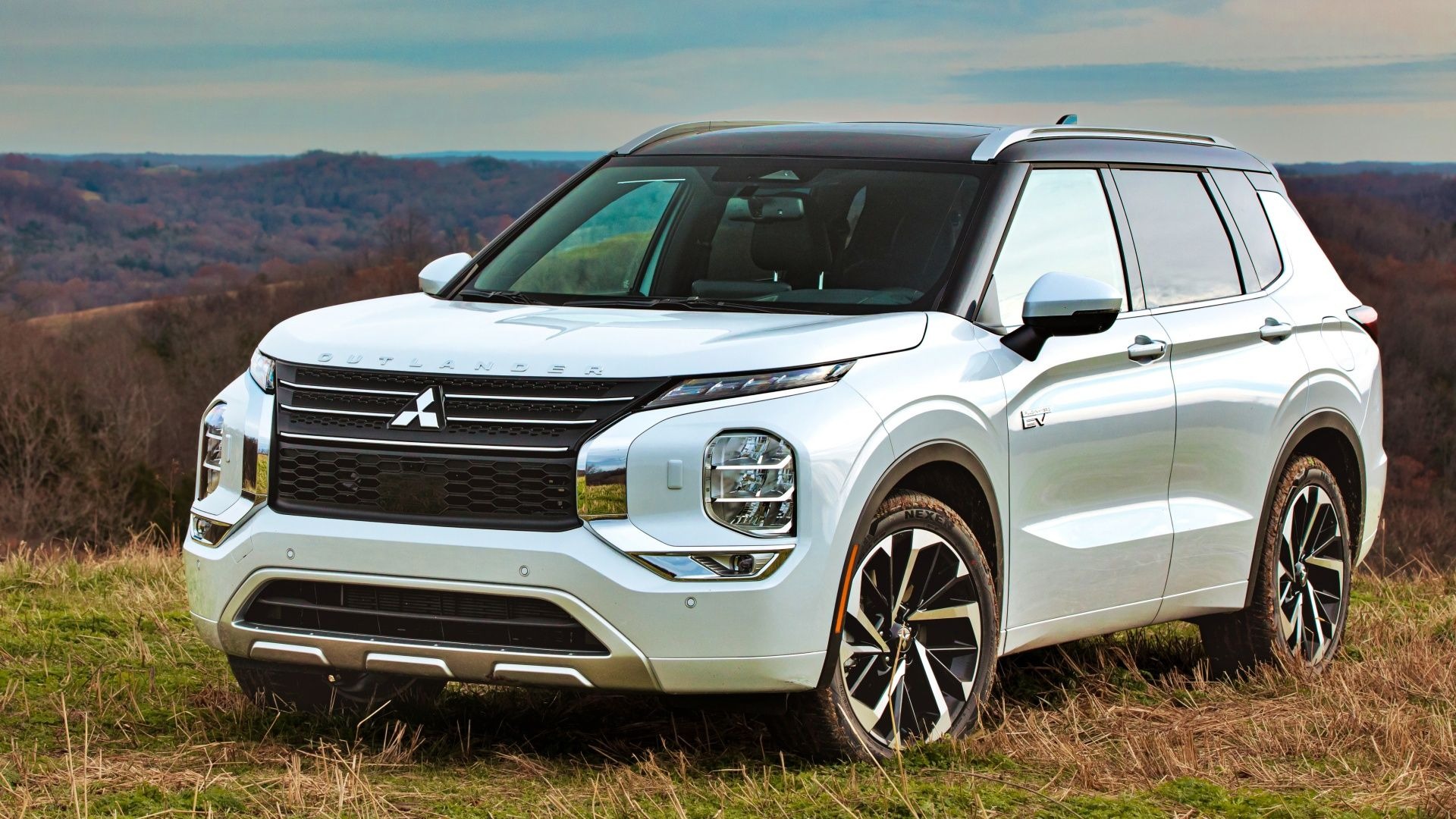
The Mitsubishi Outlander has gone through several design updates over the years, but the gasoline-powered version still lags behind many rivals when it comes to family comfort. Its compact size and tight third row make it a tough sell for larger families, even though it’s marketed as a three-row SUV.
The suspension tuning on the Outlander is another major drawback. It tends to feel overly firm, which translates to a rougher ride for passengers. Small road imperfections are felt more than they should be, and on longer journeys, this can become tiring.
While the vehicle handles reasonably well at lower speeds, it doesn’t smooth out bumps or rough roads in a way that feels appropriate for families. This harsher ride quality becomes especially noticeable when the vehicle is fully loaded with passengers or cargo, making it less than ideal for road trips or busy daily driving.
Interior materials and noise control are both areas where the Outlander shows its budget roots. While newer models look more modern from a design perspective, the cabin still features hard plastics, low-quality fabrics, and minimal sound insulation.
Engine noise is loud under acceleration, and road noise seeps into the cabin at highway speeds. This makes conversations difficult and reduces the overall sense of comfort. Rear-seat passengers are more affected by this, as the smaller cabin layout makes noise bounce more noticeably throughout the space.
The technology offering in the Outlander is acceptable, but not class-leading. The infotainment system is basic, and while Apple CarPlay and Android Auto are available, the touchscreen interface isn’t especially responsive.
While the plug-in hybrid version of the Outlander offers some improvements in ride quality and tech, the standard gasoline model remains a tough sell for families focused on comfort.
