
The 1980s were a decade filled with unique automotive designs, bold experimentation, and a mixture of technological advances that set the stage for the future of the car industry. This era introduced some of the most iconic vehicles that continue to be celebrated today, but it also produced many models that faded into obscurity.
These “forgotten” cars, often overlooked by mainstream collectors and enthusiasts, are now commanding serious attention and prices, in the classic car market. With the right mix of rarity, performance, and nostalgia, some of these once-dismissed cars have transformed into prized possessions for collectors worldwide.
The 80s brought a time when manufacturers balanced the rising demands for fuel efficiency with performance aspirations. Turbocharging and advanced electronics began to infiltrate production vehicles, changing how cars performed and were perceived.
Many cars from this era embody a unique blend of style and engineering that doesn’t quite fit into modern trends but has an undeniable charm.
Some models have been overshadowed by flashier counterparts or lost among the flood of cars produced during the decade, making their rarity today even more pronounced. For collectors, these cars represent an opportunity to own a piece of automotive history that remains surprisingly accessible but poised to appreciate significantly.
It’s important to note that the value of these vehicles today isn’t just about their performance or looks but also their stories. Some were limited production runs, others were region-specific models, and a few became cult classics due to their quirky or unconventional designs.
The cultural impact of these cars, combined with increasing scarcity, has pushed prices higher. Enthusiasts who have maintained these cars over the decades or rediscovered them have seen their investments grow steadily.
This article highlights ten such forgotten cars from the 1980s that have become surprisingly valuable, helping collectors recognize hidden gems with impressive potential.
Whether you’re an experienced collector or a casual enthusiast interested in automotive history, these cars illustrate how trends, engineering, and time can change perceptions. They remind us that sometimes, what was once overlooked can become highly sought after.
Below, each car’s story, design highlights, and factors contributing to its rising value will be examined, providing insight into why these 80s vehicles deserve a second look.
Also Read: 5 Engines That Handle Stop-and-Go Traffic vs 5 That Break Early
1. Pontiac Fiero
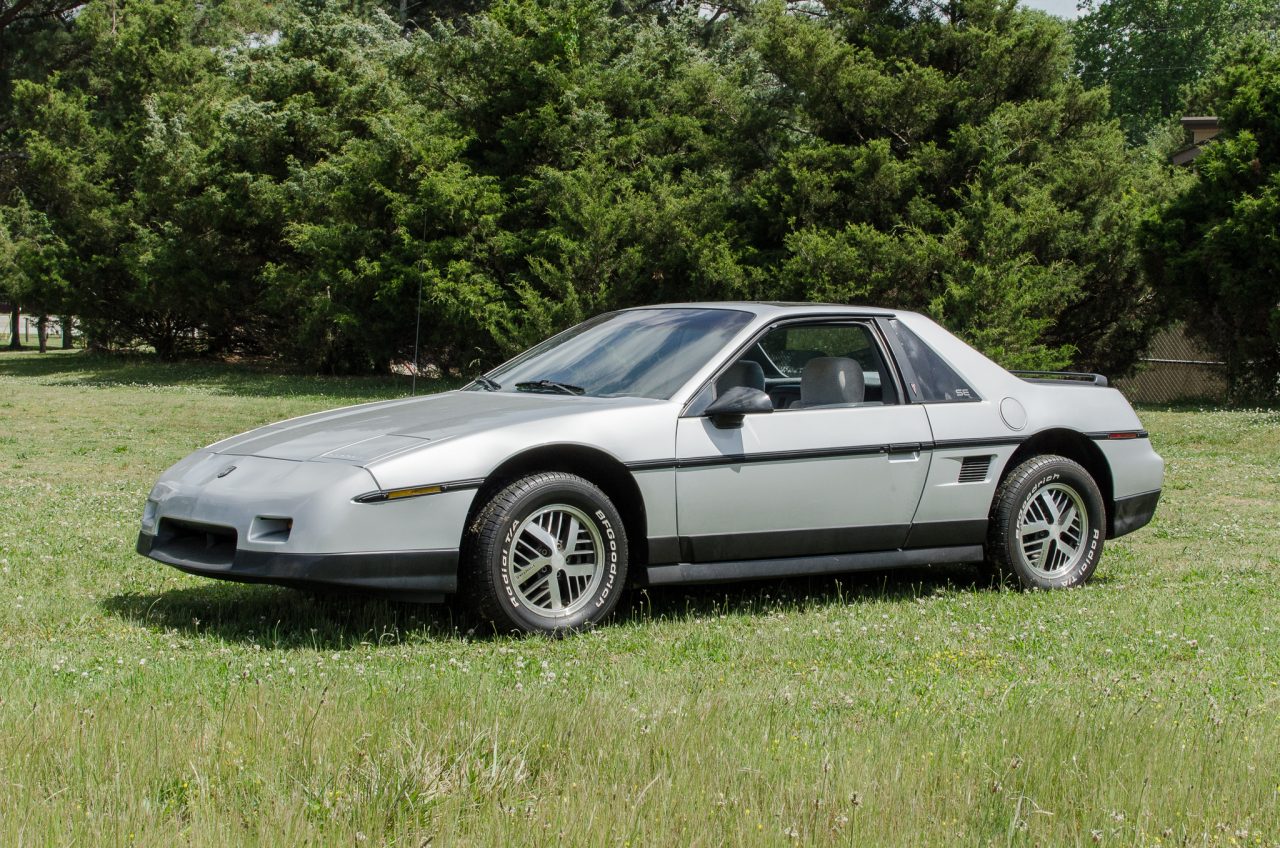
The Pontiac Fiero stands out as one of the most innovative yet misunderstood cars from the 1980s. Introduced in 1984, the Fiero was groundbreaking because it was the first mid-engine sports car ever produced by an American manufacturer.
Unlike the typical front-engine, rear-wheel-drive layout common to many American cars at the time, the Fiero’s engine was positioned behind the passenger compartment but ahead of the rear axle. This configuration allowed for better weight distribution, improved handling, and a driving experience more akin to exotic European sports cars.
Beyond its mechanical setup, the Fiero also featured a unique construction method, using a steel space frame combined with lightweight plastic body panels, which was rare for mass-produced cars in the United States. This made the Fiero not only distinctive but also relatively light, contributing to its driving dynamics.
When the Fiero was first launched, its reception was mixed. General Motors marketed the Fiero primarily as an economical commuter car rather than a full-fledged sports car, which disappointed enthusiasts who were hoping for a high-performance machine.
Early Fieros came with a modest 2.5-liter four-cylinder engine that produced underwhelming power, leaving many to dismiss the car as slow and uninspiring. Additionally, some quality issues and safety concerns in the early production years hurt its reputation.
However, Pontiac worked diligently over its production run from 1984 to 1988 to improve the car’s performance, reliability, and aesthetics. The introduction of the V6 engine in 1985 marked a significant turning point, offering considerably more power and transforming the Fiero into a genuine sports car contender.
By the time the 1988 Fiero GT was released, it featured a 2.8-liter V6 engine producing around 140 horsepower, which, combined with the mid-engine layout, delivered a fun and nimble driving experience.
The Fiero’s styling was polarizing but undeniably bold for its time. It broke away from the boxy, angular designs prevalent in the 1980s, with smooth lines and pop-up headlights that gave it a futuristic look. This styling combined with its innovative engineering made it a cult classic.
Over the years, the Fiero has gained a passionate following, especially among enthusiasts who appreciate its potential for customization and performance upgrades. The car was also a favorite among those interested in mid-engine kit builds or sports car projects, thanks to its accessible platform and affordable parts.
Its status as a uniquely American mid-engine sports car contributes to its enduring appeal, and collectors now actively seek out well-maintained examples, especially the later V6 models, which are becoming increasingly rare.
As time has passed, surviving Pontiac Fieros in good condition have become more difficult to find. Many early Fieros were heavily modified, used as daily drivers without much care, or scrapped due to early mechanical or safety issues.
The few remaining original and well-preserved cars, particularly the 1988 GT versions, have seen their values rise steadily as collector interest grows.
The Fiero represents a combination of bold innovation, unique engineering, and 1980s flair that resonates with classic car buyers today. With a strong community of enthusiasts and increasing recognition of its historical significance, the Pontiac Fiero has firmly established itself as a forgotten gem from the 1980s worth significant money now.
2. Renault 5 Turbo
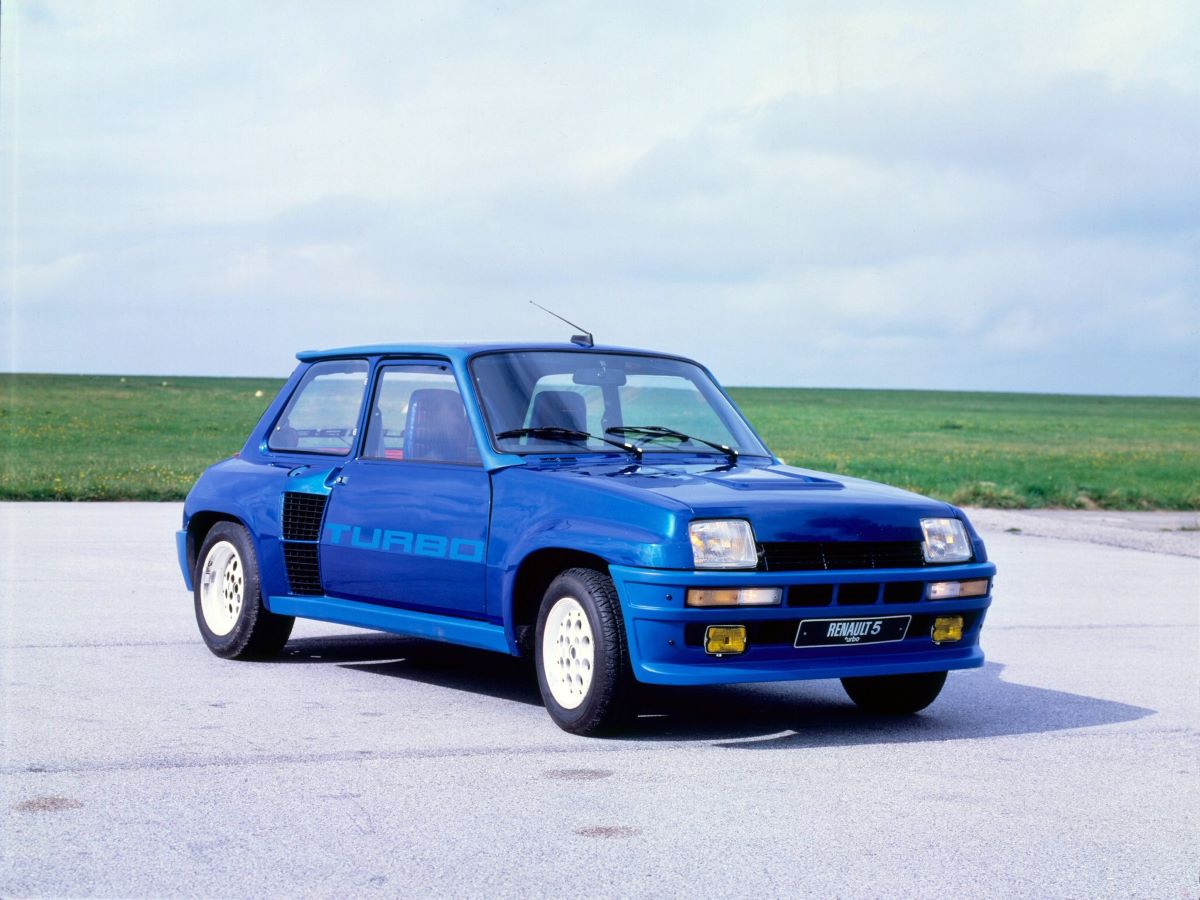
The Renault 5 Turbo was an extraordinary transformation of the everyday Renault 5 supermini into a rally-inspired, mid-engined powerhouse that shocked the automotive world.
Unlike the standard front-engine, front-wheel-drive Renault 5, the Turbo version relocated its engine to the middle of the chassis, creating a radical design that prioritized performance above all else. Produced between 1980 and 1986, this car was originally developed to meet homologation requirements for Renault’s Group B rally efforts.
The result was a compact, lightweight car with an aggressive wide-body stance and striking styling that made it instantly recognizable. With its turbocharged 1.4-liter engine delivering around 158 horsepower and a focus on balanced handling, the Renault 5 Turbo was a potent competitor in the rally world and a highly desirable road car.
This car’s engineering was revolutionary for its time. The mid-engine layout contributed significantly to the car’s exceptional balance and cornering abilities. This setup was unusual for a hatchback, especially one derived from an economy car platform.
The car’s chassis and suspension were heavily modified, and the body was widened to accommodate larger wheels and tires, which improved grip and stability. The Turbo’s power-to-weight ratio was impressive, especially considering its small engine size.
With a curb weight of just around 2,200 pounds, the car could accelerate briskly and offer a thrilling driving experience that many larger sports cars struggled to match. Its distinct sound, combining the high-pitched whine of the turbocharger with a sharp exhaust note, added to its exotic character.
This scarcity has helped push prices higher in recent years, particularly for original, unmodified cars with low mileage. The Turbo’s motorsport heritage also elevates its status, linking it to a golden era of rallying known for fierce competition and legendary drivers. It embodies the spirit of 1980s performance cars that were small, nimble, and daring.
Collectors today appreciate the Renault 5 Turbo not only for its rarity but also for its unique combination of European engineering, motorsport pedigree, and engaging driving characteristics.
The car’s compact size and light weight make it a fun and manageable classic, while its bold styling and technical innovations ensure it stands out in any collection.
Rising interest in hot hatches and rally-inspired vehicles from the 1980s has further driven demand. For many, the Renault 5 Turbo is a hidden treasure whose value will continue to climb as awareness of its significance grows.

3. Buick GNX
The Buick GNX is a legendary muscle car that perfectly captures the paradox of the 1980s American automotive scene, when turbocharged V6 engines challenged the traditional V8 muscle car formula. Released in 1987 as a special edition of the Buick Grand National, the GNX was the result of a collaboration between Buick and McLaren Performance Technologies.
This limited-run vehicle was designed to be the expression of Buick’s turbocharged performance, featuring enhancements that pushed the car’s power and handling to new heights. Its bold black-on-black appearance and aggressive styling made it stand out, while its powerful turbocharged V6 engine made it one of the fastest cars of its era.
Under the hood, the GNX’s turbocharged 3.8-liter V6 engine produced 276 horsepower and an impressive 360 lb-ft of torque, figures that were remarkable for the time. This power enabled the GNX to achieve 0-60 mph times in the low five-second range, making it one of the quickest American production cars during the 1980s.
Its acceleration and torque delivery were strong, allowing it to compete with, and often outperform, larger V8 muscle cars. What set the GNX apart was not just raw power but also the refined engineering behind it, including a revised turbocharger, intercooler, and upgraded suspension components that improved handling and stability at high speeds.
The car’s blacked-out trim and subtle design enhancements gave it a menacing look that matched its performance credentials. Over time, the GNX developed a cult following, particularly among those who admired its balance of power, technology, and exclusivity. It became known as a sleeper muscle car, offering performance that surprised many and broke stereotypes about Buick’s image.
Today, the GNX commands premium prices in the classic car market due to its rarity, performance, and reputation. Enthusiasts who have preserved or restored these cars have seen significant appreciation in value, fueled by growing recognition of the GNX’s place in muscle car history.
The car represents a unique chapter in 1980s American performance, blending turbocharging technology with traditional muscle car spirit. For collectors, owning a GNX means having a piece of automotive history that was once overlooked but now shines brightly.
4. Toyota Supra Mark II (A60)
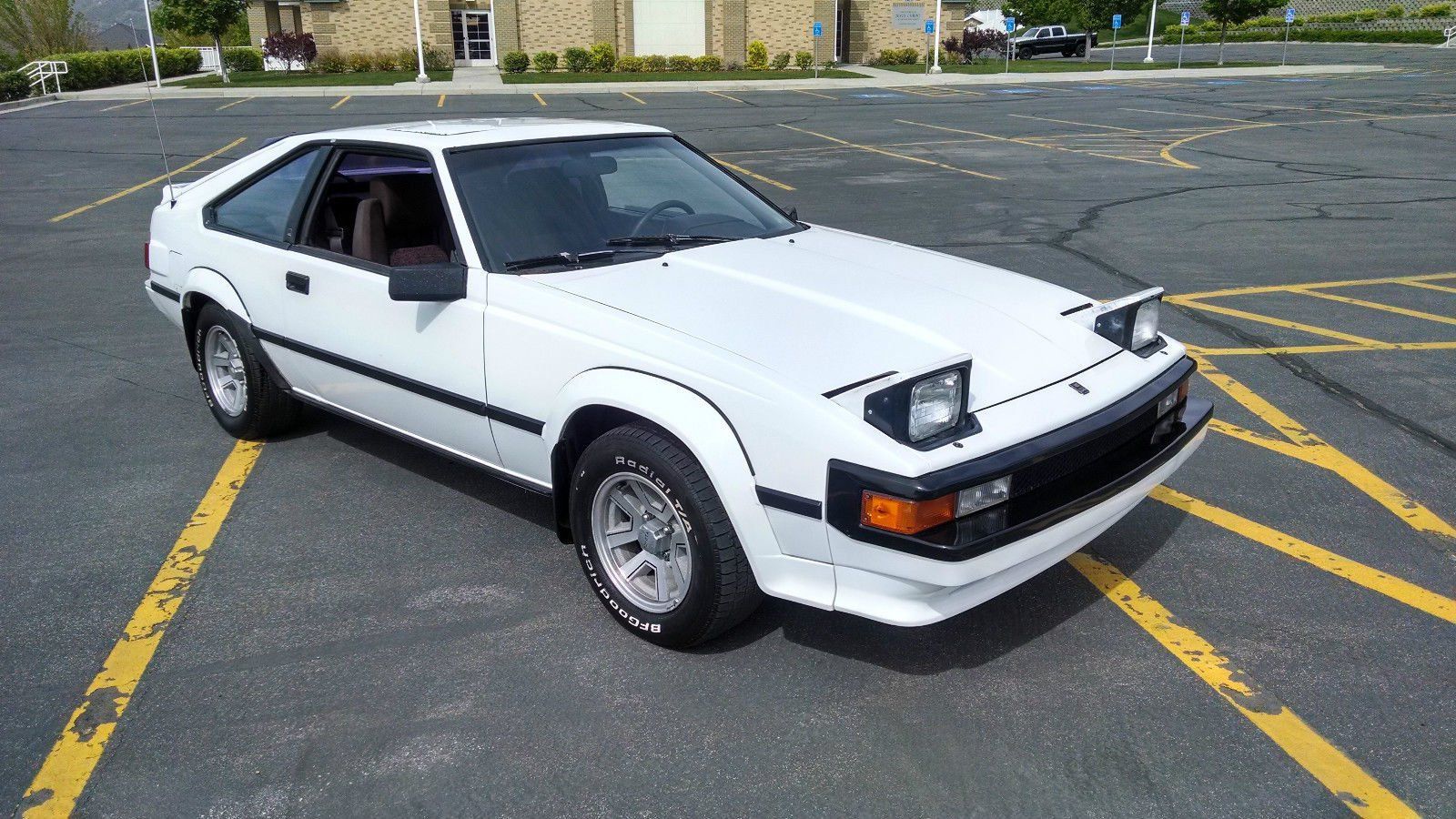
The Toyota Supra Mark II, known as the A60, was a key step in Toyota’s evolution of the Supra model, produced from 1981 to 1986. It built upon the foundation laid by the first-generation Supra, which was essentially a modified Celica, by offering a longer wheelbase, improved suspension, and more powerful engine options.
The A60 marked the transition of the Supra from a sporty coupe derivative into a standalone model focused on performance and luxury. While it may not have achieved the global acclaim of its successors, the A60 remains an important and often underappreciated part of Toyota’s sports car legacy.
The Supra Mark II came with a variety of engines, including inline-six options that ranged from naturally aspirated units to turbocharged versions in certain markets, such as Japan. This generation was praised for its smooth handling and balance, thanks to a rear-wheel-drive setup and an improved chassis design.
Unlike later, more aggressive Supra models, the A60 had a relatively understated design characterized by clean lines and a somewhat boxy but elegant silhouette. This styling appealed to buyers who wanted a car that combined performance potential with everyday usability and comfort.
During its production run, the Supra Mark II wasn’t as flashy or popular as other sports cars of the 1980s, especially in markets dominated by muscle cars or more aggressive European sports coupes. It was often overshadowed by newer, higher-performance Japanese cars or the emerging popularity of turbocharged vehicles.
However, in recent years, the A60 has gained recognition among collectors for its durability, tuning potential, and classic Japanese sports car charm. The car’s relatively low production numbers compared to later Supras mean that well-preserved examples are becoming increasingly rare.
The A60’s legacy lives on as a bridge between Toyota’s early sports car efforts and the more celebrated generations that followed. As the market for classic Japanese cars grows worldwide, the Supra Mark II stands out as a forgotten gem ready for renewed appreciation and rising collector value.
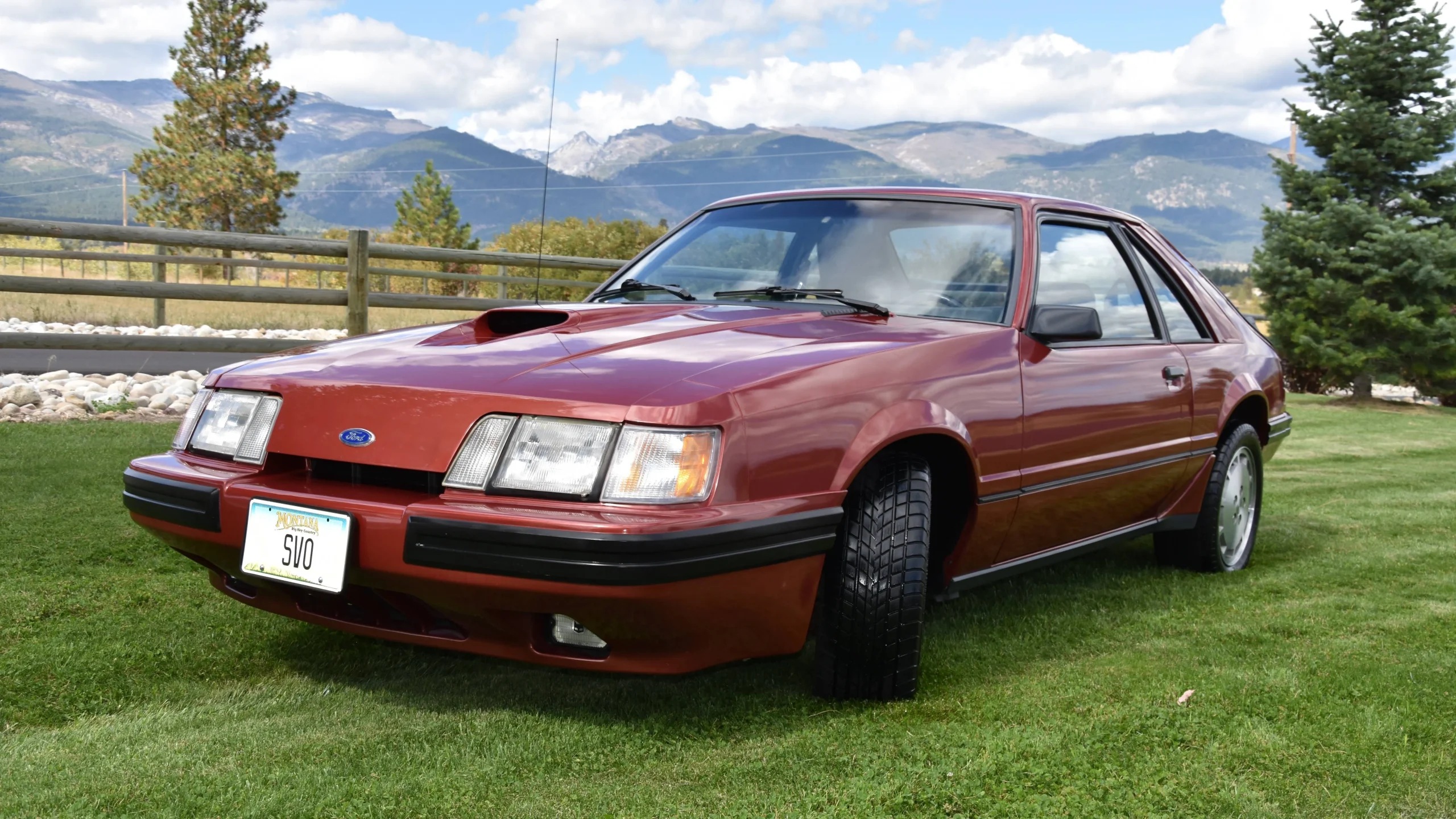
5. Ford Mustang SVO
The Ford Mustang SVO was a bold departure from the traditional muscle car formula that had defined the Mustang for two decades. Produced between 1984 and 1986, the SVO was Ford’s attempt to create a more technologically advanced, European-inspired performance Mustang.
Instead of relying on the classic V8 engine, the SVO featured a turbocharged 2.3-liter inline-four engine that delivered around 205 horsepower, which was impressive for the time and offered a different kind of performance experience.
This move showed Ford’s willingness to experiment with new technologies and appeal to a different segment of buyers who wanted performance without the high-displacement engine.
The car featured front and rear aerodynamic spoilers and unique styling cues that set it apart visually from the standard Mustang GT and LX models. The combination of turbocharged power, better brakes, and refined suspension made the SVO one of the more balanced and agile Mustangs of its time, appealing to drivers who wanted more than just straight-line speed.
Additionally, the SVO’s complexity and turbocharged engine presented challenges for some owners in terms of maintenance and reliability, which limited its appeal to a broader market. Nevertheless, the SVO developed a loyal following among enthusiasts who appreciated its unique approach to performance and its distinct identity within the Mustang family.
Today, the Mustang SVO is gaining recognition as a collector’s car, especially as interest in turbocharged and technologically advanced 1980s muscle cars grows. Clean, original examples with minimal modifications are becoming harder to find, and prices have been rising steadily.
The SVO represents an important chapter in Mustang history when Ford sought to innovate and diversify the Mustang lineup. For collectors and enthusiasts looking for something different but historically significant, the Mustang SVO is a worthwhile investment that captures the spirit of 1980s automotive experimentation.
Also Read: 11 Best Engines That Stay Smooth After Decades of Use
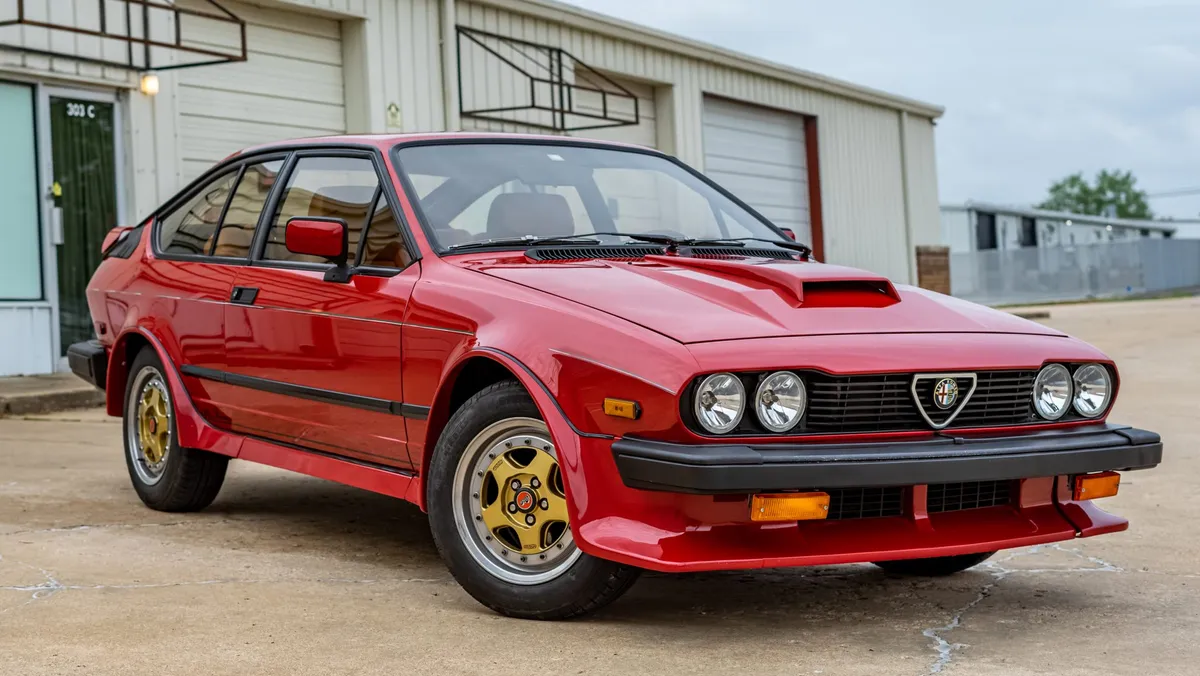
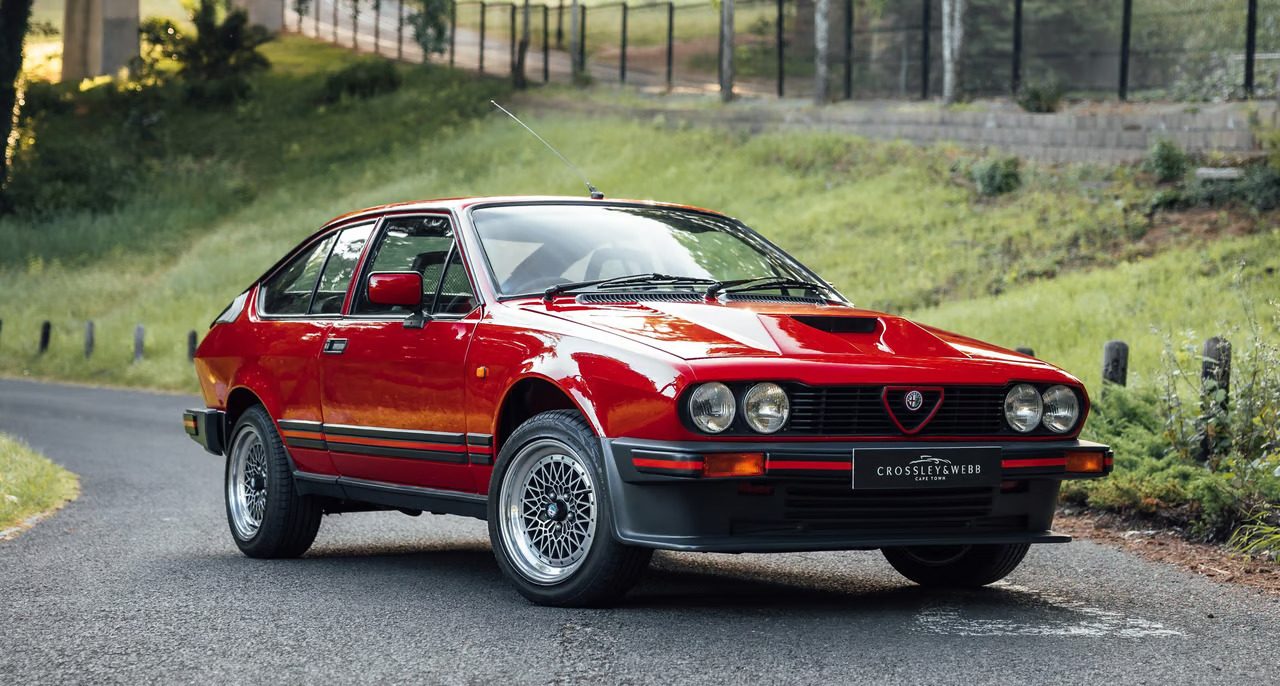
6. Alfa Romeo GTV6
The Alfa Romeo GTV6 is a true icon for enthusiasts who appreciate the blend of Italian style, engineering, and spirited driving from the 1980s. Introduced in 1980 as a successor to the original GTV, the GTV6 featured a distinctive V6 engine that was praised for its smoothness and lively character.
The engine was a 2.5-liter V6, known for its unique firing order and sonorous exhaust note, which gave the car a distinct and captivating personality. Alfa Romeo combined this engine with a lightweight chassis and sporty suspension setup, making the GTV6 a driver’s car in the purest sense.
The car was celebrated for its precise steering, balanced handling, and engaging dynamics, all traits that contributed to its status as a true grand tourer with sports car agility.
Styling was another key aspect that made the GTV6 stand out in the 1980s. Alfa Romeo gave the GTV6 a sleek, wedge-shaped body with clean, angular lines that were typical of the period but executed with Italian flair. The car’s sharp profile, combined with its characteristic Alfa grille and quad headlight arrangement, created a striking presence on the road.
Inside, the GTV6 offered a driver-focused cockpit with supportive bucket seats, simple yet elegant instrumentation, and a sense of craftsmanship that elevated the experience beyond typical 1980s sports coupes.
The combination of attractive design and engaging performance made the GTV6 a favorite among enthusiasts who wanted something that was both beautiful and fun to drive.
Despite its many strengths, the GTV6 was not without its challenges. Alfa Romeo’s reputation for reliability was a mixed bag during this era, and the GTV6 required regular maintenance and attentive care to perform at its best. However, those willing to invest the time were rewarded with a car that offered a driving experience few others could match.
The GTV6 was particularly popular in Europe, where its combination of style and performance fit perfectly with the tastes of the time. It also made a mark in motorsport, especially in touring car racing, further cementing its reputation as a serious performance machine.
Today, the Alfa Romeo GTV6 enjoys a strong following among collectors and Italian car enthusiasts. Well-preserved examples command higher prices, especially those with documented maintenance history and original parts. The car’s distinctive V6 engine, timeless design, and engaging driving characteristics make it a sought-after classic.
As more people rediscover the charm and character of the GTV6, its value continues to rise, making it one of the forgotten 1980s cars that are now worth serious money.
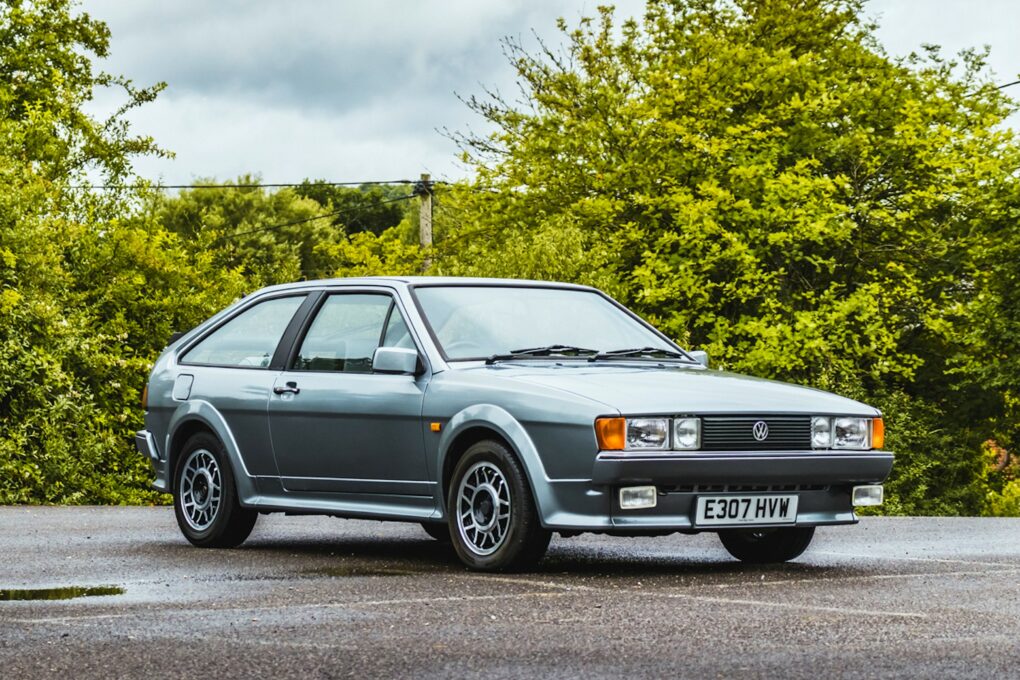
7. Volkswagen Scirocco Mk2
The Volkswagen Scirocco Mk2 was a compact, sporty hatchback that offered a refreshing alternative to the larger and heavier sports cars of the 1980s. Introduced in 1981 and produced until 1992, the Mk2 Scirocco carried forward the spirit of the original model with a focus on sporty handling, practical design, and affordability.
Built on the same platform as the Golf, the Scirocco combined the reliability and engineering quality of Volkswagen with a sportier, coupe-like body style that appealed to younger buyers and driving enthusiasts.
Its distinctive hatchback shape, aerodynamic lines, and available performance upgrades made it a versatile option for those wanting an everyday car with a little extra excitement.
Under the hood, the Scirocco Mk2 came with a range of engine choices, from economical four-cylinder units to more spirited 1.8-liter and 1.9-liter variants capable of producing decent power for the era.
The performance-oriented Scirocco GTI and Rallye models offered sharper suspension tuning, upgraded brakes, and more horsepower, giving drivers a lively and engaging experience.
The Mk2’s front-wheel-drive setup was complemented by well-balanced handling characteristics, which made it surprisingly fun on twisty roads and in urban settings. The car’s relatively light weight and responsive chassis allowed it to punch above its weight class in terms of driving enjoyment.
One of the appealing aspects of the Scirocco Mk2 was its practicality combined with sporty flair. The hatchback design meant that it had a usable cargo area, making it a sensible choice for daily driving or weekend adventures. Inside, the Scirocco provided a driver-focused interior with comfortable seating and straightforward controls.
The car’s build quality was generally good for its time, and many examples have proven to be durable and long-lasting. However, like many cars of the era, rust could be an issue, especially in certain climates, which has made well-maintained models increasingly rare.
In recent years, interest in the Volkswagen Scirocco Mk2 has been rising among classic car collectors and enthusiasts of vintage hot hatches. The car’s blend of European engineering, sporty looks, and practical design has helped it carve out a niche in the collector market.
Original, low-mileage, and well-preserved Sciroccos, particularly the GTI and Rallye versions, are seeing steady price increases. As the appreciation for compact sporty cars from the 1980s grows, the Scirocco Mk2 is firmly established as a forgotten classic that deserves attention and is worth significant money today.
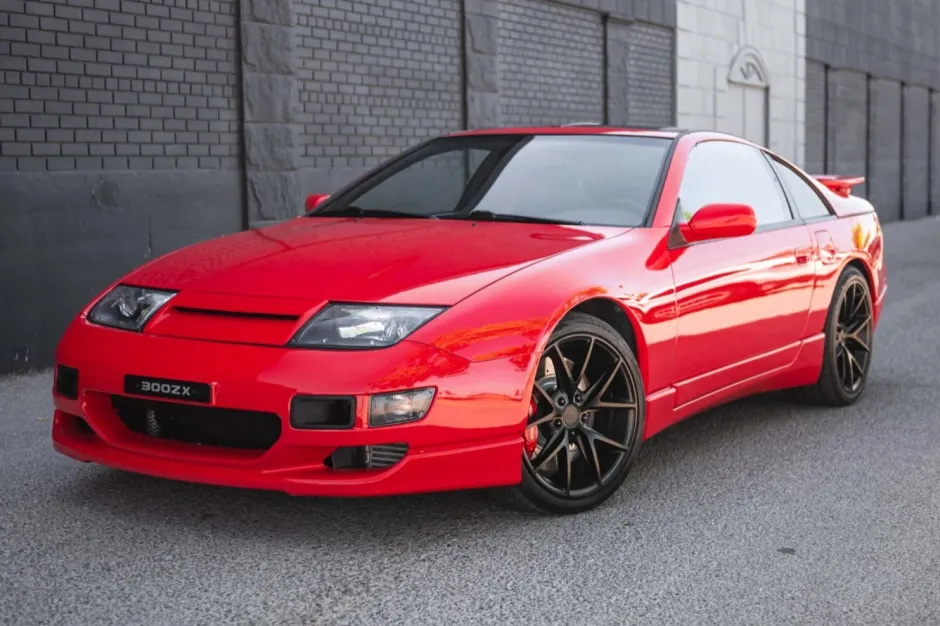
8. Nissan 300ZX (Z31)
The Nissan 300ZX Z31 was an important model that helped define Nissan’s sports car offerings in the 1980s. Introduced in 1983 as the successor to the popular Datsun Z cars, the Z31 was for its modern styling, advanced technology for the time, and varied engine options.
It was the first Z car to offer a turbocharged engine, which gave it a performance boost compared to its predecessors. The 300ZX was positioned as a competitor to other Japanese sports cars like the Toyota Supra and Mazda RX-7, offering a combination of power, style, and technology that appealed to a broad audience. Its sharp, angular design and pop-up headlights gave it a distinctly 1980s look, which has since become iconic in the world of Japanese classics.
Performance-wise, the 300ZX Z31 came with either a naturally aspirated or turbocharged 3.0-liter V6 engine, with the turbocharged model producing around 200 horsepower. This was impressive for the era and allowed the car to accelerate quickly while maintaining solid handling characteristics.
The Z31 also incorporated modern features such as electronic fuel injection, digital dashboards, and advanced suspension setups that contributed to its refined driving experience. Although not as raw as some European sports cars, the 300ZX offered a comfortable and capable package for enthusiasts who wanted a sports car that could also serve as a daily driver.
The 300ZX had a mixed reputation when new, partly due to some reliability concerns and its conservative handling compared to rivals. However, it gained respect over time for its solid build quality, tuning potential, and the fact that it was an accessible yet distinctive sports car.
The Z31 platform also spawned several motorsport versions, which helped enhance its performance credentials and popularity among enthusiasts. Its combination of technology and style was ahead of its time, making it a significant step forward for Nissan’s sports car lineup.
Today, the Nissan 300ZX Z31 is increasingly recognized as a valuable classic, especially turbocharged models that have survived in good condition. Collectors appreciate its significance as an early Japanese turbo sports car and its place in the evolution of the legendary Z car series.
As prices for later Z32 models climb, the Z31 offers a more affordable entry point with growing desirability. Enthusiasts continue to seek out well-maintained examples, and its combination of style, history, and performance means the 300ZX Z31 is far from forgotten in the collector community.
9. Saab 900 Turbo
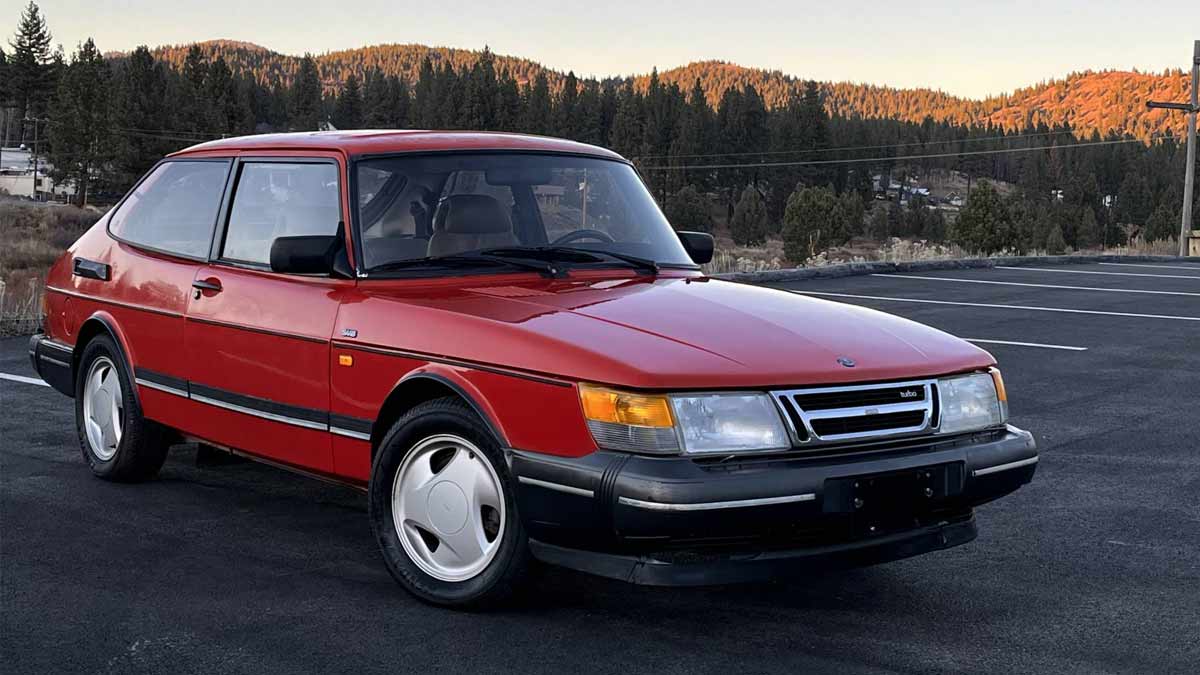
The Saab 900 Turbo was one of the most distinctive and innovative cars of the 1980s, known for its quirky Scandinavian design and advanced turbocharged technology. Saab had a reputation for safety, engineering, and unique styling, and the 900 Turbo embodied all of these traits while delivering spirited performance that set it apart from many other family cars of the era.
Introduced in the late 1970s and produced throughout the 1980s, the 900 Turbo combined a roomy interior and practical hatchback body with a turbocharged engine that could surprise drivers with its quick acceleration and smooth power delivery. The car’s front-engine, front-wheel-drive layout was enhanced by a well-engineered suspension system that provided good handling for its size.
The turbocharged engines in the Saab 900 varied over the years but typically ranged from 1.8 to 2.0 liters in displacement. These engines were well-regarded for their durability and smooth turbo boost delivery, which helped the Saab feel lively without overwhelming the driver.
Unlike many other turbocharged cars of the era, the 900 Turbo was known for its refined and linear power delivery, which made it accessible to a wide range of drivers. Safety was also a major focus for Saab, with the 900 Turbo featuring advanced crash protection features and a strong, rigid passenger cabin. This combination of safety, practicality, and performance helped the car carve out a loyal following.
Styling on the Saab 900 Turbo was distinct and immediately recognizable. The tall, rounded hatchback shape with wraparound rear windows and a long, sloping hood gave it a futuristic yet functional appearance. Inside, the cabin was driver-oriented with comfortable seats and a dashboard layout that prioritized ergonomics and visibility.
Over the years, Saab continued to refine and improve the 900 Turbo, introducing models with more power, better suspension, and improved interior features. It was a car that appealed to buyers who wanted something different from the mainstream and appreciated the blend of technology, safety, and performance.
The Saab 900 Turbo has grown in popularity among classic car collectors and enthusiasts, particularly in recent years as appreciation for unique European cars from the 1980s increases. Well-maintained examples with original turbocharged engines and clean interiors are becoming more valuable.
The car’s combination of practical everyday usability, innovative engineering, and quirky charm make it a classic that stands out in any collection. As one of the forgotten stars of the 1980s performance and luxury car scene, the Saab 900 Turbo continues to attract attention and command respectable prices in the market today.
10. BMW M5 (E28)
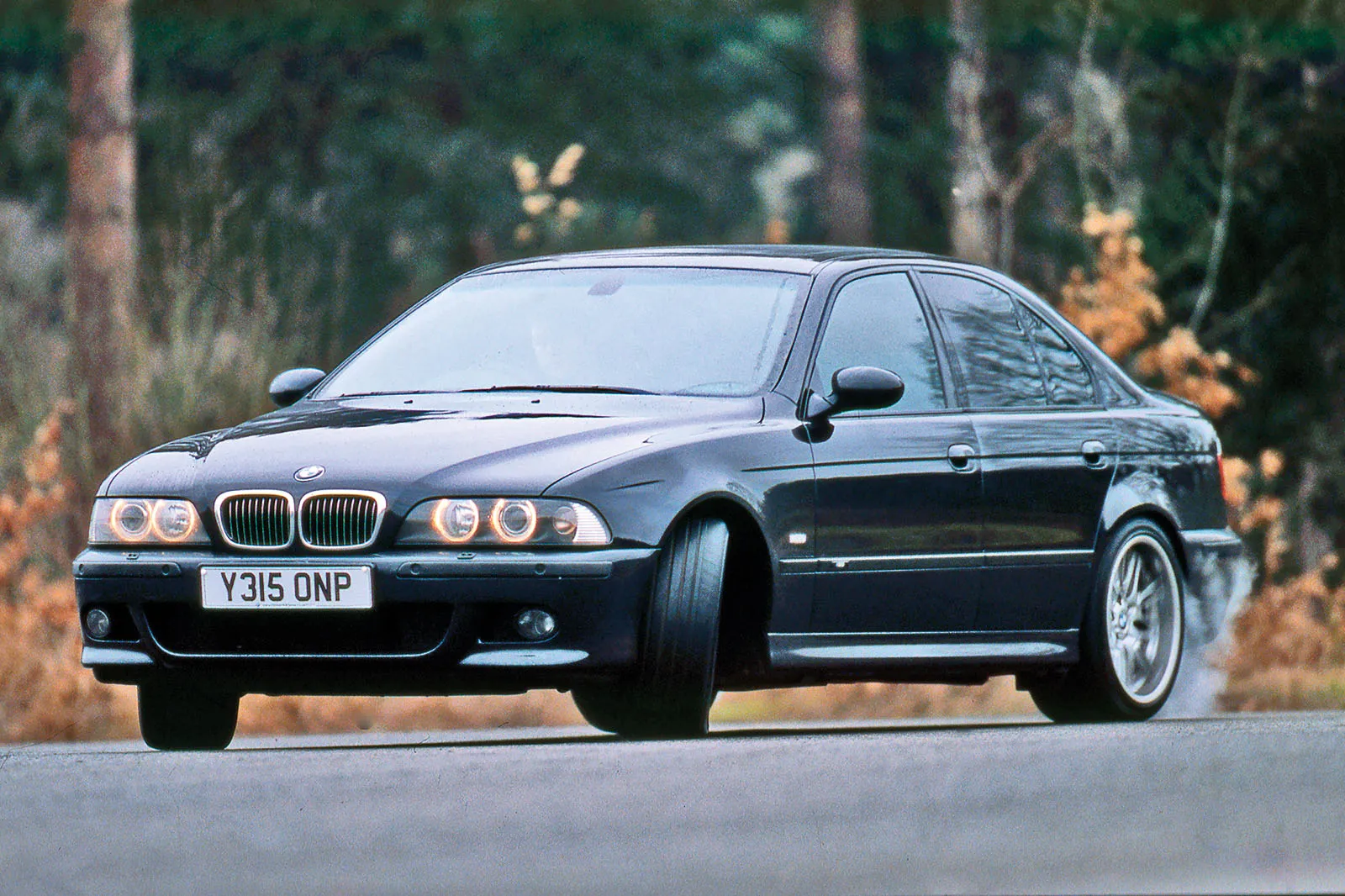
The BMW M5 E28 was the original M5, setting the standard for what would become one of the most celebrated performance sedans in automotive history. Introduced in 1984 and produced until 1988, the E28 M5 was based on the 5 Series executive sedan but infused with motorsport-derived performance components developed by BMW’s M division.
At the time, it was the fastest production sedan in the world, boasting a naturally aspirated 3.5-liter inline-six engine that produced around 282 horsepower. This was an extraordinary achievement in the mid-1980s and established the M5 as a benchmark for performance, refinement, and everyday usability.
Unlike many sports cars of the era, the E28 M5 offered the practicality of four doors and a spacious interior without compromising on speed or handling.
The E28 M5 featured upgrades that went far beyond the engine, including a reinforced chassis, upgraded suspension, and enhanced brakes. These changes allowed the car to deliver sharp, precise handling and excellent road grip, making it capable of high-speed cornering and confident driving on challenging roads.
Styling on the E28 M5 was understated yet purposeful. The car looked very similar to a standard 5 Series from a distance, but subtle details like the aerodynamic front spoiler, wider wheel arches, and M-specific wheels hinted at its enhanced capabilities.
Inside, the M5 featured sport seats, M badges, and upgraded trim materials that reinforced its special status. The car was never meant to be flashy but rather to deliver pure driving pleasure with refined execution. Its blend of luxury and performance made it highly desirable among enthusiasts and collectors alike.
Today, the E28 M5 is a highly sought-after classic, recognized for its role in launching the M5 legacy. Well-preserved and original examples command premium prices, reflecting their rarity and significance.
The car’s timeless design, engaging driving experience, and historical importance as the first M5 ensure its place as one of the most valuable 1980s cars. For those who appreciate classic performance sedans with character and heritage, the BMW M5 E28 remains a top contender and an investment that continues to grow in value.
