
Sport Utility Vehicles (SUVs) have long become a staple of the modern family. They offer the space, comfort, and practicality that make everyday driving, long road trips, and weekend getaways more enjoyable. But not all SUVs are created equal.
Some become cherished staples in family garages, passed down through generations or kept for decades due to their reliability, durability, and sentimental value.
Others, despite promising marketing and eye-catching designs, fall short of expectations, leaving owners frustrated by breakdowns, costly repairs, or disappointing performance over time.
In the eyes of many families, a vehicle is more than just a mode of transportation. It carries memories, road trips, first days of school, vacations, grocery runs, and sometimes even late-night emergency room visits. When a car proves itself through all these moments and holds up mechanically, it becomes trusted.
Some SUVs gain this trust by being consistent, low-maintenance, and built with solid engineering. These are the vehicles people not only keep for 15 or 20 years, but also hand down to the next driver in the family without hesitation.
On the flip side, some SUVs break hearts. Despite good looks or flashy features, their underlying quality is lacking. They might drive fine for the first few years but then begin a slow slide into repair bills and reliability issues. These are the ones that leave a bitter taste and make people cautious about brand loyalty in the future.
Whether it’s due to cheap materials, rushed engineering, or overly complex systems that wear out too soon, these SUVs often end up being traded in or scrapped far earlier than their owners hoped.
In this article, we’ll go through five SUVs that families tend to keep for generations, the ones that stand the test of time. Then, we’ll look at five that don’t hold up, often finding themselves retired from the road far too soon.
This comparison is based on general long-term owner feedback, reputation for reliability, and mechanical simplicity or complexity that affects how long they stick around. Let’s begin with the keepers.
Also Read: 12 Beloved SUVs From the ’90s That Will Never Quit
5 SUVs That Families Keep for Generations
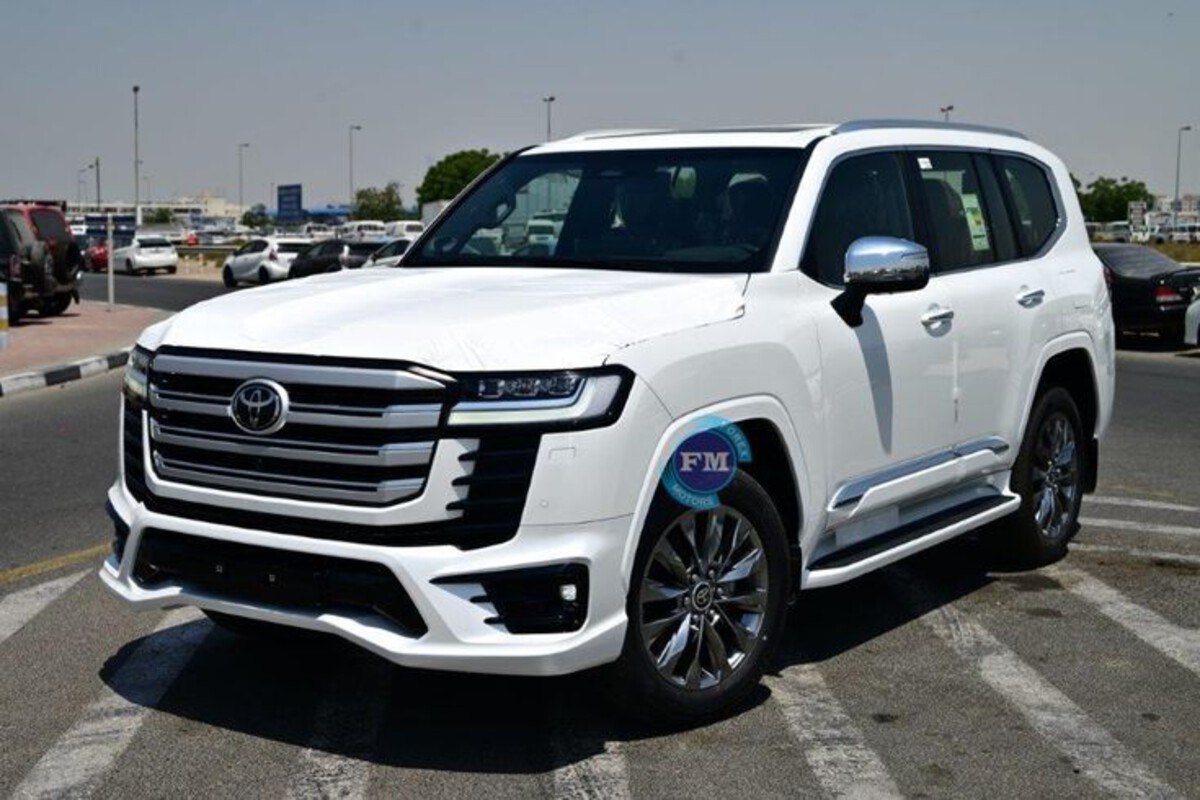
1. Toyota Land Cruiser
Few vehicles match the legacy and endurance of the Toyota Land Cruiser. It’s a name recognized in nearly every corner of the globe, from remote villages to bustling urban cities. While it began its life as a no-frills off-road machine, it gradually evolved into a full-sized SUV without losing its rugged DNA.
For many families, the Land Cruiser represents more than utility, it’s a dependable companion that has never failed them. Its global reputation for reliability is backed by decades of real-world use, often in the harshest environments imaginable.
The Land Cruiser’s build quality is often considered over-engineered in the best way. Toyota didn’t cut corners; instead, they created a vehicle designed to outlast its owners. Its solid axles, ladder-frame chassis, and robust drivetrain are meant to survive abuse, which is why so many examples from the 80s and 90s are still running strong today.
This reputation gives families peace of mind, whether they’re taking it on cross-country road trips or passing it on to their children, they trust it will perform without hesitation.
Another key factor is the simplicity of the vehicle’s mechanical systems. While newer models have adopted more electronics, the foundational reliability remains intact. Older versions are especially known for their straightforward design, making repairs and maintenance more manageable.
This is why enthusiasts and mechanics alike often choose to refurbish and restore old Land Cruisers instead of retiring them. When a vehicle is this durable, it becomes a long-term investment rather than a short-term purchase.
The emotional attachment families form with their Land Cruisers can’t be overstated. It’s common to hear stories of children learning to drive in the same SUV their parents used for their honeymoon road trip.
Because of the vehicle’s consistency and mechanical longevity, families often pass them down to the next generation with pride. These vehicles become part of family history, full of memories that add value beyond dollars and cents.
Lastly, Land Cruisers tend to age gracefully in terms of design and performance. Even 20-year-old models don’t look or feel outdated in the way many other SUVs do.
Their timeless styling, solid driving dynamics, and reliable comfort ensure that families continue to enjoy them even after hundreds of thousands of miles. This combination of emotional and mechanical resilience is why the Land Cruiser is often kept for generations.
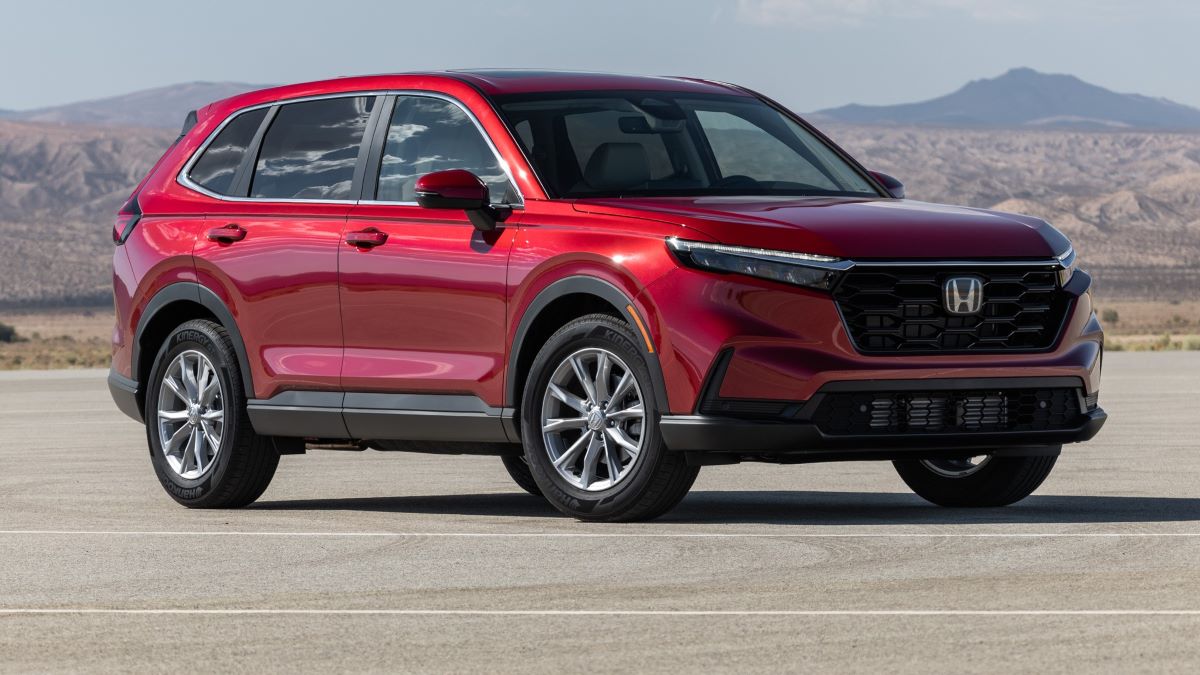
2. Honda CR-V
The Honda CR-V is a masterclass in practical design and long-term dependability. Since its introduction in the late 1990s, the CR-V has become a common sight in driveways and school parking lots.
Families flock to it because it offers just the right mix of space, fuel efficiency, and ease of ownership. Unlike many competitors, the CR-V rarely tries to be something it’s not, instead, it focuses on doing everything reasonably well without drama or flash.
Mechanically, the CR-V has proven itself over multiple generations. Owners often report minimal mechanical issues even after well over 150,000 miles. Older models are known for their bulletproof four-cylinder engines and dependable automatic transmissions.
In many households, the CR-V is the vehicle that simply won’t die. It’s not unusual for families to buy one and keep it running for 15–20 years, handing it down to teenagers or keeping it as a second car long after newer vehicles have come and gone.
Part of its charm is how easy it is to live with. The CR-V is compact enough to navigate city streets and tight parking lots, but it still provides plenty of room for car seats, luggage, groceries, and sports equipment.
The cargo area is flat and spacious, and the rear seats fold down in seconds, creating a useful space for hauling furniture or camping gear. It’s these small details that make life easier for families, and in turn, build long-term loyalty.
The safety ratings and resale value also play a role in why the CR-V sticks around. Families care about safety, and the CR-V has consistently scored well in crash tests. That reliability translates to trust, parents feel comfortable putting their kids in it day after day.
Meanwhile, the strong resale value gives them the option to sell, but many choose not to because it still serves its purpose so well. When a vehicle continues to meet your needs year after year, the motivation to replace it drops.
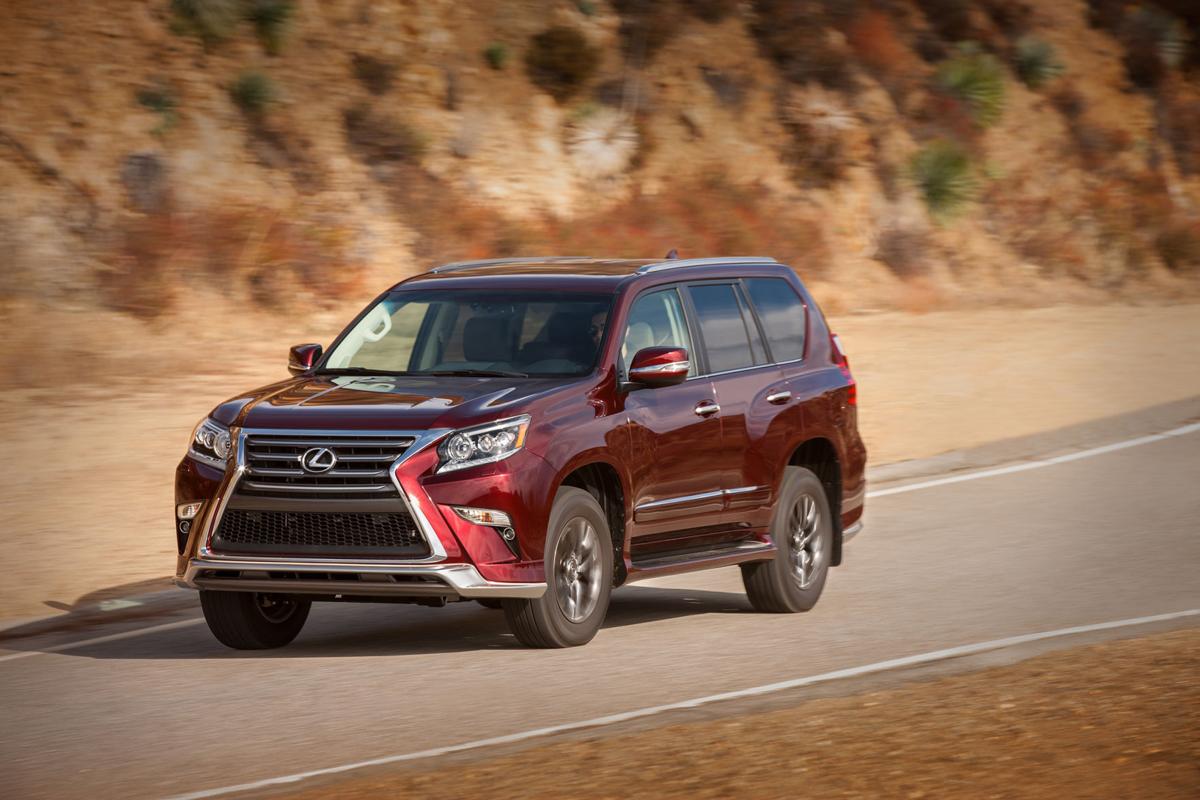
3. Lexus GX
Luxury and longevity don’t always go together, but the Lexus GX proves that you can have both without sacrificing reliability. Built on the same rugged platform as Toyota’s international off-roaders, the GX combines comfort, off-road capability, and bulletproof engineering in a package that families often keep for well over a decade.
In fact, many owners describe the GX as a vehicle they “never plan to sell,” because it simply continues to deliver across every category.
The V8 engine at the heart of the GX is known for being incredibly durable. It provides smooth, consistent power while rarely experiencing major issues.
Paired with a traditional automatic transmission and full-time four-wheel drive, it delivers the kind of confidence that makes it ideal for both city streets and rough terrain. For families that frequently travel or live in areas with harsh winters or rough roads, the GX handles everything without complaint.
Beyond the drivetrain, the interior build quality is a major reason why people hold on to the GX for so long. Lexus has always taken pride in using quality materials, and that shows even after years of use.
Soft-touch surfaces, well-stitched leather, and intuitive controls make it feel timeless. While some luxury vehicles start to look worn or outdated within a few years, the GX ages with grace. Owners often find themselves just as comfortable in a 10-year-old model as they would in a new one.
Another factor that contributes to its longevity is the lower-than-average cost of ownership for a luxury SUV. Because it shares so much DNA with Toyota products, the GX enjoys affordable parts, easier maintenance, and a huge network of qualified mechanics.
This keeps repair costs in check and encourages families to continue servicing the vehicle instead of trading it in. It’s rare for a luxury vehicle to be so inexpensive to maintain over time, which makes the GX a standout.
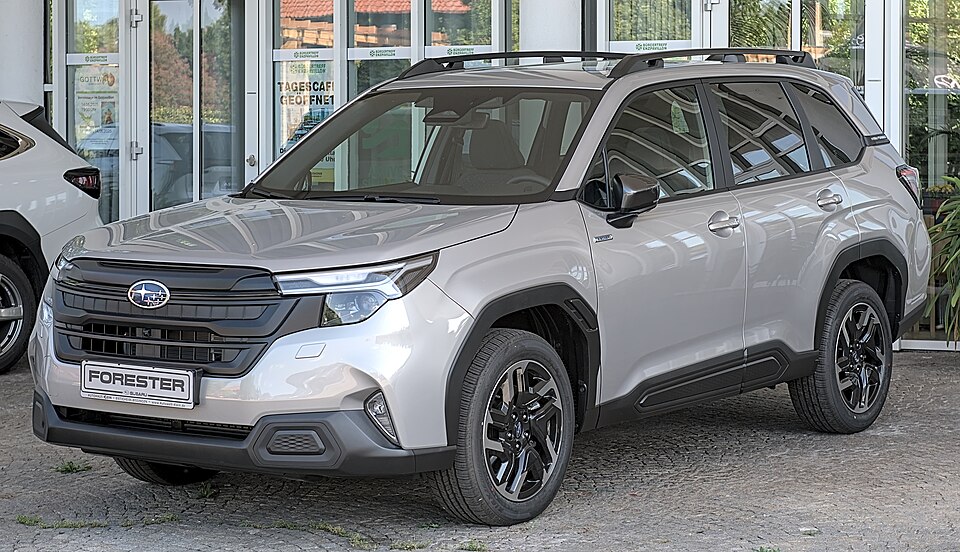
4. Subaru Forester
The Subaru Forester is a family favorite for a reason. Its compact design, standard all-wheel drive, and strong safety features make it an ideal choice for households that want a dependable and versatile vehicle.
From urban commuters to rural dwellers, the Forester has earned its place in driveways across the country, often being kept well beyond the average vehicle ownership cycle.
One of the defining characteristics of the Forester is its handling in poor weather. Snow, ice, and rain are no match for Subaru’s symmetrical all-wheel-drive system.
This built-in confidence means families don’t hesitate to take it out in rough conditions, knowing it will get them home safely. That kind of trust is difficult to build but easy to maintain once experienced, which is why many families stick with the Forester year after year.
In terms of maintenance, the Forester is relatively straightforward. While older models had occasional issues like head gasket leaks, those concerns have mostly been addressed in later generations.
When properly maintained, the engine and transmission can last for several hundred thousand miles. Its popularity also means that parts are easy to find and service is widely available, reducing the hassle and expense of long-term ownership.
The interior of the Forester focuses on practicality. While it may not have the most luxurious features, it offers excellent visibility, user-friendly controls, and plenty of headroom. Families appreciate the no-nonsense layout that prioritizes functionality over flair.
It’s the kind of vehicle where everything has a purpose, and nothing feels excessive or overly complicated. That simplicity makes it appealing for drivers of all ages, including teenagers and older adults.
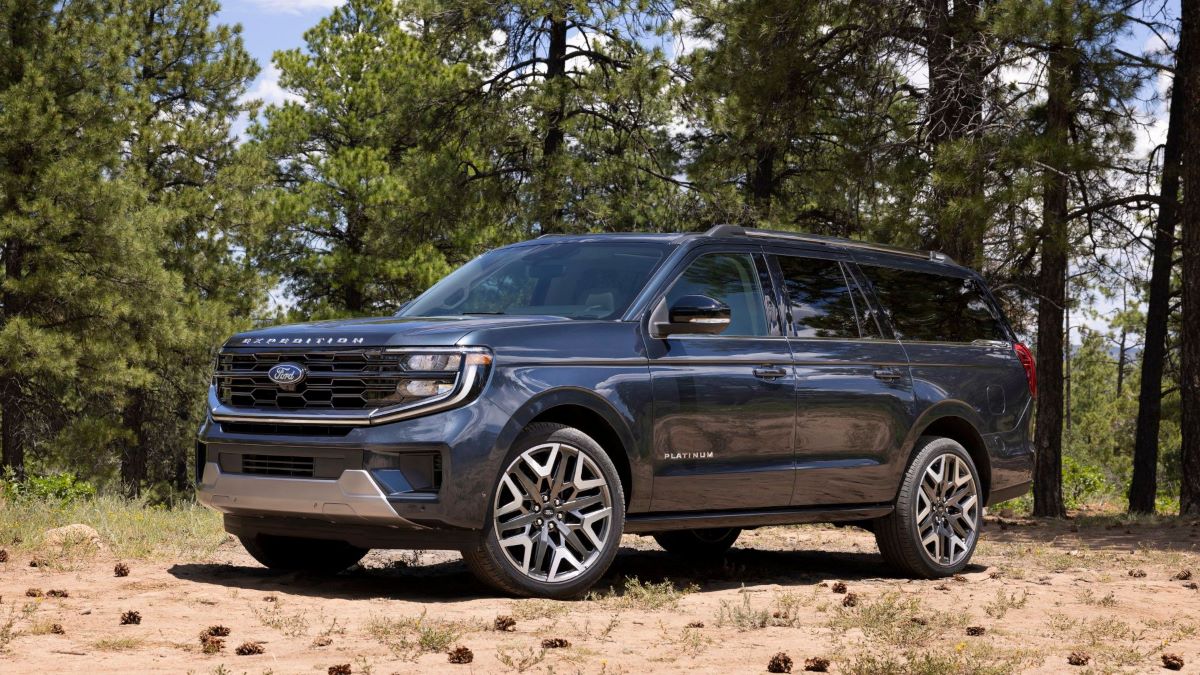
5. Ford Expedition
For families that need serious space and strength, the Ford Expedition is often the answer. This full-size SUV has carved out a reputation as a dependable workhorse that doesn’t compromise on comfort.
From towing trailers to hauling kids and cargo, the Expedition has done it all, and done it for years without major complaints. That kind of consistent performance is what encourages families to keep them around for the long haul.
One of the biggest advantages of the Expedition is its flexibility. With available three-row seating and a cavernous interior, it handles growing families with ease. It also has the towing power to pull boats, campers, and utility trailers, making it a great choice for active households.
While some vehicles get retired when the kids grow up, the Expedition often stays because it remains useful for road trips, large group outings, or as a second family vehicle.
The mechanical reliability of the Expedition is another reason families keep it for so long. While some early models had issues, Ford has steadily improved the platform. The V8 engines and newer turbocharged V6s have proven to be long-lasting when cared for properly.
Many owners report minimal problems even at 200,000 miles or more. Combined with widespread service availability and reasonable maintenance costs, it’s easy to justify keeping it running for years.
The Expedition also benefits from strong aftermarket support and easy access to replacement parts. Even when something does go wrong, repairs are generally manageable and affordable compared to many of its full-size SUV competitors.
That reduces the financial stress of ownership, which in turn helps keep the vehicle in the family longer. It’s a practical decision backed by real-world performance.
Also Read: 12 SUVs That Can Run on Neglect Alone
5 SUVs That Don’t Last
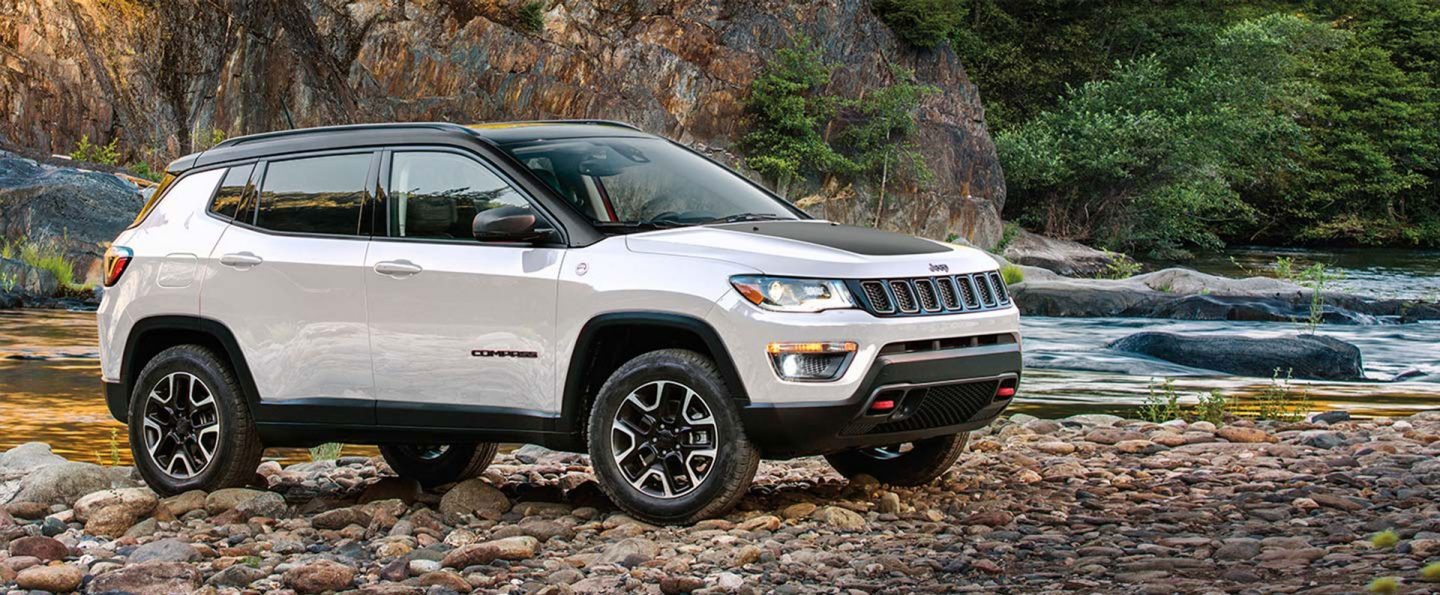
1. Jeep Compass
The Jeep Compass has often struggled with long-term reliability, making it one of the SUVs that families tend not to keep. While its rugged appearance and off-road branding attract buyers looking for adventure, the Compass has frequently underdelivered when it comes to durability and build quality.
Many owners report that the initial appeal fades quickly, especially as mechanical and electrical issues start surfacing within a few years of ownership.
One of the most common complaints revolves around the powertrain. Older models were notorious for weak engines paired with unrefined continuously variable transmissions (CVTs) that lacked reliability. These components often led to poor driving performance and high repair costs.
Even in newer versions, some owners experience rough shifting and inconsistent acceleration, which eventually becomes too annoying or costly to ignore. These issues often push families to trade in the vehicle rather than maintain it long-term.
Interior quality is another sore point. While Jeep improved the cabin in more recent years, earlier models suffered from cheap materials, rattling panels, and uncomfortable seats. The wear and tear becomes apparent quickly, making the vehicle feel older than it really is.
Families who expect an SUV to last them through years of carpooling, errands, and trips find themselves disappointed as the Compass begins to deteriorate both mechanically and cosmetically.
Resale value also works against the Compass. Because of its reputation for inconsistent reliability, it depreciates faster than many competitors.
When a vehicle loses value quickly and doesn’t offer long-term dependability, families are more inclined to get rid of it after just a few years. Even those who want to hold onto it may find that mounting repair costs combined with poor trade-in options make keeping it unwise.
The Jeep Compass tends to fall short of the expectations set by its styling and nameplate. It might serve well as a short-term lease or temporary vehicle, but for families seeking a dependable SUV they can hold onto and pass down, the Compass usually doesn’t cut. It’s a good example of a vehicle where initial excitement gives way to long-term frustration.
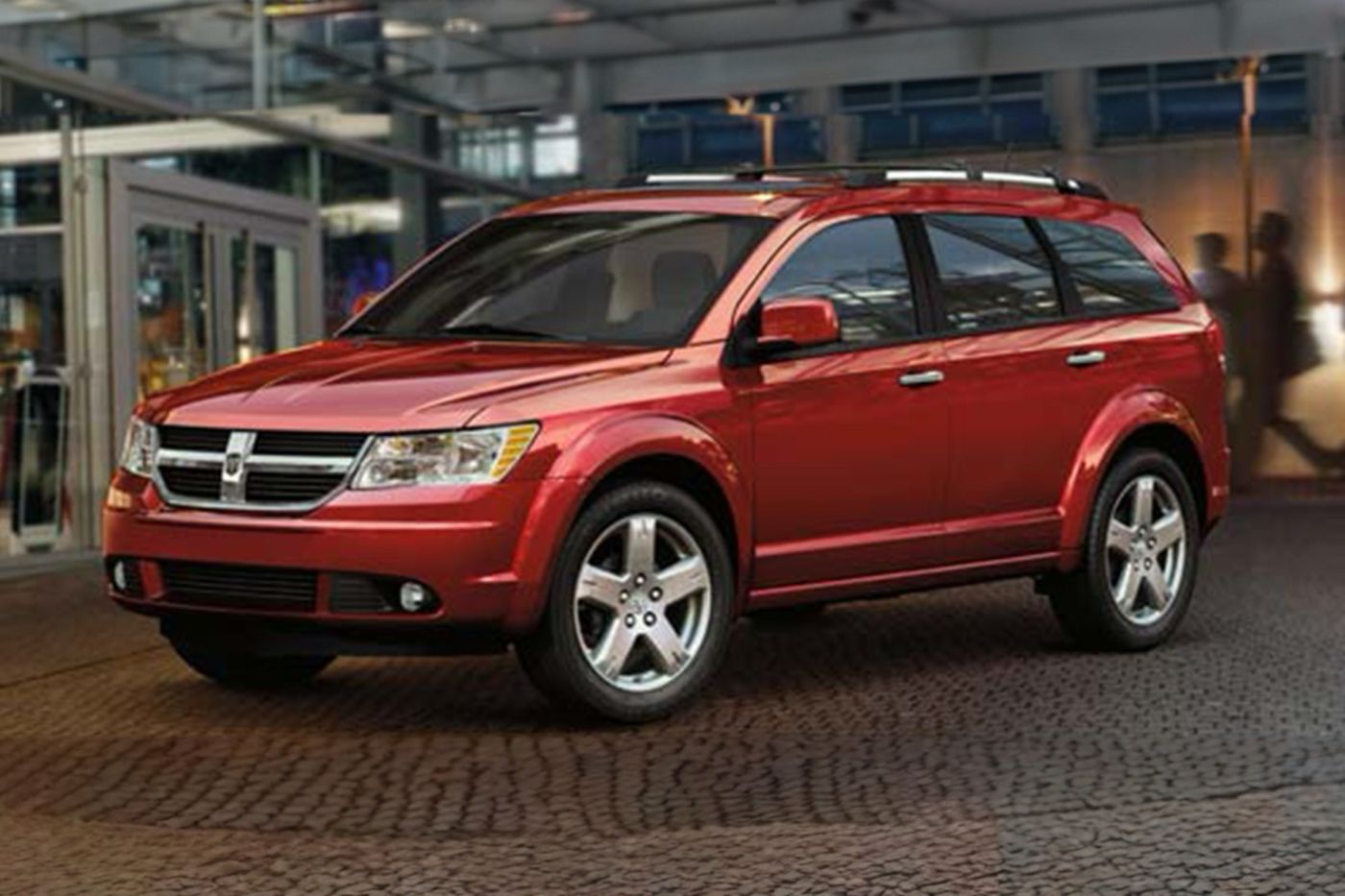
2. Dodge Journey
The Dodge Journey initially gained traction as an affordable family SUV with flexible seating and a budget-friendly price tag. However, over time, its shortcomings in performance, longevity, and quality became increasingly apparent.
It’s a vehicle that often seems like a good deal on paper but fails to live up to the daily demands placed on it by busy families.
One of the most significant criticisms of the Journey is its outdated and underpowered engine options. Many models came with a 4-cylinder engine that struggled to move the SUV’s bulk, especially when loaded with passengers or cargo.
The available V6 was better, but still lacked the refinement and efficiency found in competitors. Combined with sluggish transmission response and poor fuel economy, the driving experience became a point of dissatisfaction for many owners.
In terms of build quality, the Journey never quite reached the standard expected of a family vehicle. The interior felt basic even in higher trims, and cabin materials wore out quickly. Issues with electronics, HVAC systems, and even basic components like door handles and window switches were common.
These types of problems may seem minor individually, but over time they build up, leading to a lack of confidence in the vehicle’s reliability.
As the vehicle aged, repair costs often exceeded its perceived value. Many Journeys began experiencing suspension problems, brake wear, and engine trouble earlier than expected. Because it was built with cost-cutting in mind, it lacked the engineering strength that might have helped it last longer.
Owners frequently found themselves faced with the choice of spending thousands on repairs or simply moving on to something more dependable.
With production ending in 2020, the Journey now has little long-term support from the manufacturer. Families looking to hold onto a vehicle for ten years or more are unlikely to consider one, and those who did buy them new often end up trading or selling early.
The Journey’s combination of short-term value and long-term frustration makes it one of those SUVs that doesn’t stick around for generations.
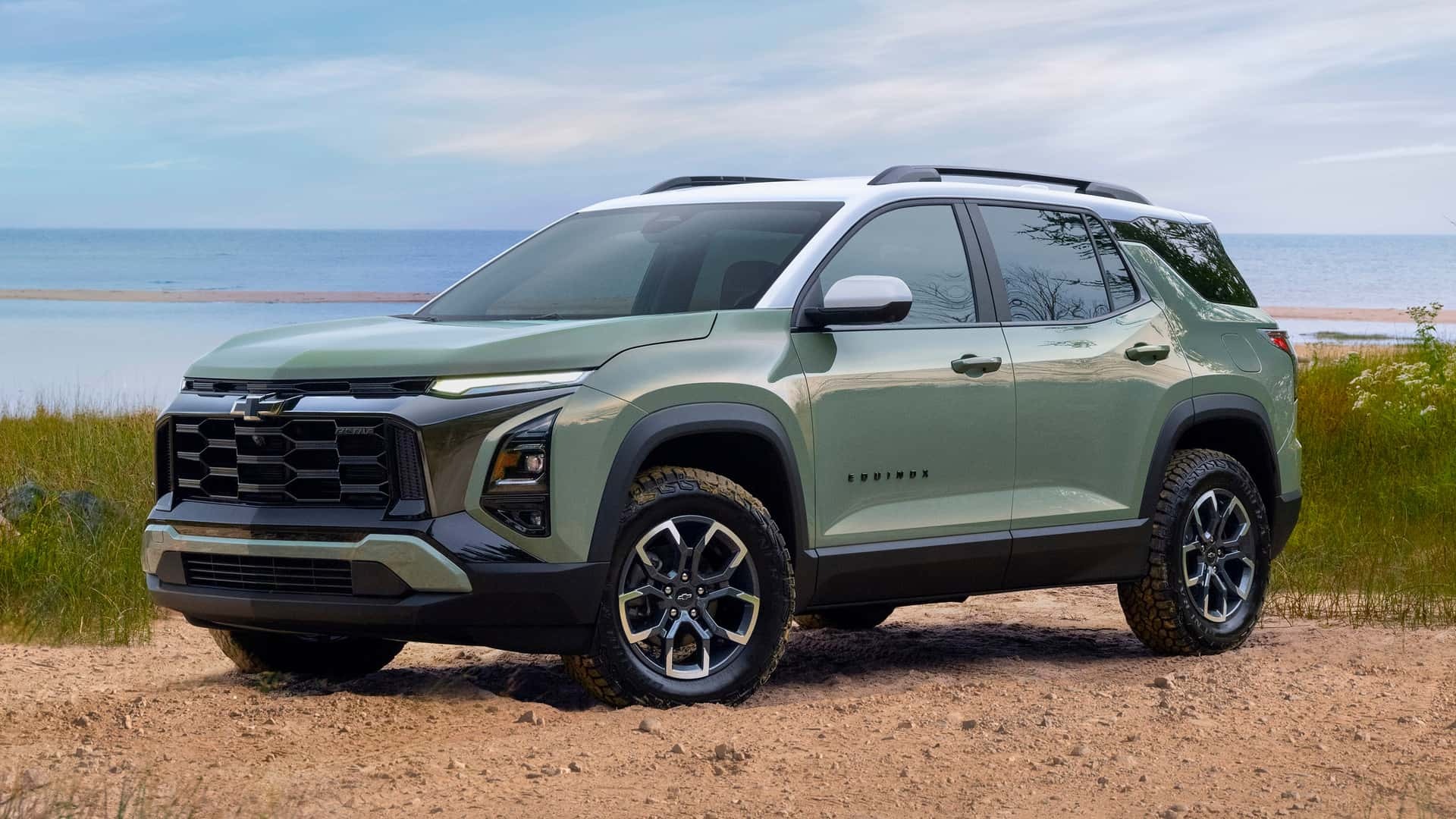
3. Chevrolet Equinox
The Chevrolet Equinox has come a long way in recent years, but earlier models, particularly those produced before 2018, struggled with a host of reliability issues that often caused families to move on from them prematurely.
These SUVs were marketed heavily as family-friendly and affordable, but beneath the surface were flaws that kept them from achieving long-term success in the garage.
Perhaps the most notorious issue was engine reliability. Many of the pre-2018 Equinox models equipped with the 2.4L 4-cylinder engine suffered from excessive oil consumption.
In many cases, the engine would burn oil at an alarming rate, leading to serious damage if not monitored closely. This created a frustrating situation for families who expected a low-maintenance vehicle but were instead burdened with engine rebuilds or replacements.
Transmission troubles were another concern. Rough shifting, hesitation, and complete failures occurred more frequently than acceptable, especially for a vehicle intended to be practical and reliable.
These problems often showed up right around the time warranties expired, leaving owners with expensive repair bills. For a family on a budget, these surprises became a major pain point and often led to trading in the vehicle rather than investing in repairs.
Interior quality also left much to be desired. While the Equinox had a modern-looking cabin, the materials used were prone to scratching, fading, and early wear.
Technological features like the infotainment system would sometimes malfunction or become outdated quickly, and complaints about uncomfortable seating were common. These flaws meant the vehicle didn’t age well and started to feel obsolete even when it was mechanically sound.
Many families who bought the Equinox hoping it would serve them for a decade or more found themselves disappointed by year five or six.
While newer models have addressed many of these problems, the earlier versions left a lasting impression. As a result, the Equinox became one of those SUVs that owners remembered more for its problems than its practicality, making it less likely to be kept or handed down.
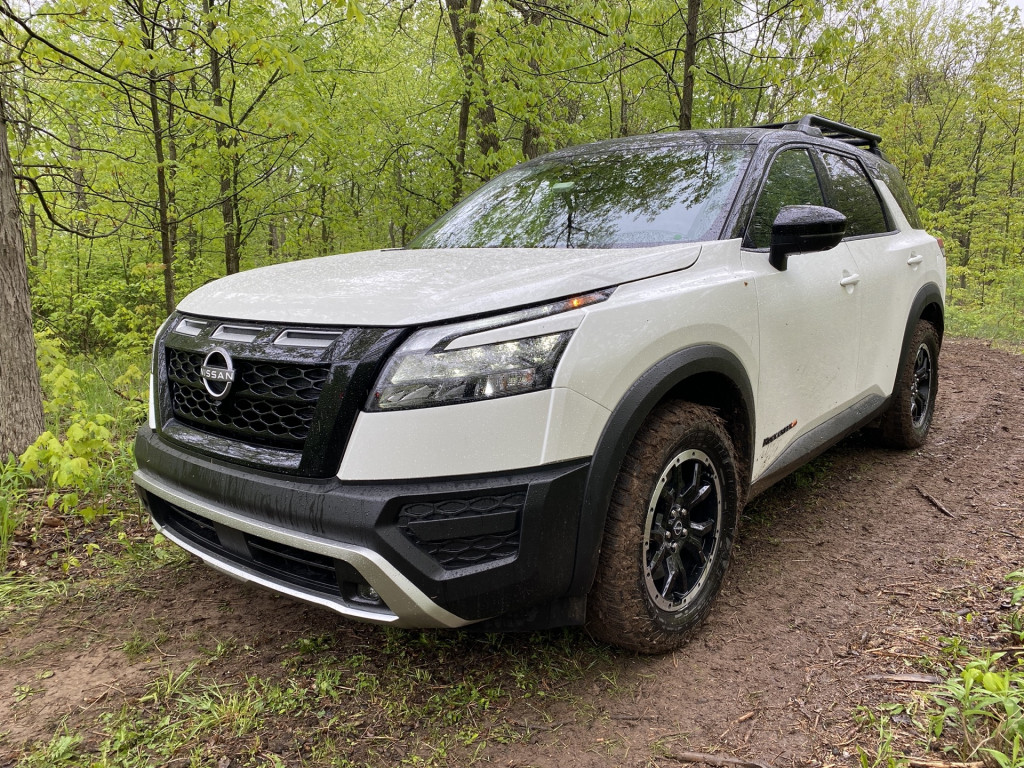
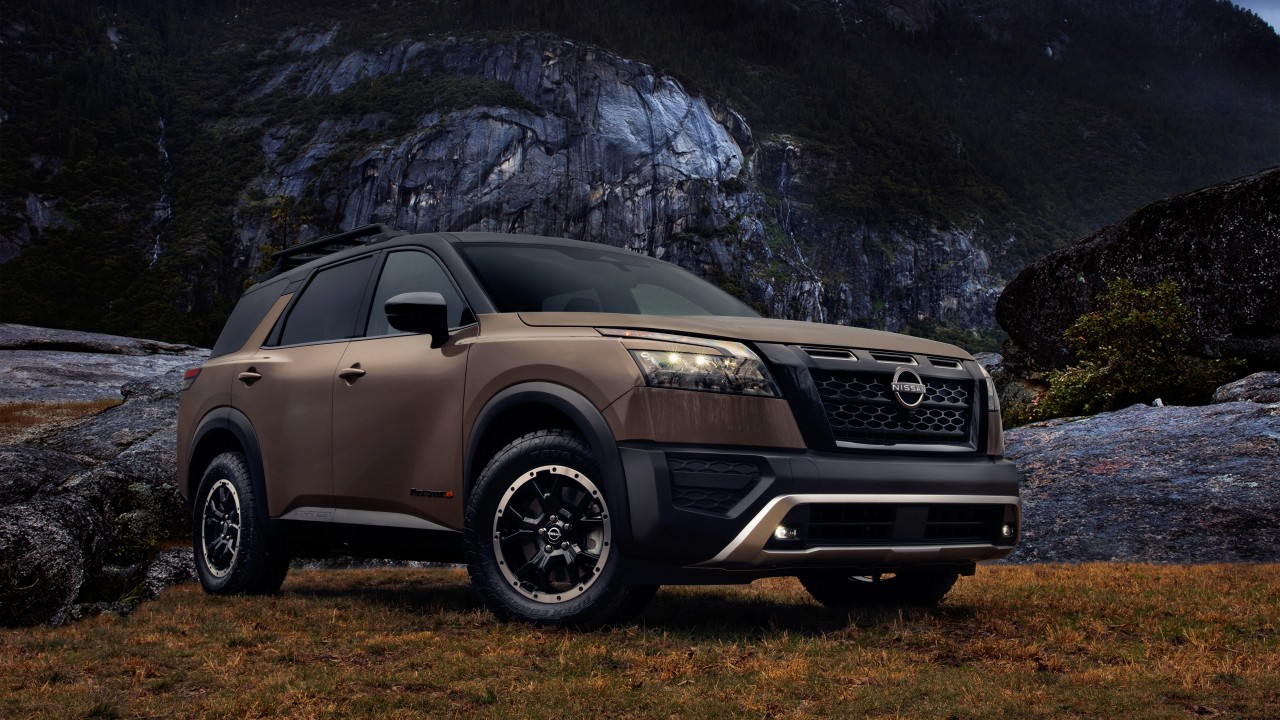
4. Nissan Pathfinder (2013–2020)
The Nissan Pathfinder was once considered a rugged, truck-like SUV capable of taking on tough family demands. However, with the 2013 redesign, Nissan shifted the Pathfinder toward a more car-like unibody platform with a focus on comfort.
While this move was intended to attract modern families, it also introduced a slew of mechanical problems that hurt its long-term appeal.
The biggest point of failure was the CVT (continuously variable transmission). Nissan’s CVTs in the Pathfinder were plagued with reliability issues, including overheating, jerking, and early failure.
These issues became so widespread that Nissan extended warranties and faced class-action lawsuits. Families who purchased Pathfinders during this time often found themselves in repair shops far too often, a huge red flag for anyone hoping to keep a car for the long haul.
Beyond the transmission, the Pathfinder’s electronics and infotainment systems were inconsistent in quality. Owners reported frequent glitches with navigation systems, screen freezes, and unresponsive climate controls.
These issues, while not critical, were enough to affect the daily user experience and contribute to the vehicle’s decline in desirability over time. As the vehicle aged, these problems often got worse rather than better.
Interior wear and tear was another complaint. Seats would flatten, leather would crack, and trim would peel earlier than expected. For a vehicle priced as a mid-size family SUV, these quality issues disappointed many. Combined with a soft suspension that often degraded prematurely, the Pathfinder lost its comfort edge, making it feel older than it was.
While newer Pathfinders have tried to return to form, the damage was already done for many families. Those who owned a 2013–2020 model often chose to move on rather than reinvest.
The combination of a fragile transmission, mediocre interior quality, and high repair costs turned what should have been a long-lasting SUV into a short-term compromise. It rarely earned the loyalty needed to be kept for generations.
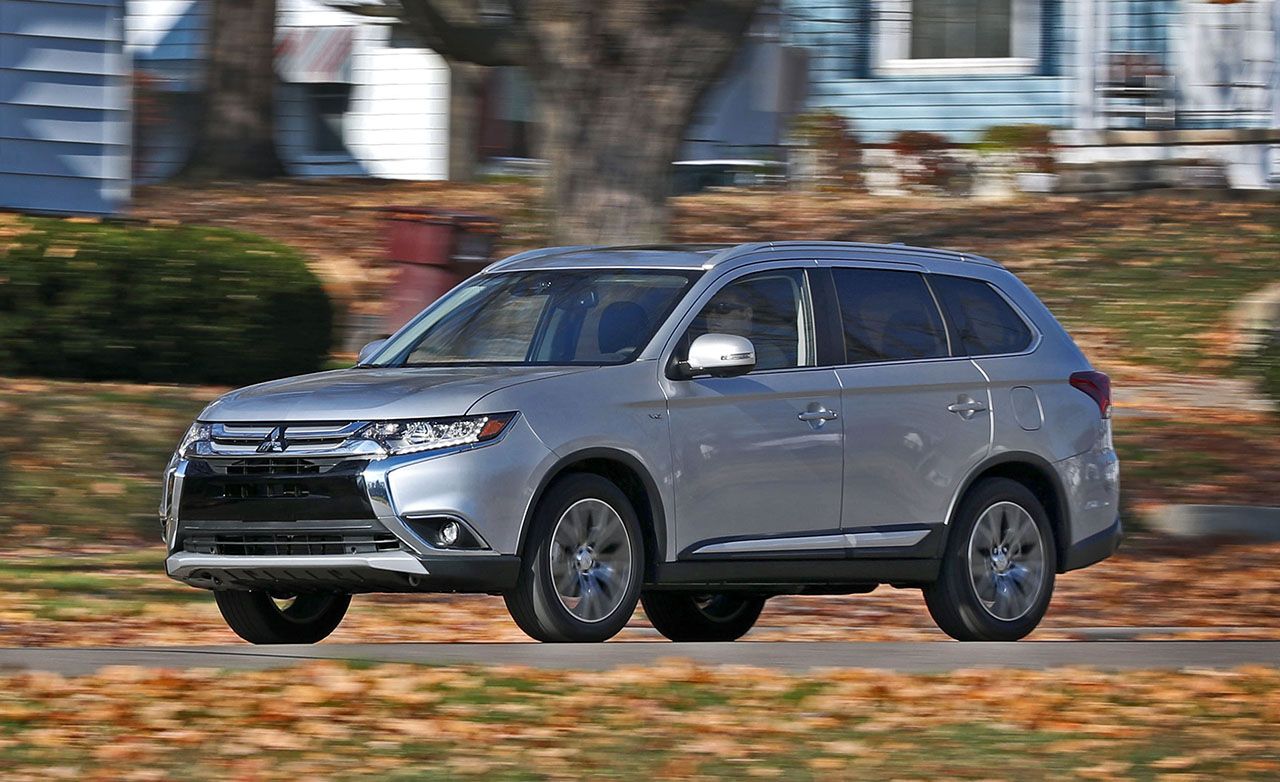
5. Mitsubishi Outlander
The Mitsubishi Outlander has long struggled to compete with better-known SUVs in its class. While it offers value on paper, with an affordable price tag, available third-row seating, and a long warranty, its real-world performance and durability often fall short. As a result, it’s not a vehicle that most families keep for more than a few years.
Mechanical reliability is another concern. While not as notorious as some other SUVs, the Outlander has a record of inconsistent reliability. Problems with the transmission, suspension, and electrical systems are not uncommon, especially as the vehicle ages.
The CVT, in particular, has drawn criticism for early wear and poor responsiveness. For families trying to avoid costly repairs, this unpredictability is a deal-breaker.
The interior quality also leaves much to be desired. While recent models have improved, earlier Outlanders had basic interiors with hard plastics, minimal sound insulation, and outdated technology.
Over time, this creates a sense that the vehicle is aging faster than it should. Families often find themselves wanting more comfort and refinement, leading them to upgrade sooner than planned.
Another factor is brand perception and resale value. Mitsubishi lacks the brand loyalty and resale strength of Toyota, Honda, or even Ford. When it comes time to trade in or sell, the Outlander often fetches less than expected, further discouraging long-term ownership. This lack of market confidence contributes to the Outlander’s short life in many family garages.
While some owners appreciate the value the Outlander provides, many see it as a stopgap, something to use until they can afford something better.
It doesn’t inspire the trust or confidence needed for generational use, and few would consider handing it down to the next driver in the family. As such, it rounds out the list of SUVs that don’t tend to last.
