
When considering vehicles that can endure beyond the 300,000‑mile mark, durability, maintenance history, parts availability, and engineering robustness all play pivotal roles.
Nissan, a Japanese automaker with decades of experience, has produced several models whose earlier generations have gained reputations among owners and mechanics for living long lives, if properly cared for.
These cars are not merely capable of reaching that lofty mileage; many examples do so while retaining reasonable usability, comfort, and reliability.
What allows these Nissan models to last so long is a combination of robust powertrains (engines and transmissions built to tolerate wear), strong chassis components, decent rust resistance (depending on climate), and ease of maintenance.
When owners stop postponing regular service, use quality fluids and parts, and address small issues before they cascade, certain Nissan models really do cross 300,000 miles with good reliability.
We will look at twelve specific Nissan models. Some are sedans, others are pickup trucks or SUVs, each with its own strengths and known weak points.
For each model, we will examine what tends to go right, what tends to require attention or repair, what owners should watch out for, and what maintenance practices help them survive high mileage.
These are not claims that all examples will reach 300,000 miles, but rather that many do, and that the models have histories of doing so. Knowing these cars’ weaknesses helps prospective buyers and current owners understand where to invest time, money, and attention to ensure longevity.
Whether you drive daily, tow, or use the car in varying climates, understanding these models gives insight into what to expect, and how to keep a high‑mileage Nissan running well.
Also Read: 12 Beloved SUVs From the ’90s That Will Never Quit
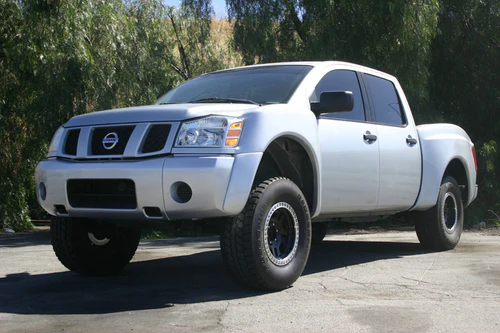
1. Nissan Titan (First Generation, 2004‑2015)
The first‑generation Nissan Titan, the full‑size pickup introduced in 2004, has demonstrated bona fide longevity in many owner reports and durability tests. Its V8 engine, especially the Endurance V8 introduced later, has proven to be capable of accumulating very high mileage without catastrophic failure.
The body‑on‑frame design simplifies many repairs, and replacement parts are widely available thanks to Nissan’s parts network and aftermarket support. With regular oil changes, cooling system maintenance, and periodic checking of suspension components, many Titans have reached 250,000‑300,000 miles and well beyond.
One of the strengths of the first‑gen Titan is its transmission options, especially the heavy duty automatics with robust torque converters. Though some early units had issues with transmission slipping or fluid leaks, many were fixed under warranty or via recalls.
Owners who have taken care to monitor transmission fluid condition and replace as needed often see their trucks pushing 200,000 miles and continuing without transmission replacement.
Also, the engine’s internal build, with strong pistons, solid valvetrain, and adequate cooling, helps avoid catastrophic engine failure. Attention to cooling system components like the radiator and water pump is essential, because overheating tends to cause major problems that reduce lifespan.
Similarly, the front suspension components and steering parts tend to wear, especially ball joints, tie rods, and bushings. Getting ahead of those with parts replacement before failure helps avoid cascading damage. Wiring and sensors can also fail over time, often due to exposure, vibration, or moisture, especially in older Titans.
For the first‑generation Titan to reach 300,000 miles, the owner should be attentive to preventive maintenance: frequent oil changes (every 3,000‑5,000 miles depending on conditions), regular inspection of belts and hoses, keeping cooling system clean, replacing spark plugs and ignition components on schedule, transmission and differential fluid changes, checking driveline joints and U‑joints, and ensuring exhaust system is intact.
With those practices, these Titans really can serve well into the high miles, especially when treated kindly and repaired with quality parts.
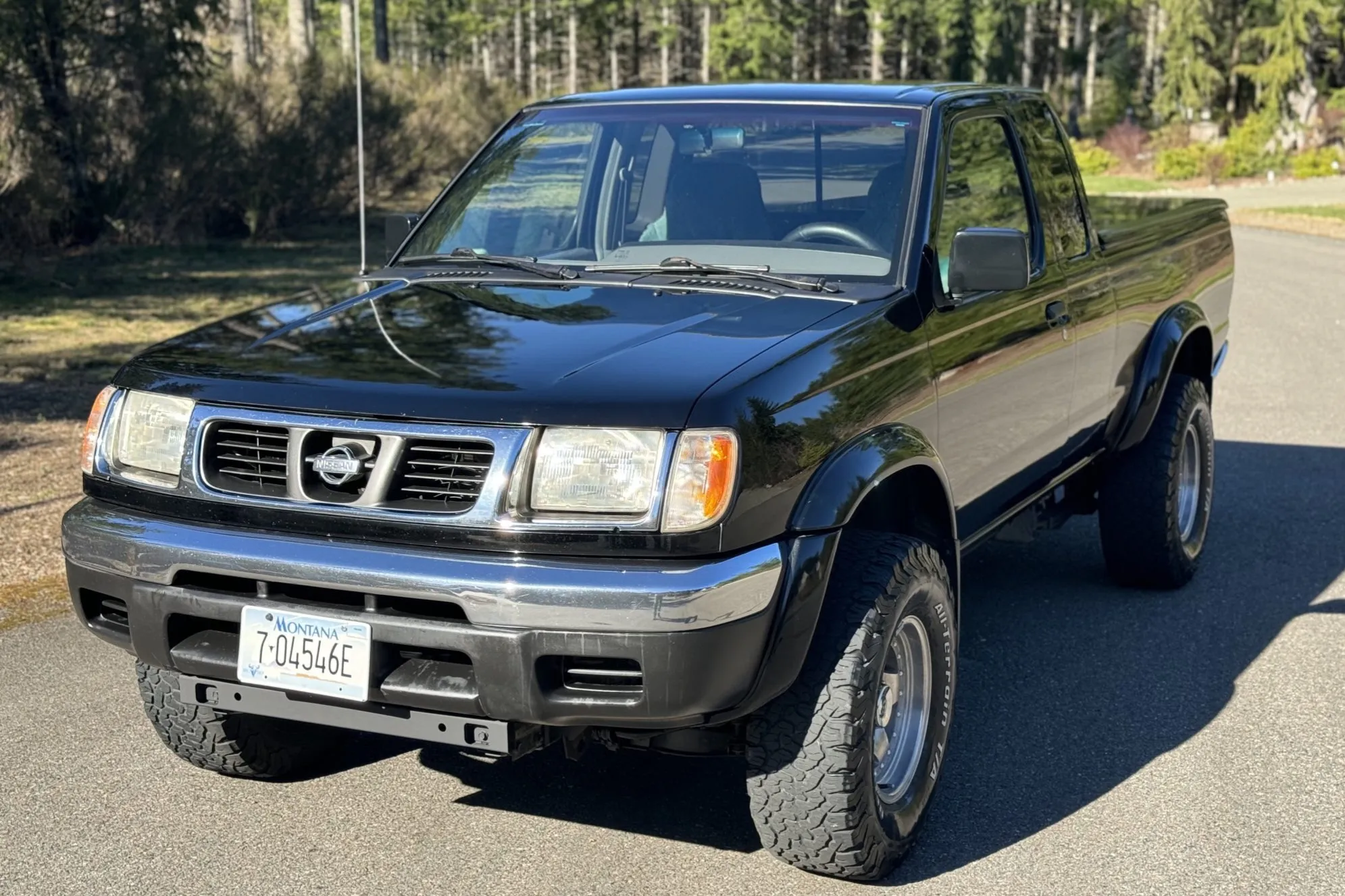
2. Nissan Frontier (Especially Early‑2000s Models)
The Nissan Frontier, a midsize pickup, has built a reputation for toughness, especially the versions from the early‑2000s. Many are simple, with fewer electronics, robust axles, a proven 4.0‑liter V6, and relatively straightforward mechanical systems.
Those factors make them more repairable and less likely to suffer from failure modes that plague newer, more complex vehicles. A well‑maintained Frontier from 2000 to 2008 often appears in owner forums with mileage approaching and exceeding 300,000.
Mechanical weaknesses are known: timing chains or timing guides in some versions of the V6 need attention; camshaft and valve components may suffer from wear if oil is neglected.
But many owners who change oil on time, use quality filters, and maintain cooling and intake systems report smooth performance well past 200,000 miles and often into 300,000. The transmissions on the manual versions are especially durable; automatics need fluid change intervals respected, especially under towing or heavy load use.
Rust is another issue if used in northern climates or areas with salted roads, especially underbody, frame, and around wheel wells. The exhaust system, catalytic converters, and muffler may corrode, leading to leaks or structural issues.
Replacing suspension components, shocks, bushings, and control arms over time helps preserve ride quality and prevent more damaging wear. Also, the drivetrain universal joints, differential seals, and wheel bearings require periodic inspection and replacement.
For someone hoping a Frontier will survive 300,000 miles, the key is preventive maintenance: oil changes every 5,000 miles (or more frequently if driving conditions are harsh), cooling system flushes, periodic check of the timing system, attention to suspension wear, inspection of rust risk areas, and ensuring the transmission is not subjected to overheating or heavy load without proper fluid service. If all that is followed, many Frontiers can deliver long life with modest repair costs.
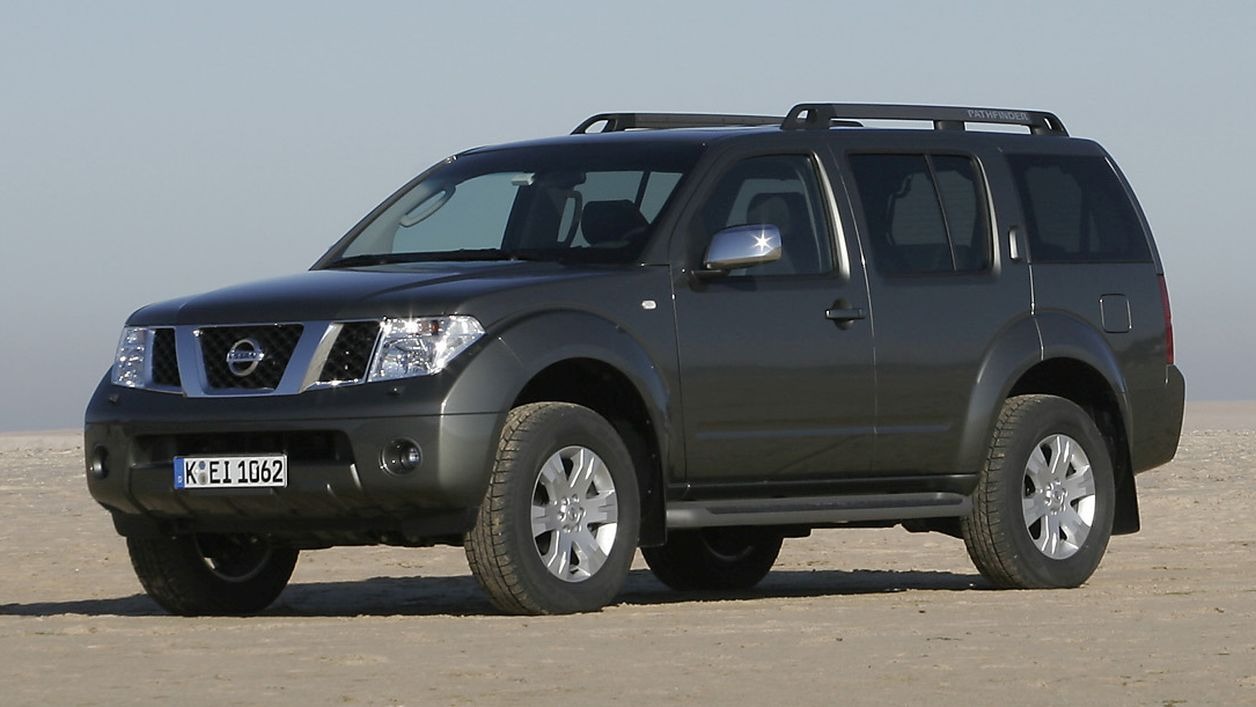
3. Nissan Pathfinder (Third Generation, 2005‑2012)
The third generation Pathfinder, produced between about 2005 and 2012, merges the utility of a rugged SUV with components borrowed from trucks such as solid axles or strong differentials in certain trims.
It has a V6 engine that is generally durable when treated correctly, and for many owners its body‑on‑frame or unibody with rugged underpinnings has allowed it to sustain harsh use. Many examples now have passed 200,000, some 250,000, and a fair number claimed at 300,000 miles when major maintenance has been kept up.
Common failure points often revolve around the automatic transmission slipping or having hard shifts, especially when towing or in mountainous areas. Transmission fluid changes, filter maintenance, and avoiding frequent overheating help mitigate that.
The front differential (in four‑wheel‑drive versions) may develop leaks or bearing wear, which, if caught early, can be repaired without replacing entire assemblies. Cooling system components and the radiator sometimes suffer due to heavy use or lack of attention, so ensuring proper coolant type and flushing at intervals is important.
Interior wear, electrical gremlins, and body rust are often the cosmetic but important factors: seats, trim, door hinges, weather sealing, and windows can leak or degrade. Although these don’t usually stop the car from driving, they cost money and diminish comfort.
To survive past 300,000 miles, a Pathfinder owner should ensure that they stick to scheduled maintenance: oil, coolant, transmission, and differential fluids; keep tires aligned and rotated; address rust when it first appears; inspect and replace aging belts, hoses, sensors; keep 4WD system serviced; replace worn suspension parts before failure. With that level of care many Pathfinders reach high mileage while still being serviceable every‑day vehicles.
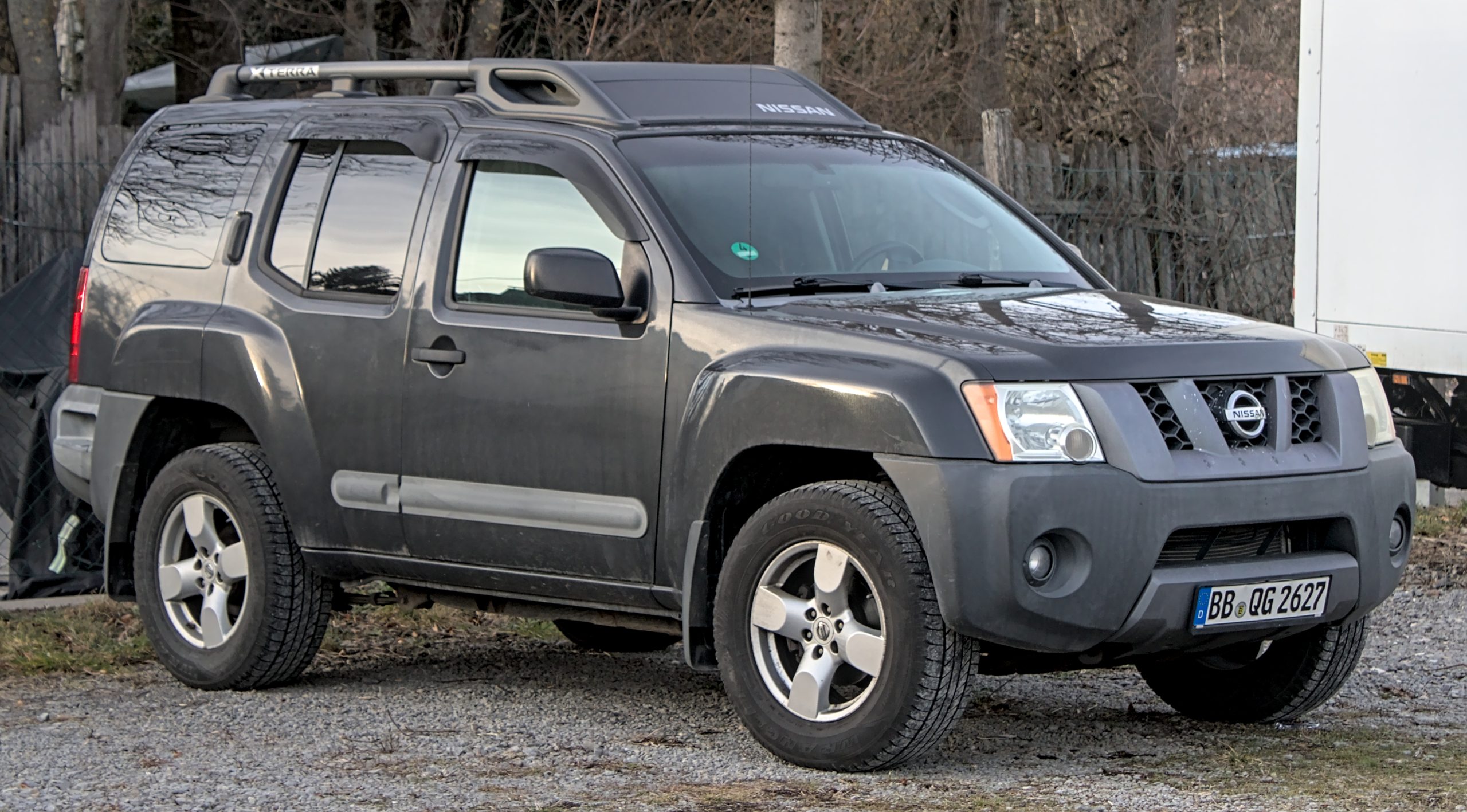
4. Nissan Xterra (First and Second Generations, 2000‑2015)
The Nissan Xterra, built on the Frontier platform and sharing much of its mechanical parts, benefits from rugged construction and simplicity in many functions.
Because owners often use Xterras for off‑road, camping, and moderate towing, those models tend to get tested early; but those with regular maintenance and moderate use tend to reach very high mileage.
The design keeps many components easy to access, which helps with servicing and reduces labor costs, increasing the likelihood the vehicle remains on the road.
Weaknesses include rust, especially where water and road salt accumulate; exhaust manifolds in earlier versions sometimes crack; the transmission in some automatics may show symptoms of wear such as slipping or harsh shifting. The V6 engine, when properly oiled and not subjected to overheat, tends to hold together.
Owners report timing chain guides may degrade, so regular inspection and using high quality oil matters. Cooling system maintenance is also important; overheating can warp heads or damage gaskets, which shorten engine life dramatically.
Suspension and drivetrain parts take their toll on Xterras, especially when used off‑road. Shocks, bushings, sway bar links, and control arms wear. CV joints, axles, and transfer case components (in 4WD versions) require servicing.
When these are ignored, small failures cascade into larger ones, wheel misalignment, uneven tire wear, vibration, and in worst cases driveline damage. But when owners stay ahead of them, they keep the vehicle smooth and safe even after many miles.
What helps the Xterra surpass 300,000 miles is routine servicing: regular oil and filter changes, especially when driving in harsh conditions; cooling system flushes; close monitoring of transmission health; rust protection where needed; replacing suspension parts before failure; checking underbody and exhaust for leaks; ensuring the 4WD system is used properly and serviced. With attentive care, many Xterras show up in forums as reliable long‑haulers.

5. Nissan 240SX / Silvia (Particularly Late‑1980s to Mid‑1990s)
Though many 240SX / Silvia models are used enthusiastically (which tends to shorten their lifespan), some examples maintained as daily drivers with low stress have achieved 300,000‑mile milestones.
These cars benefit from fairly simple mechanical architecture, ease of access under the hood, strong aftermarket parts, and, for many of them, robust engines such as the KA24DE and later SR20DE which when properly maintained do not suffer catastrophic breakdowns often.
Issues to watch include oil consumption, valve cover gasket leaks, head gasket problems, and cooling issues. The KA24DE engine, in particular, has a relatively long stroke and may stress certain components at high RPMs.
But many owners who keep cooling systems in good shape, use proper oil viscosity, change belts and tensioners on schedule, inspect timing‑chain or chain guides (in models that have them), and avoid overheating, can keep these engines strong for very long periods.
Rust is again a concern, especially in road salt climates. Floors, rocker panels, wheel wells, and trunk areas often show corrosion. Underbody components and suspension bushings wear; steering components particularly tie rod ends can get sloppy.
A well‑kept 240SX / Silvia can survive 300,000 miles if its owner avoids treating it like a race car constantly, pays attention to maintenance intervals, uses quality parts, stores or shelters it when possible, and addresses rust and wear before they spread. While few will look perfect after that many miles, many still run well and are usable daily.
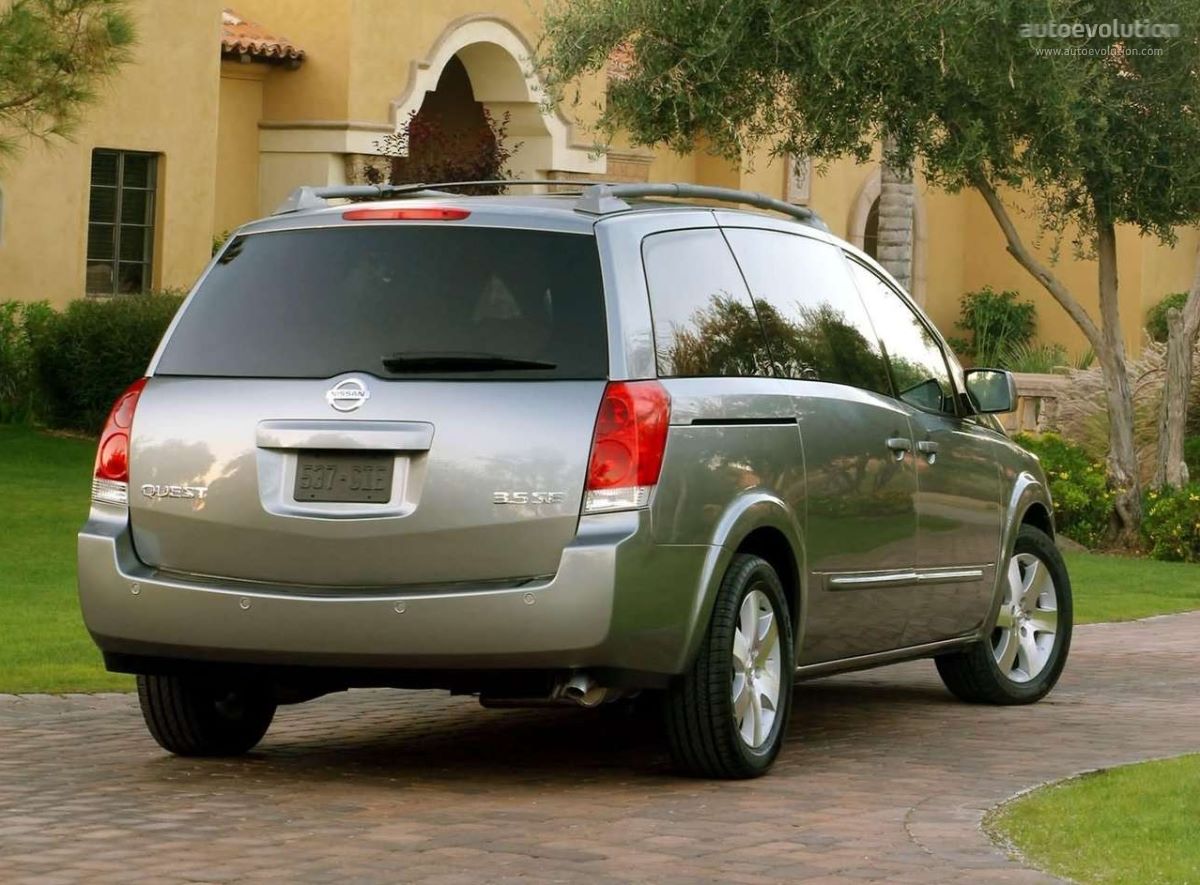
6. Nissan Quest (Second Generation, 1999‑2002)
The second‑generation Nissan Quest (also called the “North American Quest”) had somewhat mixed reviews initially, particularly for comfort and ride quality, but in many cases its mechanicals have held up remarkably well when the van is cared for.
The V6 engines are fairly simple, with robust internal components, and many parts are shared with other Nissan vehicles, which helps with cost and availability. Owners who do oil changes, fluid flushes, and maintain the cooling system often report 200,000 to 300,000 miles with minimal catastrophic failures.
Transmission issues have been reported, especially in the automatics under heavy load, frequent stop‑and‑go, or towing. Problems like slipping or delayed engagement can surface.
But many owners who replace transmission fluid and filter on schedule, don’t overload the van, and drive it gently, have avoided expensive transmission repairs. Also, motor mounts, exhaust, and accessory components (alternator, starter, etc.) are areas that tend to fail over time, but replacements are generally affordable.
For a Quest to survive 300,000 miles, regular maintenance is essential: oil and filter 5,000‑7,500 miles (or according to use), coolant and radiator care, ensuring transmission fluid changes, checking accessory belts, replacing worn suspension parts, addressing rust, keeping draining or ventilation areas clear.
With care, the Quest is one of the surprising Nissan models to reach high mileage as daily transport for families.
Also Read: 12 SUVs That Can Run on Neglect Alone
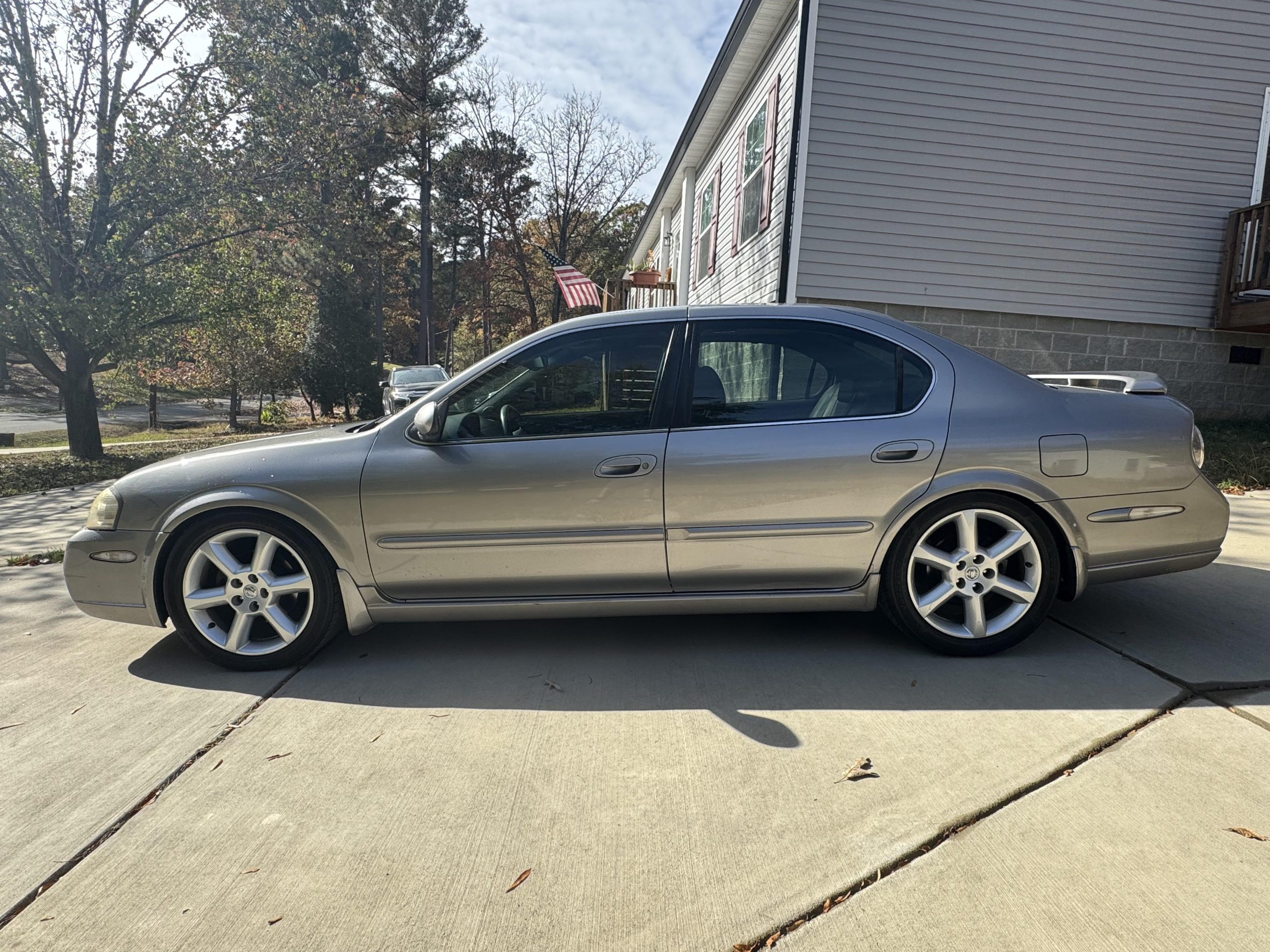
7. Nissan Maxima (Fourth and Fifth Generation, Mid‑1990s to Early 2000s)
The Maxima of the mid‑1990s through early 2000s often comes up in discussions of Nissans that last. With relatively high build quality, strong V6 engines (such as the VG and then VQ series), and good transmissions when cared for, many examples from these generations have crossed 200,000 and 300,000 mile thresholds.
The VQ engines in particular are praised for smooth power delivery, solid internals, and overall longevity when lubrication, cooling, and maintenance are attended to.
Weak points include oil leaks (rear main seal, valve cover gaskets), cooling system, radiators, hoses, water pumps, wear, and sometimes electrical issues with sensors, ignition modules, or the throttle control in later versions.
Transmission wear, especially on automatic models, can show up in slipping, hard shifts, or delayed engagement. Replacing transmission fluid and filter, avoiding hard launches, and driving less aggressively helps preserve the gearbox.
Suspension wear, steering components, and body rust also pose long‑term problems. Control arms, wheel bearings, shocks, and struts often need replacement as mileage climbs.
Exposed metal, particularly underbody and around wheel wells, may rust. Interior components such as power seats, sunroof mechanisms, door handles, switches wear out, and insulation or weather sealing may degrade. These do not prevent high mileage but affect comfort.
Owners who have pushed Maximas to 300,000 miles generally have done so through attentive maintenance: using good oil, timely coolant and transmission fluid changes, fixing leaks early, replacing belts and hoses before failure, aligning wheels, replacing worn suspension parts, avoiding overheating, and driving moderately. Vehicles that overall receive that level of care tend to live far beyond what many drivers expect.
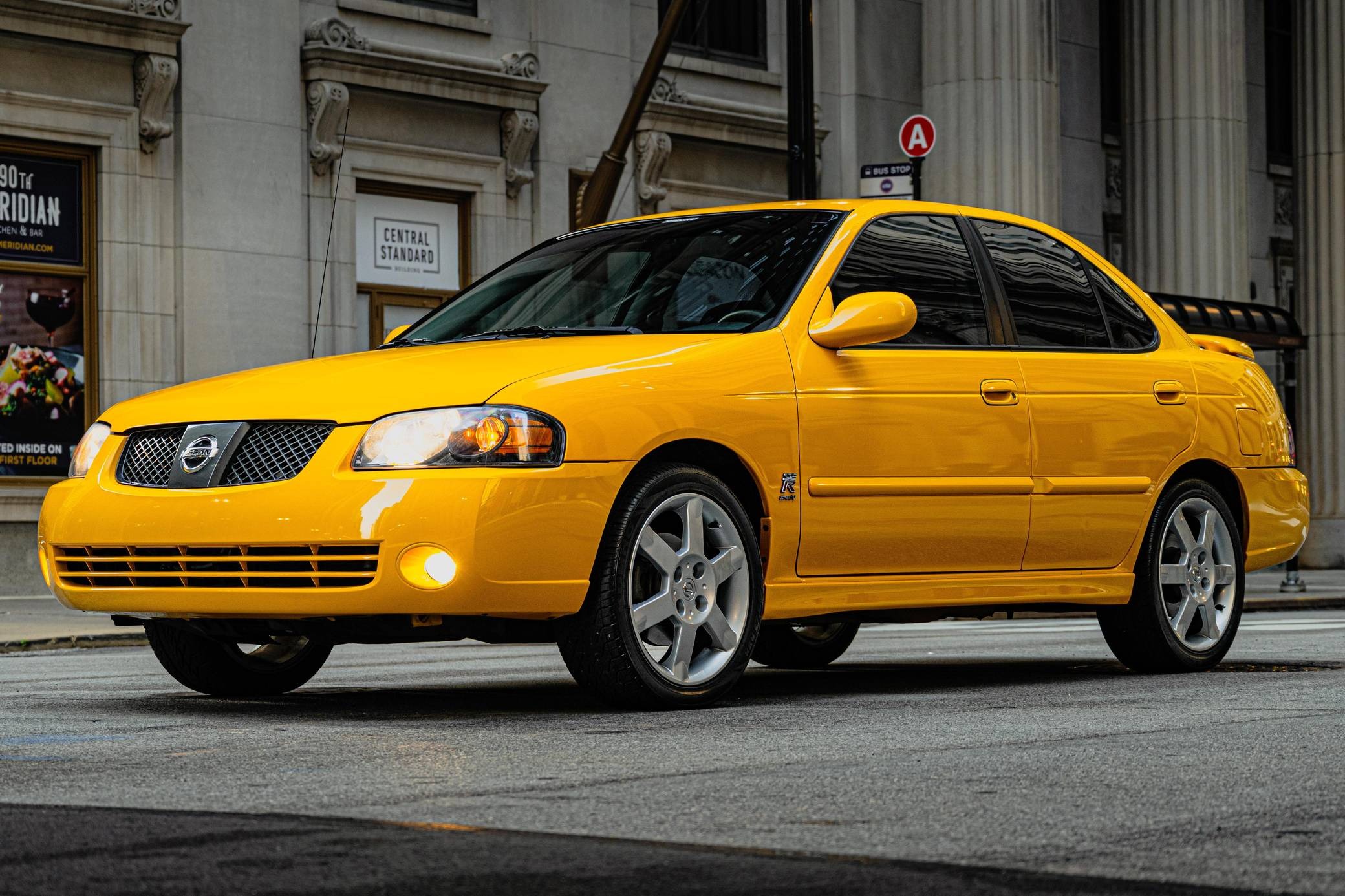
8. Nissan Sentra (B‑13, B‑14 Generations, Early to Mid‑1990s)
The Sentra models from the early to mid‑1990s (B‑13, B‑14) are compact, simple Nissan sedans with lightweight bodies, modest power, and fewer electronic systems. These factors make them less complex, with fewer things to break.
Engines like the GA series are known to be reliable and fairly forgiving of moderate neglect, provided basic maintenance is observed. Many of these sedans have passed 200,000 miles, and plenty reports suggest some surpassing 300,000 when treated well.
Common issues include rust, especially in wheel wells, sills, and floor pans; as with many older vehicles, body corrosion can degrade structural parts or allow moisture into electrical connections.
Engine oil leaks from valve cover gaskets, oil pan gaskets, or seals happen over time. Cooling system components (radiator, water pump, thermostat) tend to age and risk failure if temperatures fluctuate or if maintenance is skipped.
To reach 300,000 miles, owners of these Sentra models often perform frequent oil changes, use protective coatings against rust, maintain the cooling system, monitor for leaks, ensure alignment, replace the suspension and steering wear parts, keep the interior and seals weatherproofed, and generally drive gently, not overloading, not racing. With that, such Sentras can continue running long into their third century of travel.
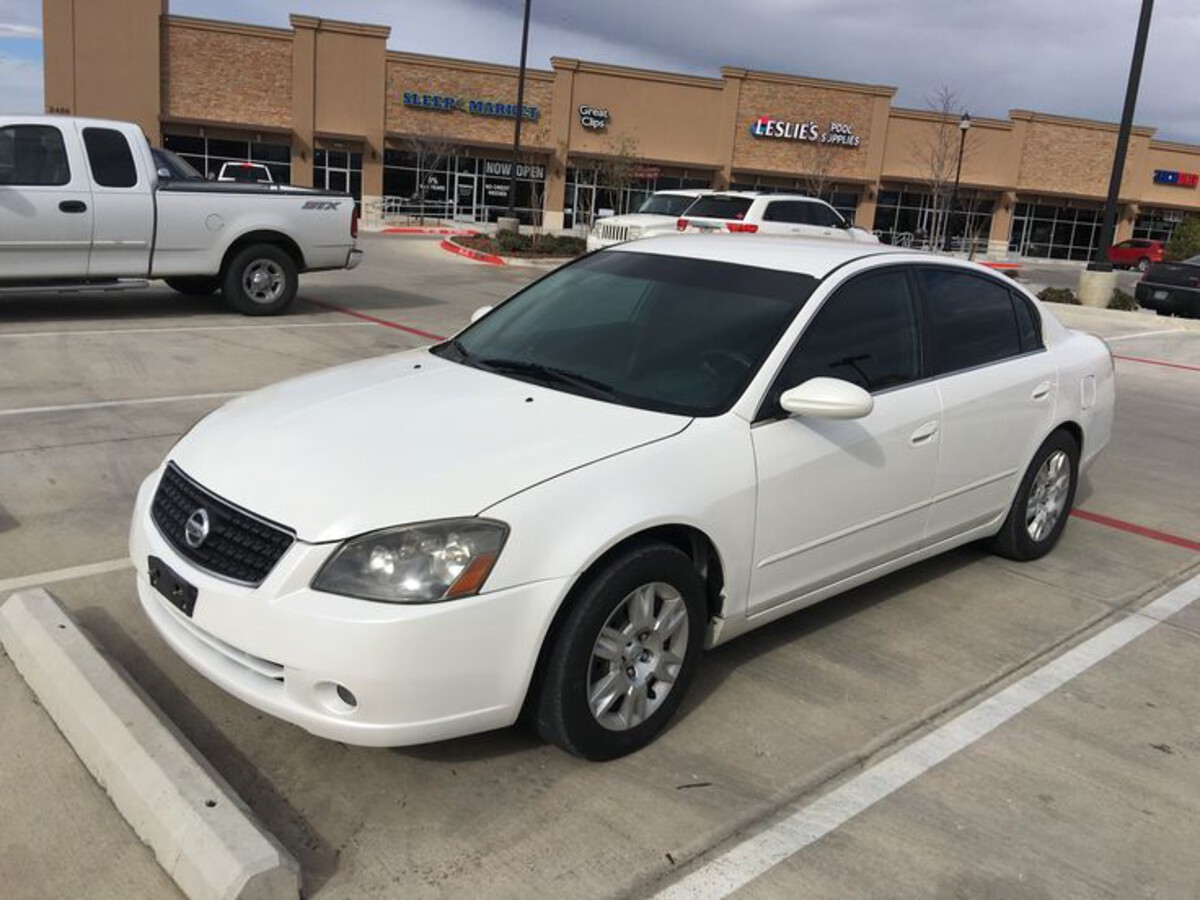
9. Nissan Altima (Third Generation, 2002‑2006)
The third‑generation Altima (2002‑2006) is often cited for value and longevity. Equipped with either a reliable V6 or a capable 4‑cylinder, these models have fairly accessible engines, decent cooling, and no overly complicated technology in many trims.
Owners who monitor fluid levels and treat transmission demands gently often see their Altimas reach 200,000 to 250,000, and on occasion, 300,000 miles.
Weaknesses include power steering system leaks, which if allowed to worsen may damage belts or hoses; transmission issues in automatics especially when subjected to hard starts, towing, or neglected fluid changes; and cooling system failures like radiator or hose leaks, water pump failures, which if left unchecked lead to overheating.
Also engine sensors, ignition coils, and fuel injectors sometimes fail due to age, heat, or contamination.
For an Altima of this generation to survive 300,000 miles, consistent maintenance is necessary: oil and filter changes every 3,000‑5,000 miles (depending on driving style and conditions), keep cooling system clean, flush transmission fluid, inspect power steering system, repair leaks early, stay on top of suspension parts, avoid overloading, address rust proactively.
Many owners who follow those practices attest that their Altima continues running, with good highway manners, after extensive highway travel.
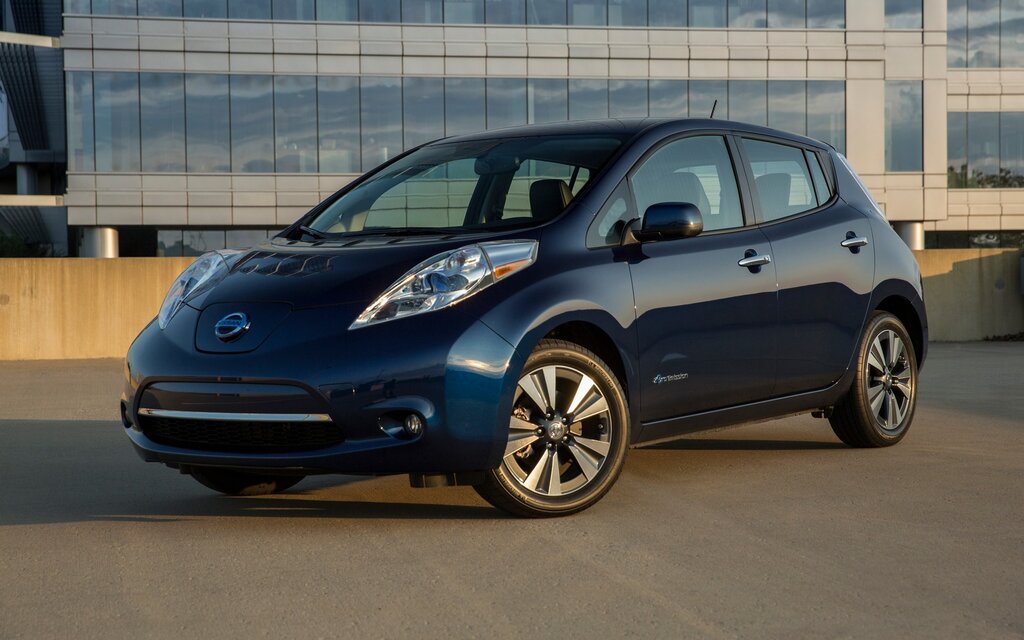
10. Nissan Leaf (First Generation For Battery‑Durability, Urban Use)
While electric vehicles generally differ in what fails over time, the first generation of the Nissan Leaf has shown that with moderate weather, regular battery health monitoring, and gentle charging habits, many Leafs have survived beyond what many expected for range degradation.
The electric motor has fewer moving parts than combustion engines, meaning what often limits lifespan is battery pack aging, charging cycles, and associated thermal management.
Examples have been driven many thousands of miles, and some owners report approximate equivalents of 200,000‑250,000 combustion miles in terms of energy throughput, though very few will reach 300,000 actual driven miles in harsh climates.
Major issues over time include battery capacity loss resulting in reduced driving range; battery cooling or thermal management failures; charging port wear; electrical system corrosion; inverter or battery management system issues. Climate extremes (very hot or very cold) speed up degradation of battery cells.
Owners who avoid rapid‑charging often, keep the battery cool, maintain high state‑of‑charge moderate, and observe recommended charging practices tend to preserve battery life longer.
Other wear items, suspension, brakes, tires, behave like those in gasoline vehicles. Chassis, body rust, interior wear, and weather sealing still matter.
Also the onboard electronics, display units, infotainment, sensors, etc., may develop glitches as time goes on. Many components have limited lifetime even in EVs, and replacement costs may be higher. But often, everything else besides battery remains serviceable long after high mileage equivalents.
For a Nissan Leaf to approach or surpass 300,000 miles equivalent, an owner needs to monitor battery health, use slow charging when possible, avoid large temperature swings, maintain brakes, suspension, body, and electronics, keep software updates current, and deal with corrosion.
Though rare, some Leafs may reach near 300,000 depending on climate and use if battery replacement or refurbishment is part of the ownership.
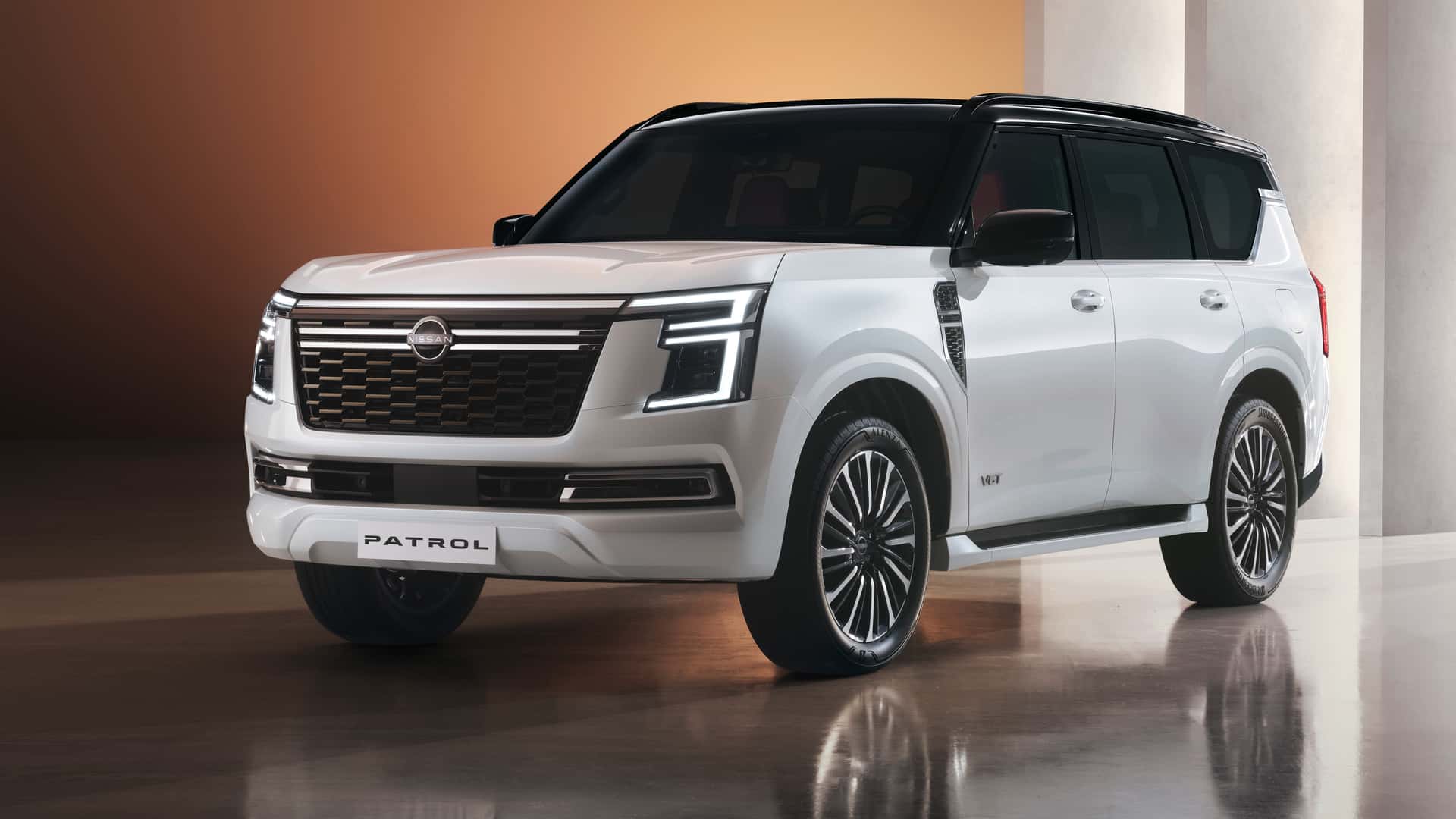
11. Nissan Patrol (Y61 / GU, Particularly Older Builds)
The Nissan Patrol Y61 (also known as GU in some markets) is famed in many parts of the world for its ruggedness, reliability off‑road, and longevity.
Built with heavy duty chassis, strong axles, diesel engines in many regions, and simple robust suspension systems, many Patrols clock extremely high miles. In areas with less extreme cold and proper maintenance, they often exceed 300,000 miles and sometimes reach 400,000 or more.
Diesel engines, when fitted, often hold up well provided oil changes are regular, filters (fuel, air, oil) are changed, turbochargers maintained (if turbocharged), cooling systems kept free of blockage, injection systems cleaned, and exhaust systems maintained.
Mechanical simplicity and wide availability of parts in many regions aid repairability. Body and interior may suffer with age, but structurally many remain sound.
Weakness points include rust, especially in coastal or humid climates; interior parts, seats, trim, weather sealing degrade; rubber components like bushings, seals, hoses degrade; steering, suspension joints accumulate wear.
Also, in diesel versions, injection pumps, glow plugs, and turbo components may need occasional overhaul. Cooling systems sometimes are stressed in heavy load or hot climates, so fan, radiator, thermostat so forth must be monitored.
To get a Patrol to 300,000 miles, owners must commit to frequent oil changes, ensure clean fuel, prevent overheating, observe timing and belt maintenance (or chain, depending), maintain suspension, address rust early, and ensure proper lubrication in differentials and transfer cases.
Many Patrols achieve this with remarkable longevity largely because their design tolerates abuse and has simpler systems than many modern vehicles.
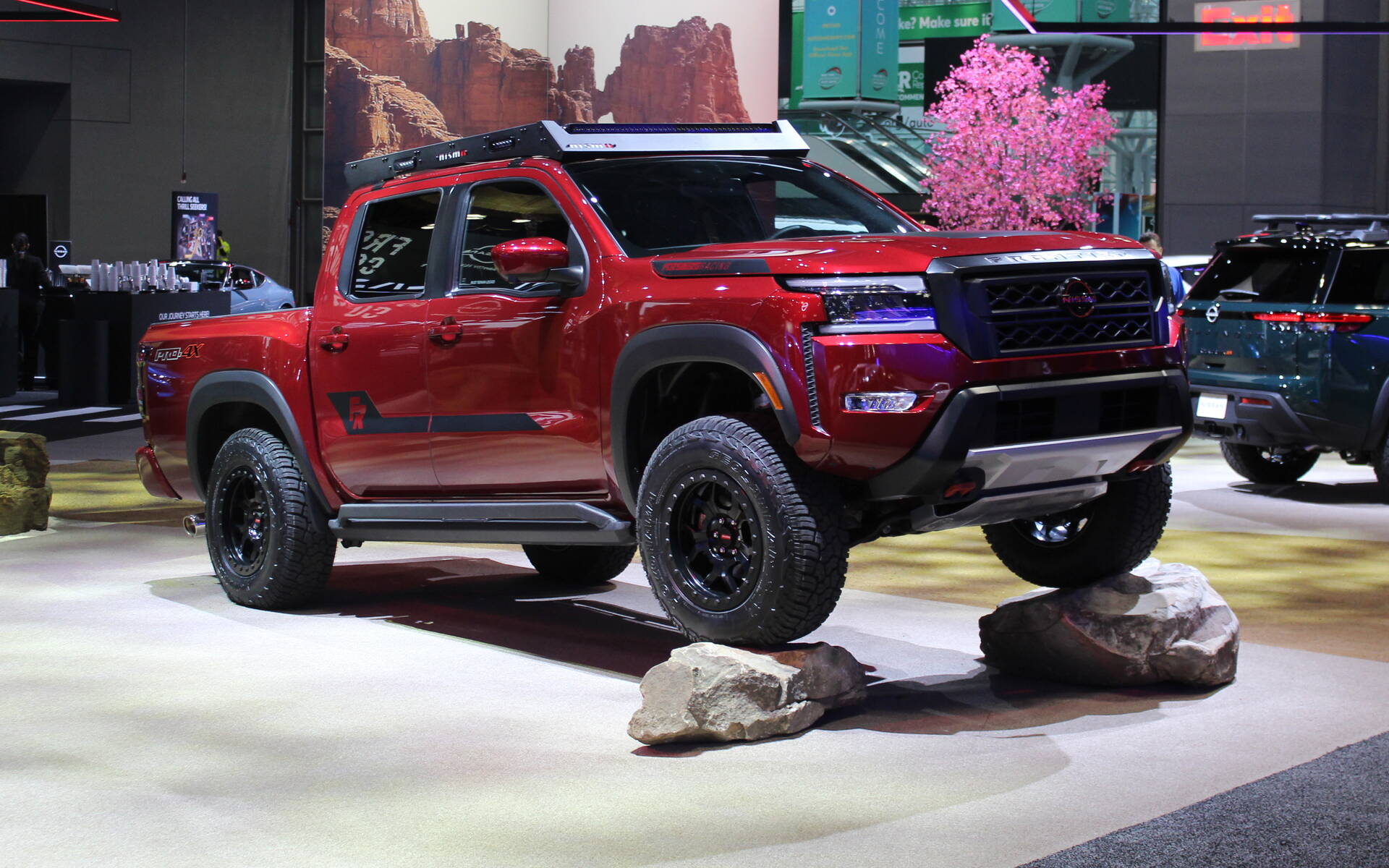
12. Nissan 4×4 Trucks (Older Hardbody / D21 Models)
The Nissan Hardbody trucks, especially the D21 series from the mid‑1980s through the mid‑1990s, are legendary for endurance. They have simple but strong engines (e.g. the KA, Z series, diesel variants in markets outside U.S.), durable transmissions, and body‑on‑frame ruggedness.
Many of these trucks have reached very high mileage, often well over 300,000, in various climates and for heavy duty work, farming, hauling, etc. Their simplicity means fewer computers, fewer sensors, and fewer electronic failure modes.
Weaknesses are obvious with age: rust, especially frame and underbody, body panels, bed, floorpan; worn suspension parts; leaks from gaskets, seals, oil pans; aging interiors with wear and tear; and possibly engine overheating signs if cooling components have not been replaced.
Also, carburetor or early injection system issues, fuel pump problems, and ignition components need regular attention. Parts may be harder to find depending on region, though many are still produced or are available second‑hand.
