
Hybrid vehicles have steadily gained popularity over the past two decades, primarily due to their promise of fuel efficiency and lower emissions. They serve as a transitional technology between traditional internal combustion engines and fully electric vehicles, offering consumers the convenience of long-range driving with fewer stops at the gas station.
For many, buying a hybrid is a logical step toward reducing environmental impact without sacrificing reliability or comfort. However, not all hybrids are created equal when it comes to long-term fuel efficiency.
While some hybrids live up to their promise even after many years and thousands of miles, others start strong but eventually lose the performance edge that once made them a smart financial and environmental investment.
This difference in long-term performance can be attributed to various factors. The quality of the battery pack, the synergy between the electric motor and gas engine, the weight of the vehicle, and the design of its energy recovery systems all play critical roles in how well a hybrid maintains its fuel economy.
Some vehicles are engineered with durable components and conservative powertrains that continue to perform well over time. Others, in contrast, start to suffer from issues such as battery degradation, inefficient software updates, or poor maintenance design, which causes a noticeable drop in miles per gallon after several years of regular use.
Many buyers make the mistake of assuming that all hybrids will retain the same level of efficiency throughout their lifespan. In reality, this assumption can lead to disappointment, especially if the model chosen is known for inconsistent battery reliability or has a reputation for fuel economy drop-offs after moderate wear and tear.
Understanding which hybrids are likely to maintain high efficiency over the long haul versus those that fade in performance is crucial for making a smarter automotive investment. It’s not just about the EPA-rated miles per gallon when new, but about how the car performs in year five, ten, or even beyond.
This article will highlight five hybrid models that are known for their long-lasting fuel efficiency, followed by five that tend to struggle with maintaining their advertised economy over time. Each car listed here was chosen based on design philosophy, long-term user experience, engineering simplicity or complexity, and the quality of the hybrid system involved.
If you’re considering purchasing a hybrid or want to understand how your current vehicle might perform in the long run, this breakdown can help clarify what you can realistically expect down the road.
Also Read: 5 Cars That Survive The American Rust Belt vs 5 That Disintegrate
5 Hybrids That Stay Fuel Efficient Forever
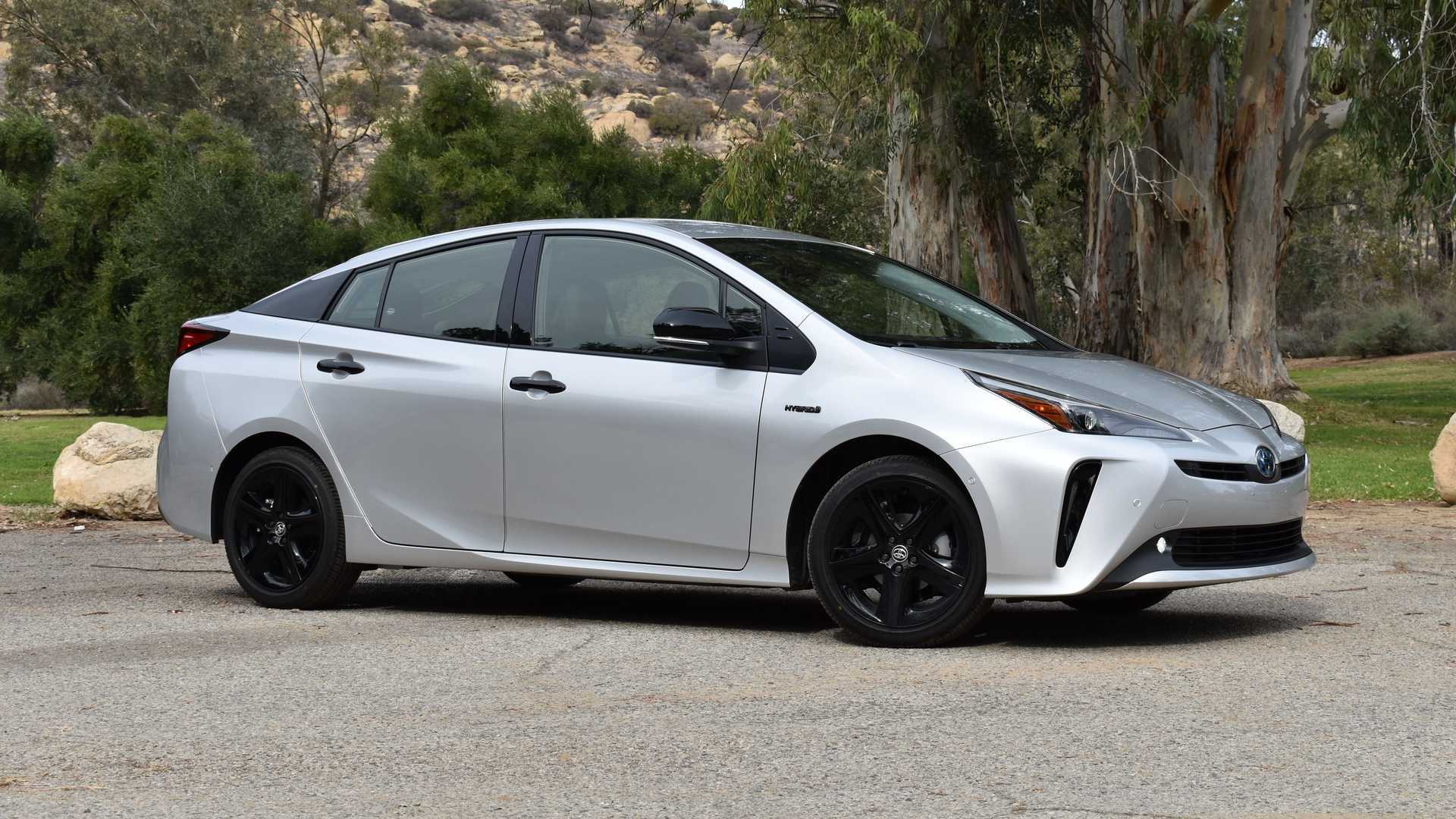
1. Toyota Prius (All Generations)
The Toyota Prius remains the most iconic hybrid, and for good reason. From its debut in the late 1990s to its latest models, it has consistently been a leader in fuel economy and reliability. What truly sets the Prius apart is the thoughtful engineering that prioritizes long-term efficiency.
This results in battery packs that can last well over 150,000 miles with minimal loss in performance. Drivers commonly report sustained fuel efficiency that remains close to original EPA ratings even after extensive use.
Beyond the battery, the hybrid synergy drive itself is incredibly well-balanced, providing seamless transitions between electric and gasoline power, reducing unnecessary fuel consumption during typical driving scenarios.
In addition to the hybrid system’s mechanical durability, the Prius has always excelled in aerodynamics and weight management, which are critical for sustaining fuel economy over time. Its body shape minimizes drag, and lightweight materials are used extensively throughout the vehicle.
This attention to detail means that as the vehicle ages, it doesn’t require extra fuel to compensate for inefficiencies caused by heavier or less aerodynamic designs.
Unlike many hybrids that add bulk and weight with large battery packs or complex hybrid components, the Prius strikes an excellent balance between energy storage and efficiency, ensuring that it remains light and efficient as it ages.
The Prius’s tires, brakes, and suspension components are also designed with efficiency in mind, further helping it maintain optimal fuel consumption as wear occurs.
The Prius is supported by a global network of service centers and a wealth of aftermarket parts, which makes maintenance and battery replacement easier and more affordable than for many other hybrids.
Toyota’s willingness to keep replacement batteries available at reasonable prices is crucial for owners who want their vehicle to remain efficient well beyond the warranty period.
This accessibility ensures that even older Prius models can remain on the road and maintain fuel economy, avoiding the steep decline that some hybrids experience when batteries fail or deteriorate.
Moreover, Toyota’s hybrid technology has matured through numerous generations, each iteration improving on durability and energy management, further solidifying the Prius’s reputation as the long-term hybrid of choice.
It’s also worth noting that Prius owners tend to maintain their vehicles with an eye on fuel efficiency, following recommended service intervals and using quality parts. This proactive approach to maintenance is encouraged by the vehicle’s design, which includes features such as easily accessible hybrid components and user-friendly onboard diagnostics.
The combination of sound engineering, conservative battery use, aerodynamic efficiency, and a supportive maintenance ecosystem makes the Toyota Prius the best example of a hybrid that remains fuel efficient for the long haul. It may not be the flashiest or fastest hybrid, but it continues to deliver consistent savings and reliability to owners who prioritize longevity.
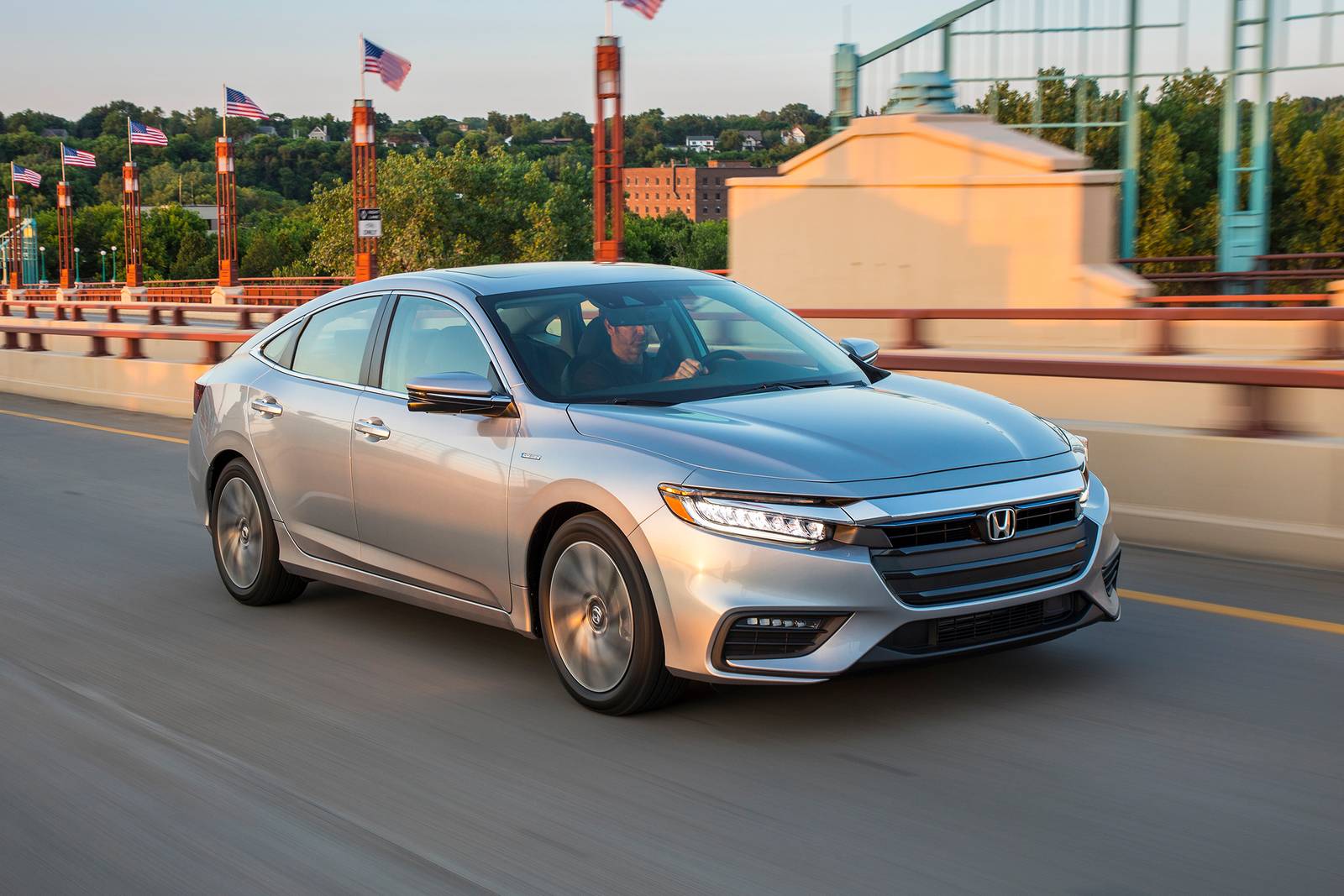
2. Honda Insight (2nd and 3rd Generation)
The Honda Insight has always been a strong contender in the hybrid market, but it is the second and third generations that truly demonstrate the brand’s commitment to long-lasting fuel efficiency.
Unlike some hybrids that rely on large battery packs or complex control systems, the Insight employs a more straightforward hybrid setup, which minimizes potential points of failure. Honda’s Integrated Motor Assist (IMA) system in the second generation, and the more advanced two-motor hybrid system in the third, both emphasize simplicity and durability.
These systems avoid the heavy battery drain that often plagues hybrids with larger packs, ensuring that the electric motor supports the gasoline engine in a way that prolongs the life of both. As a result, fuel economy remains high even as the vehicle ages, with many owners reporting sustained MPG figures well into the vehicle’s later years.
Honda also prioritized reducing vehicle weight and improving aerodynamics, which plays a significant role in maintaining long-term efficiency. The Insight’s lightweight aluminum body panels and efficient design contribute to less energy consumption during daily driving.
This is particularly important because as tires wear and engines age, any excess weight or drag can cause noticeable fuel economy losses. The Insight’s focus on a lean, aerodynamic profile means that it resists these declines better than many other hybrids, helping it keep fuel use low despite wear and tear.
The car’s regenerative braking system is also highly efficient, capturing more energy during deceleration to recharge the battery without putting extra strain on the system.
One key benefit of the Insight is Honda’s reputation for reliability and the widespread availability of parts and service. This helps ensure that hybrid components, such as the battery and electric motor, are maintained or replaced before they begin to impact fuel economy.
The relatively simple hybrid design means fewer expensive repairs and easier diagnostics, so owners can keep the vehicle running at peak efficiency with minimal hassle. Over time, this translates into fewer surprises and better fuel economy retention compared to more complex hybrid systems that may be more prone to issues with battery management or powertrain integration.
Finally, the Honda Insight appeals to drivers who want a no-nonsense hybrid that performs well in the long term without requiring extensive or costly interventions. It strikes a fine balance between providing excellent fuel economy, practical usability, and a robust hybrid system that does not overly tax its components.
For owners who maintain the car responsibly, the Insight delivers consistent fuel efficiency year after year, proving that a straightforward approach to hybrid technology can yield impressive longevity and savings.
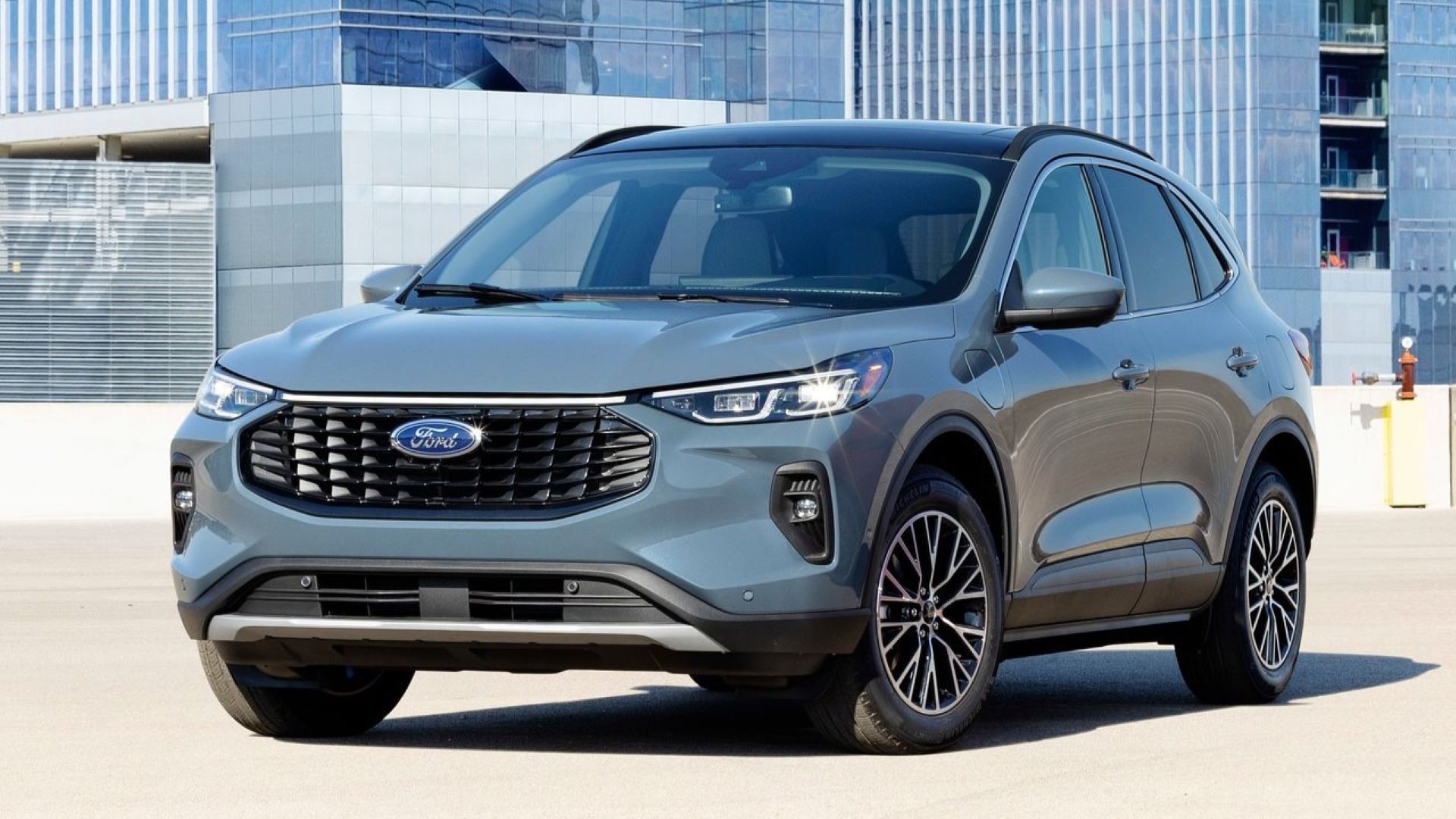
3. Ford Escape Hybrid (2005–2012, 2020+)
When it comes to hybrid SUVs, the Ford Escape Hybrid deserves credit for being one of the few that manages to retain its fuel efficiency over many years of use.
The original Escape Hybrid, launched in the mid-2000s, combined the utility of an SUV with the fuel-saving technology that was typically reserved for smaller cars. Many of these vehicles remain on the road today, frequently with their original battery packs still performing well.
A significant factor in the Escape’s durability is the collaboration between Ford and Toyota during the development of the early hybrid system. This partnership allowed Ford to leverage Toyota’s expertise in hybrid technology while tailoring it to a larger, more rugged vehicle platform.
The result was a hybrid powertrain that combined proven technology with Ford’s commitment to durability. The system uses a relatively simple yet effective battery and motor setup, minimizing potential failure points and ensuring that the electric components remain functional and efficient over long periods. This translates to stable fuel economy, even for vehicles with higher mileage.
The Escape Hybrid is also designed with intelligent energy management, particularly in urban and stop-and-go driving conditions. The electric motor takes on a substantial portion of the workload in city traffic, reducing the need for the gasoline engine and improving fuel efficiency.
On the highway, the gasoline engine and electric motor work together to optimize power delivery and reduce fuel consumption without stressing any single component. This balanced approach means the hybrid system is less likely to suffer from uneven wear or premature battery degradation, issues common in hybrids that rely too heavily on one form of propulsion.
With the return of the Escape Hybrid in 2020, Ford has updated the system with more advanced battery technology and improved powertrain software, showing a continued focus on fuel economy and reliability.
Early feedback from owners and automotive experts suggests that the new model carries forward the same long-term durability that made the original so popular. For families and drivers who want the utility of an SUV without sacrificing the fuel savings of a hybrid, the Ford Escape Hybrid remains one of the most reliable and efficient choices that holds its fuel economy over many years.
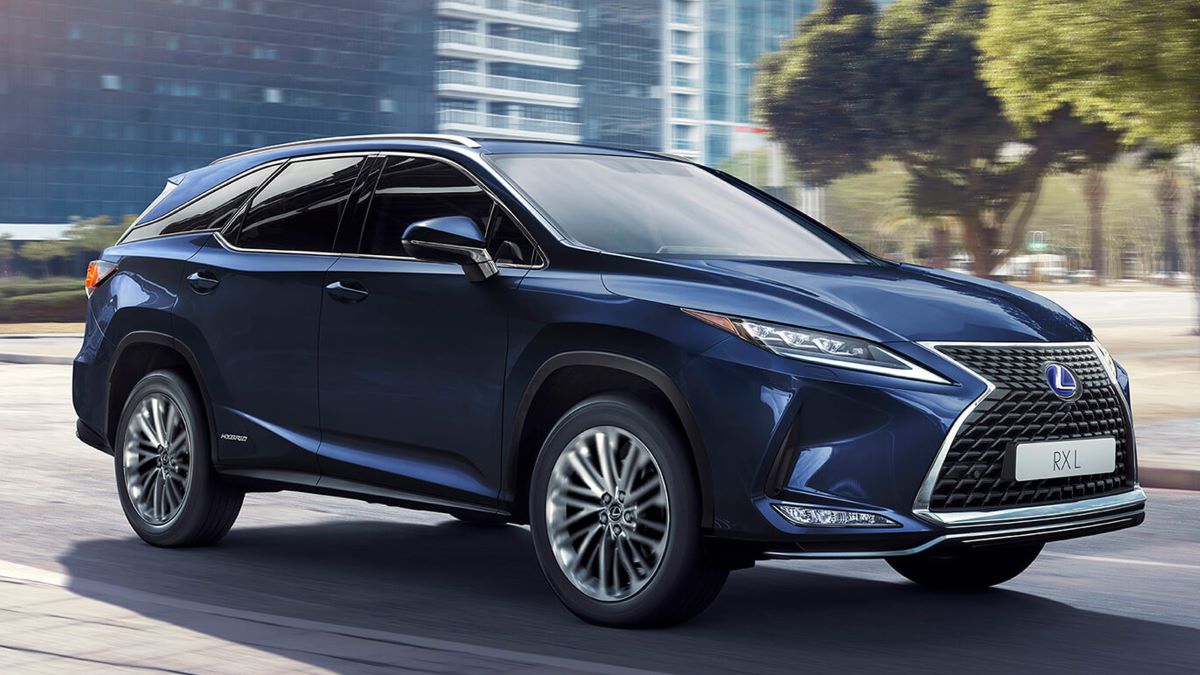
4. Lexus RX 450h
Luxury vehicles are not typically associated with fuel efficiency, especially over long periods, but the Lexus RX 450h defies this expectation. This midsize luxury SUV offers a hybrid system that maintains impressive fuel economy for its class even after many years of ownership.
Built on Toyota’s trusted Hybrid Synergy Drive platform, the RX 450h blends performance, comfort, and efficiency in a way that few luxury hybrids have matched. The system’s conservative battery management and durable components contribute to a hybrid powertrain that remains effective without the sharp declines in efficiency seen in many other vehicles over time.
The RX 450h benefits from superior engineering quality and component longevity. Lexus’s reputation for meticulous build quality extends to its hybrid components, where advanced cooling systems and robust battery designs help prevent common issues like overheating and capacity loss.
The cooling system ensures that the battery and electric motors operate within optimal temperature ranges, extending the lifespan of the powertrain and helping the SUV maintain consistent fuel economy. The vehicle’s software is also calibrated to avoid aggressive use of the electric motor, which reduces wear and tear and preserves the battery’s charge cycles.
Lexus vehicles typically receive thorough inspections and maintenance reminders, encouraging owners to keep their cars in prime condition.
This care means fewer mechanical issues arise that could negatively impact fuel consumption, such as misaligned wheels or failing engine components. When combined with a hybrid system designed for longevity, this holistic approach allows the RX 450h to maintain solid MPG figures far longer than many luxury competitors.
Finally, the Lexus RX 450h appeals to drivers who want the best of both worlds: luxury and fuel savings. It demonstrates that a hybrid SUV doesn’t have to sacrifice long-term efficiency for comfort or style.
With proper maintenance and responsible driving, the RX 450h continues to offer the same fuel economy advantages years down the road as it did when it first left the dealership. This rare combination of reliability, performance, and economy makes it a standout hybrid that truly lives up to its promises.
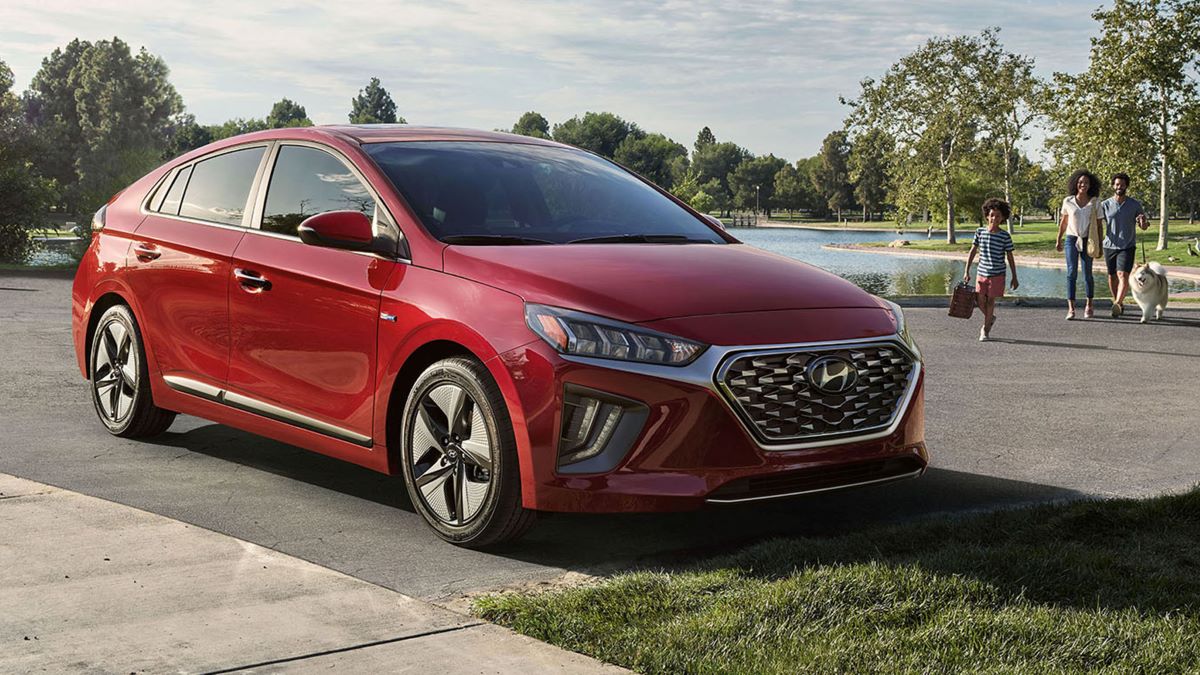
5. Hyundai Ioniq Hybrid
The Hyundai Ioniq Hybrid entered the market with a clear goal: to compete directly with established fuel efficiency leaders while offering a modern, stylish package. What distinguishes the Ioniq from many hybrids is not only its impressive initial fuel economy but its ability to maintain those numbers over time.
Hyundai’s engineering approach focuses on simplicity, weight reduction, and efficient energy management. The Ioniq’s hybrid system uses a dual-clutch transmission rather than the common CVT, which helps reduce powertrain losses and provides a more direct driving feel. This design choice also aids in the long-term reliability and efficiency of the vehicle’s hybrid components.
Battery technology in the Ioniq is another key factor. Hyundai utilizes lithium-ion polymer batteries that are designed to resist degradation better than many traditional nickel-metal hydride packs.
These batteries hold their charge capacity longer and are less susceptible to memory effect, which means the electric motor can continue to assist the gasoline engine efficiently for many years.
Furthermore, the Ioniq’s regenerative braking system is well-tuned, recovering more energy during deceleration without overtaxing the battery. This ensures that the battery remains in good condition and continues to provide optimal electric assist during typical driving conditions.
In terms of weight and aerodynamics, the Ioniq excels. It is one of the lightest hybrids in its class and benefits from a low drag coefficient, both of which are critical factors for sustained fuel economy. Hyundai also made sure to use low rolling resistance tires and optimized the powertrain calibration to maintain efficiency as the vehicle ages.
Even as tires wear or minor mechanical components begin to age, the Ioniq’s design helps prevent dramatic drops in fuel economy that might otherwise occur. This is a significant advantage for owners looking for a hybrid that doesn’t lose its edge as it accumulates mileage.
Finally, Hyundai’s competitive warranty and widespread service network encourage owners to keep up with recommended maintenance and repairs. Regular servicing and timely battery checks ensure the hybrid system stays in optimal shape.
As a result, owners of the Ioniq report continued satisfaction with fuel economy even after several years of ownership. For those seeking a newer hybrid that combines cutting-edge technology with proven durability, the Hyundai Ioniq Hybrid stands out as a model that can stay fuel-efficient well beyond the first few years.
Also Read: 5 Cars That Rarely Cause Buyer’s Regret vs 5 That Always Do
5 Hybrids That Don’t Stay Fuel Efficient
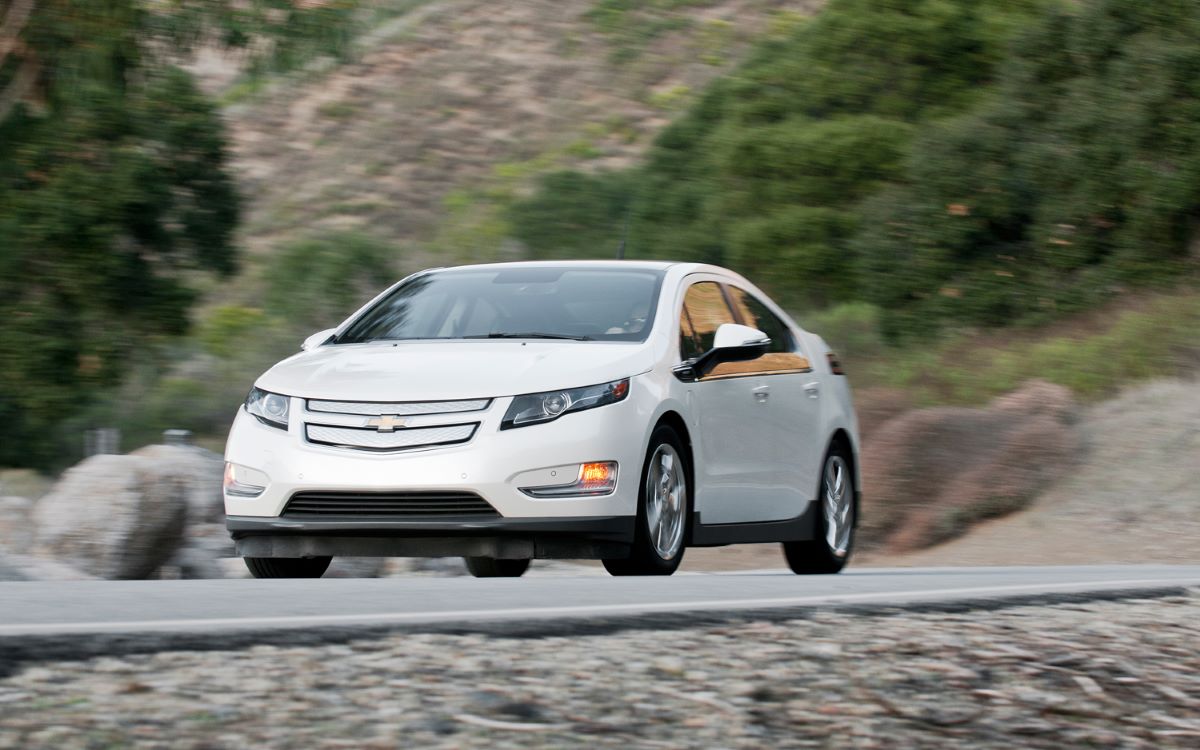
1. Chevrolet Volt (1st Generation)
The Chevrolet Volt was one of the early plug-in hybrids to offer a more electric-centric driving experience, but it has developed a reputation for declining fuel efficiency over time, particularly as its battery ages. While the Volt’s initial EPA ratings were impressive, many owners report a noticeable drop in miles per gallon after several years of regular use.
This decline is mainly due to the chemistry and management of its battery pack. The Volt uses a large lithium-ion battery that is heavily relied upon during the electric-only driving phase.
Unfortunately, this means the battery experiences frequent deep discharge cycles, which accelerate capacity loss. Over time, as the battery’s effective capacity shrinks, the gasoline engine must compensate more often, leading to increased fuel consumption.
Another factor contributing to the Volt’s loss of fuel efficiency is the complexity of its powertrain. Unlike traditional hybrids that use continuous electric assist, the Volt switches between electric-only mode, hybrid mode, and gasoline-only mode. This sophisticated control system requires precise software calibration to optimize efficiency.
As the vehicle ages, however, software updates or wear on components can introduce inefficiencies or lag in transitions between modes. This can cause the gas engine to run more frequently or at less efficient points, driving fuel consumption higher than when the car was new.
Maintenance challenges also play a role. The Volt’s battery pack and related electronics are costly and complex to service. Owners who delay or avoid expensive battery replacement or module repairs often find that their vehicle’s fuel efficiency degrades more rapidly.
Furthermore, the regenerative braking system, which is essential for replenishing the battery, tends to lose effectiveness as components wear down. This creates a feedback loop where less energy is recovered, forcing the gasoline engine to fill the gap more often.
Finally, driver behavior can exaggerate these issues. Since the Volt encourages electric driving, drivers may rely heavily on the battery early on, inadvertently causing accelerated wear.
While this is somewhat expected in plug-in hybrids, the Volt’s system does not always compensate effectively for battery aging, meaning owners experience a tangible decrease in fuel economy after just a few years. The combination of battery chemistry, complex powertrain controls, and maintenance costs means the Volt often struggles to maintain its initial fuel efficiency as it ages.
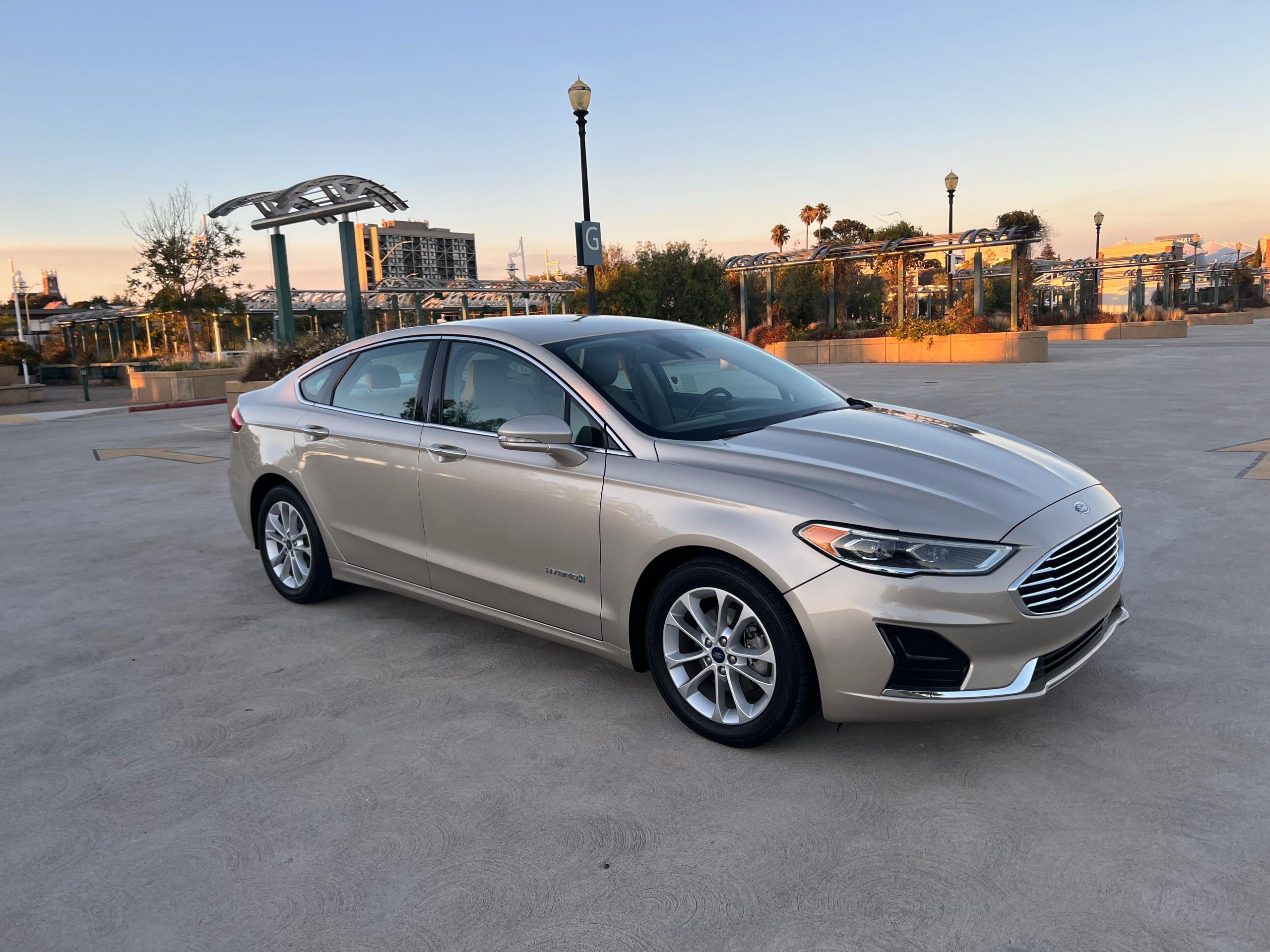
2. Ford Fusion Hybrid (2013–2016)
The Ford Fusion Hybrid was praised at launch for its balance of performance and fuel economy, but many owners have observed a decline in fuel efficiency as their vehicles age. The main culprit behind this is the battery pack, which tends to degrade more quickly than in some competing hybrids.
The hybrid system in the Fusion is also more complex than some rivals, featuring multiple modes and a more aggressive use of the gasoline engine during acceleration. Over time, this complexity can cause issues with powertrain calibration.
For example, some owners have reported that after certain software updates or mechanical wear, the gasoline engine runs more often and less efficiently. This results in a drop in miles per gallon that becomes noticeable after just a few years of ownership. The system’s regenerative braking also tends to lose effectiveness, which compounds the efficiency losses.
Another challenge is maintenance. While the Fusion Hybrid is generally reliable, certain components such as the inverter and battery cooling system require attention. Neglecting these systems can lead to overheating, which further degrades battery health and performance.
Replacement battery packs for the Fusion are not cheap, and some owners opt to delay these costly repairs, which accelerates fuel economy decline. Moreover, the Fusion’s heavier weight compared to smaller hybrids means it is more sensitive to the effects of battery degradation and powertrain inefficiencies.
Lastly, the driving environment and habits play a role in how quickly the Fusion loses fuel efficiency. Owners who frequently drive in hot climates or rely heavily on aggressive acceleration tend to experience faster battery wear.
Since the hybrid system is designed to balance fuel economy and performance, pushing the car toward sporty driving undermines its ability to maintain efficient operation over time. In short, while the Fusion Hybrid starts out with impressive mileage, it tends to lose its edge faster than many of its competitors as components age and wear accumulates.
3. Lexus CT 200h
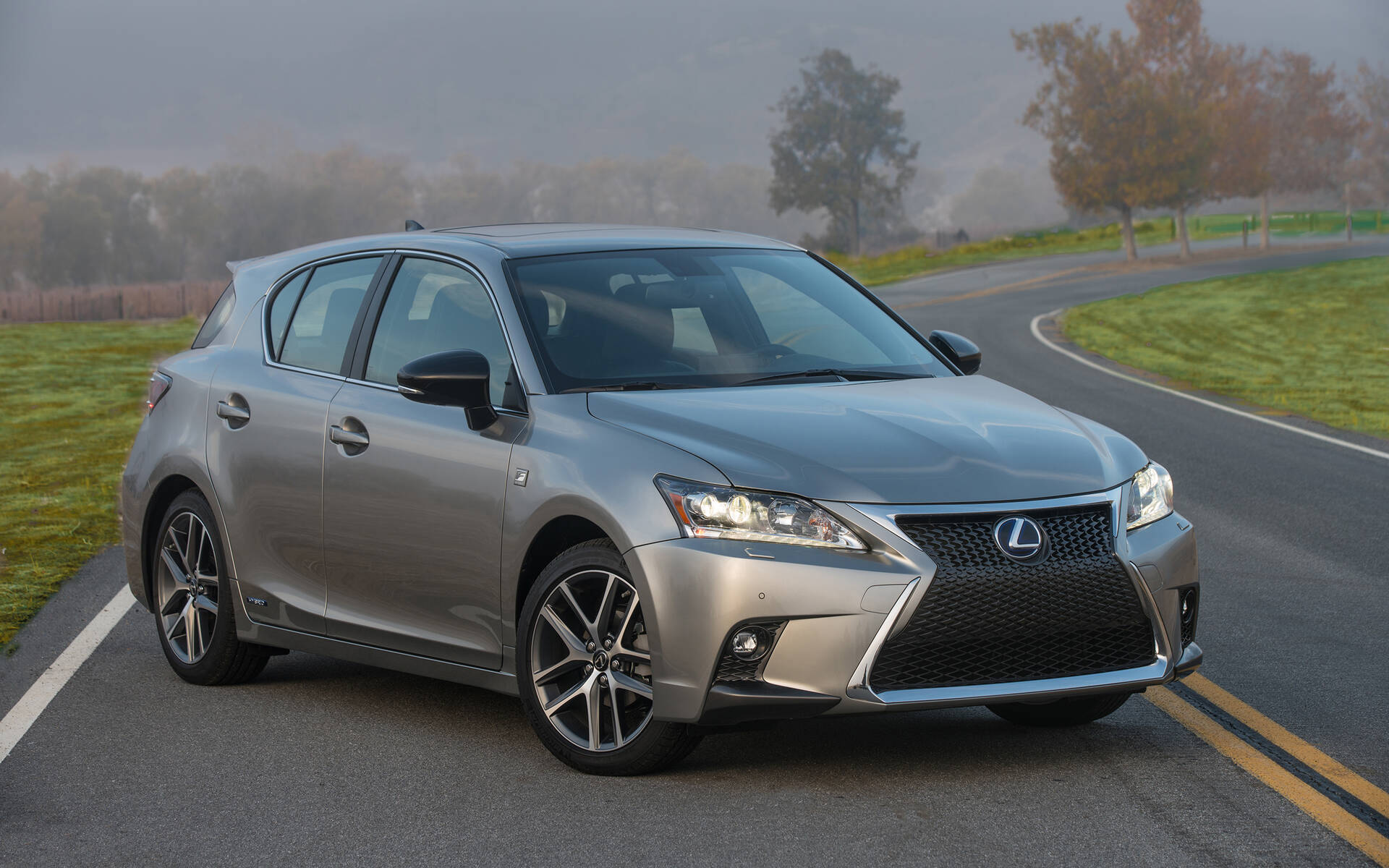
The Lexus CT 200h was designed as a sporty, luxury compact hybrid, but despite its premium badge, it does not maintain fuel efficiency as well as some of its non-luxury rivals
. Many owners have reported that fuel economy figures start to drop noticeably after the car reaches around 80,000 to 100,000 miles. The CT 200h uses a battery pack similar to that found in the Toyota Prius, but it has a smaller battery capacity and a sportier powertrain tune, which results in more frequent battery cycling and higher strain on components.
This increased strain leads to battery degradation faster than expected. Because the car is tuned for responsiveness and performance, the hybrid system often pushes the battery and electric motor harder than in more economy-focused vehicles.
As the battery ages, its reduced capacity means the gasoline engine must fill in more frequently, causing fuel consumption to rise. Additionally, the CT 200h’s regenerative braking system does not always capture energy as effectively over time, which limits the hybrid’s ability to recharge the battery during driving.
Another factor affecting the CT 200h’s long-term fuel economy is its weight and driving dynamics. The vehicle is heavier than the Prius due to added luxury features and a more substantial chassis.
This extra weight puts more demand on both the gasoline engine and hybrid components, particularly when the battery is weak. As a result, fuel efficiency declines more rapidly in this model, especially under spirited driving conditions where the hybrid system must deliver more power.
Lastly, maintenance and repair costs tend to be higher for the CT 200h compared to non-luxury hybrids, which can deter owners from promptly addressing hybrid system issues.
Delayed battery replacements or cooling system repairs allow battery degradation to accelerate, further reducing fuel economy. Though Lexus is known for quality and longevity, the CT 200h’s design choices prioritize sportiness over maximum efficiency, causing it to lose its fuel-saving advantage sooner than many other hybrids.
4. Hyundai Sonata Hybrid (2011–2014)
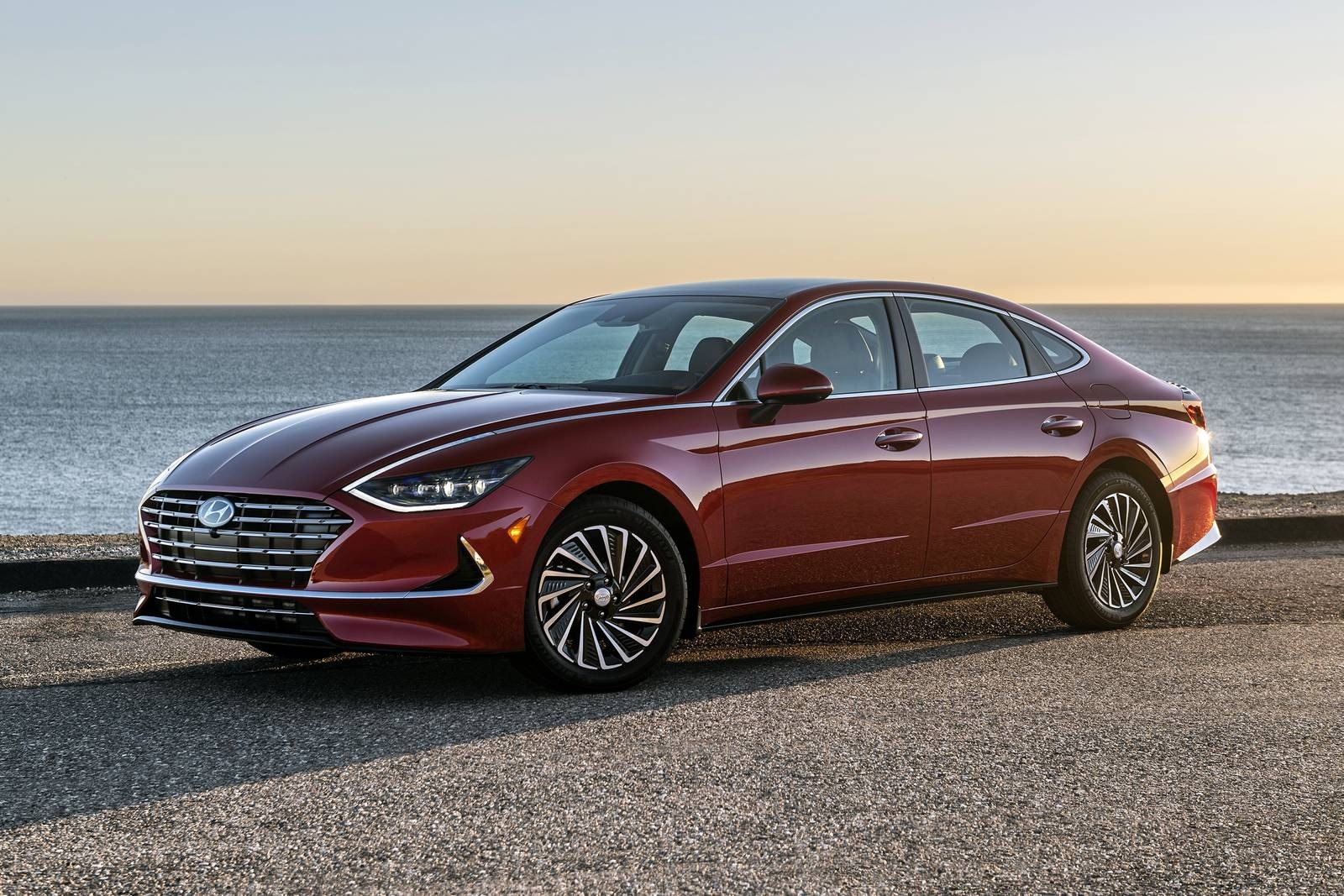
The first-generation Hyundai Sonata Hybrid arrived as a promising alternative in the midsize hybrid segment, but many owners discovered that its fuel efficiency did not hold up well over time.
While the Sonata Hybrid initially offered competitive MPG ratings, reports have shown a significant drop in efficiency after several years of use. The reasons behind this are varied but largely center on the vehicle’s battery technology and hybrid system design.
The Sonata Hybrid uses a lithium-ion polymer battery, which is typically good for longevity, but the way Hyundai’s system manages the battery tends to push it toward deeper discharges than some competitors.
This results in accelerated battery degradation, reducing the electric assist available during driving and forcing the gasoline engine to work harder. Compounding this is the hybrid system’s reliance on a continuously variable transmission (CVT) that can lose efficiency if not properly maintained or if software calibration degrades over time.
In addition to the battery and transmission issues, the Sonata Hybrid’s weight and aerodynamics were not optimized as well as other hybrids in its class.
The vehicle’s heavier curb weight, combined with a less aerodynamic profile, means that the powertrain has to work harder to maintain performance, especially as battery capacity declines. These factors combine to produce a more pronounced drop in fuel economy as the vehicle ages.
Maintenance concerns also affect the Sonata Hybrid’s efficiency retention. Some owners have reported issues with the battery cooling system and inverter, which can lead to overheating and premature battery failure.
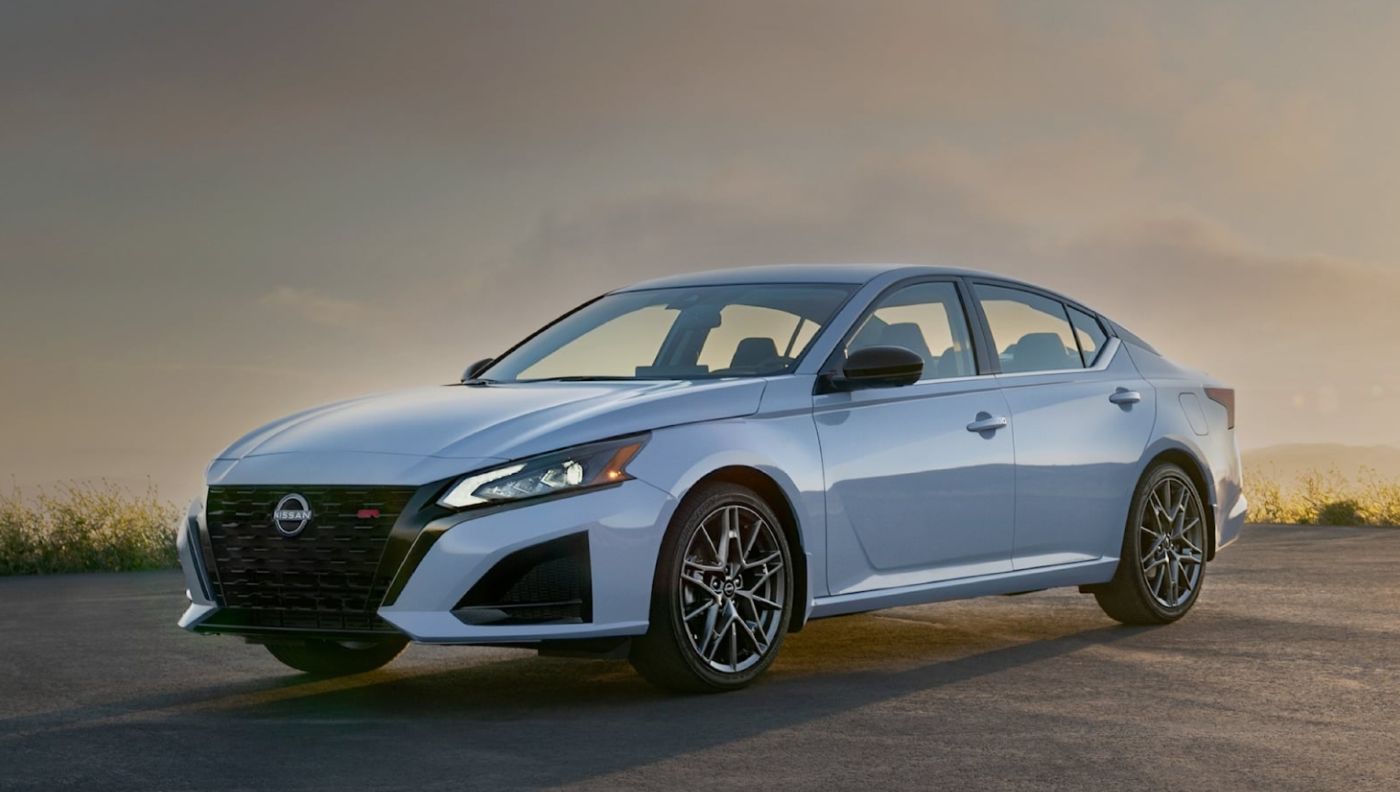
5. Nissan Altima Hybrid (2011–2013)
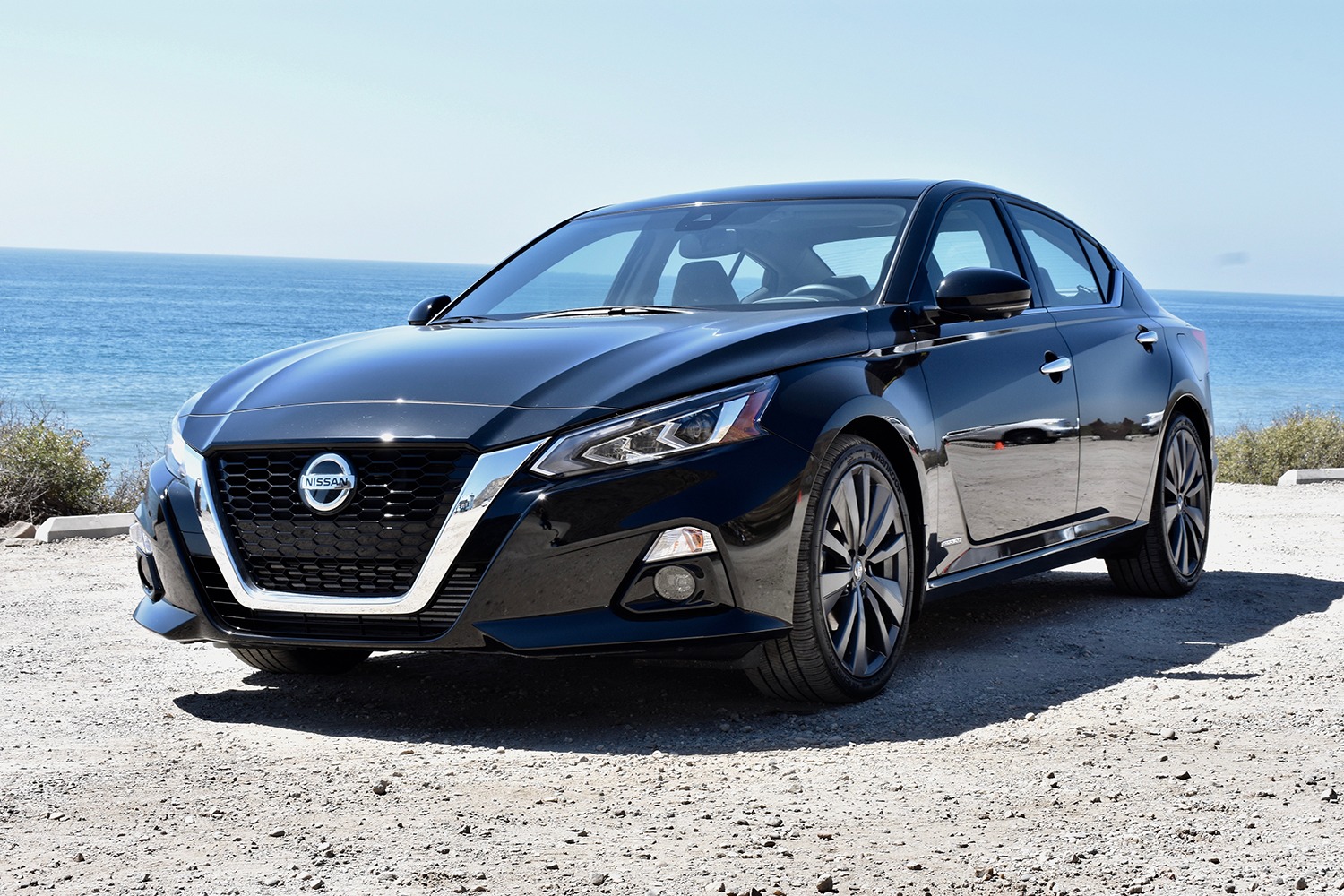
The Nissan Altima Hybrid, despite its status as a midsize sedan from a major automaker, has been widely criticized for its inability to maintain fuel efficiency over the long term. Initially, it was marketed as a vehicle that would combine comfort with hybrid economy, but real-world use revealed that the car’s fuel savings diminished significantly as the vehicle aged.
One of the main reasons for this decline is the hybrid system’s reliance on a large, complex battery pack that is subject to rapid degradation.
Nissan’s hybrid system in the Altima uses a lithium-ion battery that, while advanced for its time, is highly sensitive to heat and frequent cycling. The battery management software also tends to allow more aggressive discharging and recharging to maximize performance, which unfortunately speeds up battery wear.
As the battery loses capacity, the gasoline engine compensates by running more frequently and at less efficient operating points. This leads to a noticeable drop in miles per gallon after just a few years.
Another challenge is the Altima Hybrid’s powertrain integration. The vehicle uses a CVT combined with the hybrid system, but the software calibration was often criticized for being less refined than that of competitors.
The lack of smooth transitions between electric and gasoline power, coupled with the vehicle’s heavier body, results in inefficient fuel use as components age. Regenerative braking also tends to lose effectiveness, further limiting battery recharge capacity and increasing fuel consumption.
