
Annoying rattles are one of the most frustrating problems for SUV owners. Even when a vehicle runs well and has plenty of power, a persistent rattle in the cabin can ruin the entire driving experience. These small noises might seem harmless at first, but over time they can make even a short commute feel irritating.
Many rattles are caused by loose trim, cheap plastics, or structural weaknesses that develop over time. While most vehicles will develop some degree of wear and tear, some SUVs are better built and maintain their composure for years without any of the usual interior noises that plague less refined models.
The issue with rattles is that they often come out of nowhere. One day everything sounds fine, and the next day there’s a tapping noise from the dashboard or a buzzing from the rear hatch. These sounds can be difficult to locate and even harder to fix permanently.
Sometimes, dealerships struggle to identify the cause or simply brush it off, telling drivers it’s “normal.” That’s why choosing a vehicle with a strong reputation for interior quality and long-term structural integrity matters more than most buyers realize.
Rattles are often dismissed as a small problem, but they can point to larger issues in the build quality of a vehicle. SUVs that avoid them tend to have tighter manufacturing tolerances, higher-quality materials, and better assembly practices.
They’re usually built on platforms that prioritize durability and noise isolation, not just flashy design or gimmicky tech features. That’s the difference between a vehicle that feels solid for a year and one that still feels new after 100,000 miles.
This list includes 12 SUVs that are known for staying solid and rattle-free for years. These models have a track record of excellent assembly, smart engineering, and owner satisfaction.
While no vehicle is truly perfect, these SUVs consistently avoid the minor annoyances that make others a headache to live with. If you’re someone who values quiet, clean rides with no background noise or vibrations, these are the SUVs worth looking at.
Also Read: 12 Trucks That Win Owner Loyalty for Decades
1. Toyota 4Runner
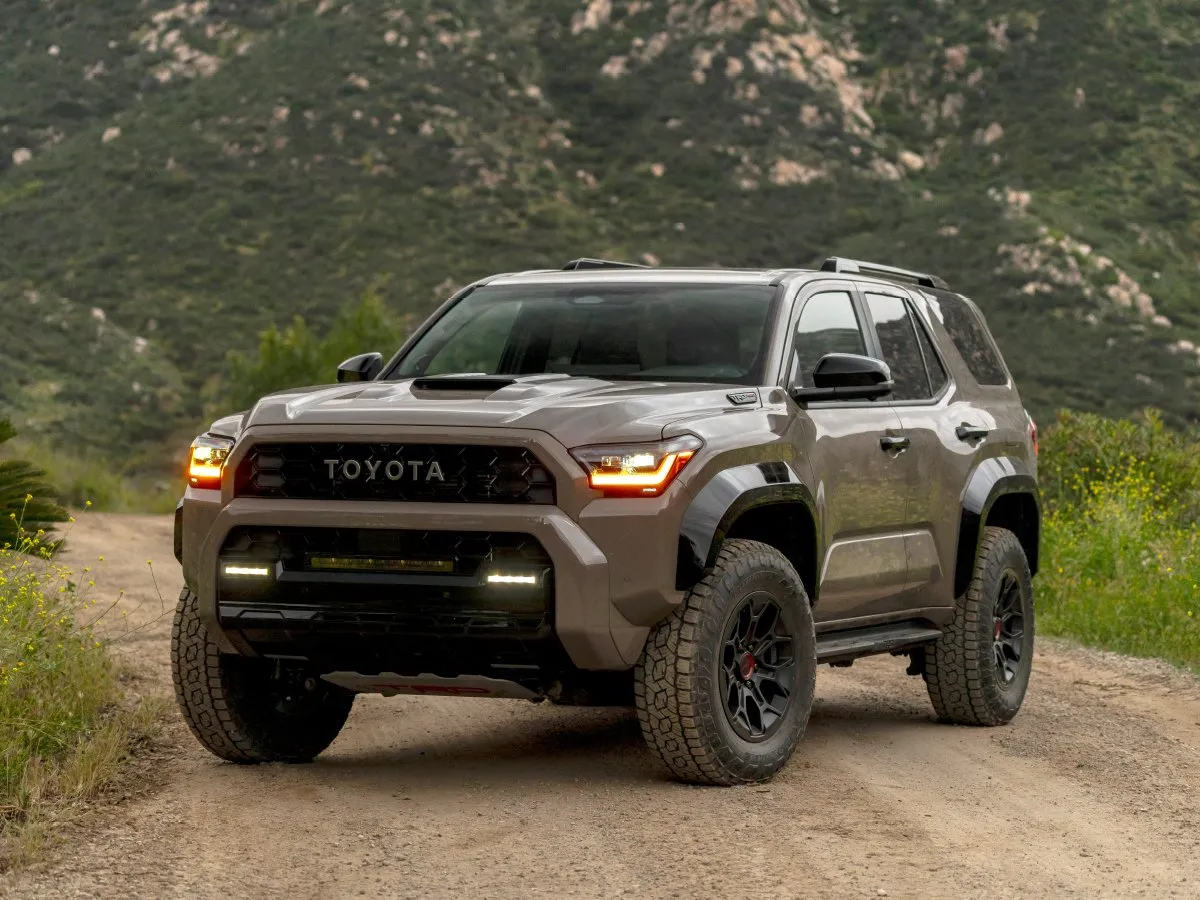
The Toyota 4Runner is known for being one of the most durable SUVs ever made. It’s built with an old-school body-on-frame design, which naturally gives it a sturdier structure than most modern unibody crossovers.
This construction style resists flexing, especially when driving over rough roads or uneven terrain. Less flex means fewer chances for panels and trim pieces to loosen over time, which helps prevent rattles from developing in the first place.
The interior of the 4Runner may not be luxurious, but it’s solid. Everything inside feels tightly bolted down, from the dashboard to the door panels. Toyota doesn’t try to overcomplicate the design with too many moving pieces or fragile plastics.
That simplicity works in the vehicle’s favor. Even after years of off-road use, many owners report that their 4Runners remain quiet and solid, without the buzzes or vibrations that creep into less rugged vehicles.
Owners often keep these SUVs for over a decade, and forums are full of stories about how little has changed inside the cabin over time. It’s not just about the mechanical reliability Toyota is famous for; it’s also about the daily driving experience staying pleasant and free from little annoyances. This kind of long-term consistency helps the 4Runner keep its value on the used market, too.
Some critics point out that the 4Runner feels outdated, especially in terms of infotainment and fuel economy. But for buyers who want something that lasts and doesn’t rattle after a year, it’s a clear winner. The ruggedness is part of its charm, and it’s also the reason this SUV stays quiet and unshaken long after others start squeaking.
2. Lexus RX
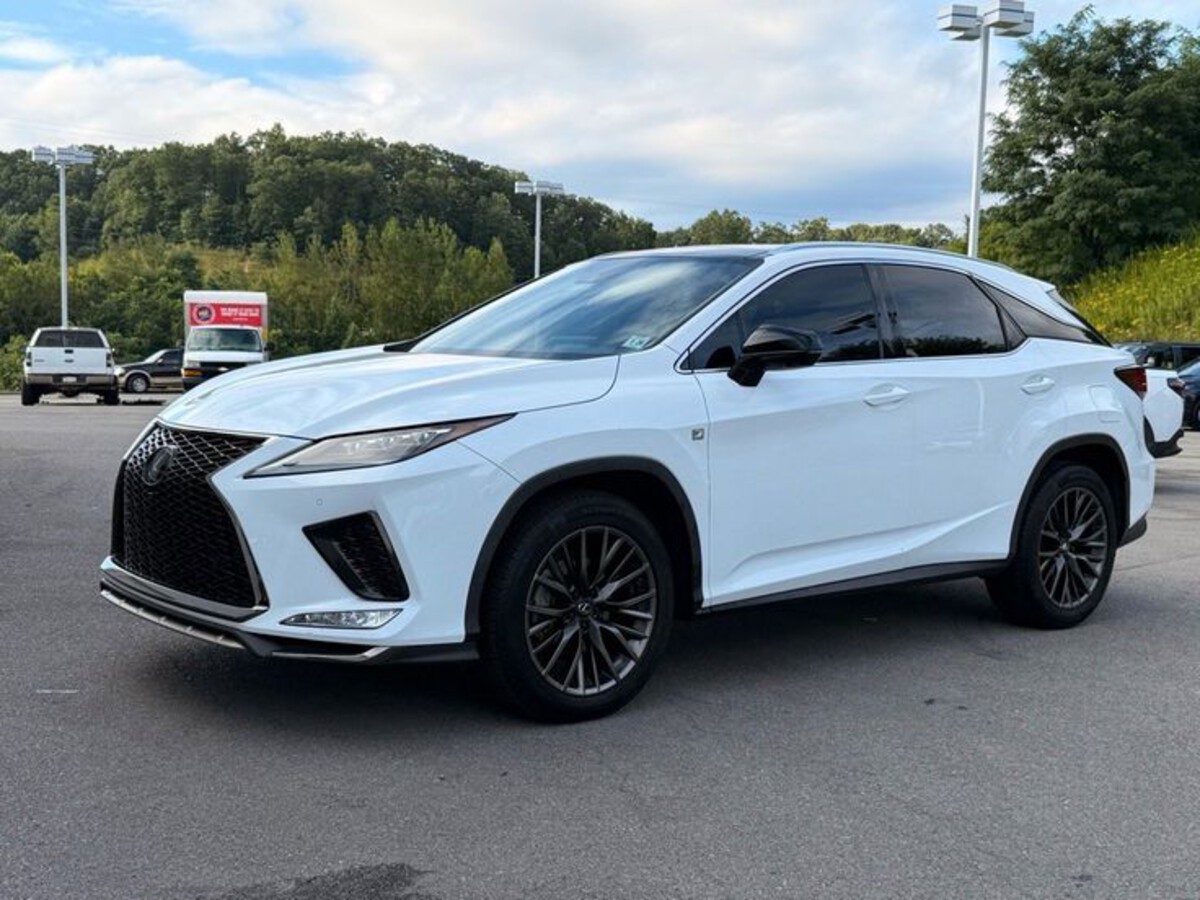
The Lexus RX is one of the best-selling luxury SUVs for a reason. It combines comfort, reliability, and build quality in a way few others can match. One of the most praised features of the RX is how quiet it remains even after years of use.
That includes resistance to rattles, squeaks, and cabin vibrations. The vehicle is built to tight tolerances and goes through more rigorous quality checks than many non-luxury counterparts.
Materials in the RX cabin are not only soft and upscale, but they’re also well put together. Lexus engineers focus on how each panel fits with the others, ensuring tight joins and reducing friction that causes interior noises.
The result is a vehicle that doesn’t start developing annoying sounds as the miles rack up. Even over bumps, the interior panels don’t move or shift in ways that lead to rattling.
Another factor in the RX’s silence is its suspension tuning. It absorbs road imperfections without transferring unnecessary energy into the cabin structure.
The smoother the ride, the less stress on the interior components, which helps keep everything tight and in place. This becomes especially noticeable when comparing an RX to a rival luxury SUV with a stiffer or noisier ride.
Lexus also has a reputation for long-term reliability. That same reliability extends to the cabin components, where buttons, screens, and switches continue working and sounding solid even after years of use.
It’s not uncommon to find 10-year-old RX models that still feel tight and rattle-free inside, which is more than can be said for some competitors that cost more at the time of purchase.
3. Honda CR-V
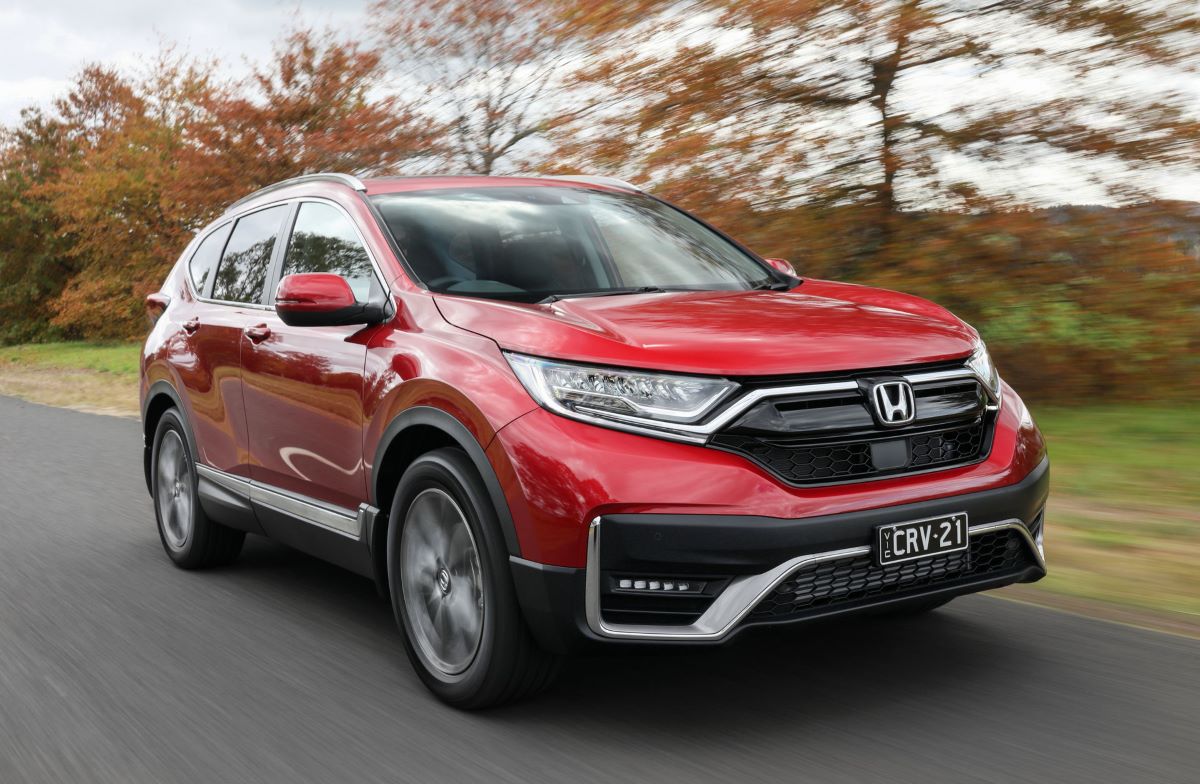
The Honda CR-V has earned a loyal following by offering practicality, comfort, and durability in a compact SUV package. One of its less talked-about strengths is how well it holds together over time. Owners consistently report that their CR-Vs remain rattle-free even after high mileage, which speaks to Honda’s approach to interior design and assembly.
Unlike some competitors that focus on flashier interiors, Honda aims for solid, dependable construction. The CR-V’s doors close with a satisfying thud, and everything inside feels like it fits the way it should. This tightness doesn’t fade after a year or two. Even as the suspension and tires start to wear, the interior stays quiet, which is a key reason why people often hold onto these SUVs for a long time.
4. Subaru Outback
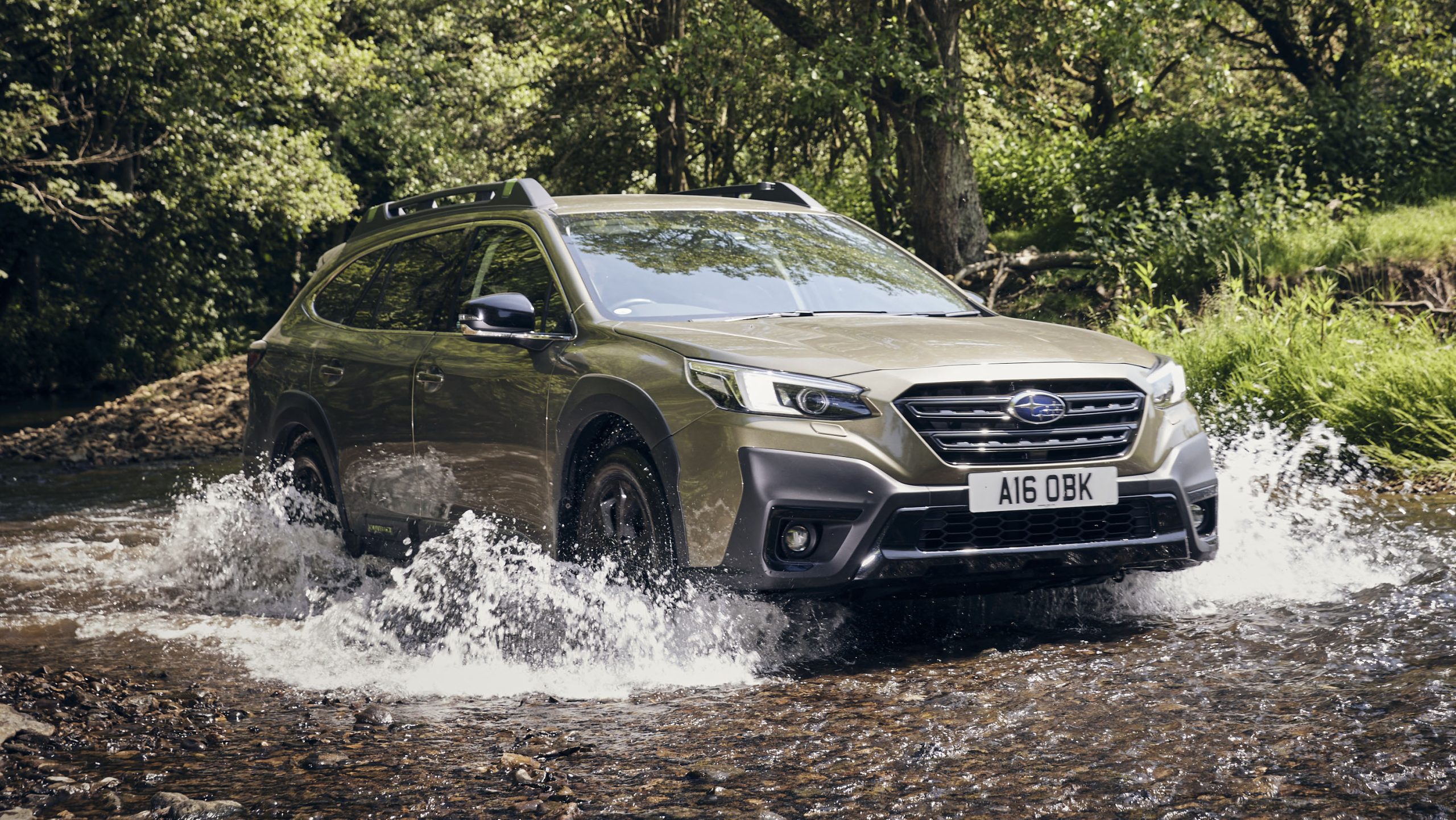
Technically a crossover, the Subaru Outback offers the ride height and practicality of an SUV with the ride comfort of a car. One reason people stay loyal to the Outback is its consistency.
It doesn’t try to change dramatically from year to year, and that predictability helps Subaru fine-tune the fit and finish of the vehicle. As a result, the cabin stays quiet, and rattles are rare even as the car ages.
Subaru pays close attention to how components are joined together. The interior isn’t flashy, but it’s carefully built. Panels don’t shift, the dashboard holds firm, and trim pieces don’t feel loose or flimsy.
This level of fitment means fewer opportunities for movement and sound development. The materials may feel a bit utilitarian compared to luxury brands, but they’re tough and made to last.
Another important factor is Subaru’s focus on real-world use. The Outback is often used for outdoor activities, road trips, and even light off-roading. That means it’s exposed to rougher conditions than a typical commuter vehicle.
Subaru knows this and builds the Outback to handle that kind of stress. This engineering focus ensures the cabin doesn’t fall apart or start buzzing every time you drive on a gravel road.
Even older Outbacks often remain impressively quiet. Owners of models over five or six years old often report very little in the way of interior noises. That says a lot about how well Subaru puts its vehicles together. For buyers who want something versatile but not fragile, the Outback is a solid choice that avoids the annoying traits that others in the segment can’t seem to shake.
5. Mazda CX-5
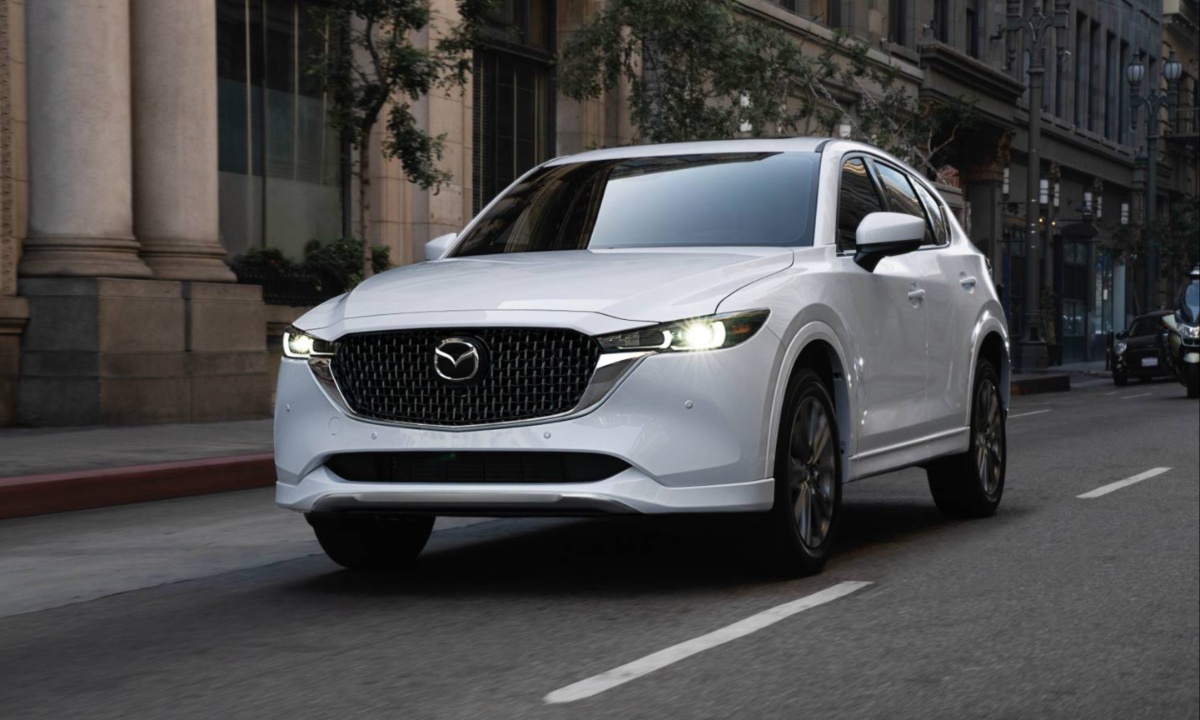
The Mazda CX-5 stands out in its class not just for its sporty handling but also for how refined and solid the cabin feels over time. Unlike many competitors in the compact SUV category, the CX-5 offers a more premium interior, one that doesn’t just look good but is built to last.
Mazda’s approach to interior craftsmanship is different from many mass-market brands. They don’t flood the cabin with cheap materials or cut corners in the areas you can’t see. The result is a cabin that maintains its composure over time, with no odd buzzing, creaking, or rattling from the trim pieces or dash.
Even after thousands of miles, owners of the CX-5 often mention how the vehicle still feels tight and well-constructed. This kind of long-term refinement comes down to the attention to detail that Mazda puts into their vehicles. Instead of simply designing for mass production speed, they focus on how each component interacts with the others.
If one panel shifts slightly or a clip wears down, that can cause friction, which eventually turns into a rattle. Mazda minimizes this risk by engineering everything to tight tolerances, including the center console, door inserts, and headliner fittings.
Road noise is also kept in check, and the suspension doesn’t crash over potholes in a way that might loosen cabin pieces. This smoothness plays a direct role in reducing long-term vibration-induced wear. Even when the vehicle is driven aggressively or over rough city roads, the structure resists twisting or flexing.
This is especially considering the CX-5’s more engaging chassis and firmer ride quality compared to some of its softer rivals. Mazda has managed to strike a balance between dynamic performance and long-term cabin integrity, something that few other brands in this price range achieve.
Many vehicles feel tight when new, but only a few maintain that feeling years down the road. The CX-5 does. It’s not only about how a car drives on day one but how it holds up over time, and that’s where this SUV shines. Drivers who appreciate a quiet, rattle-free environment and value mechanical soundness without needing a luxury badge will find the CX-5 to be one of the best options available.
6. Volvo XC60
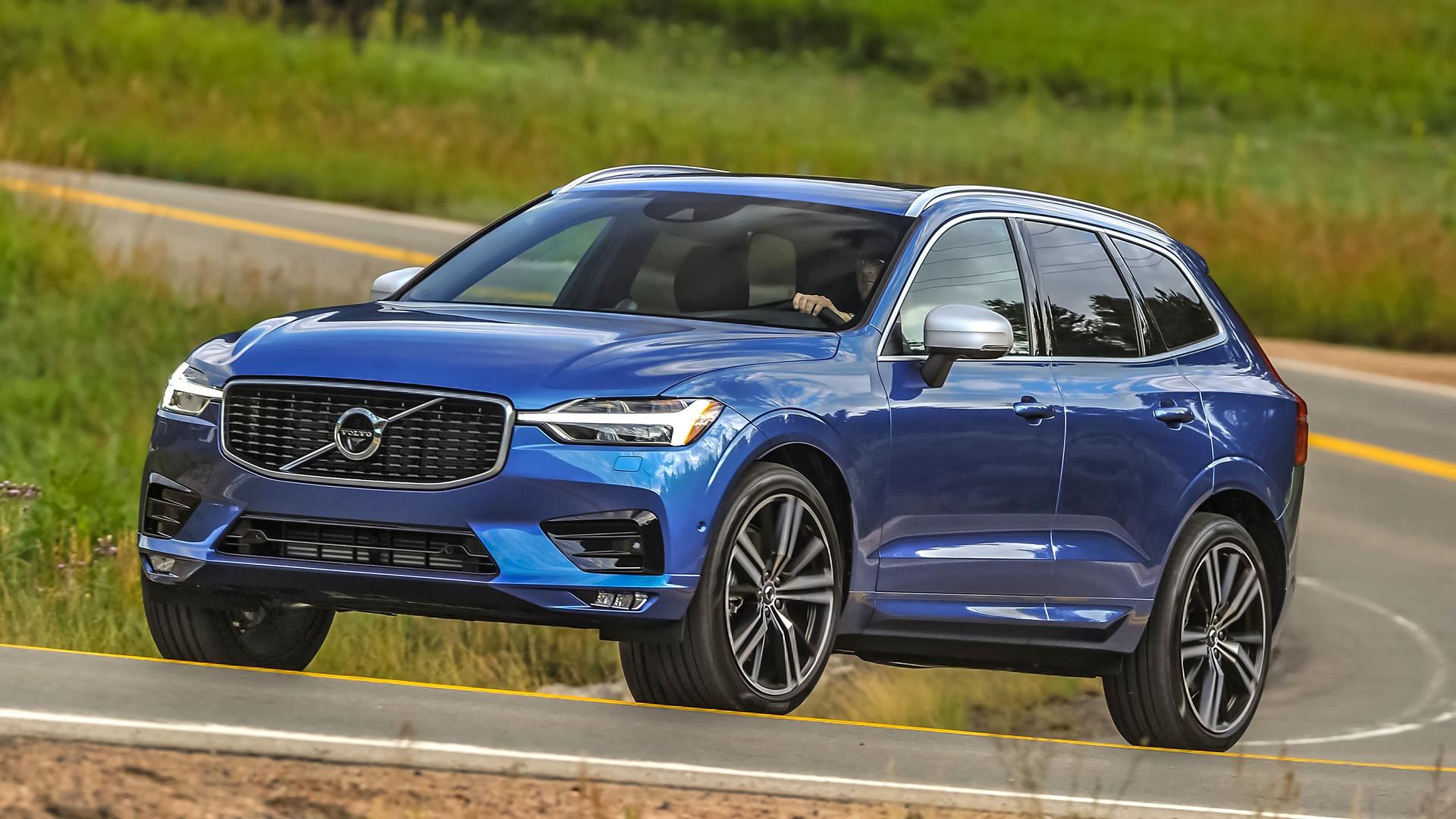
Volvo has always put safety at the forefront, but the XC60 shows that the brand also understands the value of long-term comfort and cabin refinement. This mid-size luxury SUV has earned a strong reputation for interior quality that holds up over the years.
From the first time you shut the door, the XC60 gives off a sense of sturdiness that isn’t just for show. The structure feels dense and solid, and more importantly, that feeling doesn’t fade with time. That’s a key reason why so many XC60 owners remain loyal to the brand.
Inside the cabin, Volvo uses a mix of high-quality materials including soft-touch plastics, genuine wood trim, and real aluminum accents. But quality materials alone don’t prevent rattles; it’s how they’re fastened and supported that matters. Volvo engineers seem to understand this deeply.
The panels fit together tightly, with consistent gaps and hidden supports that keep everything anchored during both daily use and long trips. Even after years of exposure to temperature changes and road conditions, these materials hold up without separating or shifting in ways that would create annoying cabin noises.
Another strength of the XC60 is its sound isolation. Volvo uses laminated windows and added insulation in the floor and firewall areas, which not only helps with outside noise but also keeps the interior quiet in a way that prevents the kinds of low-frequency vibrations that lead to rattles.
This careful design approach protects both comfort and structural cohesion. Even the seats and armrests feel anchored securely, which prevents squeaking or movement during driving. These little things add up, especially on longer drives where subtle noises become amplified in your awareness.
Many luxury SUVs start to show their age inside after four or five years, but the XC60 tends to age gracefully. Owners of older models consistently report that the cabin remains as quiet as it was when new.
Also Read: 12 Trucks With the Longest-Lasting Frames in 2025
7. Acura RDX
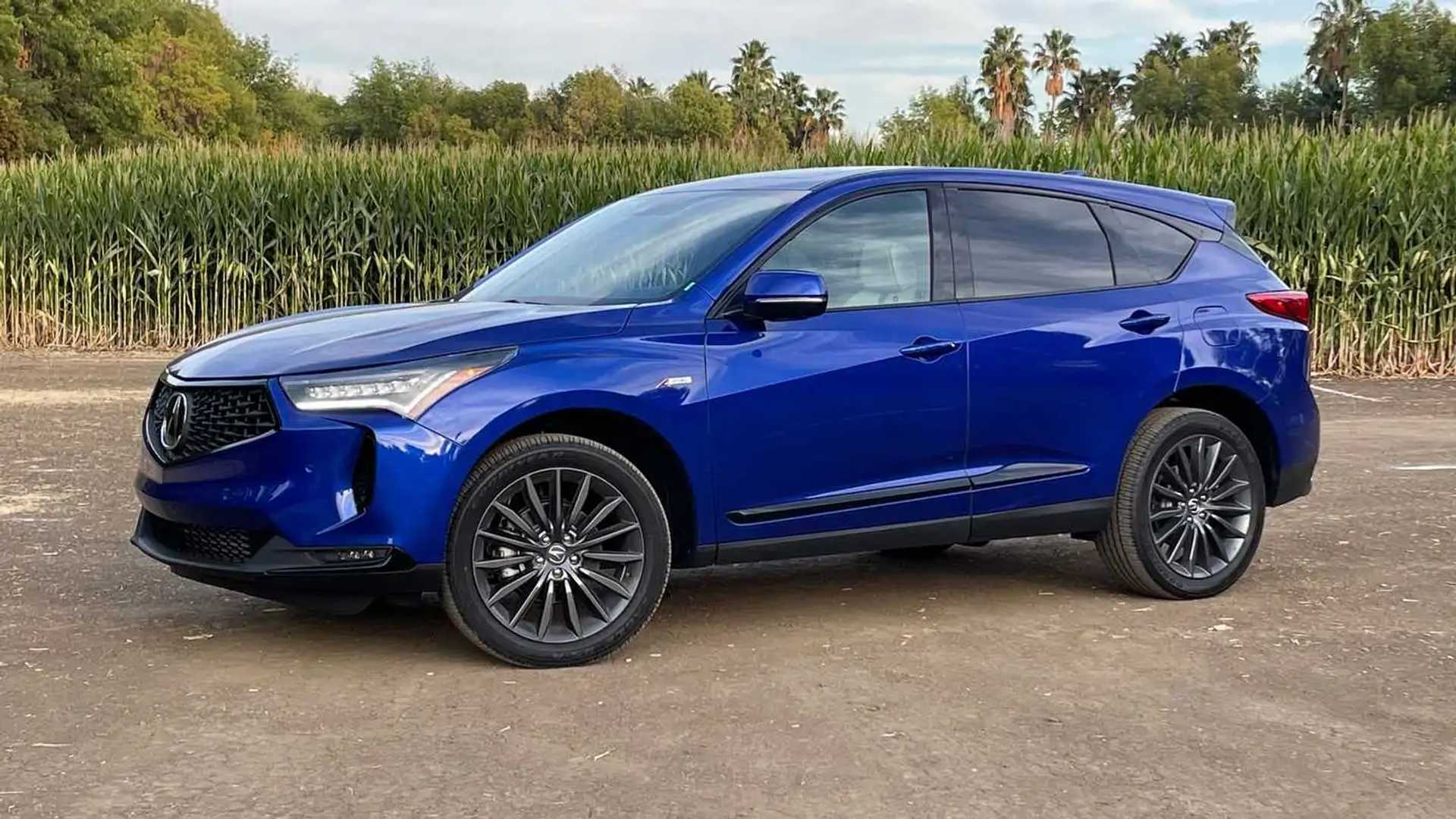
The Acura RDX is often overlooked in the luxury SUV segment, but it deserves credit for providing a rock-solid driving experience with minimal long-term cabin issues. One of its most underappreciated qualities is how well the interior holds up.
Even after tens of thousands of miles, RDX models tend to stay quiet, with few complaints about dashboard buzzes, trim creaks, or panel vibrations. This is a testament to Acura’s focus on engineering and material selection, two things that don’t always get attention when buyers are comparing features or price.
The cabin of the RDX uses sturdy components that are more functional than flashy, but that’s part of why it stays quiet. The dashboard is layered and soft-touch, but it doesn’t rely on glued-on trim or overly complicated panel designs that can loosen over time.
Controls are well-damped, and buttons stay clicky and firm even after years of daily use. It’s also clear that Acura paid close attention to the seating structure, which avoids the squeaking and shifting that plagues some rivals. Even after long drives, nothing feels loose or shaky inside.
Structurally, the RDX is built on a solid platform that resists flexing, especially important on uneven pavement. This firm foundation helps reduce micro-movements in the frame, which can otherwise cause panels and fittings to move out of alignment over time.
That alignment is crucial because most rattles develop when gaps between interior parts shift, especially in hot or cold weather. Acura’s attention to thermal expansion and material pairing is a big reason why its interiors stay quiet year-round.
Many buyers choose Acura for its reliability, but the brand’s resistance to long-term nuisances like rattles deserves more attention. The RDX in particular stands out for its balance between luxury and build quality.
It may not always have the prestige of European badges, but it often outlasts them when it comes to cabin integrity. Drivers who want a vehicle that feels as solid in year five as it did on day one will appreciate what the RDX offers.

8. BMW X5
The BMW X5 brings a level of craftsmanship that shows not just in its performance but in its long-term build quality. While some European luxury brands struggle with aging interiors that develop creaks and rattles, the X5 resists that trend. One of the key reasons for this is BMW’s focus on chassis stiffness.
The X5 platform is designed for both comfort and dynamic driving, which means the structure has to be strong enough to handle hard cornering without flexing. That strength translates directly into better resistance to interior wear and noise.
Inside, the materials are among the best in its class. Real leather, brushed aluminum, and soft-touch plastics are all used, but more importantly, they’re installed with great precision. BMW doesn’t leave room for panel movement, which is often what causes rattles over time.
Even the center stack and infotainment system, which are complex and filled with electronics, are engineered to remain secure and free from vibrations even after years of use. It’s not just about what you see, it’s about how those components are anchored beneath the surface.
A big factor in the X5’s quiet interior is its focus on NVH, noise, vibration, and harshness. BMW engineers go to great lengths to eliminate unwanted vibrations at the source. From active engine mounts to subframe bushings, every detail is chosen not only for performance but also for long-term comfort.
As a result, the vehicle feels composed over potholes and rough patches, rather than transmitting those impacts into the cabin. This reduces the chance of trim panels loosening or plastic joints shifting, which are common causes of rattles in lesser vehicles.
Even older X5 models, when maintained properly, tend to feel well-built. That’s not always true with other luxury brands, which may focus more on initial wow factor than durability. BMW takes pride in longevity, and that shows in how the X5 ages.
With proper care, these SUVs continue to feel tight, responsive, and quiet inside. For drivers who want the combination of performance, luxury, and durability, the X5 stands out as a strong choice that avoids the hidden frustrations of interior noise.
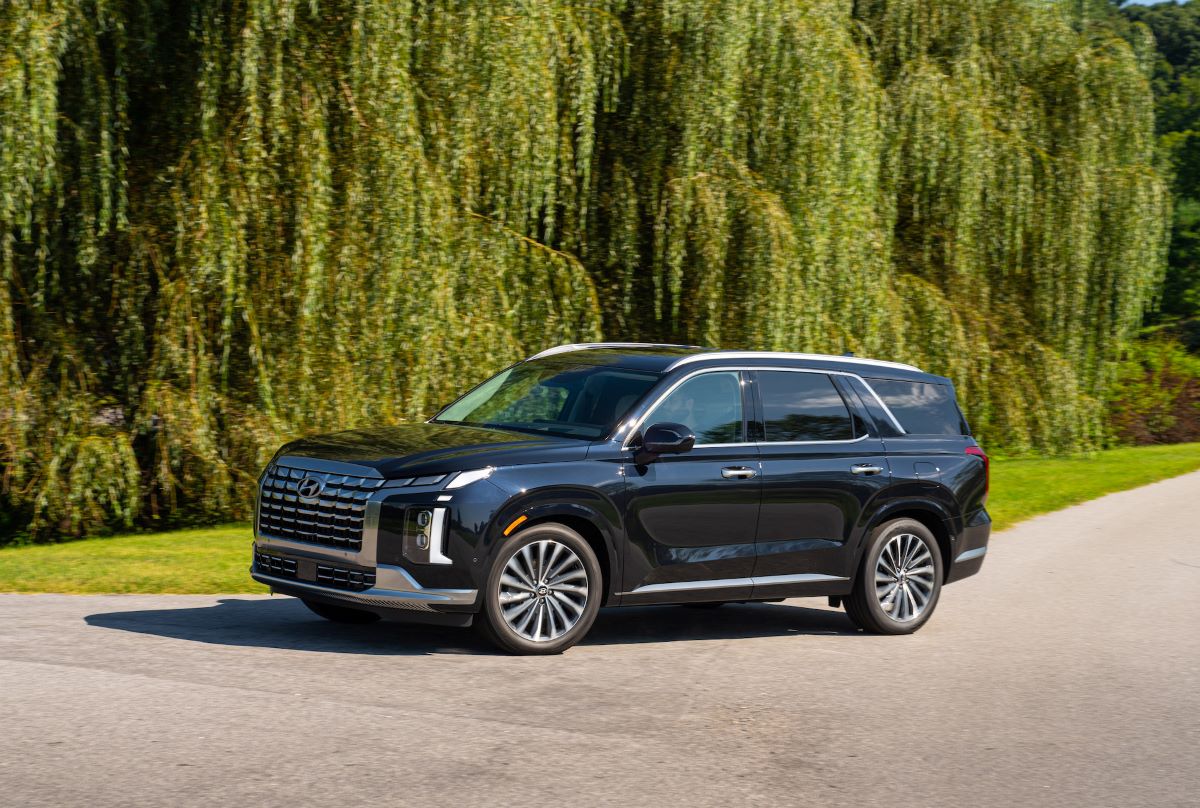
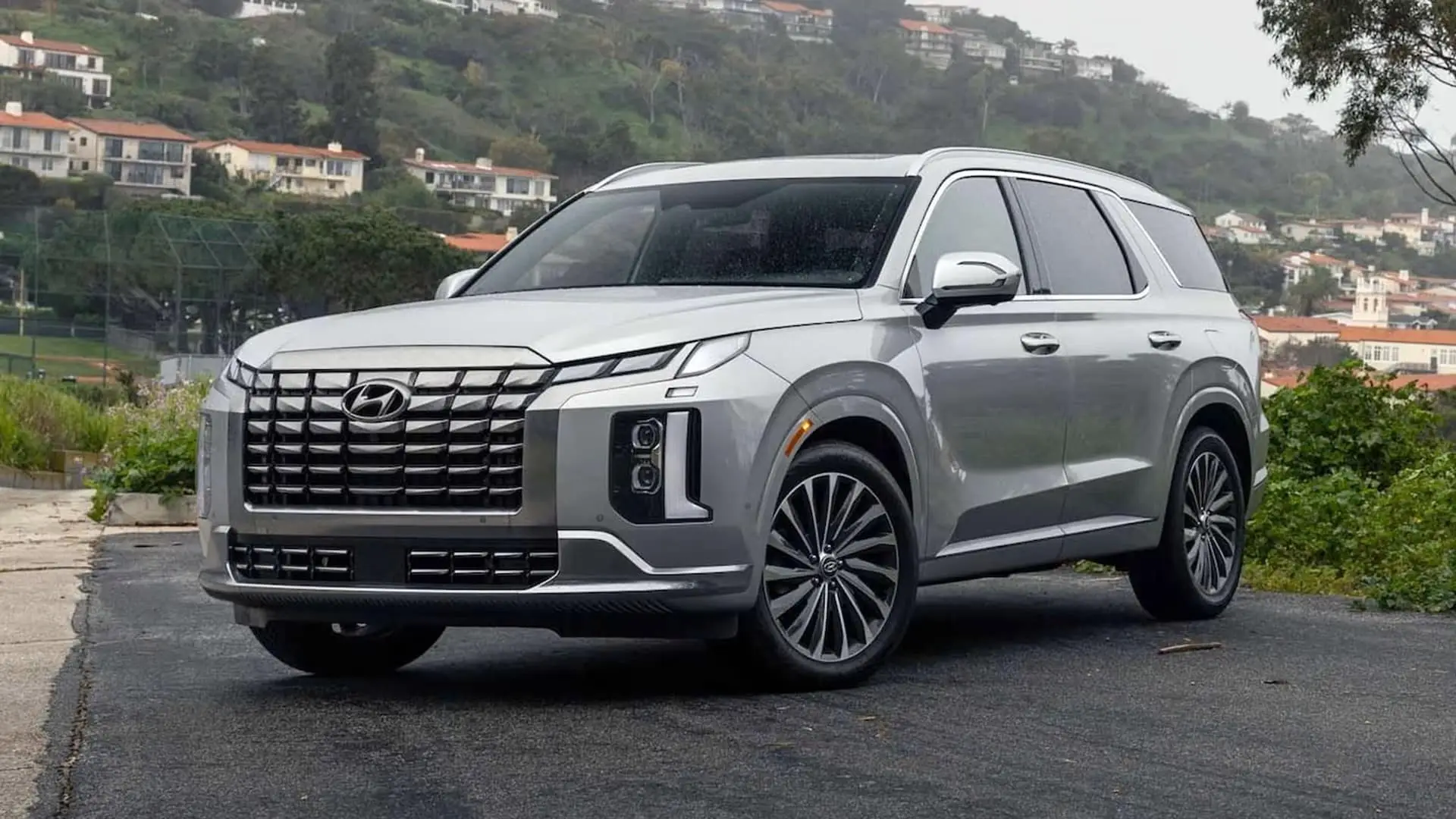
9. Hyundai Palisade
The Hyundai Palisade has surprised many buyers with how refined and well-built it feels, especially considering its price point. From the moment you step inside, it feels more premium than expected, but the real story is how well that quality holds up over time.
This SUV doesn’t rely on gimmicks or excessive styling to create a good impression. It’s been designed from the beginning to offer long-term durability, and one area where that shows clearly is in how little the cabin degrades over time. Even with family use, long drives, and varying climates, the Palisade remains impressively free of rattles.
One of the strengths of the Palisade is Hyundai’s recent focus on manufacturing precision. The interior is filled with soft-touch surfaces, padded door panels, and high-grade plastics, but those materials are also applied and anchored in ways that resist movement.
Hyundai has come a long way from its early models that often felt cheap or poorly assembled. In the Palisade, everything is tight. The dashboard doesn’t buzz, the pillars don’t creak during turns, and the second and third-row seating mechanisms stay firm and quiet over time.
This level of quietness isn’t just evident when new; many owners of older models continue to report a solid and noise-free ride years later.
Another element contributing to the Palisade’s quiet ride is how Hyundai has tuned the suspension. Instead of the vehicle crashing over bumps and causing shock through the cabin, the ride stays composed. A more comfortable ride puts less stress on the joints between panels and trim, which keeps those pieces from rubbing or vibrating.
Suspension design might not seem related to interior rattles, but the connection becomes clear when you realize how much shock and motion can wear on an SUV’s interior structure. Hyundai clearly took that into account with this model.
Families especially value quiet cabins because they spend more time in the car, often with kids or during road trips. A rattle in the back seat or a buzz behind the dash can quickly become maddening when you’re on a long drive.
That’s why the Palisade stands out. It doesn’t just offer space and features, it delivers a calm, controlled environment that holds up. For anyone needing a three-row SUV that won’t drive you crazy with little noises down the line, this one deserves serious consideration.
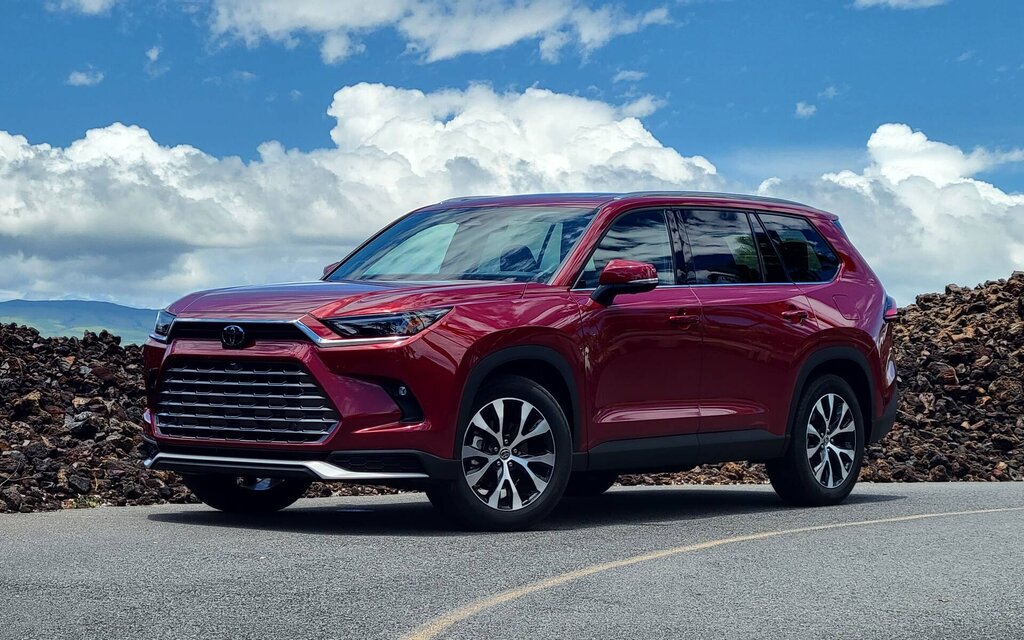
10. Toyota Highlander
The Toyota Highlander is consistently one of the best-selling SUVs in its class, and it’s not hard to see why. It offers a balance of comfort, space, and reliability that makes it a favorite among families. But beyond the basics, one of its hidden strengths is how well the interior stays intact over the years.
This vehicle avoids the annoying rattles and buzzing sounds that often plague other three-row SUVs, especially after a few years of daily use. Toyota’s experience in mass production shows here, their attention to assembly quality helps keep everything quiet and tightly fitted.
The Highlander’s cabin doesn’t try to be overly fancy, but it feels mature and well-constructed. The panels align cleanly, and the use of durable materials in high-touch areas means that repeated use won’t wear them down prematurely.
Features like the center console lid, storage bins, and seat folding mechanisms continue to function smoothly even after years of family use. Importantly, they don’t start making noise as they age. This is a key reason why used Highlanders often feel newer inside than their mileage would suggest.
Another point in the Highlander’s favor is the insulation Toyota builds into the structure. Wind noise is minimal, but so is the internal noise generated by road vibration and suspension movement. This helps preserve the integrity of the cabin over time.
Rattles often begin with vibration over long periods, especially in areas like the dashboard or behind the instrument cluster. The Highlander avoids this by isolating that vibration from reaching sensitive components. That engineering pays off long-term, as many owners go well beyond 100,000 miles without any signs of interior wear or annoying noise.
For buyers looking for peace of mind and a cabin that doesn’t become a source of frustration, the Highlander is one of the best in its class. Toyota’s reputation for reliability extends far beyond just engines and transmissions.
It’s also about creating a driving experience that feels consistent over time. The Highlander quietly excels in this area, making it a smart choice for anyone who values silence and structural dependability.
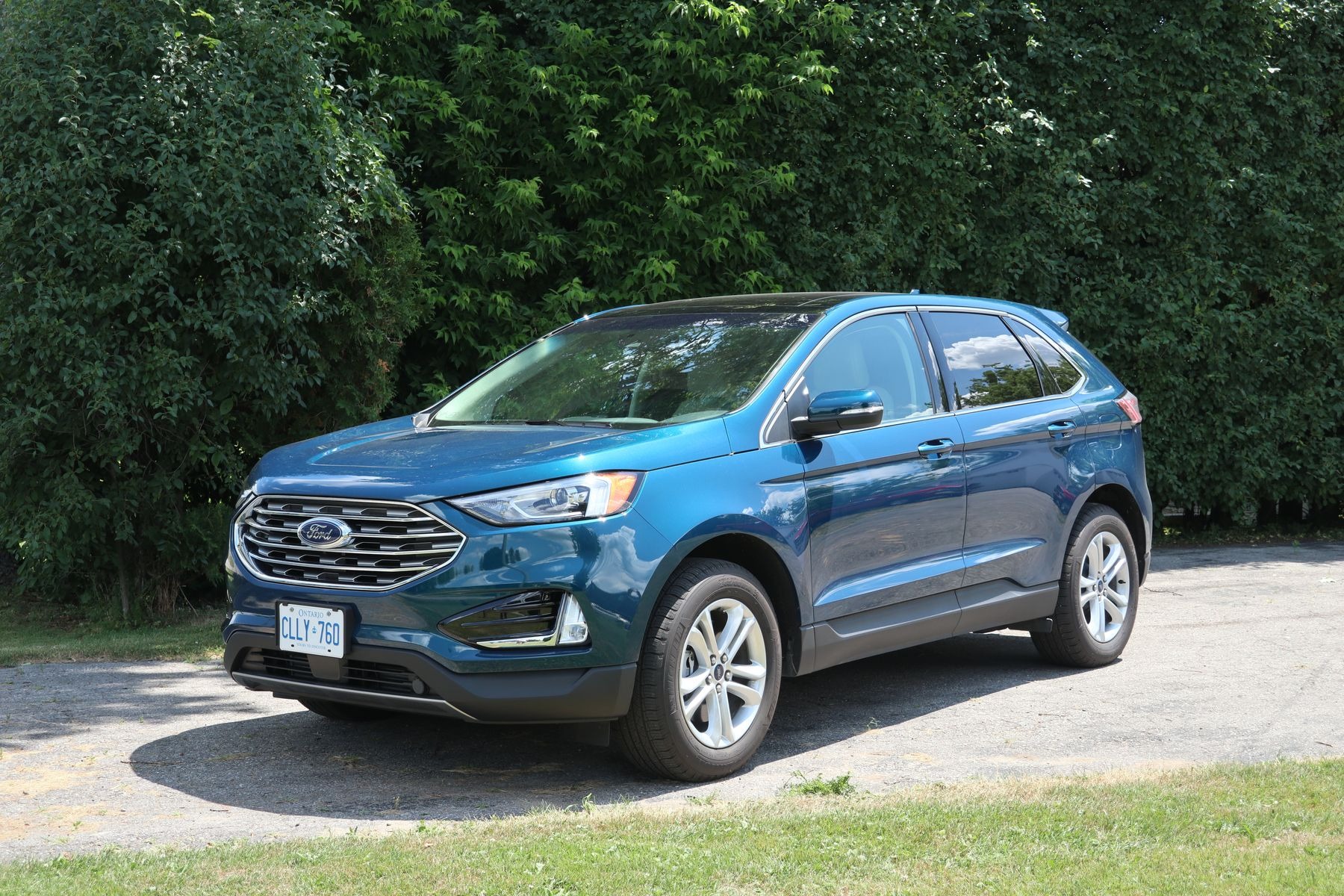
11. Ford Edge
The Ford Edge often flies under the radar in the SUV market, but it has earned a quiet reputation for being solidly built and comfortable over time. Unlike some other mid-size crossovers that rely on flashy updates and unnecessary tech gimmicks, the Edge has stayed focused on practicality and refinement.
One of the strongest points in its favor is how well the interior holds up, even with heavy daily use. Owners frequently report that the vehicle stays quiet, with very few issues related to interior rattles, trim noise, or creaky panels.
Ford invested in a strong platform for the Edge, one that gives the vehicle excellent structural rigidity. This matters because a flexing frame can lead to all sorts of annoying cabin issues, doors that creak on uneven pavement, dashboards that start to buzz at highway speeds, and center consoles that rattle over time.
The Edge largely avoids these problems by having a stiff chassis that absorbs movement and keeps cabin components stable. Even when driven aggressively or on poor roads, the structure remains composed, which is key to preventing the kind of long-term wear that results in interior noise.
Inside the cabin, Ford has used materials that strike a balance between softness and durability. The dashboard, door trims, and seating surfaces are not only comfortable but also designed to take daily abuse without breaking down.
The fitment of these materials is also crucial, they’re not just placed for show, but attached in a way that minimizes movement. This is especially important in the climate control area and the infotainment stack, two common sources of rattles in poorly built vehicles. In the Edge, those areas remain quiet and responsive even after extended use.
The Edge may not have the luxury badge of some competitors, but it delivers when it comes to long-term comfort and usability. Owners who keep their vehicles for many years often mention that the lack of interior rattles is one of the reasons they continue to stick with the model.
Whether it’s for commuting, road trips, or family errands, the Ford Edge creates a cabin that feels peaceful and well-insulated from the distractions that can come from poor build quality. It’s a model that quietly proves its worth year after year.
