
Electric vehicles (EVs) have come a long way since their early days. When they first appeared on the mainstream market, many drivers were uncertain about how long these new machines could last.
Concerns about battery degradation, high replacement costs, and the lack of long-term real-world data led some to assume that EVs wouldn’t last nearly as long as their gas-powered counterparts.
However, time has proven otherwise in many cases. While not every EV has aged well, several models have impressed their owners and industry watchers alike by continuing to perform reliably far beyond expectations.
Part of what contributes to an EV’s longevity is its mechanical simplicity compared to internal combustion engine (ICE) vehicles. Without oil changes, timing belts, spark plugs, and exhaust systems, EVs avoid many of the traditional points of failure.
Still, the longevity of an EV isn’t just about having fewer moving parts. It’s about how well the battery holds up over time, how the software is supported and updated, and how durable the components like the drivetrain, suspension, and chassis turn out to be.
What’s become clear in recent years is that some EVs have surprised even the most skeptical owners by lasting well past 100,000 or even 300,000 miles with relatively few issues. These vehicles are being driven daily, commuted in, taken on road trips, and still holding strong.
Their batteries are not failing as rapidly as some predicted, and in many cases, they retain much of their original range even after a decade of use. This shift in expectations is not just anecdotal, it reflects a changing perception of what EV ownership looks like over the long haul.
In this article, we’ll look at ten electric vehicles that have earned a reputation for surprising longevity. These aren’t necessarily the flashiest or most expensive models, but they’ve proven themselves where it counts: on the road, over time, in real-world conditions.
Owners of these vehicles didn’t just enjoy a good first few years, they discovered that their EVs were built to last far longer than they had imagined.
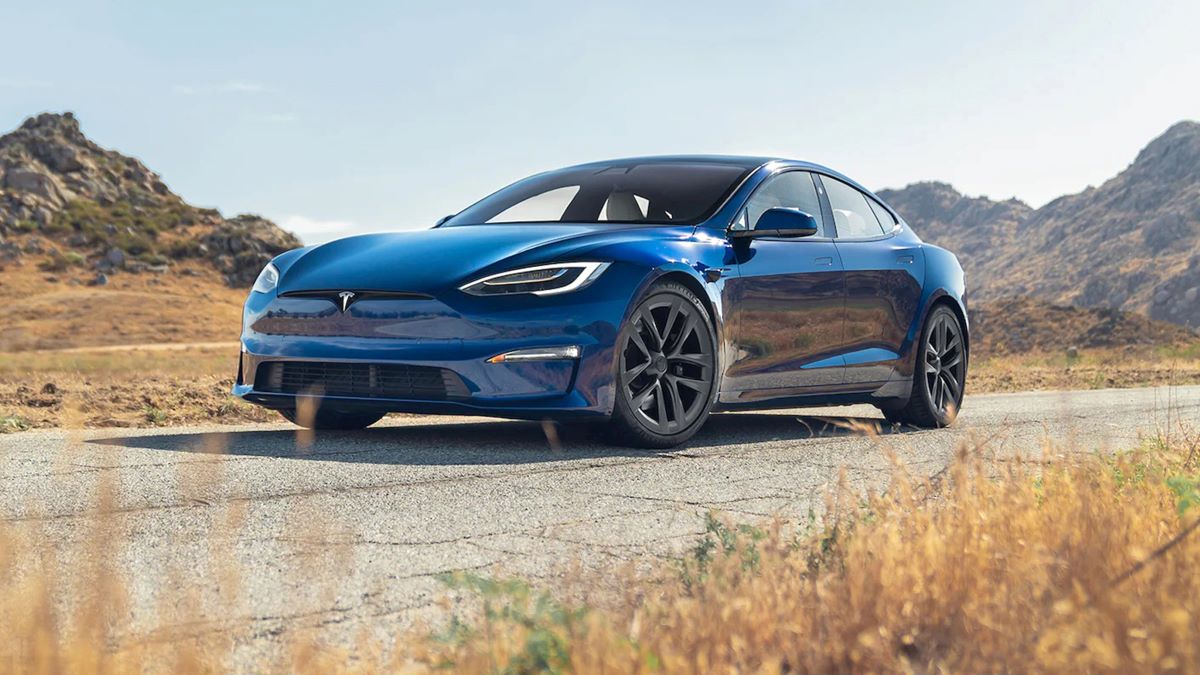
1. Tesla Model S (2012–Present)
When the Tesla Model S was introduced in 2012, it was a bold entry into the EV market. It promised luxury, performance, and an impressive electric range that set new benchmarks.
While Tesla’s ambitions were high, not everyone believed the Model S would go the distance in terms of durability. Yet, more than a decade later, many early Model S vehicles are still going strong, and some have racked up mileage figures that put most ICE vehicles to shame.
One of the most well-known examples is a Model S owned by a German taxi driver, which surpassed 400,000 miles. Although it required a battery replacement after a few hundred thousand miles, the vehicle’s build quality, electronics, and motor held up remarkably well.
Stories like this have led to a growing belief that Tesla’s engineering, despite some quality control hiccups, has longevity at its core. Many owners report that their original battery still provides over 80% of its range after 8–10 years, which was unthinkable to many at the time of purchase.
Another reason the Model S has surprised owners is its software support. Tesla continues to update even older models with new features and optimizations, breathing new life into vehicles that, in a traditional car context, would be considered outdated.
These updates help with battery management, performance tweaks, and infotainment features that extend the practical usability of the car far beyond what’s typical.
Of course, longevity doesn’t just come from the powertrain. The Model S has proven to be a solid vehicle in other areas, too. Its suspension system, braking components, and cabin materials have held up under extended use.
Owners who take good care of the car, performing basic maintenance, avoiding extreme driving, and charging with care, often find that the Model S can last them well over a decade with minimal issues.
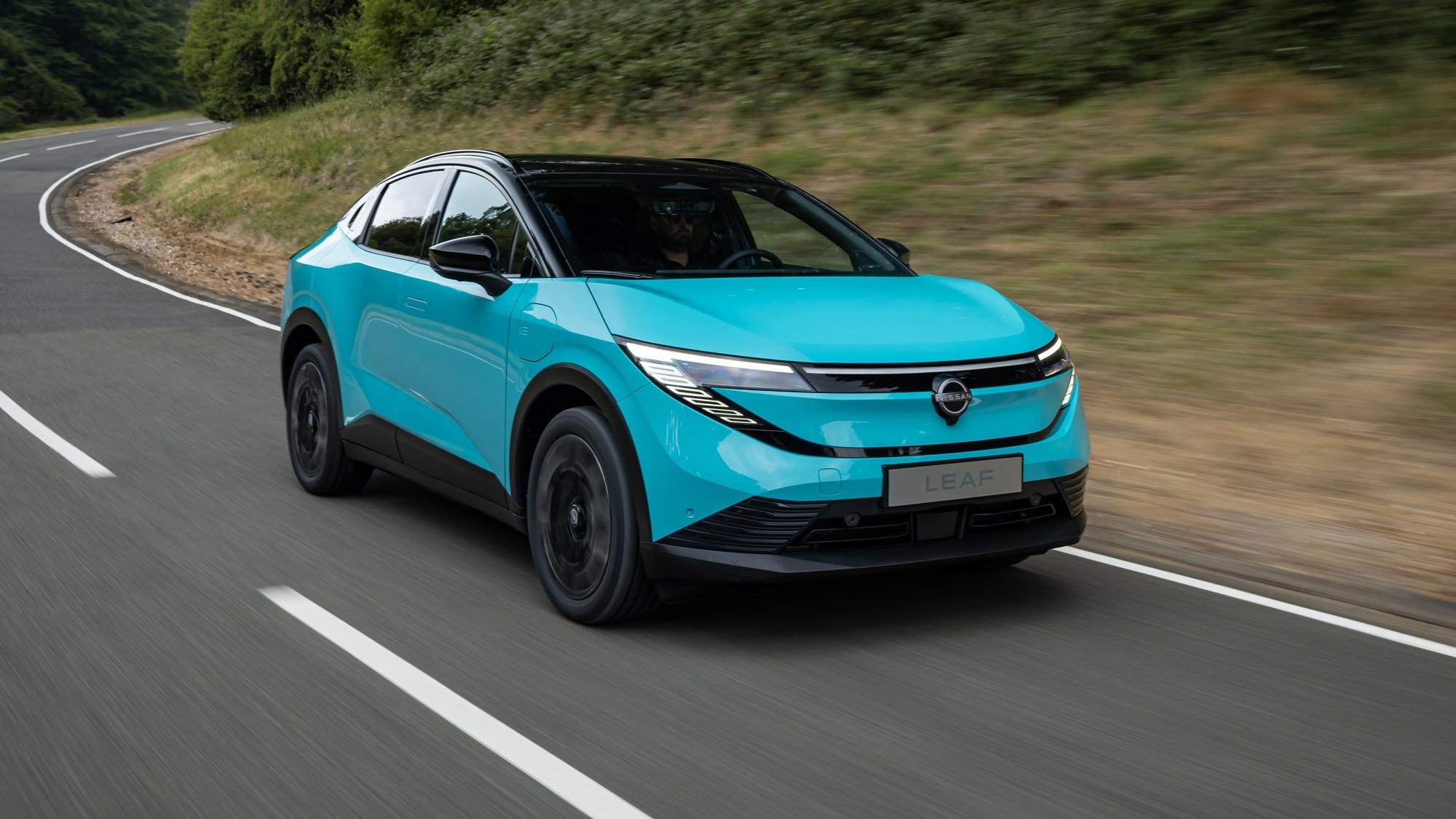
2. Nissan Leaf (2011–Present)
The Nissan Leaf was one of the first mass-market EVs and has become one of the most popular electric cars in history. While its early models had a relatively limited range compared to today’s standards, the Leaf earned its place by being affordable and accessible.
At the time of its release, some critics doubted its long-term viability, particularly due to its air-cooled battery system, which can be less efficient at temperature management than liquid-cooled systems.
Yet, despite those concerns, many Leaf owners have been pleasantly surprised by the vehicle’s durability. It’s not unusual to hear of Leafs from 2012 or 2013 still functioning well with over 150,000 miles.
While some degradation is expected, particularly in hotter climates, many owners find that their vehicles still meet their daily driving needs even a decade later. And that’s without needing major drivetrain replacements or battery overhauls in many cases.
The simplicity of the Leaf’s design has helped it age well. It’s not overloaded with high-tech gadgets that can break down over time.
The car has relatively few components that require constant attention, and its electric motor has proven very reliable. Many owners report that aside from routine tire changes and occasional brake work, the Leaf doesn’t demand much attention in the service department.
Another reason the Leaf has shown longevity is its use in fleet and rideshare applications. In places where Leafs were used for daily driving or delivery work, some managed to rack up substantial mileage with little more than basic upkeep.
These high-mileage examples prove that, despite lacking some advanced cooling or premium materials, the Leaf’s core engineering can handle the test of time.
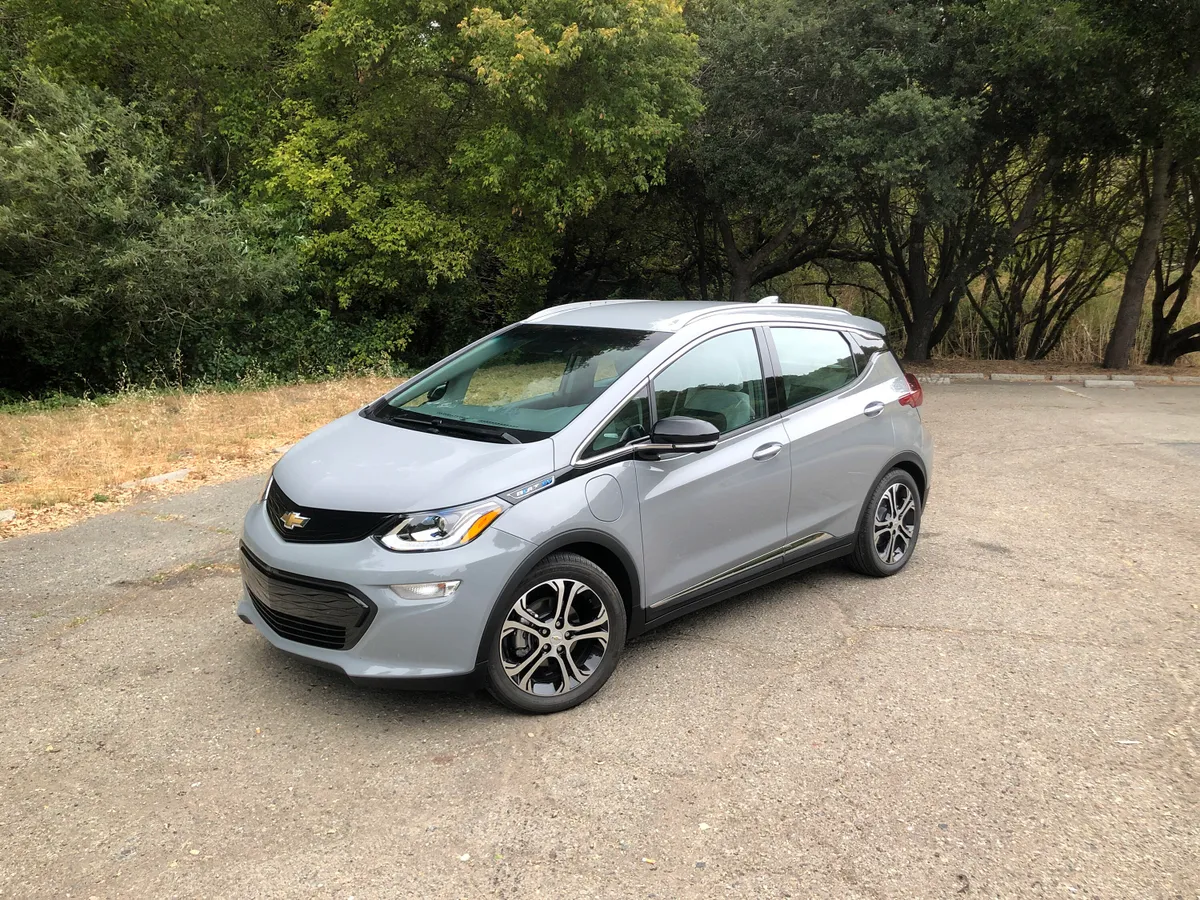
3. Chevrolet Bolt EV (2017–Present)
The Chevrolet Bolt EV entered the market with a respectable range and competitive pricing, aiming to bring long-range electric driving to the masses.
Some early skepticism surrounded General Motors’ commitment to EVs and concerns about the long-term performance of the Bolt’s battery system. But over the years, the Bolt has proven to be one of the most reliable and surprisingly long-lasting EVs available.
Many Bolt owners report minimal degradation even after 100,000 miles of use. This is especially noteworthy given the car’s relatively compact battery pack compared to some of the larger EVs on the market. GM’s battery management system appears to have played a major role in maintaining battery health over the long term, especially following safety-related improvements.
The Bolt has also been used in demanding conditions, including urban commuting, road tripping, and delivery services. In these scenarios, the car’s efficiency and ease of maintenance have helped it accumulate high mileage without excessive wear and tear.
Drivers appreciate the Bolt’s simple layout and effective drivetrain, which hold up well over time. Even during the battery recall phase, many owners expressed continued confidence in the Bolt as a long-term vehicle.
After receiving new battery packs under warranty, some owners effectively received a reset on battery health, further boosting the vehicle’s useful life. With solid build quality and consistent performance, the Bolt has earned a reputation as a durable and dependable EV choice.
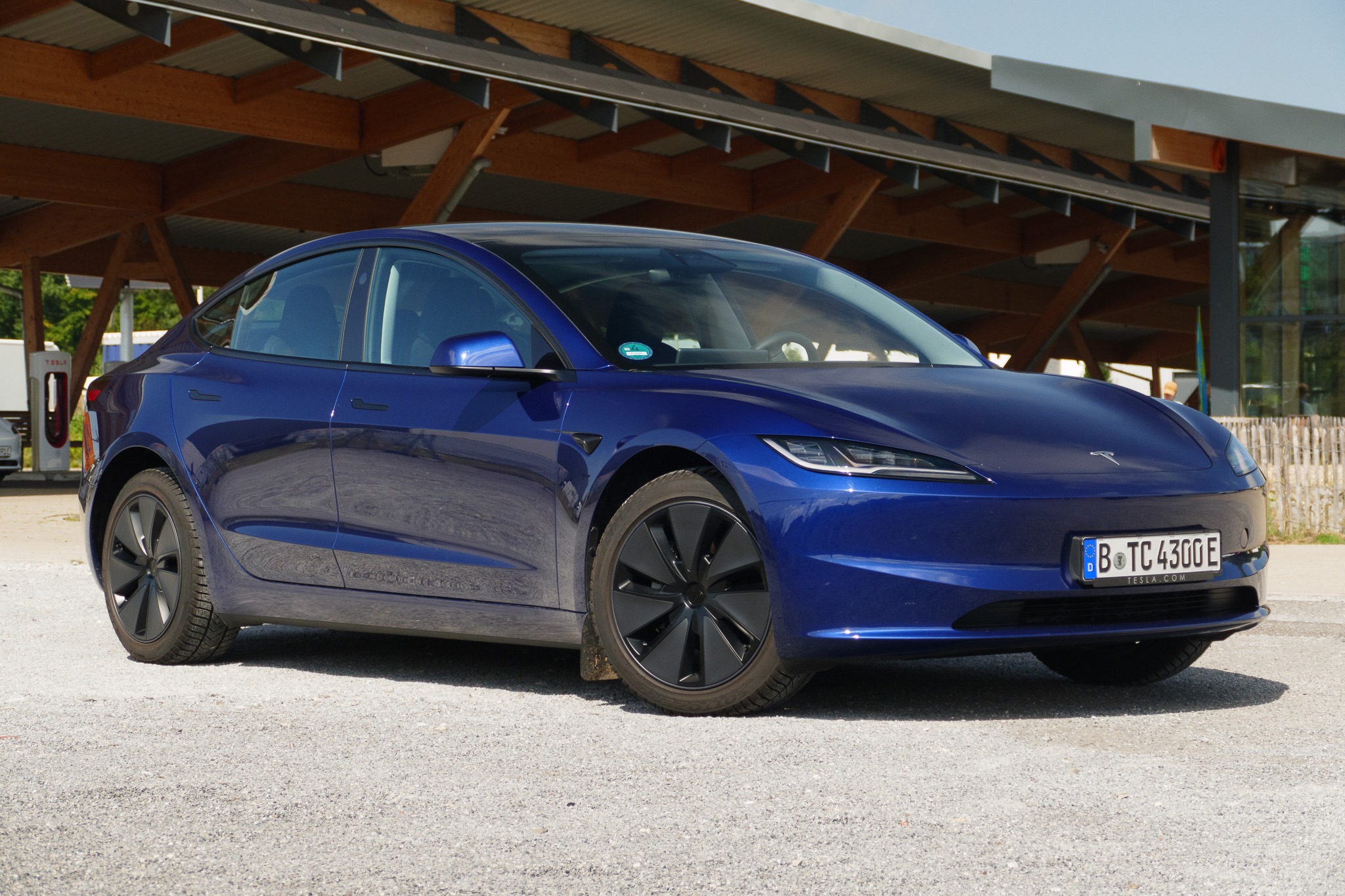
4. Tesla Model 3 (2017–Present)
Tesla’s Model 3 has become one of the best-selling electric vehicles globally, and it’s not just because of its range or brand appeal. One of the most compelling aspects of the Model 3 is how well it holds up with regular use. While it’s a newer model compared to the original Model S, the Model 3 is already showing signs of becoming a long-haul workhorse for many owners.
Some of the first Model 3s from 2017 and 2018 are now pushing past 150,000 to 200,000 miles, and many of them are still going strong.
The battery packs, thanks to improved thermal management and software controls, have held up better than earlier Tesla models. Real-world data suggests that range loss is slow and gradual for most users, with some reporting as little as 10% loss after more than 100,000 miles.
The car’s drivetrain is another highlight. It has shown consistent reliability with relatively few motor failures or serious issues. Tesla’s use of regenerative braking also reduces wear on the brake system, meaning even brakes last longer than expected. Combined with minimal scheduled maintenance, these factors make the Model 3 a smart long-term investment for many.
As with the Model S, the Model 3 benefits from frequent software updates that keep it feeling modern. From added features to improved driving dynamics, Tesla’s updates give the car a longer shelf life than traditional vehicles.
Even after years of use, a Model 3 can still feel up-to-date, both in performance and in digital functionality, making it a standout in terms of perceived longevity.

5. BMW i3 (2013–2021)
The BMW i3 stood out when it was first released, both in terms of design and engineering philosophy. With its futuristic styling, carbon-fiber reinforced plastic body, and rear-wheel drive layout, it was unlike anything else in the EV market at the time.
While some questioned its limited range in earlier versions and whether such an unconventional build would stand the test of time, the i3 has proven to be remarkably durable. Many original i3s are still being driven daily, with well over 100,000 miles on the odometer and minimal issues to report.
Part of the i3’s longevity can be attributed to its build quality. BMW didn’t treat the i3 like a novelty project. Instead, they approached it with the same engineering precision they apply to their other models.
The result is an electric car that has held up well mechanically, structurally, and electronically. The carbon-fiber structure resists rust and corrosion, especially in colder or wetter climates, which can wreak havoc on traditional steel-bodied cars. This makes the i3 particularly well-suited for regions where roads are salted during winter.
The i3’s electric motor and drivetrain have also aged gracefully. Owners commonly report smooth performance even after many years, with very few cases of motor failure or significant battery degradation.
Some later models equipped with larger battery packs also benefit from increased range and better thermal management, helping them retain value and usefulness over time. Moreover, regenerative braking in the i3 reduces strain on the braking system, extending the life of consumables like pads and rotors significantly.
The Range Extender (REx) version, which includes a small gasoline engine to charge the battery when needed, also contributed to longevity by giving owners peace of mind and flexibility, especially in areas where charging infrastructure was not yet mature.
While the i3 is no longer in production, it left behind a legacy of engineering durability and surprised many with its ability to remain reliable, quirky, and relevant years after its launch. The i3 may have been compact, but it punched above its weight when it came to long-term value.
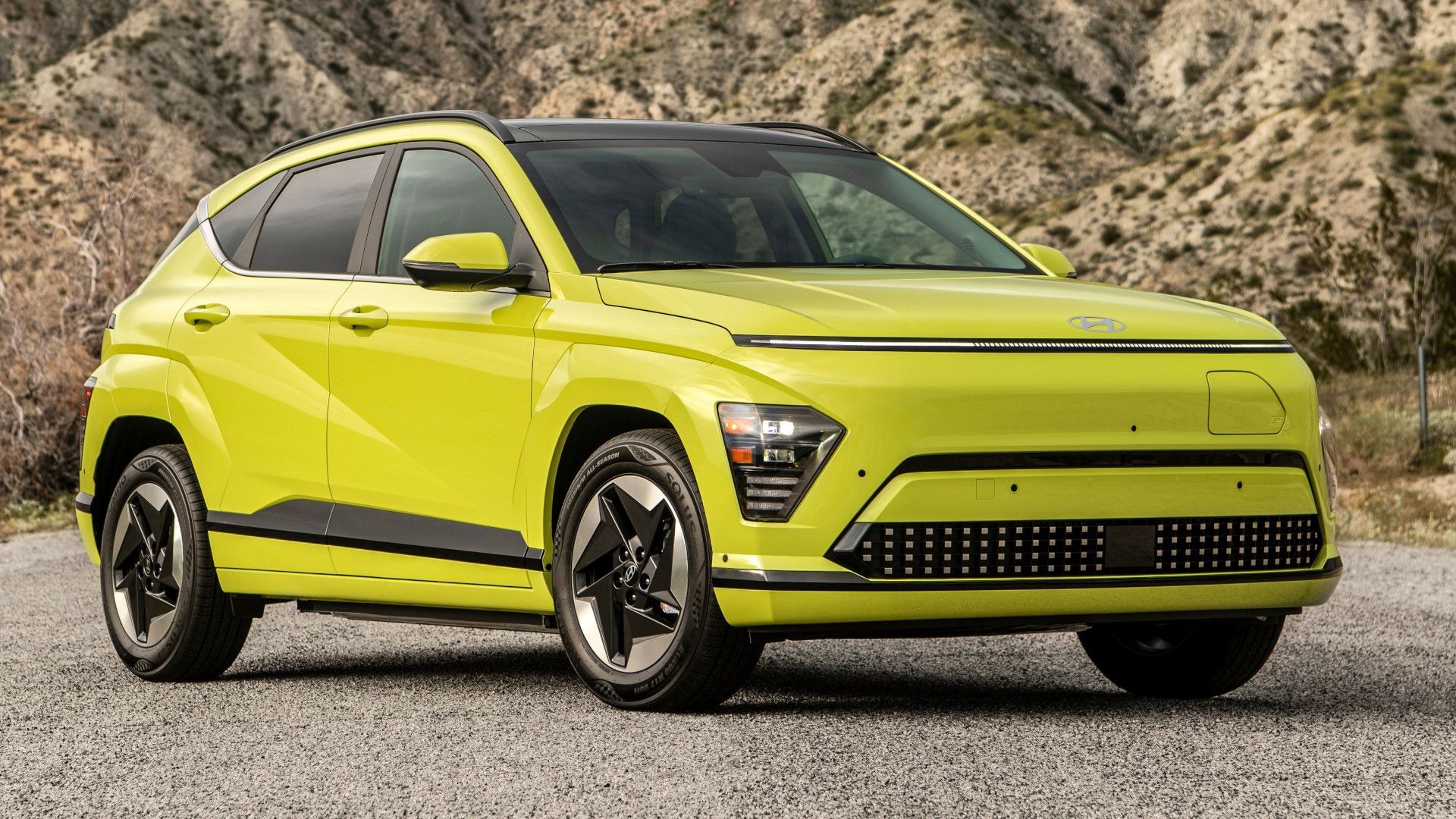
6. Hyundai Kona Electric (2018–Present)
The Hyundai Kona Electric made a strong impression from the moment it was released. With over 250 miles of real-world range, solid build quality, and a price that undercut many of its competitors, it quickly became a favorite among budget-conscious EV buyers.
But what’s surprised many owners isn’t just how well it performs on day one, it’s how well it continues to perform years down the road. The Kona Electric has quietly built a reputation as one of the most reliable and long-lasting EVs in its segment.
One of the key strengths of the Kona Electric is its battery durability. Hyundai’s battery management system has proven effective at protecting the pack from excessive wear and degradation. Many owners with well over 100,000 miles on their Kona report minimal loss in range, some as little as 5 to 10 percent, even under heavy use.
This level of battery health has changed the conversation around affordable EVs, showing that long-term ownership doesn’t have to mean constant anxiety about battery failure.
Build quality is another area where the Kona Electric shines. While Hyundai may not carry the luxury cachet of more expensive brands, the Kona is well-assembled, with sturdy interior materials and good noise insulation.
This contributes to a driving experience that doesn’t degrade quickly over time. The suspension system, steering components, and power electronics have also shown strong durability, with relatively few reports of major mechanical issues even after years of daily use in diverse climates and conditions.
In addition, Hyundai’s warranty support has reassured many buyers who were initially cautious about EVs. An industry-leading battery warranty has encouraged more drivers to take the plunge into electric driving, and the relatively low maintenance costs have made the Kona Electric a smart financial decision for the long haul.
It’s not uncommon to find Kona Electrics in taxi fleets or high-mileage commuter roles, further underscoring their robustness. With consistent performance, strong range retention, and low running costs, the Kona Electric has more than earned its place on this list of long-lasting EVs.
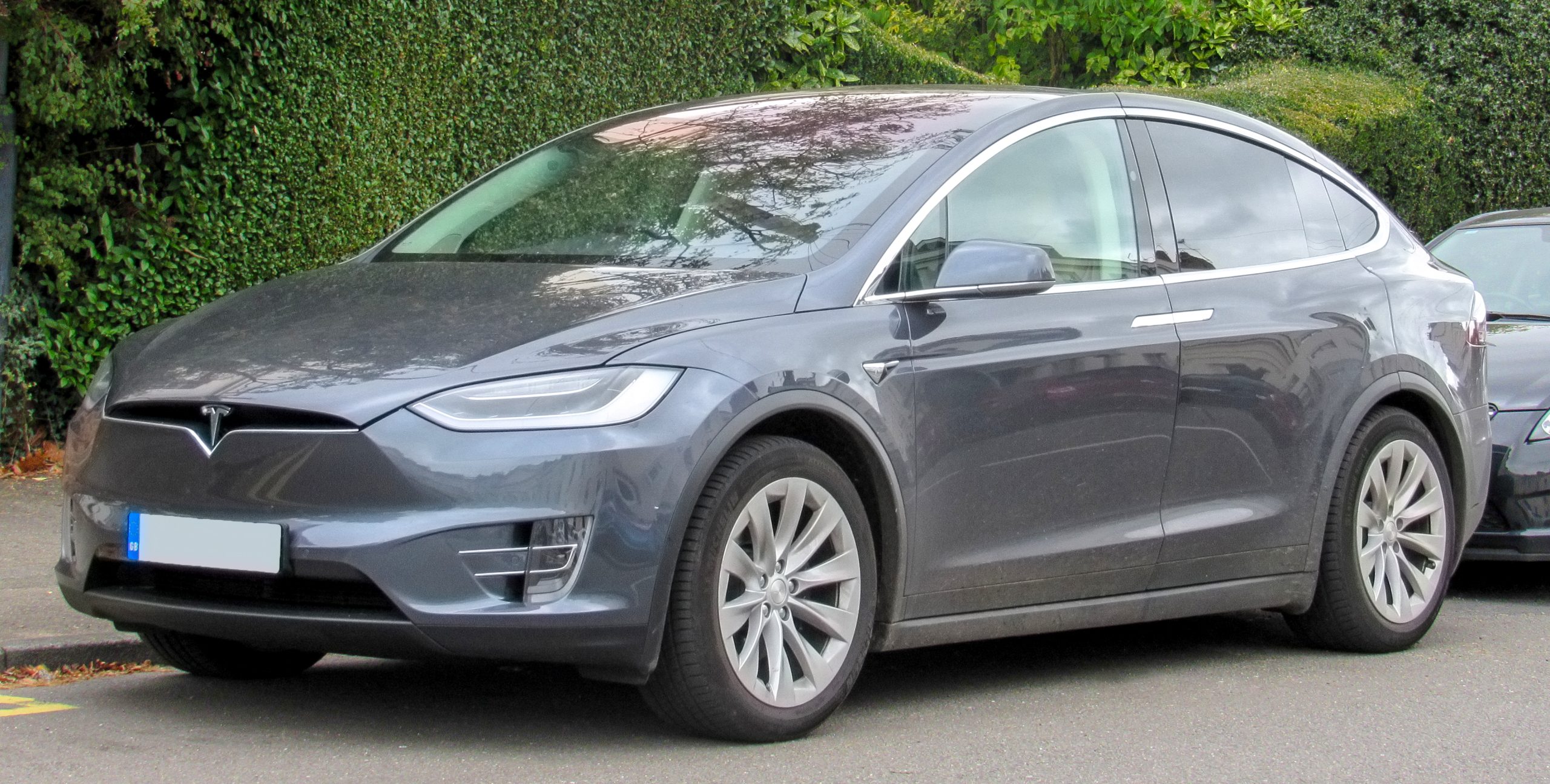
7. Tesla Model X (2015–Present)
Tesla’s Model X was introduced as a premium SUV with performance specs that rivaled sports cars and features that pushed the limits of what people expected from an electric family vehicle. It brought with it innovations like the Falcon Wing doors and a panoramic windshield, making it one of the most distinctive EVs on the road.
While its complexity raised concerns about long-term reliability, many owners have found that the Model X is more durable than its flashiness might suggest. It’s a vehicle that, despite its quirks, often proves to be a long-term keeper.
The Model X shares much of its powertrain and platform with the Model S, which has already demonstrated an impressive track record of longevity. As such, the same motors, battery packs, and software systems that help the Model S last over 300,000 miles are present here too.
Owners of early Model Xs from 2016 and 2017 have pushed these vehicles past 200,000 miles, with the battery and motor systems still performing at a high level. Battery degradation remains minimal for most drivers, even after years of heavy use and long-distance travel.
While the Falcon Wing doors have been a point of contention, some requiring adjustment or repair, the mechanical durability of the vehicle is solid. The suspension and steering systems are robust enough to handle the Model X’s considerable weight, and many long-term owners report satisfaction with the ride quality even after extended periods.
Tesla has made quiet updates and reinforcements to these components over the years, resulting in newer builds being even more reliable than earlier ones.
One of the most surprising aspects of the Model X’s longevity is how well it ages from a technology standpoint. With over-the-air updates continuing to add features and improve functionality, older Model Xs don’t feel outdated.
This keeps them appealing even after years of ownership, and many owners see no reason to trade them in as the core driving experience remains excellent. Despite being one of the more complex EVs on the road, the Model X has held up as a surprisingly resilient luxury vehicle.
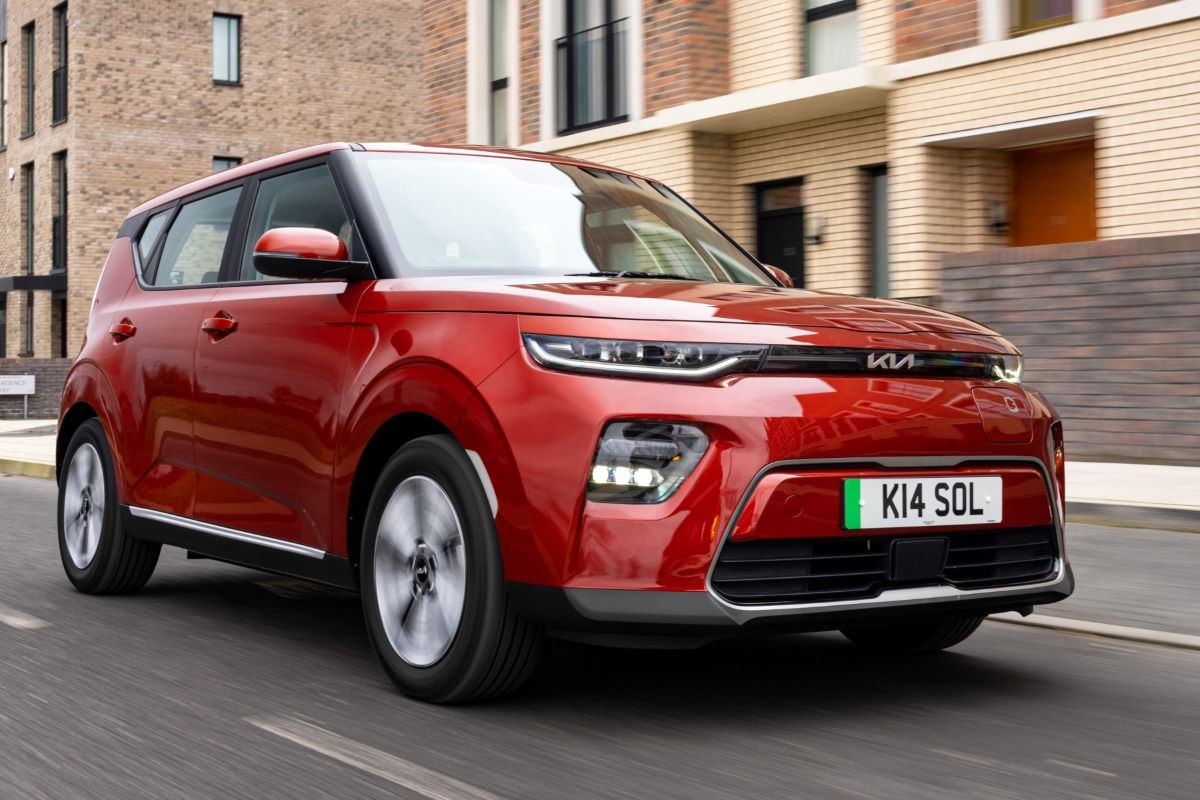
8. Kia Soul EV (2014–Present)
The Kia Soul EV has often flown under the radar, especially in markets dominated by more recognizable electric names. However, those who opted for the Soul EV early on have often been rewarded with a car that is far more durable than its quirky exterior might suggest.
With a boxy shape and cheerful styling, the Soul EV was never trying to be a high-performance leader, it was built to be functional, practical, and reliable. And in that, it has succeeded for many long-term owners.
The original Soul EV came with a modest range, but that didn’t stop it from finding a niche with urban drivers and commuters. Despite its relatively small battery, the Soul EV’s battery management system and motor components have aged gracefully.
Reports of battery degradation have been rare, and many owners have driven their Soul EVs beyond 100,000 miles without significant performance loss. In fact, several owners have reported surprisingly good range retention even after nearly a decade of use.
One of the biggest strengths of the Soul EV is its mechanical simplicity. The drivetrain is straightforward, and the design emphasizes practicality over flash.
This has led to fewer issues over time and lower maintenance needs. Owners often find that aside from tire replacements and occasional brake service, the vehicle requires little intervention to keep running smoothly. It has also proven surprisingly sturdy in colder climates, where many EVs struggle with range or component wear.
Later versions of the Soul EV improved range and performance without compromising the reliability that early models had established. And while it might not be the most glamorous EV on the road, it has won over many with its consistency and dependability.
It’s the kind of vehicle that doesn’t try to be more than it is, but ends up lasting longer than anyone expected. For people who need a dependable, low-cost EV that goes the distance, the Soul EV has become a hidden gem.
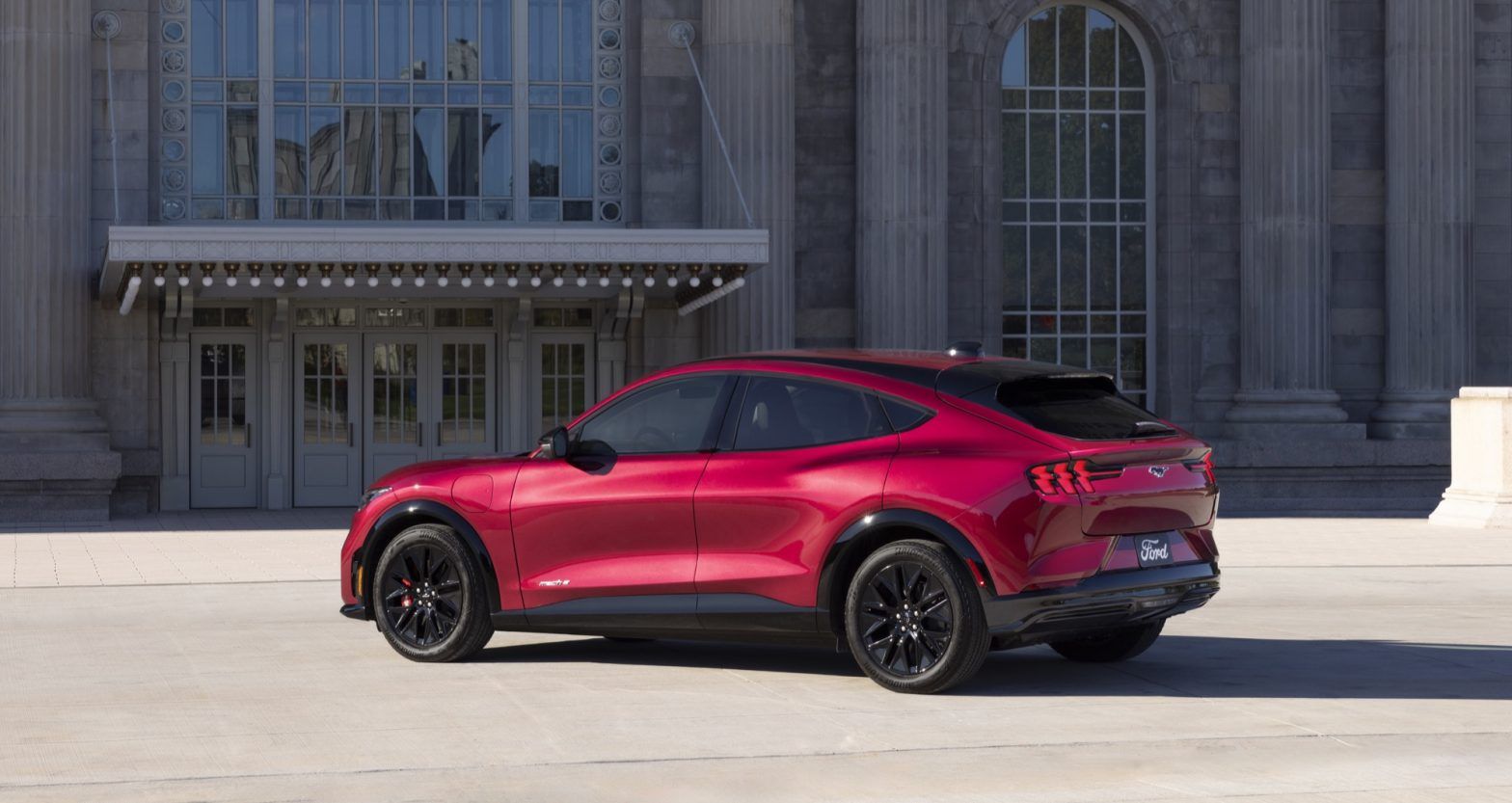
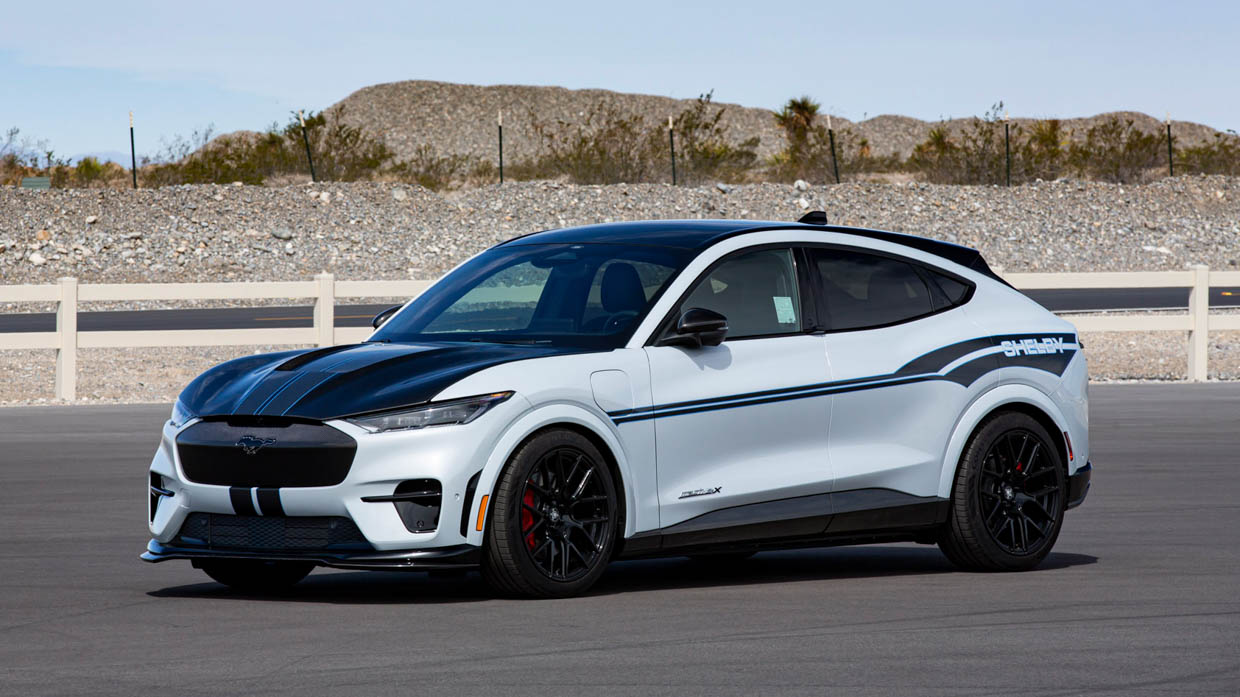
9. Ford Mustang Mach-E (2020–Present)
The Ford Mustang Mach-E marked a significant shift for the legendary Mustang brand, moving it firmly into the electric future. Although it’s a relatively new entry, early owners and industry observers have been impressed by how quickly the Mach-E is proving itself in terms of reliability and durability.
Its combination of performance, range, and build quality has encouraged many to believe it will become one of the EVs known for longevity.
One key factor in the Mach-E’s durability is its modern battery and thermal management system. Ford developed a liquid-cooled battery pack designed to optimize performance and extend the lifespan of the cells.
Early feedback from owners with high mileage reports shows very slow battery degradation, with many still maintaining over 90% of their original range after three to four years. This bodes well for long-term ownership, especially as Ford continues to improve its software and update battery management strategies remotely.
The Mach-E also benefits from robust mechanical components built to meet the demands of a crossover SUV. Suspension components, electric motors, and braking systems are designed with durability in mind, matching the car’s sporty aspirations while maintaining daily drivability.
Early adopters who use the Mach-E for both urban commuting and longer road trips have found it holds up well under a variety of driving conditions. This versatility contributes to its growing reputation as a dependable EV.
Moreover, Ford’s commitment to customer support and warranty coverage adds another layer of confidence for owners. The company offers an 8-year/100,000-mile battery warranty, which aligns with industry standards and assures buyers that their investment is protected.
As more Mach-Es reach higher mileages, it’s expected that data will continue to confirm the vehicle’s long-term durability. Ford’s successful transition into electric vehicles with the Mach-E signals that legacy automakers can produce EVs that endure.
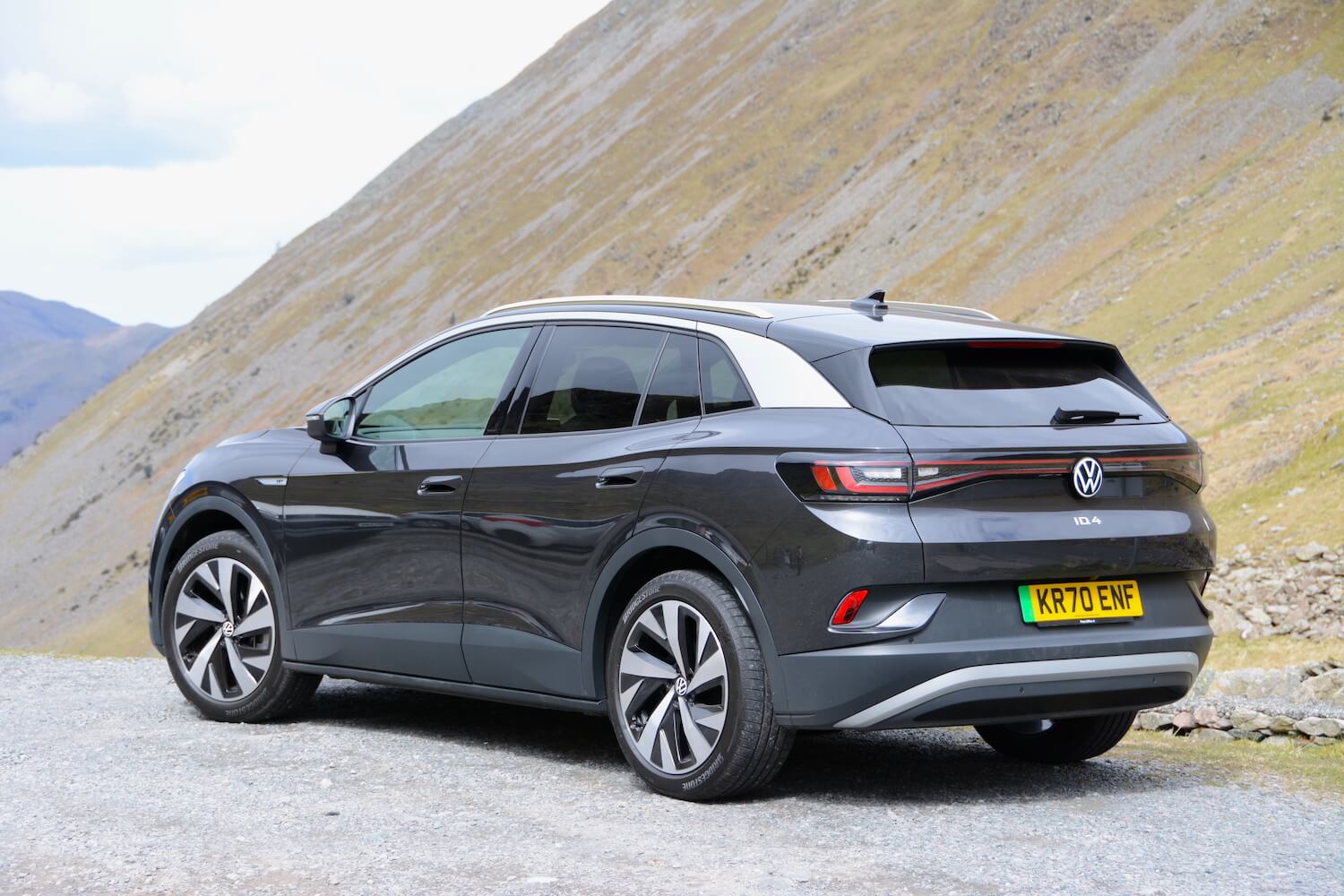
10. Volkswagen ID.4 (2021–Present)
Volkswagen’s ID.4 is another relatively recent entrant into the electric vehicle market, yet it has quickly earned praise for its balanced approach to range, comfort, and usability.
While it’s still early in the model’s life cycle, initial reports and owner experiences suggest the ID.4 is on track to become one of the EVs that delivers reliable performance over time. Its thoughtful engineering and Volkswagen’s decades of automotive experience have helped build a vehicle that inspires confidence.
The ID.4’s battery system features liquid cooling and advanced thermal management, crucial elements that contribute to longer battery life. Owners who have driven the ID.4 extensively report consistent range retention and few issues related to battery health.
Given that battery longevity is the biggest concern for EV owners, Volkswagen’s approach provides peace of mind and suggests that this model can maintain its utility well into the future.
Beyond the battery, the ID.4 benefits from solid chassis engineering and a focus on driver comfort. The suspension is tuned to handle a variety of road surfaces without excessive wear, and the interior materials have proven to be durable under daily use.
Unlike some early EVs that suffered from premature wear of seats, plastics, or infotainment systems, the ID.4 seems built with longevity in mind, reducing the need for costly repairs or replacements down the line.
Additionally, Volkswagen’s commitment to regular over-the-air software updates enhances the car’s lifespan. By continuously improving vehicle software, they keep the driving experience fresh and optimize powertrain efficiency, which indirectly contributes to durability.
As ID.4s accumulate mileage across different climates and driving styles, early indicators suggest this model is positioned to surprise owners with its staying power, adding to the growing list of long-lasting electric vehicles.
Also Read: 12 Trucks With the Longest-Lasting Frames in 2025
The narrative around electric vehicles has evolved dramatically over the past decade. Initially met with skepticism regarding their longevity, EVs are now proving that they can last as long as, and sometimes longer than, traditional gasoline-powered cars.
The ten models highlighted here demonstrate that with good engineering, battery management, and thoughtful design, electric vehicles can surprise owners with remarkable durability.
From Tesla’s pioneering Model S and Model 3 to the affordable and practical Nissan Leaf and Chevrolet Bolt, and including newer players like the Ford Mustang Mach-E and Volkswagen ID.4, EVs have shown that concerns about rapid battery degradation and premature mechanical failures are often overstated.
Many owners find that their EVs not only meet daily driving needs years into ownership but continue to offer an enjoyable, reliable driving experience with minimal unexpected costs.
Key to this longevity is not just the absence of a traditional engine, but advances in battery technology, thermal management, and software support that help extend the life of essential components.
Vehicles like the BMW i3 and Hyundai Kona Electric prove that a well-built electric car can maintain structural integrity and powertrain performance over time, while vehicles like the Tesla Model X and Kia Soul EV show that even more complex or quirky designs can withstand the test of years and miles.
As electric vehicle technology continues to advance and charging infrastructure improves worldwide, the long-term prospects for EV ownership are only getting better.
Those considering an EV can take comfort in knowing that many models are already exceeding early expectations for longevity, offering a sustainable, cost-effective, and dependable transportation option for the future.
