
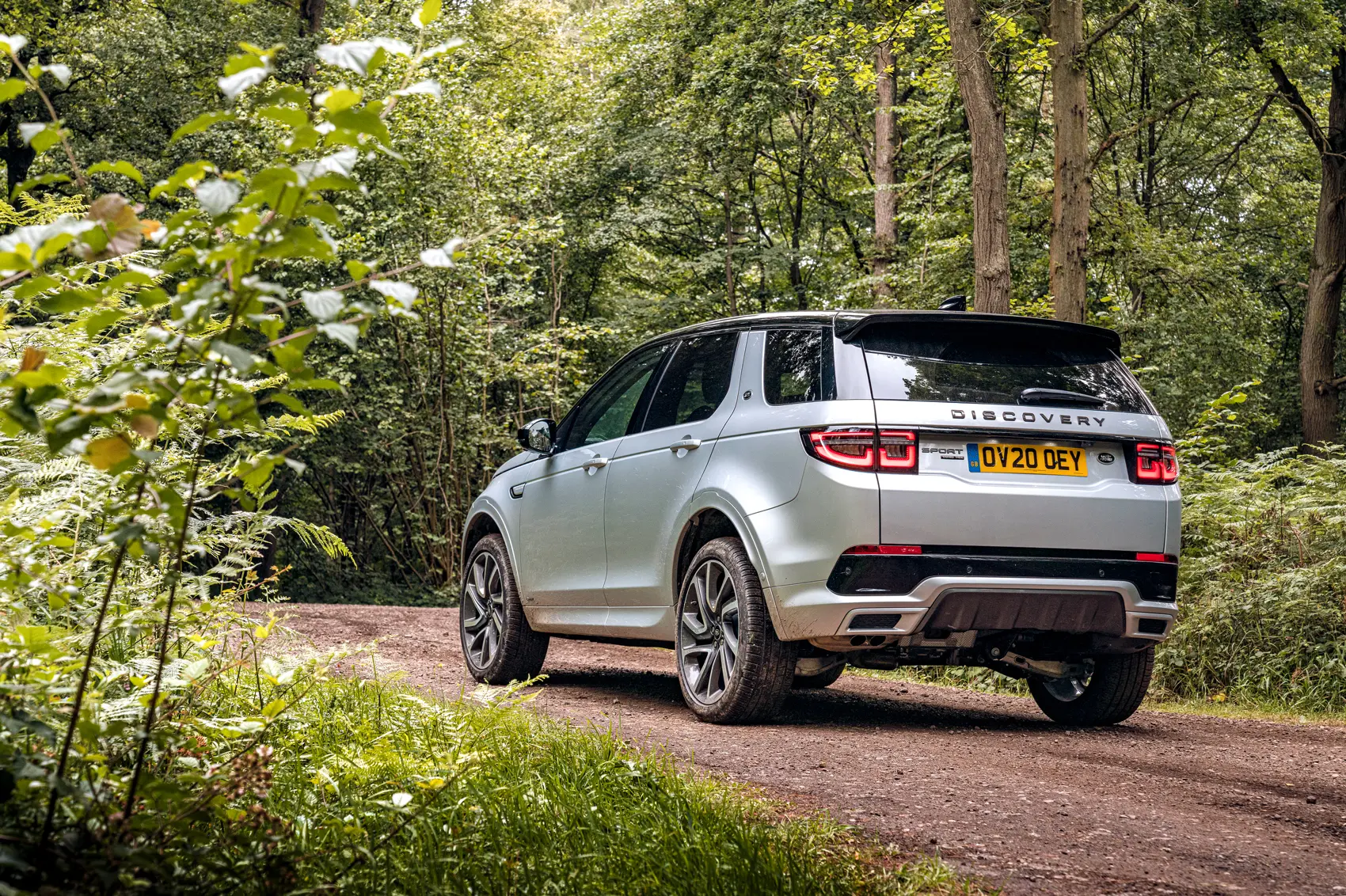
Choosing an SUV can be overwhelming. With so many models, trim levels, drivetrains, and brands to sort through, reliability often becomes a key factor in decision-making.
For many buyers, the cost of repairs, downtime, and the frustration of constant visits to a mechanic matter more than a flashy infotainment system or extra horsepower. A reliable SUV reduces stress and expense; an unreliable one does the opposite.
What makes some SUVs rarely need repairs, while others seem to always be in the shop? Several factors contribute: engineering quality, simplicity versus complexity of systems, availability of parts, build consistency from the factory, and also how well owners stick to maintenance schedules.
Even climate, driving style, and how the vehicle is used (city versus off-road, frequent towing versus light loads) can affect how often things break down.
In this article, I’ll present five SUVs that are widely regarded (by reliability indices, owner surveys, and repair‑claim statistics) as being very dependable, models that tend to give long trouble‑free use.
Then I’ll contrast them with five SUVs that many owners report as having frequent problems, expensive repairs, or parts that fail sooner than expected.
For each model I’ll highlight what tends to go right (for the reliable ones) or wrong (for the less reliable ones), what to watch out for if considering them, and how to possibly mitigate issues via maintenance or model/year selection.
The goal is to help someone decide more wisely: either to pick one of the good ones, or if forced to consider a model with problem history, to know which years or configurations to avoid.
Also Read: 10 Cars That Laugh at Harsh Winters
5 SUVs That Rarely Break Down
These five SUV models have earned reputations for long-term dependability, fewer major repairs, and relatively low ownership costs when properly maintained. They are commonly praised by owners, mechanics, and reliability surveys for holding up well even as mileage climbs.
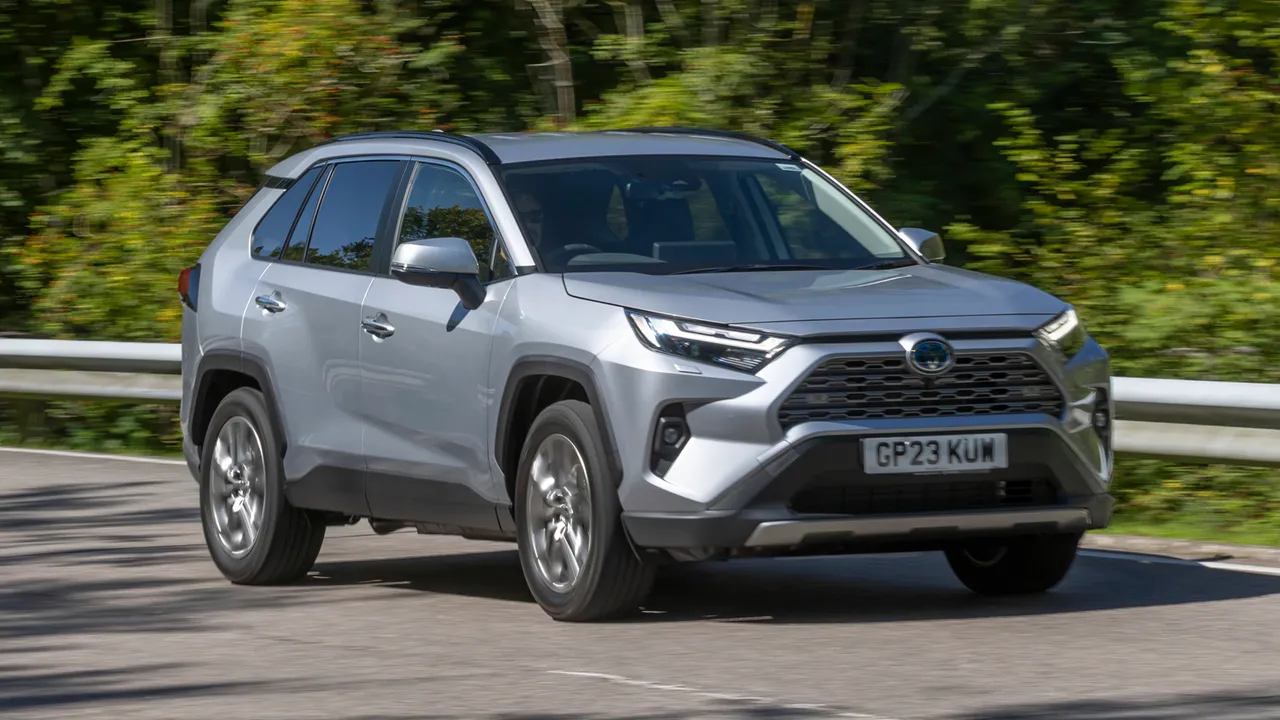
1. Toyota RAV4
The Toyota RAV4 consistently ranks among the most dependable SUVs in the world. Its strong reputation is built on simple, time-tested engineering and a focus on long-term durability rather than flashy short-term features.
The RAV4 has become a go-to choice for families and commuters who want something that “just works.” Most model years of the RAV4 feature naturally aspirated engines that avoid the complexity and wear issues associated with turbocharged setups. The transmissions are also known for their longevity, especially in non-hybrid models.
The hybrid versions of the RAV4 are also considered very reliable when compared to competitors. Toyota has had more experience building hybrid systems than almost any other automaker, and that shows in how rarely major hybrid components fail.
While some hybrid owners report battery degradation over time, these cases tend to occur at very high mileage, and even then, the cost of replacing a hybrid battery has dropped significantly over the past decade. Many hybrid RAV4s easily cross the 200,000-mile mark without serious issues.
Another factor that helps the RAV4’s long-term reliability is its massive global support network. Parts are widely available, mechanics are familiar with its layout, and Toyota service centers are well-equipped to diagnose and fix issues quickly.
For owners, this means repairs are rarely delayed due to unavailable parts or a lack of technical expertise. Because of the vehicle’s popularity, many common repairs have a fixed, predictable cost.
Minor issues reported by RAV4 owners are usually small and don’t impact drivability. These include infotainment quirks, occasional paint fading, and some interior trim wear over time.
However, these don’t add up to mechanical unreliability. Routine maintenance is straightforward and relatively inexpensive, making it easier for owners to keep the vehicle in top shape.
If you’re looking for an SUV that can serve as a long-term daily driver with minimal headaches, the Toyota RAV4 is one of the best options available.
Whether you’re looking at a gas-only model or a hybrid, it’s a vehicle that offers peace of mind. Choose one with documented maintenance and you’re likely to avoid the repair shop for many years to come.
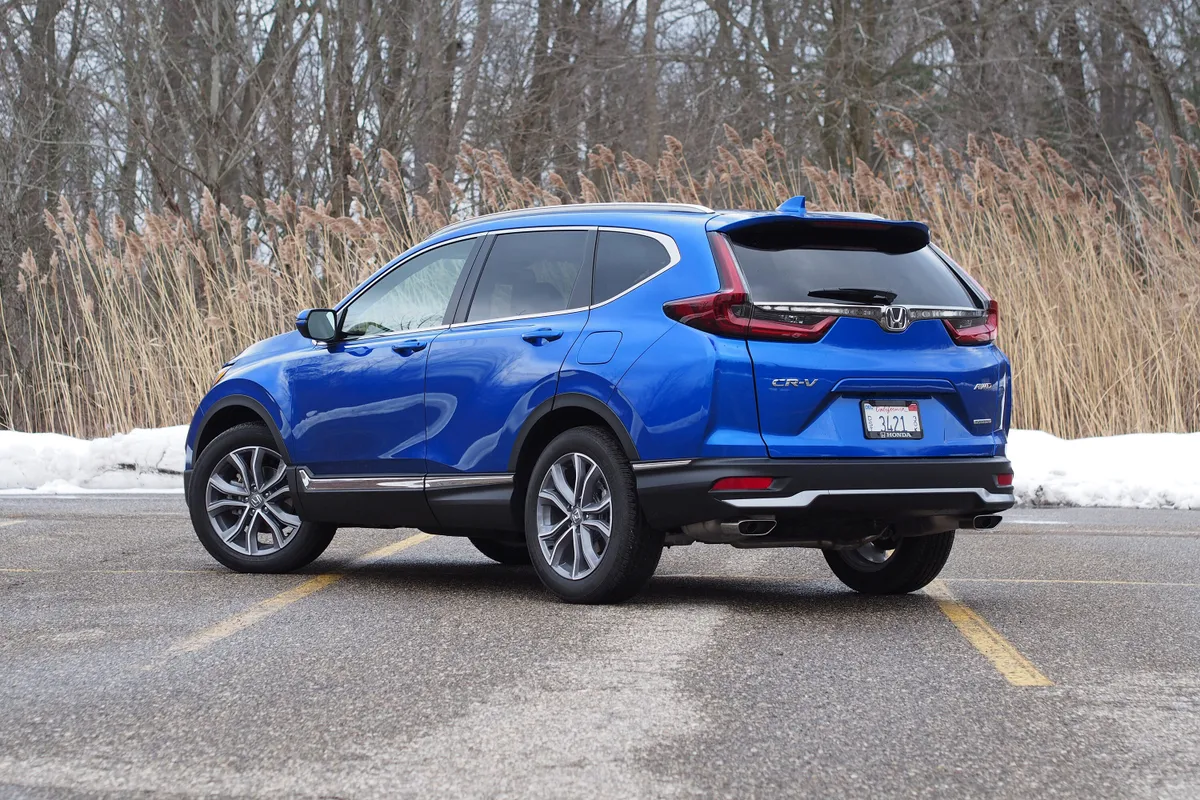
2. Honda CR-V
The Honda CR-V is another compact SUV with an extremely loyal following due to its proven reliability. Many CR-Vs from the early 2000s are still on the road today, and newer models continue that tradition.
Honda’s engineering emphasizes durability and function over flash, which often results in fewer mechanical failures. The engines are typically built with conservative tuning that prioritizes efficiency and life span over extreme performance.
Most CR-V owners report reaching over 150,000 miles before encountering any major issues, provided the vehicle is well maintained. The earlier generations had extremely durable naturally aspirated engines, and even the more recent turbocharged versions have proven themselves capable with proper upkeep.
Routine tasks like oil changes, brake pad replacement, and tire rotations are simple and inexpensive, which helps keep these vehicles in good shape over time.
One of the reasons the CR-V breaks down so infrequently is Honda’s approach to manufacturing. The brand is known for tight tolerances, consistent quality control, and long-lasting materials.
Interior fittings, seat fabric, and door panels hold up well even under daily use, which contributes to a strong perception of quality. More importantly, the key mechanical parts, engine, transmission, and suspension, don’t tend to suffer from premature wear.
Even when problems do arise, CR-Vs are often easy to repair. Many parts are interchangeable between model years, aftermarket support is strong, and most general repair shops are familiar with the model.
Because it’s such a common SUV, there’s no shortage of diagnostic information, owner forums, or tutorial videos for those who prefer DIY fixes. Repairs that do occur often involve wear items, not catastrophic component failures.
If you’re shopping for an SUV that will last a decade or more with fewer surprises, the CR-V is a strong candidate. Look for one with a clean service history, and avoid any signs of abuse or neglect.
Whether you choose an older model with a traditional engine or a newer version with modern safety tech, you’re likely to get a solid return on your investment.
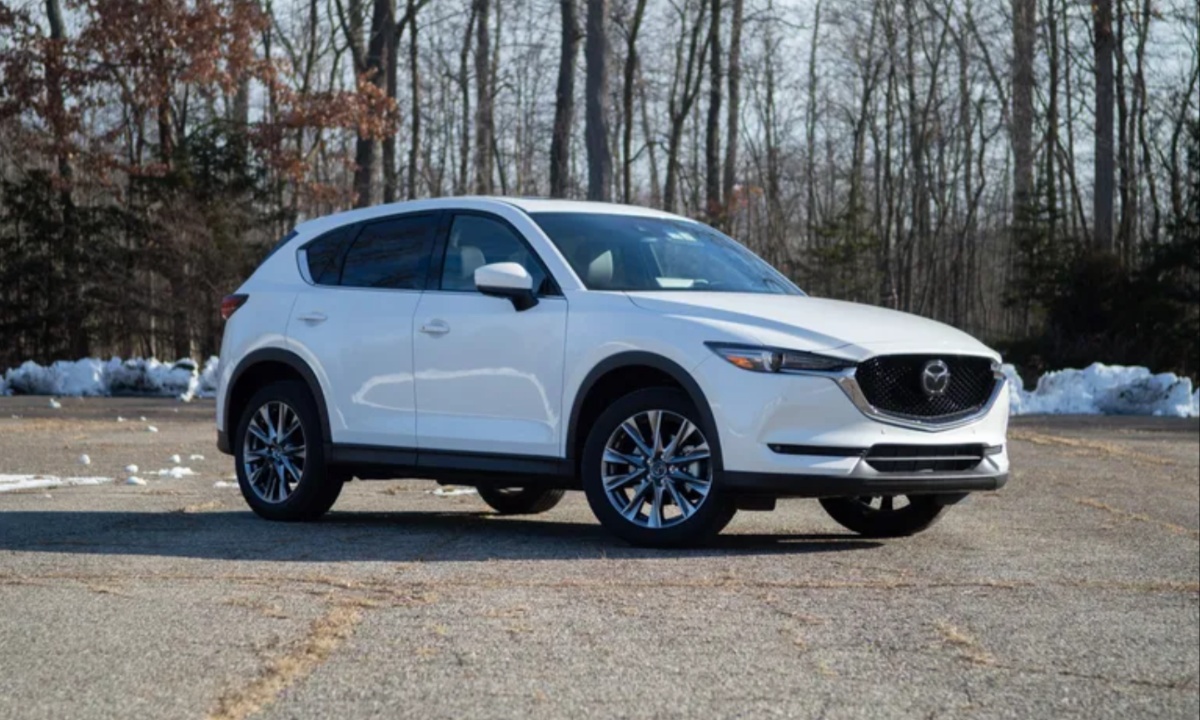
3. Mazda CX-5
The Mazda CX-5 brings together attractive design, a refined driving experience, and strong reliability. While Mazda has often flown under the radar compared to Toyota and Honda, it has developed a reputation in recent years for engineering excellence, particularly in models like the CX-5.
The brand’s focus on producing enjoyable, balanced vehicles hasn’t come at the cost of reliability, which is one reason why the CX-5 has become so popular among drivers who want both style and peace of mind.
Under the hood, the CX-5 typically uses Mazda’s SkyActiv engines, which are designed to optimize fuel efficiency without adding unnecessary mechanical complexity.
Unlike turbocharged engines that are often under more stress, the naturally aspirated 2.5L engines in many CX-5s tend to be very durable. Even in the turbo versions, problems are rare when oil changes and routine maintenance are done on time. These engines rarely suffer from known defects or widespread issues.
In terms of build quality, Mazda has improved drastically over the past decade. The CX-5 features better-than-average materials for its price point, and cabin components hold up well.
Even after years of use, seat materials, buttons, and door panels generally avoid the peeling, squeaking, or rattling that plague some competitors. The structure of the vehicle also holds up well against rust and corrosion, particularly in markets where winter salt is a concern.
The CX-5 also benefits from a relatively straightforward design when it comes to mechanical and electrical systems. Unlike some rivals that overcomplicate their SUVs with advanced air suspension systems or excessive onboard tech, Mazda has kept the CX-5 user-friendly.
This results in fewer electrical issues and less diagnostic confusion when repairs are needed. In many cases, what problems do arise are related to infotainment software, which can often be updated or fixed under warranty.
If you’re after a compact or midsize SUV with strong reliability, understated luxury, and a reputation for being easy to live with, the Mazda CX-5 is worth considering.
Choosing a trim that fits your needs without overloading on features you won’t use can also reduce the likelihood of future headaches. It’s an SUV that provides quality and dependability with fewer compromises.
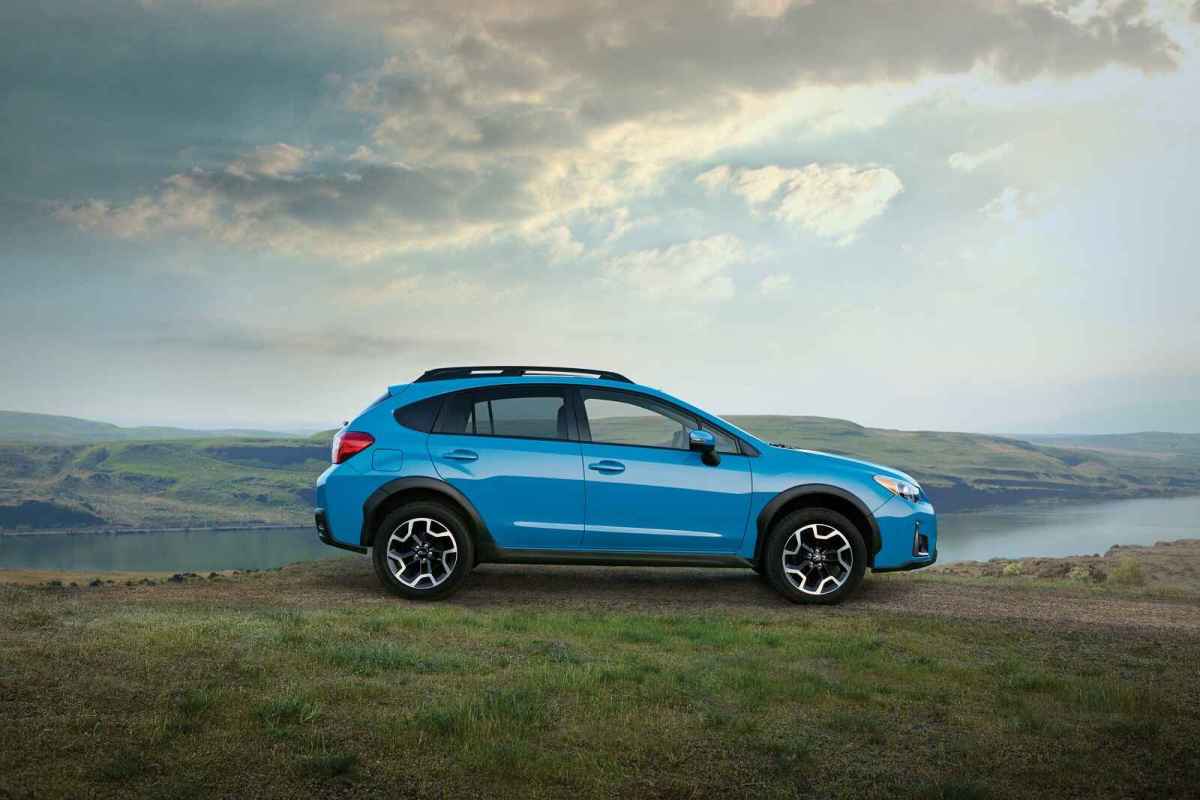
4. Subaru Crosstrek / Outback
Subaru’s Crosstrek and Outback models combine SUV practicality with car-like drivability and a reputation for rugged reliability.
Subaru has long been known for its symmetrical all-wheel-drive system, and these models make full use of it. Designed for rough weather and light off-road conditions, both the Crosstrek and Outback are built to endure more demanding environments, which helps them hold up in long-term use.
Older Subarus had a reputation for head gasket issues and oil consumption problems, particularly in vehicles built before 2014. However, these issues have largely been resolved in recent years. Subaru improved gasket designs, oil control systems, and manufacturing standards.
Newer Crosstreks and Outbacks built after these changes have significantly fewer mechanical complaints. Provided that oil changes are done regularly and coolant levels are monitored, modern Subaru engines are capable of running reliably for many miles.
The Outback in particular has a history of lasting well over 200,000 miles when properly cared for. Many owners keep their vehicles for over a decade, and resale values reflect that long-term dependability.
The Crosstrek, while slightly smaller, shares much of its architecture with the larger Outback, including drivetrain components and suspension design. This means both vehicles benefit from Subaru’s proven engineering across multiple platforms.
Mechanics also like working on these vehicles because of their relatively simple layouts. Despite the AWD system, many Subarus are easy to maintain, and parts are not overly expensive.
Because the brand has such a strong following, there’s a lot of community support online, making it easier for owners to troubleshoot problems or handle DIY repairs.
For buyers who want reliability but also plan to go camping, hiking, or drive in harsh weather, these Subarus are among the best options.
If you’re in a snowy climate or frequently drive on rough or unpaved roads, the Crosstrek or Outback offer durability and traction without the headaches that often come with AWD systems in less reliable SUVs.
Make sure to get regular service, check for undercarriage wear, and avoid models that were abused off-road, and you’ll likely enjoy many worry-free years of ownership.
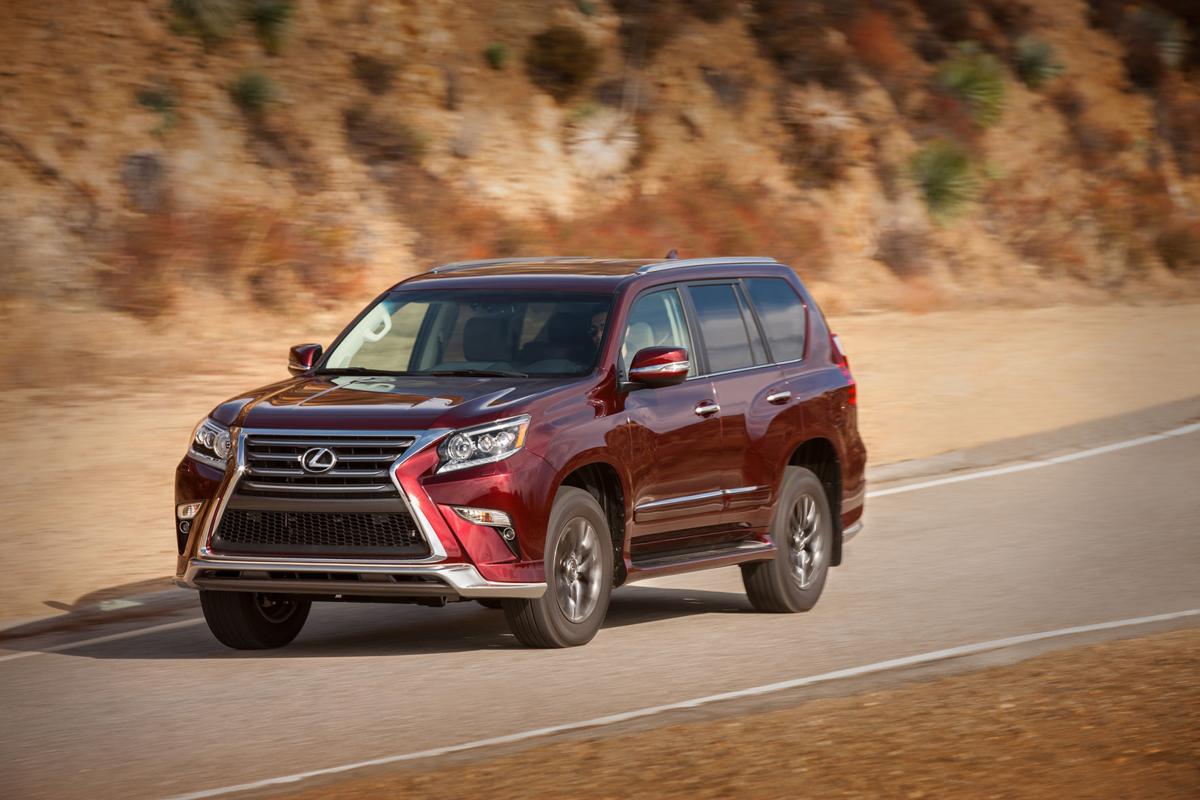
5. Lexus GX / Toyota Land Cruiser
The Lexus GX and Toyota Land Cruiser are two large SUVs built for endurance. Though they sit on opposite ends of the luxury spectrum, both vehicles share many structural and mechanical components.
They are built on body-on-frame platforms, which are typically more durable than unibody designs, and they feature drivetrains that are designed more for strength and consistency than innovation or speed.
One of the main advantages of these SUVs is their under-stressed engines. The V8 engines found in older Land Cruisers and GX models are known for running for hundreds of thousands of miles with basic maintenance.
Unlike turbocharged or hybrid setups that can introduce complexity, these engines are relatively simple by today’s standards. This simplicity results in fewer major component failures and easier diagnostics when something does go wrong.
Owners of these vehicles often praise their longevity. It’s not unusual to see a Land Cruiser or Lexus GX with 250,000 miles still going strong. They’re also known for withstanding tough conditions.
Many Land Cruisers are used in desert regions, remote areas, and rugged environments because of their reputation for not leaving their drivers stranded. This is why they’re often the vehicle of choice for humanitarian organizations and overland travelers.
Because both models are so durable, they tend to retain value very well. While their initial price might be high, the cost is often offset by their long-term reliability and slower depreciation.
However, it’s important to be aware that some components, like the air suspension on certain Lexus trims, can be expensive to repair if they fail. Buyers looking for the longest life with the fewest problems often select the simpler versions without advanced suspension systems or overly complex luxury features.
If your goal is to find a full-size SUV that prioritizes mechanical integrity, these two stand at the top of the list. Whether you need something for off-road trips, long road journeys, or simply want a vehicle that will last decades, the Lexus GX or Toyota Land Cruiser has the track record to support your decision.
Just be prepared for slightly higher fuel costs due to their size and weight, but in exchange, you get one of the most reliable vehicles ever built.
Also Read: 10 SUVs That Rarely Rust Even in Snow States
5 SUVs That Constantly Need Repairs
These SUVs have drawn frequent complaints from owners and consistently rank lower in reliability surveys. While some offer impressive features or performance, they often suffer from recurring problems, high maintenance costs, and frustrating downtime.
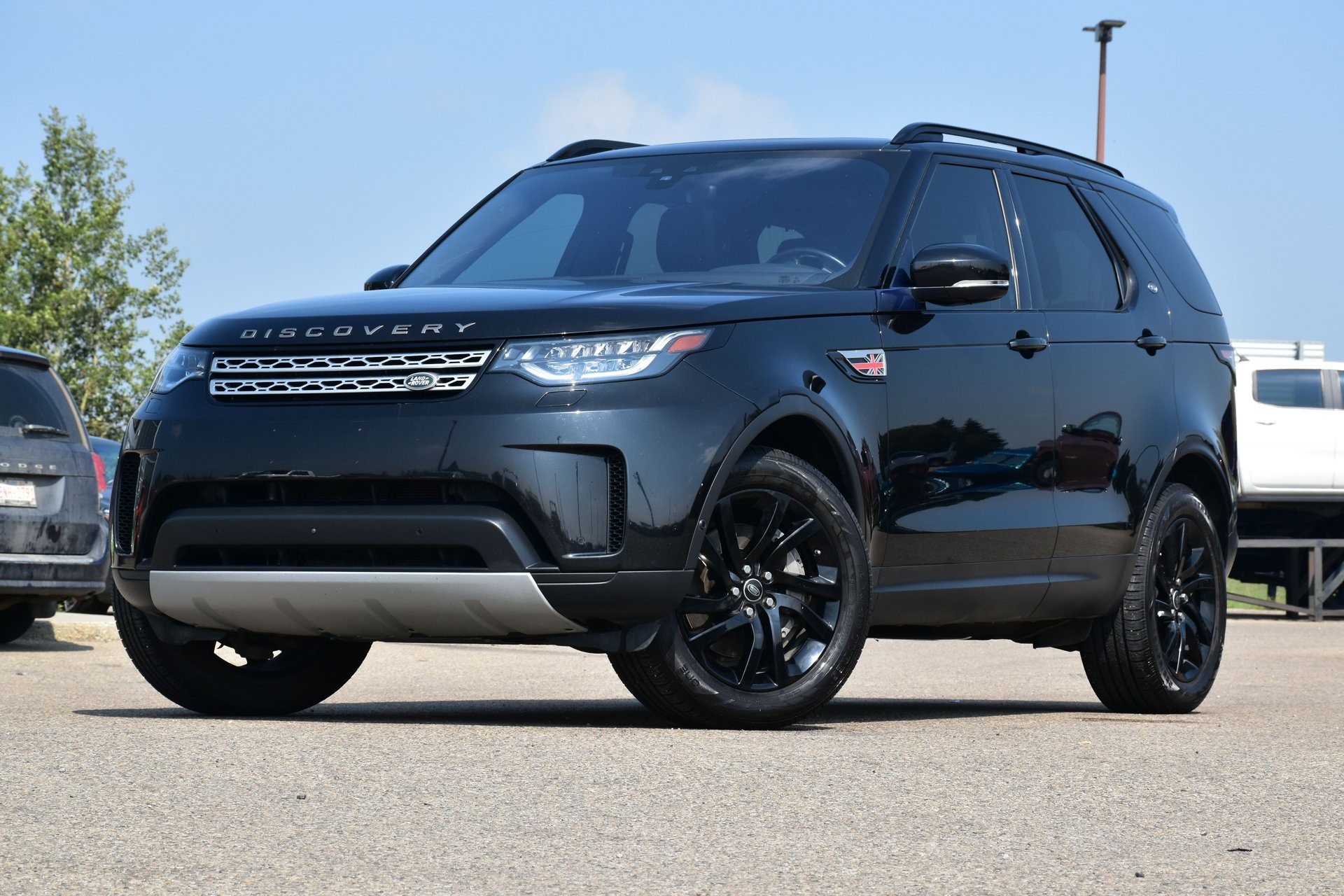
1. Land Rover Discovery
The Land Rover Discovery has long struggled with reliability concerns, despite its prestige and off-road prowess. Owners often report a wide range of issues, particularly with electrical systems and air suspension.
These problems can emerge even in relatively new vehicles, and they aren’t always easy to fix. The complexity of the vehicle contributes to its vulnerability, with numerous sensors, control modules, and electronic aids adding potential failure points.
One of the most frequently reported problems involves the air suspension system, which provides a smooth ride but is notoriously prone to failure.
When the system malfunctions, the vehicle can sag, lean, or even become undrivable. Replacing components like the air compressor or suspension bags can be extremely expensive. These problems are particularly common after 60,000 to 80,000 miles, though they can show up sooner depending on how the vehicle is used.
Electrical issues go beyond just convenience features. Malfunctions in the central control units, infotainment systems, or automatic climate controls are common.
Some Discovery owners also experience issues with the navigation system freezing, keyless entry not working, or warning lights appearing for no apparent reason. These bugs may seem minor, but when repairs require dealership diagnostics and costly parts, frustration builds quickly.
On top of that, maintenance costs are high. Even oil changes, brakes, or tire rotations can cost more due to the brand’s luxury positioning. And when parts do fail, many of them are not readily available outside the dealership network.
This means even routine repairs can involve delays, which leaves owners without their vehicles for extended periods. Many Discovery owners report waiting days or even weeks for parts to arrive.
For buyers who want a Discovery, it’s essential to budget for ongoing maintenance and possibly invest in an extended warranty.
While the vehicle’s features and capabilities are impressive on paper, the actual ownership experience can be stressful. If reliability is a top priority, this SUV often ends up being more trouble than it’s worth over time.

2. BMW X5
The BMW X5 is praised for its driving dynamics, performance, and interior refinement, but it has earned a reputation for being high-maintenance and repair-prone.
Many owners are drawn in by the prestige and comfort, only to be caught off guard by the SUV’s long list of potential issues. While it offers plenty of power and advanced features, those same features contribute to frequent repair needs and high ownership costs.
Cooling system failures are among the most common issues reported. Problems with the water pump, thermostat, or radiator are frequently documented, often requiring replacement within the first 60,000 to 80,000 miles.
Left unchecked, these problems can lead to overheating and serious engine damage. This adds urgency to preventive maintenance, and missing a service interval can quickly turn expensive.
The electronics are another major concern. Owners regularly report problems with infotainment glitches, faulty backup cameras, adaptive cruise control malfunctions, and dashboard alerts that won’t clear even after repairs.
Some of these issues are related to software bugs, but others are hardware faults that require part replacement. The cost of diagnosing and repairing these electrical systems can escalate quickly, especially when dealership labor is involved.
Transmission and drivetrain issues have also plagued certain model years. While not every X5 is affected, some versions have experienced jerky shifting, delayed engagement, or even total transmission failure.
On top of that, the complex all-wheel-drive system in xDrive models introduces additional components that can wear prematurely. Suspension components, including control arms and bushings, are also known to fail earlier than expected in some versions.
Buyers who insist on purchasing a BMW X5 should be prepared for higher-than-average upkeep costs and should prioritize models with comprehensive service records.
Avoiding first-year redesigns and models with excessive optional tech can reduce risk, but even well-maintained X5s may require more attention than the average SUV. For those unwilling to spend on frequent service visits, this model often turns from a luxury dream to a repair nightmare.
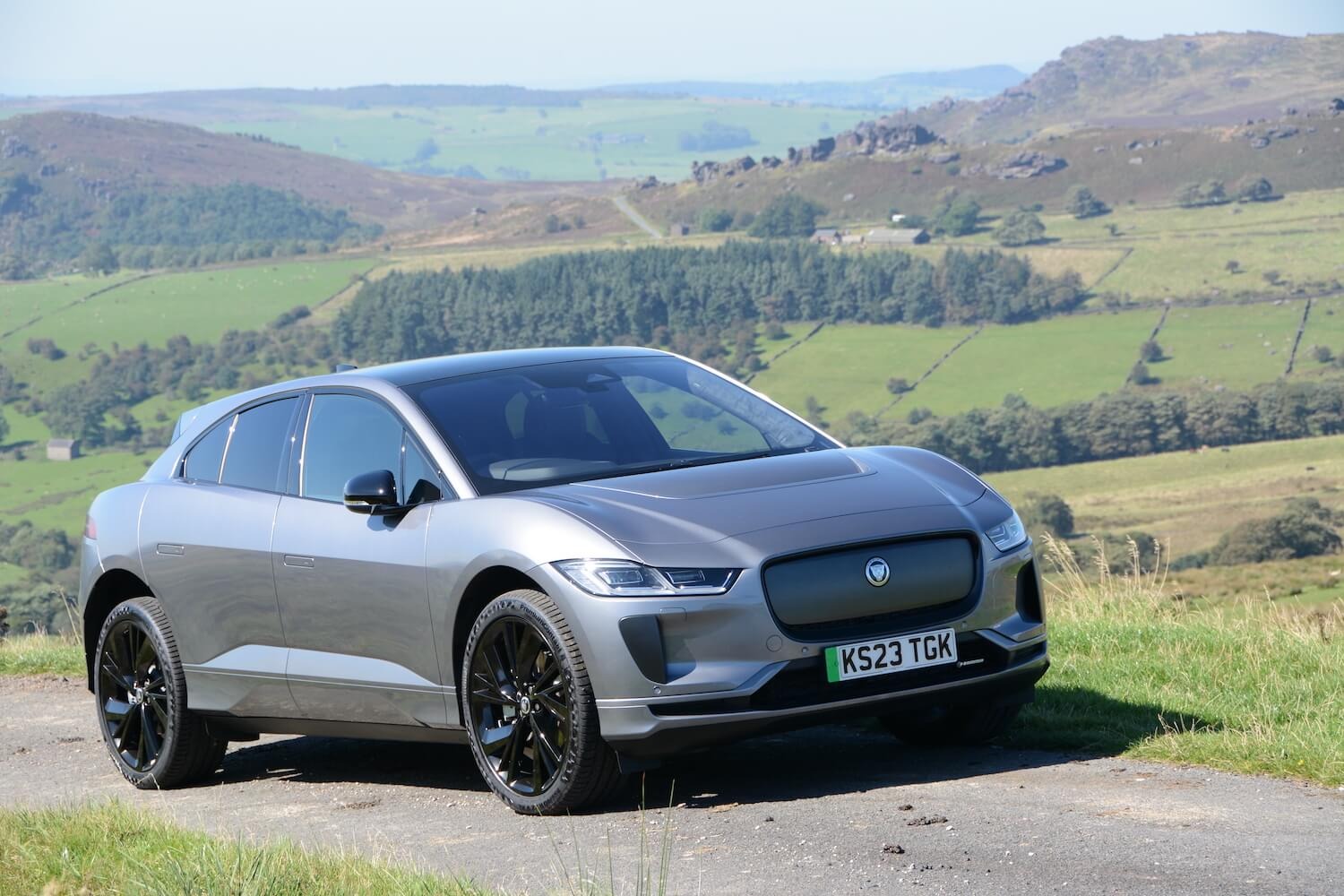
3. Jaguar I-Pace (and Related Jaguar SUVs)
The Jaguar I-Pace is an all-electric luxury SUV that has received praise for its performance and futuristic design. However, it has consistently underperformed in reliability studies.
Owners frequently report serious issues with software, charging systems, infotainment malfunctions, and even drivetrain problems. The vehicle’s complexity as an electric platform, combined with Jaguar’s spotty track record, leads to a high volume of repair needs.
One of the more frustrating issues with the I-Pace involves the charging system. Numerous owners have faced problems with home charging stations failing to properly connect or the vehicle refusing to initiate charging at public stations.
While these problems can sometimes be resolved with software updates, they often require visits to the dealer and may involve hardware replacements. This makes day-to-day ownership of the I-Pace less convenient than it should be.
Software glitches extend beyond charging. The digital gauge clusters, climate control interface, and infotainment system are known to crash or freeze without warning.
In some cases, the entire system requires a reboot, and other times parts like the screen or control unit must be replaced. Many owners find themselves visiting the service center repeatedly for problems that never seem to fully resolve, even after updates and patches.
Because the I-Pace is not a high-volume model, parts availability is another concern. Some owners have reported waiting weeks for replacement components to arrive, especially for items that are unique to the electric model.
Jaguar’s service network is also smaller than major brands like Toyota or Ford, meaning fewer qualified technicians are available, particularly in smaller markets. This leads to longer downtimes and higher frustration.
Other Jaguar SUVs, including the E-Pace and F-Pace, share similar reliability concerns. While these models may be stylish and offer premium interiors, they often experience drivetrain issues, electrical failures, and inconsistent build quality.
If buying one, it’s wise to explore extended warranty options and understand that luxury comes with a high maintenance bill and limited long-term dependability.
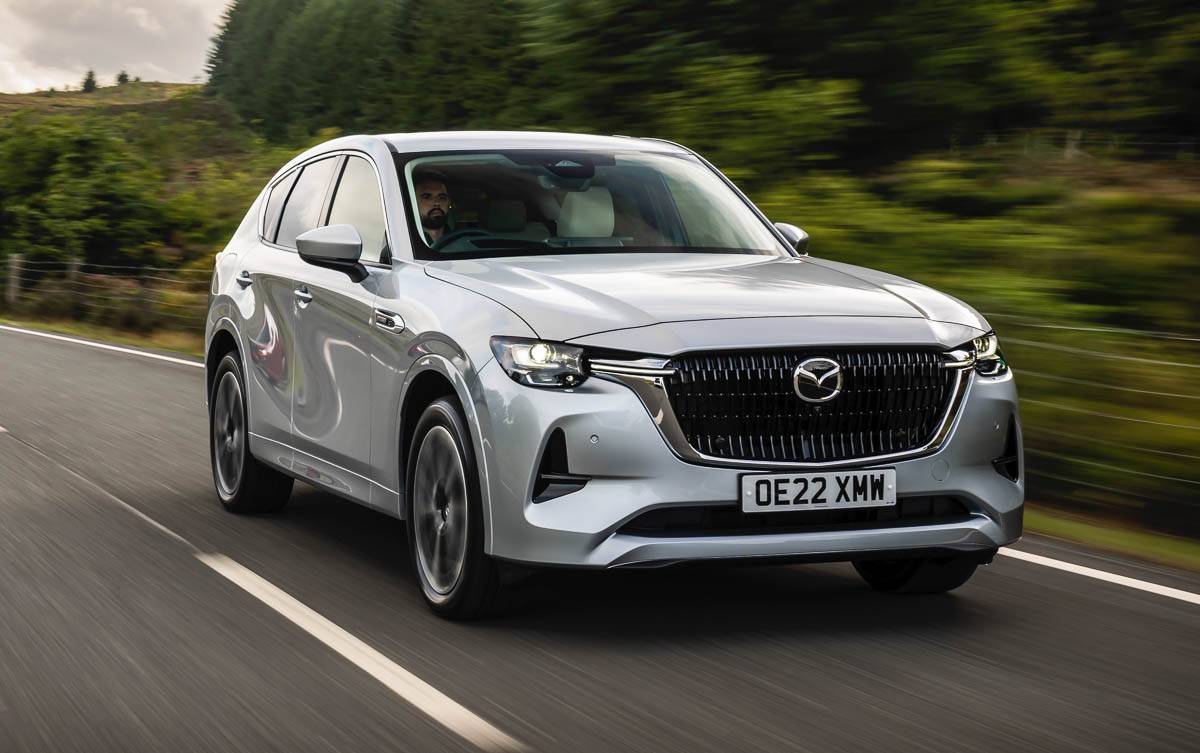
4. Mazda CX-60
The Mazda CX-60 is a relatively new SUV, positioned above the CX-5 in size and intended to compete with entry-level luxury vehicles.
While it features Mazda’s first rear-wheel-drive-based platform in years and introduces new engine options, its early reliability track record has been poor. Multiple sources, including owner reports and service data, highlight frequent faults across key systems.
Suspension and steering problems top the list. Some CX-60 owners have reported clunking noises, alignment issues, and premature wear on front-end components.
In many cases, these issues appear within the first 10,000 to 20,000 miles of ownership, which raises concerns about long-term durability. These faults can also impact handling, creating a driving experience that feels inconsistent or unstable.
Electrical system issues are also common, particularly with non-engine electronics. Owners have reported problems with lighting systems, power tailgates, infotainment software, and dashboard sensors.
Some features, such as advanced driver-assistance systems, malfunction unpredictably, which affects safety and convenience. These electronic problems are often hard to diagnose, leading to repeated visits to the dealer.
Another concern is the new engine and hybrid systems introduced in the CX-60. These powertrains are more complex than Mazda’s older units, and several owners have experienced stalling, reduced performance, or warning lights indicating problems with the hybrid battery or drivetrain components.
While Mazda may eventually improve reliability through updates, early adopters often bear the brunt of unforeseen design flaws.
Although the CX-60 shows promise in areas like interior quality and performance, its early reliability concerns are hard to ignore.
It’s advisable for potential buyers to wait for later model years, after the initial batch of production issues has been addressed. Until then, the CX-60 carries higher-than-average repair risk and may not match Mazda’s historically strong reliability in other segments.
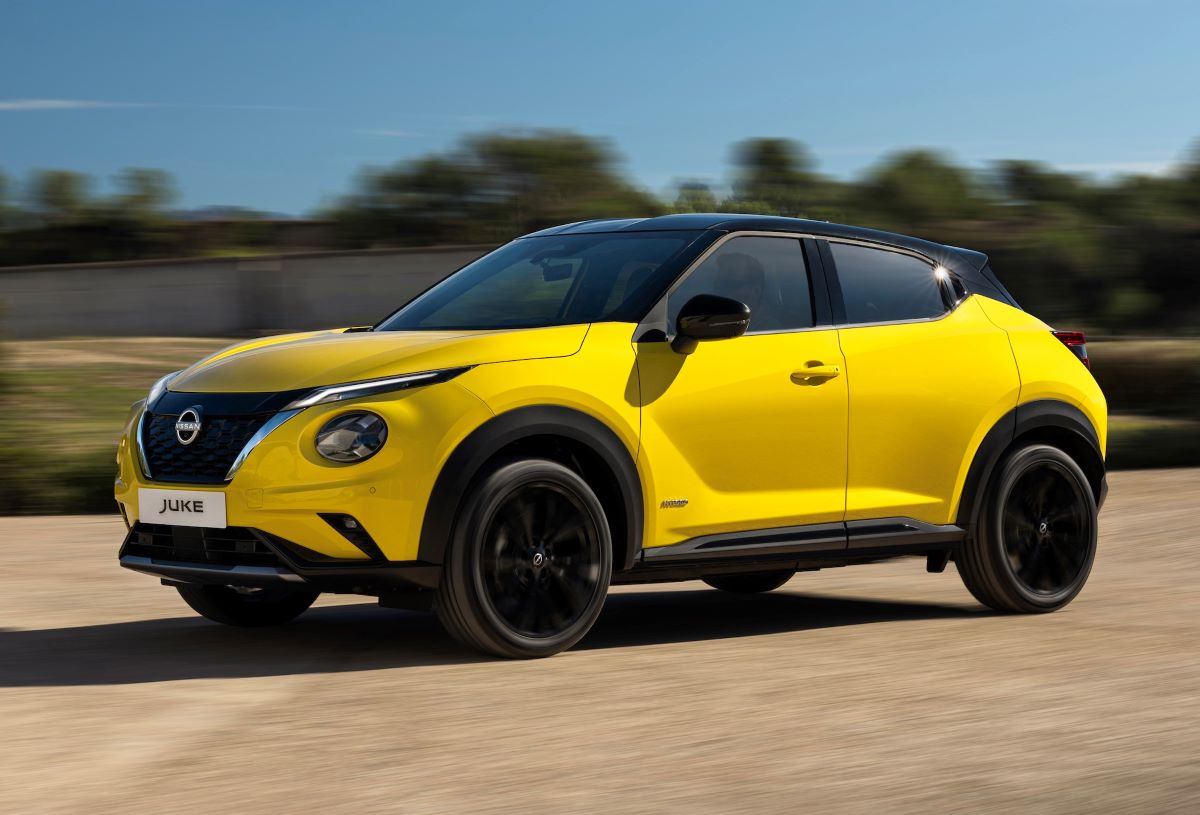
5. Nissan Juke (Certain Generations)
The Nissan Juke is a subcompact SUV known for its quirky styling and urban-friendly size, but it has a mixed reputation when it comes to reliability.
Several model years, particularly in early generations, have shown recurring mechanical and electrical problems. Despite its accessible price and sporty looks, the Juke has frustrated many owners with unpredictable maintenance needs.
One of the more serious issues relates to the continuously variable transmission (CVT) used in many Juke models. This transmission type is known for efficiency but has been prone to overheating, slipping, and failure in the Juke, often before reaching 100,000 miles.
CVT repairs or replacements are costly and typically require dealership service, making this a significant concern for long-term ownership.
In addition to transmission problems, many Juke owners report electrical faults. These include issues with the keyless entry system, dashboard warning lights, battery drain, and inconsistent climate control performance.
Sometimes these faults are caused by wiring harness defects or sensor malfunctions, which can be time-consuming and expensive to track down.
Engine reliability is also hit-or-miss. The 1.6L turbocharged engine found in some Juke models has had complaints of premature wear, overheating, or oil leaks.
While not all units are affected, the variation in build quality from one vehicle to another makes it harder to predict future issues. Regular maintenance helps, but even well-maintained Jukes can suffer from unexpected breakdowns.
For those considering a Juke, it’s important to research the specific model year and transmission type. Avoiding the CVT-equipped versions or purchasing from a seller who can provide full maintenance records can reduce the risk.
Still, compared to other small SUVs in the same class, the Juke is a riskier choice in terms of long-term reliability and repair frequency.
