
Hybrid vehicles have steadily carved a significant niche in the automotive industry by offering a blend of fuel efficiency, reduced emissions, and reliable performance.
Among the vast range of hybrids available, some models stand out not only for their technology and design but also for their exceptional reliability and minimal need for dealership servicing.
These hybrids tend to be engineered with such precision and durability that owners often find themselves bypassing the dealership for repairs and maintenance, opting instead for routine upkeep that can be handled by independent mechanics or even simple DIY methods.
This article explores 12 such hybrid vehicles that have earned a reputation for rarely needing dealership intervention, providing insights into what makes them so dependable and what owners can expect over the lifetime of these vehicles.
The trend towards hybrids initially stemmed from a growing awareness of environmental concerns and fluctuating fuel prices, driving manufacturers to develop vehicles that could offer better mileage without sacrificing the driving experience.
However, as hybrid technology has evolved, it has become clear that not all hybrids are created equal in terms of reliability and maintenance demands.
Some hybrids have complex systems that require frequent diagnostics and software updates, while others are designed to be robust, with fewer electronic quirks and more straightforward mechanical components.
This distinction plays a major role in how often these vehicles end up needing dealership service, which can be costly and inconvenient for owners.
Understanding why certain hybrids rarely see the inside of a dealership service bay involves looking at several factors, including the quality of battery management systems, the durability of electric motors, the integration of regenerative braking technology, and the engineering philosophy behind the vehicle.
Some manufacturers prioritize simplicity and longevity, reducing the potential points of failure and ensuring components last well beyond typical warranty periods. This approach not only benefits the owners through lower lifetime costs but also builds brand loyalty and boosts resale values.
In this article, we examine 10 hybrids known for their low maintenance needs and minimal dealership service visits. These models represent a mix of mainstream and niche vehicles, each offering unique features and advantages.
By reviewing their engineering, owner experiences, and general maintenance requirements, we aim to shed light on what makes these hybrids exceptional and why they continue to attract buyers seeking peace of mind and practical ownership experiences.
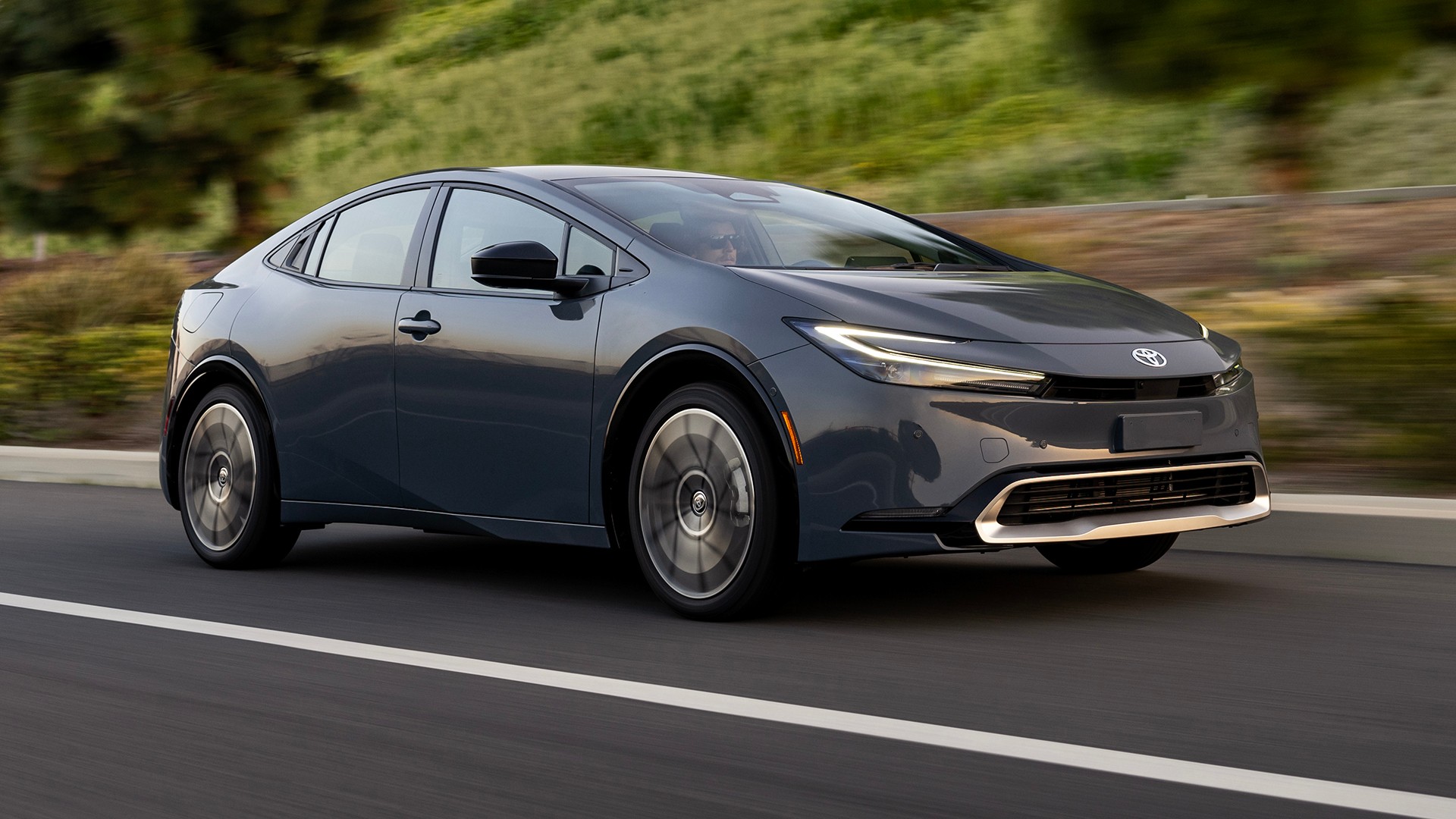
1. Toyota Prius
The Toyota Prius has long been synonymous with hybrid technology and is widely regarded as one of the most reliable hybrid vehicles ever produced. Since its debut in the late 1990s, the Prius has set a benchmark for fuel efficiency and low emissions, while consistently offering dependable performance.
One of the reasons it rarely needs dealership service lies in Toyota’s robust engineering and meticulous quality control. The Prius uses a proven hybrid system that combines a gasoline engine with electric motors and a nickel-metal hydride or lithium-ion battery pack, designed for longevity and minimal degradation over time.
Toyota’s approach to hybrid design emphasizes simplicity and durability. For example, the Prius’ battery management system carefully monitors charging and discharging cycles, preventing overuse and overheating.
This management system extends the battery’s life well beyond what many competitors can claim, reducing the need for costly replacements or repairs at dealerships.
Additionally, the regenerative braking system helps preserve traditional brake components, which also lessens maintenance demands and the need for service visits.
The interior and other vehicle components of the Prius are also built with reliability in mind. Toyota uses high-quality materials and proven manufacturing processes that minimize wear and tear over time.
This means fewer issues related to cabin electronics, infotainment, and comfort features that can sometimes lead owners back to dealerships for fixes. The package is one designed for everyday use without the frustration of frequent technical glitches.
Another important factor contributing to the Prius’s minimal dealership visits is Toyota’s extensive network of certified mechanics trained specifically on hybrid systems.
This widespread availability allows owners to access competent service even outside dealerships, often at a lower cost. As a result, many Prius owners prefer independent service centers for regular maintenance and minor repairs, further reducing dealership traffic.
Furthermore, Toyota’s commitment to continuous improvement ensures that each new generation of the Prius comes with refinements that address past issues and enhance reliability.
This dedication has led to a strong reputation for longevity, with many examples still running smoothly well past the 200,000-mile mark. Such durability reinforces the notion that the Prius is a vehicle built to minimize unexpected service needs.
Lastly, the Prius community itself contributes to this low service rate. Owners share advice, maintenance tips, and DIY guides, enabling many to address common issues without dealership assistance.
This culture of informed ownership combined with Toyota’s engineering results in a hybrid that truly lives up to its reputation for reliability and low maintenance.
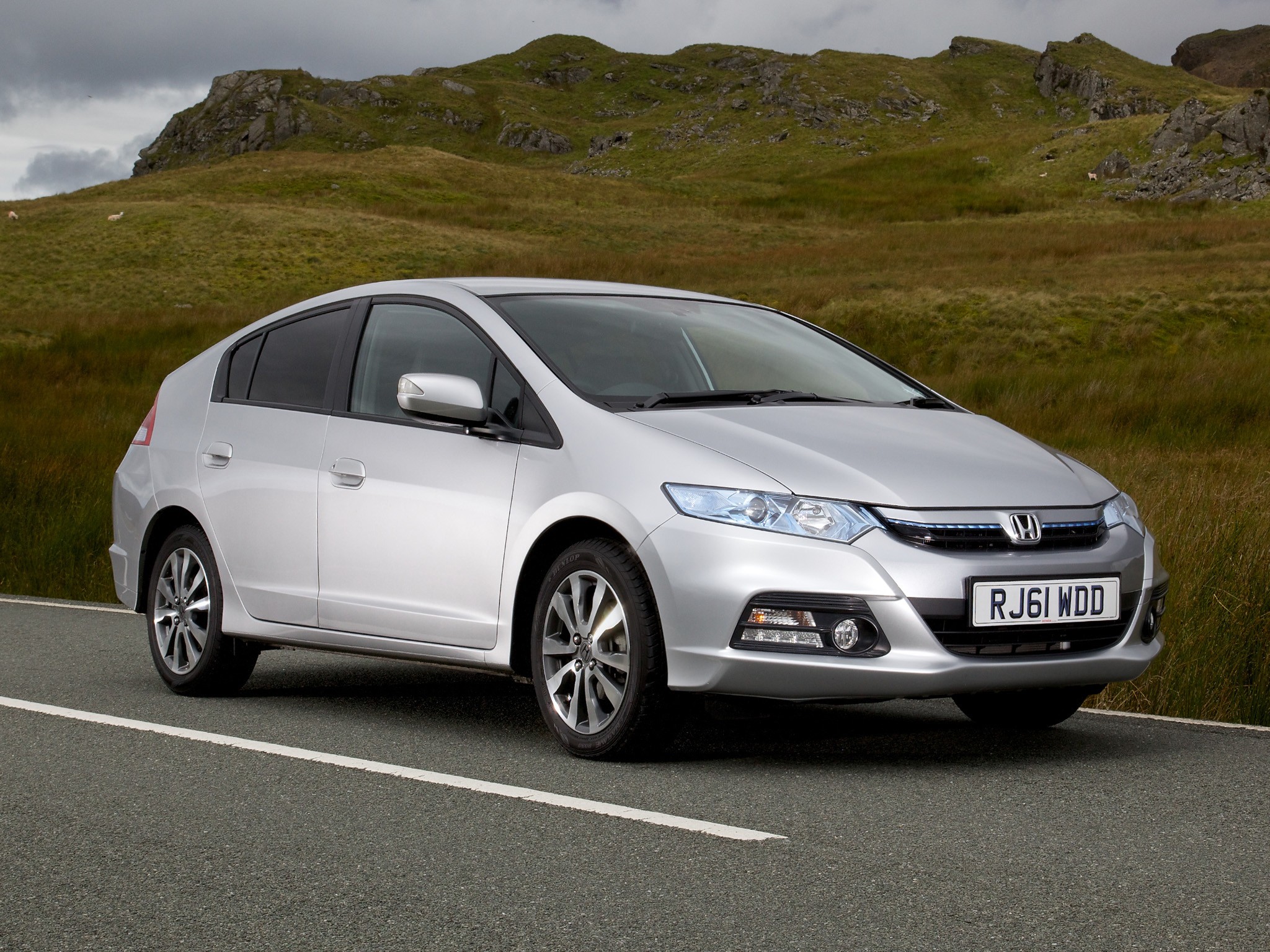
2. Honda Insight
Honda’s Insight was among the first hybrids to compete with the Prius and has evolved significantly since its introduction. The Insight’s engineering centers around a straightforward hybrid system that balances power and efficiency without unnecessary complexity.
This simplicity in design is a key factor in why it typically avoids frequent dealership visits. The Insight’s hybrid system uses a smaller battery pack and electric motor configuration compared to some other hybrids, which helps reduce potential points of failure.
Another aspect of the Insight’s reliability comes from Honda’s emphasis on mechanical soundness and build quality. The gasoline engine paired with the electric motor is engineered to run smoothly and efficiently, with few quirks that would demand dealer intervention.
The battery is also designed to endure a wide range of conditions without significant capacity loss, and the cooling systems are optimized to prevent overheating or stress during heavy use.
The vehicle’s design encourages straightforward maintenance procedures, allowing owners or local mechanics to handle many routine tasks without needing special tools or dealership software. This ease of maintenance reduces both costs and the need for dealership visits.
Additionally, Honda’s parts are widely available, making it easier to repair or replace components without waiting for dealer authorization or parts delivery.
The Insight also benefits from Honda’s reputation for producing long-lasting engines and transmissions. These components have proven to withstand the stresses of hybrid driving, including the unique demands of start-stop traffic and frequent transitions between power sources. This robustness translates to fewer breakdowns and less frequent need for dealer repairs.
Owner experiences reinforce the Insight’s reputation, with many drivers reporting minimal issues even after years of use.
Problems that do arise tend to be minor and are often resolved without requiring dealer intervention. The vehicle’s well-balanced powertrain contributes to a smooth driving experience that avoids excessive strain on any one component.
Finally, Honda’s ongoing support for the Insight, including software updates and recalls, is handled efficiently and rarely impacts most owners.
This proactive approach to maintenance ensures that potential issues are addressed early, often without needing unscheduled dealership visits. As a result, the Insight remains a hybrid known for its reliability and low service demands.
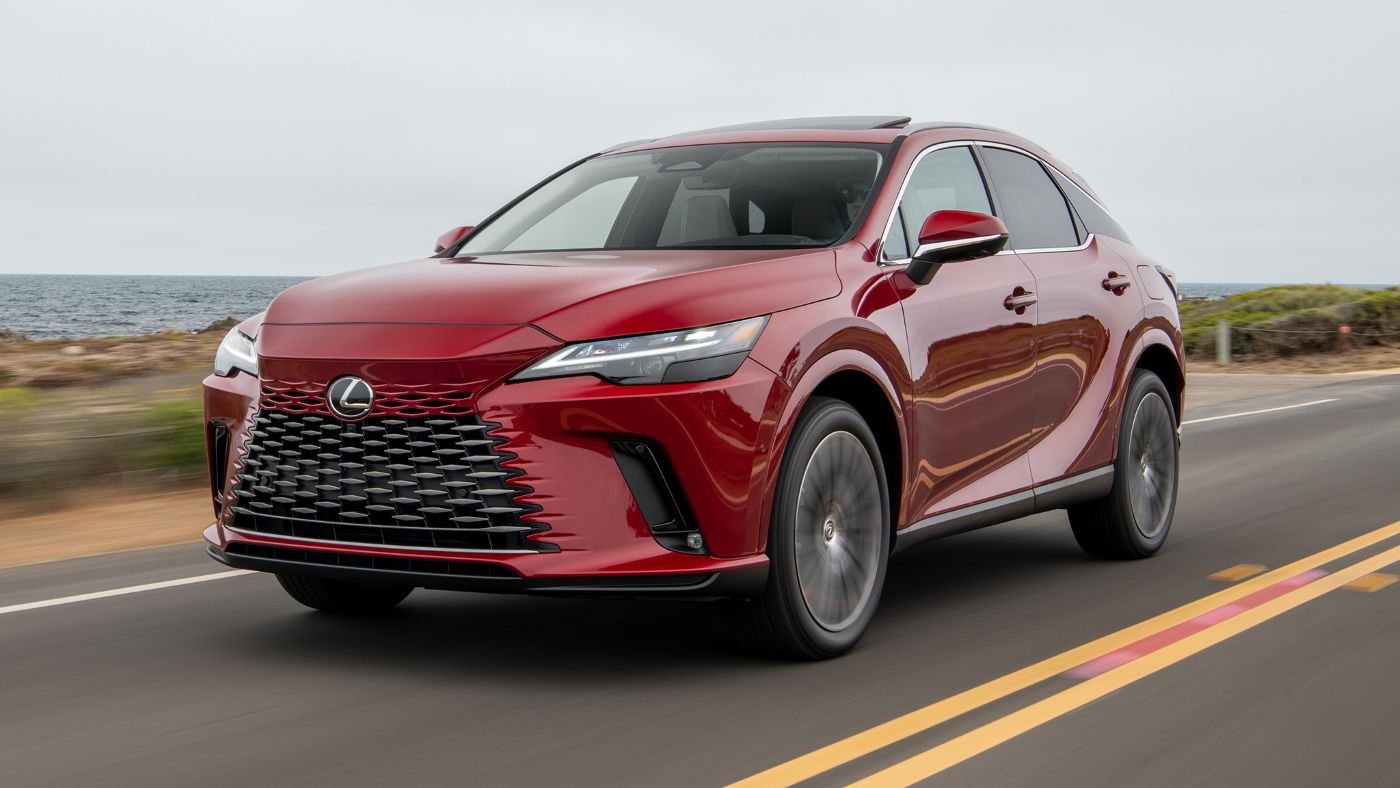
3. Lexus RX Hybrid
The Lexus RX Hybrid offers luxury combined with hybrid efficiency, and it has earned a reputation for durability and low service requirements despite its premium status.
Lexus, as a brand, builds vehicles with high-quality materials and precise engineering, which extends to its hybrid models. The RX Hybrid’s hybrid system is well-integrated, with a smooth blend of electric and gasoline power that reduces wear on key components.
One factor contributing to the RX Hybrid’s low dealership service rate is the robustness of its battery and electric motor design. Lexus utilizes advanced battery cooling and monitoring systems to prevent degradation and overheating, common issues in less refined hybrids.
The regenerative braking system also helps conserve mechanical brake life, reducing the frequency of brake-related service visits.
Beyond the powertrain, Lexus focuses on building a luxurious yet durable interior that resists the typical wear that might otherwise require service or replacement.
Materials are chosen for both aesthetics and longevity, reducing the likelihood of malfunctioning electronics or failing comfort features that could send owners to dealerships.
Lexus also offers some of the best warranties in the industry for hybrid components, often covering batteries and related systems for 8 years or more. This warranty coverage reduces owners’ concerns about costly repairs and contributes to fewer dealership visits by encouraging routine maintenance instead of reactive fixes.
Customer service is another hallmark of the Lexus experience. Dealerships often provide complimentary inspections and maintenance services that help identify potential problems before they escalate.
This preventative approach means that most RX Hybrid owners experience smooth ownership with few unexpected visits.
Lastly, the RX Hybrid benefits from Lexus’s continuous improvement and quality assurance processes. With each model year, the manufacturer addresses known issues and enhances component durability. This dedication results in vehicles that maintain performance and reliability, minimizing the need for dealer intervention over time.
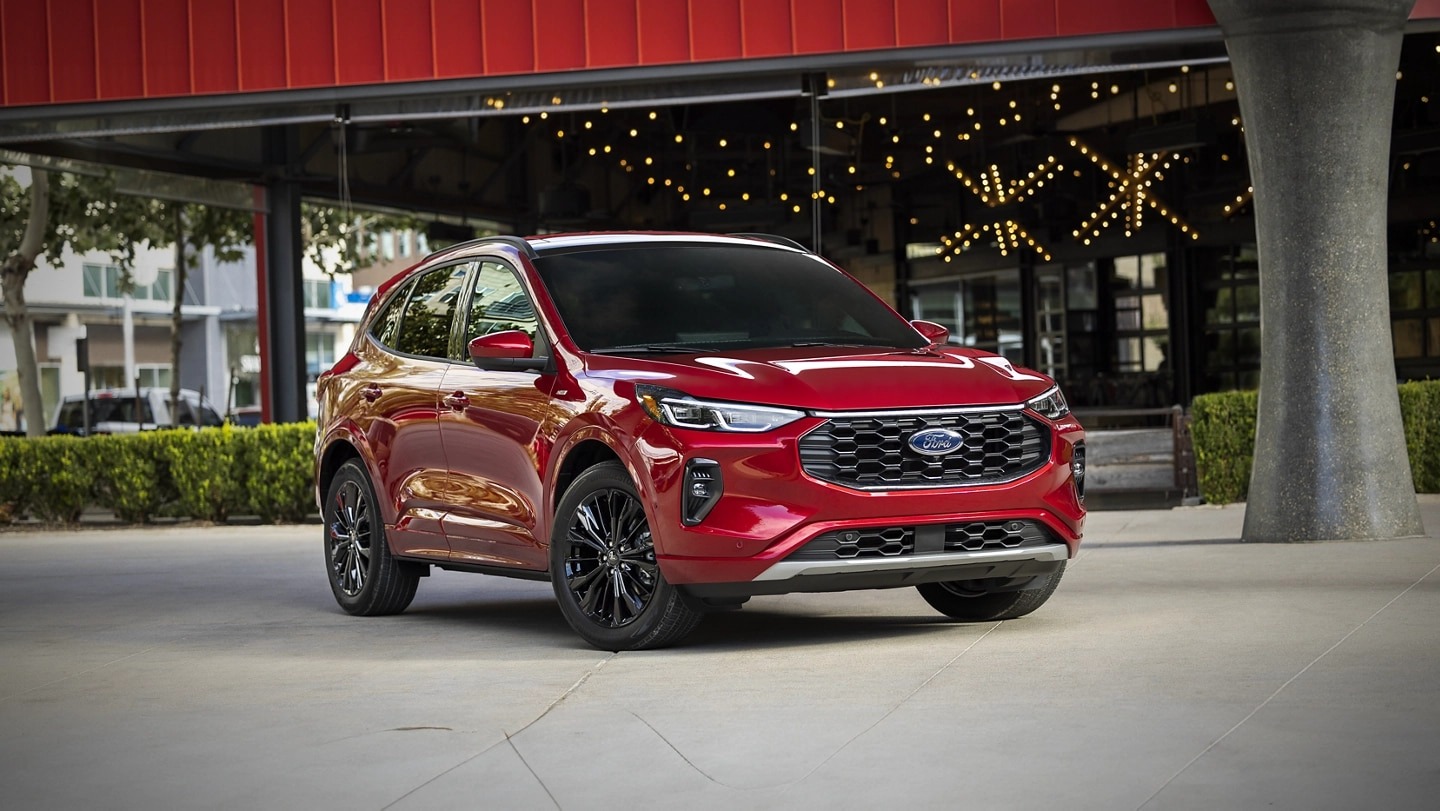
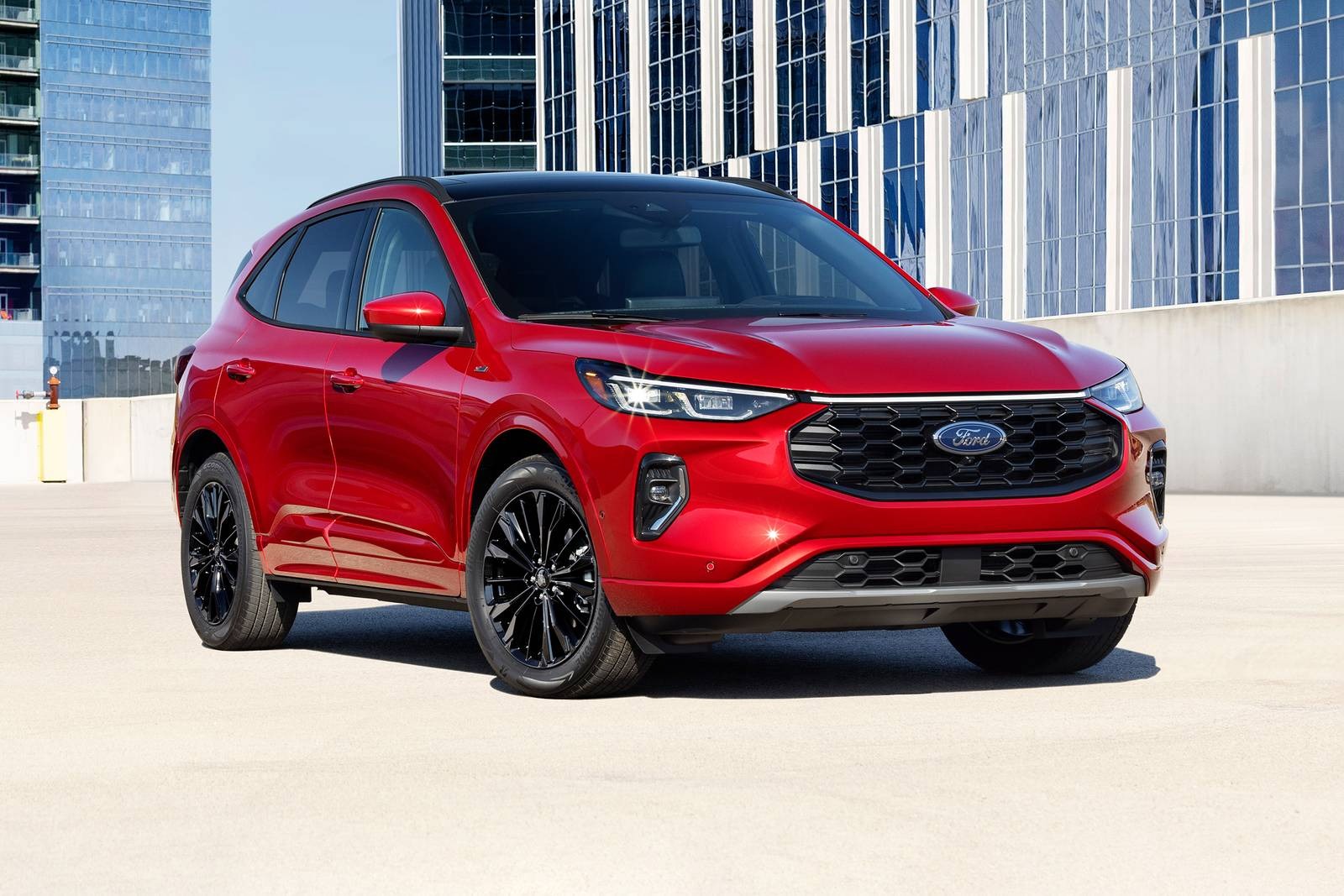
4. Ford Escape Hybrid
Ford’s Escape Hybrid blends practicality with hybrid technology in a compact SUV form factor. Since its hybrid debut, the Escape Hybrid has gained attention for its balanced performance and fuel savings without an overly complex powertrain.
This balance contributes significantly to its low dealership service rates. The hybrid system employs well-tested components and emphasizes ease of maintenance alongside efficiency.
The Escape Hybrid’s battery pack and electric motor are engineered for reliability, with robust cooling and power management systems that prevent premature wear.
Ford has also worked to make many serviceable components accessible, allowing for easier repairs and maintenance outside of dealerships. This approach helps keep ownership costs down and reduces the need for frequent dealer visits.
Moreover, Ford has integrated software management systems that are stable and require fewer updates or recalibrations than some competitors.
This reduces the likelihood of electronic glitches that often necessitate dealership diagnostics. When combined with durable hardware, the Escape Hybrid delivers consistent performance with fewer surprises.
Owners report that routine maintenance tasks such as fluid changes and brake inspections are straightforward and manageable at local shops or even for some DIY enthusiasts.
The Escape Hybrid’s design also makes battery replacements or repairs less common, thanks to its careful thermal management and balanced hybrid system.
Ford’s commitment to supporting hybrid technology has also ensured that parts and specialized knowledge are increasingly available in the aftermarket, allowing owners to avoid costly dealer repairs. This accessibility strengthens the Escape Hybrid’s reputation as a reliable and low-maintenance hybrid SUV.
Finally, the Escape Hybrid’s appeal is boosted by its practical size and driving dynamics. It offers a comfortable ride with solid fuel economy, attracting buyers who want an eco-friendly vehicle without sacrificing everyday usability. Its engineering focus on durability and user-friendliness translates directly into fewer dealership service visits.
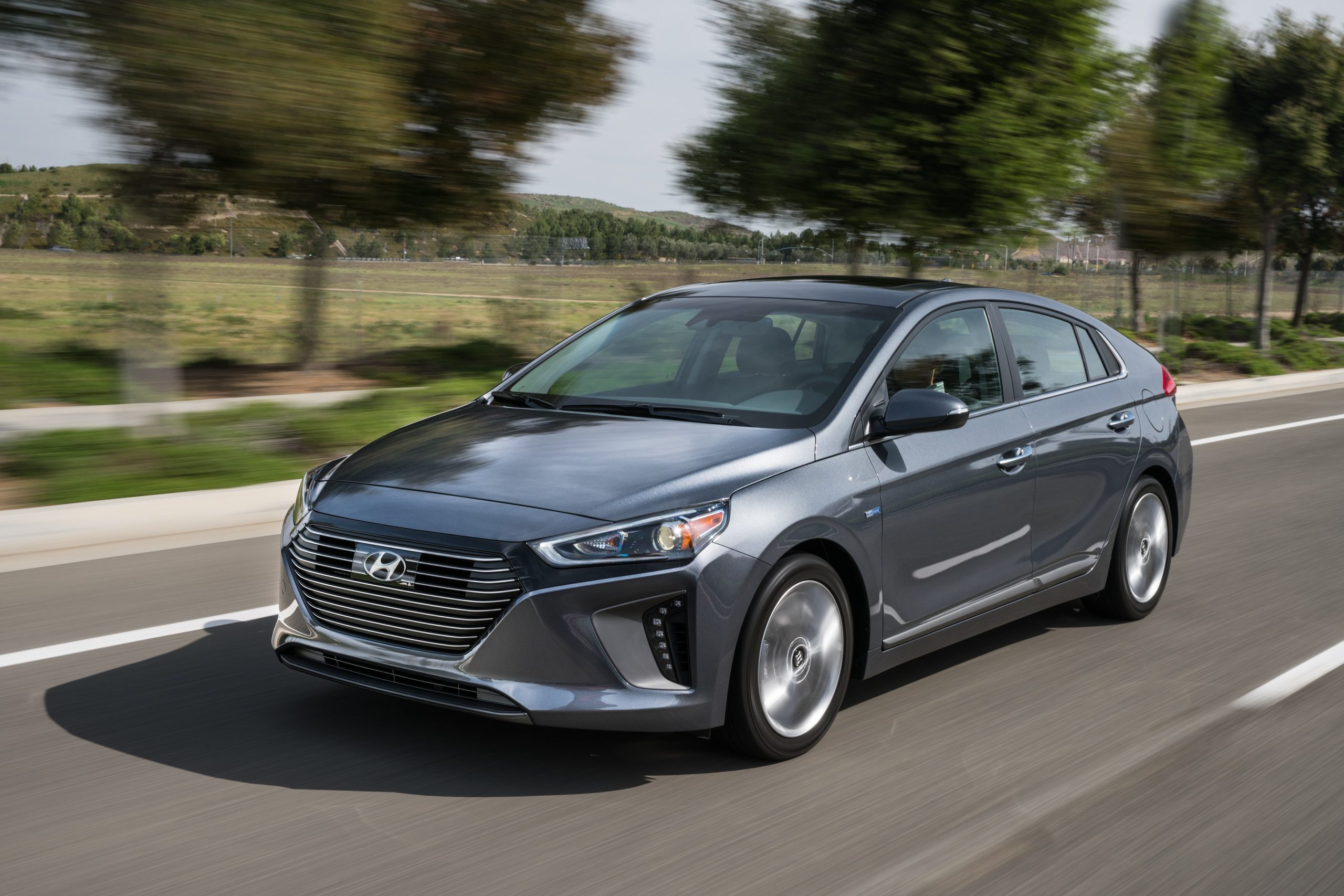
5. Hyundai Ioniq Hybrid
The Hyundai Ioniq Hybrid is known for its cutting-edge technology combined with affordability and reliability. Hyundai’s approach to hybrid technology with the Ioniq focuses on integrating a lightweight design with efficient powertrain components that are built to last.
This focus has resulted in a hybrid that is not only economical to run but also requires minimal service from dealerships.
One major factor behind the Ioniq Hybrid’s reliability is its battery management system, which uses advanced algorithms to optimize charging cycles and maintain battery health.
This system reduces battery wear and delays the need for replacement, a costly service often necessitating dealership visits. The electric motor and engine are also designed for smooth collaboration, reducing mechanical stress and potential breakdowns.
Hyundai also emphasizes component accessibility and user-friendly design, meaning that routine maintenance like brake inspections and fluid changes can be completed quickly and without specialized dealer equipment.
This ease of maintenance has allowed many owners to rely on local mechanics or perform some upkeep themselves, lowering ownership costs and dealership dependence.
Additionally, the Ioniq Hybrid benefits from Hyundai’s industry-leading warranty programs, which cover the battery and other hybrid components for an extended period. This warranty coverage offers owners reassurance and helps prevent unexpected dealership visits for major repairs.
Customer feedback often highlights the Ioniq’s efficient performance and low maintenance requirements, even after several years on the road. The combination of innovative technology and durable construction means that the vehicle maintains strong reliability ratings.
Finally, Hyundai’s continued investment in hybrid technology and customer support ensures that the Ioniq Hybrid remains a top contender in its segment.
The brand’s focus on addressing common hybrid issues and improving serviceability helps owners enjoy the benefits of hybrid ownership with minimal dealership interaction.
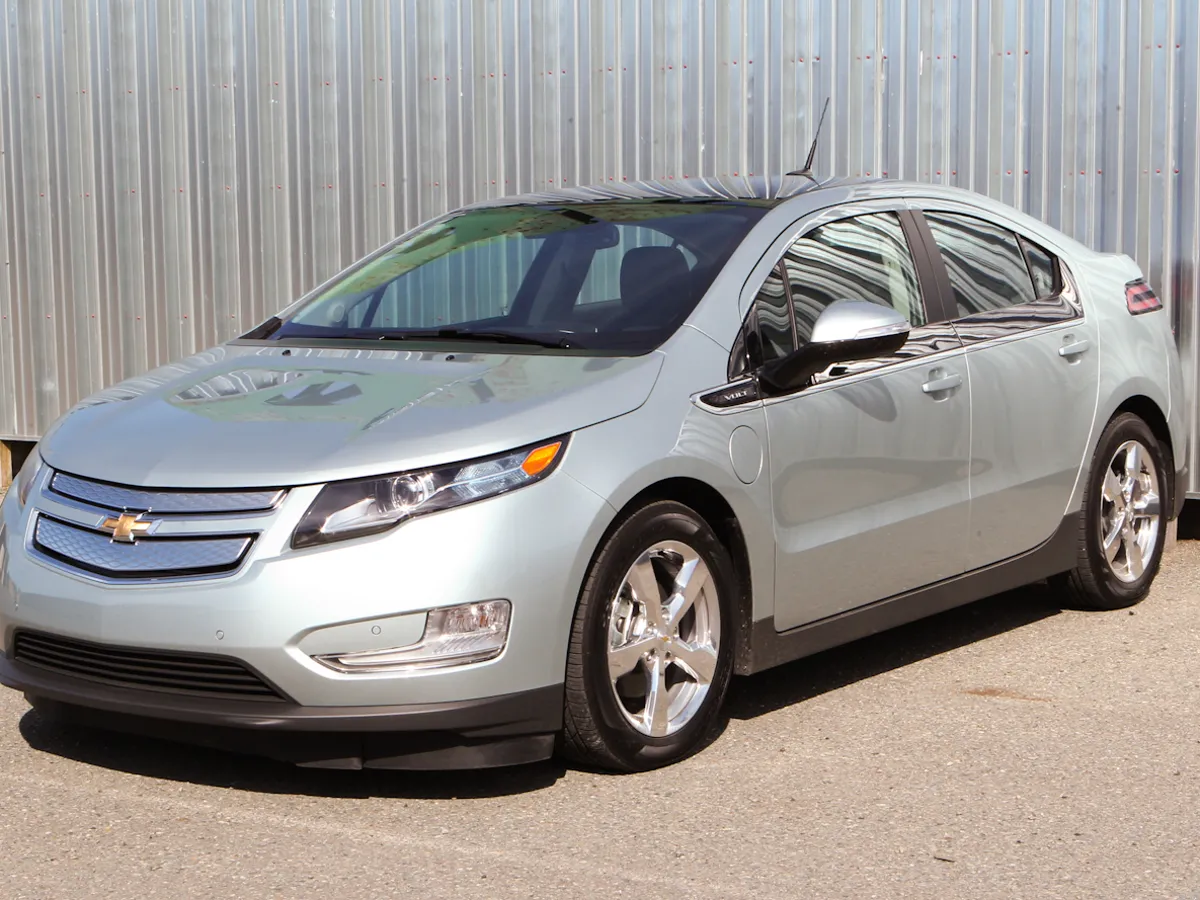
6. Chevrolet Volt
The Chevrolet Volt is a plug-in hybrid that offers a unique combination of electric-only driving and a gasoline backup, making it a popular choice for those wanting electric range without range anxiety.
One reason the Volt tends to avoid frequent dealership service is its well-engineered powertrain, which effectively balances electric and gasoline propulsion without putting excessive strain on either system.
The Volt’s battery pack is designed for long life, with sophisticated cooling and battery management systems that help maintain performance over time.
Chevrolet engineers focused on durability when designing the Volt’s hybrid system, selecting components with proven reliability to minimize repair needs.
The extended electric range means the gasoline engine is used less frequently, which reduces wear on traditional engine components. This also translates to less frequent oil changes and mechanical repairs typically associated with combustion engines, which can lower maintenance demands.
The Volt’s regenerative braking system also plays a crucial role in its low service requirements. By recovering energy and reducing brake wear, it lessens the need for brake pad replacements and related maintenance.
This is especially beneficial in stop-and-go urban driving, where brakes often wear out quickly on non-hybrid vehicles.
In addition to mechanical robustness, the Volt’s software management is stable and efficient, requiring fewer updates or recalibrations than some competing plug-in hybrids. This reduces the frequency of service visits for software-related issues, which are often a cause of dealer trips in modern vehicles.
Owner feedback consistently highlights the Volt’s reliability and minimal unexpected repairs. Many Volt owners have reported trouble-free driving experiences well beyond 100,000 miles, indicating a solid track record for durability and serviceability. Routine maintenance remains straightforward and manageable at local service centers.
Finally, Chevrolet’s warranty and support programs provide peace of mind for Volt owners. The battery warranty is comprehensive, covering long-term service needs and reducing concerns about costly replacements. This support, combined with the Volt’s thoughtful engineering, contributes to its reputation as a hybrid that rarely needs dealer intervention.
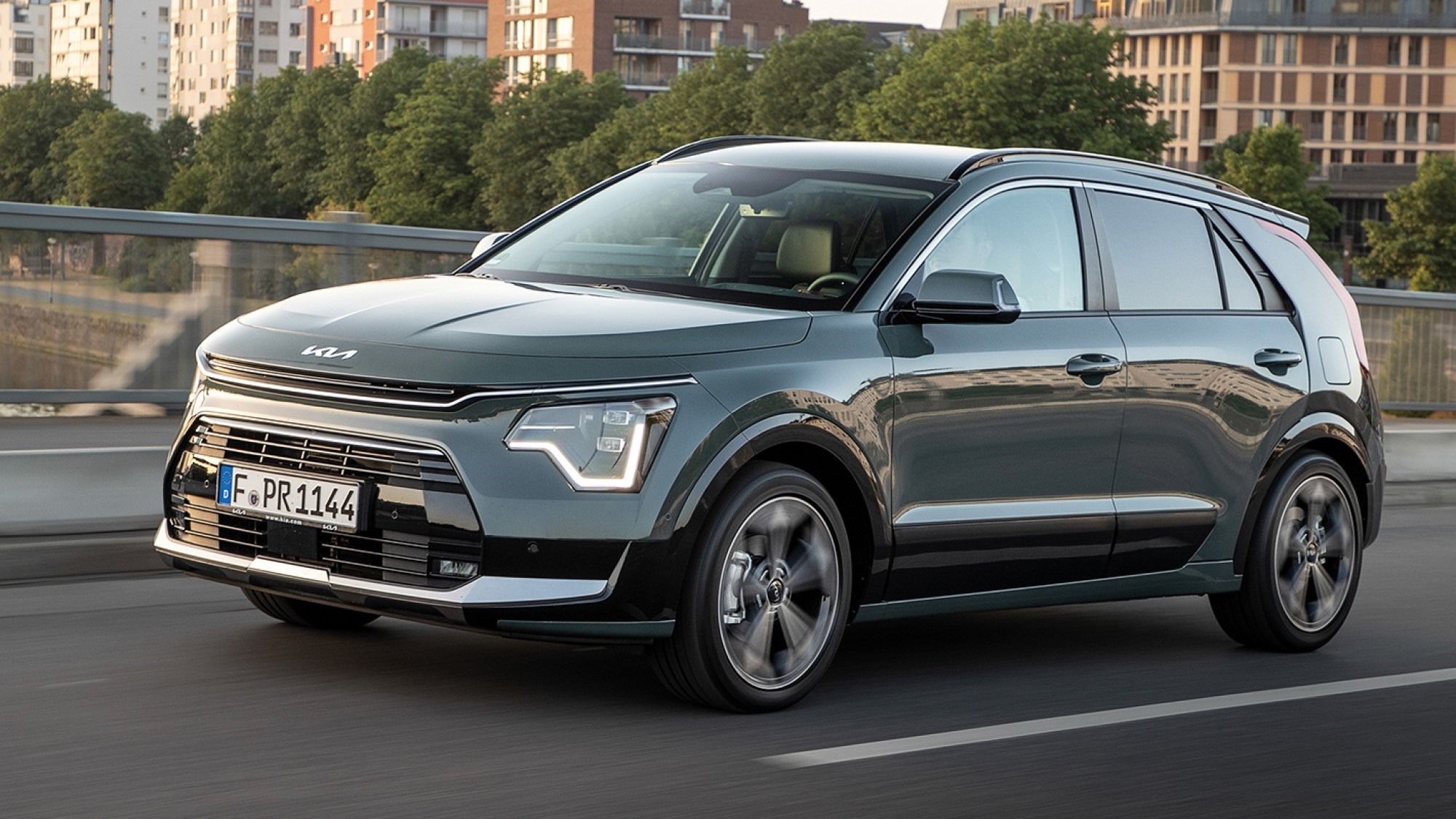
7. Kia Niro Hybrid
The Kia Niro Hybrid has gained popularity as a practical and efficient crossover that blends hybrid technology with SUV versatility. One of the main reasons it rarely requires dealership service is Kia’s commitment to quality and reliability across all components, especially the hybrid system.
The Niro’s battery and electric motor are designed for endurance, supported by an advanced cooling system that prevents overheating and maintains consistent performance.
Kia has engineered the Niro’s powertrain for simplicity and longevity, avoiding overly complex systems that might lead to frequent repairs.
The gasoline engine complements the electric motor well, providing reliable power delivery with minimal stress on the drivetrain. This balanced design helps reduce mechanical wear and extends the intervals between necessary maintenance.
The Niro’s regenerative braking system also helps reduce the wear on traditional brake components, lowering the frequency of brake servicing and keeping ownership costs down. This system efficiently recovers energy during deceleration and braking, contributing to both fuel economy and reduced maintenance needs.
Routine maintenance for the Niro is straightforward, with many components accessible for inspection or replacement without specialized dealer tools.
This accessibility encourages owners to utilize local mechanics for service, further reducing dependence on dealership visits. The availability of Kia parts and trained technicians outside dealerships also supports this trend.
Kia backs the Niro with a strong warranty package, including hybrid components and battery coverage, which provides additional confidence to owners. This warranty helps minimize out-of-pocket expenses for unexpected repairs and reassures drivers about the vehicle’s long-term durability.
Lastly, the Kia Niro benefits from consistent updates and refinements from the manufacturer. Kia listens to customer feedback and improves the vehicle over model years, addressing any minor issues proactively.
This commitment to quality helps ensure that the Niro remains a reliable hybrid choice with minimal dealership visits.
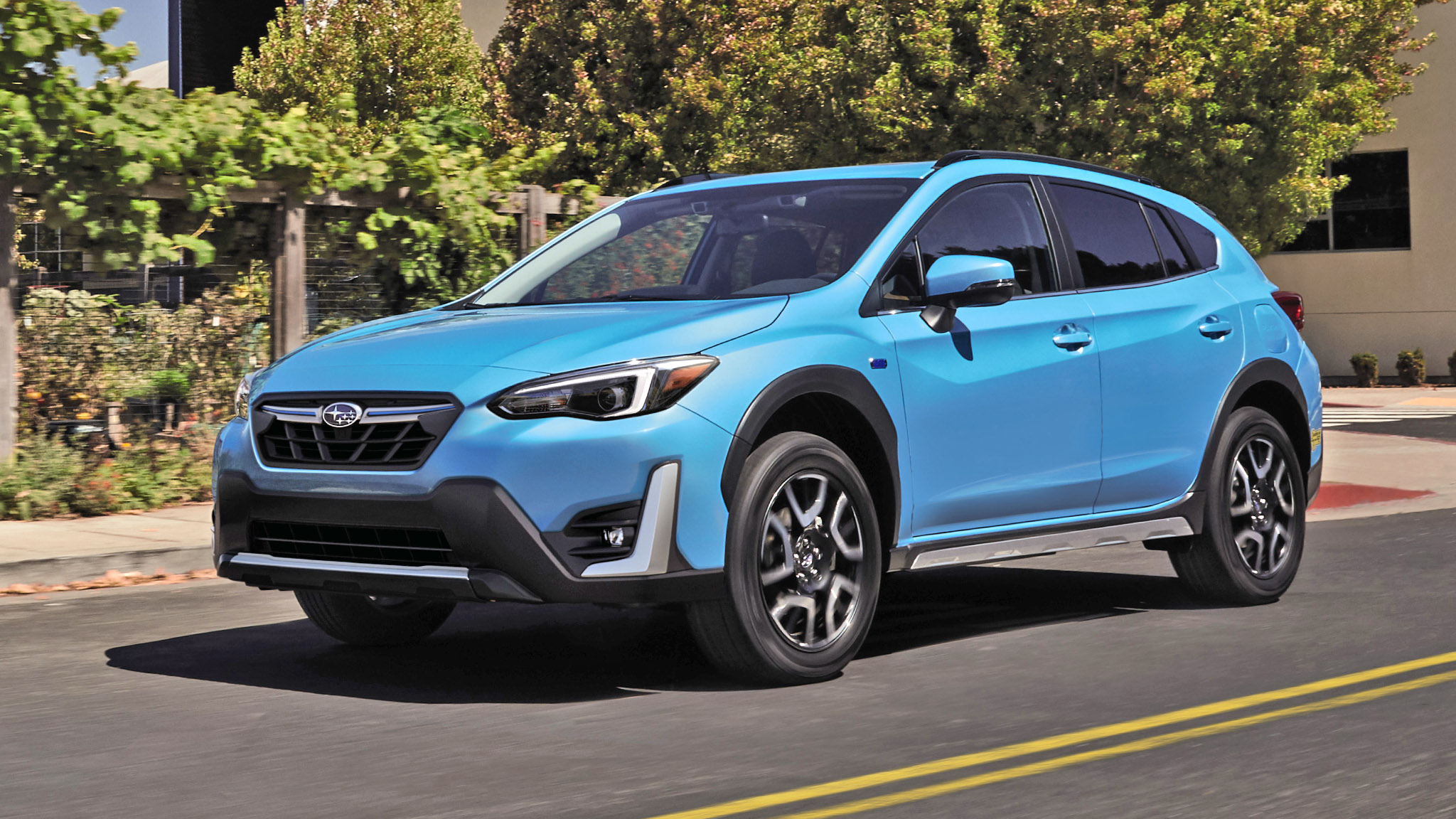
8. Subaru Crosstrek Hybrid
The Subaru Crosstrek Hybrid combines Subaru’s signature all-wheel-drive capability with hybrid technology, making it a versatile option for drivers in diverse conditions.
Its hybrid system is engineered for resilience, designed to handle both urban and off-road driving demands with minimal service requirements. Subaru uses a battery pack and electric motor setup that balances power delivery with durability, supported by effective thermal management.
One of the Crosstrek Hybrid’s strengths is its rugged construction, which carries over to its hybrid components. The battery and power electronics are housed securely to protect against environmental factors such as moisture and dirt, which can often lead to premature wear or failures in other vehicles.
This robust packaging helps maintain reliability and reduces the likelihood of dealership visits for repairs. Subaru’s hybrid system is designed to be user-friendly and serviceable, allowing routine maintenance to be performed efficiently.
Brake wear is minimized thanks to regenerative braking technology, and many mechanical parts are shared with non-hybrid Crosstreks, simplifying repairs and parts availability. This commonality helps keep service costs down and encourages use of independent shops.
The Crosstrek Hybrid also benefits from Subaru’s attention to drivetrain durability. The gasoline engine and continuously variable transmission (CVT) are known for their longevity, and when combined with the hybrid system, they operate smoothly without excessive strain. This reduces the chances of transmission or engine-related service issues.
Subaru offers a comprehensive warranty on hybrid components, giving owners added peace of mind. This warranty support often covers battery health and key electrical systems for an extended period, which discourages frequent dealership visits due to hybrid system failures.
Finally, the Crosstrek Hybrid’s versatility and reliability have earned it a loyal following. Owners appreciate the vehicle’s ability to handle various driving conditions while maintaining low maintenance needs. This reputation helps explain why the Crosstrek Hybrid is often kept out of the dealership service bays.
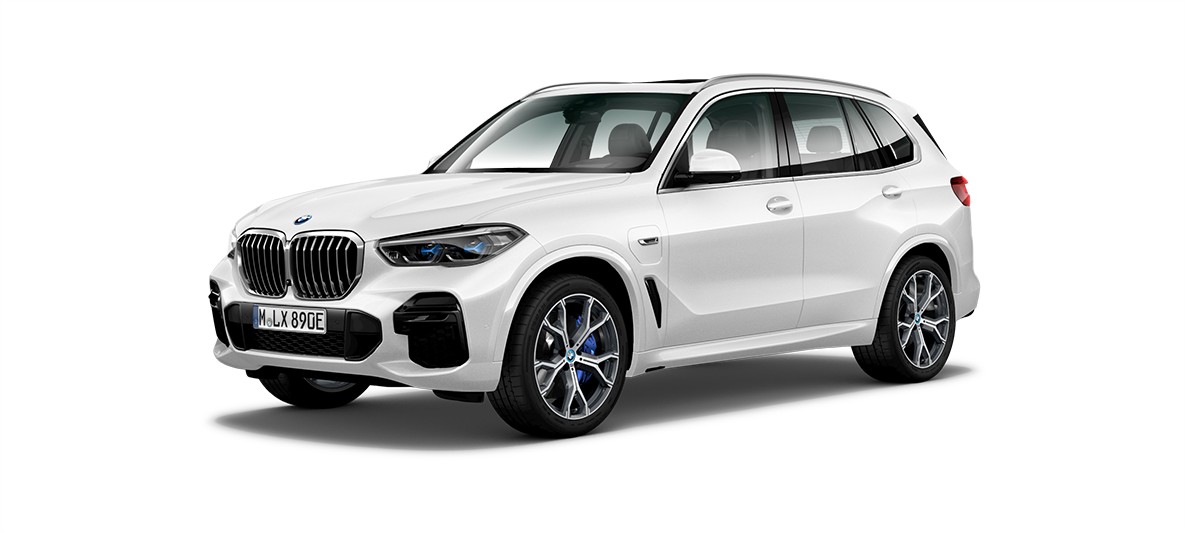
9. BMW X5 xDrive45e
The BMW X5 xDrive45e is a luxury plug-in hybrid SUV that offers impressive power and refinement alongside hybrid efficiency.
BMW has designed the xDrive45e’s hybrid system with durability and reliability as priorities, incorporating advanced battery cooling and management technologies to preserve battery health and prevent degradation. This attention to detail reduces the need for frequent battery replacements or repairs at dealerships.
The combination of a turbocharged gasoline engine and electric motors provides strong performance without overstressing either power source.
BMW’s engineering ensures that the hybrid components work harmoniously, distributing workload efficiently and reducing mechanical wear. This balance contributes to fewer unexpected repairs and less reliance on dealer service.
In addition to mechanical robustness, the X5 xDrive45e benefits from BMW’s sophisticated diagnostic systems, which can often detect and address potential issues early through routine maintenance. These proactive diagnostics help prevent breakdowns and reduce the likelihood of costly, unplanned service visits.
The vehicle’s regenerative braking system also minimizes wear on traditional brakes, extending service intervals and lowering maintenance expenses. For drivers in urban settings with frequent stopping, this feature significantly decreases brake replacement frequency.
BMW provides strong warranty coverage for the hybrid system and battery, reassuring owners against expensive repairs. The manufacturer’s network of trained technicians and widespread service centers also makes dealership visits efficient when necessary.
Lastly, the X5 xDrive45e benefits from BMW’s continuous improvement efforts. Each model year brings refinements to enhance reliability and address any known issues. This ongoing development supports the vehicle’s reputation as a hybrid luxury SUV that rarely needs extensive dealership service.
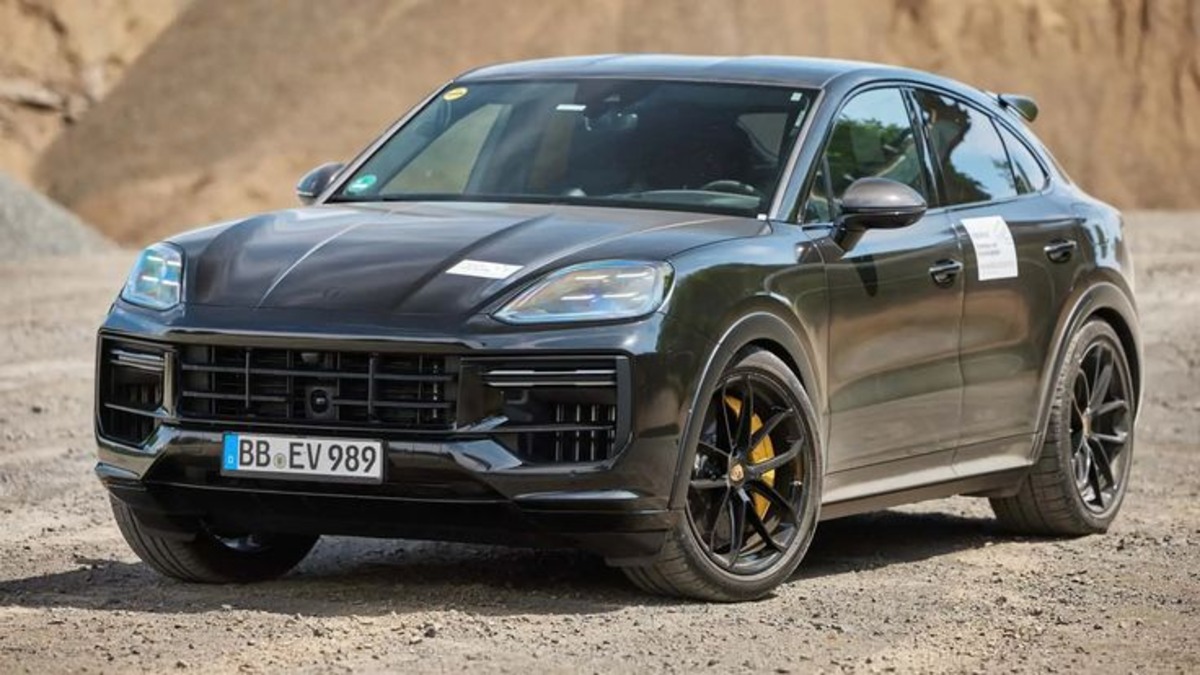
10. Porsche Cayenne E-Hybrid
The Porsche Cayenne E-Hybrid blends high-performance sports SUV capabilities with hybrid technology. Porsche’s engineering philosophy emphasizes both performance and durability, ensuring the Cayenne E-Hybrid’s hybrid system is robust and reliable.
The vehicle’s battery pack incorporates advanced thermal management, preventing overheating and extending battery lifespan, which reduces the need for frequent dealer service.
Porsche pairs a powerful gasoline engine with an electric motor designed to deliver a seamless and efficient driving experience.
The hybrid system components are rigorously tested for durability, with particular focus on handling the high demands of performance driving without compromising reliability. This balance helps avoid premature wear and costly repairs.
The Cayenne E-Hybrid’s regenerative braking system also contributes to its low maintenance needs by reducing brake wear during typical driving. This system recovers energy during deceleration, improving fuel economy while extending the life of mechanical brake components.
Porsche’s maintenance philosophy includes scheduled service intervals designed to prevent major issues before they arise. Owners often benefit from Porsche’s detailed diagnostic systems that monitor hybrid components closely, helping to detect any irregularities early and avoid serious problems.
Warranty coverage for the hybrid system and battery is comprehensive, giving owners additional confidence in the vehicle’s long-term durability. This support reduces financial risk and encourages routine maintenance rather than costly reactive repairs.
Finally, the Cayenne E-Hybrid’s blend of luxury, performance, and hybrid efficiency makes it a well-rounded vehicle that holds its reliability over time. Porsche’s reputation for engineering excellence means owners can expect fewer dealership visits compared to less refined hybrid offerings.
