

For many car owners, taking their vehicle to a mechanic for even the most basic repairs can feel like an expensive and frustrating experience. Labor costs often match or exceed the price of the parts, and in some cases, a minor fix turns into a major project that drains the wallet.
This is where the value of DIY-friendly cars becomes clear. These vehicles are designed, intentionally or not, in a way that makes them easier to maintain and repair at home.
Whether it’s due to a simple engine layout, easy access to key components, or the availability of affordable parts, some cars are simply better suited for at-home repairs than others.
DIY car enthusiasts aren’t just looking to save money. Many enjoy the process of understanding their car, maintaining it with their own hands, and gaining a sense of control over its condition and longevity. Having a car that allows for this level of involvement is a major advantage.
It reduces long-term ownership costs and often means fewer trips to the dealership or local garage. With the right tools, a good manual, and a bit of patience, many repairs can be tackled without professional help.
From oil changes and brake replacements to more involved tasks like timing belt changes or suspension work, certain models make these jobs far less intimidating.
The cars on this list were chosen based on a few key factors. First, their mechanical layout is straightforward. Complicated engine bay designs or electronics-heavy systems tend to make repairs harder, so simpler is usually better. Second, parts for these cars are readily available and reasonably priced.
Third, these models often have strong communities of DIYers, with tutorials and troubleshooting guides widely available. And finally, these cars have earned a reputation over time as being friendly to work on, whether you’re a seasoned mechanic or a curious first-timer.
Let’s look at ten cars that consistently rank among the easiest to repair and maintain on your own, without requiring a professional shop or expensive diagnostic tools.
Also Read: 10 SUVs That Rarely Rust Even in Snow States
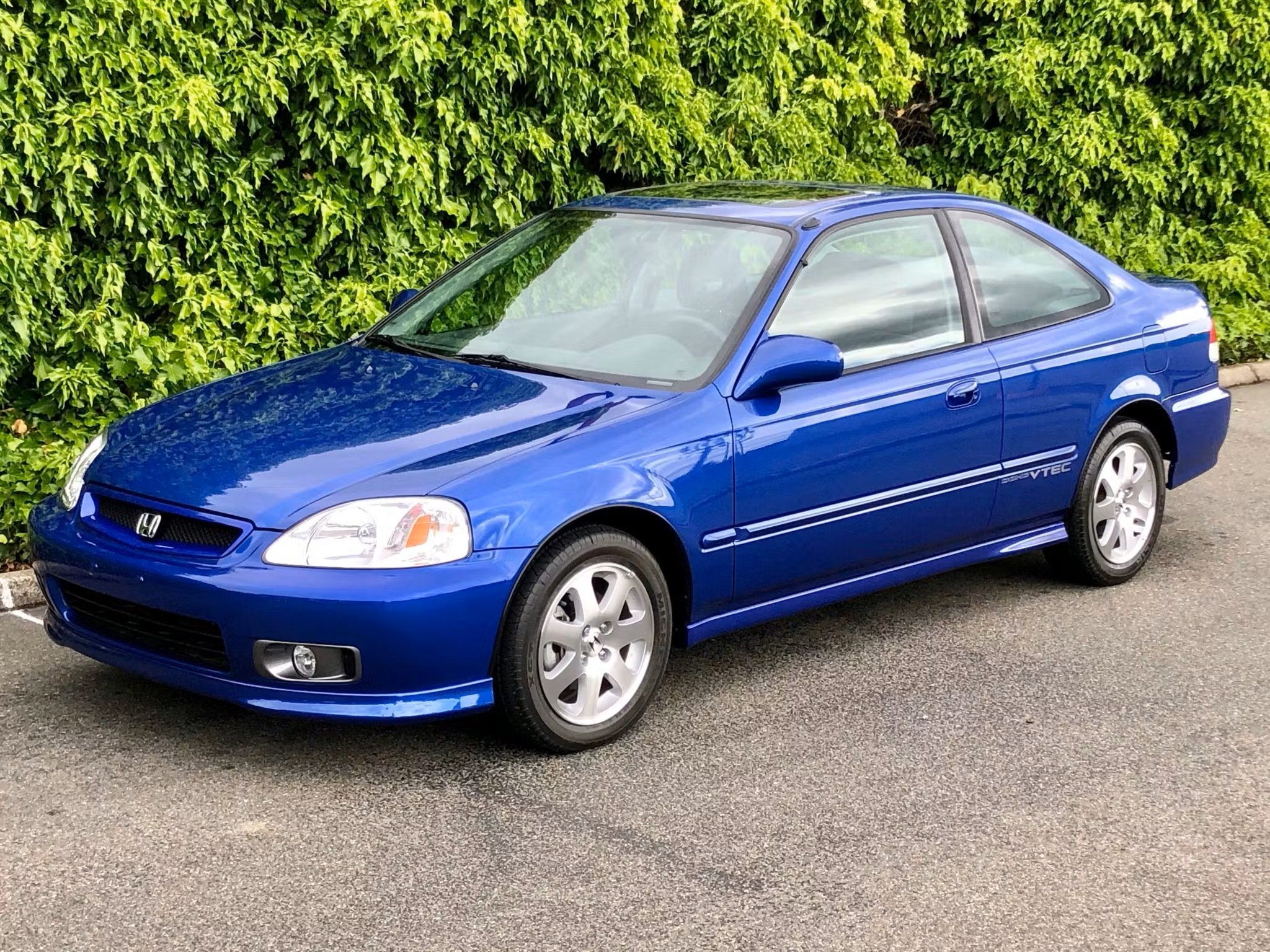
1. Honda Civic (1990s–2010s)
The Honda Civic has long been considered one of the most reliable and mechanically straightforward vehicles on the road. For DIY mechanics, especially those just starting out, few cars offer a better blend of accessibility, affordability, and simplicity.
The older generations, particularly models from the 1990s through the early 2010s, are especially known for being easy to work on. The engine bays are well-organized, and the parts are laid out in a way that makes logical sense, which greatly reduces the chance of errors during repairs.
One of the biggest advantages of working on a Civic is the widespread availability of information. There are thousands of forum posts, YouTube videos, and guides dedicated to every conceivable repair or upgrade.
Whether it’s a brake pad replacement, radiator swap, or even engine rebuild, chances are someone has documented the process in great detail.
This kind of community support is invaluable for DIY enthusiasts who want to avoid trial-and-error repairs or costly mistakes. It also fosters confidence when tackling jobs for the first time.
Another benefit is the affordability of parts. Because so many Civics were produced and because the aftermarket demand and OEM parts is high, components are cheap and easy to source. You can find replacement parts at nearly any auto parts store or order them online for quick delivery.
Even more complex components like alternators or timing belts are typically available at a reasonable price. This not only reduces repair costs but also encourages owners to take on repairs they might otherwise avoid.
Beyond that, the Civic’s design is inherently practical. The suspension system is simple, the oil filter is easily accessible, and engine diagnostics don’t typically require a scan tool beyond a basic OBD2 reader.
This makes the Civic a great car not just for learning how to do repairs but for sticking with DIY maintenance throughout the vehicle’s life. Its blend of simplicity, community support, and part availability keeps it firmly in the top tier of DIY-friendly cars.
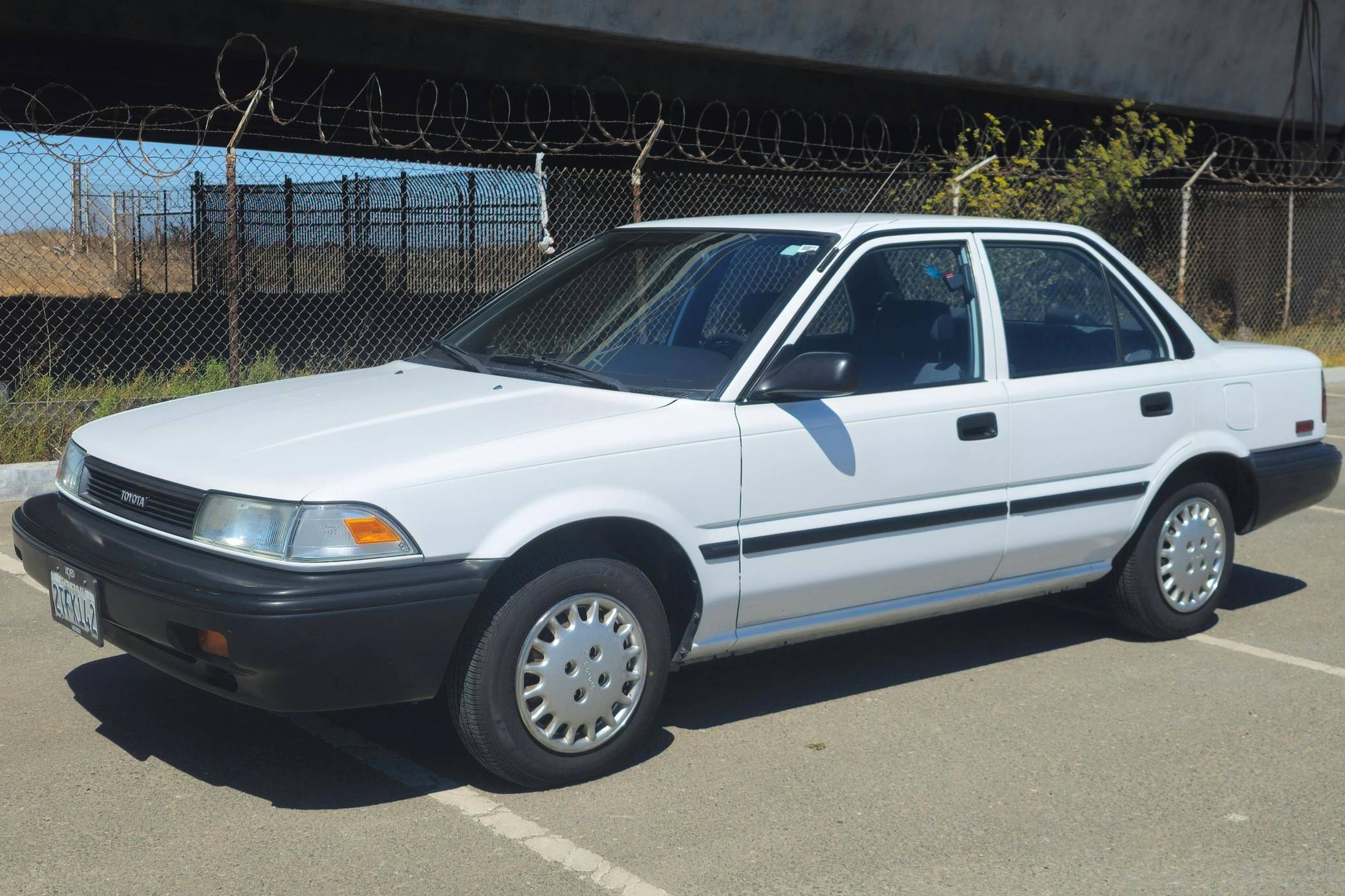
2. Toyota Corolla (1990s–2010s)
The Toyota Corolla has built its reputation on reliability, and part of that reliability comes from its ease of maintenance. Similar to the Honda Civic, the Corolla’s layout is extremely user-friendly, particularly in older generations.
The engine bay is uncluttered, and the components that most often need attention are usually right up front, meaning you don’t have to tear apart the vehicle to make a simple fix. This saves both time and frustration when working under the hood.
One of the reasons the Corolla is so favored among home mechanics is its predictable design. For many years, Toyota used a consistent engineering philosophy that made parts interchangeable across different model years.
This means that even if you own an older Corolla, it’s likely you can find affordable replacement parts with little effort. This consistency also extends to repair procedures.
If you’ve worked on one Corolla, chances are you’ll be comfortable working on another, which builds confidence for DIYers who may work on multiple vehicles.
Another standout feature is the vehicle’s diagnostic simplicity. With minimal electronic interference in earlier models and only moderate complexity in newer ones, the Corolla doesn’t require specialized diagnostic tools for many common repairs.
Basic tools such as a socket set, jack stands, and a multimeter are often sufficient. This makes it accessible for people who don’t have an elaborate home garage setup or professional-grade equipment.
Lastly, the Toyota Corolla has a large and supportive user base. Forums like Toyota Nation or dedicated Corolla Facebook groups are filled with repair walkthroughs, advice, and troubleshooting tips.
Whether you’re replacing a water pump or just doing a tune-up, you’re rarely on your own. This wealth of shared knowledge adds another layer of support, especially for first-timers or those taking on slightly more advanced repairs for the first time.
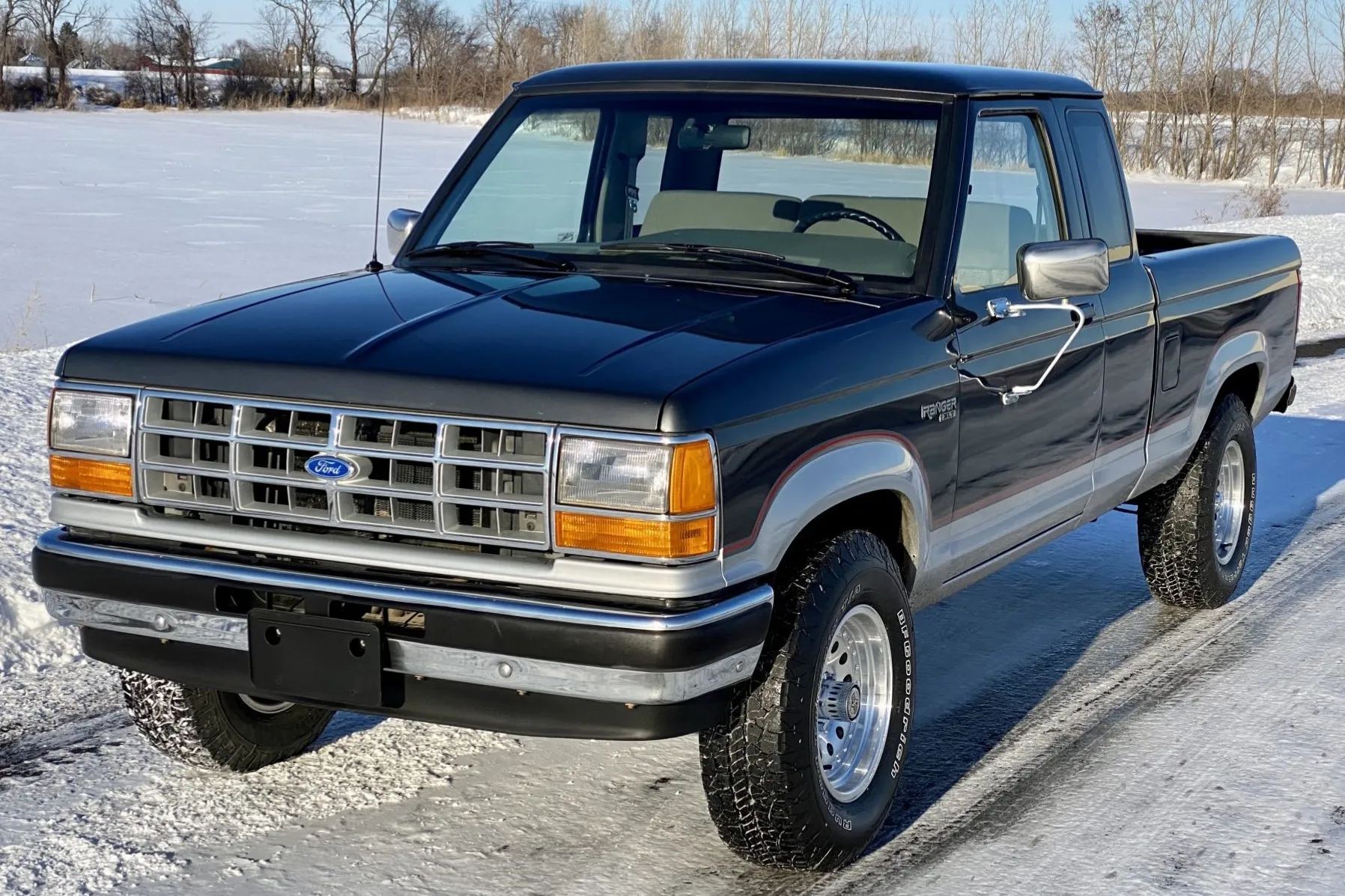
3. Ford Ranger (1990s–2000s)
The Ford Ranger, particularly the models from the late 1990s to early 2000s, is another vehicle that has earned a loyal following among DIYers. Its body-on-frame construction, simple drivetrain, and mechanical accessibility make it an excellent candidate for at-home repairs.
Whether you’re dealing with the four-cylinder or V6 version, the engine bay is spacious enough to work comfortably, even when replacing larger components like radiators or alternators.
One of the things that sets the Ranger apart is its durability combined with mechanical simplicity. Many of the common problems these trucks face, such as worn suspension components or failing sensors, are well-documented and relatively easy to fix.
Because these vehicles were designed with utility in mind, they aren’t packed with unnecessary electronic systems that complicate repairs. This makes diagnostics and part replacement more straightforward, particularly for older models.
The truck’s drivetrain is also a major advantage. The rear-wheel-drive setup on many Rangers means fewer moving parts in the front end and easier access to the transmission.
The manual transmission versions, in particular, are highly praised by home mechanics because they allow for simple clutch replacements and transmission maintenance. Even the four-wheel-drive systems are generally easier to manage than those found in larger or more modern trucks.
Parts for the Ranger are widely available and relatively inexpensive, especially considering how long the model was in production. From junkyard finds to aftermarket replacements, finding what you need to keep a Ranger running is rarely a problem.
That availability, combined with a strong DIY community, makes the Ranger a solid choice for those looking to do their own work and keep long-term ownership costs down. It’s a great truck for learning, maintaining, and even upgrading without professional help.
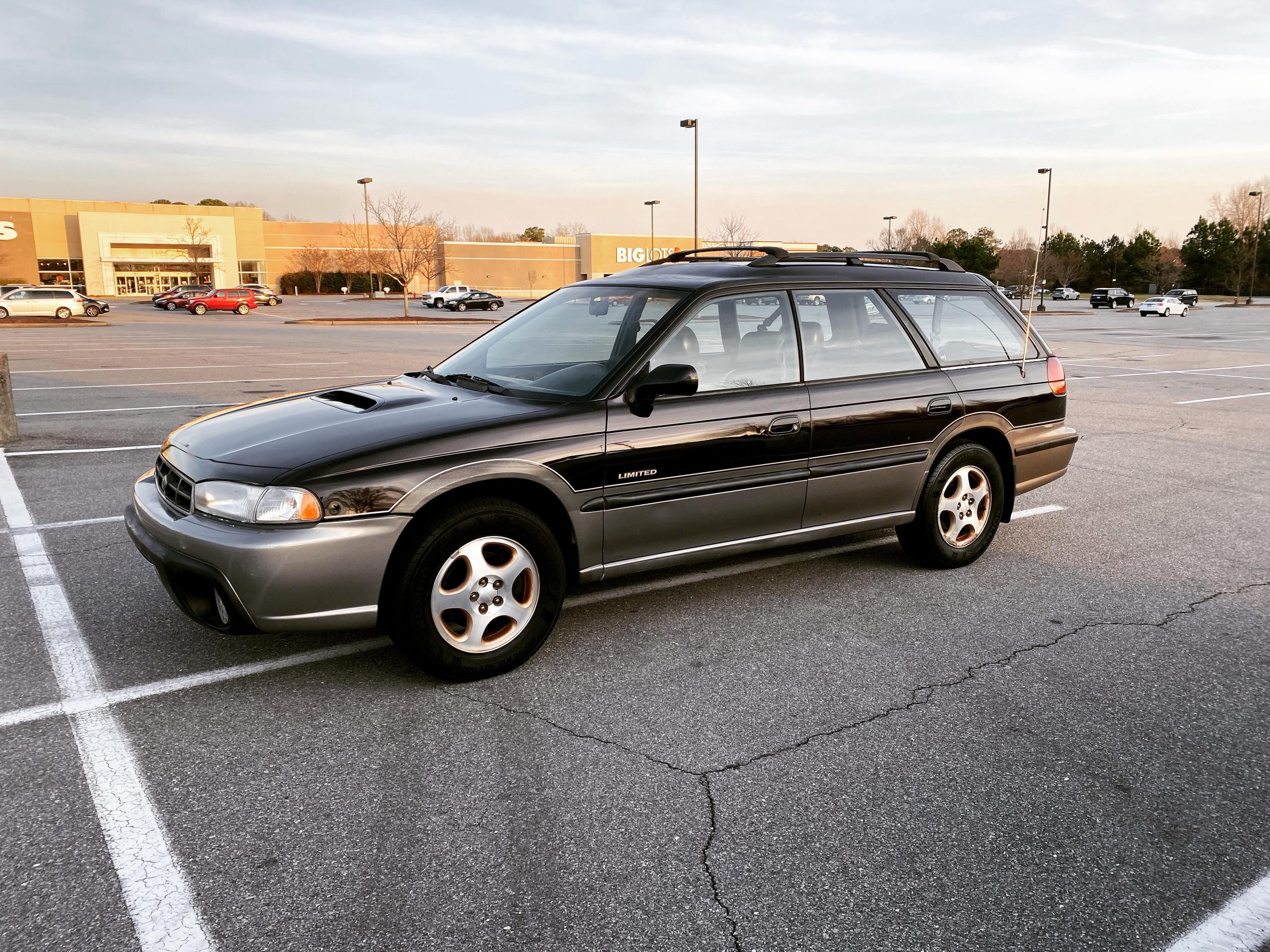
4. Subaru Outback (1990s–2010s)
The Subaru Outback, particularly the non-turbocharged four-cylinder models, has developed a reputation for mechanical accessibility and ease of maintenance.
While Subarus can be a bit quirky compared to more mainstream brands, they reward owners who take the time to understand their design. The flat-four “boxer” engine might look intimidating at first, but once you get used to its layout, many repairs are surprisingly straightforward.
One of the biggest advantages of working on an Outback is the clear engine bay access. The horizontally opposed engine layout spreads components to the sides rather than stacking them vertically, which makes certain jobs easier than they would be on a traditional inline or V-shaped engine.
Things like spark plug replacement, valve cover gaskets, and timing belt service (on older models) can often be done with common tools and a bit of patience. The Outback’s generous ground clearance also means you can get under the car without needing a lift or high jack stands.
Another area where the Outback shines is its reliability. While head gasket issues were a common problem in older models, Subaru owners have developed numerous reliable fixes and guides to address the issue.
Once taken care of, these engines often go well beyond 200,000 miles with routine maintenance. Because the Outback is so popular in outdoor and rural communities, there is a strong culture of self-reliance when it comes to repairs. This has led to a large pool of shared knowledge and DIY documentation.
Parts are also reasonably priced and widely available. Whether you’re sourcing them from auto parts stores or online retailers, it’s rare to run into an issue where a needed part is backordered or prohibitively expensive.
While a bit of a learning curve exists with Subaru’s unique design choices, the Outback is a very practical and manageable vehicle for those interested in DIY repair work, especially with some preparation and the right resources on hand.
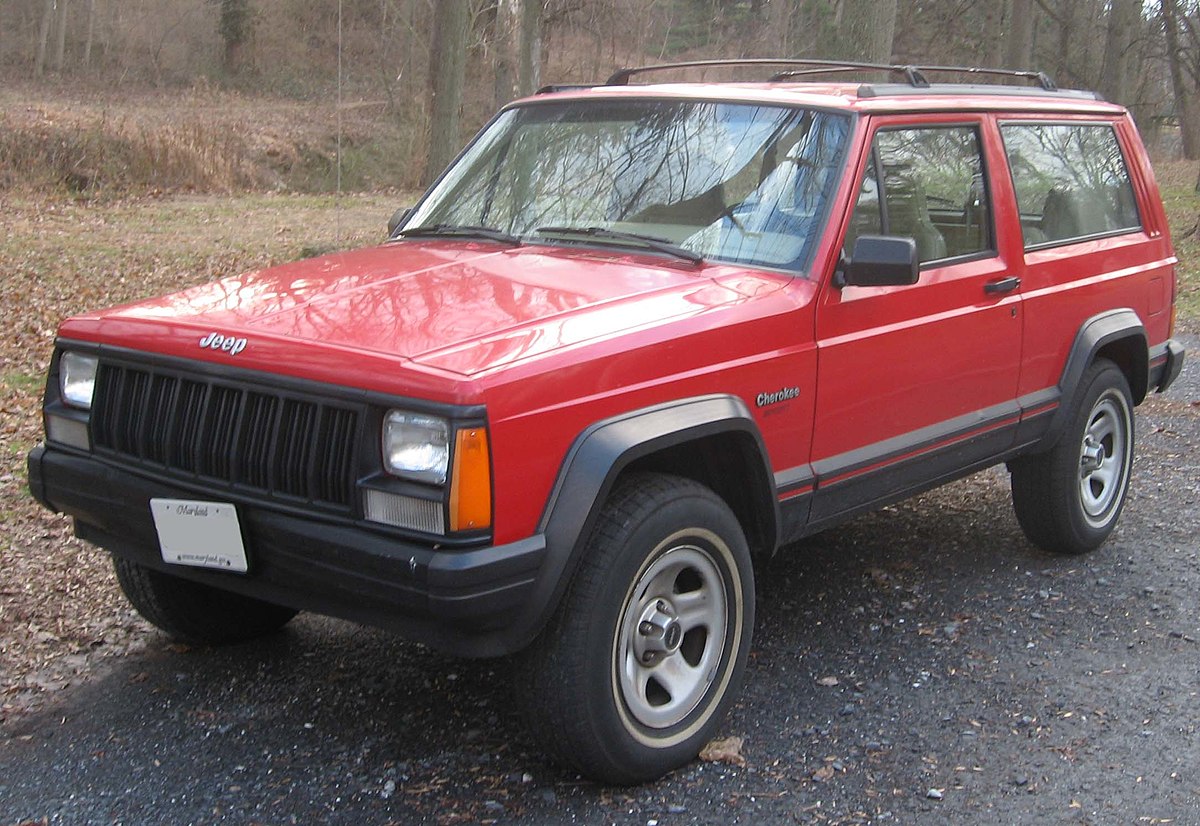
5. Jeep Cherokee XJ (1984–2001)
The Jeep Cherokee XJ is widely regarded as one of the most DIY-friendly SUVs ever made. Built with rugged simplicity in mind, this vehicle was designed to be worked on, often by owners who took it off-road and needed to handle repairs themselves.
Under the hood, you’ll typically find the legendary 4.0-liter inline-six engine, known for its bulletproof reliability and simple design.
There’s plenty of room in the engine bay to reach belts, hoses, sensors, and almost every component without having to remove other parts just to get access. This layout is one of the key reasons why even novice mechanics find the Cherokee XJ approachable.
The XJ’s electrical system is basic, especially in earlier models. Without complex electronics or computer systems controlling every function, diagnosing and fixing issues becomes a matter of tracing wires, checking fuses, or replacing a basic sensor.
There’s no need for high-end diagnostic scanners or proprietary software, which is often the case with modern vehicles. This old-school setup is perfect for people who want to learn automotive basics without being overwhelmed by modern tech.
The fewer the electronics, the fewer the headaches, especially when you’re doing things like installing new headlights, rewiring accessories, or dealing with faulty relays.
Suspension and drivetrain repairs are also very DIY-accessible. The solid front and rear axles are strong and simple in construction, and common wear-and-tear issues like ball joints, control arms, and bushings can be addressed with regular hand tools and a bit of time.
Because these vehicles were often used in off-road environments, owners frequently modified or rebuilt them, so an entire culture has emerged around doing repairs and upgrades at home.
Whether you’re replacing a driveshaft or doing a full axle swap, you’ll find guides and walkthroughs for every process online, written by people who have done it themselves with nothing more than a basic garage setup.
Parts availability for the Cherokee XJ is also excellent. Many components are interchangeable with other Jeep models, and there’s still a strong aftermarket community supporting this vehicle decades after production ended.
Also Read: 10 SUVs That Rarely Rust Even in Snow States

6. Mazda MX-5 Miata (All Generations)
The Mazda MX-5 Miata is a textbook example of a car that encourages owner involvement. From its very first generation in 1989, the Miata was designed with simplicity and performance in mind, and that extends to its maintenance and repair process.
The engine bay is compact but logically arranged, with most components easily accessible. Whether you’re changing the oil, replacing the clutch slave cylinder, or doing a full brake job, nothing feels hidden or needlessly complicated. Even timing belt changes on the early models can be done at home by a moderately experienced DIYer.
Another factor that makes the Miata a top choice for DIY repairs is its light weight and small size. You don’t need heavy-duty equipment to lift or support it. Jacking up the car is quick and easy, and working underneath doesn’t require large, industrial-strength jack stands.
The simplicity of the car’s construction allows owners to complete more significant repairs without needing a professional-grade shop.
For example, replacing suspension components is straightforward and doesn’t involve wrestling with an oversized system. It’s the kind of car that makes you feel capable, even when taking on bigger jobs for the first time.
Support from the Miata community is a major asset as well. With the car’s cult following, there are countless resources available, from full step-by-step guides to video tutorials and forum discussions. If you encounter a problem, there’s a very good chance someone else has already faced it and written a solution.
This includes everything from routine maintenance to engine swaps. The Miata’s popularity among amateur racers and weekend mechanics also means that performance upgrades and customizations are well-documented and relatively simple to implement.
Parts are another bright spot. Miatas have been in continuous production for decades, and Mazda has maintained good support for older models. In addition to original parts, there’s a vast aftermarket scene that provides everything from upgraded bushings to lightweight flywheels.
Prices for most components are reasonable, and thanks to the popularity of the car, you can often find what you need secondhand as well. For anyone looking to learn how to maintain or upgrade a car, the Miata offers an unbeatable balance of mechanical purity, ease of repair, and sheer enjoyment.

7. Volkswagen Golf Mk4 (1999–2005)
The Volkswagen Golf Mk4 might surprise some people on a list of DIY-friendly vehicles, but when it comes to practical home repairs, it has a lot to offer, particularly for owners who understand European engineering quirks.
One area where the Golf Mk4 stands out is in its availability of detailed repair manuals. Enthusiasts have created volumes of documentation, including torque specs, wiring diagrams, and parts lists for nearly every configuration of the car.
The Haynes and Bentley repair manuals for the Mk4 are some of the most comprehensive around. On top of that, online communities like VWVortex and various Reddit forums provide additional layers of support.
If you’re willing to do a little reading and follow instructions carefully, you can accomplish a surprising amount on your own.
The 1.8T and 2.0L engines, which are the most common in the U.S., are well-known for their durability when maintained properly.
They’re also relatively easy to work on once you get past the European design layout. Tasks like timing belt replacement or intake cleaning might look complex at first but are quite manageable with the right guidance.
Even the diesel TDI versions have a dedicated DIY crowd, and there are detailed walkthroughs available for everything from injector replacement to turbo servicing. While there’s a learning curve, those who commit to understanding the car find it very rewarding to maintain.
Parts availability is excellent, both from OEM suppliers and the aftermarket. You’ll find that a lot of components are shared between different VW models, which helps keep prices reasonable.
Plus, European car parts distributors like ECS Tuning or FCP Euro often carry DIY bundles that include everything you need for a particular service, like timing kits or suspension refresh packages. If you can overcome the intimidation factor that sometimes comes with German cars, the Mk4 Golf is a reliable and DIY-capable choice that can last a long time with regular home maintenance.
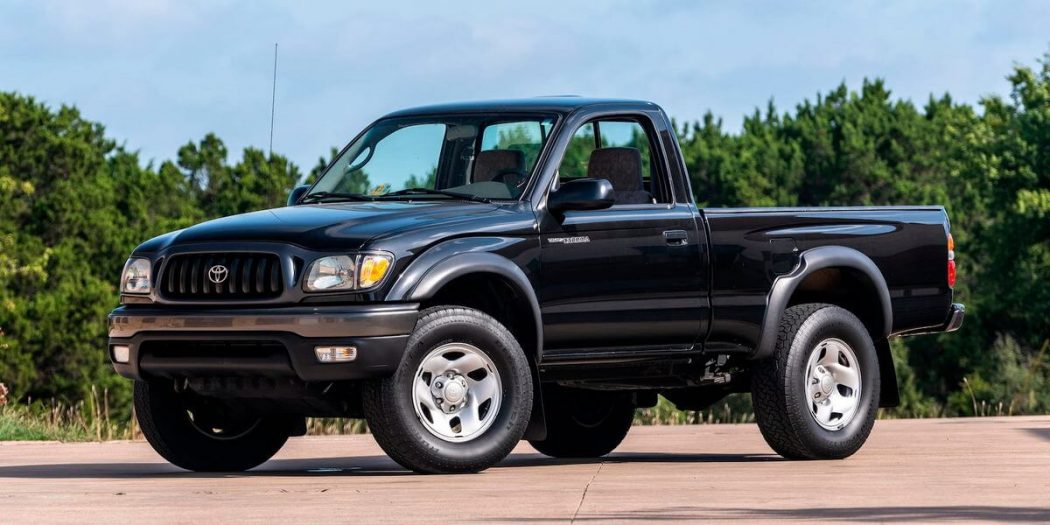
8. Toyota Tacoma (1995–2004)
The Toyota Tacoma, especially from the first generation, is another standout for those interested in home repairs. Its rugged design, bulletproof engines, and simple layout make it a popular choice not only among off-roaders but also among DIY mechanics.
The four-cylinder 2.7L and the V6 3.4L engines are both known for their reliability and longevity, and neither one is overly complicated to work on. Whether you’re replacing spark plugs, doing a valve cover gasket job, or replacing drive belts, there’s plenty of space under the hood and a clear path to almost every component.
The truck’s body-on-frame construction allows for more straightforward suspension and drivetrain work than many unibody vehicles. This is especially helpful when replacing things like U-joints or leaf springs. You can tackle these jobs in your driveway without a lot of specialized tools.
Toyota’s consistent engineering across years and models also benefits Tacoma owners. Many parts are interchangeable, and the procedures for repairs remain similar across different trims and engine options. As a result, there is an abundance of detailed repair guides and tutorials available.
Toyota forums, YouTube channels, and dedicated Tacoma fan sites have covered just about every repair imaginable. Whether it’s a simple oil change or a full timing belt replacement on the V6, you’ll find someone who’s done it and documented the process in a clear, helpful way.
In terms of parts availability and cost, the Tacoma scores very well. Toyota’s global presence means that OEM and aftermarket parts are widely distributed, easy to source, and competitively priced.
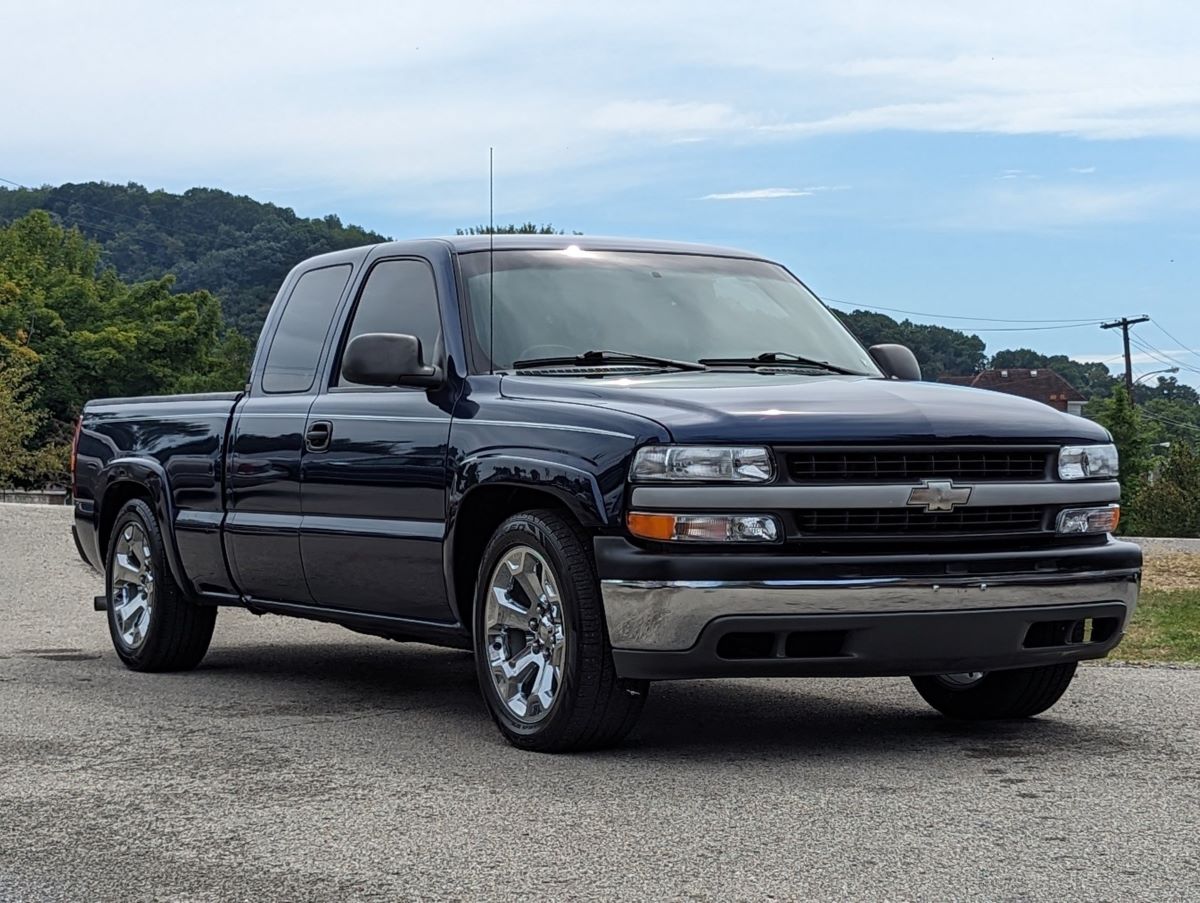
9. Chevrolet Silverado 1500 (1999–2006)
The Chevrolet Silverado 1500, especially models built between 1999 and 2006, is known for being one of the most mechanically straightforward full-size trucks on the market. These trucks use a traditional body-on-frame design, which inherently makes many repairs easier to manage.
With ample space in the engine bay and under the chassis, most components are easily accessible, even for those with basic tools and limited experience.
The 4.8L, 5.3L, and 6.0L V8 engines found in these trucks are part of the LS-based family, which has a solid reputation for durability and ease of maintenance. These engines are widely used across different GM platforms, which means a wealth of knowledge and resources are available.
One of the key reasons DIYers appreciate the Silverado is the simplicity of common maintenance tasks. Routine jobs like changing spark plugs, replacing the serpentine belt, or installing a new radiator are all well-documented and typically require no more than a standard socket set and some patience.
Another major benefit is the abundance and affordability of replacement parts. Since GM produced millions of these trucks, OEM and aftermarket parts are everywhere, from online retailers and salvage yards to local auto parts stores. It’s rare to encounter a repair where a part is hard to find or prohibitively expensive.
In fact, many parts are available in kit form, making large jobs like brake overhauls or steering system repairs more organized and cost-effective. There’s also a vast number of interchangeable components across different GM trucks and SUVs from the same era, further expanding the availability of usable parts.
Finally, the Silverado has one of the most active DIY communities of any American truck. Websites like GMT400 and full-size Chevy forums are filled with detailed walkthroughs, photos, and tips from experienced owners who’ve tackled everything from differential rebuilds to dash cluster repairs.
There’s a shared knowledge base that supports both beginners and seasoned mechanics alike. The combination of robust engineering, straightforward design, and widespread community support makes the Silverado a reliable and satisfying vehicle to work on, regardless of your mechanical skill level.
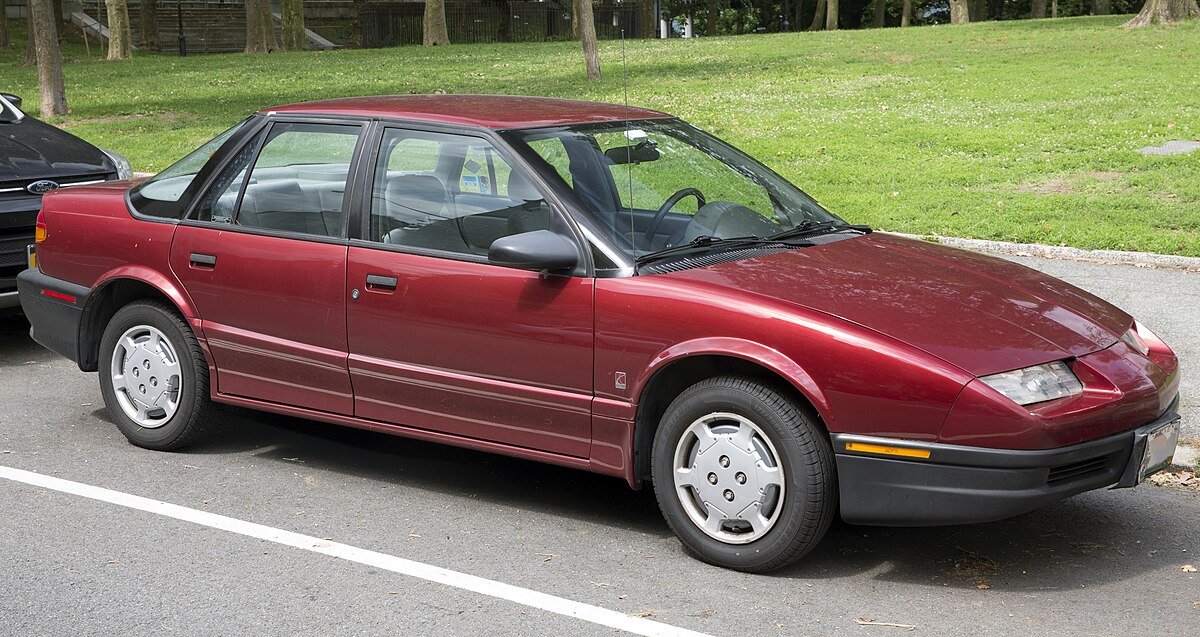
10. Saturn S-Series (1991–2002)
The Saturn S-Series is often overlooked in discussions about repair-friendly cars, but those who have owned and worked on one know just how forgiving and practical these vehicles can be. Built by General Motors under the now-defunct Saturn brand, the S-Series was designed with simplicity and low cost of ownership in mind.
The SOHC and DOHC engines found in the SL, SC, and SW models are straightforward to service. The engine bay is uncluttered, and most routine maintenance items are immediately visible and reachable. Whether you’re changing the oil, replacing a thermostat, or swapping out spark plugs, there’s very little in your way.
Another unique advantage of the Saturn S-Series is its polymer body panels. These panels don’t rust, dent, or corrode like traditional metal, which makes exterior work less of a hassle and improves the car’s longevity, especially in regions with harsh winters.
If you do need to remove body panels to access wiring or components, they’re usually held in place by simple fasteners and clips rather than welding or complex bracketing. This user-friendly construction contributes to a stress-free repair process that encourages owners to perform their own work instead of relying on a shop.
The mechanical components themselves are also simple in design and execution. The manual transmission models are particularly known for being easy to service, with clutch replacements and shifter repairs being accessible for intermediate-level DIYers.
Even automatic transmission issues can be diagnosed and resolved with common tools and a basic understanding of how the systems operate.
The suspension is also basic and rugged, allowing owners to perform strut replacements, control arm swaps, and brake servicing without needing special equipment or techniques.
What ties it all together is the Saturn community that remains active despite the brand being long gone. Enthusiasts have compiled repair guides, video walkthroughs, and troubleshooting manuals that cover just about every issue these cars can face.
Because the mechanical layout remained consistent across model years, you won’t run into surprises as you move from one repair to the next.
Combined with a low cost of entry and readily available parts, the S-Series represents one of the most DIY-accessible vehicles in its category, ideal for first-time mechanics or anyone looking for a cheap, reliable, and easy-to-maintain car.
