
The automotive market often follows a predictable pattern: a new car is bought, driven off the lot, and instantly loses a portion of its value. This phenomenon, known as depreciation, is typically accepted as a normal part of car ownership.
However, certain models defy this rule. Some vehicles, instead of dropping in price after their initial sale, actually increase in value on the used market.
This unexpected trend may seem strange at first glance, but it begins to make sense when considering factors such as scarcity, brand loyalty, limited production runs, and shifting supply and demand. These variables create unique situations where owning a used car may be more expensive than buying it brand new.
Several events and market forces have also contributed to this reverse depreciation. Supply chain disruptions, chip shortages, and increased global demand for reliable vehicles have led to situations where new cars are backordered or unavailable.
When consumers are unable to purchase the latest model from a dealership due to waiting lists or limited supply, they turn to the used market, sometimes willing to pay a premium to get the same model immediately.
Certain used vehicles, especially those with desirable features or low mileage, become hotter commodities than their brand-new counterparts.
Some of the models on this list are from luxury or performance brands, known for their reputation, craftsmanship, or exclusivity. Others come from brands traditionally associated with value or reliability but find themselves in high demand due to unique circumstances.
What ties all these cars together is that buyers are frequently shocked to find that a slightly used version of the same model costs thousands more than the sticker price of a brand-new one. This trend isn’t just anecdotal; it has been seen in online marketplaces, auctions, and dealership listings.
In this article, we’ll go through ten examples of cars that are more expensive used than new. These are not collector’s items from decades ago, but rather vehicles from recent model years that still have production versions available.
Each car has its own story behind the price surge, and by looking closer, we can see why consumers are sometimes willing to pay more for something used than for something fresh off the line.
Also Read: 5 Cars That Last Longer in Cities vs 5 That Fail Fast
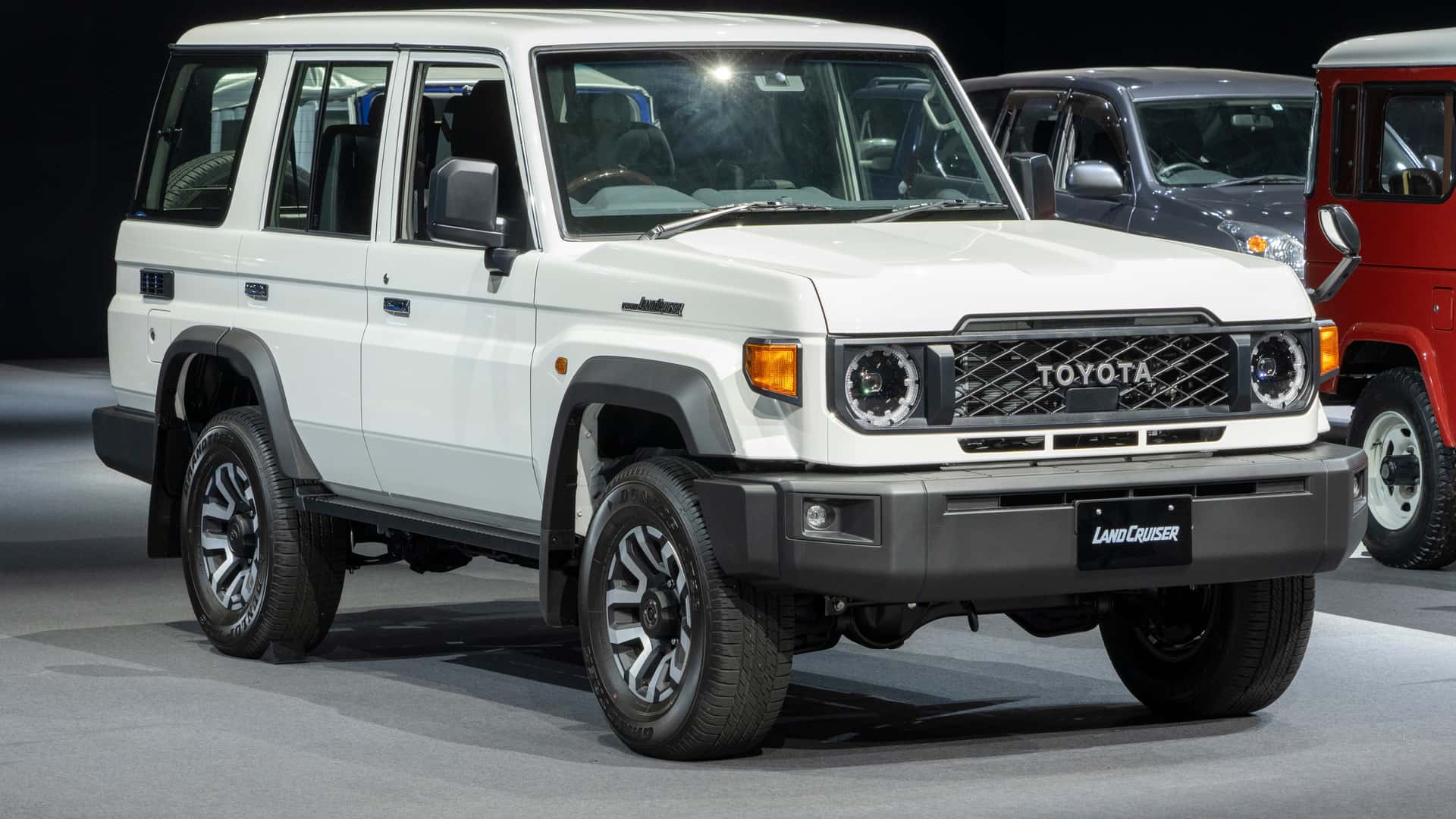
1. Toyota Land Cruiser
The Toyota Land Cruiser has always held a certain status among SUV enthusiasts. Known for its rugged capability, overengineering, and global reputation for reliability, it has become more than just a vehicle, it’s a symbol of longevity and practicality.
The Heritage Edition, released toward the end of the Land Cruiser’s run in the United States, was a send-off to a legend. This particular trim featured vintage styling cues, upgraded wheels, and a more classic off-road identity.
Once Toyota announced that the Land Cruiser would be discontinued in the U.S. after the 2021 model year, demand skyrocketed.
The Land Cruiser’s resale value has always been strong, but the discontinuation notice pushed it to another level. Many buyers, realizing this was the last chance to get a brand-new Land Cruiser with a V8 engine, rushed to dealerships. Inventory quickly dried up.
Those who had already bought theirs now found themselves in possession of something rare, and some decided to test the waters by listing theirs online, often at a significant markup. Some used examples with a few thousand miles were being listed for $10,000 to $20,000 more than the original MSRP.
Collectors and overland enthusiasts also drove up demand. With its reputation for lasting hundreds of thousands of miles, a used Land Cruiser with low mileage was almost indistinguishable in value from a brand-new one.
For those who missed out on the final production run, the only option was to pay a premium for one in excellent condition. Dealerships even began offering used models from trade-ins at prices that exceeded those of unsold new stock from just months earlier.
This price trend isn’t likely to go away soon. Even though Toyota has since released new off-road SUVs, including the updated Land Cruiser series and the new Lexus GX, the last V8-powered Land Cruiser remains a sought-after model.
Its legacy, combined with the production stop and global appeal, ensures that its resale price will stay above its original new car cost for the foreseeable future.
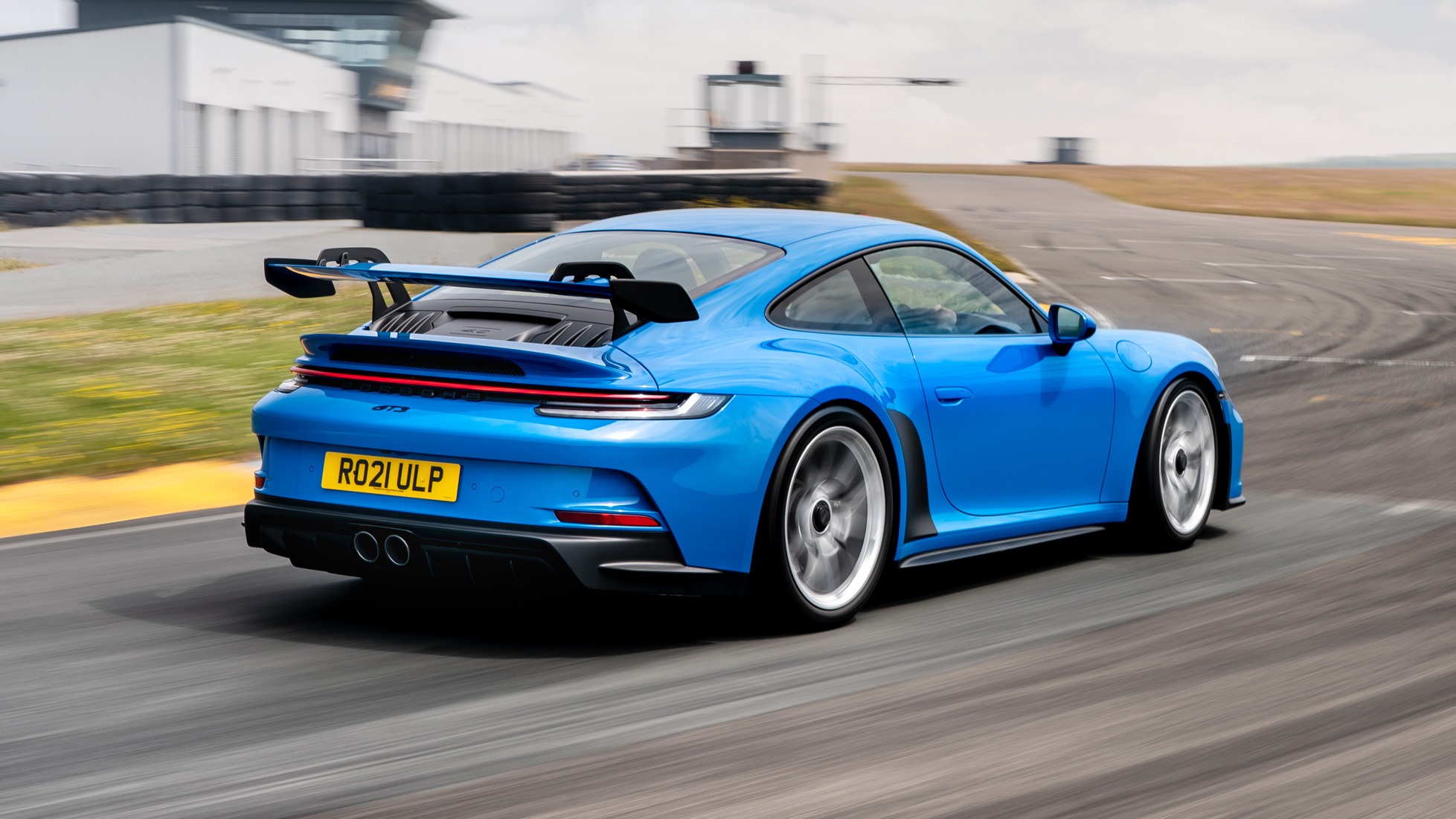
2. Porsche 911 GT3
Performance cars, especially those made by Porsche, tend to hold their value well. But the 911 GT3 goes a step beyond. This is not just a fast car, it’s a track-focused machine built for purists.
The GT3 is known for its naturally aspirated engine, lightweight components, and driving feel that connects man and machine like few others. Because Porsche releases each generation of GT3 in limited numbers, demand consistently outweighs supply, leading to bidding wars and market premiums on the used car side.
The process of ordering a new GT3 isn’t simple. Customers often have to be long-time Porsche buyers or have a close relationship with a dealership to even be considered for a GT allocation.
This exclusivity makes the used market incredibly appealing for buyers who want one immediately and are willing to pay extra to bypass the waitlist. A new GT3 might list for $180,000, but many nearly-new examples are sold for $220,000 or more, especially when well-optioned.
A key reason why this model holds such high resale value is that the GT3 appeals to both drivers and collectors. It’s one of the few high-performance cars left that still offers a manual transmission, and its engineering is closer to that of a race car than a standard sports coupe.
This makes it desirable not just for weekend joyrides, but also for long-term investments. Owners who bought early or managed to get an allocation often realize that their car is worth more the moment they drive it off the lot.
Even previous generations of the GT3 are now appreciating in value. The demand for high-revving, naturally aspirated engines is growing as more automakers shift toward turbocharging or electric power.
Enthusiasts who want the “pure” experience are drawn to the GT3 lineup, making even 3-year-old models sell for more than their original price. As long as supply remains limited and the driving experience remains unique, the GT3 will continue to defy traditional depreciation.
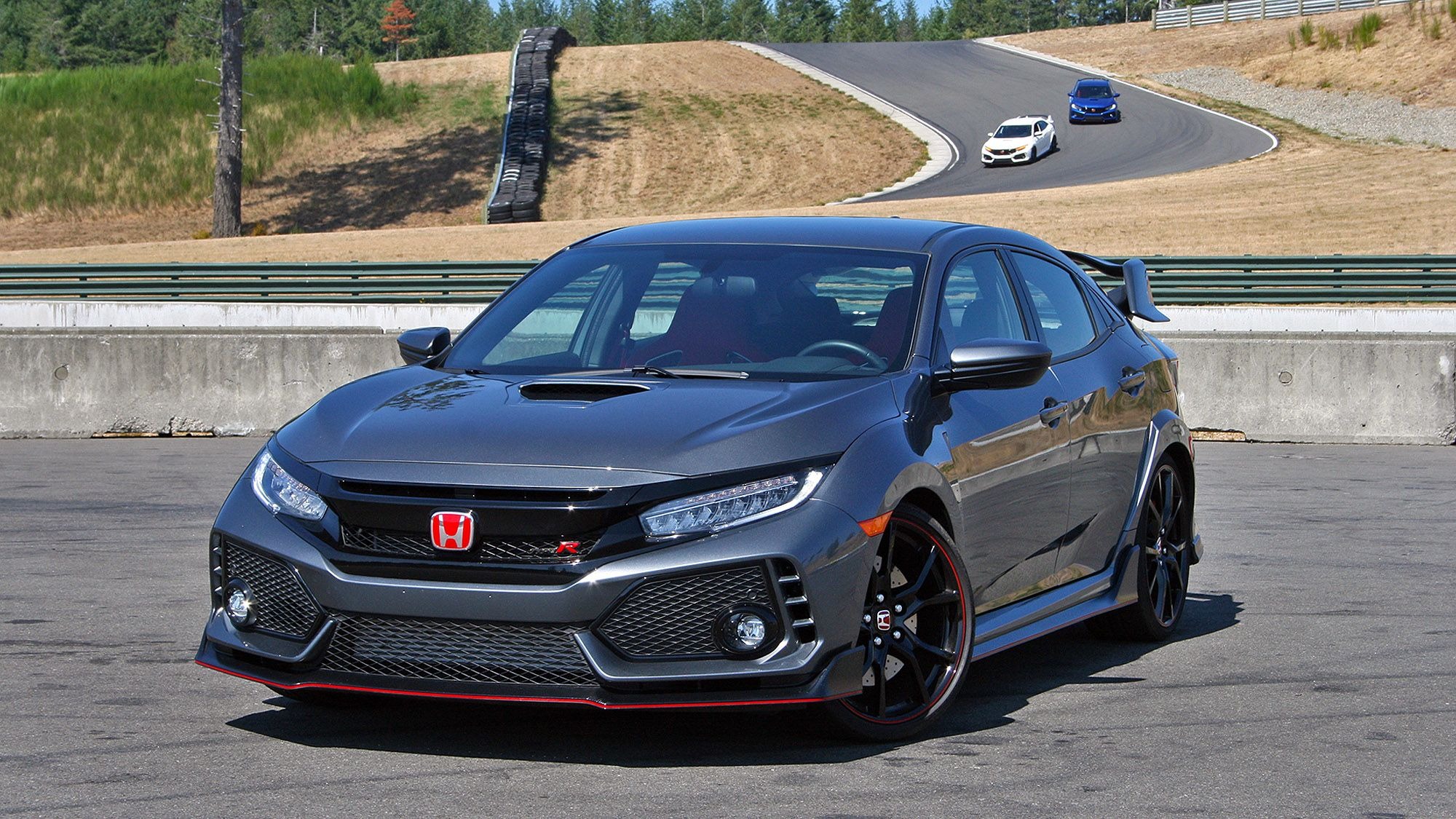
3. Honda Civic Type R (FK8)
When Honda released the FK8 Civic Type R, it quickly became one of the most celebrated hot hatches on the market. With its aggressive styling, functional aerodynamics, and a 2.0-liter turbocharged engine producing over 300 horsepower, the car became an instant favorite among enthusiasts.
It was practical enough for daily driving and aggressive enough for weekend track use. What made it even more appealing was that it came with a manual transmission only, further establishing its performance-first image.
At launch, the Civic Type R was relatively affordable for a performance car, priced under $40,000. But as soon as it hit dealerships, it was marked up significantly.
Some dealerships added $5,000 to $10,000 in “market adjustments” to the MSRP due to high demand and limited availability.
Once these cars made their way to the used market, prices didn’t drop, in fact, they went higher. Slightly used Type Rs began selling for well over their MSRP, especially rare color variants or low-mileage examples.
Part of this demand was driven by how few performance cars remained that combined front-wheel drive, sharp handling, and manual transmissions.
For enthusiasts who grew up watching Japanese performance cars dominate the racing and tuning scenes, the Type R offered a nostalgic yet modern driving experience. It also maintained its reputation for reliability, something that made buyers more comfortable paying a premium even for used models.
Another interesting factor was its scarcity. Honda didn’t flood the market with Type Rs, and the limited production ensured that not every buyer who wanted one could get one. Even several years into its production run, it remained elusive on dealership lots.
When Honda eventually updated the model, the earlier FK8s gained further attention for their rawer character and more aggressive design. All these reasons contributed to a used price tag that exceeded what most buyers paid for a brand-new one just a year or two prior.
4. Ford Bronco (First Edition)
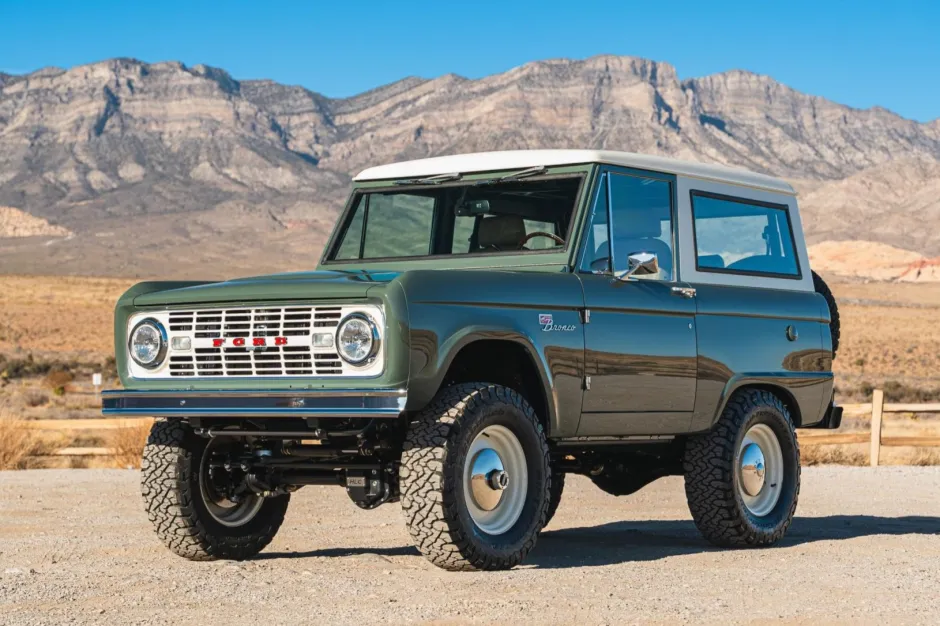
When Ford announced the return of the Bronco, interest surged immediately. The first models, especially the First Edition variants, were pre-ordered quickly, and Ford had to close reservations due to overwhelming demand.
The First Edition model combined every available off-road package, luxury feature, and aesthetic upgrade into one vehicle, making it the Bronco straight from the factory. Priced around $60,000, it was considered a good deal for what it offered.
What happened next was a textbook example of supply not meeting demand. Due to pandemic-related production delays and supply chain issues, many pre-orders were postponed, and customers began canceling their reservations out of frustration.
This made the First Edition even rarer. Those who had taken delivery of theirs suddenly found themselves with an incredibly valuable piece of machinery. Some First Editions with only a few hundred miles were being resold for $80,000 or more.
The Bronco also hit a cultural chord. It wasn’t just another SUV, it represented a new era for Ford, one that leaned heavily into off-road adventure, lifestyle branding, and ruggedness.
With removable doors, retro-inspired design, and extensive aftermarket support, the Bronco became a phenomenon. The First Edition, with its exclusive features and production cap, became the most sought-after version. Buyers who had missed out on the initial release had no choice but to pay more on the used market.
Even as Ford increased production and introduced more trims of the Bronco, the First Edition retained its unique status.
Only 7,000 of these were made, and they were packed with every high-end option Ford had available at launch, including advanced off-road hardware like front and rear locking differentials, a Sasquatch package with beadlock-capable wheels, and a powerful turbocharged engine.
Combine this with a fully loaded tech suite and exclusive color options, and you had a model that stood out among all other Broncos, past or present. Buyers who secured one early quickly discovered they were sitting on something far more valuable than its MSRP.
Dealerships and private sellers took notice, often listing these used First Editions well above $70,000, sometimes exceeding $85,000 depending on condition and mileage.
This pricing put it in the same ballpark as luxury off-road vehicles, but buyers didn’t mind. The Bronco’s heritage and rugged persona made it worth the premium for many.
A deeper reason for the high resale value lies in the vehicle’s broader appeal. Unlike niche off-roaders or expensive luxury SUVs, the Bronco targets a wide range of buyers. It’s desirable to younger enthusiasts, families looking for an adventure vehicle, and even older fans who remember the original.
That wide appeal adds layers to the demand. And because the First Edition was only available to a limited group of early reservation holders, most new fans never had the chance to buy one new. The exclusivity, combined with the Bronco’s market explosion, made the used price understandable, even if hard to swallow.
Today, you can still find First Edition Broncos being listed at prices above what they originally cost new, and that trend is not fading fast. Ford has tried to meet demand with new trims and increased production, but First Editions remain special in the eyes of collectors and enthusiasts.
5. Kia Telluride
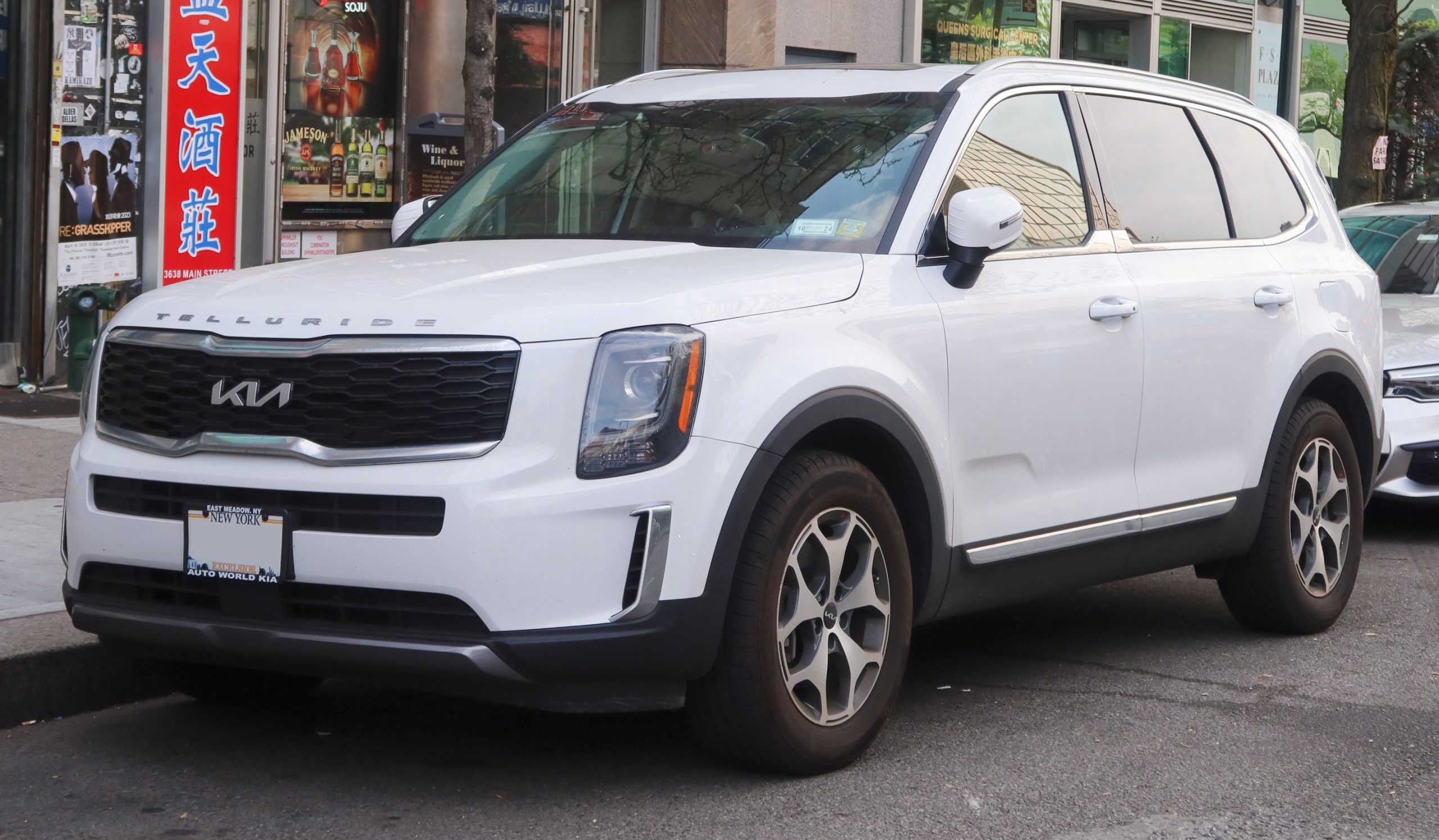
The Kia Telluride is a bit of an outlier on this list, mostly because Kia traditionally hasn’t been associated with vehicles appreciating in value. However, the Telluride flipped that narrative. Since its debut, it has earned high praise for its upscale design, comfortable interior, and value.
It was marketed as a family SUV, but it carried the styling and refinement of something far more luxurious. Within its first year, it won multiple awards and found itself in such high demand that some models were sold used for more than their original sticker prices.
One of the key reasons the Telluride began commanding such strong resale prices is the disconnect between supply and demand. Kia did not anticipate the level of popularity the model would achieve, and initial production numbers couldn’t keep up.
As a result, new models were hard to find, especially in top trims like the SX Prestige. Buyers unwilling to wait started shopping for used versions, which quickly sold for more than the MSRP. This scenario was compounded by pandemic-era shortages, where even base models were marked up significantly.
The Telluride’s used prices weren’t just inflated during the initial launch phase either. Even two to three years after its release, low-mileage examples continued to hold or increase their value. What made this even more surprising was that this happened across trim levels.
Whether someone was looking for a base model or a fully loaded version, they were likely to pay more for a gently used Telluride than they would have if they had bought new. Kia dealerships often had waitlists or were adding their own markups to new models, which only pushed more buyers to the secondhand market.
What makes the Telluride stand out among other SUVs is that it brought near-luxury quality at a mainstream price. With a spacious cabin, upscale materials, intuitive tech features, and excellent ride quality, it often won out against more expensive rivals.
For many buyers, paying a little more for a used one was still better value than buying something new from a premium brand. The fact that a used Kia could sell for more than its new MSRP shows how drastically the brand’s perception has changed, and how much buyers value quality, even when it comes in an unexpected package.
Also Read: 5 Cars That Surprise Owners With High Resale vs 5 That Don’t
6. Tesla Model 3
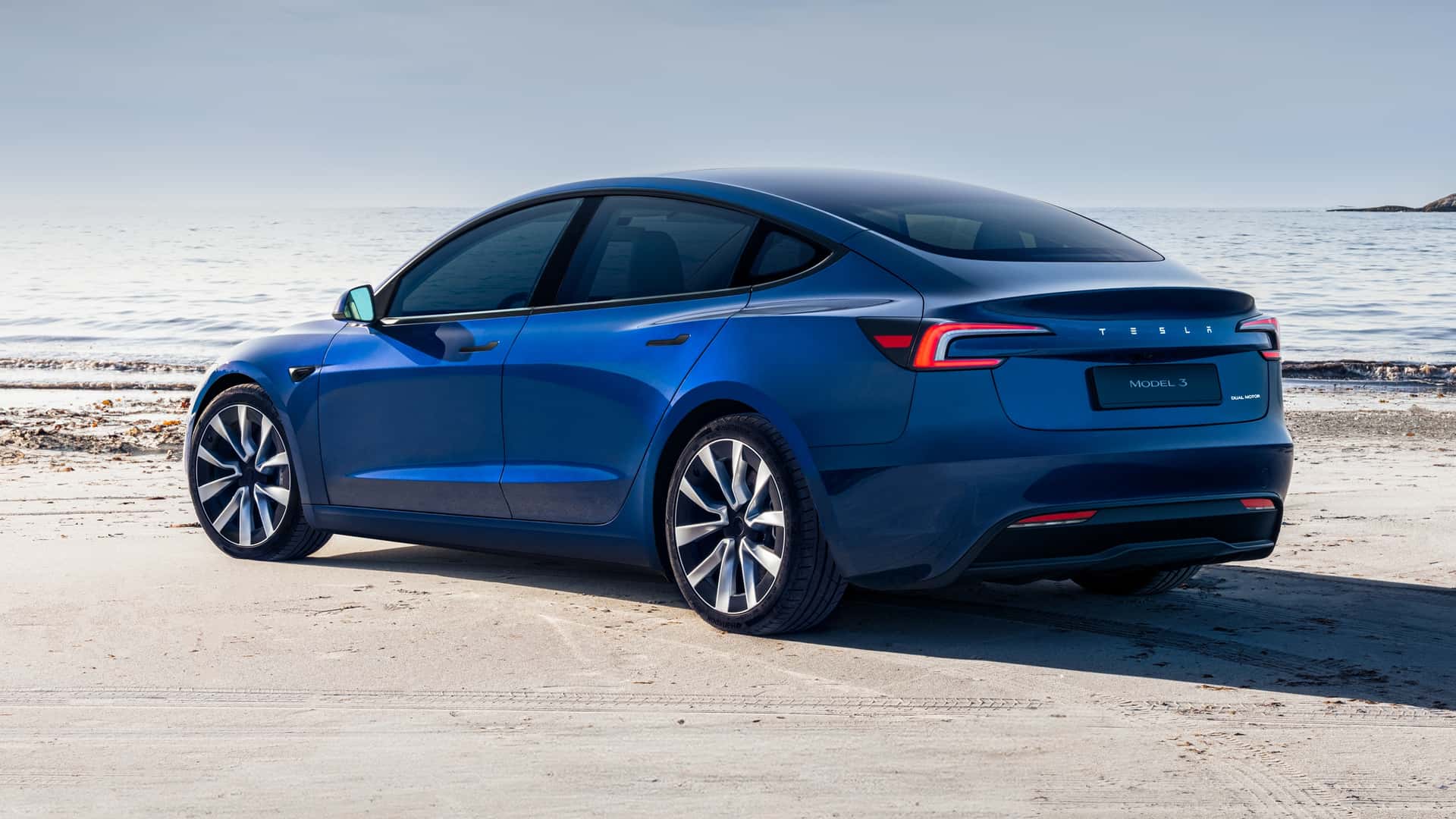
The Tesla Model 3 was intended to be the company’s most affordable and mass-market vehicle. It succeeded in many ways, becoming one of the best-selling electric vehicles globally.
With its minimalist design, high-tech features, and electric range that rivaled more expensive cars, it quickly became a benchmark in the EV world.
However, due to overwhelming demand, long wait times, and production slowdowns, used Model 3s were sometimes more expensive than brand-new ones, especially in the Standard Range Plus and Long Range trims.
The pricing structure of Tesla’s vehicles also contributed to this trend. Unlike traditional automakers, Tesla frequently adjusts its pricing based on market conditions, without following the annual model year format.
When Tesla raised the new price for the Model 3, used cars on the market that had been purchased at a lower price suddenly became more valuable, especially if they had low mileage and included desirable features like Full Self-Driving (FSD) packages.
Buyers looking to avoid months of waiting for a new Model 3 found themselves paying more for immediate ownership. Another contributing factor is how EV tax credits affect buyer behavior.
At various times, Tesla buyers were either eligible or ineligible for certain federal or state incentives, depending on delivery dates, configurations, or production changes. When buyers couldn’t qualify for incentives on a new vehicle, but still needed an EV, they looked to the used market.
This added pressure on used inventory, driving prices up. For a while, it was not uncommon to see two-year-old Model 3s listed for more than new ones, especially during periods of high gas prices and increased interest in electric cars.
Tesla’s direct-to-consumer model also means there is no traditional dealership inventory system. If Tesla didn’t have your desired configuration in stock, your only choice was to wait weeks or months, or pay extra for a used one that was already built.
This convenience premium is why many buyers opted for a used Model 3 despite the higher price. As EVs continue to rise in popularity and Tesla maintains its dominance in the market, this pricing oddity may occur again in future cycles.
7. Chevrolet Corvette C8
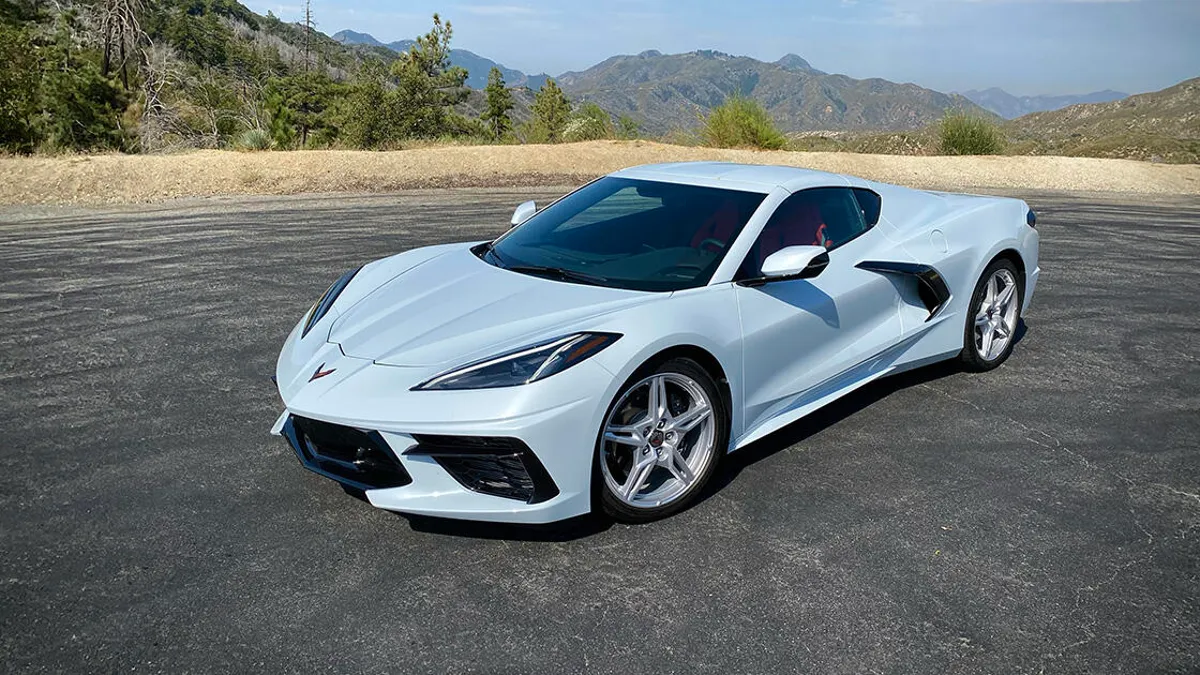
When Chevrolet launched the C8 Corvette, it broke a 60-year tradition by switching from a front-engine layout to a mid-engine design. This change transformed the Corvette from a great American sports car into a global performance contender.
With exotic looks, a sub-three-second 0–60 mph time, and a starting price below $60,000, it was one of the biggest automotive stories of the decade. Predictably, demand outpaced supply, and resale values surged to levels not seen before for a new Corvette.
The C8 was subject to production halts and supplier issues from the start, which limited how many units Chevrolet could build. Early adopters who managed to take delivery found themselves in an unusual position: their car was now worth significantly more than they paid for it.
Unlike previous generations, the C8 appealed to a much broader audience. Its styling and performance matched that of cars double or triple its price, leading buyers who typically looked at Porsches, McLarens, or even Ferraris to consider a Corvette.
Chevy’s decision to offer supercar performance at sports car pricing caused a ripple effect that pushed demand through the roof. When dealerships couldn’t meet orders, the used market became the only way to get a C8 without a long wait, and buyers were willing to pay a premium for immediate ownership.
Adding to this is the fact that Chevrolet kept production tight while teasing upcoming versions like the Z06. Speculators and enthusiasts alike began snapping up C8s in hopes that they would appreciate further.
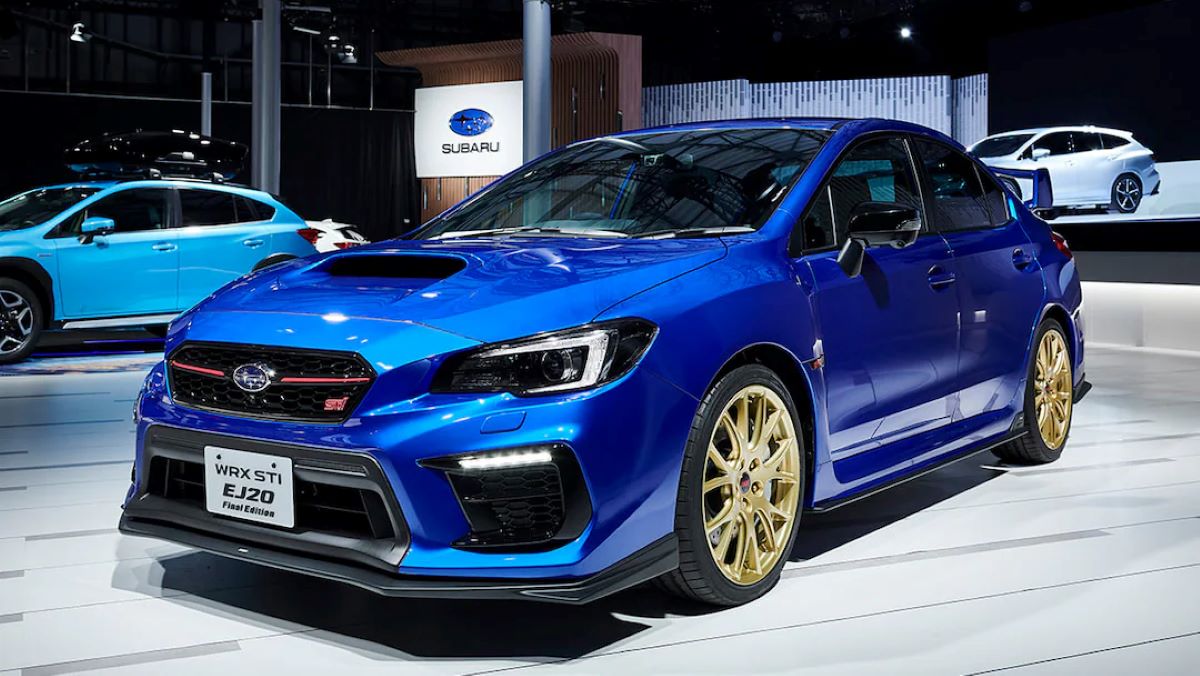
8. Subaru WRX STI Final Edition
The Subaru WRX STI has long been the car of choice for performance enthusiasts who want turbocharged power, rally-inspired handling, and a manual transmission. Its legacy is built on motorsports credibility, aggressive styling, and all-wheel-drive performance.
The STI badge represents the top tier of Subaru’s performance range, and for many years, it was one of the last affordable and practical performance sedans with old-school driving dynamics.
When Subaru announced that the 2021 model year would be the last WRX STI powered by the EJ25 engine, demand surged almost overnight.
The STI Final Edition, although not a distinct trim officially labeled as such in all markets, became known as the last of its kind due to the retirement of the legendary EJ engine. Enthusiasts saw this as the end of an era.
With Subaru confirming that future high-performance models would not use internal combustion in the same way, the current STI became a collector’s item almost instantly.
Used models, especially in pristine condition and low mileage, started selling at premiums. Some were being listed at $50,000 or more, well above their original sale price, simply because they represented the swan song of a beloved performance platform.
Part of the price increase is tied to the car’s unique position in the market. There are few, if any, modern cars left that offer a turbocharged engine, a six-speed manual, all-wheel drive, and rally-style durability in one package. The WRX STI was a raw, mechanical experience in a world moving toward electrification and automatic transmissions.
Buyers who wanted that connection, that analog feeling behind the wheel, were suddenly left with only one option: pay more for a used STI before they were all gone. Even previous model years saw a bump in value as the market realized no new STI was coming.
Dealers were quick to respond. Some began treating leftover stock as collector vehicles, listing them above MSRP even when new. Once they sold, those same models appeared in used listings with asking prices $5,000 to $15,000 higher than what they originally cost.
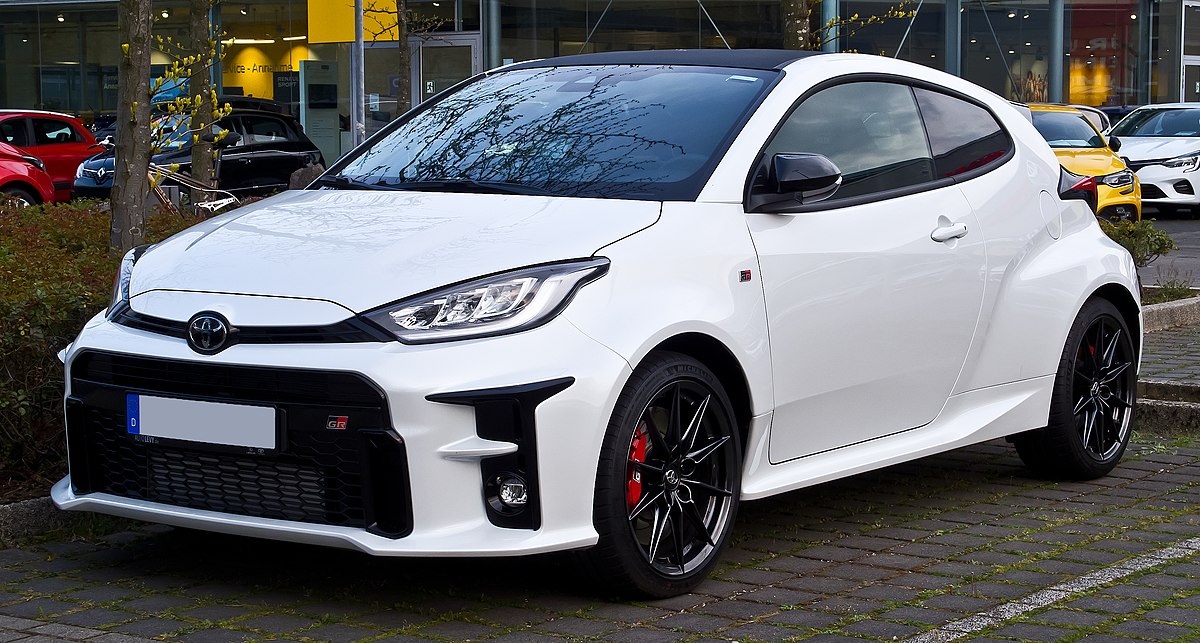
9. Toyota GR Yaris
The Toyota GR Yaris is not sold in the U.S., but its impact on the global market has been undeniable. Designed as a homologation special for rally racing, this small hatchback features a turbocharged three-cylinder engine, all-wheel drive, and a lightweight chassis designed from the ground up for performance.
It’s one of the most driver-focused compact cars in decades, and Toyota only produced a limited number, making it rare from the start. Because of its racing pedigree and scarcity, used GR Yaris models have routinely sold for more than their original retail prices in countries where they were offered.
Part of what makes the GR Yaris so special is that it was built with little regard for cost-saving compromises. It doesn’t share a platform with the regular Yaris, and its engine, drivetrain, and suspension were all developed with motorsport goals in mind.
That level of commitment is rare in modern car manufacturing, especially from a large mainstream automaker. For driving enthusiasts, this car quickly became a holy grail. Its launch was met with critical acclaim, and Toyota struggled to keep up with orders, even in Europe and Japan where it was officially available.
In many cases, buyers who had initially missed out on pre-orders were left to shop the used market, where early adopters took advantage of the surge in demand. Prices for well-kept GR Yaris models, especially those with factory performance packages, often exceeded MSRP by thousands of dollars.
This was especially true in regions where the car was not officially sold, with some examples being imported at a high premium. Even in markets where it was available, wait times and limited allocations made the used market the only way to acquire one quickly.
Toyota’s growing reputation for high-performance engineering under the GR (Gazoo Racing) brand only added fuel to the fire. With models like the GR Supra and GR86 supporting the performance portfolio, the GR Yaris stood out as the most extreme and purpose-built of the group.
Its rally-car roots, manual transmission, and uncompromising engineering made it a cult favorite almost overnight. Because production was limited and it’s unlikely Toyota will make something like it again soon, used prices remain high and are expected to stay that way for years.
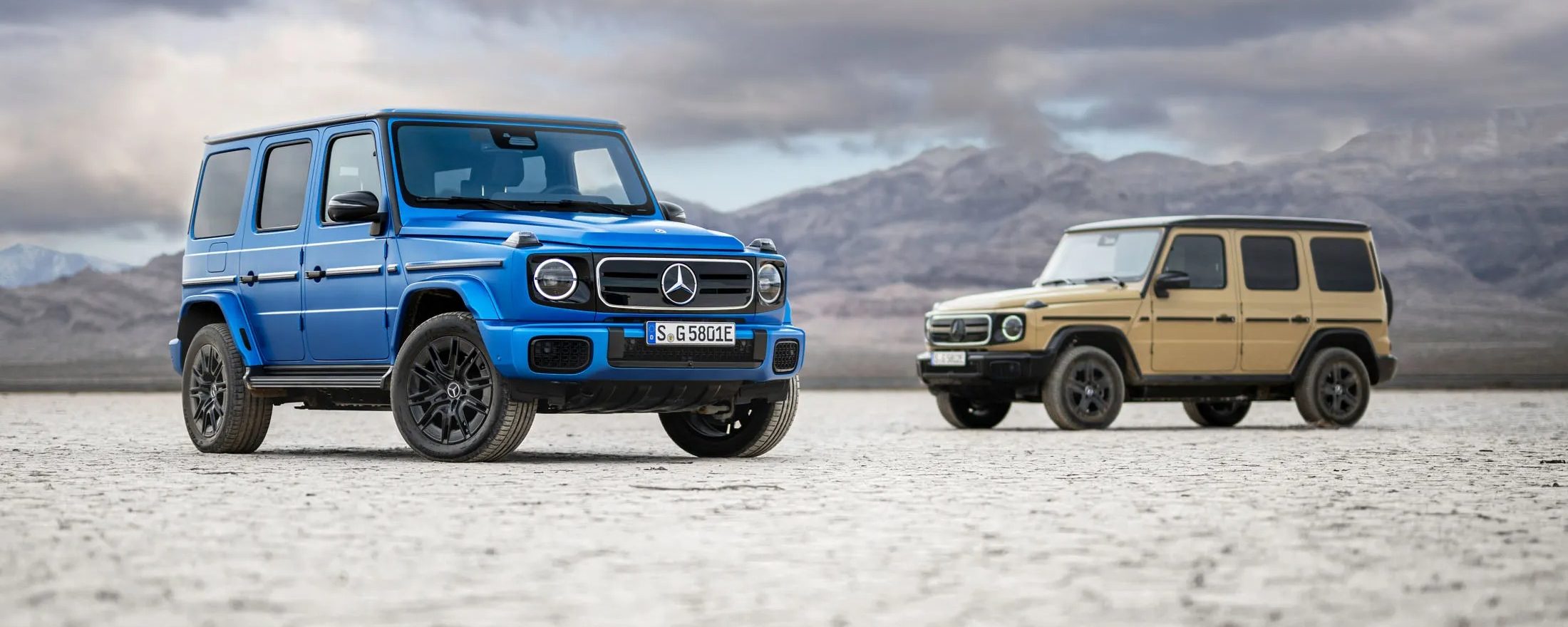
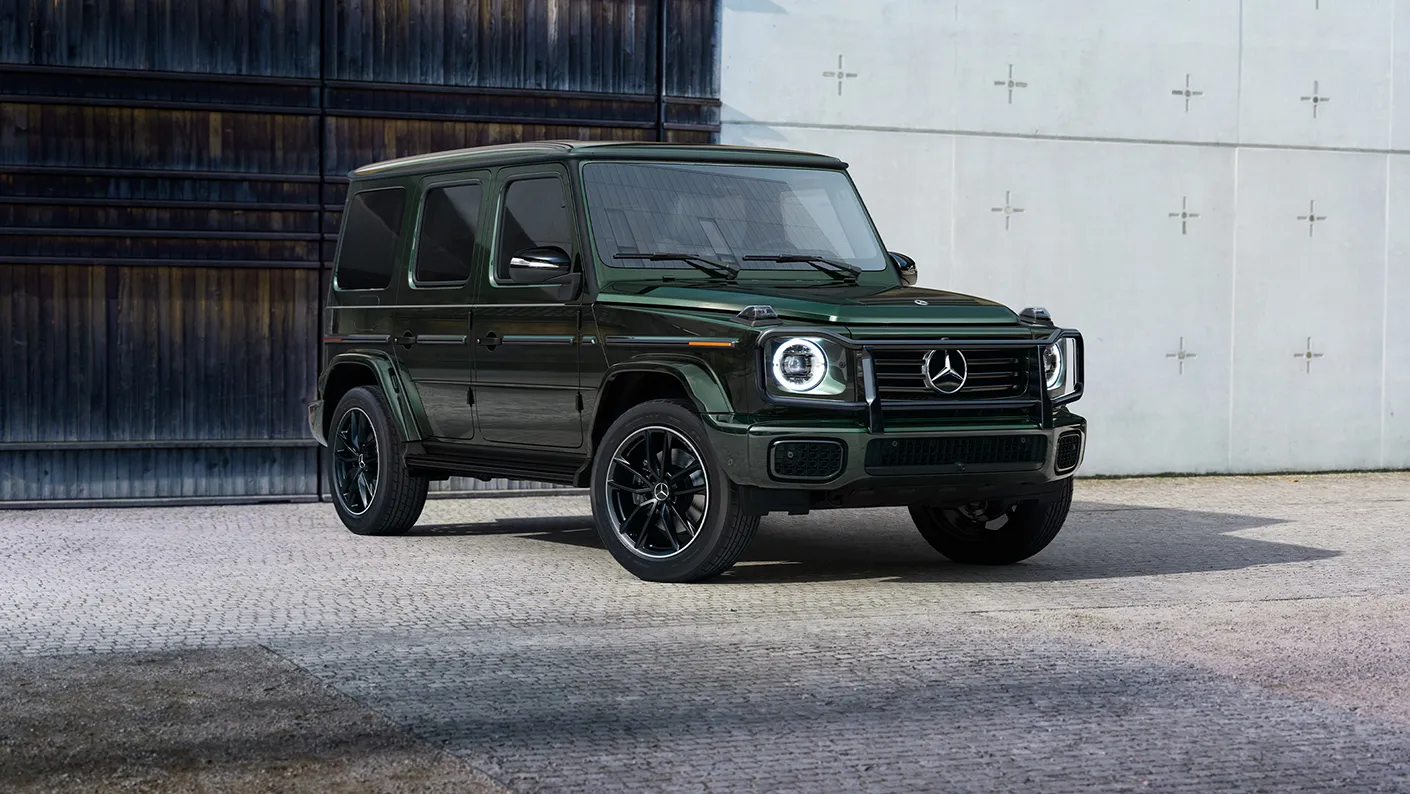
10. Mercedes-Benz G-Class (G-Wagon)
The Mercedes-Benz G-Class, particularly the G63 AMG variant, has always been a status symbol. What started as a military utility vehicle transformed into one of the most luxurious and expensive SUVs in the world. Its boxy design, powerful V8 engine, and unapologetic presence have made it a favorite among celebrities, influencers, and high-income buyers.
But beyond its luxury appeal, the G-Wagon has also proven to be a surprising case of appreciation, with lightly used models often commanding higher prices than brand-new ones, particularly during periods of low supply.
When Mercedes redesigned the G-Class for the 2019 model year, demand reached new levels. The updated version maintained the iconic look but introduced a fully revamped interior, improved ride quality, and a new suspension system that made it more comfortable without losing off-road capability.
The resale market for G-Wagons became particularly hot between 2020 and 2023, when global supply chain issues impacted luxury vehicle production. G63 AMG models, which already had long waitlists, became even harder to get. During this time, it wasn’t unusual to see used models listed for $20,000 to $40,000 more than their original MSRP.
Buyers didn’t hesitate, viewing the overage as the cost of instant gratification in an exclusive market. Even base G550s saw increases, driven by the general shortage and the brand’s elite image.
The G-Class has a reputation not just for prestige, but for retaining value like few other luxury SUVs. Mercedes continues to produce them in relatively low volumes, preserving their exclusivity.
As the brand inches toward electrification with upcoming EV variants, the existing V8-powered models are likely to become even more desirable.
Buyers who want the full sensory experience of a roaring AMG twin-turbo engine combined with traditional luxury may soon find their only option is the used market, where prices continue to reflect the G-Wagon’s untouchable appeal.
