

When it comes to towing heavy loads, trucks play a crucial role in both personal and commercial applications. Whether you’re hauling a boat to the lake, moving heavy construction materials, or towing a trailer across long distances, the ability of a truck to maintain consistent towing strength is vital.
Towing strength isn’t just about raw horsepower or torque, it’s about how well the truck manages power delivery, suspension, braking, and drivetrain durability over time.
Some trucks are engineered to sustain their towing capabilities consistently, even under challenging conditions, while others tend to lose their towing strength as they age or under heavy use.
Truck owners and buyers often focus on maximum towing capacity, but what’s equally important is the truck’s ability to maintain that capacity. This can be affected by factors such as engine wear, transmission performance, cooling system efficiency, and chassis integrity.
Trucks that lose towing strength over time can lead to frustration, higher maintenance costs, and even safety risks.
On the other hand, trucks that rarely lose towing strength offer peace of mind, reliability, and sustained performance, which can be a significant advantage for those who rely heavily on their vehicles for towing tasks.
This article will outline five trucks known for their consistent towing strength and reliability. These trucks are widely regarded for maintaining their towing power even after extensive use. Conversely, we will also examine five trucks that tend to lose their towing strength over time or under heavy towing demands.
Understanding the differences between these two groups will help potential buyers make informed decisions and manage their expectations when it comes to towing performance.
Also Read: 5 Cars That Surprise Owners With High Resale vs 5 That Don’t
5 Trucks That Rarely Lose Towing Strength
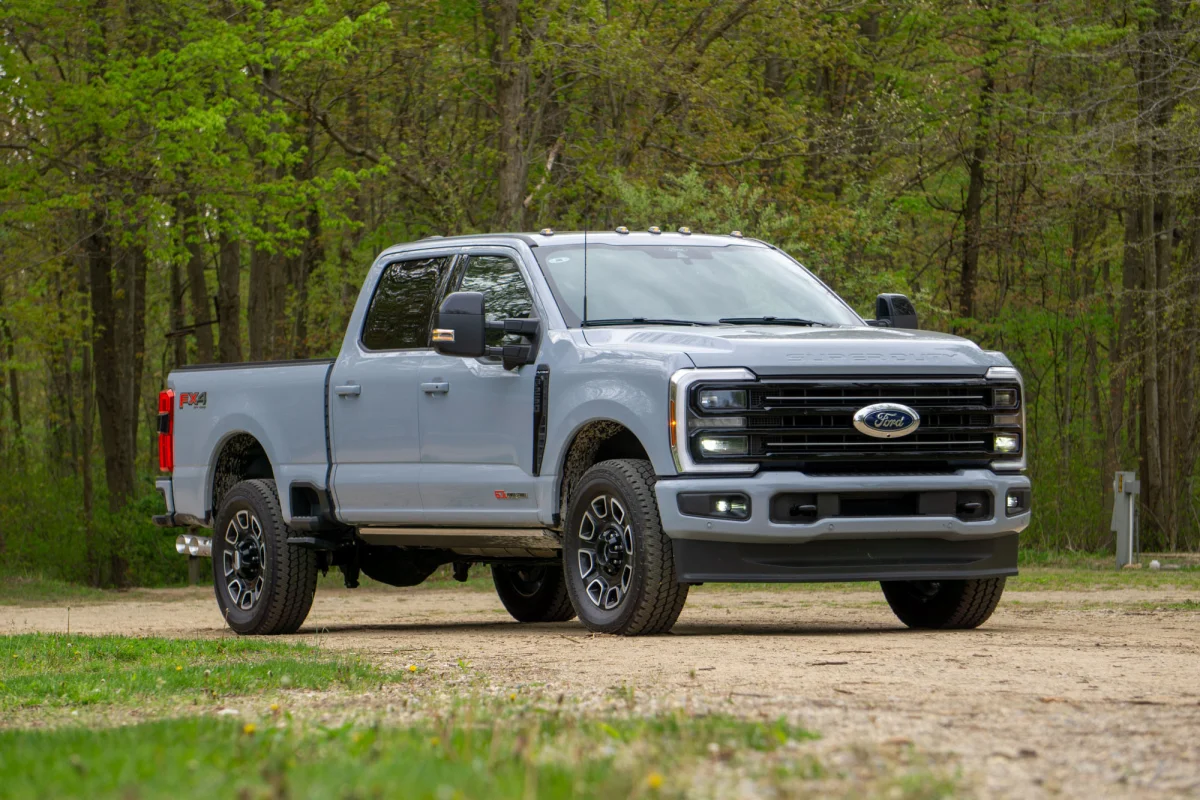
1. Ford F-250 Super Duty
The Ford F-250 Super Duty is often seen as the benchmark for trucks that maintain towing strength over the long haul. One of the primary reasons for this durability is the range of powertrain options designed specifically to handle heavy workloads.
The Power Stroke diesel engine, in particular, is built with heavy-duty components such as a forged steel crankshaft and robust piston design, allowing it to handle sustained towing without suffering significant power loss.
This engine’s torque output remains strong even at low RPMs, which is essential for pulling heavy trailers smoothly, especially on inclines or challenging terrains. The gas-powered variants, though slightly less powerful, also benefit from reliable V8 engines that are designed with high durability in mind.
The F-250’s transmission system is a major contributor to its consistent towing performance. Ford pairs the Power Stroke with a TorqShift automatic transmission that has multiple gear ratios designed to keep the engine in its optimal power band during towing.
This transmission is reinforced with heavy-duty internals, including upgraded clutches and a high-capacity cooling system that helps prevent overheating during long hauls.
Unlike some trucks that start to lose their towing prowess due to transmission slipping or overheating, the F-250’s transmission is built to endure these stresses and maintain reliable power delivery throughout the truck’s lifespan.
The chassis and suspension of the F-250 Super Duty are engineered for strength and stability under heavy loads. Ford uses a fully boxed frame construction that resists twisting and bending forces commonly experienced during towing.
The suspension system includes heavy-duty springs and shock absorbers designed to handle the increased weight of trailers without significant sagging. This prevents the truck from bottoming out or losing ground clearance, which can negatively affect towing stability and safety.
Additionally, Ford equips the F-250 with integrated trailer brake controllers and sway control systems, which work together to keep trailers stable and reduce the stress placed on the truck’s drivetrain and frame.
Lastly, thermal management is a crucial element in the F-250’s ability to maintain towing strength. Heavy towing generates a lot of heat in the engine, transmission, and braking systems.
Ford addresses this by equipping the F-250 with an advanced cooling package that includes an oversized radiator, additional transmission coolers, and enhanced engine oil coolers.
This system ensures the truck doesn’t overheat during prolonged towing sessions, preserving engine efficiency and preventing premature component wear. The result is a truck that can consistently deliver its rated towing capacity without losing power or risking mechanical failure, even in demanding conditions.
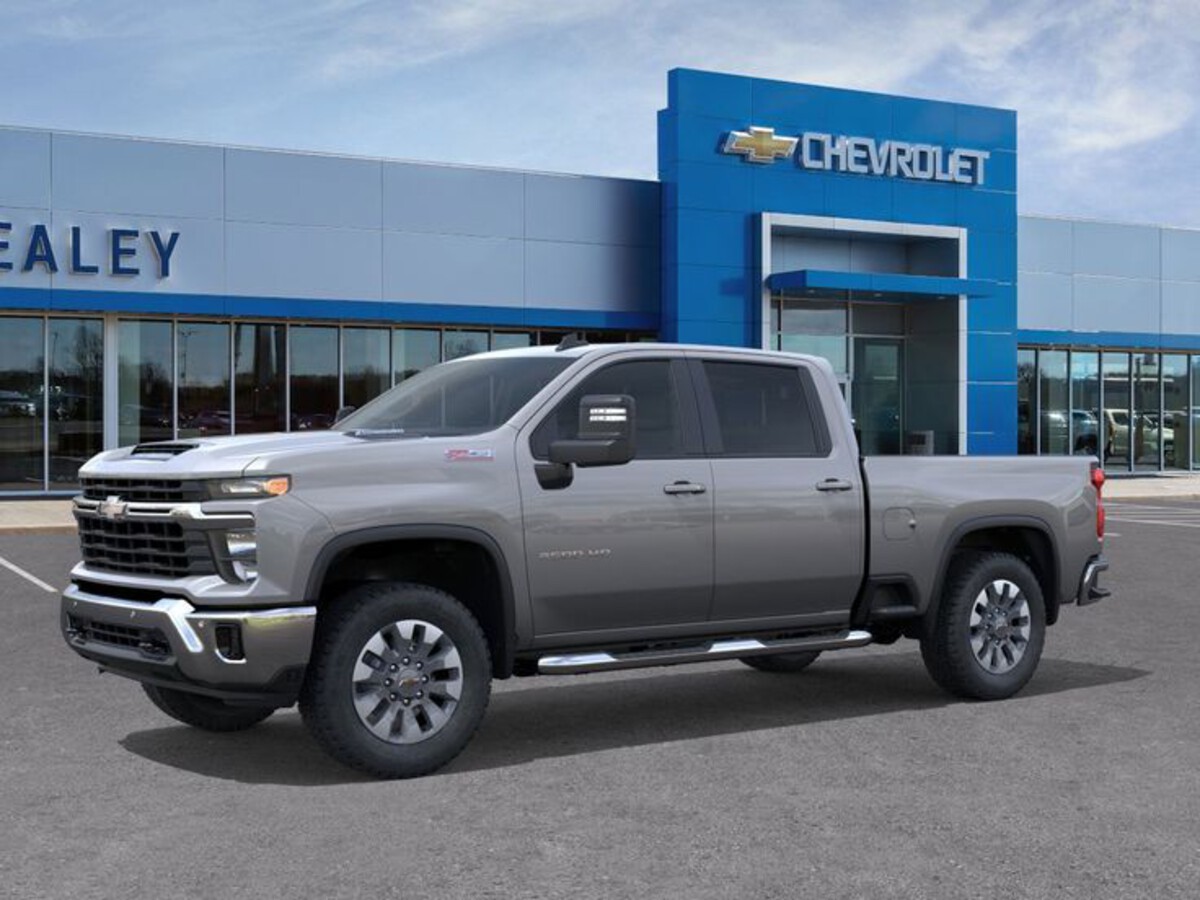
2. Chevrolet Silverado 2500HD
The Chevrolet Silverado 2500HD is another standout when it comes to retaining towing strength over time. A key factor in its longevity is the Duramax diesel engine, renowned for its durability and torque delivery.
The Duramax’s design includes a strong block, high-pressure fuel system, and efficient turbocharging, which work together to provide steady power output even under heavy strain.
This engine is capable of sustaining high torque across a wide RPM range, which is ideal for towing applications where varying speeds and inclines can place different demands on the engine.
Chevrolet has engineered the Duramax to resist power degradation, partly by using high-quality materials and robust internal components that can withstand repeated heavy use.
Paired with the Duramax is the Allison transmission, an automatic transmission system with a reputation for smooth, reliable shifting and long-term durability. Allison transmissions are widely used in commercial trucks, which speaks to their capability to handle high torque loads without slipping or overheating.
In the Silverado 2500HD, this transmission helps maintain consistent towing power by optimizing gear ratios and reducing strain on the drivetrain during acceleration, hill climbing, and braking.
Chevrolet also incorporates advanced transmission cooling solutions to ensure that even during extended towing sessions, the system remains within safe operating temperatures.
The Silverado’s chassis and suspension are also critical to its ability to maintain towing strength. Chevrolet uses a fully boxed steel frame designed to resist flex and provide a stable platform for towing.
The suspension features heavy-duty coil-over-shock setups in the front and multi-leaf springs in the rear, which help distribute weight evenly and minimize sag.
This robust design prevents loss of ground clearance and ensures that the truck’s handling remains predictable when towing heavy loads.
The truck also benefits from trailer sway control, hill start assist, and integrated trailer brake controllers, which reduce the effort required from the driver and help maintain vehicle control, further preserving towing strength.
Lastly, Chevrolet equips the Silverado 2500HD with a comprehensive thermal management system, including multiple oil coolers and a high-capacity radiator. This system prevents overheating during towing, which can degrade engine and transmission performance.
Chevrolet has also designed the truck’s brakes to handle the added mass of trailers, using larger rotors and heavy-duty calipers to ensure stopping power remains strong.
This combination of powertrain durability, structural integrity, and cooling efficiency allows the Silverado 2500HD to maintain its towing strength consistently, even after years of demanding use.
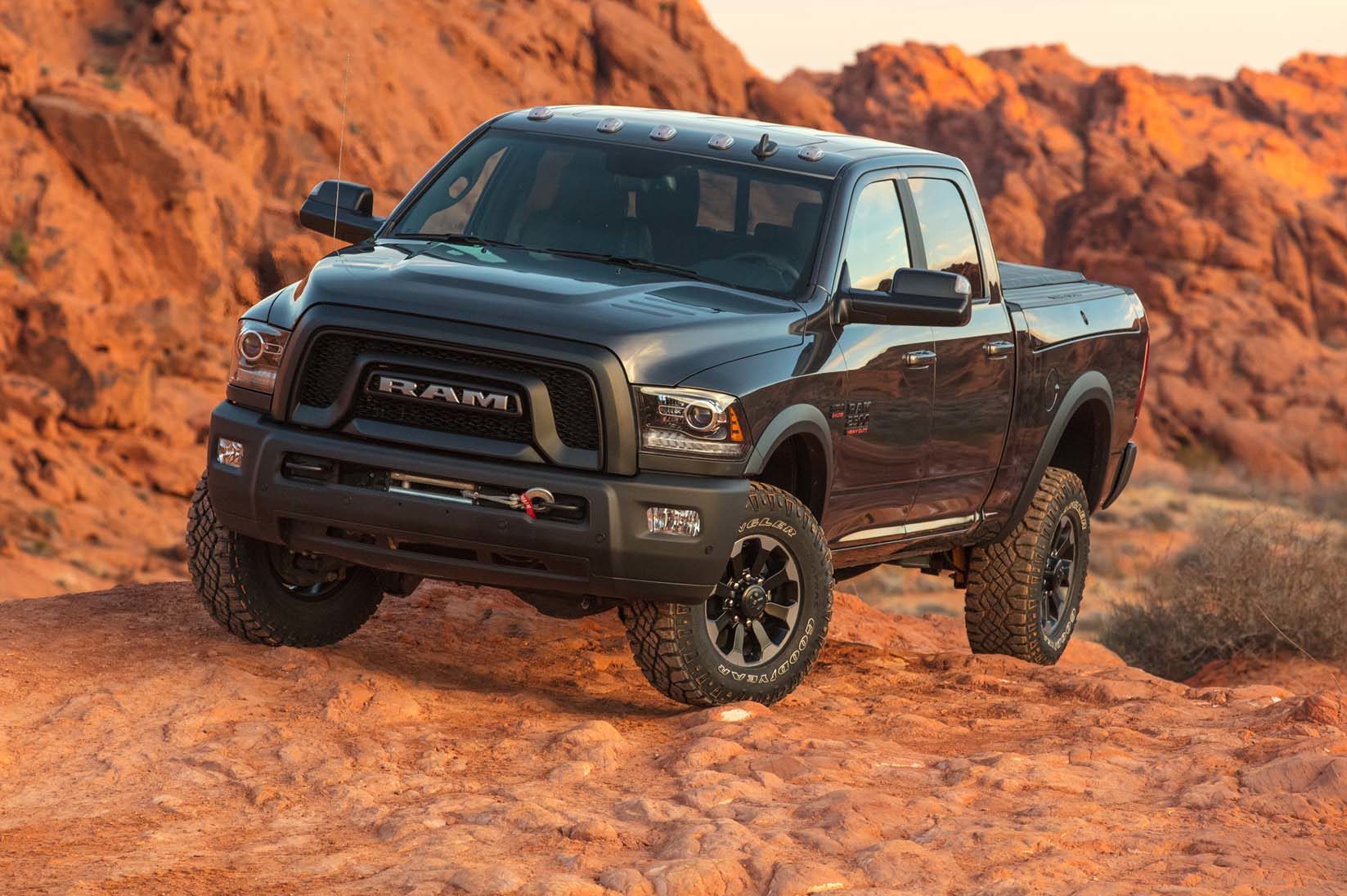
3. Ram 2500
The Ram 2500 has carved out a reputation for balancing power, comfort, and durability, making it one of the best trucks for maintaining towing strength over time. One of the standout features of the Ram 2500 is its optional Cummins turbo diesel engine.
Cummins engines are celebrated for their longevity and ability to deliver consistent torque at low RPMs, which is ideal for towing heavy loads.
The engine’s robust design includes features such as a cast-iron block, high-strength pistons, and a high-efficiency turbocharger. These components work in harmony to ensure the Ram 2500 can pull heavy trailers repeatedly without losing power or suffering major mechanical issues.
The transmission paired with the Cummins engine in the Ram 2500 is a heavy-duty automatic designed to handle the engine’s high torque output.
The transmission system includes advanced cooling features, such as a dedicated transmission oil cooler and integrated thermal management, which reduce the risk of overheating during towing.
Additionally, Ram has programmed the transmission control module to optimize gear shifts for towing conditions, ensuring that power delivery is smooth and consistent. This attention to detail helps the truck maintain towing strength over time and limits the wear on drivetrain components.
Ram has also invested heavily in the truck’s suspension and frame design to support sustained towing loads. The Ram 2500 features a fully boxed steel frame known for its rigidity and resistance to twisting.
The suspension system incorporates heavy-duty coil springs in the front and multi-leaf springs in the rear, along with gas-charged shock absorbers that help maintain ride quality even when heavily loaded.
This setup minimizes suspension sag and helps keep the truck level, preserving handling and safety during towing. Ram also integrates trailer sway control and an advanced trailer brake controller, making it easier for drivers to manage heavy loads and reduce strain on the vehicle.
Thermal and mechanical durability are also key to the Ram 2500’s ability to maintain towing strength. The truck is equipped with a large radiator, multiple oil coolers, and efficient airflow management to keep engine and transmission temperatures in check during heavy use.
The brakes are designed with high heat tolerance, ensuring stopping power remains reliable when hauling heavy trailers. These features work together to reduce wear and tear, allowing the Ram 2500 to maintain its towing capacity even after extensive use and miles on the road.
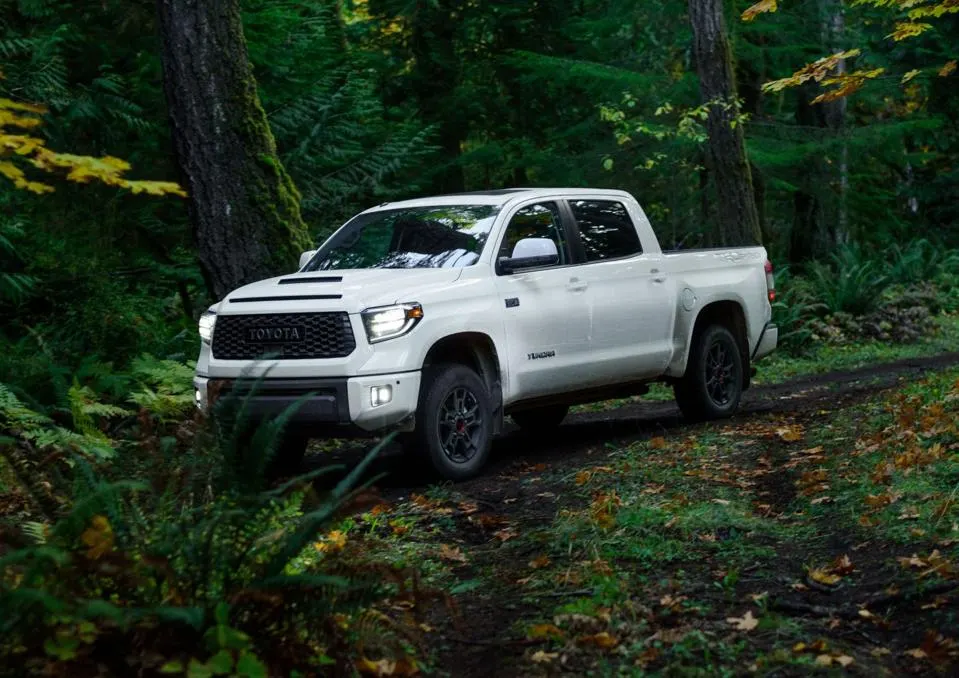
4. Toyota Tundra
While the Toyota Tundra is often classified as a half-ton pickup, it deserves recognition for its consistent towing strength over time, especially within its class. Toyota’s approach to engineering the Tundra emphasizes reliability and durability, with a V8 engine that delivers solid horsepower and torque.
The 5.7-liter V8 engine is known for its durability, utilizing a strong block and forged internals that resist wear even under heavy towing loads. While it may not offer the same extreme towing capacities as larger trucks, the Tundra’s powertrain is designed to maintain its performance reliably throughout the truck’s lifespan.
The Tundra’s frame and suspension contribute significantly to its ability to sustain towing power. It uses a body-on-frame construction with a high-strength steel frame that resists bending and twisting forces, essential for towing stability.
Toyota pairs this with a suspension setup that balances comfort and load management, including coil springs in the front and leaf springs in the rear.
This design prevents the truck from sagging excessively under load, maintaining ground clearance and vehicle control. The truck’s brake system is also robust enough to handle moderate towing demands, providing consistent stopping power that doesn’t degrade quickly.
Toyota also invests in cooling and thermal management to help the Tundra retain towing strength. Heavy-duty radiators and transmission coolers help prevent overheating during towing, which is a common cause of power loss in trucks subjected to repeated stress.
The truck’s engine management system is programmed to optimize fuel and power delivery under towing conditions, helping maintain efficiency and performance. Toyota’s reputation for long-term reliability extends to the Tundra’s towing components, which tend to hold up well with regular maintenance.
Finally, the Tundra offers towing assist features such as trailer sway control and integrated trailer brake controllers, which help drivers manage trailers more safely and reduce strain on the truck.
These technologies, combined with solid engineering, make the Tundra a dependable choice for drivers who need a truck that keeps its towing strength steady over the years without frequent mechanical issues or performance drops.
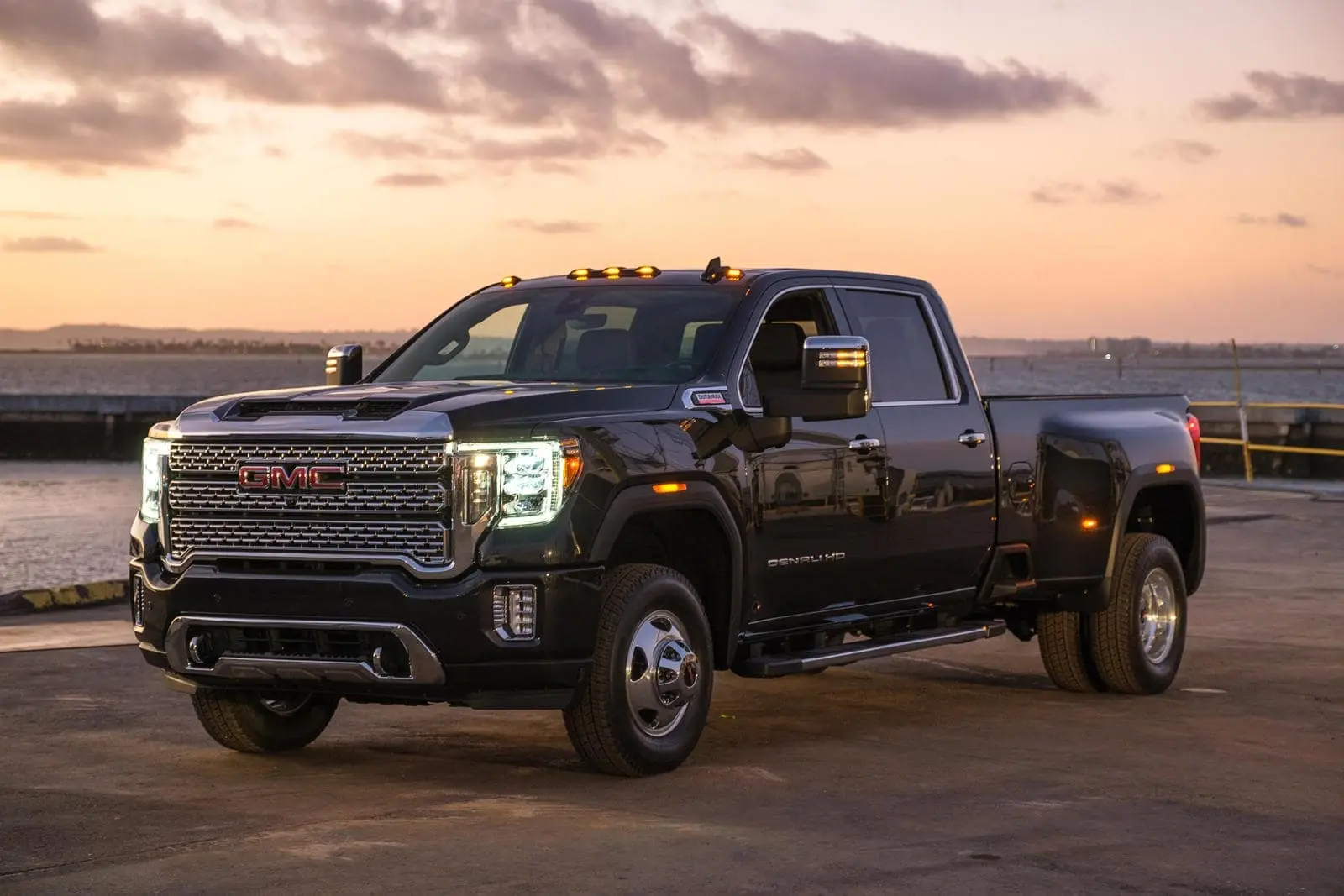
5. GMC Sierra 3500HD
The GMC Sierra 3500HD is a heavy-duty truck designed specifically for those who require top-tier towing capabilities that endure over time.
Central to its strength is the pairing of the Duramax diesel engine with the Allison automatic transmission, a combination praised for its robustness and reliability in commercial and industrial applications.
The Duramax engine provides consistent torque and power output, engineered with a durable block, advanced fuel system, and efficient turbocharging. This setup allows the Sierra 3500HD to tow massive loads without the common pitfalls of power degradation seen in less robust trucks.
The Allison transmission is built to handle the high torque levels generated by the Duramax, with features like adaptive shifting algorithms and enhanced cooling systems. This ensures smooth power delivery and helps the transmission maintain peak performance even after extensive use.
The transmission’s ability to withstand heavy strain without slipping or overheating is a major reason the Sierra 3500HD rarely loses towing strength over time. GMC’s focus on drivetrain durability ensures the truck’s towing capacity remains consistent over many miles and years.
Structurally, the Sierra 3500HD features a fully boxed frame and heavy-duty suspension components that support large payloads and trailer weights. The truck’s suspension includes reinforced multi-leaf springs and heavy-duty shock absorbers that help prevent sagging and frame fatigue.
This robust construction maintains vehicle stability and control during towing, critical for driver safety and vehicle longevity.
The truck also comes equipped with advanced towing technologies such as trailer sway control, hill start assist, and integrated trailer brake controllers, which work together to minimize strain on the truck and trailer.
Thermal management is another area where the Sierra 3500HD excels. It includes an extensive cooling package with multiple radiators and oil coolers to prevent overheating during long, heavy towing sessions.
The brake system is also upgraded for heavy-duty applications, ensuring reliable stopping power even under maximum load.
These engineering decisions contribute to the Sierra 3500HD’s reputation as a truck that can maintain its towing strength with minimal loss, even under the harshest and most demanding conditions.
5 Trucks That Do Lose Towing Strength Over Time
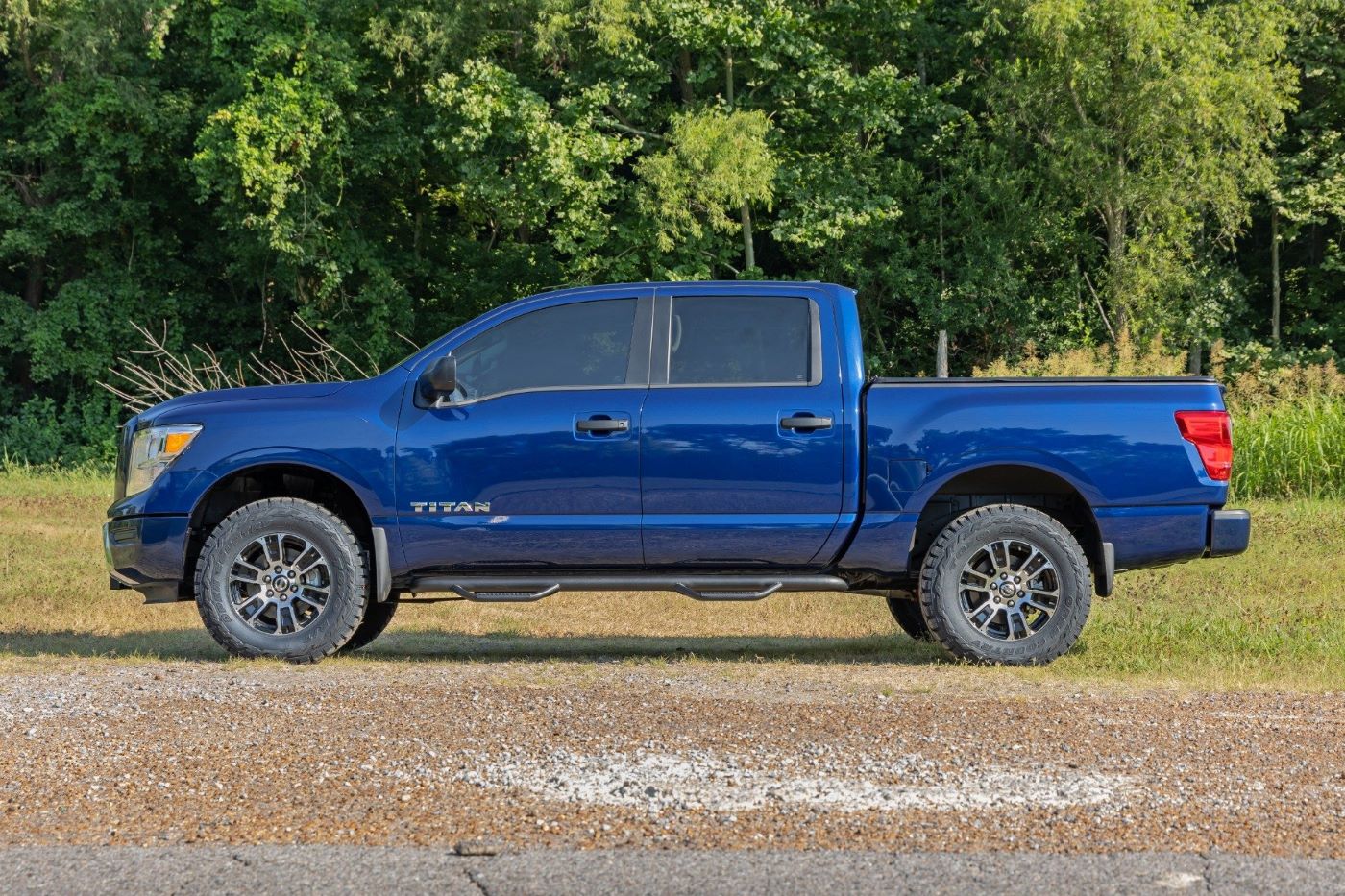
1. Nissan Titan
The Nissan Titan is a truck that initially offers respectable towing capacity, but many owners have reported that its towing strength diminishes over time, especially with heavy or frequent towing.
This decline is often linked to the engine and transmission combination, which, while sufficient for light and moderate towing, can struggle when subjected to sustained high-stress use.
The V8 engine in the Titan, though powerful at the outset, sometimes suffers from heat buildup when towing heavy trailers over long distances. Heat is one of the biggest enemies of engine longevity, and overheating can lead to power loss and premature wear on critical components such as piston rings and valves.
Transmission issues also play a significant role in the Titan’s towing performance decline. The automatic transmissions in many Titan models have been reported to shift roughly or slip under heavy towing loads, which affects power delivery and towing strength.
A slipping transmission not only reduces the truck’s immediate towing ability but also contributes to long-term damage, accelerating wear on the transmission clutch packs and gearsets. This often results in costly repairs or the need for transmission replacements well before the truck reaches high mileage.
Additionally, the Titan’s chassis and suspension are not as heavy-duty as those found in some of its competitors, which impacts its ability to sustain towing strength over time. The suspension components may sag or weaken with repeated heavy loads, leading to decreased stability and compromised handling when towing.
Without reinforced frames or upgraded suspension packages, the truck can experience uneven tire wear and increased strain on the drivetrain, further reducing its towing capabilities as it ages.
Finally, the lack of some advanced towing technologies in earlier Titan models, such as trailer sway control or integrated trailer brake controllers, means drivers have to rely more on their own skill to manage heavy loads. This can inadvertently increase wear on the truck’s components due to less optimized towing dynamics.
Over time, the combined effect of engine, transmission, and suspension limitations causes the Nissan Titan to lose its initial towing strength, making it less reliable for heavy or frequent towing as it ages.
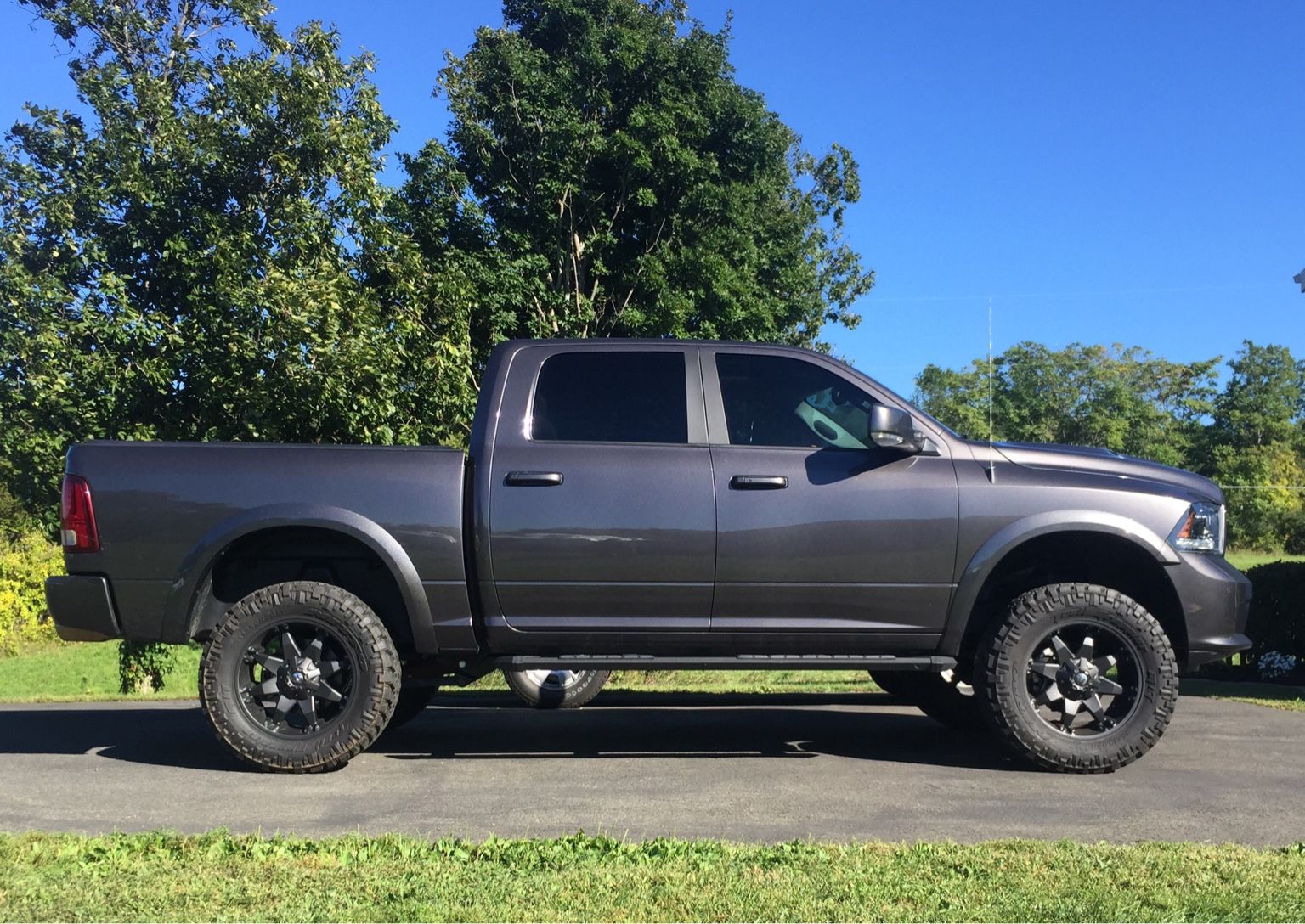
2. Dodge Ram 1500 (Older Models)
Older Dodge Ram 1500 models, particularly those from the early 2000s to mid-2010s, are known for losing towing strength over time, especially when regularly used near their towing limits.
One of the main reasons is the combination of the HEMI V8 engine and the less durable transmissions that were offered during that period.
While the HEMI engine itself delivers impressive power, it can be prone to overheating under constant towing loads due to insufficient cooling systems in certain configurations. This overheating reduces engine efficiency and power output, which directly affects towing strength.
The transmissions paired with these older Rams were often not as robust as those found in heavy-duty trucks, and they sometimes exhibit signs of premature wear under towing conditions.
Slipping, harsh shifting, and overheating transmission fluid are common complaints among Ram 1500 owners who frequently tow. Transmission issues not only reduce immediate towing power but can also cause long-term damage that is expensive to fix and affects the truck’s reliability.
The frame and suspension design of older Ram 1500s were sometimes criticized for not being fully optimized for sustained heavy towing. The suspension tends to sag when loaded heavily, which can negatively impact ride height, ground clearance, and towing stability.
This sagging leads to uneven tire wear, compromised handling, and increased stress on other drivetrain components. Over time, these issues contribute to a noticeable loss in towing capability, as the truck struggles to maintain control and power with heavy trailers attached.
Furthermore, earlier Ram 1500 models lacked some of the modern towing aids that help protect the truck from wear and tear during towing, such as trailer sway control and advanced trailer brake systems.
The absence of these features places more physical strain on the vehicle’s powertrain and chassis. For these reasons, older Dodge Ram 1500 trucks are often less capable of maintaining their towing strength after years of heavy use, making them less ideal for those who depend on consistent towing performance.
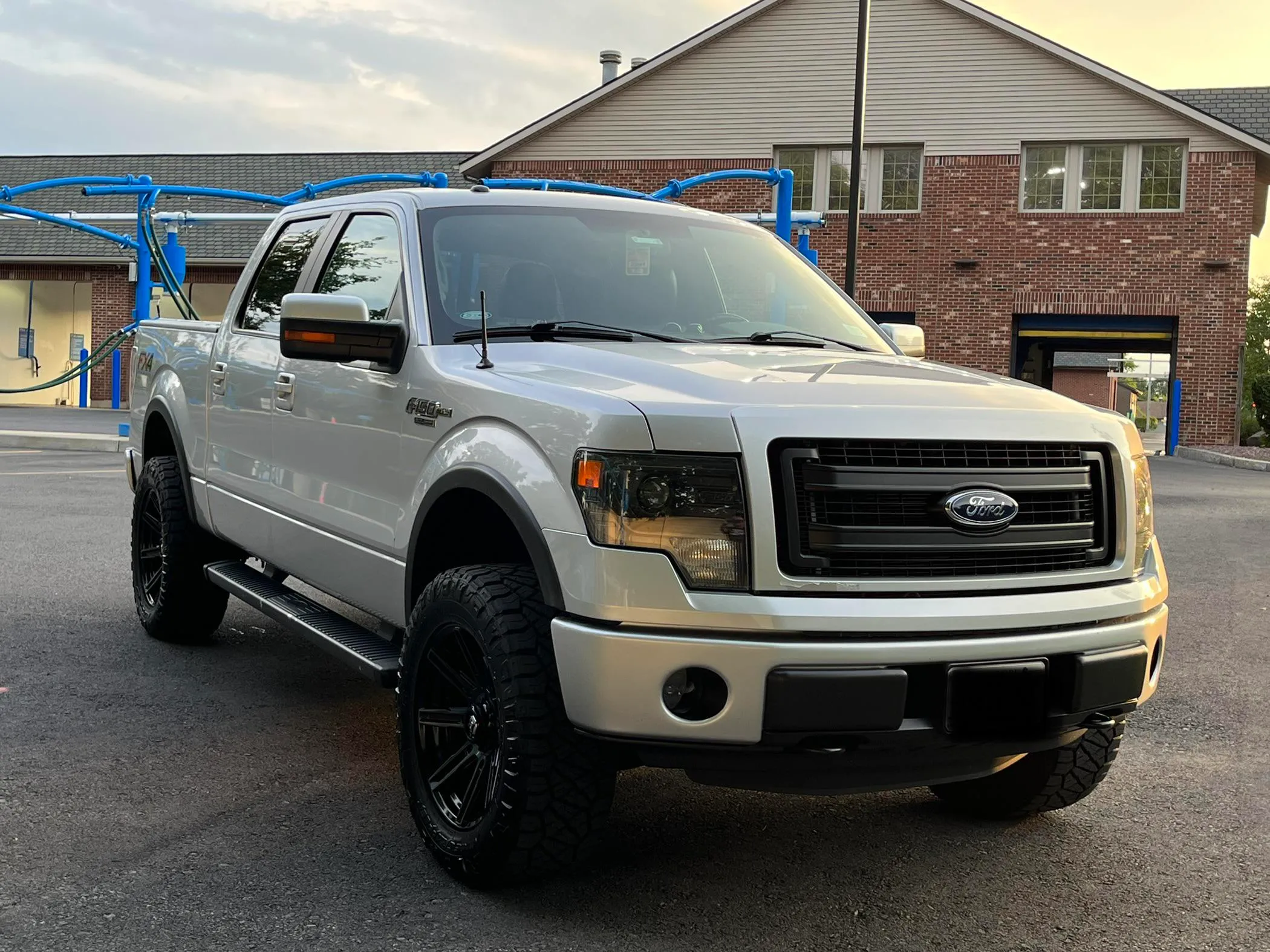
3. Ford F-150 (Certain Model Years)
The Ford F-150 is one of the most popular trucks in the market, but some model years have had issues with maintaining towing strength over time. Problems often stem from transmission reliability and engine cooling systems, especially in F-150 models produced in the mid-2010s.
Earlier versions of the 10-speed automatic transmission, though innovative, were sometimes prone to overheating during sustained towing. Overheated transmission fluid reduces the ability of the transmission to shift smoothly and maintain power delivery, which causes the truck’s towing strength to decline.
Engine cooling can also be a problem in certain F-150 variants, particularly when towing heavier loads or operating in hot climates. Insufficient cooling results in elevated engine temperatures, which can lead to reduced power output as the engine management system compensates to prevent damage.
Prolonged exposure to heat also accelerates wear on engine components, including head gaskets, valves, and piston rings. This cumulative wear translates to diminished towing capacity as the truck ages.
Frame fatigue is another issue in some model years of the F-150, where repeated heavy towing stresses cause the frame to develop cracks or weaken slightly. This structural fatigue can lead to compromised stability and safety, which in turn affects towing performance.
Suspension components may also wear prematurely, causing sagging and reduced control when towing. Drivers may notice increased trailer sway and difficulty managing heavy loads as these issues progress.
Finally, while recent F-150s are equipped with modern towing technology such as trailer sway control, hill start assist, and integrated trailer brake controllers, earlier models were sometimes missing or had less advanced systems.
Without these features, drivers must compensate manually for load instability, which increases the physical strain on the truck’s components. Over time, these mechanical and technological shortcomings combine to reduce the F-150’s ability to maintain peak towing strength.
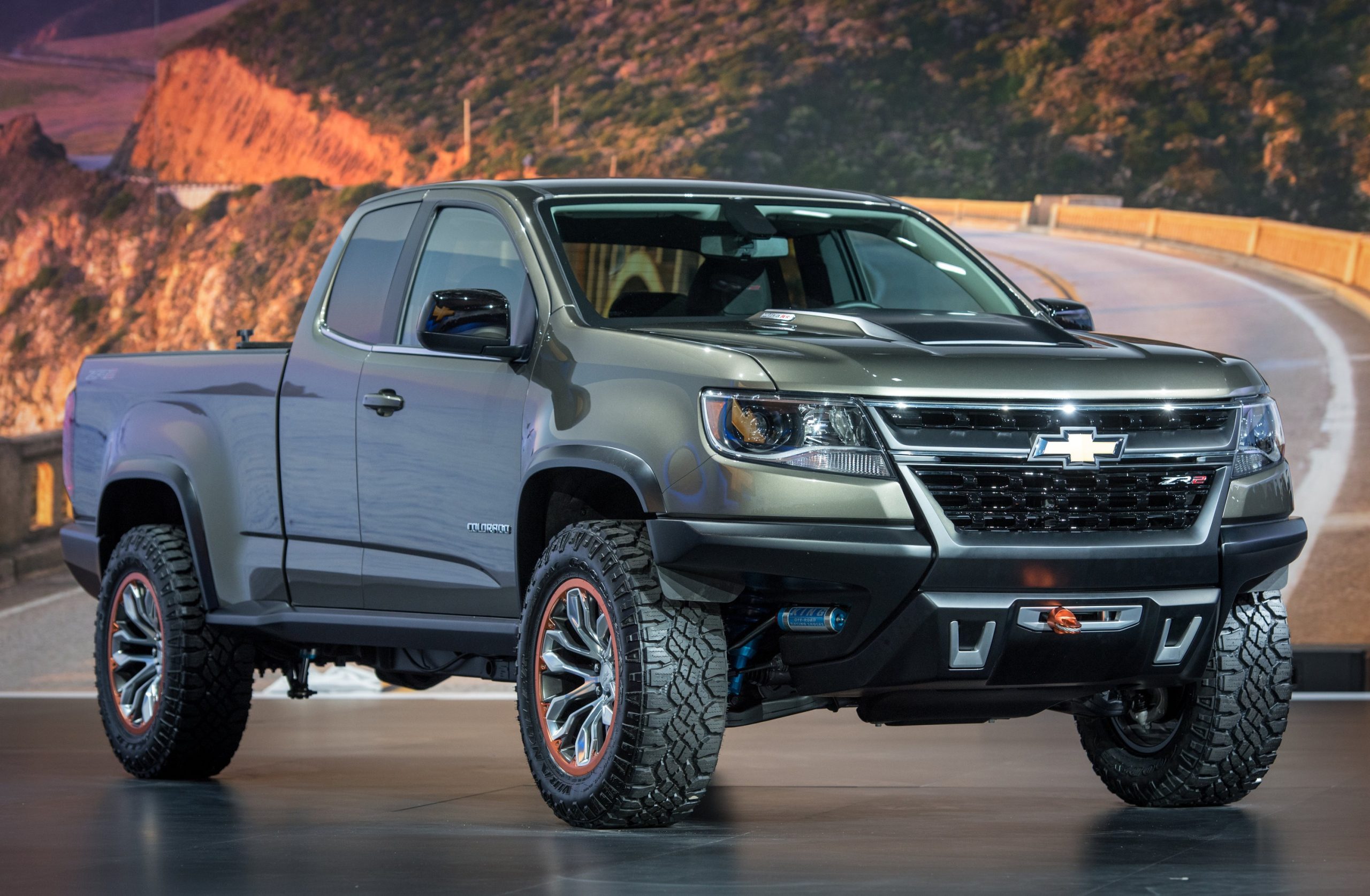
4. Chevrolet Colorado (With 4-cylinder Engine)
The Chevrolet Colorado equipped with the smaller 4-cylinder engine is a midsize truck that performs well for light to moderate towing, but it tends to lose towing strength when pushed to its limits over time.
The 4-cylinder engine, while fuel-efficient, does not produce the same torque or power as larger V6 or V8 engines, which limits its capacity for sustained heavy towing. Extended use at or near maximum towing capacity places significant strain on the engine and transmission, leading to overheating and power reduction.
The transmission in the 4-cylinder Colorado is designed for lighter-duty applications, and under prolonged towing stress, it can experience slipping, harsh shifting, or overheating.
These problems reduce the truck’s ability to maintain consistent power delivery, leading to a noticeable drop in towing strength as the vehicle accumulates miles and towing hours. Repairing or replacing transmission components in these situations can be costly and sometimes affect vehicle reliability.
In terms of chassis and suspension, the Colorado is not built as heavily as full-size trucks, and the lighter frame and suspension components may sag or wear out faster when towing heavy trailers regularly.
This can lead to uneven tire wear, reduced ground clearance, and less stable towing dynamics. The Colorado’s suspension, optimized for general driving comfort and moderate loads, struggles to maintain the same level of control and strength after repeated heavy towing.
Additionally, Colorado’s towing technologies are less sophisticated compared to larger trucks. Features like trailer sway control may be available but not as refined, and integrated trailer brake systems are less robust.
Without these aids, drivers may experience more difficulty controlling heavy trailers, which can increase wear on the truck’s drivetrain.
Over time, the combined effects of a smaller engine, less durable transmission, lighter suspension, and limited towing technology result in the Colorado with the 4-cylinder engine losing towing strength with frequent or heavy use.
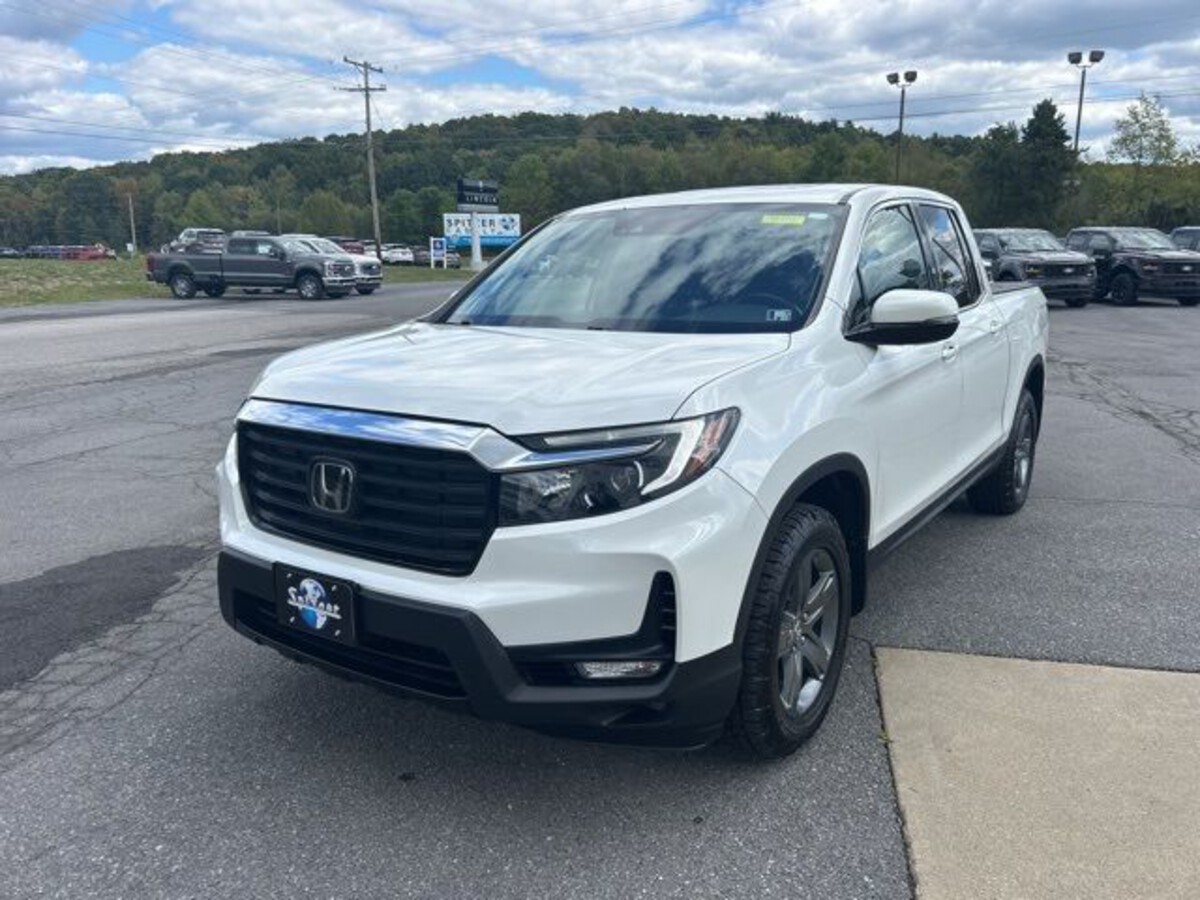
5. Honda Ridgeline
The Honda Ridgeline is unique in the pickup truck segment due to its unibody construction, which emphasizes comfort and ride quality over heavy-duty towing.
While it offers respectable towing capacity for its class, the Ridgeline’s towing strength can degrade over time when frequently subjected to heavy loads.
The V6 engine is reliable and efficient, but it does not generate the same level of torque or sustained power as larger truck engines, which limits its ability to maintain towing strength under repeated stress.
The unibody frame, while excellent for passenger comfort and handling, does not provide the same level of structural rigidity as traditional body-on-frame trucks.
This design results in more flexing and twisting forces when towing heavy trailers, which can lead to faster wear on suspension and drivetrain components. Over time, this increased wear translates into reduced towing capacity and less stable handling when towing.
The suspension system in the Ridgeline prioritizes comfort and smooth ride characteristics over heavy load carrying. While it includes adaptive damping and independent rear suspension, these components are not as durable or designed to manage heavy, constant towing stress.
As a result, repeated heavy towing can cause suspension sagging, decreased ride height, and compromised vehicle control.
Additionally, the Ridgeline’s towing assistance features are somewhat limited compared to full-size trucks. Although it includes basic trailer sway control and brake assist, it lacks the heavy-duty trailer brake controllers and advanced towing technology that help reduce strain on the truck and improve stability.
This means the Ridgeline’s powertrain and chassis endure more stress during towing, contributing to a gradual decline in towing strength when used regularly for heavy hauling.
