
Cars have always been more than just machines to get from one place to another. For many, they carry memories, tell stories, and become symbols of freedom, style, and technology.
However, not every car remains in use or cared for, and some eventually get left behind, forgotten, or abandoned. Whether it’s due to mechanical failure, financial reasons, or a lifestyle change, abandoned cars often become silent relics scattered in parking lots, fields, or even urban streets.
But what happens to a car when it is left to sit unused for months, years, or even decades? Surprisingly, some cars continue to run or can be revived with minimal work despite long periods of neglect.
Others, however, become complete write-offs, unable to start or move no matter the effort. The difference between these outcomes often depends on the car’s design, build quality, engine type, and how it was treated before abandonment.
This article takes a closer look at five cars known for their ability to keep running after being abandoned and contrasts them with five models that tend to fail in such situations.
The aim is to understand the factors that influence a car’s resilience and reliability when left unattended for extended periods. By comparing these cars, you’ll gain insight into automotive durability and learn why some vehicles simply refuse to die while others quickly fall apart.
Whether you’re a car enthusiast, a collector, or just curious about automotive durability, this article offers a thorough comparison that highlights engineering, materials, and design choices that impact how well cars withstand time without maintenance. Let’s start by examining the vehicles that often still run after being left alone.
5 Cars That Still Run After Being Abandoned

1. Toyota Land Cruiser
The Toyota Land Cruiser has a legendary reputation for durability and toughness that spans decades and continents. It was designed with an emphasis on reliability in extreme conditions, such as deserts, mountains, and jungles. One of the core reasons many abandoned Land Cruisers still run is the combination of mechanical simplicity and solid construction.
Unlike many modern vehicles filled with complex electronics, older Land Cruisers rely on straightforward mechanical systems that are less prone to failure when left unused. For example, their engines, especially the diesel variants like the 2.4L and 2.8L diesel engines, are built to withstand long periods of inactivity with minimal degradation.
These diesel engines benefit from robust components such as cast iron blocks and sturdy pistons, which resist corrosion and warping. Furthermore, Toyota’s use of heavy-duty chassis components and simple fuel systems means fewer points of failure after abandonment.
Fuel systems in older Land Cruisers are less complicated and more accessible, which makes cleaning or replacing clogged filters and lines relatively simple. Even if the vehicle sits for years, a good battery and some basic servicing can often revive it.
Additionally, many Land Cruisers have mechanical fuel injection or indirect injection systems, which are more forgiving when fuel degrades or becomes contaminated during long storage periods.
Their air intake systems and cooling components are designed to be rugged and easily serviced. This makes Land Cruisers particularly good candidates for revival after neglect compared to many gasoline vehicles with electronic fuel injection.
The Land Cruiser’s build quality extends beyond just the engine and fuel system. Toyota used thicker steel in key areas, and many Land Cruisers feature robust rust protection measures that keep the frame and body panels in decent shape even after years of exposure to moisture and dirt.
This means that critical suspension and drivetrain components remain intact and functional. Also, the vehicle’s simple but effective four-wheel-drive system helps reduce strain on parts that might otherwise seize up.
Owners frequently report abandoned Land Cruisers being brought back to life with only minor repairs, a testament to the thoughtful engineering behind the vehicle.
Finally, the Land Cruiser’s popularity around the world means that spare parts are abundant, even in remote regions. There is a large global community of owners and mechanics who understand these vehicles deeply, making it easier to source parts and advice.
This community support reduces the cost and difficulty of restoring an abandoned Land Cruiser. From Africa to Australia, many Land Cruisers have been abandoned for years but still start on the first try after some simple maintenance, proving the remarkable resilience of this iconic vehicle.

2. Honda Civic (Older Models)
The older Honda Civics, particularly from the 1980s and 1990s, have earned a devoted following due to their legendary reliability and ease of maintenance. These cars were designed to be affordable, fuel-efficient, and dependable, which translated into mechanical simplicity and a build that could withstand years of use and, importantly, neglect.
The engines in these Civics, such as the B16 and D-series, are well known for their robust construction, featuring strong aluminum blocks and dependable valve trains. Because these engines use fewer complex electronics compared to modern vehicles, they are less susceptible to long-term damage from inactivity.
One key aspect of the older Civics’ durability lies in their relatively simple fuel and ignition systems. Carbureted versions, as well as early fuel-injected models, often have systems that are easier to clean and repair after sitting idle.
For instance, fuel lines may clog or fuel pumps may fail, but these components are straightforward to replace or refurbish without expensive diagnostic equipment.
The electrical systems are also relatively simple, with fewer sensors and control units that can fail or cause problems. This mechanical simplicity means abandoned Civics often only require routine servicing such as battery replacement, fuel system cleaning, and spark plug changes to run again.
The Civic’s compact size and straightforward layout make it easier to access and maintain engine components, even for less experienced mechanics. Owners and enthusiasts have developed extensive repair guides and shared knowledge on restoring neglected Civics, which helps reduce the difficulty and cost of bringing an abandoned car back to life.
Additionally, the widespread availability of aftermarket parts means that components are affordable and plentiful. This accessibility ensures that even if parts are damaged or worn due to neglect, replacements are easy to find.
Moreover, the Civic’s reputation for fuel efficiency and reliability means many owners keep these cars well-maintained before abandonment, which improves their chances of survival during storage. The solid aluminum engine blocks resist rust and corrosion, and the robust cooling systems prevent overheating-related damage even after long periods of disuse.
Collectively, these factors combine to make older Honda Civics surprisingly resilient vehicles that often start and run again even after years of abandonment.

3. Jeep Wrangler (YJ and TJ Models)
The Jeep Wrangler’s reputation as a rugged off-road vehicle extends to its ability to survive long periods of neglect and still function. The YJ and TJ models, produced in the late 1980s through the early 2000s, were built with durability and ease of maintenance in mind.
Their engines, including the 4.0L inline-six, are renowned for strong construction and reliable performance. These engines feature simple mechanical systems that can often be repaired or cleaned with basic tools after long periods of disuse.
The inline-six engine’s iron block and robust internals allow it to resist corrosion and mechanical seizure, two major issues that can prevent engines from running after abandonment.
The Wrangler’s mechanical fuel systems, which include both carbureted and early fuel injection variants, tend to be forgiving of old or degraded fuel. Fuel lines, filters, and pumps may need replacement or cleaning, but these components are accessible and relatively inexpensive.
Additionally, the cooling system is straightforward, with large radiators and mechanical fans that resist failure and overheating. The vehicle’s electrical system is basic compared to modern SUVs, reducing the risk of complex electrical faults after long periods of storage.
Body-on-frame construction, heavy-duty axles, and suspension components designed for rugged off-road use mean that many of the Wrangler’s structural parts survive well despite exposure to the elements.
The fact that Wranglers have removable body panels and doors allows for easier inspection and repair of rust-prone areas, which is critical when restoring abandoned vehicles. The chassis and drivetrain components, including the solid front and rear axles, are designed to tolerate dirt, mud, and corrosion, improving longevity when left unused.
Finally, the Jeep community’s enthusiasm plays a significant role in keeping abandoned Wranglers running. With a large aftermarket parts ecosystem and an abundance of how-to guides, many owners find it feasible to restore neglected vehicles without breaking the bank.
This network ensures that even long-forgotten Wranglers often start and drive again with some basic repairs, showcasing their durability and the design choices that prioritize longevity.
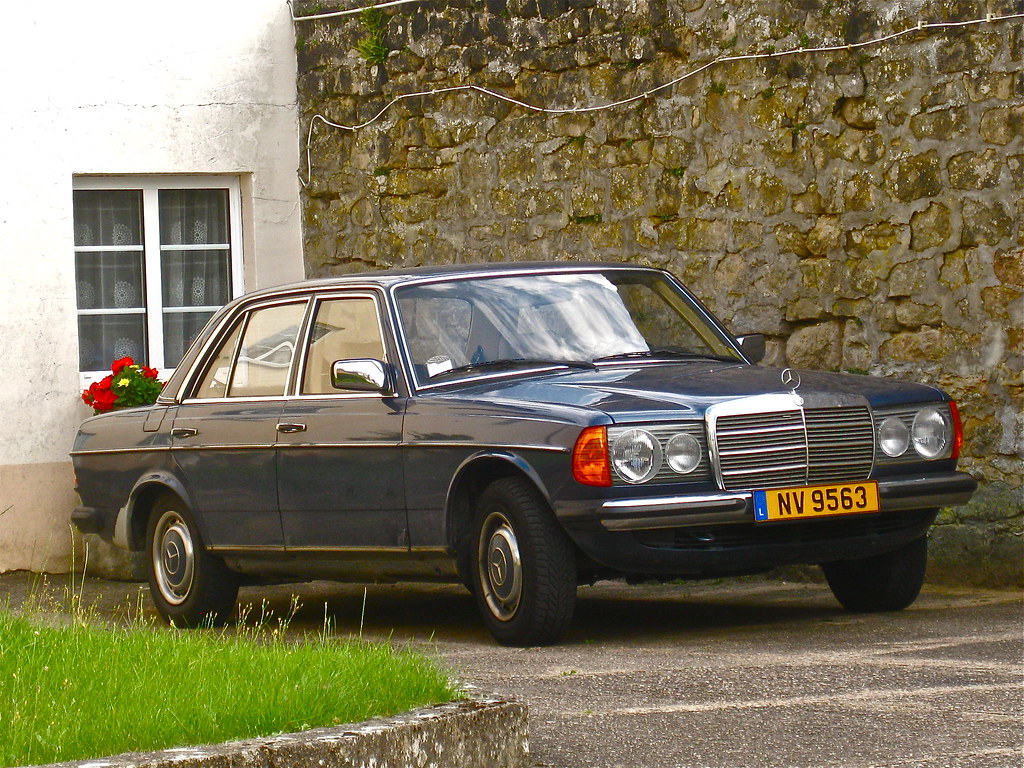
4. Mercedes-Benz W123
The Mercedes-Benz W123 series has long been admired for its engineering quality and longevity. These vehicles, produced from the mid-1970s through the mid-1980s, were designed for reliability and longevity, often serving as taxis or fleet vehicles worldwide.
One of the key reasons many W123s still run after abandonment is their robust mechanical design. The engines, especially the diesel variants such as the 3.0L inline-five diesel, are built with heavy-duty components that withstand wear and corrosion better than many gasoline engines.
These diesel engines rely on mechanical fuel injection systems that are less sensitive to electrical failures, which can plague modern vehicles after long storage.
The W123’s fuel systems are designed to be serviceable and durable. Mechanical injection pumps, while complex, are made to last and can often be restored or repaired even after years of inactivity.
Fuel lines and filters may need cleaning, but these vehicles often restart with a thorough fuel system flush and a new battery. Additionally, the cooling systems are well-engineered, featuring durable radiators and thermostats that help protect the engine from overheating, even after sitting idle.
Mercedes’ use of high-quality materials in body construction also plays a role in the W123’s longevity. The steel used in the frame and panels is thicker and treated to resist rust better than many competitors of the era.
This means many abandoned W123s still have solid frames and intact suspension components, preventing issues that could make them unsafe or undrivable. The vehicle’s mechanical brakes and drivetrain parts are similarly over-engineered, contributing to their ability to survive neglect.
Moreover, the W123 enjoys a dedicated following among classic car enthusiasts and mechanics worldwide. This community ensures that spare parts remain available and that restoration knowledge is preserved.
With basic servicing such as replacing fuel filters, changing fluids, and charging or replacing batteries, many abandoned W123s come back to life, proving the enduring nature of this classic Mercedes.

5. Subaru Outback (Early Models)
The early Subaru Outback models, particularly those from the 1990s and early 2000s, are known for their reliability and robust engineering. The vehicle’s symmetrical all-wheel-drive system and boxer engine design contribute significantly to its resilience when left abandoned.
The horizontally opposed boxer engine is balanced and has fewer components prone to failure compared to inline engines. This design also spreads heat evenly and reduces engine stress, which helps prevent damage during long periods of inactivity.
Subaru engines from this era often feature simple fuel injection or mechanical fuel injection systems, which are less prone to failure than more advanced electronic systems when sitting unused.
This simplicity means that clearing clogged injectors or replacing old fuel pumps is often sufficient to get the engine running again. The cooling systems are also designed to be reliable, with durable radiators and thermostats that help maintain engine integrity during long storage.
The Outback’s chassis and body also contribute to its durability. Subaru applied rust protection measures that, while not perfect, help preserve key structural components.
This is especially important for vehicles exposed to snow and road salt, where corrosion can otherwise quickly render a car unusable. The suspension system and drivetrain components are heavy-duty and designed to withstand rugged use, which translates well to surviving long-term neglect.
Another important factor is the Subaru owner community, which is known for its passion and support. The availability of parts and repair knowledge is widespread, making it easier to revive abandoned Outbacks.
Combined with the vehicle’s inherent mechanical strength and design choices, many early Subaru Outbacks start and run again after long periods of abandonment with basic maintenance and minor repairs.
5 Cars That Don’t Run After Being Abandoned
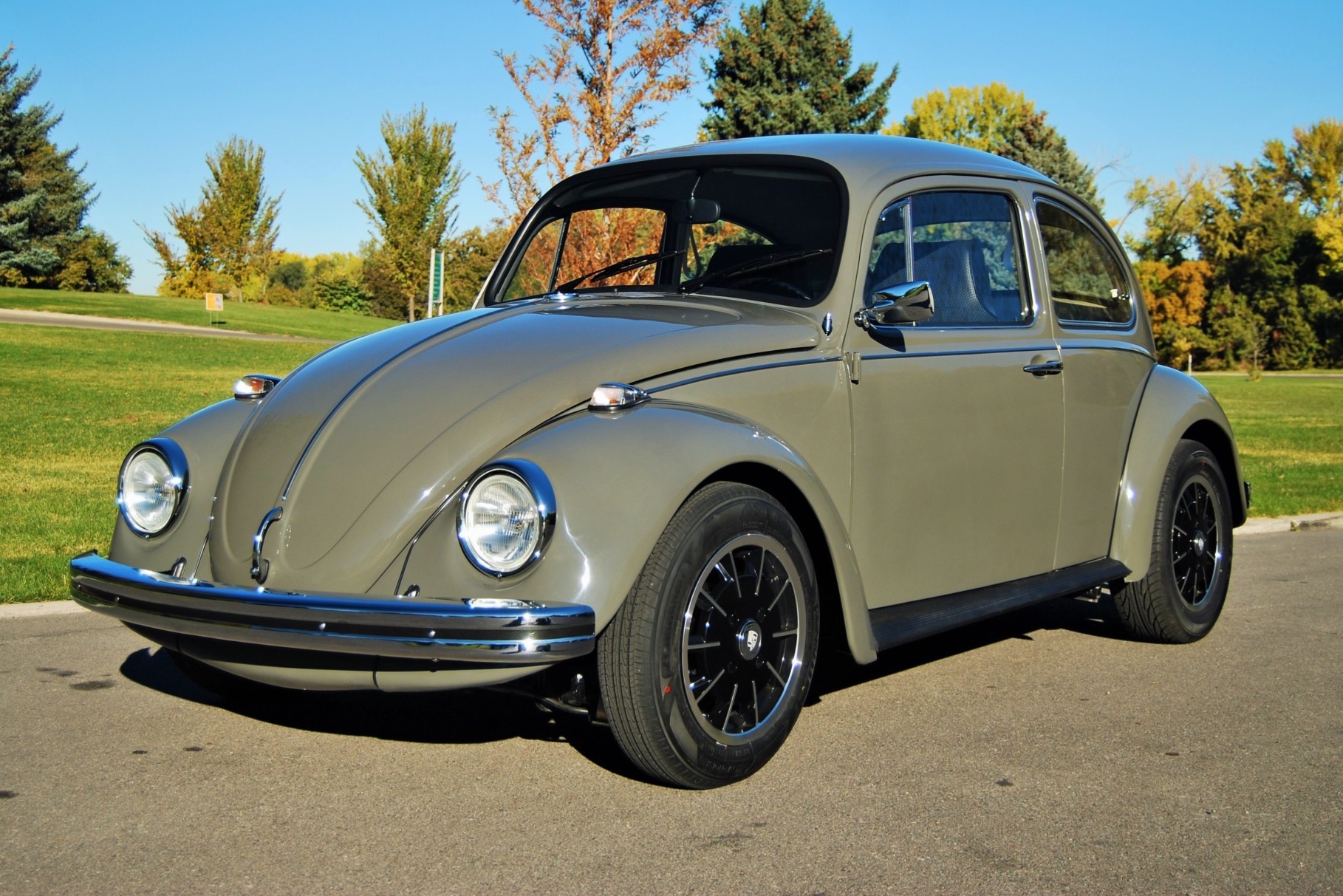
1. Volkswagen Beetle (Classic Models)
The classic Volkswagen Beetle, despite its iconic status and popularity worldwide, often struggles to run after being abandoned for extended periods. One of the main issues lies in its air-cooled flat-four engine, which, while mechanically simple, is susceptible to seizing or corrosion when left unused for too long.
Because the engine relies on an oil pump that circulates oil through relatively tight spaces, the oil can settle and cause rust or varnish buildup inside critical areas, especially when the car is exposed to moisture. Over time, this leads to pistons and valves sticking or seizing entirely, which requires extensive mechanical work to fix.
Fuel delivery is another critical problem. Most classic Beetles used carburetors rather than fuel injection systems. Carburetors, although easier to work on in some ways, are highly sensitive to fuel quality and tend to clog when fuel evaporates and leaves behind varnish deposits.
These deposits block fuel passages and jets, preventing the engine from starting without a thorough carburetor rebuild or replacement. Additionally, fuel tanks and lines can rust internally, further complicating fuel delivery.
The electrical system on a classic Beetle is basic but prone to issues after long inactivity. The 6-volt or 12-volt electrical system can suffer from corroded wiring, faulty generators, and dead batteries, all of which contribute to starting difficulties.
Moisture intrusion is common in the engine bay and wiring harness, leading to shorts or open circuits that can be difficult to diagnose and repair without experience.
Furthermore, the Beetle’s body and floor pans are famously vulnerable to rust. These cars were not heavily rust-proofed, and many have extensive corrosion damage beneath the surface. Rust compromises the structural integrity of the vehicle and often leads to problems such as suspension mounting points failing, frame weakening, and extensive bodywork being necessary.
Finding quality replacement panels or parts can be expensive and time-consuming, which discourages many from attempting to get abandoned Beetles running again. Collectively, these issues mean many classic Beetles left unattended become more of a restoration project than a simple revival.
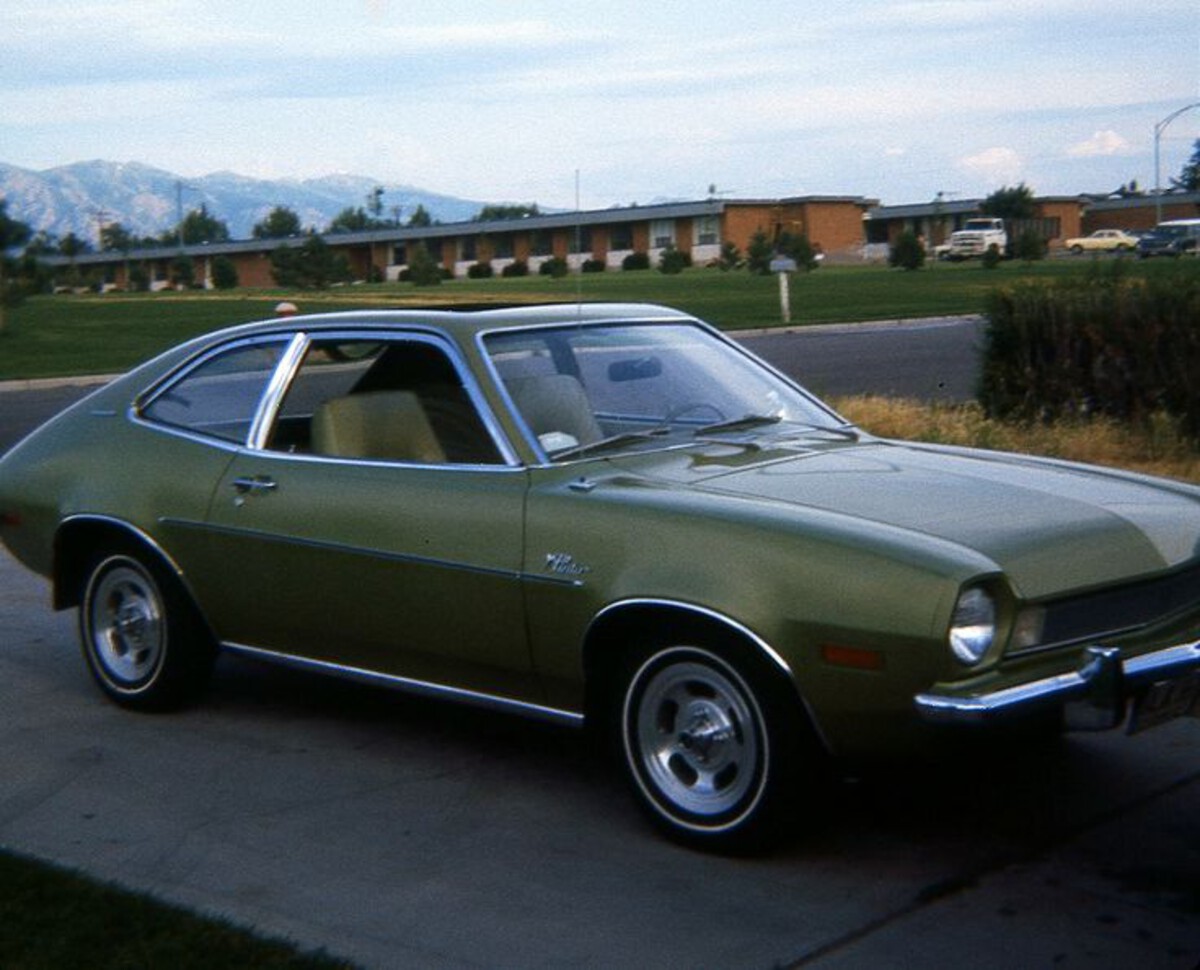
2. Ford Pinto
The Ford Pinto is widely regarded as a vehicle with numerous flaws that limit its durability, especially when abandoned. One of the primary problems lies in the engine and fuel system design.
The Pinto’s engine, commonly a 2.0L inline-four, was relatively basic but suffered from issues like overheating, which could cause long-term damage if the cooling system was not maintained.
When a Pinto sits unused, coolant can degrade, and corrosion in the radiator and hoses can cause leaks or blockages, further complicating restart attempts.
Fuel system degradation is a significant challenge for the Pinto. The fuel tank and lines often suffer from rust and deterioration, especially when exposed to moisture and lack of regular fuel turnover.
Carbureted engines in many Pintos are prone to clogged jets and stuck floats, making it difficult to restore fuel flow after long inactivity. Furthermore, the fuel pump can fail or become clogged with debris and varnish, requiring replacement.
The Pinto’s notorious rust problems severely impact its chances of running after abandonment. The car’s body panels and frame often suffer from extensive corrosion because of thin steel construction and minimal rustproofing.
Rust around suspension mounts and floor pans can make the vehicle unsafe or impossible to drive. Restoring these areas is expensive and labor-intensive, often dissuading owners from reviving an abandoned Pinto.
The Pinto’s electrical system is basic but vulnerable to corrosion and damage over time. Wiring insulation can crack, exposing wires to moisture and leading to shorts or failures in critical circuits like ignition and lighting.
Combined with the challenges of sourcing replacement parts for a car with a troubled history, abandoned Pintos often require significant investment and work to start running again, making them among the least resilient cars after long-term neglect.
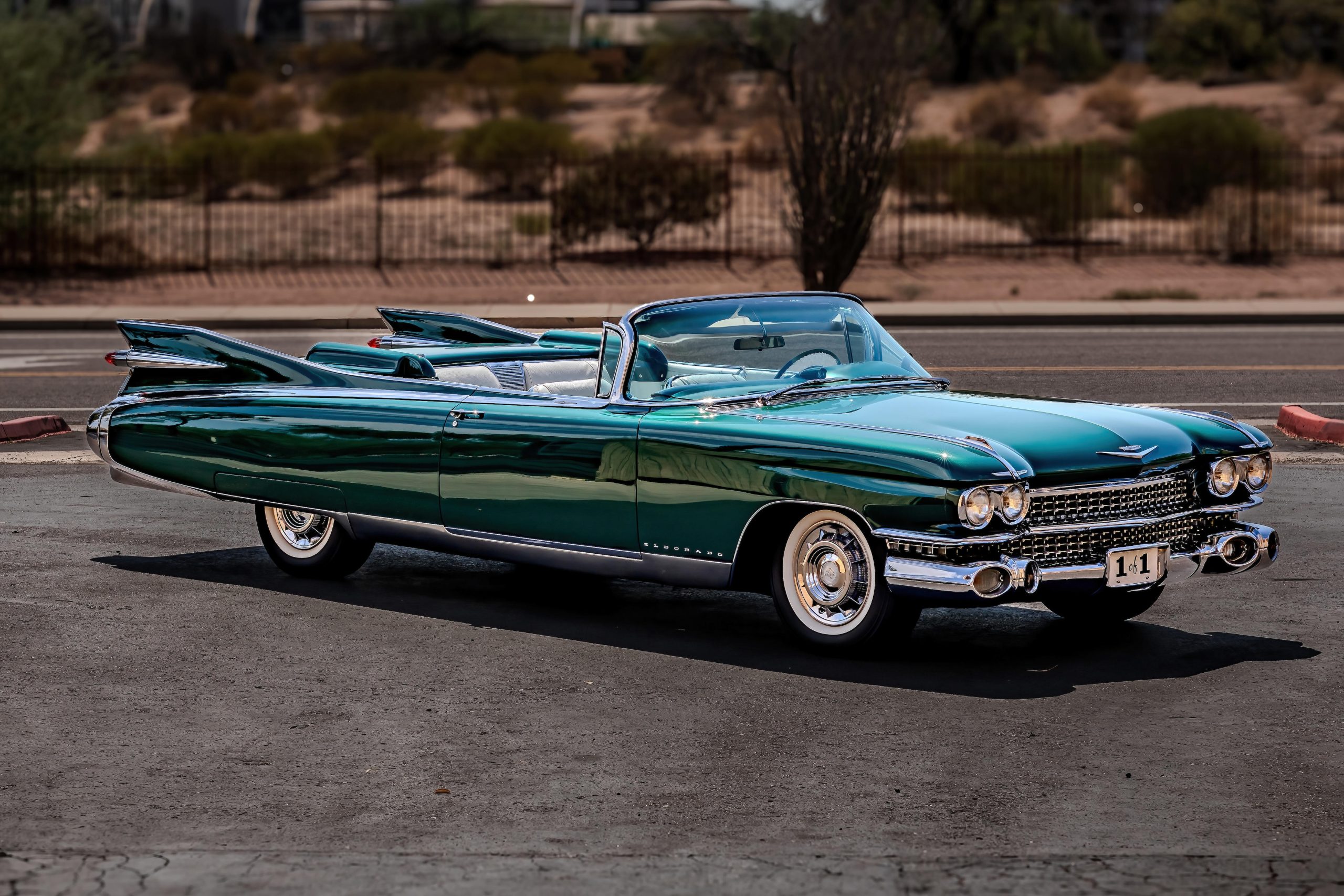
3. Cadillac Eldorado (70s and 80s Models)
The Cadillac Eldorado, a luxury flagship of the American automotive scene in the 1970s and 1980s, is known for its complex engineering and heavy weight, both of which complicate revival after abandonment.
These cars were equipped with advanced features for their time, including electronic fuel injection, air suspension, and numerous electrical systems controlling various functions. While these systems offered superior comfort and performance, they are prone to failure when left unused for extended periods.
One of the major issues with abandoned Eldorados is the air suspension system. The airbags and compressors tend to leak or deteriorate over time, especially when not maintained.
This results in sagging or completely collapsed suspension, which can prevent the car from being safely driven or even moved without extensive repairs. The air suspension’s complexity means repairs are costly and parts can be difficult to source.
The electronic fuel injection systems used in these models rely on numerous sensors and electronic control units that can malfunction after long dormancy. Wiring harnesses may develop corrosion or brittle insulation, leading to intermittent or complete electrical failures.
Without functioning fuel injection and ignition electronics, the engine will not start. Repairing these systems often requires specialized diagnostic tools and technical expertise.
Additionally, the Eldorado’s size and weight place significant stress on drivetrain components and brakes. After abandonment, brakes can seize or deteriorate, making the vehicle unsafe to operate without thorough refurbishment. The heavy steel body and panels are prone to rust, particularly in wheel wells, rocker panels, and undercarriage areas. This corrosion undermines the vehicle’s structural integrity and increases repair costs.
Spare parts for certain Eldorado components, especially air suspension and electronic modules, can be expensive or rare, which further discourages efforts to get these cars running again after abandonment.
The combination of complex systems, high maintenance costs, and susceptibility to rust means many abandoned Eldorados remain non-operational without significant investment.
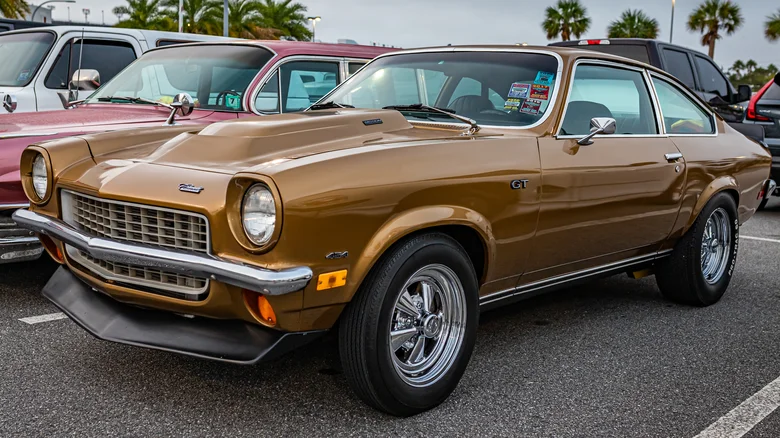
4. Chevrolet Vega
The Chevrolet Vega, produced in the 1970s, is notorious for its reliability problems and poor long-term durability. These issues become even more pronounced when the car is left abandoned.
The Vega’s engine, although innovative at the time due to its aluminum alloy construction, suffered from head gasket failures and overheating problems. Over time, sitting unused exacerbates these issues as corrosion and coolant degradation can cause cracks, leaks, or warping in the engine block and cylinder heads.
The cooling system of the Vega was prone to failure, and prolonged inactivity can cause radiators, hoses, and water pumps to corrode or seize. This leads to ineffective cooling upon restarting, increasing the risk of catastrophic engine failure.
Fuel delivery is another significant problem; carburetors clog easily when fuel evaporates and leaves varnish deposits. Fuel pumps and lines can degrade or become blocked by rust, especially in older vehicles without modern fuel system protections.
Rust is a critical weakness of the Vega. The body and chassis were constructed from thin steel with minimal corrosion protection. Many Vegas left outside for long periods suffer from severe rust in floor pans, suspension mounts, and structural components.
This extensive corrosion often makes the cars unsafe to drive or too costly to restore. Electrical systems also degrade quickly, with wiring becoming brittle and connectors corroding, causing failures in ignition and lighting circuits.
Parts for the Vega are not widely available today, and many replacement components are either expensive or require modification. These challenges, combined with the Vega’s known mechanical shortcomings and susceptibility to rust, mean that abandoned Vegas are often beyond practical repair without extensive restoration work.

5. Smart Fortwo (Early Models)
The early Smart Fortwo, introduced in the late 1990s and early 2000s, is an innovative urban car known for its compact size and fuel efficiency. However, its small size and advanced electronics for the time make it less resilient when left abandoned.
The vehicle relies heavily on electronic control systems for throttle management, transmission, and engine operation. These electronic components tend to fail or malfunction when left unused for long periods due to corrosion, moisture intrusion, or battery depletion.
The engine, a small three-cylinder unit, is tightly packed into the chassis, limiting accessibility for repairs or maintenance. Components like the fuel injectors, sensors, and ignition systems are prone to failure if not used regularly.
Fuel degradation is also a problem, and the small fuel tank can accumulate moisture and sediments that clog injectors and fuel lines. Restarting the engine often requires extensive cleaning or replacement of fuel system components.
The Fortwo’s plastic body panels, while lightweight and economical, degrade when exposed to the elements for long periods. UV exposure, temperature fluctuations, and moisture cause cracking, brittleness, and warping. These issues reduce the vehicle’s structural integrity and aesthetic appeal, complicating restoration efforts.
Parts for early Smart Fortwos can be expensive or hard to find, given the vehicle’s niche market and specialized design. Repairing complex electronic systems and replacing damaged components often requires dealership-level equipment and expertise. As a result, many abandoned Smart Fortwos remain non-operational or require costly intervention to return to the road.
