
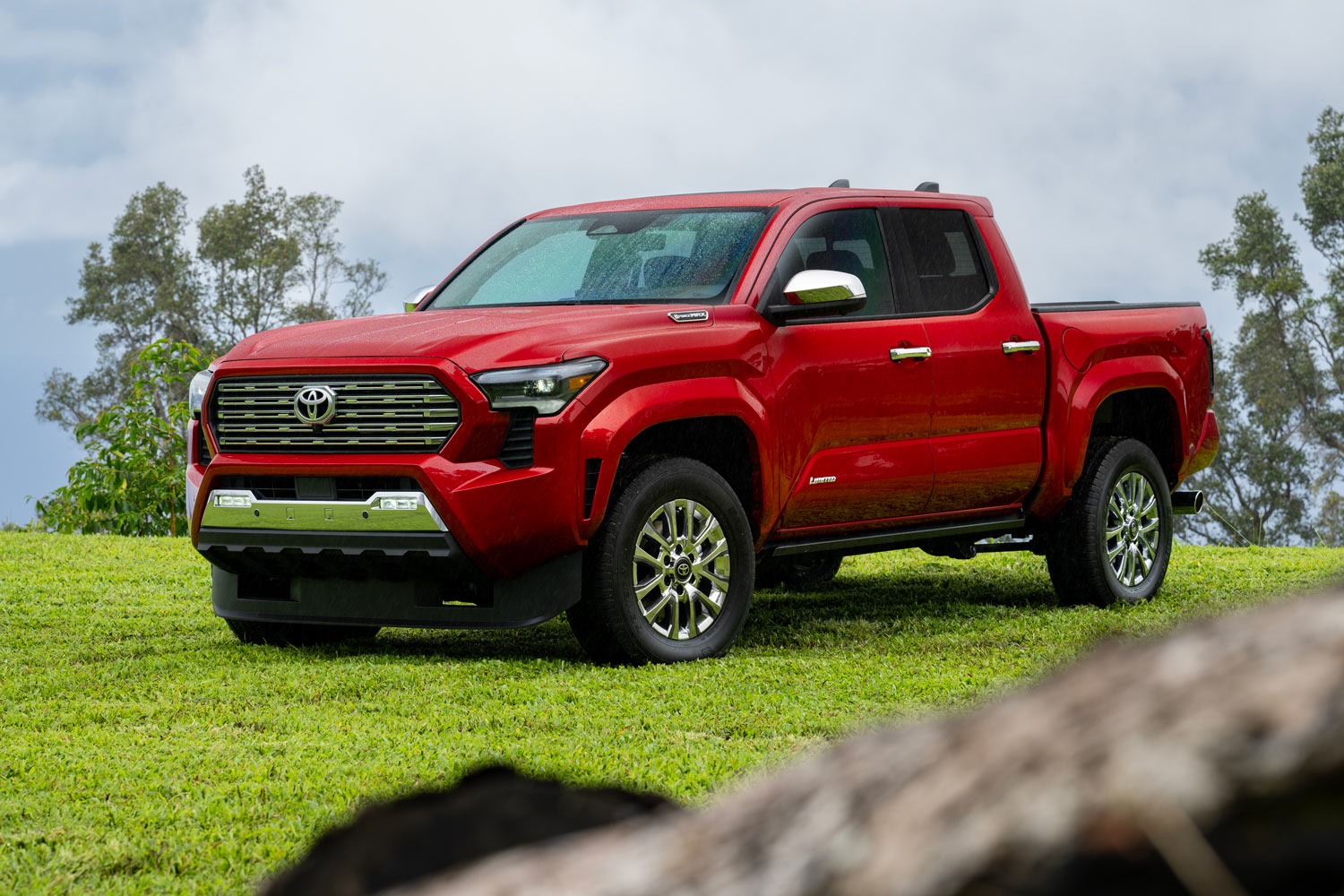
When shopping for a truck, people often focus on power, towing capability, or off-road toughness. Those things matter, but one important feature is often left out of the conversation: how smooth the truck rides on the highway.
Whether you’re commuting to work, hauling gear across states, or simply driving long distances, highway comfort makes a big difference. A rough, choppy ride can wear you down over time, while a truck that glides over pavement can make the miles pass almost unnoticed.
The quality of highway ride depends on several factors: suspension design, chassis tuning, cabin insulation, seat comfort, and even tire choice. Some trucks are built to prioritize comfort, while others are more work-focused and feel it as soon as you hit an uneven surface or expansion joint.
The difference between a smooth highway cruiser and a stiff, jittery hauler can be huge, even within the same price range. It’s not just about size either. Some full-size trucks handle highway driving with grace, while others feel like they’re constantly reminding you of every ripple in the road.
Then there are midsize trucks, some of which offer surprising refinement, while others have a ride more suited to construction sites than cross-country trips. In this article, we’ll look at five trucks that are known for their smooth and composed behavior on highways, based on characteristics like suspension comfort, road noise, and seat ergonomics. These are trucks that make long drives less tiring and daily commuting less of a chore.
On the other side of the spectrum, we’ll also highlight five trucks that don’t fare so well when it comes to highway comfort. These may be excellent in other ways, tough, dependable, capable, but their road manners leave something to be desired. Some of them are geared more toward off-road use, while others prioritize payload and durability over a quiet, soft ride.
The goal here isn’t to dismiss these trucks, but to point out that not every pickup is made with highway comfort in mind. Depending on your priorities, you might be willing to accept a harsher ride, but it’s still good to know what you’re signing up for. Let’s take a look at which trucks make the grade on smooth highway performance, and which ones fall short.
5 Trucks That Stay Smooth on Highways
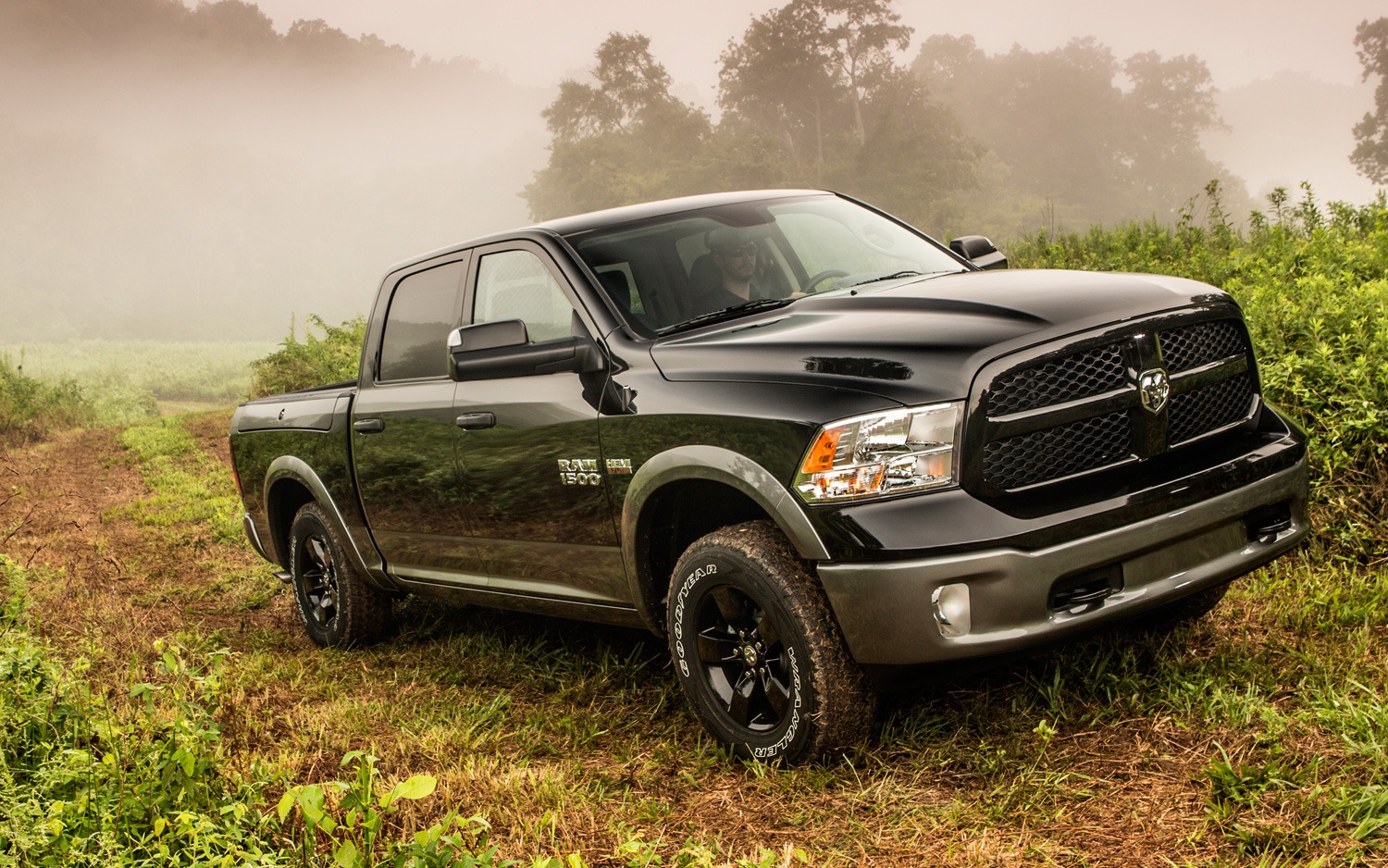
1. Ram 1500 – Smooth and Refined
The Ram 1500 has earned a reputation for being one of the most comfortable full-size trucks on the market, and much of that comes down to its suspension system. Unlike most other trucks in its class, the Ram 1500 uses a coil-spring rear suspension instead of traditional leaf springs.
This seemingly small difference translates into a noticeable improvement in ride quality, particularly on uneven pavement or long highway drives. It soaks up bumps without feeling floaty, and it stays composed even when the bed is empty. For those who want the smoothest possible experience, higher trims offer an available air suspension system that adapts to road conditions and keeps the truck level at all times.
Interior comfort is another reason the Ram 1500 excels on the highway. The seats are wide and supportive, offering multiple adjustment options to fine-tune the driving position. Materials are soft where they need to be, and even lower trims manage to avoid the cheap, plasticky feel that can make long drives uncomfortable.
Road noise is kept to a minimum thanks to good insulation and clever engineering around the cabin. On top of that, the layout of the interior makes it easy to access controls without distraction, which helps reduce driver fatigue over time.
The cabin is also surprisingly quiet at highway speeds. Some of that comes from aerodynamic design, but a lot of it is the result of acoustic glass and active noise cancellation on higher trims.
Whether you’re listening to music, talking on the phone, or just enjoying the silence, the Ram 1500 makes sure you don’t have to raise your voice or deal with constant road roar. This attention to quietness gives it an edge over rivals when it comes to making long trips feel less taxing.
Driving dynamics play a role too. The steering in the Ram 1500 is light but precise, and the truck doesn’t wallow or bounce on undulating roads. It maintains its line through gentle curves without making the driver work too hard. Even with the available V8 under the hood, the power delivery is smooth and predictable, never jerky or twitchy. All of these things add up to make the Ram 1500 a top choice for those who spend serious time on the highway.
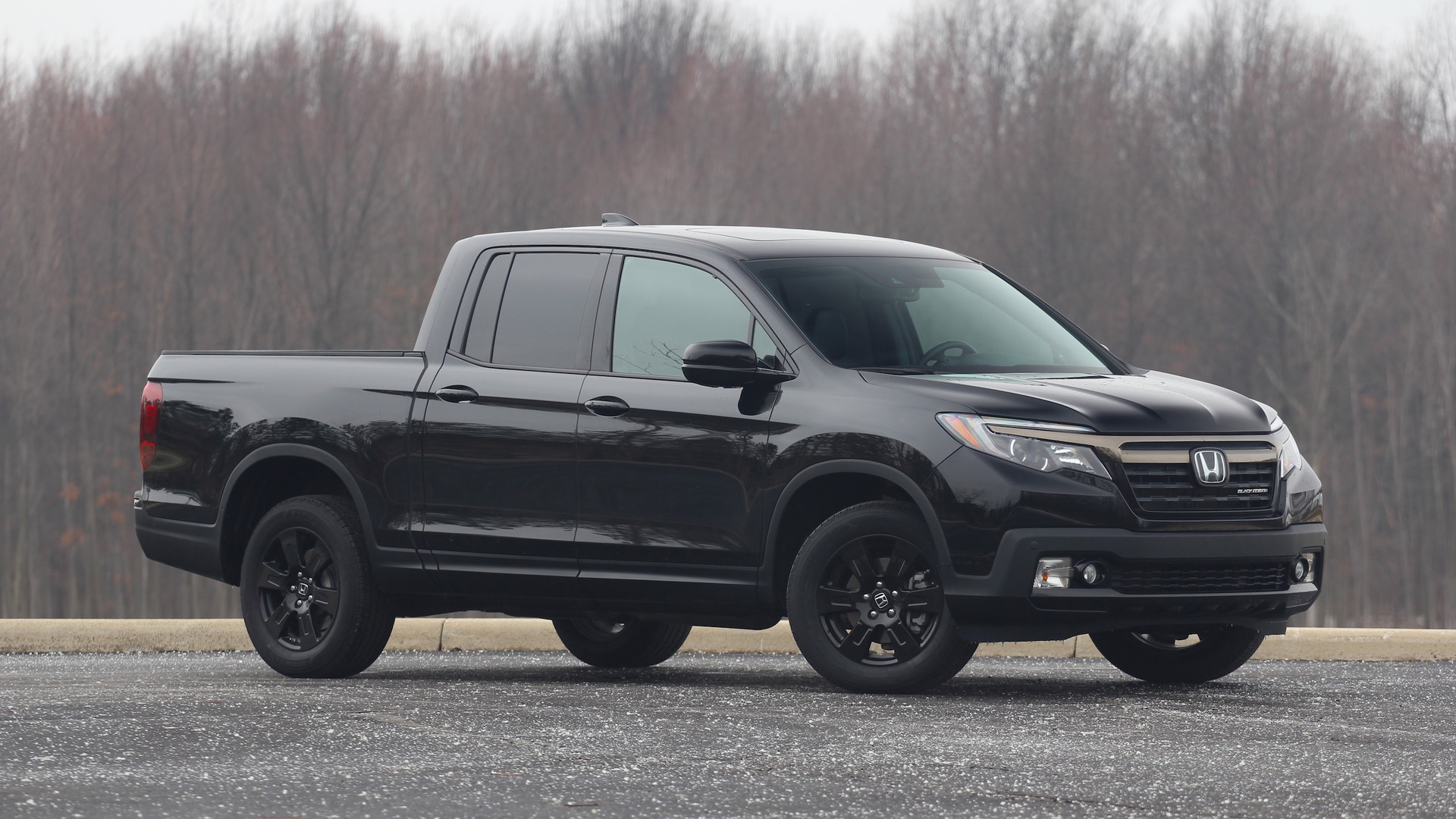
2. Honda Ridgeline – Surprisingly Comfortable
The Honda Ridgeline often gets overlooked in the truck world, partly because it doesn’t follow the typical body-on-frame formula that defines most pickups. Built more like an SUV with a unibody structure, the Ridgeline feels very different on the road. That difference becomes a strength on the highway. Its car-like construction gives it a level of ride comfort and handling precision that traditional trucks struggle to match. It feels more like a crossover behind the wheel than a pickup, which is exactly why it ranks so high in highway refinement.
Suspension tuning is key here. Honda has designed the Ridgeline with a fully independent suspension system, front and rear. This setup handles pavement imperfections with ease. Potholes, cracks, and uneven surfaces don’t shake the cabin or throw the truck off its line. The body stays controlled, and passengers aren’t jostled around over road scars. It’s a more civilized ride than most other midsize trucks can offer, and that’s something that stands out on longer journeys.
Noise levels are also well managed. The cabin is insulated to limit both wind and road noise, and it works effectively. Even at 70 mph, conversations can be held in a normal tone, and engine noise never becomes intrusive. That’s thanks in part to a relatively quiet V6 engine and a smooth-shifting transmission that doesn’t hold gears too long or drone under load. For many buyers, especially those using their trucks as daily drivers or family vehicles, this kind of calm atmosphere makes a big difference.
While it may not win any awards for off-road capability or towing strength compared to traditional pickups, the Ridgeline’s strength lies in its balance and comfort. It’s the kind of truck that feels easy to drive, even in heavy traffic or on long road trips. Steering is direct, braking is responsive, and parking is less of a chore thanks to its smaller footprint. For drivers who want a practical truck without the punishment that often comes with body-on-frame designs, the Ridgeline offers a smart and smooth highway experience.
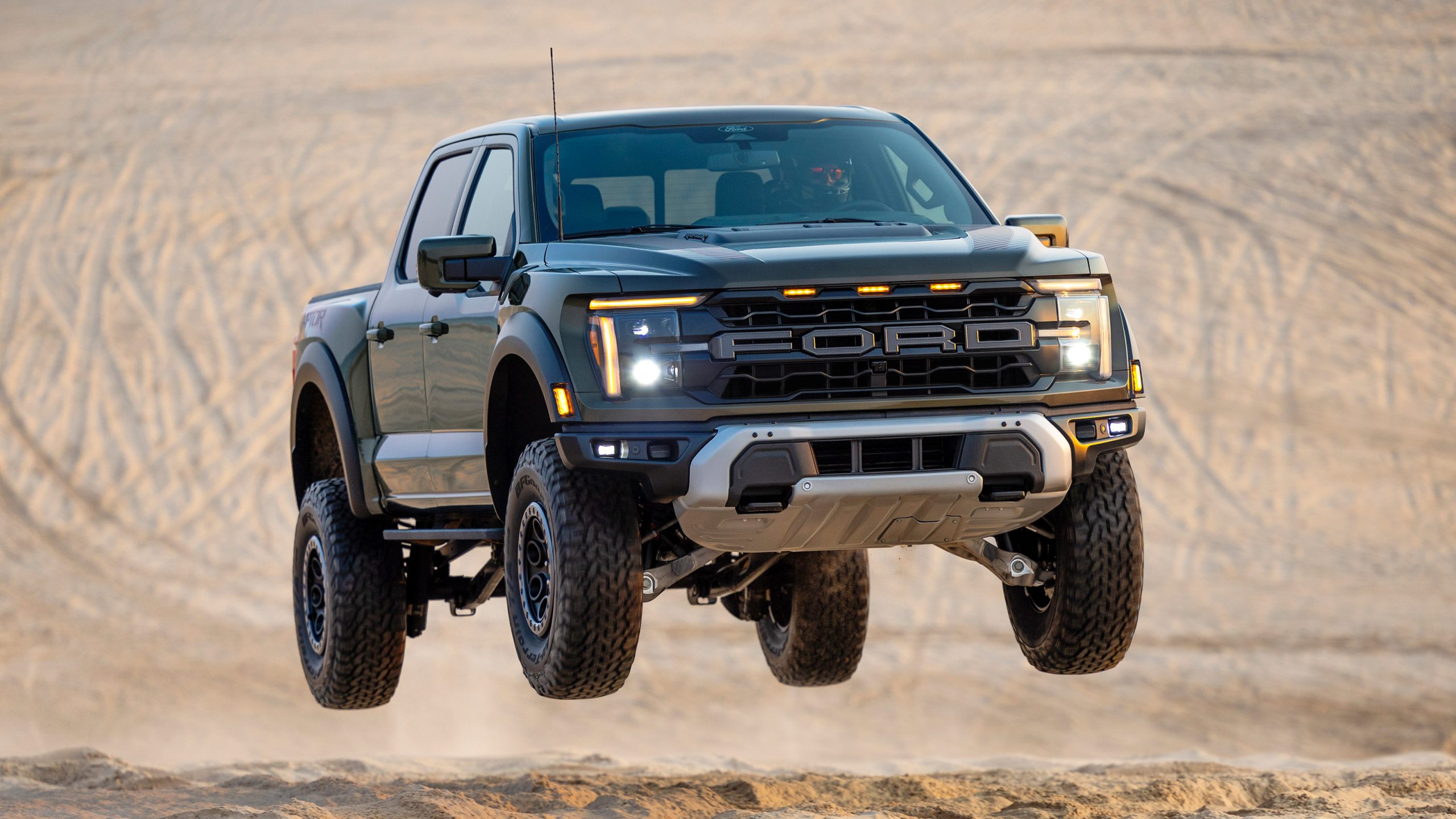
3. Ford F-150 (Newer Generations)
The Ford F-150 has long been a best-seller, and part of that success comes from how well it handles everyday driving. Recent generations, especially those from 2021 onward, have made major strides in ride quality and refinement. While it still uses leaf springs in the rear, the tuning has improved significantly, and the F-150 now rides much smoother than its older versions. The frame is more rigid, which reduces vibrations, and the cab is more isolated from road impacts. On highways, it feels planted and composed, even when unloaded.
One of the strengths of the F-150 lies in its flexibility. With so many trim levels, engines, and suspension packages, drivers can tailor the truck to suit their priorities. Those focused on comfort often go with trims like Lariat, King Ranch, or Platinum, where the suspension tuning is a bit softer and the interior materials are far more premium. These trims come with features like multi-contour seats, noise-reducing technologies, and better tires that help reduce harshness over long drives.
Cabin insulation has improved as well. The F-150 is quieter than ever before, thanks to thicker glass, improved door seals, and better underbody shielding. The sound of the engine is well managed, and even wind noise is kept to a minimum at highway speeds. Higher trims also offer features like adaptive cruise control and lane-keeping assist, which make long highway trips less mentally draining. These are the kinds of details that show Ford’s intent to make the F-150 not just a work truck, but a comfortable daily vehicle.
While the F-150 isn’t as soft as the Ram 1500 in terms of suspension, it closes the gap with its refined handling and improved comfort features. It’s stable when passing large vehicles, doesn’t get blown around by crosswinds easily, and maintains confidence during sudden lane changes. For drivers who want a traditional full-size truck with solid highway manners, the F-150 continues to be one of the most well-rounded options.
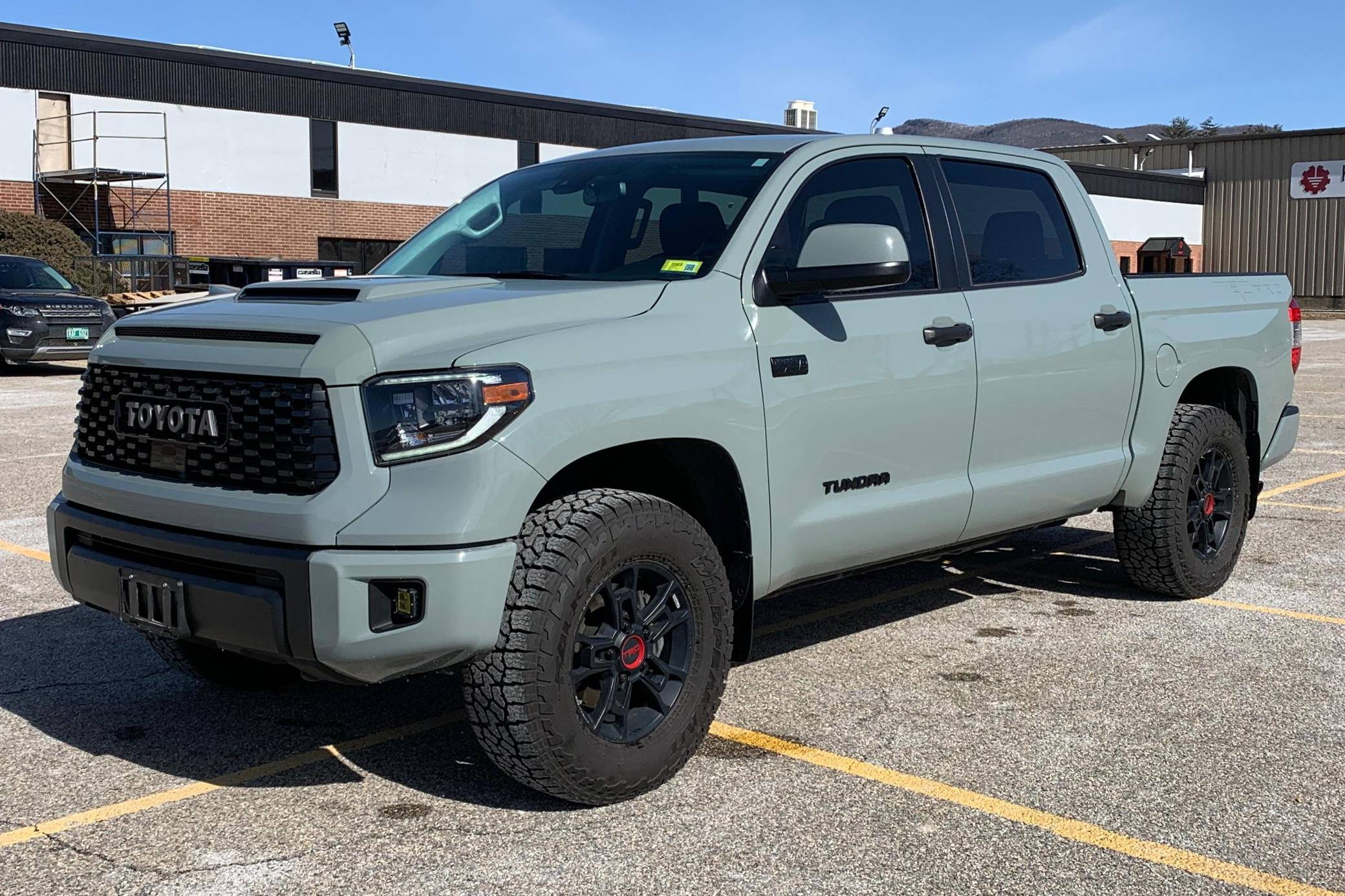
4. Toyota Tundra (2022 and Newer) – A Step Up in Comfort
The Toyota Tundra went through a major redesign in 2022, and one of the most noticeable improvements came in the way it rides. Previous Tundras were known for being sturdy and reliable, but weren’t exactly praised for ride quality. That all changed with the new generation, which moved from leaf springs to a multi-link rear suspension system with coil springs.
This shift made an immediate impact. The new suspension layout offers a far more composed and smoother experience on the highway. Where the older Tundras could feel jittery and harsh over expansion joints or rough patches, the latest model handles them with calm and confidence.
Another key factor in the improved comfort is the attention paid to chassis stiffness and body integrity. The redesigned frame and body use high-strength materials that reduce flex and vibrations.
That’s important because when a truck flexes too much, it allows road imperfections to translate directly into the cabin. Toyota worked to isolate the cabin from that kind of feedback, which in turn creates a more settled highway ride. Whether you’re in city traffic or cruising along for hours, the ride feels more SUV-like than truck-like, which is a big step forward for the Tundra.
Interior upgrades also play a role in the highway experience. The newer Tundra offers a quieter cabin, with better insulation and improved seat support. Toyota finally updated the infotainment system and control layout, making the truck feel more modern and intuitive to use.
This adds to the comfort factor by reducing distractions and helping the driver stay focused on the road. The new seating is more accommodating for long-distance driving, especially in the Limited and Platinum trims, where both materials and design have improved dramatically compared to past versions.
Driving feel has matured as well. Steering is more predictable, and the truck tracks well on straight stretches of road without constant correction. Acceleration is smooth, especially with the twin-turbo V6 engine replacing the older V8.
Power delivery is linear, gear changes are unobtrusive, and the truck doesn’t feel stressed even at higher speeds. These qualities make the new Tundra one of the better trucks for long-distance highway travel, an area where the previous generation used to fall short.
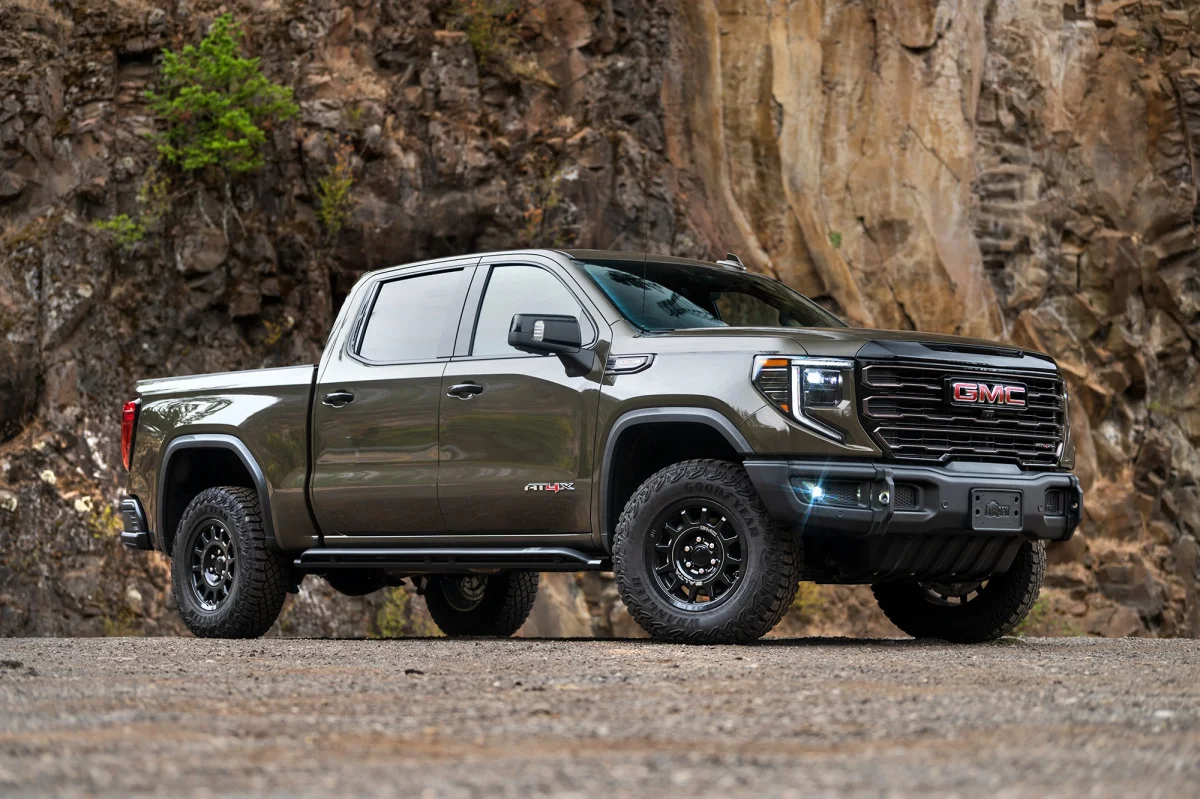
5. GMC Sierra 1500 – Premium Ride When Properly Equipped
The GMC Sierra 1500 shares a lot of mechanical components with the Chevrolet Silverado, but when it comes to comfort, especially on higher trims, it distinguishes itself with premium tuning and refinement. The Denali and AT4X trims in particular come with advanced suspension systems that make highway cruising feel exceptionally smooth.
These versions of the Sierra use adaptive ride control or Multimatic DSSV dampers, depending on the trim, and both are effective at absorbing imperfections in the road without sacrificing control. This makes the Sierra one of the most comfortable options if you choose the right version.
What gives the Sierra an edge in this category is the consistency of its ride over a variety of surfaces. Many trucks can feel smooth on perfect pavement but start to stumble as soon as the road gets bumpy.
With the right suspension package, the Sierra remains level and composed even when the surface gets unpredictable. It doesn’t bounce, it doesn’t jiggle the cabin, and it stays quiet at higher speeds. This is especially noticeable when the truck is not carrying a load in the bed, a situation where many trucks tend to ride harshly.
Interior comfort is another standout area for the Sierra, particularly in the Denali Ultimate trim. The seats are deeply cushioned and offer plenty of adjustment, which helps reduce fatigue over long distances. Road and wind noise are kept in check through better insulation, laminated glass, and a well-designed door seal system.
The layout of controls, the placement of armrests, and the visibility from the cabin all work together to make highway driving less tiring. GMC has clearly made it a priority to offer a luxury-level experience for those who use their trucks for more than just work.
The powertrains available also contribute to the smoothness of the highway ride. The 6.2-liter V8, in particular, delivers strong acceleration with minimal effort, and the 10-speed transmission shifts fluidly under both load and cruise conditions.
Even the smaller engines, like the 3.0-liter Duramax diesel, feel relaxed and refined at highway speeds. For buyers willing to step up to the right trim, the Sierra delivers one of the most polished highway experiences in the full-size truck category.
5 That Don’t
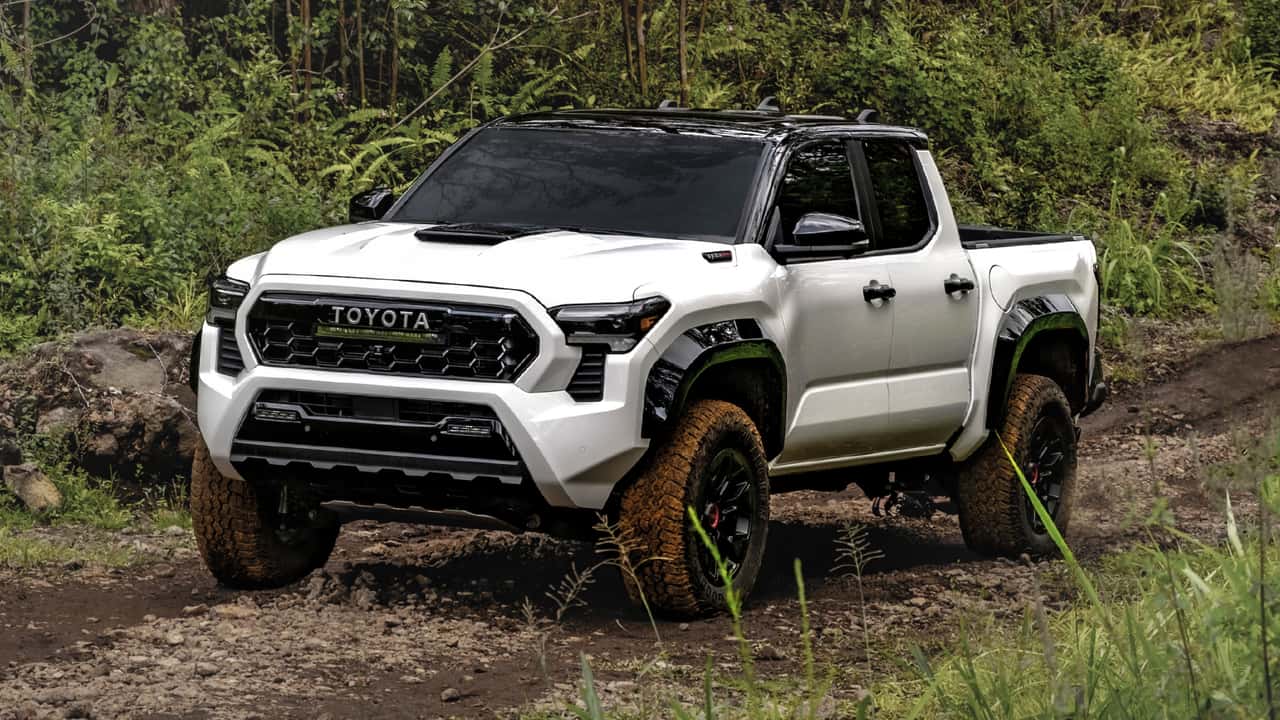
6. Toyota Tacoma – Not a Highway Cruiser
The Toyota Tacoma has long been praised for its off-road capabilities and reliability, but highway comfort is not where it shines. The ride quality, especially in older or lower trims, is stiff and unforgiving on long stretches of pavement. Its leaf-spring rear suspension setup, combined with a relatively short wheelbase, contributes to a bouncy and unsettled feel at higher speeds.
Every bump in the road seems to make its way into the cabin, and even small imperfections can create enough vibration to wear down the driver and passengers over time. For daily commutes or long-distance travel, the Tacoma feels more like a work tool than a relaxed transporter.
One of the biggest issues with the Tacoma’s highway ride is its seating position and interior ergonomics. The seats are low to the floor and the cab is relatively tight compared to other midsize trucks. This leads to an awkward driving posture that becomes uncomfortable over time, especially for taller drivers.
The lack of proper thigh support and limited seat adjustability only make matters worse on long highway drives. Even though Toyota has updated the truck in recent years with more features, the cabin design still feels dated and cramped, which doesn’t help with long-term comfort.
Noise levels also leave much to be desired. Wind and tire noise are prominent once the truck hits highway speeds, and engine noise from the 3.5-liter V6 is more noticeable than it should be. This creates a cabin environment that feels constantly busy, which contributes to driver fatigue.
While newer trims may have some additional insulation, the fundamental design of the truck limits just how quiet and smooth it can be. Drivers often find themselves raising their voice for conversations or turning up the stereo to mask exterior sounds.
In terms of stability, the Tacoma can feel skittish on grooved pavement or during crosswinds. The steering requires frequent corrections to stay centered in the lane, and the suspension does little to smooth out rough patches. These aren’t major issues on short trips or city driving, but over time they add up.
While the Tacoma is a solid choice for trails, job sites, and general dependability, its highway performance falls behind its competitors. Those who prioritize ride comfort and smoothness will likely find better options elsewhere in the segment.
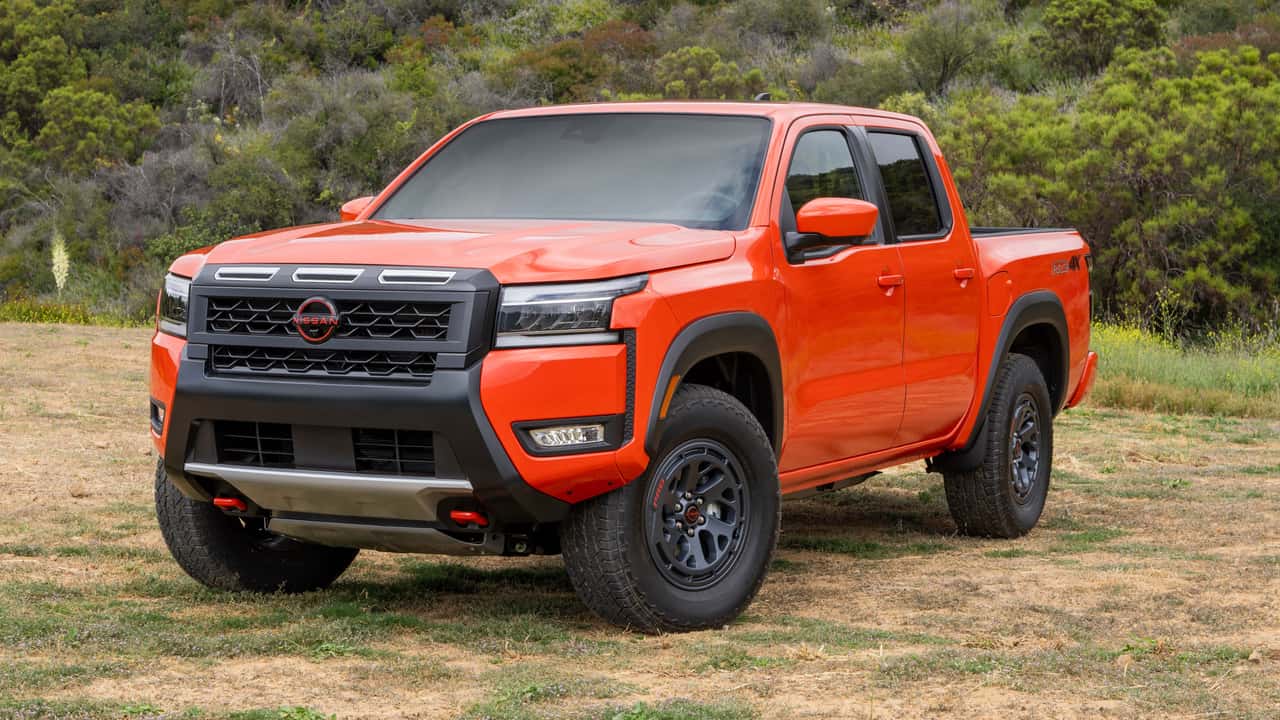
7. Nissan Frontier – Rougher Than It Looks
The redesigned Nissan Frontier may have updated styling and better technology than its predecessor, but it still struggles with ride quality on the highway. Despite improvements in the chassis and suspension, the truck retains a firm and often jarring feel when driving over uneven pavement.
The leaf-spring rear setup, although improved, still results in a choppy ride when the bed is unloaded. Unlike some of its competitors that have moved to coil springs or more refined suspension tuning, the Frontier feels like it’s still tuned more for durability than day-to-day comfort.
While the cabin itself looks more modern than the previous version, it doesn’t do enough to isolate road imperfections from passengers. The seats are firmer than expected, and they offer limited cushioning on long drives.
That may work for short hauls or daily errands, but for extended highway trips, the stiffness becomes noticeable. There’s also minimal bolstering or contouring in the seating, so drivers often need to shift their position to stay comfortable. In terms of seating comfort and support, the Frontier falls behind its more comfort-focused rivals.
Another area where the Frontier doesn’t shine is in cabin noise. Road and wind noise are both noticeable at higher speeds, particularly on older or rougher pavement. The truck’s engine, while powerful, can get loud when accelerating or climbing hills, and that noise filters into the cabin more than it should.
Nissan has added some sound insulation, but it hasn’t been enough to bring the Frontier up to par with others in its class. This creates a driving environment that lacks the calmness many expect when cruising on the highway.
Driving dynamics also hold the truck back. Steering can feel vague at times, especially when making subtle corrections at high speeds. The truck tends to feel nervous on rough pavement, and the suspension tends to rebound too harshly after hitting a bump.
While the Frontier has its strengths in toughness and off-road performance, its road manners aren’t as well developed. For drivers who prioritize comfort and smoothness, especially on highways and long trips, the Frontier may not meet expectations.
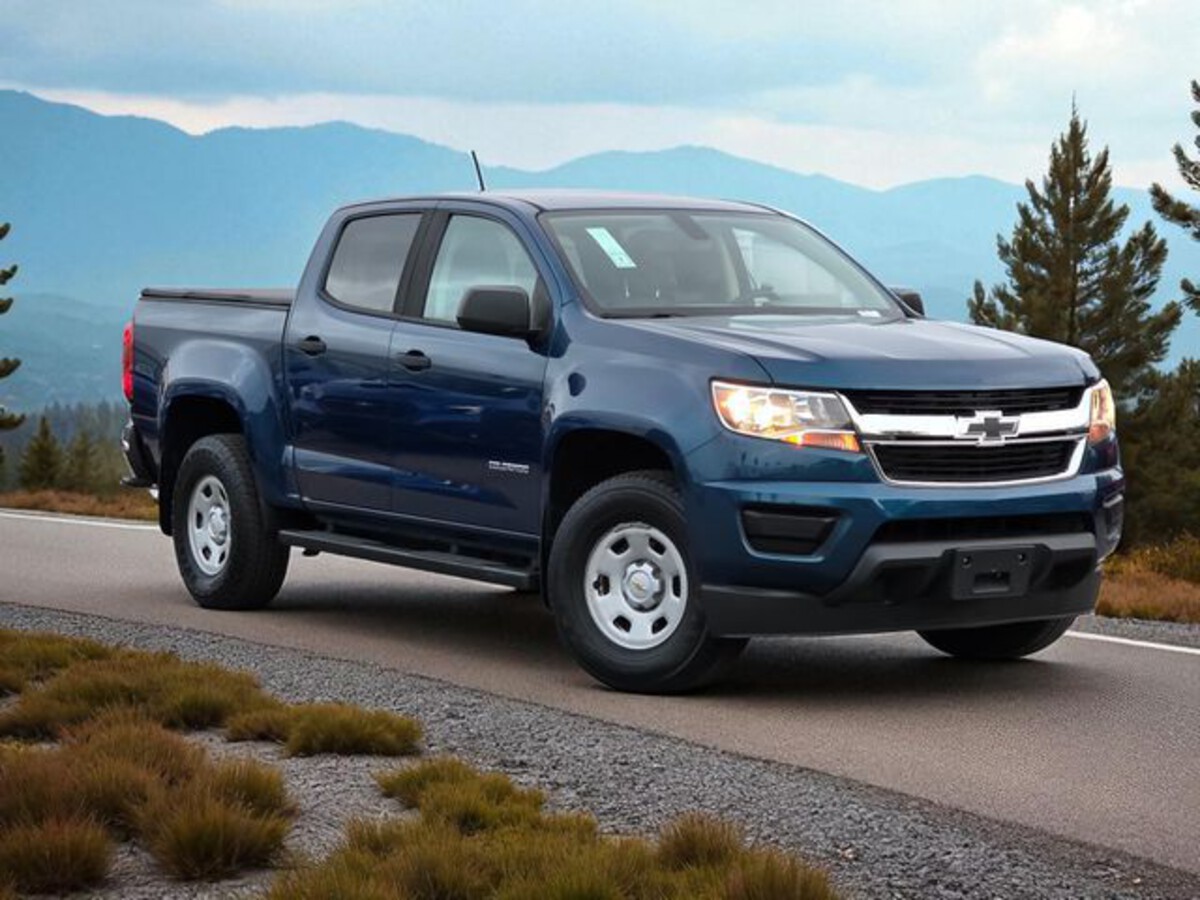
8. Chevrolet Colorado (Pre-2023 Models) – Rugged But Stiff
The Chevrolet Colorado, particularly in its models prior to the 2023 redesign, has a reputation for being capable in tough conditions, but that doesn’t extend to highway refinement. It’s a truck that favors utility and toughness over comfort.
The suspension, while competent off-road, is tuned more for durability and payload than comfort, and that shows once you hit the highway. The ride tends to be stiff, and the truck doesn’t settle well over uneven pavement. Expansion joints, bridge seams, and potholes are all too noticeable from behind the wheel, and the result is a truck that feels constantly busy beneath you.
Cabin comfort suffers from the same utilitarian design. While the seats are functional, they aren’t particularly supportive or plush. On longer drives, especially on rough highways, drivers may find themselves shifting around to stay comfortable.
The lack of thigh support, flat seat cushions, and minimal lumbar adjustment all contribute to a feeling of fatigue on extended road trips. The interior design also prioritizes hard plastics and simple finishes, which don’t do much to help absorb vibration or reduce fatigue either. The Colorado gets the job done, but it doesn’t go out of its way to keep passengers comfortable while doing it.
Road noise is another concern. Tire and wind noise begin to build once you hit around 60 mph, and from there, the cabin gets louder as speed increases. It’s not unbearable, but compared to more refined midsize or even full-size trucks, the difference is obvious.
Conversations require more effort, and long drives can become more mentally draining simply due to the constant drone from the road. Some trims perform slightly better in this regard, but across the board, highway refinement just isn’t a standout strength for the Colorado.
Steering and handling also contribute to a less-than-ideal highway experience. The truck tends to wander a bit in its lane on older pavement, requiring frequent small corrections from the driver. While it remains stable enough at speed, there’s a general feeling of restlessness that makes it hard to relax on long trips. Combined with its choppy ride and average seating comfort, the pre-2023 Colorado feels more like a rugged tool for weekend work than a comfortable everyday cruiser.
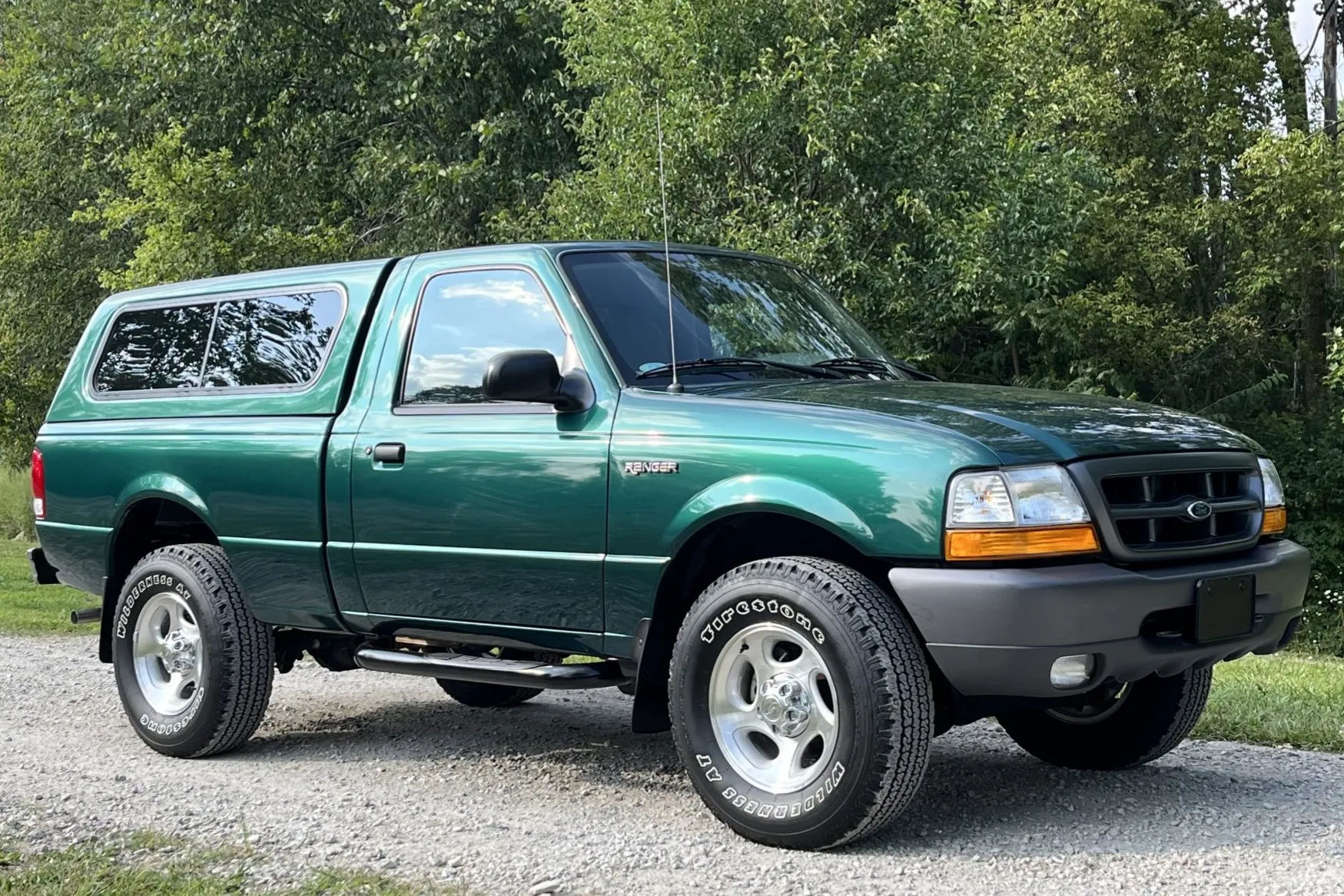
9. Ford Ranger (Current Generation) – Built for Work, Not Comfort
The Ford Ranger, in its current generation, offers a solid platform for towing, hauling, and moderate off-roading, but highway smoothness isn’t one of its key strengths. Built with a stiff chassis and a suspension tuned for payloads, the Ranger feels rough and jittery when the bed is empty.
While it’s designed to perform well under load, most drivers will experience the truck in its unloaded state for commuting or road trips, and that’s where the comfort shortcomings become clear. It responds harshly to broken pavement, sending vibrations through the frame and into the cabin more often than many of its competitors.
Inside the cabin, the Ranger feels more like a work vehicle than a refined daily driver. While the materials are acceptable for the class, they don’t do much to soften the driving experience. The seats are fairly upright and firm, with limited adjustability, especially in lower trims.
There’s also a lack of thoughtful ergonomic touches that make long highway drives more bearable. Combined with its stiff ride, the seating and cabin layout don’t lend themselves well to relaxed, extended highway use. For drivers using it as a second vehicle or occasional hauler, that may not matter, but for primary vehicle use, it’s a different story.
Noise is another weak spot. Even with modern design updates, the Ranger struggles to keep wind and tire noise out of the cabin. The sound of the turbocharged 2.3-liter engine is ever-present during acceleration and doesn’t completely settle down at cruising speeds.
While not obnoxious, it does contribute to a more tiring driving environment. In comparison to trucks that offer better insulation and powertrain tuning, the Ranger feels more old-school in the worst ways: louder, rougher, and less refined.
While it offers confident handling in city driving and decent performance under load, the Ranger doesn’t deliver the kind of highway ride that most modern drivers expect from a vehicle in this segment.
It’s not just about comfort either; it’s about the sense of ease and stability that makes long drives feel effortless. In the Ranger, even short highway trips can feel a bit more demanding, and that’s an area where it trails behind competitors that have put more emphasis on daily usability and passenger comfort.
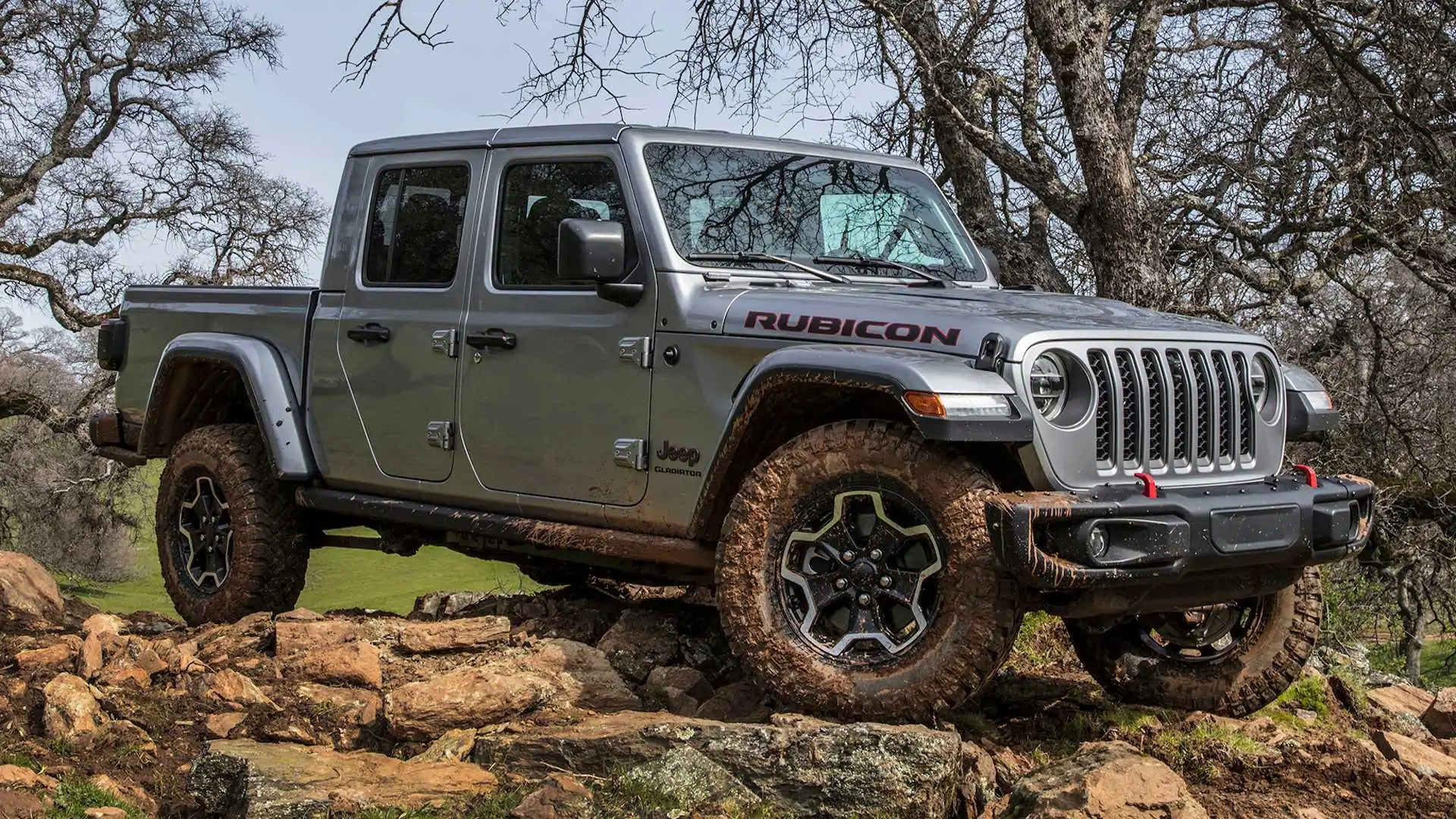
10. Jeep Gladiator – Trail King, Pavement Pauper
The Jeep Gladiator stands out in the truck market for its unique combination of off-road ability and open-air driving experience, but highway smoothness is simply not part of its identity. Based heavily on the Wrangler platform, the Gladiator inherits many of its quirks, including a suspension system and chassis setup that favor ruggedness over refinement.
While that makes it a blast on trails, it becomes a disadvantage on the highway. The ride is bouncy, with a tendency to hop over road imperfections rather than absorb them. On poorly maintained stretches of road, the Gladiator can feel unsettled and even slightly unstable at higher speeds.
The cabin experience doesn’t do much to mask the truck’s rugged nature. Despite recent improvements in materials and technology, the Gladiator still feels utilitarian inside. Seating is upright, and while there’s some cushioning, the seats lack the contouring and thigh support needed for long-distance driving comfort.
Add to that the truck’s boxy shape, which contributes to wind noise, and the result is a driving environment that feels noisy and stiff on the highway. Conversations become more strained at higher speeds, and even entertainment systems struggle to compensate for the noise level in the cabin.
Wind buffeting is another problem, especially with the removable top options. While this adds to the fun and versatility of the truck off-road or in town, it works against the goal of relaxed highway cruising.
The tall stance and upright windshield create more aerodynamic drag, which not only increases noise but also affects fuel economy and stability. Crosswinds push the truck around more than they would in a lower-profile pickup, and the steering requires regular input to keep the vehicle centered in its lane.
Despite these flaws, the Gladiator still has a loyal fanbase, and for good reason, it’s one of the most capable trucks you can buy for serious off-roading. But for drivers who spend the majority of their time on pavement, particularly at highway speeds, the compromises become harder to justify.
It’s a truck built for adventure, not for hours of smooth highway travel, and the ride quality reflects that. For highway-focused buyers, there are simply better options in terms of comfort, stability, and quietness.
