
The electric vehicle market has grown rapidly over the past decade, shifting from niche curiosity to mainstream transportation. As governments set stricter emissions regulations and automakers invest heavily in electrification, buyers are increasingly interested in battery-powered cars.
While many early EVs were primarily judged by range and charging time, today’s buyers also think about long-term ownership costs. One of the most important factors in that equation is resale value.
Just like with gasoline cars, not all EVs hold their value equally. Some models manage to retain a strong percentage of their original price even years after purchase, while others see a sharp drop almost immediately after leaving the lot.
Understanding which electric vehicles hold their value can save buyers thousands of dollars. Resale value is shaped by several key elements: brand reputation, battery longevity, build quality, demand, and perception in the used vehicle market.
For example, cars that offer superior real-world range, consistent over-the-air updates, and strong consumer trust tend to perform better in resale rankings. On the other hand, EVs with software bugs, poor reliability records, low demand, or design misfires often depreciate quickly, making them a poor investment if resale matters to the buyer.
The gap between strong performers and poor ones is wider in the EV market than in the traditional gas-powered segment. That’s because the EV world is still new to many consumers, and used EV buyers tend to be cautious.
They want reassurance that the battery will still function well, that the car won’t be obsolete in two years, and that charging support is accessible. This caution means that EVs with a strong track record and active support from manufacturers perform better in resale markets.
This article will break down five electric vehicles that maintain excellent resale value and compare them with five that depreciate rapidly. For potential EV buyers who plan to sell or trade in within a few years, this information is especially valuable.
Whether you’re a first-time electric buyer or looking to upgrade, knowing which EVs tend to retain their worth can help make a smarter financial decision.
5 EVs That Rarely Lose Resale Value
1. Tesla Model Y
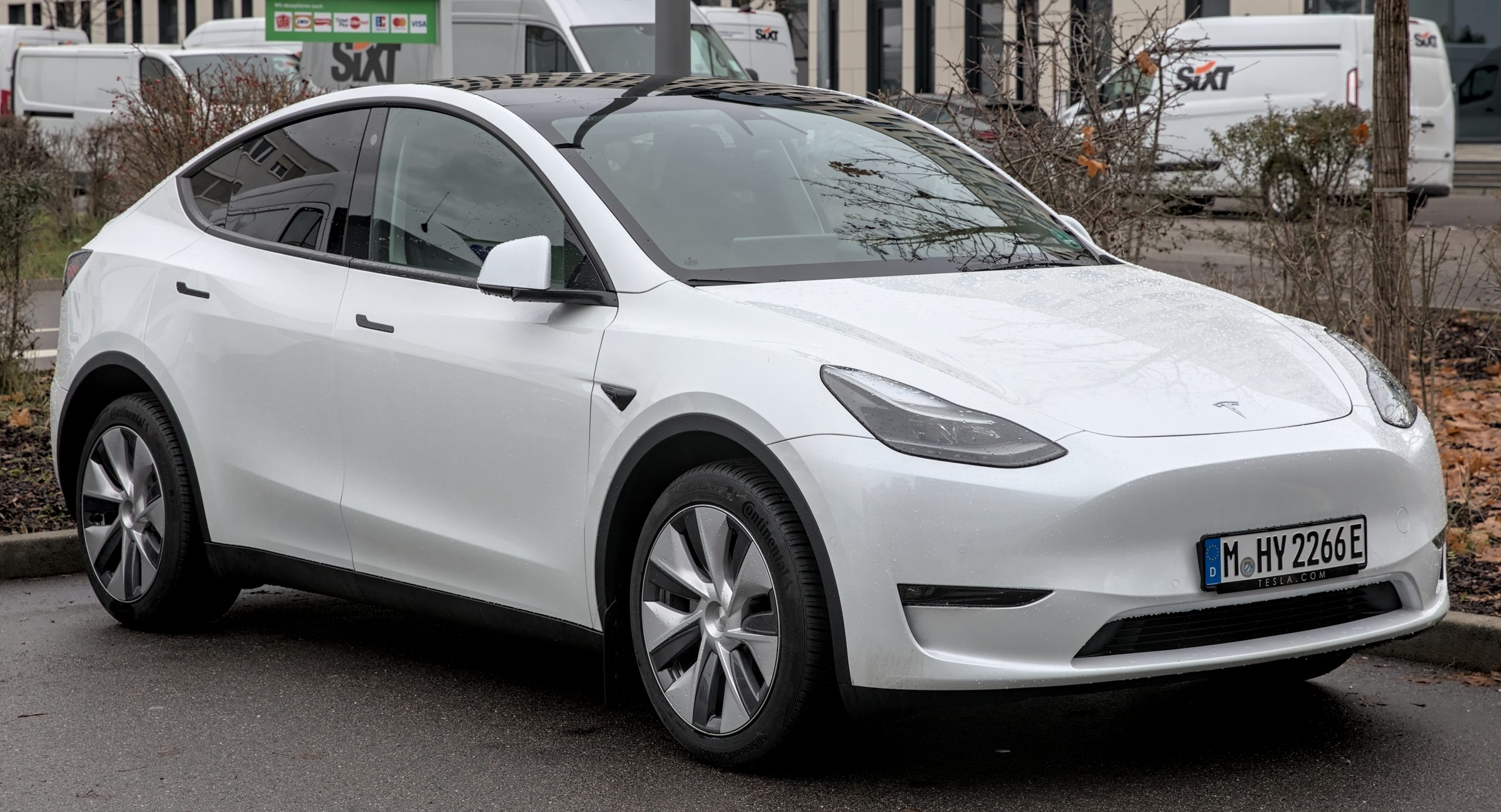
The Tesla Model Y has emerged as a true game-changer in the electric vehicle market, quickly becoming one of the best-selling EVs globally. It combines many qualities buyers look for in an electric crossover, such as impressive range, practical space, and the highly regarded Tesla ecosystem.
The vehicle’s blend of utility and innovation has made it highly desirable in both new and used markets. Unlike many EVs that face steep depreciation due to rapid technological changes, the Model Y’s resale value remains strong largely because of the sustained demand and Tesla’s reputation for industry-leading technology.
When looking at the Model Y’s performance, it’s clear why it stands out. The dual-motor all-wheel-drive setup provides instant torque and impressive acceleration, with some versions hitting 60 mph in less than four seconds. This quickness, paired with excellent handling characteristics and a smooth ride, creates an engaging driving experience.
Beyond raw speed, Tesla’s commitment to range is equally important: the Model Y offers over 300 miles of driving on a single charge in certain configurations, a key metric for buyers who want peace of mind on longer journeys. This combination of performance and range ensures the Model Y appeals to a broad audience, from everyday commuters to performance enthusiasts.
Tesla’s approach to software updates further differentiates the Model Y from competitors and helps preserve its resale value. Unlike most automakers that require visits to dealerships for upgrades or fixes, Tesla vehicles receive over-the-air updates that can improve battery efficiency, enhance autopilot features, and even add new entertainment options.
This ongoing software support means a Model Y purchased two or three years ago can remain current and competitive against newer EVs, reducing the urge for owners to trade in quickly and increasing the car’s desirability on the second-hand market. Additionally, Tesla’s Autopilot and full self-driving capabilities continue to improve, offering used buyers a futuristic edge.
Finally, demand dynamics and the strength of Tesla’s charging network reinforce the Model Y’s value retention. The company’s extensive Supercharger network allows for convenient long-distance travel, an advantage not easily replicated by competitors.
Long wait times for new deliveries also increase demand for used Model Ys, which keeps resale prices high. Tesla’s strong brand loyalty and positive consumer perception ensure the Model Y remains an attractive option on the used market.
As new competitors emerge, Tesla’s ability to maintain this ecosystem and deliver a unique ownership experience continues to support its vehicles’ resale strength.
2. Porsche Taycan
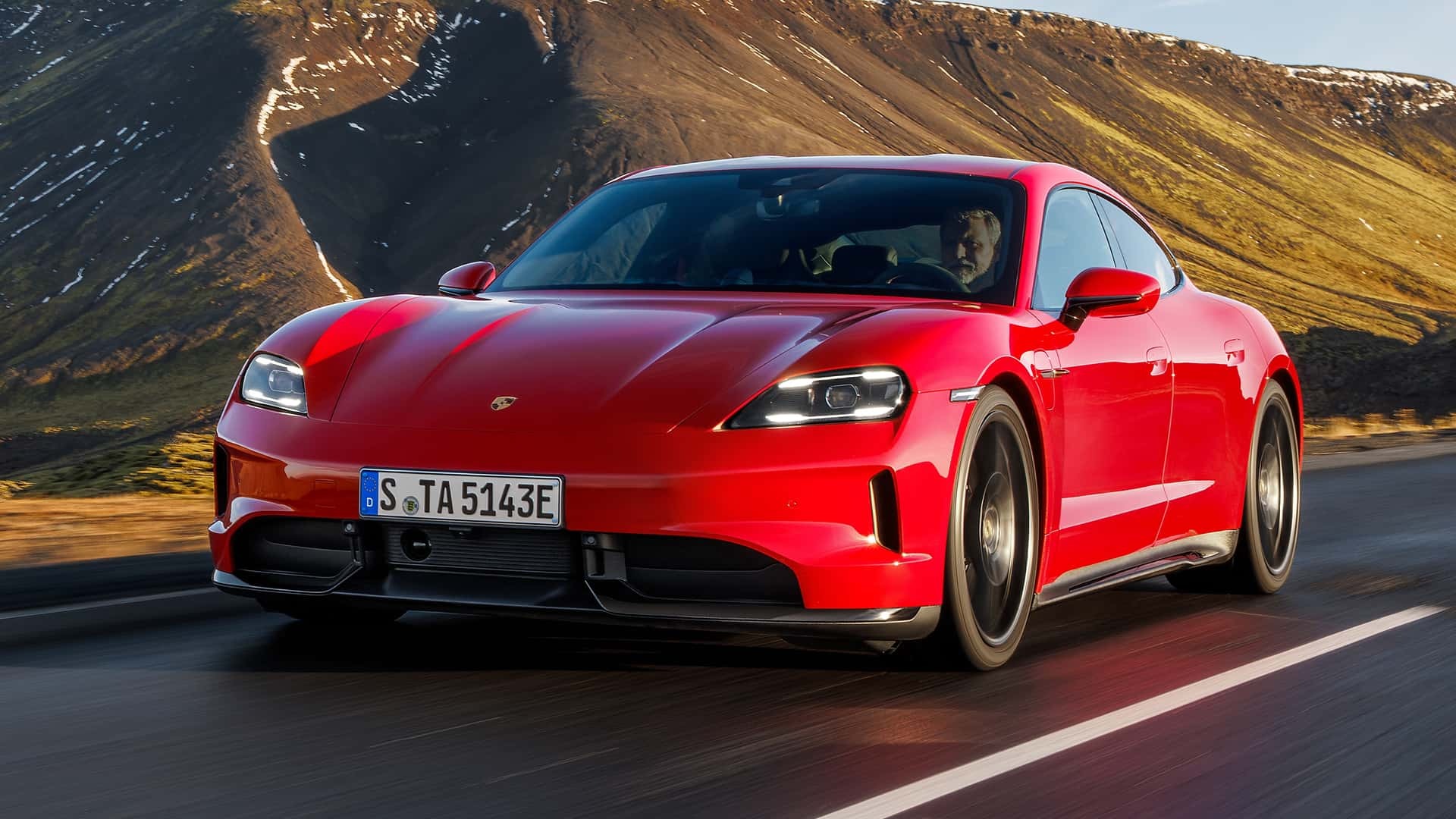
The Porsche Taycan represents a significant step forward for electric vehicles in the luxury sports car market. Its introduction helped establish that EVs can be thrilling, luxurious, and highly refined.
The Taycan’s strong resale value stems from its combination of Porsche’s prestigious brand reputation and its genuine sports car performance, attracting buyers who want an electric vehicle that feels authentic to the marque’s heritage.
Unlike many luxury EVs that depreciate quickly due to fast-moving technology or lack of brand loyalty, the Taycan has managed to hold value by appealing to traditional Porsche enthusiasts and new buyers alike.
Performance is one of the Taycan’s defining attributes. It offers multiple powertrain options, including the Turbo and Turbo S versions that deliver jaw-dropping acceleration and sharp handling. The Taycan’s low center of gravity, achieved through its battery placement, enhances stability and responsiveness, making it one of the most engaging EVs to drive.
The 800-volt electrical architecture enables ultra-fast charging, a feature that not only benefits new owners but also keeps the vehicle competitive in the resale market. This combination of speed, handling, and charging capability reassures used buyers that they are investing in a future-proof high-performance vehicle.
The interior of the Taycan further justifies its high resale value. Porsche’s attention to detail is evident in the quality of materials, the sophisticated infotainment system, and the driver-focused cockpit design. Unlike many EVs that sacrifice luxury for technology, the Taycan blends both seamlessly, making it feel more like a traditional luxury sports car than a tech gadget.
This interior sophistication attracts buyers looking for comfort and style, boosting demand in the used car market. Porsche’s reputation for durability and engineering excellence also adds confidence for buyers concerned about long-term reliability.
Additionally, the Taycan benefits from its relatively limited production volume, which maintains exclusivity and demand. While mass-market EVs often suffer from supply gluts that push prices down, the Taycan’s niche positioning means fewer used units compete against each other.
Its prestige and strong dealer support help maintain resale prices as well. Buyers looking for an electric sports car with luxury credentials often turn to the Taycan, viewing it as a worthy investment. This perception makes it a solid choice for those who want an EV that retains value better than many other premium electric vehicles.
3. Tesla Model 3
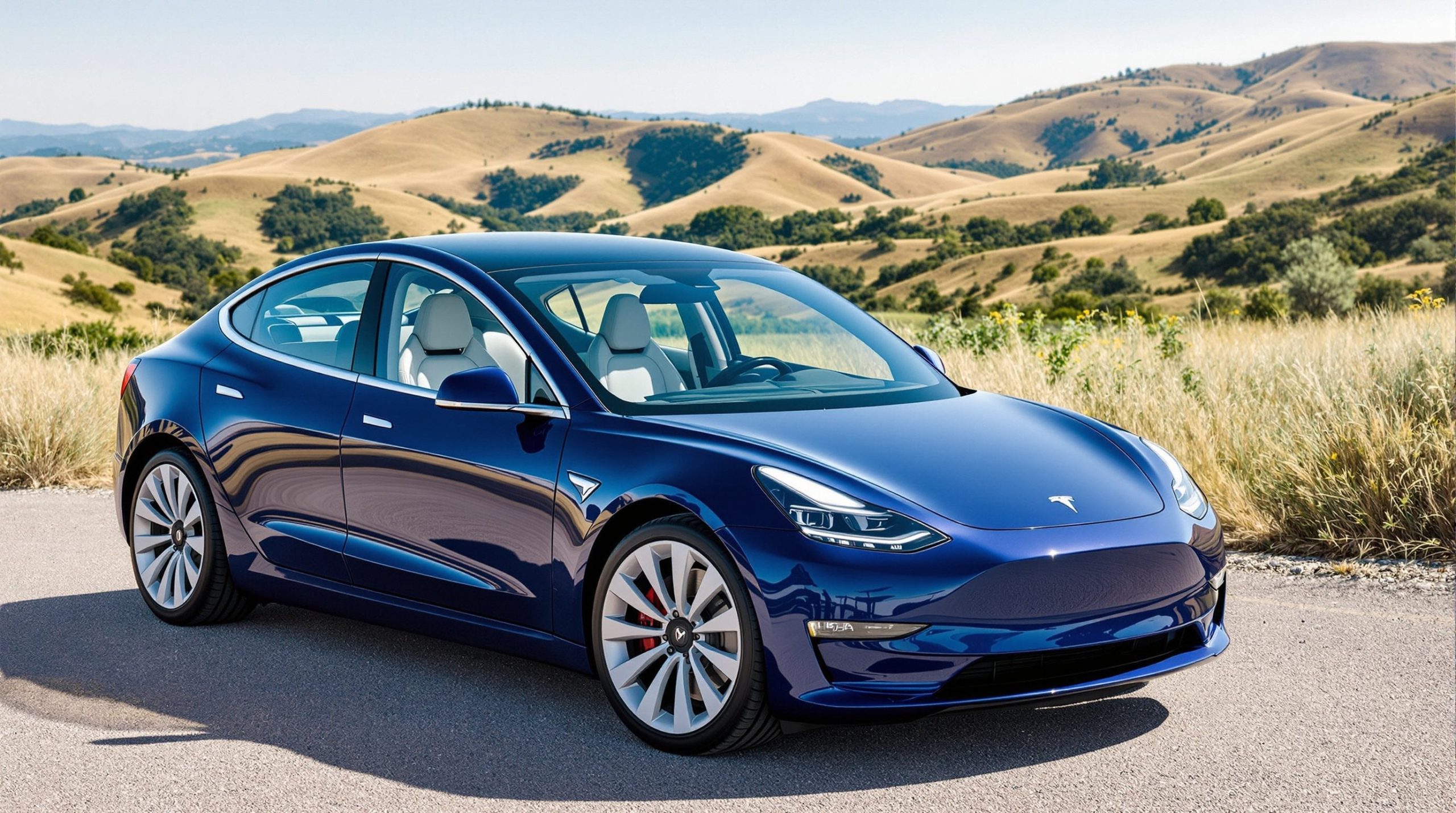
The Tesla Model 3 has revolutionized the electric car market by offering a combination of affordability, performance, and technology that few competitors have matched. Since its launch, it quickly became Tesla’s most popular model and one of the best-selling electric cars globally.
The Model 3’s resale value remains strong due to its widespread appeal, continual software improvements, and a growing base of loyal owners. Buyers see it as a practical yet high-tech vehicle that maintains relevance over time, contributing to its sustained market value.
Performance-wise, the Model 3 caters to a wide variety of buyers by offering several trims. The Standard Range Plus is an affordable entry point, while the Long Range and Performance models deliver enhanced acceleration and greater driving distance.
This flexibility allows buyers to select a version that matches their needs without sacrificing Tesla’s hallmark instant torque and engaging handling. The Model 3’s competitive range, often exceeding 250 miles in many trims, means it remains practical for daily driving and road trips, two important considerations for resale value.
Tesla’s minimalist interior design, centered around a large touchscreen that controls nearly all vehicle functions, has become a signature element of the Model 3. Although some critics say it feels sparse, many users appreciate the clean look and the constant updates that add new features and improve usability.
These software updates, delivered remotely, keep the Model 3 fresh and competitive for years, unlike traditional vehicles that often feel outdated after a short period. This ongoing enhancement cycle encourages longer ownership and maintains strong demand in the used market.
The Model 3 also benefits from the widespread availability of Tesla service centers and the extensive Supercharger network, making ownership convenient and reassuring for buyers. Its proven battery longevity and relatively low maintenance costs add to the appeal.
These factors combine to support strong resale values, even as more EV models enter the market. The Model 3’s status as an industry benchmark continues to drive demand for used examples, helping it retain value where many other electric vehicles experience steep depreciation.
4. Ford Mustang Mach-E
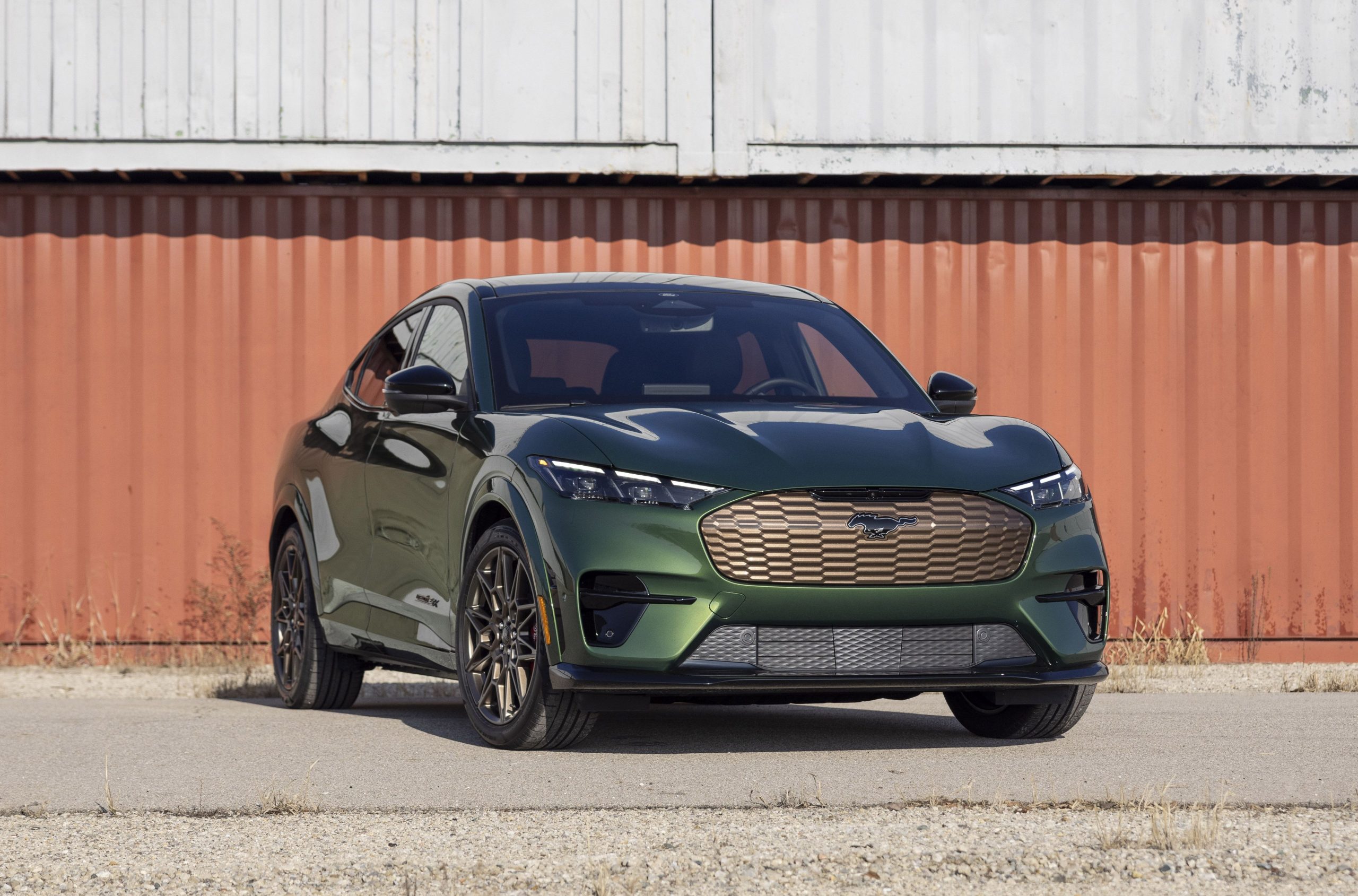
The Ford Mustang Mach-E marked an important milestone for the Mustang brand and Ford’s entry into the electric SUV market. By leveraging the Mustang nameplate, Ford captured attention and interest from both traditional muscle car fans and new EV buyers.
The Mach-E’s balanced mix of performance, range, and everyday usability has helped it maintain a surprisingly strong resale value relative to many other non-Tesla EVs. Its success lies in its ability to appeal to a broad market segment, from commuters to enthusiasts, while offering familiar branding with modern electric technology.
In terms of driving experience, the Mach-E offers multiple battery and drivetrain configurations, catering to different needs. Whether it’s the standard rear-wheel-drive version with a practical range or the high-performance GT model with impressive acceleration, the Mach-E delivers engaging driving dynamics and a comfortable ride.
Its electric powertrain produces instant torque, making the SUV feel responsive and fun. The range, often exceeding 250 miles in many versions, meets the expectations of most buyers for both city and highway driving, further increasing its desirability.
The Mach-E’s interior design strikes a balance between modern tech and user-friendly controls. The vertical touchscreen is intuitive, and the system supports updates that add features or improve functionality over time.
While the cabin materials may not rival the highest-end luxury EVs, they are generally of good quality, and the vehicle offers plenty of space for passengers and cargo. This practicality makes the Mach-E appealing to families and daily drivers, broadening its appeal in the used market.
Ford’s strong dealer network and ongoing commitment to the Mach-E provide additional confidence for buyers. Service and repairs are accessible, and Ford continues to expand charging partnerships, making ownership easier.
The Mustang branding adds an emotional connection that many other EVs lack, enhancing buyer interest and resale value. As a result, the Mach-E resists the rapid depreciation seen in many electric vehicles, maintaining stable prices and strong demand in the resale market.
5. Rivian R1T
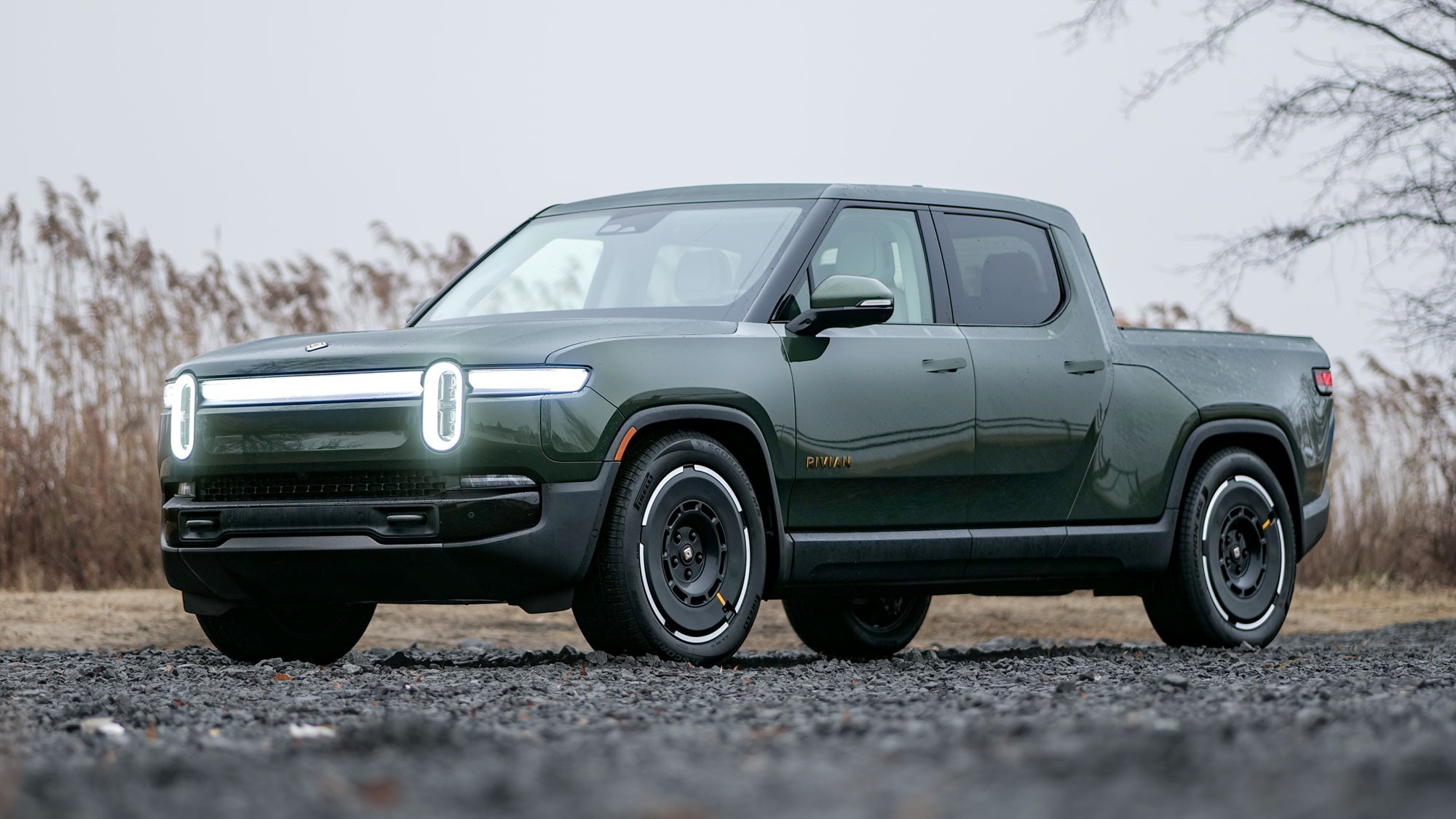
The Rivian R1T represents one of the most exciting entries in the electric vehicle market due to its blend of rugged capability and cutting-edge technology. As one of the first all-electric pickup trucks available to consumers, the R1T appeals to a growing audience interested in sustainable yet versatile vehicles.
Its resale value benefits from being an early mover in the electric truck segment, as well as from its combination of off-road performance, luxury features, and tech-savvy design. For buyers who want something both practical and unique, the R1T stands out as a solid investment.
Performance is a key selling point for the Rivian R1T. It utilizes a quad-motor setup that independently powers each wheel, allowing for exceptional traction and control on all terrains. The truck can accelerate swiftly and tow significant loads, making it a capable workhorse for a variety of tasks.
The battery pack typically provides around 300 miles of range, which balances daily usability with the power demands of a full-size truck. This performance profile reassures buyers that the R1T is not just a niche vehicle but one capable of replacing traditional pickups in many scenarios.
Inside, the Rivian R1T emphasizes a combination of durability and comfort. High-quality materials, ample storage solutions, and a modern infotainment system make the cabin both functional and inviting.
The design reflects Rivian’s focus on outdoor lifestyles, with thoughtful touches like washable surfaces and easy access compartments. These interior qualities attract buyers who want an EV that fits both urban and adventure use cases, helping maintain interest in the used market.
Rivian’s status as an innovative startup and its commitment to software updates contribute to the R1T’s appeal. The company has built a community of enthusiastic owners and has plans to expand charging infrastructure, both of which support resale values. Limited production numbers mean fewer used R1Ts compete for buyers, maintaining price levels.
As the electric pickup market evolves, the Rivian R1T remains one of the few electric trucks with strong brand recognition and performance credentials, helping it hold onto value better than many other newer EVs.
5 EVs That Plummet in Resale Value
1. Nissan Leaf (Early Models)
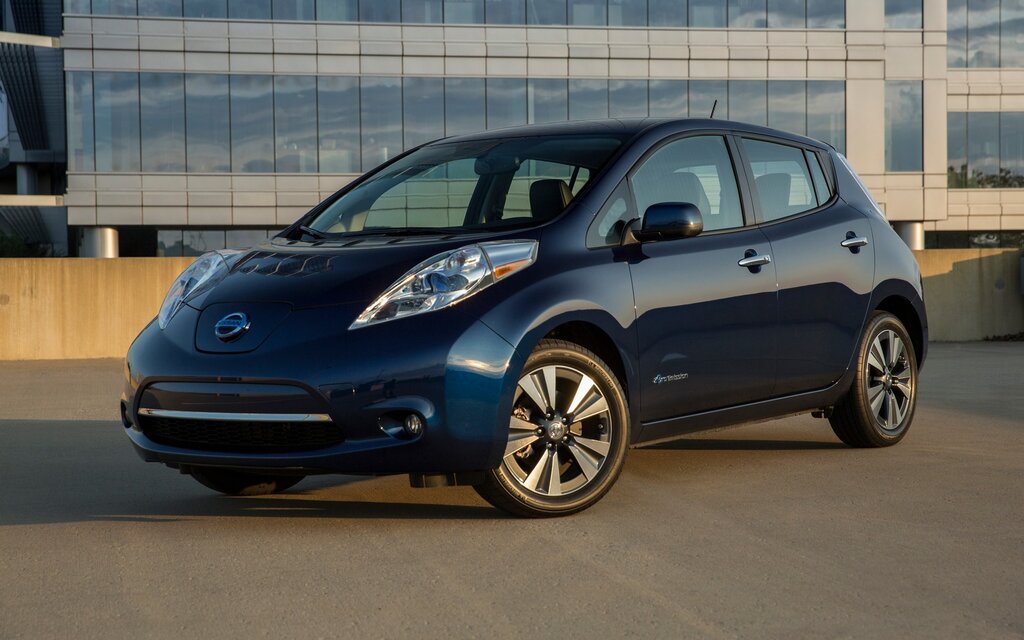
The Nissan Leaf holds an important place in automotive history as one of the first mass-produced electric vehicles aimed at the everyday consumer. Released over a decade ago, it made electric driving more accessible, yet the earliest models now face steep depreciation.
This sharp decline in value can largely be attributed to several interrelated factors, including limited driving range, battery degradation concerns, and the rapid pace of advancement in EV technology.
Early Leafs typically offered a driving range of around 73 to 84 miles, which, while impressive at the time, is now far below the expectations of modern electric vehicle buyers. As battery technology advanced, this relatively short range became a critical disadvantage, making these Leafs less practical and less desirable.
One of the biggest issues facing early Nissan Leafs is battery degradation. Unlike more recent EV models, these early Leafs lack advanced thermal management systems, which protect the battery from overheating and excessive wear. Over time, many owners experienced significant declines in battery capacity, which directly reduces range and utility.
Potential buyers of used Leafs are often wary of purchasing a vehicle with an aging battery, knowing that replacing or repairing it can be expensive and sometimes complicated. This uncertainty and potential cost contribute to the accelerated depreciation of early Leafs, as many buyers prefer newer models or different brands that offer better battery warranties and durability.
Beyond battery concerns, the interior and technology of early Nissan Leafs feel outdated by today’s standards. These models lack modern safety features, driver assistance technologies, and infotainment capabilities that buyers now expect as standard.
Without these, the car can feel less safe and less enjoyable to drive, further reducing its appeal in the used car market. As newer, more technologically advanced EVs enter the market, the gap between old and new Leafs widens, putting additional downward pressure on resale values. Additionally, the somewhat bland styling and utilitarian interior contribute to their limited appeal.
The supply and demand dynamics also negatively impact early Leafs’ resale prices. With a relatively large number of these vehicles produced and now coming off leases or trade-ins, the used market is flooded, driving prices down.
Meanwhile, demand is limited because most buyers are looking for EVs with better range, more modern features, and stronger warranties.
As a result, early Nissan Leafs tend to sell at significantly reduced prices, making them more suitable as short-term budget options rather than long-term investments. Their rapid depreciation is a reflection of both technological obsolescence and evolving consumer expectations.
2. Chevrolet Bolt EV (First Generation)
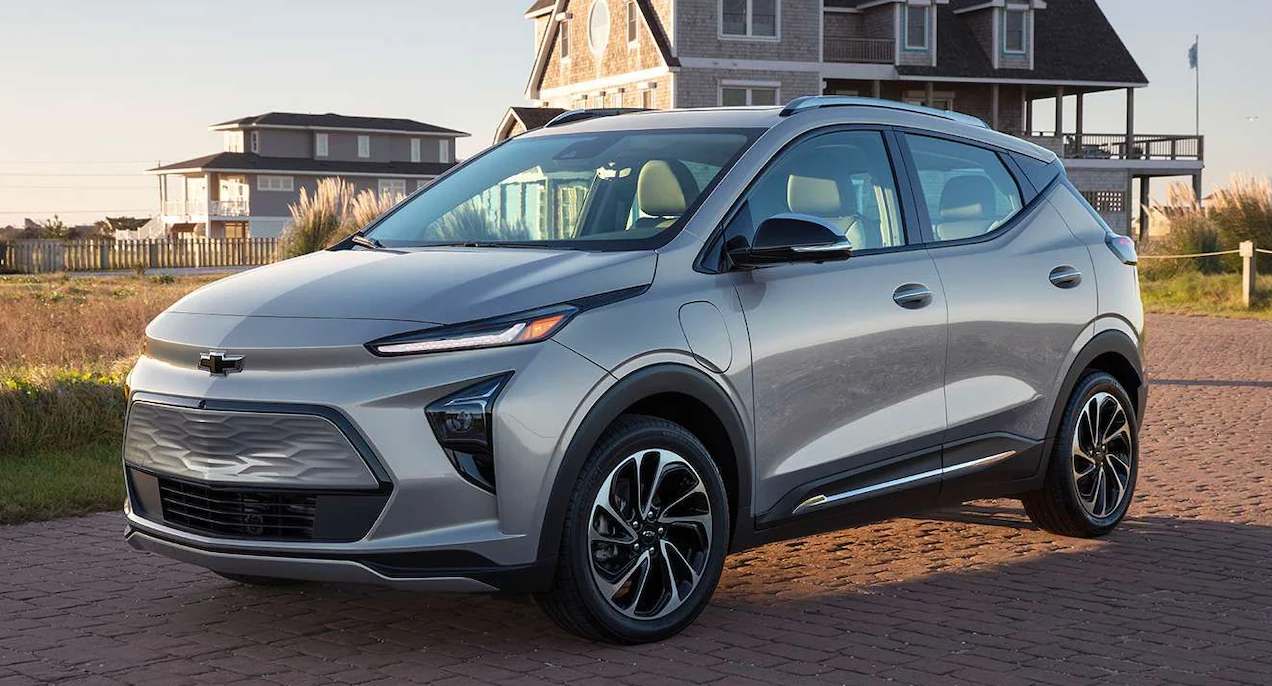
The Chevrolet Bolt EV was once hailed as a breakthrough in affordable electric mobility, offering a relatively long range and practical size at a competitive price. However, the first-generation Bolt models have faced sharp depreciation, particularly following battery safety concerns that led to costly recalls.
These safety issues, centered around the risk of battery fires, have had a lasting impact on buyer confidence and, by extension, resale values. Despite Chevrolet’s efforts to address the problems through battery replacements and software fixes, the stigma surrounding early Bolts has persisted in the used car market, making potential buyers cautious.
The recall situation severely affects the Bolt’s perception. Even after repairs, many used buyers worry about the possibility of future battery issues or the inconvenience of potential repairs. This lingering doubt results in lower demand, which forces sellers to reduce prices to attract buyers.
For a used vehicle market where safety and reliability are top priorities, these battery concerns are particularly damaging. As a consequence, even though the Bolt offers a compelling range of over 200 miles and a practical design, these strengths are often overshadowed by safety-related fears, leading to steeper depreciation.
Aside from safety, the first-generation Bolt’s interior and refinement feel dated compared to newer EV models, particularly Tesla’s offerings. The Bolt’s cabin is functional but somewhat plain, lacking the advanced infotainment and driver assistance systems now standard on many newer EVs.
This gap in technology and style reduces its appeal to buyers who want a more modern, connected driving experience. The Bolt’s somewhat utilitarian feel contrasts sharply with the slick interiors of newer EV competitors, making it harder for the Bolt to command high prices in the used market.
Furthermore, competition in the electric vehicle space has intensified rapidly since the Bolt’s release. Many newer EVs offer better range, faster charging, and more advanced features at similar or slightly higher prices. This abundance of alternatives means the Bolt faces steep pressure in the resale market.
Buyers looking for used EVs often prioritize newer models with improved battery technology and safety assurances, leaving the first-generation Bolt to struggle in terms of demand and resale value. The Bolt’s depreciation is a reflection of both its early teething issues and the rapid evolution of EV technology.
3. BMW i3
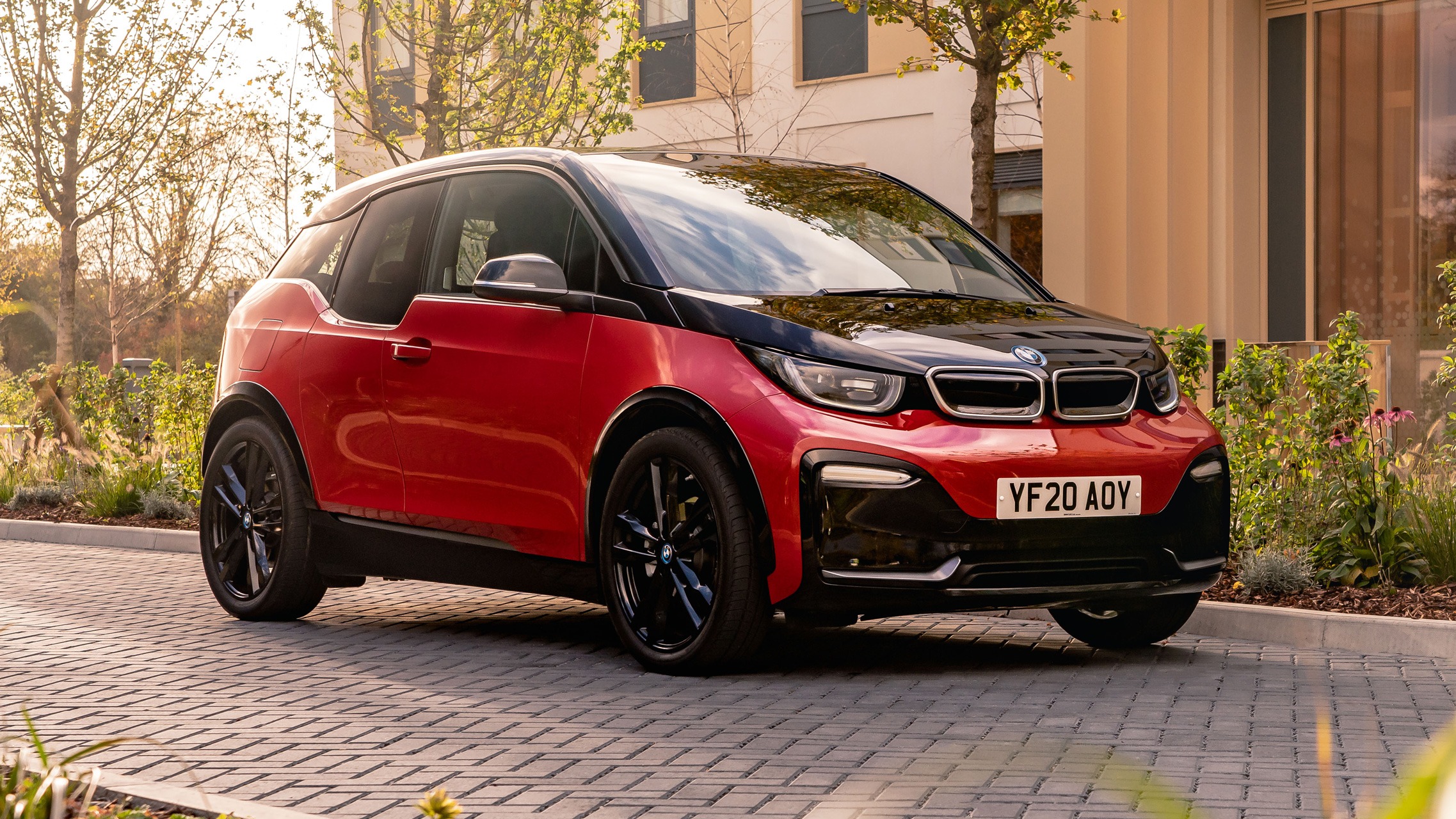
BMW’s i3 was an ambitious attempt to create a premium urban electric vehicle that combined futuristic design with lightweight construction. While it was innovative in many respects, the i3’s resale value has suffered due to several key factors, including limited range, niche styling, and a relatively small market segment.
The i3’s electric-only range generally falls short of 150 miles, which restricts its usability for longer trips and reduces its appeal to a broader audience. In an era where many buyers seek EVs capable of comfortable highway journeys, the i3’s limited range makes it less practical, especially for those who need more versatility from their vehicle.
The i3’s design is perhaps its most polarizing aspect. Its boxy, futuristic shape and rear-hinged rear doors are unlike anything else on the road. While some consumers are drawn to its unique look, many others find it unattractive or impractical.
This divisive styling limits the potential resale market to a niche audience that appreciates avant-garde design. Moreover, the i3’s compact dimensions and small rear seat area make it less appealing for families or those requiring a more spacious vehicle, further reducing demand among used buyers.
BMW’s luxury branding offers some cachet, but it doesn’t fully compensate for these limitations. The i3’s market positioning as a small urban EV means it cannot compete with larger, longer-range electric vehicles that provide more comfort and better usability.
Its high initial price, when new, also means that depreciation hits harder in terms of dollar amount, as used buyers expect discounts reflecting these shortcomings. Additionally, the i3’s interior, while high quality, feels somewhat sparse compared to newer luxury EVs, which can include more advanced technology and infotainment systems.
The resale struggles of the BMW i3 reflect a broader challenge for niche electric vehicles that do not meet evolving consumer expectations. While it carved out a dedicated but small following, many buyers now look for EVs that combine range, style, and versatility.
The i3’s limited appeal and the increasing availability of alternatives mean it is frequently sold at significant discounts in the used market. For owners looking to maintain value, the i3 often falls short compared to more mainstream electric vehicles.
4. Fiat 500e
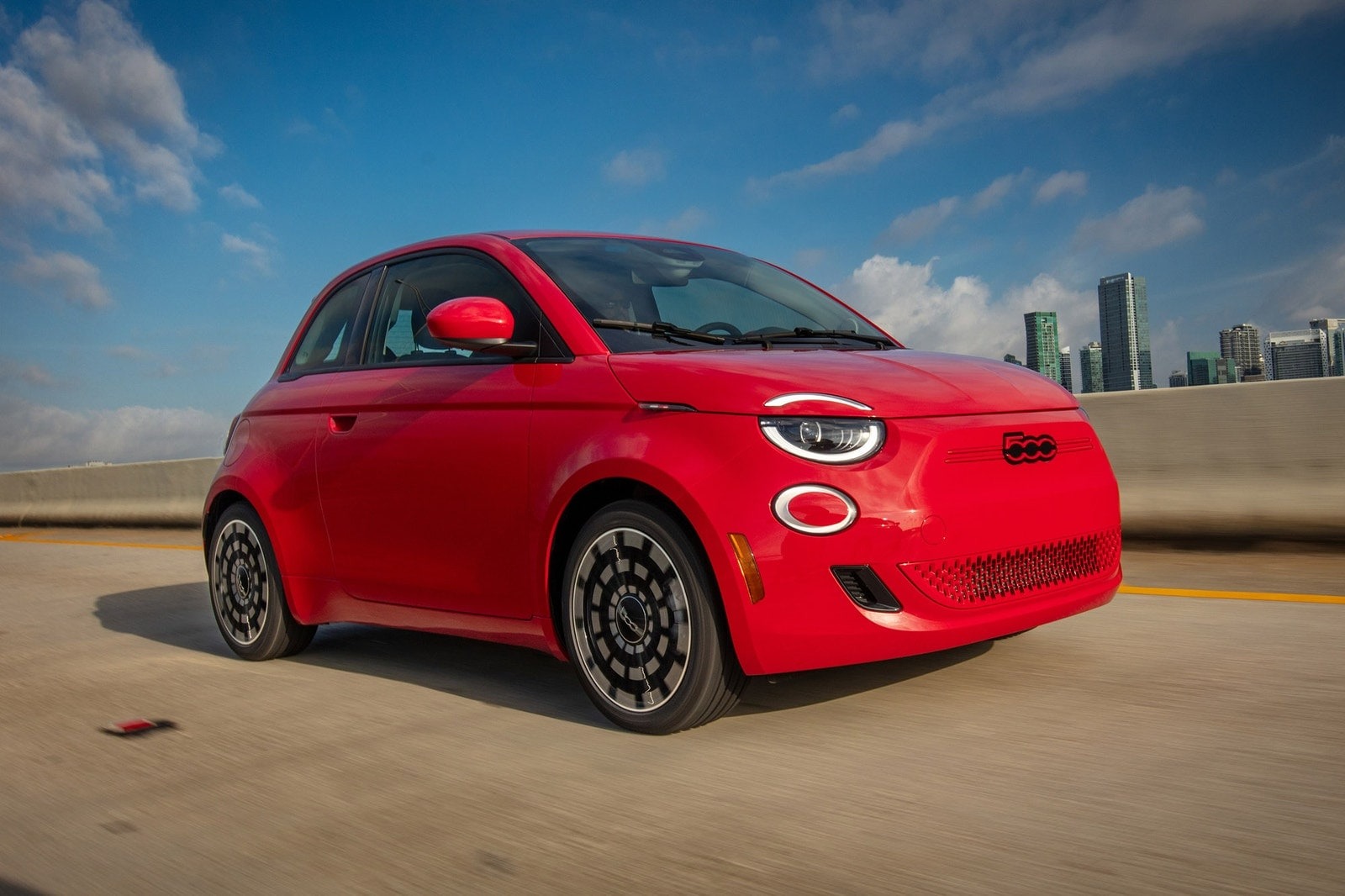
The Fiat 500e is a compact electric car designed primarily for city driving, offering an affordable and stylish option for those seeking entry-level electric mobility.
Despite its charming looks and nimble handling, the 500e has struggled to retain resale value due to its limited driving range, modest performance, and niche appeal.
With a range typically below 100 miles, the Fiat 500e is well-suited for short commutes and urban errands but less practical for most buyers looking for flexibility in travel. This restricted range significantly reduces the pool of potential buyers, who often prefer vehicles capable of longer drives without frequent recharging.
Beyond range limitations, the 500e’s small size and modest power output restrict its versatility. While its compact dimensions make it easy to park and maneuver in crowded city streets, many buyers need more space for passengers or cargo, especially if they plan to use the vehicle beyond purely urban environments.
As electric vehicles with better range and more features enter the market at competitive prices, the Fiat 500e’s appeal diminishes, further driving down its resale value. The car is often seen as a compliance vehicle, one produced to meet regulatory requirements rather than as a flagship model, which can impact its desirability.
Additionally, the Fiat brand’s limited dealer and service network in some regions can be a deterrent for used car buyers. Maintenance and repairs may be less convenient or more expensive compared to brands with more extensive infrastructure.
This uncertainty adds to the risk perception around the 500e in the used market, reducing prices further. Buyers often seek out EVs with robust support networks and predictable ownership experiences, areas where the Fiat 500e falls short.
Taken together, these factors make the Fiat 500e a vehicle that depreciates quickly and holds little value over time. While it may serve well as a second car for urban dwellers, it does not provide the range, comfort, or broad usability that many modern EV buyers demand. Consequently, its resale values tend to drop steeply as it competes against a growing number of more advanced and practical electric vehicles.
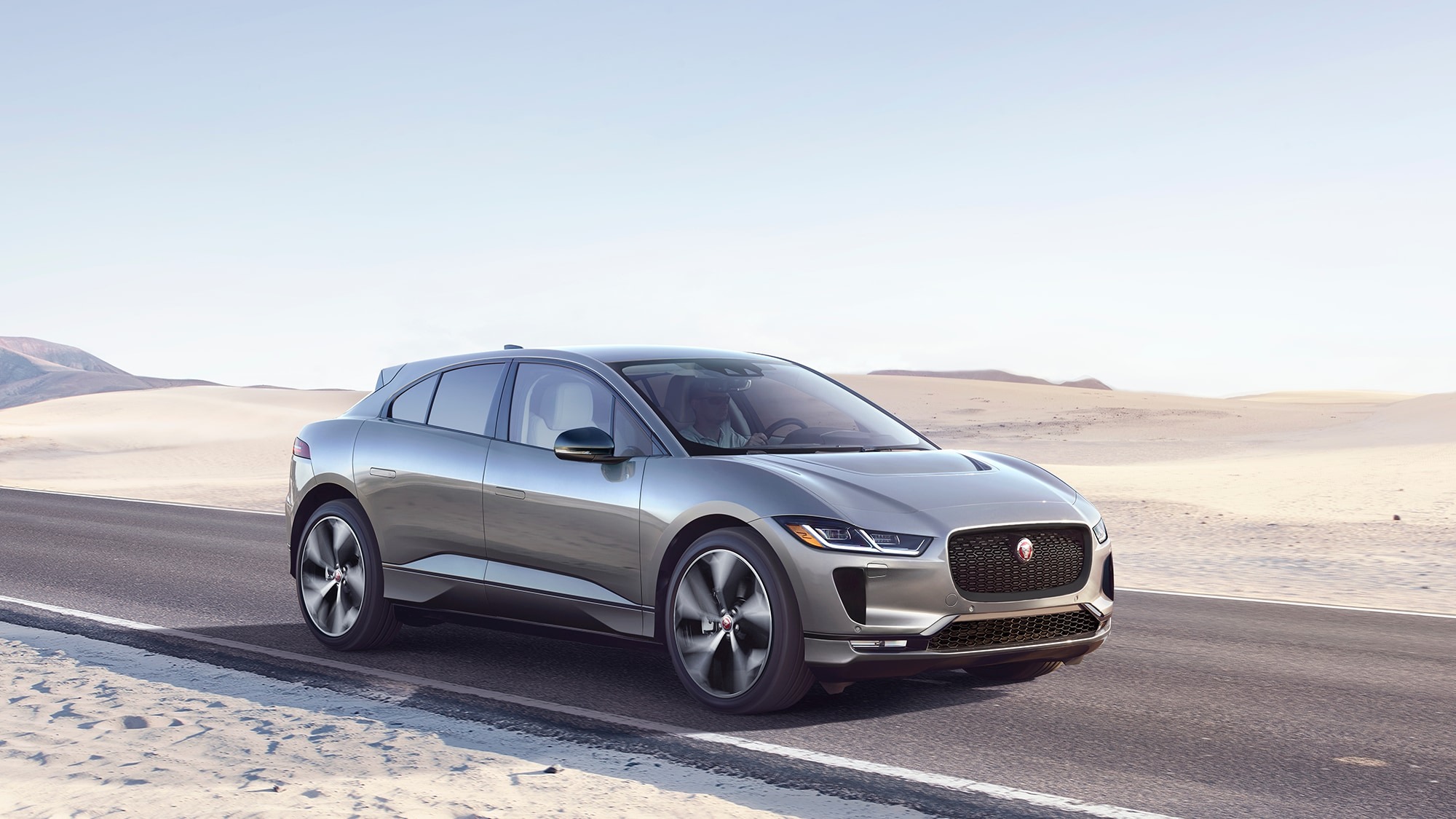
5. Jaguar I-PACE
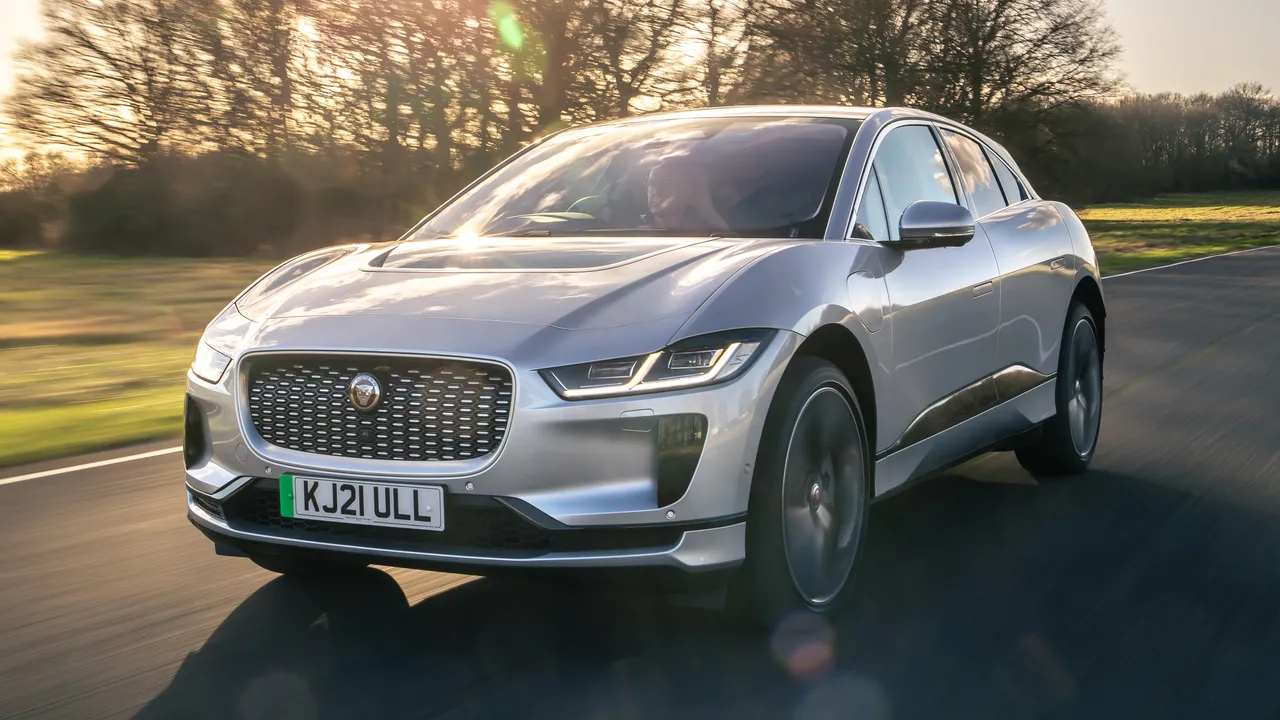
The Jaguar I-PACE was a pioneering luxury electric SUV, launched with high hopes for disrupting the segment dominated by Tesla and other premium brands. While it offers impressive styling, performance, and a premium badge, the I-PACE has faced significant depreciation due to several factors, including high initial cost, range limitations, and concerns over maintenance and reliability.
Its initial price point placed it in direct competition with Tesla’s Model X and other luxury electric SUVs, but it has struggled to maintain parity in resale value as the market has evolved.
Range is a limitation for the I-PACE. Although it offers around 230 miles per charge, this is lower than many newer luxury EVs that push closer to or beyond 300 miles.
Buyers increasingly expect long range as a standard feature in electric SUVs, especially in the luxury segment, where convenience and flexibility are critical. The I-PACE’s somewhat limited range reduces its appeal for buyers seeking a vehicle capable of extended trips without frequent charging stops, which has a direct impact on resale prices.
Jaguar’s reputation for vehicle maintenance and repair costs also factors into depreciation. Luxury brands often come with higher upkeep expenses, and the I-PACE’s electric systems and battery technology can be costly to service outside of warranty periods.
This potential expense, coupled with concerns about the vehicle’s reliability, discourages used car buyers and contributes to rapid value decline. Unlike Tesla, Jaguar lacks a widespread, well-established service and charging network, which adds to the uncertainty and reduces buyer confidence.
Furthermore, competition in the luxury electric SUV market has intensified dramatically. Brands such as Audi, Mercedes-Benz, and BMW have introduced compelling alternatives with longer ranges, advanced technology, and strong brand support. Tesla continues to dominate with its established charging infrastructure and brand loyalty.
