
Jeep has long been a brand synonymous with rugged off-road capability and adventurous spirit. Their SUVs have attracted a loyal following due to their ability to tackle tough terrain while offering a distinctive style that appeals to many.
However, like any automaker with a wide range of vehicles, Jeep’s lineup has models that stand out for their reliability and others that have been less fortunate in terms of mechanical dependability. When choosing a Jeep SUV, knowing which models have proven to be solid and which tend to have persistent issues can save time, money, and frustration.
The reliability of an SUV goes beyond just the engine or drivetrain. It includes the quality of the electrical system, transmission, suspension, and even interior components. This is particularly important for Jeep owners, many of whom expect their vehicles to perform well in both daily driving and challenging off-road conditions.
Over the years, some Jeep SUVs have built a reputation for solid build quality and longevity, often becoming the preferred choice for buyers who want both capability and peace of mind. On the other hand, certain Jeep models have faced criticism due to frequent repairs, persistent mechanical problems, and less-than-stellar build quality.
In this article, we’ll examine five Jeep SUVs that consistently demonstrate reliability and solid performance. These models tend to hold their value better and require less frequent repairs, making them dependable choices for buyers.
We’ll also cover five Jeep SUVs that have struggled with reliability issues, highlighting the common problems that owners have reported and why these models have earned a less favorable reputation. By comparing the two groups, you’ll gain insight into which Jeep SUVs offer the best long-term ownership experience and which ones might be better to avoid.
Understanding the differences between these models requires looking closely at their design, engineering, and the common issues reported by owners and automotive experts. We’ll discuss specific years and trims where reliability has been better or worse.
Keep in mind that regular maintenance and driving habits always play a role in vehicle longevity, but certain models simply have more inherent strengths or weaknesses. With that in mind, here are five Jeep SUVs that stay solid and five that tend to fail more often.
5 Jeep SUVs That Stay Solid
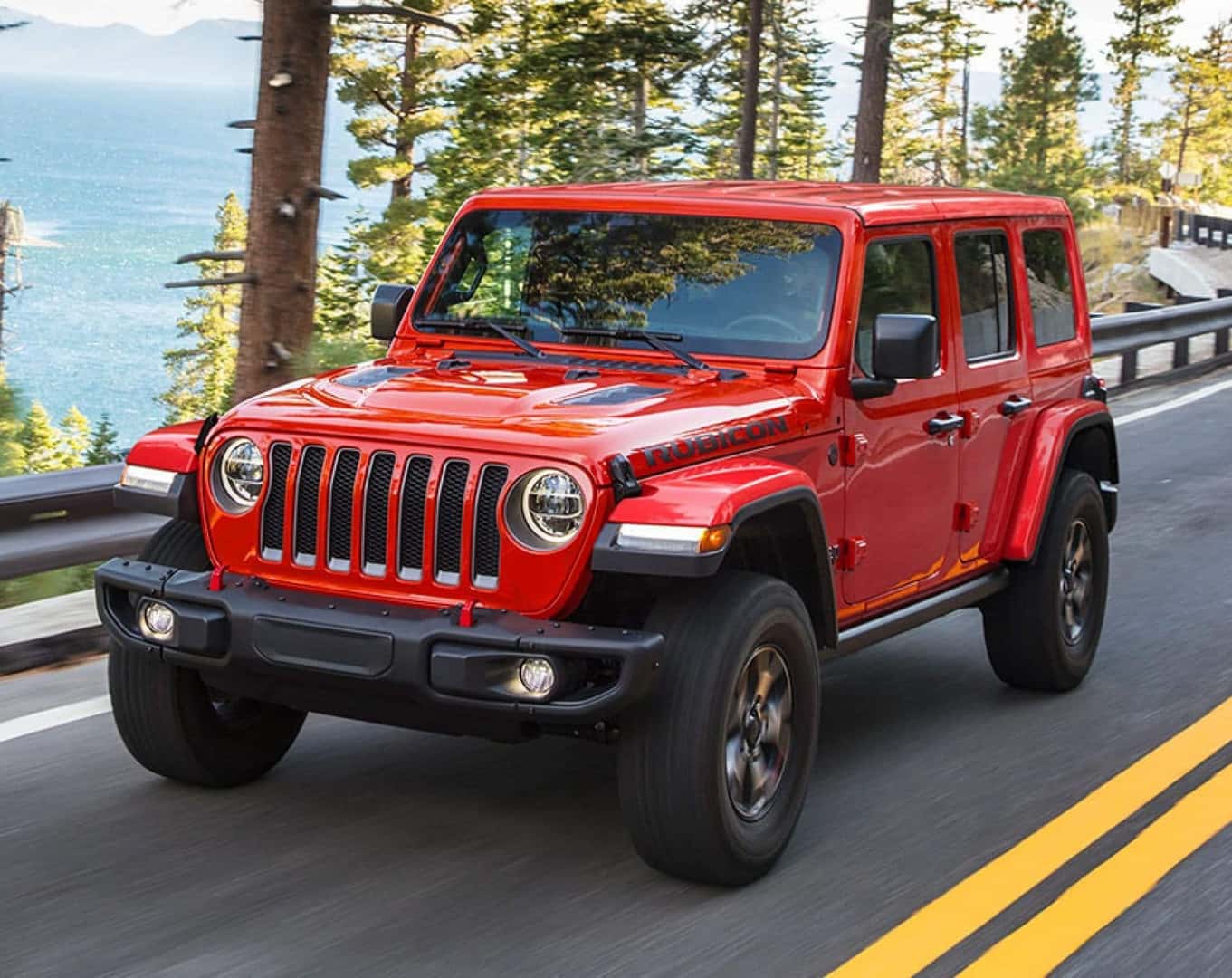
1. Jeep Wrangler (JK and JL Generations)
The Jeep Wrangler, especially the JK (2007–2018) and JL (2018–present) generations, has consistently proven itself as one of the most dependable vehicles in Jeep’s history. Designed with off-road adventures in mind, the Wrangler uses a traditional body-on-frame construction that holds up well under stress.
This design offers greater durability compared to the unibody structures used in many modern crossovers. Owners often highlight that these vehicles can handle years of trail use without developing serious structural or mechanical failures. The drivetrain systems in these models are relatively simple, which contributes to long-term reliability.
Wranglers are also highly modular, making them easy to work on and upgrade. Unlike other SUVs, which may rely heavily on proprietary parts or complicated systems, the Wrangler offers easy access to parts and a massive aftermarket community. This means that when problems do arise, repairs are usually more straightforward and affordable.
Many drivers appreciate that the Wrangler’s design focuses more on mechanical function than digital complexity, reducing the number of potential failure points. The simplicity in some models even allows owners to perform many repairs themselves, which adds to the value of long-term ownership.
In terms of engines, the Wrangler has benefited from the reliable 3.6-liter Pentastar V6, which is widely used across multiple Stellantis vehicles and has proven to be one of the brand’s most dependable powerplants. For those who prefer manual transmissions, the Wrangler is one of the few remaining SUVs to offer a stick shift, and the manual gearboxes used have a solid record of durability.
Automatic transmissions used in later models have also seen improvements in smoothness and long-term performance. These reliable engine and transmission combinations have played a significant role in making the Wrangler a trusted name for people who need a capable, durable vehicle.
Another strong point is how the Wrangler retains its value. Unlike many vehicles that lose a large portion of their worth in just a few years, Wranglers tend to hold their resale value exceptionally well. This is a direct reflection of the trust people place in the Wrangler platform.
Even high-mileage Wranglers can fetch strong prices on the used market if they’ve been well cared for. Buyers know what to expect: a sturdy, no-nonsense SUV that, when maintained properly, will keep running strong for years.
That said, the Wrangler isn’t perfect. Ride comfort on pavement is often criticized, especially with solid axles and off-road tires. However, most owners know this going in and don’t buy a Wrangler for luxury or silence.
The focus here is on long-term ruggedness and utility, which the Wrangler delivers better than most. Whether used as a daily driver or weekend trail machine, the JK and JL Wranglers stand out as some of the most solid Jeeps ever built.
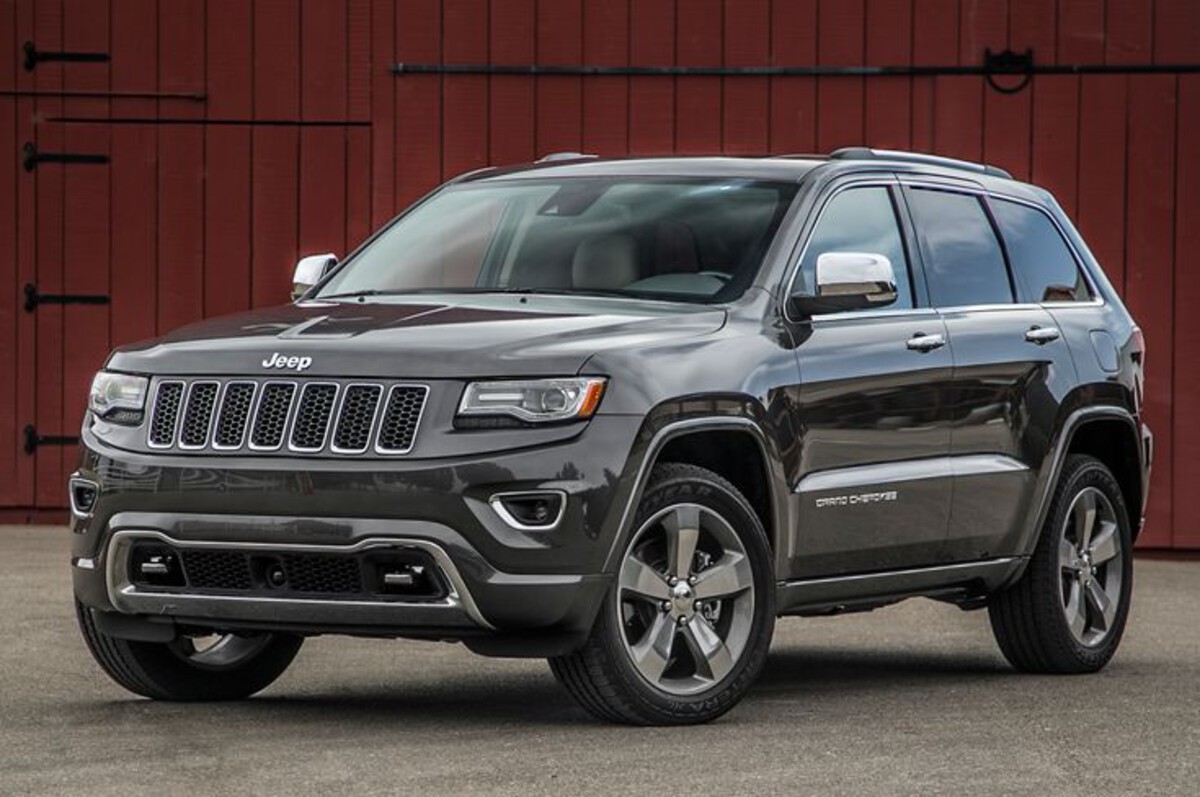
2. Jeep Grand Cherokee (WK2, 2011–2021)
The Jeep Grand Cherokee WK2 generation, which ran from 2011 through 2021, marked a significant step up in both refinement and reliability compared to its predecessors. Jeep worked to balance comfort, performance, and durability in a way that appealed to a broad audience.
This generation saw improvements in interior quality, technology, and powertrain options, all while maintaining strong off-road capabilities. The result was a well-rounded SUV that could serve equally well as a family hauler and an adventure vehicle.
The Grand Cherokee WK2 came with a range of engines, including the widely respected 3.6-liter Pentastar V6 and the 5.7-liter HEMI V8. Both of these power plants have proven to be reliable when properly maintained. The available 3.0-liter EcoDiesel V6 was also favored by some for its fuel efficiency and torque.
While the diesel engine did come with a few early issues, updates and improvements later in the generation addressed many concerns. The powertrain options contributed to the WK2’s strong performance and longevity.
Another key area where the WK2 Grand Cherokee earned praise was its ride quality. The suspension system, especially in higher trims with air suspension, delivered a smooth and composed experience on the road without sacrificing off-road capability.
Many owners noted that this Jeep felt more refined than its rivals while still being capable in snow, mud, and rocky trails. Jeep’s various four-wheel-drive systems, including Quadra-Trac and Quadra-Drive, gave the WK2 an edge in real-world traction and versatility.
Build quality also improved significantly in the WK2 compared to earlier Grand Cherokees. Interior materials were upgraded, and the infotainment system became more user-friendly and reliable.
While no SUV is immune to wear and tear over time, the WK2 managed to avoid many of the electrical and quality-control issues that affected previous generations. Jeep also issued updates and recalls responsibly, helping address early problems and improving owner satisfaction.
In terms of ownership costs, the WK2 Grand Cherokee falls somewhere in the middle. It’s not as cheap to maintain as a compact SUV, but it doesn’t suffer from the kind of chronic problems that lead to sky-high repair bills.
Routine maintenance, timely fluid changes, and attention to the few known trouble spots can keep these vehicles running well beyond 150,000 miles. For drivers who want comfort, power, and long-term reliability, the WK2 Grand Cherokee remains one of Jeep’s strongest offerings.
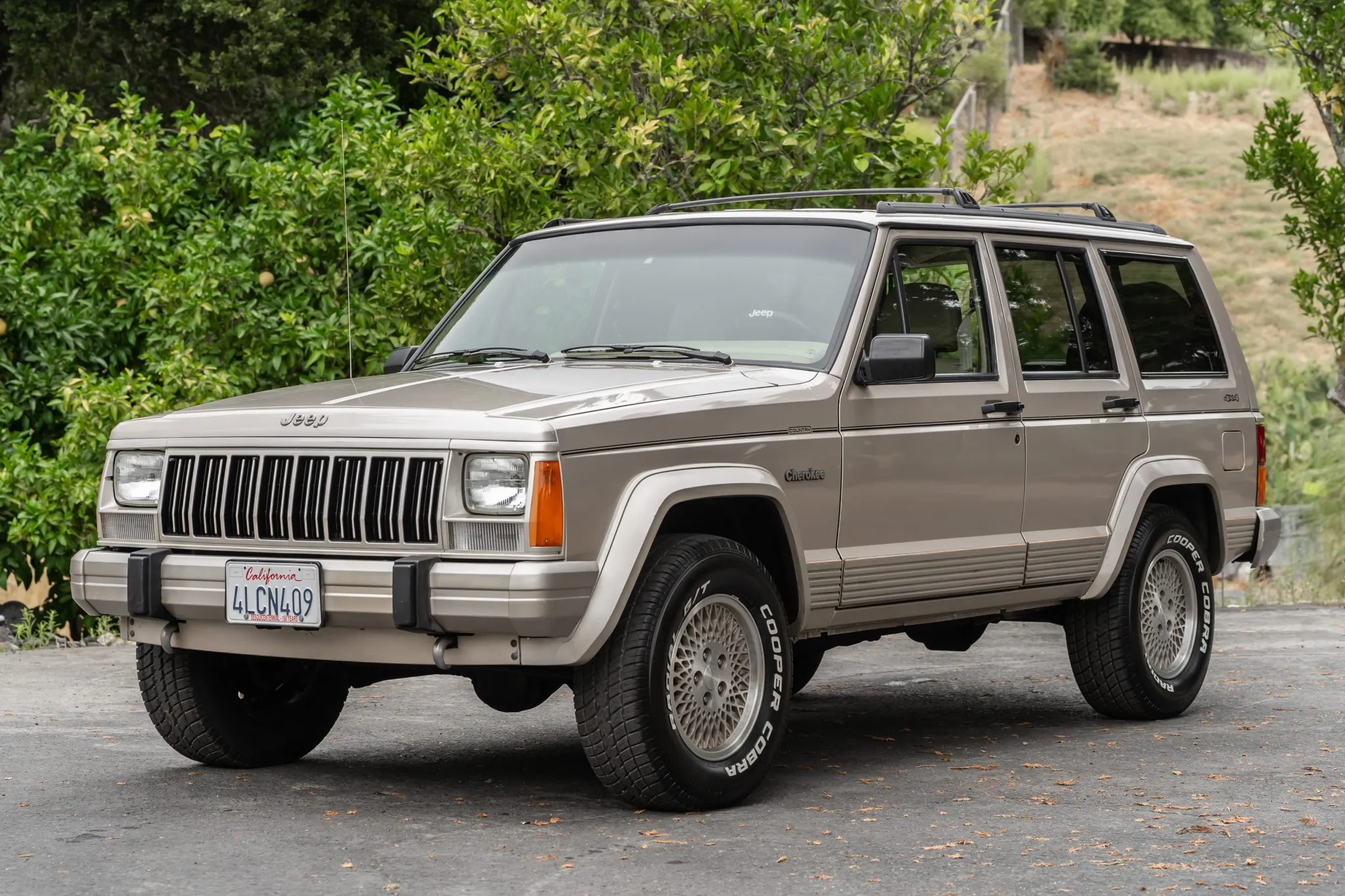
3. Jeep Cherokee (KL, 2014–Present)
The KL-generation Jeep Cherokee, introduced in 2014 and still in production in various trims, represents a modern approach to Jeep design while still offering solid reliability.
At first, the KL faced skepticism due to its shift toward a more crossover-like appearance, but over time it has shown itself to be a well-built and dependable option within the Jeep lineup. Its balance of everyday usability and light off-road ability makes it a practical choice for a wide range of drivers.
Powertrain options have played a big role in the KL Cherokee’s durability. The 3.2-liter V6 engine, derived from the Pentastar family, is considered one of the most reliable midsize SUV engines in its class.
The 2.4-liter Tigershark engine, although not as powerful, is reasonably reliable when regularly maintained. Both engines are paired with a 9-speed automatic transmission. While early versions of this transmission had some teething issues, Jeep addressed many of those through software updates and mechanical tweaks in later production years.
One of the key improvements in the KL Cherokee compared to earlier Jeep models is the better integration of technology and electronics.
The Uconnect infotainment system has proven to be relatively stable and user-friendly. While some glitches still occur, they are not widespread and don’t generally lead to significant repairs. Jeep also added a wide range of driver-assist and safety features, most of which function reliably and contribute to the vehicle’s appeal.
Interior quality in the KL Cherokee is also for its class. Compared to earlier Cherokee models, the materials feel more premium, and the layout is more ergonomic.
Many owners report that seats remain comfortable even after years of use, and cabin noise is well controlled. This attention to design and build quality means fewer issues with interior wear and less likelihood of parts needing early replacement.
When it comes to maintenance and repairs, the KL Cherokee tends to fare better than older generations. Brake and suspension components wear at expected intervals, and major engine or transmission failures are relatively rare.
Provided that regular maintenance is performed, this SUV is capable of reaching high mileage without major problems. It’s a solid choice for anyone who needs a versatile, practical Jeep with good long-term reliability.
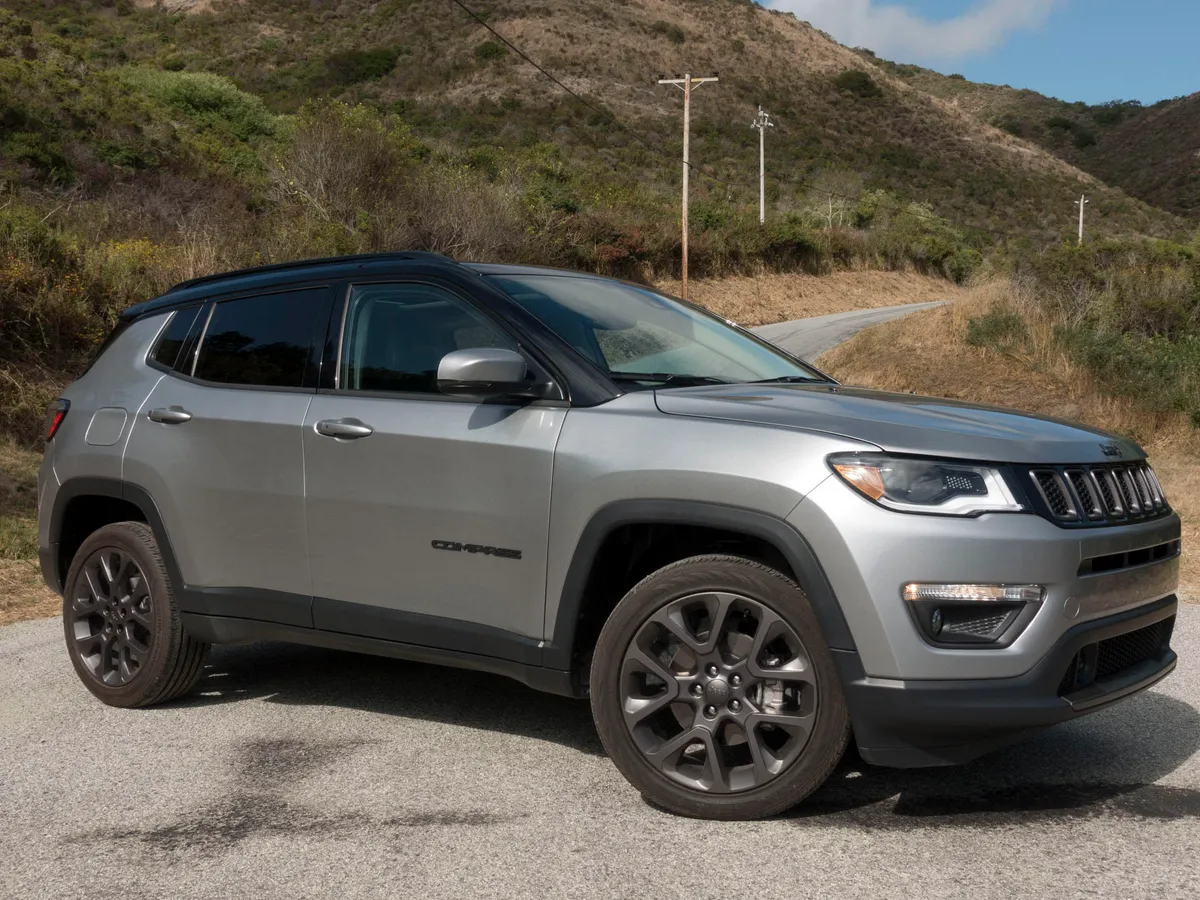
4. Jeep Compass (2017–Present)
The second-generation Jeep Compass, introduced in 2017, represents a major improvement over the previous version. Jeep addressed several reliability and quality issues that had plagued the earlier Compass models.
The current Compass is a compact SUV that has shown consistent reliability and decent performance, making it a viable choice for buyers who want a more affordable but still capable vehicle.
Under the hood, the Compass typically uses the 2.4-liter Tigershark engine, which is shared with other FCA models. This engine is known for its durability when maintained properly, although it can sometimes feel underpowered.
Still, its simplicity works in its favor, as fewer components can fail. Transmission options include a six-speed automatic, a nine-speed automatic, and a manual in some international markets. Over time, Jeep has improved these transmissions, reducing early issues seen in the first year or two.
Interior quality in the new Compass is a clear step up. Soft-touch surfaces, improved materials, and a cleaner layout give the cabin a more mature and premium feel. Jeep’s Uconnect system is present here as well, offering good usability and minimal bugs. Owners of later model years have reported fewer electronic glitches, and the improved infotainment interface contributes to a more enjoyable driving experience.
The Compass also benefits from refined ride quality and improved road manners. While not designed for heavy off-roading, it offers solid all-wheel-drive capability, especially in the Trailhawk trim.
Suspension and steering components are durable and generally don’t require replacement as frequently as in some competitors. Owners often highlight that the Compass feels more composed on the road than previous Jeep compact models.
Long-term maintenance costs for the Compass are reasonable, and many owners report that it handles wear-and-tear well over time. As long as oil changes, fluid checks, and general upkeep are done regularly, the Compass holds up well. Jeep has worked hard to make this SUV feel more polished and reliable, and those efforts are evident in how it performs and ages.

5. Jeep Renegade (2015–Present)
Introduced in 2015, the Jeep Renegade marked a bold move into the subcompact SUV market. Though it’s the smallest vehicle in Jeep’s lineup, it still carries enough of the brand’s identity to appeal to those who want something nimble and efficient without losing the Jeep character. Over time, the Renegade has earned a reputation for being a reasonably reliable SUV, especially in later model years.
Mechanically, the Renegade has used a variety of engines depending on the market and year, with the 2.4-liter Tigershark and 1.3-liter turbocharged four-cylinder being the most common in recent years.
While early models had some issues with transmission calibration and engine hesitation, those problems were largely resolved in later production runs. By 2018, many of the initial concerns had been corrected through mechanical updates and software improvements.
The Renegade’s compact size and relatively simple drivetrain contribute to its long-term dependability. Unlike larger, heavier Jeeps that experience greater wear on suspension and braking systems, the Renegade’s lighter footprint results in less mechanical stress over time.
The Trailhawk trim adds off-road capability without sacrificing too much comfort or efficiency, and it’s generally as durable as the standard trims when maintained correctly.
Interior quality in the Renegade has improved steadily since its introduction. Jeep refined the layout and materials over the years, and newer models include better infotainment systems and more driver-assist features.
The cabin has a youthful, energetic design that appeals to a broad demographic. Most owners report satisfaction with how the Renegade’s interior holds up to daily use, especially in terms of seat durability and control reliability.
While not completely free of problems, the Renegade has matured into a small SUV that offers decent longevity and lower-than-average maintenance headaches for its class.
Regular oil changes, brake service, and attention to minor electrical issues are typically all that’s needed to keep it running well. As long as buyers avoid the earliest production years, the Renegade can be a solid, efficient, and dependable Jeep option.
5 Jeep SUVs That Constantly Fail
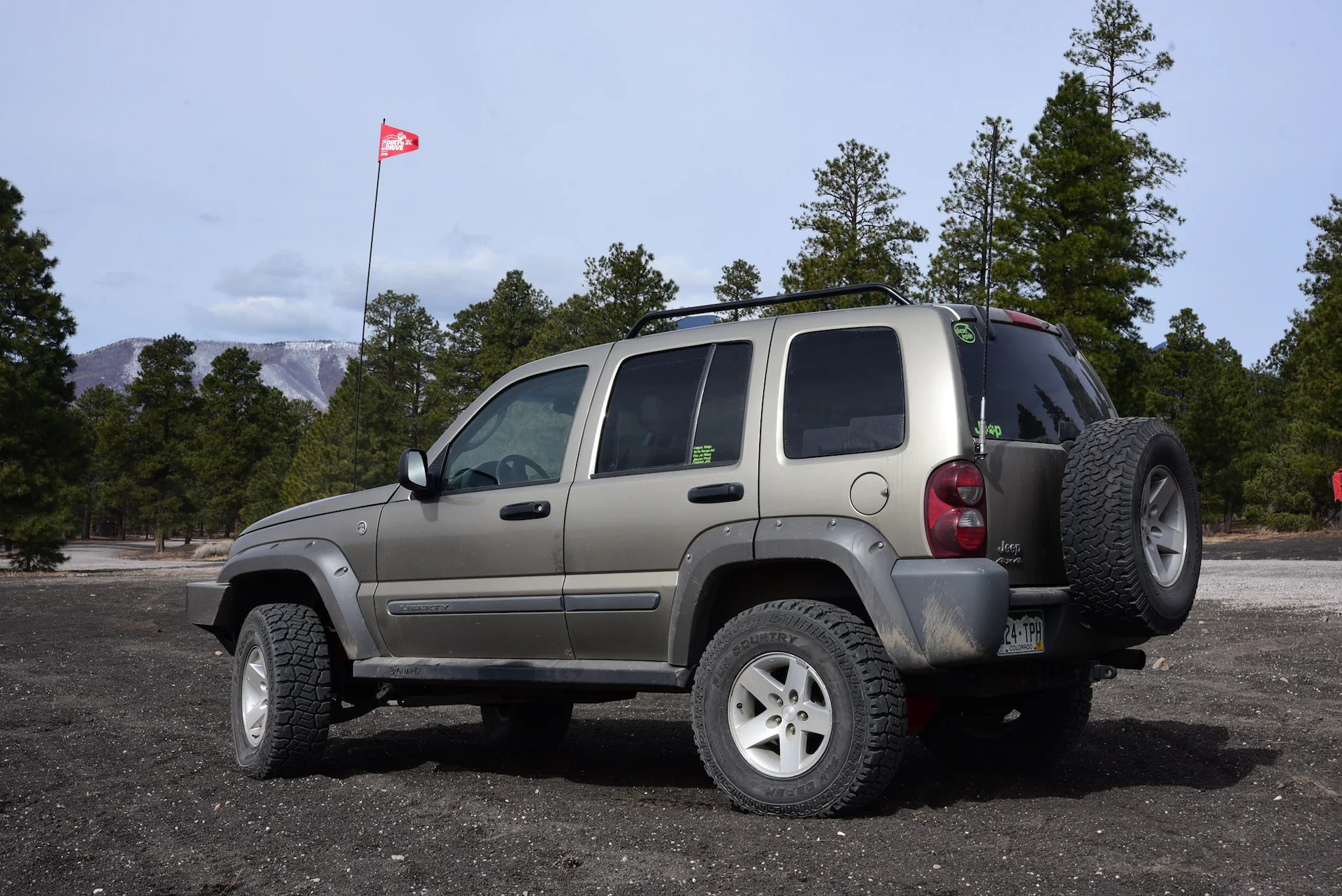
1. Jeep Liberty (KJ, 2002–2007)
The Jeep Liberty KJ, produced from 2002 to 2007, aimed to provide a smaller, more affordable alternative to the Grand Cherokee, while still maintaining Jeep’s off-road reputation. Unfortunately, this model ended up being a disappointment in terms of long-term reliability.
Many owners experienced repeated mechanical and electrical issues during the vehicle’s lifespan. Problems weren’t limited to high-mileage vehicles either, some began to surface shortly after the factory warranty expired, frustrating owners who expected greater durability.
Engine problems were one of the most significant concerns. The 3.7-liter V6 engine used in the Liberty was known for carbon buildup, poor fuel economy, and timing chain tensioner failures. These issues led to noisy operation, rough idling, and in worst-case scenarios, engine failure.
Cooling system failures were also widespread, with radiators, thermostats, and water pumps giving out prematurely. Overheating was a regular complaint, and when ignored, could lead to warped cylinder heads or cracked blocks.
Transmission issues were another common complaint with the Liberty. The automatic transmission would often shift harshly or fail completely, particularly in higher mileage units. In many cases, owners found themselves replacing or rebuilding transmissions at a cost that often exceeded the value of the vehicle itself. Jeep never fully addressed these issues during the production run, which has hurt the Liberty’s reputation in the long run.
Electrical reliability was also lacking. Owners frequently reported problems with power window regulators, failing door locks, and inconsistent dashboard lights. These electrical issues often came with no warning and were difficult to trace. The frustration of having a power window drop into the door panel or a dashboard that stopped working entirely only added to the sense of unreliability.
The Liberty also suffered from poor interior quality, with plastics that degraded quickly and seats that wore out sooner than expected. Rattles and squeaks developed over time, and trim pieces would come loose or fall off altogether. While the Liberty did offer some legitimate off-road capability, most owners found the frequent mechanical and electrical failures too much to ignore. For those looking for a reliable long-term SUV, the KJ Liberty is rarely recommended.
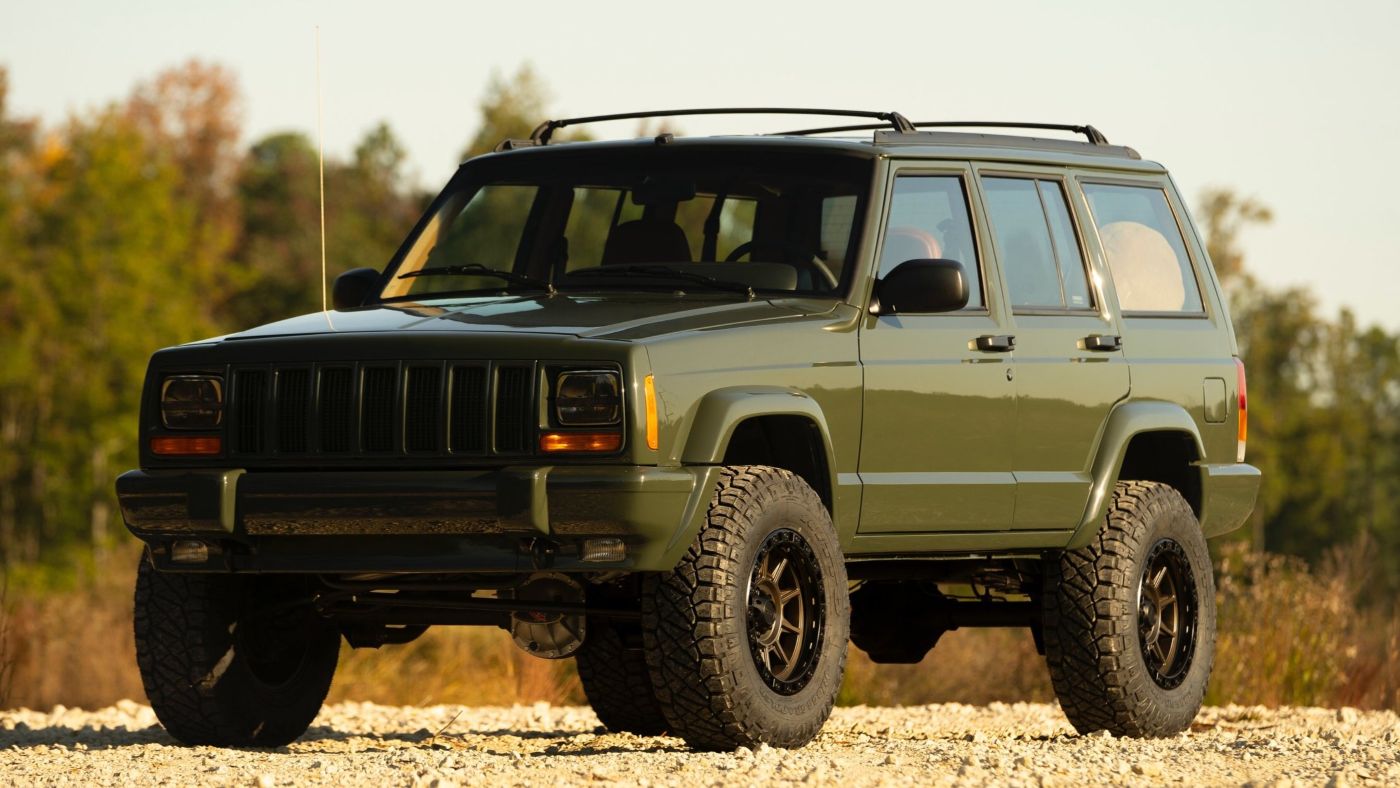
2. Jeep Cherokee (XJ, 1984–2001)
The Jeep Cherokee XJ is often remembered fondly for its boxy shape, simple design, and impressive off-road capability. It earned a cult following and is still considered a classic by many enthusiasts. However, from a long-term reliability perspective, especially in its later years, the XJ had more than its share of problems. These became increasingly apparent as the vehicle aged, making it a risky option for drivers seeking low-maintenance transportation.
One of the most commonly cited issues with the XJ Cherokee is related to its 4.0-liter inline-six engine. While generally strong and capable, this engine was known to develop leaks at the rear main seal and valve cover.
Over time, these leaks worsened and caused oil to build up around engine components, leading to messy and sometimes damaging situations. Cylinder head cracking also occurred in some later model years, especially after prolonged overheating episodes, which were not uncommon due to the aging cooling systems.
Another recurring issue was with the automatic transmissions, especially the AW4. Although relatively simple in design, these transmissions could suffer from slipping or failure if maintenance was neglected. On top of that, transfer case issues cropped up in four-wheel-drive models. These problems weren’t always catastrophic but were costly enough to make ownership burdensome for drivers who weren’t prepared to deal with constant upkeep.
Electrical problems were a major concern in aging XJs. Wiring harnesses would often become brittle, and ground points would corrode, causing random and frustrating electrical behavior. Malfunctioning sensors, flickering dashboard lights, and erratic gauge readings were all too common. These electrical gremlins could be hard to diagnose, particularly as the vehicles aged and underwent multiple owner modifications, further complicating repairs.
Suspension components also wore out quickly, especially in models used for off-roading or carrying heavy loads. Control arms, bushings, and ball joints would often need replacing, sometimes multiple times throughout the life of the vehicle. While the XJ’s rugged design has earned it a legendary status, anyone considering ownership today needs to be fully aware of the ongoing mechanical attention these SUVs require. Their reputation isn’t undeserved, but it’s far from perfect.
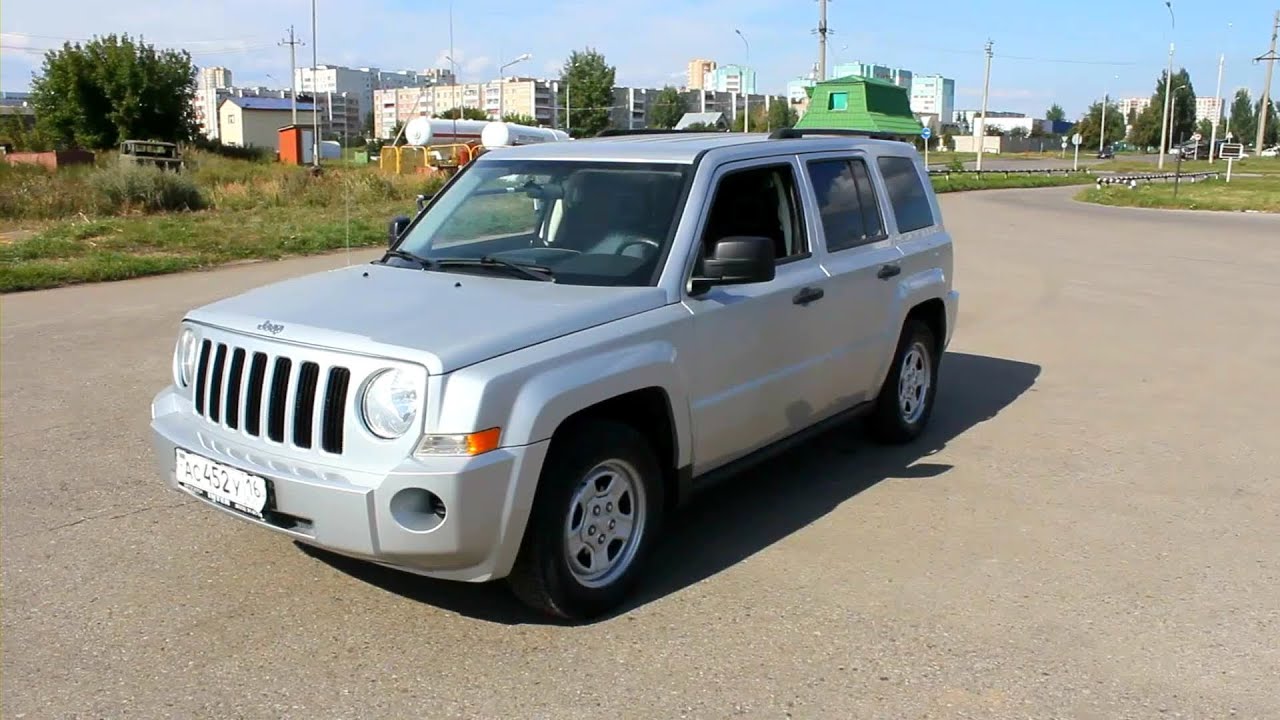
3. Jeep Patriot (2007–2017)
The Jeep Patriot, built from 2007 to 2017, was marketed as a budget-friendly compact SUV with rugged looks and Jeep branding. However, the Patriot quickly developed a reputation for poor reliability and subpar performance. While it did offer affordability, the long-term costs associated with breakdowns and repairs often outweighed the benefits of its lower sticker price. Many owners were drawn in by the promise of a practical SUV, only to be let down by frequent mechanical issues.
One of the biggest problems with the Patriot was its transmission. The CVT (continuously variable transmission) used in many models proved to be one of its most significant weak points.
Many drivers reported hesitation during acceleration, jerky motion at low speeds, and full transmission failure under moderate stress. Replacing or rebuilding the CVT was expensive, often costing thousands of dollars. These issues commonly appeared before 100,000 miles, leaving many owners with an unexpected financial burden.
The Patriot’s engine options, including the 2.0- and 2.4-liter four-cylinder engines, were generally uninspiring and lacked refinement. While not prone to catastrophic failure, they suffered from oil consumption, rough idle, and poor performance over time.
Combined with the weak transmission, these engines often made the vehicle feel sluggish and unresponsive. Acceleration onto highways or climbing steep hills became a challenge, especially when the vehicle was fully loaded.
Interior quality in the Patriot left much to be desired. The cabin was filled with hard plastics that scratched easily and aged poorly. Seats wore out quickly, and drivers reported issues with broken seat adjustment mechanisms and door handles. Electronics also failed more often than expected, including power windows, radios, and dashboard components. Owners often described the interior as feeling outdated and cheaply made, even in higher trim levels.
Suspension and steering problems added to the frustration. Tie rods, ball joints, and control arms wore out quickly, particularly in colder climates or on rough roads. These issues led to poor ride quality, alignment problems, and uneven tire wear. While the Patriot may have looked like a good deal at first glance, its poor durability and constant repair needs earned it a place among Jeep’s most failure-prone models.
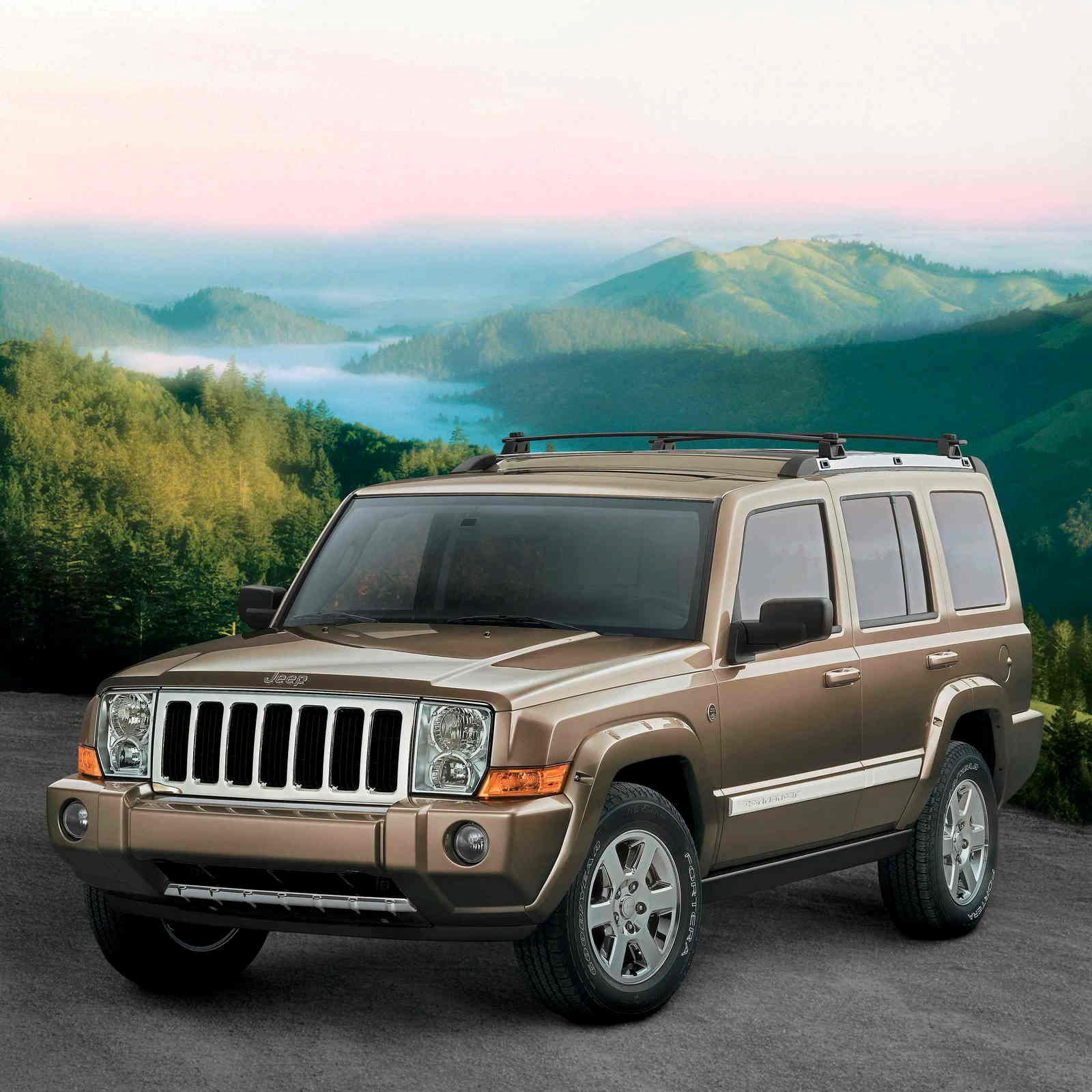
4. Jeep Commander (XK, 2006–2010)
The Jeep Commander was Jeep’s attempt to enter the full-size SUV market with a vehicle that offered three rows of seating and classic Jeep styling. Produced between 2006 and 2010, the Commander quickly developed a reputation for being unreliable and expensive to maintain. While it had a bold design and solid off-road chops, it suffered from a range of mechanical and electrical issues that made it a poor long-term investment for many owners.
One of the most serious problems with the Commander was its engine lineup. The 3.7-liter V6 and the 4.7-liter and 5.7-liter V8s all had reliability concerns. The 4.7-liter in particular was known for oil sludge buildup, valve seat failures, and general overheating problems.
These engines required regular, thorough maintenance, and any missed oil changes or coolant flushes often led to serious damage. Timing chain tensioners and lifters were also known trouble spots, especially in high-mileage vehicles.
Transmission problems also plagued the Commander, especially in early production years. Many drivers experienced hard shifts, failure to engage gears, and complete transmission breakdowns. These issues were costly and often occurred outside the warranty period. Jeep attempted to fix these problems with software updates and service bulletins, but the underlying problems persisted for many owners.
The Commander’s interior was roomy and fairly well-equipped, but that didn’t save it from a long list of electrical gremlins. Power windows, door locks, climate controls, and dash displays frequently failed or malfunctioned.
Many drivers found themselves chasing one issue after another, with no end in sight. The complexity of the electronics made it difficult for independent repair shops to diagnose problems accurately, adding to the cost of ownership.
Fuel economy was another major drawback. The Commander was heavy and inefficient, often averaging less than 15 miles per gallon in city driving. Combine that with a high repair frequency and you had a vehicle that drained both time and money from its owner. The Commander may have looked tough on the outside, but underneath, it was one of the most problematic SUVs Jeep ever produced.
