
Many sport utility vehicles (SUVs) reach their tenth year and still feel like dependable companions rather than relics of past design trends. A decade is enough to test engineering, durability, comfort, reliability and how well parts hold up to wear and tear.
For buyers or owners considering used SUVs from ten years ago, certain models stand out because they continue to offer strong driving dynamics, sound build quality, reasonable maintenance costs and comfort that has aged gracefully.
These are vehicles that were well designed from factory, maintained well by owners, and possess components and systems that do not degrade rapidly. They offer peace of mind when you climb in, turn the key, drive over uneven roads and deal with seasonal extremes.
Criteria for judging such SUVs include both mechanical reliability and structural integrity. Mechanical reliability involves the engine, transmission, drivetrain, suspension, braking and electrical systems.
Structural integrity involves how well body panels, frame or unibody, subframe attachments and rust protection retain their shape and safety.
Comfort features also matter: seats, insulation, noise levels, ride quality, and ergonomics. Some SUVs may lose high tech features, but if basic systems still behave well, they can feel solid. Additionally, availability of spare parts and ease of servicing plays a large role in whether a decade-old SUV still feels reliable.
Here are ten SUVs first produced around or before 2015 that still feel solid after ten years. Each has strengths and trade offs.
Thinking about their age, maintenance history, mileage and how they have been used matters. Even a well-built SUV that has been abused or neglected can feel terrible. On the other hand a modestly priced SUV that has been cared for can still deliver a satisfying driving experience.
These ten models combine a mix of dependable mechanics, comfortable ride, durable interior materials and parts that either don’t fail often or are relatively easy and inexpensive to fix.
Whether you are looking for a used SUV or simply curious which ones have stood the test of time, the following models illustrate what makes a decade’s worth of driving feel less like wear and more like a story of well earned reliability.
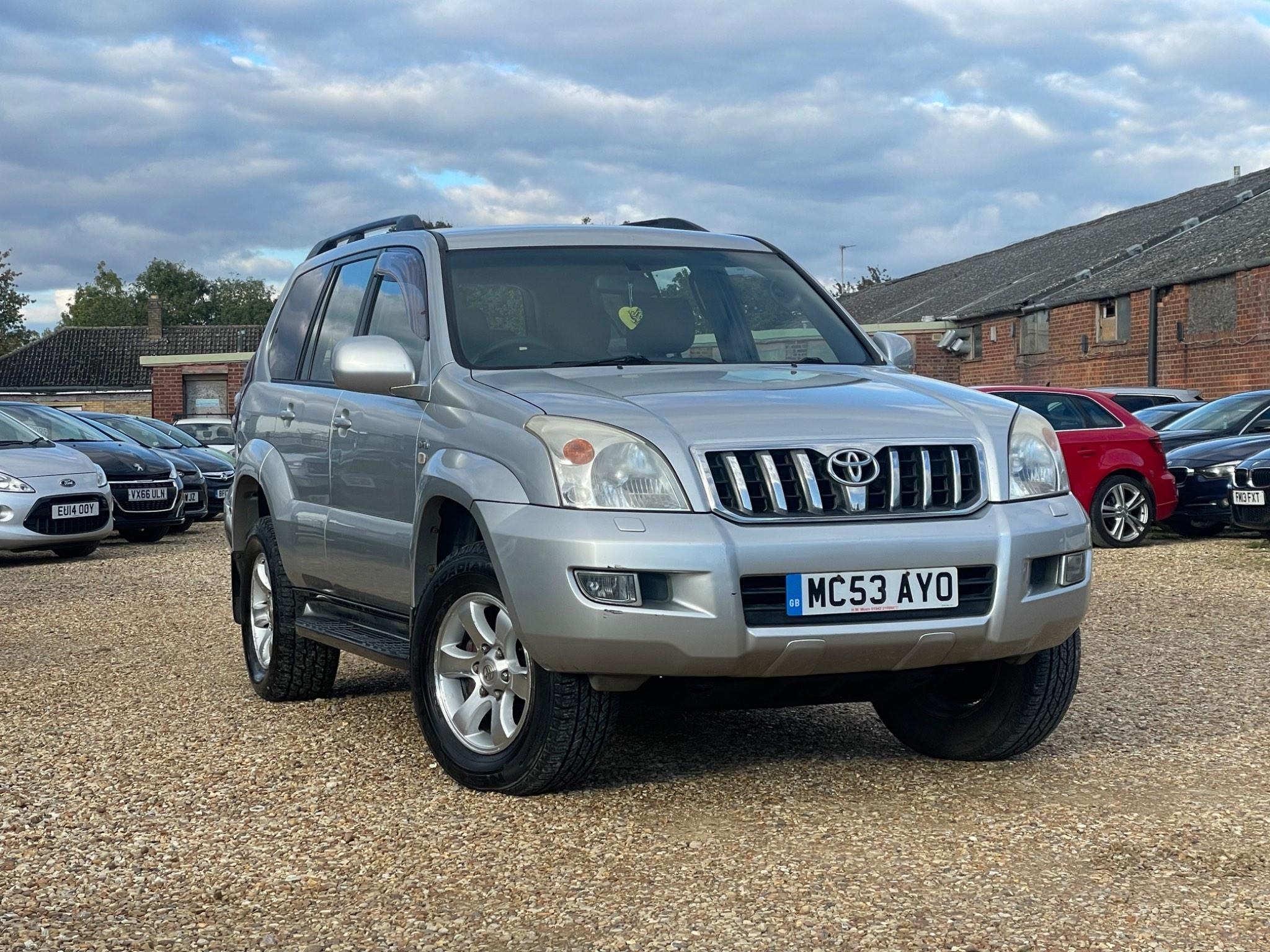
1. Toyota Land Cruiser Prado (2014–15 and earlier)
The Land Cruiser Prado has built its reputation on toughness. After ten years or more on roads that vary from smooth highway to rocky tracks, many Prados still show little sign of structural fatigue.
The ladder frame or strong unibody and robust suspension components tolerate off-road stresses without developing rattles or major loosening.
In desert, snow or rainy terrain the chassis and underbody hold up without excessive corrosion when underbody protection has been maintained. Welds and body panel seams often remain tight which helps reduce creaks and water leaks, two common aging complaints in lesser SUVs.
Engine and drivetrain in these Prados are another strong point. Diesel and petrol variants both have reputations for long life when oil changes and routine service are followed.
Automatic transmissions tend to handle heat and load well. When cooling systems and front end belts are in good shape these systems perform smoothly.
Four wheel drive systems, locking differentials if equipped, usually remain functional over time with periodic servicing. Owners often remark that the Prado still pulls solidly when loaded, even after over 150,000 miles of mixed terrain use.
Inside, the Prado keeps surprises for a ten year old vehicle. Seats often retain shape and cushioning longer than many rivals, thanks to generous use of durable materials. Cabin noise remains manageable: wind noise, tire roar and engine vibration are often well isolated unless insulation has been removed or damaged.
Dashboard materials resist cracking and sun damage; plastics tend to fade but not become brittle if kept out of harsh UV exposure or treated. Controls, buttons and knobs often keep tactile feel, though some cosmetic scratches or minor wear show up around high use areas like steering wheel and gear lever.
Maintenance costs are not negligible but tend to be predictable. Common wear items such as bushings, suspension joints, brake rotors and pads usually require replacement around the ten year mark. Parts supply is good in many markets, especially for filters, belts, lights.
Diesel fuel injector service or turbo problems can arise but are relatively rare with good preventive care. That makes Prado a vehicle that continues to feel solid when properly looked after, not luxurious but dependable and capable even after a decade.
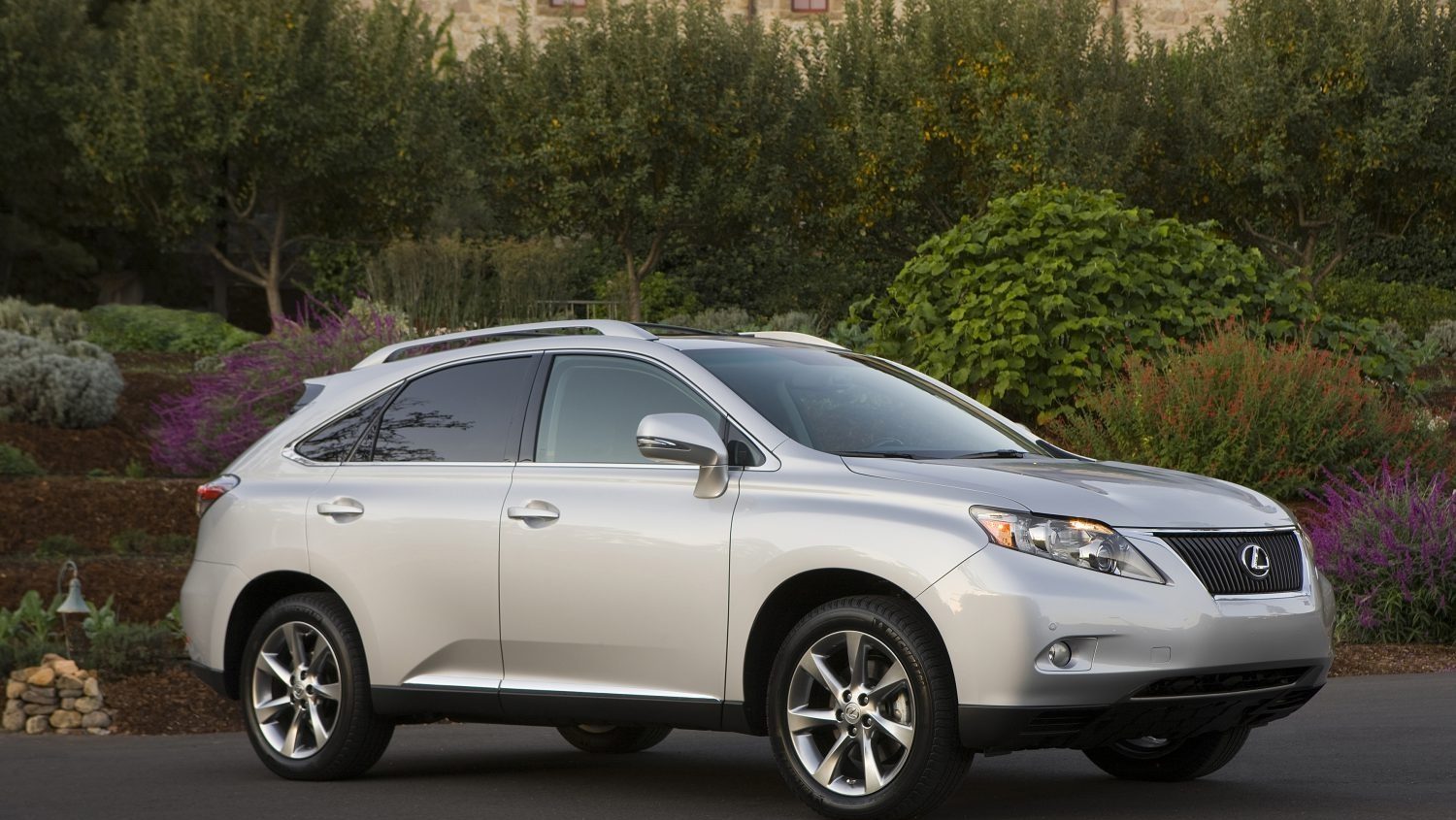
2. Lexus RX 350 (2015 and earlier models)
The Lexus RX 350 always aimed at blending comfort with durability. From ride quality to interior finish, many early to mid‑2010s RX 350s still offer a quiet, smooth ride that rivals newer SUVs.
Suspension components such as shocks, springs and bushings may soften with age but leakage and sagging are not universal if the car has been garaged or kept out of punishing road salt.
Many examples still glide over imperfections relatively effortlessly. Battery, alternator and accessory belts tend to age predictably rather than catastrophically.
Under the hood, the naturally aspirated V6 in the RX 350 has earned praise for its strong long‑term performance. Oil consumption is modest when maintenance schedules have been followed.
Transmission issues are uncommon though clutch packs and torque converter seals may develop minor leaks or need service after heavy use.
Cooling, fuel delivery and ignition systems are generally well engineered. When those have been maintained correctly these vehicles continue exhibiting strong throttle response and reliable starting behavior even after high mileage.
Interior design was always a focus for this model. Cushioning in seats tends to retain its support for a longer time compared to many competitors. Leather surfaces wear well when conditioned. Wood or metallic trim often resists peeling or warping. Infotainment and climate control systems still work satisfactorily in most units.
One area that often reveals age is the leather steering wheel or gear shift grip which may show wear and gloss from use; many owners re‑wrap or replace those parts cheaply, preserving the tactile sense of quality.
Spare parts and reliability record for Lexus are strengths. Dealership service and mechanic knowledge is widespread. Problems that do crop up are often in scheduled maintenance components. Timing belt or chain (depending on engine), spark plugs, oxygen sensors, exhaust manifolds may need attention.
Rust or corrosion is less of an issue in many climates. Because the RX 350 was engineered for comfort and long life rather than minimal cost, its materials and systems tend to age more gracefully. That makes a well maintained RX 350 still feel premium years later.
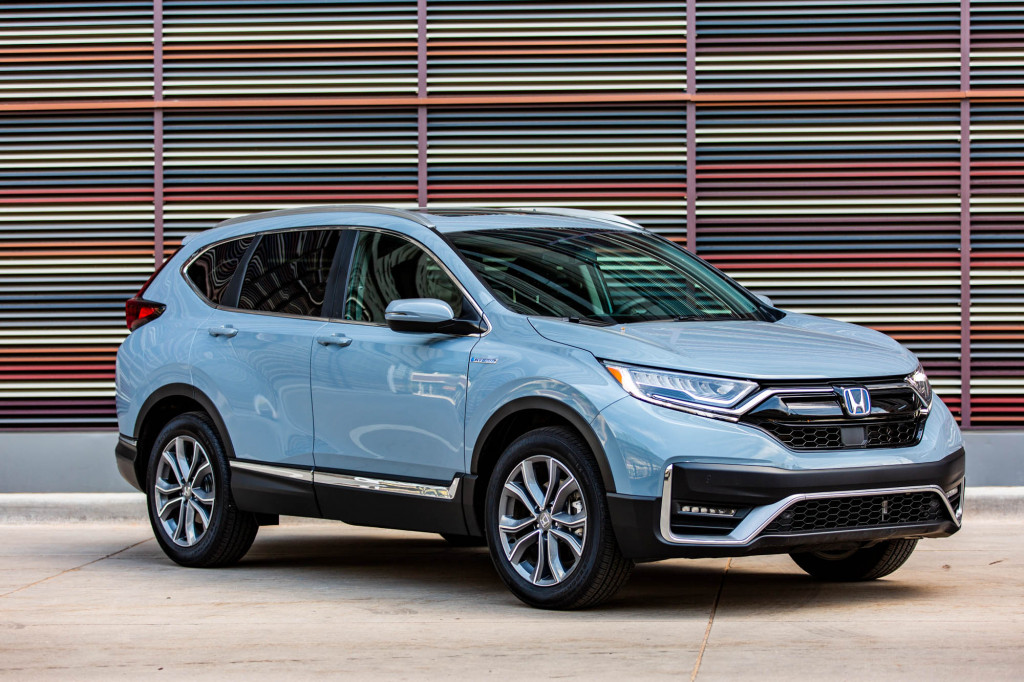
3. Honda CR‑V (2015 and earlier generations)
The Honda CR‑V is one of the more practical compact SUVs that proves its solidity over time. Its unibody design handles road abuse well. Rust tends to show up in lower panels or around wheel arches in cold climates but many CR‑Vs kept in moderate climates show little surface corrosion after ten years.
Suspension geometry retains alignment with few incidents of worn ball joints or control arms provided oiling and lubrication schedules were adhered to. Steering feel remains acceptable: rack, tie rods and power assist systems often continue to respond without excessive slop.
Engine reliability is among its best attributes. The four cylinder engines from that era are not overly stressed. Valvetrain, cooling, fuel system tend to perform well when routine maintenance has been carried out.
Automatic transmissions may show wear but slipping or hard shifts are uncommon in well‑serviced models. Many CR‑Vs after a decade still deliver smooth acceleration and dependable performance. Fuel economy holds up fairly well when cleaning systems and filters are cleaned or replaced regularly.
Interior wear is modest for CR‑Vs of a decade age. Dashboard plastics do fade and may warp under prolonged sun exposure. Seat fabrics may show some sagging or discoloration but foam support under cushion often remains serviceable.
Noise insulation can deteriorate due to worn weatherstripping or door seals, but many owners preserve a quiet cabin environment with good sealing maintenance. Controls remain usable; air conditioning continues to cool properly in most cases if compressors and lines are leak checked.
Parts are affordable and available in many markets. Honda dealerships and independent mechanics know the model well. Maintenance schedules are simple and most wear parts (brakes, tires, wipers, belts) are easy to source.
There are known weak spots: some transmission issues in certain CR‑Vs have been reported and recalled in some regions; these tend to be addressed by replacement or extended warranty programs. Reliability tends to remain high, making this compact SUV one that still feels solid even after a decade of ownership.
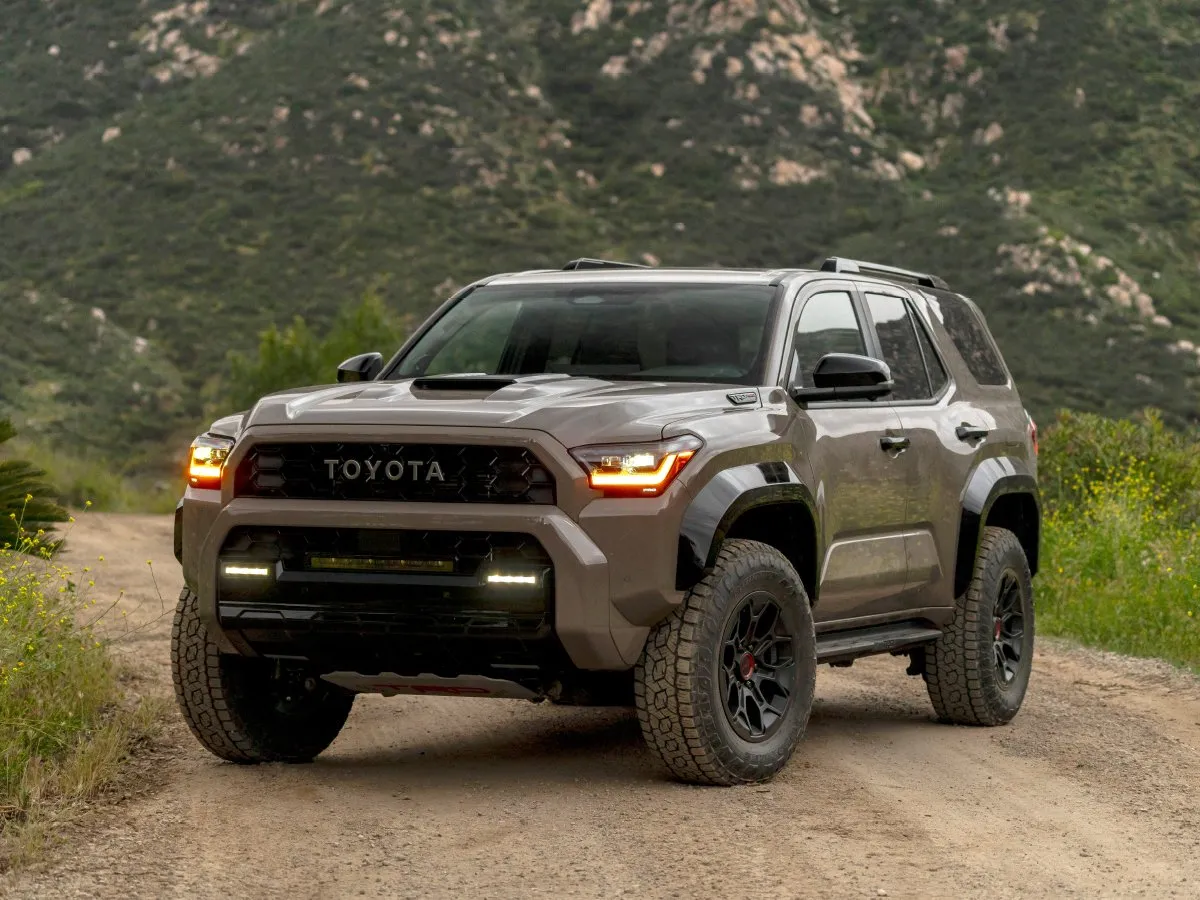
4. Toyota 4Runner (2013‑2015 and earlier)
The Toyota 4Runner is built for ruggedness. Body on frame construction gives it strength for off‑road and towing roles. After ten years many examples still retain solid frame integrity, especially if rust protection and underbody care were in place. Doors continue to align well.
Hinges, latches, tailgate mechanisms often resist loosening when treated decently. Roof racks and external fittings generally remain usable rather than rattly though some paint or coating deterioration is common.
The drivetrain in 4Runner is among the most durable. The V6 petrol engines are capable of high mileage given regular oil changes, cooling system service, and careful use.
The automatic transmission may require replacement of seals or minor parts over time but seldom suffers from fundamental failure under moderate conditions.
Four wheel drive and rear differential assemblies often resist leaks. If locking differentials or transfer case were included, many maintain function with periodic oil changes. Fuel system and ignition are resilient.
Interior is utilitarian but age friendly. Seat supports often maintain form. If leather or cloth surfaces have been protected from harsh sunlight they remain serviceable. Dash plastics do not degrade badly. Instrument clusters continue to perform reliably.
Air conditioning and heating systems often still work well; ducts be cleaned and blower motors serviced or replaced when needed. Noise levels in cabin may increase slightly with wear in seals or bushings but do not generally degrade drastically.
Maintenance for a 10‑year old 4Runner includes handling of common wear items but costs can be spread over time. Suspension parts such as shocks, control arms, bushings require replacement. Brake systems might need rotor and pad changes more frequently under heavy use.
Rust may appear especially if roads salted heavily. But procurement of replacement parts is usually not hard. Many parts are shared across Toyota lines, helping lower price. That combination of sturdiness, good service network and durable materials makes the 4Runner continue to feel solid even after a decade.
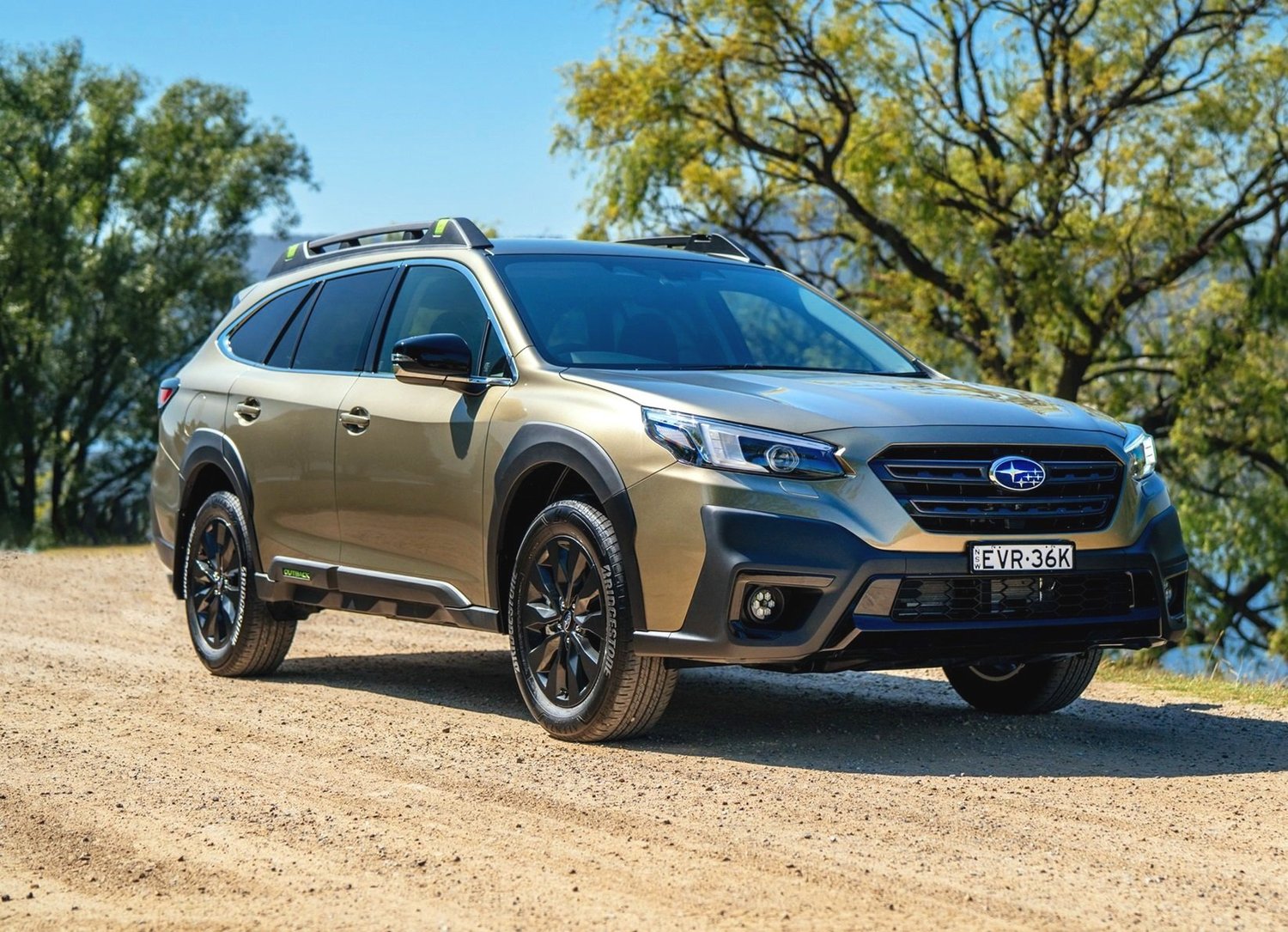
5. Subaru Outback (2014‑15 and earlier)
The Subaru Outback often combines off‑road capability, comfort and utility. After ten years many Outbacks still show a strong platform. All wheel drive components, axles and differentials tend to hold up well where maintenance is respected.
Head gaskets in some older models were problematic but for later ones less so; when replaced or maintained issues are minimized. The chassis resists twisting even under load, and body panels remain well aligned unless accident damage or poor repair work intervened.
Engines in many Outbacks over the years include naturally aspirated flat fours and small turbos. Those that avoided oil starvation, overheating or neglect tend to remain smooth with cold starts, idling and highway cruising.
Transmission and CVT units may show some degradation: shifting smoothness or belt slippage can arise, but less so if fluid changes have been done at proper intervals.
Cooling systems, intake and exhaust systems often are durable. Fuel system sensors and ignition systems continue working after significant mileage.
Inside the cabin, comfort features age relatively well. Seats tend to retain shape; upholstery, whether cloth or leather, may show wear but not collapse.
Sound insulation remains decent unless doors or panels have been opened frequently or replaced with cheaper parts.
Climate control tends to work; blower motor or duct leaks are occasional but not common. Infotainment displays may be less slick by modern standards but still operate reliably. Controls remain resilient: knobs, buttons still click properly though cosmetic wear is often visible.
Maintenance cost is moderate. Subaru parts are affordable in many regions. Tires, brakes, filters, belts are common issues but seldom catastrophic.
Known issues like head gasket failures or oil consumption typically have been addressed in specific model years or via preventive repairs.
Rust in chassis and body floor pans requires attention in regions with snow and salt. Fluids and seals need inspection. A well kept Outback still feels composed, safe, and reliable after ten years.
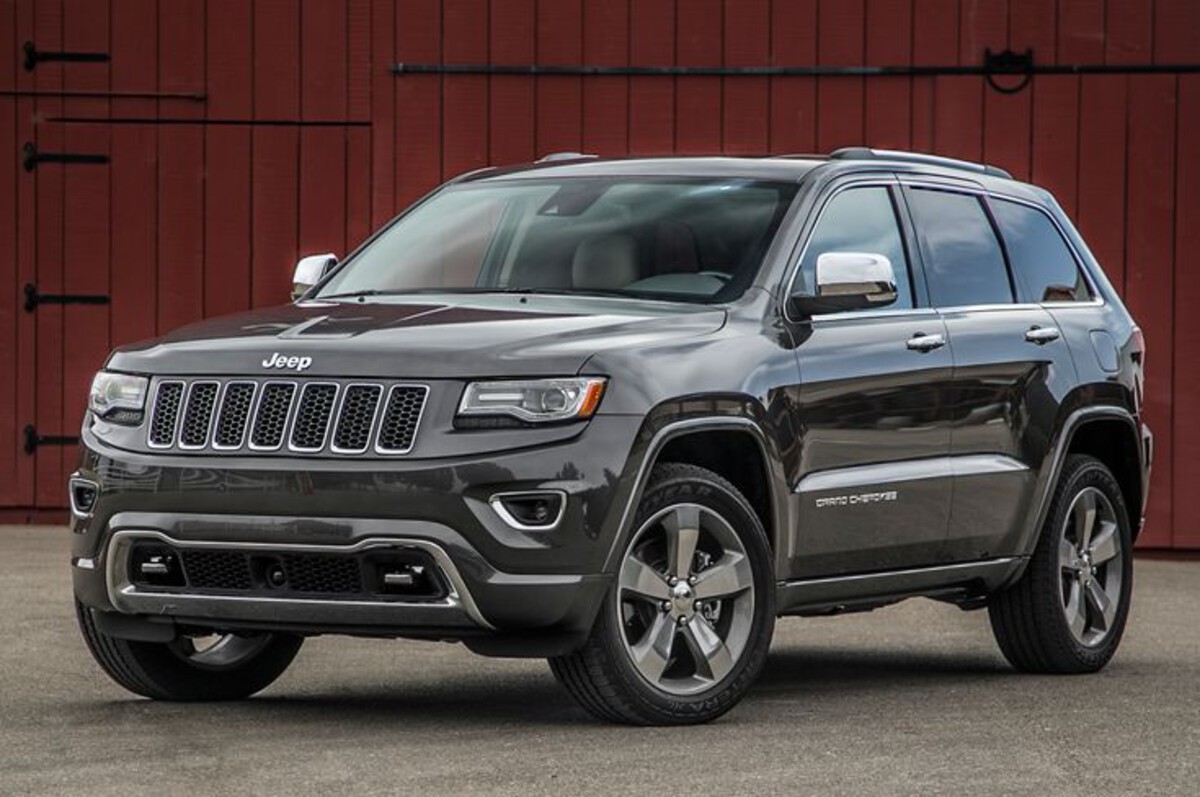
6. Jeep Grand Cherokee (WK2, 2014‑15 and earlier)
Some Grand Cherokee units from mid‑2010s still give strong impressions of a capable SUV. Their steering feel, ride comfort and towing capacity remain respectable when mechanical systems are intact.
Frame or unibody mounting points can resist fatigue if rust control has been maintained. Suspension parts can last a long time if shocks and bushings have been replaced periodically. Even after heavy loads many retain structural stiffness, though body roll may increase with wear.
Engine choices like the V6 Pentastar or more powerful V8s have mixed reputations. The V6 tends to be more reliable over long term. Fuel consumption is higher than compact rivals but performance often compensates. Transmission systems in many models are reasonably durable.
Transfer case and four wheel drive components may need attention especially if used off road or in snow. Electrical and sensor systems sometimes show age via faulty sensors or wiring corrosion.
Interior appointments in the Grand Cherokee tend to be generous. Leather seats, trim, multimedia systems, climate control often still functional. Some issues may arise with trim pieces sagging or water ingress in sunroofs or moonroof seals.
Noise suppression worsens over time with seal wear, door latch slack or worn insulation. Seats often still comfortable though cushioning may flatten. Carpets and floor mats show wear, especially where occupants enter and exit frequently.
Service history is important for this SUV. Regular oil changes, brake fluid changes and coolant flushes greatly extend life of key systems. Rust remains a threat especially in regions with moisture, snow or salted roads. Some owners find spare parts for older Grand Cherokees expensive relative to simpler SUVs.
Still when properly maintained these vehicles continue to perform credibly in daily driving, towing or adventure roles, and drivers often report they still feel solid after over 150,000 miles or more.
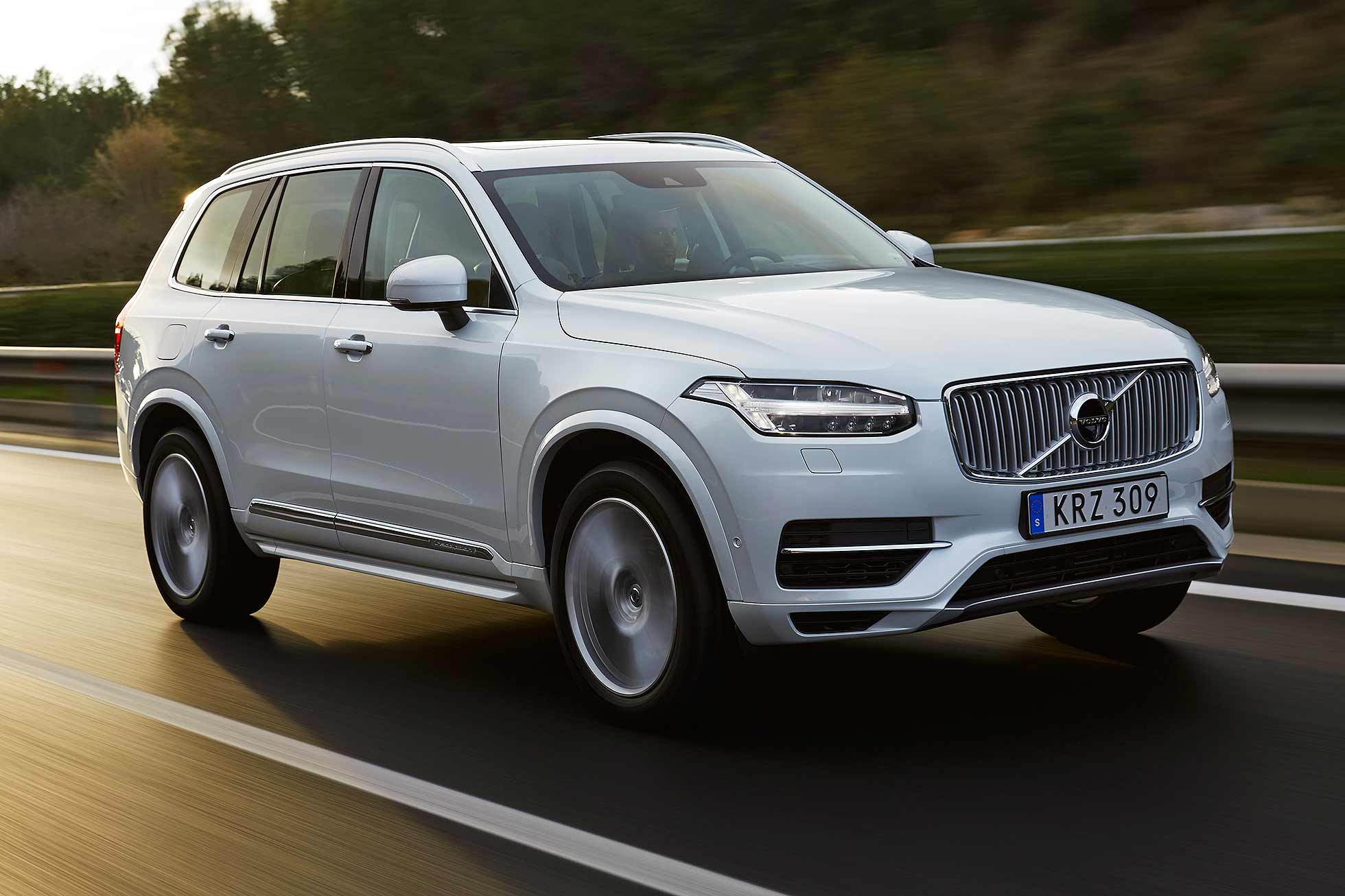
7. Volvo XC90 (First generation, 2014‑2015 models)
The first generation XC90 was always built with safety and craftsmanship in mind. After a decade many used units still show strong structure: crash points, safety reinforcements, roll over protection bars and side impact beams generally retain integrity.
Chassis stiffness remains acceptable; doors continue to close with tight gaps. Rust appears in lower panels or around wheel wells in wet climates but typically minor unless maintenance has been neglected.
Engine options such as turbo‑charged and supercharged combinations tended to need more care. When oil changes and cooling system integrity are observed properly these powertrains perform decently even at higher miles.
Transmission and shift quality can degrade if fluid servicing was ignored. Electrical components such as sensors, wiring harnesses, pump motors or heater cores sometimes require replacement. Timing belts or chains in certain engines require inspection and maintenance to avoid major failures.
Inside, material quality remains a strength. Leather seats often show less cracking than many competitors. Trim pieces are relatively well made. Infotainment systems in older XC90s may not match present technology but function remains solid: climate control, audio, and instrumentation typically continue without major glitches.
Noise levels stay subdued when seals and glass remain in good shape. Ride comfort is generous, particularly on smooth surfaces, though over very rough roads some older suspension wear becomes obvious.
Ownership costs tend to be higher but many owners accept that as part of luxury and safety package. Regular maintenance includes fluid changes, brake system work and replacement of sensors or modules as needed. Spare parts may cost more than basic SUVs.
Rust remediation and corrosion prevention is more demanding in harsher climates. Even so many XC90s still feel stable, safe and comfortable after ten years, offering many features that newer lower cost SUVs struggle to match.
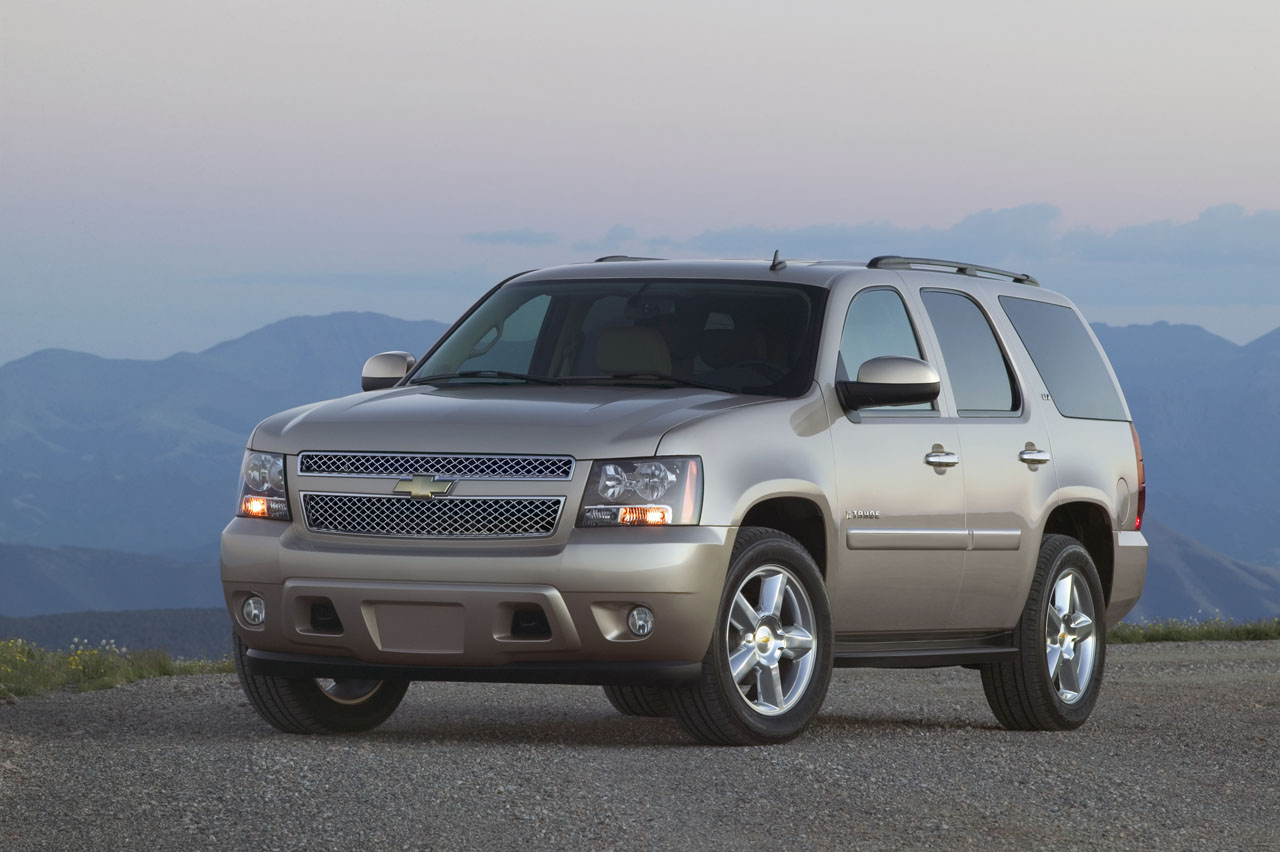
8. Chevrolet Tahoe (2014 and earlier)
The Tahoe is built heavy and tends to stay solid on highways or rugged terrain alike. Body on frame build contributes to its durability. After ten years, frame rails and subframes still hold up when rust control and periodic undercoating have been used.
Doors, hood and tailgate fit remains often acceptable. Suspension sagging or rear springs drooping may occur under heavy usage, but when those are maintained or replaced the ride still feels confident.
Powertrains like the V8 gasoline engines are commonly found in many older Tahoes. They are known to generate ample torque especially at low RPM, which helps in towing and hauling without stressing the engine too much.
Transmission units built for heavier loads may show wear but often continue to shift with minimal complaints when fluids are replaced. Transfer cases for four wheel drive models, differential units also tend to last if oil changes and seals are maintained.
Interior resilience is impressive for many of these large SUVs. Seats, especially in cloth or well cared for leather, often show use but not collapse. Dash materials resist warping. HVAC systems continue to blow strongly; cooling performance is often retained even in warm climates.
In older models power windows and locks may slow or fail but many still function reasonably. Sound insulation is significant owing to mass; wind noise tends to stay manageable.
Costs for fuel and maintenance are higher given size and weight. Tires, brakes and shocks are heavy wear items. Rust and corrosion demands attention in undercarriage and wheel well areas.
Parts are plentiful for many aftermarket and dealership sources. Many of these Tahoe examples after a decade still feel trustworthy when used for towing, family hauling or highway cruising because of their design and heavy construction.
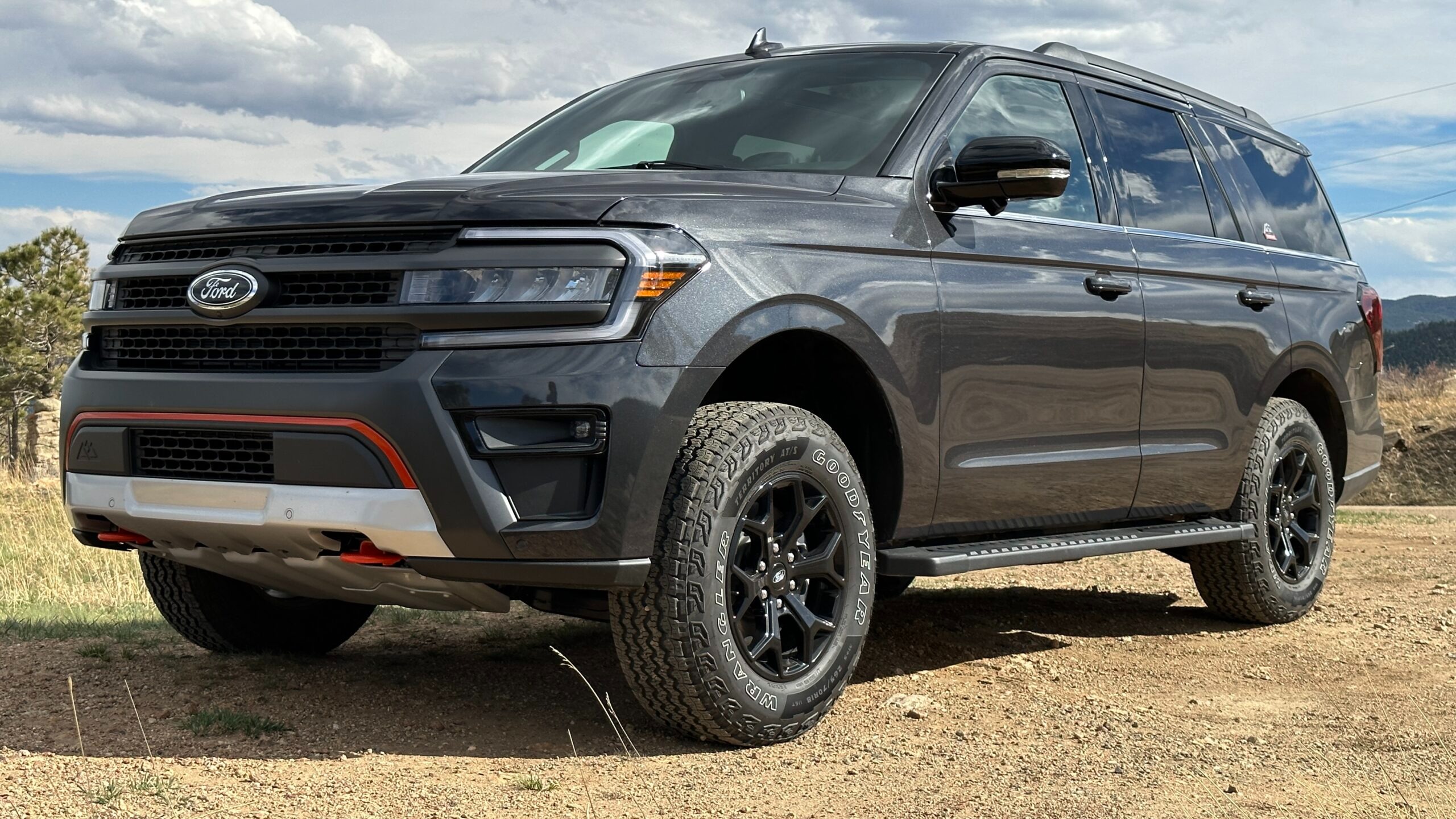
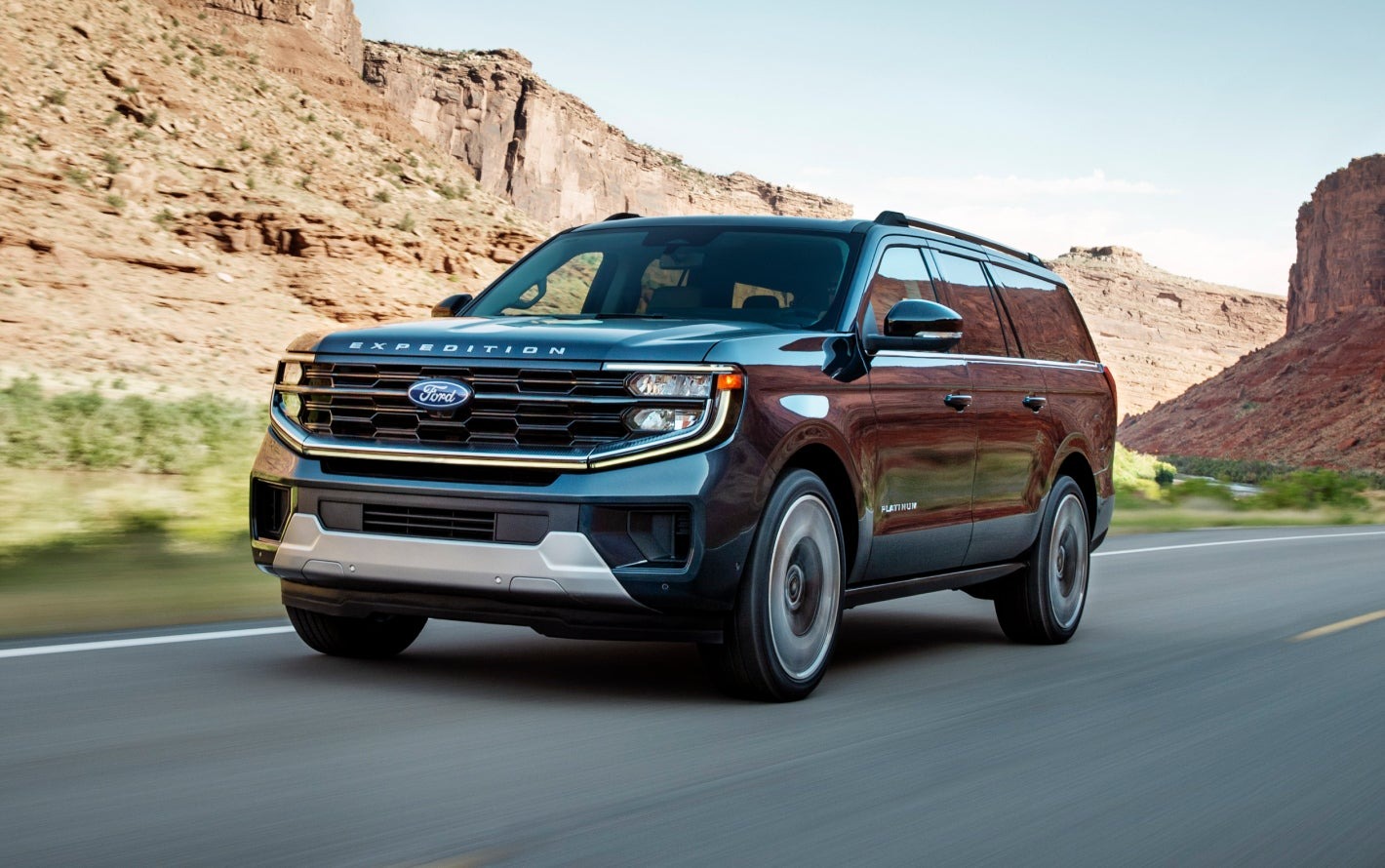
9. Ford Expedition (2014‑15 and earlier)
The Expedition was designed for large families and heavy duty tasks. Chassis and frame are strong. After years of use many examples retain rigidity. Interior space remains generous, roof pillars and door closures still strong.
Rust in rocker panels or floor pans sometimes shows up in cold areas but is treatable. Undercarriage structure often resists twisting or damage unless exposed to extreme off‑road use or corrosive environments without protection.
Engines such as the V8s available at the time deliver plenty of power and torque. Fuel economy is not the best but performance remains serviceable.
Transmission and transfer case reliability vary; units subjected to towing or constant heavy loads may require rebuild or service. Cooling systems, radiators and hoses require periodic inspection. When cooling is maintained properly overheating issues are rare.
Interior amenities tend to age reasonably. Seating remains spacious. Upholstery and carpeting show wear patterns, particularly in high traffic zones, but many units retain comfort.
Dashboard layout remains usable. Entertainment, climate control and instrumentation usually work. Noise suppression depends on sealing; wind, road and tire noise may creep in but not to discomfort in many well kept ones.
Maintenance and repair cost is expectedly greater. Fuel, tires, brakes and suspension components cost more due to size and weight. Servicing frame and body rust or corrosion can be more involved.
Many parts are shared with other Ford products, which helps lowering some costs. Owners often feel that for a decade old Expedition, the sheer scale and capability still provide a solid experience compared to smaller SUVs.
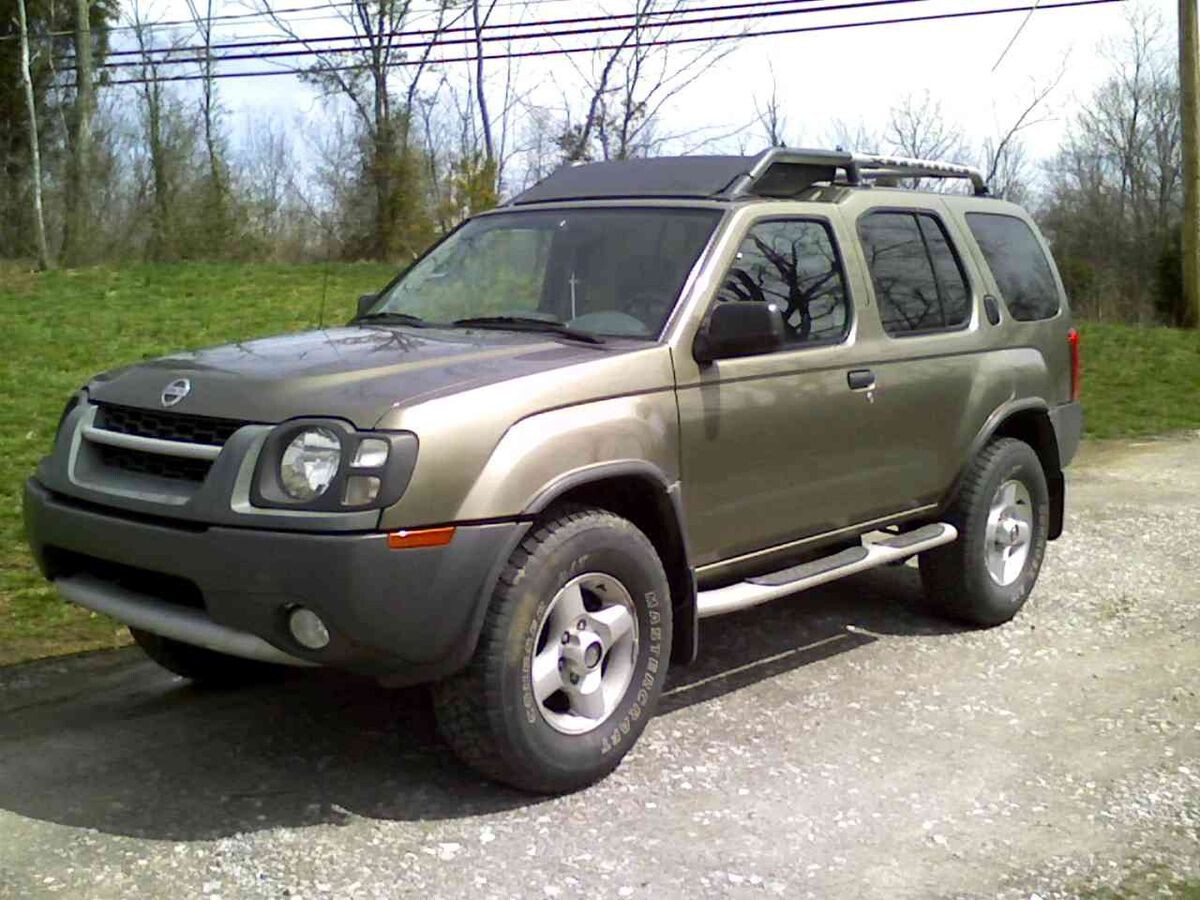
10. Nissan Xterra (2014 model and previous)
The Xterra was built for utility and off‑road durability. Ladder frame structures, solid axles and simple mechanical systems contribute to long life.
After ten years many Xterras still manage to resist torsional flex. Body panels may have dents or scratches but alignment and door fit tend to stay acceptable. Underbody rust depends heavily on climate and maintenance but many survive in fair shape.
Engines used in Xterra models include V6 petrol units that are fairly robust when maintained. Cooling, exhaust, ignition and fuel delivery systems hold up if filters, belts and gaskets are replaced as needed.
Transmission and drivetrain generally straightforward. Four wheel drive and locking rear differential options, when equipped, often remain usable years later if fluids changed regularly and seals kept fresh.
Interior amenities are basic but rugged. Seats often made of tough cloth or durable leather in some trims. Trim pieces often simple; less prone to failure of sophisticated electronics. Dashboard design emphasizes function.
Air conditioning, heat, audio systems may not always be flashy but tend to keep working. Noise suppression is modest: road noise more evident than luxurious SUVs but many owners accept trade-off for utility.
Cost of owning a ten year old Xterra is relatively low compared to more feature-rich SUVs. Simple design reduces complexity. Parts are often interchangeable with other Nissan trucks or SUVs.
Repair and service are accessible. For drivers who value utility, ruggedness and a sense that the vehicle is still solid in performance, an Xterra delivers much more in usability than many similarly aged rivals.
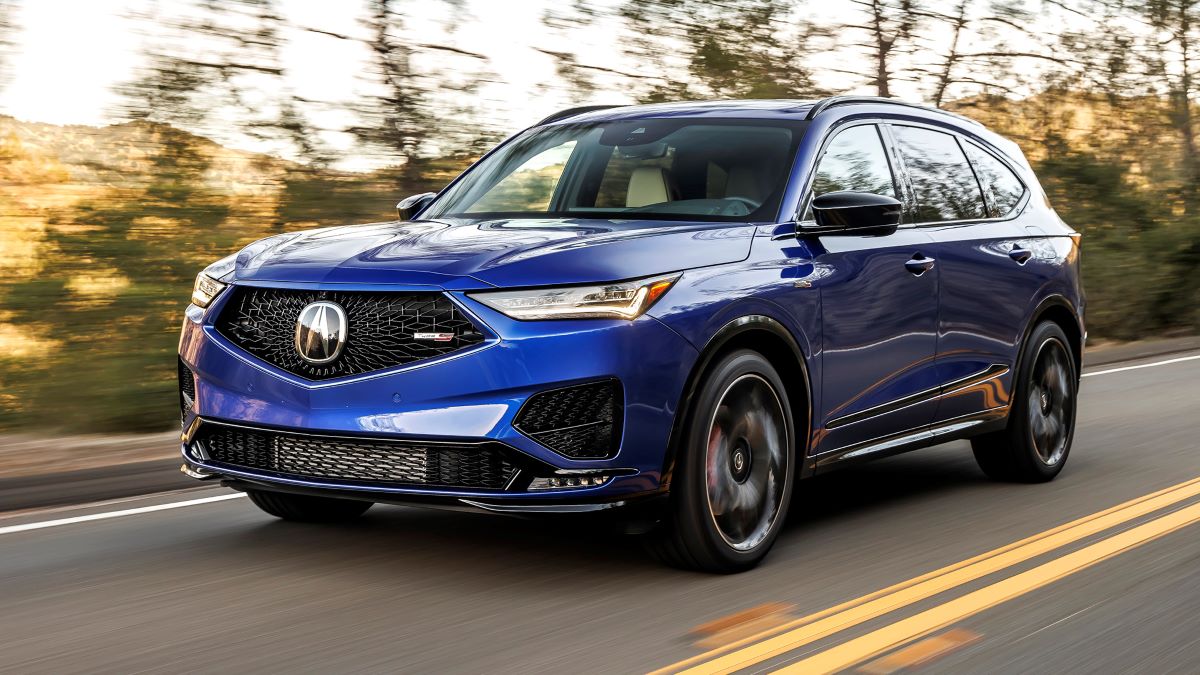
11. Acura MDX (2014–2015 and earlier)
The Acura MDX has consistently struck a balance between performance, reliability, and comfort. Even after a decade, many units still feel composed and refined on the road. Built on a unibody platform, the structural integrity remains strong over time.
Door gaps, hatch alignment, and chassis stiffness are generally unaffected unless the vehicle has been in a collision or exposed to prolonged neglect.
Suspension components may need occasional refreshing, particularly bushings and struts, but when replaced at reasonable intervals, the MDX continues to handle confidently without excessive roll or noise.
The 3.5L V6 engine used in these models has a solid reputation for longevity. It delivers enough power for daily driving, highway cruising, and light towing. With consistent oil changes, cooling system flushes, and timing belt or chain inspections, this engine can easily exceed 200,000 miles.
The automatic transmission is generally dependable, though fluid servicing is crucial to avoid shift flare or hesitation. The all-wheel drive system (SH-AWD) remains a standout for those living in areas with variable road conditions, offering a secure and controlled driving experience even years after original sale.
Inside, the MDX holds up better than many competitors in its class. Materials used in the cabin are of high quality, and the design emphasizes both comfort and usability. Leather seats resist major wear if cleaned and conditioned regularly.
Dashboard and control surfaces usually age well without cracking or fading. Infotainment systems from this era may not compare with current touchscreen tech, but they function adequately.
Climate controls, seat heaters, and other electronics tend to remain reliable, and buttons or dials typically retain tactile feedback after long-term use.
Maintenance costs for a ten-year-old MDX are moderate. Brake components, suspension bushings, and fluid changes are routine maintenance items, while more significant repairs, such as alternators, wheel bearings, or motor mounts, can be spaced out over time.
The availability of parts is strong, and Acura’s relationship with Honda ensures widespread service knowledge and reliability.
With good maintenance, the MDX offers a premium-feeling SUV experience, blending the comfort of a luxury brand with the practicality and longevity of a well-engineered machine. For buyers looking at used SUVs that still feel sturdy and dependable after a decade, the Acura MDX remains a strong contender.
