
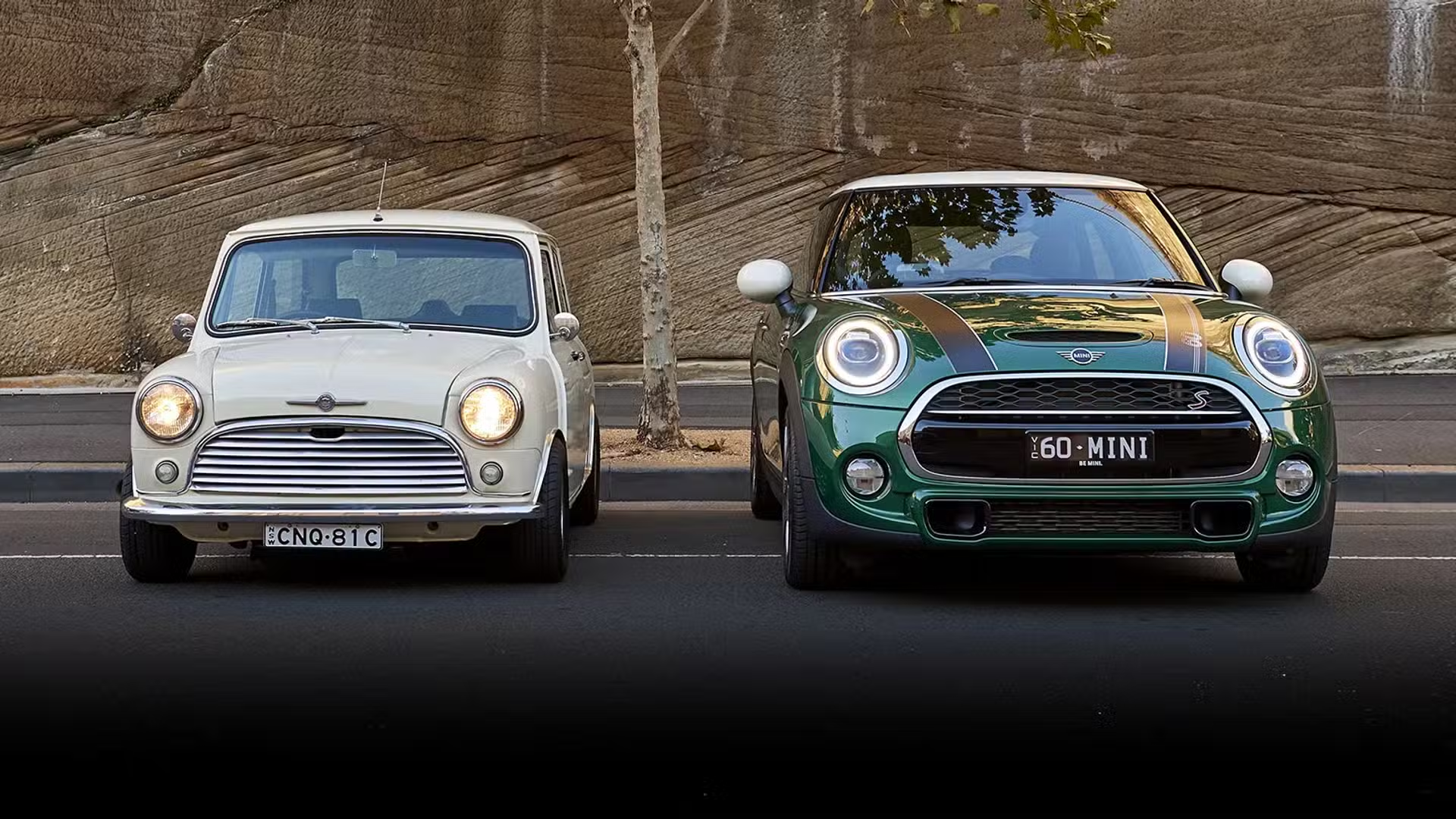
Car reliability is often thought to depend entirely on maintenance, and while that’s true in many cases, some cars manage to keep running even when their owners neglect them. Others, however, start showing problems not long after routine maintenance is skipped.
Not every driver is religious about oil changes, spark plug replacements, or flushing brake fluid on time. Life gets in the way, or people just don’t know better. That’s when the durability of the car itself really shows. Some cars are built in a way that makes them forgiving.
They can tolerate dirty oil a little longer, run smoothly with worn spark plugs, or shrug off old coolant. Meanwhile, others seem to punish the owner at the first sign of neglect, developing issues that are expensive, frustrating, and sometimes dangerous.
This is not about promoting neglect. Every car deserves proper care. Even the most reliable machines will break down eventually if ignored for long enough.
But it’s worth knowing which cars are more forgiving when things go wrong and which ones absolutely must be maintained like clockwork. That knowledge can be the difference between a car that runs for 300,000 miles and one that turns into a driveway decoration after 60,000.
The cars that stay reliable with poor maintenance often come from manufacturers known for simplicity, overengineering, or a focus on long-term dependability.
On the other side, cars that suffer with poor maintenance tend to be more complex, high-performance, or made with tight tolerances that require everything to be just right. Owners of these cars find out the hard way that skipping an oil change or ignoring a check engine light can result in major repairs.
This list focuses on five vehicles from each side. It’s not exhaustive, but it gives a clear picture of how different engineering philosophies affect long-term durability.
These examples are drawn from real-world experiences, general automotive knowledge, and long-standing reputation. Some names will surprise you, while others confirm what many mechanics have been saying for years.
5 Cars That Stay Reliable With Poor Maintenance
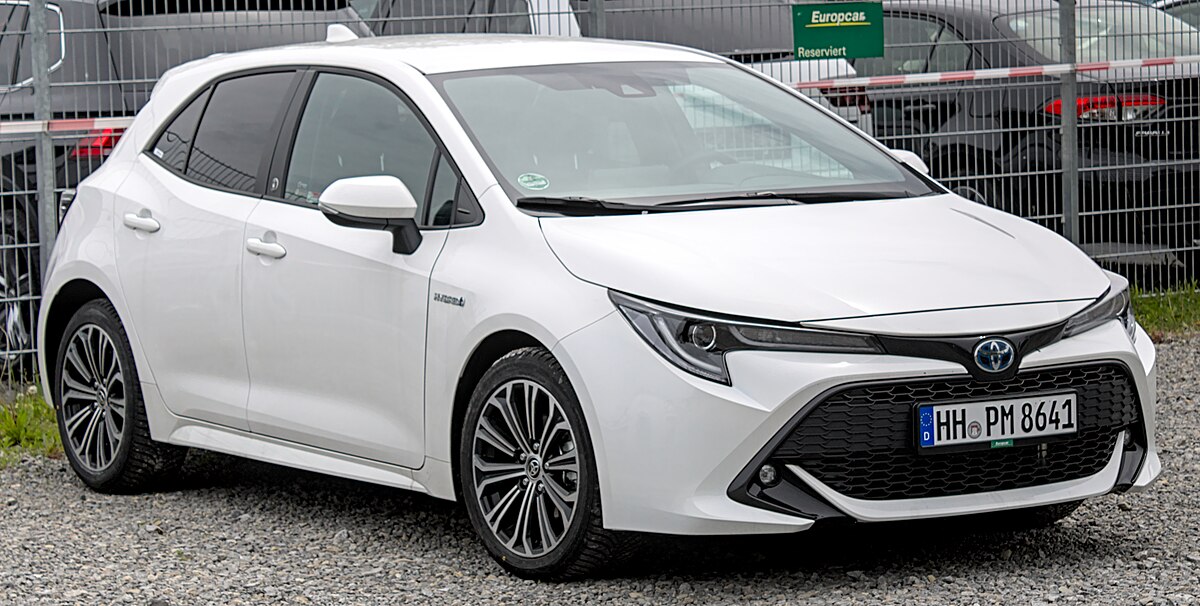
1. Toyota Corolla
The Toyota Corolla has built a strong reputation over many years as a vehicle that can withstand the effects of poor maintenance better than most. Its longevity and resilience are no accident, as Toyota’s engineering philosophy has historically emphasized reliability and ease of repair.
The Corolla’s engine, typically a naturally aspirated inline-four, is straightforward, with fewer moving parts than more modern, turbocharged powertrains. This simplicity translates to a lower likelihood of catastrophic failure, even when oil changes are missed or air filters are neglected.
The cooling system and transmission in the Corolla are similarly robust, often tolerating occasional neglect without immediate signs of trouble. This forgiving nature makes it an ideal choice for drivers who may not prioritize regular upkeep or who live in regions where access to professional maintenance is limited.
Moreover, the Corolla benefits from Toyota’s extensive history of building cars that fit various markets and driving conditions. The manufacturer’s parts are widely available and affordable, which lowers the cost and effort required to keep older models running.
Many owners have reported driving Corollas for several hundred thousand miles with only basic repairs and infrequent servicing. In fact, some Corolla models from the late 1990s and early 2000s have become synonymous with “bulletproof” reliability.
This makes the Corolla not only a practical choice for new car buyers but also a popular pick on the used car market, where buyers often seek dependable transportation that won’t require constant attention or expensive repairs.
The Corolla’s reputation for reliability is also supported by its resistance to common issues that plague many vehicles when poorly maintained.
For example, while other cars might experience timing belt failures or major engine damage from neglected oil changes, the Corolla’s timing chain and engine components often last significantly longer, giving drivers a wider margin for error.
This durability extends to the suspension and brake systems, which tend to wear slowly and predictably, reducing the risk of sudden failures.
The vehicle’s straightforward electrical system also means fewer problems related to sensors or onboard computers, which can otherwise lead to expensive diagnostic and repair costs when ignored.
The Toyota Corolla’s combination of simple yet effective engineering, readily available parts, and forgiving mechanical systems makes it one of the best vehicles for drivers who cannot or will not maintain their cars meticulously.
While no vehicle can truly thrive on neglect, the Corolla’s ability to endure irregular maintenance without immediate breakdowns sets it apart. For many drivers around the world, this car offers peace of mind and consistent performance, even when maintenance is less than ideal.
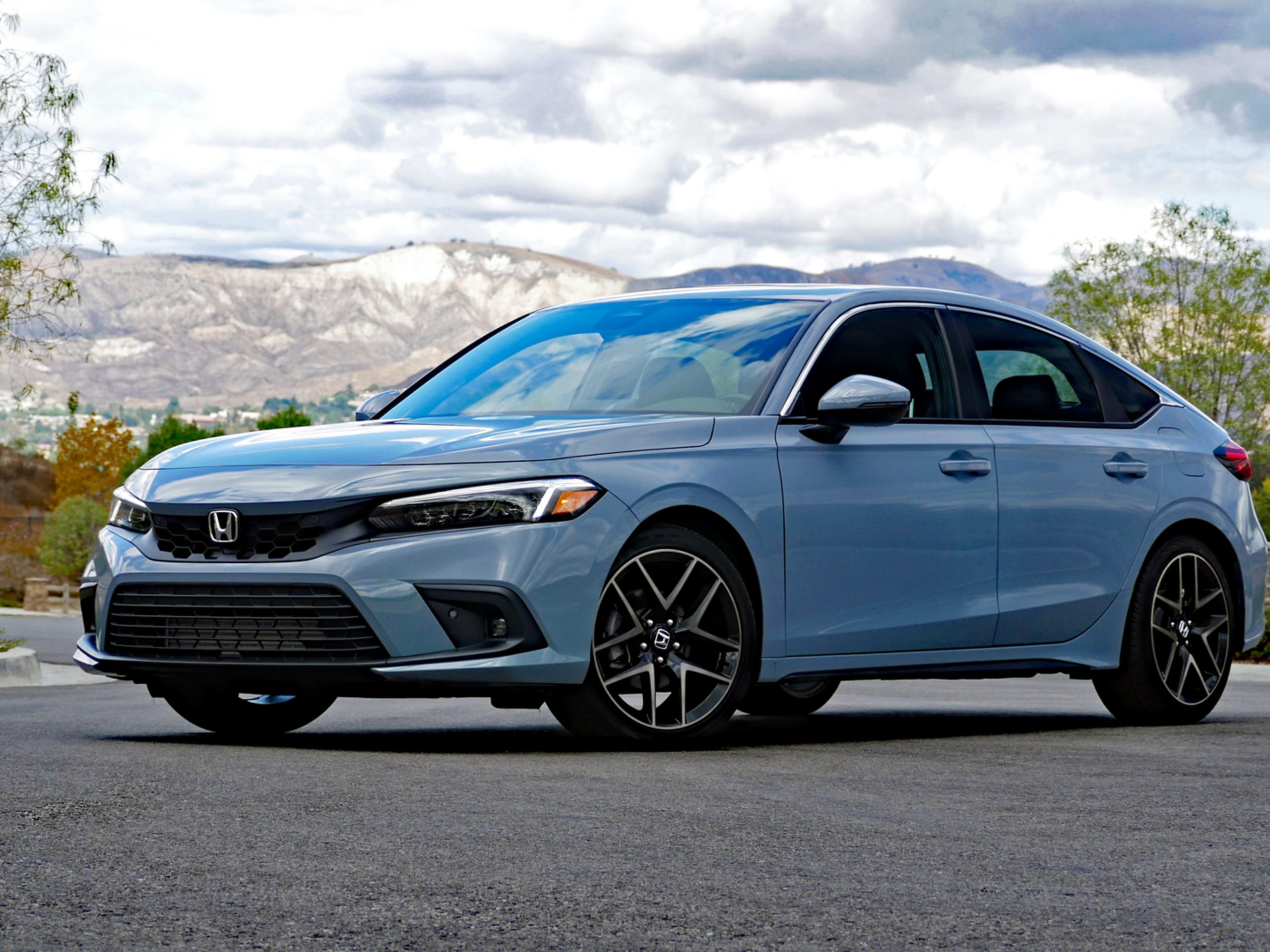
2. Honda Civic
The Honda Civic has long been regarded as a symbol of reliability and fuel efficiency, and one of its standout qualities is its ability to continue operating effectively even when maintenance routines are not strictly followed.
Honda’s engineering approach emphasizes simplicity combined with quality, which helps the Civic tolerate occasional lapses in upkeep.
The engines, particularly the older naturally aspirated variants, are known for their strong internals and resistance to damage from inconsistent servicing.
Owners often find that these engines can survive skipped oil changes or delayed air filter replacements without immediate consequences, thanks to Honda’s use of durable materials and sound design principles.
Another reason the Civic stands out is its drivetrain and suspension design. The transmission, especially the manual options found in many older models, is straightforward and built to endure significant wear and tear.
The suspension system uses reliable components that can continue to function properly even with extended intervals between inspections or repairs.
The car’s electrical system, while more complex in newer models, remains generally reliable, reducing the risk of electronic failures that can cripple other vehicles with poor maintenance histories.
This durability is a major factor in the Civic’s appeal to budget-conscious drivers and younger buyers who may not be familiar with car care routines.
The Civic also benefits from a vast network of mechanics and aftermarket parts suppliers, making it easier and more affordable to repair when problems do arise.
Since the car’s mechanical components are widely understood and commonly serviced, owners rarely encounter difficulties in diagnosing and fixing issues caused by maintenance neglect.
In some cases, the car’s resilience even extends to its body and interior, which often remain in serviceable condition long after the engine and drivetrain have passed the 200,000-mile mark.
This longevity further contributes to the Civic’s reputation as a vehicle that can handle poor maintenance without catastrophic failure.
The Honda Civic’s blend of simple engineering, reliable mechanical systems, and widespread support infrastructure means it is well suited for drivers who might occasionally overlook regular maintenance.
While consistent servicing is always preferable, the Civic’s track record shows that it can keep running smoothly under less-than-ideal care, providing dependable transportation for years.
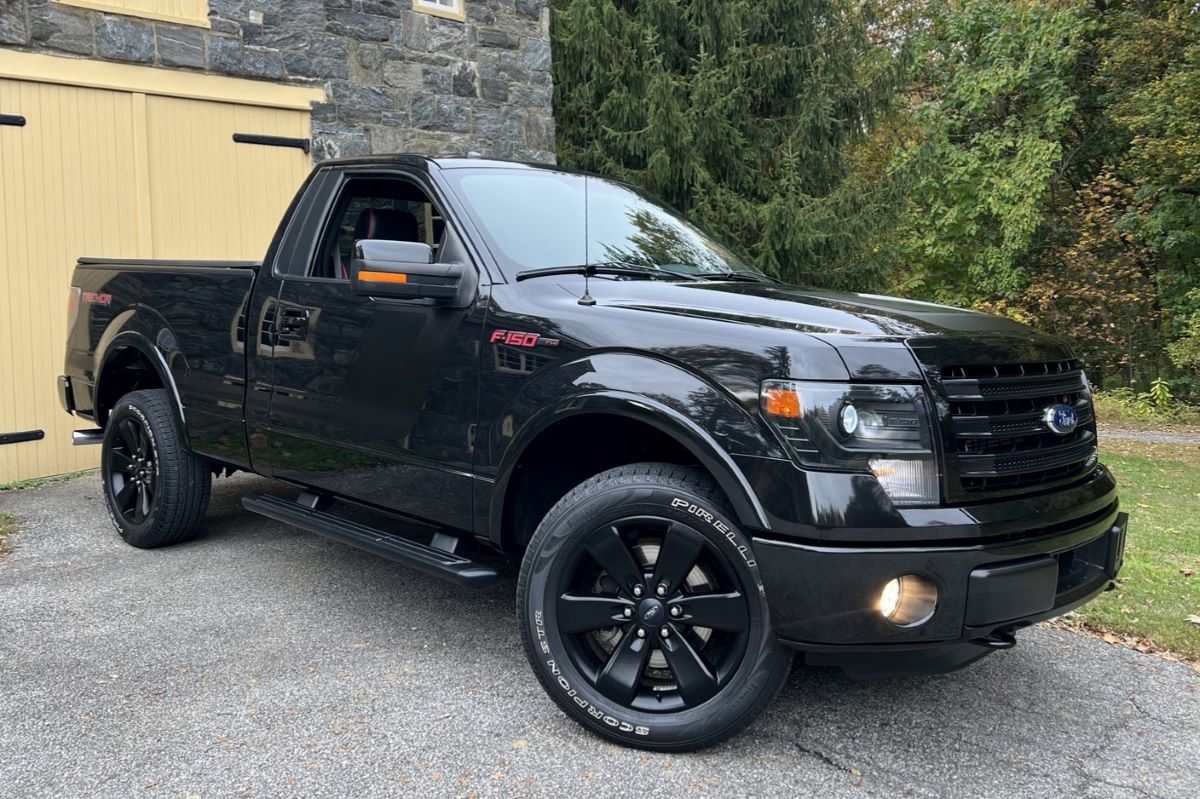
3. Ford F-150 (Older Models)
The Ford F-150, especially in its older iterations, has earned a reputation as one of the toughest and most dependable trucks on the market. Built for work and rough use, these models emphasize durability over refinement.
The engines in these trucks, such as the 5.4-liter V8 or the 4.6-liter V8 found in early 2000s models, are large and robust, designed to deliver torque and power over long periods.
Unlike smaller, high-revving engines, these V8s can handle lower-quality oil, extended service intervals, and heavy loads without significant risk of failure. The truck’s mechanical simplicity compared to newer models makes it much more tolerant of deferred maintenance.
The F-150’s rugged chassis and heavy-duty suspension contribute to its ability to withstand neglect. Unlike lighter passenger cars, the truck’s frame and suspension components are overbuilt to endure harsh driving conditions and heavy payloads, which also translates into resilience against maintenance oversights.
Another important factor is the widespread availability of parts and service knowledge. The Ford F-150 has been the best-selling vehicle in the U.S. for decades, meaning mechanics are familiar with its design, and parts are plentiful and affordable.
This accessibility makes repairs from maintenance neglect less daunting and encourages owners to keep these trucks running, even if they fall behind on routine care.
Additionally, the simplicity of the F-150’s systems compared to modern vehicles means fewer electronic components that might fail due to neglect.
In conclusion, the older Ford F-150 models stand out as trucks that can maintain their reliability despite occasional or even frequent neglect of maintenance tasks.
Their robust engines, durable chassis, and wide parts availability make them forgiving machines, perfect for owners who need a dependable vehicle but may not always maintain it perfectly.
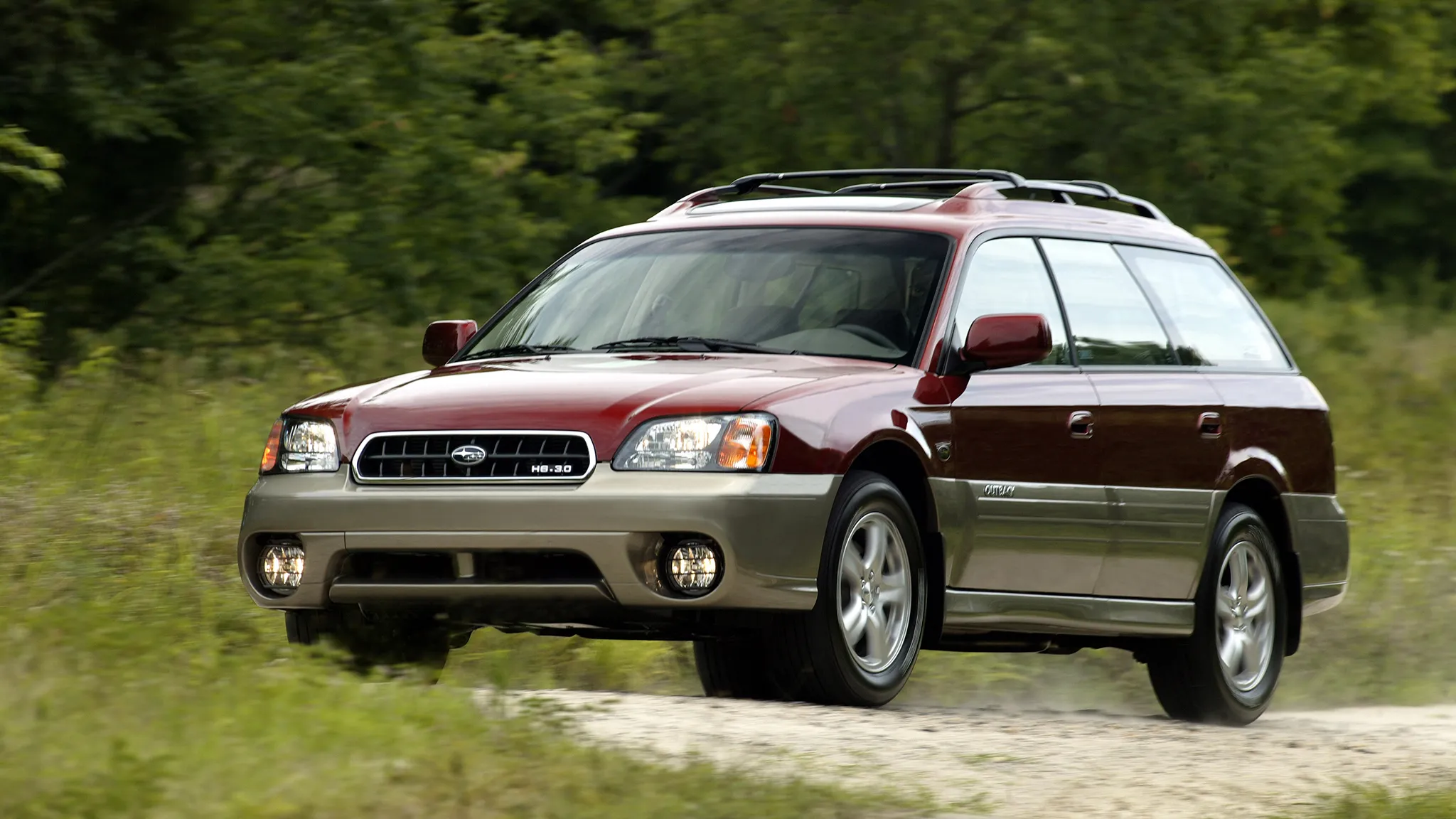
4. Subaru Outback (Early 2000s Models)
The Subaru Outback of the early 2000s is for its combination of ruggedness and mechanical reliability, particularly when maintenance schedules are not rigorously followed.
This engine design distributes stress evenly across components, which contributes to longer engine life and resilience when oil changes or other maintenance tasks are delayed. Many owners have reported their early 2000s Outbacks running strong well past 200,000 miles with only sporadic servicing.
Subaru’s all-wheel-drive system also adds to the Outback’s reputation for durability. While AWD systems can sometimes be sensitive to neglect, Subaru’s symmetrical AWD is designed to be mechanically straightforward and robust.
This system provides excellent traction in challenging conditions, reducing strain on the drivetrain and helping maintain performance even when maintenance intervals are not perfectly adhered to.
The vehicle’s suspension and brake components are similarly designed to be durable, with many owners finding that these parts last longer than expected, even under hard use and minimal maintenance.
Repairs on the Subaru Outback tend to be straightforward and affordable, particularly compared to more complex luxury vehicles.
Mechanics are generally familiar with Subaru’s unique engine layout and drivetrain design, which makes diagnosing and fixing issues related to maintenance neglect easier and less expensive. The car’s strong following among outdoor enthusiasts and rural drivers reflects its ability to keep running in tough conditions, even when care is less consistent.
In essence, the early 2000s Subaru Outback offers a blend of innovative engineering and rugged design that enables it to remain dependable despite imperfect maintenance. For drivers seeking an all-weather vehicle that won’t break down quickly even when servicing is delayed, the Outback remains a solid choice.
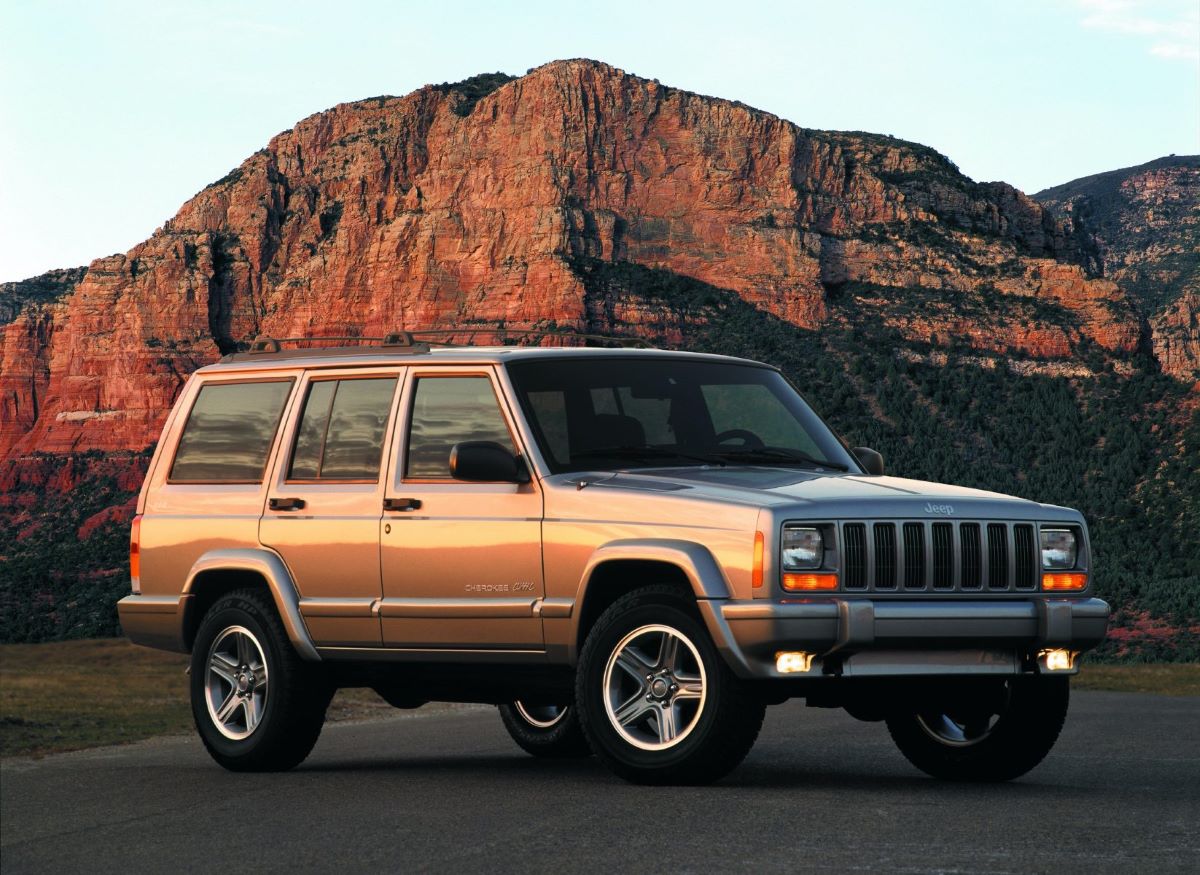
5. Jeep Cherokee (XJ)
The Jeep Cherokee XJ, produced from the mid-1980s through the early 2000s, has earned a cult following for its simple and rugged design, which translates into impressive reliability even when maintenance is inconsistent.
The XJ’s engine options, particularly the inline-six, are famous for their longevity and mechanical simplicity. Unlike many modern engines that rely heavily on electronic controls and complex sensors, the Cherokee’s engines use straightforward fuel and ignition systems, making them less prone to failure from neglect.
The Cherokee’s suspension and drivetrain systems also contribute to its reputation for reliability under poor maintenance conditions. The solid front and rear axles, combined with simple four-wheel-drive components, are known for durability and ease of repair.
These systems can continue to operate well despite delayed servicing, making the XJ a favorite among off-road enthusiasts who sometimes push their vehicles beyond ideal maintenance schedules.
The vehicle’s mechanical simplicity means that even when things do go wrong, repairs are often manageable and affordable, allowing owners to keep their vehicles on the road for many years.
Furthermore, the Jeep Cherokee XJ benefits from a large aftermarket community and widespread parts availability. This support network means that owners can quickly source replacement parts and find knowledgeable mechanics to handle repairs caused by maintenance neglect.
The XJ’s boxy design and rugged build also make it easier to work on compared to more modern SUVs, which often have compact engine bays and complex electronics.
In short, the Jeep Cherokee XJ’s combination of durable engines, straightforward drivetrain, and accessible repair options make it one of the best vehicles for drivers who may not always follow maintenance schedules strictly.
Its reputation for reliability despite poor maintenance is well earned, and it remains a sought-after vehicle for those who value toughness and simplicity.
5 Cars That Don’t Stay Reliable With Poor Maintenance
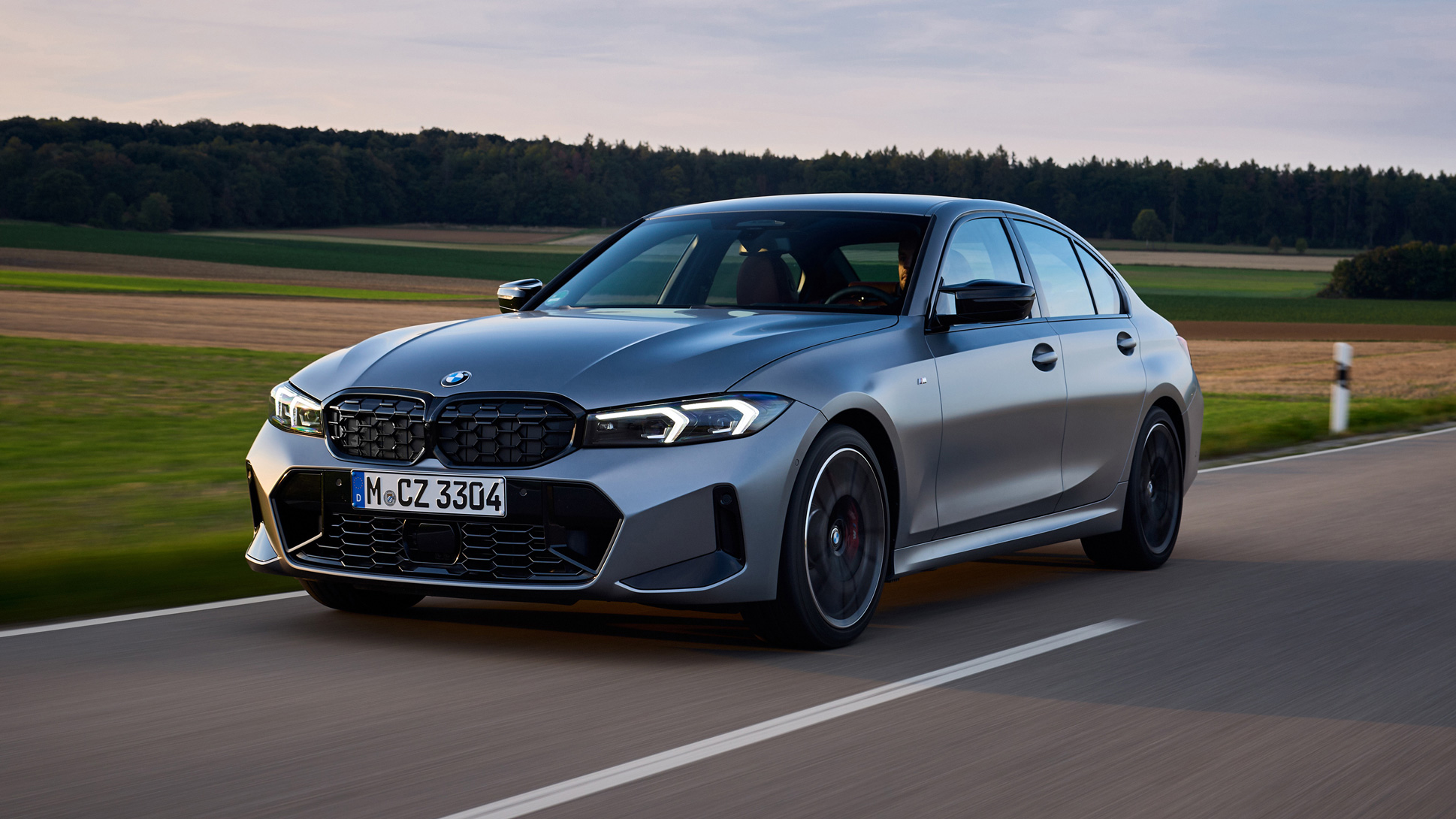
1. BMW 3 Series (Modern Models)
Modern BMW 3 Series vehicles, particularly those produced within the last decade, showcase the impressive blend of luxury, technology, and performance that has made the brand popular worldwide. However, these qualities come with a significant trade-off when it comes to reliability under poor maintenance.
The 3 Series is engineered with tight tolerances and advanced systems that demand a strict maintenance regimen. Skipping routine tasks such as oil changes, coolant flushes, or brake inspections can quickly degrade engine health and drivability.
BMW engines use complex turbochargers, direct fuel injection, and sophisticated cooling systems that are sensitive to neglect, which can lead to overheating, turbo failures, or carbon buildup on valves.
Beyond the engine, the modern 3 Series is packed with an array of electronics and sensors designed to optimize performance and comfort. While these systems provide excellent driving dynamics and convenience, they are also vulnerable to failures when not properly maintained.
Sensors can malfunction or give false readings if the vehicle’s electronic systems are neglected, causing warning lights and, in some cases, limiting the car’s functionality to protect itself.
For example, the intricate suspension and braking systems require timely servicing to maintain safety and performance, and failure to do so often leads to uneven tire wear, reduced stopping power, and costly repairs.
The cost of repairs on modern BMWs is high compared to more basic vehicles, which makes maintenance neglect even more problematic. Minor issues, if left unattended, often snowball into major repairs involving engine rebuilds, transmission replacements, or electronic module fixes.
These expenses can deter owners from keeping their cars in good running condition once problems start appearing, affecting the vehicle’s reliability and lifespan.
It’s also worth noting that many independent mechanics may hesitate to work on modern BMWs due to the complexity and cost of diagnostic equipment required, further complicating ownership for those who don’t maintain their vehicles.
In essence, the modern BMW 3 Series is engineered for drivers who prioritize precision and are willing to commit to rigorous maintenance schedules.
Poor maintenance not only diminishes the driving experience but also accelerates mechanical wear, leading to frequent breakdowns and expensive repairs.
For owners unwilling or unable to keep up with recommended care, the 3 Series quickly becomes unreliable and costly to maintain, making it unsuitable for those seeking a low-maintenance vehicle.
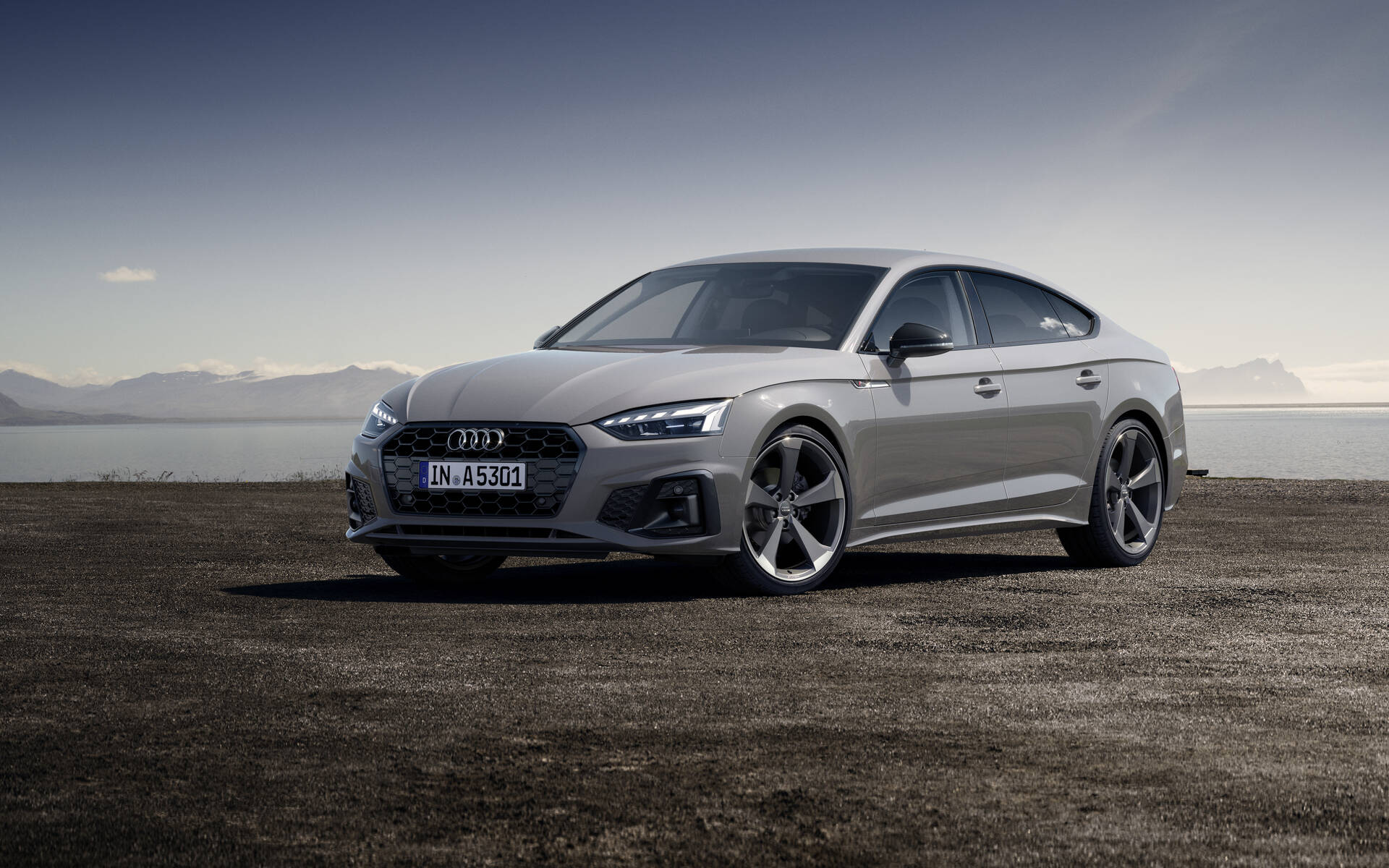
2. Audi A4
The Audi A4 stands out in the luxury compact sedan segment for its blend of style, performance, and cutting-edge technology. However, much like other premium vehicles, it shows a marked sensitivity to maintenance neglect.
The A4’s advanced turbocharged engines, intricate electrical systems, and high-performance components require regular upkeep to avoid serious mechanical and electronic issues.
Failure to adhere to maintenance schedules often results in oil sludge accumulation, turbocharger failures, and timing chain tensioner problems, all of which can be very expensive to repair.
These issues tend to manifest in accelerated engine wear and decreased performance, leaving owners with costly repair bills and reduced vehicle lifespan.
The electronic architecture of the Audi A4 is complex, with numerous sensors and control modules governing everything from engine performance to infotainment and safety systems.
When maintenance is overlooked, these systems are more prone to malfunctions that may cause warning lights to appear or lead to intermittent faults that are difficult to diagnose.
Electrical gremlins can result in drivability problems, such as rough idling, stalling, or even failure to start. Additionally, these faults can affect critical safety features, making the car less reliable and more dangerous over time.
Without consistent care, the intricate wiring and connectors can corrode or degrade, further compounding these problems.
Another challenge with the Audi A4 is the cost and complexity of repairs. Luxury vehicles typically have higher parts and labor costs, and the A4 is no exception.
Components such as turbochargers, timing chains, and electronic control units require specialized knowledge and equipment to service or replace, making repairs both time-consuming and expensive.
This financial burden often discourages owners from addressing maintenance issues promptly, which accelerates the car’s decline in reliability.
It’s also worth noting that many Audi A4 models feature dual-clutch transmissions that are particularly sensitive to fluid quality and replacement intervals; neglect in this area often leads to premature transmission failure.
To sum up, the Audi A4 is a vehicle that demands consistent and attentive maintenance to remain reliable. Its sophisticated engineering and luxury features provide an excellent driving experience, but only when properly cared for.
Ignoring scheduled services leads to rapid deterioration and costly problems, making the A4 a poor choice for anyone unable to commit to its maintenance needs.
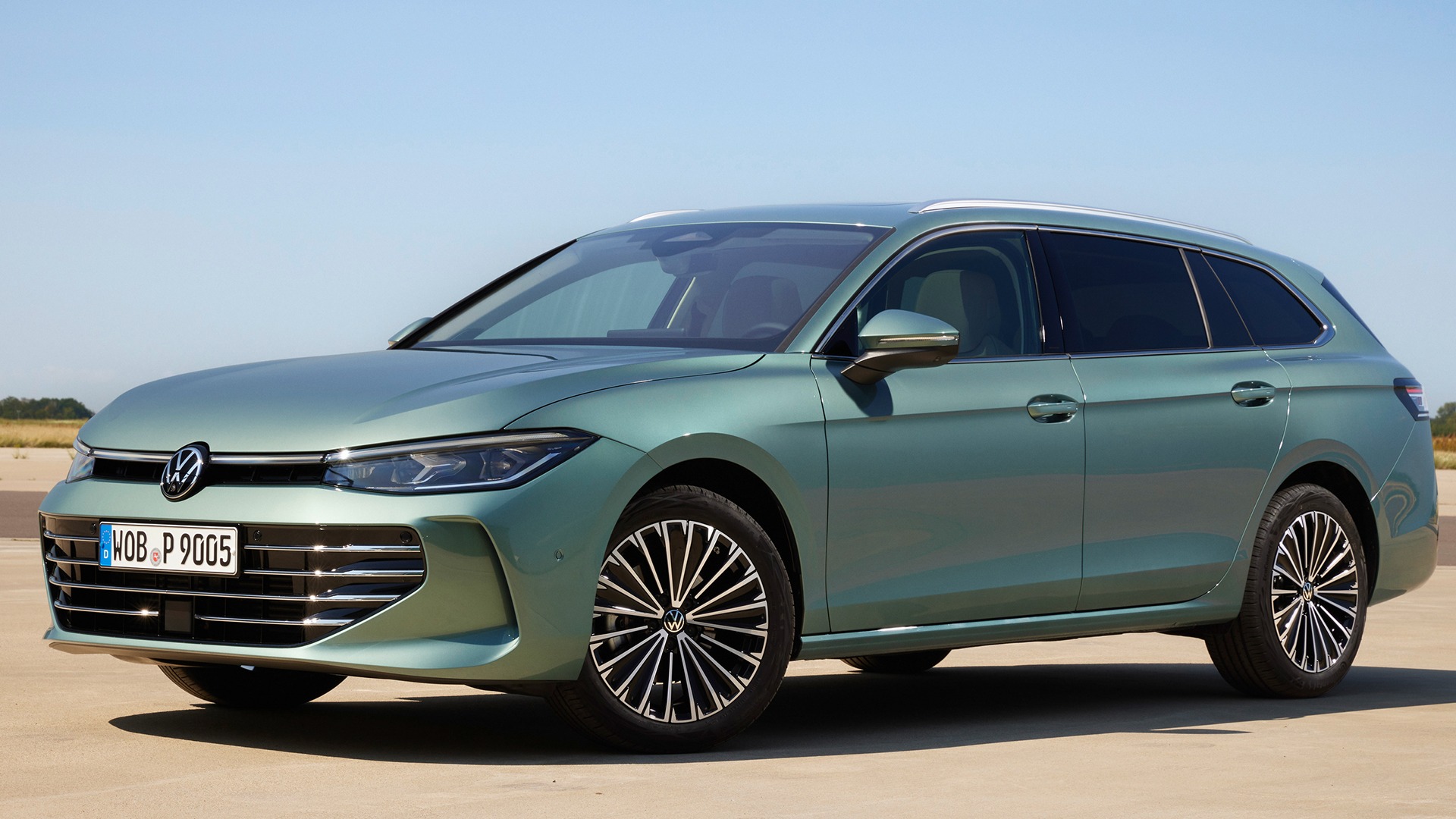
3. Volkswagen Passat
The Volkswagen Passat, a staple in the midsize sedan market, offers a balance of comfort, style, and performance. However, its engineering and build quality place a significant emphasis on regular maintenance to prevent premature wear and failures.
Many Passat models, particularly those equipped with turbocharged engines, require frequent oil changes and transmission fluid replacements to avoid serious mechanical issues.
When these maintenance tasks are neglected, owners often encounter engine misfires, carbon buildup, and transmission slipping or failure, all of which degrade the car’s reliability significantly.
The Passat’s turbocharged engines, while efficient and powerful, are especially sensitive to poor maintenance practices. These engines rely on precise timing, clean oil, and properly functioning cooling systems to operate reliably.
Without regular care, carbon deposits accumulate on valves and intake components, which can reduce engine efficiency and lead to rough running or even stalling.
Transmission problems are another common consequence of skipped servicing, particularly in Passats with DSG (direct-shift gearbox) or automatic transmissions. Inadequate fluid changes lead to overheating and internal damage, which are costly and complex to repair.
Electrical and sensor-related problems also become more common in Passats that are not well maintained. Warning lights may come on unexpectedly, and intermittent faults can cause drivability issues such as hesitation or stalling.
The complexity of these systems means that diagnosing and repairing problems without consistent maintenance can be difficult, often requiring specialized diagnostic tools and expertise. As repair costs mount, owners may find the car less reliable and more frustrating to operate.
In addition to the mechanical and electronic concerns, neglecting routine upkeep on the Passat can also affect other critical systems, such as the suspension and brakes. These components rely on regular inspections and maintenance to ensure safe and smooth operation.
Without attention, the ride quality deteriorates, and safety is compromised, further reducing the vehicle’s dependability. The Volkswagen Passat requires attentive and regular maintenance to maintain its reliability and performance, making it less suitable for drivers who tend to overlook servicing schedules.

4. Land Rover Range Rover
The Land Rover Range Rover is renowned for its luxury, off-road capabilities, and advanced technology. Unfortunately, this combination comes at a cost when maintenance is neglected. Range Rovers feature complex mechanical and electronic systems that require regular and detailed care to remain reliable.
Neglecting routine oil changes, brake services, and suspension maintenance often leads to rapid degradation of these systems. The air suspension, one of the Range Rover’s signature features, is particularly sensitive and prone to failure without proper maintenance, resulting in expensive repairs and compromised ride quality.
Range Rovers are equipped with advanced electronics controlling everything from engine management to terrain response systems.
These electronics require frequent software updates and diagnostics to function properly. Poor maintenance can lead to sensor failures, error codes, and erratic vehicle behavior.
Electrical faults often become more frequent over time, sometimes causing the vehicle to enter limp mode or disable critical features, reducing reliability and safety. Repairing these electronic issues requires specialized tools and expertise, which contributes to high maintenance costs.
The drivetrain components of the Range Rover, including the transmission and transfer case, also demand regular servicing to prevent failures. Owners who neglect fluid changes or fail to inspect these systems frequently experience early wear and expensive breakdowns.
Given the vehicle’s off-road use potential, the stress on these components can be significant, making proper maintenance even more critical. The luxury interior and electronics also require attention; neglecting these areas can result in malfunctioning climate control, infotainment systems, and other comfort features.
While the Land Rover Range Rover offers unmatched luxury and capability, it requires diligent maintenance to keep it reliable. Its sophisticated engineering means poor upkeep leads to frequent and costly repairs, making it one of the vehicles least tolerant of neglect.
For owners unwilling to commit to a thorough maintenance routine, the Range Rover is likely to become a source of frustration and unreliability.
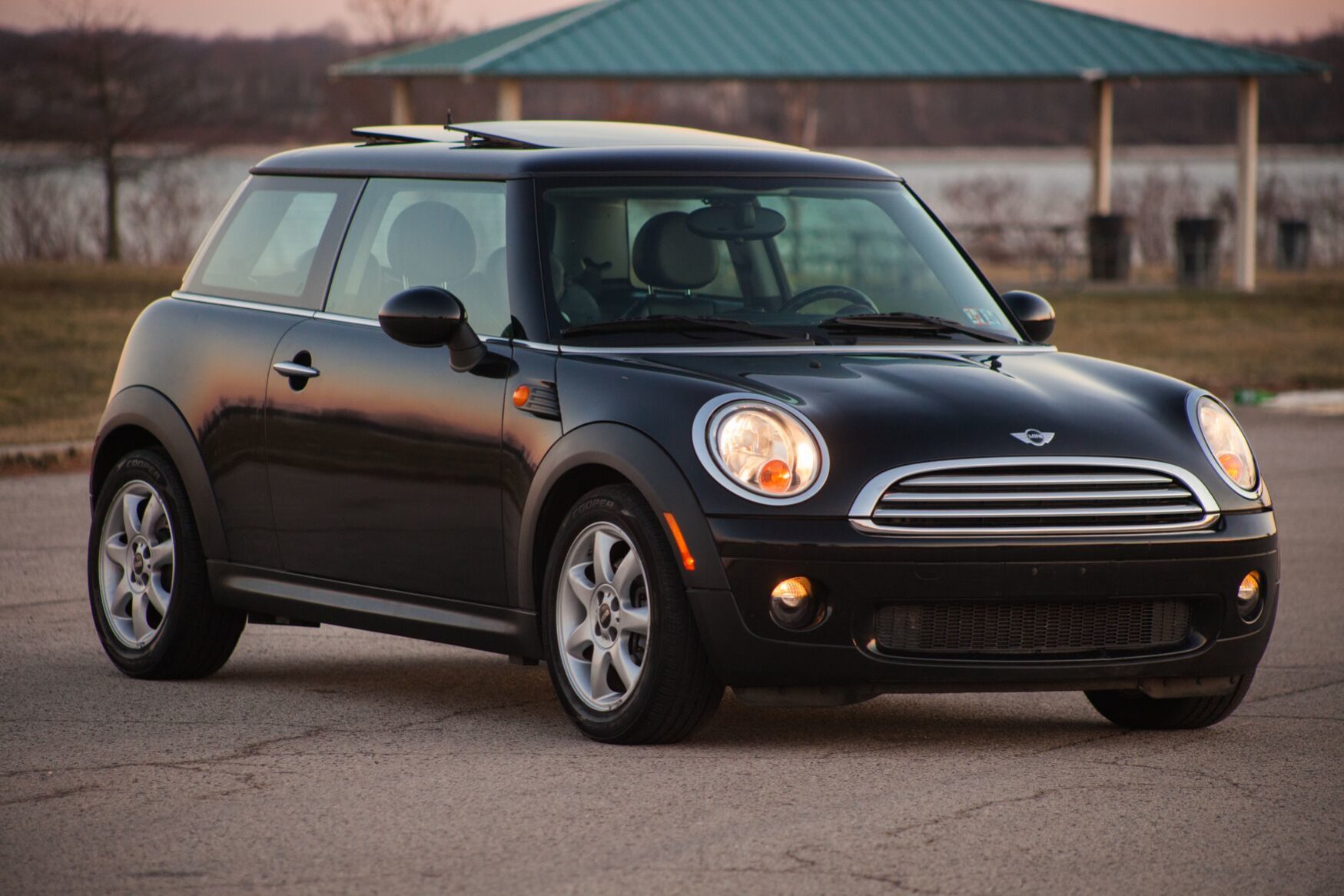
5. Mini Cooper (Modern Models)
Modern Mini Coopers combine distinctive design and sporty driving with complex engineering that requires attentive maintenance to ensure reliability. Their small, turbocharged engines are packed with advanced components designed for performance but are sensitive to neglect.
Skipping oil changes, ignoring coolant levels, or deferring transmission servicing often leads to severe mechanical problems such as turbocharger failure, overheating, and transmission malfunction.
These issues not only reduce the vehicle’s performance but can also result in costly repairs that undermine the Mini’s reputation for fun and practicality.
The electrical systems in Mini Coopers are also intricate, managing everything from engine performance to safety features and infotainment. When maintenance is ignored, owners may face frequent warning lights, intermittent electronic glitches, and sensor failures.
Diagnosing these problems often requires specialized diagnostic equipment, and the repairs can be expensive due to the complexity of the systems and limited availability of certain parts. Many owners report that once the car is neglected, multiple systems can fail simultaneously, compounding reliability issues.
Another consideration is the cost of replacement parts and labor. Mini Cooper repairs are generally more expensive than those for mainstream brands, partly due to the specialized engineering and partly because many parts are sourced from Europe.
This makes maintenance neglect more problematic, as the expenses associated with catching up on deferred servicing can be high. The small size and tight packaging of the engine bay can also make repairs more time-consuming and expensive, further discouraging owners from addressing problems quickly.
Modern Mini Coopers do not tolerate poor maintenance well. Their advanced turbocharged engines and complex electronics require consistent care to maintain reliability.
Owners who fail to keep up with recommended servicing often face frequent breakdowns and costly repairs, making the Mini Cooper a less suitable option for drivers who prefer low-maintenance vehicles.
