
Oil consumption in SUVs is a topic that often goes unnoticed until it becomes a significant issue. While some vehicles are engineered to maintain optimal oil levels over extended periods, others tend to consume oil at rates that can be both surprising and concerning.
Understanding which SUVs fall into these categories can be crucial for prospective buyers, current owners, and automotive enthusiasts alike. This article delves into five SUVs renowned for their efficient oil consumption and five that have garnered attention for their propensity to burn oil excessively.
The efficiency with which an engine uses oil is influenced by various factors, including design, manufacturing quality, and maintenance practices.
Engines that burn oil at a higher rate may suffer from issues such as worn piston rings, faulty valve seals, or poor engine design. These problems can lead to increased emissions, reduced engine performance, and more frequent oil changes, all of which contribute to higher maintenance costs and potential long-term damage.
Conversely, SUVs that maintain their oil levels effectively are often equipped with advanced engineering solutions and benefit from rigorous quality control during manufacturing.
Owners of such vehicles typically experience fewer mechanical issues related to oil consumption, leading to lower maintenance costs and a more reliable driving experience.
In the following sections, we will examine specific models that exemplify both ends of the oil consumption spectrum. By highlighting these examples, we aim to provide valuable insights for those in the market for an SUV, as well as current owners seeking to understand and manage their vehicle’s oil consumption patterns.
5 SUVs That Rarely Burn Oil
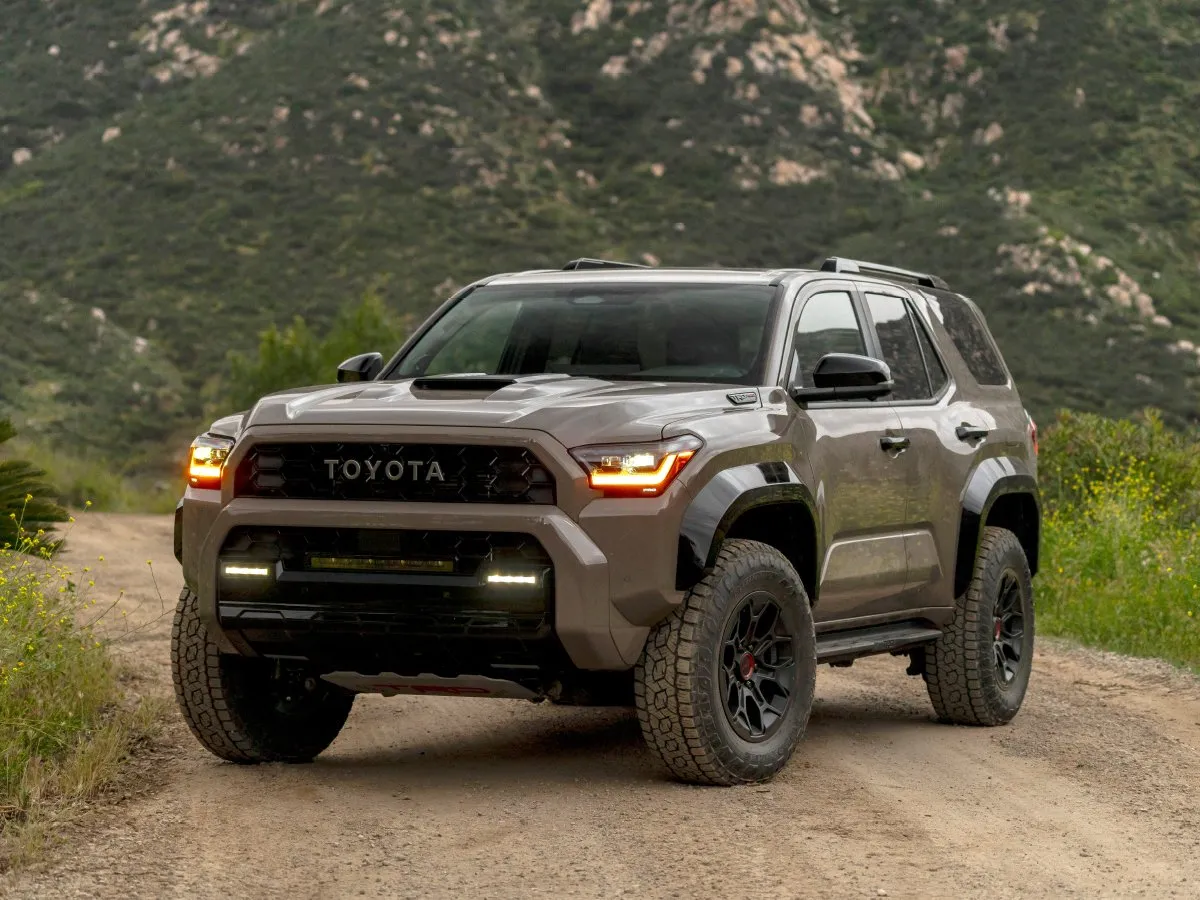
Toyota 4Runner
The Toyota 4Runner has built a longstanding reputation for its toughness and reliability, making it one of the most sought-after SUVs for both daily driving and off-road adventures. One of the factors behind its enduring popularity is the engine’s ability to maintain oil levels consistently without requiring frequent top-offs.
The 4Runner primarily uses a 4.0-liter V6 engine, a powerplant celebrated for its robust construction and conservative engineering. The design of this engine incorporates tight piston ring clearances, which helps prevent oil from slipping past into the combustion chamber.
Moreover, the valve seals used are made from durable materials that resist deterioration even after years of use, minimizing oil leaks.
Toyota’s attention to detail in engine assembly ensures that manufacturing tolerances are carefully controlled, leading to uniform quality across all engines produced. This reduces the likelihood of defects that might otherwise cause oil burning.
Users of the 4Runner frequently comment on how well the engine holds oil levels despite long hours on rough terrain or extensive highway mileage.
Unlike some SUVs that require oil top-ups every few thousand miles, many 4Runner owners find that their vehicles can easily go the recommended oil change intervals without needing additional oil.
This reliability becomes particularly important for owners who use the 4Runner in demanding environments, such as mountain trails or desert, where engine performance and lubrication must remain consistent under stress.
In addition to its mechanical design, Toyota recommends using high-quality synthetic oils in the 4Runner, which resist breakdown at high temperatures and offer superior lubrication. This not only extends engine life but also helps keep oil consumption to a minimum.
The 4Runner also benefits from Toyota’s well-established reputation for conservative tuning of its engines. Rather than pushing the engine to extreme limits for peak horsepower, Toyota prioritizes longevity and steady performance, which translates to reduced internal wear and tear.
Technologies like variable valve timing improve fuel combustion efficiency and reduce the chance of oil entering the combustion chamber. Cooling is another key aspect: the 4Runner’s engine bay design allows for effective heat dissipation, which prevents overheating and oil degradation.
Oil that stays stable and clean for longer periods reduces the risk of it being burned off or consumed by the engine. These design choices contribute to why the 4Runner has earned its status as a dependable SUV that rarely burns oil.
Beyond just engineering, the 4Runner’s strong community support and extensive service networks mean that owners can maintain their vehicles properly with ease. Routine maintenance, including regular oil changes using manufacturer-recommended oils and filters, is straightforward and well-documented.
Toyota’s longstanding track record of parts availability and reliability means owners are less likely to neglect vital maintenance steps that could otherwise lead to oil consumption issues.
Taken together, these factors explain why the 4Runner stands out as a model that owners can trust for consistent oil consumption performance over many years and miles.

Honda CR-V
The Honda CR-V has long been regarded as one of the most reliable compact SUVs on the market, and a large part of this reputation stems from its engine’s minimal oil consumption.
The CR-V’s recent generations are powered by a 1.5-liter turbocharged inline-4 engine designed with an emphasis on efficiency, durability, and reduced emissions.
Honda has implemented advanced manufacturing techniques that allow the engine’s internal components to be produced with precise tolerances, ensuring piston rings and valve seals fit perfectly to minimize oil leakage.
The turbocharged setup is carefully engineered to avoid excessive oil entering the combustion chamber, which is often a challenge in forced induction engines. This precision reduces the frequency of oil top-offs and helps the engine maintain oil levels over longer intervals.
Owner reports consistently highlight that the CR-V requires little oil between scheduled changes, even after high mileage. This is significant because turbocharged engines sometimes face oil consumption issues due to the added heat and pressure inside the combustion chamber.
Honda’s design counters these factors by using durable materials in critical engine areas and integrating efficient oil control rings that scrape oil off cylinder walls more effectively than older designs.
The company also employs a highly effective PCV (positive crankcase ventilation) system that manages crankcase pressure and oil vapor recirculation, preventing oil from escaping into the combustion process unnecessarily.
This means drivers enjoy lower maintenance costs and fewer concerns about engine wear caused by insufficient lubrication.
Honda encourages the use of synthetic oils in the CR-V, which have superior viscosity and thermal stability compared to conventional oils. Synthetic oil reduces the breakdown rate under high temperatures and helps maintain optimal engine lubrication throughout the oil change interval.
The engine’s design also limits internal friction through the use of lightweight components and friction-reducing coatings on moving parts.
This reduces stress on engine seals and rings, thereby further lowering oil consumption. For drivers, this means not only less frequent oil top-ups but also smoother engine operation and better fuel economy, a win-win for everyday commuting and longer trips.
Moreover, Honda’s continuous improvements in engine technology, including their i-VTEC system that adjusts valve timing for efficiency, play a key role in controlling oil consumption. The system optimizes the combustion process, reducing incomplete combustion events that might otherwise contribute to oil burning.
Honda’s well-established dealer network and owner support make it easier for CR-V drivers to adhere to maintenance schedules, which is essential to keeping oil consumption in check.
All these factors combined make the CR-V a standout SUV for those looking for a reliable and economical vehicle that rarely demands extra oil.
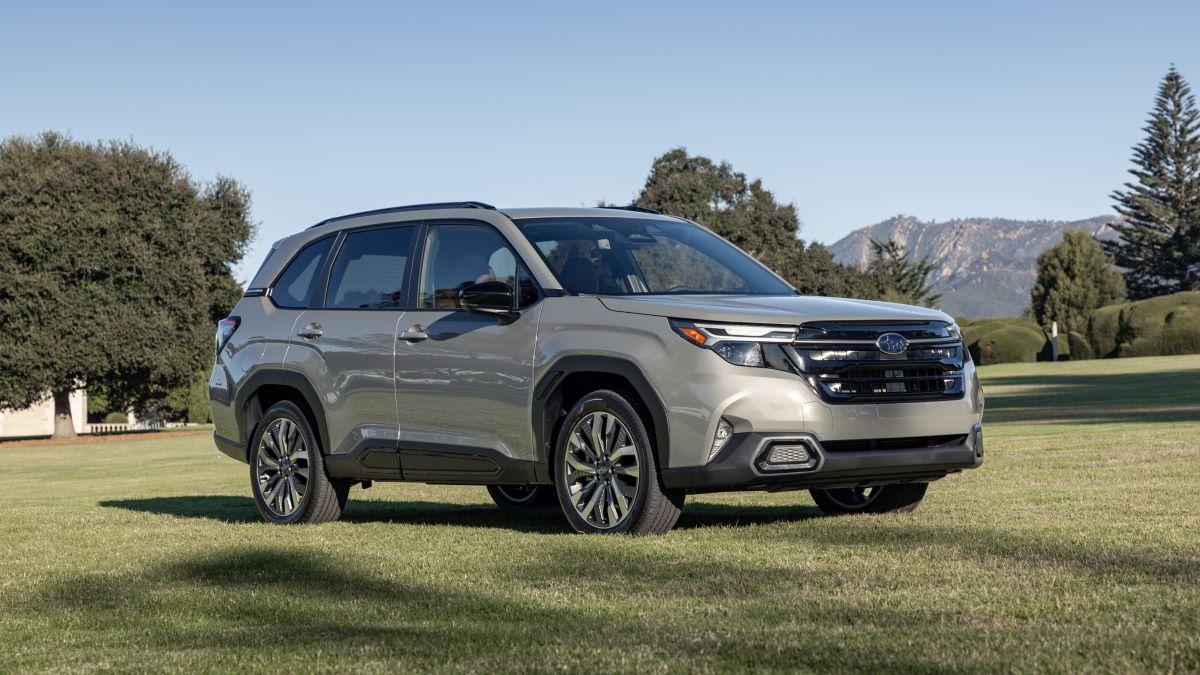
Subaru Forester
The Subaru Forester is recognized for its unique engineering, particularly its use of the horizontally opposed boxer engine, which sets it apart from many SUVs that use inline or V-shaped engines.
This engine design offers benefits such as a lower center of gravity and balanced weight distribution, contributing to superior handling and stability.
In terms of oil consumption, the boxer engine is less prone to burning oil due to its layout, which evenly distributes forces and reduces wear on piston rings and valve seals. This can lead to fewer instances where oil escapes into the combustion chamber, helping maintain stable oil levels over time.
Owners of the Forester often mention how well their engines hold oil, even after significant mileage and varied driving conditions, from city streets to rugged off-road trails. Subaru recommends synthetic oil for its boxer engines to combat sludge formation and to maintain oil integrity at high temperatures.
The Forester’s engine features advanced technologies such as direct fuel injection and variable valve timing, which improve combustion efficiency and reduce the risk of oil contamination. These systems help prevent unburnt oil from entering the exhaust, a common cause of oil burning in many vehicles.
The Forester’s symmetrical all-wheel-drive system also contributes to engine longevity by promoting balanced mechanical stress across the drivetrain. This balanced stress reduces strain on the engine’s internal components and maintains consistent oil pressure, further limiting oil consumption.
Subaru has taken steps to improve the durability of their engines by using reinforced piston rings and upgraded valve seals in newer models, addressing earlier concerns about oil consumption.
Regular maintenance, including timely oil changes and use of approved oil grades, ensures that the Forester maintains its reputation for reliable and low oil consumption.
Additionally, Subaru’s commitment to continuous improvement means that each new generation of the Forester benefits from refined engine designs and better materials that enhance oil retention.
The brand’s strong following and detailed service literature help owners maintain their vehicles in optimal condition, reducing the likelihood of oil consumption problems.
The combination of innovative engine design, effective lubrication management, and balanced drivetrain mechanics makes the Forester a dependable choice for those who want an SUV that rarely burns oil.
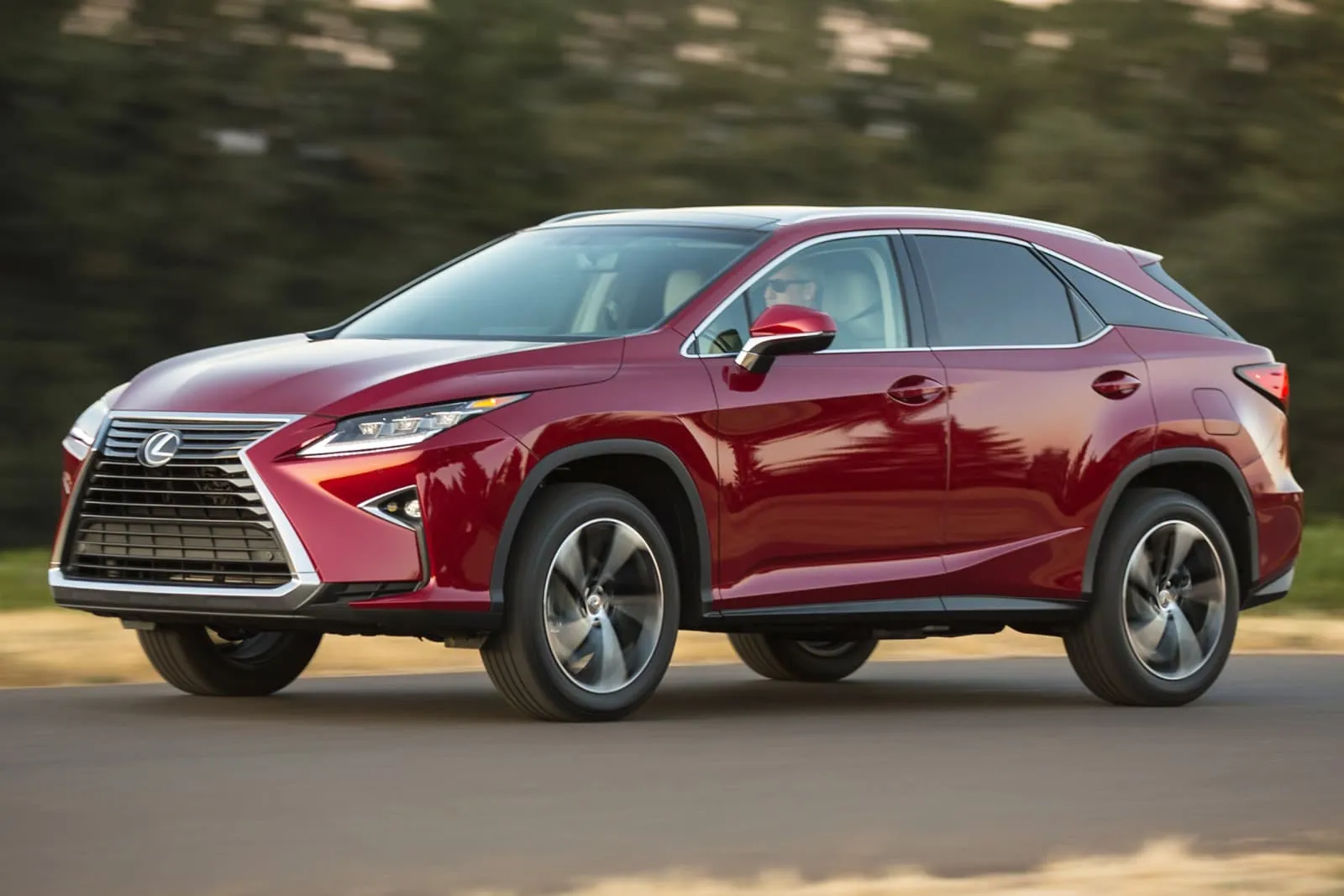
Lexus RX
The Lexus RX exemplifies how luxury and reliability can come together in an SUV with minimal oil consumption issues. Built by Toyota’s luxury division, the RX benefits from superior materials, meticulous assembly processes, and advanced engine technologies.
The RX typically uses V6 engines derived from Toyota’s reliable powertrains, but with enhancements that improve longevity and reduce oil burning.
These engines are engineered with tight piston ring tolerances and high-quality valve seals, which reduce the chance of oil slipping past and being burned during combustion. Lexus also employs stringent quality control during production, ensuring each engine meets exacting standards for sealing and durability.
Owners of the Lexus RX frequently report that the engine maintains oil levels well over time, even when the vehicle has logged substantial mileage. This reliability is reinforced by Lexus’s proactive maintenance recommendations, which encourage using synthetic oils known for their superior lubrication and thermal stability.
The RX is also equipped with advanced engine management systems that closely monitor oil quality and consumption, providing alerts when levels are low. This helps owners avoid the dangers of running engines with insufficient oil and allows for timely top-ups that prevent damage.
The RX’s engine tuning focuses on smooth, efficient performance rather than aggressive power output, reducing internal wear and extending the life of seals and rings. Technologies such as variable valve timing and fuel injection optimization further contribute to cleaner combustion and reduced oil vapor production.
Additionally, the luxury SUV’s design promotes optimal cooling of the engine, preventing oil breakdown caused by overheating. This results in oil that remains effective for longer periods, minimizing the frequency of top-offs and replacements.
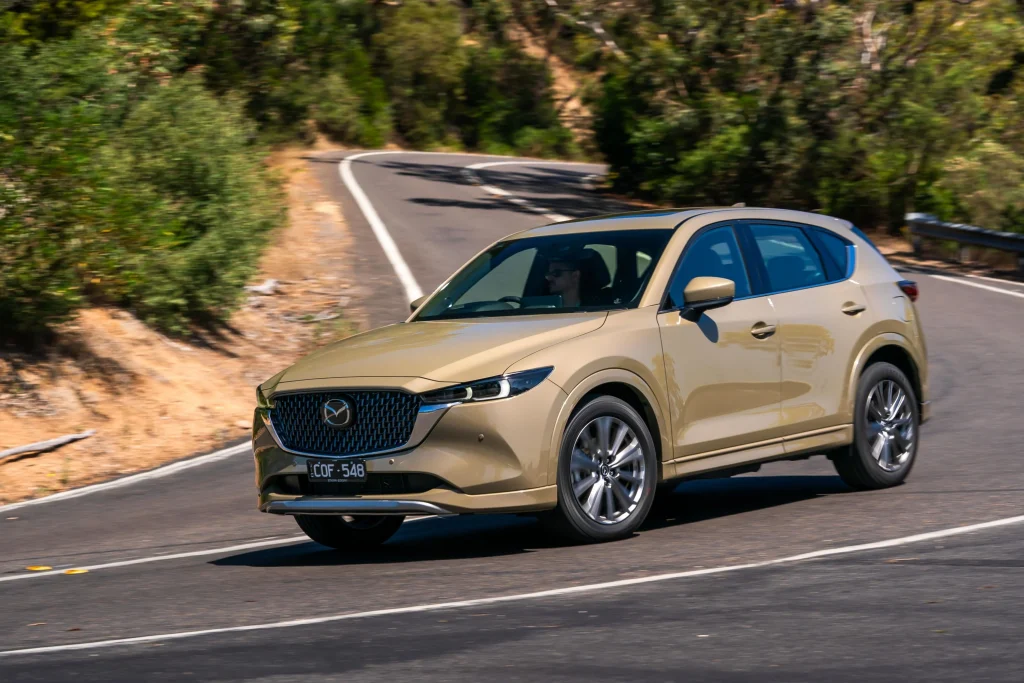
Mazda CX-5
The Mazda CX-5 has gained recognition for delivering a driving experience that combines sportiness, fuel efficiency, and reliability, all while maintaining relatively low oil consumption.
Central to this success is Mazda’s Skyactiv technology, which includes high-compression ratio engines designed to extract more power and efficiency from every drop of fuel without compromising engine durability.
The Skyactiv engines incorporate improved piston ring designs and enhanced valve stem seals that better prevent oil from leaking into the combustion chamber, which is a key factor in limiting oil burning.
Many Mazda CX-5 owners report minimal oil consumption even after extensive driving, with the engine holding oil levels well between changes.
This is aided by Mazda’s recommendation to use synthetic oils, which maintain stable viscosity and resist thermal breakdown, thus providing continuous protection for engine components.
The company’s focus on lightweight materials and friction-reducing surface treatments also helps decrease engine wear, extending the lifespan of seals and rings responsible for oil control.
The CX-5’s engine management system plays a crucial role in maintaining oil efficiency by carefully regulating the fuel-air mixture and ignition timing to ensure thorough combustion.
This reduces the presence of unburnt oil in the exhaust and limits oil dilution, both of which contribute to oil consumption issues in some engines. Additionally, the vehicle’s well-balanced cooling system keeps engine temperatures within optimal ranges, preventing oil from overheating and degrading prematurely.
Mazda’s dedication to continual engine refinement means that each generation of the CX-5 benefits from enhancements that address known issues from previous models. This commitment helps maintain the SUV’s reputation for reliable oil consumption performance.
Drivers who follow Mazda’s recommended maintenance schedules and use proper oils find that the CX-5 provides a smooth, efficient ride without the frustration of constant oil monitoring or topping off. For those looking for a sporty, stylish SUV with dependable engine health, the CX-5 is a compelling choice with a strong record of minimal oil consumption.
5 SUVs That Constantly Burn Oil

1. Subaru Outback (Certain 2.5L Engines)
The Subaru Outback is widely appreciated for its all-weather capability, practical design, and long-standing reputation for safety and reliability.
One of the major mechanical reasons behind this issue lies in the boxer engine’s configuration. Unlike inline or V-shaped engines, the horizontally opposed pistons in a boxer engine are more prone to allowing oil past the piston rings when they begin to wear.
This is especially true as the engine ages or in cases where maintenance has been inconsistent. The flat orientation of the pistons can cause oil to pool and seep past the rings into the combustion chamber, leading to slow but consistent oil loss.
In response to widespread complaints, Subaru issued technical service bulletins and, in some cases, extended warranties to address the problem. Affected vehicles were sometimes eligible for repairs that involved replacing piston rings, but not every vehicle received this support, and some owners were left to manage the problem on their own.
As a result, many buyers of used Outbacks from this generation have been advised to monitor oil levels regularly or to inquire about whether the necessary repairs were ever performed.
The issue of oil burning doesn’t always result in visible smoke from the exhaust, which can make it more difficult for owners to detect without regularly checking the dipstick.
In some cases, drivers only discovered the problem after their engine warning light appeared or, worse, after experiencing performance issues due to low oil pressure. Over time, continued oil loss without timely top-offs can lead to premature engine wear or even failure if the engine runs dry.
Despite this oil-related flaw, many owners remain loyal to the Subaru brand due to its handling in poor weather, standard all-wheel drive, and practicality.
That said, for anyone considering a used Outback, especially from the early 2010s, verifying service records and tracking oil usage should be top priorities. While newer models have improved significantly, this generation still carries the stigma of the oil-burning issue and requires extra vigilance.

2. Audi Q5 (2.0T Engines from Early 2010s)
The Audi Q5 is a compact luxury SUV known for its upscale interior, advanced technology, and strong on-road performance. But for many owners of early 2010s models equipped with the 2.0-liter turbocharged four-cylinder engine, these positives were overshadowed by one persistent issue: excessive oil consumption.
Complaints were common, and some drivers reported needing to add a quart of oil every 1,000 miles or less, far outside the norm for most modern engines.
The root of the problem came from poor piston ring design and flaws in the crankcase ventilation system. These design oversights allowed oil to enter the combustion chamber during normal engine operation.
Over time, this led to increased oil burn, reduced efficiency, and more frequent maintenance. What started as a minor inconvenience often became a more serious concern, especially for those unaware of the problem or those who neglected to check oil levels regularly.
Audi eventually acknowledged the issue, issuing technical service bulletins and offering repairs that involved replacing the pistons and rings. However, these repairs were not always free.
Many owners had to bear the cost of the repairs themselves, especially if their vehicles were out of warranty or purchased used. Lawsuits were filed, and a class-action settlement required Audi to address the problem under certain conditions, but not every vehicle or owner qualified for relief.
This situation left many owners feeling frustrated with the brand. Luxury vehicle buyers expect more from a manufacturer in terms of durability and long-term reliability.
The need for frequent oil top-offs, combined with expensive repairs and the potential for engine damage if ignored, turned a highly regarded SUV into a maintenance concern for many. Some drivers even chose to sell their vehicles early to avoid long-term problems.
While later versions of the Q5 improved both engine design and oil consumption issues, early 2010s models with the 2.0T engine remain a risk for used car buyers.
Anyone considering one of these vehicles should ensure that the piston ring issue was resolved, ideally with documentation of repairs. Otherwise, regular oil checks and top-offs will likely become a permanent part of ownership.

3. Chevrolet Equinox (2.4L Ecotec Engine)
The Chevrolet Equinox, particularly those produced between 2010 and 2015 with the 2.4-liter Ecotec four-cylinder engine, has become infamous for its oil consumption problems.
Owners have reported the engine consuming more than a quart of oil every 1,000 miles, sometimes even more under aggressive driving conditions. This issue has affected many thousands of vehicles and led to widespread consumer dissatisfaction.
The problem originates from the piston rings, which were poorly designed and prone to early wear. As they degrade, they fail to maintain a proper seal within the combustion chamber, allowing oil to pass through and burn during normal engine operation.
Additionally, the engine’s direct injection system, though beneficial for fuel economy, may have contributed to increased internal heat and wear, which further accelerated the oil-burning problem.
As the issue gained national attention, GM issued several technical service bulletins and, eventually, a customer satisfaction campaign that included limited warranty extensions.
Class-action lawsuits were also filed, pushing General Motors to address the problem more directly. However, not all vehicles were eligible for repair, and many owners were left with the responsibility of paying for expensive engine work themselves or monitoring oil levels religiously.
The consequences of ignoring this issue can be severe. Engines can develop knocking noises, lose power, or even fail due to low oil levels.
In many cases, drivers were caught off guard by the lack of dashboard warnings until it was too late. This forced a shift in behavior for many Equinox owners, who had to begin checking oil levels manually every few weeks or risk damaging their engines.
Today, the affected models of the Chevrolet Equinox are still available on the used market at relatively low prices, but they come with the baggage of known oil problems.
Prospective buyers should inquire about past repairs and ensure that the engine has been serviced appropriately. Unless the issue has been properly addressed, ownership can quickly turn into a frustrating experience.

4. BMW X5 (V8 Engines, Particularly the N62)
The BMW X5 is often chosen for its strong performance, premium feel, and versatile utility. But certain model years equipped with the 4.4-liter or 4.8-liter N62 V8 engine have been repeatedly criticized for excessive oil consumption.
These engines were used in mid-2000s X5 models, and they remain a source of concern for many enthusiasts and mechanics due to their known design flaws and high cost of upkeep.
One of the most common causes of oil burning in the N62 engine is the failure of the valve stem seals. These seals are responsible for preventing oil from leaking into the combustion chamber through the intake and exhaust valves.
As they age, they harden and begin to fail, especially in high-mileage vehicles or those used for short trips where engine temperatures fluctuate often. When the seals fail, oil leaks into the combustion chamber and burns off, often visible as blue smoke during startup.
Aside from the valve stem seals, the N62 engine also suffers from potential crankcase ventilation system failures, which can increase crankcase pressure and force oil through weak points in the engine.
This compounds the oil consumption issue and may also lead to oil leaks. Many owners have found themselves topping off oil more frequently than they expected, sometimes as often as every 500 to 1,000 miles.
Despite its luxury branding and driving dynamics, the V8-powered BMW X5 with the N62 engine should be approached with caution.
Unless extensive service records show the engine has been reconditioned or the seals replaced, buyers should be prepared for regular oil top-offs or potentially major engine work. Choosing a model with the inline-six engine or a newer generation may be a better path for long-term reliability.

5. Jeep Grand Cherokee (5.7L HEMI V8)
The Jeep Grand Cherokee is widely respected for its off-road ability, V8 power, and rugged image, especially in trims that feature the 5.7-liter HEMI V8.
While this engine is loved for its strength and performance, it is also known for its appetite for oil. Many owners report burning a quart or more every 1,000–1,500 miles, which quickly adds up and can lead to bigger problems if ignored.
One of the primary culprits behind this oil usage is piston ring wear. In many cases, rings begin to lose their effectiveness well before the vehicle reaches high mileage. This allows oil to pass through and burn in the combustion chamber.
Compounding the problem is the engine’s use of cylinder deactivation, known as MDS (Multi-Displacement System), which shuts down some cylinders under light loads to improve fuel economy. This can lead to uneven cylinder wear over time, contributing to increased oil burn.
Jeep has released several technical service bulletins related to this engine, and there are countless forum discussions where owners describe the same pattern: decreasing oil levels between oil changes and visible smoke on cold starts.
Although some service centers have been able to address the issue with piston ring replacements, these repairs are time-consuming and expensive. Many owners opt to live with the problem, checking oil frequently and accepting it as a quirk of the engine.
Long-term, however, consistent oil burning can lead to sludge buildup, spark plug fouling, and even catalytic converter failure if left unchecked.
It can also lower fuel economy and reduce engine performance as internal components wear down faster. For those who tow, drive aggressively, or use the vehicle off-road, the issue may present itself even sooner due to the added strain on the engine.
Buyers considering a used Grand Cherokee with the 5.7L HEMI should do their homework. Look for records of oil use, inquire about repairs, and be prepared for ongoing maintenance.
The power and capability of the HEMI engine are undeniable, but they come with the trade-off of frequent oil monitoring and potentially expensive fixes down the road.
