
The automotive market has always had its patterns, but recent years have brought some unexpected shifts. Whether it’s the influence of limited production, nostalgic appeal, or the rising interest in collector models, certain cars are suddenly becoming more valuable at a pace that’s surprising even seasoned enthusiasts.
These vehicles are not just appreciating in value slowly over time; they’re experiencing sharp increases within months. Many collectors and casual buyers alike are watching these trends closely, trying to get ahead of the curve before these models become financially out of reach.
The reasons behind these spikes vary. Some cars are hitting key anniversaries, which often pushes demand up among fans who want to own a piece of history. Others were underappreciated for years and are only now getting the recognition they deserve for their design, engineering, or rarity.
It’s also important to consider the cultural side of things. A car featured in a popular show or that becomes associated with a celebrity can suddenly surge in value, even if the underlying car hasn’t changed. The market isn’t always rational, but it is always moving, and this year, it’s moving quickly for certain models.
There’s also the impact of regulatory shifts and production strategies. Some manufacturers are discontinuing internal combustion engines altogether, driving up demand for the final versions of gas-powered models.
Others are releasing limited runs of high-performance vehicles, prompting collectors to snap them up immediately.
On top of all that, supply chain challenges in the auto industry have made certain parts or models harder to come by, pushing up prices even further. So a mix of nostalgia, scarcity, and changing tastes is creating a very active market.
This article looks at 12 cars that are rising in value right now. They range from 1980s classics to more recent models that only hit the road a few years ago.
What they all have in common is a growing buzz in the collector and enthusiast spaces. Whether you’re looking for an investment or just want to understand what’s shaping today’s car market, these are the cars worth paying attention to this year.
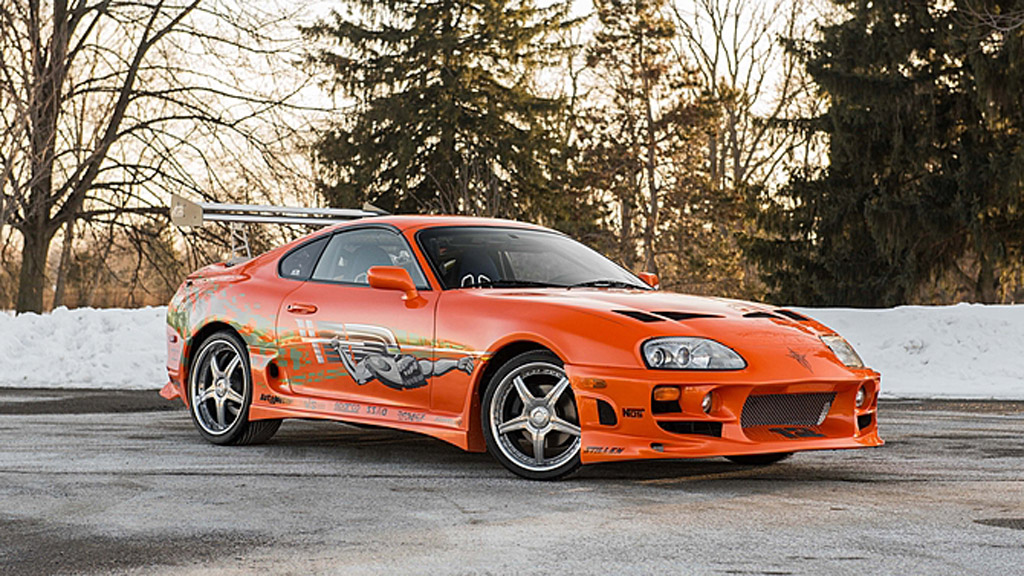
1. Toyota Supra Mk4 (1993–2002)
The Toyota Supra Mk4 is a standout in the sports car world, and its value continues to climb at an aggressive pace. Known for its 2JZ-GTE engine, the Supra has long been admired for its tuning potential and bulletproof reliability.
Originally built to compete with the likes of the Porsche 911 and Nissan Skyline, the Mk4 Supra was ahead of its time in many respects. Today, it stands as one of the most iconic Japanese sports cars ever produced, and demand has only grown, especially for manual, turbocharged versions.
The Fast & Furious franchise played a significant role in turning the Supra into a cultural symbol. As a result, even models in average condition have begun to fetch high prices.
A pristine, low-mileage example can easily top six figures now, and special edition models or rare colors are commanding even more.
The manual transmission versions, especially with the turbo engine, are considered the most desirable. They’re increasingly hard to find in stock condition, making untouched versions especially valuable to collectors.
What’s interesting is how the Supra went from being relatively affordable to nearly untouchable in the span of a few years.
This sharp climb in value is driven not just by nostalgia but by real scarcity. Toyota didn’t produce the Mk4 in massive numbers, especially in markets like the U.S., and many were modified or raced, reducing the number of original cars left. That scarcity continues to fuel price increases.
Buyers now are treating these cars as investments rather than just performance machines. They’re being stored, maintained meticulously, and traded like fine art.
As the collector market matures, the Supra stands out as a car that isn’t just holding its value, it’s gaining momentum. Whether it will continue to rise remains to be seen, but for now, it’s one of the hottest cars in the used market.
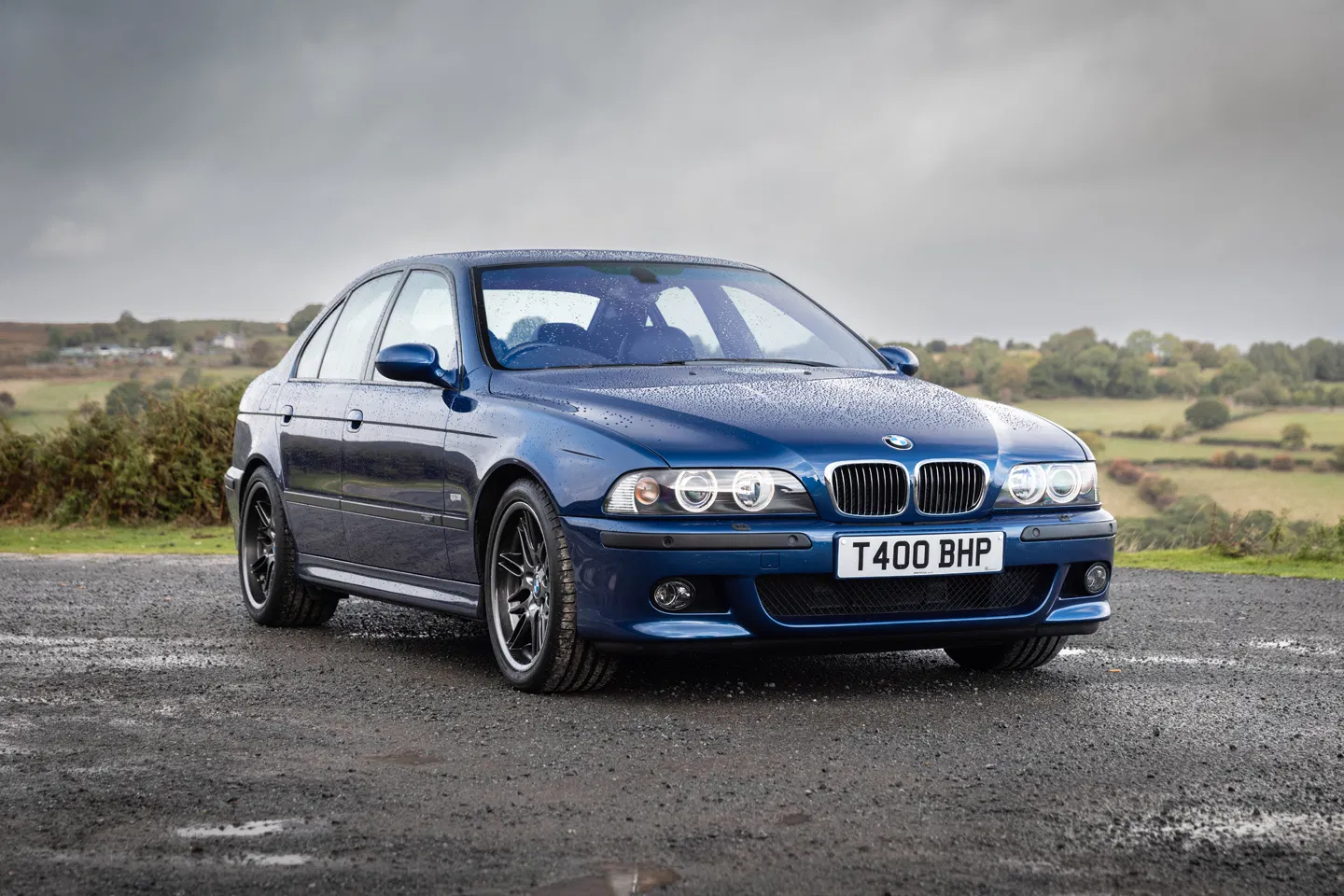
2. BMW E39 M5 (1998–2003)
The BMW E39 M5 has become one of the most celebrated sports sedans in recent memory. Fitted with a 4.9-liter V8 engine and a six-speed manual transmission, this M5 was the definition of a sleeper car: luxury on the outside, performance underneath.
It offered a balance that BMW hasn’t quite replicated since, and buyers are starting to take notice in a big way. Values are moving upward as enthusiasts and collectors search for clean examples.
The engineering and build quality of the E39 M5 contribute heavily to its rising appeal. The car delivers a refined driving experience while still providing the raw power and handling expected of the M series.
Its analog character, especially in comparison to newer, more computerized models, is increasingly viewed as a strength rather than a shortcoming. This shift in perception has caused more people to hunt down unmodified versions, which are becoming harder to find every year.
Collectors are particularly interested in low-mileage, stock examples with full service records. As is common with BMWs of this era, maintenance plays a big role in value.
Cars that have been taken care of meticulously are fetching a premium. Meanwhile, the rarity of some color combinations and interior options is also influencing the market, with certain configurations adding several thousand dollars to asking prices.
As more of these cars are scooped up by collectors or enthusiasts planning to keep them long-term, supply is tightening. It’s no longer easy to find a good-condition E39 M5 at a reasonable price.
Those who acted early are seeing solid returns, and many industry watchers expect the upward trend to continue. For fans of classic performance sedans, this car represents one of the last great analog machines before the digital age took over.
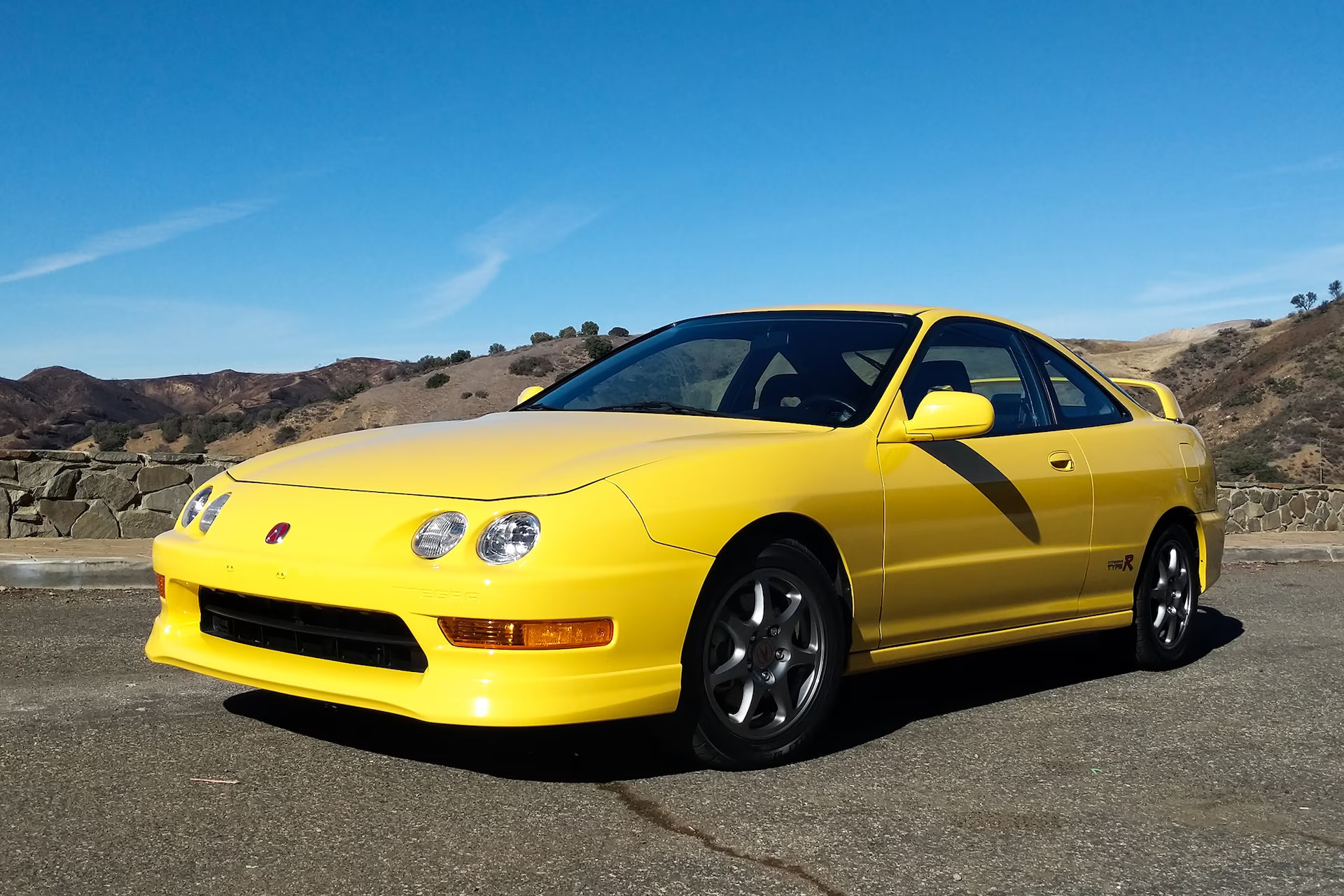
3. Acura Integra Type R (1997–2001)
The Acura Integra Type R is often referred to as one of the finest front-wheel-drive cars ever built. With a screaming VTEC engine, close-ratio gearbox, and track-tuned suspension, the car earned a cult following in the early 2000s. Now, it’s become a serious collector’s item.
Auction results are showing consistent appreciation for this lightweight, high-revving machine, especially for original U.S.-spec models.
Much of the Type R’s value comes from its rarity. Acura didn’t import a large number of them to the United States, and many were either stolen, crashed, or heavily modified.
Finding one in original condition with matching numbers is extremely rare, and those that exist often come with a steep asking price. Collectors have started to realize how few true examples are left, and values have responded accordingly.
What also sets the Integra Type R apart is its purity. There’s nothing excessive or artificial about the way it drives. It’s all about responsiveness and mechanical feedback, qualities that are increasingly hard to find in modern performance cars.
Enthusiasts who missed out on this car during its initial release are now circling back, willing to pay more for a chance to own one of the greats from the golden era of Japanese engineering.
Another factor boosting prices is the renewed interest in 1990s Japanese sports cars in general. With Supras, RX-7s, and Skylines climbing in value, it’s only natural that the Integra Type R would follow.
What was once seen as just a hot hatch has now been reclassified in the minds of many buyers as a precision-built driver’s car. This reappraisal is helping to push values higher, and it’s likely that this trend will continue as long as clean examples remain hard to come by.
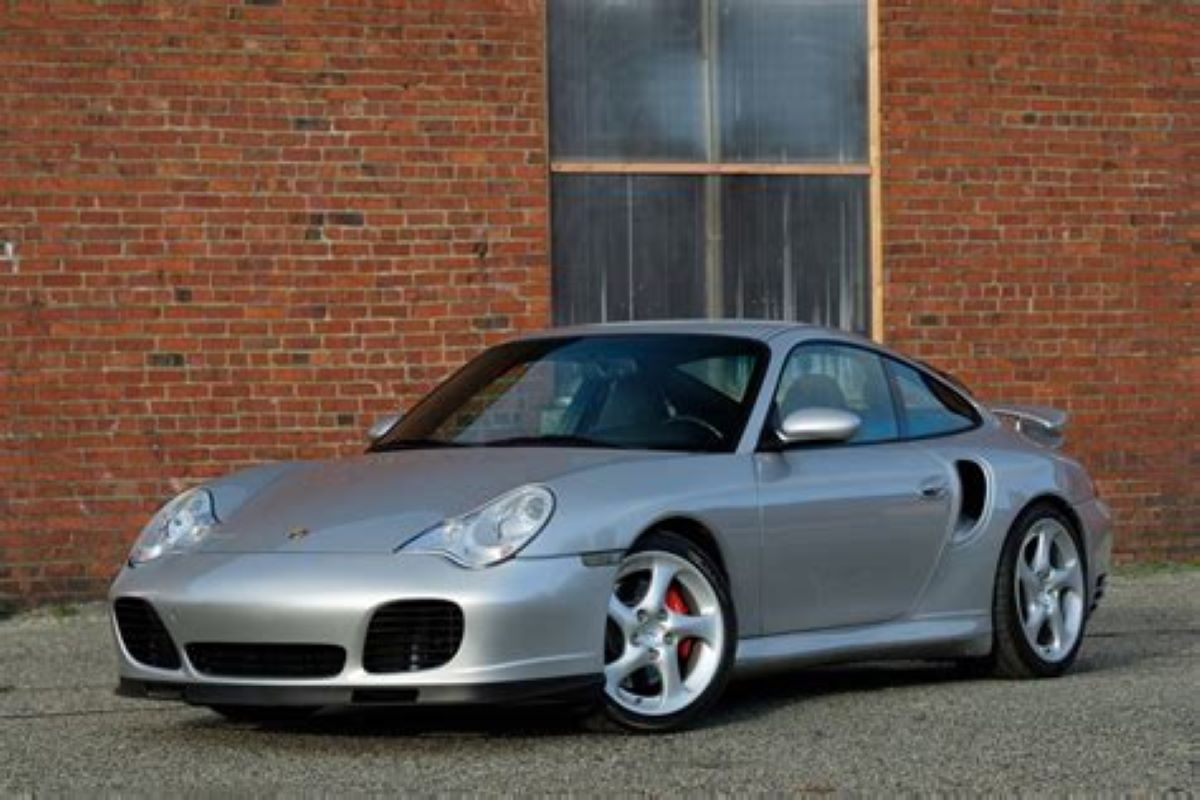
4. Porsche 996 Turbo (2001–2005)
For a long time, the Porsche 996 series was considered the odd one out due to its controversial headlights and water-cooled engine. However, the 996 Turbo is undergoing a significant reassessment.
Prices have been steadily climbing, and the car is now being recognized for its performance-to-price ratio and the fact that it shares many components with the more expensive 911 Turbo models that followed.
The 996 Turbo delivers serious speed, even by today’s standards. With its twin-turbocharged flat-six and all-wheel drive, it can keep up with much newer sports cars.
The Mezger engine used in the Turbo is known for its durability and was developed based on Porsche’s racing technology. This engine has become one of the car’s biggest selling points, and buyers are taking note.
In addition to its performance credentials, the car’s relatively low cost of entry, at least until recently, made it a favorite among savvy enthusiasts.
But as word spread and more people realized the value proposition, prices began to rise. Clean, low-mileage examples have already crossed the $70,000 mark, and even higher-mileage cars are no longer the bargains they once were. Collectors are now holding onto them, further reducing the available supply.
What’s driving this surge isn’t just raw numbers; it’s the growing appreciation for this model’s place in Porsche’s history. The 996 marked a new era for the company, and while purists resisted at first, the Turbo version is earning a second life as a modern classic.
More buyers are beginning to see that this car represents a turning point for Porsche, combining analog driving feel with modern power. That historical significance is helping it gain value, and it’s expected to continue that upward climb.
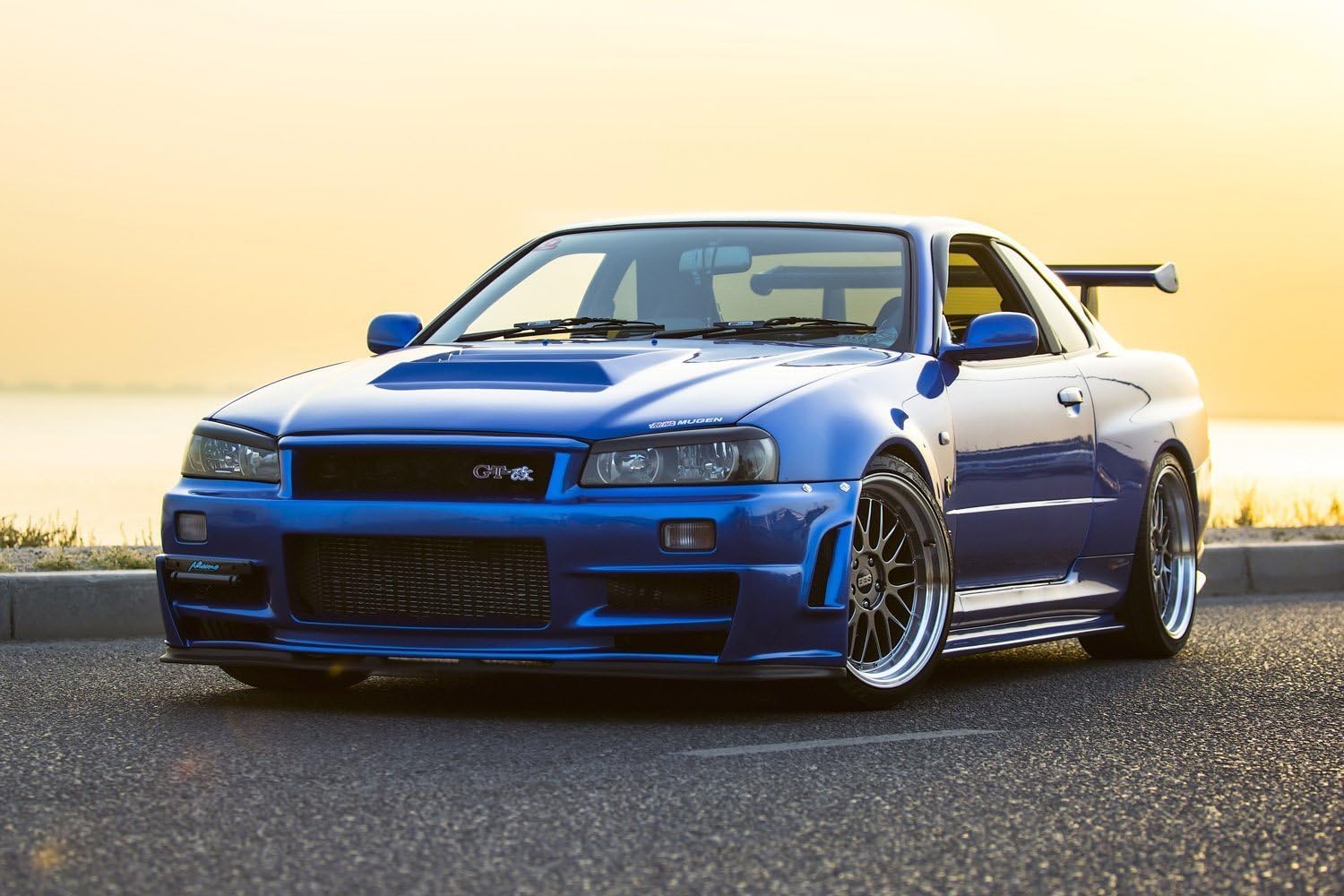
5. Nissan Skyline GT-R R34 (1999–2002)
The Nissan Skyline GT-R R34 remains one of the most sought-after Japanese sports cars of all time. Revered for its advanced technology, legendary RB26DETT inline-six engine, and aggressive styling, the R34’s value has been climbing steadily.
While some versions were rare outside Japan, the R34’s reputation spread globally thanks to its appearances in movies, video games, and motorsport. The car’s aura is one of raw performance paired with a distinctive character that few modern vehicles can match.
One of the main reasons for the R34’s appreciation is its engineering sophistication. It featured the ATTESA E-TS all-wheel-drive system and an active limited-slip differential, technologies that were cutting-edge when the car debuted.
These systems gave the R34 a driving dynamic that was both thrilling and remarkably balanced. Enthusiasts prize this balance, and as these cars become scarcer, prices have reflected that demand. Unmodified, low-mileage examples with original parts command a premium that continues to rise.
Another factor contributing to the R34’s value surge is its limited legal availability in many markets, including the United States. Many R34s imported before the 25-year rule are heavily regulated or non-compliant, limiting the number of cars legally drivable.
This scarcity has encouraged collectors and fans to acquire these cars early and keep them in excellent condition, further driving up market values. The rarity is coupled with a near-mythical status among enthusiasts, cementing the R34’s position as a collector’s dream.
Cultural impact cannot be overstated either. The R34 became a symbol of Japanese automotive engineering prowess and a hero car for many who grew up admiring its capabilities.
This nostalgia factor, combined with the technical excellence and limited availability, has created a perfect storm for value growth. Many experts predict that the R34’s value trajectory will continue upward, especially for examples in original, unmodified form.
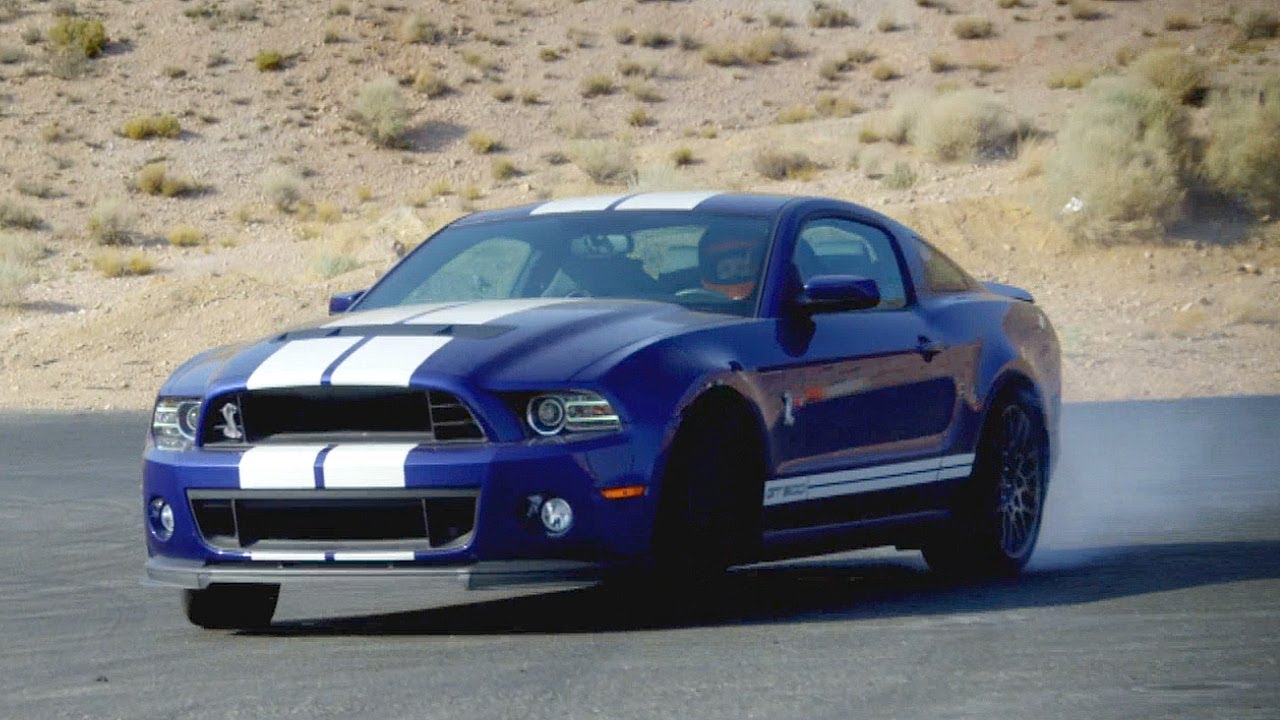
6. Ford Mustang Shelby GT500 (2020–Present)
The modern Ford Mustang Shelby GT500 has attracted a new generation of muscle car fans and collectors. With its supercharged 5.2-liter V8 producing over 700 horsepower, it represents the pinnacle of American muscle performance.
The GT500’s aggressive styling and cutting-edge technology set it apart from previous Mustang generations, making it a flagship that appeals to both enthusiasts and collectors alike. Its value has begun to climb, especially for early production units and special editions.
The GT500 combines raw power with advanced engineering features such as MagneRide suspension, Brembo brakes, and a dual-clutch transmission, delivering a driving experience that blends performance and precision.
These attributes contribute to the car’s desirability, but what truly excites collectors is the car’s place within the Shelby legacy. The GT500 nameplate has a rich history, and this latest iteration honors that tradition while pushing the envelope forward. This blend of heritage and modernity is a key reason for the growing interest.
The market for late-model muscle cars is evolving, with more buyers looking to invest in models that represent the height of current performance before the industry shifts toward electrification.
The Shelby GT500 stands as one of the last big V8 muscle cars with a traditional combustion engine, making it attractive as a potential future classic. Limited production numbers and special edition versions, such as the Carbon Fiber Track Pack, enhance its rarity and collector appeal.
In addition, early buyers of the GT500 have kept many of these cars in near-mint condition, anticipating that the values will appreciate over time.
The combination of performance, heritage, and exclusivity creates a strong case for the Shelby GT500’s continued surge in value. This car’s blend of brute force and engineering sophistication is capturing the imagination of muscle car enthusiasts worldwide.
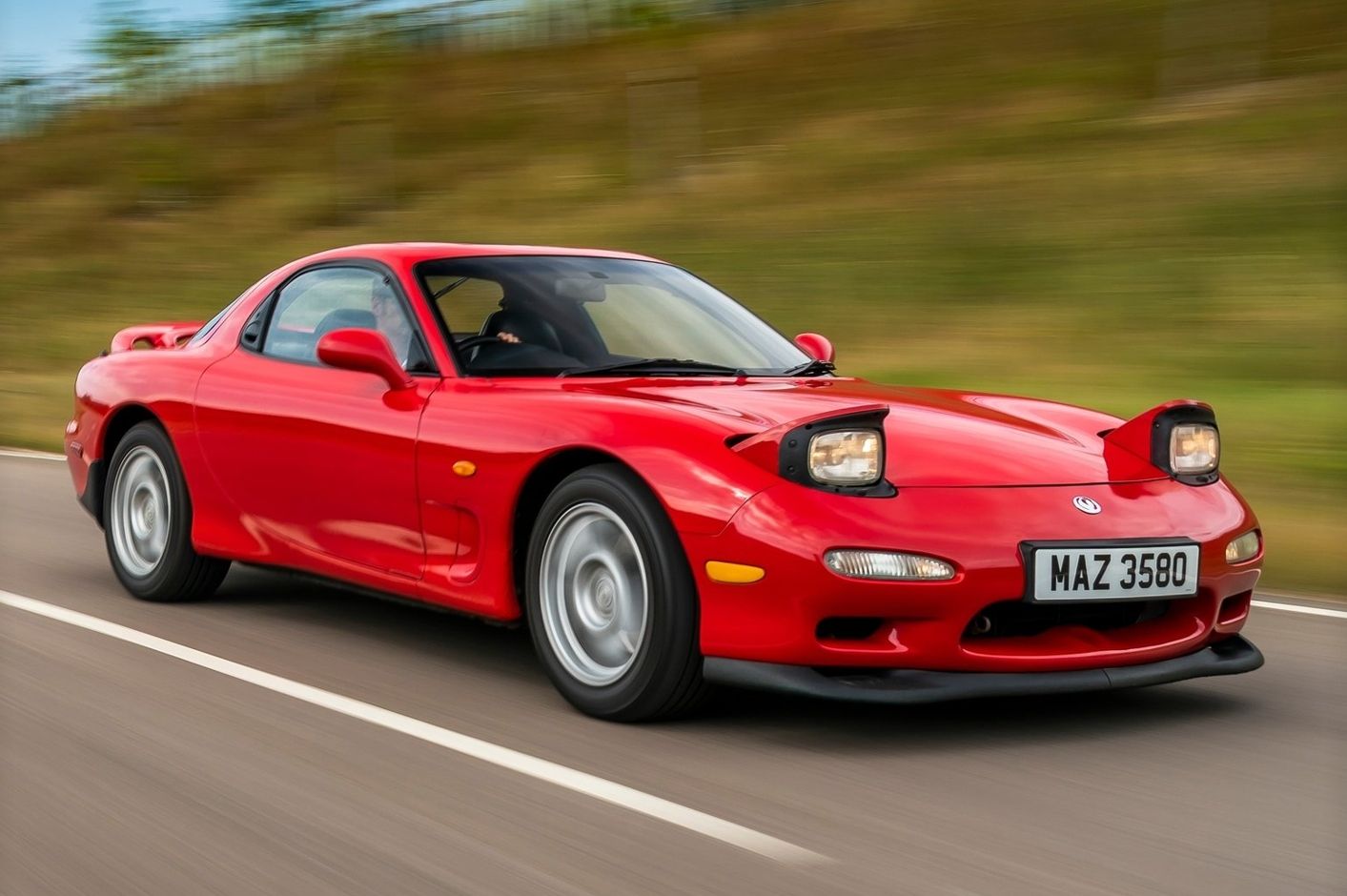
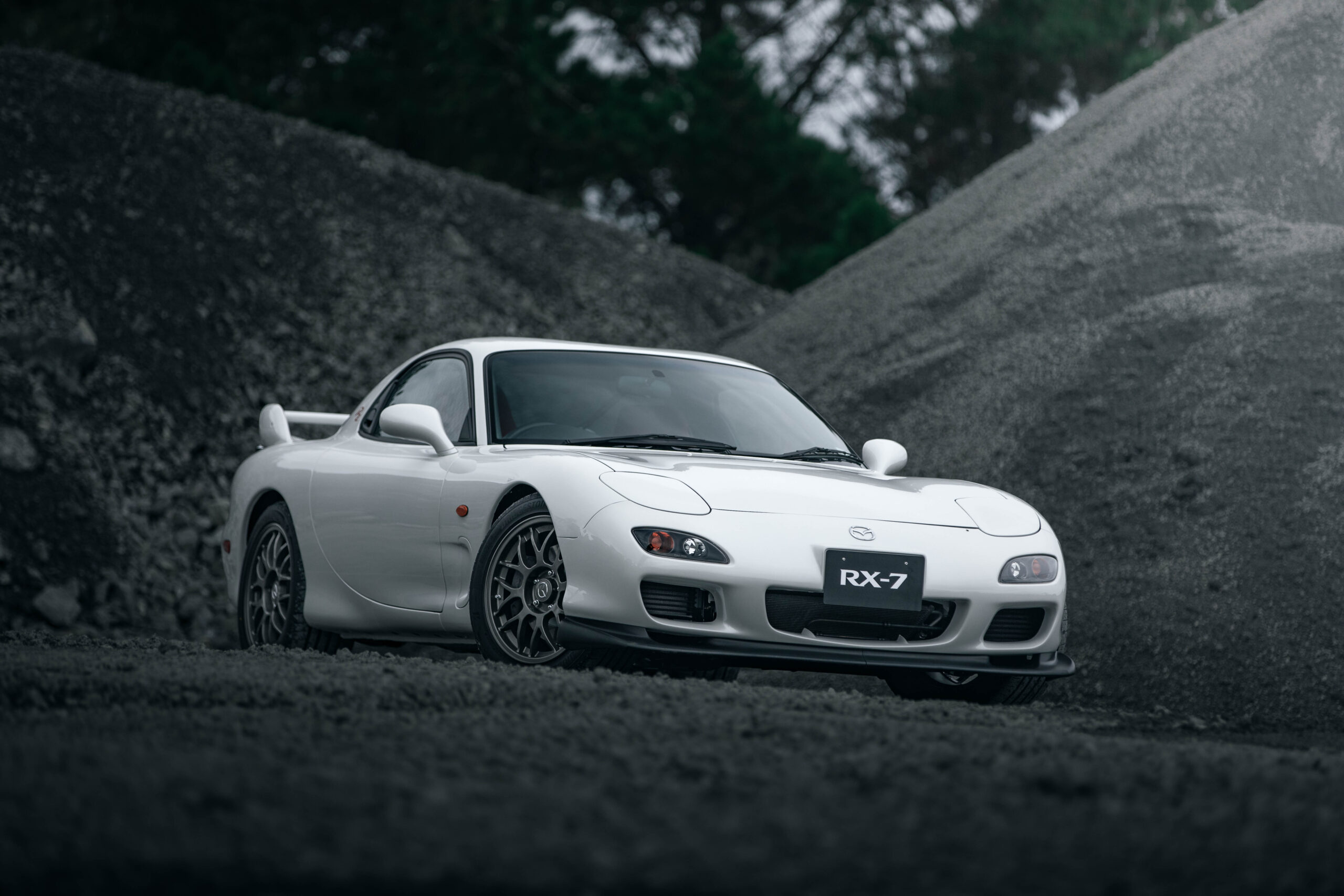
7. Mazda RX-7 FD (1992–2002)
The Mazda RX-7 FD has long been cherished by car enthusiasts for its lightweight design, balanced chassis, and rotary engine. This combination made it a standout in the 1990s sports car segment.
Today, the RX-7 FD is experiencing a resurgence in value as more collectors recognize its unique qualities and the challenges associated with owning a rotary-powered car. As examples with low miles and in original condition become more rare, prices have climbed significantly.
The rotary engine, though demanding in terms of maintenance, offers a distinct power delivery and sound that conventional piston engines cannot replicate.
This uniqueness has given the RX-7 a devoted following. Enthusiasts prize the car’s ability to rev freely and deliver exhilarating performance in a lightweight package. Mazda’s commitment to engineering a balanced chassis results in a vehicle that is both fun to drive and highly responsive.
What’s driving the RX-7’s recent value appreciation is not just nostalgia but the difficulty of finding well-maintained examples. The rotary engine’s reputation for reliability issues means many cars were either heavily modified or neglected over time.
This leaves a shrinking pool of original, well-cared-for vehicles, which are commanding increasingly higher prices. Moreover, the RX-7 FD is often seen as one of the last true analog sports cars before technology began to heavily influence design choices.
Another factor is the growing appreciation for Japanese sports cars from the 1990s and early 2000s. The RX-7 FD holds a special place within this category, thanks to its unique engineering and timeless styling.
It’s no longer just a niche enthusiast’s car but is gaining traction among collectors seeking something special and different from the usual muscle or European sports cars.
8. Chevrolet Corvette C6 Z06 (2006–2013)
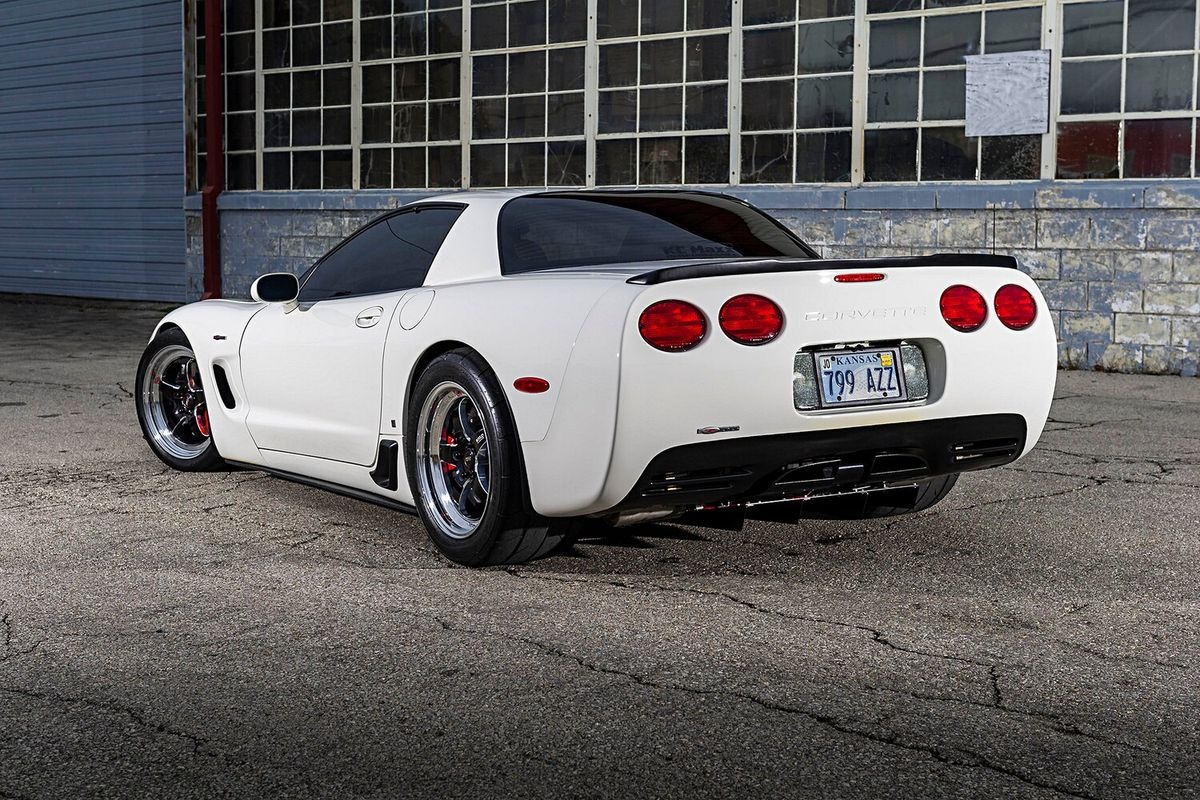
The Chevrolet Corvette C6 Z06 is becoming a favorite among collectors who want a high-performance American sports car with great value potential.
Introduced in 2006, the C6 Z06 featured a lightweight aluminum frame, a powerful 7.0-liter LS7 V8 engine, and aggressive handling. These elements gave it a performance edge that helped it compete on a global scale. Its value has been rising steadily, especially for manual transmission models with low mileage.
What makes the C6 Z06 stand out is its combination of track-ready performance with everyday usability. The car offers thrilling acceleration and cornering without sacrificing comfort, which makes it appealing to a broad range of drivers.
Enthusiasts admire the car’s raw power, mechanical simplicity, and the way it puts driving experience at the forefront. The C6 Z06’s aggressive styling also plays a role in its desirability.
The market is responding to the fact that many early C6 Z06 models are now approaching classic car status. Unlike previous generations, these cars are still relatively affordable, making them an attractive entry point for collectors.
Low-mileage, well-maintained examples are now commanding prices that are beginning to mirror those of earlier Z06 models. The manual transmission is particularly sought after, as it represents a more engaging driving experience.
Collectors and enthusiasts also appreciate the C6 Z06’s place in Corvette history. It bridged the gap between the earlier C5 Z06 and the more advanced C7 models.
This positioning makes it a crucial link in the evolution of the Corvette brand. As the values continue to rise, the C6 Z06 is expected to remain a popular choice for those looking to own an American performance car with future investment potential.
9. Volkswagen Golf GTI Mk1 (1976–1983)
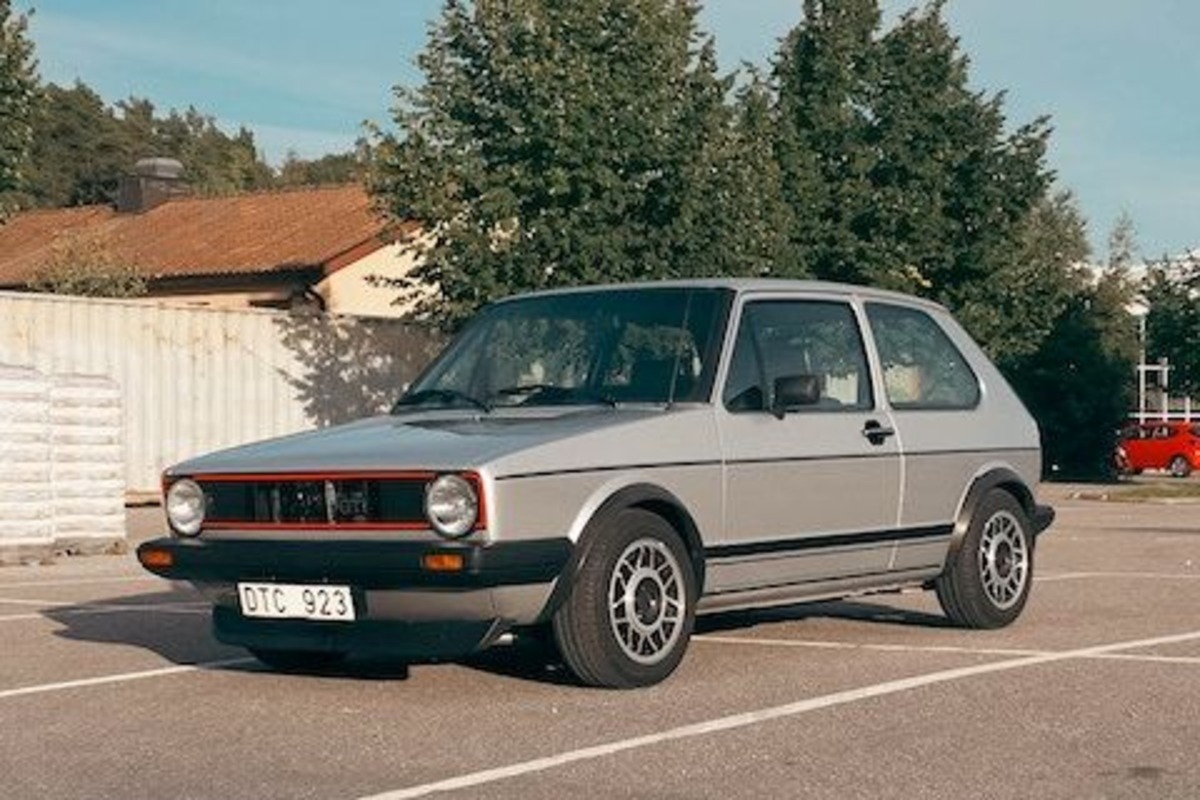
The Volkswagen Golf GTI Mk1 is widely regarded as the car that launched the hot hatch segment, and its value is rising significantly this year. When it was introduced, the GTI combined practicality with spirited driving, carving out a new niche in the automotive world.
Its simple yet effective design, paired with a lightweight chassis and a lively engine, made it an instant hit. Today, the Mk1 GTI is recognized as a classic that set the foundation for decades of performance hatchbacks.
The car’s appeal lies not only in its historical importance but also in its purity of driving experience. Unlike modern hot hatches packed with electronic aids and complex systems, the Mk1 GTI offers direct, mechanical feedback that appeals to enthusiasts looking for a raw and engaging drive.
This straightforwardness is a rare trait in today’s automotive market, making the Mk1 even more desirable as a collector’s car.
Rarity also plays a role in the Mk1’s rising value. Many original GTIs have been modified or restored over the years, but truly original examples with low mileage and correct parts are scarce.
Collectors are willing to pay a premium for cars that maintain their originality and show signs of careful preservation. Moreover, certain limited editions or rare color combinations have seen sharper increases due to their unique appeal.
The cultural significance of the Mk1 GTI is another reason for its growing value. It represents a shift in automotive trends toward cars that combine practicality with performance, influencing countless models from other manufacturers.
This legacy has increased demand among collectors and fans, ensuring that the Mk1 GTI’s appreciation is likely to continue as enthusiasts seek to own a piece of automotive history.
10. Lexus LFA (2010–2012)
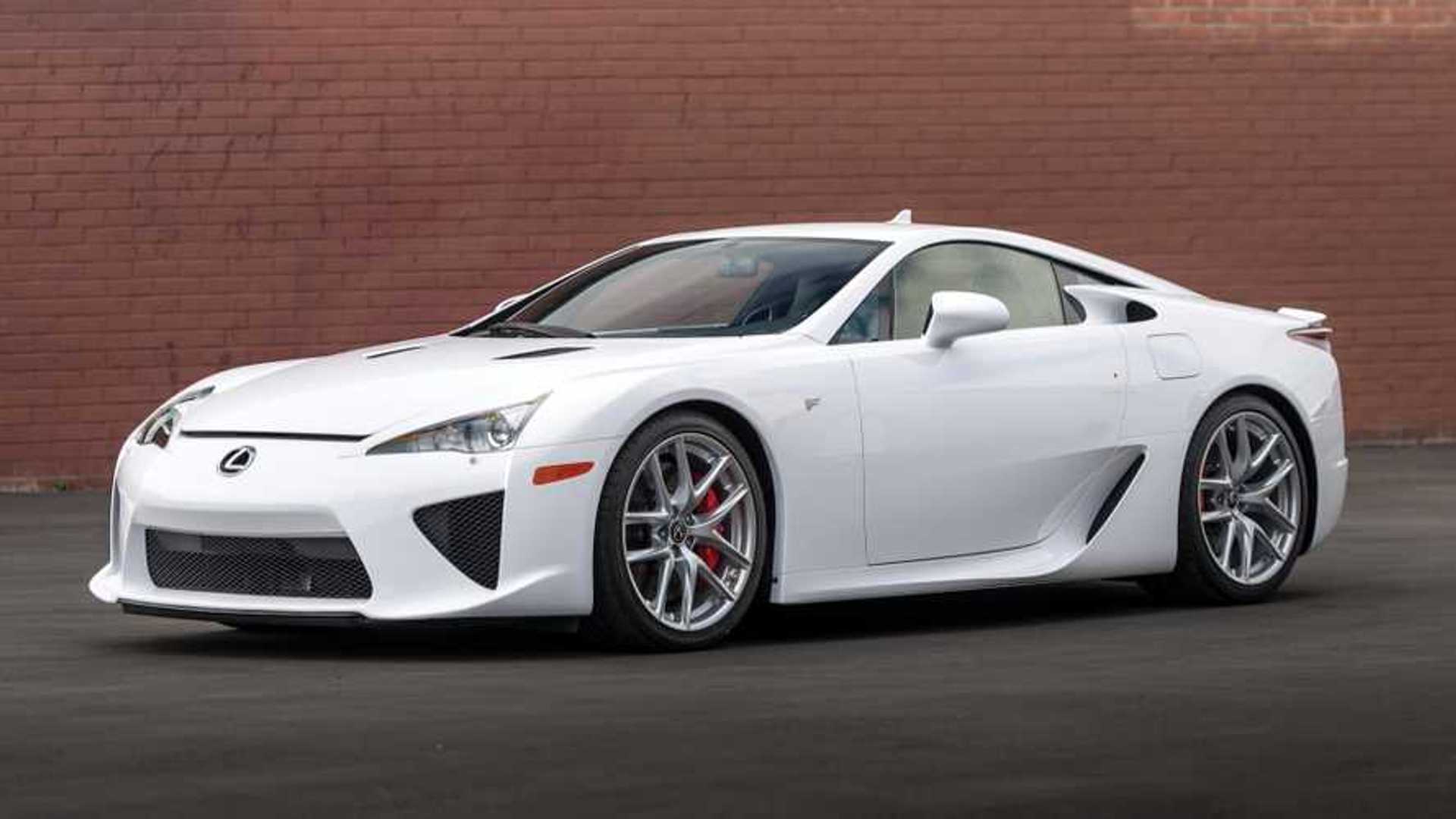
The Lexus LFA is a modern supercar that has become one of the most coveted collector cars of the past decade. With just 500 units produced, the LFA’s rarity alone ensures strong value growth. What sets the LFA apart is its combination of cutting-edge technology and an obsessive attention to detail.
Powered by a naturally aspirated V10 engine developed with input from Yamaha, the car is known for its high-revving nature and unique sound, which many consider one of the best engine notes ever produced.
Beyond the engine, the LFA’s lightweight carbon fiber-reinforced polymer chassis and aerodynamic design contribute to its exceptional handling and performance. Lexus aimed to compete with established European supercars, and the LFA’s engineering reflects that ambition.
Despite its relatively short production run, the car has become an icon in the supercar community, thanks to its blend of precision engineering and exclusivity.
The market has responded to the LFA’s status by pushing prices upward, especially for models with low mileage and in pristine condition.
Many buyers see the LFA not only as a driver’s car but also as an appreciating asset due to its limited availability and the fact that Lexus has not repeated this level of performance engineering since. Additionally, the LFA’s hand-built nature adds to its appeal, as each car has unique craftsmanship.
Interest from collectors has made the LFA one of the fastest appreciating modern performance cars. Its combination of rarity, technology, and driving experience is unmatched in its price range.
As newer generations of supercars become increasingly complex and dependent on hybrid or electric powertrains, the LFA’s pure gasoline V10 and analog driving feel make it stand out as a future classic.
11. Mercedes-Benz G-Class (W463) (1990–2018)
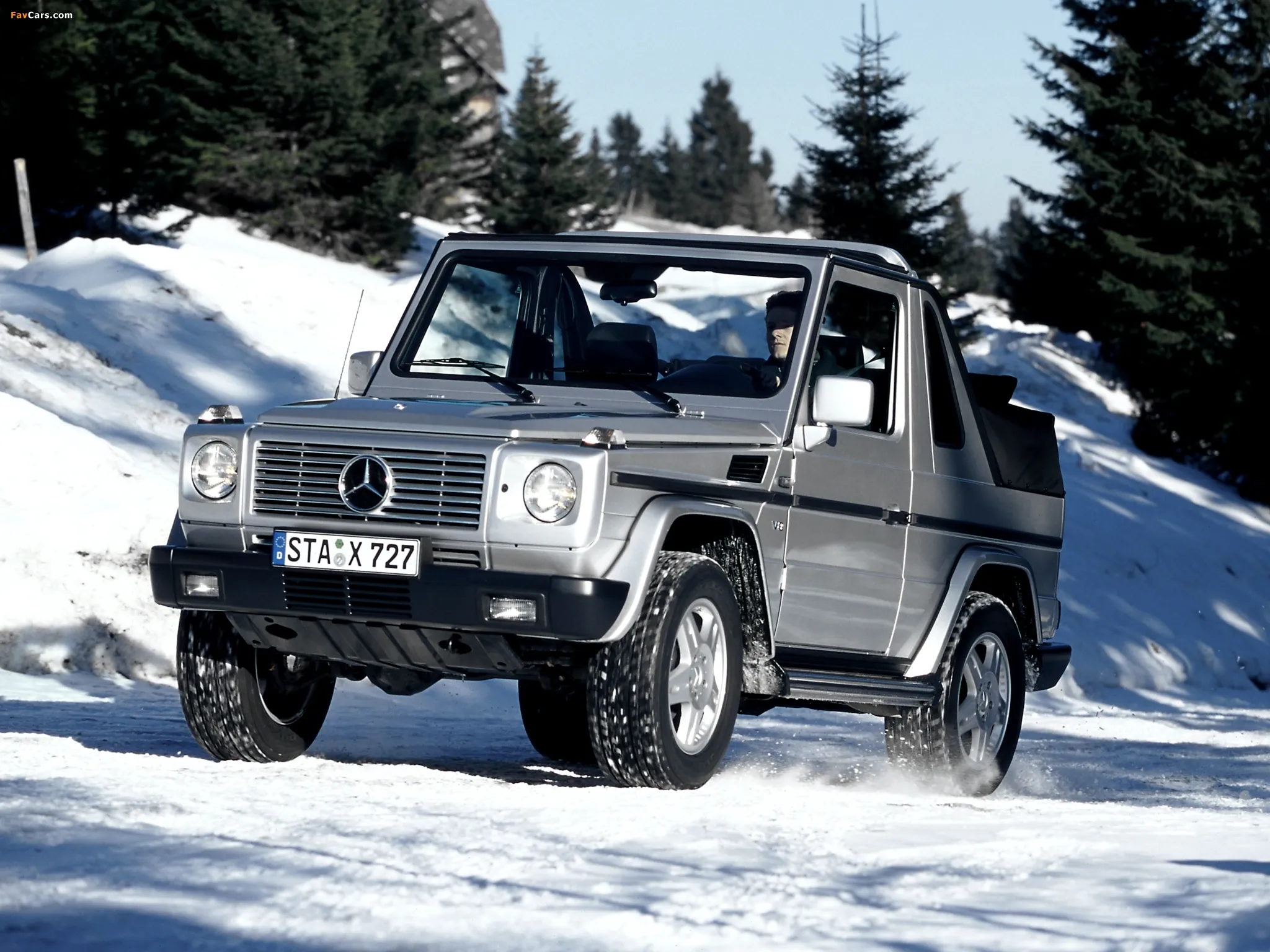
The Mercedes-Benz G-Class, especially the W463 generation, has evolved from a utilitarian off-roader to a luxury icon. Its unique combination of ruggedness and opulence has made it increasingly desirable.
Over recent years, prices for well-maintained models, especially early luxury variants and special editions, have climbed steadily. The G-Class is a symbol of status and capability, blending traditional off-road prowess with modern comfort and technology.
One reason the W463 generation’s value has surged is its timeless design. The G-Class has maintained its boxy, military-inspired aesthetic for decades, which appeals to buyers who appreciate the car’s heritage and unmistakable presence.
Despite numerous updates and improvements under the skin, the exterior styling has remained largely unchanged, reinforcing its identity and desirability.
Limited production numbers and special trims have helped elevate the G-Class’s collector status. Models like the G500, G55 AMG, and G65 AMG, along with rare military-spec vehicles, are particularly sought after.
These cars offer a combination of luxury, performance, and exclusivity that few other SUVs can match. Buyers often look for original condition and full-service history, which command premium prices in the market.
Another factor is the G-Class’s increasing popularity among celebrities and influencers, which has raised its profile and desirability globally.
As these cars become status symbols, their value is buoyed by cultural significance. With the announcement of newer electric and hybrid models, interest in the traditional combustion-engine G-Class has intensified, contributing to the upward trend in pricing.
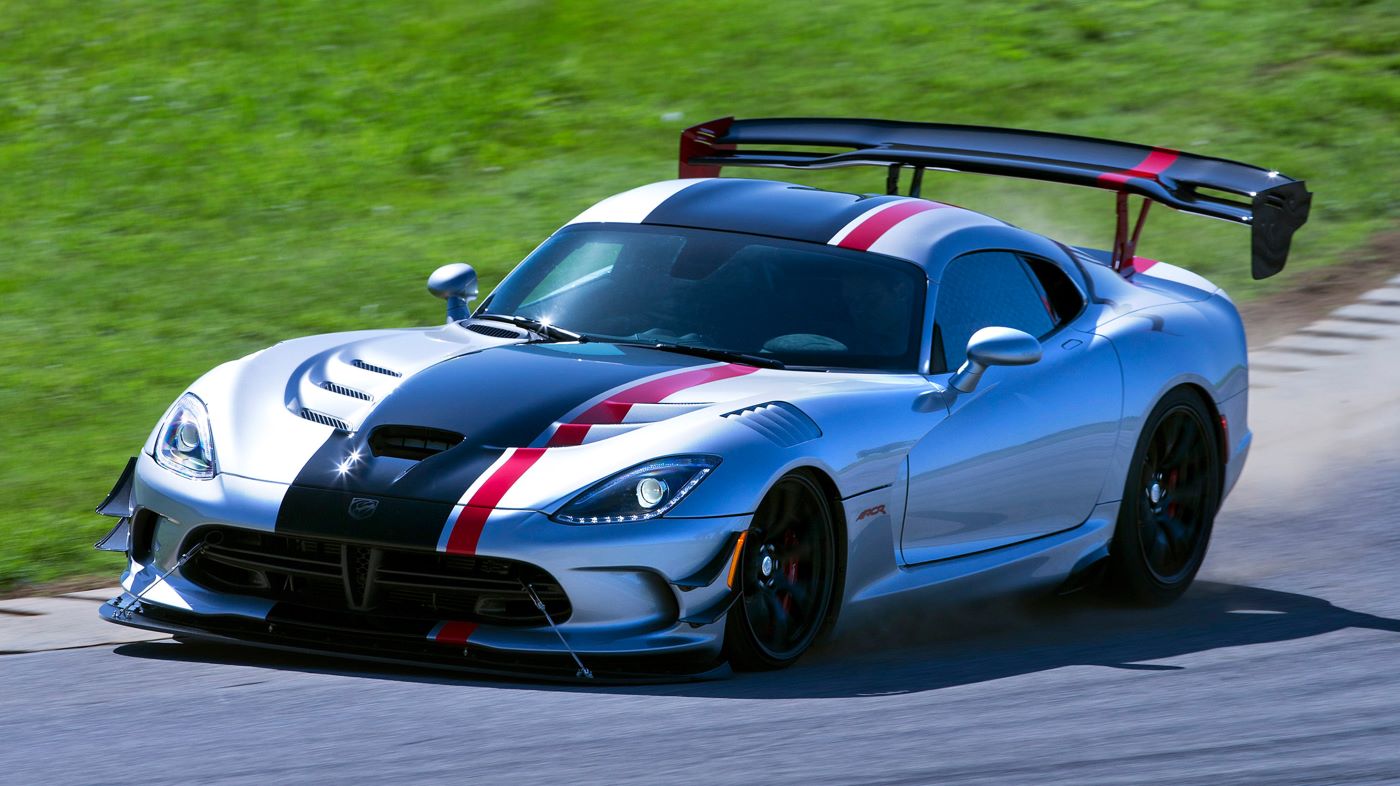
12. Dodge Viper (1992–2017)
The Dodge Viper is a legendary American sports car that has gained serious collector interest in recent years. Its aggressive styling, massive V10 engine, and raw driving dynamics created a car that was unapologetically performance-focused.
Early Vipers, in particular, are increasingly seen as modern classics. Their no-frills approach to speed and handling appeals to enthusiasts who want a visceral connection to the road.
The Viper’s value has surged due to a combination of its performance heritage and limited production runs for various special editions and final models.
Many Vipers were produced as track-focused machines with few driver aids, making them both thrilling and challenging to drive. This pure approach to performance has created a niche market of collectors who appreciate the Viper’s unfiltered experience.
Rarity also factors into the Viper’s rising values. Over the course of its production, Dodge released a number of limited editions and variants, such as the ACR and the Final Edition, which are especially prized.
Well-maintained examples with documented history and matching numbers can command prices well beyond original MSRP, reflecting their growing collectible status.
Additionally, the discontinuation of the Viper and its place as a symbol of American muscle performance has boosted its allure.
Enthusiasts see the car as a representation of a bygone era when raw power and aggressive styling were king. This has led to increased demand and a tightening supply, pushing values higher as buyers compete to own a piece of American automotive history.
