
Trucks are often judged by their ability to carry heavy loads while maintaining reliability and performance. For many who rely on trucks in demanding environments, whether for construction, agriculture, hauling, or commercial use, the difference between a dependable truck and one that frequently breaks down can mean thousands of dollars in repair costs, lost time, and frustration.
When a truck can consistently handle weight without showing signs of strain, it becomes more than just a vehicle; it becomes a trusted work partner. On the other hand, trucks that fail prematurely under pressure cause headaches and can jeopardize projects and deadlines.
Understanding which trucks have a proven track record of reliability when subjected to heavy loads is essential for anyone who depends on their vehicle to deliver. This is especially true for those who push their trucks to the limits day in and day out.
Not every truck that looks tough on the outside can withstand the stress of sustained heavy-duty work. The design of the engine, transmission, suspension, and even the chassis can influence how well a truck holds up under strain.
This article compares two groups of trucks: those known for their ability to stay reliable under heavy loads and those that are often reported to have early failures under similar conditions.
The goal is to provide a clear picture of how some trucks maintain their durability while others seem prone to breakdowns when asked to perform demanding tasks.
Factors like build quality, engine robustness, maintenance needs, and owner experiences all contribute to this comparison. Whether you are a business owner deciding on a fleet vehicle, a tradesperson considering a work truck, or just someone who frequently hauls heavy cargo, knowing which trucks hold up best will help you make a more informed decision.
Now, we’ll look at five trucks widely regarded as reliable under heavy loads and five that often face criticism for breaking down early. This breakdown aims to help you avoid costly mistakes and find a vehicle that can match your workload demands without compromising dependability.
5 Trucks That Stay Reliable Under Heavy Loads
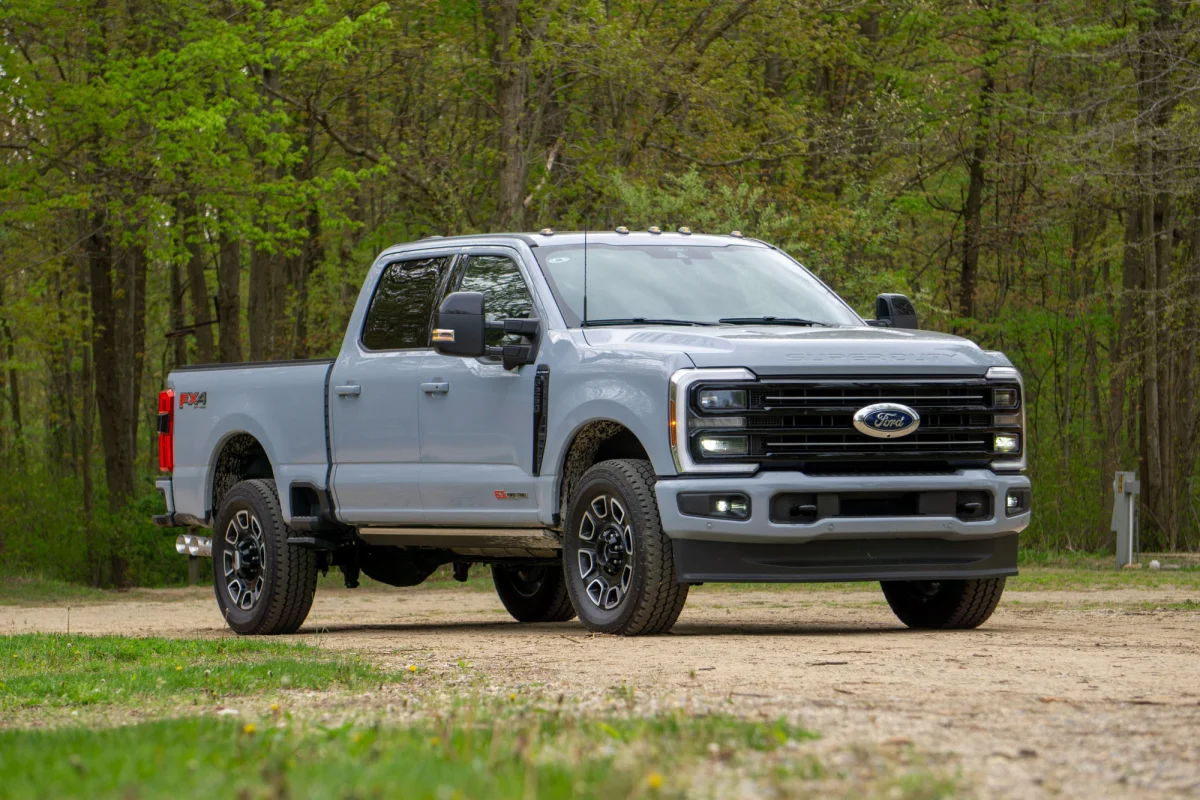
1. Ford F-250 Super Duty
The Ford F-250 Super Duty has long been considered a benchmark in the heavy-duty truck category, particularly when it comes to handling demanding work environments. Its reputation is built on a foundation of raw power, durability, and a proven ability to carry heavy payloads or tow substantial trailers without faltering.
At the heart of this truck is the 6.7-liter Power Stroke diesel engine, which produces impressive torque that remains steady even under the heaviest loads. This consistent torque delivery is crucial because it prevents the engine from straining or overheating during prolonged periods of towing or hauling, which are common scenarios in construction sites, farms, and industrial settings.
The truck’s frame is built from high-strength steel, designed to withstand twisting and bending forces that heavy payloads create. Additionally, the suspension system incorporates heavy-duty springs and shock absorbers that absorb impacts and maintain stability, ensuring the truck remains balanced and manageable regardless of the weight it carries.
One significant factor contributing to the F-250’s reliability is Ford’s commitment to constant improvement based on user feedback and real-world testing. Over several generations, Ford has fine-tuned the truck’s components to endure harsh conditions, making it one of the most trusted models for heavy-duty use.
The design emphasizes simplicity and robustness, minimizing the chances of mechanical failure. For example, the diesel engine is known for its solid construction and use of durable materials, such as forged pistons and a cast-iron block, which are less prone to wear under pressure.
Many owners have reported that their F-250s continue to perform reliably beyond 200,000 miles, even with frequent heavy hauling. This long lifespan under tough use is a testament to the truck’s engineering focus on endurance and functionality.
The drivetrain and transmission in the F-250 also play a critical role in its reliability under heavy loads. The truck is often equipped with a TorqShift automatic transmission that has multiple gears to optimize power delivery and fuel efficiency.
This transmission is built to handle the sudden torque spikes that can occur when towing large trailers, helping to prevent mechanical stress and overheating that often cause failures in other trucks.
Additionally, the transfer case and differentials are strengthened to ensure that the drivetrain components do not wear out prematurely. This durability means the truck requires fewer repairs related to drivetrain components, a common weak point in vehicles subjected to heavy loads.
Maintenance and serviceability also contribute significantly to the Ford F-250’s reputation for reliability. Because it is widely used across North America, finding replacement parts and qualified mechanics is straightforward. Routine maintenance, such as oil changes, brake servicing, and suspension checks, can be performed quickly and affordably.
This accessibility encourages owners to keep up with scheduled maintenance, which is vital when a truck is regularly tasked with heavy hauling or towing. Without proper care, even the most durable truck will eventually suffer breakdowns, so the F-250’s ease of service is an important aspect of its long-term reliability.
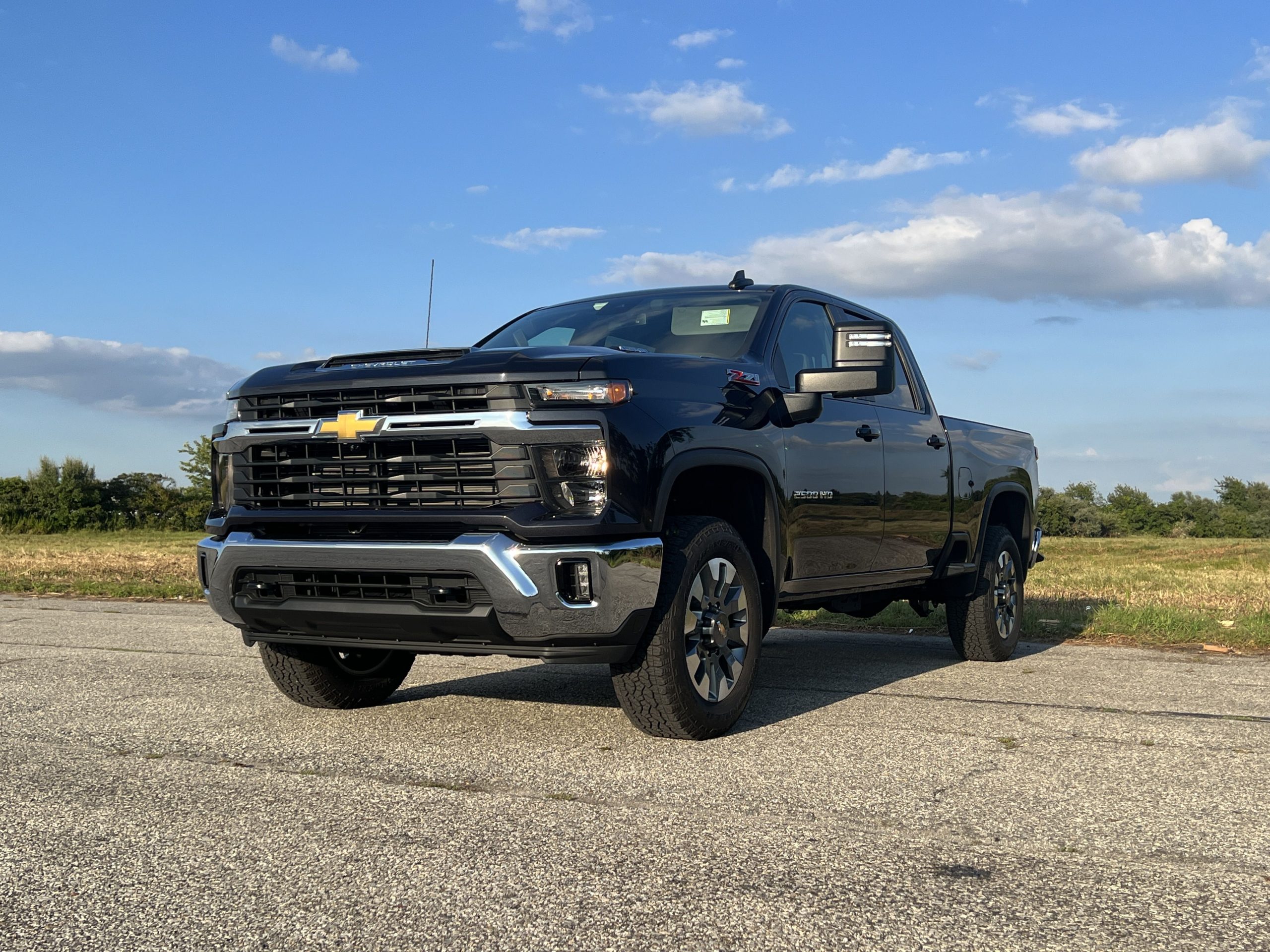
2. Chevrolet Silverado 2500HD
The Chevrolet Silverado 2500HD is a trusted name in the heavy-duty truck segment, widely recognized for its ability to consistently handle heavy workloads while maintaining mechanical integrity.
Powered by a choice of robust V8 engines, including the popular 6.6-liter Duramax diesel, the Silverado delivers high levels of torque and horsepower necessary for towing and hauling large loads.
The diesel engine’s advanced turbocharging system provides smooth, reliable power, which helps the truck maintain performance even when it is fully loaded or pulling a heavy trailer uphill.
The Silverado’s frame is engineered from high-strength steel, providing a rigid foundation that reduces flexing under load. This structural rigidity is vital for preserving alignment, preventing premature wear on suspension parts, and maintaining a smooth ride quality.
Chevrolet has incorporated advanced cooling technologies in the Silverado 2500HD that help prevent overheating, a common cause of failure in trucks used for heavy work. The cooling system includes larger radiators, additional oil coolers, and improved airflow designs, which work together to keep engine and transmission temperatures within safe limits.
This allows the truck to operate for longer periods under heavy loads without the risk of overheating, which can cause serious engine damage or transmission failure. Drivers using Silverado 2500HD trucks in demanding environments often appreciate this reliability, especially when working in hot climates or during extended jobs that require continuous towing.
The truck’s suspension system is built with heavy-duty components, including multi-leaf springs in the rear and advanced front coil springs, which provide a balance between load capacity and ride comfort.
This setup ensures that the truck doesn’t sag excessively when carrying or towing maximum loads, which not only protects the suspension components but also improves handling and safety.
Additionally, Chevrolet integrates technology like trailer sway control and integrated trailer brake controllers, which work to keep heavy trailers stable during transit. These features reduce stress on the truck’s mechanical systems by preventing trailer sway or jackknifing, which can otherwise increase the wear and tear on the drivetrain and suspension.
Owner satisfaction and reliability reports support the Silverado 2500HD’s reputation. Many drivers who rely on these trucks for commercial purposes note that with routine maintenance, the truck can deliver years of trouble-free service.
The interior may prioritize function over luxury, but this approach reduces the risk of electronic malfunctions or sensor failures, which can plague more complex systems in other trucks. In short, the Silverado 2500HD is designed to be a rugged work machine first and foremost, a quality that has earned it a strong reputation in demanding heavy-duty markets.
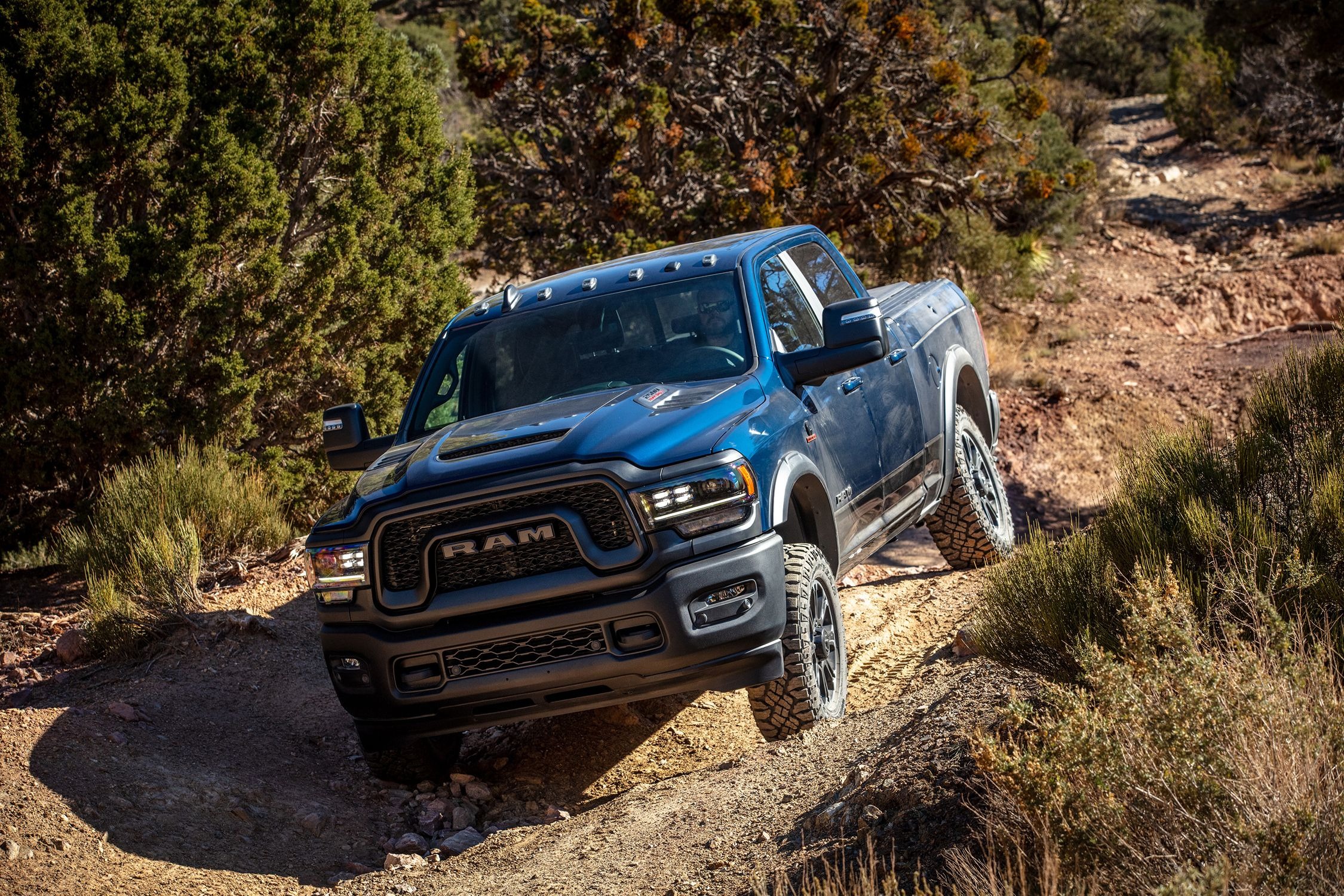
3. Ram 2500 Heavy Duty
The Ram 2500 Heavy Duty stands out for its strong combination of power, engineering innovation, and durability, especially when equipped with the Cummins 6.7-liter turbo diesel engine.
This engine is known for producing exceptional low-end torque, which means it can generate the force needed to move heavy loads without pushing the engine to high RPMs.
This characteristic not only improves fuel efficiency but also reduces the mechanical stress on engine components, allowing the truck to last longer even when frequently towing or hauling substantial payloads.
The truck’s frame is reinforced and designed to handle the twisting and flexing caused by heavy weights, which is essential for preserving alignment and avoiding structural damage over time.
Ram also incorporates sophisticated suspension engineering that plays a significant role in maintaining reliability. The 2500 Heavy Duty often comes equipped with an available air suspension system that can adjust to varying loads.
This adaptive suspension system maintains a level ride height regardless of weight, which helps reduce wear on suspension components such as springs, shocks, and bushings.
It also improves handling and reduces driver fatigue, which is crucial for those who spend long hours operating the truck under heavy load conditions. The even distribution of weight across the frame and axles, supported by this suspension system, further helps prevent premature failures related to uneven stress.
Transmission durability is another strength of the Ram 2500. Its heavy-duty automatic transmissions are built with reinforced internals and cooling systems designed to withstand the heat and pressure generated during towing.
The transmission’s ability to handle repeated shifts under load without slipping or overheating is a major factor in the truck’s long-term dependability. This robustness translates into fewer costly repairs and less downtime, which is especially important for commercial users who rely on their trucks to keep projects moving forward.
The Ram 2500 also incorporates technology designed to aid in maintenance and prevent failures before they happen. Its user interface includes real-time diagnostics and alerts for critical systems, enabling owners to address potential issues early.
This proactive approach to vehicle health helps extend the truck’s lifespan by preventing minor problems from becoming severe. Combined with solid build quality and powerful engine options, these features make the Ram 2500 Heavy Duty a favorite among those needing a dependable truck capable of handling heavy loads day after day.
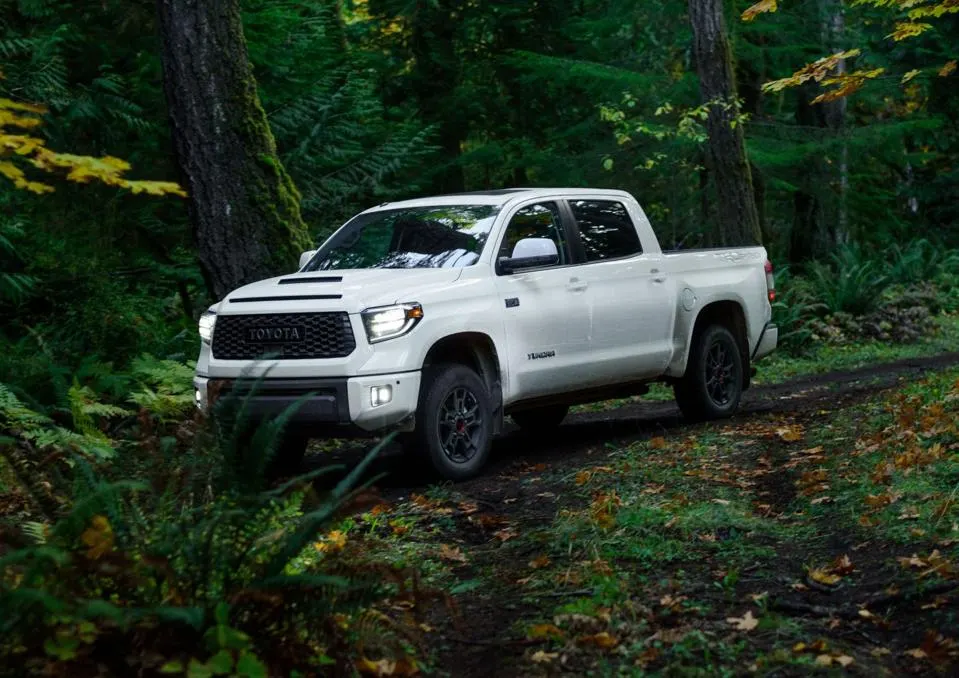
4. Toyota Tundra
Though not traditionally considered a heavy-duty truck like the Ford F-250 or Ram 2500, the Toyota Tundra has established itself as a reliable full-size pickup capable of handling heavy loads, especially in its more powerful V8-equipped versions.
The Tundra’s engine options, such as the 5.7-liter V8, deliver strong and consistent power with a design that emphasizes durability and ease of maintenance.
Unlike some modern trucks that rely heavily on complicated turbocharged engines and numerous sensors, the Tundra’s engine uses a straightforward, naturally aspirated design that is less prone to breakdowns under stress. This simplicity contributes to fewer engine-related failures, particularly when the truck is regularly loaded near or at its maximum capacity.
The Tundra’s frame is made from high-strength steel with a design that resists twisting and bending forces commonly experienced under heavy loads. The frame construction helps protect the truck’s structural integrity over time, preventing issues like frame cracking or sagging, which can be costly and dangerous.
Its suspension system, which uses heavy-duty springs and shocks, is engineered to absorb impacts and maintain ride quality, even when the truck is fully loaded. This means the Tundra can perform reliably in a variety of conditions, from off-road hauling to highway towing, without sacrificing stability or comfort.
One of the key factors behind the Tundra’s reputation for reliability is Toyota’s stringent quality control and build standards. The truck is known for lasting hundreds of thousands of miles with minimal major repairs, making it a favorite among owners who value long-term dependability.
Toyota’s reputation for producing vehicles with long service lives extends to the Tundra, which often requires less frequent major repairs compared to its American counterparts, particularly when used under demanding conditions.
Additionally, the Tundra’s resale value reflects its reliability. Trucks that remain dependable under heavy use tend to maintain higher resale prices, and the Tundra is no exception.
This makes it a smart investment for those who need a capable truck for tough jobs but also want a vehicle that will hold its value. Its combination of solid construction, straightforward engineering, and Toyota’s reputation for reliability makes the Tundra a dependable option for heavy loads.
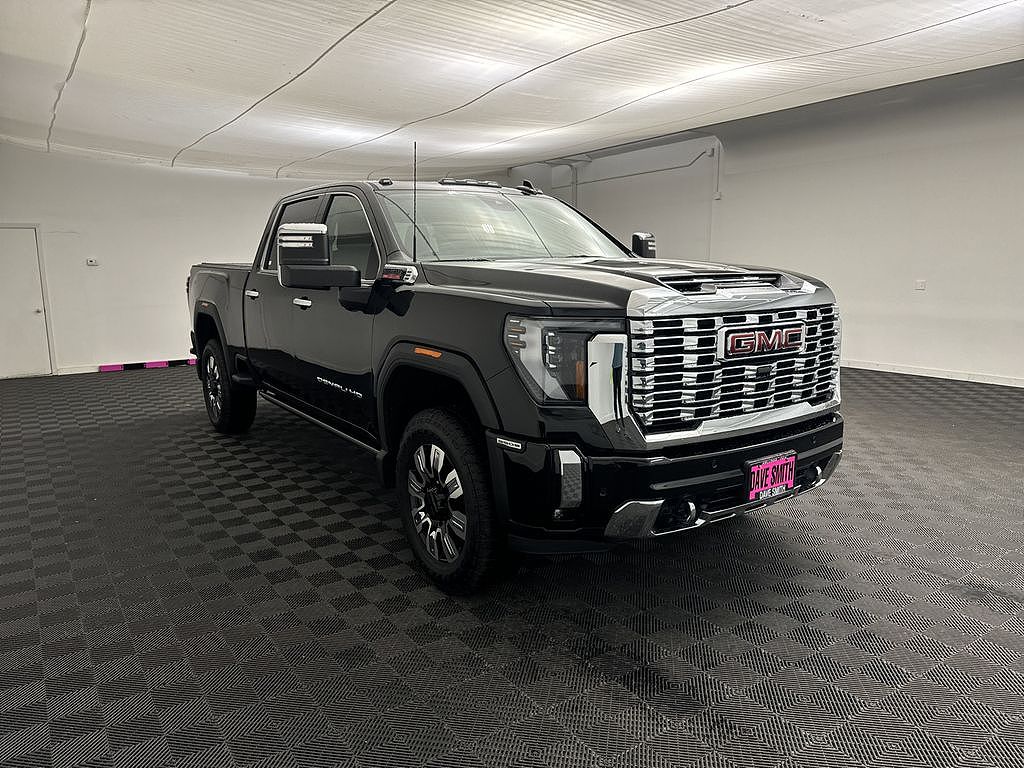
5. GMC Sierra 3500HD
The GMC Sierra 3500HD is built with one primary goal in mind: to excel in the heaviest-duty applications where power and durability are essential. This truck offers a range of powerful diesel engines, including the well-regarded Duramax 6.6-liter diesel, which delivers the outstanding torque and horsepower necessary for towing and hauling enormous loads.
The Sierra 3500HD’s frame is exceptionally strong, constructed from reinforced high-strength steel to prevent flexing and twisting even under the most challenging conditions. This structural integrity ensures the truck maintains proper alignment and reduces premature wear on critical components such as the suspension and drivetrain.
GMC focuses heavily on build quality and material strength in the Sierra 3500HD, which helps the truck resist early mechanical failures common in vehicles regularly pushed to their limits.
The heavy-duty suspension system is designed to accommodate maximum payloads without sagging or compromising handling, using multi-leaf springs and robust shock absorbers that absorb shocks and distribute weight evenly. This setup not only enhances the truck’s ability to stay reliable under stress but also improves safety by keeping the vehicle stable and responsive.
The truck includes modern technologies that assist drivers in managing heavy loads safely. Features like trailer brake controllers, trailer sway control, and hill start assist reduce the mechanical strain on the vehicle by improving control during towing.
These systems prevent situations that could lead to excessive wear or damage, such as trailer sway or abrupt braking. By reducing driver-induced stress on the truck, these technologies contribute to the Sierra 3500HD’s reputation for lasting longer without frequent breakdowns.
Owners praise the Sierra 3500HD for its blend of raw power, durability, and comfort. While it is a work-focused truck, GMC does not neglect driver comfort, which is important during long workdays.
The truck’s durability combined with practical amenities makes it a popular choice for businesses and individuals who require a truck that can endure heavy loads regularly and keep performing at a high level without unexpected failures.
5 Trucks That Break Early Under Heavy Loads
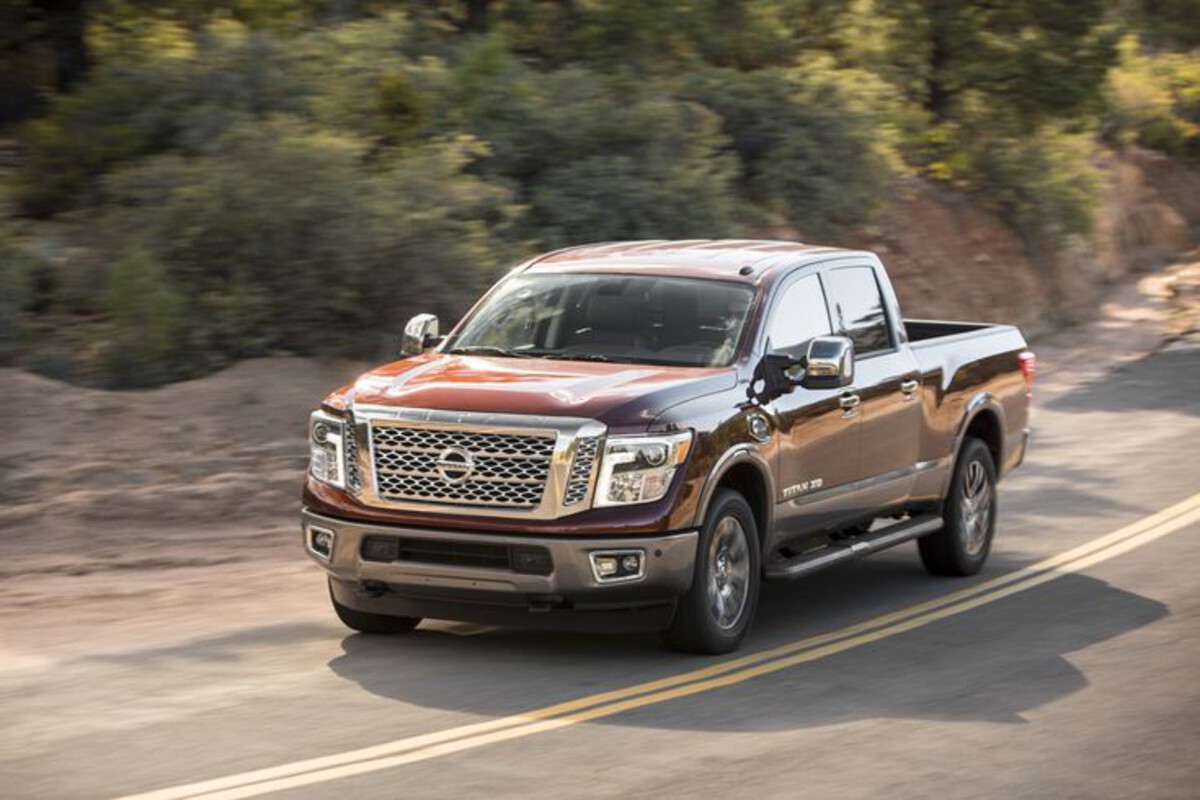
1. Nissan Titan XD
The Nissan Titan XD, despite being marketed as a heavy-duty truck bridging the gap between light-duty and full heavy-duty pickups, often falls short when it comes to long-term reliability under heavy loads.
While the Titan XD features a powerful Cummins diesel engine in certain models, the design of the truck, particularly its frame and drivetrain, hasn’t always been up to the rigorous demands placed on it by commercial users.
The truck’s frame, although beefier than the standard Titan, tends to be less rigid and less resistant to the twisting and flexing caused by consistent heavy hauling.
This results in accelerated wear on suspension components, leading to issues such as sagging springs and premature shock absorber failures. Many users have reported having to replace these parts more frequently than expected when the truck is regularly loaded near or beyond its recommended capacities.
Additionally, the Titan XD has a reputation for transmission troubles when subjected to heavy towing. Owners frequently describe symptoms like hard shifting, slipping gears, or even complete transmission failures after only a few years of use.
These problems are often exacerbated by the truck’s cooling system, which some claim struggles to keep transmission temperatures within safe limits during prolonged heavy towing sessions.
Overheated transmission fluid can lead to rapid breakdowns, reducing the lifespan of critical drivetrain components. Beyond the mechanical issues, the truck’s electronic systems have been reported to malfunction under stress, with sensors and control modules sometimes causing unexpected performance issues or check-engine warnings that require expensive diagnostics and repairs.
Another challenge facing the Titan XD is the relative scarcity of parts and service options compared to more established heavy-duty trucks from Ford, Chevrolet, or Ram. This makes maintenance and repairs more costly and time-consuming, further discouraging users who depend on their trucks for work.
The lack of widespread dealership and mechanic familiarity with the Titan XD’s heavier components contributes to longer downtime during repairs, which can seriously impact businesses relying on the truck’s availability.
Taken together, these factors contribute to the Nissan Titan XD’s reputation as a truck that struggles to maintain reliability when regularly used for heavy-duty tasks, especially compared to its competitors.
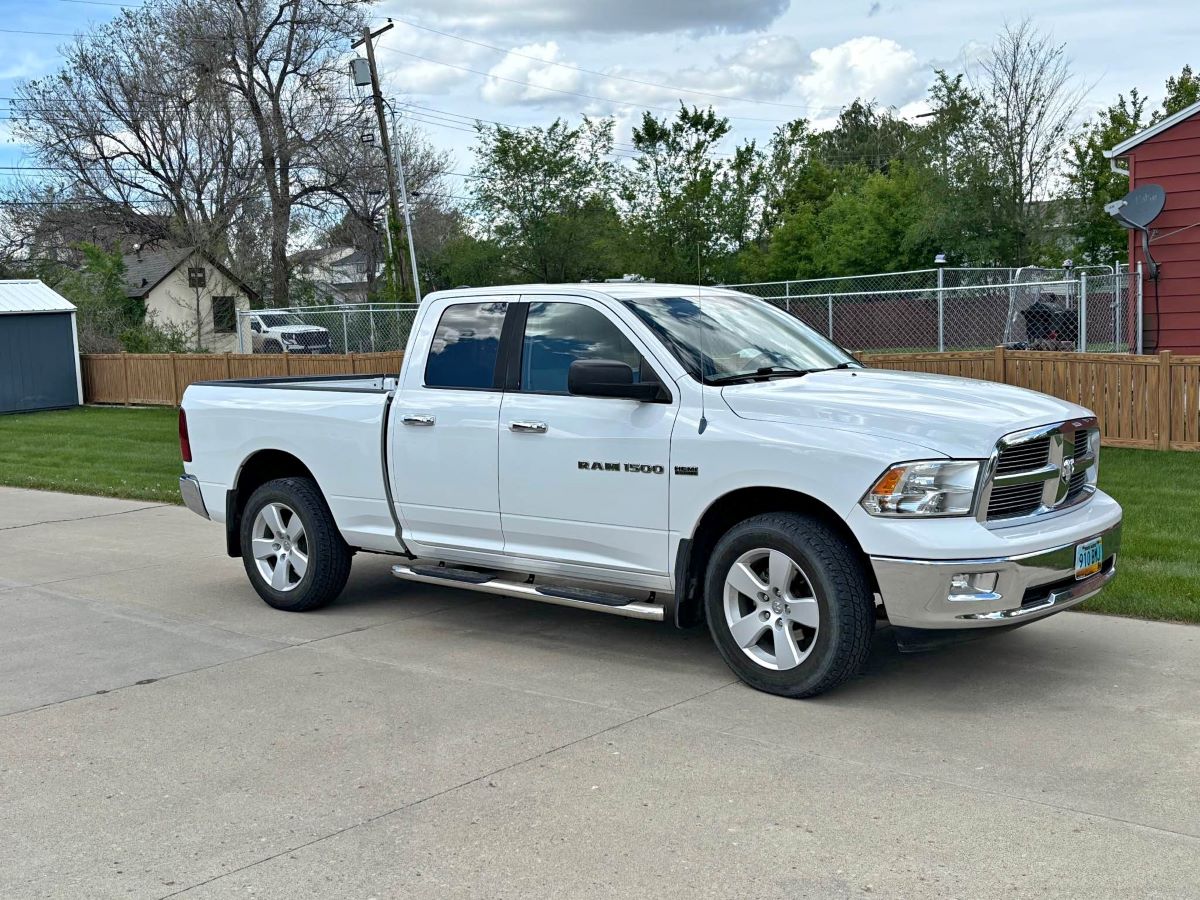
2. Dodge Ram 1500 (Older Models with Heavy Loads)
While modern Ram 1500 models have seen improvements in terms of durability and load handling, many older versions of the Dodge Ram 1500 have shown consistent problems when exposed to heavy loads over time.
The primary reason lies in the truck’s lighter-duty frame and suspension system, which were designed more for general-purpose use rather than constant heavy hauling or towing.
When these trucks are regularly overloaded or used for work that pushes their payload or towing limits, the suspension components tend to wear out prematurely. Springs may sag faster, shock absorbers lose their damping ability sooner, and various bushings and mounts wear at an accelerated pace, leading to rougher rides and compromised handling.
Owners also report frequent transmission troubles in older Ram 1500 trucks used under heavy load conditions. The transmission systems in these models were often not sufficiently robust to cope with the extra strain of towing or hauling beyond the truck’s recommended capacities.
This often resulted in slipping, delayed gear engagement, or complete failure, sometimes necessitating costly rebuilds or replacements. The cooling systems in these trucks were also sometimes inadequate for extended heavy work, causing engines to run hotter than ideal and increasing the likelihood of overheating and associated damage.
The engine’s thermal stress in combination with the transmission strain means that older Ram 1500s often require more frequent repairs when used as work trucks.
Brake system problems are another frequent complaint with these older Ram models when tasked with heavy-duty use. Heavier loads put additional stress on brake pads, rotors, and calipers, causing them to wear out faster. In some cases, owners have reported warped rotors and brake fade during towing, which not only reduces safety but also leads to higher maintenance costs.
Taken as a whole, these mechanical issues make older Dodge Ram 1500 trucks less suitable for heavy-duty workloads, especially when compared to newer trucks or those designed specifically for heavy hauling and towing. The cumulative effect is a vehicle that breaks down earlier and requires more frequent attention to stay operational under stress.
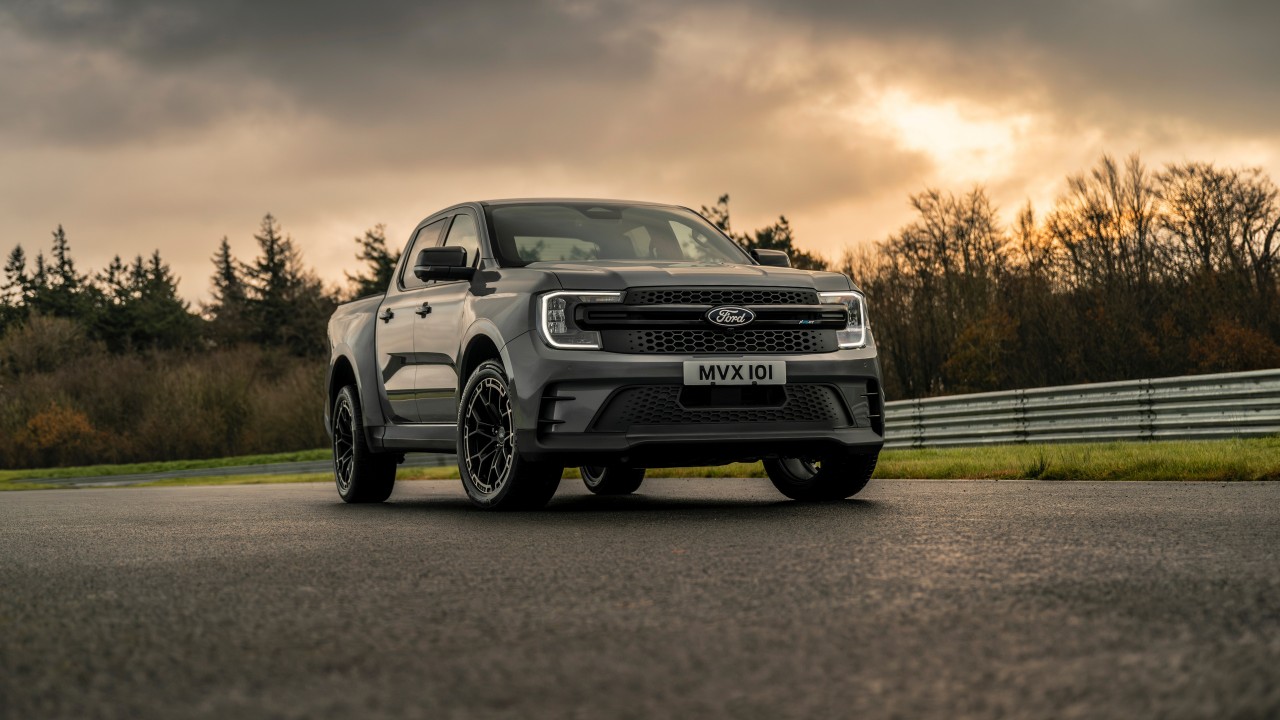
3. Ford Ranger (Heavy Payload Use)
The Ford Ranger is a midsize pickup truck that is generally praised for its agility, fuel economy, and light-duty utility. However, when pushed beyond its design limits to handle heavy payloads consistently, the Ranger often experiences reliability issues and accelerated wear.
Because the Ranger’s frame and suspension are engineered for moderate loads, putting frequent heavy stress on the truck can cause serious problems such as frame bending, sagging suspension components, and premature wear of shocks and struts.
Unlike full-size trucks with reinforced frames, the Ranger’s construction is lighter and less rigid, which means it flexes more under heavy weight, leading to potential misalignment and faster degradation of mechanical parts.
Transmission issues are also common when the Ranger is tasked with frequent towing or hauling heavy items. Some owners have reported that the truck’s transmission overheats or slips under load, which is a sign that the transmission cooling system and internal components are not optimized for continuous heavy-duty use.
This problem is compounded by the truck’s smaller engine options, which can be pushed to their limits when towing or carrying heavy payloads, resulting in mechanical stress and reduced longevity. Over time, this leads to costly repairs or even transmission replacement, which can be a significant financial burden for owners who rely on their trucks for work.
Additionally, the Ranger’s engine cooling system is not designed to handle the heat generated during extended heavy towing or hauling. This can cause the engine to overheat, especially in hot weather or hilly terrain. Overheating engines suffer from reduced performance, increased wear on internal components, and eventually may fail prematurely.
This limits the Ranger’s practicality for users who need a truck to consistently perform heavy-duty tasks. While the Ranger excels in many areas, heavy payload use exposes its limitations, making it a less reliable choice for those who require a truck to endure tough, demanding workloads over time.
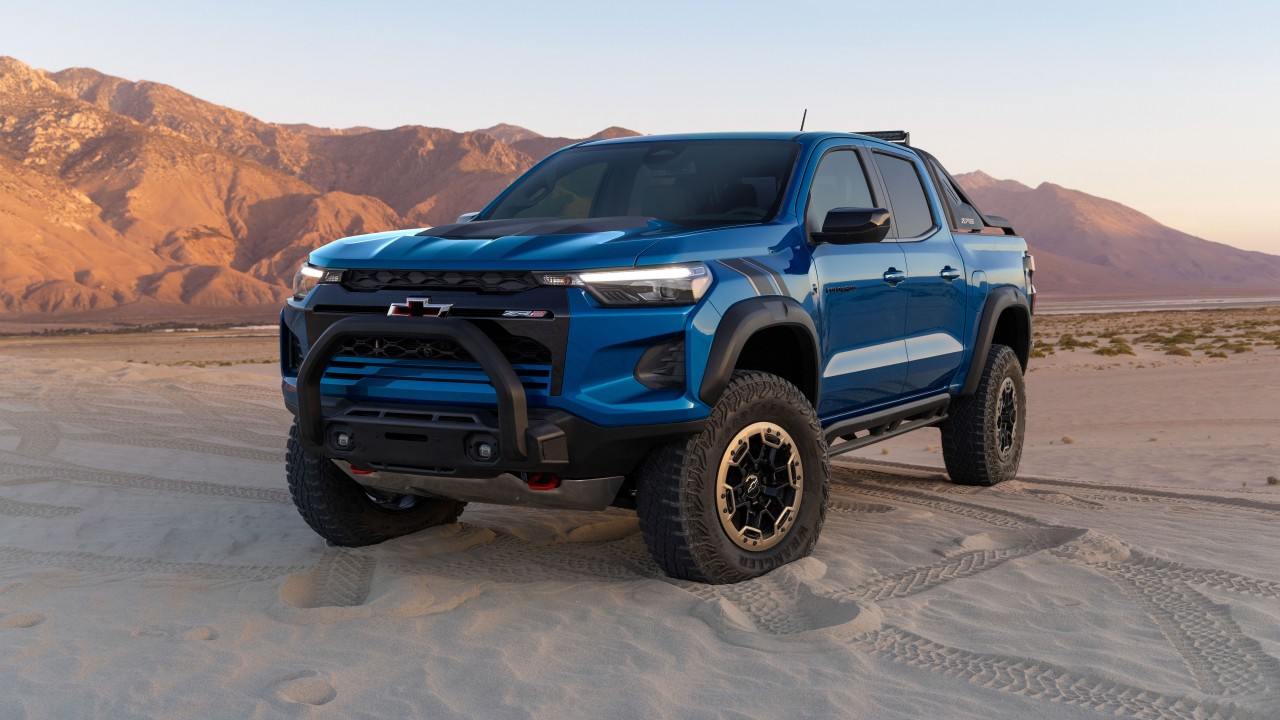
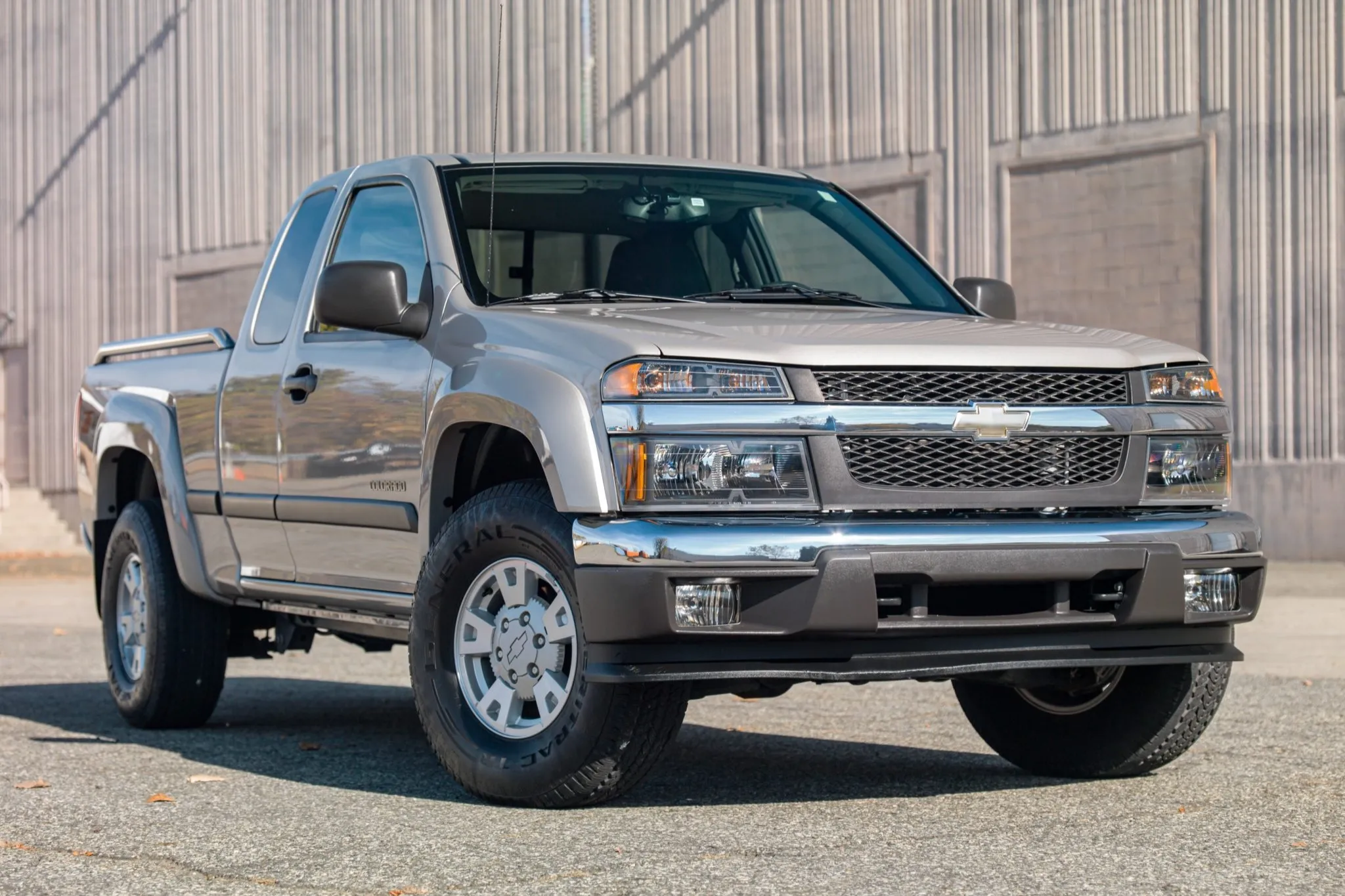
4. Chevrolet Colorado (Heavy Load Use)
The Chevrolet Colorado is a midsize pickup that performs well in many light to medium-duty roles, but it struggles significantly under heavy loads. Many users have reported that when the Colorado is used frequently for heavy towing or hauling, it exhibits accelerated wear and mechanical failures, particularly in the suspension and drivetrain systems.
The truck’s suspension, designed for lighter payloads, often suffers from broken springs, worn-out shocks, and other component failures when overloaded. This leads to a loss of stability and control, which can not only be dangerous but also result in costly repairs and downtime.
Transmission problems are also prevalent in the Colorado when used beyond its intended capacity. Owners have noted issues such as overheating, delayed gear shifts, and slipping gears, which are indicative of a transmission system under strain.
These failures tend to occur sooner in Colorado trucks that regularly handle heavy towing or hauling jobs, signaling that the transmission components and cooling systems are not sufficiently robust for sustained heavy use. Repairing or replacing transmissions is a major expense, and frequent failures diminish the truck’s appeal for commercial or heavy-duty users.
Engine cooling is another concern with the Chevrolet Colorado under heavy loads. The cooling system can become overwhelmed when the truck is towing or hauling at its upper limits, leading to engine overheating.
Overheated engines experience increased wear and may develop problems such as head gasket failures or warped components. This significantly reduces engine lifespan and reliability. Taken together, these issues make the Colorado a truck that tends to break down earlier than competitors when regularly subjected to heavy-duty workloads.
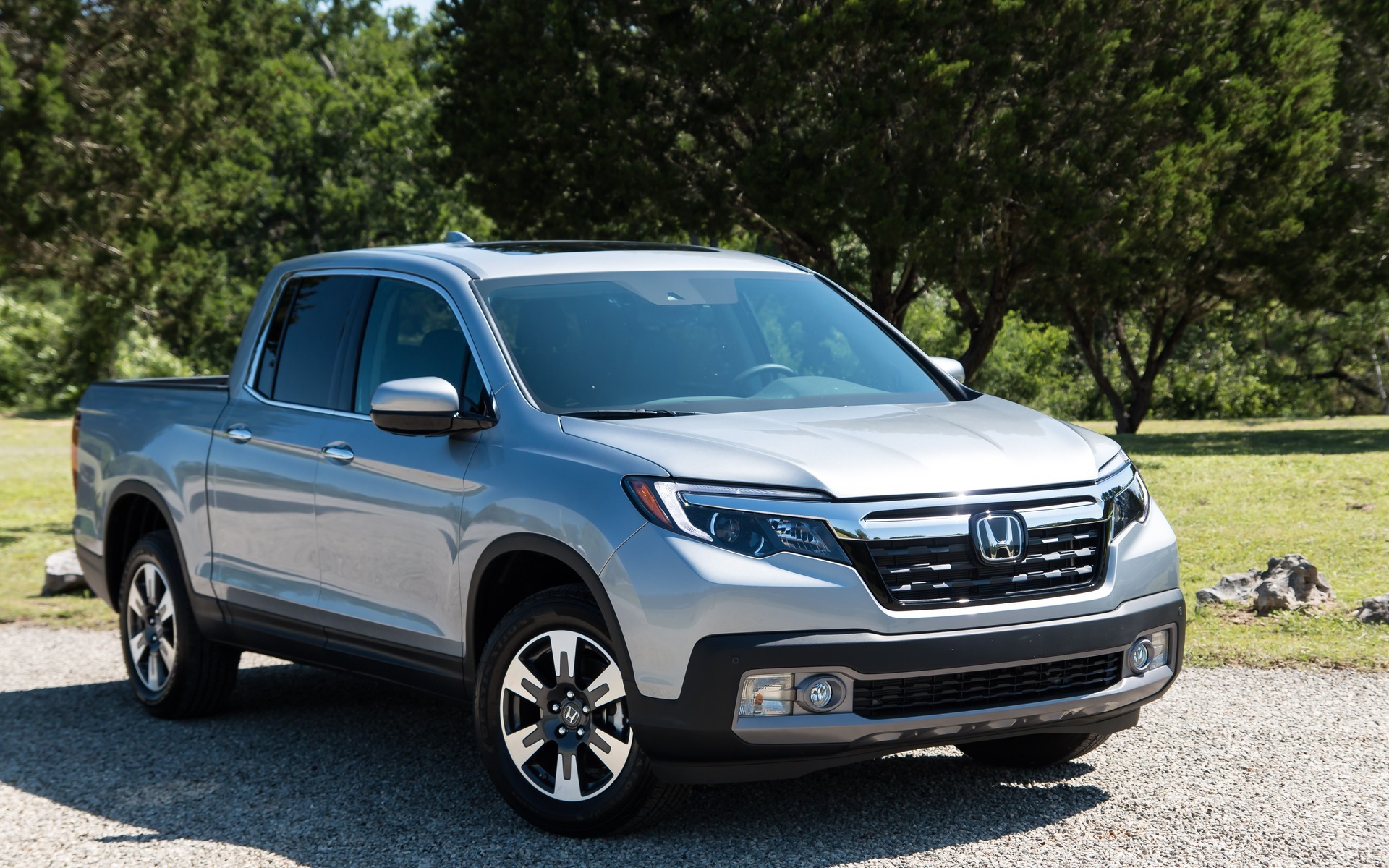
5. Honda Ridgeline (Heavy Load Use)
The Honda Ridgeline is widely appreciated for its comfortable ride, car-like handling, and innovative features, but it is not designed for heavy-duty work or sustained heavy loads. Its unibody construction offers advantages in terms of ride quality and safety but compromises the structural strength needed for consistent heavy hauling or towing.
When pushed beyond its design limits, the Ridgeline’s frame and chassis components can experience early wear and, in some cases, cracking. This kind of structural stress is rare in traditional body-on-frame trucks but becomes an issue for unibody designs like the Ridgeline when subjected to heavy payloads.
Suspension components in the Ridgeline also tend to wear out faster under heavy loads. The truck uses a suspension setup geared towards comfort, which means it lacks the heavy-duty springs and shock absorbers found in trucks built for towing and hauling.
This leads to premature sagging and degraded ride quality when the vehicle is frequently loaded heavily. Drivers may notice poorer handling and increased vibration, which can be signs of worn suspension parts that need replacement sooner than expected. These issues increase maintenance costs and reduce the truck’s reliability under tough conditions.
Moreover, the Ridgeline’s engine and transmission are not designed to manage the heat and stress of continuous heavy-duty work. The powertrain is optimized for light to moderate loads, and pushing it too hard results in overheating, transmission wear, and reduced component lifespan.
While the Ridgeline is a great choice for casual users or those who occasionally haul, it becomes less dependable for users who need a truck capable of frequent, heavy-duty use. These limitations contribute to the Ridgeline’s reputation for breaking down earlier when used as a workhorse beyond its intended scope.
