
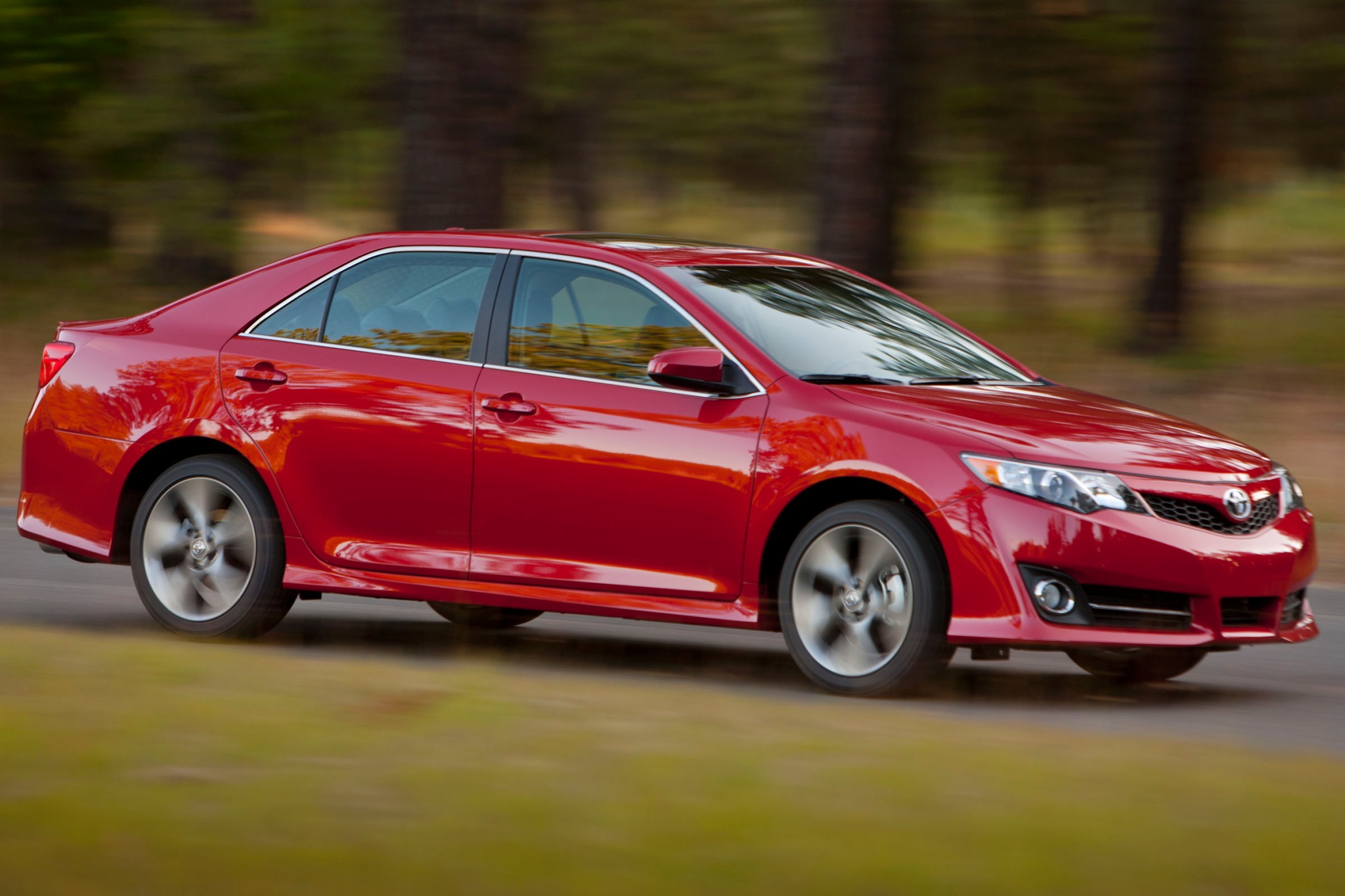
Vehicle recalls are a reality in the automotive industry. No matter how advanced or experienced a car manufacturer may be, defects can occur during the design, testing, or manufacturing stages. A recall happens when a car model fails to meet safety standards or develops a manufacturing defect that could put drivers, passengers, or even pedestrians at risk.
These recalls are often public and can cause both financial and reputational harm to the manufacturer. While some cars are recalled frequently due to various mechanical or electronic issues, certain models are rarely affected by such problems.
These vehicles stand out not just because of their strong brand reputations but also due to consistent engineering quality, reliability, and manufacturing discipline.
For many car buyers, reliability is one of the most important factors when choosing a vehicle. This includes not only how long the vehicle lasts but also how often it needs repairs or visits to the dealer for manufacturer-related fixes.
Cars with few recalls often indicate a company that has strong quality control processes and a commitment to getting things right before the car hits the market.
A low recall rate doesn’t mean the car is perfect, but it does suggest a higher level of trust that the manufacturer knows what it’s doing. Owners of such vehicles enjoy peace of mind, knowing they’re less likely to receive a letter in the mail asking them to bring their car in for a fix.
In this article, we’ll go through a list of 12 cars that have consistently shown strong reliability over the years and are rarely associated with recall notices. These vehicles have earned reputations for durability, precision in engineering, and well-thought-out design.
From efficient sedans to versatile SUVs and trustworthy compact cars, the models featured here reflect a range of segments but share one thing in common: a record of dependability when it comes to factory recalls.
This isn’t just about avoiding inconvenience; it’s about owning a car that reflects long-term confidence, not just from the manufacturer but from thousands of satisfied drivers around the world.
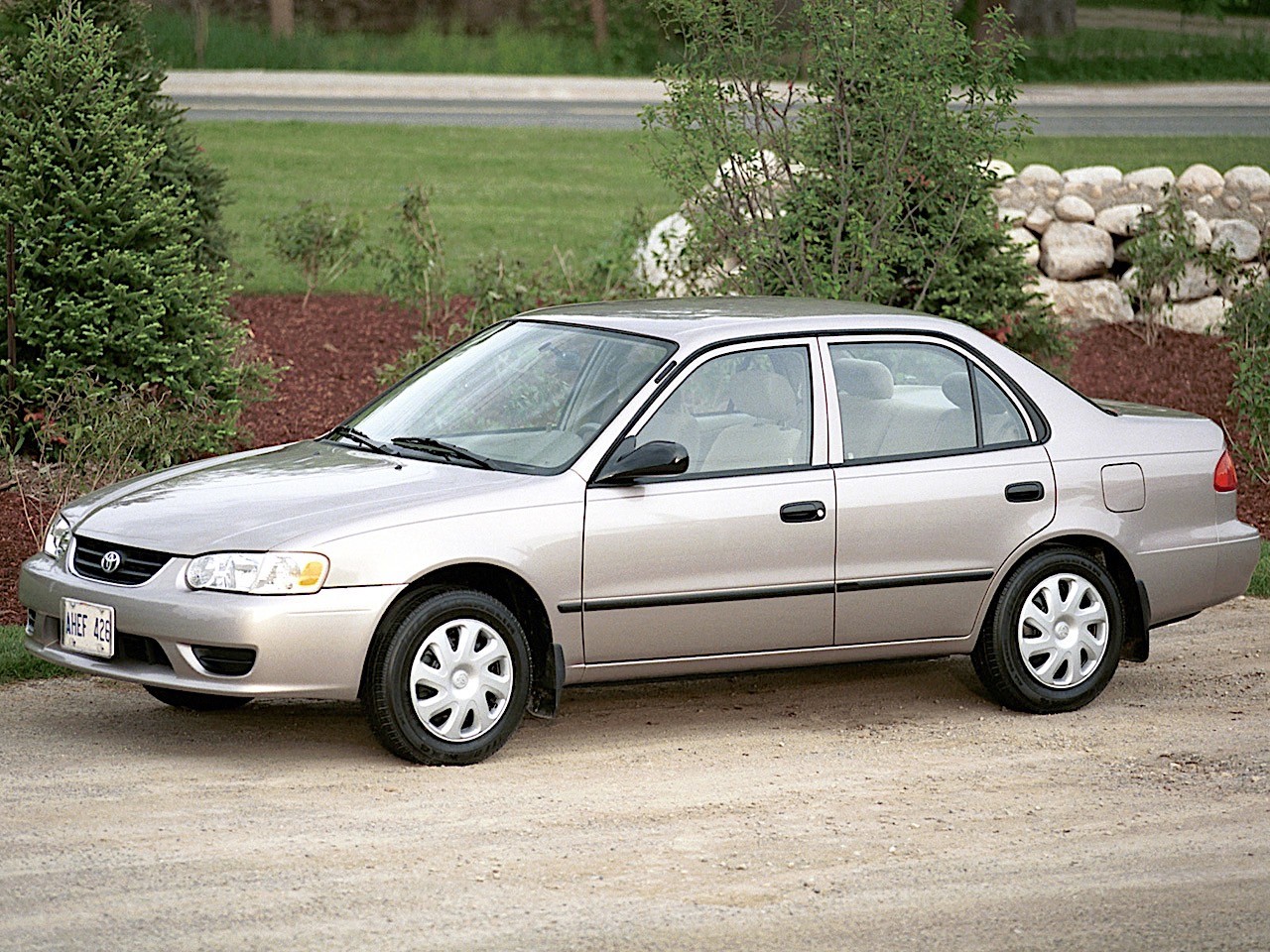
1. Toyota Corolla
The Toyota Corolla has been a symbol of reliable and affordable transportation for decades. What makes it stand out in terms of recall history is the consistency of its engineering over generations. Rather than chasing experimental design trends, Toyota has stuck with tried-and-true mechanical systems that have been refined over time.
This careful evolution means fewer surprises in production and a significantly lower chance of major defects slipping through to the public. The Corolla’s powertrain, chassis, and electrical systems are typically well-tested before release.
Another reason the Corolla sees fewer recalls is the company’s deep investment in quality control during manufacturing. Plants producing the Corolla often have some of the most advanced quality assurance protocols in the auto industry.
Every stage of the build process is checked and double-checked, and even the suppliers are held to incredibly high standards. This results in fewer parts that are prone to failure or out-of-spec conditions. Toyota’s meticulous attention to detail in assembly contributes directly to its low recall numbers.
It’s also worth noting that the Corolla isn’t overloaded with excessive features that might increase the risk of something going wrong. While it offers modern tech, it avoids pushing boundaries in a way that compromises core performance.
By balancing modern needs with simplicity, the Corolla reduces the number of systems that could potentially trigger a recall. It’s a product of mature engineering, which puts stability ahead of risky innovation.
Finally, the Corolla’s global reach has helped Toyota identify and fix small issues before they become widespread problems. Because it’s sold in so many markets, feedback from owners comes quickly and from many different environments.
This allows engineers to make minor adjustments during production, often eliminating issues that might otherwise lead to a recall. As a result, Corolla owners rarely find themselves affected by large-scale defects or manufacturer errors.
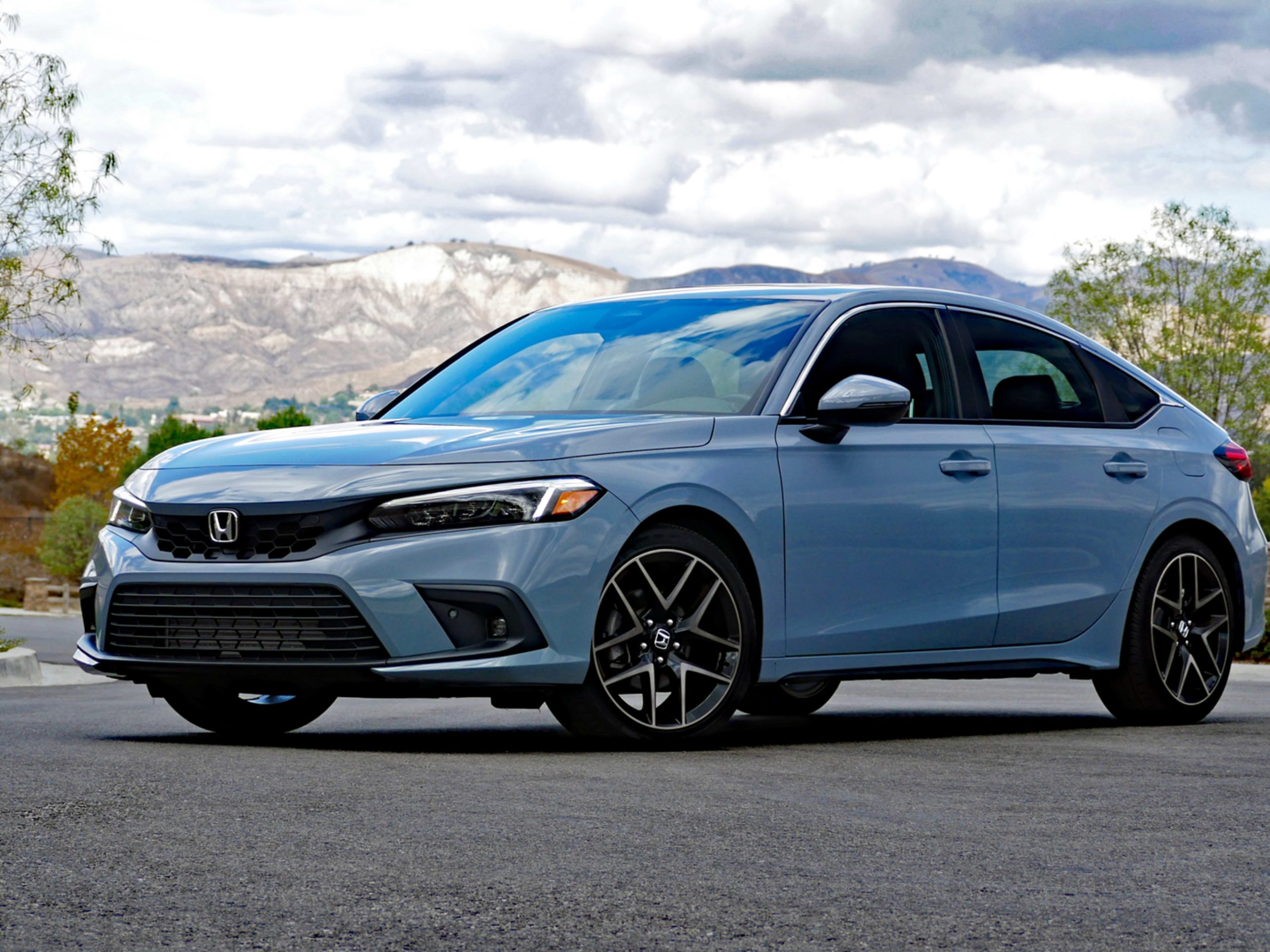
2. Honda Civic
The Honda Civic has long been a favorite among drivers who value economy and reliability. Its strong track record with recalls is part of what makes it such a dependable choice for so many people.
Honda tends to use proven engineering solutions in the Civic, which limits the possibility of defects arising from untested technologies. Over the years, the platform has matured, and engineers have had ample time to fine-tune both performance and safety systems.
One of the key strengths of the Civic is Honda’s consistent use of in-house components. While many manufacturers outsource a wide range of parts, Honda designs and builds a large portion of their vehicles internally.
This allows them more control over quality and consistency, which significantly reduces the risk of large-scale defects that could result in recalls. The company is able to trace issues quickly and prevent them from affecting an entire production run.
Another reason the Civic is rarely recalled lies in the company culture at Honda. Engineers and production staff are encouraged to be cautious rather than aggressive in their design approach.
Safety and reliability are deeply ingrained in the company’s philosophy. As a result, the Civic typically includes features that have been rigorously tested in real-world conditions rather than rushed into the marketplace. This long-term thinking often pays off with fewer recalls.
In terms of vehicle performance and daily use, the Civic also tends to have fewer complex electronic systems compared to some luxury vehicles.
While it’s certainly modern and up-to-date, Honda avoids excessive gadgetry in lower trims, which cuts down on the number of potential failure points. This practical approach gives Civic owners more confidence that their car will remain trouble-free for many years.
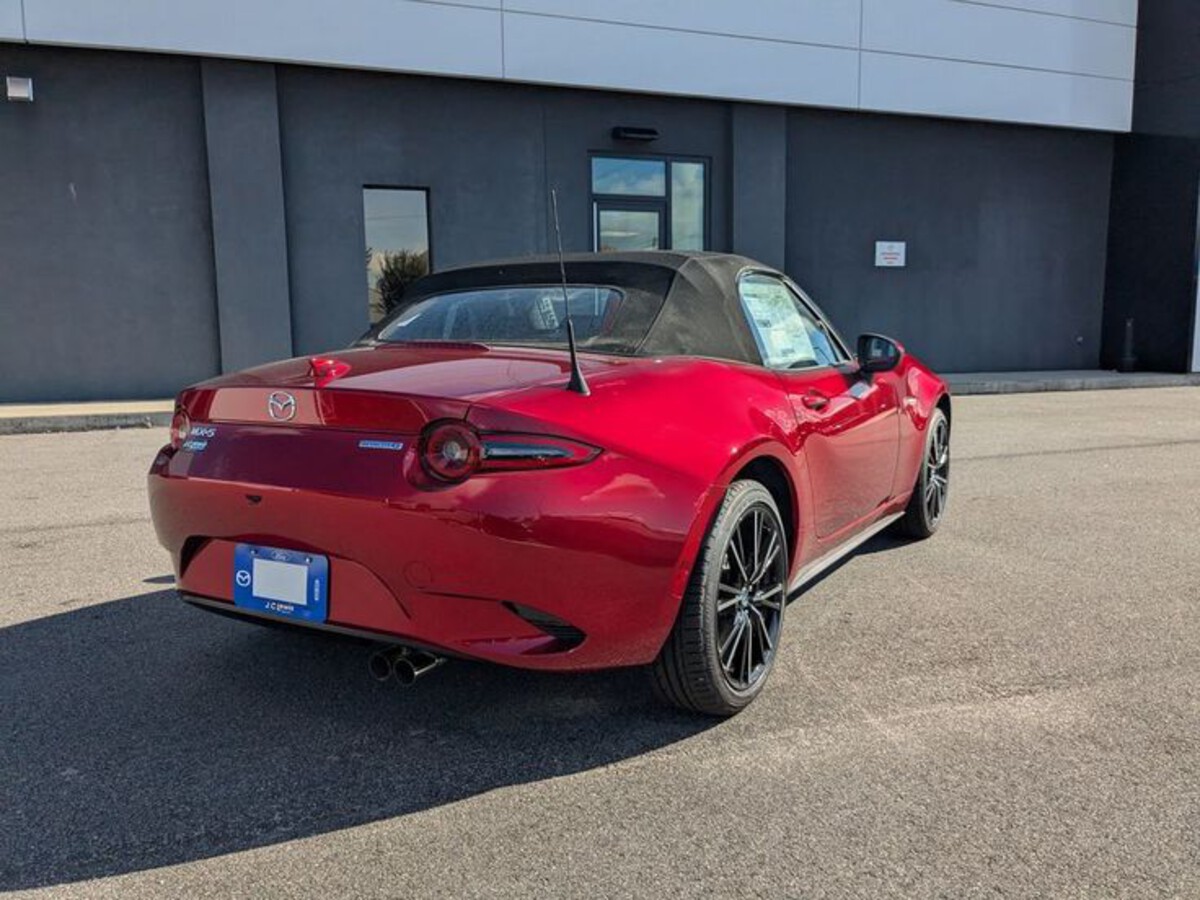
3. Mazda MX-5 Miata
The Mazda MX-5 Miata is a lightweight sports car that combines simplicity with fun-to-drive dynamics. While it may not be the first car that comes to mind when thinking about low recall rates, its engineering tells a different story.
Mazda has kept the Miata relatively straightforward, which helps keep complications at bay. Its powertrain and chassis systems are built around efficiency and balance rather than pushing extreme limits.
One thing that keeps the Miata’s recall numbers low is its niche production focus. Unlike high-volume models, the Miata is built with a more specialized process that allows for greater attention to detail during manufacturing.
The smaller scale of production also means that when issues do arise, they are easier to trace and contain. Mazda is quick to act when feedback suggests something isn’t right, often correcting things before they escalate into widespread problems.
Another major factor is the Miata’s mechanical simplicity. There are no all-wheel drive systems, turbocharged engines, or overly complex infotainment platforms in its base design.
This lean approach makes it easier to achieve consistency on the factory floor and reduces the likelihood of defective parts causing safety concerns. Fewer components also mean fewer suppliers to manage, which helps control quality even further.
Beyond design and manufacturing, the Miata benefits from a loyal and vocal customer base. Enthusiasts who buy this car tend to be knowledgeable and observant, which leads to quicker identification of any odd behavior.
This ongoing feedback loop between Mazda and its customers enables small fixes before they balloon into recall-worthy issues. The car’s long history of refinement has made it one of the most stable and reliable sports cars available.
4. Lexus RX
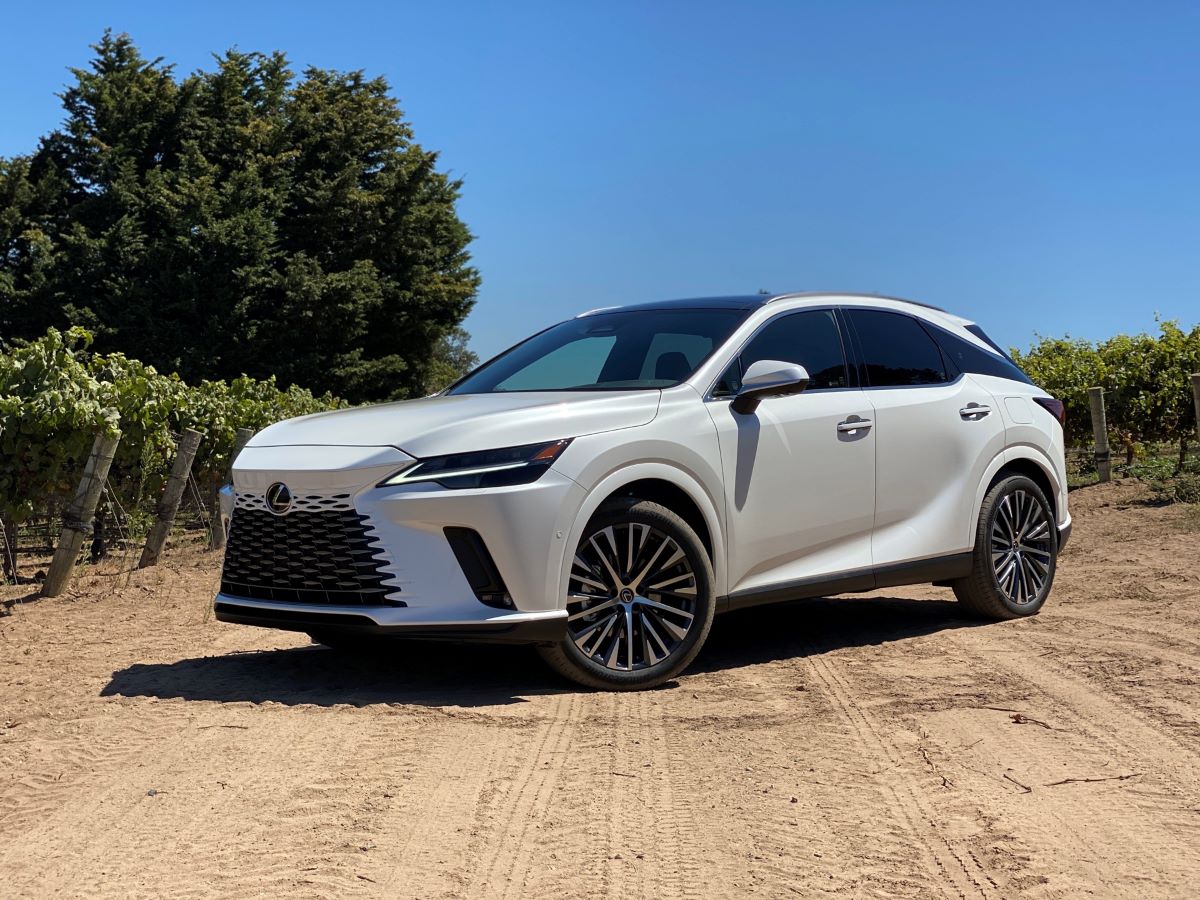
The Lexus RX stands out in the luxury crossover segment not just for its comfort and quiet cabin but also for its remarkable reliability.
Being a luxury brand under Toyota, Lexus carries over many of the same engineering principles and quality standards. The RX benefits from Toyota’s conservative and careful development cycle, which significantly reduces the risk of post-sale defects.
A key contributor to the RX’s strong performance in recall statistics is the platform sharing with proven Toyota models. The mechanical components in the RX are shared with vehicles that have a long track record of reliability.
This means the suspension, powertrain, and safety features are built on known quantities. Lexus engineers then refine and upgrade these components for the premium market, ensuring even higher build quality.
Another important point is how Lexus approaches technology integration. While many luxury brands race to implement cutting-edge tech in their vehicles, Lexus prefers to wait until new systems have matured.
This patience allows them to avoid early-adopter pitfalls, which often lead to recalls in competing models. The RX typically uses systems that have been tested extensively in Toyota vehicles before making their way into Lexus models.
In addition, Lexus dealerships and service networks are highly proactive about addressing customer concerns early. They often resolve minor issues before they require broader corrective action.
Combined with extensive pre-release testing, the RX’s conservative design strategy helps ensure that safety recalls remain rare and limited in scope. The end result is a vehicle that delivers premium comfort without the headaches often associated with luxury ownership.
5. Subaru Outback
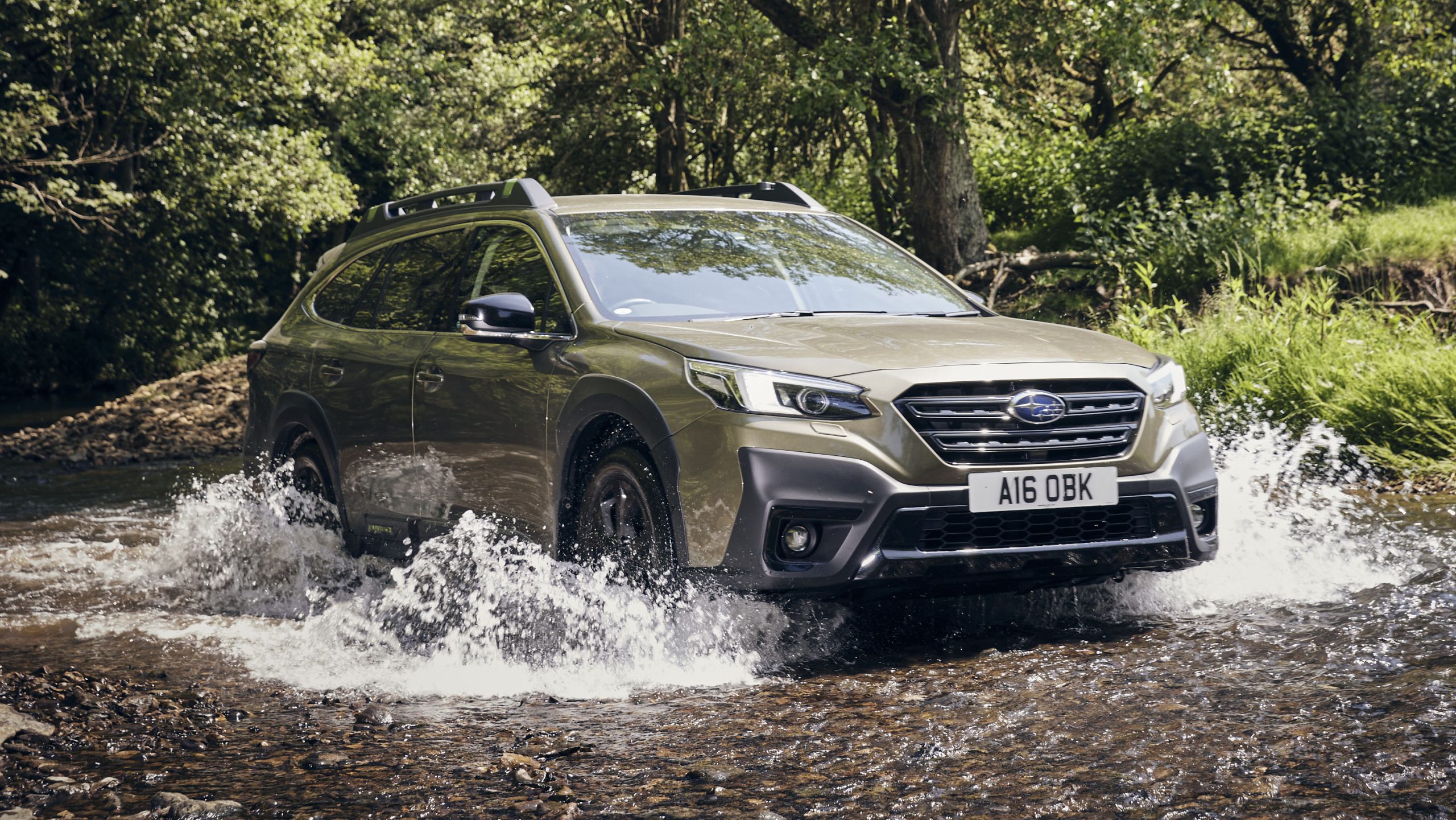
The Subaru Outback has earned a loyal following for its practicality, durability, and go-anywhere capability. While it might be associated more with all-weather traction than recall statistics, the truth is that the Outback rarely appears in major recall headlines. Subaru’s focus on consistent engineering across its lineup plays a large role in this.
The Outback doesn’t get radical redesigns or risky mechanical experiments with each generation. Instead, the company focuses on slow, methodical improvement and long-term reliability. This approach makes it less prone to large-scale production errors that often lead to recalls.
Subaru also benefits from a vertically integrated production model where many components are manufactured in-house or through long-standing partnerships. This reduces the number of unknown variables during production.
Suppliers who consistently work with Subaru understand the company’s expectations and standards, which lowers the chances of defects slipping through the cracks.
As a result, the Outback tends to maintain consistent quality, even as features are updated over time. It’s not that the vehicle is free from issues, but the likelihood of a systemic defect requiring a recall is significantly reduced.
Another reason for the Outback’s strong record is its community feedback loop. Subaru owners are known for being vocal and detail-oriented when it comes to their vehicles. This tight relationship between the brand and its drivers allows the company to address small problems early.
Rather than letting them grow into bigger issues, engineers can fine-tune production mid-cycle or introduce technical service bulletins that prevent the need for formal recalls. This kind of proactive support means fewer notices are ever sent to owners for mandatory safety fixes.
Lastly, the Outback avoids the kind of feature overload that can complicate reliability. While it includes advanced driver assistance systems and infotainment technology, Subaru generally rolls these out cautiously. Features like EyeSight, for example, were thoroughly tested before becoming standard across the range.
The careful integration of technology means there are fewer software bugs or sensor failures that can result in recalls. Subaru’s engineers prioritize real-world durability over marketing hype, and that shows in the Outback’s low recall history.
6. Honda Accord
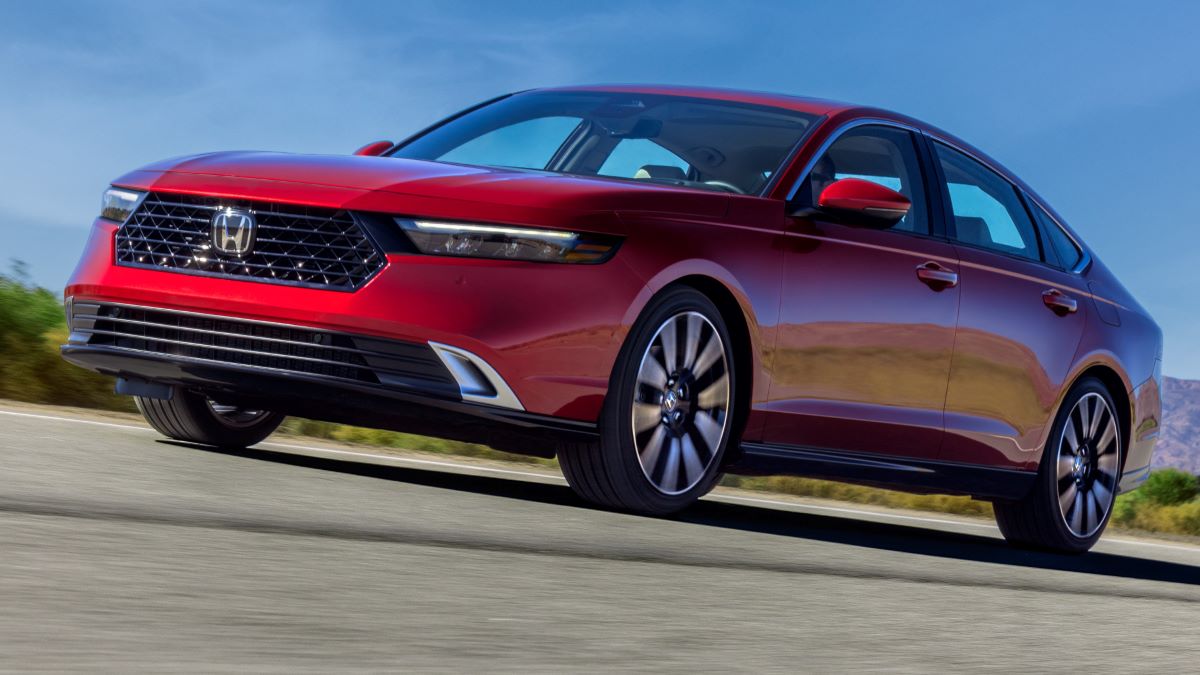
The Honda Accord is one of the longest-running and most respected midsize sedans on the market. Known for its reliability and build quality, it also enjoys a very favorable recall history. The Accord is a cornerstone model for Honda, which means the company invests significant resources into ensuring it performs well both in testing and in the real world.
This investment extends to crash safety, emissions compliance, and electronic stability all common sources of recalls in other models. By prioritizing long-term performance and owner satisfaction, Honda manages to keep issues to a minimum.
Part of what makes the Accord so stable is its use of shared parts across different models and years. Honda takes a modular approach to design, allowing it to fine-tune key components over time rather than starting from scratch with each generation.
This method ensures that systems like the engine, transmission, and suspension have been tested over millions of miles across different environments. That kind of history means fewer surprises, and fewer surprises often means fewer recalls. The Accord evolves with the times but never loses its core identity, which is a major factor in its long-term success.
Another strength lies in the way Honda balances innovation with practicality. The Accord does include advanced tech, especially in recent years, but it tends to be integrated carefully and only after extensive internal testing.
Whether it’s touchscreen systems, safety features, or hybrid drivetrains, the company doesn’t rush updates just to beat the competition. This helps avoid the common tech-related recalls seen in brands that try to lead with novelty instead of quality. By the time something reaches Accord customers, it has already proven itself behind the scenes.
The Accord also benefits from Honda’s excellent manufacturing practices. Assembly plants are run with precision and are regularly reviewed for process efficiency and error reduction. Employees are trained in identifying potential defects early, and suppliers are held to strict standards.
The result is a car that not only drives well but holds together with remarkable consistency. Many Accords run flawlessly for years without so much as a service light, let alone a recall notice. It’s this combination of thoughtful design and manufacturing discipline that keeps the Accord one of the most recall-resistant cars on the road.
7. Toyota Camry
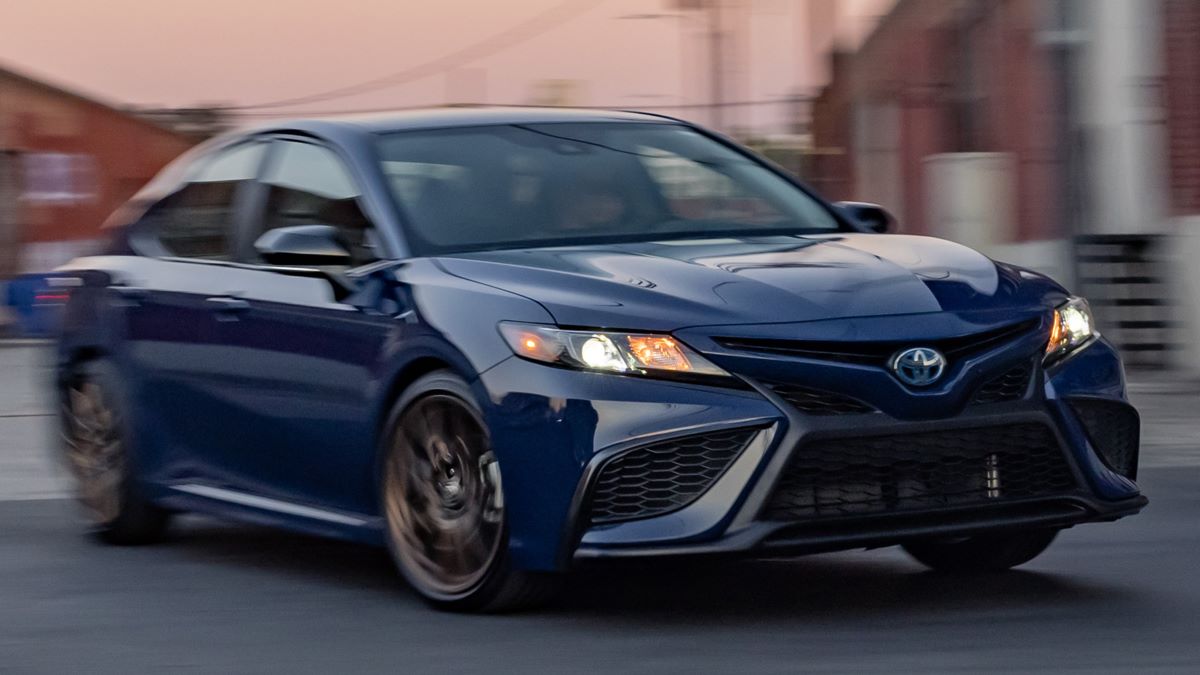
If there’s one sedan that matches the Honda Accord for long-term durability, it’s the Toyota Camry. It’s not flashy, but it’s dependable, and in terms of recalls, the Camry has one of the cleanest records in the industry. Toyota approaches the Camry with the same philosophy it uses for all its volume models: don’t mess with what works.
This is why so many of its mechanical systems are conservative in design but extremely reliable. The Camry isn’t trying to impress with complex engineering; it’s trying to last, and that’s a major reason why it avoids frequent recalls.
The Camry’s powertrains, especially its four-cylinder engines, are often used across multiple Toyota platforms. These engines are manufactured with great consistency, and because they’re so widely used, any problems tend to show up early in testing phases.
This reduces the chance of a new Camry reaching customers with a hidden defect. The manufacturing process, too, is refined over years and rarely deviates from what has already proven successful. All of this helps Toyota avoid production flaws that would lead to recall-worthy issues.
Technology in the Camry is rolled out cautiously. While it now includes features like adaptive cruise control, lane-keeping assist, and advanced infotainment systems, these are added in a phased manner.
Toyota rarely puts all its chips on one new tech feature. Instead, it tests and refines each component before integrating it into its mainstream vehicles. This measured approach limits the number of software bugs, sensor failures, or electronic glitches that might otherwise cause safety concerns or drive mass recalls.
Another major factor is Toyota’s supplier relationships. The parts used in a Camry are often built by long-term partners that Toyota has worked with for decades. This allows for strong quality control and rapid communication if anything goes wrong.
Unlike some competitors who scramble to manage third-party component failures, Toyota typically catches issues early and fixes them before they impact customer safety. This is why Camry owners tend to enjoy years of trouble-free operation with minimal visits to the dealership for manufacturer repairs.
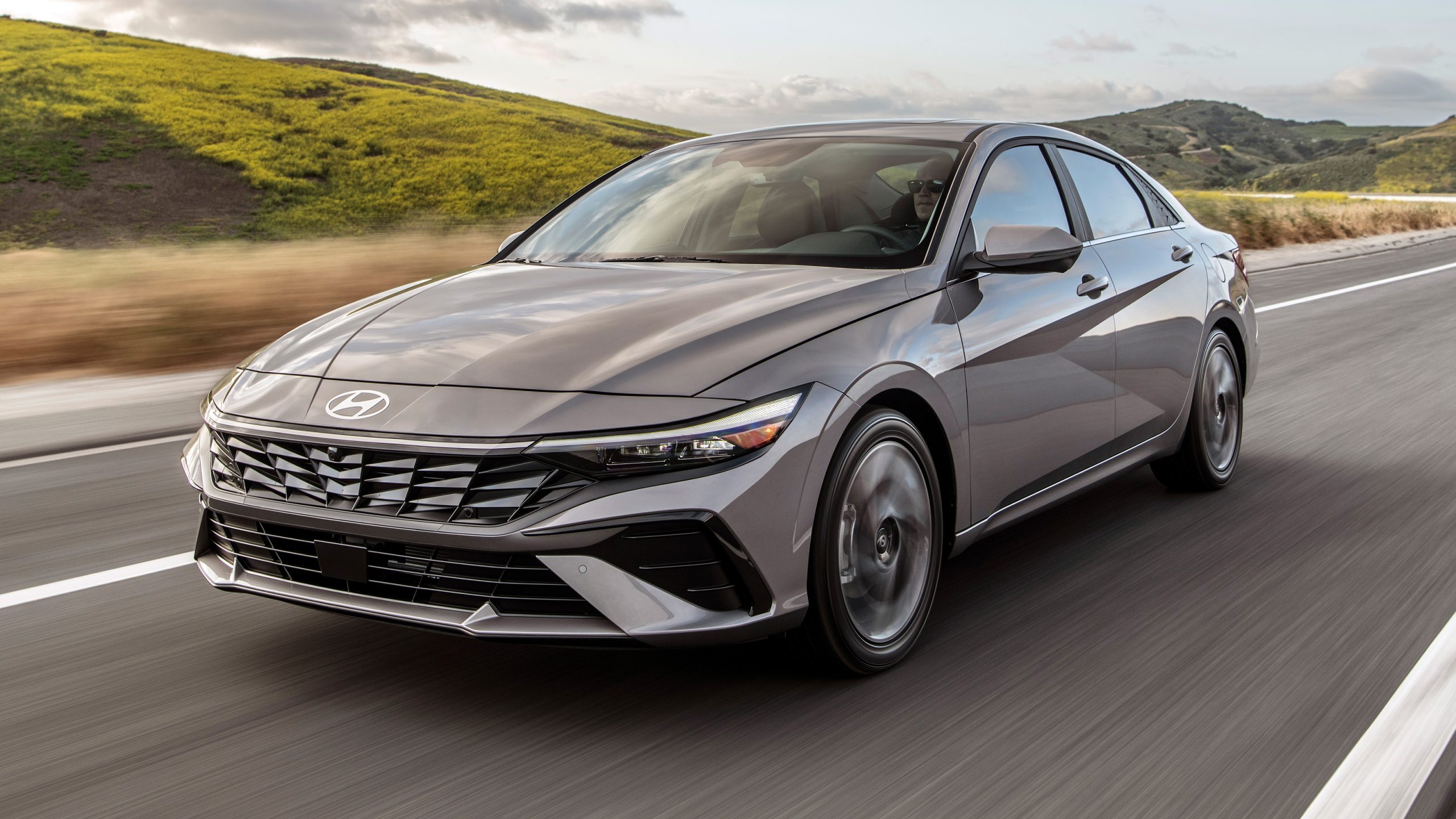
8. Hyundai Elantra
The Hyundai Elantra has quietly become one of the more reliable compact sedans available today. While Hyundai’s earlier models sometimes faced reliability concerns, the company has invested heavily in quality control over the last decade.
The Elantra is now produced with a high level of consistency, and its recall record reflects that progress. In particular, the latest generations of the Elantra have shown significantly fewer manufacturer defects compared to their competition. This is due in part to Hyundai’s centralized approach to design and manufacturing.
Hyundai owns and operates many of its own parts suppliers, which gives the company tight control over the entire production chain. By not relying as heavily on third-party vendors, Hyundai reduces the risk of receiving defective or inconsistent components.
The Elantra benefits directly from this approach. Its engines, electronics, and safety systems are tested in-house, and feedback from each production run is rapidly integrated into future builds. This level of control contributes to the car’s rare appearance in recall announcements.
Another important element is the level of global standardization used in building the Elantra. Whether it’s assembled in Korea, the U.S., or other regions, Hyundai maintains nearly identical standards across all factories.
This means that lessons learned in one plant are immediately applicable to others, reducing the risk of region-specific defects. It also allows Hyundai to manage recalls more effectively when they do occur, keeping them narrow in scope. Most Elantras, especially from recent years, don’t suffer from the widespread recalls that plague some rival models.
In addition, Hyundai listens closely to customer feedback and warranty data. Problems that show up under warranty are logged, analyzed, and used to improve upcoming models. If a pattern starts to emerge, engineers are quick to address it either through production changes or by issuing a service campaign rather than a full recall.
This allows the company to remain proactive while avoiding the public and financial costs associated with formal recall notices. Elantra owners benefit from this responsive support structure and enjoy a car that rarely makes negative headlines.
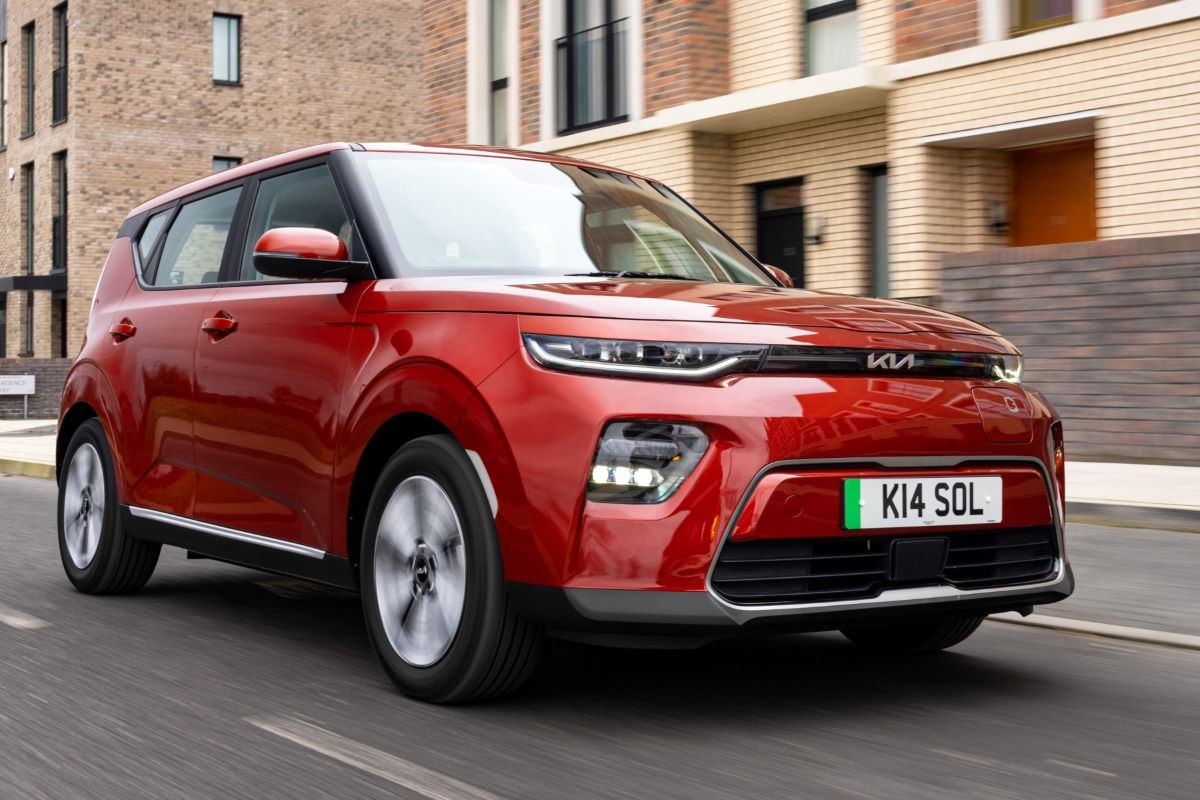
9. Kia Soul
The Kia Soul stands out in the compact car market with its unique design and practical layout, but it also performs strongly where it matters most: reliability and safety. While earlier versions of the Soul experienced a few hiccups in quality, the more recent models have been engineered with a high degree of precision.
Kia, like its corporate sibling Hyundai, has significantly stepped up its quality assurance processes in the past decade. This shift has resulted in newer Soul models being rarely involved in large-scale recalls, a testament to the brand’s evolving commitment to long-term reliability and customer satisfaction.
Part of the reason the Soul stays off recall lists is due to its mechanical simplicity. It doesn’t overextend itself with overly complex systems or over-engineered features that might go wrong. Kia tends to prioritize functionality and durability over pushing untested innovation.
The Soul’s engines, transmissions, and core electronics are designed to be robust and easily serviceable. This simplicity reduces the number of potential failure points that could lead to systemic problems, and therefore, recalls. The fewer moving parts or overlapping systems, the fewer opportunities for something to go critically wrong in a safety-related way.
Another reason the Soul stays out of trouble is its platform stability. Kia has a habit of sticking with proven architecture and gradually improving it rather than starting from scratch every few years. The Soul benefits from this long-term refinement process. Engineers are able to build on what works while ironing out minor issues over time.
These improvements may not always make headlines, but they significantly reduce the chances of a defect slipping into production and going unnoticed until it’s too late. This slow and steady progress leads to fewer emergency recalls and greater peace of mind for buyers.
Finally, Kia has built a robust service network and is quick to respond to problems before they escalate. The brand’s warranty program encourages customers to bring in vehicles for inspection at the first sign of trouble. This allows Kia technicians to diagnose and report on trends early.
In many cases, issues that might have become widespread were resolved through service advisories or minor software updates before ever requiring a formal recall. As a result, the Kia Soul has become one of the more dependable compact vehicles available, with a recall history that’s impressively clean for its segment.
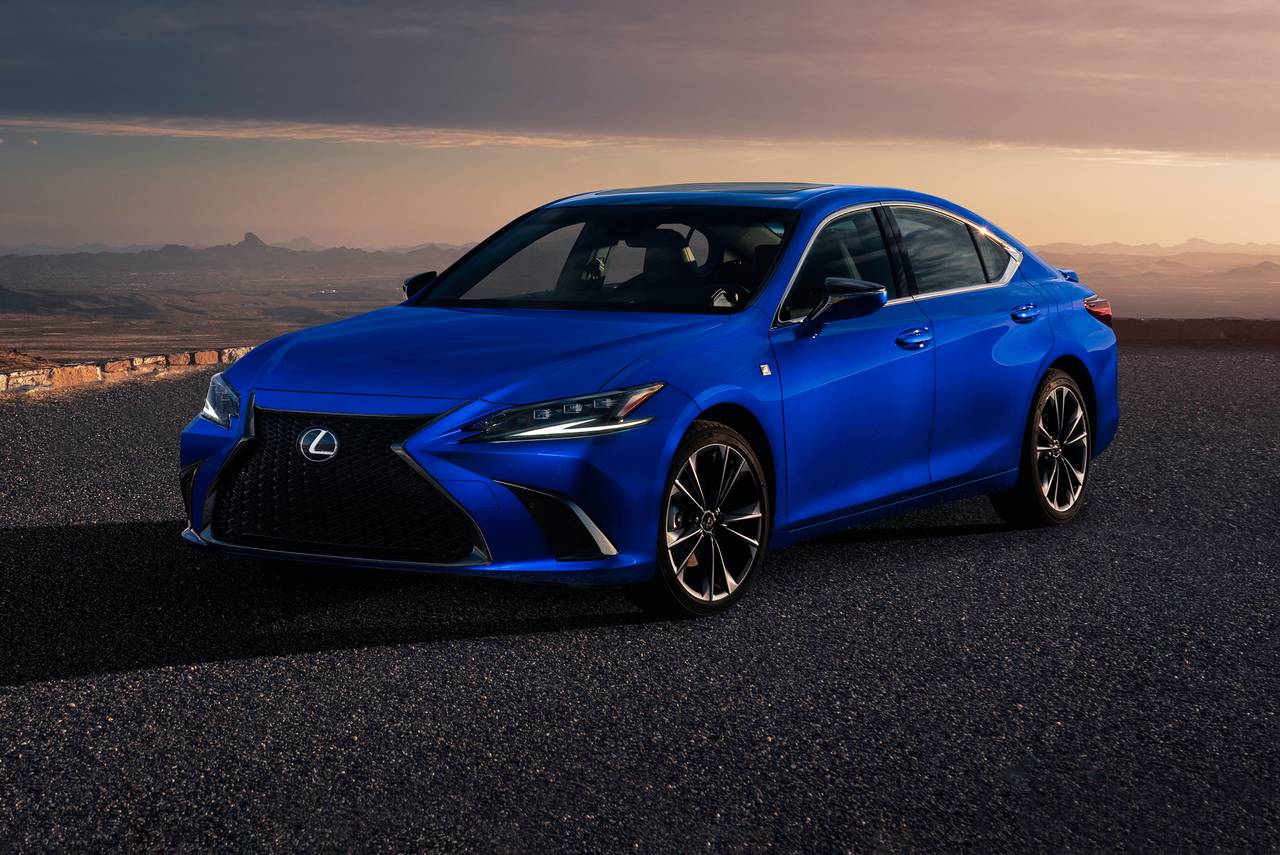
10. Lexus ES
The Lexus ES continues to be one of the most quietly successful luxury sedans on the market, and part of its success is built on its reputation for outstanding reliability. Compared to many of its luxury counterparts, the ES rarely shows up in recall data.
Lexus as a brand places an extremely high priority on refinement and quality control, and nowhere is that more evident than in this mid-size executive sedan. The ES is built to prioritize comfort, stability, and long-term dependability over cutting-edge experimentation, which means fewer unexpected faults.
The ES shares its platform and mechanical components with Toyota’s Avalon and Camry models, both of which have similarly strong records for reliability. By basing its luxury sedan on a proven foundation, Lexus avoids many of the costly and dangerous errors that can occur when new platforms are rushed into production.
The powertrain, suspension, and braking systems in the ES are already known quantities when they are implemented. This significantly cuts down on the risk of widespread defects that might require a formal recall. It’s a conservative approach, but an effective one for reliability.
Another important point is Lexus’s conservative approach to technology. While other luxury brands race to add complex gesture controls, radical touch interfaces, or bleeding-edge self-driving capabilities, Lexus tends to integrate technology gradually.
Features are rigorously tested in Toyota vehicles before being offered in Lexus models. This deliberate process helps reduce software bugs, integration errors, or unexpected safety issues. Even with features like adaptive cruise control or lane tracing assist, Lexus prioritizes reliability and system robustness over flashy user experiences that might compromise safety or function.
Furthermore, Lexus manufacturing facilities are held to some of the highest quality standards in the industry. Vehicles are subject to intensive inspection before they ever leave the production line. The attention to detail is such that even cosmetic imperfections are flagged and corrected.
This perfectionist attitude extends to safety-critical systems and is a key reason the ES model experiences so few recalls. Owners of the ES know they are getting a car built with discipline and precision, and that confidence is reflected in the model’s outstanding long-term performance.
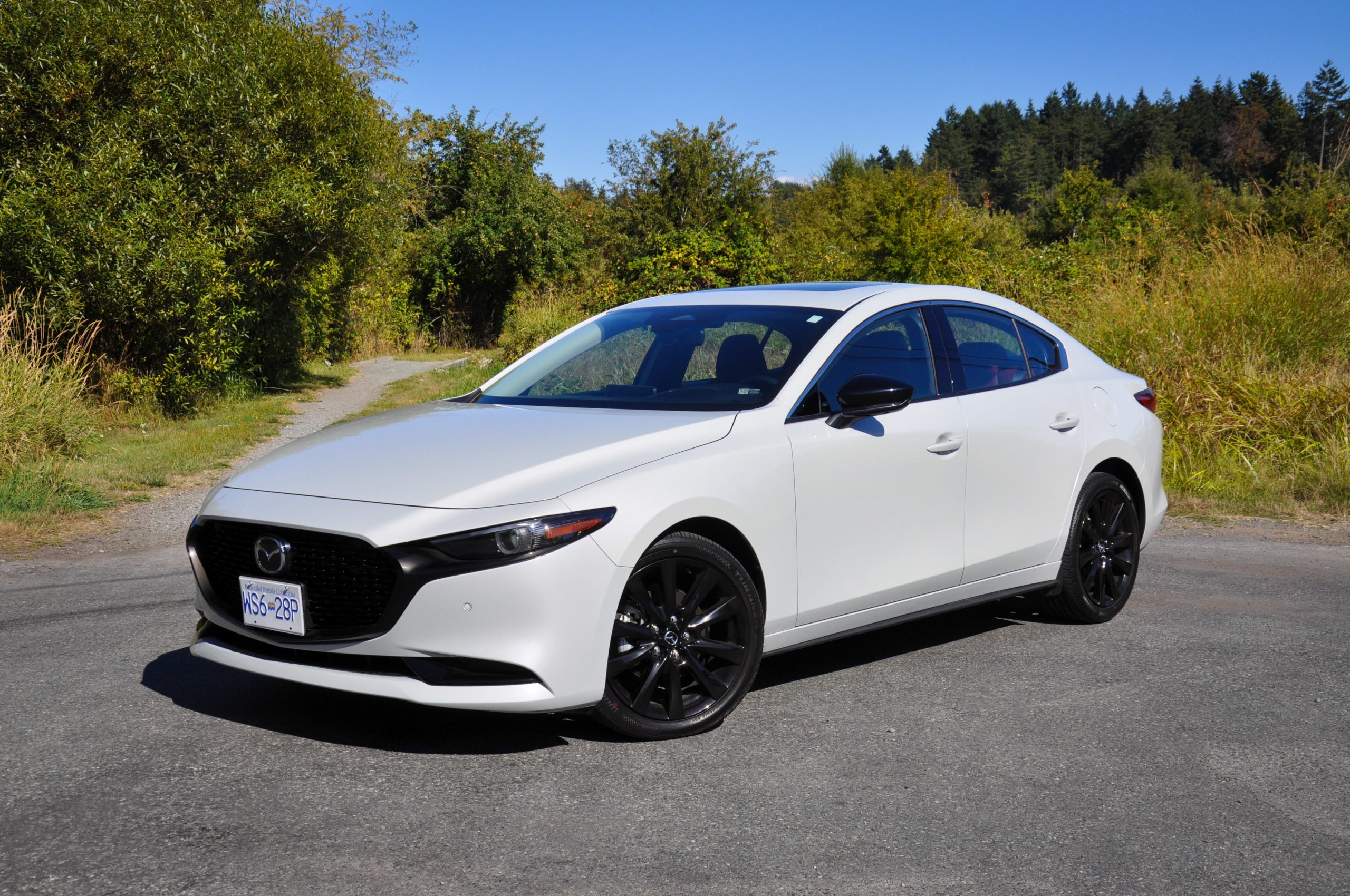
11. Mazda3
The Mazda3 is often praised for its sporty dynamics and stylish design, but one of its most underrated strengths is its reliability record. Over the past several years, this compact car has managed to stay clear of major recall problems that affect many other cars in its class.
Mazda’s strategy of refining existing technologies rather than constantly overhauling them plays a big role in this. Each generation of the Mazda3 builds logically on the previous one, using upgraded materials and software without introducing too many new and untested variables at once.
Mazda also benefits from its tight production processes. The company keeps a strong grip on its assembly lines, and quality control is taken seriously at every step. Technicians and engineers are trained to look for even the smallest inconsistencies, and management has the authority to stop production if a problem is found.
This type of vigilance is crucial when trying to minimize the potential for recalls. It’s far easier to correct a problem on the factory floor than to wait until thousands of vehicles are on the road. Mazda’s ability to keep defects contained early helps the Mazda3 maintain its strong record.
In addition, the Mazda3 doesn’t try to do too much all at once. While it offers modern features like touchscreen interfaces, advanced safety systems, and optional all-wheel drive, these are implemented in a focused, measured way.
Mazda often rolls out new technology in limited trims or markets to see how it performs before making it standard across the board. This method helps isolate potential faults before they become widespread. By the time a new feature is fully available, it has already proven its reliability in real-world driving conditions.
Finally, Mazda’s reputation for engineering balance plays a major role in how few recalls the Mazda3 sees. The brand is known for vehicles that offer a harmonious blend of power, handling, efficiency, and comfort. This balance comes from careful planning and restraint.
Rather than pushing the envelope in any one area, Mazda aims for cohesion, and this strategy leads to vehicles that work as intended across the board. When systems are well-matched and not overburdened, failures become less common. That’s a key reason the Mazda3 remains a solid, dependable option year after year.
