
When it comes to buying a car, reliability often matters just as much as performance, features, or design. After all, what good is a high-tech or fast vehicle if it’s constantly sitting in the shop waiting for parts or repairs?
For many car buyers, especially those who plan to keep their vehicles for years, long-term dependability can make or break the ownership experience.
A dependable car not only saves money on repairs but also reduces the hassle and inconvenience of unexpected breakdowns. The peace of mind that comes with a car that just keeps going is difficult to put a price on.
Some brands have built reputations around reliability, and certain models within their lineups consistently outperform others in terms of long-term durability.
Whether you’re a daily commuter, a weekend road-tripper, or someone who just needs a car to get from point A to point B without drama, having a vehicle that won’t let you down is crucial.
These models often have proven engines, strong build quality, and a focus on practical engineering rather than gimmicks or excessive complexity. Many of them also have simple designs that age gracefully and avoid the over-engineering that can lead to mechanical headaches down the road.
This article highlights ten cars that have consistently stayed out of the shop longer than their direct competitors.
These aren’t necessarily the flashiest or most luxurious models on the market, but they have track records that speak for themselves. Reliability can often be measured in years or hundreds of thousands of miles without major service.
These vehicles are praised by owners, mechanics, and industry experts alike for their ability to go the distance without demanding constant attention or expensive repairs. In many cases, they’re known for being boring in the best way possible: they just work.
Each car on this list is recognized for its long-term strength. These are the vehicles you’ll find with 200,000 or even 300,000 miles still going strong, often with original engines and transmissions.
Whether you’re looking for a budget-friendly commuter or a reliable family vehicle, these ten cars prove that you don’t always need the latest and greatest to have something that works year after year.
1. Toyota Corolla
The Toyota Corolla has long been one of the most reliable cars on the road. Its reputation for durability has made it a favorite among drivers looking for a dependable daily driver that can be trusted through years of service.
The car’s simplicity plays a big part in this, as Toyota has resisted the urge to overcomplicate the design with unnecessary technology or experimental features. This minimalist approach has helped keep maintenance costs low and reliability high.
The Corolla’s engines are known for their longevity. Whether it’s the older 1.8-liter four-cylinder or the newer dynamic force engines, they’ve proven to be incredibly stable over time.
Routine oil changes, filter replacements, and basic inspections are often all that’s needed to keep one running well past the 200,000-mile mark. The automatic transmissions in these cars, particularly in earlier models with traditional torque converters, also tend to be very robust.
Owners frequently report minimal issues with electronics and interior hardware, which is a weak spot for many rivals. Even after a decade of use, Corollas tend to have fully functional HVAC systems, power windows, and infotainment screens that still operate as expected.
That consistency makes it especially attractive to people who don’t want to deal with finicky buttons or glitchy interfaces as the car ages. Another key strength of the Corolla is the widespread availability of parts and knowledgeable technicians.
Almost any mechanic has worked on a Corolla at some point, and replacement components are usually easy to find and affordable.
That further reduces repair time and keeps these cars from sitting at the shop waiting for uncommon parts or complicated diagnostics. For people who want a car they can simply trust, the Corolla often sits at the top of the list.
2. Honda Civic
The Honda Civic has earned a similar reputation to the Toyota Corolla, with decades of reliable service across multiple generations. Owners often stick with the Civic because it offers a solid blend of efficiency, performance, and dependability.
It has built a loyal following by simply lasting longer than many of its competitors. A Civic from nearly any era, if maintained properly, is likely to outlast flashier alternatives.
One reason for the Civic’s reputation is Honda’s engineering philosophy. The company designs its engines with tight tolerances and focuses on long-term durability.
Even older VTEC motors are known for being nearly bulletproof if they receive regular oil changes. These engines rarely develop leaks or burn oil prematurely, and it’s not uncommon to see Civics still running smoothly at 250,000 miles or more.
Transmission reliability is another strength of the Civic, especially with manual gearboxes and older automatic transmissions. While some of the CVT-equipped models have had mixed reviews, most still perform well if the fluid is changed on schedule.
The simple drivetrains and well-balanced chassis also mean that these cars often avoid excessive wear on suspension or steering components, keeping them away from the mechanic for most of their lifespan.
Civics also tend to have better-than-average corrosion resistance and interior durability. The materials used inside may not be luxurious, but they age gracefully.
Controls and electronics often keep working without fuss, even after years of daily use. For budget-conscious drivers who don’t want surprises, the Civic is a smart choice that continues to perform long after rivals start racking up repair bills.
3. Toyota Camry
The Toyota Camry takes everything that works well in the Corolla and offers it in a larger, more powerful package. It has been one of the best-selling cars in the U.S. for decades, and much of that success is owed to its rock-solid dependability.
Whether you’re driving a four-cylinder model or one equipped with Toyota’s time-tested V6, you can expect years of service with minimal mechanical drama.
Camry engines are typically under-stressed, meaning they’re not pushed to their limits in daily driving. This allows them to last longer than many rivals.
The 3.5-liter V6, for example, is one of the most respected engines in its class. It offers smooth power delivery and rarely suffers from major issues. Even the four-cylinder engines, known for their efficiency, have proven extremely reliable across multiple generations.
Interior build quality is another highlight of the Camry. Controls are intuitive and made with longevity in mind. The dashboard, seats, and electronics usually hold up very well, even after years of sun exposure and constant use.
Unlike some competitors that develop rattles or suffer from cracking trim, the Camry keeps its composure. It might not feel luxurious, but it doesn’t fall apart with age.
One of the main reasons Camrys stay out of the shop is their consistency. Toyota doesn’t frequently change the formula, and that means fewer unexpected issues with new technology or experimental designs.
When something does go wrong, it’s usually well-documented and easy to repair. The availability of parts and familiarity among repair shops also helps to keep downtime low and repair costs manageable.
4. Honda Accord
The Honda Accord offers a bit more performance and style than the Civic, but it doesn’t compromise when it comes to reliability. This midsize sedan has consistently been praised for its balance of power, comfort, and longevity.
Whether equipped with a four-cylinder or a V6 engine, the Accord tends to rack up high mileage with few major issues, making it a favorite for people who need a trustworthy car that feels a bit more refined.
Accords often benefit from Honda’s knack for designing engines that run smoothly for hundreds of thousands of miles. The four-cylinder engines are efficient and surprisingly peppy, while the older V6 models are known for their smoothness and power delivery.
Routine maintenance is usually enough to keep these engines going for years, and serious failures are relatively rare if the car is cared for properly.
Transmission issues have occasionally appeared in certain generations, particularly in early 2000s models with automatic gearboxes. However, more recent Accords have seen significant improvements in this area.
Manual transmission versions, where available, are particularly robust and often favored by enthusiasts for their reliability and engaging driving experience. The newer CVTs are also holding up better than expected with regular fluid changes.
The Accord’s body and interior components are generally well-built, resisting age-related issues better than many competitors. It has always struck a balance between practicality and comfort, and that’s reflected in how well these cars hold up over time. It’s common to see Accords from the early 2000s still on the road, being used daily without major concerns, a testament to how well Honda gets the basics right.
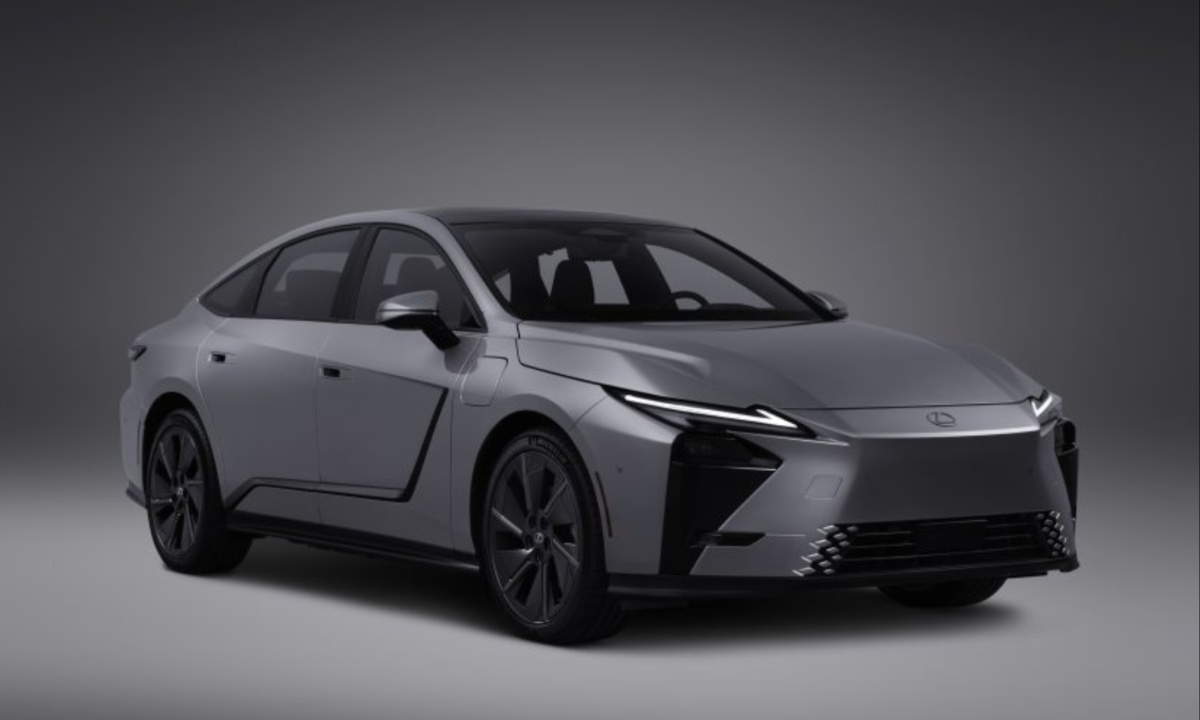
5. Lexus ES
The Lexus ES might not get the same level of attention as flashier luxury sedans, but it quietly outlasts many of them in the real world.
Built on the same platform as the Toyota Camry, the ES inherits many of its sibling’s strengths, including the reliable V6 engine and a commitment to build quality that prioritizes long-term performance over trendy features. As a result, many Lexus ES models have become known for their ability to go the distance.
Lexus vehicles in general are engineered to tighter tolerances and more rigorous quality control than most mass-market brands. The ES is no exception. Owners often report extremely low levels of maintenance outside of routine servicing.
The V6 engine in particular, which has been refined over multiple generations, is well-known for its quiet operation and long lifespan with minimal issues.
Interior quality is a big reason why the ES stands out. Materials are chosen not just for appearance, but for durability.
Leather seating surfaces, soft-touch panels, and buttons that still feel solid after years of use are typical in these models. Where some luxury cars can develop squeaks, electrical gremlins, or cracked trim over time, the ES tends to age with grace.
Even the technology inside is built conservatively, focusing more on reliability than cutting-edge flair. Many older models still have working climate control systems, original infotainment units, and properly functioning electronics, which is uncommon in this category after a decade of use.
Another standout feature is how the ES handles aging mechanically. Suspension components are well-engineered to absorb wear over thousands of miles, often going longer without needing replacement compared to competitors. Steering remains tight and composed, and the ride quality rarely degrades significantly, even as the miles pile on.
Routine maintenance like fluid changes, brake pad replacements, and battery swaps are usually all that’s needed for long-term operation. The simplicity of the drivetrain, which lacks the complexity of turbocharging or hybrid configurations in many trims, contributes to fewer things going wrong.
Part of the reliability story also comes from the restrained nature of the car. Lexus doesn’t push the ES to perform like a sports sedan, and that conservative tuning leads to less stress on the engine, brakes, and suspension.
The vehicle is designed for smooth, steady driving rather than aggressive acceleration or tight cornering, and this mindset results in fewer worn parts over time. Drivers who treat their ES gently often find that major components like the engine, transmission, and cooling system can go well over 250,000 miles with only routine care.
Ownership costs over the life of the car are generally lower than one might expect from a luxury badge. While some parts may carry a premium, the long service intervals and low frequency of repairs keep shop visits rare.
Mechanics familiar with Toyota platforms find the ES easy to work on, and it shares many parts with more common models. For someone who wants a car with a premium feel but mainstream reliability, the Lexus ES is one of the safest bets around.
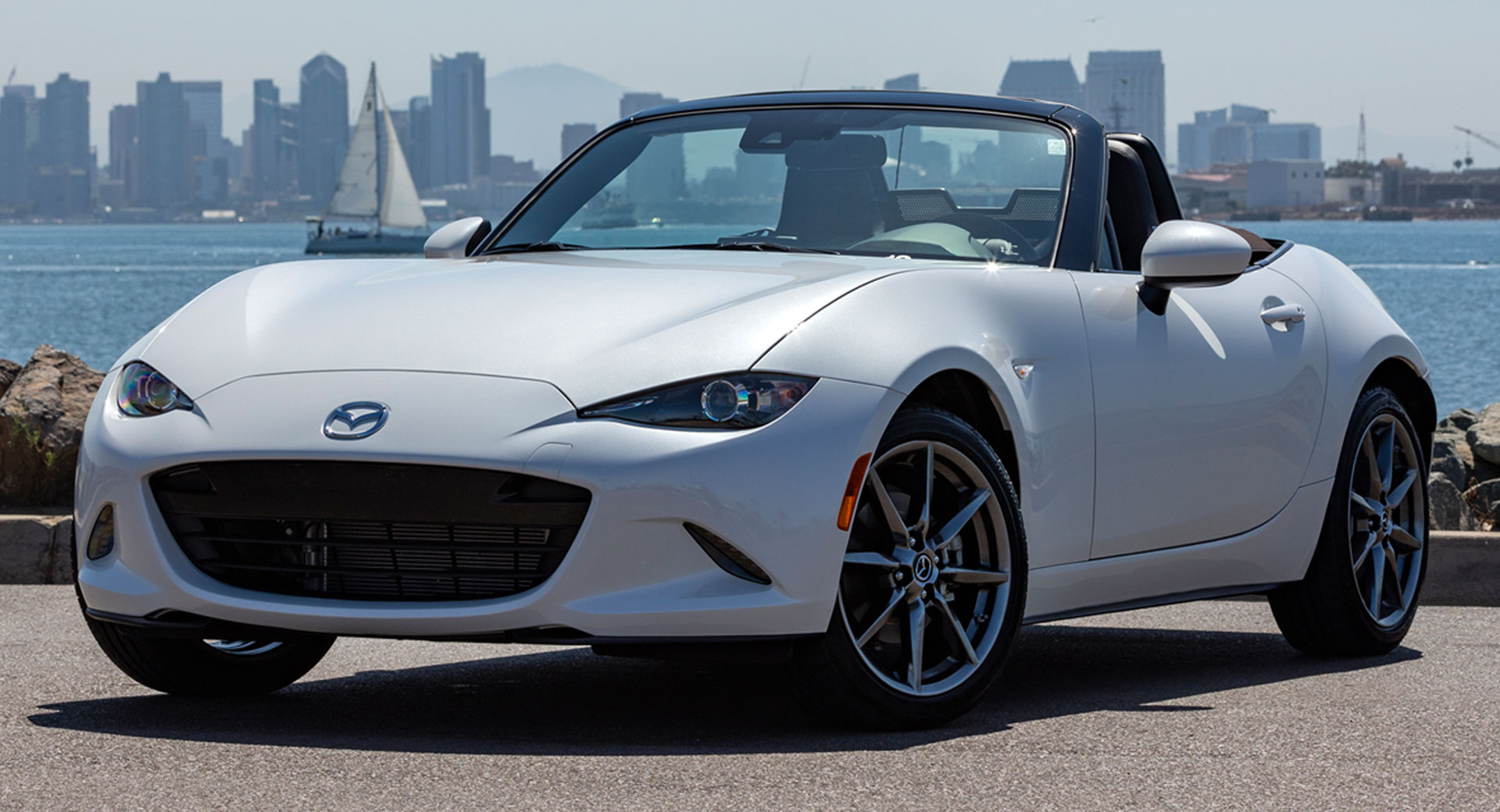
6. Mazda MX-5 Miata
The Mazda MX-5 Miata is one of the most surprising cars on this list, not because of its quality, which is excellent, but because it defies the stereotype that sports cars are unreliable. The Miata proves that a performance-focused vehicle doesn’t need to be fragile or temperamental.
In fact, many Miata owners report minimal issues over long ownership periods, even when the car is driven regularly and enthusiastically. Its bulletproof nature makes it a favorite not just among weekend drivers but also among those who daily-drive their sports cars without worry.
The formula for the Miata’s success is simplicity. It uses a naturally aspirated four-cylinder engine with a proven design, and the entire powertrain is built with reliability in mind. There are no turbos, no complicated electronics trying to constantly adapt performance, and no fragile high-strung components.
Everything from the engine to the six-speed manual transmission (or automatic in some models) is engineered to last. That means fewer unexpected failures and more time enjoying the drive instead of paying for repairs.
Another reason the Miata lasts is that Mazda over-engineered its chassis and suspension to handle both street and occasional track duty. This means that daily commuting doesn’t wear it out quickly.
The lightweight nature of the car also puts less strain on parts like brakes, tires, and suspension components. Where heavier vehicles chew through these systems faster, the Miata’s nimble frame keeps wear to a minimum.
Combined with straightforward maintenance and inexpensive parts, the result is a car that rarely sees the inside of a repair shop for anything other than upgrades or preventive care.
Miata interiors are also more durable than they may appear. While minimalist, the controls are tactile and rarely fail. Buttons, switches, and HVAC systems keep functioning year after year, and the soft top mechanism is known for its simplicity and toughness.
Owners often report that, even after 150,000 miles, everything still works as it should. For driving enthusiasts who want a fun, engaging car that won’t drain their wallet with repair bills, the Miata continues to be a smart, reliable choice.
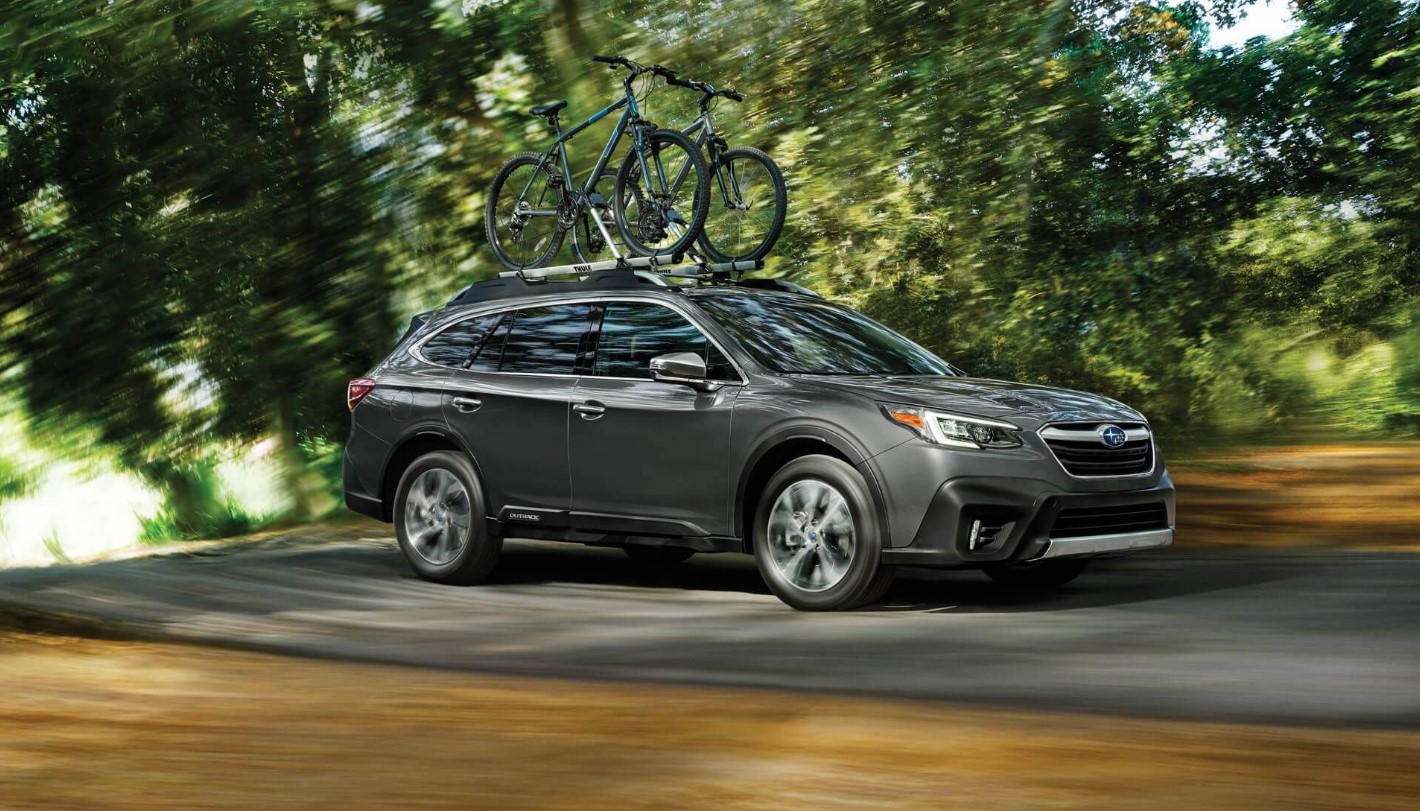
7. Subaru Outback
The Subaru Outback has become a staple for drivers who need practicality, comfort, and year-round usability. Built for active lifestyles and challenging climates, it’s not just capable, it’s also long-lasting.
The Outback’s symmetrical all-wheel drive system and sturdy chassis design make it more than just a family wagon; it’s a vehicle that’s expected to handle wear and tear without complaint. Among its competitors, it tends to stay out of the shop longer and perform reliably in both city and rural environments.
One of the keys to the Outback’s durability lies in Subaru’s approach to powertrain design. While earlier generations had issues with head gaskets in some four-cylinder engines, newer models have improved reliability significantly.
The 2.5-liter boxer engine has become more refined over the years, and routine maintenance keeps it running smoothly. Many owners rack up 200,000 miles or more without major issues. The CVT transmission, while different from a traditional automatic, also tends to last if the fluid is changed regularly.
In terms of usability, the Outback’s interior is designed for families and adventure-seekers, which means it’s built to take abuse. Dirt, snow, pets, and gear don’t seem to faze it.
Materials are chosen for durability, and cabin components remain solid even after years of hauling cargo and passengers. From the seat mechanisms to the window regulators, the small but important parts that often fail in other vehicles tend to last longer in the Outback.
Its combination of reliability and capability gives it a unique place on this list. Unlike many vehicles that either focus on durability or versatility, the Outback delivers both. It handles rough roads, inclement weather, and daily errands with ease.
While it may not offer the sharp handling of a sedan or the luxury of an upscale SUV, it provides something more valuable to many drivers: dependable performance over the long haul without unexpected trips to the shop.
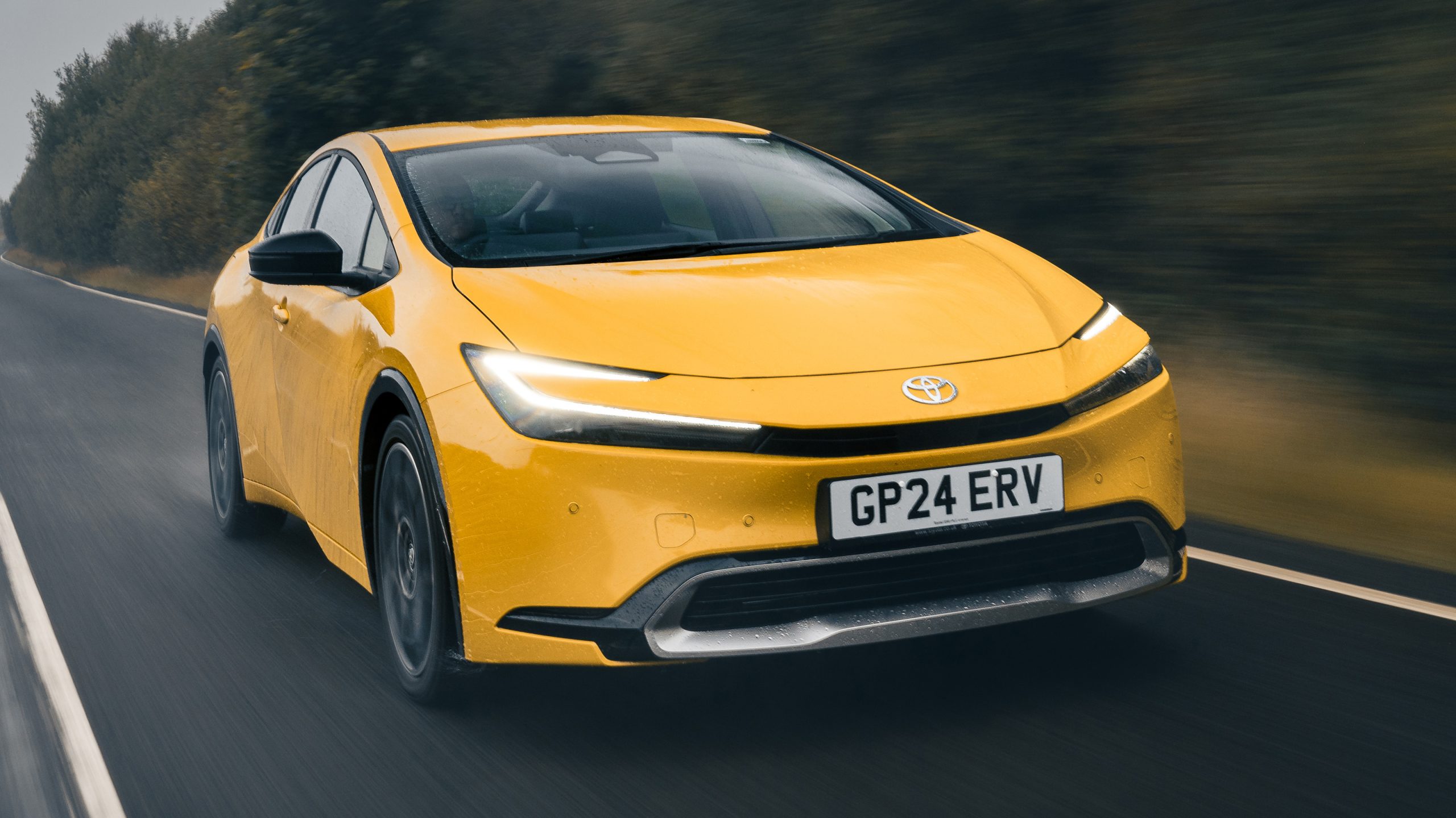
8. Toyota Prius
The Toyota Prius revolutionized the hybrid market when it launched and has since built a legacy around not only fuel efficiency but also long-term reliability.
While early skepticism surrounded hybrid technology, the Prius quickly proved itself to be one of the most dependable vehicles on the road.
It’s not uncommon to find models with over 300,000 miles still going strong with only basic maintenance. That endurance has made the Prius a go-to option for commuters, rideshare drivers, and eco-conscious families alike.
One major reason the Prius stays out of the shop is Toyota’s conservative approach to hybrid engineering. The powertrain uses a combination of a gasoline engine and electric motor, but both components are designed to work together in a stress-free way.
The engine doesn’t need to work as hard as it would in a traditional setup, and the electric motor reduces wear on components like brakes and transmissions. This lower overall load means fewer parts fail over time, and many hybrid-specific components last far longer than initially expected.
The battery, often a concern for first-time hybrid buyers, is more durable than most assume. Modern Prius batteries can last well past 150,000 miles, and many make it to 200,000 without needing replacement.
Even when replacement is needed, costs have come down significantly, and many used or refurbished options are available. Furthermore, Toyota’s hybrid system rarely suffers from major faults, and warning systems are built in to alert the driver early if anything does go wrong.
Inside the Prius, the design is functional and focused on durability. The cabin may not scream luxury, but controls are intuitive, electronics hold up well, and seats and surfaces resist wear impressively.
For anyone looking to save money not just at the gas pump but also at the repair shop, the Prius is a smart, proven option that continues to deliver long after rivals have started to struggle.
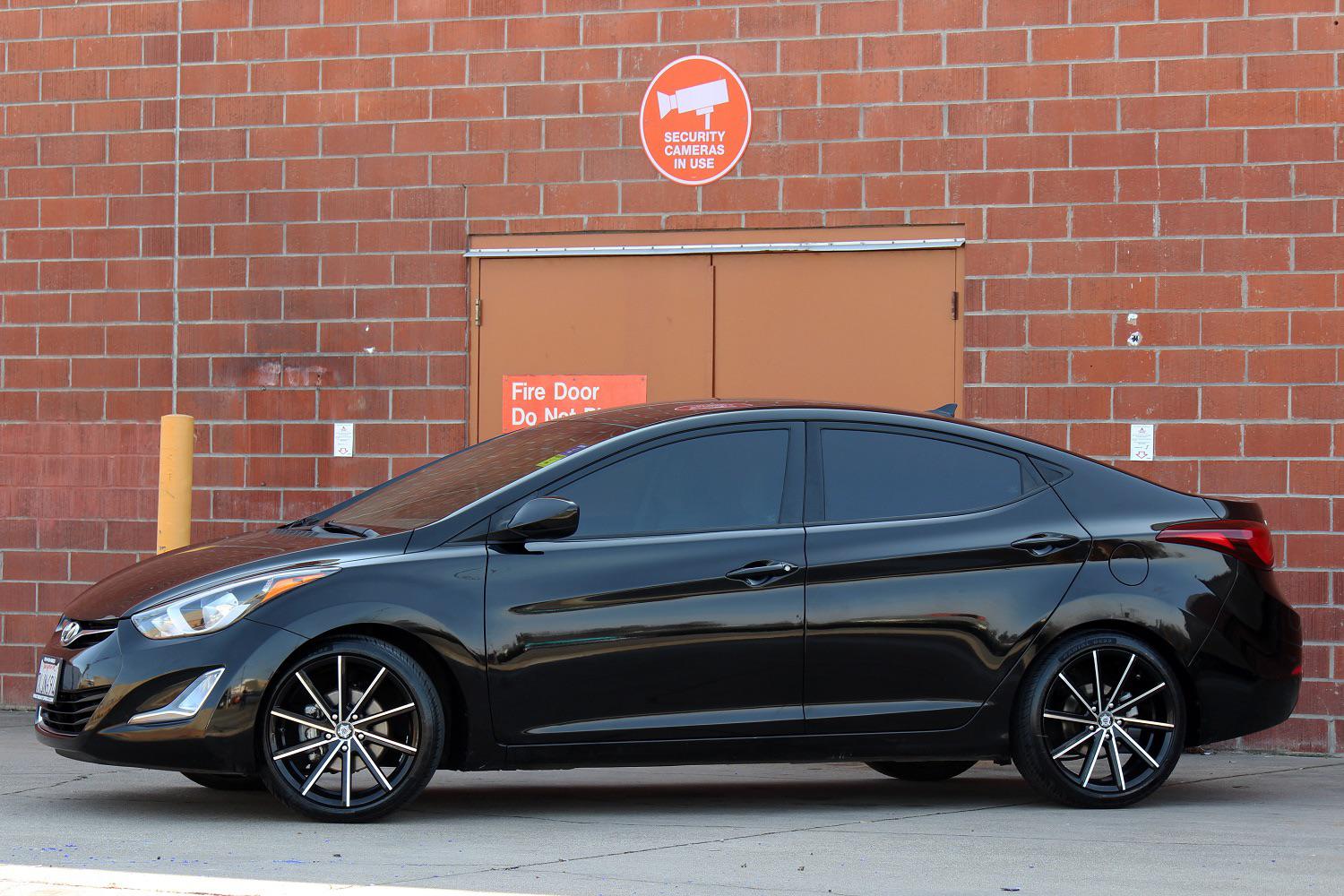
9. Hyundai Elantra
The Hyundai Elantra has undergone significant transformation over the years, emerging as a solid competitor in the compact sedan segment not just for value but also for long-term durability.
While Hyundai once had a mixed reputation for reliability, newer Elantras have broken that trend, offering solid performance and minimal mechanical issues.
The Elantra has become one of those cars that quietly racks up the miles without drawing much attention, and owners appreciate its low cost of ownership and minimal shop time.
One of the Elantra’s strengths lies in its powertrain simplicity. The naturally aspirated four-cylinder engines found in many models are basic in the best way. They don’t produce huge power, but they are efficient, low-stress, and easy to maintain.
With regular oil changes and scheduled maintenance, these engines tend to avoid major failures. Transmission options, particularly the six-speed automatic in earlier models, have also proven to be durable over time and free from major systemic issues.
Beyond the engine bay, the Elantra holds up well in terms of build quality. It may not have the same level of refinement as its Japanese competitors, but the materials used inside are better than many expect.
Controls stay responsive, electronics don’t suffer from premature failure, and seating materials tend to age well even under daily use. This makes the Elantra a good choice for those who want a reliable car without paying a premium for a nameplate.
Hyundai also backs the Elantra with a strong warranty, which not only encourages proper maintenance but also reflects the company’s confidence in its product.
While the car may not be as exciting or prestigious as others in its class, it delivers where it matters most: staying out of the shop and getting drivers where they need to go without complaint. For budget-focused buyers who still want peace of mind, the Elantra is one of the smarter picks on the used or new market.
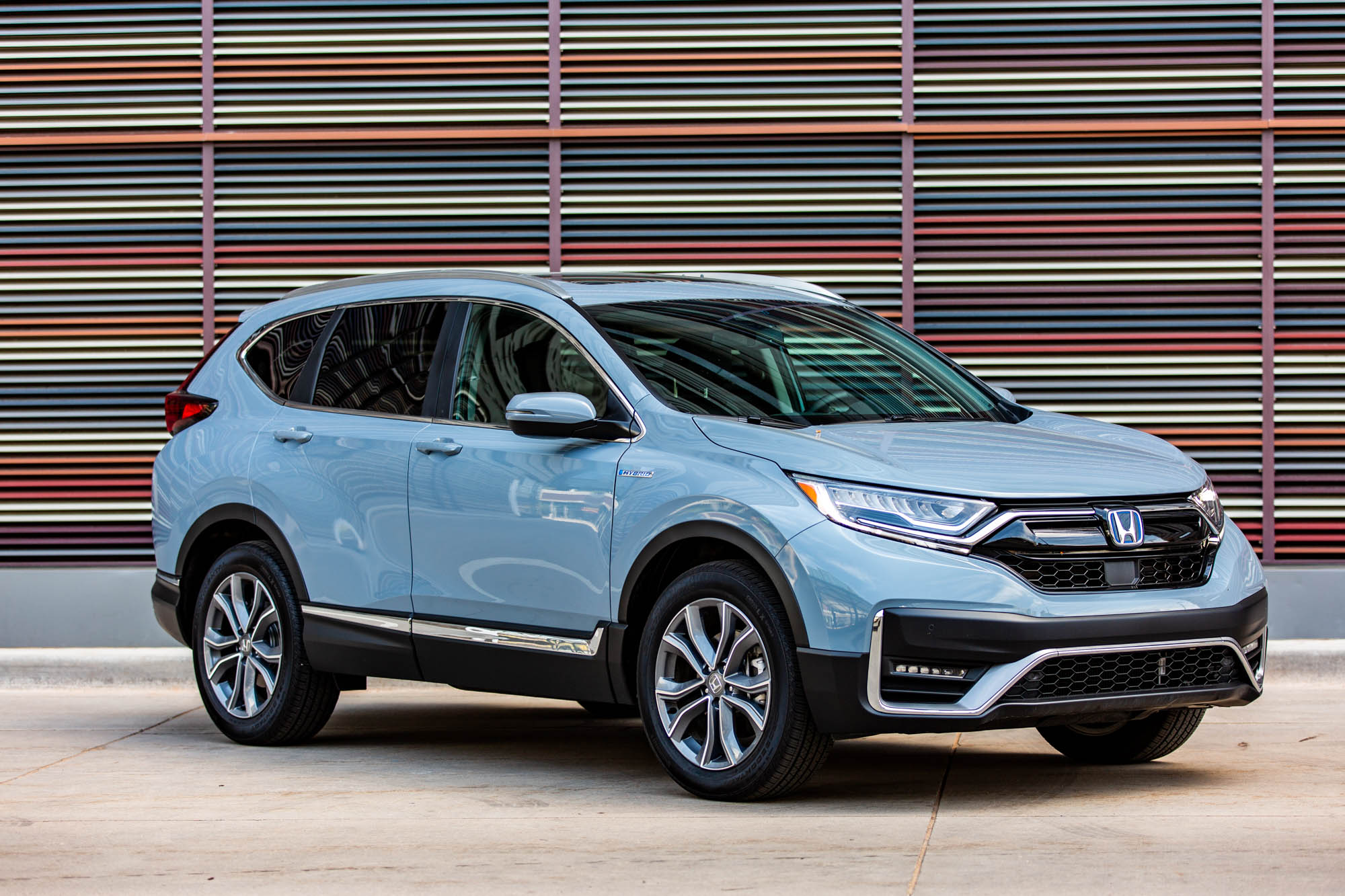
10. Honda CR-V
The Honda CR-V is one of the most popular compact SUVs worldwide, and for good reason. It offers a blend of practicality, comfort, and strong reliability that few rivals can match.
Over multiple generations, the CR-V has built a reputation for staying on the road longer without frequent trips to the mechanic. Its straightforward engineering and sensible design choices make it a go-to option for families, commuters, and those who want a vehicle that simply works.
One key to the CR-V’s longevity is its powertrain. The naturally aspirated four-cylinder engines used in many versions are known for their toughness and fuel efficiency. While turbocharged variants have been introduced more recently, earlier models’ engines have stood the test of time.
Routine maintenance, such as oil changes and transmission fluid swaps, is usually enough to keep these engines running well past 200,000 miles. The automatic transmissions, particularly the traditional torque converter types, are robust and require little more than periodic fluid changes to avoid issues.
The CR-V’s chassis and suspension are designed with comfort and durability in mind. Unlike sportier vehicles that prioritize sharp handling, the CR-V focuses on smooth, stable rides and the ability to handle various road conditions.
Suspension components tend to wear slowly, and issues like premature bushing or shock absorber failures are relatively uncommon. This results in fewer unexpected repairs and a vehicle that retains a comfortable driving experience even as it ages.
Interior durability is another plus for the CR-V. The cabin materials are resilient against daily wear and tear, and the controls and electronics have proven reliable over many years.
Seats remain comfortable, and many owners report that climate control systems and infotainment units continue to function without glitches after long periods of use.
The Honda CR-V offers an excellent balance of utility, comfort, and long-lasting dependability that keeps it out of the shop longer than many of its competitors.
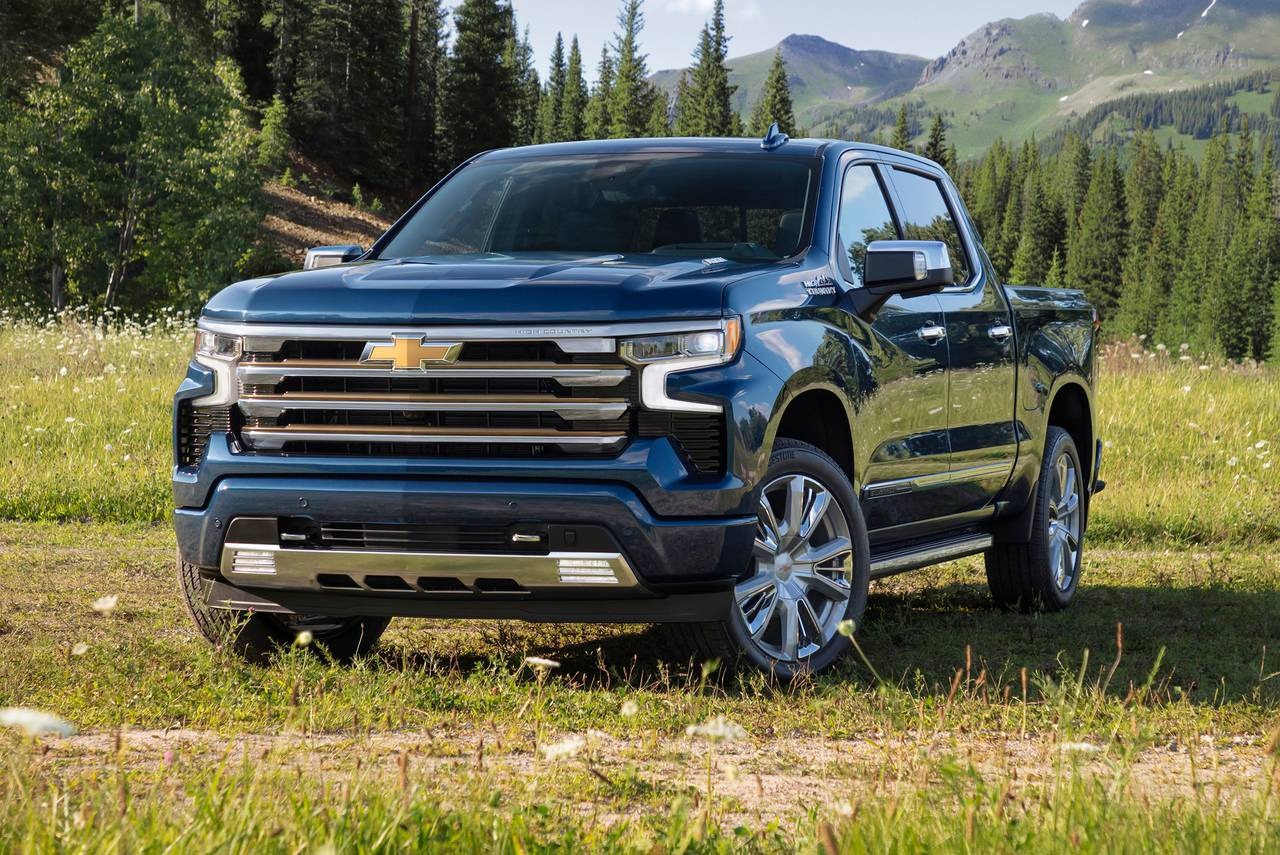
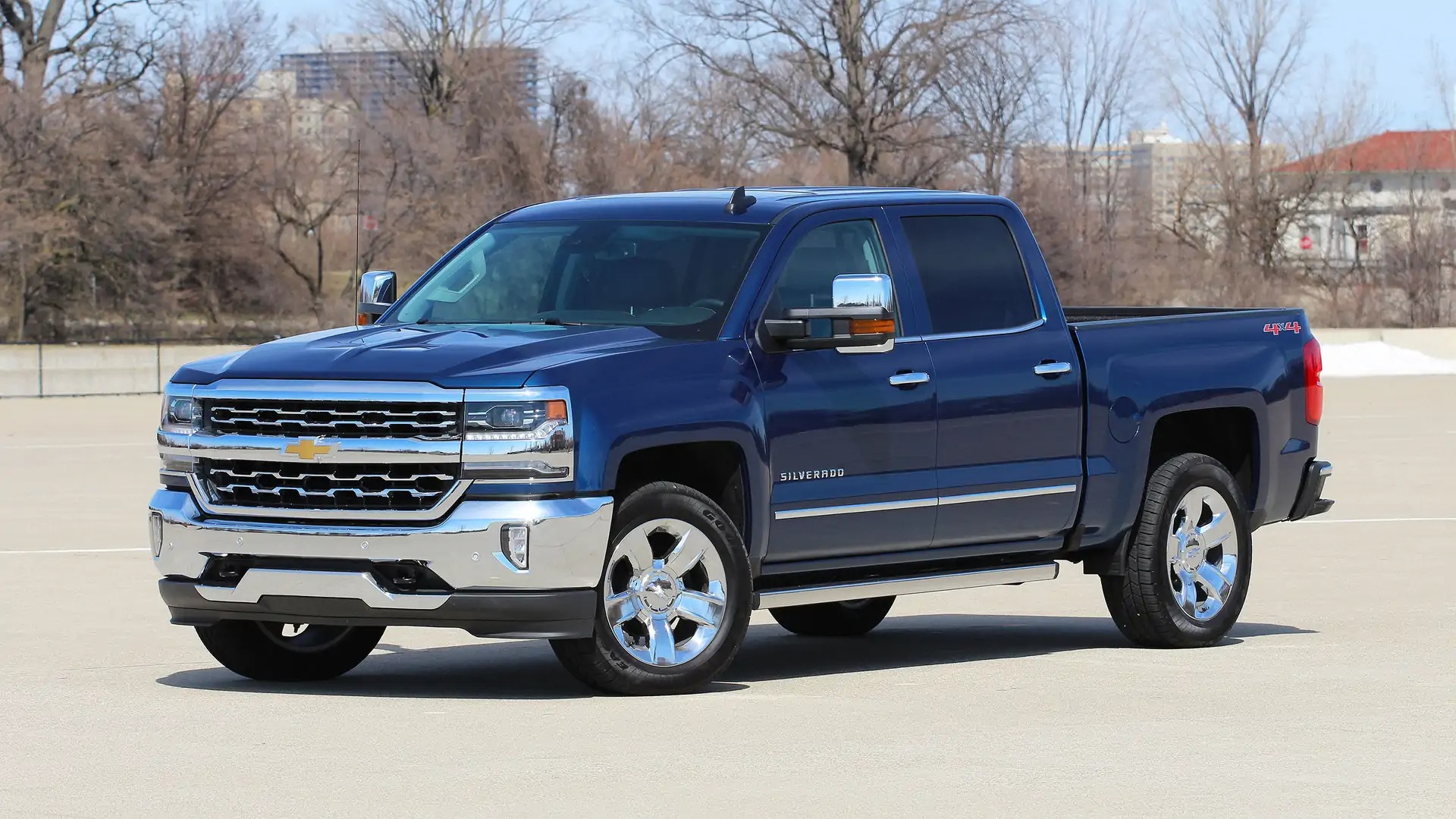
11. Chevrolet Silverado 1500
The Chevrolet Silverado 1500 is one of the most dependable full-size pickup trucks on the market, recognized for its ability to stay on the road and out of the shop longer than many rivals in its segment.
Pickup trucks are often subjected to tough work environments, from hauling heavy loads to towing trailers, yet the Silverado consistently earns praise for its durability and low frequency of major repairs.
For owners who depend on their trucks for work or daily driving, the Silverado delivers a reliable experience that holds up over time.
A major factor behind the Silverado’s longevity is its tried-and-true powertrain options. The popular V8 engines, especially the 5.3-liter and 6.2-liter variants, are known for their robust construction and endurance.
These engines have been refined over multiple generations and are designed to tolerate heavy use without premature failures.
Even when used for towing or carrying heavy payloads, Silverado engines tend to perform reliably with proper maintenance, such as regular oil changes, spark plug replacements, and fuel system cleaning.
Transmission options, including traditional six-speed automatics and newer models with 8- or 10-speed automatics, are built for durability as well.
Early issues in some generations have been addressed through software updates and design tweaks, resulting in transmissions that generally avoid the costly repairs common in competitors.
The Silverado’s drivetrain is designed to handle tough conditions while maintaining smooth shifts and long service life, contributing significantly to its reputation for reliability. Beyond the powertrain, the Silverado’s frame and suspension components are engineered for longevity.
Heavy-duty construction and reinforced parts help the truck resist wear and tear, even under strenuous conditions. The interior, while utilitarian in many trims, uses materials that withstand hard use without quickly deteriorating.
Controls and electronics are generally reliable, and the availability of parts and service from Chevrolet’s extensive network makes repairs easier and less time-consuming when they are necessary. For buyers seeking a rugged truck that remains dependable mile after mile, the Silverado 1500 remains a standout choice.
