
When it comes to trucks, the durability of the frame is a key factor in vehicle reliability. The frame acts as the backbone, supporting the body, engine, and suspension components, and absorbing stresses encountered during driving, hauling, and off-road adventures.
Truck owners who prioritize longevity often want to know which models hold up best over time and which ones are prone to frame cracking, a serious issue that can compromise safety and performance.
Frame cracks can develop from a combination of factors such as design flaws, materials used, manufacturing processes, and the way the truck is used.
Some trucks manage to resist these problems and maintain structural integrity for many years, while others have gained reputations for frame failures that frustrate owners and reduce resale values.
In this article, we will examine two groups of trucks, those that rarely crack frames and those that commonly suffer from this problem. Understanding the difference between these categories can help potential buyers make better choices and help current owners take appropriate maintenance steps.
We will look at specific models, pointing out design elements or practices that contribute to frame strength or weakness.
While frame cracking can sometimes be fixed, it often requires costly repairs and can affect the truck’s safety, handling, and ride comfort. Therefore, knowing which trucks generally perform better in this regard provides valuable insight.
Both heavy-duty and light-duty trucks can experience frame issues, but the extent varies widely. Factors like towing capacity, payload, and off-road usage add stress to frames, increasing the likelihood of cracks developing over time.
However, some manufacturers invest heavily in frame engineering, using advanced steel alloys, reinforcements, or innovative construction techniques that improve resilience.
Others may cut corners, resulting in frames that deteriorate more quickly under similar conditions. As trucks are often subjected to harsh environments, including rough roads, potholes, and heavy loads, frame durability can be a key indicator of build quality.
Before we get into specific models, it is important to understand that no truck is completely immune to frame issues, especially if abused or poorly maintained. However, certain trucks have earned reputations for being much more resistant to this problem.
This article is meant to provide a helpful guide by comparing five trucks known for their frame durability with five that have faced persistent frame cracking complaints.
The information is based on historical trends, owner reports, and known manufacturing data up to recent years. With this knowledge, you can better evaluate your options and understand how to care for your truck’s frame to avoid problems down the line.
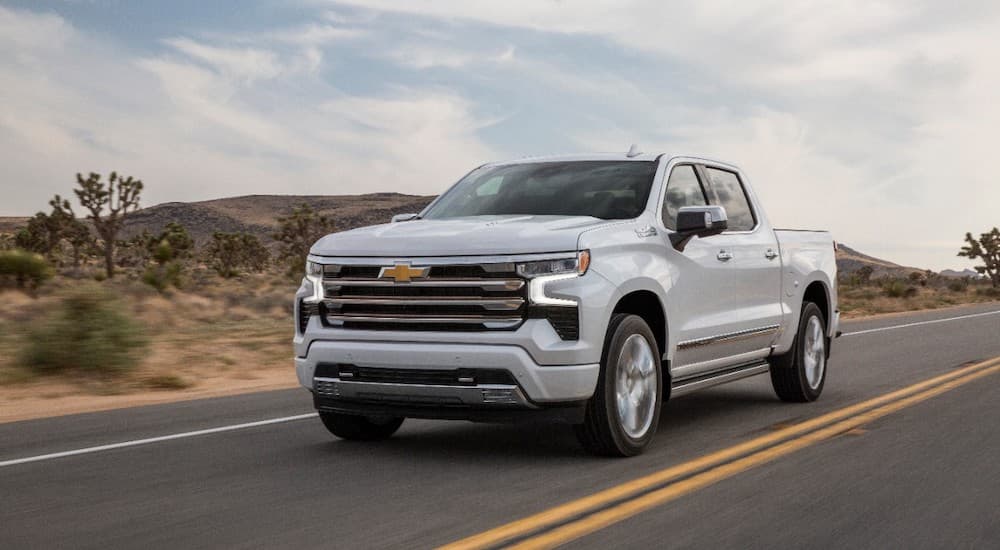
Chevrolet Silverado 1500 (2007–2013 Models)
The Chevrolet Silverado 1500 models manufactured between 2007 and 2013 are notorious for having frame cracking problems, a weakness that caused considerable frustration among owners and automotive experts alike.
These trucks were built with a frame design that, while strong on paper, revealed significant vulnerabilities in real-world use, particularly in regions with harsh road conditions.
One of the main issues stemmed from the way stress was distributed across the frame rails. Over time, constant exposure to heavy loads, rough terrain, and road impacts caused fatigue cracks to develop, especially near the suspension mounting points and frame rails just behind the cab.
These areas experienced stress concentrations that the steel wasn’t adequately reinforced to handle, leading to premature cracking and, in some cases, structural failure.
The problems were compounded by the use of a steel grade that, while strong initially, did not have optimal fatigue resistance. This meant that even under typical truck use, small stress fractures could gradually grow into larger cracks, weakening the frame’s integrity.
Chevrolet also faced challenges with the frame’s corrosion resistance during this generation. Despite some rustproofing efforts, many frames suffered from rust buildup, especially in colder climates where salt is used on roads.
Rust accelerated the cracking process by weakening the metal, making it brittle and prone to fracture. This combination of fatigue and corrosion led to widespread reports of cracked frames that required costly repairs or even frame replacements.
Owners frequently reported symptoms such as unusual noises, changes in suspension alignment, or handling issues that were traced back to frame cracks. Despite recalls and extended warranties offered by Chevrolet to address some of these issues, the damage to the truck’s reputation was significant.
Many drivers found themselves facing expensive repairs, often out of warranty, which led to frustration and distrust in the reliability of the Silverado during this generation. The persistence of these issues caused many potential buyers to look at other trucks with better-proven frame durability.
In addition to material and design flaws, manufacturing inconsistencies may have also played a role. Some frames exhibited welding defects or insufficient reinforcements in critical stress areas, further increasing the likelihood of cracks forming under heavy use.
Combined with the physical demands placed on full-size pickups, this meant the Silverado 1500 models from 2007 to 2013 were more prone to frame issues than many of their competitors. The high incidence of cracking has become a well-known cautionary tale in the pickup truck community and a reminder of how critical frame design and material selection are for long-term durability.
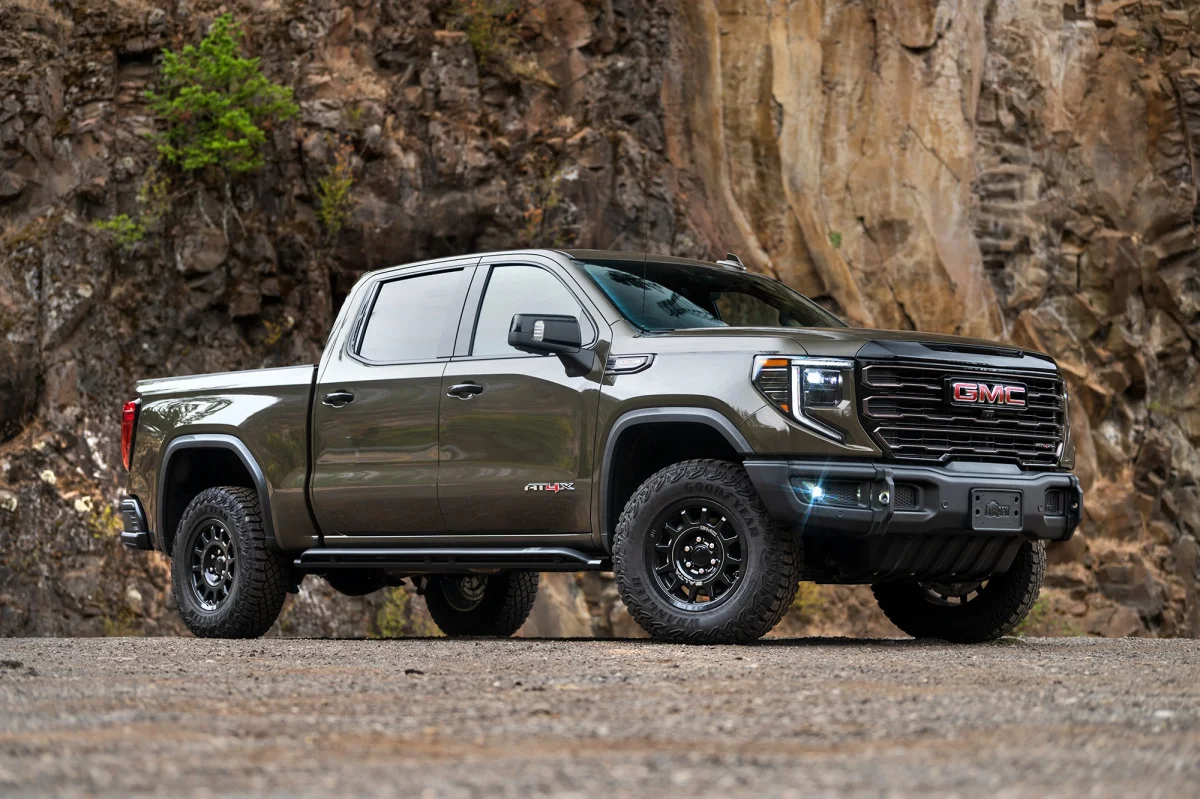
GMC Sierra 1500 (2007–2013 Models)
The GMC Sierra 1500 from the same generation as the Chevrolet Silverado, 2007 through 2013, shares many of the same frame cracking concerns, as both trucks are built on nearly identical platforms. This period is often cited as one of the weakest points for frame integrity in the Sierra’s history.
The steel used in the frame, while initially strong, showed poor resistance to long-term fatigue stresses common in pickup use. Repeated exposure to heavy payloads, off-road vibrations, and daily wear caused cracks to emerge particularly in areas near suspension mounts and frame junctions.
These cracks could start as minor imperfections but, without detection, often expand over time to threaten the safety and structural soundness of the truck.
The corrosion resistance on these Sierra models was also insufficient for many climates. Salt and moisture penetration led to rust development that compromised the steel frame’s strength. Once rust sets in, it acts as a catalyst for cracking by making the steel brittle and unable to flex as it was designed to do.
Many Sierra owners living in northern states or coastal areas experienced this problem firsthand. Rust combined with fatigue damage accelerated frame deterioration, sometimes requiring entire frame replacements or costly structural repairs.
GMC attempted to address these problems with service campaigns and extended warranties, but the problem persisted enough to impact the truck’s long-term reputation.
Suspension mounting points in particular were hotspots for frame cracking in the Sierra. These locations endure a tremendous amount of stress during towing, hauling, or even routine driving on rough surfaces.
Weak reinforcements or inadequate design meant that these areas acted like stress risers, concentrating force in small sections of the frame and increasing the risk of cracks developing.
Manufacturing variances may have contributed to the problem, with some frames showing inconsistent weld quality or thinner steel in critical areas. This inconsistency meant some trucks were more susceptible than others, creating a patchwork of reliability within the same model range.
The negative feedback on frame cracking has made the 2007–2013 GMC Sierra less desirable for those seeking long-term durability, especially when compared to newer models or competitors that improved on frame strength and corrosion protection.
The reputation for frame cracking during these years has become a notable warning for buyers in the used truck market.
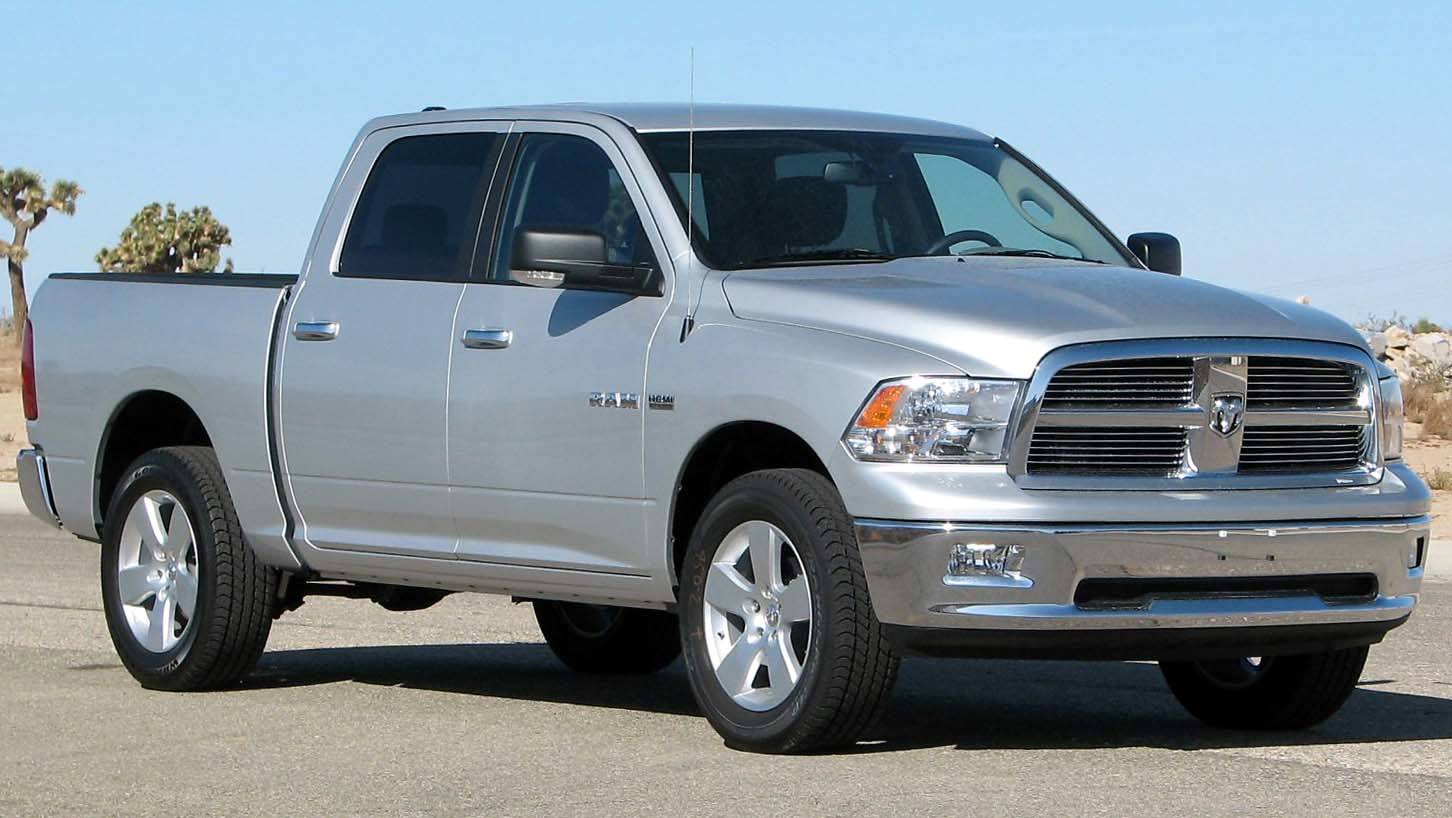
Dodge Ram 1500 (2009–2018 Models)
Dodge Ram 1500 trucks produced between 2009 and 2018 had a recurring issue with frame cracks that affected many owners, particularly those using their trucks for heavy-duty purposes or in harsh driving conditions.
The frame design during these years incorporated high-strength steel but was unfortunately prone to fatigue failure, especially at key stress points such as suspension mounts and crossmember junctions.
These stress points were insufficiently reinforced for the types of loads and twisting forces these trucks frequently encountered. The repeated flexing and loading cycles caused microscopic fractures that expanded over time into noticeable cracks, undermining the frame’s structural integrity and safety.
In addition to design flaws, the Dodge Ram 1500’s frame faced corrosion challenges that exacerbated the cracking problem. While Chrysler, the manufacturer, applied rust-resistant coatings, these were sometimes inadequate for preventing long-term exposure damage.
Rust weakened the steel frame, making it less able to absorb the shocks and stresses inherent in truck use. The problem was particularly evident in trucks driven in areas with snow, ice, and salted roads, where moisture and chemicals accelerated frame corrosion.
Owners reported rust eating away at critical frame components, which often led to cracks forming more quickly than expected. These corrosion-related cracks significantly increased repair costs and reduced the truck’s lifespan.
Owners often noticed symptoms such as uneven tire wear, frame misalignment, and unusual noises that indicated frame stress or cracking. Despite these warning signs, the hidden nature of frame cracks made early detection difficult without thorough inspection.
The result was that many Ram 1500 owners faced expensive repairs after cracks had grown too large or caused secondary damage to suspension or drivetrain components.
The repair process often involved frame welding or even full replacement, both costly and time-consuming. These issues contributed to a perception of decreased reliability in the Ram 1500 models from this era.
Manufacturing inconsistencies may have also played a role. Some trucks were more prone to frame issues depending on production batches or factory quality control. In some cases, welds in critical areas were suboptimal, allowing cracks to form under stress sooner than expected.
While Ram made improvements in later model years to address these problems, the reputation for frame cracking remains a concern for many buyers evaluating used Ram 1500 trucks from 2009 to 2018.
This history of frame issues is an important consideration when assessing the long-term durability and cost of ownership of these trucks.
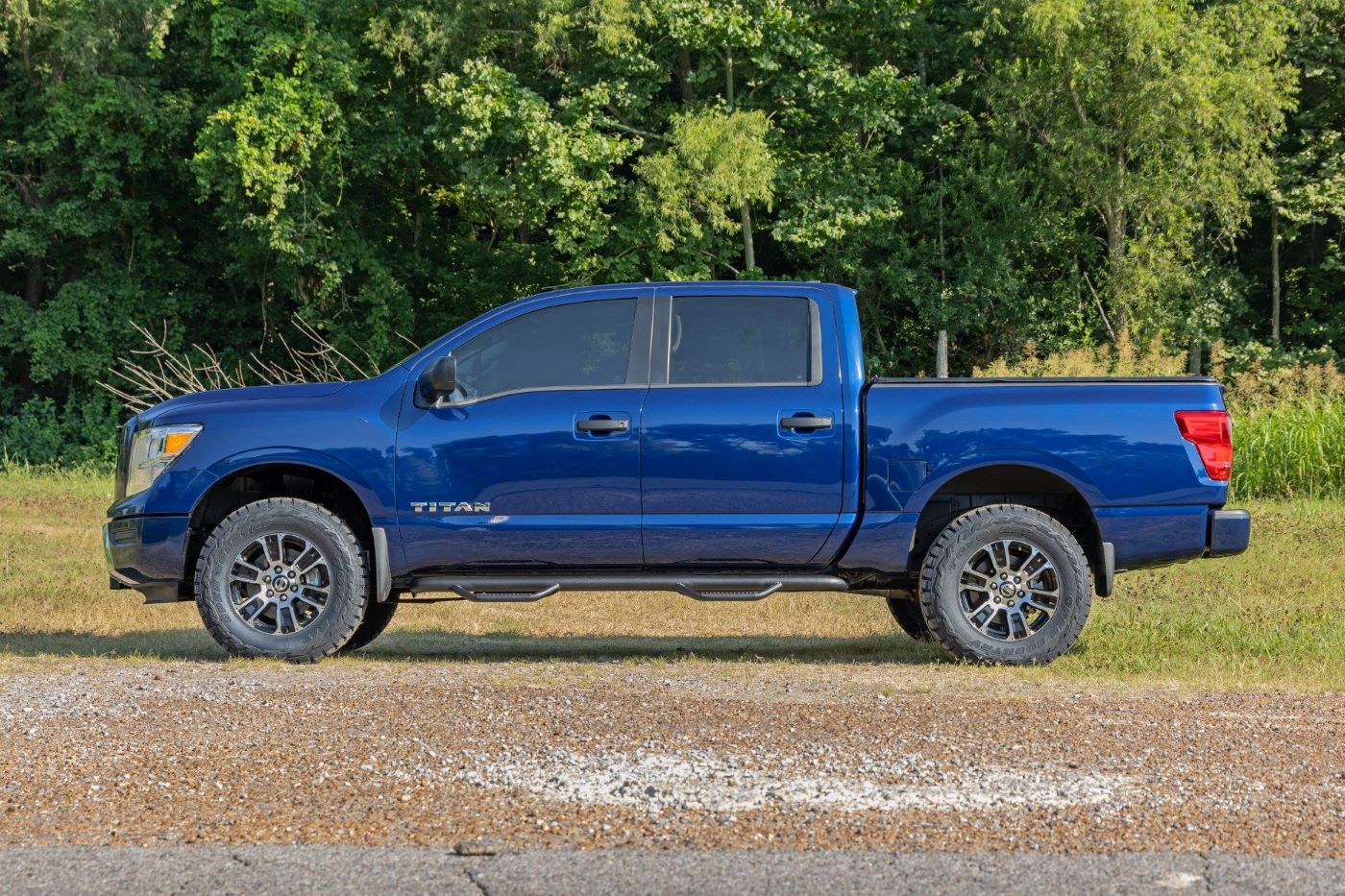
Nissan Titan (2004–2015 Models)
The Nissan Titan, particularly models produced between 2004 and 2015, has faced ongoing criticism for its frame durability issues. Early Titans were designed with a frame that was less robust than many competitors, and the steel used lacked sufficient resistance to fatigue cracking under prolonged stress.
Heavy use, towing, and off-road driving often exposed the frame to twisting forces and impacts that the design was not well equipped to handle.
Over time, cracks developed, especially near suspension mounts and weld points, areas where stress accumulates during normal truck use. These cracks weakened the structural integrity of the frame, creating potential safety hazards and reducing the truck’s longevity.
Corrosion also played a significant role in the Titan’s frame problems. Many owners reported rust issues in regions with high humidity or where road salt was commonly applied during winter. Rust weakened the steel frame, making it more brittle and prone to crack formation.
The protective coatings used by Nissan during this period were often insufficient to fully protect against corrosion over the long term.
As rust progressed, the frame’s ability to absorb and distribute forces declined, accelerating the development of fractures. This combination of design limitations and corrosion exposure made the Titan’s frame cracking a frequent concern for owners.
Symptoms of frame cracking in the Titan included changes in ride quality, misalignment, and unusual noises coming from the chassis. Many owners experienced a deterioration in handling and suspension performance due to the compromised frame structure.
Detection was challenging because cracks often formed in hidden areas under the truck, requiring thorough inspections to identify.
Repairs were typically expensive and sometimes involved welding or replacing sections of the frame, making frame damage a costly problem for Titan owners. This recurring issue has negatively impacted Nissan’s reputation for durability in the full-size pickup segment.
Manufacturing quality control inconsistencies likely contributed as well. Some Titans were affected more than others, suggesting that production variances influenced the severity of frame cracking.
While Nissan improved frame design and corrosion protection in later models, the 2004–2015 Titans remain associated with frame durability challenges. This legacy has made prospective buyers cautious when considering used Titans from this period, especially compared to trucks with stronger, more crack-resistant frames.
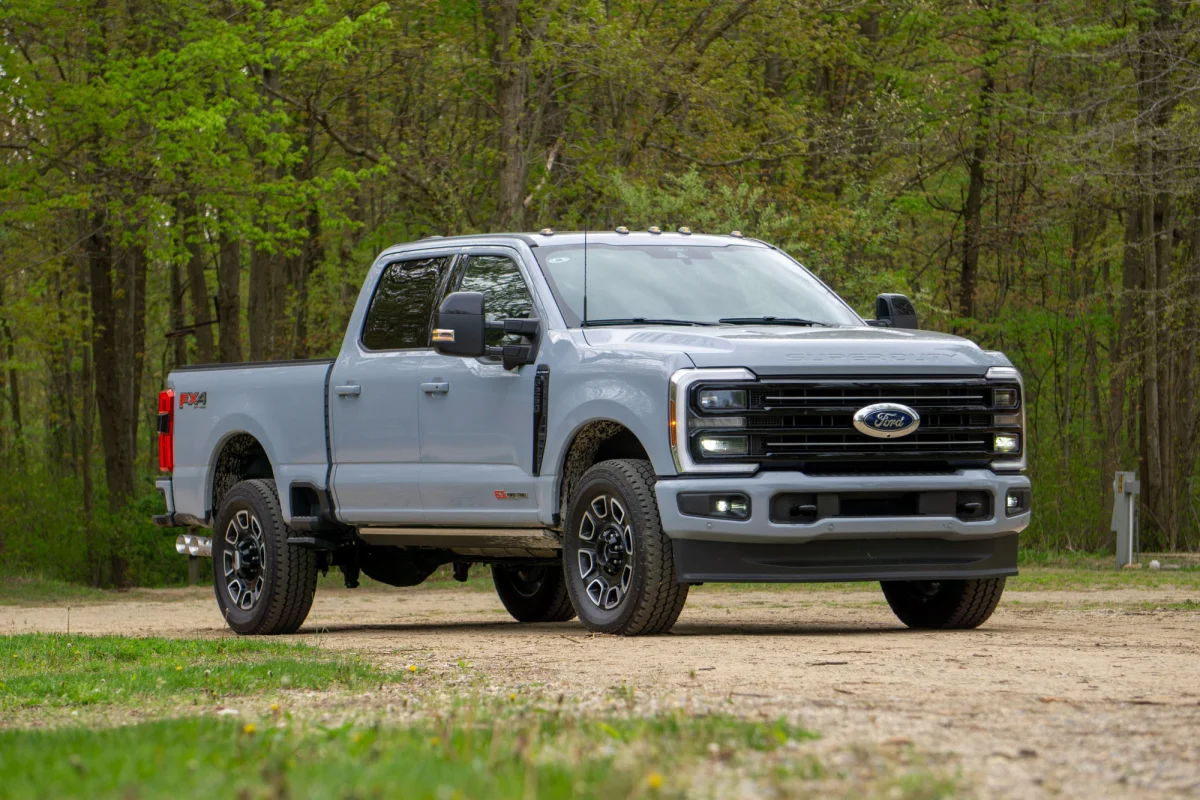
Ford F-250 Super Duty (1999–2007 Models)
The Ford F-250 Super Duty trucks built between 1999 and 2007 are often cited for their tendency to develop frame cracks, particularly when subjected to heavy-duty use. The frames on these trucks were made of steel that was strong in static strength but suffered from fatigue issues under repeated stress and load cycles.
The Super Duty trucks are designed for serious work, often carrying heavy payloads and towing large trailers, which subjects the frame to extreme forces.
Over time, stress concentrations, particularly around the rear suspension mounts and frame rails behind the cab, caused cracks to appear. These cracks could grow large enough to compromise the truck’s structural integrity, requiring expensive repairs or frame replacement.
The issue was worsened by insufficient corrosion protection. Many of these trucks were driven in harsh environments, where exposure to road salt and moisture accelerated rusting. Rust weakened the steel frame and made it more susceptible to cracking.
In some cases, rust caused sections of the frame to lose metal thickness, reducing the frame’s ability to resist bending and flexing forces. This combination of fatigue cracking and corrosion led to a higher failure rate compared to more modern trucks with better rustproofing and improved steel grades.
Symptoms of frame cracking in the F-250 Super Duty included misaligned suspension components, vibrations, and unusual noises.
These problems often affect handling and safety, making prompt detection and repair essential. Owners faced high repair costs because frame welding or full frame replacement was necessary in many cases.
The repairs were labor-intensive and required skilled professionals, adding to the truck’s cost of ownership. Despite the durability Ford built into these trucks in other areas, the frame cracking problem remained a notable weakness for the 1999 to 2007 Super Duty generation.
Manufacturing inconsistencies may have contributed to the issue. Some trucks exhibited welding defects or thinner steel in high-stress areas, which likely accelerated crack formation.
Ford improved the design and materials in later Super Duty models to address these concerns, but the earlier generation’s reputation for frame cracking persists.
This problem has made some buyers wary of older Super Duty trucks, especially those used heavily for commercial or heavy-duty purposes. The 1999–2007 Ford F-250 Super Duty frames are known for their vulnerability to cracking under demanding conditions.
5 Trucks That Rarely Crack Frames
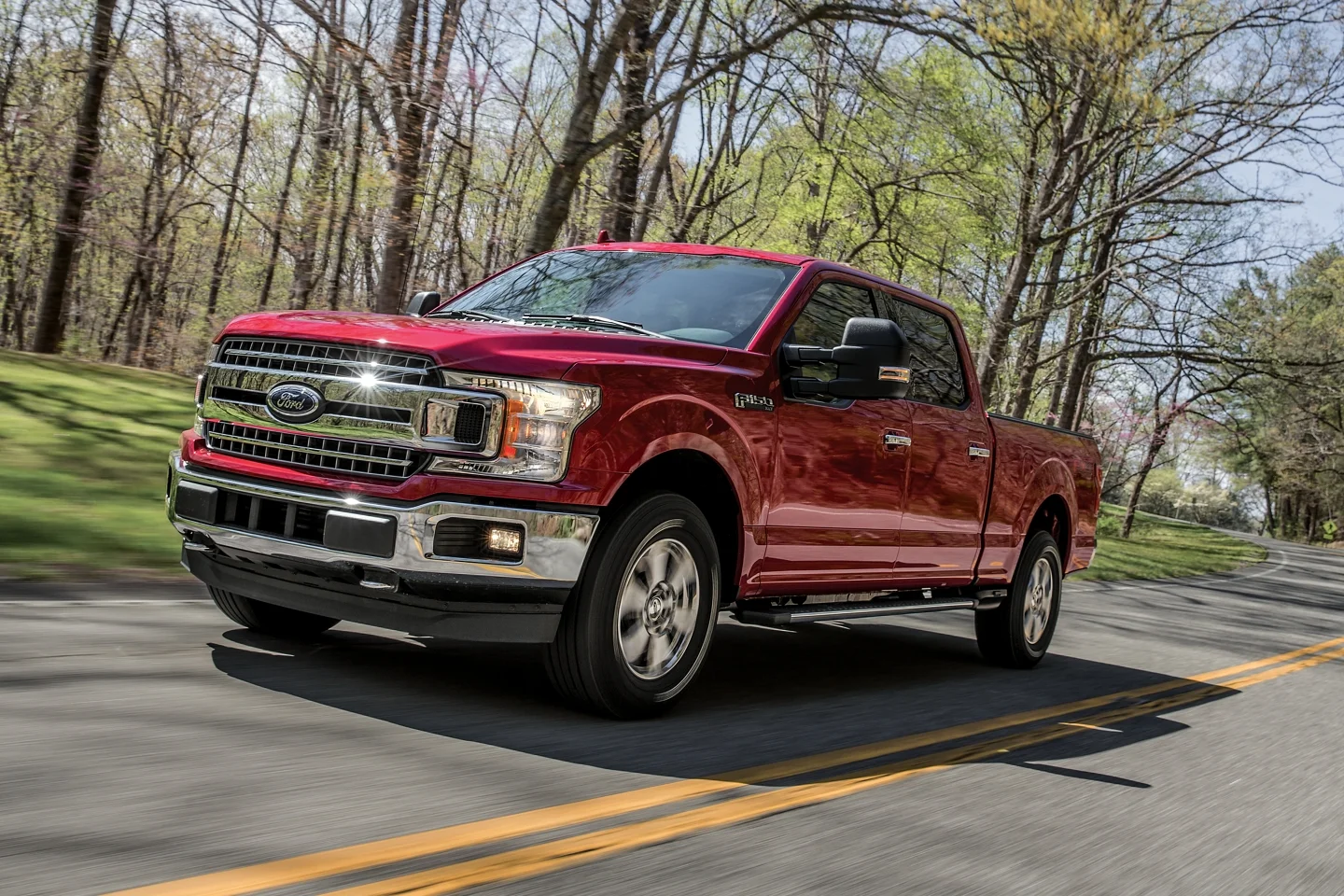
Ford F-150 (13th Generation, 2015–2020)
The Ford F-150 from the 13th generation, produced between 2015 and 2020, is widely regarded as one of the most reliable trucks when it comes to frame durability. The truck’s frame is engineered using a combination of high-strength steel grades that provide a great balance between strength and flexibility.
This generation marked a shift in truck manufacturing, with Ford embracing new materials like military-grade aluminum alloy for the body to reduce weight, yet maintaining a steel frame that was carefully designed to withstand heavy stresses.
The steel frame itself was crafted to absorb and distribute forces effectively, reducing the risk of cracks that often arise from fatigue and stress concentration points.
This careful material selection and engineering make the F-150’s frame notably resistant to cracking, even when subjected to heavy towing or off-road conditions over time.
Ford conducted rigorous testing during the development phase, simulating years of use under extreme conditions to ensure that the frame could endure regular wear without significant degradation.
The frame’s box-section design is a key element, as it provides torsional rigidity by evenly spreading loads across the frame’s structure.
By preventing weak spots where stress could build up, the frame is less likely to develop cracks. Moreover, the suspension mounting points on this generation were heavily reinforced, which helps maintain the frame’s shape and integrity during rough rides and heavy payloads.
The design choices here reflect Ford’s commitment to building a truck that can withstand not only everyday driving but also the tougher conditions encountered in work or recreation.
Rust weakens metal by eating away at its surface, making cracks more likely to form under stress. By preventing rust, Ford’s coatings extend the life of the frame, keeping it strong and intact for many years.
For truck owners living in regions with harsh winters or coastal environments, this rust resistance is a significant advantage. The combination of rust protection with strong steel means that the frame can maintain its structural integrity even after years of exposure to harsh conditions.
Finally, the Ford F-150’s frame also benefits from its wide aftermarket support. Truck owners who push their vehicles beyond factory specifications often upgrade suspension components or add reinforcements to improve handling and durability.
These upgrades can be performed without jeopardizing the frame’s integrity, as the original design provides a solid foundation capable of handling increased stresses. Owners looking for a truck that holds up well over time and adapts to heavy-duty use will find that the 13th-generation F-150 stands out for frame durability.
When paired with proper maintenance, including regular inspections and rust prevention, it remains one of the best choices in terms of frame strength and longevity in the half-ton pickup market.
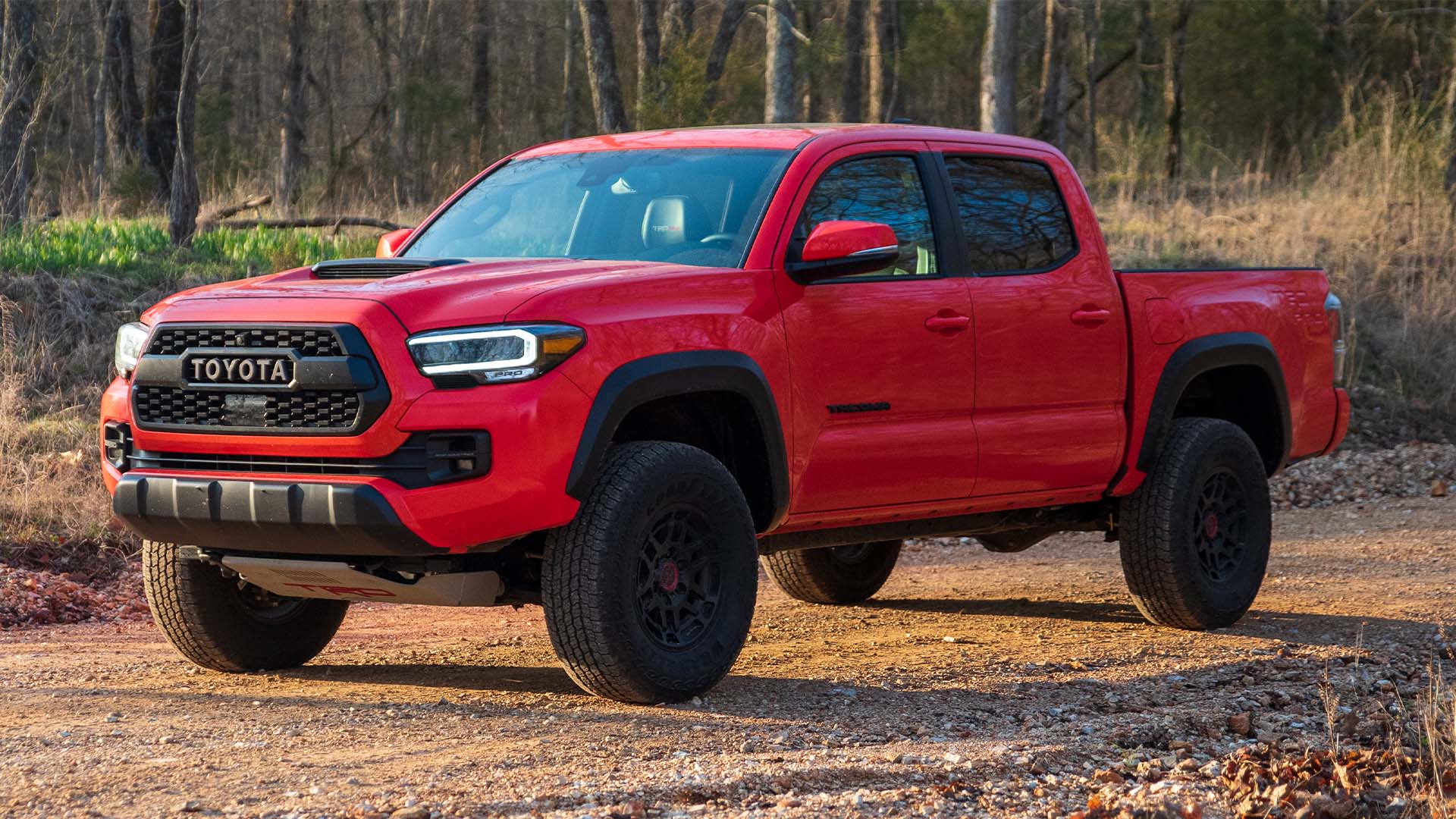
Toyota Tacoma (2016–2023)
The Toyota Tacoma has long been synonymous with durability and reliability, particularly when it comes to its frame construction.
The Tacoma models from 2016 onward have demonstrated impressive resistance to frame cracking, which is partly due to Toyota’s conservative engineering approach.
Instead of prioritizing weight savings or flashy design, Toyota focused on building a frame that could endure heavy workloads and off-road challenges with minimal risk of failure.
The frame is built using high-quality steel with reinforcements placed in key locations to handle the stresses from payload, towing, and rough terrain. This structural reinforcement allows the frame to flex under pressure without succumbing to cracks, a crucial feature for trucks frequently used in demanding environments.
The design of the Tacoma’s frame reflects extensive real-world testing aimed at maximizing durability. The frame rails run full length with crossmembers spaced to evenly distribute forces across the chassis. This layout prevents localized stress points, which are common origins of frame cracks in weaker designs.
Additionally, Toyota engineers tuned the suspension system to reduce frame bending by absorbing shocks and vibrations more efficiently.
These engineering choices mean that the frame itself carries less stress, thereby extending its lifespan and reliability. The result is a midsize truck that can take on rough trails, heavy loads, and years of tough use without the typical frame issues seen in other models.
Corrosion protection is another area where the Tacoma excels. Toyota applies extensive rustproofing techniques to the frame, including galvanization and durable coatings, which shield the metal from moisture, road salt, and other corrosive elements.
This is particularly important in regions with harsh winters or humid conditions, where rust can accelerate frame deterioration.
The combination of a strong, well-designed frame and excellent corrosion resistance gives the Tacoma an edge in maintaining its structural integrity over time.
Owners frequently report very few issues related to frame cracking even after extensive use in challenging environments, which contributes to the truck’s strong reputation for longevity.
Moreover, the Toyota Tacoma’s reputation for frame durability is bolstered by its versatility. Many owners use the truck not only for daily driving but also for off-road adventures that involve uneven surfaces and constant twisting forces on the chassis.
Despite these tough conditions, the Tacoma’s frame seldom suffers damage, a testament to its robust construction. Its frame is also relatively easy to inspect and maintain, allowing owners to catch any potential issues early and take preventive measures.
For those looking for a reliable midsize truck with a frame built to last, the Tacoma stands out as one of the best options available in recent years.
Chevrolet Silverado 1500 (2019–Present)
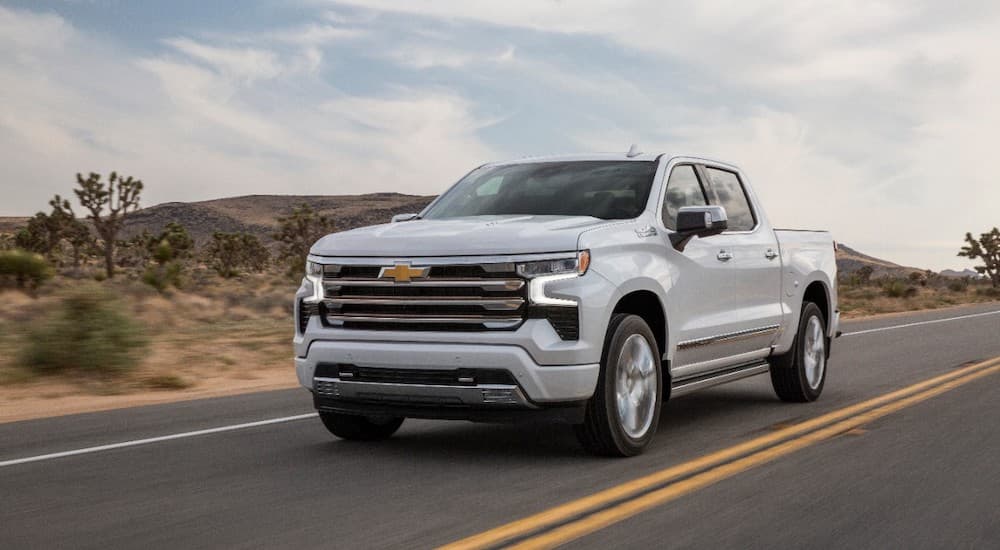
The Chevrolet Silverado 1500, especially models from the 2019 redesign onward, is known for having a strong and reliable frame that rarely succumbs to cracking.
Chevrolet made significant improvements to the frame design during this generation, emphasizing the use of high-strength steel alloys that increase the frame’s durability without adding unnecessary weight.
This new frame design includes fully boxed rails in critical areas, a feature that adds rigidity and resistance to bending. The use of advanced steel also improves the frame’s ability to withstand fatigue over time, which is a common cause of cracks in older or less well-designed frames.
In addition to the strength of the steel, Chevrolet implemented advanced manufacturing techniques to further improve the frame’s durability. These include high-quality welds in strategic locations and reinforced crossmembers that distribute forces more evenly throughout the chassis.
Reinforcing the suspension mounting points was a priority, reducing the chances of cracks developing due to stress concentration.
These improvements help the frame resist the effects of heavy towing, off-road use, and everyday wear and tear. Many Silverado owners have reported very few frame issues, even with trucks that have seen heavy use over multiple years.
Corrosion protection also plays a vital role in the Silverado’s frame longevity. Chevrolet uses galvanized steel components combined with multi-layer coatings designed to protect against rust. This is important because rust not only weakens the frame’s metal but also speeds up the formation of cracks.
Trucks used in areas with salted roads or humid climates benefit greatly from these corrosion-resistant treatments, helping to preserve the frame’s integrity.
Silverado owners who live in such environments report fewer problems with frame cracking compared to previous generations or competing trucks without similar rust protection.
Finally, the Silverado’s frame is designed to accommodate a variety of aftermarket modifications without compromising its strength. Owners who want to add suspension lifts, heavy-duty towing packages, or reinforcements find that the frame can handle these upgrades well.
This flexibility makes the Silverado a favorite among those who need a truck capable of adapting to tougher conditions over its lifetime.
When combined with regular maintenance and proper load management, the Silverado 1500’s frame remains one of the most durable in the half-ton truck category, standing up well to the stresses of heavy use and long-term ownership.
Ram 1500 (2019–Present)
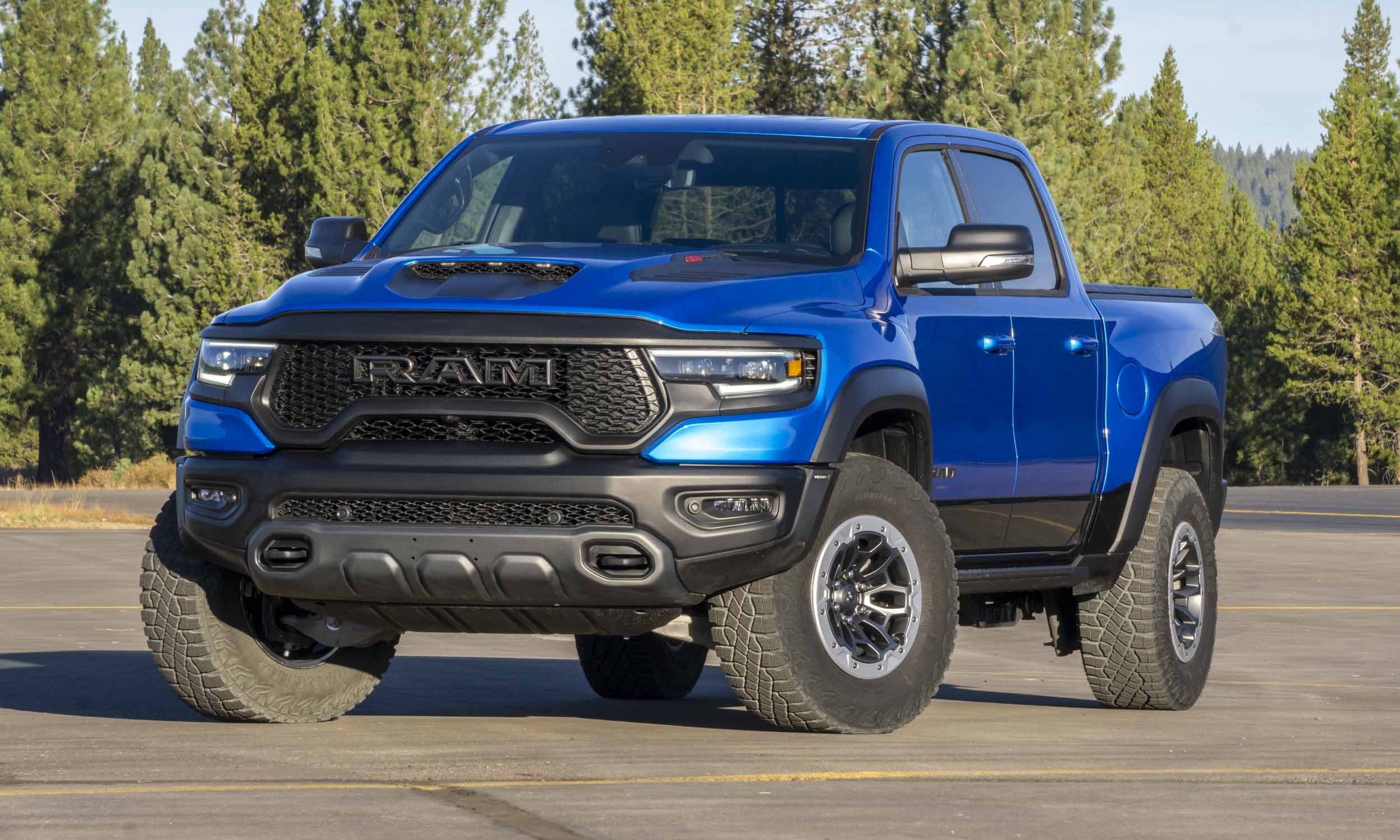
The Ram 1500, redesigned in 2019, brought with it a new frame that significantly improved durability compared to previous models. Ram utilized high-strength steel in a fully boxed frame design, which offers better resistance to twisting and bending forces.
This upgrade addressed many of the frame-related issues seen in earlier Rams, making the 2019 and later models much less prone to cracking.
The frame design includes reinforced crossmembers and gussets placed at critical stress points, which help distribute loads more evenly and prevent stress concentration areas that could cause fractures.
These structural enhancements contribute to the truck’s ability to withstand heavy payloads and towing loads without compromising safety.
One of the standout features of the Ram 1500’s frame is the use of advanced anti-corrosion treatments. The frame is coated with several layers of protective material, including galvanized steel sections, which guard against rust formation. This is especially valuable in harsh climates where road salt and moisture are common.
Rust can weaken a frame’s structure and lead to cracks, so Ram’s attention to corrosion prevention helps maintain frame integrity for the long term.
Owners in regions with snowy winters or coastal environments have noticed fewer frame problems than in previous Ram generations, adding to the truck’s reputation for durability.
The Ram 1500’s frame also benefits from a suspension system designed to reduce harsh impacts that might otherwise stress the frame. The integration of an air suspension option helps absorb shocks during driving, reducing frame flex and stress.
This smooths out rough rides and further protects the frame from cracking, especially during heavy-duty use such as towing or off-road driving. The synergy between frame construction and suspension tuning is an important factor in the Ram’s durability and is a reason the truck rarely suffers from frame cracks under normal use.
Additionally, the Ram 1500 supports a wide range of aftermarket modifications and heavy-duty packages. Owners can upgrade their trucks with suspension lifts, skid plates, and other reinforcements without worrying about frame failure. This flexibility allows Ram to meet the needs of drivers who require a tough truck for demanding work or recreation.
The combination of strong steel, advanced engineering, corrosion protection, and thoughtful suspension design makes the Ram 1500 from 2019 onward one of the best trucks on the market for frame durability.
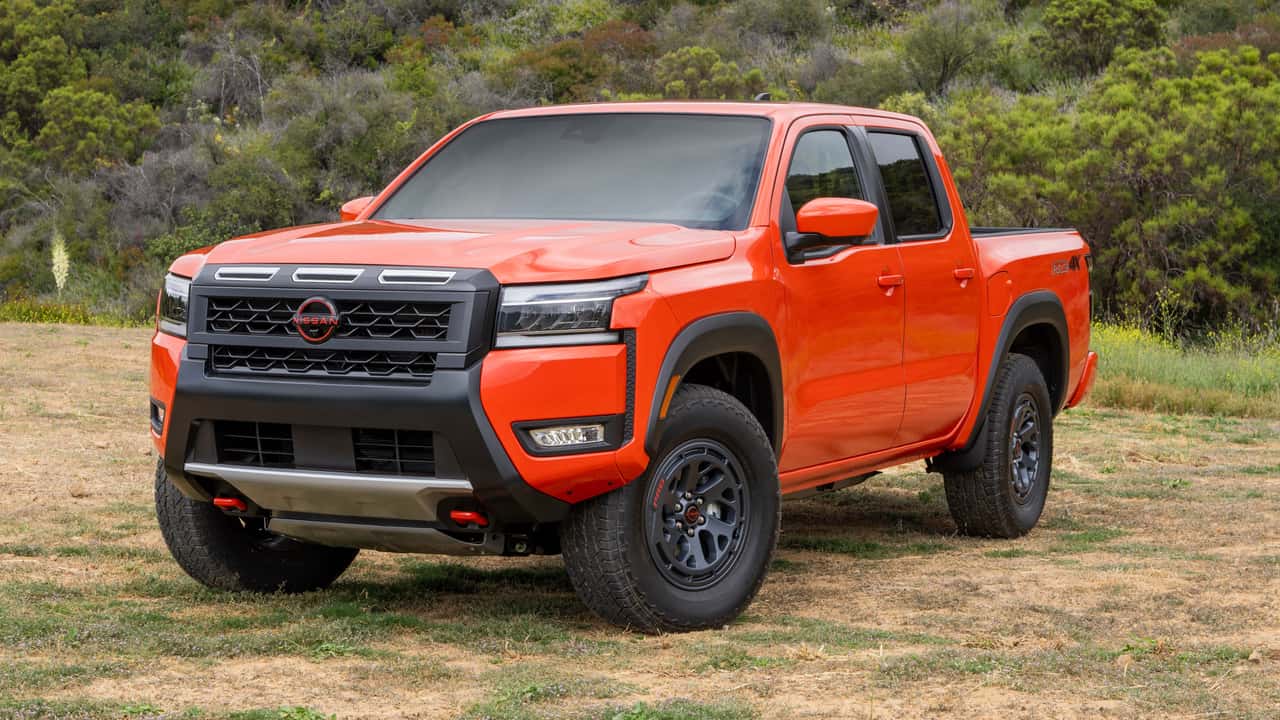
Nissan Frontier (2022 Redesign and Later)
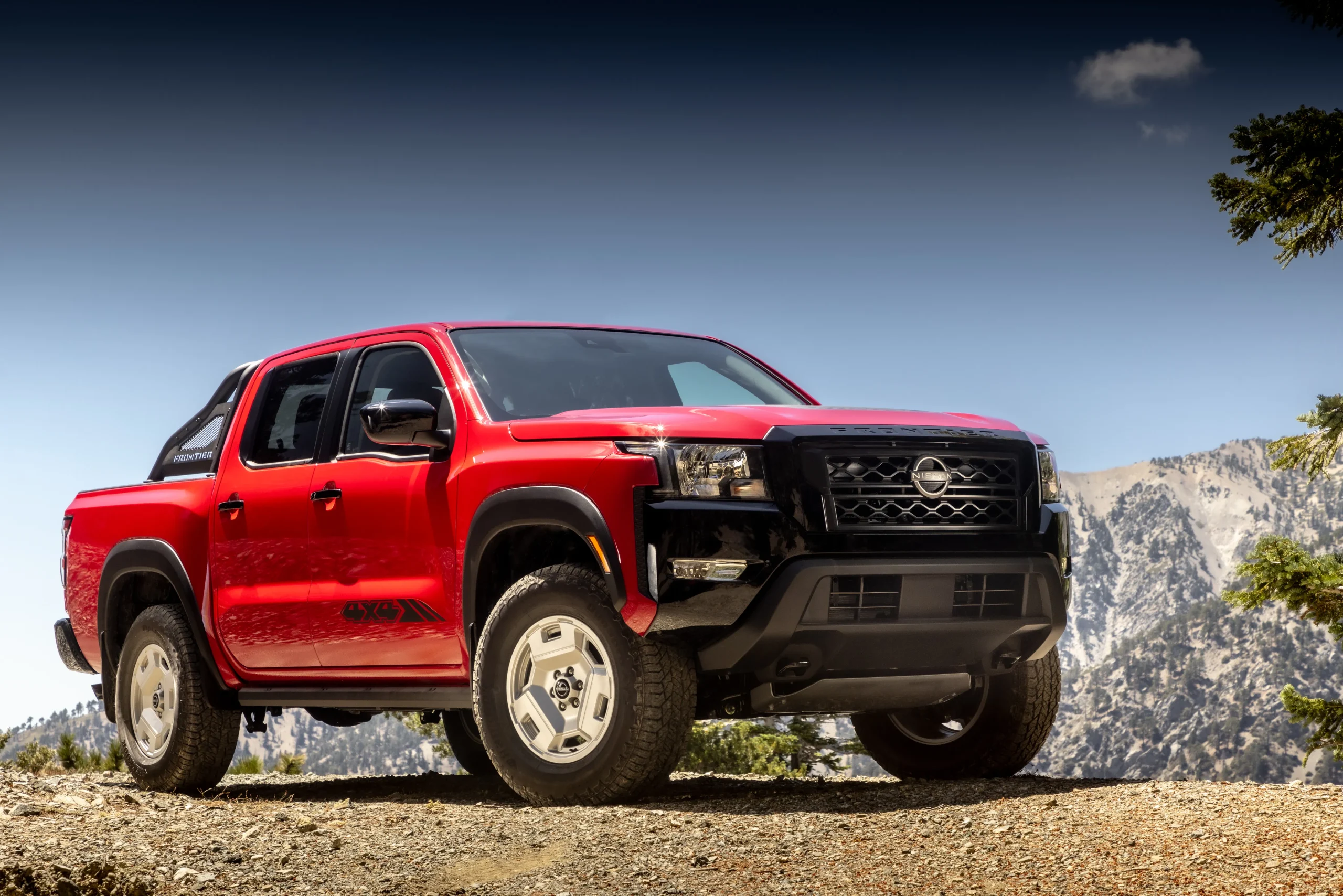
The Nissan Frontier’s major redesign beginning with the 2022 model year marked a turning point for the truck’s frame durability. Nissan addressed longstanding concerns from previous Frontier models by engineering a new frame using higher-quality materials and modern construction techniques.
The redesigned frame features a ladder-type structure built with reinforced steel rails and crossmembers engineered to resist cracks and fatigue under heavy use. The focus was on creating a frame that could handle rough terrain, towing, and payloads without the vulnerabilities that plagued earlier models.
Nissan applied advanced welding and fabrication methods to ensure the frame’s joints were strong and resistant to stress.
The rails are thicker and strategically reinforced in areas that experience the greatest bending forces during off-road use or heavy hauling. These reinforcements reduce the risk of cracks developing over time, even when the truck is pushed hard.
For owners who rely on their Frontier for work or adventure, the redesigned frame provides confidence in the truck’s ability to withstand years of abuse.
Rust protection is also a highlight of the new Frontier frame. Nissan included corrosion-resistant coatings and treatments during production to prevent rust formation in vulnerable areas.
This is critical because rust weakens the metal and makes it more prone to cracking, especially in trucks used in winter or coastal climates. Many owners who have switched to the newer Frontier models report much better frame longevity and fewer issues with corrosion compared to previous years.
The 2022 and later Nissan Frontier frames represent a significant improvement in durability, putting the truck on more equal footing with competitors known for strong frames.
This redesign has helped restore confidence among buyers and owners concerned about frame cracks, making the Frontier a solid choice for those seeking a midsize truck with lasting structural integrity. With proper care and maintenance, the Frontier’s new frame is expected to perform well for many miles and in tough conditions.
