
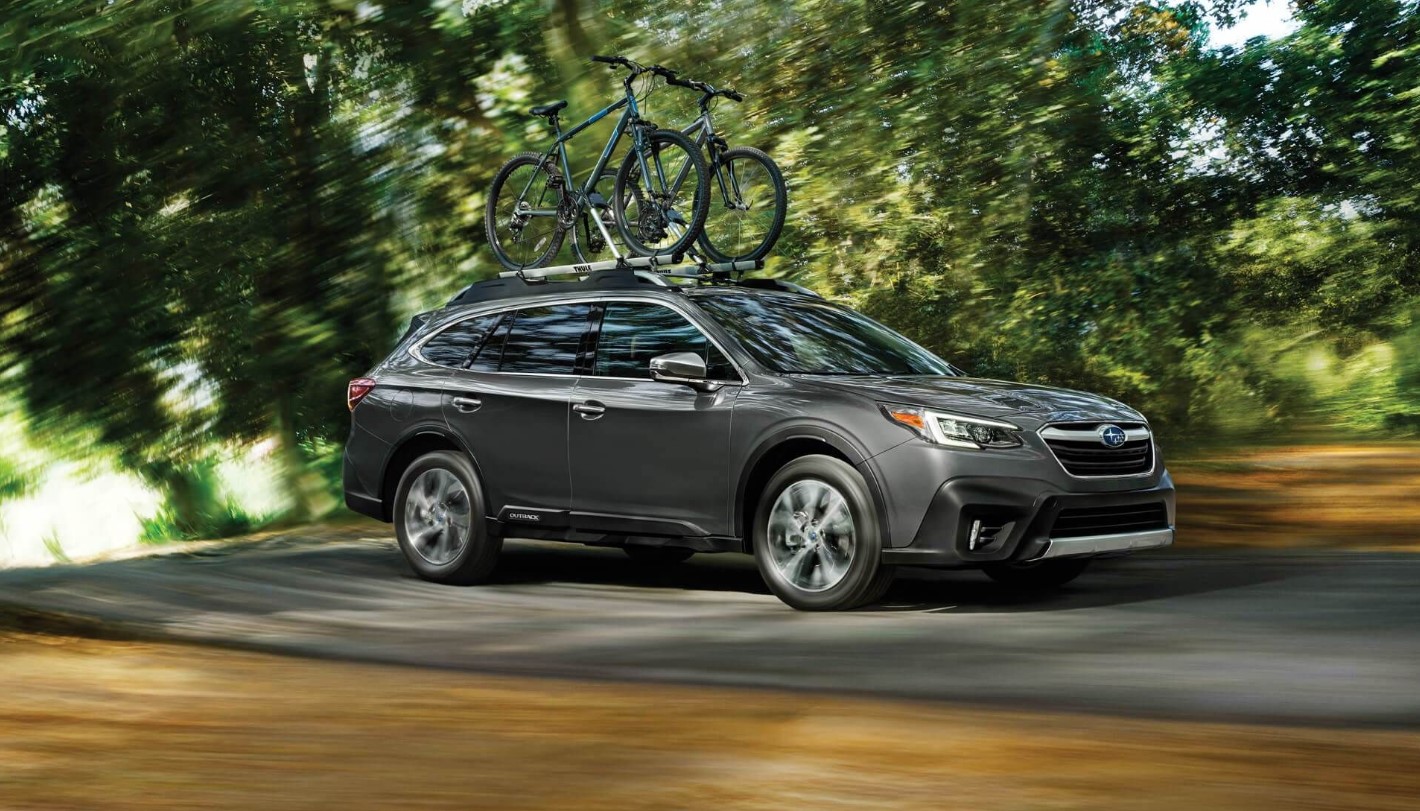
Sport Utility Vehicles, or SUVs, have become an incredibly popular choice for drivers seeking a combination of space, power, and versatility.
They offer a high driving position, ample cargo capacity, and the ability to handle a variety of road conditions. However, owning an SUV also means contending with the complexities of their suspension systems.
The suspension is a critical component that affects ride comfort, handling, and vehicle safety. While some SUVs manage to maintain their suspension components reliably over time, others face recurring issues that frustrate owners and lead to costly repairs.
Understanding which SUVs are prone to suspension problems and which models tend to be more reliable can save drivers from unexpected downtime and expenses.
Suspension issues often manifest as a rough ride, uneven tire wear, unusual noises, or a noticeable change in handling and steering responsiveness. These problems can stem from a variety of causes, including poor design, subpar parts, or the demands of certain driving environments.
Some manufacturers prioritize durability in their suspension systems, using higher-quality materials and more robust engineering, while others might sacrifice long-term reliability for initial cost savings or ride quality.
Factors such as frequent off-road use, heavy towing, or rough terrain can exacerbate suspension wear and lead to earlier failures.
In this article, we will identify five SUVs known for their durable and problem-free suspension systems. These models are praised for their solid engineering, quality components, and consistent performance over time.
Conversely, we will also highlight five SUVs that have gained a reputation for persistent suspension troubles, often leaving their owners facing repair bills and frequent visits to the mechanic.
This comparison aims to guide potential SUV buyers who want to avoid the headache of suspension problems and those who already own an SUV and want to understand the issues they might face. By knowing what to expect, drivers can make more informed decisions and maintain their vehicles more effectively.
5 SUVs That Constantly Have Suspension Problems
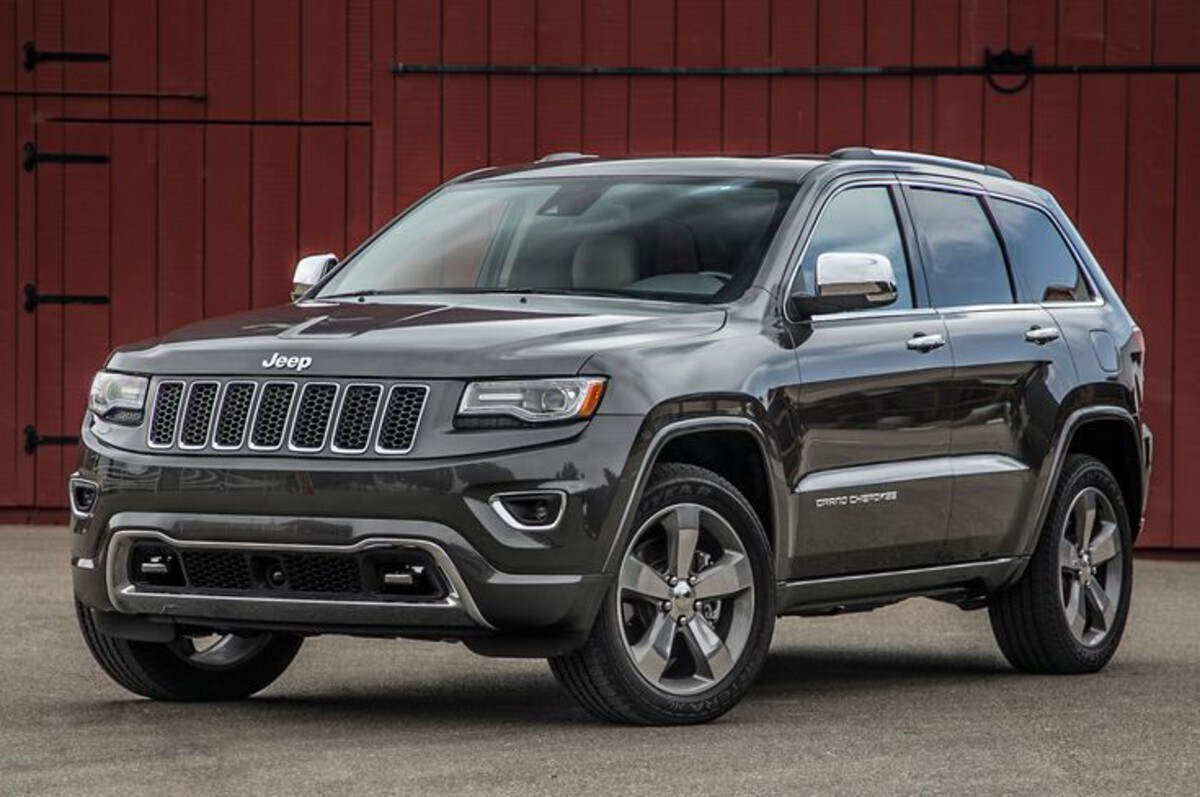
1. Jeep Grand Cherokee
The Jeep Grand Cherokee is a well-known vehicle for its off-road prowess and rugged styling, but its suspension system has a history of reliability problems that have frustrated many owners.
One of the biggest concerns revolves around the air suspension available on higher trims, which is meant to provide adjustable ride height and superior comfort.
Unfortunately, the air springs and compressors are prone to leaks and mechanical failures, causing the vehicle to sag, bounce excessively, or sit unevenly.
These failures often trigger warning lights and can result in a limp suspension that compromises handling and safety. Repairing or replacing air suspension components is costly and, in many cases, only provides a temporary fix before problems recur.
Even the Grand Cherokee models equipped with traditional coil springs are not free from suspension woes. Many owners report issues such as premature wear of ball joints, control arm bushings, and sway bar links. Off-road use exacerbates these problems, as the suspension components take a beating from rough terrain.
Furthermore, the front suspension geometry sometimes leads to uneven tire wear and alignment difficulties, which increase wear on other suspension parts.
The combination of complex suspension technology and exposure to harsh conditions means that the Grand Cherokee’s suspension system frequently demands repairs and replacements, reducing its reliability.
The vehicle’s weight and performance capabilities also contribute to suspension stress. Being a mid-size SUV with strong engine options, the Grand Cherokee places a significant load on suspension components, especially when towing or carrying heavy cargo.
Owners who expect durability often find themselves dealing with an expensive maintenance cycle focused heavily on suspension repairs. This reputation has caused many potential buyers to hesitate or seek extended warranties to mitigate the financial risks associated with suspension issues.
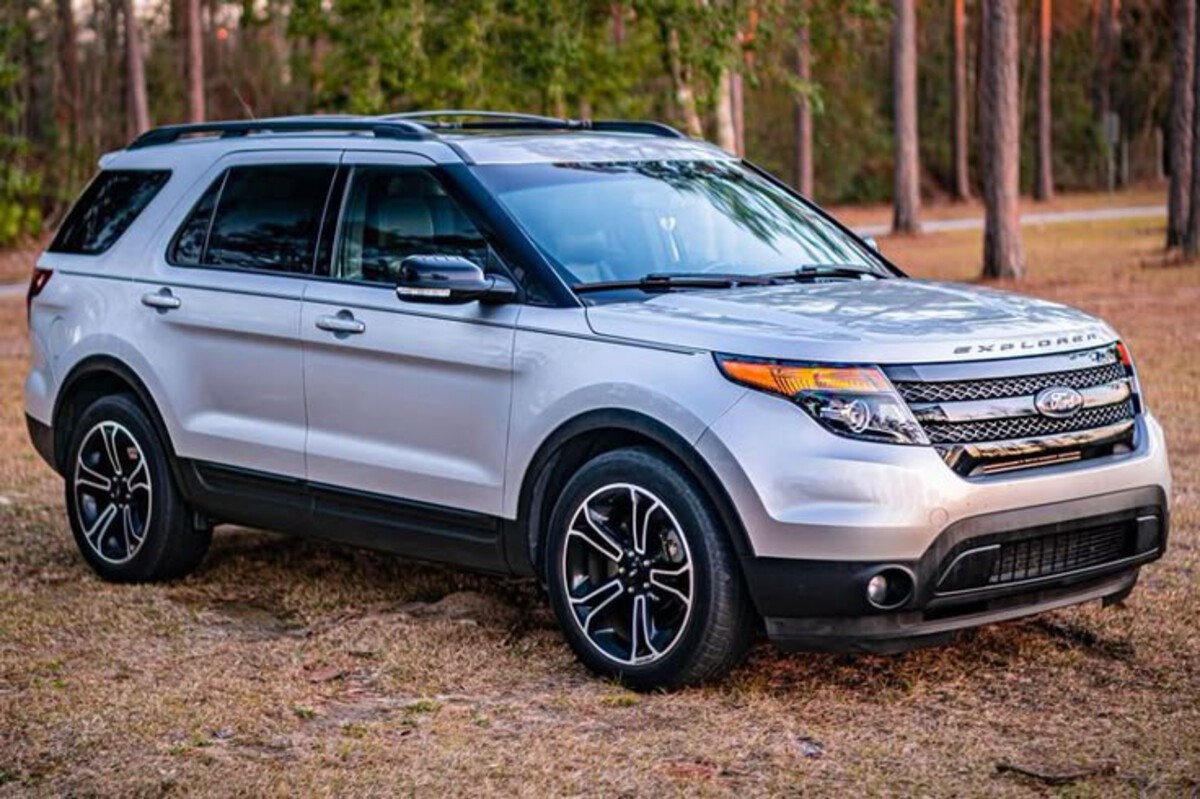
2. Ford Explorer
The Ford Explorer has been a popular SUV choice for many years, but certain generations have suffered from consistent suspension problems that impact ride comfort and reliability. Owners frequently report noises like clunks and rattles originating from worn struts, failing control arms, and broken springs.
These symptoms often appear after moderate mileage, indicating that the suspension components might not be as durable as drivers expect for a family-oriented SUV. The combination of a heavy frame and sometimes less robust suspension parts leads to premature failures that can disrupt daily driving.
The Explorer’s suspension geometry also sometimes contributes to uneven tire wear, which in turn affects suspension lifespan and vehicle handling. When components such as bushings wear out, the vehicle can feel unstable or exhibit poor steering response, detracting from safety and comfort.
Additionally, models with heavier trims or towing packages experience even greater strain on their suspension systems, leading to an increased frequency of repairs.
Despite periodic updates from Ford aimed at improving suspension design, many owners report recurring problems across several model years, which has damaged the vehicle’s reputation for suspension reliability.
From a maintenance standpoint, suspension repairs on the Explorer can be costly due to the need for replacing multiple components simultaneously.
This often results in extended downtime and higher repair bills than expected. For families relying on the Explorer as a daily driver, these issues can become a source of frustration.
Consumers increasingly look for SUVs with more dependable suspension systems when shopping in this segment, and the Explorer’s history of problems may lead them to consider alternative options.
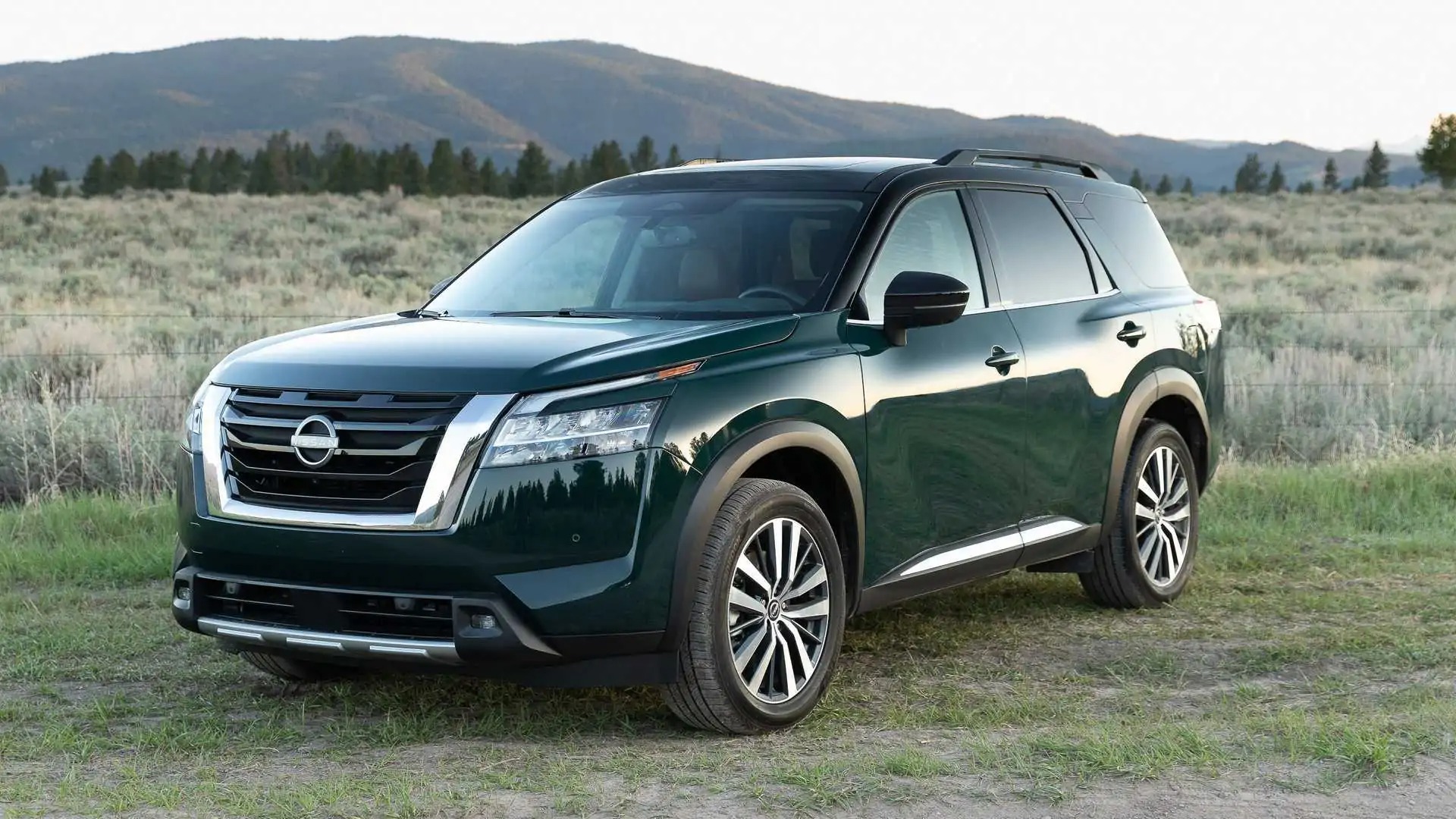
3. Nissan Pathfinder
The Nissan Pathfinder has developed a reputation for suspension challenges, particularly involving the rear suspension system. Many owners report premature failure of rear shock absorbers and struts, which leads to an unstable and uncomfortable ride.
Unlike some SUVs that maintain suspension performance over long distances, the Pathfinder often begins to bounce excessively or feel loose after relatively low mileage.
The bushings in the suspension system can also wear quickly, causing clunking noises and degraded handling characteristics. These issues make the vehicle feel less safe and less refined on both smooth highways and rougher roads.
The suspension design in the Pathfinder has been criticized for not adequately handling the weight and demands placed on the vehicle, especially in models used for towing or carrying heavy loads. This deficiency results in components experiencing greater stress and wearing out faster.
Nissan has introduced improvements in newer models, but the damage to the Pathfinder’s suspension reputation lingers, with many used-car buyers wary of the potential maintenance costs.
Owners who neglect timely suspension maintenance often face worsening issues, as worn shocks and bushings accelerate damage to other suspension and chassis parts.
Additionally, the cost of repairing suspension problems on the Pathfinder can add up quickly. Many repairs involve labor-intensive work and replacement of multiple parts, which makes it less economical to maintain compared to SUVs with more durable suspension systems.
This ongoing concern has contributed to the Pathfinder being viewed as a less reliable option for buyers who want a trouble-free SUV for family or utility use.
4. Chevrolet Traverse
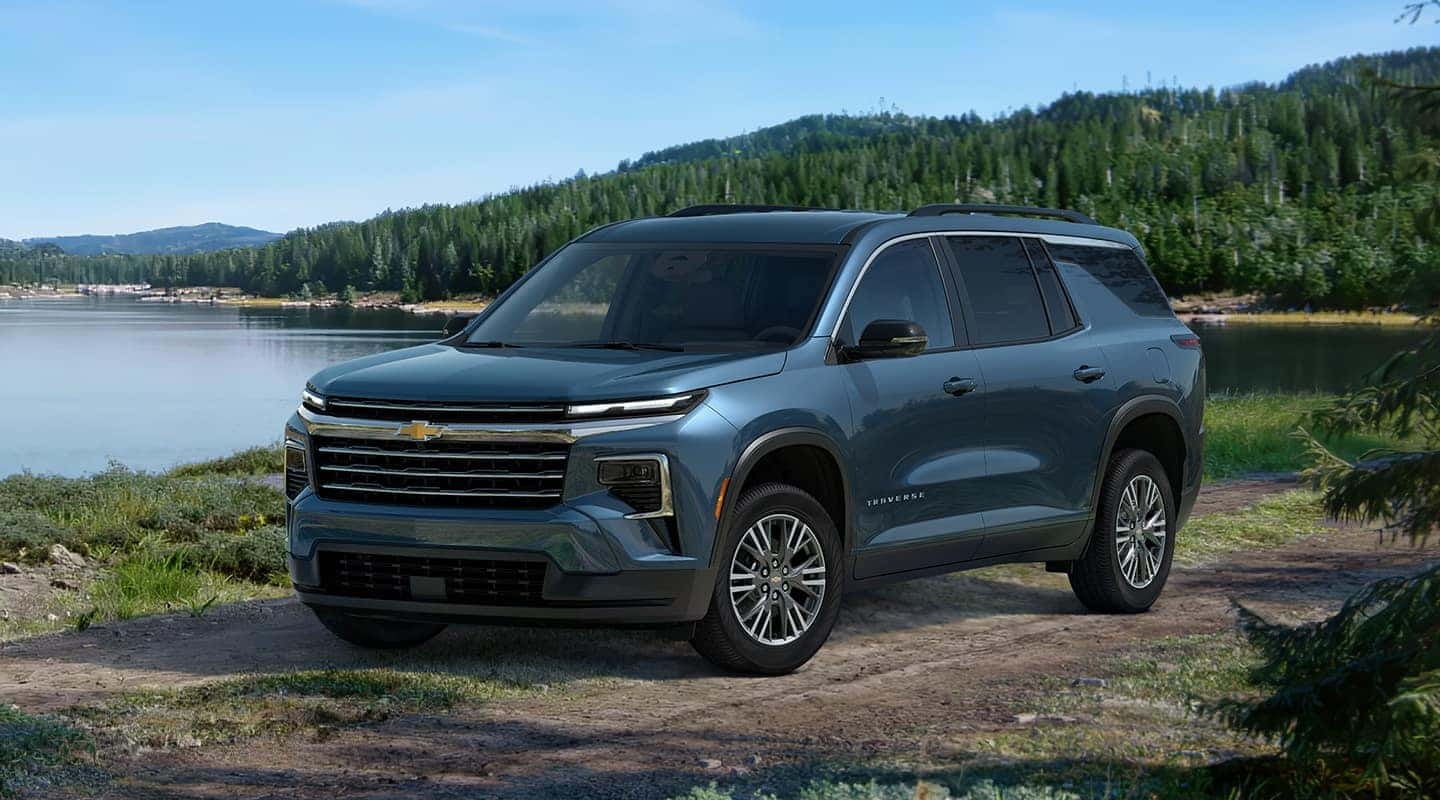
The Chevrolet Traverse has been known to experience a range of suspension issues, particularly with the front suspension components. Owners commonly report problems such as failing ball joints, loose or worn control arm bushings, and leaking shock absorbers.
These issues can result in clunking sounds when driving over bumps, uneven tire wear, and a rougher ride quality. Some model years have even seen recalls or technical service bulletins related to suspension failures, highlighting the widespread nature of these problems.
The Traverse’s substantial size and weight put additional strain on the suspension, making it especially important that the components are engineered to handle such loads. Unfortunately, many Traverse models fall short in this regard, as some parts are prone to early wear.
These premature failures not only diminish ride comfort but can also affect steering precision and vehicle stability. Drivers may notice increased body roll and reduced control in corners, which negatively impacts safety and driving enjoyment.
Maintaining the Traverse’s suspension system can be expensive due to the cost of parts and labor involved in fixing these issues. Additionally, the need for frequent repairs can be frustrating for owners who expect a reliable family vehicle.
The combination of size, weight, and less durable suspension components results in a vehicle that requires more attention to keep it riding smoothly. Many buyers researching midsize SUVs take note of the Traverse’s suspension history when making their decision.

5. Land Rover Discovery
The Land Rover Discovery is renowned for its luxury and off-road abilities, but the sophistication of its air suspension system often becomes a liability in terms of reliability. The air suspension, designed to adjust ride height and improve comfort, frequently suffers from leaks in the air springs and compressor failures.
These issues cause the vehicle to sit unevenly, trigger warning lights, and degrade handling characteristics. The electronic sensors that manage the system also tend to malfunction, compounding the problem and making diagnostics and repairs more complex.
Owners face not only a loss of ride quality but also potentially unsafe handling conditions when the suspension fails. The cost of fixing these issues is typically high, often requiring specialized service and replacement of expensive components.
Despite improvements over various model years, the Discovery’s suspension continues to be a frequent source of owner complaints. The complexity of the air suspension means that minor faults can escalate into major problems, making maintenance and repairs a constant concern.
In addition, older Land Rover Discovery models often show signs of suspension wear much earlier than expected, especially if used off-road or in demanding environments. Even regular driving can cause wear due to the intricate nature of the suspension design.
The combination of frequent repairs, high costs, and the vehicle’s luxury price tag has led many buyers to seek alternative SUVs with more straightforward and reliable suspension setups. The Land Rover Discovery’s suspension troubles remain a significant drawback for a vehicle otherwise admired for its capabilities.
5 SUVs That Rarely Have Suspension Problems
A smooth, stable ride depends heavily on a vehicle’s suspension system, and for many SUV owners, reliability in this area can make or break the driving experience.
Suspension issues can lead to costly repairs, uneven tire wear, and reduced comfort on rough roads. Fortunately, some SUVs are built to handle the miles without frequent suspension headaches.
In this article, we highlight five SUVs known for their durable suspension setups, consistent performance, and long-term dependability on all kinds of terrain.
1. Toyota 4Runner
The Toyota 4Runner’s reputation for suspension reliability is deeply rooted in its traditional body-on-frame construction and the rugged components used throughout its suspension system.
Unlike many modern SUVs that use unibody frames, the 4Runner’s body-on-frame design inherently offers better durability, particularly in off-road or heavy-duty scenarios where chassis flex and stress on suspension parts are more pronounced.
The solid rear axle used in the 4Runner is a simpler and more robust setup compared to independent suspensions, which means fewer moving parts can wear out or break. This makes it an excellent choice for buyers looking for long-lasting suspension performance.
Additionally, Toyota’s engineering philosophy prioritizes durability over cutting-edge suspension complexity. The 4Runner’s suspension components, such as its coil springs and shock absorbers, are designed to withstand years of exposure to rough terrain, harsh weather conditions, and heavy payloads without frequent failure.
Many owners report that their vehicles’ suspension remains functional and comfortable well beyond 200,000 miles, provided basic maintenance like shock replacements and bushing inspections are kept up. This longevity reduces ownership costs and helps maintain vehicle value over time.
From a maintenance perspective, the 4Runner’s suspension is relatively straightforward to service. Replacement parts are widely available and not excessively expensive compared to luxury SUVs. The design allows mechanics to perform repairs without extensive disassembly, reducing labor costs.
Owners also benefit from the wide availability of aftermarket parts, which can extend the suspension’s life further and improve off-road performance if desired. All of these factors contribute to the 4Runner’s status as a suspension system that seldom causes headaches.
Lastly, the 4Runner’s suspension is well-suited for a variety of driving conditions, from city streets to rugged backcountry trails. The suspension tuning strikes a balance between ride comfort and off-road capability, absorbing bumps and maintaining stability in uneven terrain.
This versatility is one reason the 4Runner is favored by adventurers who require reliability in challenging conditions. Its suspension’s robustness ensures that even aggressive driving or heavy loading rarely leads to premature component wear or failure.
2. Honda CR-V
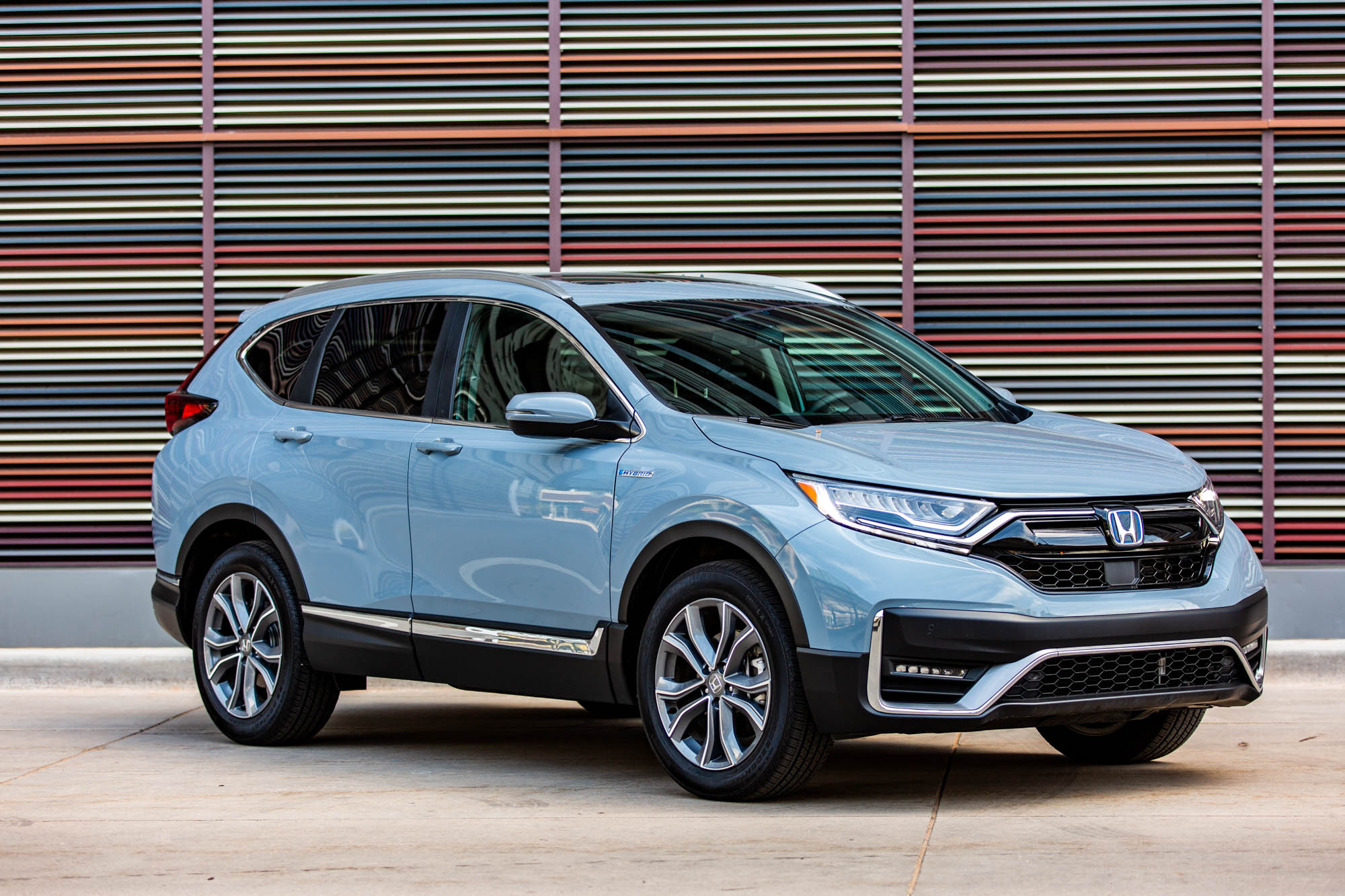
The Honda CR-V’s suspension reliability is supported by its combination of well-tested components and precise engineering that has evolved over several generations. The front MacPherson strut and multi-link rear suspension setup provide a smooth and responsive ride without compromising durability.
Honda’s choice of high-quality bushings and well-sealed shock absorbers protects suspension parts from environmental contaminants like dirt, water, and road salt, which can accelerate wear. This is particularly important in regions with harsh winters or dusty rural roads, where suspension longevity is often challenged.
Another key factor is the CR-V’s relatively light curb weight, which reduces stress on suspension components. Less weight means shocks, springs, and bushings face fewer forces during acceleration, braking, and cornering, thereby extending their lifespan.
Honda also pays close attention to suspension tuning, ensuring that forces are evenly distributed across the system rather than concentrating stress in specific parts. This careful engineering reduces the risk of isolated failures and helps maintain consistent performance.
In addition to mechanical durability, the CR-V’s suspension is designed to enhance ride quality and passenger comfort. Its ability to absorb road irregularities while maintaining predictable handling has made it a favorite for urban and suburban drivers alike.
Many owners report trouble-free suspension operation even after 150,000 miles, with only routine maintenance such as periodic shock absorber replacements and alignment checks. This reliability is backed by Honda’s reputation for manufacturing vehicles with long service lives and low maintenance costs.
Lastly, the availability of affordable replacement parts and straightforward suspension repairs adds to the CR-V’s appeal. Because suspension components are commonly shared with other Honda models and widely available from aftermarket suppliers, maintenance remains economical.
The CR-V’s suspension durability contributes significantly to the vehicle’s low cost of ownership and solid resale value, making it a smart choice for those who prioritize peace of mind on the road.
3. Subaru Outback
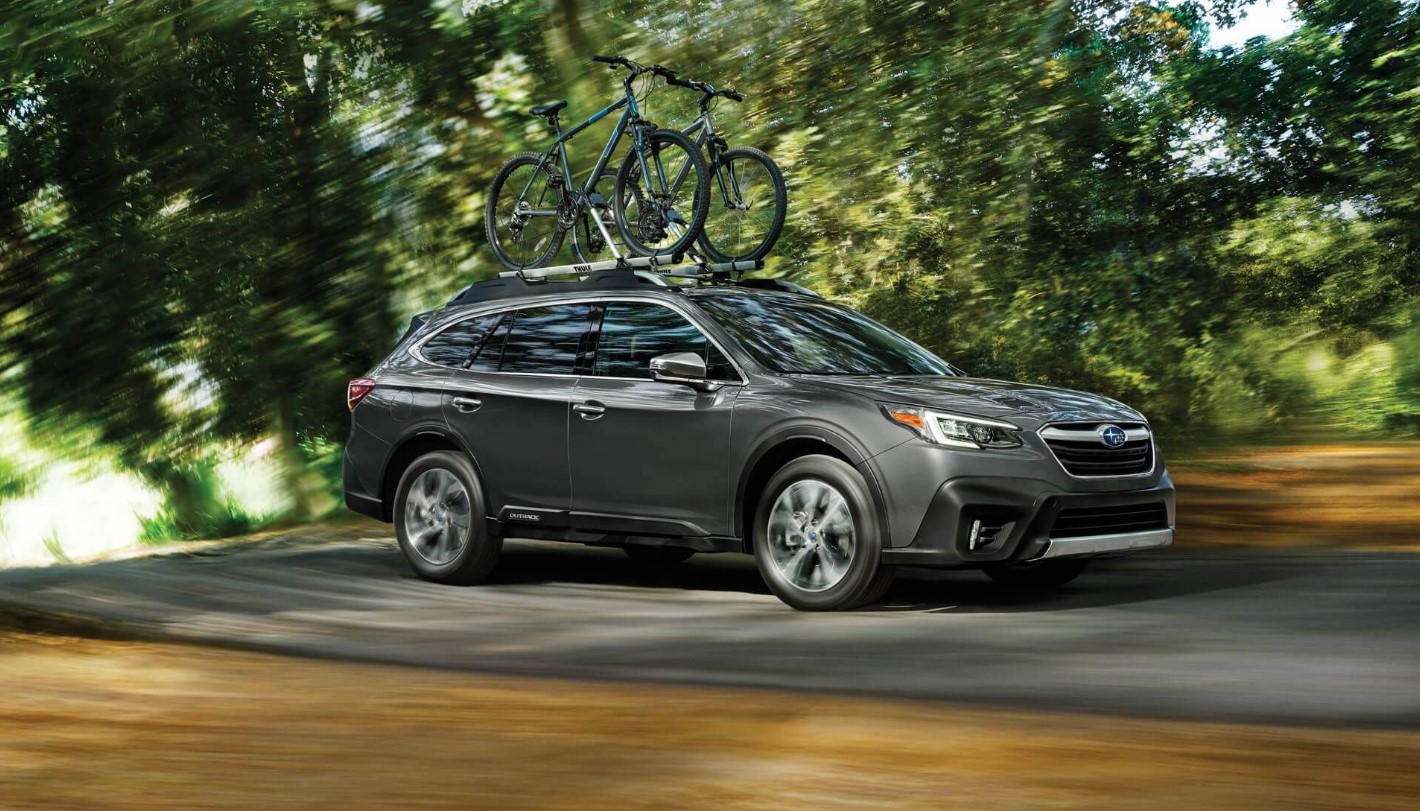
Subaru Outback’s reputation for suspension durability is closely tied to its design emphasis on all-weather capability and versatile performance.
The combination of MacPherson struts at the front and a multi-link or double-wishbone rear suspension, depending on the model year, allows the Outback to maintain a comfortable and stable ride across a variety of conditions.
Subaru’s standard all-wheel-drive system places additional demands on the suspension, yet the Outback manages to deliver excellent reliability through the use of high-quality components and robust engineering.
One of the reasons the Outback’s suspension performs so well over time is the company’s focus on ensuring suspension components can handle both daily driving and occasional off-road excursions.
The shocks and springs are calibrated to absorb uneven terrain without transferring excessive force to the chassis or occupants, preventing accelerated wear.
In addition, Subaru’s use of corrosion-resistant materials in suspension parts protects against rust and degradation, especially in colder climates where road salt is common.
The Outback’s suspension longevity is further supported by its relatively balanced weight distribution and lower center of gravity, which reduces the amount of stress placed on individual suspension components.
Many owners find that the vehicle’s ride quality remains consistent well past 150,000 miles with only standard maintenance, such as replacing shock absorbers and checking bushings. The suspension design also promotes even tire wear, reducing the need for premature tire or alignment services.
Subaru’s extensive testing of the Outback’s suspension under real-world conditions helps ensure durability and reliability. The vehicle’s popularity among outdoor enthusiasts and rural drivers means its suspension has been subjected to rigorous use cases, yet it consistently performs without significant issues.
This makes the Outback a trusted option for buyers who need a vehicle that can handle a wide range of driving environments without sacrificing suspension integrity.
4. Lexus RX
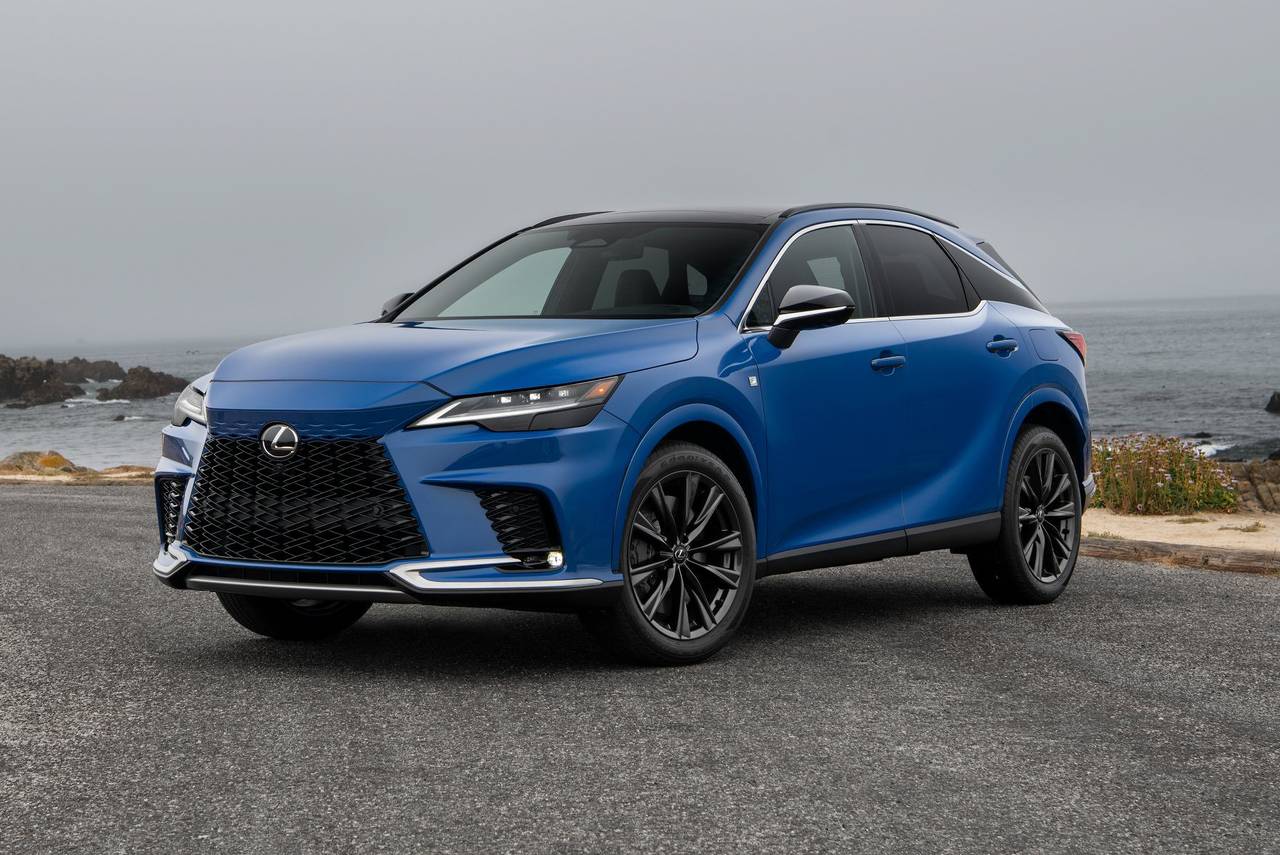
The Lexus RX stands out in the luxury SUV segment due to its combination of comfort, performance, and suspension reliability.
Building on Toyota’s reputation for quality, Lexus equips the RX with an independent double-wishbone front suspension and a multi-link rear suspension that deliver a plush, refined ride without sacrificing durability.
Unlike many luxury SUVs that prioritize complex, delicate suspension technologies, the RX uses proven suspension architectures with premium materials designed for long-term reliability.
The air suspension available on certain RX trims is a exception to the typical fragility of air systems found in other luxury SUVs. Lexus has engineered this system to minimize common problems like air leaks, compressor failures, and sensor malfunctions by using high-quality components and rigorous testing.
As a result, the air suspension in the RX is less prone to failure and often outperforms competing systems in terms of longevity and ease of maintenance.
Beyond component quality, the RX’s suspension tuning balances ride comfort with driving dynamics, reducing stress on parts through smooth articulation and effective damping.
The shocks and springs are engineered to handle a variety of road conditions, from smooth highways to rougher pavement, without compromising component lifespan. Owners typically experience minimal suspension-related issues, even at higher mileages, provided routine maintenance is performed.
Moreover, Lexus provides excellent service support and widespread availability of genuine parts, which helps maintain the RX’s suspension health over time.
The combination of engineering excellence and proactive maintenance has made the RX a favorite among buyers who want a luxury SUV that doesn’t trade reliability for refinement. This rare balance is a key reason the RX’s suspension is regarded as one of the most dependable in its class.
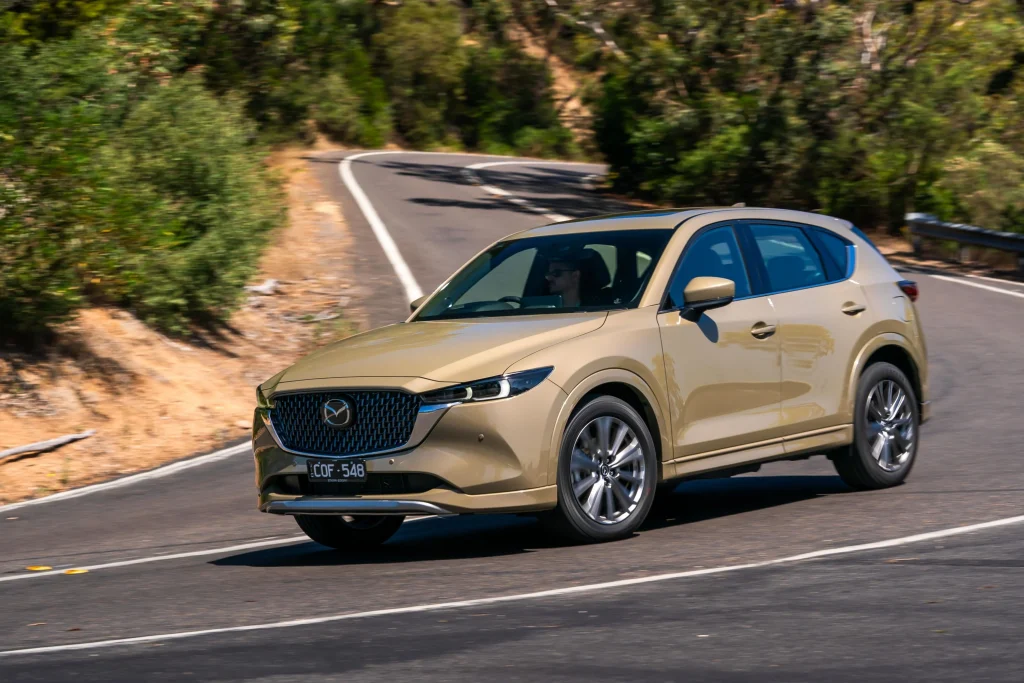
5. Mazda CX-5
The Mazda CX-5 is often praised for its driver-focused handling and reliability, with its suspension system playing a central role in achieving this balance. Mazda uses a front MacPherson strut and rear multi-link suspension setup that delivers precise handling and a comfortable ride, all while ensuring durability.
The company’s attention to detail in suspension design helps minimize common wear issues like bushing degradation or shock absorber failure, resulting in fewer suspension repairs over the vehicle’s lifetime.
A key factor in the CX-5’s suspension longevity is the quality of materials and manufacturing processes. Mazda sources high-grade components and assembles them with tight tolerances, which prevents premature loosening or wear.
The suspension is also tuned to absorb impacts efficiently without transferring excessive forces to individual parts, reducing the risk of early failure. The CX-5’s suspension system is engineered to withstand typical stresses encountered in daily driving and occasional rough road conditions without frequent service needs.
The vehicle’s relatively light weight and balanced chassis further contribute to suspension durability. Less weight on the suspension reduces stress on springs, shocks, and bushings, while the vehicle’s responsive handling helps avoid harsh impacts that can damage suspension parts.
Many owners report that their CX-5 maintains a smooth, stable ride even after many years and miles, highlighting the system’s resilience.
Finally, the CX-5’s suspension benefits from Mazda’s reputation for excellent build quality and ease of maintenance. Replacement parts are reasonably priced and readily available, and repairs typically don’t require extensive labor.
This makes it easier for owners to keep their suspension in good condition, avoiding costly problems down the road. The CX-5 stands as an example of how smart engineering and careful design can produce an SUV with both engaging driving dynamics and dependable suspension performance.
When it comes to choosing an SUV, suspension reliability is a crucial factor that often gets overlooked until problems arise. A dependable suspension system not only ensures a comfortable and safe ride but also significantly impacts the ownership experience by reducing maintenance costs and downtime.
As we have seen, some SUVs consistently demonstrate superior suspension durability thanks to thoughtful engineering, high-quality materials, and straightforward designs. Others, unfortunately, struggle with recurring suspension issues that can lead to costly repairs and owner frustration.
The SUVs that rarely have suspension problems, such as the Toyota 4Runner, Honda CR-V, Subaru Outback, Lexus RX, and Mazda CX-5, share common traits that contribute to their reliability.
These vehicles tend to use proven suspension architectures, like MacPherson struts combined with multi-link or solid rear axles, which are inherently more durable and easier to maintain.
They also benefit from careful tuning that balances ride comfort with component longevity, avoiding overly complex or delicate suspension technologies that can fail prematurely.
Furthermore, these models emphasize quality in materials and manufacturing processes, ensuring that bushings, shocks, springs, and control arms withstand years of use under various driving conditions.
On the other hand, SUVs like the Jeep Grand Cherokee, Ford Explorer, Nissan Pathfinder, Chevrolet Traverse, and Land Rover Discovery often face recurring suspension challenges due to factors such as complex air suspension systems prone to leaks, heavier vehicle weights stressing suspension parts, or less durable bushings and control arms.
These issues are compounded by the increased cost and complexity of repairs, which can be burdensome for owners and detract from the vehicle’s appeal. Some models also struggle with suspension designs that don’t adequately account for real-world usage, leading to accelerated wear and a less comfortable driving experience.
Understanding these differences empowers buyers to make informed decisions that align with their priorities, whether that’s rugged off-road capability, everyday comfort, or long-term reliability. Investing in an SUV with a proven, robust suspension system can save significant time and money while providing peace of mind on the road.
Meanwhile, potential buyers of SUVs known for suspension problems should be prepared for higher maintenance costs and more frequent visits to the repair shop.
Suspension reliability is a critical aspect of SUV ownership that deserves careful consideration. Choosing wisely can enhance driving enjoyment and protect against unforeseen expenses, making the difference between a vehicle that serves faithfully for many years and one that becomes a source of ongoing frustration.
