
When most people talk about muscle cars, they usually mention names like the Dodge Charger, Ford Mustang, Chevrolet Camaro, or Pontiac GTO. These models defined an era and are still widely recognized as legends in the automotive world. But the golden age of muscle cars included far more than just the household names.
Many powerful and stylish machines rolled off the assembly lines during the late 60s and early 70s that, for various reasons, slipped into obscurity over time.
These lesser-known muscle cars often offered just as much horsepower, torque, and head-turning appeal as their more famous counterparts, and today they stand as a quiet opportunity for enthusiasts looking for a project with unique value.
The muscle car market has gone through waves of popularity. During the gas crises of the 70s and the emissions regulations that followed, many muscle cars lost favor, and countless models ended up parked in garages, barns, or junkyards.
While some were eventually scrapped or cannibalized for parts, others have survived, albeit in need of serious restoration.
What makes these forgotten muscle cars worth the effort is not just the potential for high performance or monetary value, but the story each car carries. Every dent, faded stripe, and rusted quarter panel is a piece of automotive history waiting to be brought back to life.
Restoring one of these cars is no small feat. It takes time, money, and a lot of patience. But for the true car enthusiast, it’s more than worth it. These are not just machines; they’re symbols of a bygone era of raw American power, loud engines, bold designs, and freedom on four wheels.
The reward for the effort is a unique ride that turns heads, tells a story, and drives like nothing on the road today.
Finding one of these hidden gems is a thrill in itself, and bringing it back to life is a personal journey that adds a deeper layer of connection between the owner and the car.
Below are ten of these underappreciated muscle machines that deserve another shot at glory. Each one offers a blend of style, performance, and history that can make it the centerpiece of any classic car collection. For those willing to take on the challenge, these are the muscle cars that could become tomorrow’s prized showpieces.
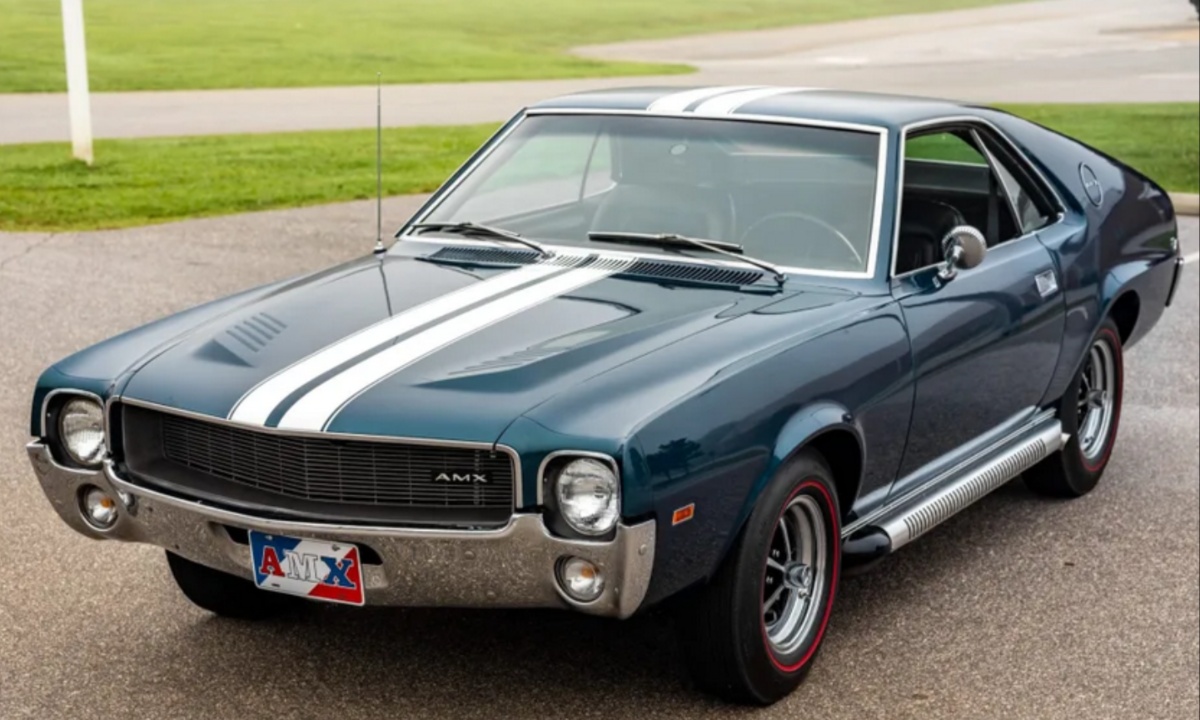
1. 1968 AMC AMX
The AMX was American Motors Corporation’s bold entry into the muscle car wars. Unlike many of its competitors, the AMX was a two-seater, making it unique in the world of muscle cars. Its short wheelbase and powerful V8 engines gave it an aggressive stance and surprising agility on the road.
Many people overlook the AMX today, partly due to AMC’s smaller presence compared to the Big Three. But the performance potential and styling of the AMX make it an excellent candidate for restoration.
Most 1968 AMXs came with either a 290, 343, or 390 cubic-inch V8, giving them strong performance numbers for the time. In fact, the 390 version could hit 60 mph in under 7 seconds, a solid figure even by today’s standards. The car was also lightweight, which gave it better handling characteristics than many of its larger muscle car rivals.
This combination of power and balance made the AMX a favorite among amateur racers and street racers during its day. Sadly, not enough of them were produced to keep the model front of mind for modern collectors.
Restoring an AMX involves a bit more detective work than other muscle cars, especially when it comes to sourcing parts. Since AMC folded in the late 80s, original parts and documentation can be harder to come by. However, this challenge also adds a layer of satisfaction for restorers who enjoy tracking down rare components.
Once completed, a restored AMX stands out at any show because of its rarity and unique profile. The two-seat layout and short body make it instantly recognizable to those in the know.
While it may not have the mainstream name recognition of a Mustang or a Camaro, the AMX holds a special place in muscle car history. It represents a time when small manufacturers took big chances.
Restoring one means preserving that bold spirit. For those seeking a project with character, performance, and a one-of-a-kind feel, the 1968 AMX is a forgotten gem well worth the attention.
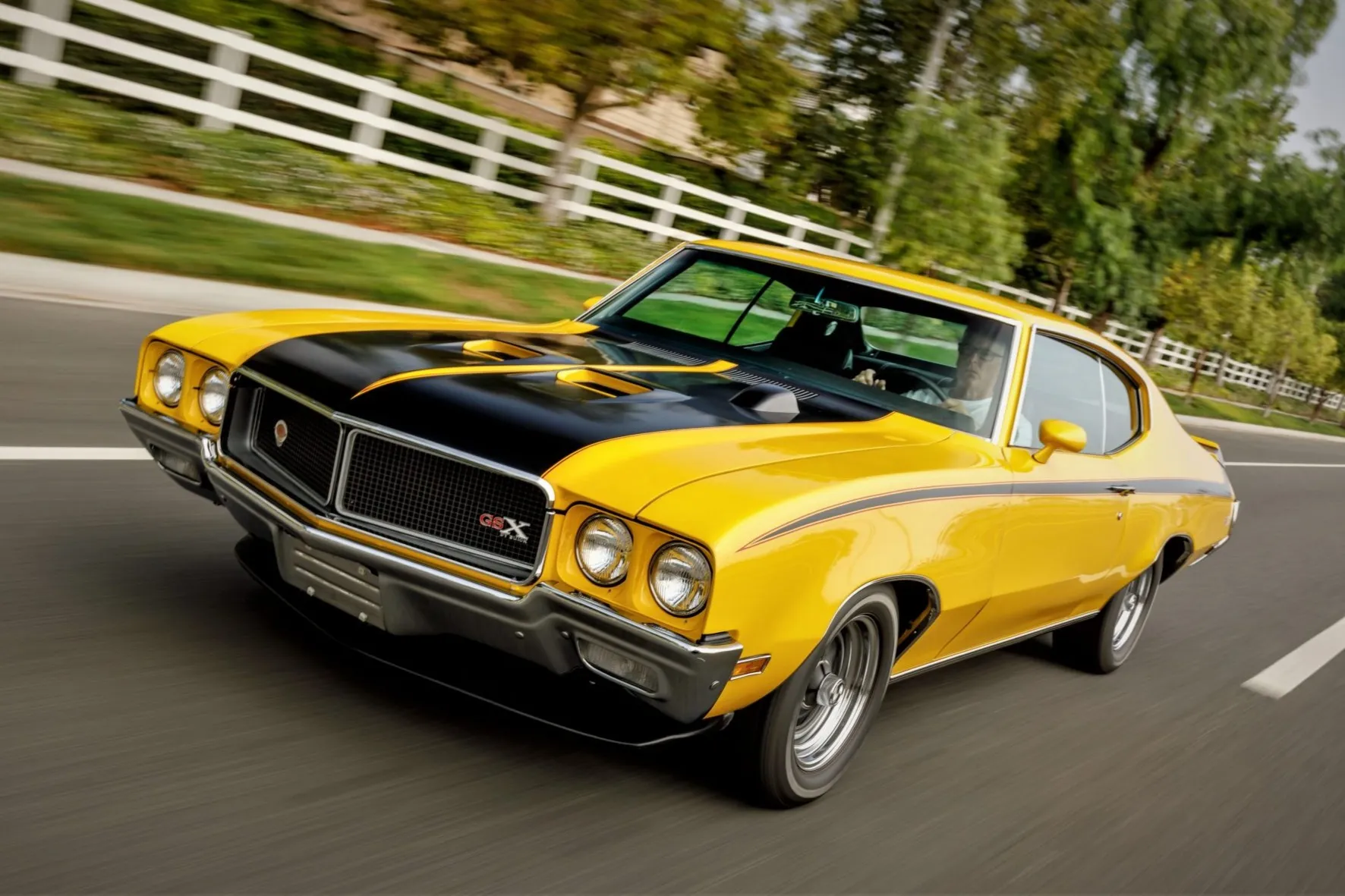
2. 1970 Buick GSX
The GSX was Buick’s way of telling the world it could play rough when it wanted to. Buick had a reputation for building comfortable cruisers, but the GSX changed that image.
With its wild paint schemes, stripe kits, and big-block engines, it announced its presence with authority. Unfortunately, the GSX came at a time when muscle cars were about to face serious restrictions. As a result, it never reached the iconic status it probably deserved.
At the heart of the GSX was the 455 cubic-inch V8, which put out massive torque figures. It wasn’t just a straight-line car either. The suspension was upgraded to handle the extra power, making it surprisingly competent through curves for a car of its size.
The interior retained Buick’s upscale touches, offering comfort that most muscle cars of the time lacked. This blend of luxury and performance makes it an attractive option for those who want the best of both worlds.
Finding a GSX today is no easy task. Only a few hundred were made in 1970, and many have either been lost to time or modified beyond recognition. That said, locating one in restorable condition is like hitting the classic car jackpot.
The bodywork, with its aggressive front end and signature rear spoiler, looks just as mean today as it did in 1970. Rebuilding one involves significant work, but the payoff is a rare and powerful machine that stands out from the crowd.
For the muscle car enthusiast who wants something more refined without giving up raw horsepower, the GSX is a top choice. Its limited production, bold looks, and brute power make it a strong investment both emotionally and financially.
If you’re lucky enough to find one sitting under a tarp or forgotten in a barn, don’t hesitate. Bring it back to life and let it roar again.
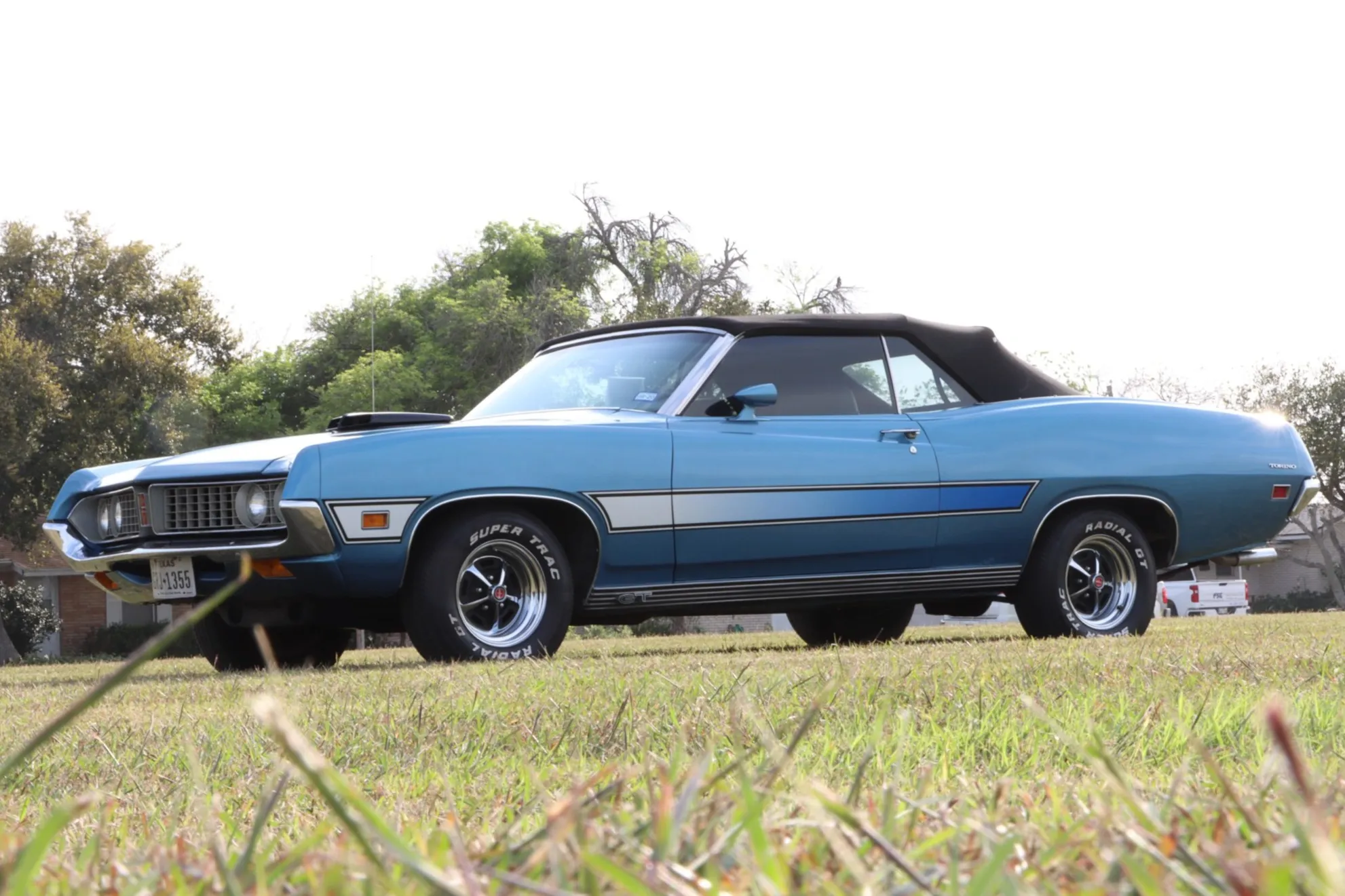
3. 1971 Ford Torino GT
The Torino GT was Ford’s answer to the rising popularity of intermediate muscle cars. While the Mustang took care of the pony car market, the Torino GT was aimed at those who wanted more size and power.
The 1971 version had aggressive lines, bold trim packages, and multiple engine options that made it a serious threat on the street. Despite this, it often gets overlooked due to the massive shadow cast by the Mustang and the lack of long-term branding.
Equipped with engines ranging from a 302 small-block to the thunderous 429 Cobra Jet, the Torino GT could be built to suit any type of muscle car fan.
The 429 version was capable of producing over 370 horsepower, making it one of the most powerful cars of its time. The body design was also more aerodynamic than previous years, featuring a sleek front end and long fastback roofline. These design changes gave it a more modern look, even by today’s standards.
Restoring a 1971 Torino GT can be a rewarding experience. Many of these cars were used hard and put away wet, meaning they’ve been through a lot.
Finding one that hasn’t been completely rusted out or modified can be tricky, but they do exist. The aftermarket support is moderate, which helps during a full restoration. Engine parts, trim, and even body panels can still be found if you know where to look. Once restored, it’s a car that garners attention due to its rarity and sleek profile.
The Torino GT is a muscle car that deserves more respect than it gets. It’s a strong performer with a bold look and the right kind of pedigree.
For restorers looking for something different from the usual suspects, the Torino GT is a perfect fit. Its underdog status makes it all the more appealing, and once it’s back on the road, it’s easy to see why it was a favorite for those in the know back in the day.

4. 1973 Pontiac Grand Am 455
When people think of Pontiac muscle cars, they usually mention the GTO, Firebird, or Trans Am. But the 1973 Grand Am 455 offered something unique.
It combined performance with European-inspired styling, aiming to create a sports-luxury hybrid that could still put down rubber. It may not have been as aggressive in appearance as its siblings, but under the hood, it packed the same kind of punch.
The 455 cubic-inch V8 gave the Grand Am serious muscle, especially when paired with dual exhaust and a performance axle ratio. The suspension setup leaned more toward comfort, but it could still handle a back road better than many full-size cars of its era.
Pontiac added touches like a urethane front nose, which was unique at the time and gave the car a futuristic appearance. The interior also featured bucket seats and a wraparound dash, adding to the upscale feel.
One of the challenges of restoring a 1973 Grand Am is its transitional status. It was built during a time when safety and emissions regulations were tightening, so it carries both the styling of the muscle car era and some of the early elements of the downsized cars to come.
That doesn’t mean it lacks character. In fact, this mix of styles makes it stand out. Finding original trim and body parts can be tough, but engine components are more readily available due to the shared powertrains.
This car is often passed over by collectors, which is a shame, because it represents a turning point in muscle car history.
The 1973 Grand Am 455 arrived right at the edge of the muscle car era, when manufacturers were beginning to shift their focus due to fuel economy regulations, insurance hikes, and tightening emissions standards.
Yet Pontiac still managed to deliver something powerful and refined. It might not have been as loud or flashy as the earlier GTOs, but it had the soul of a muscle car under its more conservative exterior.
That understated appearance is part of what makes it special now. It’s the kind of car that surprises people when they see it move or hear the deep growl of the big block coming to life.
The design elements also deserve credit for pushing boundaries. The flexible urethane front bumper, which Pontiac called the “Endura” nose, was a feature ahead of its time. It allowed for sleeker styling while still meeting new crash regulations.
The flared fenders, sculpted hood, and recessed grille gave the Grand Am a unique and purposeful look that didn’t copy what other muscle cars were doing.
This individuality gives it a distinct identity, which helps it stand out in a crowd of restorations that often stick to the same formula. Restoring one brings out the full effect of that design, especially when the car is returned to its original high-impact color schemes.
Inside, the Grand Am was one of the most comfortable muscle cars of its time. It had an almost European feel with its deep, contoured bucket seats, woodgrain trim, and full instrumentation.
This level of detail makes it an appealing project for someone who wants a driver’s car that doesn’t sacrifice comfort. It’s the kind of vehicle you can take on long weekend drives without feeling like you’re riding a raw piece of machinery.
That balance of comfort and power is what Pontiac aimed for, and when fully restored, the car delivers on both fronts.
Today, the 1973 Grand Am 455 sits in a gray area between performance icon and forgotten experiment. But it has all the pieces to be something truly special. Restoring one isn’t just about making an old car look new.
It’s about finishing what Pontiac started when it tried to reinvent the muscle car in the face of changing times. For those who appreciate overlooked vehicles with real potential, the Grand Am is a worthy and rewarding project.
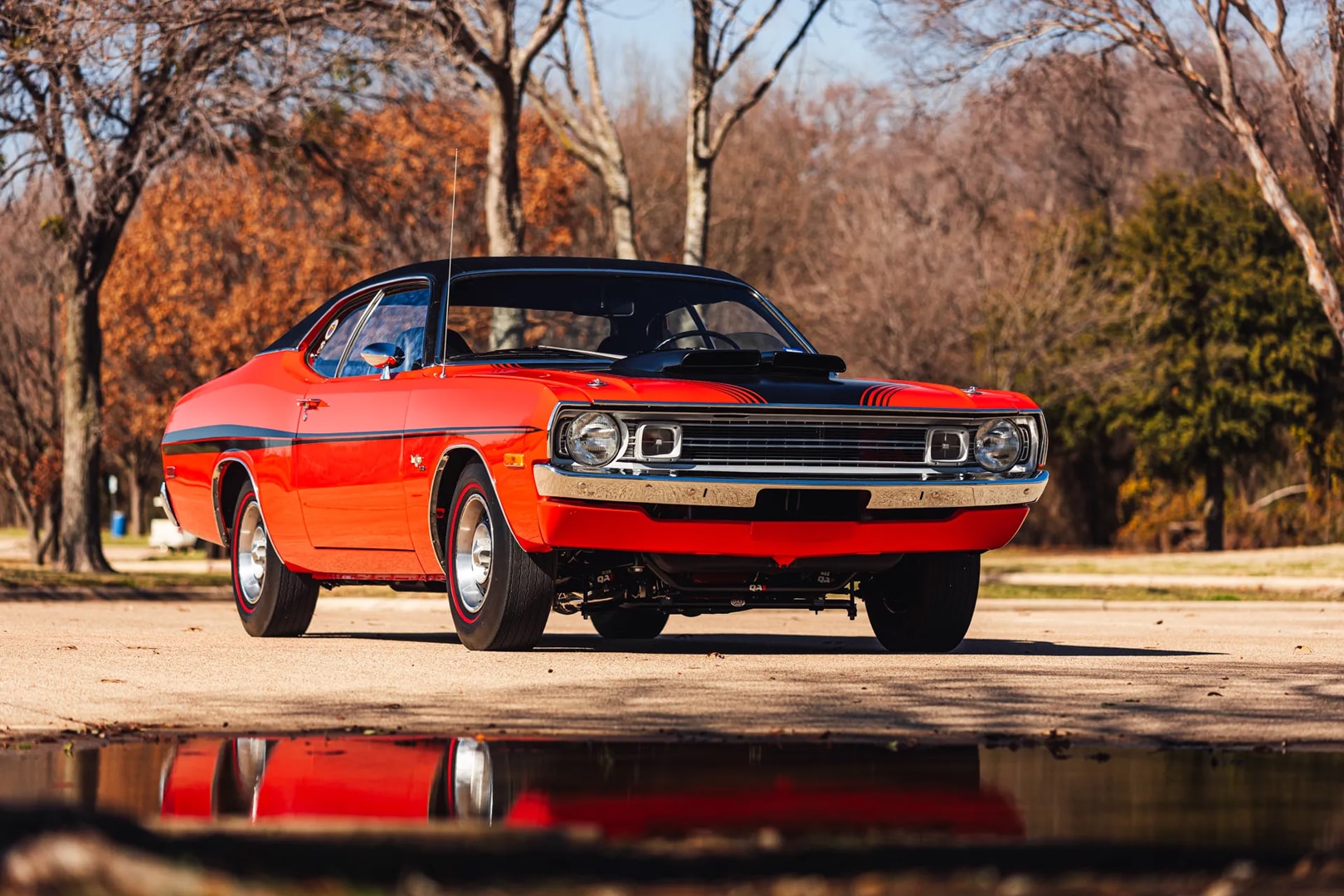
5. 1972 Dodge Demon 340
The 1972 Dodge Demon 340 often gets overlooked because of its size and name, but those who know its capabilities see it for what it really is, a lightweight street fighter that could punch well above its weight class. Based on the Dodge Dart, the Demon was small, affordable, and fast.
The 340-cubic-inch V8 was a high-revving engine that delivered sharp throttle response and respectable power, especially when paired with the car’s light frame. While not a full-size muscle car, it packed enough heat to take down much larger competitors at stoplights and drag strips alike.
The car’s styling was simple yet effective. The Demon name caused some controversy at the time, and Dodge eventually changed it, but that doesn’t take away from the car’s unique place in muscle car lore. The dual hood scoops, rally wheels, and aggressive badging gave it just the right amount of attitude. Inside, the Demon wasn’t luxurious, but it was practical and driver-focused.
The bucket seats and simple gauge cluster made it feel more like a sports car than a traditional muscle car, which added to its charm.
Restoring a Demon gives enthusiasts a chance to build something that’s fast, fun, and still affordable compared to the more well-known Mopar legends.
One of the most appealing things about restoring a Demon is its simplicity. The 340 engine is relatively easy to work on and has solid aftermarket support. The chassis is straightforward, and parts are still out there for those who know where to look.
Because these cars haven’t reached the price points of Chargers or Challengers, finding a restorable example isn’t completely out of reach for someone on a tighter budget.
That makes it a great starting point for a first-time restorer or a seasoned builder who wants a no-nonsense project with real payoff.
What makes the 1972 Dodge Demon 340 special is its personality. It’s scrappy, fast, and full of character. It may not win any popularity contests at a show filled with big-block Chevelles and flashy Mustangs, but it’ll hold its own on the street and in conversations with people who know their muscle.
Restoring one brings back a piece of muscle car culture that was built for performance without the showboating. It’s the kind of car that proves you don’t need to be the biggest to be the baddest.

6. 1969 Mercury Cyclone CJ
Mercury’s 1969 Cyclone CJ is a car that deserves more attention than it gets. Built by Ford’s upscale division, it shared much of its underpinnings with the Torino and Fairlane but had its own personality and performance credentials.
The “CJ” in the name stood for Cobra Jet, referring to the monstrous 428 cubic-inch V8 under the hood. This engine was a true performance beast and gave the Cyclone serious straight-line speed. Despite all of this, the car remains relatively unknown compared to its blue-oval siblings.
The design of the Cyclone was more aggressive than Mercury’s usual offerings. It featured a long, low stance, hidden headlights, and a fastback roofline that gave it a distinct silhouette. It didn’t try to blend in with the crowd, and that’s part of what makes it worth restoring. The car had style, but it also had substance.
With over 400 lb-ft of torque on tap, it could light up the rear tires at will. On top of that, it had a reputation for durability, making it a great candidate for a long-term restoration project.
Finding one in decent shape can be a challenge. Mercury didn’t produce the Cyclone CJ in massive numbers, and many of the cars that were built were driven hard. Rust is a common issue, particularly in the rear quarters and floor pans.
Parts availability can also be hit or miss, but those with experience restoring Fords will find that a lot of components are interchangeable or adaptable.
The key is patience and a willingness to dig for the right pieces. Once it’s all put together, the Cyclone becomes a standout at any classic car event because most people simply don’t expect to see one.
Restoring a 1969 Mercury Cyclone CJ is not just about preserving a car; it’s about preserving a part of Ford’s performance history that often gets left out of the conversation.
It’s for the enthusiast who wants something different, something that turns heads not because of fame, but because of rarity and raw performance.
The Cyclone CJ represents the kind of bold engineering that defined the muscle car era, and bringing one back to life is a worthy challenge for any builder.
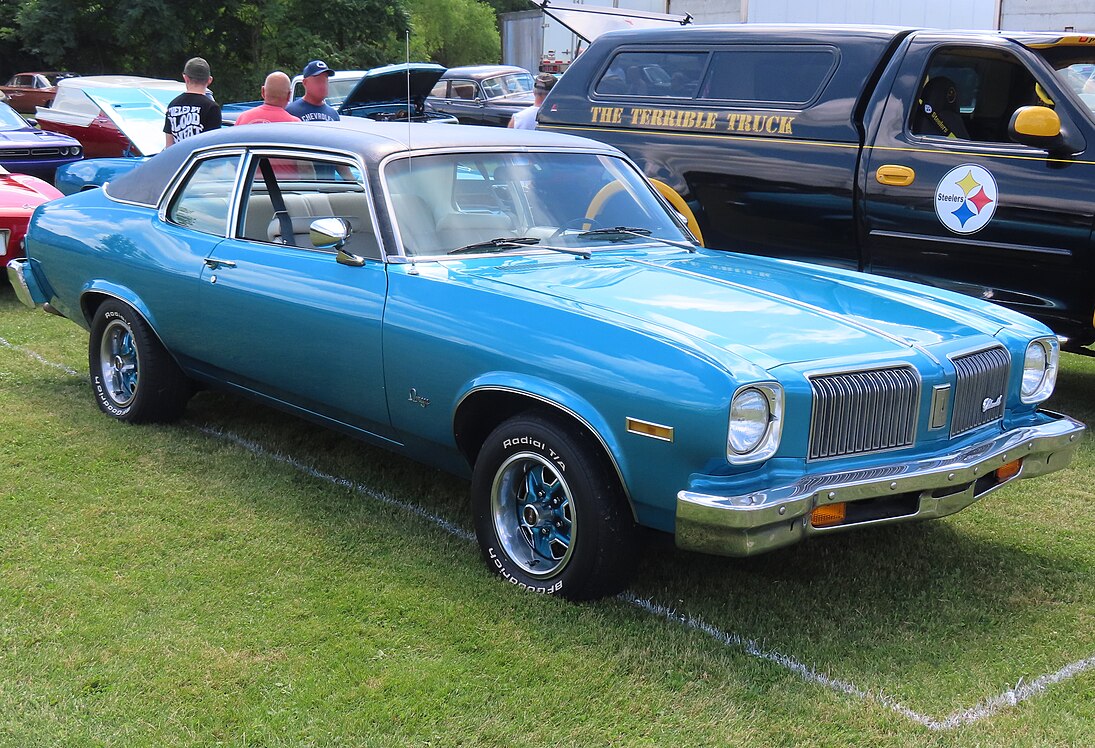
7. 1974 Oldsmobile Omega SX
By the mid-70s, the muscle car era was on life support, and emissions rules had strangled much of the performance out of formerly mighty machines. But the 1974 Oldsmobile Omega SX slipped through the cracks as a sleeper with real potential.
Based on the Chevy Nova platform, the Omega shared many of its mechanical components with its more famous cousin.
However, the SX version came with performance upgrades that made it much more than just a badge-engineered copy. Most people overlook the Omega entirely, which is what makes it so appealing today.
The Omega SX came with a 350 or optional 455 cubic-inch V8, giving it a strong foundation for performance. It also featured better suspension tuning and improved steering compared to the base models, making it a more composed car on the road.
The body had cleaner lines than some of the flashier muscle cars, which helped it fly under the radar. But under the hood, it was just as capable. The interior, while not luxurious, was practical and featured the typical 70s GM layout. It was built to be driven, not just looked at.
Restoring an Omega SX takes a bit of imagination, because so few people are familiar with what the car was meant to be. Many were stripped for parts or modified beyond recognition, so finding an unmolested example is rare. But that rarity is what makes it worthwhile.
The platform is easy to work with, parts are widely available thanks to Nova compatibility, and there’s plenty of room to upgrade. Whether keeping it factory or going for a restomod approach, the Omega provides a solid starting point.
What makes the 1974 Oldsmobile Omega SX a hidden gem is the combination of accessibility and potential. It might not have the name recognition of a 442 or the aggressive styling of a Chevelle, but it’s built from the same DNA.
For someone who wants a sleeper that no one else at the local car meet is likely to have, the Omega SX is an ideal candidate. Restoring one is about breathing life into a forgotten chapter of Oldsmobile’s performance story and showing that sometimes the best muscle cars are the ones nobody sees coming.
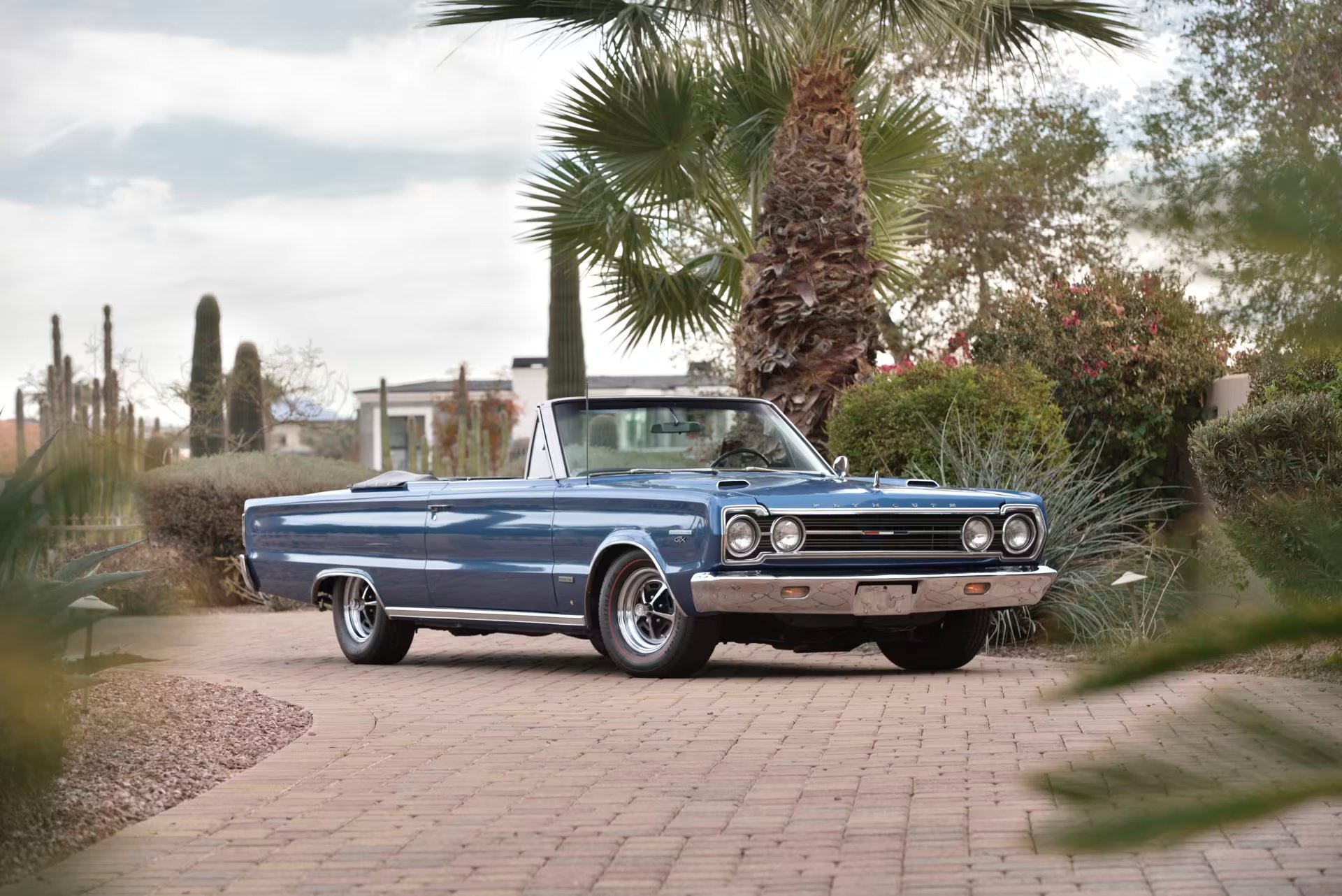
8. 1967 Plymouth GTX
The 1967 Plymouth GTX was billed as the “gentleman’s muscle car,” and while that tagline may sound contradictory, it actually describes the car quite well.
Plymouth aimed to blend refined styling with serious performance, and the result was a machine that could look classy pulling into a formal dinner and then smoke its tires when leaving the parking lot.
The GTX was based on the Belvedere platform but carried several upgrades, including the standard 440 cubic-inch Super Commando V8. That engine alone put out 375 horsepower, and with the right setup, the GTX could easily run with the best muscle cars of its time.
What made the GTX stand out wasn’t just its power, but its attention to detail. It came standard with high-end trim, upgraded suspension components, and interior touches that elevated it above many of its competitors.
From the bucket seats to the special badging and rally-style gauges, everything about the car felt a step up from the typical stripped-down muscle cars.
That approach makes it an especially appealing car to restore, because you’re not just building a fast car, you’re rebuilding a well-designed performance package that was meant to be both powerful and mature.
Many enthusiasts overlook the GTX in favor of the Road Runner, which debuted in 1968 and quickly became the budget muscle car hero. But the GTX offered something different: a balance of power and polish.
It wasn’t built to be the cheapest way to go fast, it was built to go fast with class. That philosophy is rare today, and restoring one means preserving a version of the muscle car that wasn’t just about raw aggression.
The 1967 model, in particular, is special because it was the first year of the GTX nameplate, and it came before the muscle car market became saturated with competition.
Today, many 1967 GTX models are sitting in backyards, barns, or forgotten storage units, waiting for someone to take them seriously again.
The parts supply is fairly strong, thanks to the shared platform and engine family, and the design remains one of the cleaner, more elegant shapes from the era.
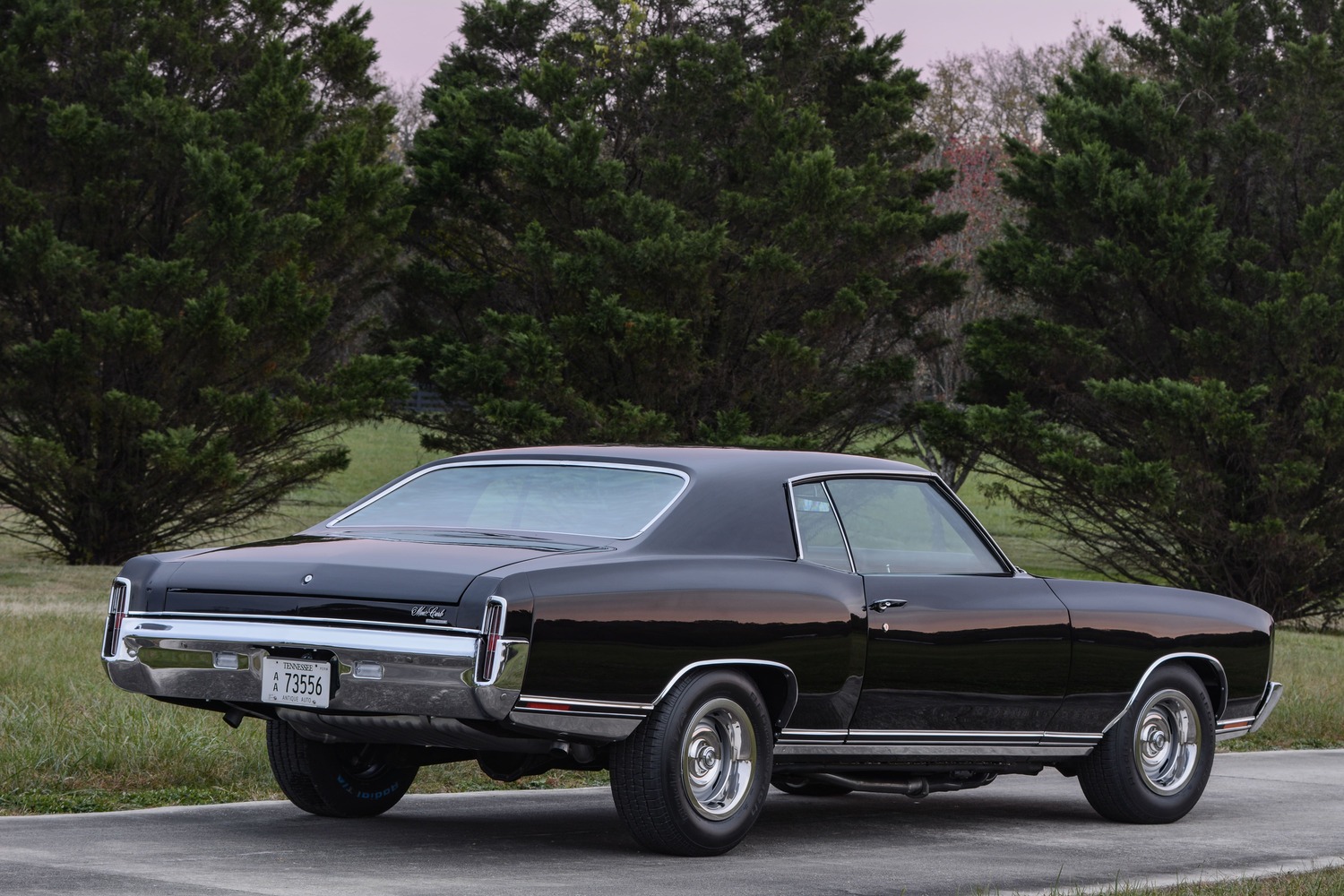
9. 1971 Chevrolet Monte Carlo SS 454
When people think about Chevrolet muscle cars from the early 70s, the Chevelle SS and Camaro Z/28 usually come to mind first. But the 1971 Monte Carlo SS 454 is a forgotten heavyweight that brought full-size comfort to the muscle car arena.
Although the Monte Carlo is often seen as a personal luxury coupe, the SS 454 version was far more than just chrome and vinyl.
Under the hood sat a big-block 454 V8, producing up to 365 horsepower in stock form. With the right tuning, it could deliver brutal torque, launching the relatively heavy car with surprising urgency.
What made the Monte Carlo SS 454 special was its dual identity. On the outside, it had the long hood, elegant roofline, and subtle lines of a luxury car.
Inside, it had air conditioning, plush seats, and woodgrain trim. But when you hit the gas, it transformed into something entirely different.
The SS option added heavy-duty suspension, beefed-up brakes, and performance gearing that made the Monte Carlo much more capable than people expected
. That sleeper quality is what makes it such a great candidate for restoration today. It’s a car that defies assumptions, both in its performance and its presence.
Restoring a Monte Carlo SS 454 is not without challenges. Many of these cars were daily drivers and were often passed down, driven hard, or neglected.
Rust can be an issue, especially in the rear quarters and trunk area. Finding one with all the SS trim intact is increasingly rare, as many have been cloned or stripped over the years.
However, the shared GM B-body platform means that many parts are still available, and there is decent aftermarket support for drivetrain and interior restoration. The 454 engine itself is well-supported and widely respected, making it a powerful and reliable centerpiece for the build.
Choosing to restore a 1971 Monte Carlo SS 454 is choosing a car that doesn’t scream for attention but commands respect. It’s not flashy in the traditional muscle car sense, but it has presence. It has weight, both physically and in terms of its historical importance.
It represents the end of an era, when manufacturers were still trying to blend power with comfort before regulations took the fun away. Restoring one means not only preserving a unique machine but reviving a car that offers the best of both worlds.

10. 1970 Mercury Marauder X-100
The Mercury Marauder X-100 is one of those cars that barely registers on most muscle car radars, and that’s exactly what makes it such a hidden treasure.
Built during a time when Mercury was trying to find its place between Lincoln luxury and Ford performance, the Marauder X-100 was an unexpected product of that identity crisis.
It was large, bold, and loaded with a 429 cubic-inch V8 engine that made sure it could back up its muscle car aspirations.
Unlike the midsize muscle cars of the era, the Marauder was full-size, giving it a commanding road presence and a feel that was more muscle yacht than muscle coupe.
The design was a mix of muscle and formality. It featured a long hood, short deck, and hidden headlights that gave it a clean, modern look. The rear fender skirts and fastback roofline added a touch of sportiness to an otherwise imposing frame.
Inside, the X-100 was pure Mercury: plush seats, thick carpet, wood-style trim, and all the bells and whistles you could ask for in 1970.
Yet, despite all the comfort, the car could still rip down a quarter mile in a respectable time. It was a strange, fascinating blend of luxury and raw power that no other manufacturer was really offering.
Finding a Marauder X-100 today is a rare feat. These cars were never produced in large numbers, and their full-size status meant that many were scrapped or ignored as performance cars became smaller and lighter. But for those lucky enough to come across one, the restoration possibilities are exciting.
The big-body frame means there’s room to work, and the engine bay is massive, allowing for modern upgrades or a faithful rebuild.
The 429 engine is a solid platform, and the car’s unique styling means it will stand out in any crowd once restored. Few people remember the Marauder, and fewer still have seen one in restored condition.
Restoring a 1970 Mercury Marauder X-100 is about more than just performance or aesthetics. It’s about reviving a misunderstood car that dared to be different. While most manufacturers were downsizing or chasing trends, Mercury created something that didn’t fit the mold.
That boldness makes the Marauder a perfect candidate for restoration. It’s not the easiest path, and it may not be the cheapest, but it is definitely one of the most rewarding. You end up with a muscle car that defies expectations, drives like a king, and looks like nothing else on the road.
