
When people choose a new car many features matter: safety, comfort, fuel efficiency, tech gadgets. One often underrated but very important feature is rear visibility. Good rear visibility helps when reversing out of driveways, parking in tight spots, merging lanes, and avoiding blind spots.
It means less stress, fewer accidents, more confidence behind the wheel. Many drivers overlook this until they realize how difficult some modern car designs make it to see behind.
Sloping rooflines, small rear windows, wide rear pillars, thick headrests or oversized rear head restraints can all obstruct the view. For new car buyers who want clear lines of sight backward it helps to know which models are built to maximize rear visibility.
In recent years manufacturers have responded to demand for safety and driver assistance with bigger rear windows, thinner C‑pillars, more upright rear glass, better rear camera systems, sometimes even additional windows in rear door pillars.
Some SUVs and crossovers, sedans included, are being designed so that rear visibility is almost as good as what drivers had in older boxier vehicles. Others add window wizardry: drop‑down seats, rear vents, or optional glass panels.
But there is also something in the basic architecture: the angle and size of rear windshield, the layout of headrests, how thick or wide the rear pillars are, the height of the rear beltline.
This article lists ten new car models that offer excellent rear visibility right off the lot. Each of them is currently manufactured (or very recent model year) and offers features or design decisions that improve what drivers see out the back.
Some of them began as compact hatchbacks or crossover SUVs because those shapes usually allow larger rear windows and fewer obstructions.
Others are larger but still avoid sacrificing usefulness of rear view. Whether you do a lot of city parking, highway travel, off‑road reversing, or simply drive in crowded neighborhoods, clarity behind the car can make everyday driving safer and less frustrating.
The following ten cars are among those that are leading in this particular area. For each one, I describe what makes its rear visibility outstanding, what compromises (if any) remain, and what features assist the driver.
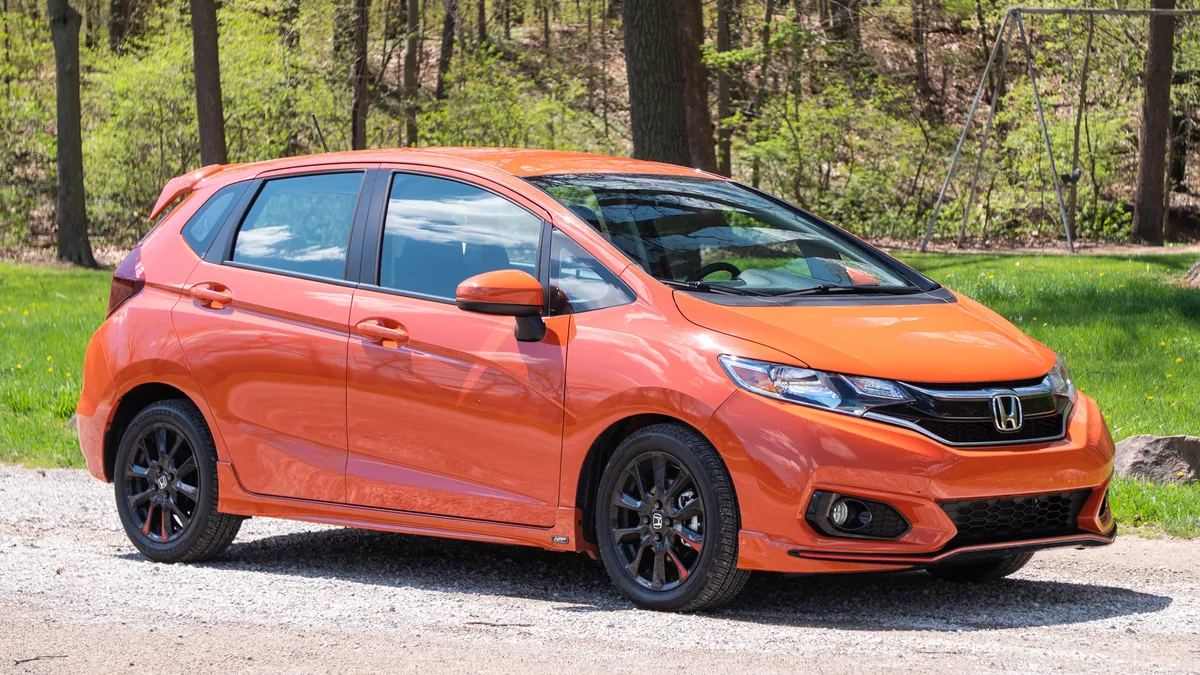
Honda Fit (Jazz)
The Honda Fit (also called Jazz in some markets) is a small hatchback that manages to provide rear visibility superior to many cars in its segment. One of the key reasons is its tall, upright rear window that allows a broad, unobstructed view behind.
Unlike many modern cars with heavily sloped rear glass, the Fit opts for a nearly vertical design, which not only gives the car a practical shape but also enhances driver awareness.
The rear window is tall enough to allow visibility even if there’s some light cargo in the trunk. For drivers who spend time parallel parking or maneuvering in tight spaces, this wide, open rear glass design can make a real difference.
Also Read: 5 Pickup Trucks That Always Sell for Top Dollar vs 5 That Don’t
Another reason for the Fit’s strong performance in rear visibility is its thoughtfully designed rear seat and headrest layout.
The rear headrests are slim and can be lowered or removed entirely. This means that even with passengers in the back, the driver still has a relatively clear line of sight.
The seatbacks are positioned low and flat, without bulky contours that block the view. Additionally, the rear door pillars are kept narrow, reducing blind spots.
In higher trims, there’s even rear quarter glass near the back seats that gives an extra angle of view when reversing or merging. All these features combine to give a sense of spatial awareness that’s often missing in modern compact vehicles.
Inside the cabin, the driver benefits from a seating position that’s relatively high for a hatchback, further improving sight lines.
Honda also made the rear seat lower in its cushion profile, meaning rear passengers sit slightly below the line of the window. As a result, the driver’s view through the rearview mirror is less likely to be blocked.
This subtle but clever design decision gives the Fit an advantage over many of its competitors. It also means fewer surprises when backing out of driveways or parking lots, especially if the vehicle is carrying multiple passengers or gear.
While the Fit excels in direct rear visibility, Honda supplements this with helpful technology. Nearly every trim level includes a standard rear-view camera, often with dynamic guidelines that turn with the steering wheel. In some versions, you also get parking sensors or cross-traffic alerts.
These features add an extra layer of safety and ease when navigating small parking spaces or busy city streets. Altogether, the Honda Fit demonstrates that compact cars don’t have to sacrifice visibility for style or interior packaging.
Its clear lines, thoughtful seat designs, and driver-focused layout make it one of the best small cars for seeing what’s behind you.
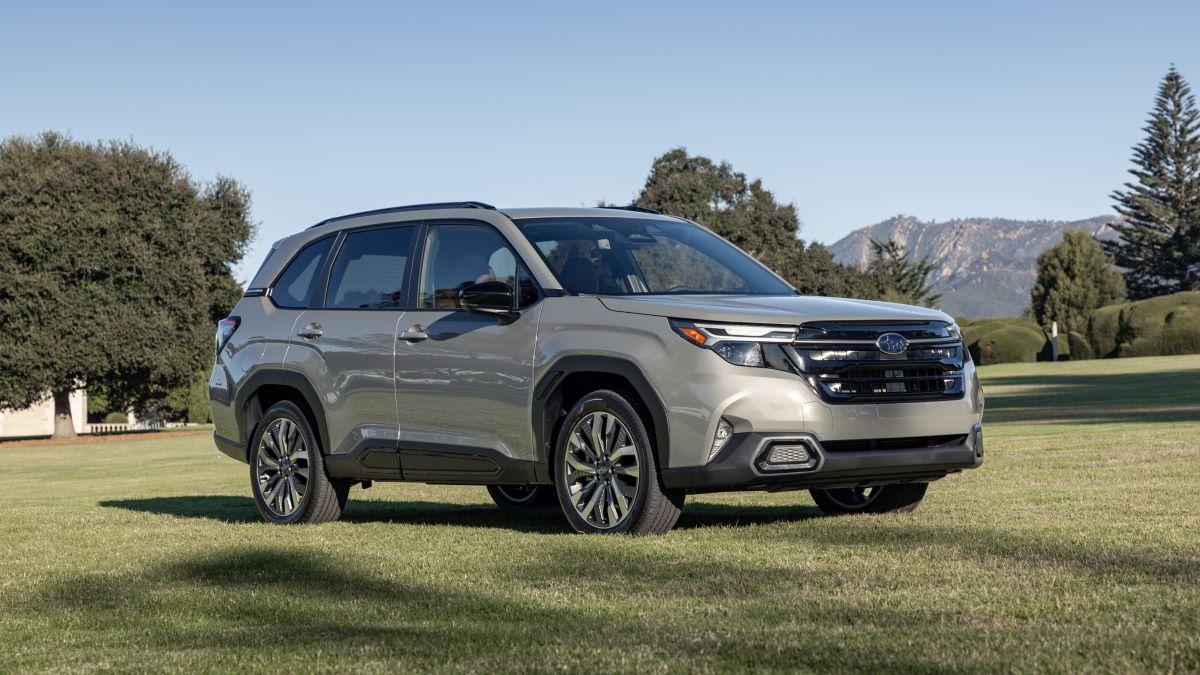
Subaru Forester
The Subaru Forester has earned a reputation for being one of the most visibility-friendly vehicles in the SUV market.
Unlike many of its crossover rivals, the Forester does not attempt to disguise itself with coupe-like rooflines or sweeping rear pillars. Instead, it embraces a boxier, more upright shape that is both functional and driver-friendly.
The rear window is nearly vertical and spans a generous portion of the liftgate, providing an expansive view for the driver. Even when compared with smaller cars, the Forester manages to offer a wider and taller rear view than most of its class competitors.
The thinness of the Forester’s rear roof pillars plays a major role in this. Subaru engineers have made structural decisions that allow the rear C-pillars to be slim while still maintaining vehicle rigidity. That decision pays off, as blind spots are minimized and visibility angles are improved.
There’s also the inclusion of triangular rear quarter windows near the cargo area, which add even more visual access to what’s behind and to the sides of the car.
Combined with the high seating position that is standard in most Subaru vehicles, these elements give drivers excellent awareness of nearby vehicles, pedestrians, and obstacles.
Subaru also designs the interior layout with visibility in mind. Rear headrests are easy to fold down or remove, which helps open up the view when the seats are not in use.
Additionally, the rear seat cushions are placed at a depth and height that doesn’t excessively interfere with the line of sight from the driver’s seat.
This, combined with the large glass surfaces around the cabin, makes the Forester feel bright and open, not just to passengers but also to the person behind the wheel trying to keep track of what’s around the car.
In terms of technology, the Forester comes well-equipped with modern driver aids. A rear-view camera is standard across most trims, and in higher-end models, Subaru includes reverse automatic braking, blind-spot detection, and rear cross-traffic alert.
These technologies complement the Forester’s strong natural visibility, providing extra safety during parking, reversing, or navigating congested streets.
In combination with its excellent outward view and spacious interior, the Subaru Forester stands out as one of the top choices for drivers who prioritize rear visibility without compromising on size or functionality.
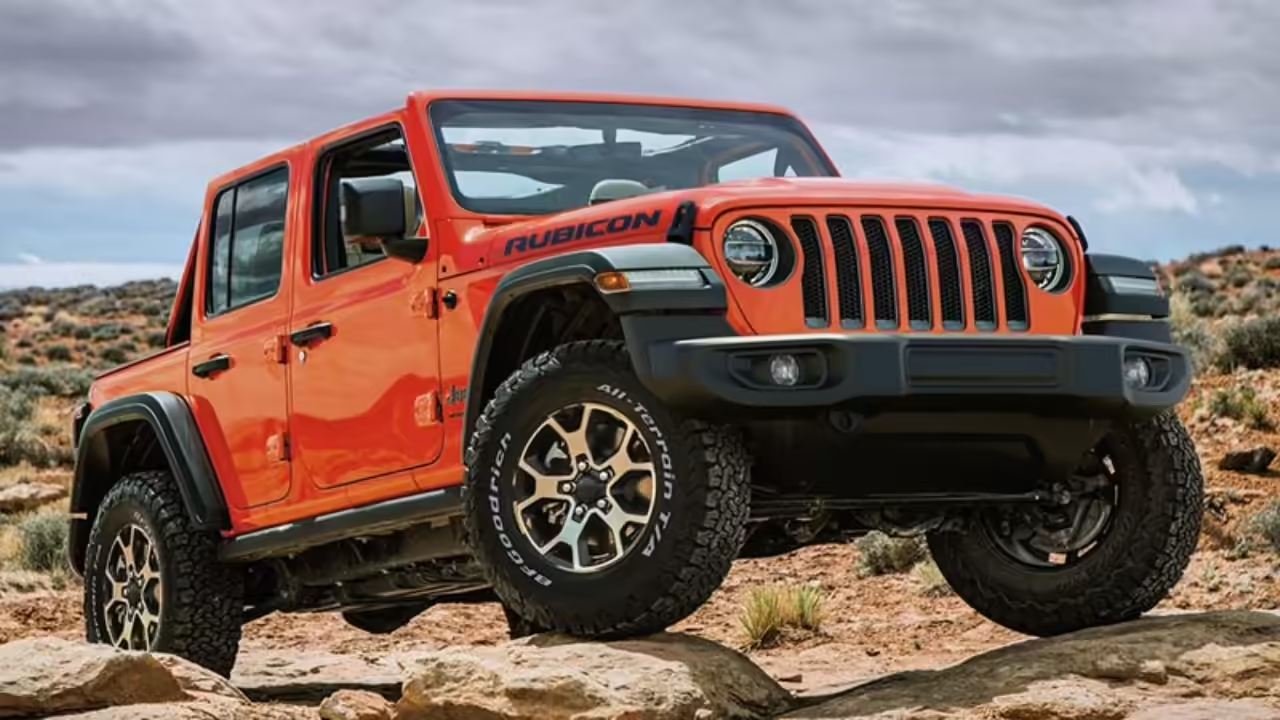
Jeep Wrangler
The Jeep Wrangler is often viewed as a rugged off-roader, but it’s also one of the most visibility-friendly vehicles on the market, particularly in terms of rearward sight lines.
Its rear window is tall and flat, mounted on a nearly vertical swing gate. This traditional boxy design, retained across generations, is one of the Wrangler’s strongest visibility assets.
Unlike many modern SUVs that adopt curvy shapes and sloped rooflines, the Wrangler embraces its angular, upright structure. This allows the driver to look directly out the back without being hindered by exaggerated contours or awkwardly shaped rear glass.
One challenge with the Wrangler is its rear-mounted spare tire, which sits right in the middle of the rear window. However, Jeep has managed to design around this, often placing the rear-view camera within or above the tire in a way that still gives the driver a clear image when reversing.
Inside, the cabin is configured with rearward vision in mind. The rear headrests are slim and foldable, allowing for less obstruction when the back seats are not in use.
The Wrangler’s interior is relatively narrow from side to side, which means that the rear window is close to the driver, enhancing depth perception when backing up or aligning in tight spaces. The tall rear glass and upright tailgate make judging distance easier than in many crossovers that curve away at the rear.
Technology enhances the visibility features of the Wrangler, especially in newer models. A rear camera is now standard, and many trims offer parking sensors or assist lines. Drivers can also opt for additional trail camera packages, which are especially useful for off-road driving where visual awareness is essential.
While the rear-mounted tire and spare equipment can partially obstruct the view, the Wrangler’s high seating position, upright rear window, and removable components more than make up for it. For those who value mechanical capability as much as visibility, the Jeep Wrangler is an ideal choice.
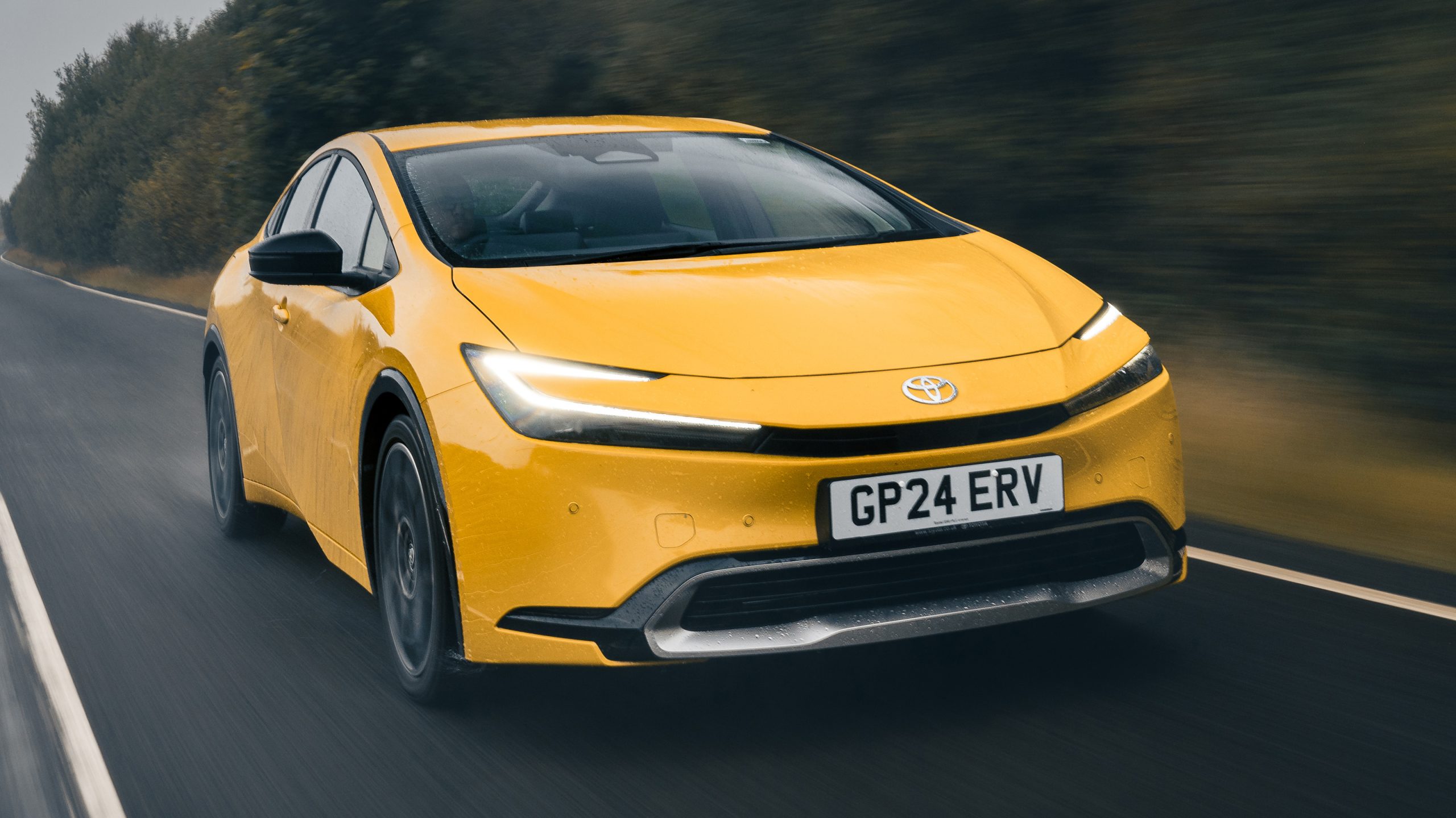
Toyota Prius
The Toyota Prius has long been known for its fuel efficiency, but one of its lesser-known strengths is its thoughtful approach to rear visibility.
While many hybrid and electric cars adopt aggressive, swooping designs to improve aerodynamics, the Prius takes a more balanced approach.
It manages to maintain a gently sloping rear window that provides a solid, clear view out the back. The glass area is wide and spans a significant vertical height, helping the driver gauge the position of vehicles, cyclists, or objects behind with greater accuracy.
One distinctive feature of the Prius is its split rear window. Below the main rear glass, there is a second piece of window integrated into the hatch.
This lower panel allows the driver to see objects or road features that are closer to the bumper, something that many vehicles miss due to high trunk lines.
While this dual-pane design can take some getting used to, it significantly increases the useful visibility range, particularly in tight parking scenarios. It’s an example of how Toyota has thought carefully about driver awareness, even in an aerodynamically styled vehicle.
Inside the Prius, design continues to aid visibility. Rear headrests are adjustable and can be folded or removed to maximize the view when not carrying passengers.
Also Read: 5 Pickup Trucks That Always Sell for Top Dollar vs 5 That Don’t
The rear seatbacks are contoured in a way that avoids bulking up near the top edge of the seat, meaning the line of sight through the cabin remains more open. Additionally, the rear pillars are thinner than those found in many sedans and hatchbacks, minimizing blind zones to the rear sides of the vehicle.
Toyota supports these design features with helpful technology. Most Prius models come with a wide-angle rear-view camera, and higher trims offer parking sensors, cross-traffic alert, and blind-spot monitoring.
Together with the naturally wide field of view from the cabin, these systems enhance safety and driver confidence. While it might not have the ruggedness of an SUV or the shape of a large hatchback, the Prius stands out as a hybrid that doesn’t sacrifice real-world usability, especially in rearward visibility, for the sake of design.
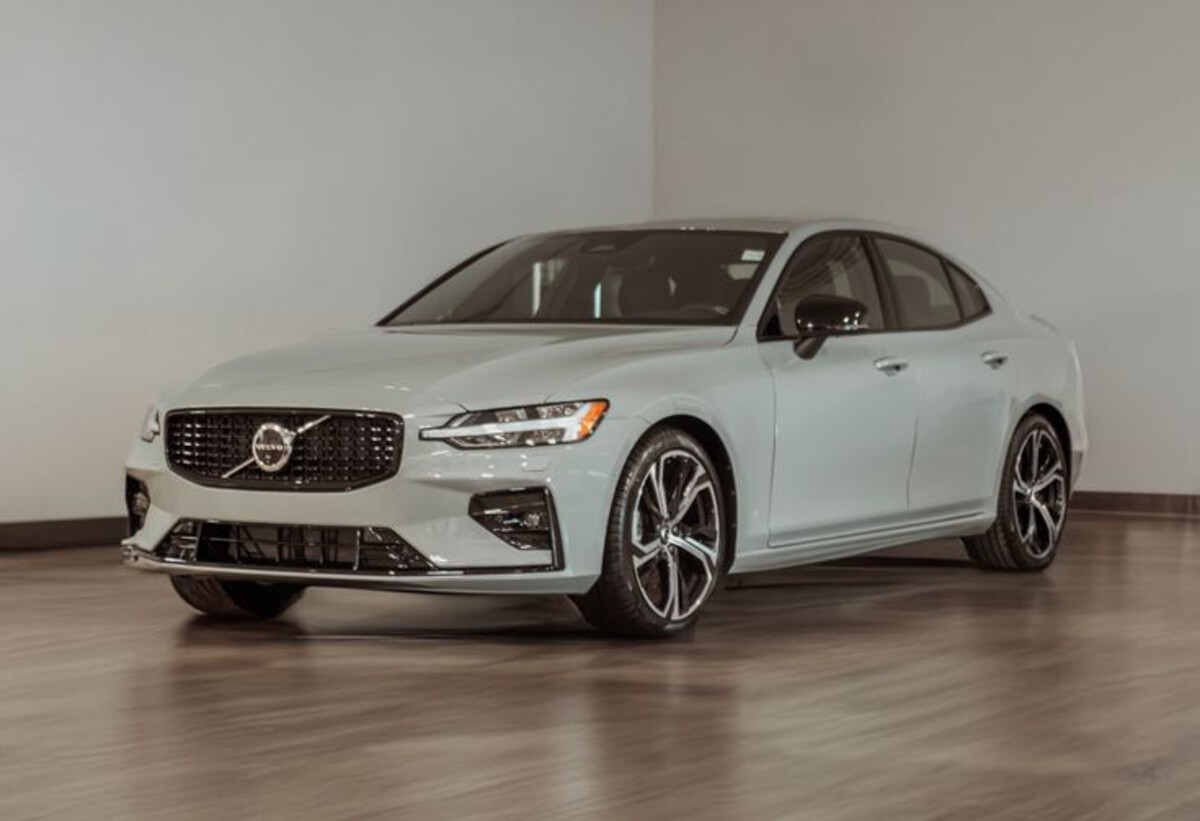
Volvo XC60
The Volvo XC60 is a premium compact SUV that does more than offer luxury, it offers exceptional rear visibility, thanks to a smart and practical design.
Volvo has always been known for its attention to safety and driver-centric engineering, and visibility plays a big role in that.
The XC60 has a relatively flat rear window and upright design that allows for a generous rearward view. The tailgate glass extends lower than in many luxury SUVs, which means the driver has more awareness of what’s directly behind the vehicle, particularly when parking or reversing.
One of the standout design choices in the XC60 is the relatively narrow rear pillars. These C-pillars are thin enough to prevent major blind spots while still giving the structure needed for rollover protection.
Volvo also integrates quarter windows into the rear doors, which improve side-rear visibility when checking mirrors or preparing to change lanes.
Even the rear headrests are considered compact and foldable, they minimize visual obstruction without compromising rear passenger comfort. These small design decisions come together to make a significant impact on what the driver sees behind them.
The seating layout also helps maintain good rearward sight lines. Volvo positions the driver at an ideal height, not too low that the rear window is far away, and not so high that close objects become harder to judge.
Rear passengers are seated slightly lower relative to the window line, keeping the top half of the rear glass available for viewing even with a full cabin.
This design creates a sense of openness and reduces the stress of driving in traffic or tight spaces, as there’s a clearer picture of what’s going on behind the car.
In terms of technology, Volvo supplements natural visibility with excellent camera systems. A high-resolution rear-view camera is standard, and many trims come with 360-degree camera views, rear sensors, and cross-traffic alerts.
These systems work seamlessly with the car’s open glass design, making it easier to reverse, park, and monitor nearby vehicles or pedestrians. The XC60 demonstrates how premium doesn’t have to mean impractical, offering a vehicle that feels as safe and intuitive in motion as it looks on paper.
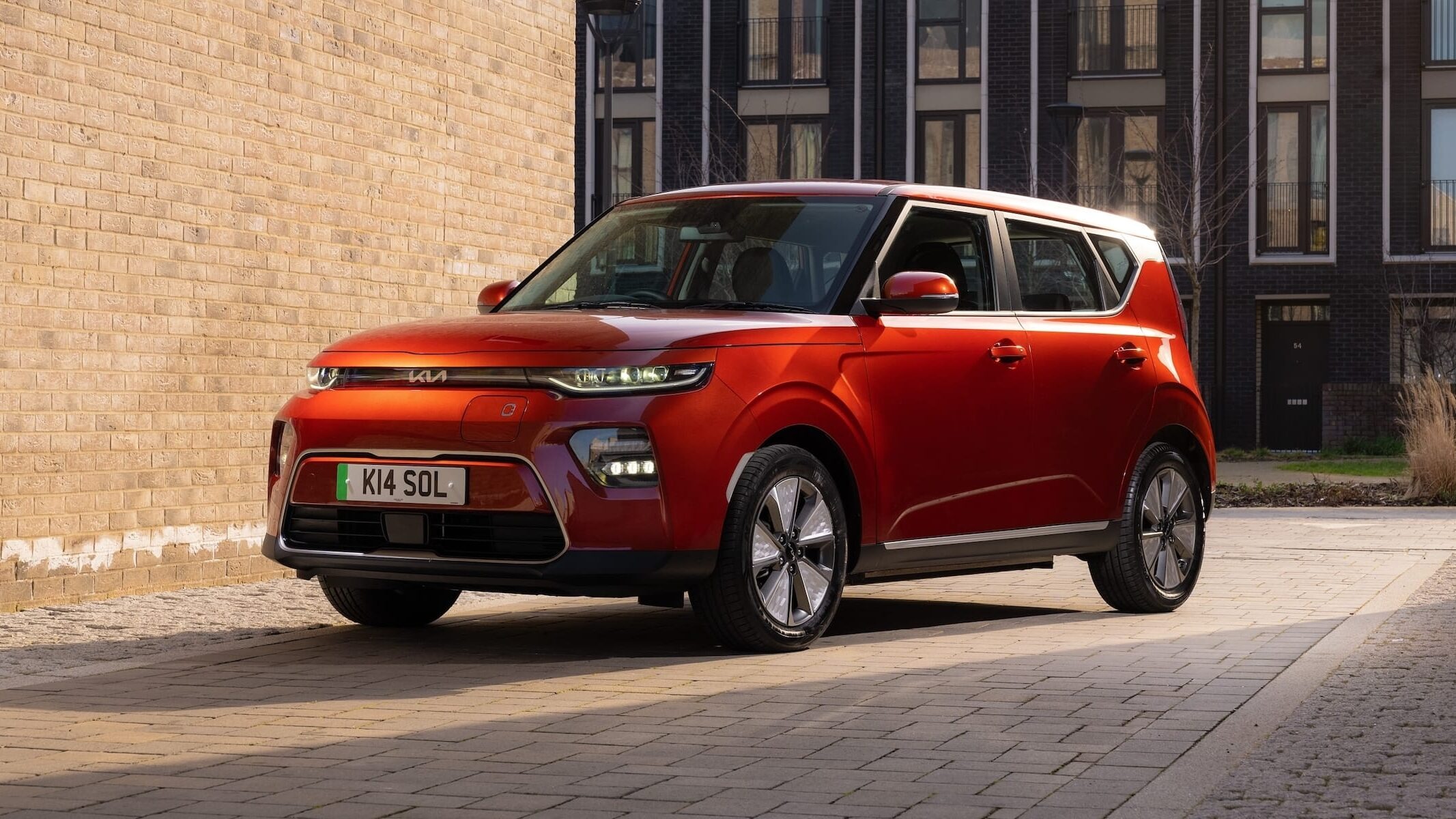
Kia Soul
The Kia Soul is a standout in the compact crossover segment when it comes to rear visibility, largely because of its unique boxy shape and upright stance.
Unlike many crossovers that prioritize sleek, sloping rooflines and aggressive styling, the Soul maintains tall, almost vertical rear windows that provide a wide field of view behind the vehicle.
This shape results in less blind spots and makes the Soul easier to maneuver in tight spaces like parking garages or crowded city streets.
The flat rear hatch window creates a large glass surface that helps drivers feel more connected to their surroundings, especially when backing up or checking for pedestrians.
Another factor that improves rear visibility in the Kia Soul is its design of rear pillars. The C-pillars are relatively thick compared to sedans but are positioned in a way that minimizes blind spots. The large rear quarter windows also help improve visibility to the sides and rear corners of the car.
Additionally, the high seating position common to many crossovers, including the Soul, gives drivers an elevated vantage point.
This higher line of sight helps in spotting obstacles or smaller objects that might otherwise be hidden from view in a lower-slung car. This is particularly useful in urban driving situations where awareness of pedestrians and cyclists is critical.
Inside the cabin, Kia engineers focused on creating an environment where rear visibility isn’t compromised by interior features. The rear headrests are designed to be slim and adjustable, reducing obstruction without sacrificing passenger comfort.
The rear seats can also fold flat, not only increasing cargo space but improving sight lines when the seats are down. This flexibility allows drivers to adapt the interior configuration based on their needs, making the Soul a versatile option for those who need good rear visibility alongside practicality.
The Soul also benefits from a suite of modern technology that enhances rearward vision. Almost all models come standard with a rear-view camera, which displays a clear image of what’s behind the vehicle on the infotainment screen.
Higher trims add parking sensors and rear cross-traffic alerts, which alert drivers to obstacles or vehicles approaching from the sides while reversing.
These features work well with the car’s naturally large windows, combining to create a safer and more confident driving experience. The Kia Soul blends unique styling with a practical, visibility-friendly design that’s hard to beat in its category.
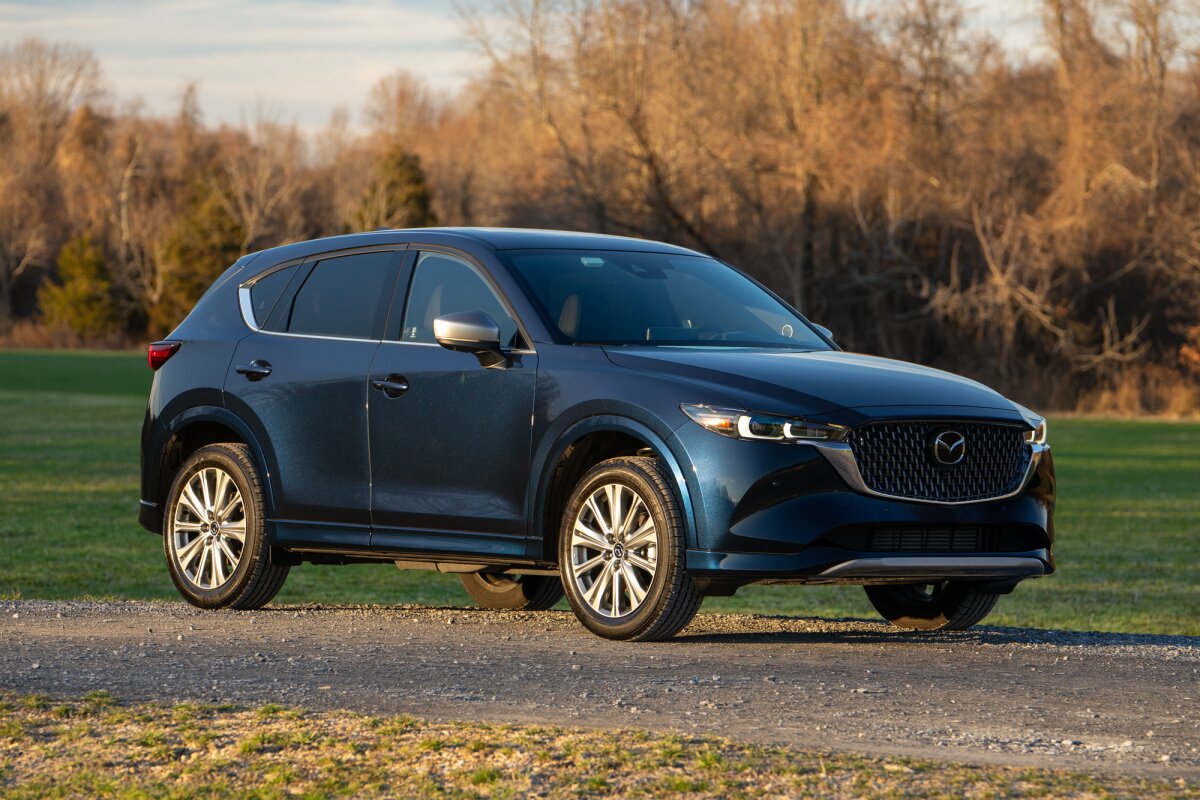
Mazda CX-5
The Mazda CX-5, a popular compact SUV, offers surprisingly good rear visibility for a vehicle in its class, thanks to Mazda’s focus on driver-centric design and clean exterior lines. The rear window is relatively large and positioned upright compared to many crossovers that favor a more sloped and sporty rear profile.
This upright design means the driver has a broad and clear view through the back glass, which is vital when parking or merging into traffic. While the CX-5 is known for its sleek styling, Mazda ensures this does not come at the cost of visibility or safety.
Mazda has also designed the rear pillars on the CX-5 to be as slim as possible without compromising safety. The rear C-pillars taper neatly and are angled in a way that reduces blind spots. Along with the inclusion of rear quarter windows, this helps drivers see approaching vehicles or pedestrians that may otherwise be hidden.
The CX-5’s glass-to-body ratio is higher than many rivals, meaning more window area per vehicle surface. This design philosophy translates into a cabin that feels open and airy, while simultaneously providing the driver with excellent rearward visibility.
Inside the vehicle, the Mazda CX-5 driver benefits from a seating position that is carefully calibrated to maximize sight lines. The seat height and cushion design ensure that the driver has an unobstructed view through the rear window and side mirrors.
Rear headrests are designed to be minimally intrusive, and the rear seat backs can fold down flat to increase cargo space or further improve rear visibility if needed.
These elements work together to reduce blind spots and enhance spatial awareness during all driving maneuvers.
Mazda also equips the CX-5 with an array of technology aimed at improving rear safety and visibility. A standard rear-view camera is present on all trims, and higher trims include parking sensors, blind-spot monitoring, and rear cross-traffic alert systems.
These assistive technologies complement the vehicle’s already strong natural visibility, helping to prevent collisions and making parking safer and easier. The CX-5 strikes a good balance between stylish design and practical visibility, making it an appealing choice for drivers who want the best of both worlds.
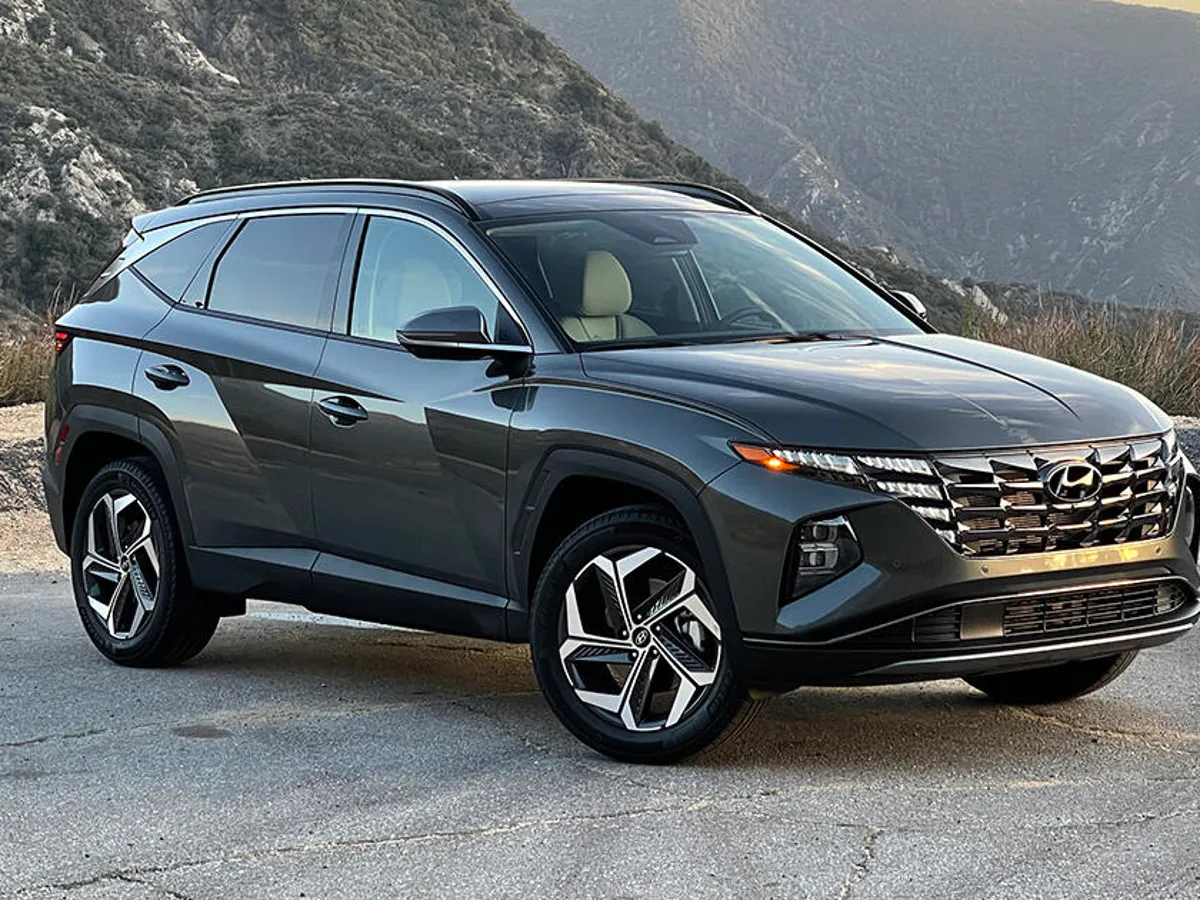
Hyundai Tucson
The Hyundai Tucson is a compact SUV that offers excellent rear visibility through a combination of clever design choices and technology. Unlike many competitors that adopt aggressive rooflines or thick rear pillars, the Tucson’s design focuses on maximizing window area.
The rear window is broad and positioned almost vertically, creating a large glass surface that allows drivers to easily see behind the vehicle.
This large rear window, paired with side windows that extend far back, helps minimize blind spots and gives a clear picture of the road and obstacles behind.
The Tucson’s C-pillars are shaped thoughtfully to reduce obstruction and improve sight lines. They are wide enough to provide structural support but not so bulky that they block the driver’s view.
The addition of rear quarter glass behind the rear doors further opens up the rear corners, improving side and rearward visibility.
This design makes lane changes and reversing maneuvers safer and more manageable. The higher seating position of the Tucson also benefits rear visibility by allowing the driver to see over most vehicles on the road, which is especially helpful in heavy traffic or urban driving.
Inside, the Tucson’s cabin is designed to support clear rear visibility as well. Rear headrests are designed to be low-profile and adjustable, so they don’t block the rear window. The rear seats are positioned to avoid crowding the rear glass and can fold flat to increase cargo space and improve rearward sight lines when necessary.
These features add to the Tucson’s usability and ease of driving, especially when navigating tight parking spots or backing out onto busy streets.
Hyundai also equips the Tucson with a variety of driver assistance technologies that enhance rear visibility and safety. Standard rear-view cameras provide clear images with dynamic guidelines, and many trims include parking sensors, blind-spot detection, and rear cross-traffic alerts.
These features make reversing safer and give drivers more confidence when maneuvering in confined spaces. Thanks to its smart design and technology, the Tucson stands out as a compact SUV that puts safety and driver awareness at the forefront.
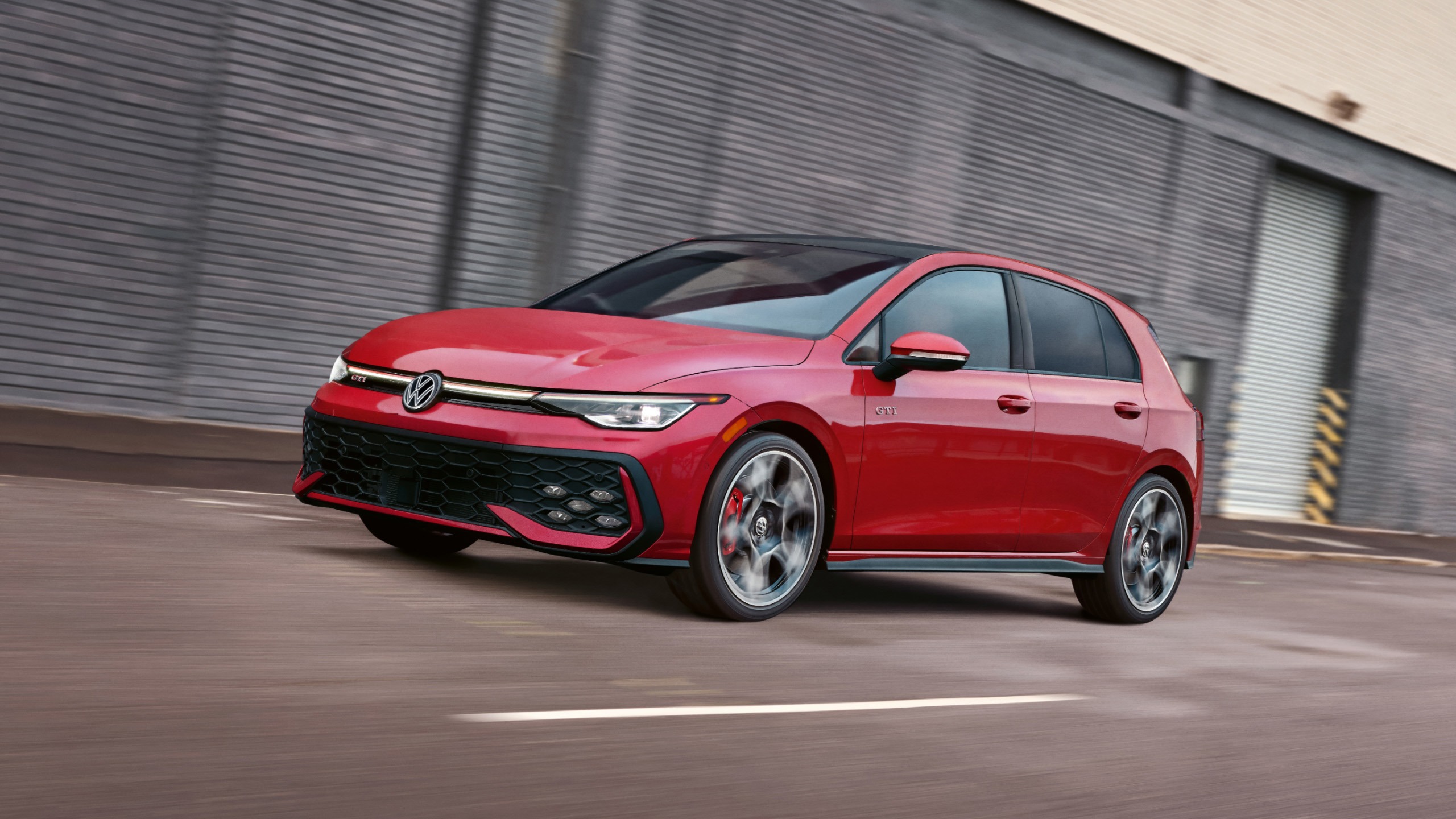
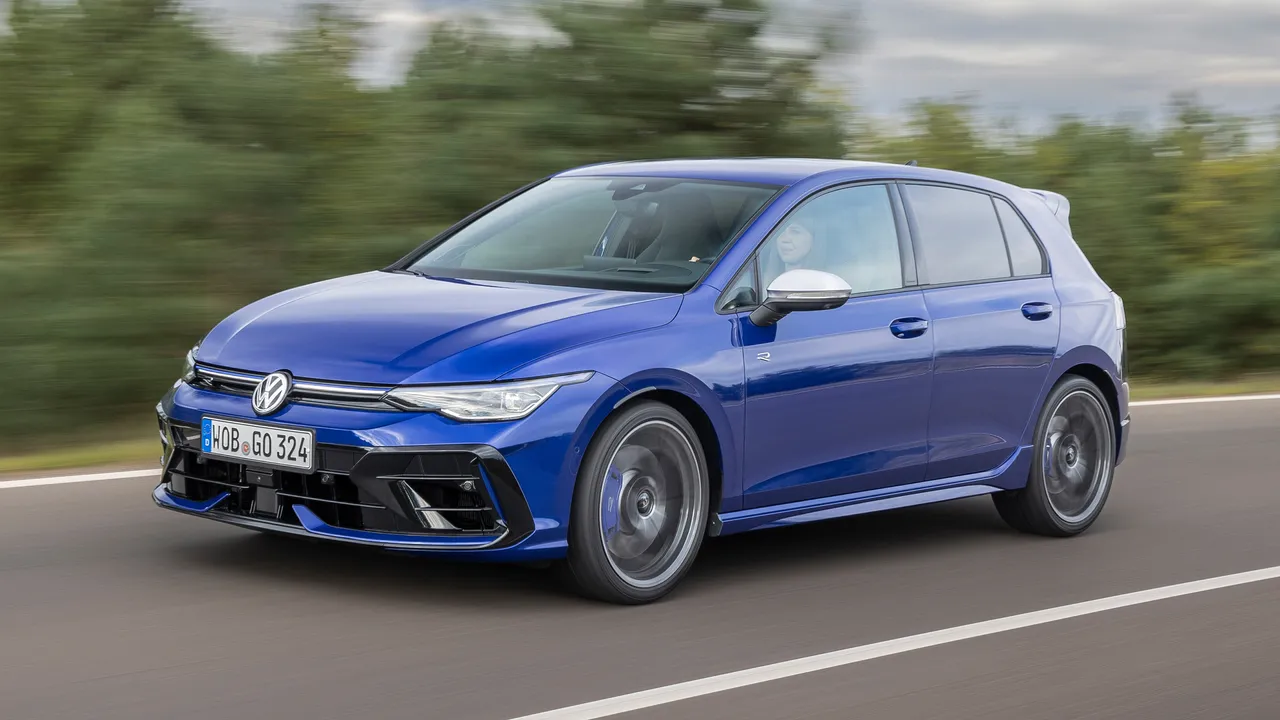
Volkswagen Golf
The Volkswagen Golf has been a benchmark in the hatchback segment for decades, and its rear visibility is a key part of its appeal. The Golf features a nearly vertical rear window on its hatchback, providing drivers with a wide, unobstructed view of the road behind.
This design contrasts sharply with more sloped or coupé-like hatchbacks, where the rear window angle often reduces rearward visibility. The Golf’s tall rear glass area makes it easier to judge distances when parking or merging, an important advantage in urban environments.
Volkswagen’s engineers have minimized blind spots through the use of slender rear pillars and generously sized rear quarter windows. These windows wrap around the rear corners of the car, expanding the driver’s field of vision to include what’s beside and behind the vehicle.
This attention to detail enhances situational awareness when changing lanes or navigating congested roads. The Golf’s compact size, combined with excellent rear visibility, also means it’s easier to maneuver in tight spaces compared to many larger hatchbacks or small SUVs.
Inside the cabin, the driver benefits from a seating position that balances height and comfort to maximize sight lines through the rear window. Rear headrests are shaped to minimize obstruction, and rear seats fold flat, allowing for better rearward views when empty.
The Golf’s interior glass design keeps the cabin feeling open and bright, which improves the driver’s spatial awareness and confidence. This is especially valuable during city driving, where clear rear visibility can prevent accidents with pedestrians or cyclists.
Volkswagen supplements the Golf’s natural rear visibility with helpful technology. Most models include a rear-view camera with dynamic guidelines, and higher trims offer parking sensors and blind-spot monitoring.
These features make parking and reversing safer, reducing the likelihood of collisions. The combination of thoughtful design and technology makes the Volkswagen Golf a practical and safe choice for drivers who value clear rearward visibility in a compact vehicle.
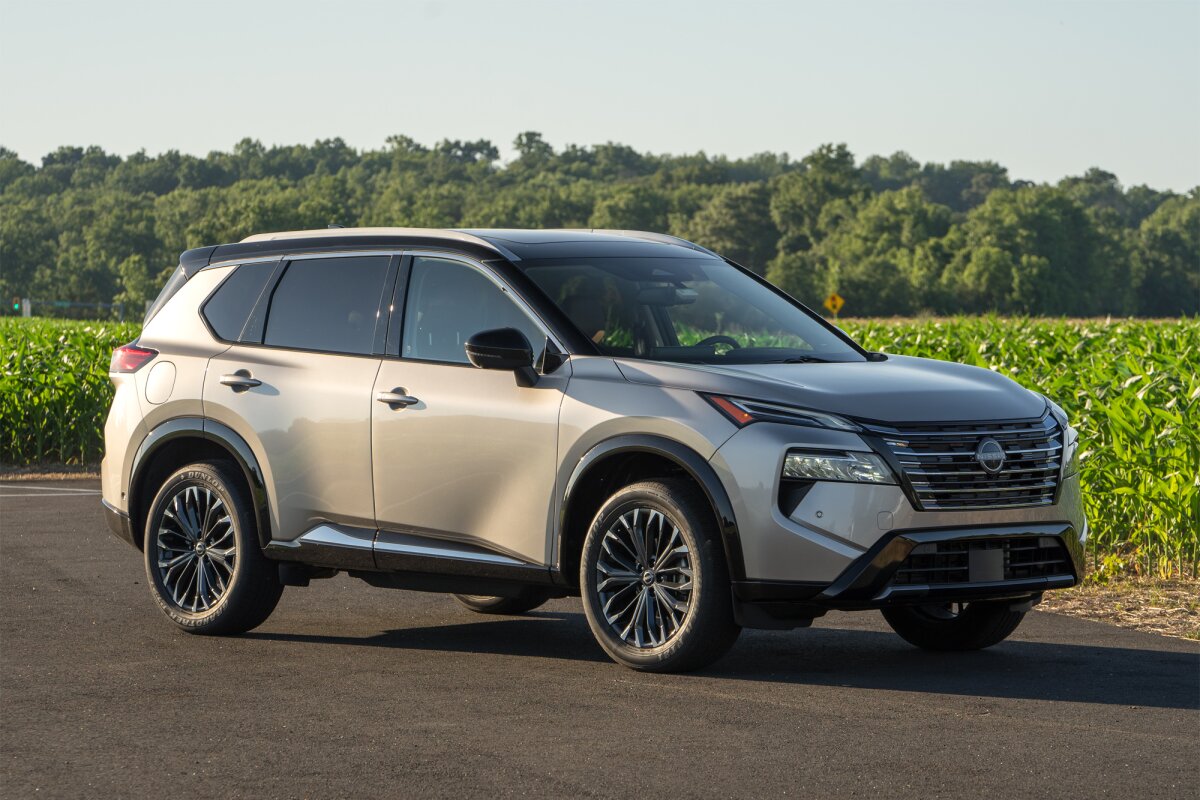
Nissan Rogue
The Nissan Rogue is a popular compact SUV that offers good rear visibility, thanks to its combination of well-considered design and technology. The Rogue features a relatively upright rear window that provides a wide, clear view behind the vehicle.
While some competitors have adopted more sloping rear designs to improve aerodynamics, Nissan has balanced style and function to ensure drivers have a good line of sight to the rear. The rear glass is large and tall, which is especially helpful when backing out of parking spaces or driveways.
The Rogue’s rear pillars are designed to be as slim as possible while maintaining safety standards. This helps minimize blind spots and improves visibility when changing lanes or merging onto highways.
Additionally, the SUV includes rear quarter windows that extend towards the back, allowing the driver to see more of what’s beside the vehicle.
The higher seating position typical of the Rogue further aids rearward visibility by giving the driver a better vantage point to spot obstacles or other vehicles.
Inside the cabin, the Nissan Rogue’s rear seat headrests are adjustable and can be lowered or removed to increase rearward visibility when the seats are not occupied.
The rear seats also fold flat, which helps create a clearer view through the rear window if needed. The cabin is designed to feel open and spacious, which improves the driver’s ability to see through the rear and side windows without obstruction.
To support rear visibility, Nissan equips the Rogue with a rear-view camera as standard, along with parking sensors on higher trims.
The Rogue also offers blind-spot warning and rear cross-traffic alert features to warn drivers of approaching vehicles when backing out of parking spaces.
These technologies, combined with the Rogue’s natural visibility advantages, help make it a safe and convenient SUV for families and urban drivers alike.
