
Highway driving places special demands on a car. The long stretches of pavement, variable weather conditions, traffic at high speed, the need for stability, comfort, fuel efficiency, and reliable safety features all combine into a particular set of requirements.
A car that feels fine around town may begin to show its weaker side when pushed to sustained speeds, when its wind noise is amplified, when highway merges challenge its acceleration, or when driver fatigue becomes a concern.
For drivers who spend much of their time on the highway, commuting between cities, traveling on interstates, or making long trips, choosing the right car can make a big difference in comfort, cost, and enjoyment.
This article presents ten cars that are especially well-suited to daily highway driving. These are vehicles that tend to combine strong highway fuel economy, smooth ride at higher speeds, good acceleration for passing, solid safety equipment, and comfort for driver and passengers on long trips.
Each of the ten examples has its strengths and trade‑offs. Some offer luxury and a plush cabin; others emphasize practicality, low cost of ownership, or surprising performance. Some are sedans, some crossovers; each one has been chosen because it tends to make many highway trips feel less tiring.
When reading, you may think about the roads you travel most. If you often drive in cold winters, certain features like heated seats, good defrosting, and stable handling in snow will matter more. If long stretches of road are straight, then wind noise and long‑distance comfort become more important.
If you regularly carry passengers or cargo, space and ride comfort carry more weight. Throughout the descriptions, attention is paid to both the driving experience and the cost of driving fast over a distance.
After the ten descriptions, there is a brief note on what to look for if you are choosing your own highway car. The goal is to help you imagine what a good daily highway car might feel like, to compare trade‑offs, and to guide decisions.
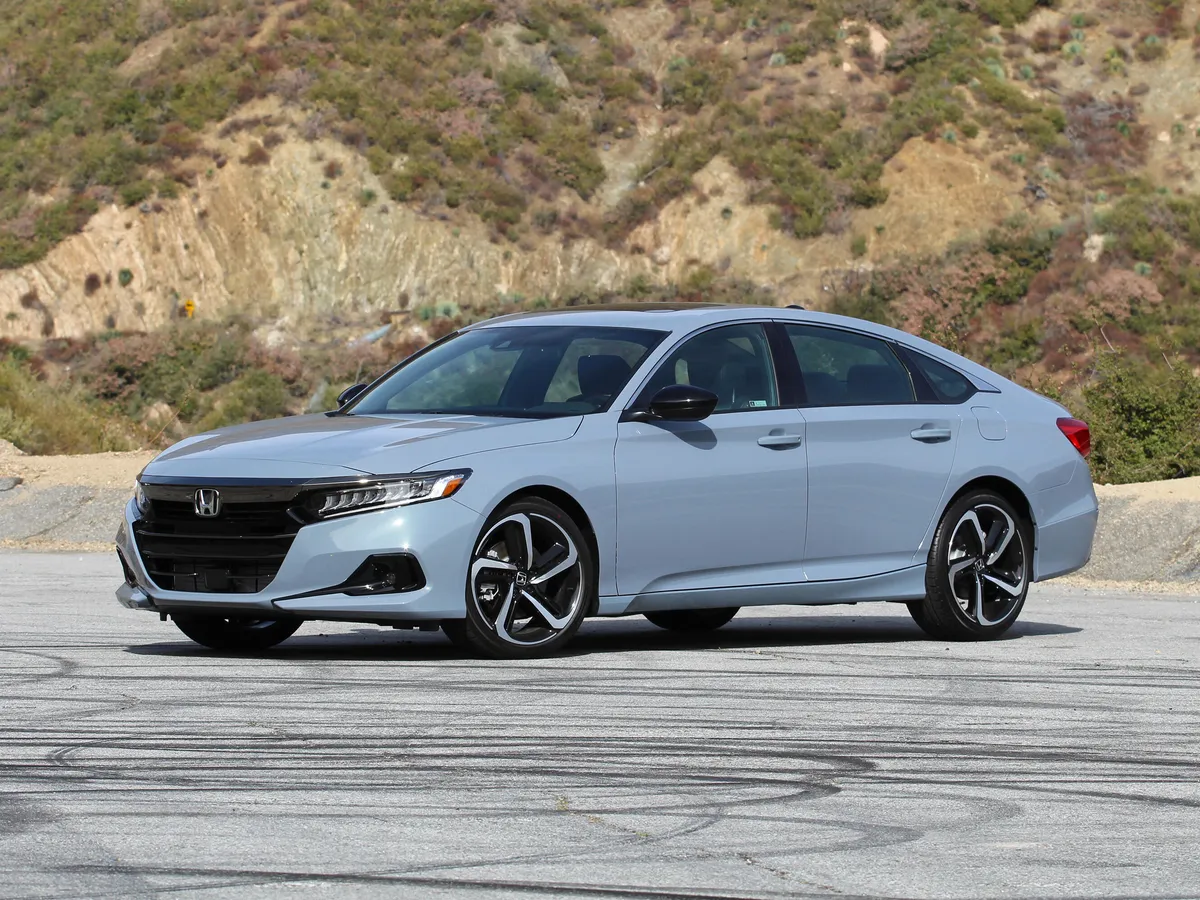
1. Honda Accord
The Honda Accord has consistently remained a benchmark in the midsize sedan segment, especially when it comes to daily highway use. Its engineering focuses on delivering balance: enough power to handle merges and overtakes, yet tuned for efficiency and reliability over long distances.
The turbocharged engines available in recent models offer both solid acceleration and quiet cruising capability. Even base engines offer refined power delivery and maintain performance without becoming noisy or overworked.
The Accord’s steering is light but accurate, which means it doesn’t require frequent corrections at higher speeds, making it more relaxing to drive long distances.
One of the Accord’s strongest attributes is how it feels on the road. It maintains composure on different highway surfaces, from smooth asphalt to expansion‑joint riddled concrete. The suspension soaks up imperfections without feeling mushy or disconnected.
Drivers often notice that the Accord feels more settled at high speed than many other cars in its class. This gives a greater sense of control, especially when weather conditions are less than ideal or when driving in moderate crosswinds.
The car’s low center of gravity and careful tuning make it confidence‑inspiring when driving hundreds of miles at a time.
Cabin quality is another strong suit, especially in trims above the base level. Materials are generally soft to the touch, the layout is logical, and tech is easy to use without excessive distraction. Seats are supportive in the right areas, especially for the lower back and thighs.
There’s good legroom for both front and rear passengers, which makes long trips more pleasant, especially when carrying company.
Features such as dual-zone climate control, strong defoggers, and sound-deadening insulation all contribute to a more pleasant cabin experience on extended highway drives.
In terms of safety and driver assistance, the Accord often comes equipped with adaptive cruise control, lane keeping assist, and forward collision warning, even in lower trims. These features reduce mental workload on long drives and improve safety in unexpected situations.
Honda’s reliability record means owners can expect fewer unexpected problems even with heavy mileage. Combined with competitive fuel economy and strong resale value, the Accord continues to be a top choice for those who spend serious time on highways.
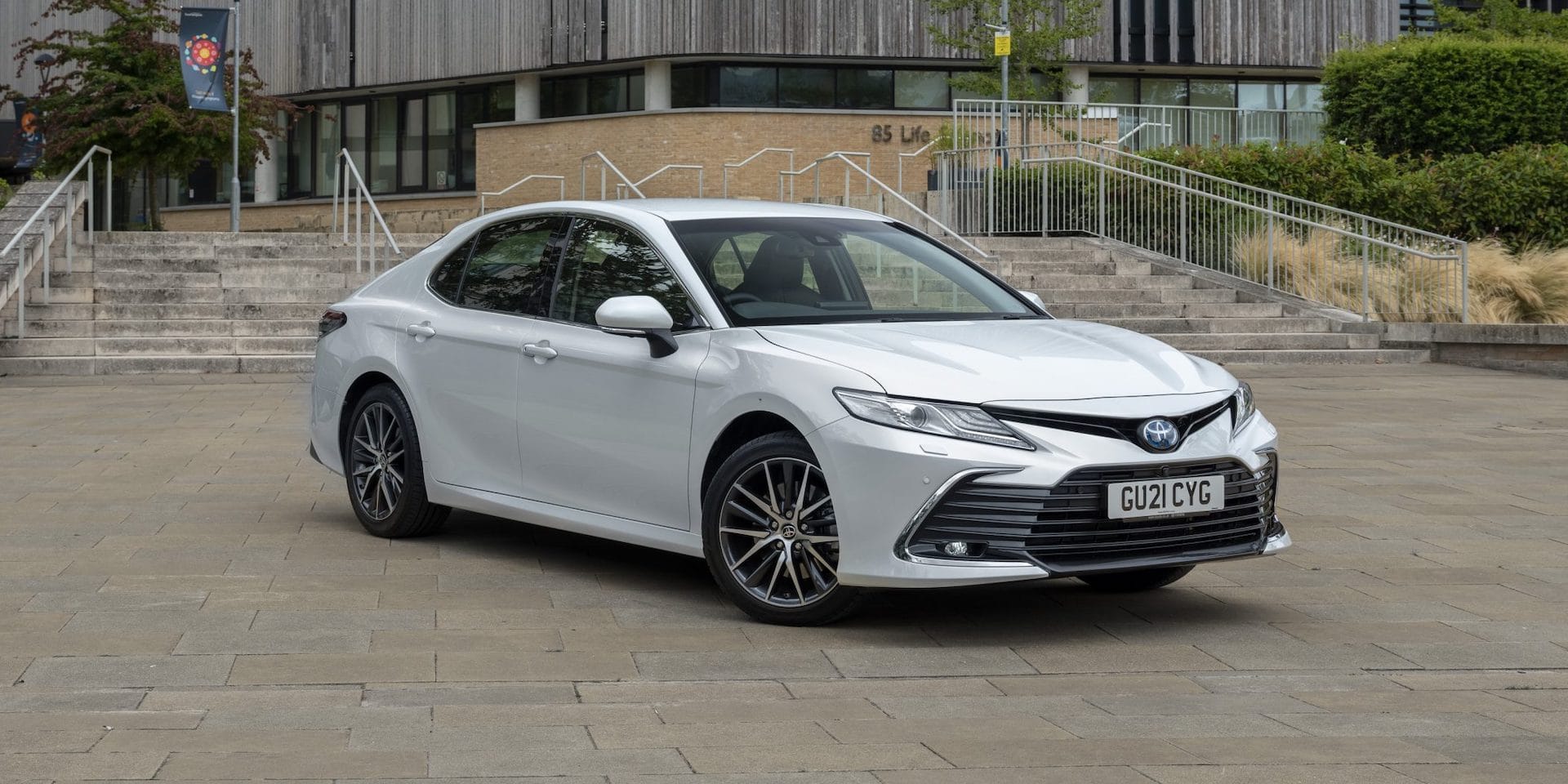
2. Toyota Camry
The Toyota Camry has long earned its reputation as a comfortable, capable sedan with a strong focus on dependability and ease of use. It’s especially appealing for highway drivers who need a car that delivers consistent performance every day.
Its available engines, whether you choose the 2.5-liter four-cylinder, the V6, or the hybrid option, offer solid acceleration for highway speeds.
The V6 in particular stands out for its smooth, effortless passing power, though the four-cylinder is more than adequate for typical driving needs. Gear changes are handled cleanly by its automatic transmission, and the ride remains quiet and relaxed even when the car is pushed during acceleration.
Ride quality is a standout feature on the highway. The Camry’s suspension has been engineered to absorb bumps, road patches, and rough expansion joints without transferring much harshness into the cabin. It feels composed on most highway surfaces, never too stiff or floaty.
This calmness helps reduce fatigue, especially during multi-hour trips or long commutes. Whether you’re driving in a straight line or navigating through gradual curves, the Camry offers a steady and predictable response.
Steering is light, making it easy to maneuver, yet it still manages to offer just enough feedback to maintain a connection with the road.
The interior of the Camry is both practical and comfortable. Seats offer good cushioning and lateral support, which helps over long durations behind the wheel.
Controls for climate, audio, and navigation are positioned intuitively, reducing the amount of attention a driver must divert from the road.
Rear-seat passengers also benefit from decent legroom and a relatively quiet cabin, making this a good choice for families or shared rides.
In hybrid trims, cabin insulation is even more refined due to the quieter drivetrain. The space and layout promote comfort during both short and extended journeys.
Fuel economy is among the best in its segment, especially for the hybrid variant. On highway drives, the Camry Hybrid can return impressive mileage figures, allowing for fewer stops at the pump and reduced cost over time.
Driver-assistance technologies, such as adaptive cruise control, automatic emergency braking, and lane tracing assist, come standard in most trims.
These help take the edge off long highway stretches, especially in stop-and-go traffic or extended congestion. The Camry is an excellent highway companion for drivers who want comfort, reliability, and low operating costs rolled into a single package.
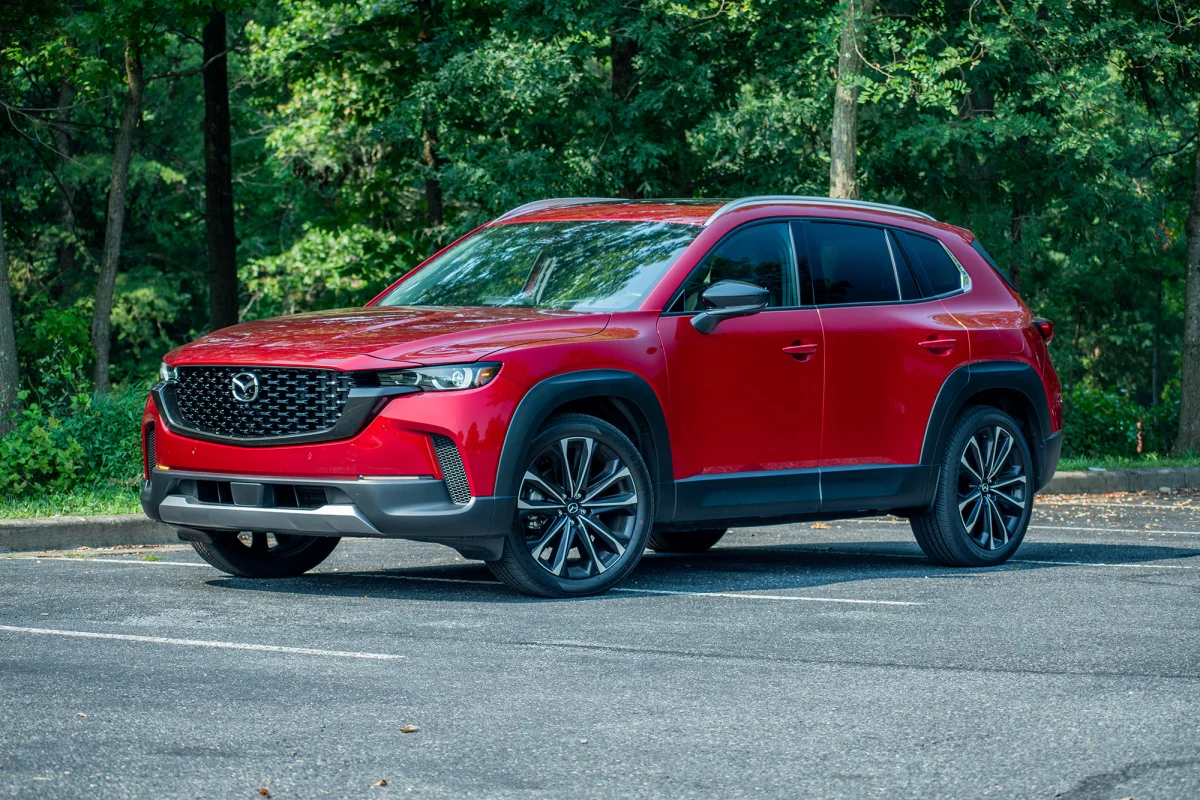
3. Mazda CX-5
The Mazda CX‑5 stands out among compact SUVs by offering a more refined and engaging driving experience, which is unusual in its class.
Many drivers who spend considerable time on highways appreciate that it feels more like a sporty sedan than a bulky crossover.
The available turbocharged engine is particularly responsive, making acceleration onto on‑ramps and passing slower vehicles effortless.
Even with the standard engine, the CX-5 handles itself confidently, maintaining consistent speed and offering stable performance under various conditions. The transmission is tuned well to complement the engine’s powerband, so gear shifts are smooth and timely, especially during higher‑speed cruising.
Ride quality is also above average, with suspension that handles imperfections well without bouncing or jostling passengers. The body stays composed over dips and undulations, which is important on less-than-perfect highway surfaces.
While the CX‑5 sits higher than a sedan, it doesn’t lean excessively in corners, and its road manners at speed are well controlled.
Steering is accurate and responsive, offering a good sense of direction without being overly sensitive. This makes a big difference on long highway stretches where subtle inputs make for a more relaxed drive.
The cabin is arguably one of the nicest in its segment. Materials feel more upscale than the typical compact SUV, and attention to detail in the dashboard design and seat comfort is clear. The front seats are shaped to offer support on longer drives, with lumbar support and wide adjustment ranges.
Higher trims add features like heated seats, dual‑zone climate control, and upgraded audio systems, which improve comfort and enjoyment on extended trips.
Cabin insulation is decent, though you may notice some tire noise at higher speeds. However, the quietness remains acceptable for its class.
Fuel economy is competitive, especially for drivers who spend most of their time cruising at highway speeds.
While not as efficient as a hybrid, the CX-5 manages respectable mileage, especially if you’re gentle with the throttle. Safety features include adaptive cruise control, lane keeping assistance, blind spot monitoring, and forward collision warning.
These help reduce stress during long drives, particularly in traffic or adverse weather. The CX‑5 is a compelling option for those who need SUV practicality but want the refinement and poise of a car during their highway routines.
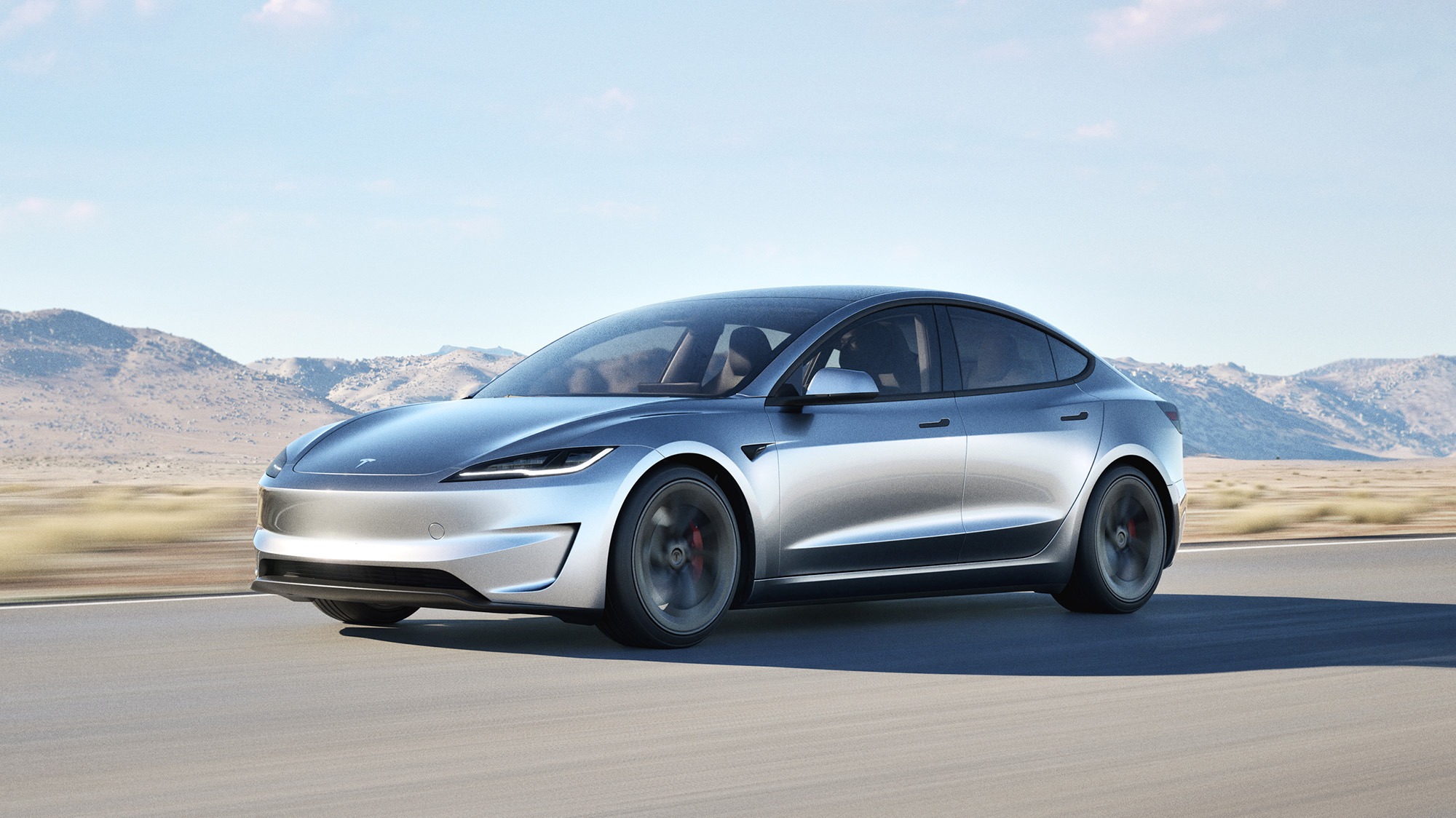
4. Tesla Model 3
The Tesla Model 3 redefines what drivers can expect from an electric vehicle on the highway.
One of its most noticeable traits is the instant torque delivery, which makes merging and overtaking easy and predictable. There’s no delay from gear shifts or turbo lag, acceleration is immediate and smooth.
This can make highway driving safer as the driver can respond quickly to traffic flow changes.
The car remains composed and stable at high speeds, thanks in part to its low center of gravity created by the under-floor battery pack. This planted feeling helps in lane changes and while maintaining speed in slight curves.
The quietness of the ride is another major advantage. Without a combustion engine, the cabin remains peaceful, even at highway speeds. You may hear some tire and wind noise, especially at higher speeds, but it’s quieter than most gasoline cars.
This makes music, phone calls, or even silence more enjoyable during long drives. The seats offer solid support and can be adjusted in multiple ways to suit different body types.
The simple, uncluttered interior can be either a welcome relief or a drawback depending on personal preference, but it helps keep distractions to a minimum.
Tesla’s Autopilot system is a strong reason why many choose the Model 3 for highway use. It can manage lane keeping, speed, and spacing from other vehicles in certain conditions, reducing driver workload.
Though the driver must remain attentive, this system can take the edge off long-distance commutes or road trips.
Navigation and trip planning tools built into the touchscreen allow drivers to locate charging stations, track battery usage, and plan routes with little fuss. This reduces anxiety on unfamiliar highway routes where range could otherwise be a concern.
Range is a key factor in highway EV use, and the Model 3 performs well, especially the Long Range version. While highway driving uses more energy than city driving, Tesla’s battery management system and aerodynamic shape help maintain good range figures.
Supercharging stations are strategically located along many highways, allowing for fast top-ups with minimal delay.
Over-the-air software updates can even improve efficiency and features over time. For drivers who are ready to move to electric and spend significant time on highways, the Model 3 offers a quiet, responsive, and technologically advanced experience.
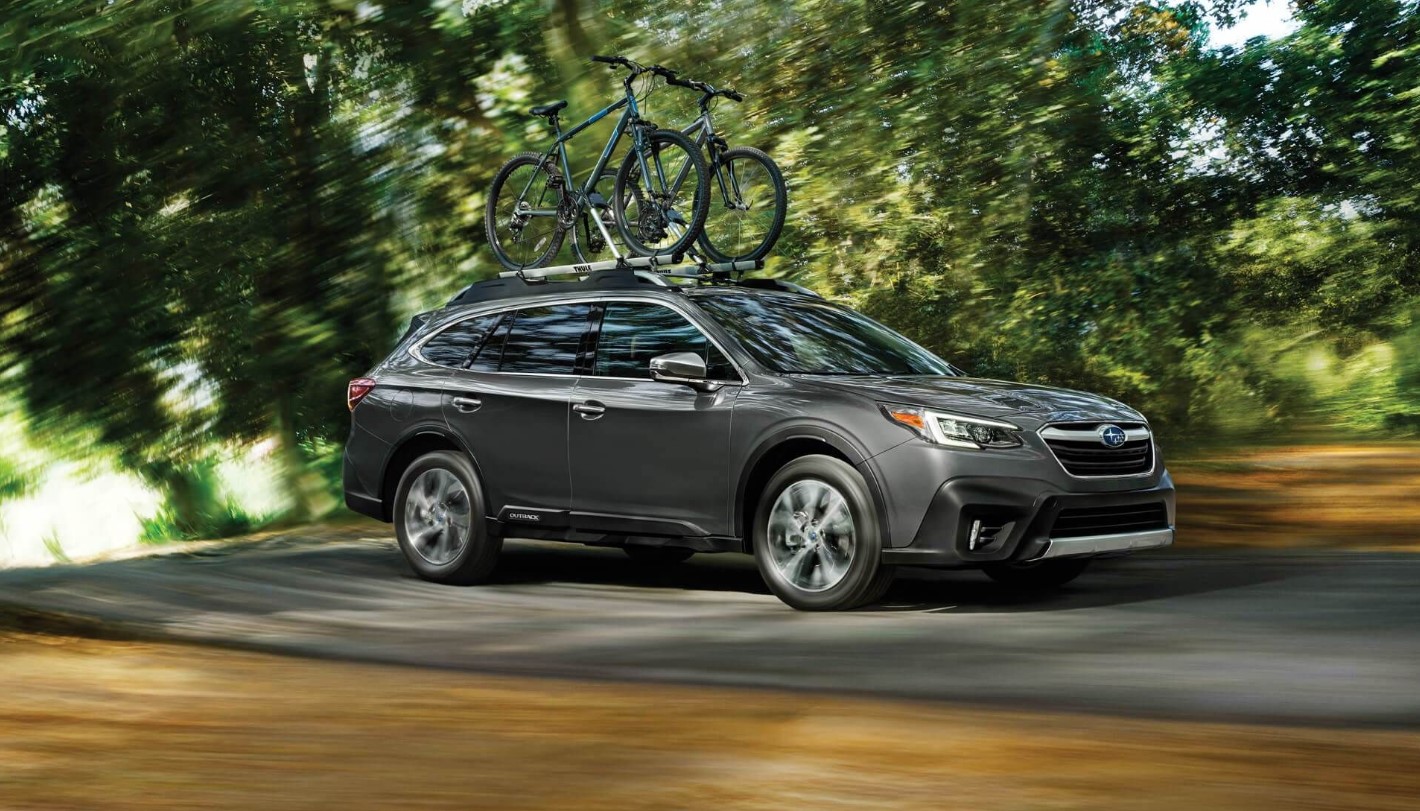
5. Subaru Outback
The Subaru Outback is often chosen by drivers who face a mix of road conditions, including long stretches of highway driving in poor weather or rough pavement.
One of its most valuable features is its standard all‑wheel drive system, which offers extra grip and stability, especially on wet or snowy highways.
Even during dry conditions, the extra traction can be felt when accelerating from a stop or during quick lane changes. The Outback feels planted and composed, with a suspension that handles highway bumps, potholes, and joints without bouncing occupants excessively.
One reason many highway drivers favor the Outback is the excellent outward visibility. The tall windows, low beltline, and thoughtful mirror placement reduce blind spots and make long-distance driving feel less stressful. Inside, the seats are broad and supportive, with enough padding to keep pressure points from building up on long drives.
Higher trims come with options like heated steering wheels, ventilated front seats, and rear-seat heating, which improve comfort in varying climates. Climate control systems are robust, easily reaching all areas of the car without struggling on hot or cold days.
The Outback’s fuel economy is respectable, especially when compared to other all-wheel drive vehicles. While the turbocharged engine adds performance and makes highway merging more confident, even the standard engine is efficient enough for steady high-speed driving.
Long-distance drivers will appreciate the large fuel tank, which allows for fewer stops between fill-ups. Storage space is generous, making the Outback a practical option for carrying luggage, gear, or supplies.
Whether you’re commuting daily or taking weekend road trips, the vehicle accommodates cargo and passengers without feeling cramped.
Subaru’s EyeSight driver-assist suite is often standard and includes adaptive cruise control, lane centering, pre-collision braking, and lane departure warning. These systems enhance safety and reduce driver workload, especially in traffic or during extended highway travel.
The Outback’s ride height and AWD give drivers confidence in adverse conditions, while the interior comfort ensures that long hours on the road don’t become exhausting. It’s a solid, versatile option for highway drivers who prioritize safety, capability, and comfort in a single package.
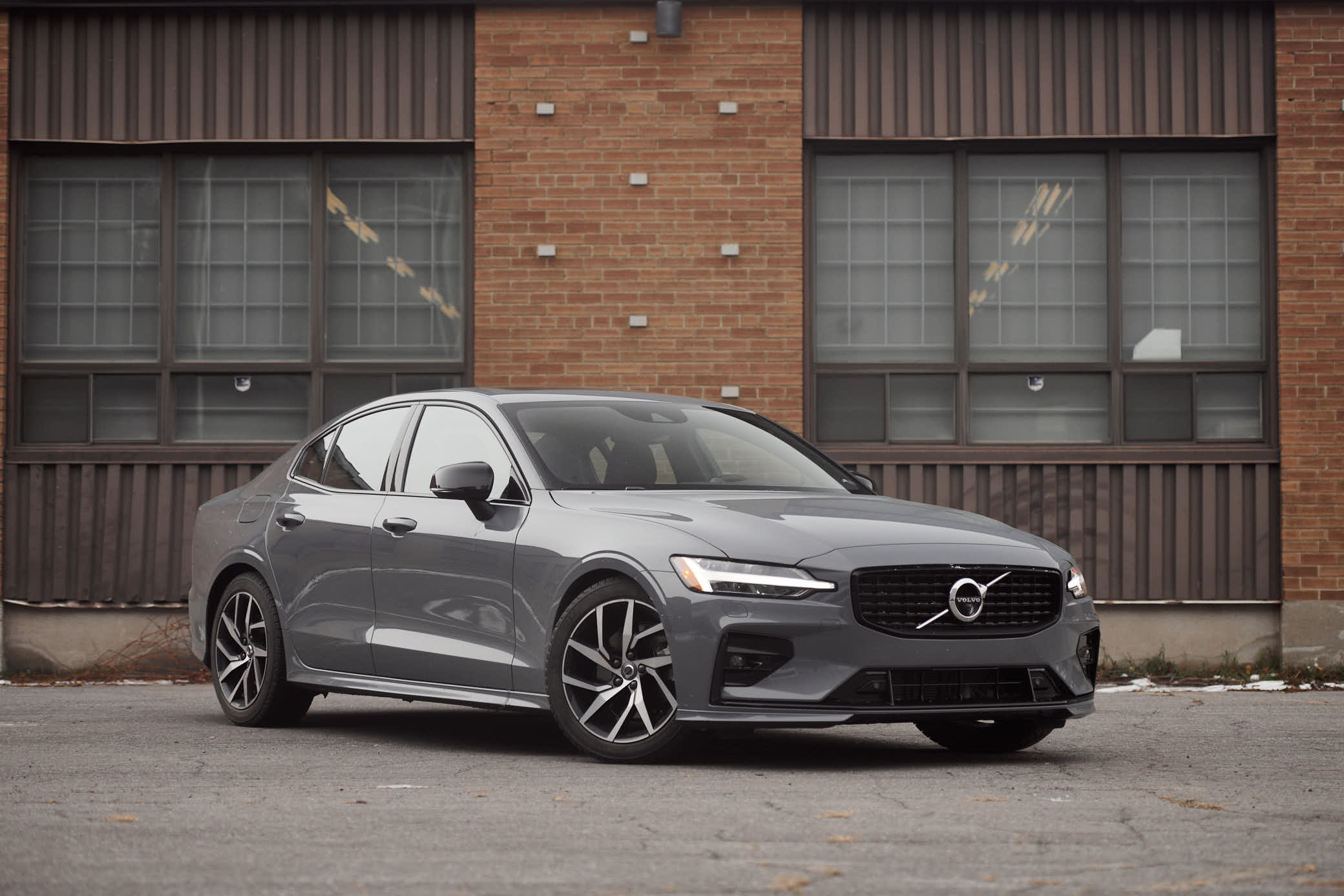
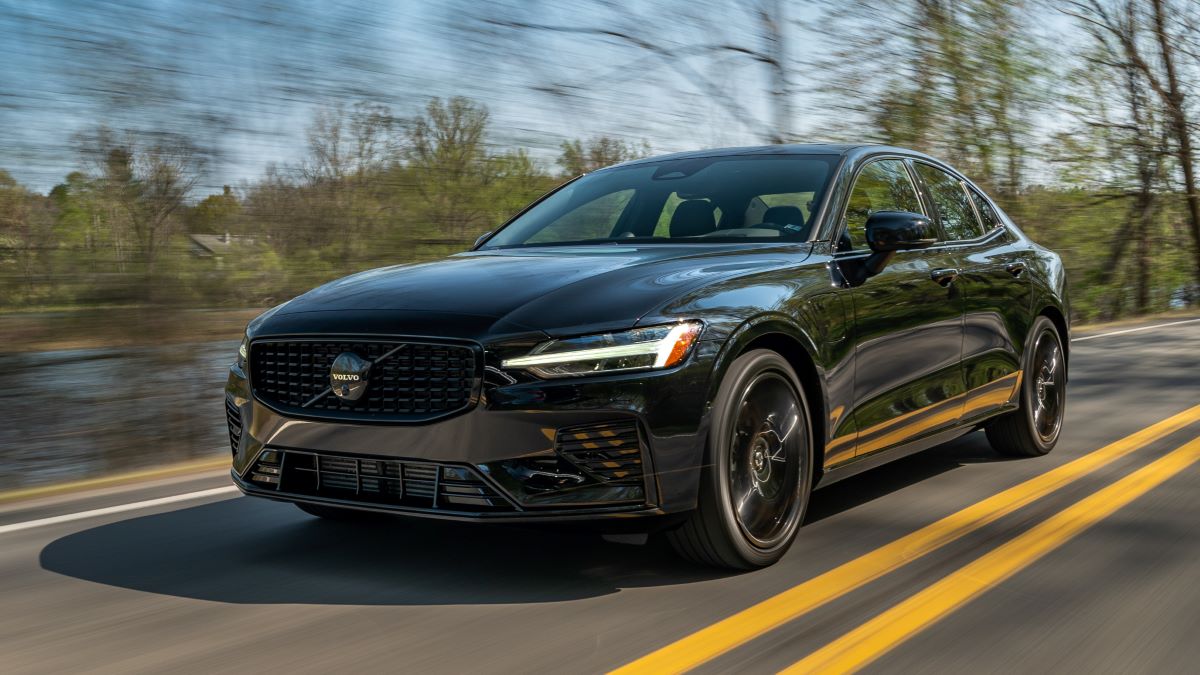
6. Volvo S60
The Volvo S60 blends performance, comfort, and a strong safety profile, qualities that make it well-suited for consistent highway driving.
Engine options in recent models include turbocharged four-cylinders, plug-in hybrid variants, and mild hybrids, all tuned for smooth highway performance.
Acceleration is steady, allowing drivers to merge confidently into fast traffic or overtake with ease. The ride stays quiet at higher speeds, and the suspension is tuned more for comfort than sportiness, which helps maintain a smooth cruising experience even on rougher road surfaces.
Inside, the S60 features an elegant cabin with a Scandinavian design that emphasizes simplicity and comfort. The seats are among the most ergonomically designed in the segment, with ample lumbar support and high-grade cushioning that reduces fatigue during long trips.
High-quality materials such as soft leather, brushed metal, and real wood trim are used throughout, creating a calm, upscale environment.
Dual-zone climate control, excellent insulation, and an intuitive infotainment system contribute to an interior that remains relaxing and efficient during extended highway use.
The S60 is also economical on fuel, especially when opting for hybrid variants. Highway efficiency is enhanced by smart gearing and aerodynamic body design.
Plug-in hybrid versions allow short trips to be completed using electric-only power and transition seamlessly to gasoline for longer highway runs.
This balance reduces fuel stops and running costs, a key benefit for anyone logging thousands of highway miles annually. While service costs are higher than some non-luxury models, the car’s longevity and premium comfort help justify the expense.
Where the Volvo S60 truly stands out is safety. Volvo’s reputation in this area is well-earned, and the S60 comes standard with forward collision mitigation, lane-keeping assistance, blind-spot monitoring, and adaptive cruise control.
Optional features include semi-autonomous driving assistance, which can help maintain lane position and distance from other cars during long stretches of travel.
These features not only improve safety but reduce the physical and mental strain on the driver, which is especially useful for those who spend hours at a time behind the wheel.
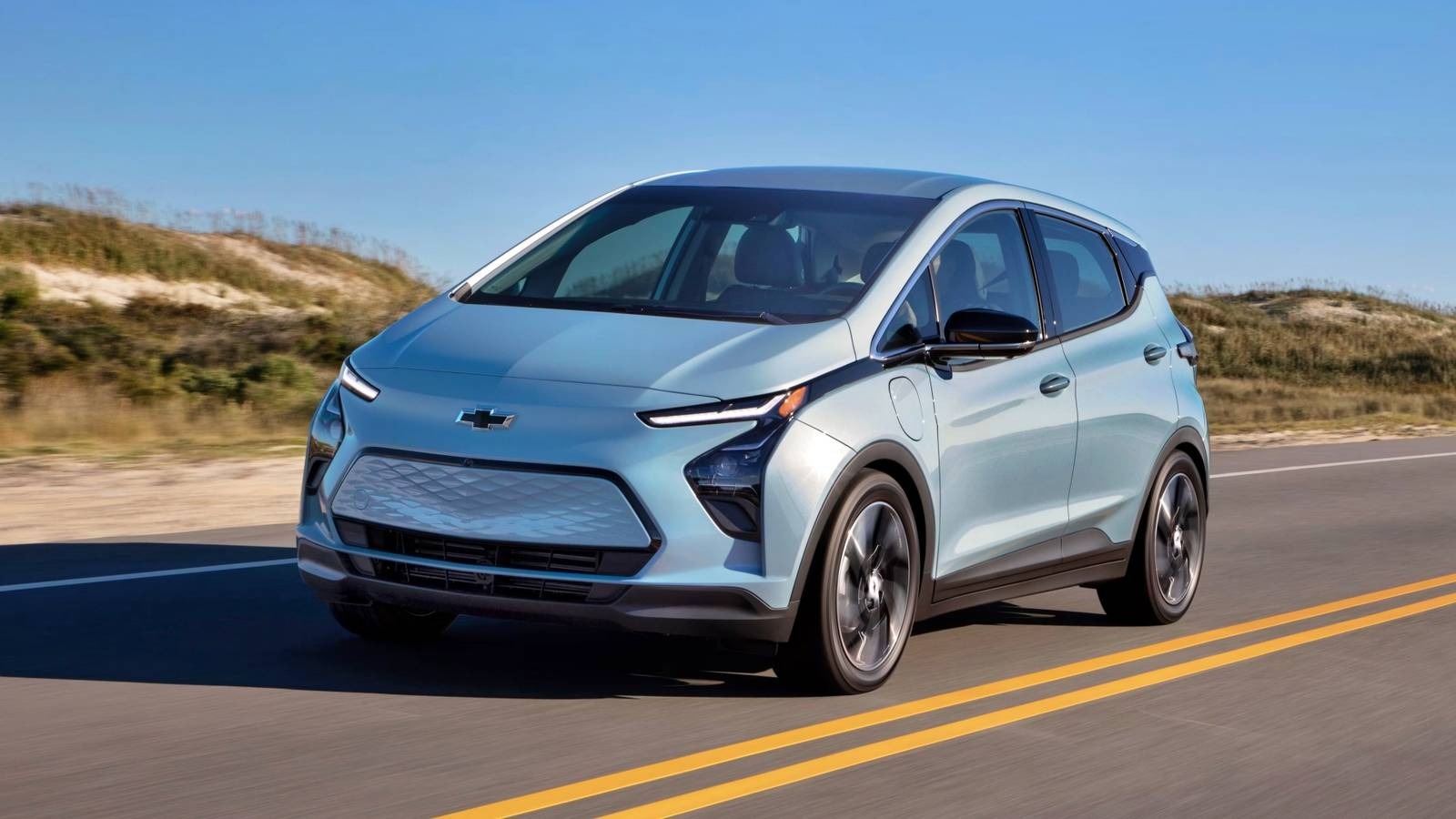
7. Chevrolet Bolt EV
The Chevrolet Bolt EV is a compact electric car that proves surprisingly effective for regular highway use. While often categorized as a city-focused vehicle due to its size, the Bolt delivers strong performance when cruising at higher speeds.
Instant torque from its electric motor allows for quick merges and confident passing, and the car remains stable and predictable at highway speeds. The driving experience feels direct and uncomplicated, which can be a welcome trait for those looking to simplify their commute.
Inside, the Bolt is well laid out for comfort, even if it doesn’t boast luxury-level finishes. The front seats are supportive enough for medium to long trips, with decent bolstering and an upright seating position that provides good visibility. Controls are simple and placed within easy reach.
There’s more space inside than you might expect from a compact hatchback, and passengers, especially up front, have adequate room to stay comfortable over an extended time behind the wheel.
While tire and wind noise are slightly more pronounced at high speed than in more expensive EVs, the Bolt remains quieter than comparable gas-powered vehicles.
Charging considerations matter greatly in an electric highway commuter, and the Bolt EV is relatively well-equipped in this regard. With DC fast charging capabilities, drivers can restore a significant portion of the battery in under an hour, making long-distance trips more manageable.
For those using the vehicle mostly on the same highway routes each day, overnight charging at home usually provides more than enough range to avoid daytime stops.
The Bolt’s relatively efficient battery system and modest weight make it a good performer at highway speeds in terms of energy usage.
Safety technology is respectable, with many features standard or available depending on trim. Forward collision alert, lane-keeping assist, and automatic emergency braking contribute to peace of mind.
Stability at high speed is better than expected for its size, and the regenerative braking system allows smooth, controlled deceleration without heavy use of the brake pedal.
For highway drivers seeking an affordable, quiet, zero-emissions experience with lower operational costs, the Bolt EV delivers value and convenience with fewer compromises than some might assume.
8. BMW 5 Series
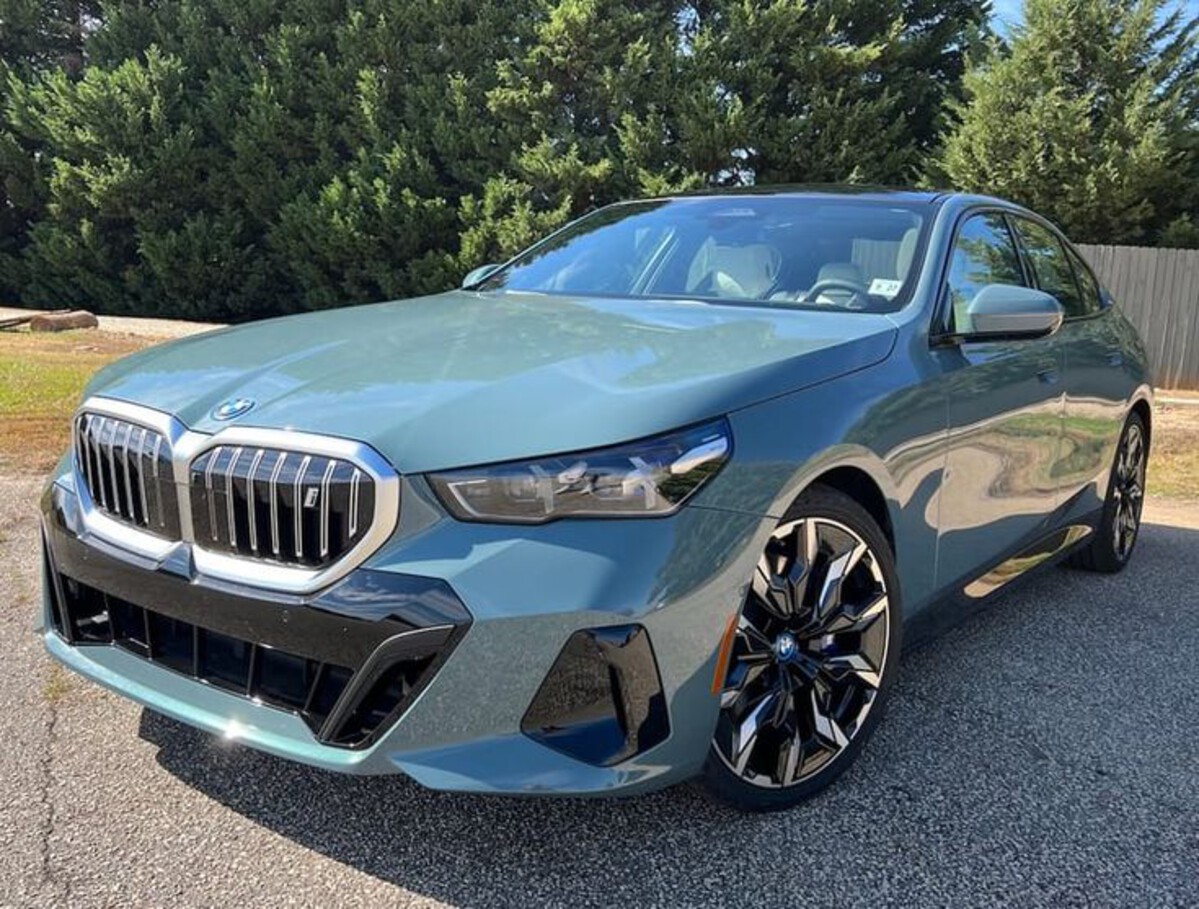
The BMW 5 Series has long been a favorite among those seeking comfort and performance on the highway. It balances power, luxury, and dynamic handling in a way few cars in its class manage.
Engine choices are varied, from efficient four-cylinders to robust inline-sixes and plug-in hybrid variants, each delivering ample torque for effortless highway cruising.
Where the 5 Series truly excels is in its ability to feel composed and solid at high speed. The suspension is soft enough to absorb road imperfections but firm enough to avoid wallow or bounce, even when traveling at triple-digit highway speeds where legal.
Steering is light but precise, and the chassis tuning keeps the car planted in curves and stable in windy conditions. The experience is one of complete control with minimal input needed from the driver, which contributes to lower fatigue during long drives.
The cabin reflects BMW’s commitment to comfort and quality. Seats are deeply supportive and adjustable in nearly every direction, with optional features like massage functions, lumbar adjustment, and seat heating or ventilation. Rear-seat comfort is also excellent, with good legroom and high-quality materials throughout.
The infotainment system is advanced yet easy to navigate, and road noise is kept to a minimum, even on coarser highway surfaces. Climate control systems are dual or tri-zone depending on trim and perform reliably, helping to maintain a comfortable cabin temperature regardless of outside conditions.
Safety and driver assistance technology in the 5 Series is equally well-executed. Features such as adaptive cruise control, lane centering, blind-spot detection, and emergency braking are integrated seamlessly. Optional packages even allow for semi-automated driving in specific highway settings.
BMW also includes collision mitigation systems and fatigue detection, enhancing safety on long trips. Altogether, the 5 Series provides a luxurious, high-performance highway experience for drivers who want a car that can cover long distances with speed, stability, and comfort.
9. Toyota RAV4 Hybrid
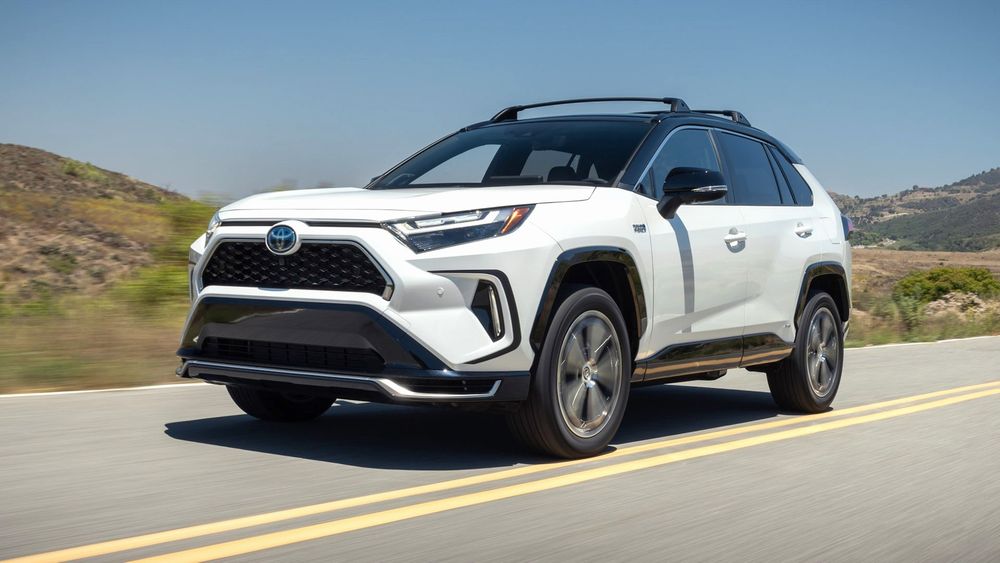
The Toyota RAV4 Hybrid strikes a solid balance between practicality, fuel efficiency, and comfort for highway travel. With a combined gas-electric powertrain, it delivers responsive acceleration and strong efficiency even at higher speeds.
The electric motor provides a torque boost at lower RPMs, making highway merges and quick passes easier than in many non-hybrid crossovers. The transition between electric and gasoline power is smooth and largely unnoticeable at speed, which contributes to a refined driving feel.
Highway comfort is one of the RAV4 Hybrid’s strengths. The ride is composed, and the cabin remains quiet for a non-luxury SUV. Toyota has done a good job insulating the cabin from engine noise and wind, which improves long-distance comfort.
Seats are comfortable for long journeys, with decent bolstering and firm padding. Higher trims include upgrades such as power-adjustable front seats, heated or ventilated options, and leatherette upholstery. These small upgrades matter more than you might expect when spending hours in the driver’s seat.
Fuel efficiency is a standout feature of the RAV4 Hybrid. On long highway runs, it consistently delivers better mileage than most gas-only crossovers of similar size. It’s also able to maintain this efficiency even with full cargo or multiple passengers on board.
For drivers who frequently take long trips or use highways as part of a daily commute, the lower fuel costs and fewer stops at the pump become meaningful savings over time. The hybrid battery is backed by a long warranty, which adds peace of mind to the equation.
Safety and technology features are well-integrated. Toyota includes its Safety Sense suite as standard, offering adaptive cruise control, lane tracing assist, automatic emergency braking, and pedestrian detection.
These systems help the driver remain focused and alert over long stretches. The vehicle’s elevated seating position provides excellent visibility, and the AWD system available on most hybrid trims ensures secure handling in all weather conditions.
The RAV4 Hybrid is an ideal highway car for those who need utility but don’t want to sacrifice comfort or fuel efficiency.
10. Audi A4
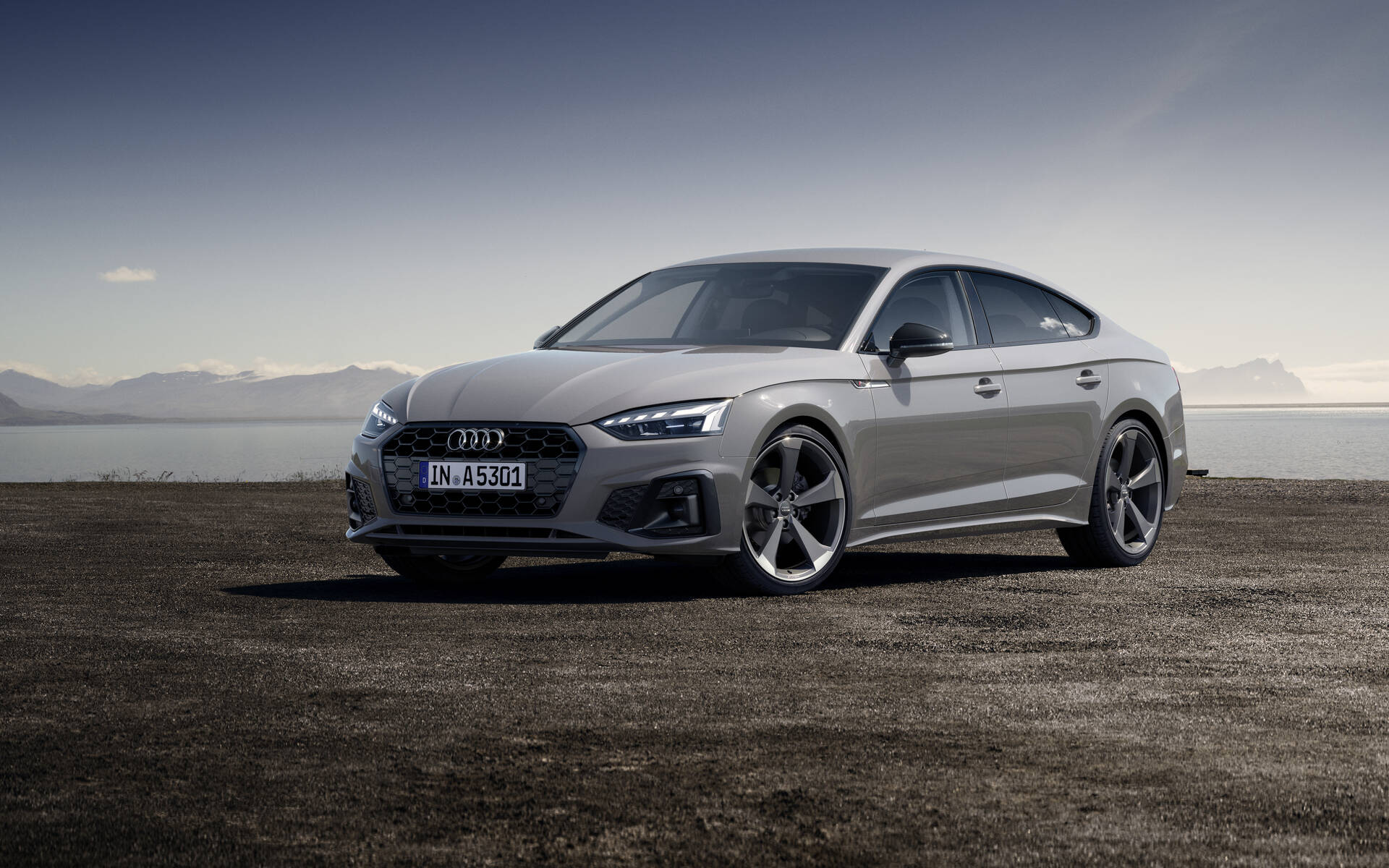
The Audi A4 blends performance, refinement, and technology into a compact sedan that thrives on the highway. It’s equipped with turbocharged engines that deliver strong power output while remaining quiet and efficient at cruising speeds. Gear changes are seamless, and acceleration is brisk when needed.
This means merging and overtaking are handled with minimal effort, and the car remains stable and composed whether driving at 60 or 90 miles per hour. It’s a car designed to make long drives feel smooth and under control.
Ride quality is also a highlight. The suspension absorbs most imperfections without introducing excessive softness or roll. Audi’s quattro all-wheel drive system, available on many trims, improves stability and handling in poor weather or on slick roads.
Even when the road curves or crosswinds pick up, the A4 feels predictable and grounded. The steering is tight and accurate, requiring minimal correction on straight highway stretches. For drivers who want a touch of sportiness without giving up comfort, the A4 hits a sweet spot.
The interior is luxurious without being overwhelming. High-quality materials, supportive seats, and user-friendly tech make the cabin a comfortable space for long trips. Available features include a digital cockpit display, heated and ventilated seating, tri-zone climate control, and ambient lighting.
The infotainment system is quick and cleanly designed, with physical buttons retained for commonly used controls. Noise levels are low, which enhances the sense of calm during extended highway travel.
