
When it comes to the automotive industry, predicting the success of a new car can be a tricky business.
Market analysts, manufacturers, and enthusiasts often try to guess which models will become hits and which ones will fall flat. Some cars enter the scene with immense hype and backing, only to disappoint sales-wise.
On the other hand, a few vehicles quietly make their way into the market, surprising everyone by far exceeding sales expectations.
These cars often become cultural icons or reshape segments of the industry by offering something unique, affordable, or better suited to consumer needs than initially imagined.
What makes a car outsell expectations can vary, sometimes it’s pricing, sometimes timing, design, performance, or simply the ability to meet unspoken demands of the masses.
This article takes a look at twelve such vehicles that defied predictions, becoming commercial successes and, in many cases, leaving a lasting impact on the automotive industry.
Each of these cars not only moved units but also often changed the narrative around their category or brand. They provide insight into how the market can surprise even the most seasoned experts and how consumers can collectively shift preferences in unexpected ways.
From compact economy cars to powerful sports vehicles, the list highlights the diversity of what can capture public imagination and wallets.
Understanding these success stories gives valuable lessons about innovation, market dynamics, and sometimes just plain luck in the right place at the right time. Now, let’s explore twelve cars that not only sold well but outpaced every forecast thrown their way.
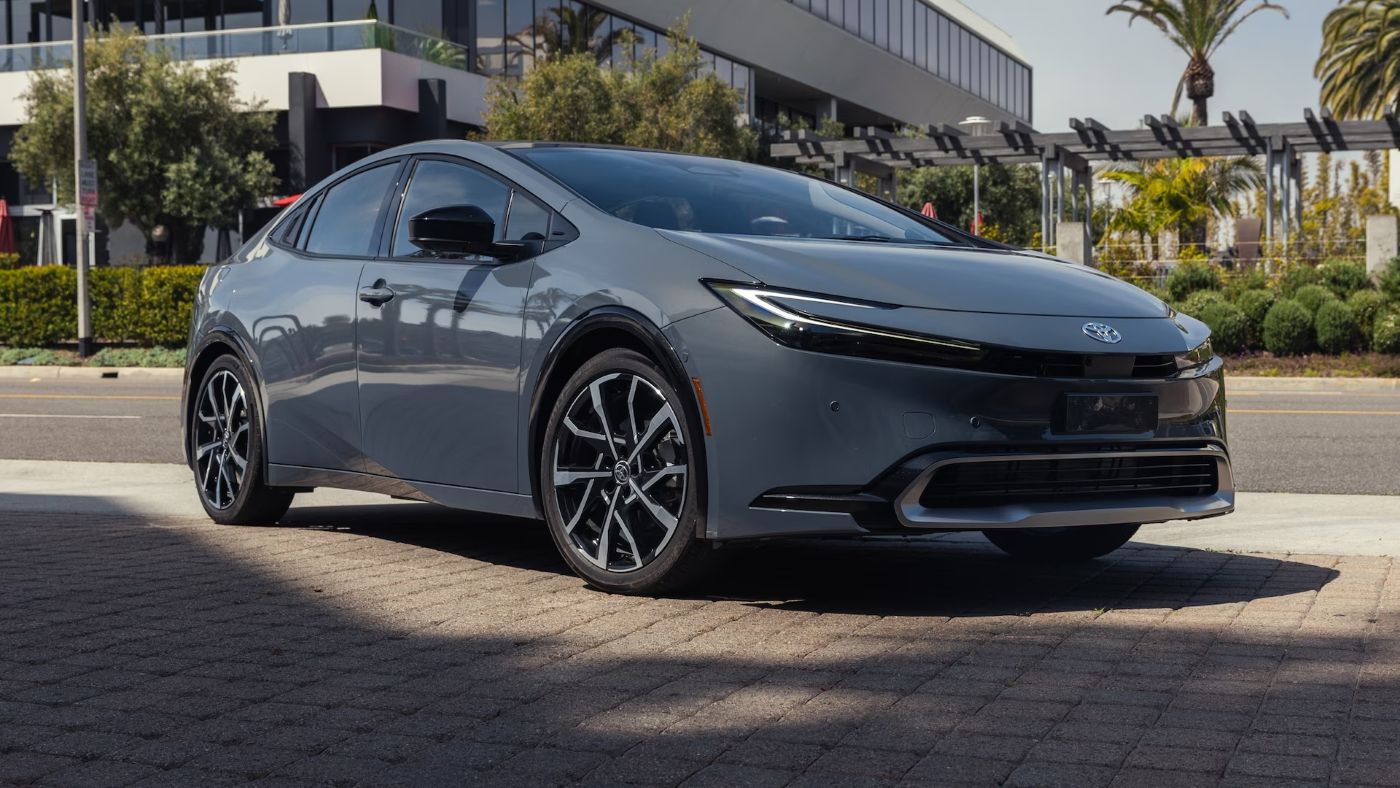
1. Toyota Prius
When the Toyota Prius was first introduced in the late 1990s, hybrid vehicles were still a novel concept for most consumers.
Many industry insiders doubted whether buyers would embrace a car that relied partly on an electric motor, especially one that prioritized fuel efficiency over traditional performance attributes.
The early 2000s saw a growing awareness of environmental issues and fuel costs, but even then, predicting the Prius would become the benchmark for hybrids was not a foregone conclusion.
It was reasonable to expect some interest, but the car’s eventual dominance in the hybrid segment surprised many. Toyota’s decision to produce a mass-market hybrid and continuously improve the Prius’ technology paid off spectacularly.
The Prius’ combination of fuel economy, reliability, and a recognizable design helped it tap into a growing demographic of eco-conscious buyers. It was practical, affordable, and available when other manufacturers were still hesitating on hybrid technology.
Over time, the Prius became synonymous with hybrid cars, often seen as the go-to option for those wanting to reduce their carbon footprint without sacrificing the convenience of a conventional vehicle.
This reputation helped Toyota sell millions of units worldwide, far beyond initial estimates. The Prius also nudged the entire automotive industry toward electrification, forcing competitors to develop their own hybrids and later fully electric vehicles.
The success of the Prius wasn’t just about technology. Toyota managed to market it as a forward-thinking car without alienating traditional buyers. The vehicle’s spacious interior, decent performance, and Toyota’s reputation for dependability created a compelling package.
As gas prices fluctuated and environmental regulations tightened globally, the Prius remained a strong contender. Its ability to adapt to newer models featuring enhanced battery systems and improved drivability ensured that demand stayed high.
This enduring appeal showed how a car that might have seemed niche in its early days could become a massive mainstream success with the right approach.
Moreover, the Prius helped cultivate a new type of car buyer, one that valued sustainability and efficiency alongside cost and comfort. Its outsized sales figures encouraged other manufacturers to invest heavily in hybrid and electric platforms, accelerating the industry’s shift.
Toyota’s gamble on the Prius redefined what a mass-market car could be and laid the groundwork for the modern electric vehicle era. It was a surprising success story in many respects, as the vehicle went beyond expectations to shape future automotive trends.
Adding to its appeal was the Prius’ continuous evolution, not just in powertrain technology but in user experience. The introduction of features like regenerative braking, intuitive dashboard displays, and improved battery durability contributed to its broad acceptance.
Its image as a practical yet innovative vehicle appealed not only to environmentally conscious consumers but also to those seeking cost-effective transportation.
The Prius became a symbol of efficiency without compromise, breaking the stereotype that eco-friendly cars had to be boring or impractical. This cultural shift helped Toyota capture markets beyond initial projections, creating a legacy that continues to influence automotive design and consumer behavior today.
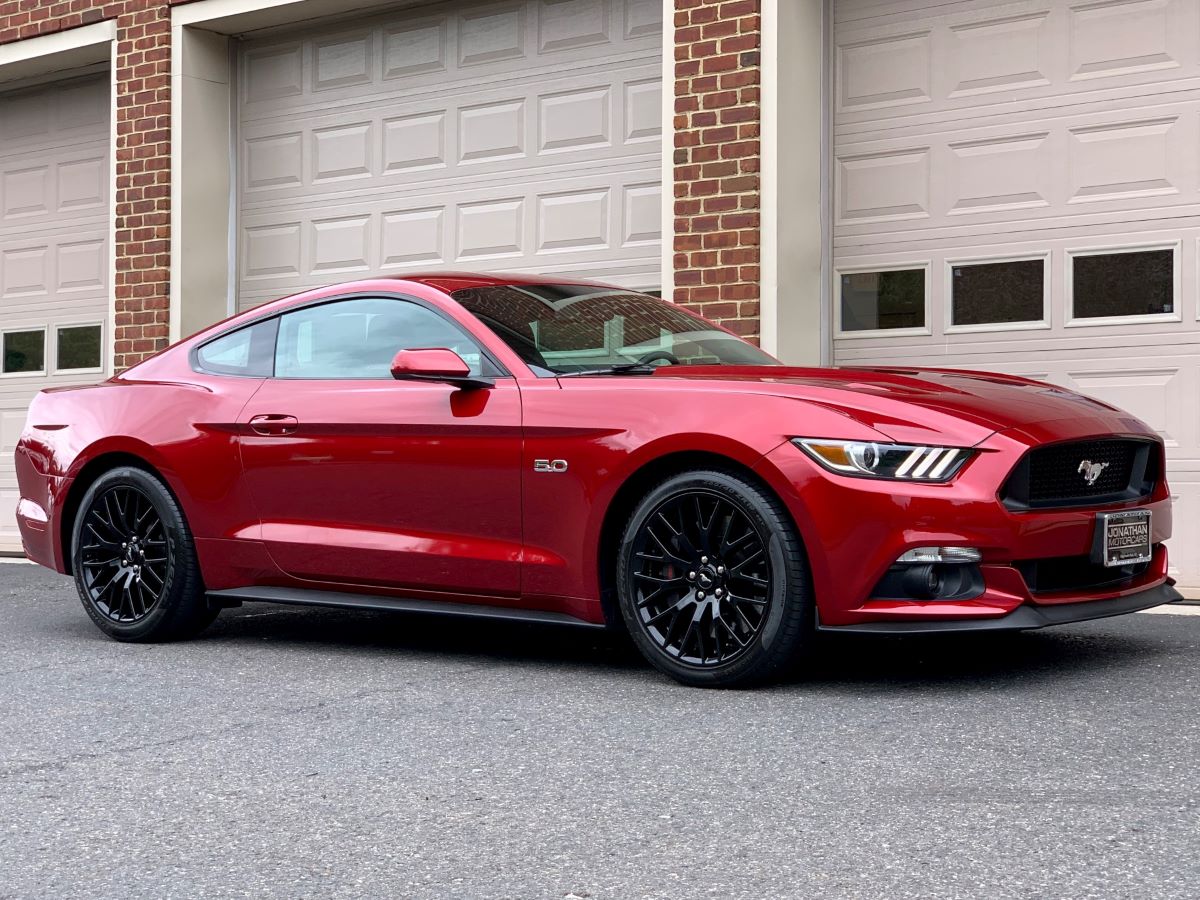
2. Ford Mustang (2015 Model)
The Ford Mustang has long been an American muscle car icon, but when the sixth generation was unveiled in 2015, many wondered if it could keep pace with shifting market demands. The automotive industry had changed significantly with the rise of SUVs and crossover vehicles dominating sales charts.
Muscle cars were often seen as a niche segment, and some critics questioned whether a retro-inspired Mustang could attract new buyers beyond its loyal fanbase. However, the 2015 Mustang proved to be a standout success that surpassed expectations, not just in the U.S., but globally.
Ford’s decision to offer a modernized Mustang with updated technology, improved performance, and a refreshed design allowed it to capture the imagination of both old enthusiasts and younger buyers.
The car retained its classic muscle car essence while incorporating contemporary features like turbocharged engines and advanced infotainment systems.
This blend of tradition and innovation made it appealing to a wider demographic than many predicted. Additionally, the Mustang’s relatively affordable price point compared to other sports cars helped broaden its market appeal.
One of the most unexpected outcomes was the Mustang’s international popularity. Ford actively promoted it outside the United States, entering markets where muscle cars had limited presence before. The success in Europe, Asia, and even parts of the Middle East surprised industry watchers and boosted sales numbers.
This global appeal highlighted how a strong brand combined with strategic updates could revitalize a model that some thought was past its prime. The Mustang’s strong performance figures and improved fuel economy also made it more competitive and practical for everyday use.
The 2015 Mustang’s sales success demonstrated that muscle cars still had a place in a rapidly evolving automotive market. It showed that blending heritage with modernity, combined with strategic marketing, could yield results beyond expectations.
Ford’s gamble on the new Mustang reinvigorated the model’s legacy and proved there was still strong demand for performance vehicles that also offered technology and comfort. This success laid the groundwork for subsequent Mustang variants, including more powerful and electric versions.
What also contributed to the Mustang’s surprising sales figures was Ford’s effort to diversify the lineup. Offering multiple engine options, from the fuel-efficient EcoBoost turbocharged four-cylinder to the legendary V8 in the GT models, gave buyers flexibility to choose according to their preferences and budgets.
This inclusive approach helped the Mustang appeal to both performance enthusiasts and everyday drivers looking for a stylish and capable car.
The integration of advanced driver-assistance systems and enhanced safety features further broadened its appeal. The Mustang’s ability to balance nostalgia with innovation made it a rare example of a muscle car that could succeed in modern global markets, far exceeding initial sales expectations.
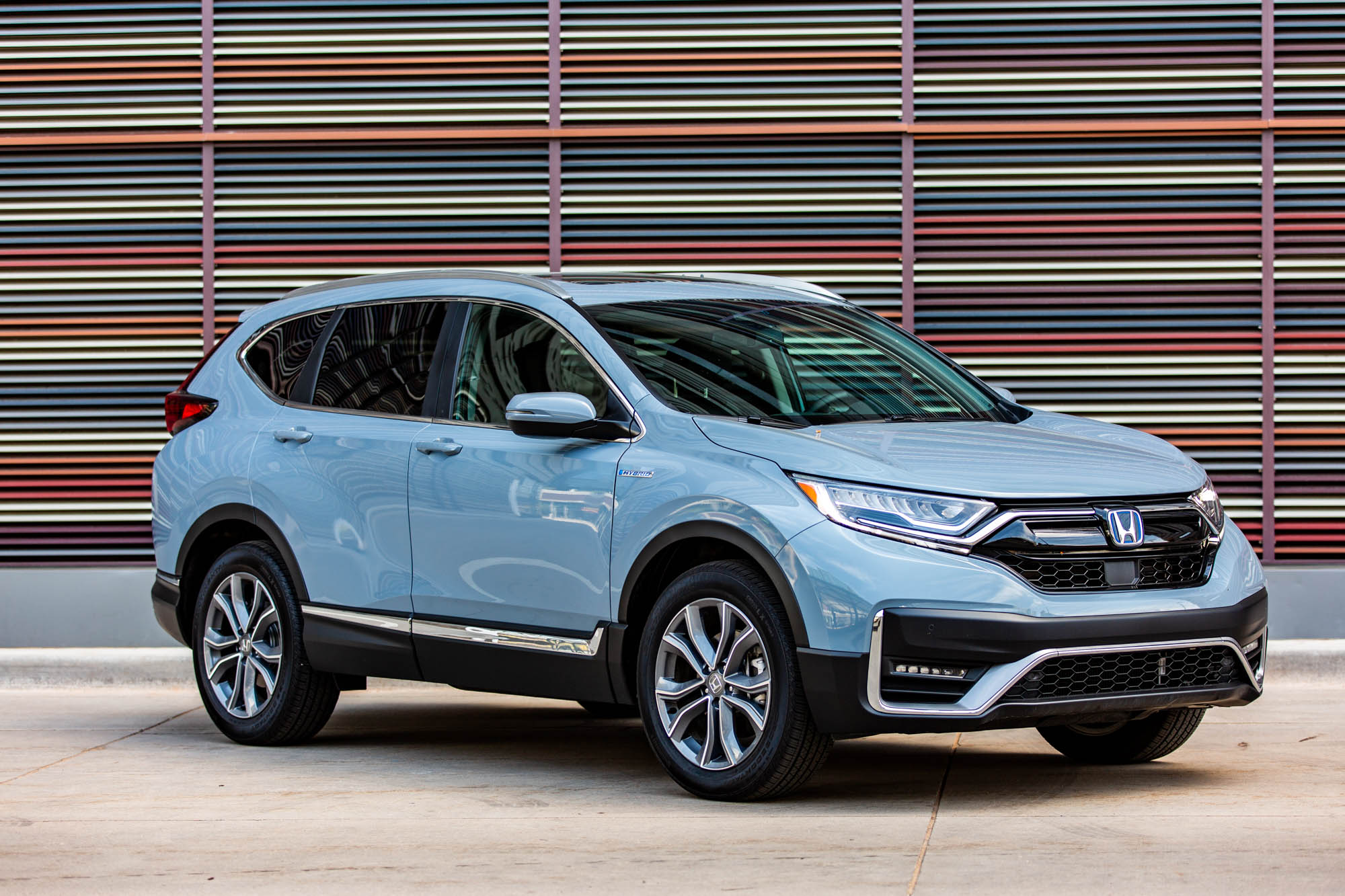
3. Honda CR-V
The Honda CR-V’s rise to prominence in the compact SUV segment was not entirely unexpected, but its level of success exceeded many forecasts. When first introduced in the mid-1990s, compact SUVs were just beginning to catch on in North America and other key markets.
Honda’s CR-V arrived as a practical, fuel-efficient alternative to larger SUVs, combining the benefits of higher seating position and cargo capacity without the bulk and fuel consumption of traditional models.
However, many analysts were unsure if consumers would embrace a smaller SUV with car-like handling over the more rugged, off-road capable vehicles that dominated the segment.
The CR-V’s success can be attributed to its versatility, reliability, and value proposition. It offered a smooth ride, spacious interior, and Honda’s reputation for engineering excellence. These factors attracted a broad audience, from small families to urban commuters.
Over time, the CR-V expanded its feature set to include advanced safety technology, infotainment, and more fuel-efficient powertrains, keeping it relevant in a highly competitive market. Its reputation as a dependable, economical choice helped it maintain consistent sales year after year.
One key factor that helped the CR-V outsell expectations was the growth of the crossover segment itself. As consumers increasingly prioritized utility and comfort over traditional SUVs’ ruggedness, the CR-V was perfectly positioned to benefit.
It became a mainstream choice for those seeking an everyday vehicle that could handle a variety of tasks, from grocery runs to weekend trips. The CR-V’s success also encouraged other manufacturers to develop similar models, contributing to the explosive growth of compact crossovers globally.
Honda’s strategy of continuous refinement and responsiveness to consumer feedback ensured the CR-V stayed competitive. Whether through improved interior materials, better fuel economy, or enhanced driver assistance features, Honda kept evolving the CR-V to meet changing tastes.
Its ability to maintain affordability without sacrificing quality was crucial in maintaining broad appeal. The CR-V’s outsized sales performance helped redefine what consumers expected from compact SUVs and solidified its place as one of the most successful models in automotive history.
Adding to the CR-V’s appeal was its global adaptability. The vehicle was tailored to suit markets across continents, offering different trims and engine options that matched local preferences and regulations. Its success in markets like China, where SUVs were rapidly gaining popularity, helped boost sales beyond what many anticipated.
Honda’s extensive dealer network and reputation for quality service reinforced buyer confidence, creating a virtuous cycle of demand. The CR-V’s blend of practicality, comfort, and brand reliability ultimately positioned it as a cornerstone in the crossover market, shaping consumer expectations for years to come.
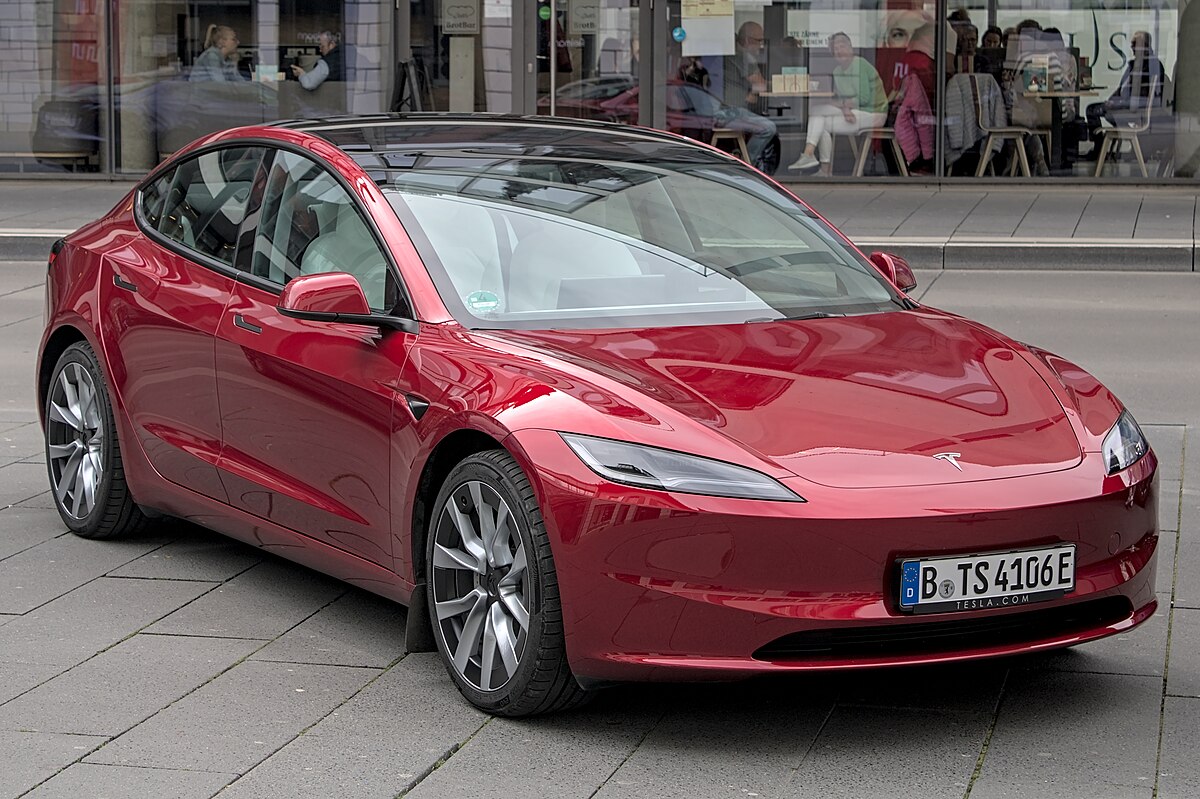
4. Tesla Model 3
Tesla’s Model 3 entered the market with enormous anticipation and skepticism. Electric cars had been on the fringes for years, often seen as niche products with limited range and high price tags.
Tesla had made waves with its Roadster and Model S, but the Model 3 was meant to bring electric vehicles (EVs) to the masses with a more accessible price point.
Expectations were mixed, while some believed it could revolutionize the EV market, others doubted that the company could scale production or achieve meaningful sales volumes.
What followed was one of the most remarkable automotive success stories of the 21st century. The Model 3 quickly surpassed preorder records and steadily gained traction among consumers looking for a practical, long-range electric vehicle.
Its combination of cutting-edge technology, strong performance, and a competitive price helped it capture buyers beyond the typical early adopters. Tesla’s direct-to-consumer sales model and over-the-air software updates added to the car’s appeal, creating a unique ownership experience.
The Model 3’s outsized sales success highlighted the importance of innovation, brand strength, and consumer willingness to embrace new technology. It proved that electric vehicles could compete with traditional cars on performance, range, and price.
Tesla’s ability to combine these factors into one package resulted in a model that not only sold well but redefined the future of the automotive industry.
Beyond the numbers, the Model 3 sparked significant shifts in consumer attitudes toward electric mobility. It demonstrated that electric cars could be desirable, practical, and accessible, changing the narrative around EV ownership.
Tesla’s extensive Supercharger network alleviated range anxiety concerns, making long-distance travel more feasible for the average buyer.
Furthermore, the company’s emphasis on software updates allowed the Model 3 to improve over time, keeping it competitive without requiring new hardware.
This approach was revolutionary and contributed to the car’s sustained popularity. The Model 3’s success was a major factor in accelerating the global transition toward electric transportation.
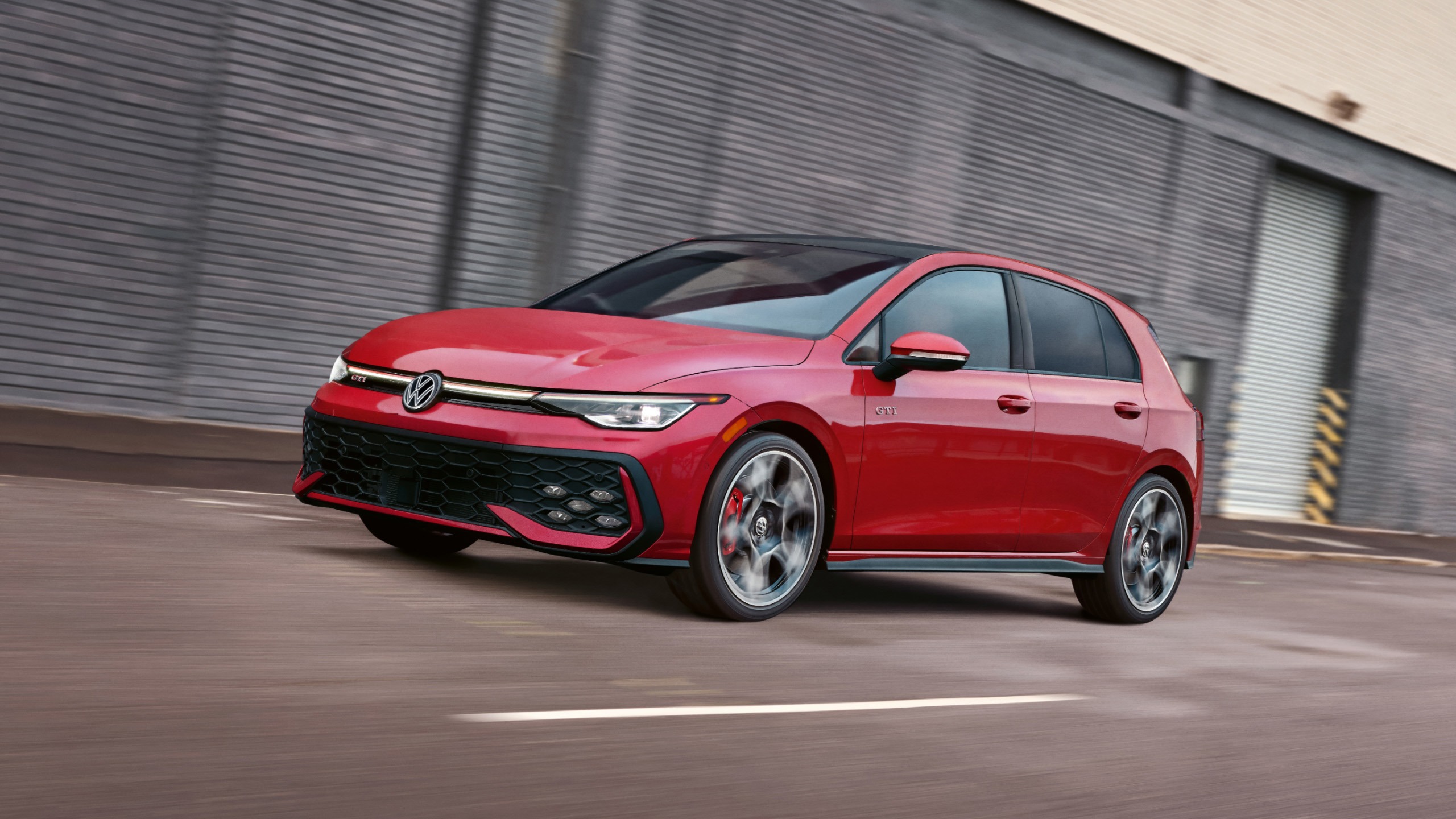
5. Volkswagen Golf
The Volkswagen Golf has been a staple of the compact car market for decades, but even with its long-standing presence, the Golf managed to outsell expectations through its various generations.
Initially launched in the mid-1970s, the Golf replaced the iconic Beetle and brought a fresh, practical design to a growing segment of consumers looking for efficient, reliable transportation. The car’s balance of size, performance, and practicality helped it appeal to a wide range of buyers worldwide.
One of the key reasons the Golf outsold expectations was Volkswagen’s commitment to continual improvement and adaptation. Each new generation brought better fuel efficiency, enhanced safety features, and updated styling.
The Golf was able to stay relevant through changing market tastes and increasingly stringent regulations. It catered not only to budget-conscious buyers but also to enthusiasts seeking sportier trims like the GTI and R models, broadening its market appeal.
Volkswagen’s global strategy also helped the Golf’s sales. It was manufactured in multiple countries, making it more affordable and accessible in various regions.
Its reputation for solid German engineering combined with practical features made it a favored choice among families, commuters, and driving enthusiasts alike. The Golf’s combination of versatility and quality helped it remain a consistent bestseller over many years.
Adding further to its appeal was Volkswagen’s savvy marketing and diversification of the Golf lineup. The sporty GTI and high-performance Golf R variants attracted driving enthusiasts, providing a dynamic edge to the Golf brand.
On the other hand, the economical TDI diesel models offered impressive fuel economy that appealed to cost-conscious drivers, especially in Europe.
Volkswagen also embraced innovations such as touchscreen infotainment systems and advanced safety features earlier than many competitors, keeping the Golf modern and desirable.
This blend of practicality, performance, and technological advancement allowed the Golf to maintain a competitive edge and outsell many initial predictions across global markets.
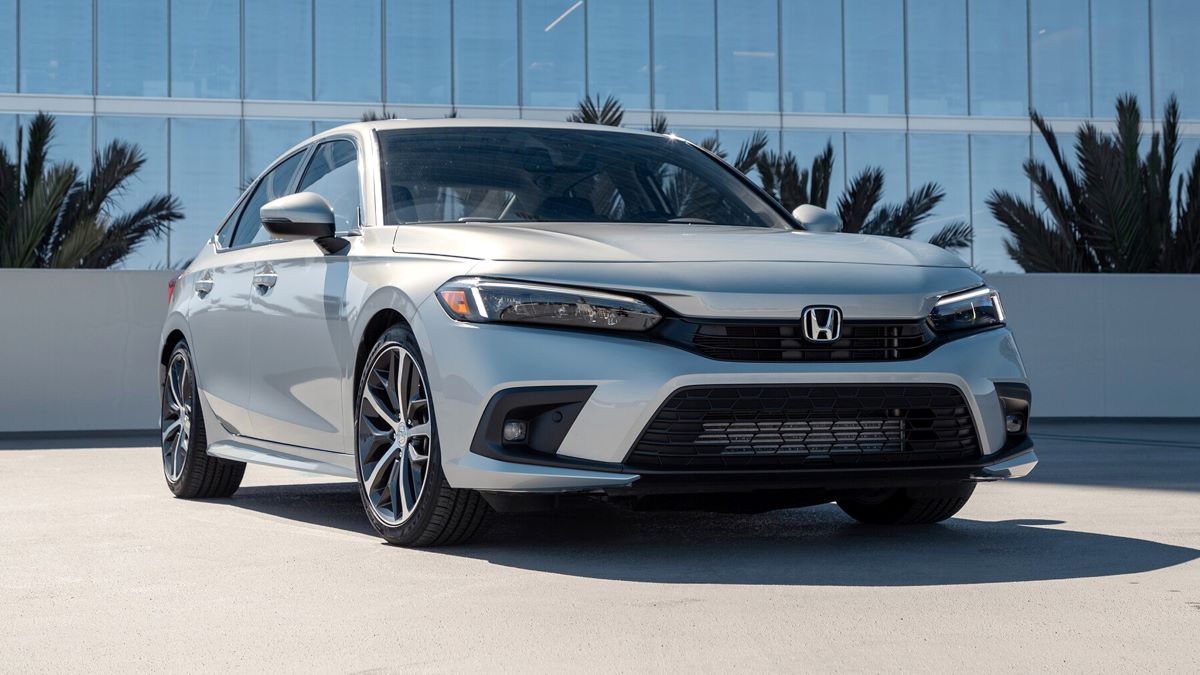
6. Honda Civic
The Honda Civic has been one of the most enduring and successful compact cars in automotive history, but even with its steady presence, the Civic has repeatedly outsold many expectations throughout its numerous generations.
Initially launched in the early 1970s, the Civic quickly gained a reputation for reliability, fuel efficiency, and affordability.
At a time when the automotive market was dominated by larger, less efficient vehicles, the Civic offered a practical alternative that appealed to a wide range of consumers looking for economical transportation without sacrificing quality.
What made the Civic particularly in its rise was how Honda managed to continually reinvent the model to keep up with evolving market trends and consumer preferences. The car evolved from a basic economy vehicle to a well-rounded compact car that could cater to families, young drivers, and enthusiasts alike.
Variants like the Civic Si and Type R brought performance credentials that helped elevate the model beyond the typical commuter car, attracting a diverse buyer base. This ability to appeal both to practical buyers and those seeking sportier options helped the Civic maintain strong sales over decades.
Honda’s commitment to technological advancements was also a significant factor in the Civic’s success. From improving fuel efficiency through the introduction of VTEC engines to integrating modern safety and infotainment features, the Civic kept pace with consumer demands and regulatory standards.
Its reputation for reliability, combined with reasonable pricing, made it a go-to choice for first-time buyers and those seeking dependable daily transportation. This broad appeal often led to sales numbers that outpaced what analysts initially predicted.
The Civic’s global reach further contributed to its outsized success. Honda manufactured and marketed the Civic in various international markets, tailoring trims and features to meet regional preferences.
This flexibility, along with the strong dealer networks and solid after-sales support, helped the Civic become a consistent bestseller worldwide.
Its balance of efficiency, comfort, and driving enjoyment created a winning formula that few competitors could match, leading the Civic to regularly exceed sales expectations.
Additionally, the Civic has been a pioneer in setting trends within the compact car segment. Its influence can be seen in the way other manufacturers approached design, fuel economy, and performance within this class.
The Civic’s long-standing reputation for dependability earned it strong brand loyalty, which in turn helped sustain sales through economic ups and downs.
Its success was not just about numbers but about creating a car that resonated with multiple generations of drivers. The Civic’s ability to blend practicality with excitement in various trims allowed it to stand out and outsell many projections throughout its history.
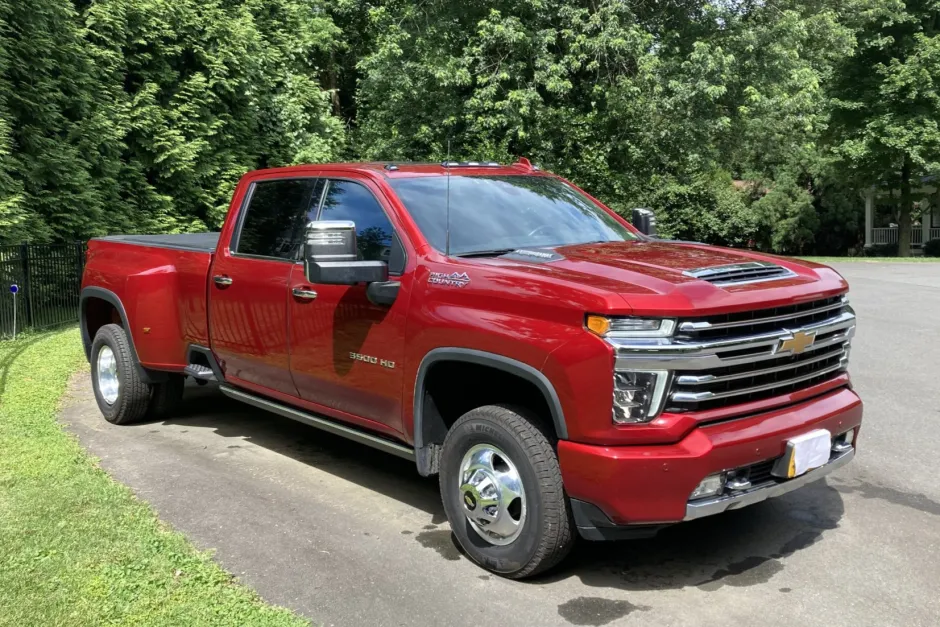
7. Chevrolet Silverado
The Chevrolet Silverado has been a cornerstone of the full-size pickup truck market, but its sales achievements often surpassed industry expectations, particularly as the truck segment grew increasingly competitive.
Introduced as part of Chevrolet’s lineup to compete with other American pickups, the Silverado offered a robust blend of power, versatility, and affordability that made it appealing to a broad swath of customers. From contractors to families and outdoor enthusiasts, the Silverado quickly carved out a strong foothold.
One of the key drivers behind the Silverado’s outsized success was its consistent evolution in design, technology, and capability. Chevrolet invested heavily in updating the Silverado with more powerful engines, improved towing capacities, and enhanced comfort features.
This balance between work-ready toughness and everyday usability attracted buyers who needed a reliable vehicle for heavy-duty tasks without sacrificing modern conveniences. The Silverado became more than just a tool, it was a full-fledged lifestyle vehicle for many owners.
The Silverado’s performance in the sales arena was also helped by the expanding pickup market itself. As trucks became increasingly popular for personal use, not just commercial or utility purposes, Chevrolet’s ability to offer a variety of trims and configurations helped capture different buyer segments.
From entry-level models suited for basic hauling to luxury trims equipped with premium features, the Silverado catered to a wide range of needs and budgets. This flexibility helped the model consistently outsell expectations, especially as pickup trucks became one of the fastest-growing vehicle categories in the U.S.
Chevrolet’s strong dealer network and brand loyalty also played crucial roles in the Silverado’s success. The model’s reputation for durability and resale value made it a trusted choice among consumers, reinforcing its market position.
Aggressive marketing campaigns and regular updates to keep the Silverado fresh helped sustain interest and sales momentum over many years. The Silverado’s outsized performance was a reflection of both its intrinsic qualities and the broader trends favoring trucks, cementing its place as one of America’s best-selling vehicles.
Further adding to its success was Chevrolet’s responsiveness to changing customer demands. The Silverado embraced advances in fuel efficiency, driver-assistance technologies, and connectivity features, helping it stay competitive in a crowded segment.
It also kept pace with styling trends, ensuring the truck looked modern and appealing to a broad audience. The Silverado’s ability to blend ruggedness with refinement contributed to its appeal beyond traditional truck buyers, further expanding its reach and boosting sales beyond initial expectations.
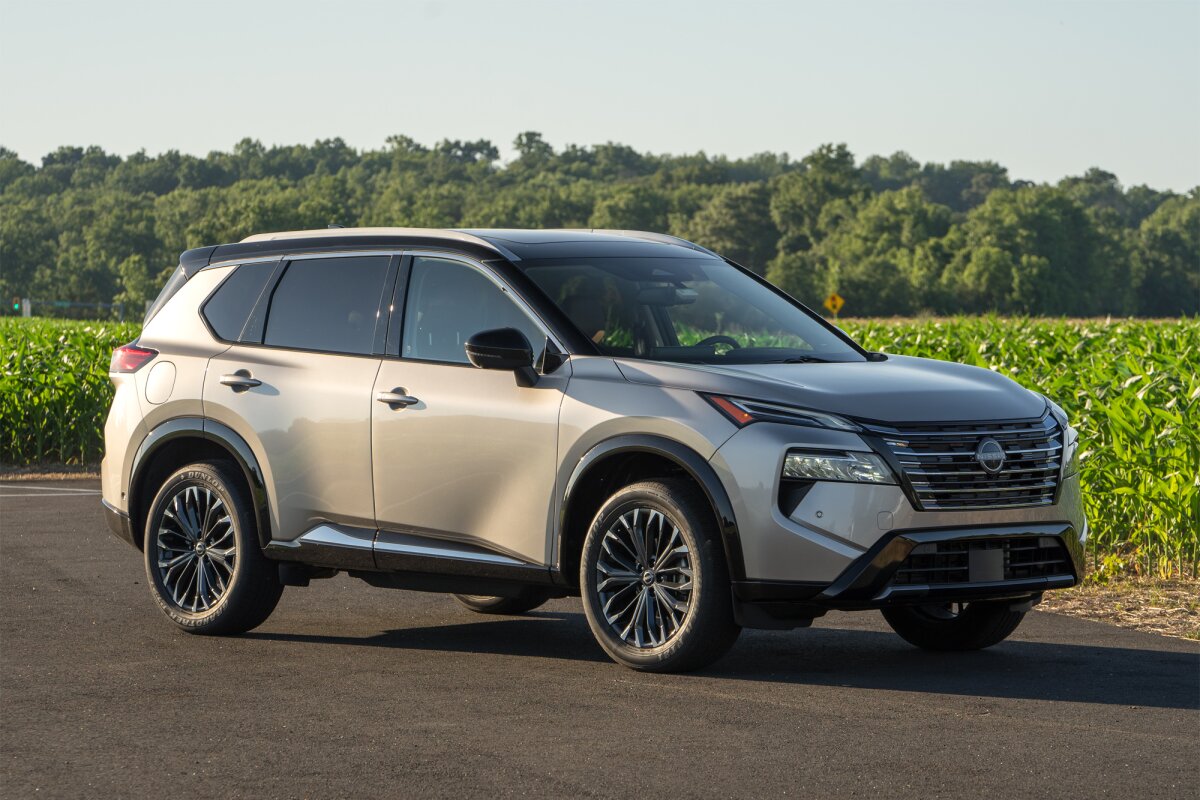
8. Nissan Rogue
The Nissan Rogue emerged as a standout model in the crowded compact SUV segment, often exceeding sales expectations thanks to its strategic positioning and well-rounded features.
When Nissan introduced the Rogue, it entered a market that was rapidly growing but highly competitive, with numerous manufacturers vying for attention. Despite this, the Rogue’s balance of affordability, practicality, and style helped it carve out a significant niche and attract a broad customer base.
The Rogue appealed to buyers looking for a compact SUV that offered more than just basic transportation. Its spacious interior, user-friendly technology, and smooth ride made it a compelling option for families and urban drivers alike.
Nissan’s focus on safety features and fuel efficiency further strengthened its appeal. Over time, the Rogue incorporated advancements like all-wheel drive options, advanced driver-assistance systems, and improved infotainment, keeping it relevant and competitive in a fast-evolving market.
A major factor behind the Rogue’s outsized sales success was its timing. It entered the market when compact crossovers were gaining immense popularity, capturing buyers transitioning from sedans to more versatile vehicles.
The Rogue offered an accessible entry point into the SUV segment, combining car-like handling with the added utility of a crossover. This mix resonated with consumers seeking practicality without the bulk of larger SUVs, helping Nissan surpass sales predictions.
Beyond the tangible features, the Rogue’s marketing and positioning helped create an image of reliability and modernity. It attracted a younger demographic while still appealing to families needing space and comfort.
The vehicle’s blend of technology, efficiency, and style made it stand out among competitors. This broad appeal, paired with the rising demand for SUVs and crossovers, allowed the Rogue to consistently exceed sales expectations and become one of Nissan’s top-selling models worldwide.
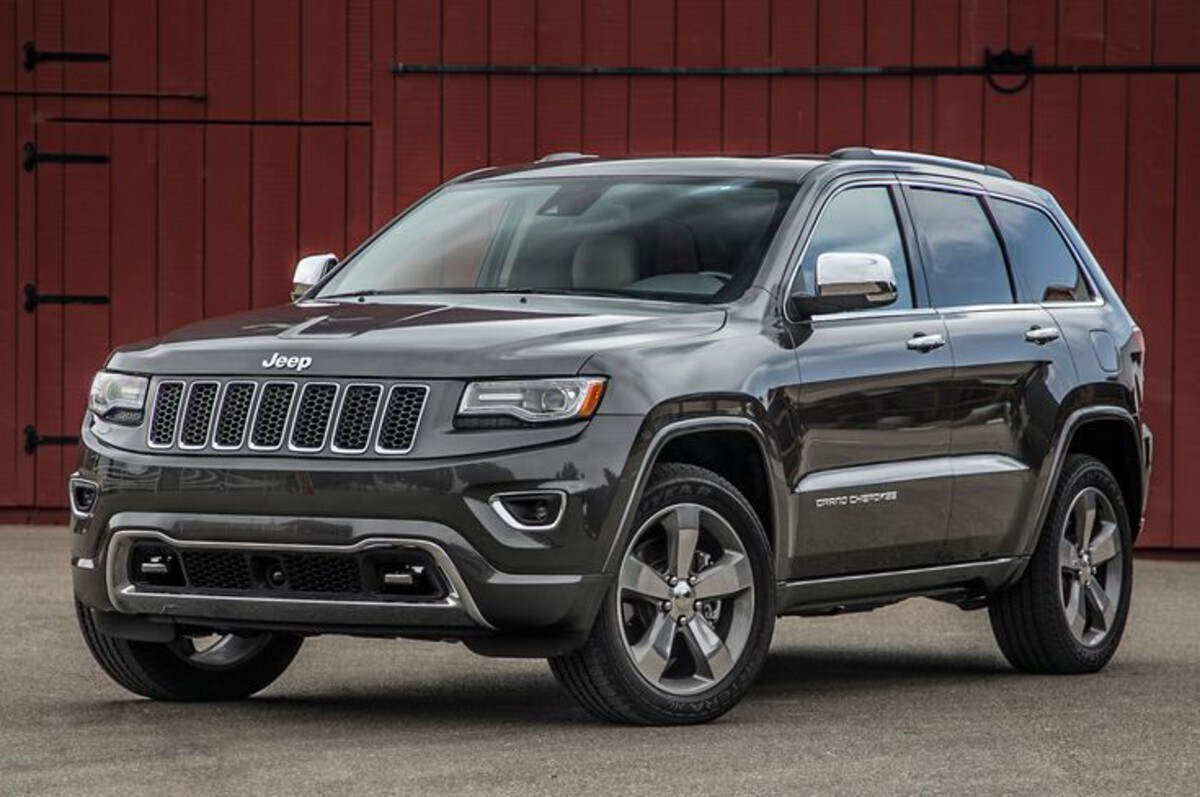
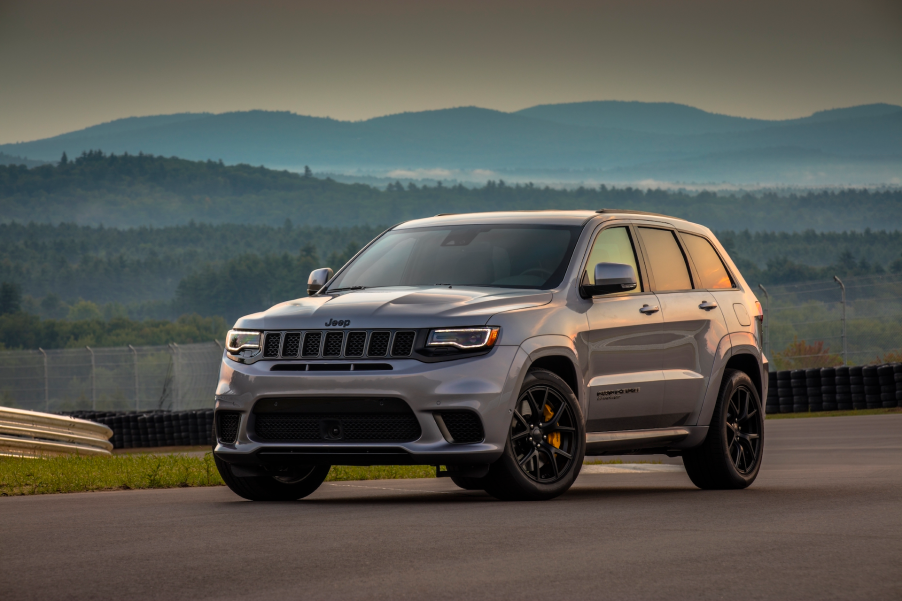
9. Jeep Grand Cherokee
The Jeep Grand Cherokee has long been a flagship model in Jeep’s lineup, but its sales have often surpassed forecasts thanks to its blend of rugged capability and upscale refinement.
When introduced, the Grand Cherokee was positioned as a mid-size SUV that could tackle tough off-road conditions while also offering comfort and luxury features that appealed to everyday drivers. This duality helped the Grand Cherokee attract a diverse range of buyers beyond traditional Jeep enthusiasts.
The Grand Cherokee’s ability to balance off-road prowess with on-road comfort was a major factor in its unexpected sales strength.
Buyers appreciated that the vehicle could handle rough terrain while providing a quiet, comfortable ride for daily commutes. Jeep’s investment in advanced four-wheel-drive systems, powerful engine options, and upscale interiors helped the Grand Cherokee appeal to both adventure seekers and families looking for versatility.
The growing popularity of SUVs and crossovers in general helped the Grand Cherokee’s sales trajectory as well.
As consumers increasingly moved away from sedans, Jeep capitalized on the trend by continually updating the Grand Cherokee with modern technology, safety features, and more efficient engines. This evolution allowed the Grand Cherokee to stay competitive in an increasingly crowded segment and outsell initial projections.
The Grand Cherokee also benefitted from Jeep’s global expansion, as the brand’s adventurous image resonated in markets around the world. The vehicle was adapted to meet various regional regulations and preferences, enhancing its international appeal.
Jeep’s robust dealer network and reputation for customer service further supported sales growth. By blending heritage with innovation and targeting a wide audience, the Grand Cherokee established itself as a bestseller that exceeded expectations.
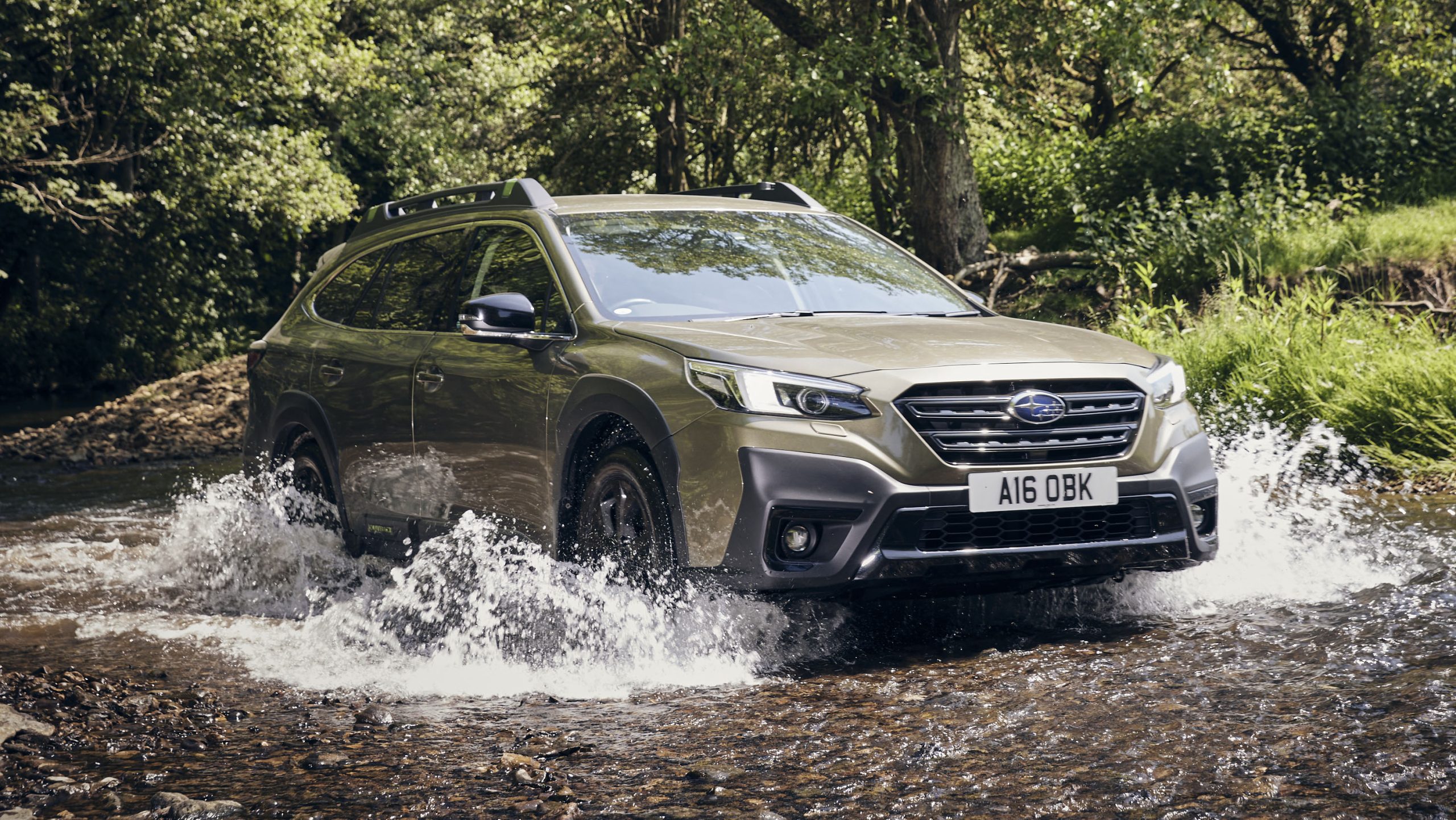
10. Subaru Outback
The Subaru Outback was initially introduced as a niche vehicle, blending wagon practicality with off-road capability. Many doubted whether this unique crossover-wagon hybrid would find a substantial audience, given its unconventional positioning between SUVs and traditional cars.
However, the Outback’s rise to popularity far exceeded these early assumptions, making it one of Subaru’s flagship models and a standout in the crossover market. One reason for the Outback’s outsized success was its unique appeal to buyers wanting the utility of an SUV without the bulk.
Its spacious interior, all-wheel drive system, and rugged styling attracted outdoor enthusiasts, families, and commuters alike.
The Outback was seen as a versatile vehicle that could handle diverse driving conditions, from urban streets to mountain trails, making it appealing in regions with varied climates.
Subaru’s commitment to safety and reliability further boosted the Outback’s appeal. The inclusion of advanced driver assistance features, excellent crash-test ratings, and a strong reputation for durability made it a trusted choice.
This combination of ruggedness and peace of mind attracted buyers who might otherwise have chosen more traditional SUVs, helping Subaru capture a unique market niche.
The Outback’s growing popularity was also tied to changing consumer preferences. As more drivers sought vehicles that offered both practicality and lifestyle appeal, the Outback fit perfectly into this trend. Its ability to blend car-like handling with SUV-like capability created a segment that Subaru effectively dominated.
Continuous updates to technology, interior quality, and fuel efficiency helped the model stay fresh and competitive.
