
There’s something undeniably special about classic cars. Their bold lines, mechanical feedback, and analog character created an emotional bond between car and driver that many feel has been lost in today’s world of high-tech, sanitized machines.
But while nostalgia holds a firm grip on the hearts of enthusiasts, progress has brought safer, more efficient, and faster vehicles than ever before. Somewhere in between lies a perfect middle ground, cars that carry the spirit of a bygone era while being equipped to handle the demands of the modern world. These are the vehicles that offer both soul and sophistication.
This balance is not easy to achieve. Engineers and designers have to tread carefully to preserve the authenticity that defines old-school driving while layering in just the right amount of current-day innovation. When it’s done right, the result is a machine that doesn’t feel like a compromise, but a celebration of past and present.
Whether it’s a retro body shell concealing a state-of-the-art electric powertrain or a heritage nameplate reborn with adaptive suspension and driver aids, these vehicles aren’t just exercises in nostalgia. They’re thoughtful creations that honor history while making use of the tools available today.
Not every car on this list is from a major automaker, and not every model is a production-line best seller. But each one brings something unique to the conversation. Some are built to look like they stepped out of a 1960s showroom but drive like the latest performance cars.
Others stay true to their legacy with evolutionary styling and mechanical layouts that harken back to their roots, while integrating smart features that make daily driving more comfortable and safer. A few have been completely reimagined using electrification or carbon fiber construction, yet they still evoke feelings that only true car lovers understand.
The cars featured below prove that it’s still possible to enjoy the emotion of vintage motoring without giving up the conveniences and performance improvements of the 21st century. Whether you’re into muscle, rally, grand touring, or off-road icons, these twelve examples each show that the past and the present can coexist, not just peacefully, but beautifully.
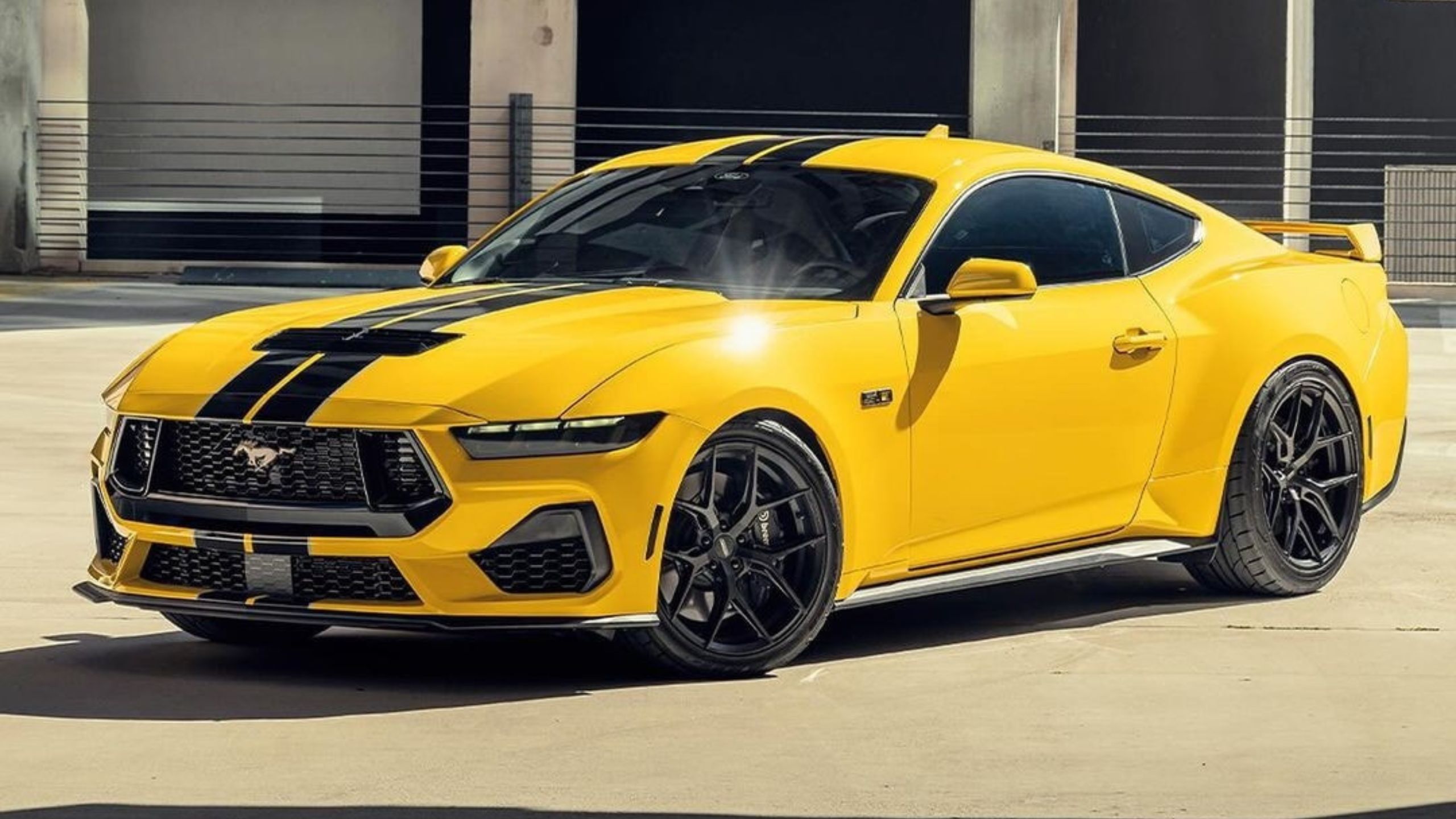
1. Ford Mustang (S650 Generation)
The latest generation of the Ford Mustang manages to hold on to its original identity while embracing modern expectations. The long hood, short deck proportions remain unmistakably Mustang, and there’s still a rumbling V8 available under the hood. But step inside, and the cabin tells a different story.
Digital screens dominate the dashboard, offering customizable displays that let the driver change the entire vibe of the instrument cluster. There’s wireless smartphone integration, driver-assist features, and selectable drive modes that completely change the character of the car depending on the situation.
Where earlier Mustangs were brute force machines with little regard for refinement, the new iteration introduces a level of precision that older models couldn’t touch. Electric power steering has been tuned to offer feedback that still satisfies, and adaptive suspension allows the car to behave like a cruiser or a corner-carver depending on the setting.
Even the six-speed manual gearbox has been optimized for quicker shifts and better feel, appealing to purists who still want to change their own gears. It’s a fine example of how a pony car can evolve without losing its soul.
The 5.0-liter V8 is a familiar figure, but it now produces more power and efficiency thanks to upgraded internals and advanced engine management. There’s also a four-cylinder turbo option that still offers lively performance for those who want the look without the thirst.
While the basic formula hasn’t strayed too far from its roots, everything under the surface has been modernized to meet stricter emissions and safety standards. It’s a smarter, faster, and more comfortable Mustang, but it never tries to be something it’s not.
For all the changes, what makes this car stand out is that it still delivers an emotional experience. The soundtrack from the exhaust, the rear-wheel-drive dynamics, and the bold styling remain faithful to the original concept that launched the Mustang legacy. It’s clear that the designers and engineers understood what mattered most and made sure those ingredients stayed intact, even while updating everything else around them.
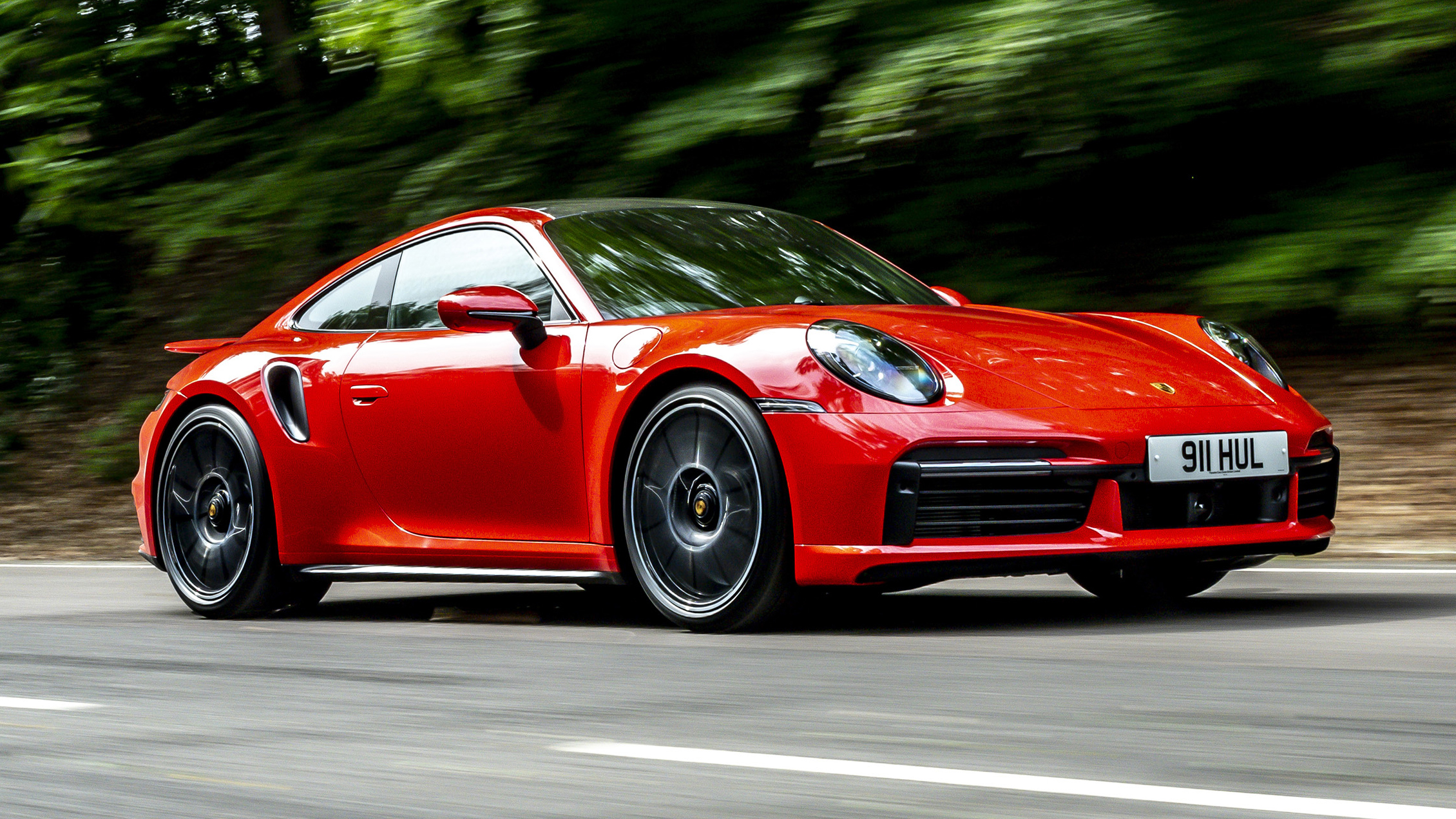
2. Porsche 911 (992 Generation)
Few vehicles have stayed as loyal to their origins as the Porsche 911. From the first model in the early 1960s to today’s version, the silhouette has remained recognizable, the rear-engine layout remains intact, and the name still commands respect.
The 992-generation 911 continues that lineage, but hides some of the most advanced technology ever put into a sports car beneath its familiar curves. Active aerodynamics, all-wheel drive, torque vectoring, and an infotainment system that rivals any luxury sedan all come standard or optional, depending on the trim.
The 911 walks a delicate line. It has to satisfy purists who want a direct, connected driving experience, but it also needs to compete with modern performance machines that boast more power and digital controls.
To achieve that, Porsche offers variants like the 911 Carrera T and the GT3 that focus on lightweight design, mechanical grip, and driver engagement. Even in its more luxurious forms, the 911 still provides steering feel and chassis balance that few competitors can match. The result is a car that feels analog even when it’s filled with tech.
Inside the cabin, quality materials and ergonomic design remind you that this car is both a daily driver and a precision instrument. The touchscreen system is seamless and non-intrusive, and the controls are thoughtfully placed.
Unlike some high-end performance cars, the 911 doesn’t drown the driver in settings or modes, it lets the hardware do the talking. The cabin noise levels are low, but you can still hear the flat-six engine doing its work behind you, which adds to the connection.
That engine, still naturally aspirated in some models, delivers its power with a sense of occasion. Even the turbocharged versions have been engineered to maintain sharp throttle response and distinctive sound. Porsche didn’t just add modern technology to the 911; it refined it in a way that preserves the essence of what makes a 911 special. It’s a car that continues to grow more capable, but never grows numb.
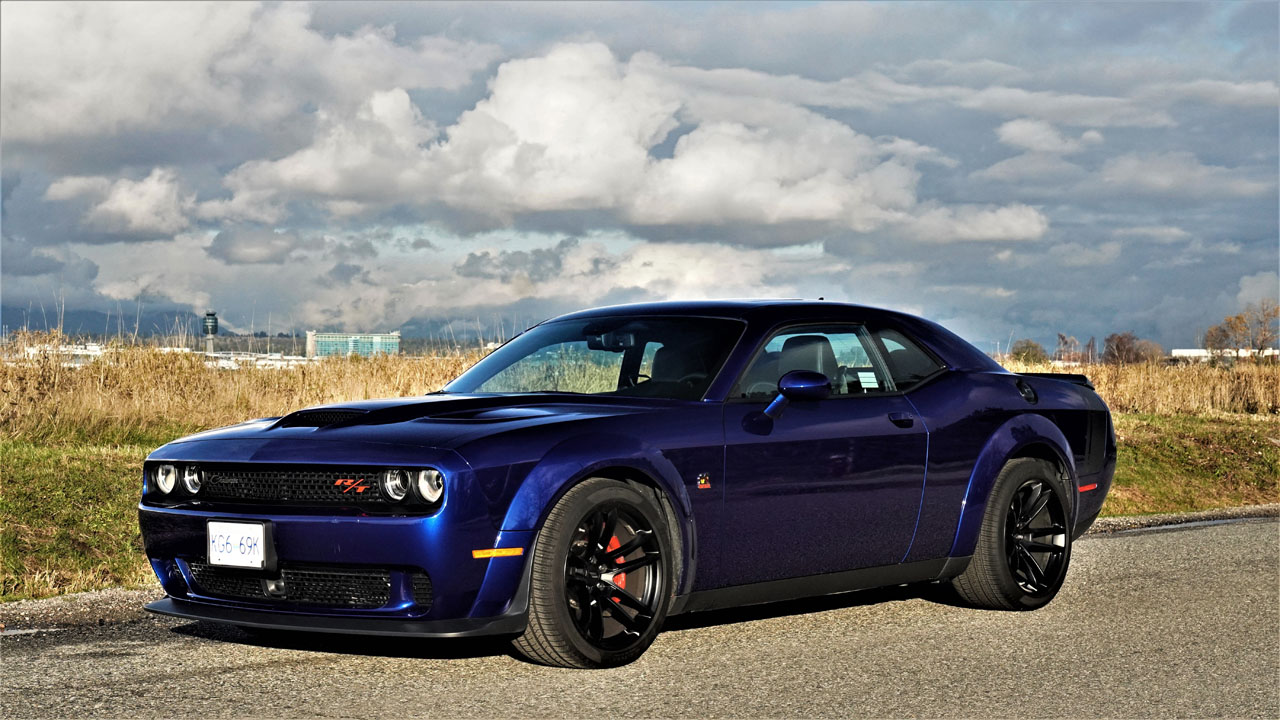
3. Dodge Challenger R/T and SRT Hellcat
The Dodge Challenger is unapologetically retro, and that’s exactly what makes it such a standout. Unlike most modern performance cars that focus on precision and lap times, the Challenger puts its weight behind raw power and street presence.
It looks like a muscle car from the late 1960s because that’s the whole point. From its squared-off grille to its wide stance and aggressive rear haunches, it doesn’t just hint at its heritage, it wears it proudly.
But this isn’t just a styling exercise. Underneath the old-school appearance is a platform that’s been updated to accommodate today’s power and safety demands.
Whether it’s the 5.7-liter HEMI in the R/T or the outrageous supercharged 6.2-liter V8 in the Hellcat, the Challenger delivers performance figures that older muscle cars could only dream about. Yet it also features touchscreen navigation, adaptive cruise control, and electronic stability systems that allow you to enjoy the performance without constantly fearing the car will bite back.
One of the most important aspects of the Challenger is its attitude. It doesn’t try to pretend it’s a track car like some of its rivals. It’s a street fighter, designed to look good, go fast in a straight line, and rumble like thunder. The interior is big and comfortable, with seats that support long drives and enough tech to keep things convenient. You get Apple CarPlay, backup cameras, and heated seats in a car that still roars like it’s 1970.
The Challenger proves that you can build a car that stays true to its roots while meeting modern expectations. As the rest of the industry moves toward smaller, more efficient vehicles, Dodge has doubled down on character. It might not be the sharpest tool in the shed, but it knows exactly what it is, and that authenticity resonates with those who want something that feels alive.
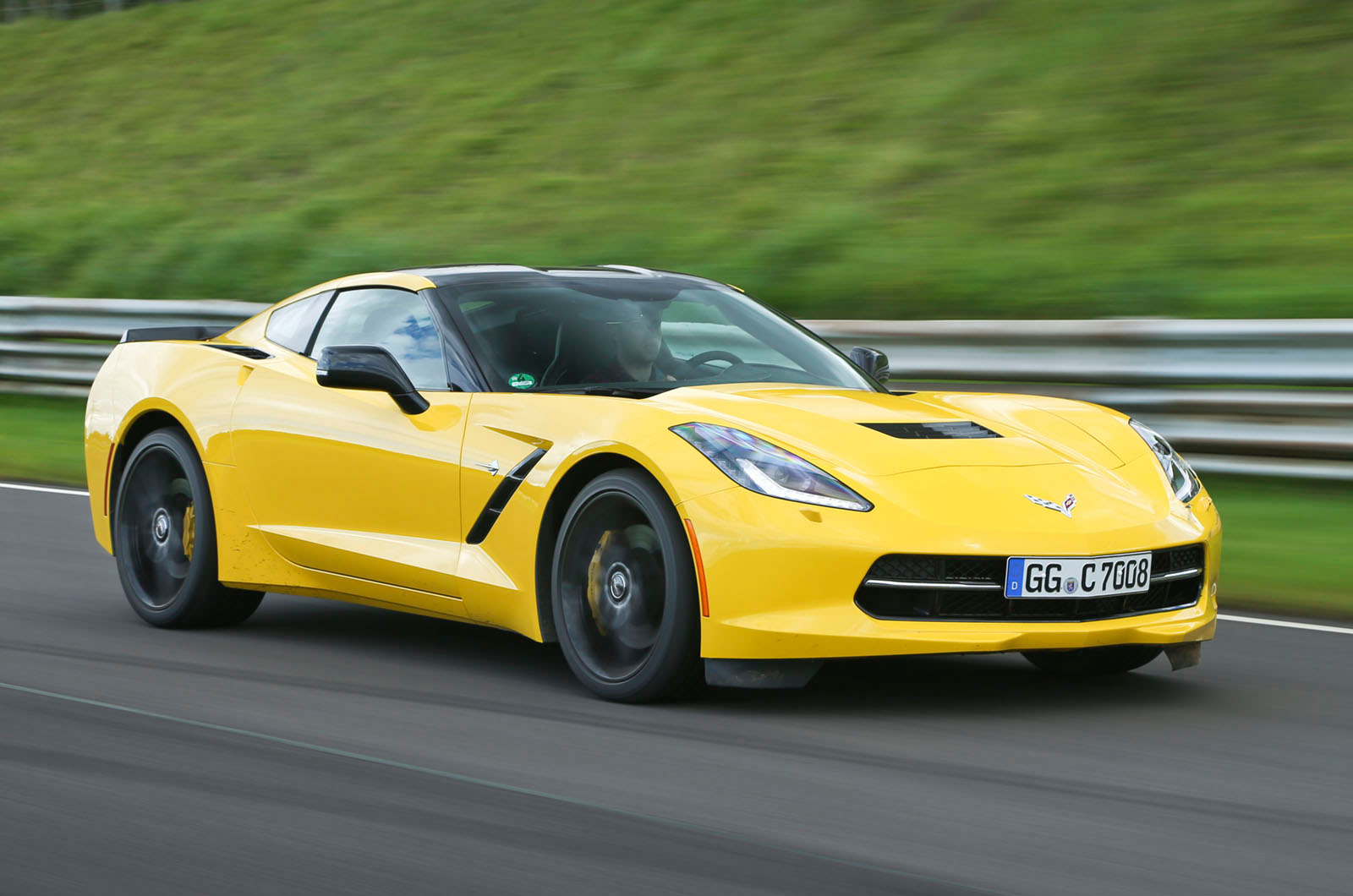
4. Chevrolet Corvette Stingray (C8)
The Corvette has long been America’s most iconic sports car, but for decades it clung to a front-engine layout that many felt limited its potential. With the eighth-generation (C8), Chevrolet made a dramatic change: the engine moved behind the driver, completely transforming the car’s balance and performance capabilities.
This change, however, didn’t mean abandoning the legacy. From its aggressive lines to its unmistakable silhouette, the C8 still screams Corvette, just with a sleeker, more exotic flavor. The taillights, the sculpted bodywork, and the quad exhaust all hint at the car’s past while signaling a very serious step into modern engineering.
Performance is where the modern technology shines brightest. The C8’s naturally aspirated 6.2-liter V8 now sits behind the cockpit, sending power to the rear wheels through a lightning-quick dual-clutch transmission.
Launch control, drive modes, and active dampers allow the driver to tailor the experience to whatever environment they find themselves in, from back roads to track days. The result is a level of poise and cornering ability that previous Corvettes couldn’t match. The mid-engine layout provides a lower center of gravity and improved weight distribution, which dramatically enhances handling without sacrificing straight-line speed.
The interior marks a significant leap forward as well. The cockpit wraps around the driver, emphasizing a feeling of control and precision. High-quality materials, stitched leather, and advanced displays elevate the driving environment well beyond what older Corvettes offered.
The central touchscreen system is intuitive, while the digital gauge cluster offers customizable views for performance data, navigation, and more. Wireless charging, a premium audio system, and even a front-lift system for driveways and speed bumps show that practicality hasn’t been forgotten, even in a high-performance package.
Despite all these modern touches, the C8 Corvette remains deeply connected to its heritage. It still offers visceral acceleration, aggressive styling, and a bang-for-the-buck performance value that rivals struggle to match. While it may be more refined and capable than ever before, it hasn’t lost the spark that made previous generations so appealing. It’s a car that proves evolution doesn’t mean erasure, and that reinvention can preserve everything that matters.
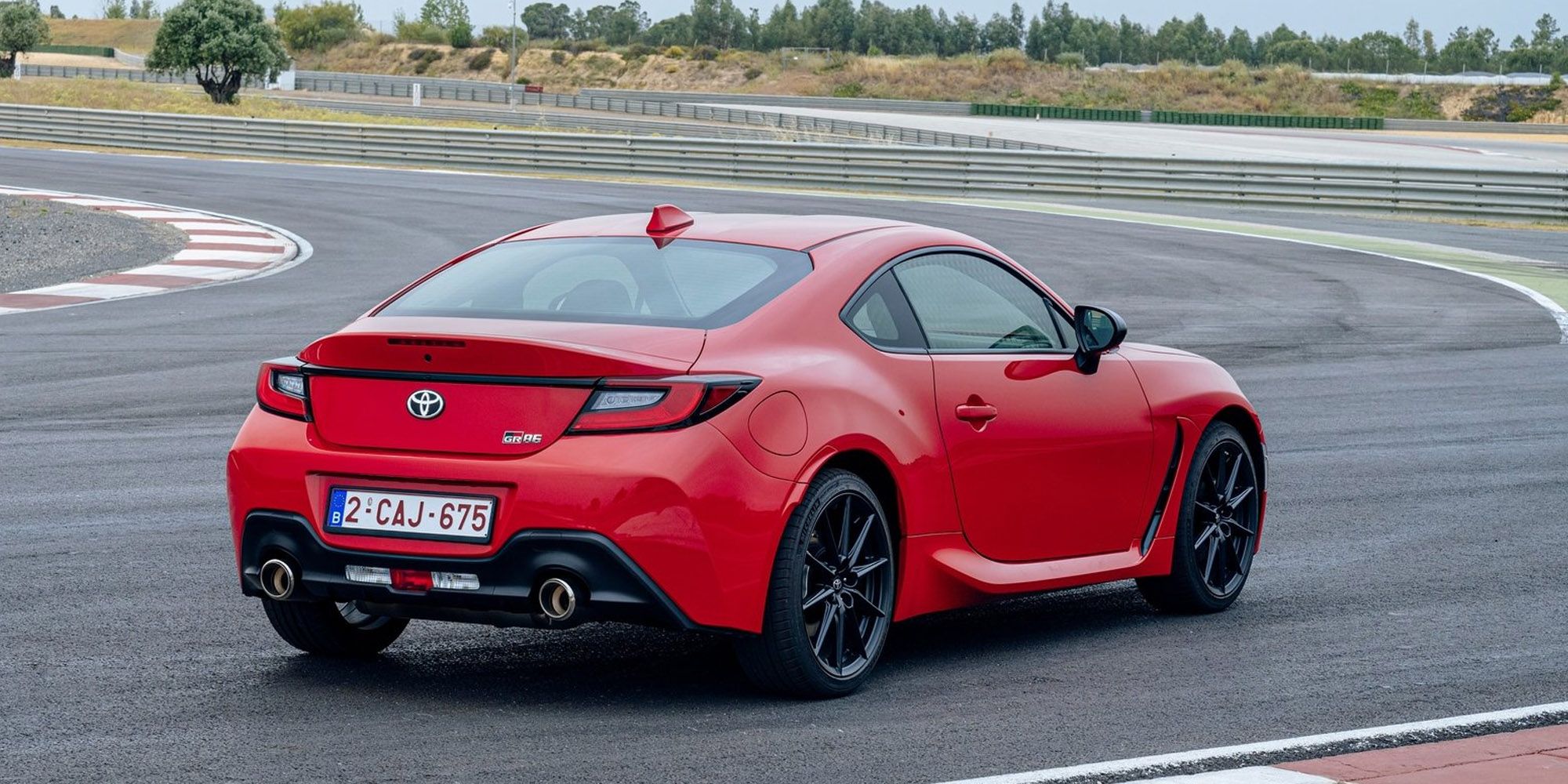
5. Toyota GR86
The Toyota GR86 is one of the few cars on the market today that still caters to driving purists who value feel over numbers. It doesn’t have outrageous horsepower or complicated electronics, but what it does offer is a chassis that responds to every input with precision and honesty.
The shape of the GR86 remains simple and classic, a long hood, low-slung roof, and tidy dimensions that hint at lightweight agility. It’s a car that reminds drivers of what sports cars used to be: fun, affordable, and engineered for the human behind the wheel.
The modern elements are present, but they don’t interfere with the driving experience. The engine is now a 2.4-liter flat-four that offers a broader torque band and smoother delivery than the previous version, fixing one of the car’s few complaints. The suspension has been revised, and while it remains firm, it doesn’t punish on poor roads.
Safety features like lane departure warning, automatic emergency braking, and adaptive cruise control have been added without compromising the character of the car. These additions make the GR86 easier to live with day to day, especially for those who use it as a commuter as well as a weekend toy.
Inside the cabin, there’s a modern touchscreen, smartphone integration, and a digital gauge cluster. But the layout is still driver-focused, with supportive seats, a small steering wheel, and a low driving position.
Materials are better than before but not overly luxurious, this is a car that prioritizes driving feel over flash. What’s most impressive is how Toyota and Subaru have kept weight down and balance ideal, resisting the urge to overcomplicate a car that thrives on simplicity. It doesn’t overwhelm with tech; instead, it enhances what’s there.
Driving the GR86 brings back memories of classic rear-wheel-drive coupes of the past. It’s not trying to be a muscle car or a luxury machine. It simply wants to connect the driver to the road in a way that many modern vehicles no longer do.
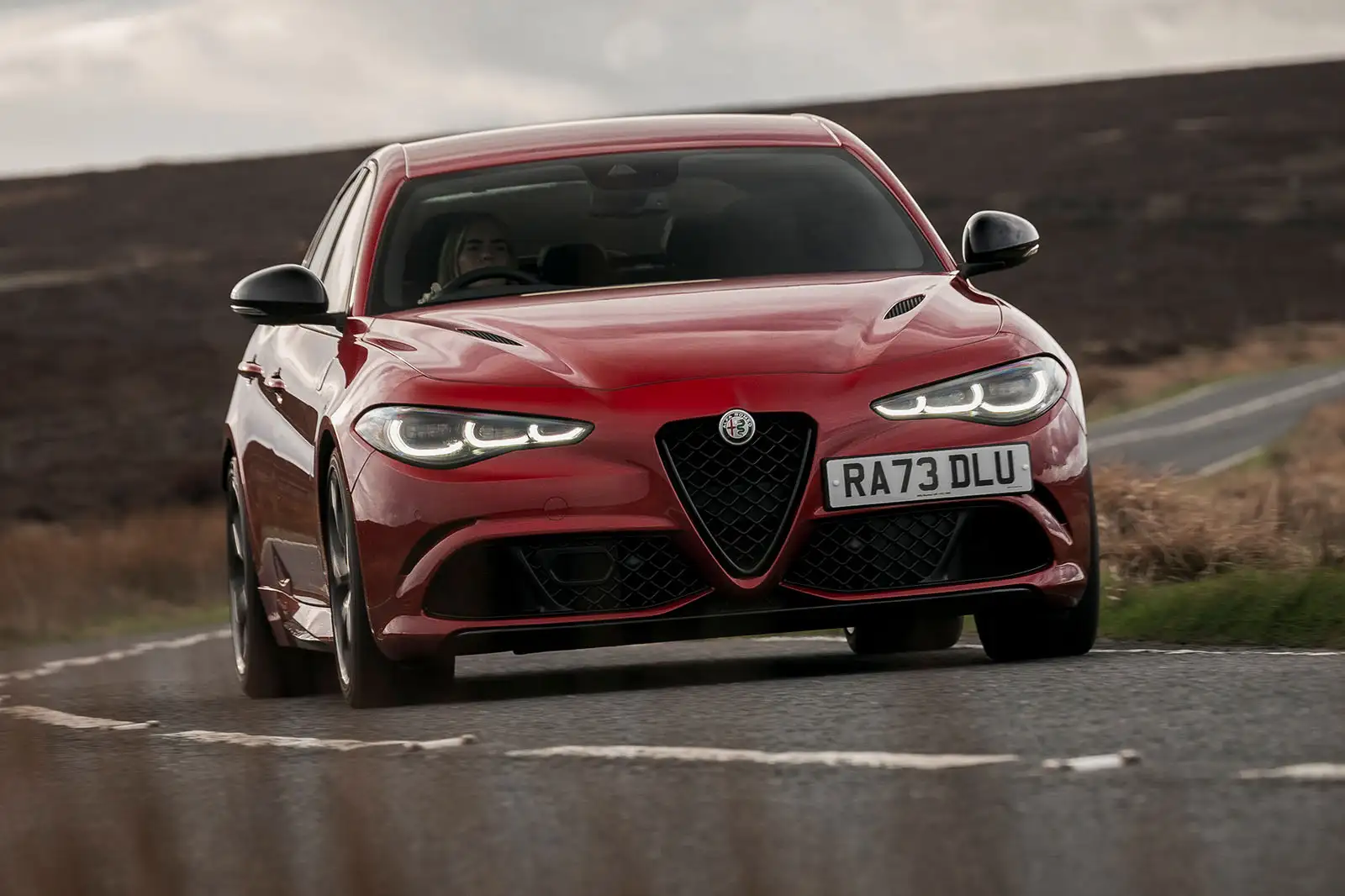
6. Alfa Romeo Giulia Quadrifoglio
The Alfa Romeo Giulia Quadrifoglio is a rare blend of tradition and cutting-edge performance. At first glance, its aggressive yet elegant styling pays tribute to classic Italian sedans of the past, sharp lines, purposeful stance, and a badge that carries decades of racing history.
But under that skin lies a beast powered by a twin-turbocharged 2.9-liter V6 developed with input from Ferrari engineers. That connection to a storied past, especially within motorsport, is matched with contemporary technology that allows the Giulia to compete with the very best in its segment.
Performance-wise, the Giulia Quadrifoglio brings serious numbers, but it doesn’t do so clinically or synthetically. The throttle response is instant, the steering is quick and communicative, and the balance of the chassis is exceptional for a four-door sedan.
You feel the heritage in every corner, a car made by people who care about more than just specs. It offers driving modes that shift its personality from refined grand tourer to snarling track machine, and the exhaust system responds accordingly, delivering an authentic soundtrack that adds to the drama.
The cabin is where old meets new in a more subtle but effective manner. You’ll find carbon fiber trim and digital displays, but they coexist with tactile switchgear and supportive, bolstered seats that feel like they belong in a sports car.
The infotainment system is improved from earlier versions and now offers better graphics and response, while still keeping distractions to a minimum. This is not a rolling computer; it’s a driver’s machine that happens to offer the conveniences of the modern age, such as driver-assistance tech, smartphone connectivity, and adaptive lighting.
More than just a performance sedan, the Giulia Quadrifoglio is an emotional machine that brings the soul of Alfa Romeo into the modern performance world. It’s far from perfect in terms of build consistency, but perfection was never the point.
It was built to feel alive, to stir something in the driver every time it’s fired up. It’s living proof that heritage and high performance don’t need to be at odds, and that emotion can live alongside innovation when the priorities are right.
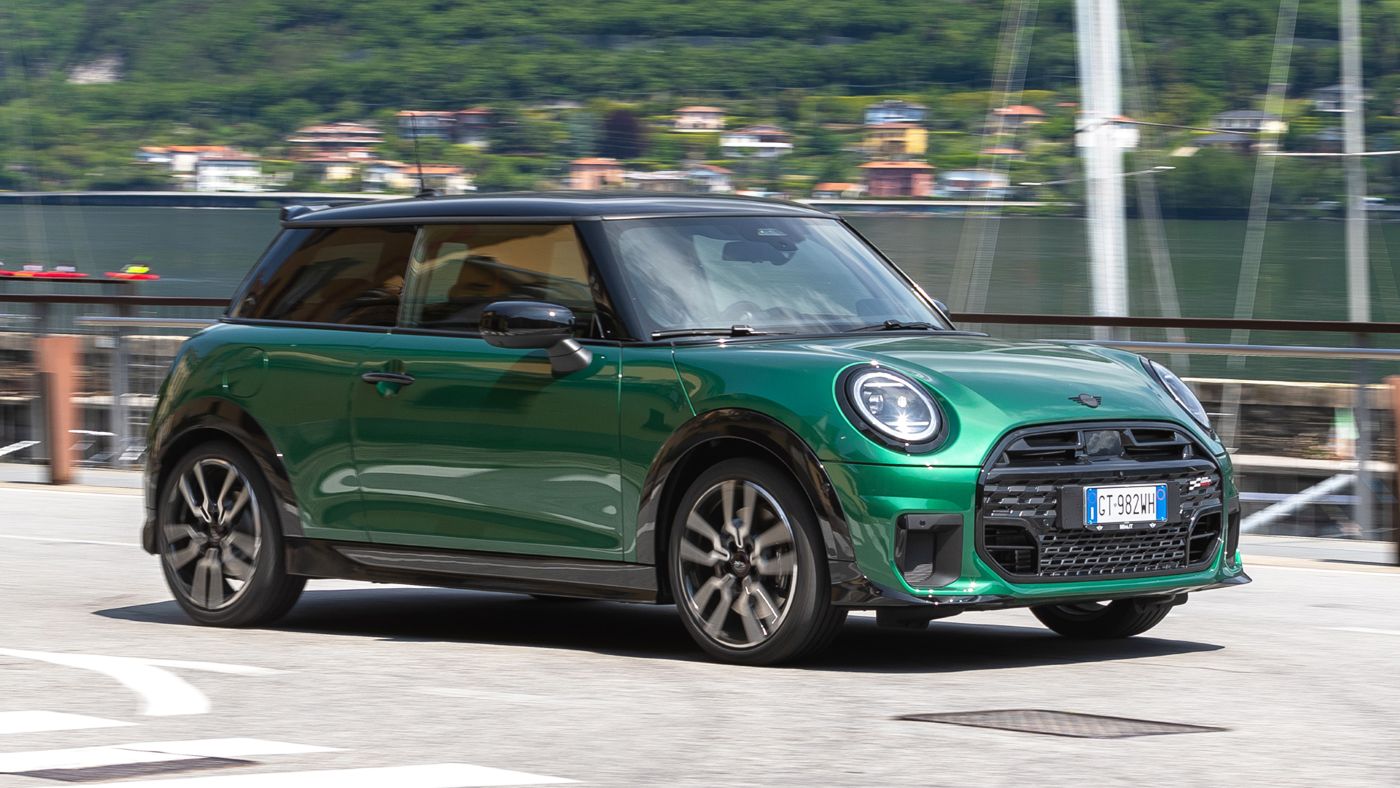
7. Mini Cooper S (Modern Iterations)
The modern Mini Cooper S still carries the charm of its 1960s ancestor, but now wraps that heritage in technology that makes it safer, quicker, and far more comfortable to drive. The car remains compact and playful, retaining the short wheelbase and quirky personality that made the original a cultural icon.
Under the hood, the turbocharged four-cylinder engine brings far more power than any classic Mini ever dreamed of, and the handling remains as sharp and entertaining as ever.
Thanks to modern suspension geometry, advanced traction control systems, and adaptive dampers, the Mini Cooper S feels planted and confident even when pushed hard. It stays true to its “go-kart” reputation while being significantly more composed and predictable. For city driving, few cars match its nimbleness, and its compact size makes parking and maneuvering a breeze.
Inside the cabin, the fusion of retro and modern design is evident. The large circular center display now houses a digital infotainment system, but the toggle switches and layout retain the fun, unconventional spirit of earlier Minis.
Touchscreens, navigation, and premium audio have all been added, along with ambient lighting and driver-assist features. Yet the essence of the car remains rooted in fun and simplicity. It doesn’t pretend to be luxurious in the traditional sense, but it feels premium in a youthful, confident way.
Where many compact cars have become bland and indistinct, the Mini Cooper S continues to offer a driving experience with real personality. It’s quick, agile, and full of character, traits that made the original so beloved.
While the driving experience has been refined and made more accessible to a broader audience, the core identity remains unchanged. It’s a car that proves fun doesn’t need to be old-fashioned or basic, and that personality can be preserved even as the rest of the industry leans toward homogenized design.
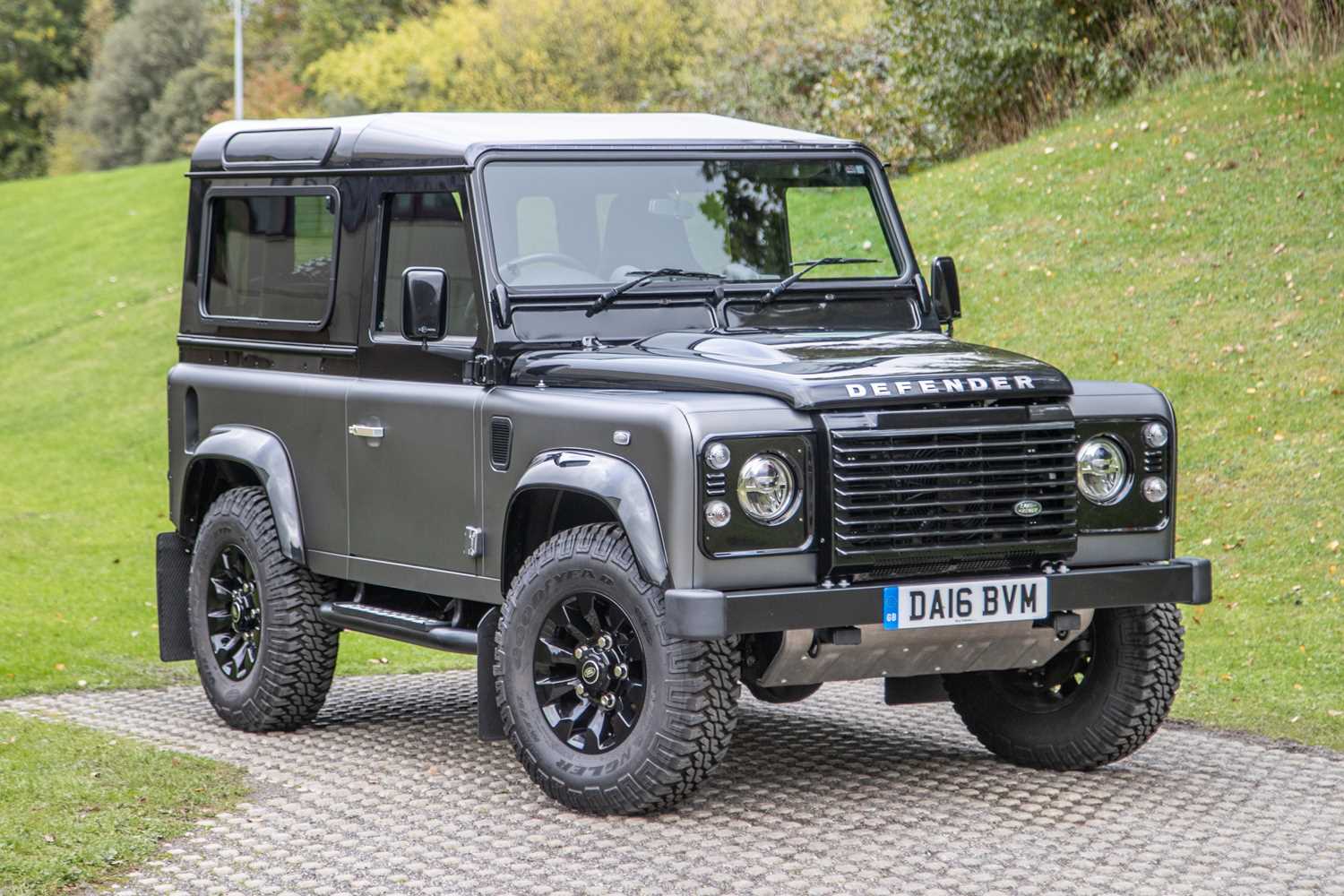
8. Land Rover Defender (New Generation)
The original Land Rover Defender was a symbol of rugged simplicity, designed for work, exploration, and military use. Its appeal was its rawness, boxy shape, exposed bolts, minimal comforts, everything about it screamed purpose over polish.
When Land Rover introduced the new-generation Defender, many worried that the tough-as-nails character would be replaced by soft, luxury-focused priorities. But rather than abandoning its DNA, the updated Defender managed to honor its roots while stepping into the modern world with confidence.
The silhouette remains familiar, upright stance, flat roof, and short overhangs designed for superior approach and departure angles. But now, everything is wrapped in aerodynamic surfaces and clever design cues that blend nostalgia with functionality.
Underneath, the body-on-frame construction is gone, replaced by a modern unibody platform that allows for greater refinement without sacrificing off-road capability. Advanced all-wheel drive systems, terrain management modes, and a suite of electronic aids make the new Defender even more capable in the wild than its predecessor, but now with the bonus of comfort and precision.
Step inside, and the blend of past and present becomes even more apparent. The cabin is durable and utilitarian, with exposed structural elements and rubberized flooring that pay homage to the Defender’s working-class origins.
What makes the Defender’s transformation so impressive is how authentic it feels despite the changes. It’s no longer the rattle-filled tool of old, but it hasn’t become soft either. It still feels purposeful, still looks like it belongs in a remote outpost, but now it’s just as comfortable getting there. Land Rover didn’t just modernize the Defender; they gave it a new future while keeping its soul intact. It’s no longer stuck in the past, but it hasn’t forgotten where it came from.
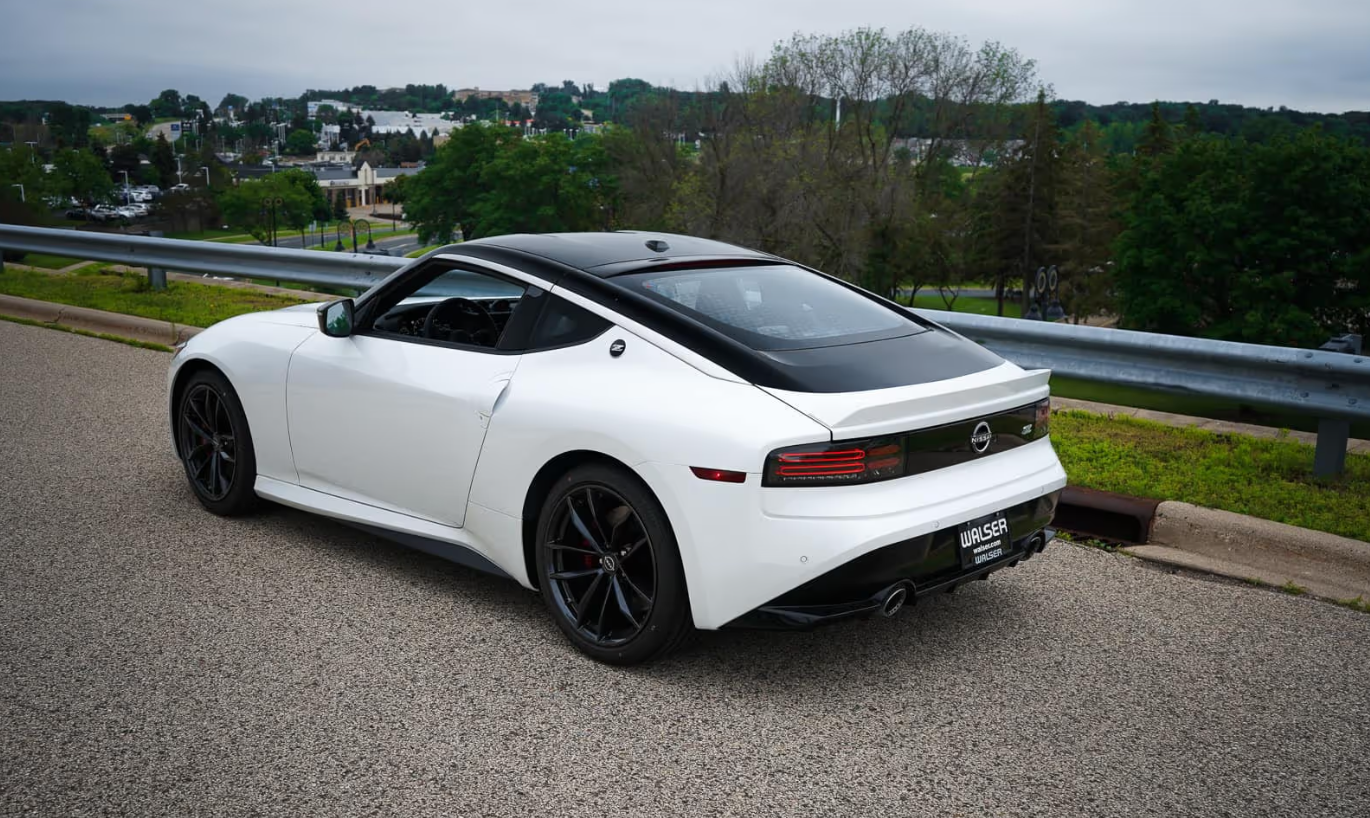
9. Nissan Z (RZ34 Generation)
The Nissan Z has always stood for affordable performance with a distinctly Japanese flair, and the latest generation continues that tradition while injecting the car with 21st-century precision.
The new Z revives visual cues from multiple previous models, with styling that recalls the original 240Z and even the 300ZX, particularly in the rear light design and roofline. It’s instantly recognizable as a Z-car, thanks to its clean profile, long hood, and fastback tail, elements that have defined the series since the beginning.
Underneath that nostalgic design is a thoroughly modern platform, updated from the previous 370Z but significantly refined. Power comes from a 3.0-liter twin-turbocharged V6 pushing out over 400 horsepower, paired with either a six-speed manual transmission or a quick-shifting automatic.
While many cars in its class have moved to all-wheel drive or hybrid setups, the Z sticks to a classic rear-wheel-drive layout. The result is a driving experience that feels more raw and mechanical than most of its modern competitors, but without sacrificing performance or safety.
Technology is present, but not overwhelming. Inside, the car features a fully digital instrument cluster that can be customized to display everything from turbo pressure to gear position.
A modern infotainment system with Apple CarPlay, Android Auto, and voice control sits neatly in the center stack, flanked by real climate control knobs and vents. It’s a careful balance of tactile functionality and digital convenience, one that many modern sports cars struggle to strike. The interior feels tighter and more focused than in previous models, without becoming cramped or austere.
Driving the new Z feels like reconnecting with a familiar friend who has grown up but still remembers what made them fun to be around. The steering has weight and feedback, the engine delivers strong midrange power, and the manual transmission brings a satisfying sense of control.
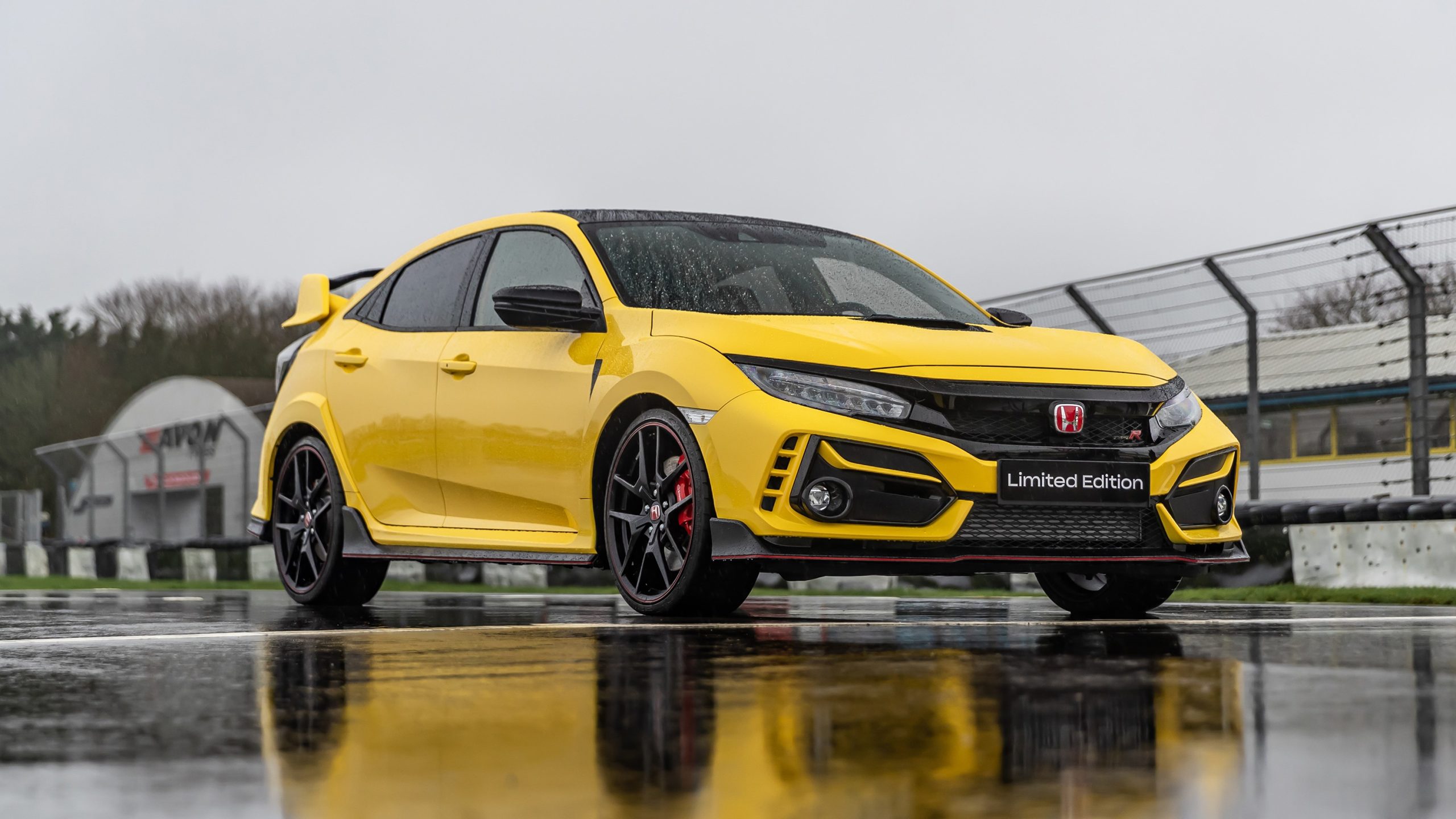
10. Honda Civic Type R (FL5 Generation)
The Civic Type R has always walked the line between practicality and aggression, but the latest generation brings a new level of maturity without losing the energetic feel that made it special in the first place.
While the styling has been toned down compared to the wildly winged and vented FK8 model, the FL5 still retains a purposeful look, with flared fenders, functional vents, and a wide stance that signals serious performance. It no longer feels like a boy-racer caricature; it feels like a proper machine meant to be driven hard.
The turbocharged 2.0-liter four-cylinder engine continues as the centerpiece, delivering over 300 horsepower through a front-wheel-drive layout that remains surprisingly composed even under full throttle. The suspension is more refined, with improved damping and chassis rigidity that reduce road harshness without muting road feel.
It still features adaptive dampers, a limited-slip differential, and Brembo brakes, making it a formidable tool on a twisty road or racetrack. Despite all these capabilities, it’s still a Civic underneath, easy to drive, reliable, and practical enough for daily use.
Inside, the FL5 has received significant upgrades in materials, design, and layout. The signature red seats and accents remain, but now the cabin feels more premium, with less plastic and more attention to detail.
What sets the Civic Type R apart from so many others is how well it manages to be both thrilling and sensible. It hasn’t forgotten its humble roots, nor has it abandoned the hardcore drivers who want real engagement from a hot hatch.
It feels like a spiritual successor to the great Japanese performance cars of the 1990s, but with better brakes, more grip, and a smarter interior. It’s one of the few performance cars left that proves you don’t need to go rear-wheel drive or spend luxury money to have something that connects with your hands, feet, and heart.
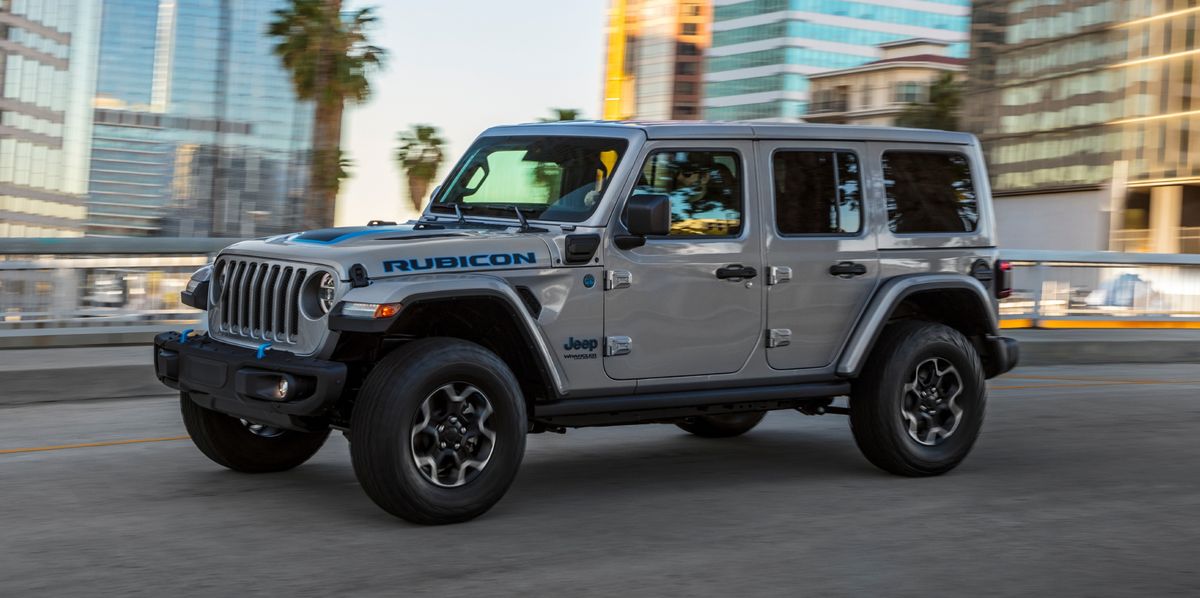
11. Jeep Wrangler 4xe
The Jeep Wrangler has one of the strongest identities in the automotive world, rugged, boxy, and built to conquer the outdoors. For decades, its basic shape hasn’t changed, nor has its purpose.
But the arrival of the 4xe version marked a turning point, combining Jeep’s legendary off-road capability with a plug-in hybrid powertrain. To many, this might seem like a contradiction, but in practice, it’s an innovative evolution that allows the Wrangler to move into the future without shedding what makes it special.
From the outside, you’d barely notice anything different. The 4xe still has the seven-slot grille, removable doors, fold-down windshield, and body-on-frame construction. But now, it also has a charge port on the fender and blue accents signaling its electrified nature.
On the road, the 4xe performs better than many expected. It’s smoother than the standard Wrangler, especially at low speeds, and the added weight of the battery helps settle the ride.
Regenerative braking, battery management, and drive mode selection bring new layers of control to a vehicle that traditionally prioritized mechanical grip and gear ratios. Yet all the critical Jeep hardware is still there: solid axles, low-range transfer case, and locking differentials. You can still take it through mud, rocks, and rivers, just now with a little extra tech under the surface.
The Wrangler 4xe shows that embracing modern technology doesn’t have to mean abandoning tradition. It’s still unapologetically a Jeep, but one that can go off the grid a little further without relying on gas.
It gives enthusiasts a taste of what the future could look like without losing the character that made the Wrangler iconic in the first place. And as regulations tighten and electrification becomes the norm, this hybrid warrior ensures that the spirit of adventure can keep going.
