
There are some cars that achieve worldwide fame for their performance, luxury, or innovation. These are the models you see in movies, on billboards, and in heated debates among automotive enthusiasts. But beyond the mainstream, there exists another class of vehicles that command fierce loyalty from their fans.
These cars might not be the fastest or the most beautiful by conventional standards. Some were never bestsellers or even widely available in every market.
Yet despite their low-key presence, they have sparked something strong and lasting in their respective communities. From obscure imports to forgotten domestic models, these cars have built dedicated followings that persist long after the manufacturing lines stopped.
This list highlights twelve such vehicles. Many of these aren’t household names, but among those who know them, they inspire devotion that borders on obsession. Some of the cars on this list have survived due to their mechanical quirks, others because of the culture that grew up around them.
In many cases, what they offered went beyond simple transportation. It could be the unique way they handled, the challenges they presented to mechanics and tuners, or even just the sense of identity they gave their owners.
Often, what unites these cult favorites is not perfection, but imperfection. Their flaws made them interesting. Their limitations gave people something to push against. The result was a bond that many modern vehicles simply don’t foster anymore.
A cult following doesn’t always mean massive online communities or national car meets, although some of these cars have that too. Sometimes, it’s just about how many people still swear by a car twenty or thirty years after it was discontinued. It’s about the folks who scour junkyards for rare parts, or those who keep their vehicles running against all odds.
The affection for these cars is often personal and unshakable. Whether it stems from nostalgia, rebellion, or just plain weirdness, the effect is the same: people stick with these cars for life. Let’s take a closer look at twelve vehicles that you might not expect to have this kind of legacy, but do.
1. Subaru SVX
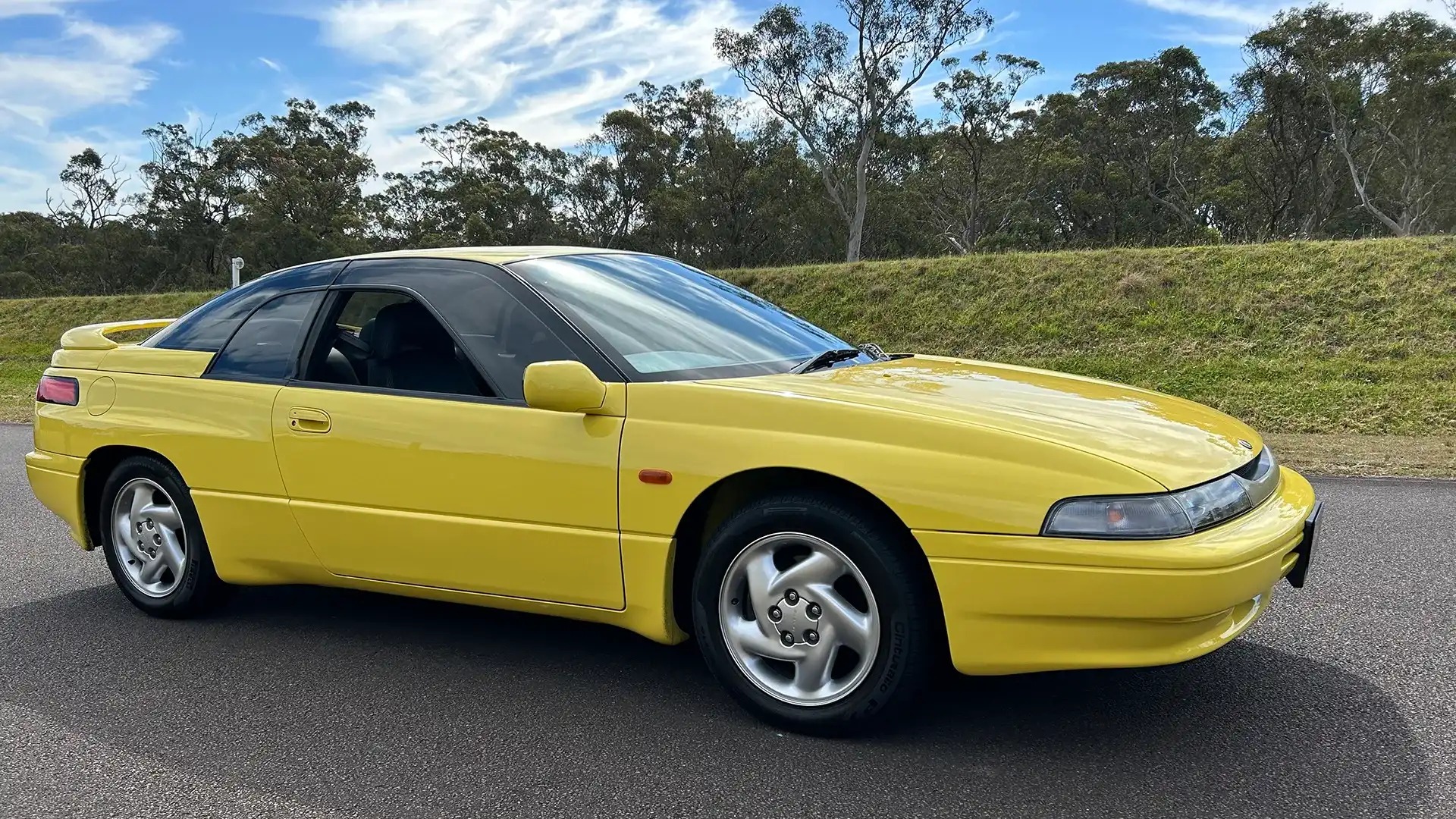
The Subaru SVX is one of those cars that felt like it was born at the wrong time. Introduced in the early 1990s, it was Subaru’s attempt at entering the luxury sports coupe market. It came equipped with a 3.3-liter flat-six engine, all-wheel drive, and a design that looked like something out of a sci-fi film.
The distinctive “window-within-a-window” glass setup made it stand out even among more exotic cars. But its high price tag and automatic-only transmission limited its appeal at launch.
Mainstream buyers didn’t know what to do with it, and enthusiasts were often puzzled by its odd blend of luxury and performance. As a result, it faded into relative obscurity. Yet, it quietly attracted a dedicated group of fans who saw something special in it.
What the SVX lacked in commercial success, it made up for in character. The smoothness of its engine, the sure-footedness of the AWD system, and the uniqueness of its design have turned it into a cult favorite.
Owners today speak about the car in reverent tones, and keeping one in good condition has become something of a badge of honor. Online forums still see active members sharing repair tips, swapping parts, and posting stories of long road trips. It may not have aged like a classic Ferrari or Porsche, but its personality hasn’t faded. In fact, it has only grown stronger with time.
Finding an SVX on the road today is rare, and that only adds to the sense of community among those who still own one. They often recognize each other immediately, even without words. A simple wave or a thumbs-up at a traffic light can spark an entire conversation later on a message board.
The SVX doesn’t just survive; it persists with passion. Many owners are now on their second or third car, having bought replacements when their first ones became too costly to maintain. This is not the behavior of casual fans. This is devotion, plain and simple.
Mechanically, the SVX had its quirks, especially when it came to the automatic transmission, which was often cited as a weak point. But those who love it have either learned to repair it themselves or sourced aftermarket solutions.
That determination is part of what gives this car its reputation within a niche group of enthusiasts. It’s a car that doesn’t come to you; you have to come to it, understand it, and commit to it. And once you do, it’s very hard to let go.
2. Saab 900
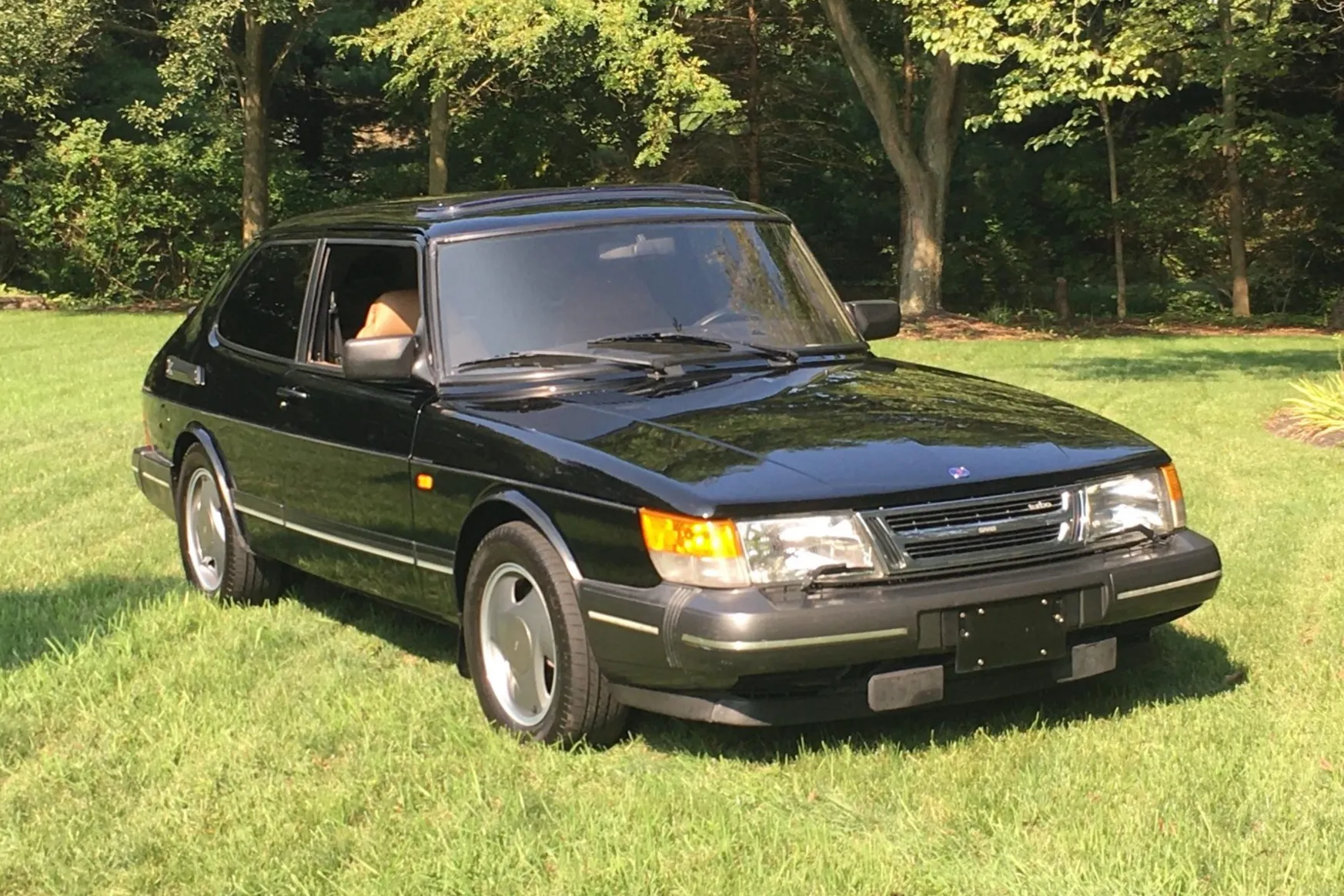
The Saab 900 isn’t just a car for those who like something different; it’s a car for those who reject ordinary options entirely. With its quirky Swedish engineering, front-wheel-drive layout, and distinctive shape, the 900 became a symbol for nonconformists during the 1980s and 1990s.
Unlike mainstream sedans, the Saab 900 had a wraparound windshield, a center-mounted ignition, and turbocharged engines long before they were common. It attracted artists, intellectuals, and anyone who wanted a car that didn’t look or feel like the rest. While its oddities may have confused the average buyer, they enchanted a certain type of driver.
The Saab community is among the most loyal in the automotive world. Even after Saab’s bankruptcy in 2011, fans of the 900 have worked hard to keep their vehicles running. They organize meetups, share parts, and publish manuals that keep the spirit alive.
The Saab 900, particularly the first-generation model, is seen as the truest expression of the brand’s original mission. It combined safety, practicality, and performance in a way that no other brand could quite replicate. Today, owning a Saab 900 is a statement, not just a transportation choice. It signals that you value heritage, individuality, and maybe a little bit of stubbornness.
One of the defining features of the Saab 900 cult is the willingness of its fans to do the work themselves. These cars were never easy to maintain, especially as parts have become harder to find. But that hasn’t stopped people. In fact, it’s made the bond even stronger.
There’s pride in keeping a car like this on the road, especially when so many of its peers have long since been scrapped. Many 900s have over 200,000 miles, and their owners have no intention of retiring them any time soon.
Unlike performance cars that build followings through lap times or drag races, the Saab 900 earned its place through character. It was always a bit strange, a bit challenging, and that’s exactly why people loved it. It wasn’t trying to be everything to everyone, and in doing so, it found the right people. That kind of connection is rare in the automotive world, and it’s why the Saab 900 remains iconic to this day.
3. Toyota Previa
The Toyota Previa is not a car that was ever associated with style or speed. It was a minivan. And yet, somehow, it carved out a loyal fan base that continues to grow even years after it was discontinued.
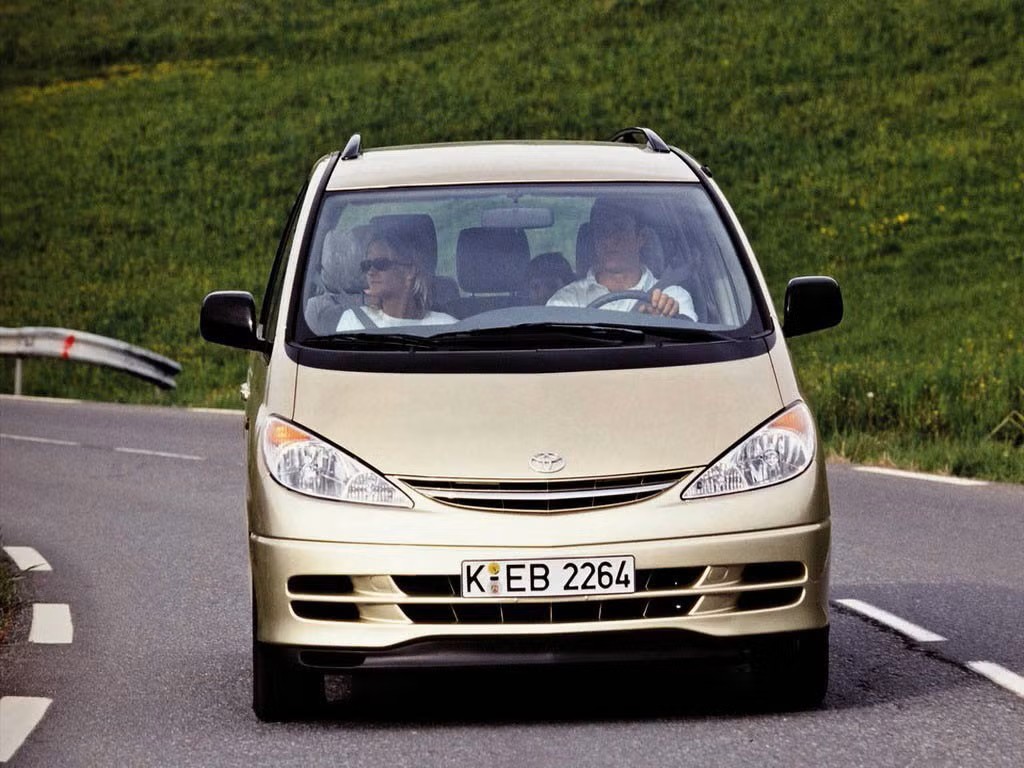
First released in the early 1990s, the Previa had an odd egg-shaped body, a mid-engine layout, and a level of reliability that became legendary. For most people, it was simply a family hauler.
But for those in the know, the Previa was a marvel of packaging, engineering, and durability. That combination gave it a second life far beyond what Toyota might have expected.
Much of the Previa’s appeal comes from its unconventional design. Unlike most minivans, it had its engine mounted under the front seats, which allowed for more cabin space and better balance.
The supercharged versions added a surprising amount of power, and the all-wheel-drive models were capable in bad weather and even light off-road conditions. People started to see it not just as a family car, but as a do-it-all machine. It wasn’t flashy, but it earned respect through performance that defied expectations.
Today, the Previa has become a kind of icon in certain circles. Adventure travelers love it for its spacious interior and reliability. Tuner communities have started to experiment with modifications, turning old minivans into unexpected track machines or off-road rigs.
Others simply keep them going out of loyalty. These vans often run for hundreds of thousands of miles with regular maintenance, and when they do need work, the owners are often ready with tools in hand. It’s not unusual to find someone who’s on their second or third Previa, having passed the first one down to a younger family member.
The cult around the Previa is not loud, but it is persistent. Enthusiasts gather on forums, post repair walkthroughs on YouTube, and trade advice across continents. It may have started as a car for soccer practice and grocery runs, but it became much more. The Previa represents a kind of humble excellence. It didn’t ask for attention, but it earned it. And that’s something the fans will never forget.
4. Mazda MX-3
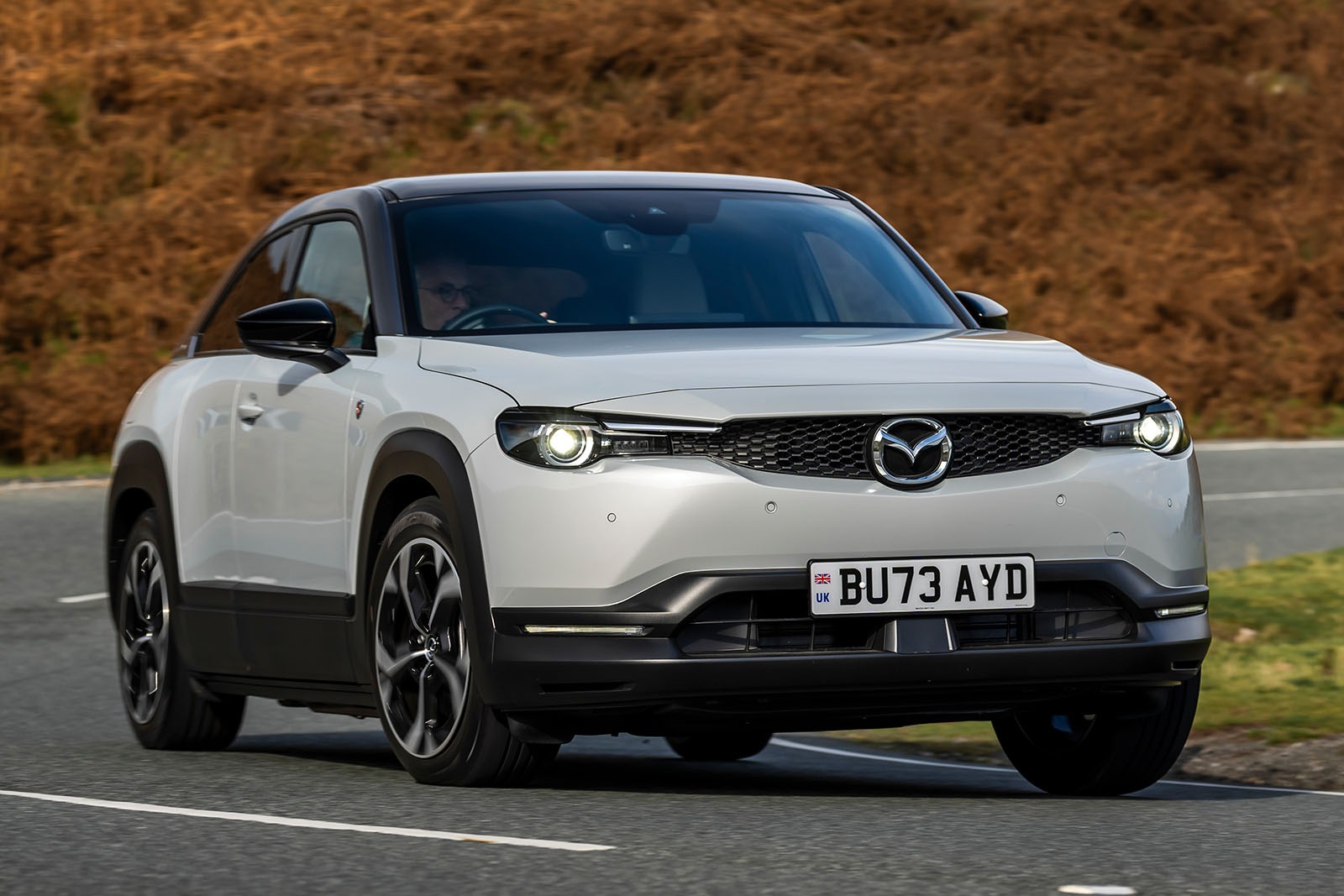
The Mazda MX-3 never received the kind of recognition its bigger sibling, the MX-5 Miata, did. Launched in the early 1990s, it was a small, front-wheel-drive hatchback coupe that flew under the radar for most buyers. But hidden beneath its modest looks was something incredibly rare, a 1.8-liter V6 engine, one of the smallest production V6s ever made.
That unusual powerplant, combined with a lightweight chassis and sharp handling, gave the MX-3 a unique identity. It was a car that felt more refined than expected and performed better than most would guess just by looking at it.
What makes the MX-3 special to its followers isn’t just its engine or handling. It’s the fact that it did so many things right without drawing much attention to itself. It had a practical hatchback layout, a comfortable driving position, and a willingness to be pushed hard without punishing the driver.
Many who owned one as a first car fell in love with its personality. While other sporty coupes from the era leaned into aggression and bold styling, the MX-3 kept things subtle. That understated nature actually helped it age well, and now it’s being rediscovered by younger enthusiasts.
The community around the MX-3 is small but fiercely dedicated. Owners trade knowledge about engine swaps, especially those involving more powerful Mazda V6s from other models. Because it shares its platform with other Mazda vehicles, it’s surprisingly versatile when it comes to modifications.
There are build threads, Facebook groups, and forums still actively discussing the car decades after its discontinuation. This sense of quiet collaboration has helped keep the MX-3 alive far longer than anyone might have predicted back in the day.
Part of the MX-3’s charm is its status as an underdog. It never got the press coverage or sales figures of other cars, but those who experienced it firsthand know what they had.
That kind of word-of-mouth legacy tends to grow slowly, but once it takes root, it doesn’t go away. The MX-3 community may not be huge, but it’s passionate. And that’s exactly the kind of environment where a cult following thrives.
5. Geo Metro
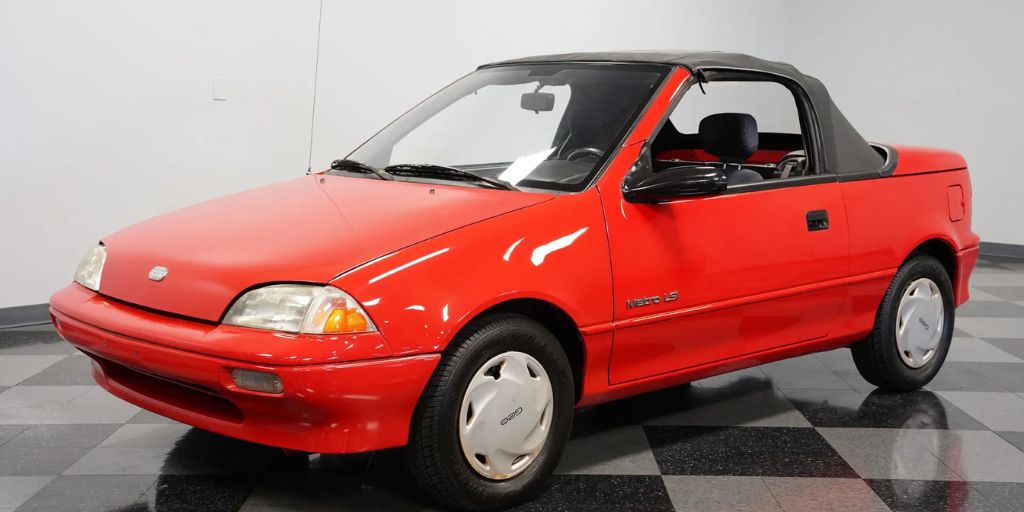
Few people would expect a small, basic economy car like the Geo Metro to have any kind of following. And yet, it does. Originally introduced in the late 1980s and produced through the late 1990s under various badges, the Metro was cheap, slow, and simple.
But in the process of being so basic, it achieved something few modern cars can match: extreme fuel efficiency, ease of repair, and long-term reliability. For people who prioritize those traits above all else, the Metro became something of a holy grail.
Fans of the Metro tend to be practical to the core. They’re the type of drivers who would rather squeeze every last mile out of a gallon of gas than impress anyone at a stoplight. The 3-cylinder models could get up to 50 mpg with careful driving, which made them incredibly popular among budget-conscious drivers.
Over the years, this led to a surprising network of owners sharing fuel-saving techniques, modification tips, and DIY repair guides. The Metro may not win races, but it earns respect for making every drop of fuel count.
What also helped grow the Metro’s fanbase was its simplicity. It’s a car that can be repaired with basic tools and a little patience.
Parts are cheap, and the engine bay is roomy enough for almost anyone to work in. For people who enjoy the act of maintaining their own vehicles without relying on complex electronics or expensive diagnostics, the Metro is ideal. There’s a kind of joy in keeping something this minimalistic running year after year.
Culturally, the Metro has also become something of a statement. In an age where cars are increasingly high-tech and expensive, driving an old Geo Metro is a quiet act of rebellion. It says you don’t need flashy gadgets or 300 horsepower to get around. You just need something that works, and works well. This mix of practicality, nostalgia, and counterculture is what gives the Metro its unexpected but genuine cult following.
6. Isuzu Vehicross
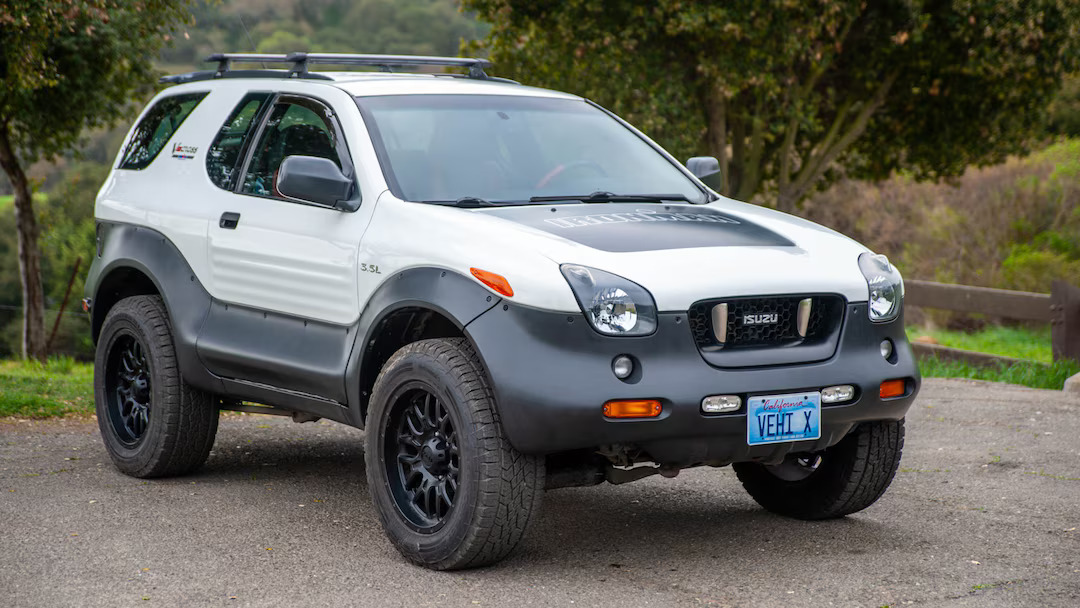
The Isuzu Vehicross looked like a concept car that somehow made it to production. With its bulbous fenders, two-tone body cladding, and oddly futuristic stance, it stood out immediately when it launched in the late 1990s.
It was based on a rugged SUV platform and came equipped with a 3.5-liter V6 and a sophisticated torque-on-demand 4WD system. It was built to handle tough terrain, yet it looked more like an urban accessory. The contradiction made it confusing for some buyers, but for others, it was the exact reason they fell in love with it.
But beyond that, the car has a unique attitude that few vehicles in its class have managed to replicate. It’s aggressive, weird, and built to be used. That combination attracted a very specific type of driver, and they’ve stuck with it ever since.
Owners of the Vehicross often form tight-knit communities. Because of the limited production, parts can be difficult to source. That has led to online networks where drivers share technical diagrams, part numbers, and even full component swaps.
There’s a sense of solidarity among owners, not just because of shared interest, but because they understand the challenges of keeping one running. It’s not just about liking the car, it’s about protecting something rare and meaningful.
The love for the Vehicross comes from how unapologetic it is. It was made during a time when automakers still took risks, and this model was a perfect example of that. It may not have made commercial sense, but it made emotional sense to those who wanted something different. That desire hasn’t gone away, and for that reason, the Vehicross remains beloved by a small but enthusiastic group of drivers.
7. Ford Probe
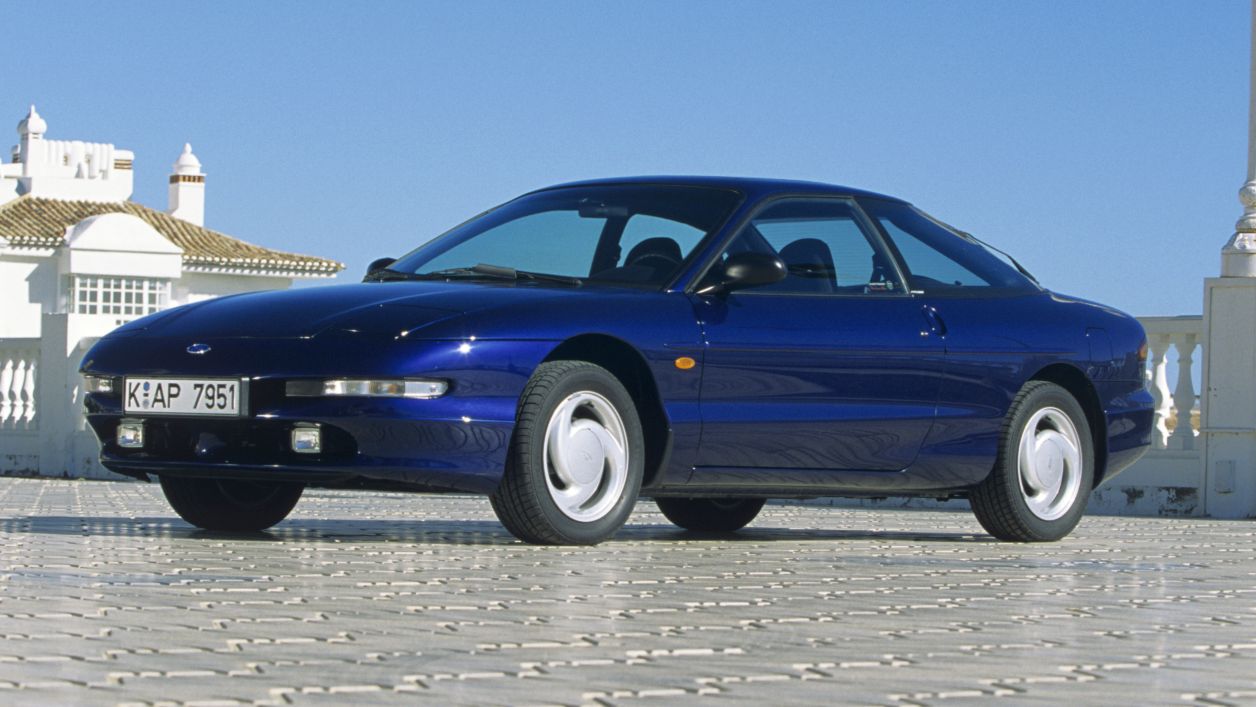
The Ford Probe was supposed to be the future. Originally intended to replace the Mustang in the late 1980s, it was a collaboration between Ford and Mazda that resulted in a sporty, front-wheel-drive coupe that blended Japanese precision with American styling.
That plan was quickly scrapped due to Mustang loyalist backlash, but the Probe still made it to production and carved out its own identity. It offered a sleek look, strong handling dynamics, and an accessible price point, all of which appealed to younger drivers at the time.
Despite a decent production run, the Probe never quite found a wide audience. It was too different for muscle car purists, and too “domestic” for JDM fans. But this middle ground turned out to be a blessing in disguise. A small group of enthusiasts saw the potential.
With a Mazda-derived engine and chassis, the Probe had real tuning possibilities. The GT trim especially was capable of respectable performance when properly maintained, and those in the know began to treat it as a secret weapon in the budget performance world.
What’s helped the Probe endure is its modification potential. Suspension upgrades, engine swaps, and turbo builds are all part of the conversation in online communities. These groups are smaller than those for Miatas or Civics, but they are tight and deeply knowledgeable.
Many of the original owners still own their cars, and younger enthusiasts have started rescuing neglected examples and bringing them back to life. These restoration projects aren’t done for profit; they’re done out of love.
Driving a Ford Probe today is a reminder of what could have been. It represents a unique moment in automotive history when collaborations between manufacturers were starting to yield really interesting results. It also serves as a case study in how fan communities can save a car from total obscurity. The Probe may not have fulfilled its original destiny, but in the hearts of its fans, it’s right where it belongs.
8. Suzuki X-90
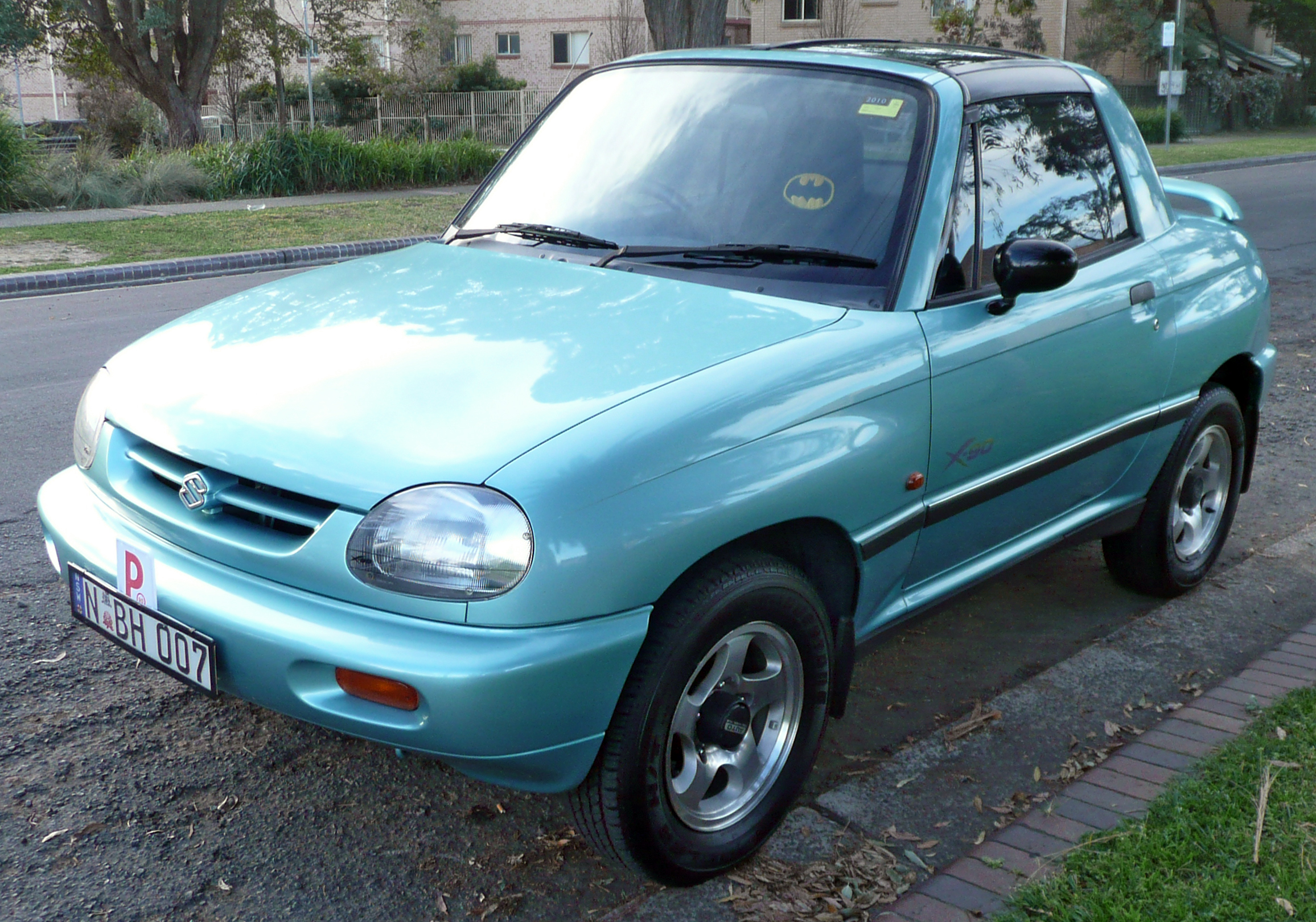
The Suzuki X-90 is one of the strangest vehicles ever sold in the United States, and it’s precisely that oddness that has earned it a small but passionate cult following. Introduced in the mid-1990s, the X-90 was essentially a two-seater SUV coupe with a removable T-top roof and available four-wheel drive.
It had the heart of a rugged Suzuki Sidekick but the body of a cartoon car. Most people didn’t know what to make of it. Was it a sports car? An SUV? A novelty item? It certainly didn’t fit into any traditional category, and as a result, it sold poorly. But for a few buyers, its unapologetic weirdness made it unforgettable.
Those who own an X-90 today tend to be fiercely defensive of its reputation. On paper, it might seem underpowered and impractical, but in practice, it’s surprisingly capable for what it is. Its small footprint and light weight make it nimble, especially off-road.
Paired with a low-range transfer case in the 4WD versions, it can climb and crawl with vehicles twice its size. Plus, the removable roof adds a level of fun rarely found in small SUVs. For those who appreciate the oddball, the X-90 is more than a curiosity, it’s a compact companion that offers real utility and personality.
Part of the cult following comes from the sheer scarcity of these cars on the road today. You just don’t see them anymore, and that rarity gives them instant attention wherever they go. Owners report getting approached at gas stations, parking lots, and even at traffic lights by curious onlookers who have never seen one before.
That kind of interaction adds to the charm. It turns every trip into a conversation starter. Even among people who don’t know what it is, the X-90 leaves a mark, usually followed by laughter and disbelief that it ever existed in the first place.
In the automotive world, so many cars are designed to hit the widest possible audience. They aim to offend no one and please everyone. The X-90 is the exact opposite. It was a bold, strange, completely impractical idea that somehow made it through production.
And while that led to commercial failure, it also created something rare and lovable. People who own one know they have a piece of automotive history that couldn’t be recreated today, and that’s what keeps the flame alive.
9. Merkur XR4Ti
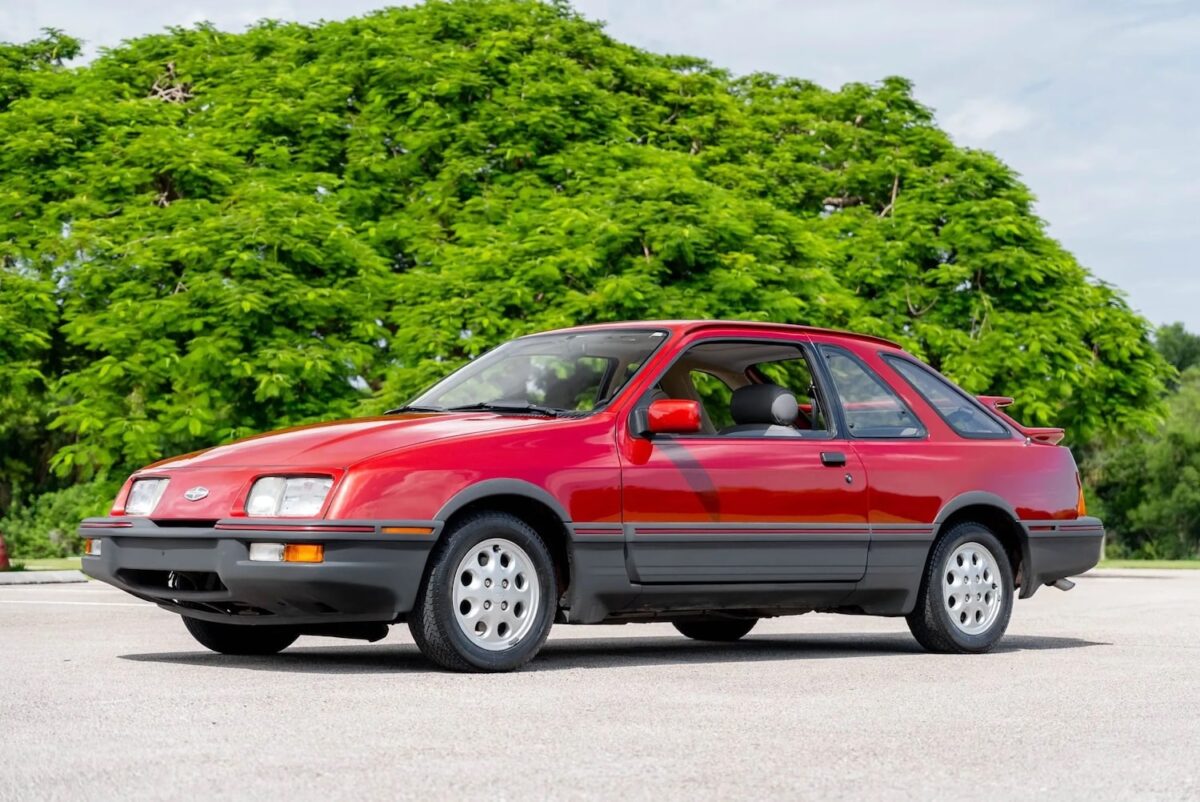
The Merkur XR4Ti is one of those cars that many people have never heard of, despite its connection to a major automaker. Sold under the short-lived Merkur brand in the United States during the 1980s, the XR4Ti was a rebadged version of the European Ford Sierra XR4i.
It was meant to offer German engineering to American buyers, combining performance and luxury in a way that was more affordable than BMW or Audi at the time. With rear-wheel drive, independent rear suspension, and a turbocharged 2.3-liter engine, it had all the makings of a proper enthusiast car. But it never caught on in the mainstream, and the Merkur brand quietly disappeared.
What makes the XR4Ti compelling today is its uniqueness. It looks like nothing else from its era, with a distinct double rear spoiler and European styling that sets it apart from typical American coupes of the 1980s. It offered legitimate performance and handling, especially when modified.
The turbocharged engine was capable of making much more power with simple upgrades, and many XR4Ti owners took full advantage of that. Despite being relatively unknown to the general public, in niche racing communities, it developed a reputation as a sleeper.
The challenge, of course, is maintaining one. With the brand long gone and parts supplies limited, XR4Ti ownership is not for the casual enthusiast. But that’s exactly what makes the community so devoted.
They’ve had to become their own support system, sourcing parts from Europe, fabricating custom solutions, and keeping detailed archives of service information. It’s not uncommon to find XR4Ti owners who’ve kept the same car running for decades. These are not fair-weather fans; these are people deeply invested in keeping a rare and misunderstood car alive.
The loyalty stems from more than just performance or design. The Merkur XR4Ti represents a failed experiment that many owners see as ahead of its time. It was a car with real potential, sabotaged by marketing confusion and poor timing. To own one is to root for the underdog. It’s about appreciating what could have been and working hard to preserve it. That spirit of determination is what gives the XR4Ti its lasting cult status.
10. Dodge Rampage
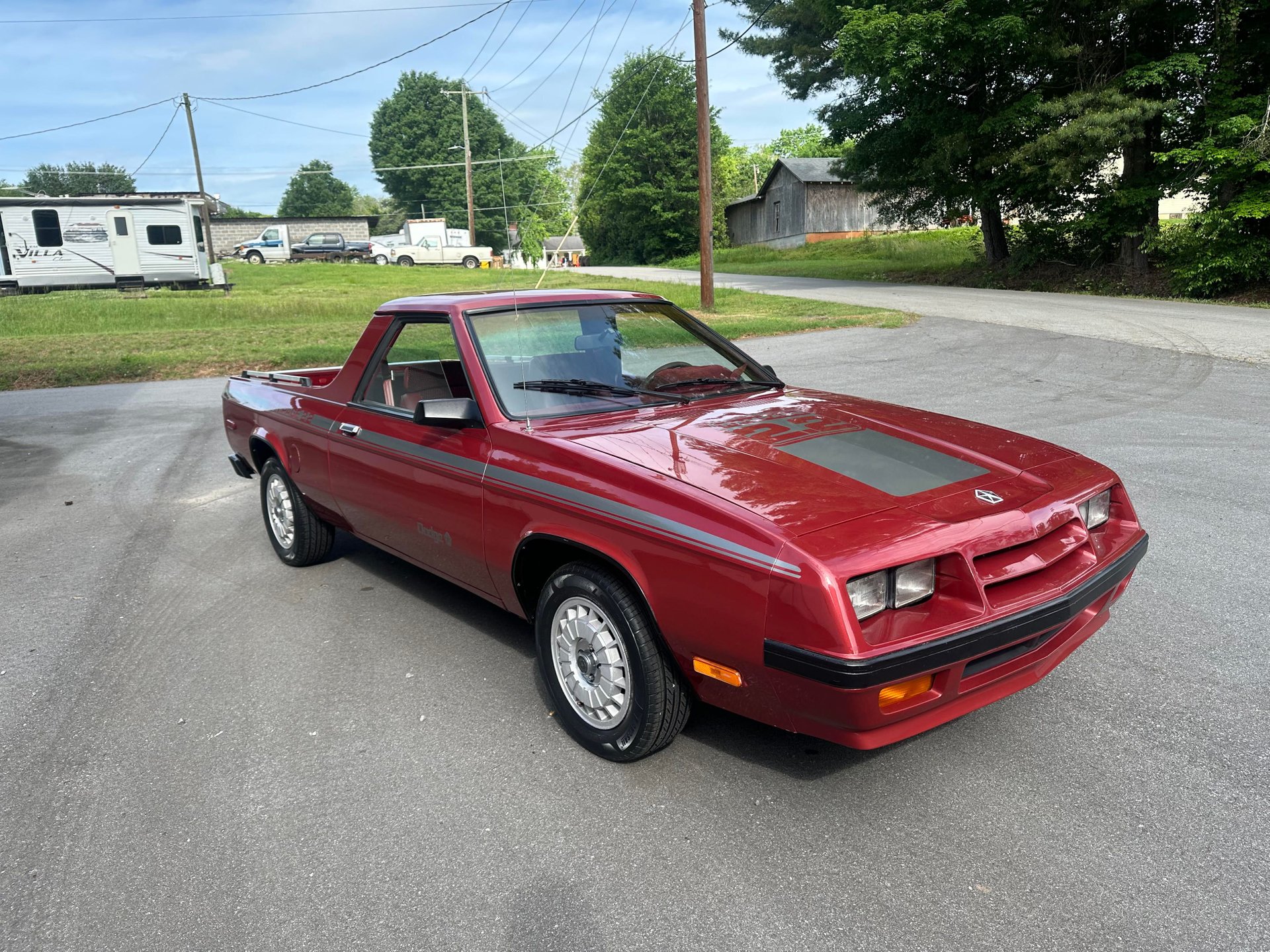
The Dodge Rampage was part car, part truck, and entirely out of place when it was released in the early 1980s. Based on the same platform as the Dodge Omni, it featured front-wheel drive, a unibody construction, and a small pickup bed. It was Chrysler’s answer to the Subaru BRAT and other small utility vehicles of the time.
But American buyers weren’t ready for a compact, front-wheel-drive pickup, and the Rampage was quietly discontinued after a short production run. Still, for a certain group of enthusiasts, it represented something truly different, a practical and fun vehicle that didn’t quite fit any mold.
The Rampage’s appeal lies in its simplicity and flexibility. It wasn’t particularly fast or luxurious, but it was useful. It could haul small loads, fit into tight spaces, and offer car-like comfort while still performing light truck duties.
This made it ideal for urban dwellers, hobbyists, or anyone who didn’t need a full-size pickup but still wanted the utility of a bed. That’s a niche market, but one that has proven to be incredibly loyal over the years. Rampage owners often keep their vehicles for decades, passing them down or restoring them from the ground up.
As time passed, the Rampage found its audience among those who love oddball vehicles with character. It became a favorite at car shows, especially among fans of 1980s nostalgia. With its angular styling, vinyl graphics, and compact proportions, it looks like something straight out of a retro-futuristic movie.
People who never gave it a second glance back in the day now stop and admire it. It’s become a kind of rolling time capsule, and that has helped solidify its place in the enthusiast community.
There’s a pride in owning something so different, especially when it was overlooked in its prime. Rampage fans enjoy the rarity and the reactions they get from people seeing one for the first time.
It’s not just a quirky vehicle anymore; it’s a statement. It shows that you’re not afraid to go against the grain and that you appreciate utility wrapped in something completely unexpected. That’s the kind of attitude that builds a lasting fan base.
