
The automotive industry stands at a critical juncture, where changes in technology, consumer behavior, and global policy are reshaping what vehicles will look like and how they will function in the coming decade. As concerns about climate change grow louder and more urgent, the push toward sustainability is no longer optional.
Electric vehicles are no longer a niche category but are swiftly becoming the new standard. Meanwhile, advancements in artificial intelligence, battery technology, autonomous systems, and connectivity are redefining the expectations we have from transportation.
Manufacturers are no longer competing solely on horsepower or sleek design, but also on software, smart features, and energy efficiency. The cars, trucks, and two-wheelers set to shape the future are not merely updated versions of their predecessors.
Many of them represent a complete shift in design philosophy, embracing new forms of mobility that reduce emissions, increase efficiency, and integrate seamlessly with a digital lifestyle. Some of these vehicles focus on utility, others on performance, and a few are aimed squarely at changing the very nature of urban transportation.
What makes a vehicle poised to define the next decade isn’t just innovation or buzz. It’s about influence, how a car can impact design trends, consumer expectations, infrastructure, or policy. Some will set new benchmarks in affordability and accessibility, while others will pave the way for luxury, autonomy, or off-road performance.
Each of the vehicles highlighted here brings something new to the table, and together they represent a broad spectrum of how the next decade in mobility could take shape.
From electric pickup trucks to ultra-efficient city cars, these vehicles represent where transportation is heading. They hint at a world where range anxiety fades away, self-driving becomes normal, and sustainability is built into every part of a car’s life cycle. These twelve examples have the potential not just to succeed in the marketplace, but to shift the direction of the entire industry.
1. Tesla Cybertruck
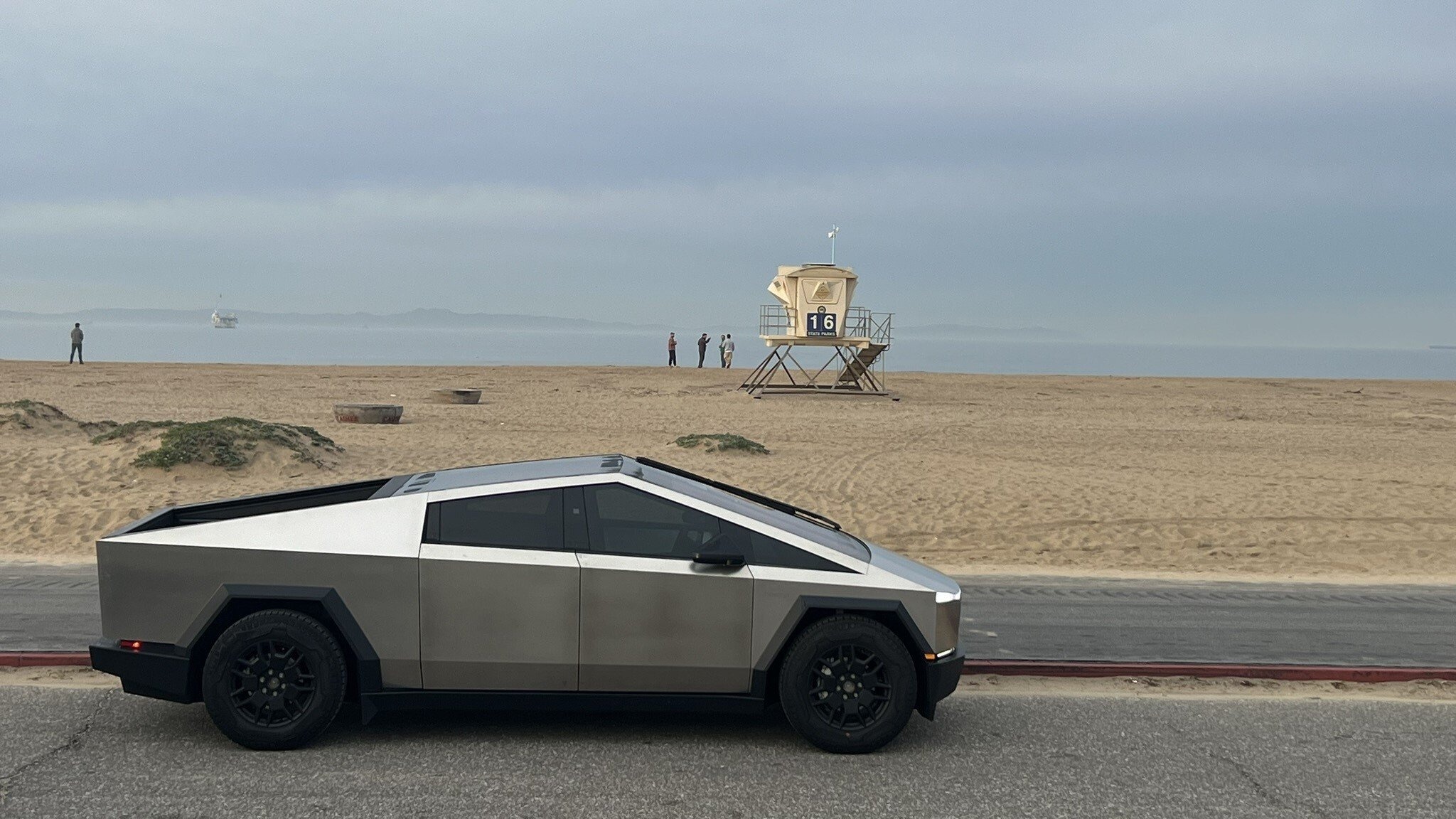
The Tesla Cybertruck has already stirred strong reactions from the moment it was unveiled, thanks to its sharp, geometric design and stainless steel exoskeleton. It’s unlike any other vehicle on the road, and that’s precisely what makes it a contender for defining the next decade.
Tesla isn’t just selling a truck; it’s challenging the way people think about utility vehicles. The Cybertruck combines performance and utility with software-driven features that put it in a category of its own.
What sets the Cybertruck apart is how it blurs the line between traditional pickup trucks and futuristic vehicles. It promises towing capacity and acceleration that rival high-end sports cars, all while running on electricity.
Its all-electric powertrain is bolstered by adaptive air suspension and up to 500 miles of range in its top-tier model. These specs make it a practical tool as well as a symbol of change in an industry known for slow adaptation to environmental demands.
Tesla’s decision to build the Cybertruck with an exoskeleton rather than a traditional frame and body could influence how future vehicles are engineered. It challenges the norm of building vehicles around safety cages and adds to the longevity and durability of the design.
This could lead to a generation of longer-lasting, more impact-resistant vehicles. The use of armored glass and minimalistic interior also reflects a movement toward function-first design.
The vehicle’s integration with Tesla’s larger ecosystem, charging network, over-the-air software updates, and autonomous driving features demonstrates how vehicles are becoming smart, connected devices.
As more trucks go electric and other manufacturers respond with their own versions, the Cybertruck could be seen in hindsight as the vehicle that pushed the segment into the future. Whether loved or hated, its impact is hard to ignore.
2. Rivian R1T
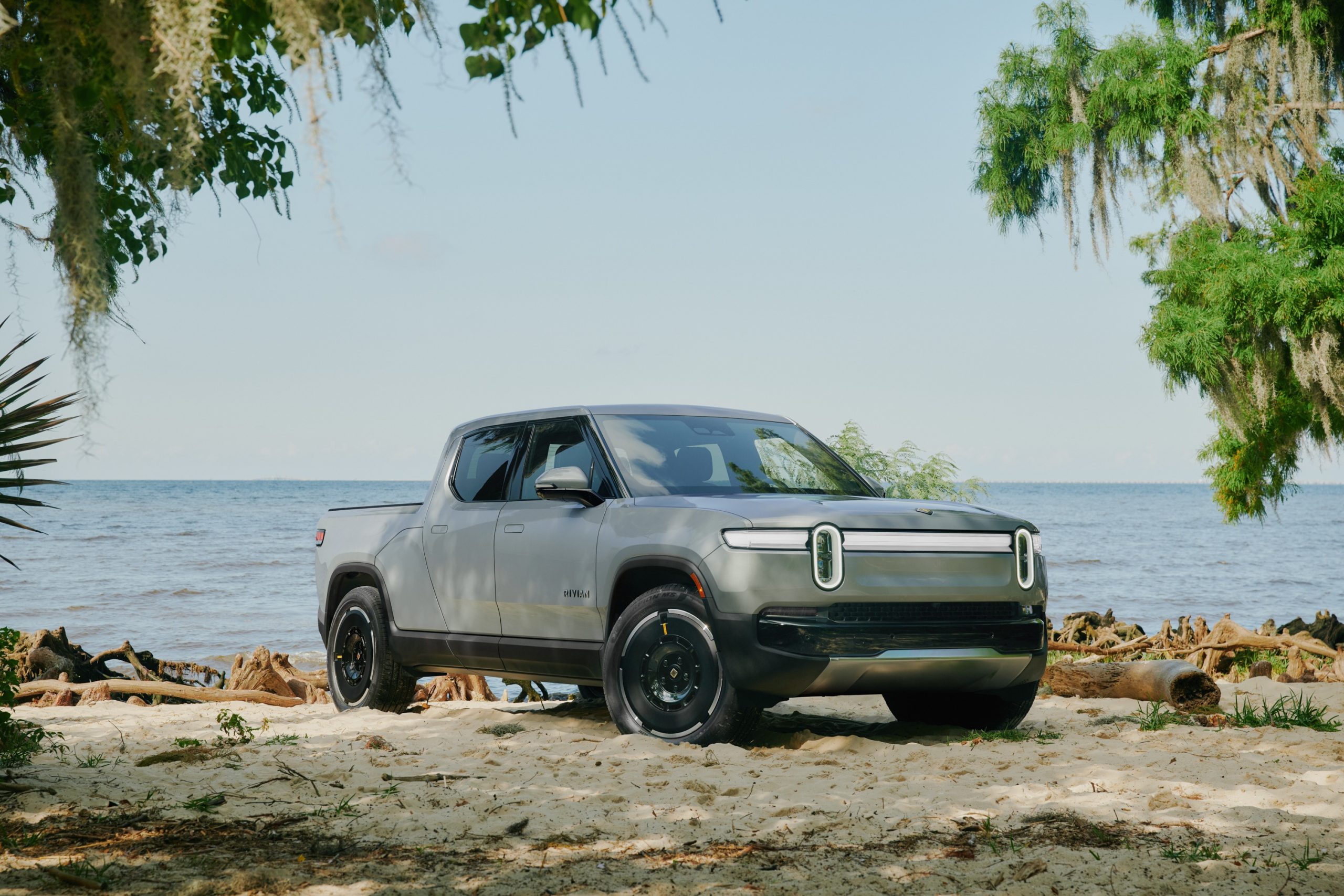
The Rivian R1T represents a significant step forward in the electrification of off-road and adventure vehicles. Unlike traditional pickup trucks, which are often associated with rugged utility but poor efficiency, the R1T brings electric mobility to the world of outdoor enthusiasts without sacrificing power or capability.
With features like quad-motor all-wheel drive, a built-in gear tunnel, and camp kitchen accessories, it’s designed for people who want to explore without leaving a heavy carbon footprint.
Rivian isn’t just building trucks; they’re creating an ecosystem focused on sustainability and experience. The R1T is part of a broader vision that includes over-the-air software updates, a proprietary charging network, and integrated smart features like gear guarding and remote vehicle management.
The company’s focus on building infrastructure specifically for outdoor-oriented travel could set a trend for more specialized EV services in the future.
What makes the R1T particularly influential is how it redefines what people expect from an electric vehicle. It isn’t just about range or charging times; it’s about how people use their vehicles in everyday life and beyond.
Whether it’s taking on mountain roads, towing a trailer, or commuting, the R1T performs without needing gasoline. Its large battery options and solid build quality offer a compelling alternative to gas-powered trucks.
As more startups enter the automotive space, Rivian’s approach shows that success isn’t just about disrupting markets, it’s also about understanding niches deeply. The R1T doesn’t try to be all things to all people. Instead, it focuses on one type of driver and delivers a product that exceeds expectations. If this strategy proves successful, it could inspire other automakers to develop more focused, lifestyle-driven EVs that cater to specific audiences.
3. Ford F-150 Lightning
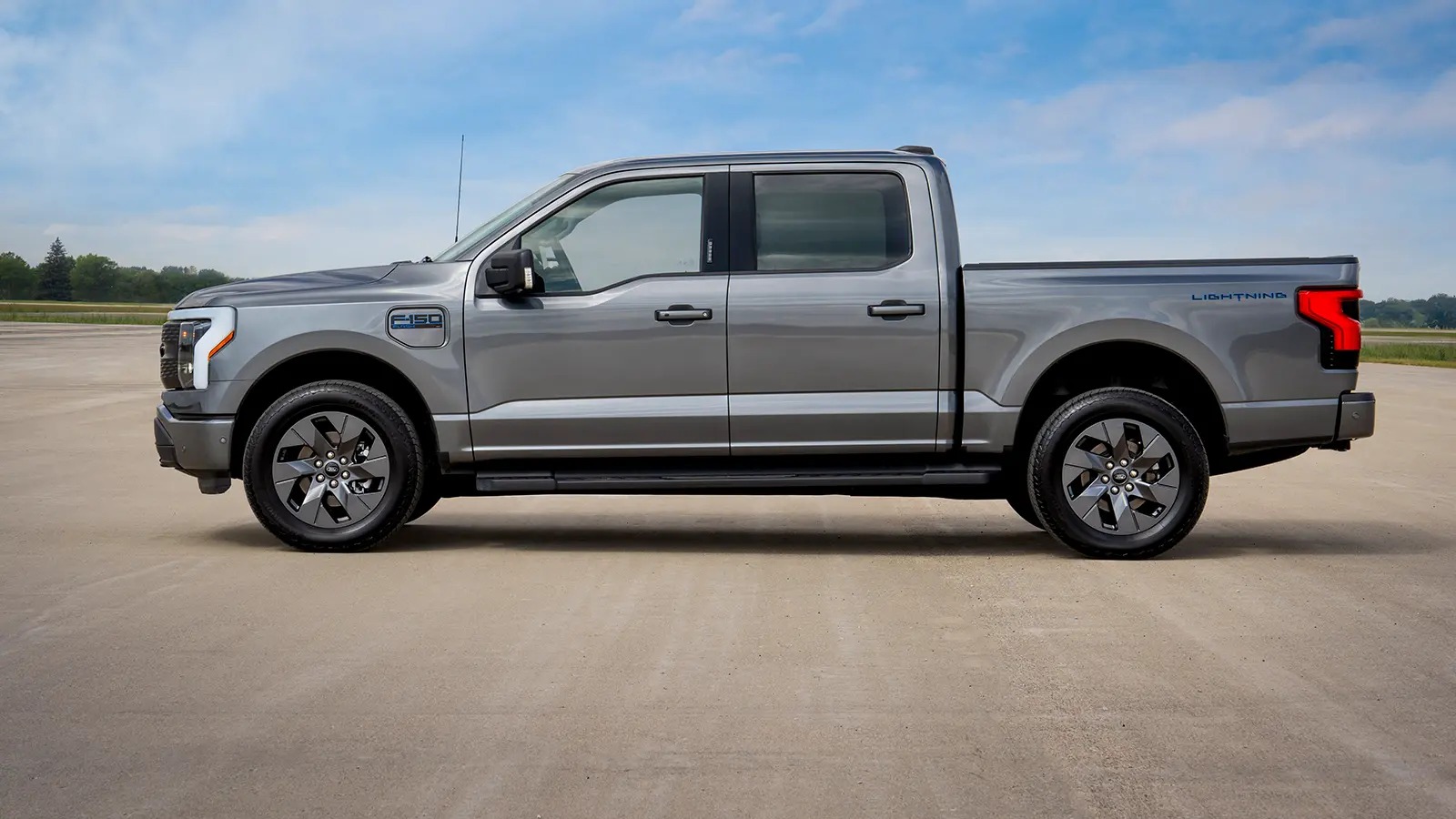
Ford’s decision to electrify the best-selling truck in America is a clear indicator that electric vehicles are no longer just for early adopters. The F-150 Lightning carries the legacy of the iconic F-Series while introducing a new era of full-size electric trucks aimed at mass adoption. This isn’t just an electric truck; it’s a sign that EVs are ready to replace the most entrenched models on the road.
With features like Pro Power Onboard, which allows users to run power tools directly from the truck, and Intelligent Backup Power, capable of powering an entire home, the F-150 Lightning brings real utility to the electric space.
These innovations help the vehicle become a power hub, not just a mode of transport. That’s a concept that could change how people think about cars in emergencies or work environments.
The Lightning keeps much of the F-150’s familiar design language, which helps ease the transition for loyal truck buyers who may be skeptical of electric vehicles. Ford’s approach of modernizing without alienating existing users is a smart one. It builds confidence in the product without forcing too much change at once. This strategy could be crucial in getting more mainstream consumers to switch to electric.
Ford’s production capacity, dealer network, and brand recognition make the Lightning a strong candidate for leading the next wave of electric adoption. If it succeeds, it will prove that electrification can work at scale for utility vehicles and not just for sedans or luxury cars. Its success could push other traditional automakers to take bigger steps toward EV transformation in their most popular models.
4. Lucid Air
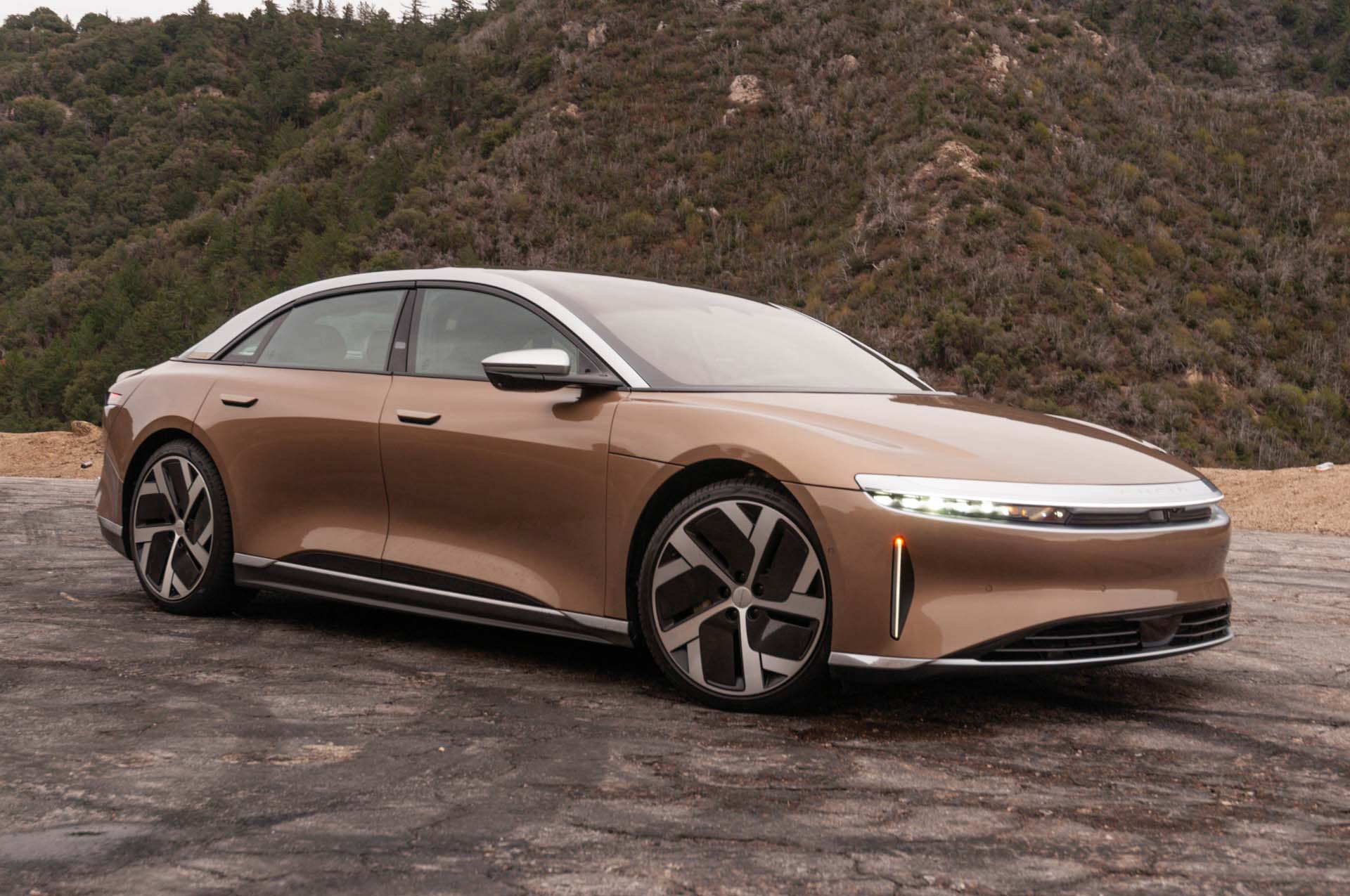
The Lucid Air aims to set new standards for luxury, performance, and efficiency in the electric sedan category. Built by a company led by former Tesla engineers, the Air doesn’t just follow in the footsteps of the Model S, it tries to surpass it.
With an industry-leading range of over 500 miles and a design that blends sophistication with advanced technology, this car seeks to redefine what a luxury electric sedan can be.
Performance is a major selling point for the Lucid Air. The top model offers more than 1,000 horsepower and can go from 0 to 60 in under 2.5 seconds. Yet it also manages to provide a smooth, comfortable ride with a focus on refinement rather than raw aggression. This balance between power and elegance is what could allow it to stand out in a crowded EV market.
Lucid is also investing heavily in innovation at the battery and software level. The car’s 924V electrical system allows for ultra-fast charging, and its minimalist interior is packed with high-end materials and smart design elements. These details aren’t just about aesthetics, they’re part of a broader effort to integrate performance, comfort, and user experience seamlessly.
As the luxury segment shifts toward electrification, the Lucid Air could become the blueprint for future models. Its ability to offer better specs than most of its competitors while also presenting a premium feel puts pressure on both legacy automakers and newer brands. If it succeeds, it may reset expectations for what electric luxury should look and feel like in the decade ahead.
5. Hyundai Ioniq 5
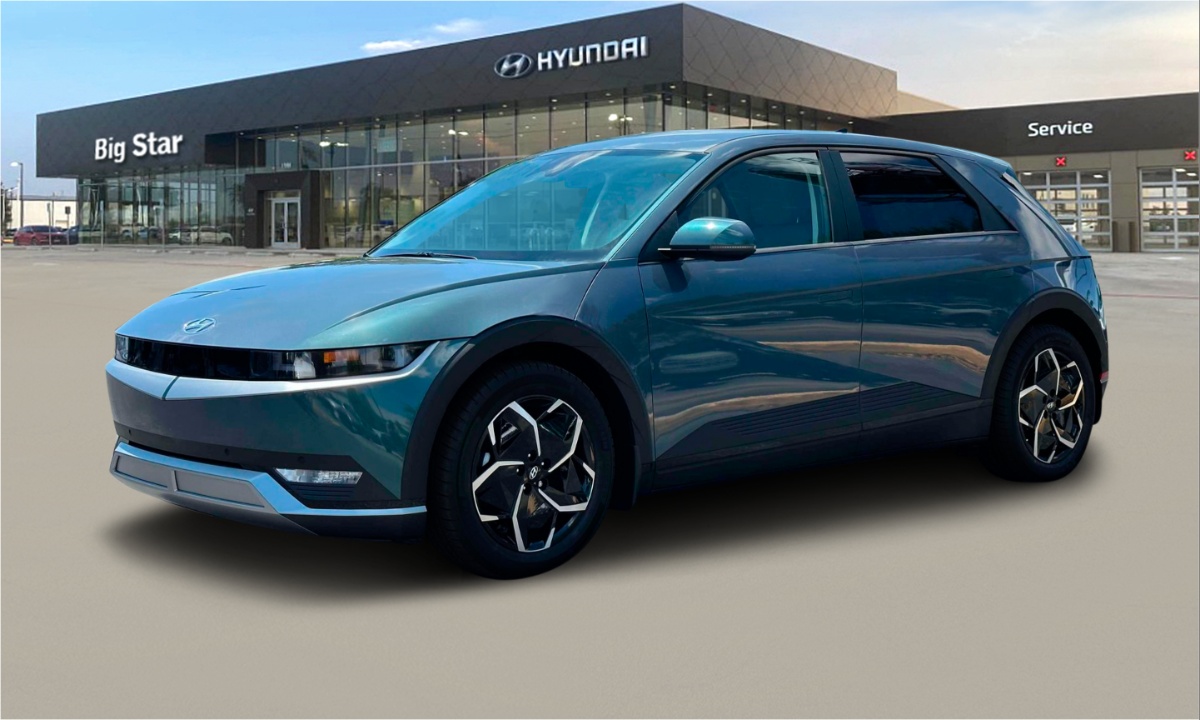
The Hyundai Ioniq 5 marks a major shift for the company, showing that legacy automakers can lead in design, functionality, and EV performance. With its futuristic, hatchback-like profile and clean, angular lines, the Ioniq 5 breaks away from conventional vehicle aesthetics.
It feels more like a concept car brought to life than just another electric vehicle. That bold styling is matched by a strong engineering foundation, as it’s built on Hyundai’s new E-GMP platform, which will also underpin many future electric models across Hyundai, Kia, and Genesis brands.
Inside the Ioniq 5, there’s a clear emphasis on space and comfort, made possible by the flat floor and long wheelbase typical of dedicated EV platforms. The cabin design leans toward minimalism, but without feeling sparse or under-equipped.
The interior materials use eco-friendly sources like recycled plastics and plant-based leather alternatives, reflecting Hyundai’s commitment to sustainability beyond just the drivetrain. The vehicle also includes movable center consoles and reclining front seats, allowing drivers and passengers to use the space more flexibly, especially during charging stops.
On the performance and practicality front, the Ioniq 5 impresses with its fast-charging capability, achieving 10 to 80 percent charge in under 20 minutes when connected to a 350 kW charger. It offers both rear-wheel and all-wheel drive configurations, with the AWD version delivering over 300 horsepower and a respectable range.
Features like vehicle-to-load (V2L) functionality, which allows the car to power external devices or even charge another EV, push the boundaries of what people expect from a family vehicle. These innovations support a lifestyle of independence, mobility, and preparedness.
The Ioniq 5 isn’t just another electric vehicle, it represents how established automakers are learning to compete not just in performance but in redefining user experience.
As more vehicles arrive built on the same platform, Hyundai’s approach to EV development will likely influence other automakers to rethink their strategies. If the Ioniq 5 becomes the blueprint for the mass-market EV, its success will help normalize electric mobility for millions of drivers who are transitioning from gasoline-powered vehicles.
6. Toyota bZ4X
Toyota’s entry into the dedicated EV market, the bZ4X, is more than just a new model, it marks a pivotal moment for the world’s largest automaker as it finally commits to full electrification. Despite Toyota’s early lead in hybrid technology with the Prius, the company has been slow to release all-electric models.
The bZ4X represents a new direction, both in terms of branding and platform strategy. Built on the e-TNGA platform jointly developed with Subaru, this vehicle is the first in Toyota’s “Beyond Zero” lineup, which will include a range of EVs aimed at meeting global emissions goals.
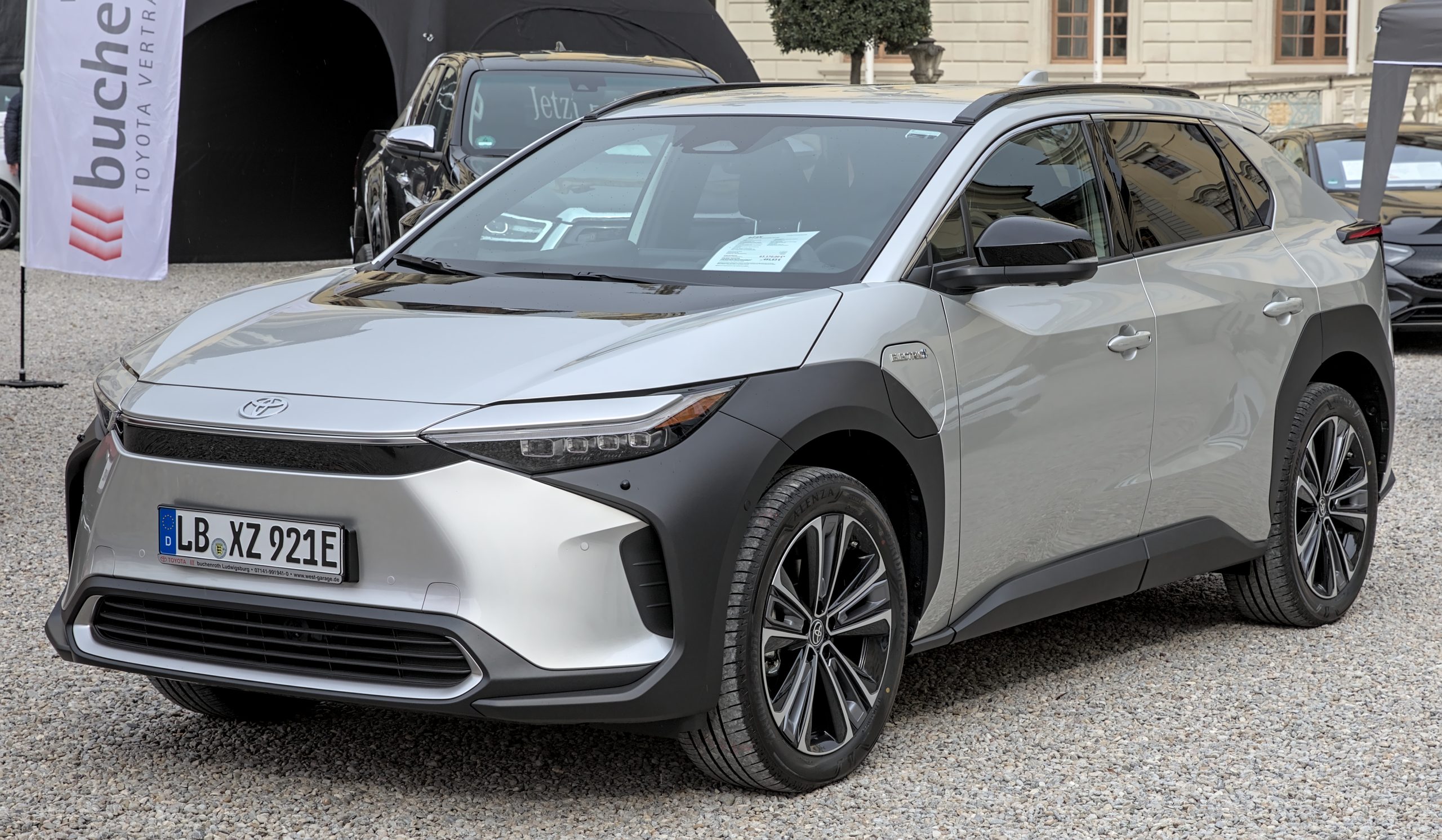
The bZ4X prioritizes functionality and ease of use rather than dramatic performance figures or flashy design. Its exterior design is clean and modern, with sharp LED lights, a high shoulder line, and plastic cladding around the wheel arches that give it a slightly rugged, crossover appeal.
Inside, Toyota has opted for a spacious and minimalist cabin layout with a prominent digital cluster and touchscreen interface. The interior avoids extravagance but does the job efficiently, and the flat floor enhances comfort for all passengers.
In terms of features, the bZ4X focuses heavily on safety and practical range. Equipped with Toyota’s latest suite of driver-assist technologies, the vehicle comes standard with systems such as adaptive cruise control, lane tracing assist, and road sign recognition.
While its range figures are competitive but not leading, especially in colder climates, Toyota emphasizes long-term battery durability, predicting minimal degradation over time. That focus on reliability aligns with the brand’s reputation and could be a major selling point for conservative buyers who prioritize long-term value.
The importance of the bZ4X lies in what it represents more than what it does today. If Toyota succeeds in pushing this model across multiple global markets and follows it with increasingly advanced offerings, it could tip the balance of EV adoption by making electric vehicles accessible and reliable for the average buyer.
As a household brand, Toyota has the reach and trust to bring EVs into garages that might never consider a startup or luxury nameplate. The bZ4X could serve as the foundation for one of the broadest EV lineups of the next decade.
7. Volkswagen ID. Buzz
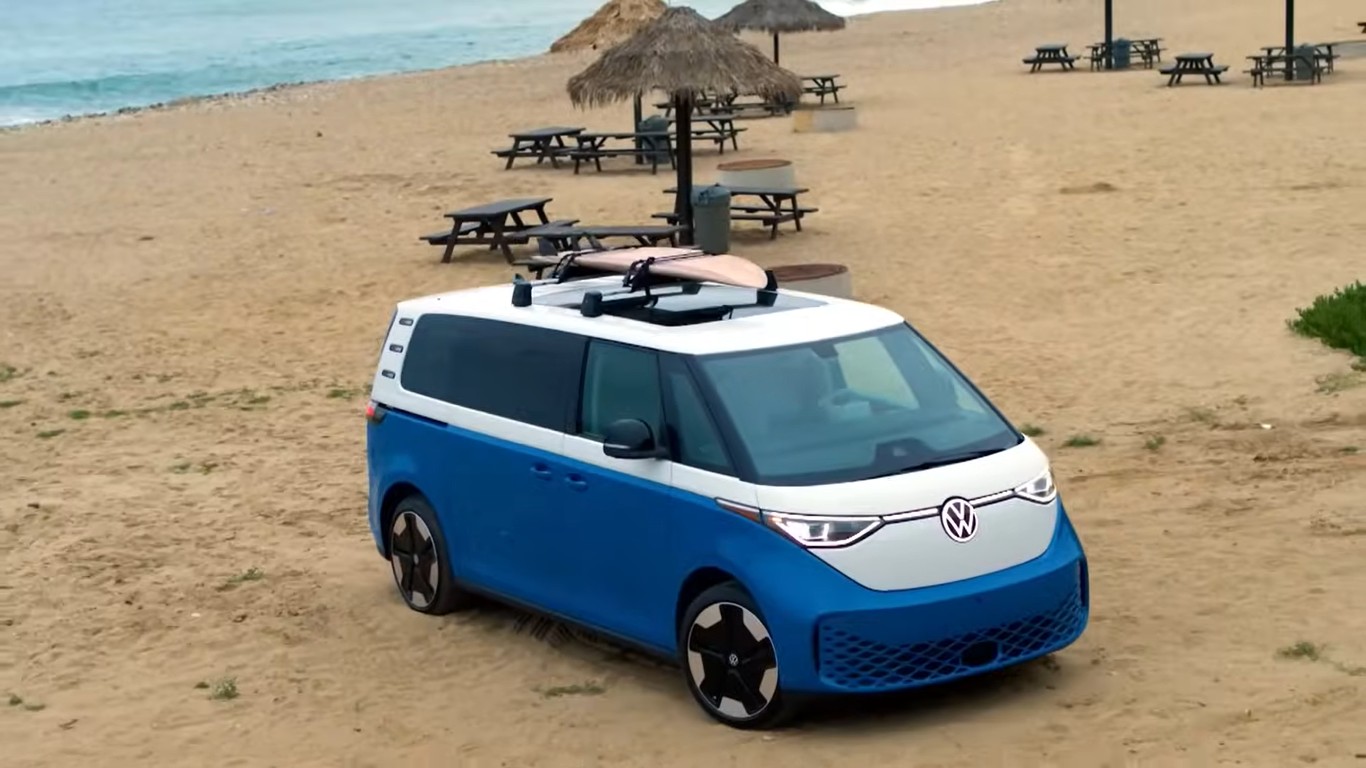
The Volkswagen ID. Buzz is not just another electric vehicle; it is a nostalgic revival of one of the most iconic vans in automotive history. Drawing inspiration from the original VW Microbus, the ID. Buzz combines retro charm with modern EV technology.
Its design appeals not only to those who remember the original van but also to a younger audience looking for unique and practical transportation. This blend of heritage and innovation could help the ID. Buzz became a cultural icon in its own right.
Functionality is one of the ID. Buzz’s strongest suits. The interior is spacious and modular, with options for multiple seating configurations that cater to families, small businesses, or even digital nomads.
Built on the same MEB platform that underpins Volkswagen’s other ID models, the Buzz benefits from a flat floor and centralized battery placement, maximizing cabin space. Its layout is designed with flexibility in mind, offering sliding doors, wide openings, and clever storage options that support a wide range of uses beyond just commuting.
While the ID. Buzz is more about lifestyle than performance, it still offers solid EV capabilities. Early models are equipped with ranges of around 260–300 miles, with fast-charging capabilities and an intuitive user interface.
More importantly, the vehicle represents a shift in how electric cars can be integrated into everyday life. It’s not just for getting from A to B, it’s a mobile office, a weekend camper, and a family shuttle. The resurgence of vans as versatile lifestyle vehicles, especially electric ones, could reshape consumer habits over the next ten years.
Volkswagen’s decision to bring back the Microbus as a modern EV sends a strong message: electric vehicles don’t have to be generic. They can be fun, expressive, and tailored to individual lifestyles. As cities look for alternatives to SUVs and sedans that still offer practicality, vehicles like the ID. Buzz may lead a revival of the van as a go-to option. Its combination of charm, space, and electric practicality positions it as one of the most influential family vehicles of the next decade.
8. Aptera Solar EV
The Aptera Solar EV is one of the most unconventional vehicles in development, and that’s exactly why it might matter so much in the coming decade. Unlike most electric vehicles on the market, the Aptera was built from the ground up with maximum efficiency in mind.
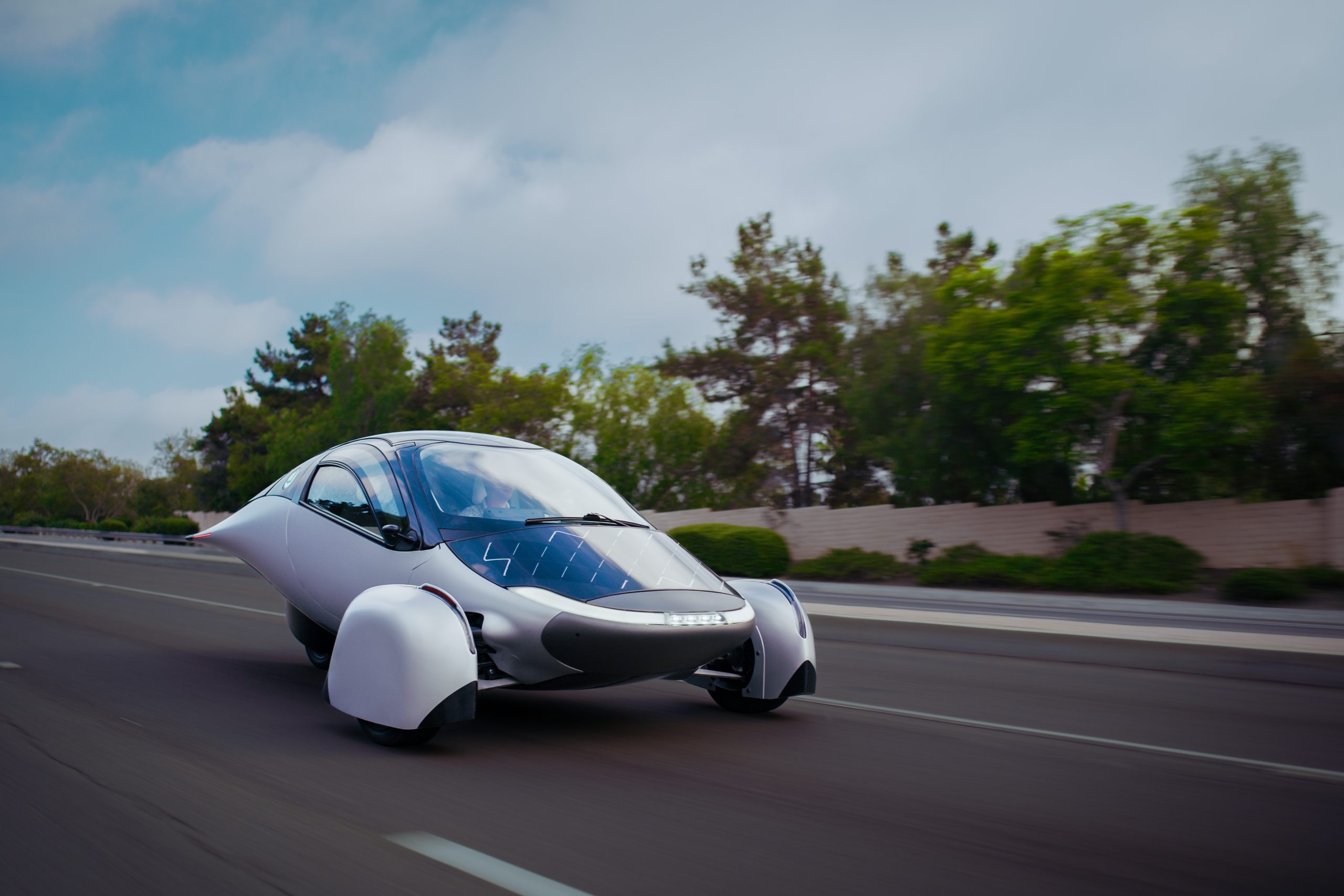
Its three-wheeled design, ultra-lightweight body, and solar panels embedded across its surface allow it to travel up to 1,000 miles on a single charge, with as many as 40 miles per day powered solely by sunlight.
Aerodynamics plays a central role in Aptera’s design. With a drag coefficient of just 0.13, far lower than any production car, the vehicle requires far less energy to move at the same speed.
This means the battery can be smaller, charging can be quicker, and the environmental impact is lower. While it looks like a vehicle from a sci-fi film, everything about its design is functional. The choice of a three-wheeled layout also helps reduce weight while maximizing efficiency.
One of the more fascinating aspects of the Aptera is how it challenges the entire industry’s assumptions. Most automakers have focused on building EVs that mirror the shape and structure of gasoline vehicles. Aptera, by contrast, asks what happens when the only goal is radical efficiency.
Its development could force bigger manufacturers to rethink how much material, power, and space is truly necessary in a car. The solar component is especially important, as it pushes the boundaries of how vehicles can supplement their energy needs without relying solely on grid power.
Of course, the Aptera won’t be for everyone. It’s a two-seater with limited cargo space and unconventional styling. But its influence doesn’t depend on mass adoption.
If the Aptera proves viable, it could spark a new category of ultra-efficient, low-footprint personal vehicles designed for daily use, short commutes, or secondary urban transportation. That concept could play a critical role in cities where congestion and pollution require smaller, cleaner solutions. Its success would show that radically different design thinking has a place in the mainstream.
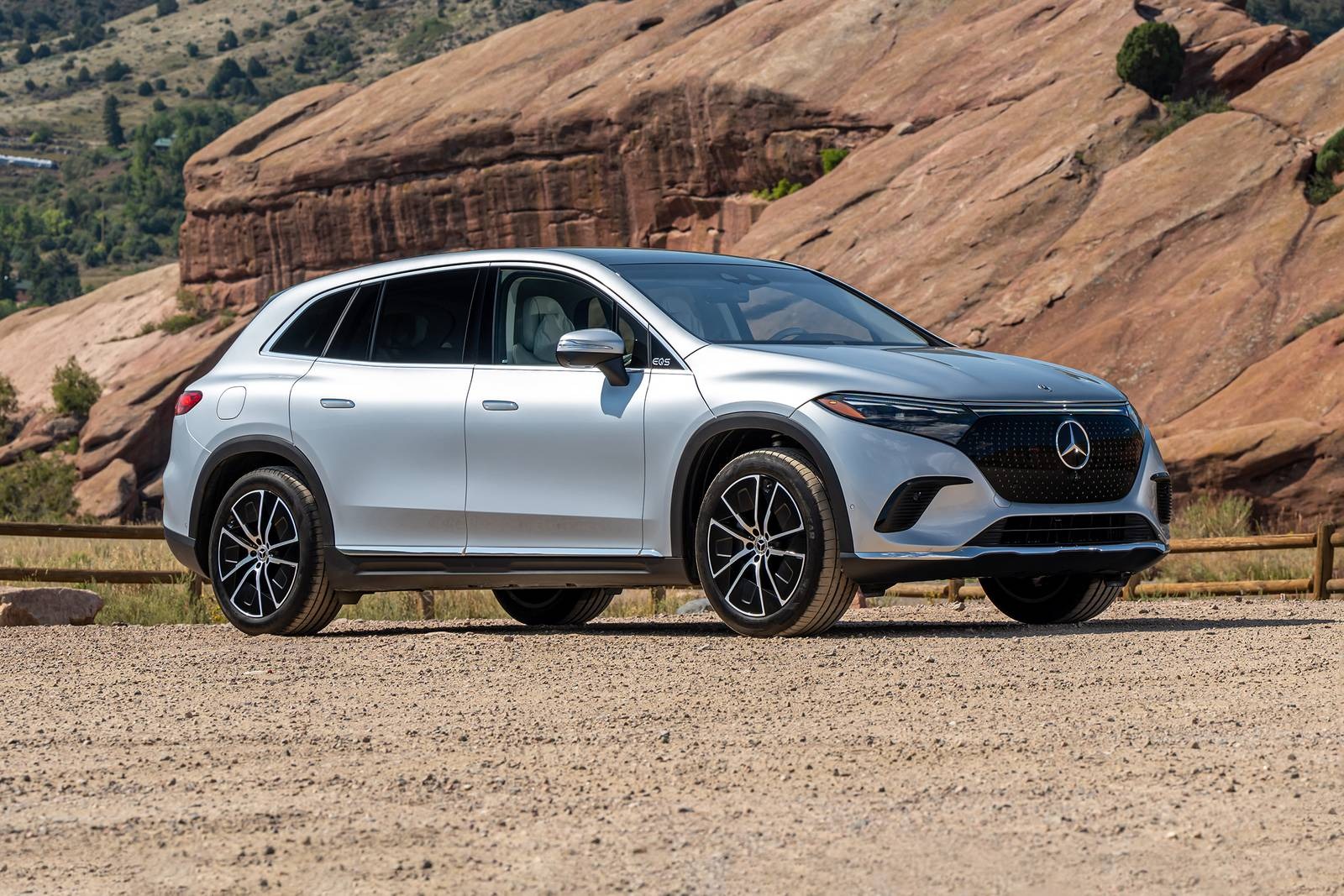
9. Mercedes-Benz EQS
The Mercedes-Benz EQS represents the pinnacle of luxury electric sedans, aiming to redefine what premium electric mobility means in the coming decade. Mercedes has long been a benchmark for automotive refinement and comfort, and the EQS builds on that legacy with state-of-the-art electric technology.
The vehicle blends sumptuous interiors with advanced aerodynamics and cutting-edge software, establishing itself as a benchmark for other luxury EVs to aspire to.
Inside the EQS, the cabin is a showcase of futuristic design paired with traditional craftsmanship. The “Hyperscreen” digital dashboard extends across almost the entire width of the front interior, housing multiple displays seamlessly integrated under a single piece of glass.
This feature provides an immersive interface for drivers and passengers alike, combining navigation, media, and vehicle controls with artificial intelligence that personalizes the experience. Luxurious materials like open-pore wood, premium leather, and ambient lighting elevate the sensory experience to a new level.
Performance-wise, the EQS balances powerful acceleration with a whisper-quiet ride. Different variants offer varying power outputs, but all prioritize smoothness and efficiency. Its battery pack supports fast charging and provides a range competitive with its luxury EV peers, typically around 350 miles per charge.
Mercedes’ focus on software also extends to safety, with a full suite of driver assistance systems designed to minimize accidents and fatigue, reflecting the company’s commitment to not only luxury but also security.
The EQS is more than just a car; it’s a statement about the future of electric luxury. By offering a product that competes directly with Tesla’s Model S while bringing its own blend of opulence and sophistication, Mercedes is setting a high bar for competitors.
If the EQS and future models in the EQ line achieve commercial success, they will reinforce the idea that electric cars can deliver not just sustainability but also unmatched luxury, helping to shift perceptions about EVs across all customer segments.
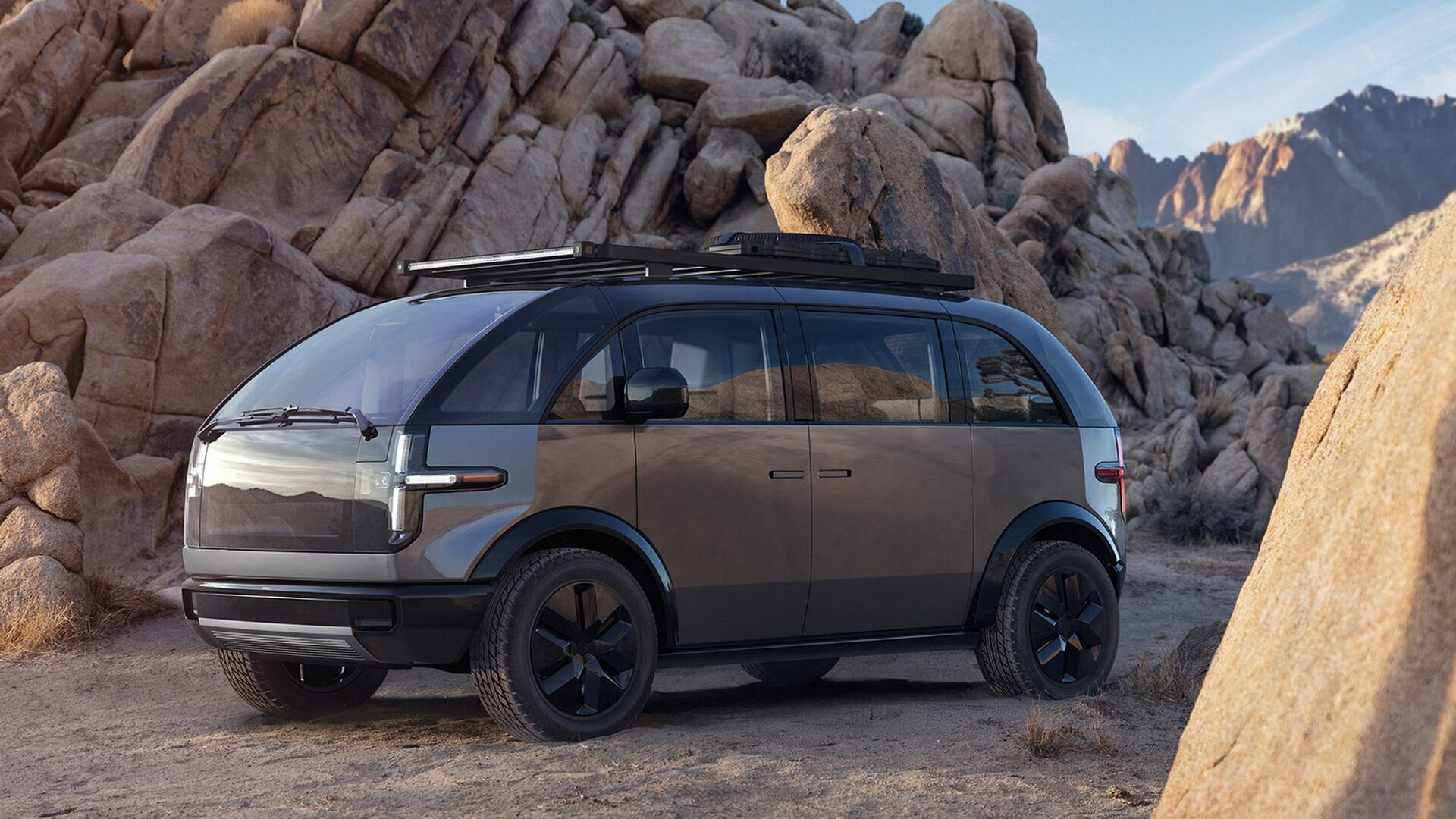
10. Canoo Lifestyle Vehicle
Canoo’s Lifestyle Vehicle offers a fresh take on electric mobility that emphasizes modularity and urban practicality. The van-like design is intentionally unconventional, focusing on maximizing interior space while minimizing its external footprint.
Unlike traditional vehicles that prioritize exterior aesthetics or speed, the Lifestyle Vehicle puts passenger comfort and adaptability at the forefront, ideal for changing demands in crowded cities.
The interior is spacious, flexible, and designed to support multiple use cases. From a family car to a shared ride vehicle or mobile workspace, the flat-floor layout and configurable seating create an environment that can shift based on needs.
Large windows provide a bright and open atmosphere, while the absence of a conventional hood or trunk gives the designers more freedom to maximize cabin volume. This design approach reflects a deeper understanding of how people will use vehicles in a future where shared mobility and on-demand services might dominate.
Canoo also approaches EV design with an eye on sustainability and affordability. By using a skateboard chassis with a flat battery pack, the vehicle is lighter and simpler to manufacture.
This helps reduce production costs, making electric vehicles more accessible to a broader audience. Their focus on subscription-based ownership models and vehicle sharing further aligns with emerging trends in how people consume transportation services, potentially disrupting traditional car ownership.
The Lifestyle Vehicle’s influence lies in its vision for a new kind of vehicle that is less about status or performance and more about utility and adaptability.
As cities grow denser and the need for efficient, low-emission transportation intensifies, vehicles like Canoo’s could become central to how people move. Their focus on shared use and customization could shape the next generation of urban mobility solutions, pushing other automakers to consider new forms of vehicle design and business models.
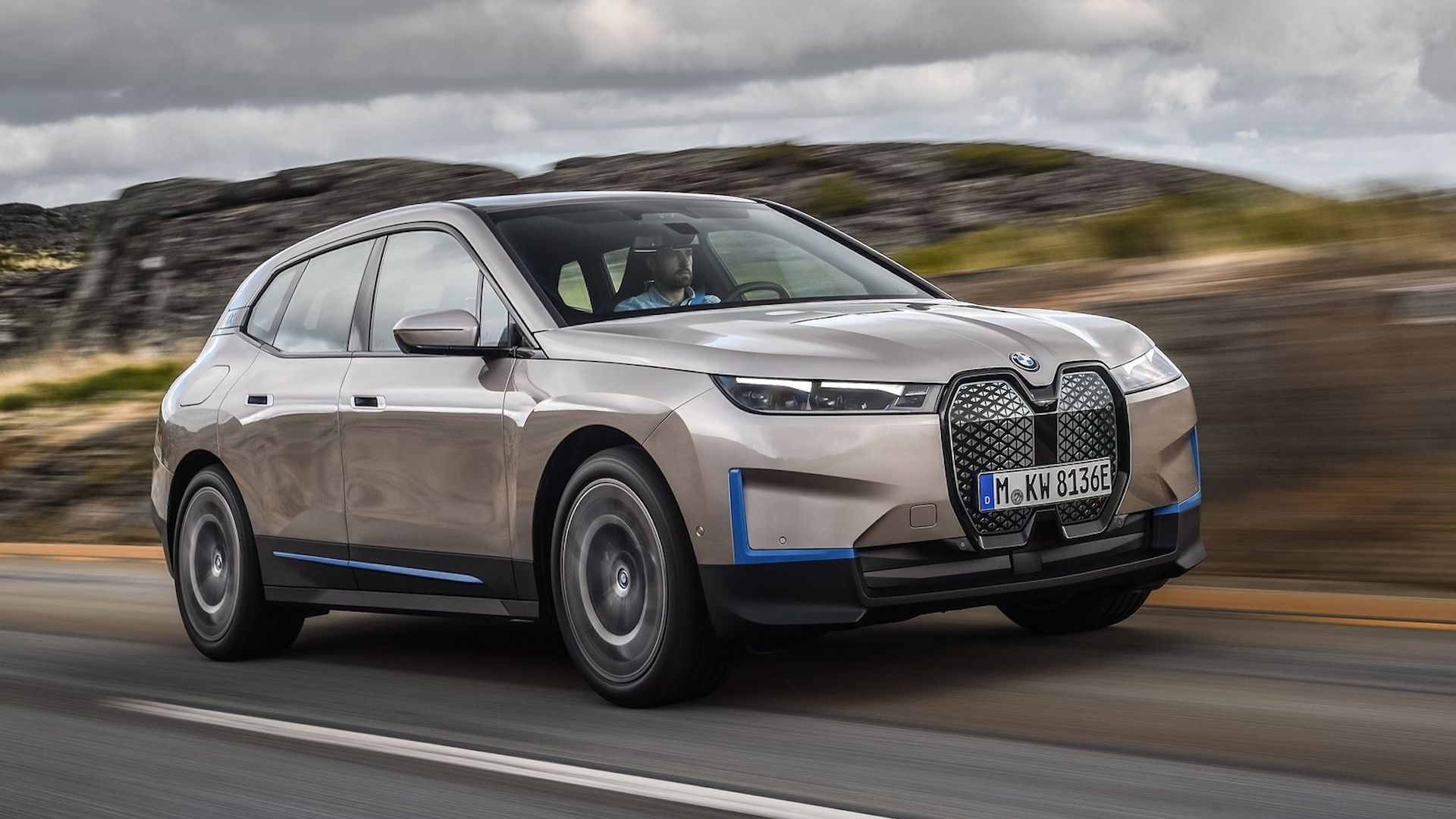
11. BMW iX
BMW’s iX is the company’s flagship electric SUV, designed to demonstrate how traditional luxury automakers can build compelling, all-electric vehicles without losing their identity.
The iX combines BMW’s hallmark driving dynamics with futuristic technology and sustainable design elements, signaling a transition period where electric vehicles begin to replace internal combustion engines across the brand’s portfolio.
The exterior of the iX balances boldness with modern minimalism. Its large kidney grille, now purely decorative, and muscular stance pay homage to BMW’s heritage while embracing a cleaner, more aerodynamic shape.
Inside, the focus is on digital integration, comfort, and sustainability. Recycled and renewable materials feature prominently, and the cabin is equipped with advanced displays, voice controls, and gesture recognition, providing a seamless interface between driver and machine.
Driving the iX offers a blend of performance and refinement. With multiple electric motors delivering instant torque and all-wheel drive, it combines the power BMW enthusiasts expect with smooth, quiet operation.
The battery range, fast charging capability, and adaptive suspension contribute to its role as a versatile SUV, suitable for both city streets and longer trips. BMW’s investment in in-house software development also means the iX can receive regular updates that improve performance and add features over time.
The BMW iX embodies the challenge and opportunity facing legacy automakers today: how to honor tradition while embracing innovation. Its success or failure could influence how other luxury brands approach electrification, particularly in the SUV segment which continues to grow globally.
