
Nostalgia has a strange way of creeping up on people, often tied not just to memories but to specific objects that carried emotional weight. For many millennials, cars were much more than transportation. They represented freedom, identity, culture, and milestones.
Whether it was the vehicle they first learned to drive, the one they saw in a favorite movie, or the model they couldn’t afford but admired from afar, cars have etched themselves deeply into millennial memory.
In 2025, as electric vehicles and futuristic designs dominate the streets, there’s a growing sentimental pull toward cars from the late 90s and early 2000s. These vehicles weren’t just products of their time; they were part of the millennial experience.
Back then, cars had more personality. They came in bright colors, with analog dials, and manual transmissions that gave drivers a sense of connection with the machine. Some of them were loud and impractical. Others were surprisingly reliable and stuck around in families for decades.
Whether it was the soundtrack of modded exhausts on suburban streets or the iconic styling of a model that defined a whole generation of car culture, these vehicles are more than just old metal, they’re artifacts from a time when the world felt a bit simpler and far less digital.
Now, in 2025, millennials are hitting their late 30s and early 40s. They’re at the stage in life where the past starts to feel closer than the future. That leads to a renewed appreciation for the things that shaped their youth. It’s not just about aesthetics or performance, it’s about emotional ties.
Some are seeking out these cars to restore or relive memories, while others just enjoy remembering what these vehicles meant to them during key stages of life. From tuner icons to practical sedans, these cars carry the weight of time and the warmth of memory.
1. Honda Civic (1990s–2000s)
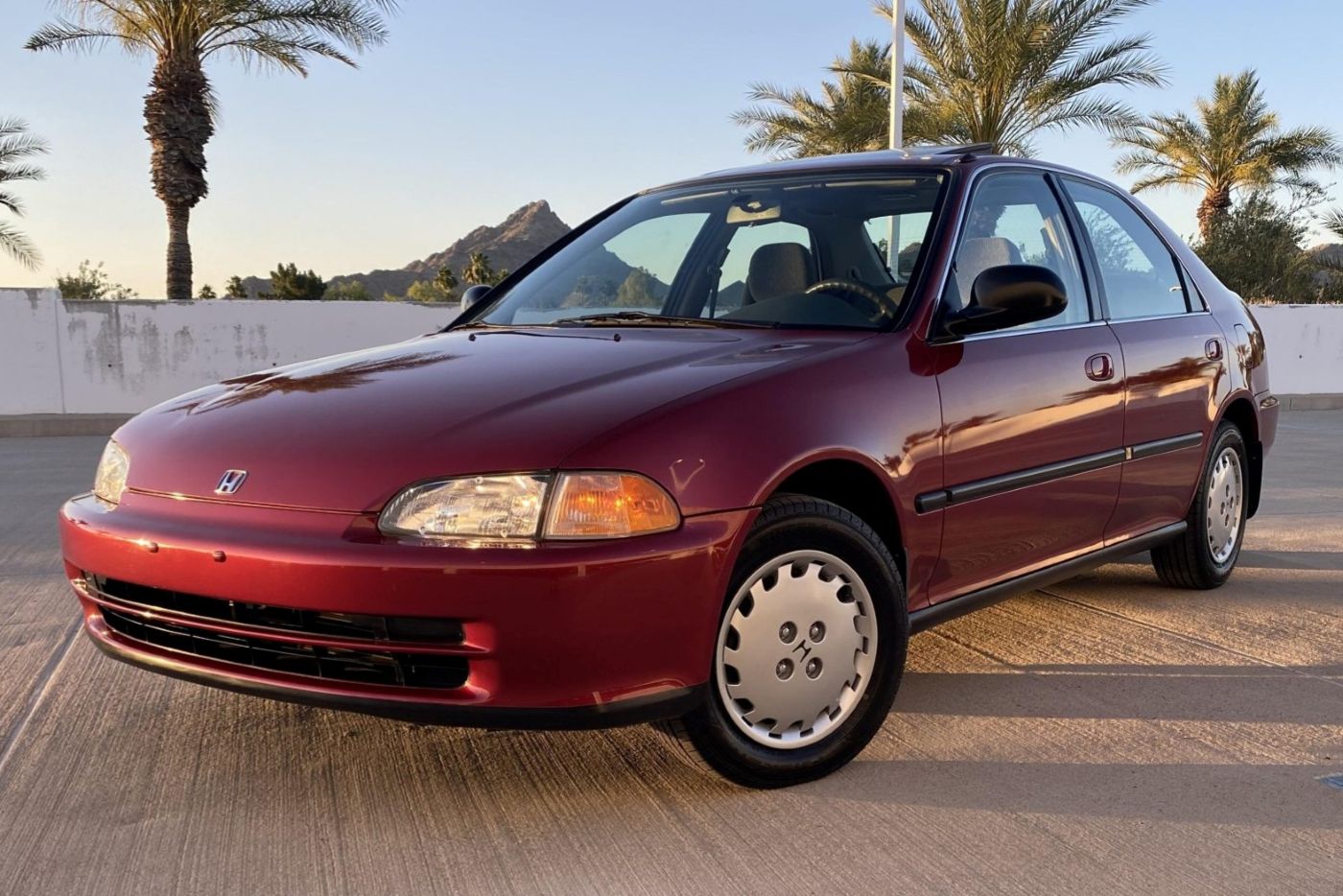
The Honda Civic holds a special place in the heart of many millennials. It was often the first car that parents handed down or the first one someone bought on a modest budget. In the 90s and early 2000s, Civics were everywhere. Their reliability was unmatched, and they were cheap to maintain.
For a generation that came of age during economic uncertainty, that kind of dependability mattered. But beyond that, the Civic had something else going for it: modding potential. It wasn’t just transportation, it was a canvas.
Back then, it was common to see Civics with aftermarket spoilers, neon lights, loud exhausts, and custom rims. They were accessible cars that allowed young drivers to express themselves. Whether or not the modifications improved performance wasn’t the point.
It was about style, identity, and being part of a scene. The Civic became an icon in tuner culture, a staple in parking lot car meets and weekend projects. Friends would gather around open hoods, swapping out intakes or tweaking timing belts, forming friendships around shared love for this humble vehicle.
The Civic also made a name for itself in street racing circles, especially after the rise of certain movie franchises that glamorized tuner culture. It became the underdog that could punch above its weight. Despite its humble origins, the Civic earned respect on the streets and in racing games like Need for Speed and Gran Turismo. That combination of digital fame and real-world accessibility gave it a unique cultural presence.
In 2025, spotting a clean early-2000s Civic is like seeing a time machine. For many millennials, the sight triggers memories of high school hangouts, late-night drives, and a sense of automotive freedom that came without the pressure of adult responsibilities. It’s no surprise that people are restoring them now, not just because they miss the car, but because they miss the feeling it gave them.
2. Toyota Celica (7th Generation, 2000–2005)
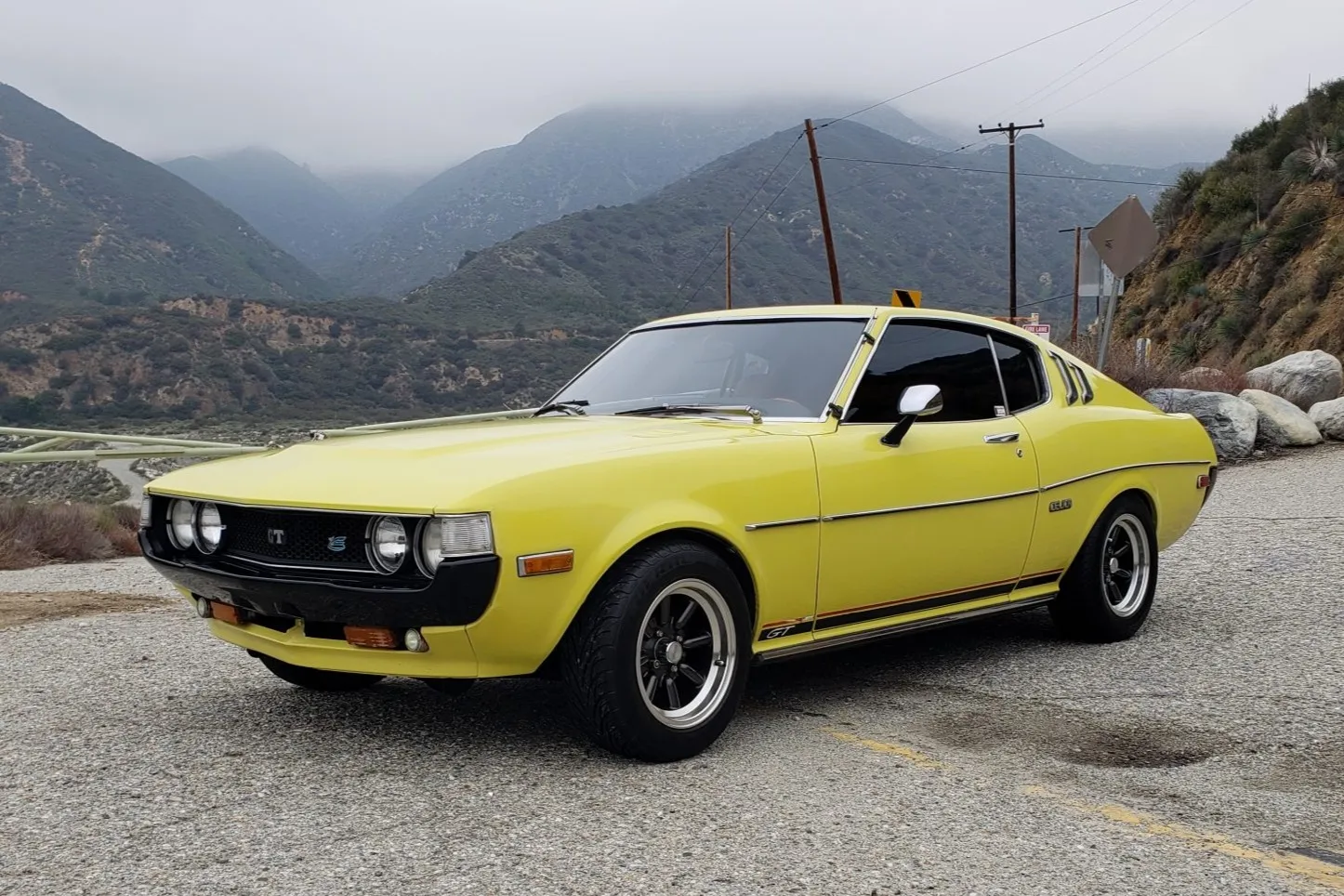
The Toyota Celica wasn’t the most powerful sports car, nor the flashiest, but it was undeniably stylish and distinctive. With its sleek, aggressive front end and sharply cut rear, the seventh-generation Celica stood out. It looked fast even when it was parked. For a generation that grew up in the early 2000s, this was one of the most desirable “attainable” sports cars. You didn’t need to break the bank to feel like you were driving something special.
It was also a car that felt like it belonged in the future. The interior had a spaceship-like feel with its circular air vents and sporty seating position. Toyota designed it to appeal to younger buyers, and it worked. Millennials, especially those just graduating or starting their careers, saw the Celica as a statement. It wasn’t a muscle car or a luxury vehicle, it was a sporty, stylish choice that said you cared about performance without needing to prove anything.
The GT-S trim, with its high-revving 1.8L engine, offered an engaging driving experience. It wasn’t overpowering, but it was fun. More importantly, it felt like something you could take on a twisty road and actually enjoy.
That lightweight chassis, paired with Toyota’s engineering, made it a favorite for those who appreciated handling over raw horsepower. In many ways, it was a “driver’s car” hidden under a flashy exterior.
Today, the Celica is rare to spot on the road. Time and wear have taken their toll, and many were modified heavily during their heyday. But for millennials who grew up wanting one, the Celica represents a time when sportiness wasn’t defined by luxury or speed alone. It was about having something that looked sharp, drove well, and made you feel like you were part of a generation that still cared about design and fun over algorithms and efficiency.
3. Mitsubishi Eclipse (Second Generation, 1995–1999)
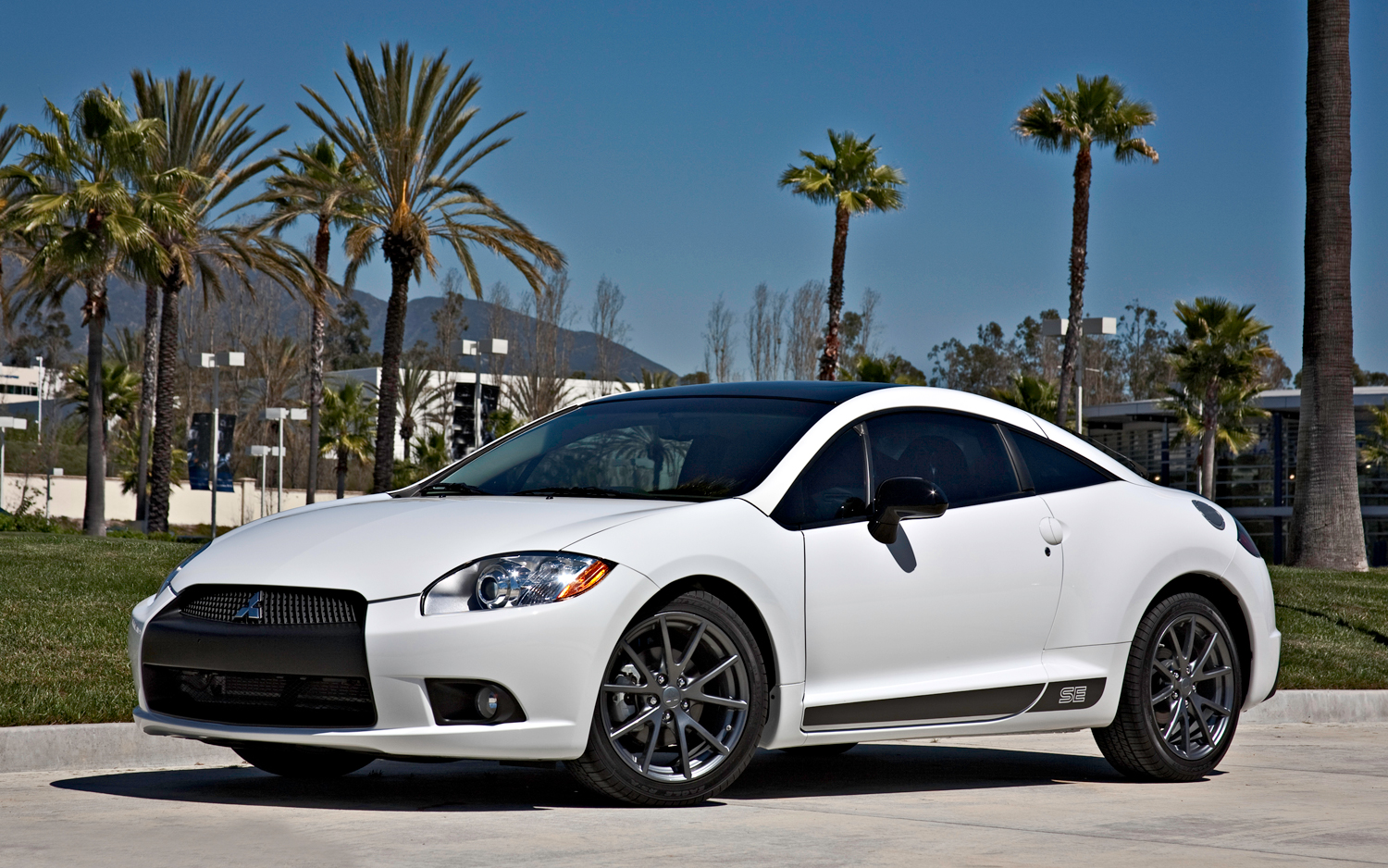
For many millennials, the Mitsubishi Eclipse was more than a car, it was a dream. Sleek, low, and aggressive, the second-generation Eclipse hit all the right notes for young enthusiasts. It had a coupe silhouette that looked exotic compared to the bland sedans of the era. It was featured in posters, video games, and perhaps most famously, a bright green version appeared in a certain action movie that became a cultural milestone for car lovers. After that, the Eclipse’s popularity exploded.
What made the Eclipse so appealing was the variety it offered. From the naturally aspirated RS to the turbocharged GSX with all-wheel drive, there was a version for every budget.
The turbo models in particular packed a punch, especially when modified. Many millennials spent hours online learning about boost controllers, intercoolers, and how to tune the 4G63 engine. The Eclipse was both approachable and aspirational. You could get one used for cheap and slowly turn it into a monster.
Aside from performance, the styling of the Eclipse stood out. The rounded body, flip-up headlights (in earlier generations), and flowing lines gave it a design edge that many Japanese cars lacked at the time. The interior was also ahead of its time, with a driver-focused cockpit and deep bucket seats. The Eclipse was often seen as a “cool kid’s car,” even when it was sitting in a high school parking lot with peeling clear coat and a busted subwoofer.
Today, clean second-gen Eclipses are becoming rare. Many have been abused, wrecked, or simply rusted away. But for those who remember the excitement of seeing one on the road, or owning one, the nostalgia is strong. It brings back memories of early independence, car club meetups, and late nights spent under dim garage lights trying to get one more horsepower out of a boost gauge reading just right.
4. Subaru WRX (2000s)
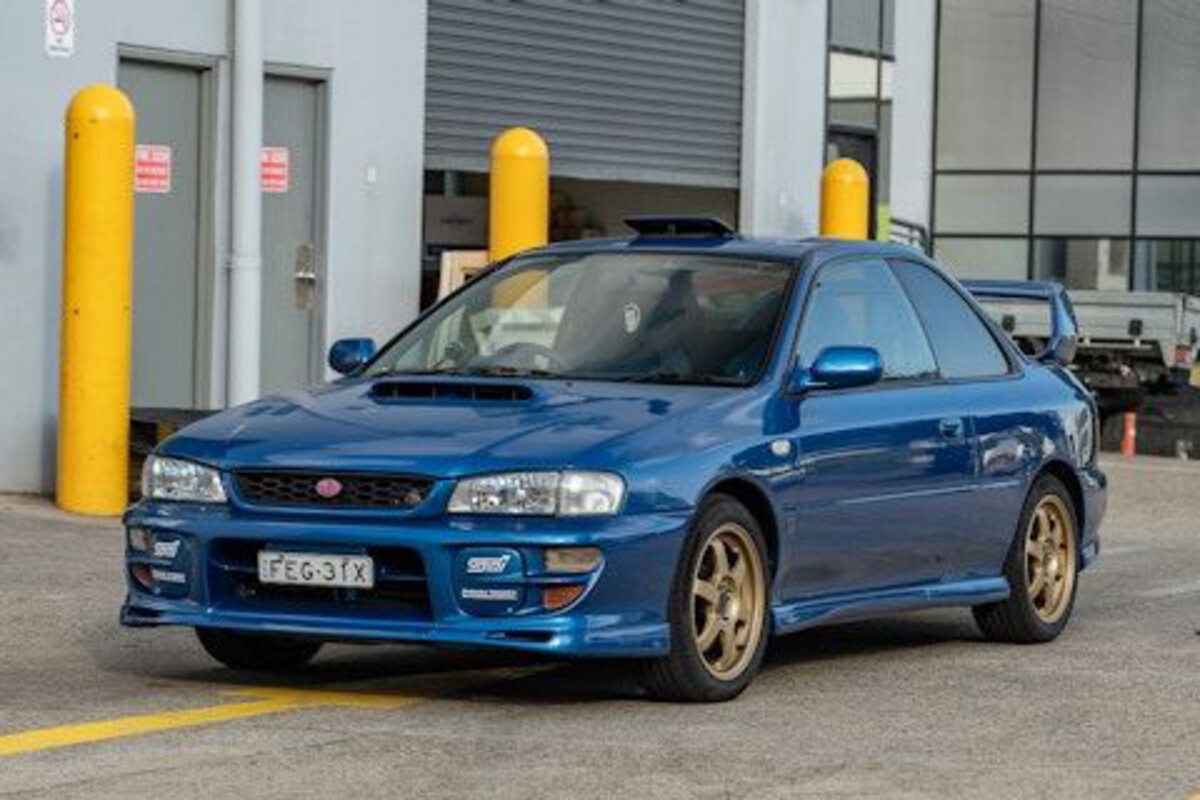
The Subaru WRX, especially the “bug-eye” and “blob-eye” models from the early 2000s, holds cult status among millennials. It was the rally car you could actually buy, the kind of vehicle that made you want to find a dirt road and kick up some dust.
It combined everyday practicality with rally-bred engineering, making it both a daily driver and a track toy. For many, it was their introduction to turbocharged performance, all-wheel-drive grip, and the thrill of spirited driving without sacrificing utility.
There was something rebellious about the WRX. It was loud, both visually and mechanically. The signature hood scoop, boxer engine rumble, and aggressive stance gave it an edge. It wasn’t trying to be polished or luxurious. It was raw and real, and that’s exactly what drew people in. It felt like a machine that wanted to be driven hard, not just commuted in. In an era where many cars were becoming bland, the WRX stood out.
Video games like Gran Turismo and Colin McRae Rally made the WRX even more iconic. Players could virtually experience what it was like to toss one sideways through gravel corners, and that fantasy often translated into real-life admiration. Some millennials saved up for years just to buy one used. Others settled for posters and scaled models, hoping to own the real thing one day. The WRX was the kind of car that turned passive interest in cars into a full-blown obsession.
By 2025, many original WRX models are showing their age, but that only adds to their appeal for those who grew up idolizing them. For millennials, they represent freedom, power, and the idea that a car could be both wild and reliable.
The WRX wasn’t perfect; it had its quirks, like a sometimes rough ride or interior materials that showed wear quickly, but those details made it feel genuine. It was a car made to be driven hard, not pampered in a garage. This rawness created an emotional bond with owners who found in the WRX a rare balance between everyday practicality and racing heritage.
The car’s connection to rally racing also sparked a deeper appreciation for motorsport culture among millennials. Subaru’s success in the World Rally Championship brought an aura of legitimacy to the WRX, making it more than just a sporty compact. It was a performance car with pedigree, and that mattered.
Many millennials can remember tuning into rally broadcasts or playing rally video games and daydreaming about owning one of these versatile machines. It was a vehicle that symbolized grit and determination, values that resonated deeply during a decade when many were facing economic and personal challenges.
In addition to its performance appeal, the WRX was a canvas for customization. Owners often swapped suspension parts, upgraded exhausts, and installed aftermarket turbochargers. The car’s all-wheel-drive system gave it confidence in bad weather, and it became a favorite in regions with snow or rain.
For millennials growing up in areas where winter driving was a challenge, the WRX represented a dependable yet thrilling option. It was a car that could keep up with active lifestyles, weekend adventures, and spontaneous road trips, all while standing out in a crowd.
Looking back, the WRX was more than just a car; it was a symbol of a lifestyle. Millennials remember the WRX as a gateway to automotive enthusiasm, a way to learn about mechanics, performance, and community. It helped many transition from casual drivers into dedicated car enthusiasts. For those reasons, the WRX remains a cherished part of millennial nostalgia, a reminder of youthful excitement wrapped in a package of turbocharged, all-wheel-drive fun.
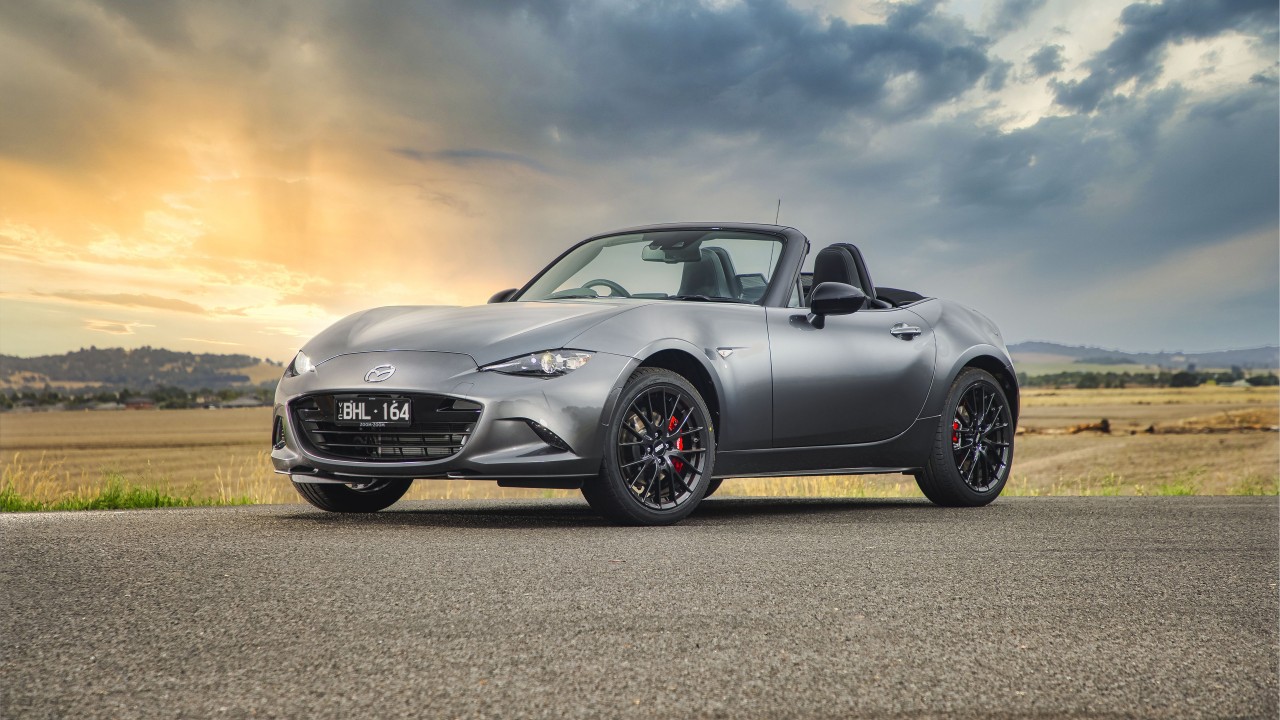
5. Mazda MX-5 Miata (NA and NB generations, 1990s–early 2000s)
The Mazda MX-5 Miata is often considered the quintessential affordable sports car, and millennials who grew up in the 90s and early 2000s know it well. Its charm lies in its simplicity, a lightweight, rear-wheel-drive roadster that was designed purely for the joy of driving. At a time when many cars were growing larger and more complex, the Miata stuck to its roots. For millennials, the Miata represented freedom, open-air fun, and a connection to the purest aspects of motoring.
Part of the Miata’s appeal was how accessible it was. It wasn’t just a car for wealthy enthusiasts; it was affordable enough for college students or young professionals to buy and maintain. It was also incredibly reliable, requiring little beyond regular maintenance to stay in top form.
This combination of affordability and fun made it an ideal first sports car for many. Owning a Miata meant more than just transportation; it was about experiencing the thrill of corners, the feel of the wind, and the sound of a small but eager engine.
The first two generations, NA and NB, have become particularly beloved. The pop-up headlights of the NA Miata carry a nostalgic charm that no modern car can replicate. Meanwhile, the NB refined the formula with improved suspension and a more modern look while keeping the Miata’s playful spirit intact.
These cars were not about raw power; they were about balance and driver engagement. The Miata’s light weight and sharp steering allowed drivers to learn the art of driving without intimidation, making it a gateway into a lifelong appreciation for sports cars.
Today, the MX-5 Miata continues to be celebrated among millennials, many of whom now seek to restore or customize their old Miatas. The car evokes memories of sunny afternoons with the top down, weekend drives through winding country roads, and the simple pleasure of a car that makes driving fun without complication.
In a world increasingly dominated by technology and driver aids, the Miata stands as a nostalgic reminder of a purer automotive experience.
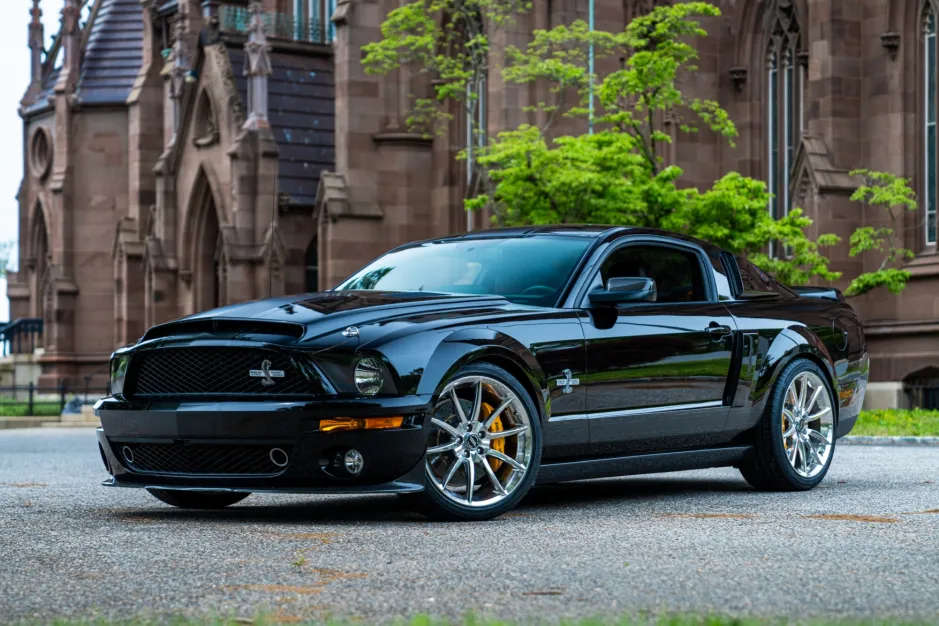
6. Ford Mustang (SN95 and early S197 generations, 1994–2008)
The Ford Mustang has long been an American icon, but for millennials, the SN95 and early S197 Mustangs of the 1990s and 2000s hold a special place.
These cars were some of the first “muscle cars” many young people saw outside of movies and video games. They combined aggressive styling with affordable power, making the Mustang an attainable symbol of performance and rebellion. For millennials growing up in the United States, the Mustang was a dream car that also felt within reach.
These Mustangs carried forward the legacy of classic muscle cars but with modern improvements. The SN95 models brought a more refined design and better handling than their predecessors, while the early S197 models introduced a fresh new style and increased power output.
Under the hood, V8 engines roared with unmistakable authority, delivering thrilling acceleration that made the Mustang a staple on straightaways and backroads alike. This era of Mustang ownership also sparked the beginning of a vibrant aftermarket culture, with countless enthusiasts swapping out parts and upgrading engines to squeeze even more power.
For many millennials, the Mustang was more than just a car, it was a cultural touchstone. It showed up in popular media, from television shows to racing games, reinforcing its image as a car for those who craved excitement and individuality.
The Mustang’s soundtrack, the deep, throaty growl of its V8, became a defining sound of youth for many. Driving one was often a rite of passage, a way to assert independence and embrace the freedom that comes with the open road.
In 2025, these Mustangs have aged but not lost their appeal. They serve as reminders of a time when cars were built with character and personality, not just fuel efficiency or safety ratings. Millennials often seek out these models as a connection to their past, whether for restoration projects or simply as a nostalgic nod to a time when muscle cars represented a vibrant automotive culture rooted in American identity.
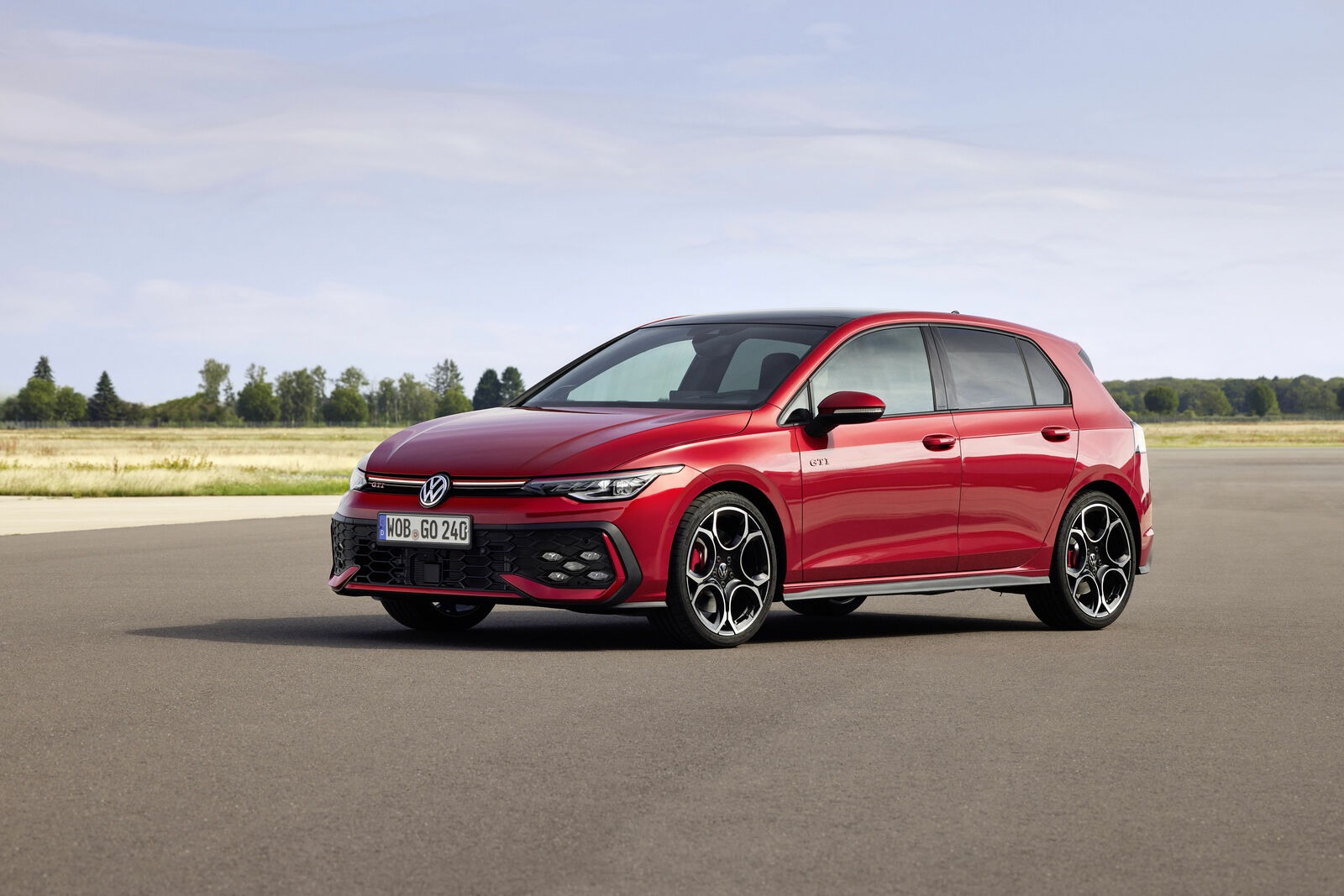
7. Volkswagen Golf GTI (Mk4 and Mk5, late 1990s–mid 2000s)
The Volkswagen Golf GTI is another car that resonates deeply with millennials who grew up in the late 90s and early 2000s. This car brought the concept of the “hot hatch” into the mainstream in a way few others did. It combined practicality with spirited driving, delivering a punchy engine, sharp handling, and a compact, unassuming design. For many, it was the ideal blend of everyday usability and performance.
The Mk4 and Mk5 generations especially stand out. They offered refinement without losing the GTI’s playful nature. The interior was functional yet sporty, with red stitching, tartan seats, and a driver-focused layout.
Under the hood, the turbocharged engines offered lively acceleration and a responsive throttle, making city driving and highway cruising equally enjoyable. The GTI was the kind of car that could tackle a grocery run in the morning and a spirited drive after work without missing a beat.
Many millennials were drawn to the Golf GTI because it felt European but accessible. It wasn’t as common as other compact cars, so owning one set you apart from the crowd in a subtle way. The GTI was also well regarded for its build quality and reliability, which meant it could serve as a daily driver for years without major issues. That blend of style, performance, and practicality made it a perfect first car or commuter for many young adults.
Today, the Golf GTI continues to enjoy a loyal following among millennials. Whether they are driving well-maintained originals or modifying their cars with suspension upgrades and performance parts, the GTI’s legacy lives on. The car’s reputation as a fun, practical hatchback that doesn’t sacrifice personality resonates even more in 2025, when many look back fondly on simpler, more engaging vehicles.
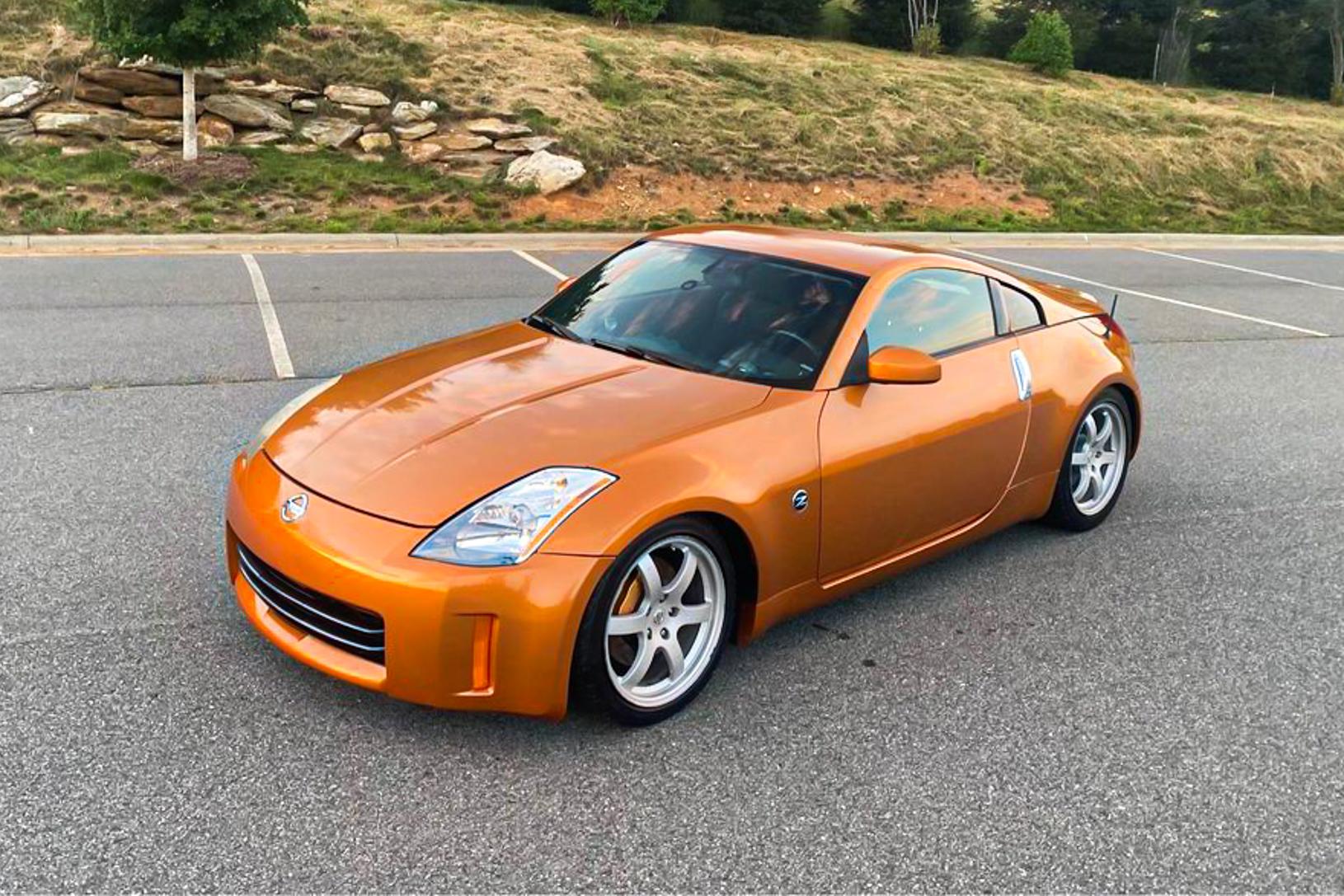
8. Nissan 350Z (2003–2009)
The Nissan 350Z arrived at a time when sports cars were beginning to lose some of their appeal to more practical crossover SUVs, but it quickly re-established enthusiasm among millennials.
This car was powerful, aggressive, and designed to put a smile on the driver’s face. It combined a muscular V6 engine with rear-wheel drive and a chassis tuned for balanced handling. For many millennials, the 350Z was the car that turned casual interest into full-blown passion.
The 350Z’s design was bold and modern, with sweeping lines and a low stance that screamed performance. It looked like a true sports car, without the inflated price tag of some European rivals. Underneath, it delivered on its promise, offering sharp steering and a rev-happy engine that responded instantly to throttle input. This made it a favorite not just on the streets but also at track days and autocross events, where it could hold its own against more expensive machinery.
The 350Z also became popular among the tuning community. Its robust VQ engine was known for being responsive to modifications, and many enthusiasts enjoyed upgrading exhausts, intakes, and suspension components.
It became a platform for creativity and expression, allowing millennials to craft unique builds that reflected their personalities and tastes. The 350Z represented a time when Japanese sports cars were both affordable and exciting, giving young drivers an accessible route to high performance.
Looking back from 2025, the 350Z is remembered fondly by millennials as a car that offered real sports car thrills without pretense. It embodies the spirit of a generation that valued driving enjoyment over mere practicality or luxury. Many who owned or dreamed of owning one now seek out well-preserved examples to relive the excitement of that era, proving the 350Z’s lasting impact on automotive culture.
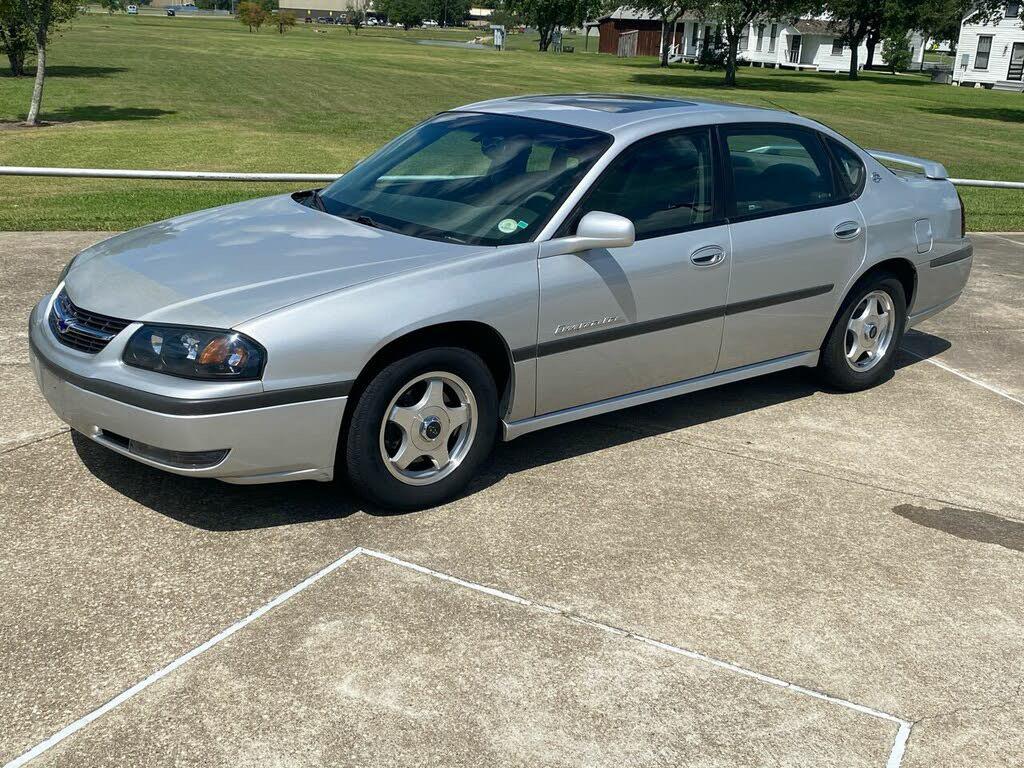
9. Chevrolet Impala (2000s)
The Chevrolet Impala, particularly the models from the early to mid-2000s, holds a unique place in millennial nostalgia. While it may not have the sporty appeal of some other cars on this list, it was a dependable, comfortable, and widely accessible full-size sedan that many millennials encountered growing up.
The Impala was often the family car, a first vehicle for new drivers, or even a staple in rideshare fleets as millennials came of age and began driving for a living. Its ubiquitous presence made it a familiar and reassuring sight.
In terms of design, the early 2000s Impalas carried a blend of smooth, conservative styling with subtle nods to classic American sedans. They offered spacious interiors, comfortable seating for five, and enough trunk space to accommodate a wide variety of needs, from road trips to grocery runs. While not flashy, the car emphasized reliability and value.
For millennials who grew up in suburban or rural settings, the Impala was often the car that carried them through the awkward phases of adolescence and young adulthood.
Performance-wise, the Impala came with a range of V6 engines that balanced power and fuel efficiency. It wasn’t a sports car, but it had enough muscle to keep highway merging stress-free and city driving relaxed.
The car’s smooth ride and stable handling contributed to a sense of safety and control, which made it appealing for parents handing the keys over to their teenagers. For many millennials, the Impala was the car where they first learned to navigate the responsibilities of driving and ownership.
By 2025, the Impala isn’t the most celebrated vehicle, but it has a solid place in millennial hearts as a symbol of reliability and the rites of passage that come with young adulthood. It reminds people of road trips with friends, long family drives, and the transition from dependence to independence. The Impala’s widespread availability and dependable nature make it a practical choice for anyone seeking a car that represents the everyday memories and milestones of millennial life.
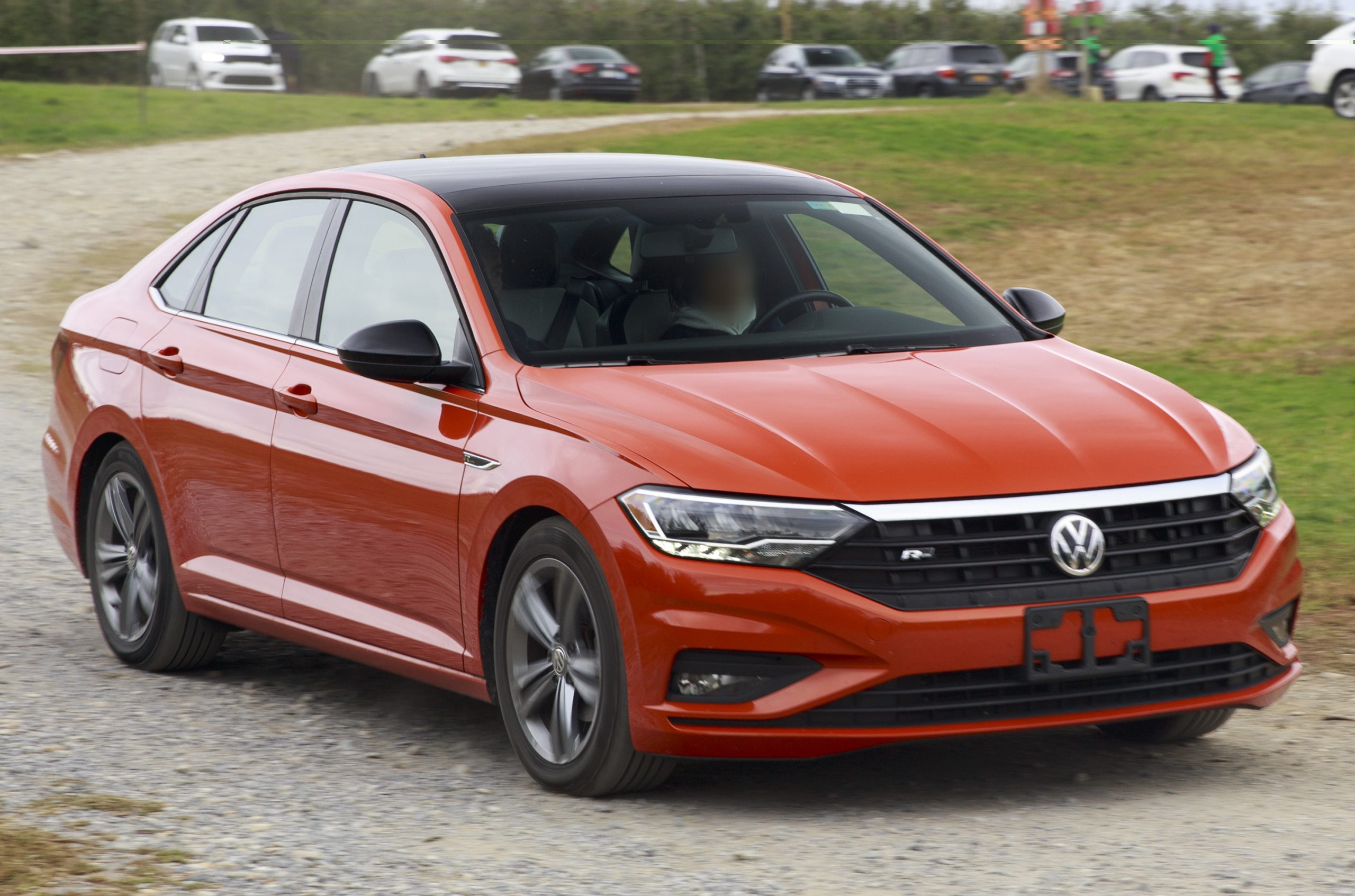
10. Volkswagen Jetta (Fourth and Fifth Generation, early 2000s)
The Volkswagen Jetta is another car that many millennials remember with a mix of fondness and practicality. The fourth and fifth-generation Jettas, produced in the early to mid-2000s, were often seen as an entry point into the world of European cars for young drivers. They combined understated styling, European engineering, and a comfortable ride. The Jetta was a step up from the economy cars that dominated the market, offering a more refined driving experience without an overwhelming price tag.
Millennials who remember these Jettas often recall their solid build quality and the feeling of driving something a bit more sophisticated than the average compact sedan. The Jetta’s design was simple but elegant, with clean lines and a conservative look that aged gracefully.
Inside, the cabins were comfortable and well-appointed for the class, often featuring quality materials that felt durable. The Jetta wasn’t a flashy car, but it felt respectable and reliable, something that many millennials aspired to own.
From a performance standpoint, the Jetta offered a variety of engine choices, including some sporty options like the GLI trims. These versions delivered peppy acceleration and sharp handling, appealing to those who wanted a bit more excitement in their daily drive. Even the base models were well-liked for their smooth ride and precise steering. The Jetta’s European roots also meant it handled corners and highway cruising with a balance that was often lacking in domestic competitors.
In 2025, the Volkswagen Jetta remains a nostalgic favorite because it represents a stage in life when millennials started to make more independent decisions about their cars. It was often the first “grown-up” car, a move toward quality and style without sacrificing practicality.
Many millennials look back at the Jetta as a dependable companion during their college years, early careers, or the beginnings of family life. Its understated appeal and solid performance have ensured it a lasting place in millennial memory.
