
In a world increasingly dominated by automatic transmissions, electric vehicles, and advanced driver-assistance systems, the manual transmission stands as a symbol of pure, unfiltered driving. For many car enthusiasts, a manual gearbox is not just a mechanical choice but an emotional one.
It’s about being more connected to the vehicle, feeling each gear change, and having control over how the car responds in every situation. There’s a rhythm to shifting gears manually, a sense of satisfaction when it’s done just right, and a rawness that can’t be replicated by paddle shifters or computer-managed gear changes.
Although automatics have surpassed manuals in terms of performance and efficiency, many drivers still appreciate the engagement and skill required to drive a stick shift. For some, it’s a rite of passage; for others, it’s a continuing love affair with a fading piece of automotive culture.
As car manufacturers race toward automation, hybrids, and electrification, the manual transmission is becoming an endangered feature, reserved mostly for niche models and performance-oriented vehicles. Yet, it hasn’t vanished completely.
A handful of manufacturers are still producing manual cars, largely to keep the passion alive for those who value a more analog experience. These vehicles often carry with them a legacy of performance, engineering purity, and a driver-first philosophy.
Whether it’s a sports coupe, a hot hatchback, or a lightweight roadster, the presence of a manual transmission usually signals that the car is built for people who truly enjoy driving. It also fosters a sense of connection between man and machine that no dual-clutch or continuously variable transmission can replicate.
This article looks at ten such cars that continue to honor the tradition of the manual transmission. These are not just cars with three pedals; they are machines that keep the driver at the center of the experience.
They may not be the fastest in their segments, but they offer something far more important to enthusiasts: involvement, control, and that unmistakable sense of satisfaction that comes from choosing the right gear at the right time.
1. Mazda MX-5 Miata
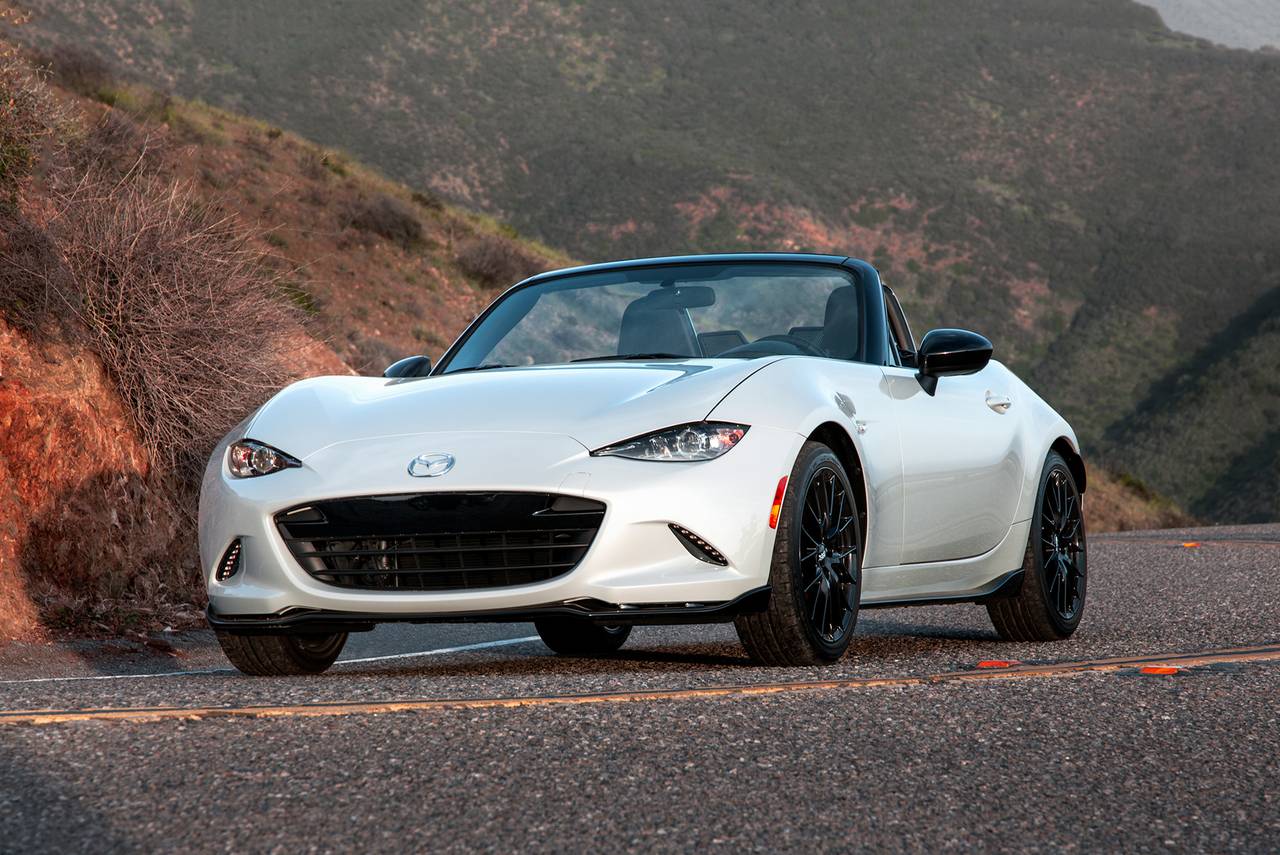
The Mazda MX-5 Miata has earned its reputation as one of the most engaging sports cars on the market, regardless of price. With its lightweight construction, balanced chassis, and precise steering, the Miata doesn’t need excessive horsepower to be fun.
What makes it even more appealing to purists is that it still comes with a manual transmission that feels tailored for the car. Each gear change is crisp, with short throws and satisfying mechanical feedback that rewards accurate and spirited driving.
This car’s commitment to simplicity and driving enjoyment is part of what makes the manual version so desirable. There’s a purity to the Miata’s execution that aligns perfectly with the ethos of a manual gearbox.
You don’t need traction control algorithms or fancy torque vectoring when the car itself communicates so clearly with the driver. The shifter, clutch pedal, and throttle all work in harmony to make every drive an engaging experience, whether on a winding backroad or during a casual city cruise.
Part of what makes the Miata special is how accessible it is to a wide range of drivers. It’s one of the few cars where beginners can learn to drive stick without being overwhelmed, and seasoned drivers can still find enjoyment in mastering heel-toe downshifts.
The balance between ease of use and driving reward is something very few cars manage to get right, but the Miata continues to do it with grace and consistency.
Despite changes in technology and emissions standards, Mazda has remained loyal to the Miata’s original formula. The manual version is not an afterthought or a nostalgic nod, it’s a central part of the car’s identity.
It’s an option chosen by those who want to feel every shift, every corner, and every bit of road feedback. In a time when many cars isolate the driver, the Miata continues to celebrate the essence of hands-on driving.
2. Honda Civic Si
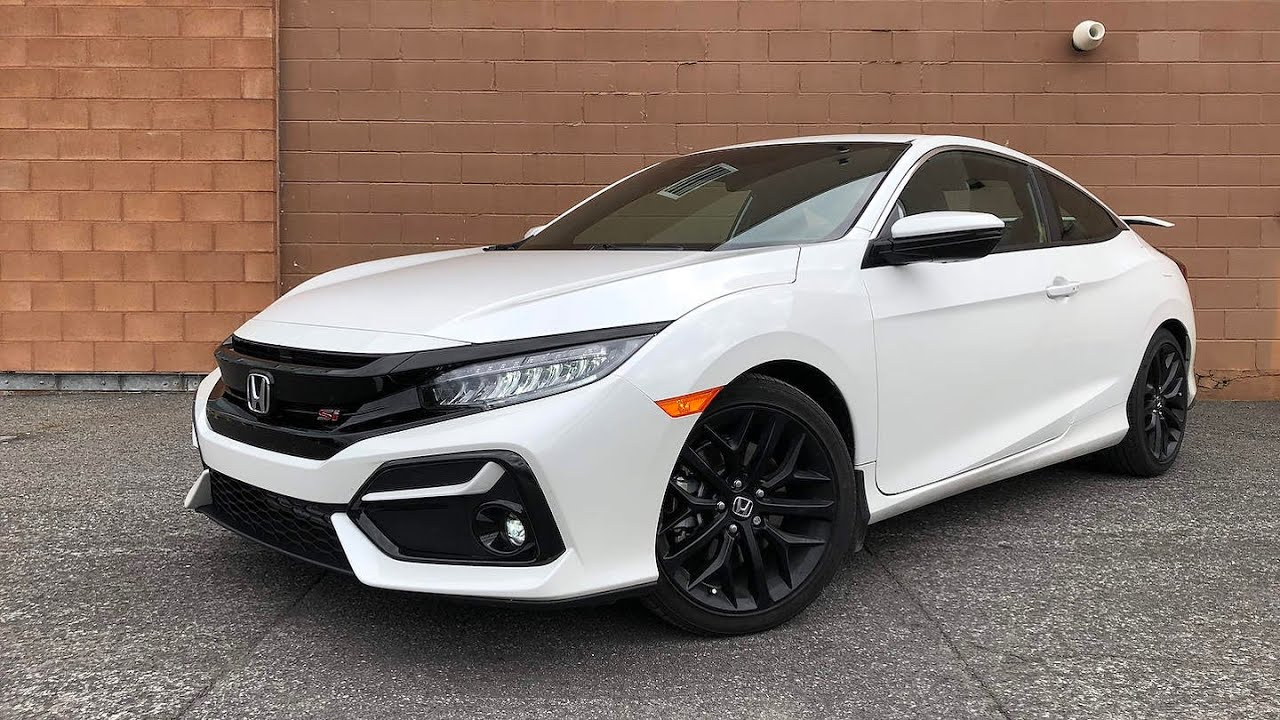
The Honda Civic Si is one of the most affordable ways to enjoy a spirited, manual-transmission experience. As part of Honda’s performance lineup, the Civic Si has long been known for combining everyday practicality with driving excitement.
Its six-speed manual transmission is the only option, which speaks volumes about the car’s intent. This is a car that invites you to be involved, to take part in the process of driving rather than just going along for the ride.
The shifter in the Civic Si is among the best in the business for front-wheel-drive cars. It has a short, accurate throw, and the clutch is light yet communicative. Rev-matching is left entirely to the driver, which adds another layer of engagement.
While the Civic Si is turbocharged, Honda has managed to retain the linearity and responsiveness that made its naturally aspirated predecessors so much fun. It’s a compact car that encourages high-rev driving, gear changes at redline, and a sense of enjoyment that far exceeds its price tag.
One of the most underrated qualities of the Civic Si is its dual personality. It can be a daily driver, comfortable and composed for commuting or running errands, yet it transforms when pushed on a twisty road. The manual transmission allows the driver to extract the most from the turbocharged engine, and the chassis responds with agility and predictability.
It’s not the most powerful car in its class, but it doesn’t need to be. What it offers instead is consistency, reliability, and a direct connection between driver and machine.
Honda has stayed true to the Civic Si’s roots by keeping it manual-only in recent generations. While competitors have abandoned the stick shift in favor of automatics, the Civic Si remains a holdout for those who value control and enjoyment.
It’s a car that continues to remind drivers why manual transmissions matter, and it does so without requiring a luxury budget or a track day setting.
3. Ford Mustang GT
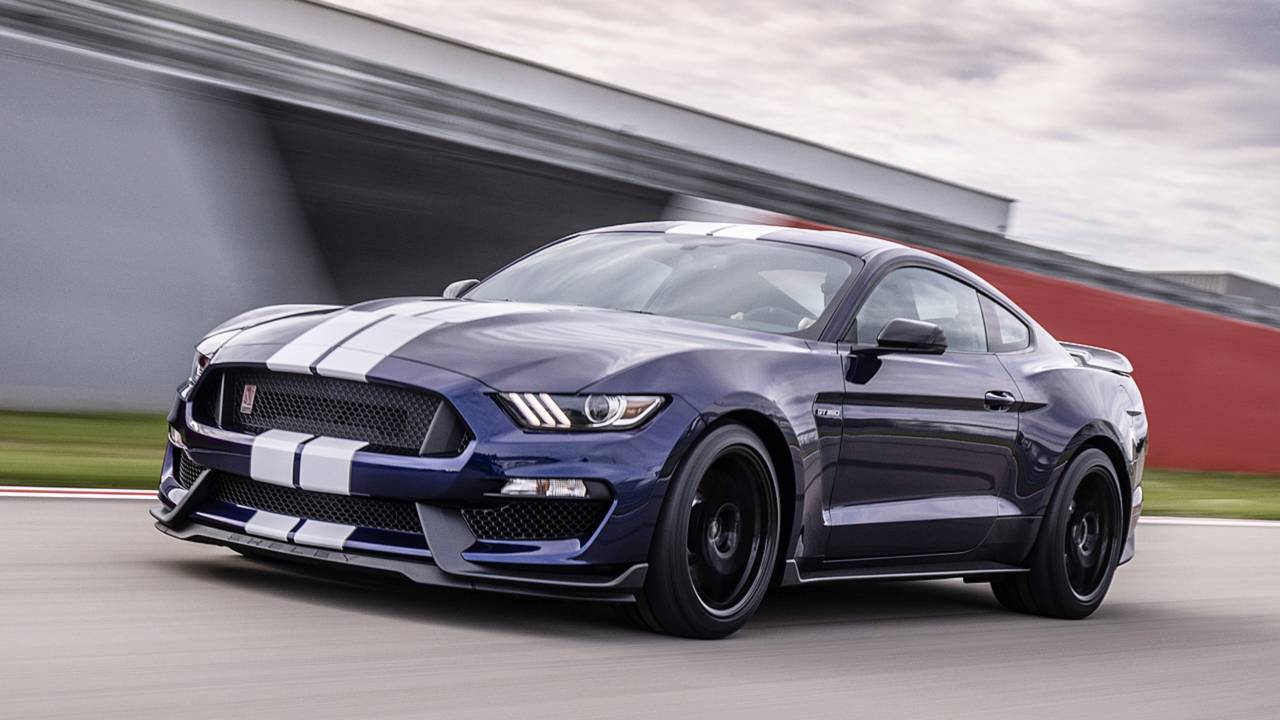
The Ford Mustang GT is one of the few American muscle cars that still proudly offers a manual transmission. With its rumbling V8 engine and aggressive styling, the Mustang is a symbol of American performance, and the manual gearbox enhances that experience in a way no automatic can.
The six-speed manual not only lets drivers feel more in command of the car’s power but also adds a tactile and visceral element to each drive.
There’s something immensely satisfying about manually rowing through the gears while the V8 roars under the hood. Each shift feels deliberate, each throttle blip adds to the drama. For those who grew up dreaming about muscle cars, the manual Mustang delivers on that dream with old-school charm paired with modern performance.
Unlike many modern cars that have become overly refined, the Mustang GT maintains a bit of rawness that connects directly to the driver’s senses.
What sets the Mustang GT apart is how well-rounded it has become over the years. It’s no longer just a straight-line machine; with improvements in suspension and chassis tuning, it can hold its own on curvy roads and even racetracks.
The manual transmission gives enthusiasts the chance to enjoy this evolution to the fullest. It demands more attention and skill but rewards the driver with a deeper, more meaningful experience behind the wheel.
Ford has recognized that enthusiasts still want manual options, and it continues to offer them on performance variants like the GT. In a segment where competitors have dropped manuals or limited them to entry-level trims, the Mustang GT’s stick shift remains a statement.
It’s not just about nostalgia, it’s about preserving a style of driving that prioritizes connection, control, and fun. The manual Mustang isn’t just a car; it’s an experience that encourages drivers to stay engaged from the first shift to the last.
4. Toyota GR86 / Subaru BRZ
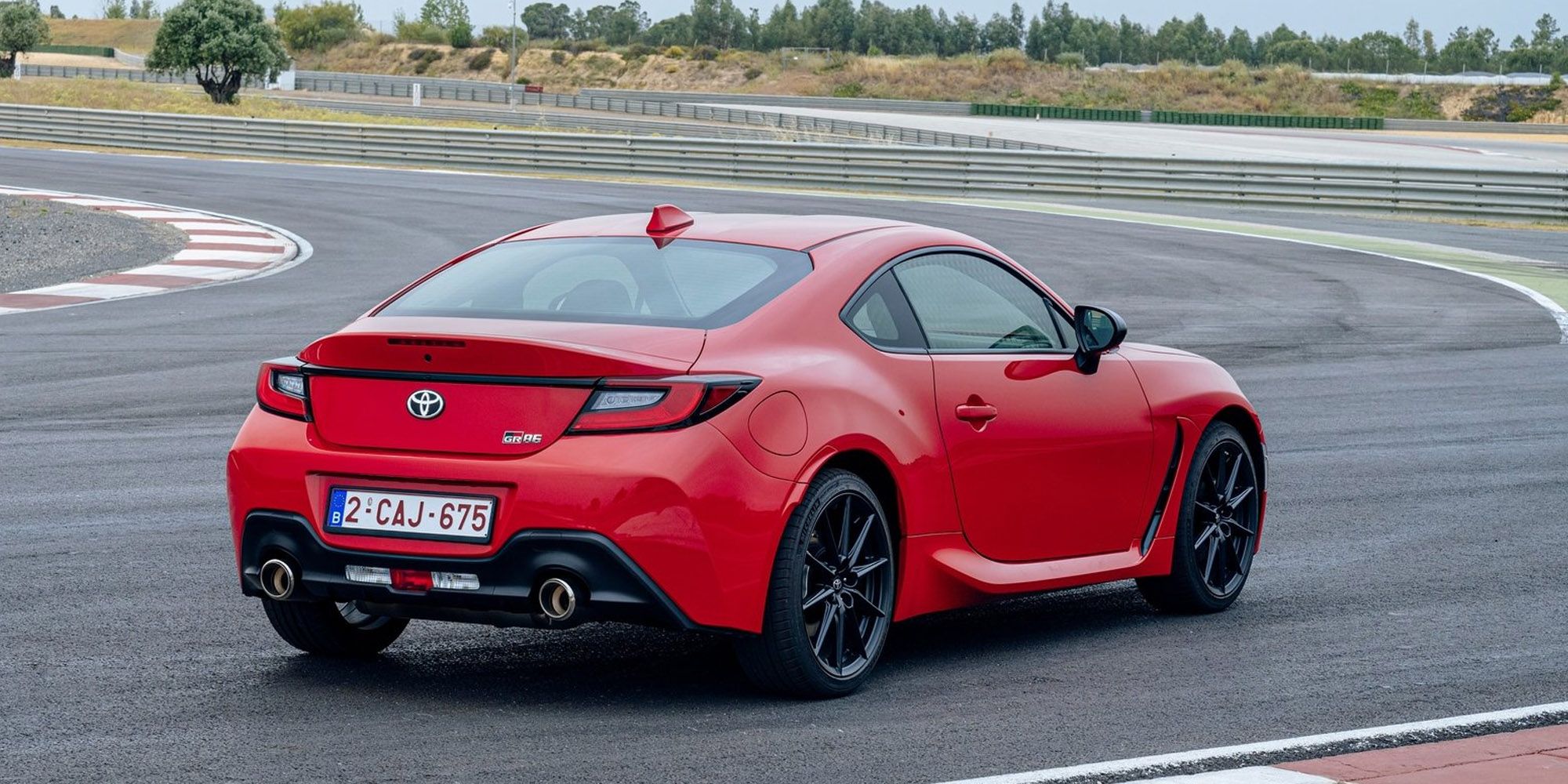
The Toyota GR86 and its twin, the Subaru BRZ, are among the last of a dying breed: affordable, rear-wheel-drive sports cars that come standard with a manual transmission. These cars are built with one purpose in mind, driving enjoyment.
They aren’t obsessed with lap times or horsepower figures; instead, they focus on balance, driver feedback, and the kind of engagement that turns a normal road into a playground. The six-speed manual in both cars is smooth, with light clutch effort and a satisfying mechanical feel. It’s one of those transmissions that immediately feels familiar, even to those who haven’t driven a stick in years.
One of the key appeals of the GR86 and BRZ is how honest they are. There’s no gimmickry here. They’re lightweight, well-balanced, and make the most of their naturally aspirated flat-four engines.
That engine may not be a torque monster, but it rewards high revs and smooth shifts, and the manual transmission allows you to fully control how and when that power is delivered. Every shift feels purposeful. You have to stay involved, anticipate your moves, and use the gearbox to keep the car in its sweet spot. In return, the car responds with sharp handling and a chassis that always feels eager to play.
These cars are not about brute force or cutting-edge tech. They are modern examples of what sports cars used to be: simple, communicative, and driver-focused. The fact that they are still available with a manual transmission speaks volumes about the audience they were built for.
Enthusiasts want to feel connected to their cars, and that connection is strongest when there’s a clutch pedal and a gear lever involved. The GR86 and BRZ don’t try to shield the driver from the driving process. Instead, they invite you to be part of it, making every drive an experience worth savoring.
What makes them even more special is how accessible they are. For younger drivers looking to enter the world of manual performance cars, there are few better options. They offer the kind of real-world performance and tactile feedback that makes you a better driver.
Whether you’re carving mountain roads or just learning the intricacies of heel-and-toe downshifting, these cars encourage you to engage, improve, and enjoy the drive for what it is, an opportunity to be part of the machine rather than just a passenger in it.
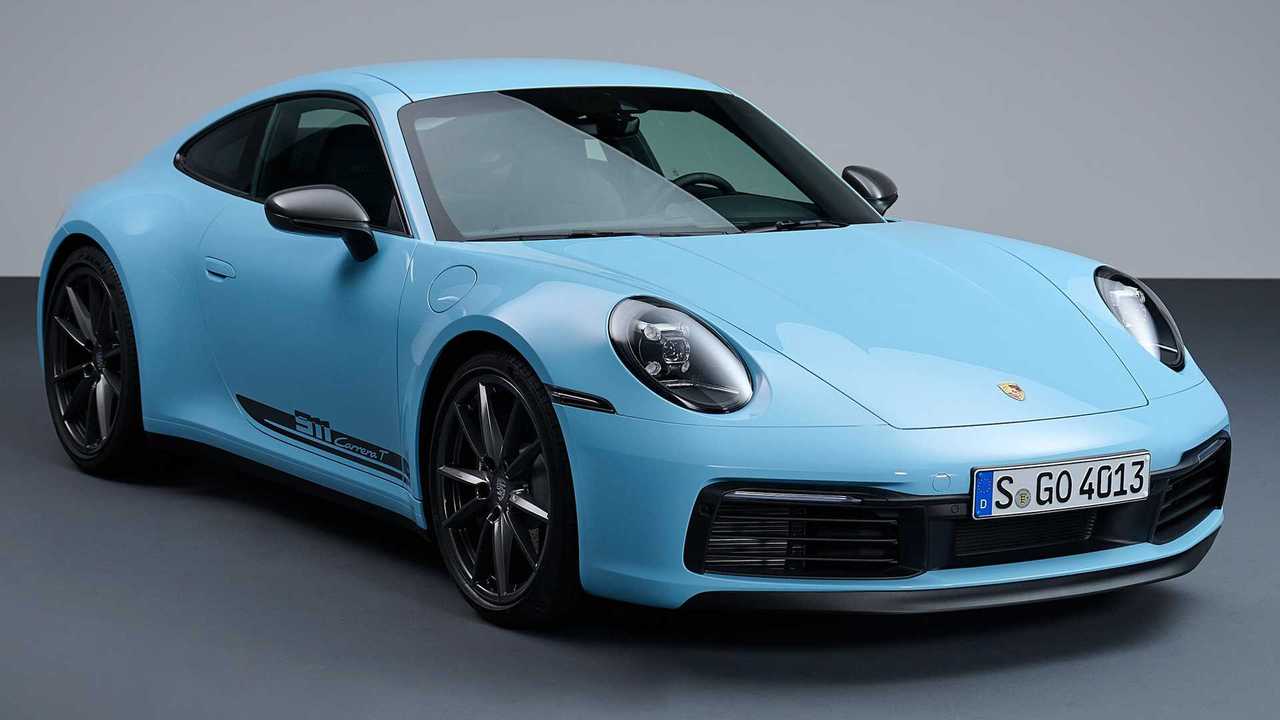
5. Porsche 911 Carrera T
The Porsche 911 Carrera T is a rare example of a high-end sports car that continues to celebrate the manual transmission. While many luxury performance brands have transitioned entirely to automatic or dual-clutch systems, Porsche has consistently offered manuals for those who value traditional driver engagement.
The Carrera T is particularly special because it’s been engineered to appeal specifically to purists. It’s lighter, more focused, and intentionally designed to give the driver a more connected experience. The seven-speed manual gearbox may require a bit more attention than a six-speed, but it rewards skilled drivers with an immersive and satisfying shift action.
Driving a manual 911 is about more than just the mechanics of changing gears. It’s about rhythm, timing, and feeling. The car’s flat-six engine delivers power in a smooth, linear fashion, and the manual transmission lets you control every bit of that power exactly the way you want.
There’s a tactile satisfaction in moving through the gears, especially when paired with Porsche’s precise steering and responsive throttle. Each drive feels deliberate and involving, from the way the engine revs to the feedback you get through the clutch pedal. You don’t just drive a manual 911, you participate in it.
The Carrera T strips away unnecessary features like heavy sound insulation and adds performance upgrades like a mechanical limited-slip differential and sport suspension. It’s the kind of car that begs to be driven hard but also rewards smooth, focused control.
The manual transmission is at the heart of that experience. It brings out the best in the car by forcing the driver to be part of the process. This is not a car that drives itself or hides its character. It requires you to be present, to think ahead, and to savor every shift, every corner, every throttle input.
Porsche’s commitment to the manual transmission in models like the Carrera T is more than just tradition, it’s about preserving a certain kind of driving pleasure. While faster automatics exist, they don’t offer the same level of involvement. The 911 with a manual is for drivers who don’t just want to go fast, but want to feel everything along the way.
It’s a celebration of control, skill, and connection, and it stands as a testament to the idea that driving should be an experience, not just a task.
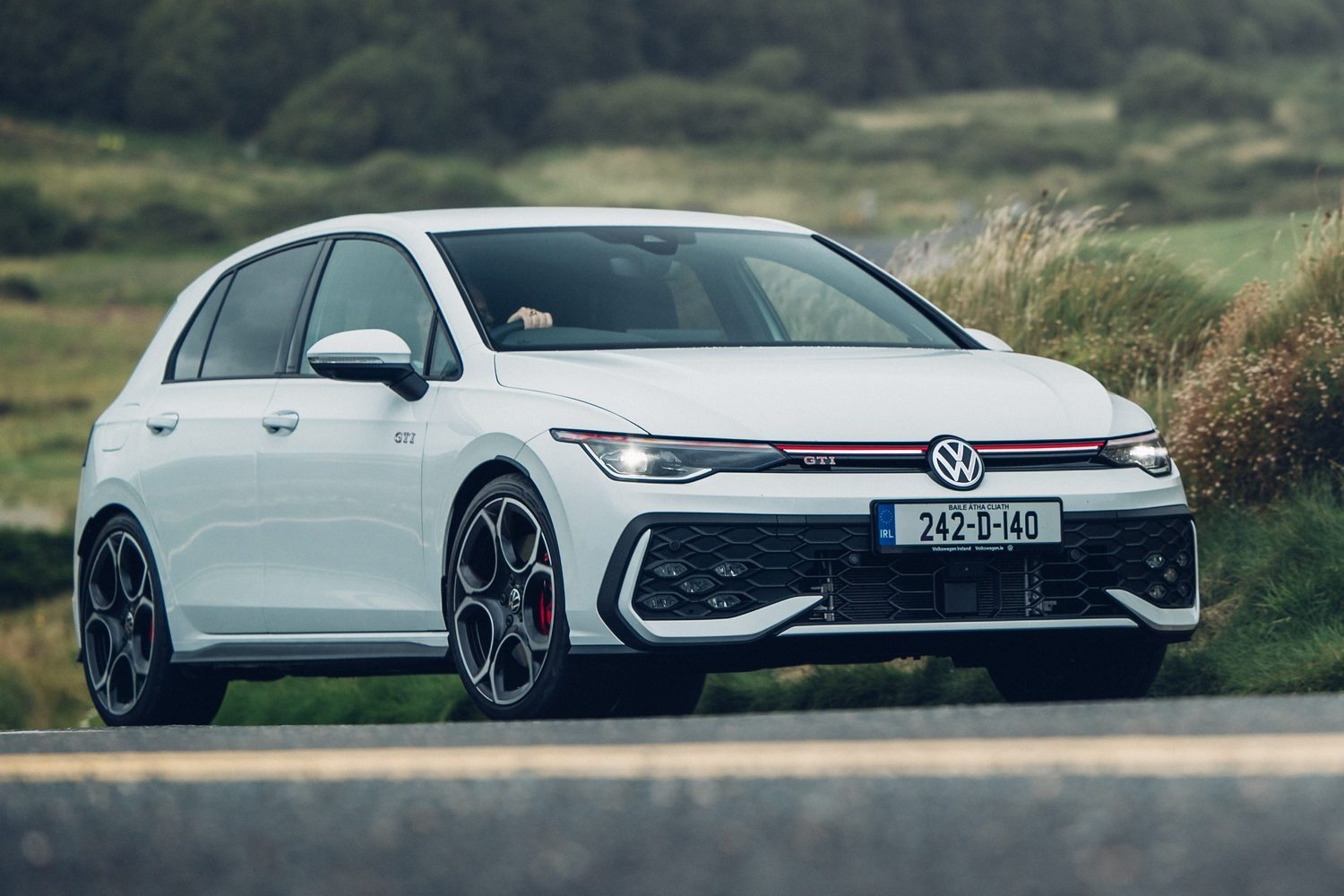
6. Volkswagen Golf GTI
The Volkswagen Golf GTI has long been a benchmark in the world of hot hatchbacks, and one of the key reasons for its enduring popularity is the availability of a manual transmission. The GTI is a car that blends everyday usability with genuine driving fun, and the manual version enhances that character significantly.
With a smooth-shifting six-speed gearbox, the manual GTI feels lively, responsive, and far more engaging than its automatic counterpart. It transforms what could be a simple commute into something much more interactive and rewarding.
The GTI’s appeal lies in its versatility. It’s just as comfortable being a practical daily driver as it is being hustled down a twisty road. With the manual transmission, that dual nature becomes even more pronounced.
You can control the turbocharged engine’s power delivery more precisely, choose your own gears based on feel rather than programming, and take advantage of engine braking when needed. It gives the driver more control and encourages a more thoughtful and deliberate approach to driving. It’s not about being flashy, it’s about being connected to what the car is doing.
Volkswagen has continued to offer a manual option on the GTI, despite market trends moving away from it. This decision reflects a commitment to enthusiasts who value the tactile nature of shifting their own gears.
The manual version of the GTI is for those who appreciate the subtle feedback of a good gearbox, the balance of clutch engagement, and the satisfaction of getting everything just right on a challenging road. It’s for people who see driving as an experience to be enjoyed, not just a task to be completed.
What’s particularly impressive about the GTI is how refined the manual experience feels. It’s not harsh or overly demanding, but it still provides enough feedback to keep the driver involved. It’s a car that teaches good driving habits and rewards smooth, skillful operation.
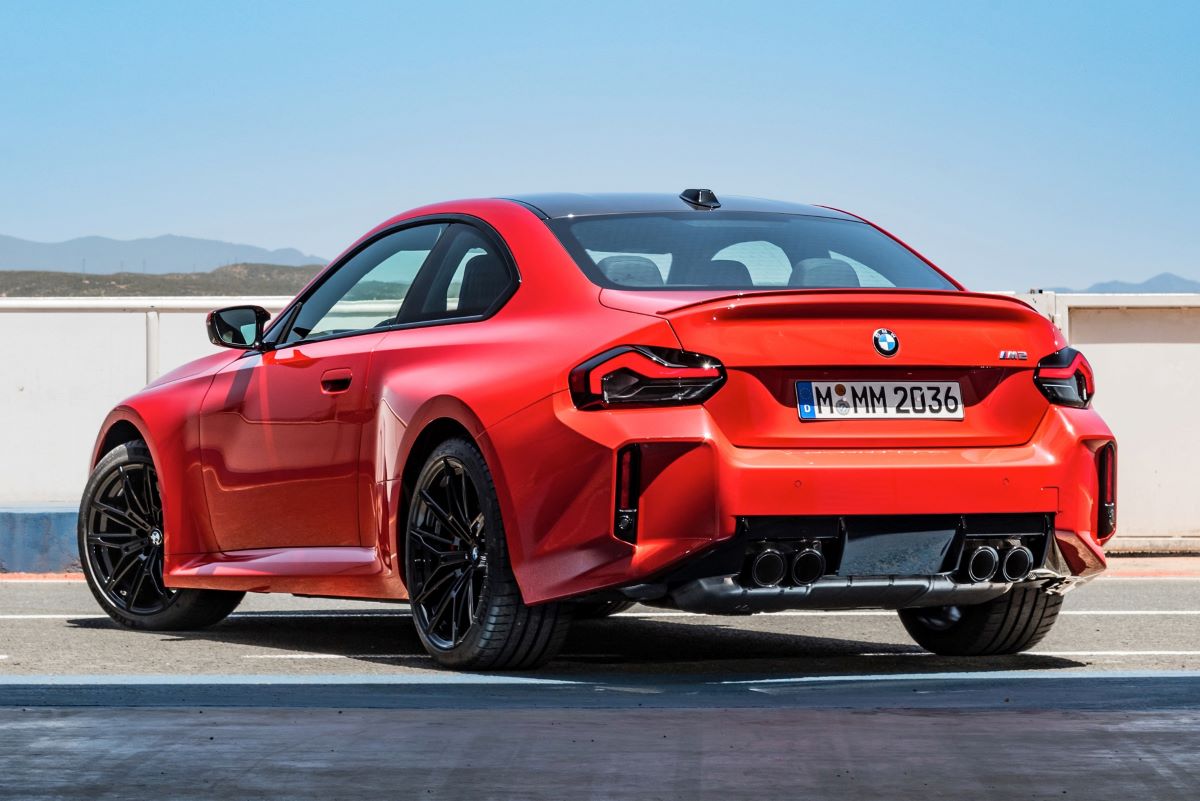
7. BMW M2
The BMW M2 is often regarded as one of the last true enthusiast cars in BMW’s modern lineup. Compact, aggressive, and rear-wheel-drive, the M2 channels the spirit of classic BMW performance vehicles, and the availability of a manual transmission makes it even more desirable.
This isn’t just a token gesture, BMW has engineered the manual variant of the M2 to deliver a precise and involving driving experience. The gearbox feels solid and confident, with a short, accurate throw and a clutch that communicates clearly without being punishing.
Driving a manual M2 is about more than nostalgia, it’s about performance on your own terms. The turbocharged inline-six engine provides a strong, flexible power band, and the manual lets you choose exactly when to tap into that power. The result is a driving experience that feels deeply personal.
You’re not just steering and accelerating, you’re managing torque, balancing inputs, and making decisions that affect how the car behaves. It’s a performance machine that demands your attention and rewards your effort, especially when driven with purpose.
The M2’s manual option also offers something rare in today’s automotive world: the opportunity to learn and improve your driving skills in a car that’s both powerful and approachable. It doesn’t overwhelm with complexity or hide behind driver aids.
Instead, it offers a clean, direct interface between you and the road. From the way the pedals are positioned to the way the car responds to rev-matching downshifts, everything about the manual M2 feels purposeful. It encourages the driver to become better, more focused, and more in tune with the machine.
BMW’s decision to continue offering a manual transmission in the M2 shows a real understanding of what driving enthusiasts care about. While many modern performance cars have moved toward automation in pursuit of speed, the M2 offers a different kind of thrill.
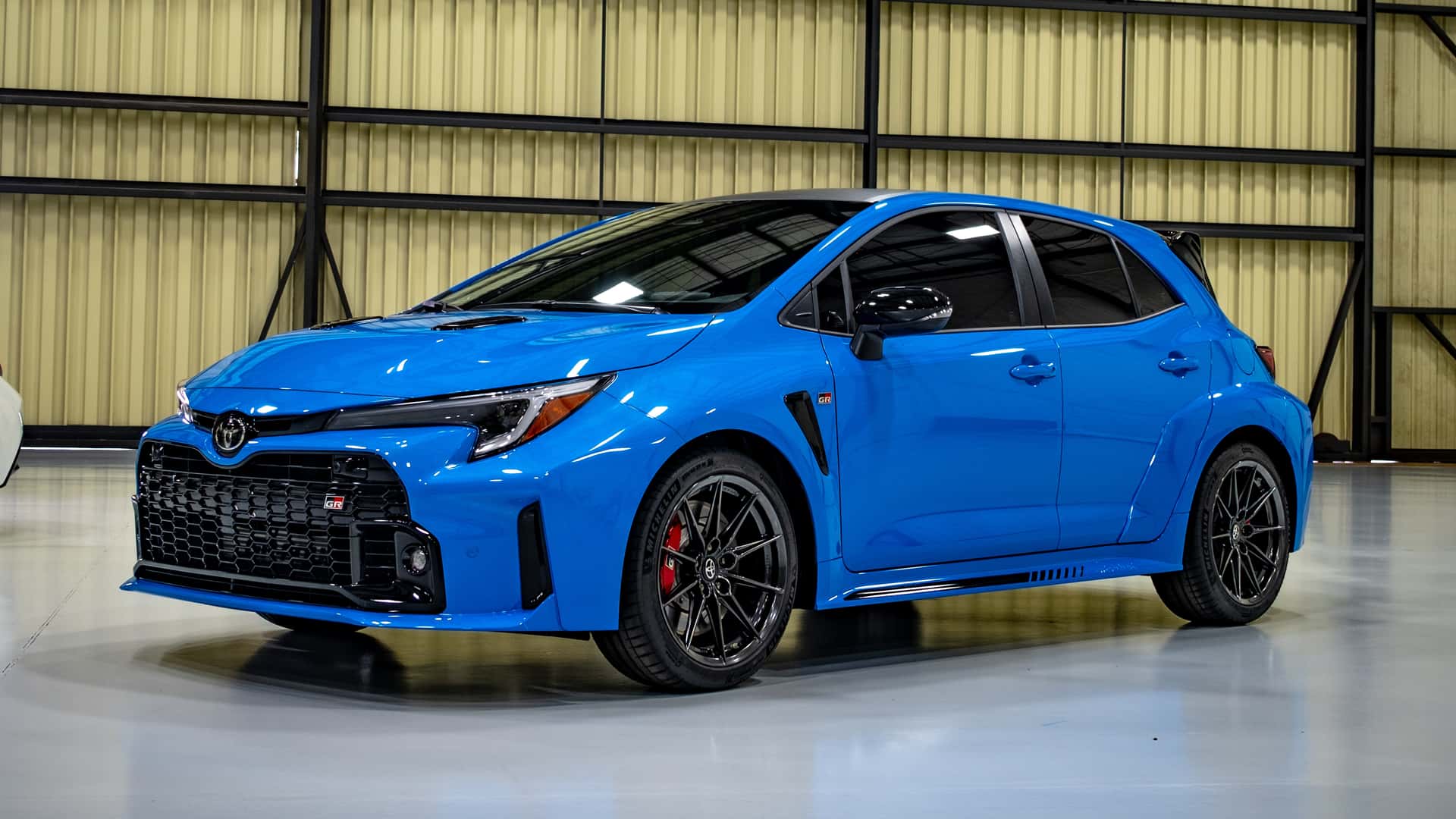
8. Toyota GR Corolla
The Toyota GR Corolla is one of the most exciting performance hatchbacks to come from a mainstream brand in years, and it proudly features a six-speed manual transmission as standard equipment.
Unlike many modern hot hatches that lean into tech-heavy driving aids and dual-clutch gearboxes, the GR Corolla was developed with a singular focus on delivering a mechanical, driver-focused experience.
It’s not trying to be the most comfortable or most refined vehicle in the segment, it’s designed for people who want to feel every shift, every input, and every ounce of control. That philosophy is baked into the transmission itself, which has tight, short throws and a clutch that’s easy to modulate but still communicates what the car is doing underneath.
What sets the GR Corolla apart is how raw and unfiltered it feels, especially when you’re using the manual gearbox to keep the 1.6-liter turbocharged three-cylinder engine on boil. With 300 horsepower sent to all four wheels through a rally-inspired all-wheel-drive system, the car delivers explosive performance, but it’s the manual transmission that keeps the driver firmly at the center of the experience.
Whether you’re blasting down a straightaway or navigating technical corners, each shift becomes a conscious decision that affects how the car responds. That sense of direct control is something no automatic setup can replicate, no matter how fast or clever it may be.
The GR Corolla doesn’t just offer a manual, it’s built around it. Everything about the interior layout, from the placement of the gear lever to the spacing of the pedals, feels designed with enthusiastic driving in mind. The ability to select different torque splits through the drivetrain further enhances the fun, allowing drivers to tailor the car’s behavior to their preferences.
In a car like this, the manual isn’t just a transmission choice, it’s an extension of the driver’s intent. You’re not just telling the car what to do; you’re working with it, developing a rhythm, and forming a connection that makes every spirited drive feel like a special occasion.
Toyota’s decision to develop the GR Corolla at all is surprising in an era where most manufacturers are scaling back on enthusiast vehicles. That they did so with a focus on the manual transmission is a clear nod to drivers who still want to be part of the process.
It’s a statement that engaging driving is still valued, and that performance should be about more than just numbers on a spec sheet. The GR Corolla exists to be driven hard and driven well, and the manual gearbox is the tool that allows that to happen in the most rewarding way possible.
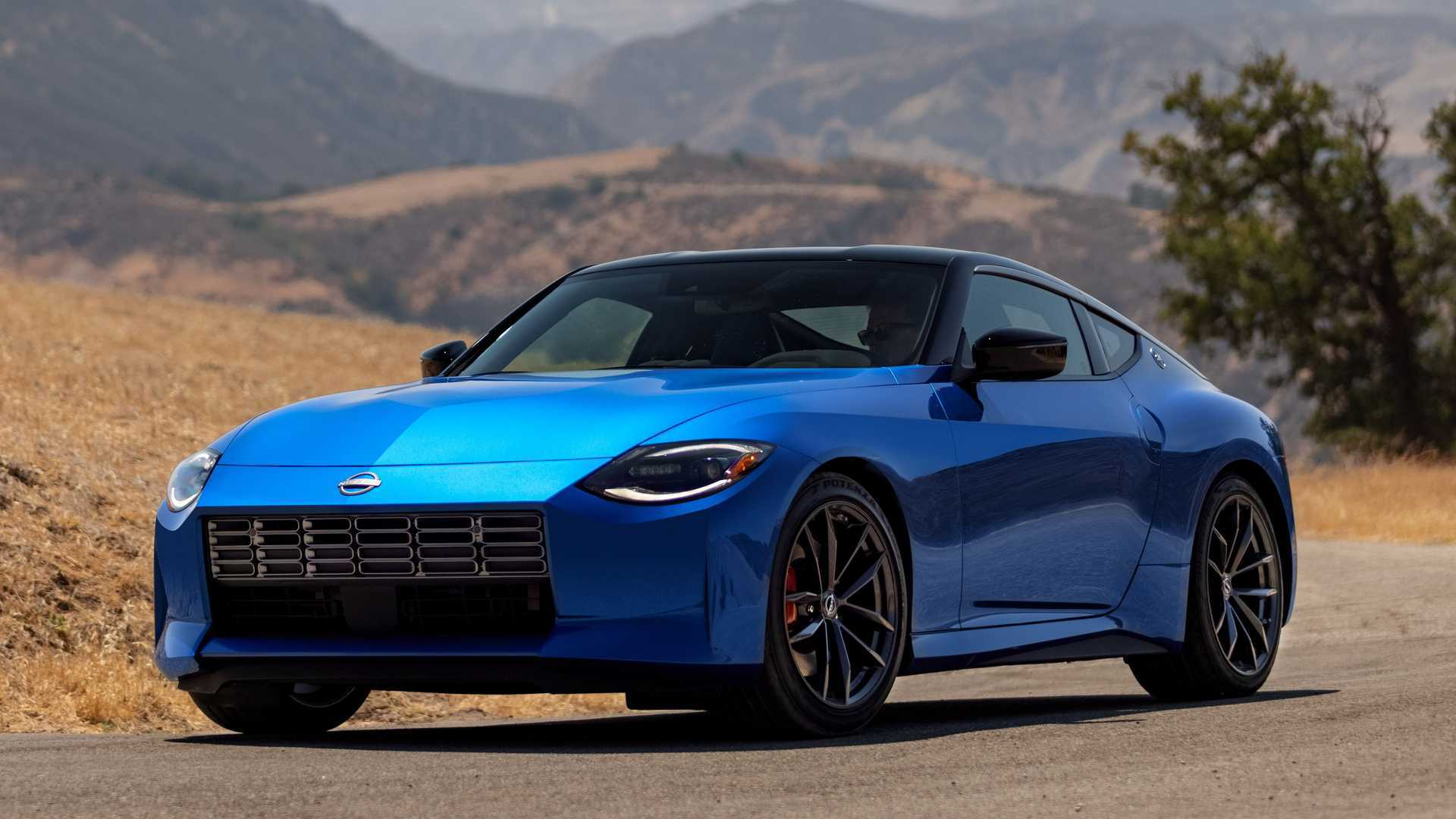
9. Nissan Z
The latest Nissan Z represents a modern take on a classic sports car formula, and one of its most welcome features is the return of a proper six-speed manual transmission. At a time when more and more manufacturers are phasing out manuals, Nissan’s choice to make it a key part of the Z’s character is a clear acknowledgment of its heritage and the desires of the enthusiast community.
The manual Z is not an afterthought; it’s the version enthusiasts are meant to drive. With a twin-turbocharged V6 pushing 400 horsepower to the rear wheels, the car delivers serious performance, but it’s the interaction with the gearbox that defines the driving experience.
What makes the manual Z feel special isn’t just the power or the numbers, it’s the way the transmission encourages involvement. Shifting gears feels mechanical and intentional, and the clutch offers enough resistance to be engaging without becoming tiring.
This is a car that invites you to take control, to feel each transition between gears, and to use your inputs to manage the engine’s broad torque curve. Whether you’re on a wide-open highway or a mountain road full of tight corners, the manual transmission allows you to tailor your driving style and make every moment more connected.
Nissan has also paid attention to the small details that make a big difference in the manual experience. Features like downshift rev-matching (which can be turned off if you prefer to do it yourself) and an easy-to-use clutch help make the car both approachable for newer drivers and satisfying for veterans of stick-shift sports cars.
There’s a balance here between performance and engagement that’s becoming increasingly rare in today’s market. The Z doesn’t try to overwhelm with complexity or gadgets; it focuses on delivering a pure, enjoyable drive that’s rooted in tradition.
Bringing back the Z with a manual was more than just a marketing decision; it was a commitment to the kind of driving that puts the human element first. This car isn’t designed to win drag races against dual-clutch supercars; it’s built to remind people what it feels like to truly drive.
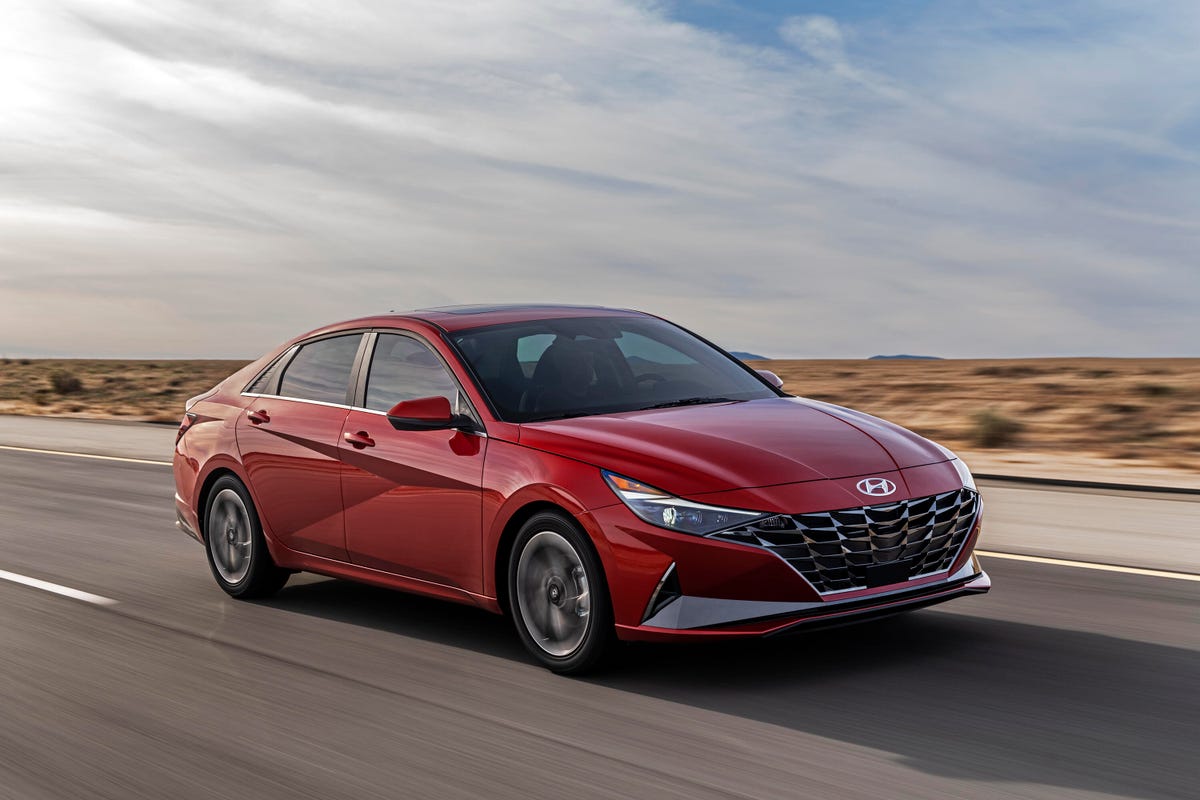
10. Hyundai Elantra N
The Hyundai Elantra N is one of the most unexpected performance cars of the past few years, and its inclusion of a six-speed manual transmission sets it apart in a segment that has largely gone automatic. Hyundai didn’t just throw a stick shift into a sporty-looking compact and call it a day, they engineered a performance sedan that genuinely rewards skilled driving.
The manual gearbox is precise, with solid engagement and short, confidence-inspiring throws. It pairs perfectly with the turbocharged four-cylinder engine, which delivers 276 horsepower and a punchy powerband that keeps things exciting whether you’re in third gear or sixth.
Driving the Elantra N with the manual transmission is a reminder that some of the most fun cars aren’t always the ones with the highest price tags. There’s a tactile satisfaction in working through the gears, especially when the chassis responds so eagerly to your inputs.
The car is nimble and playful, with firm suspension, sharp steering, and real character. The manual transmission is a huge part of that, giving you the ability to wring out the engine’s power at your own pace, to make adjustments on the fly, and to feel more in sync with the machine. It’s the kind of car that gets under your skin in the best possible way.
One of the most impressive aspects of the Elantra N is its ability to combine practicality with performance. This is still a compact sedan with four doors and usable rear seats, but it feels like a focused driver’s car when you’re behind the wheel. That’s rare, especially at this price point.
Hyundai’s decision to offer a manual in the Elantra N shows a real understanding of what driving enthusiasts value. It’s not just about straight-line speed or lap times; it’s about engagement, feel, and satisfaction. The Elantra N may not have the badge prestige of some of its rivals, but it delivers far more driving enjoyment than its weight would suggest.
The manual transmission makes it feel alive in a way that few modern sedans can match. It’s a bold, welcome entry in a world that increasingly seems to favor ease over involvement. For those who still care about the art of driving, the Elantra N offers an honest, rewarding, and thoroughly modern stick-shift experience.
