
Owning a car involves more than just the initial purchase price. Over time, the cost of maintaining a vehicle can have a significant impact on your budget. Oil changes, tire rotations, brake pads, and other routine services can quickly add up, particularly if the car isn’t known for reliability.
Fortunately, there are several vehicles on the market known for their low annual maintenance costs. These vehicles tend to be reliable, simple to service, and have accessible parts, making them ideal for drivers looking to keep their long-term expenses low.
When discussing annual maintenance costs, it’s important to distinguish them from repairs. Maintenance refers to scheduled services such as oil changes, filters, tire balancing, alignments, spark plug replacements, and fluid changes. Vehicles that can consistently stay under $500 a year in maintenance costs are often built with longevity and ease of upkeep in mind.
Some cars on this list are known for going hundreds of thousands of miles with minimal issues, while others benefit from affordable replacement parts and an abundance of mechanics familiar with their systems.
Another factor in low maintenance cost is design simplicity. Less complex cars tend to have fewer things go wrong. Additionally, vehicles with good access to their mechanical components reduce labor hours during routine servicing.
Many Japanese and Korean manufacturers have built reputations on this philosophy. At the same time, a few domestically produced or European models have managed to compete in this space as well, depending on their trim and engineering.
The cars in this list are all known to keep annual maintenance costs under $500 for an average driver covering between 10,000 to 15,000 miles per year. Some are compact sedans, others are hatchbacks or hybrids, and a few are small SUVs.
Each vehicle listed has a reputation for reliability, simple upkeep, and widespread availability of affordable service. This list can serve as a practical guide for drivers who want dependable transportation without constantly opening their wallets for upkeep.
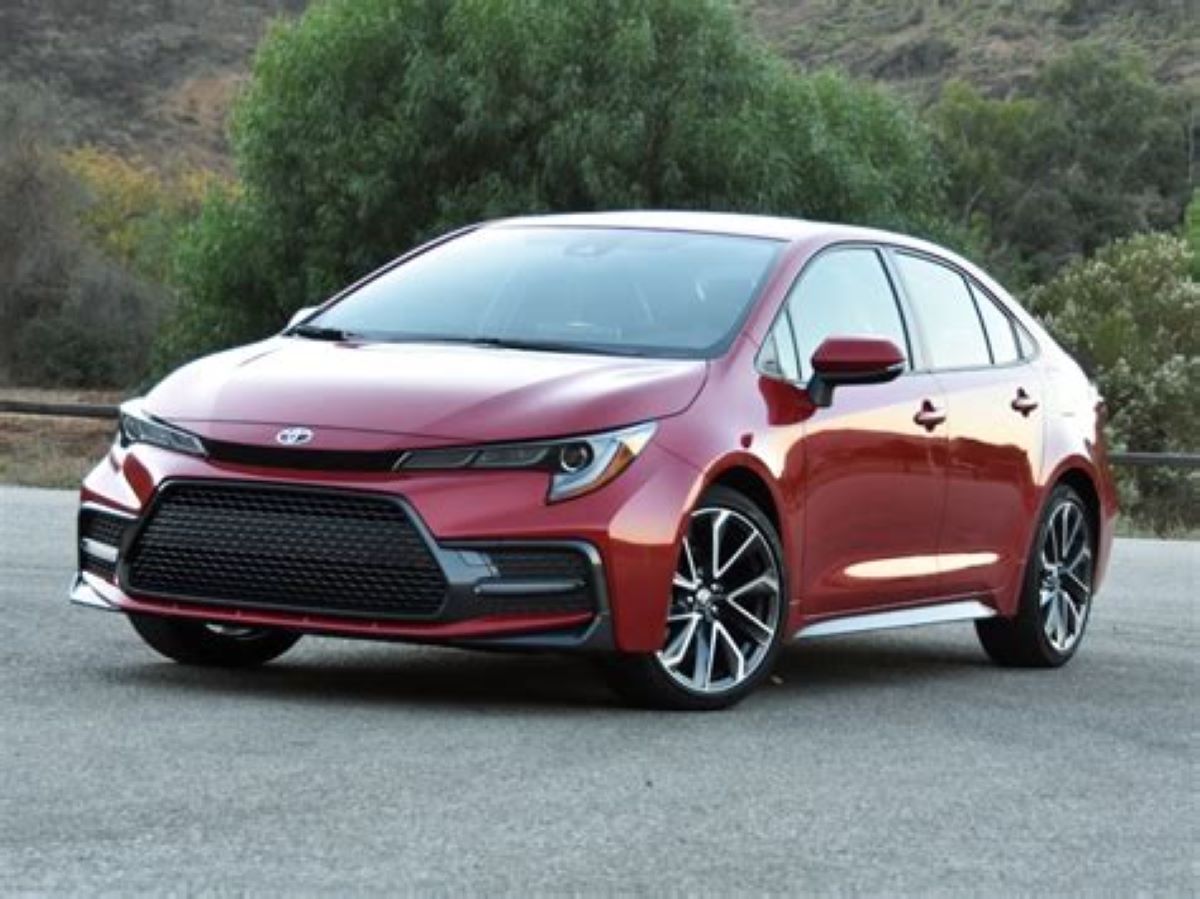
1. Toyota Corolla
The Toyota Corolla has long been recognized as one of the most reliable cars in the world. Its longevity is often the result of conservative engineering and a proven drivetrain.
The Corolla uses straightforward systems that rarely break down, and when they do, parts are readily available and inexpensive. The four-cylinder engine is both fuel-efficient and built to last well beyond 200,000 miles, provided routine maintenance is followed.
One of the reasons the Corolla maintains such low annual maintenance costs is due to the frequency and pricing of service items. Oil changes are typically recommended every 5,000 to 10,000 miles, depending on the model year, and even synthetic oil changes rarely cost more than $60.
Brakes, filters, and belts are inexpensive, and many independent mechanics are highly familiar with the vehicle. There is no need for specialty tools or diagnostics that might increase labor charges.
Another strong point is the long service intervals for more expensive maintenance jobs. Timing chains (instead of belts) eliminate a common cost around the 100,000-mile mark.
Spark plugs and transmission fluid changes are also spaced out at generous intervals, and the car rarely experiences premature wear in these areas. For many owners, the only regular expenses over a given year are oil, tire rotations, and air filters.
Additionally, Toyota’s reputation for engineering excellence means many owners experience minimal unplanned maintenance. If any component does need attention, such as the alternator or water pump, after market replacements are widely available at low prices. With proper care, the Corolla remains one of the cheapest cars to keep on the road, often totaling well under $400 a year for standard maintenance.
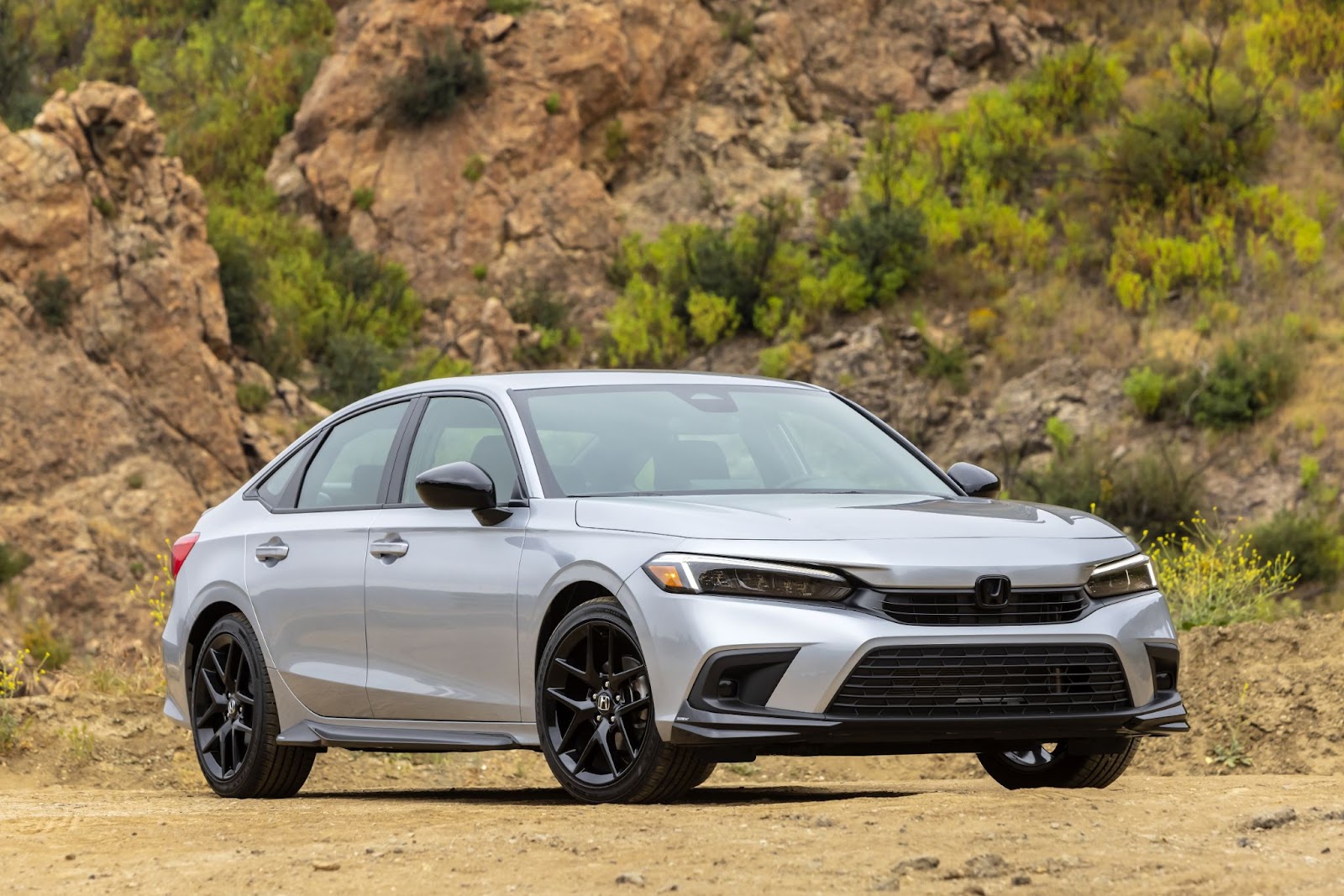
2. Honda Civic
The Honda Civic is another car known for its remarkable reliability and low cost of ownership. It combines fuel efficiency, responsive handling, and a straightforward design that appeals to both individual owners and fleet operators.
The Civic’s engine lineup has always prioritized durability, and the widespread availability of parts ensures that upkeep stays affordable over the long haul.
One key to the Civic’s low maintenance costs is its modular design. Repairs and services are easy to perform because the components are laid out logically.
Independent mechanics can work on it with little trouble, and many maintenance jobs, such as brake pad replacements or air filter swaps, can be performed in under an hour. As a result, labor costs remain low, and the need for dealership visits is minimal.
The Civic also benefits from a solid history of engineering decisions that favor cost-effective ownership. Like the Corolla, it uses a timing chain instead of a belt in most recent models, saving a significant cost every 100,000 miles.
Oil changes, coolant flushes, and other standard services are rarely expensive. Honda also tends to use parts that last longer than average, including bushings, engine mounts, and suspension components.
Another advantage is the vehicle’s popularity. With millions of Civics on the road, parts are cheap and mechanics are experienced. This translates into quicker turnaround times and fewer surprises during routine service. As long as the car receives regular attention, such as oil changes and brake inspections, most owners report spending under $500 annually for basic upkeep.
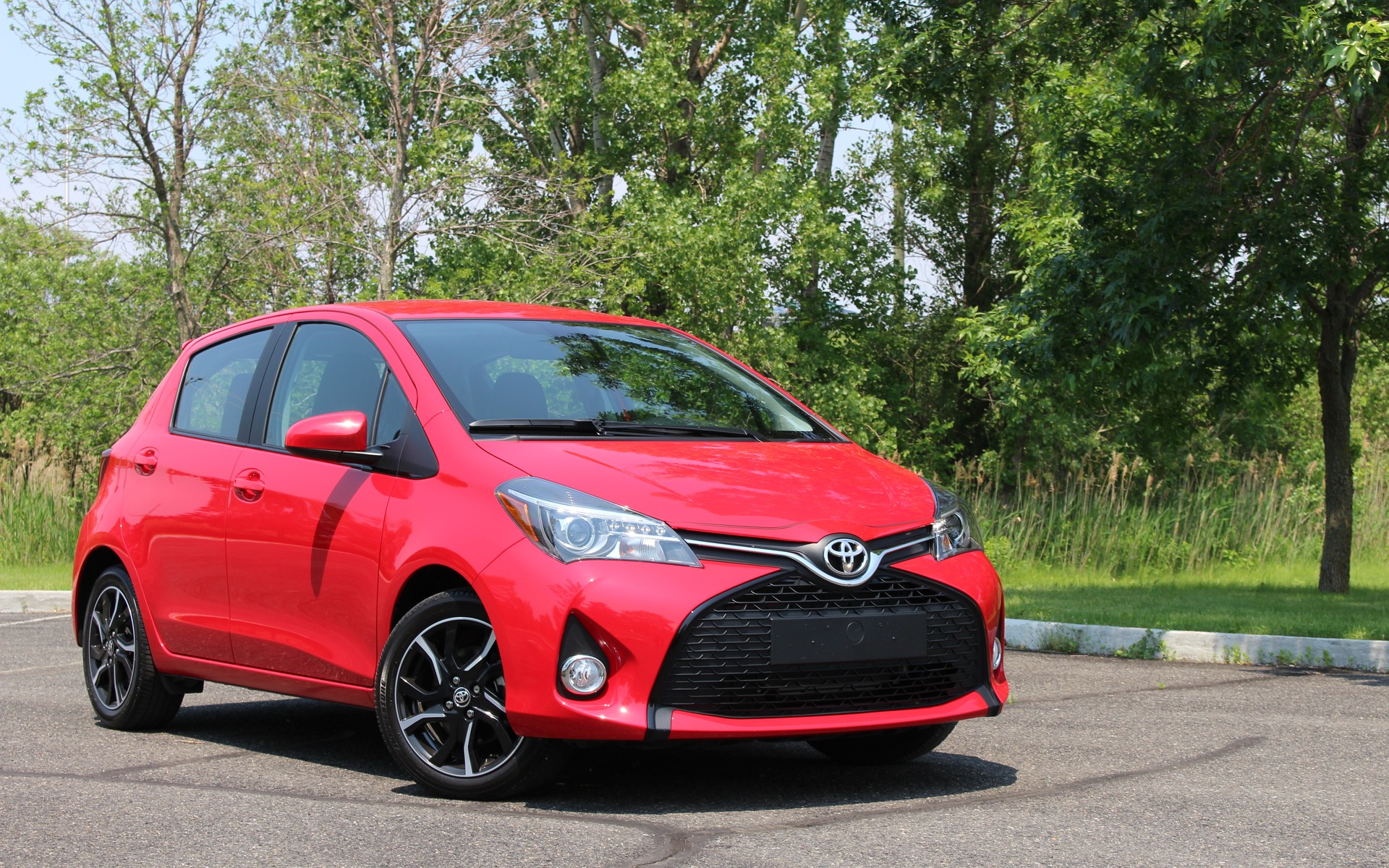
3. Toyota Yaris
The Toyota Yaris is a subcompact car known for its simplicity and longevity. It was designed with urban commuters and budget-conscious drivers in mind. The Yaris has minimal electronic complexity and uses a small, fuel-efficient engine that puts very little strain on the vehicle’s mechanical components. These design choices lead to extremely low maintenance costs.
Because of its small engine and lightweight body, the Yaris doesn’t wear through parts as quickly as heavier cars. Brakes last longer, tires see less stress, and the engine is rarely pushed to its limits.
Oil changes are straightforward and inexpensive, and the car often uses regular (not synthetic) oil, further reducing costs. Most owners find themselves paying under $40 per oil change at independent shops.
Toyota’s engineering focus on reliability means that even as the car ages, it doesn’t develop significant mechanical issues. Many Yaris owners report going 200,000 miles or more with very few repairs beyond regular maintenance.
Even components like the suspension and steering rack are known to hold up well over time. The car’s mechanical simplicity helps reduce wear and tear across the board.
The Yaris also shines when it comes to the cost of parts. Filters, brake pads, spark plugs, and fluids are all very affordable. Timing chains replace the need for belt changes, and the transmission requires little attention outside of fluid checks.
Because of its lightweight design, tire replacement is also inexpensive, with many budget tire options fitting this car perfectly. All in all, the Yaris consistently ranks among the most affordable cars to maintain.
The Yaris also shines when it comes to the cost of parts. Filters, brake pads, spark plugs, and fluids are all very affordable. Timing chains replace the need for belt changes, and the transmission requires little attention outside of fluid checks.
Because of its lightweight design, tire replacement is also inexpensive, with many budget tire options fitting this car perfectly. All in all, the Yaris consistently ranks among the most affordable cars to maintain.
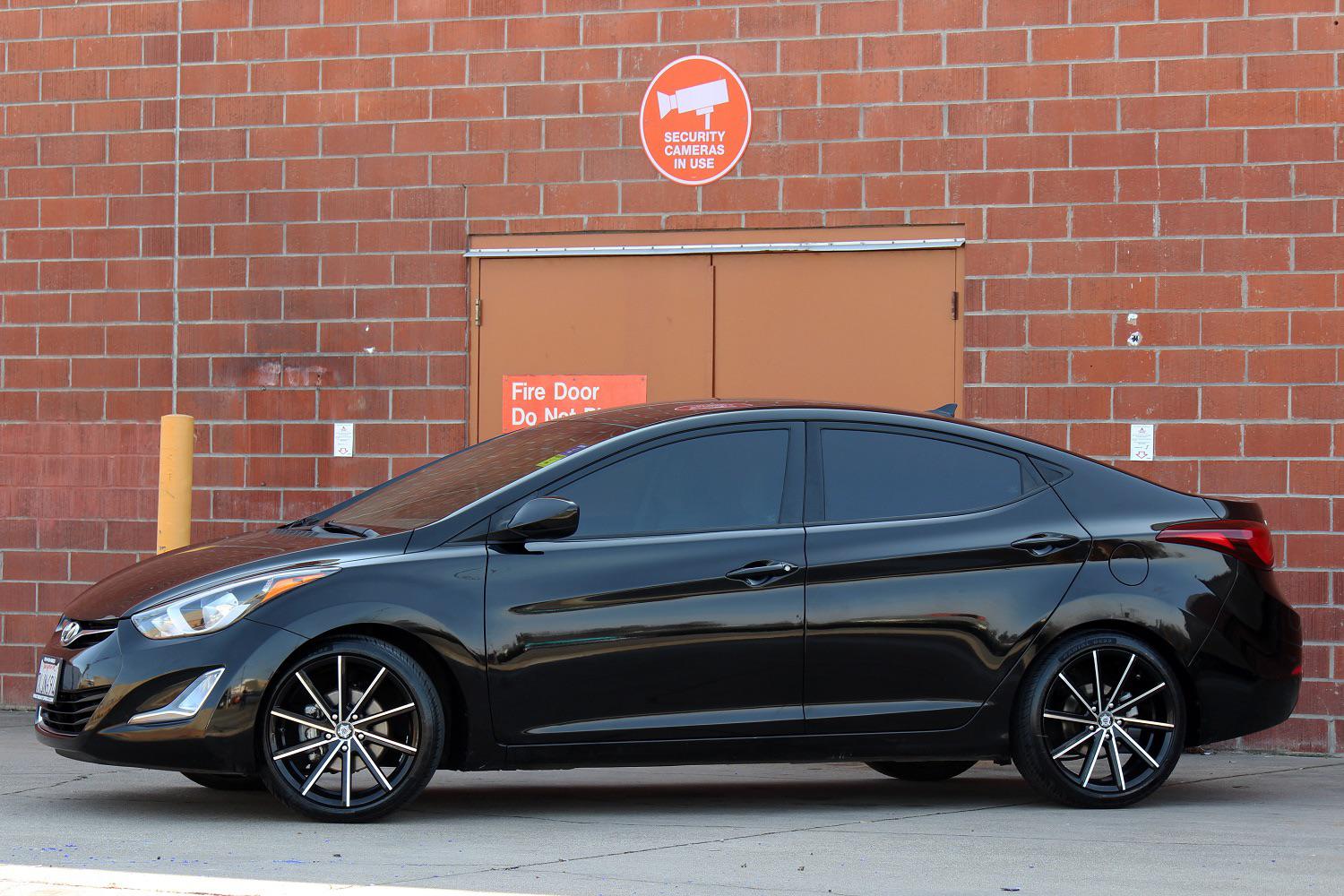
4. Hyundai Elantra
The Hyundai Elantra has become a standout in recent years for its blend of value, style, and reliability. With regular maintenance, the Elantra performs well over time and keeps service costs low. Modern Elantras feature efficient engines, smooth transmissions, and relatively low parts costs compared to other compact sedans.
Routine maintenance on the Elantra is affordable for most drivers. Oil changes, tire rotations, brake pad replacements, and fluid top-ups typically fall within the $300 to $400 range annually.
Hyundai has made significant improvements in durability over the years, and many of their newer models require fewer unplanned repairs than older generations. Additionally, Hyundai’s warranty coverage is generous, often extending the life of key systems well into the ownership period.
The Elantra also benefits from simplified design elements that make maintenance easier. Most mechanical components are easily accessible under the hood, which reduces the labor required for basic services.
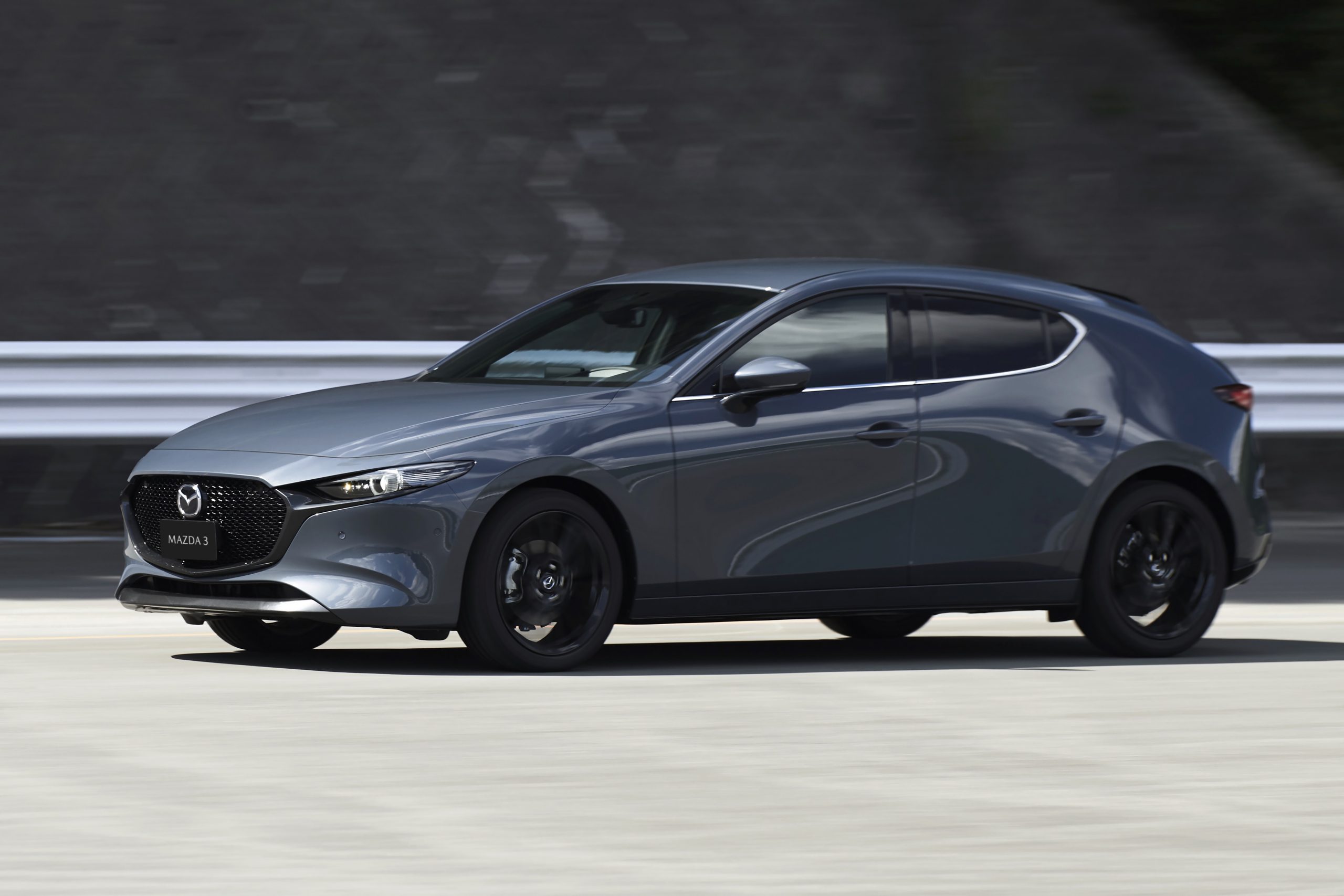
5. Mazda3
The Mazda3 stands out in the compact car segment for offering a more engaging driving experience while still maintaining low ownership costs. Mazda has developed a reputation for building reliable, efficient vehicles with quality interior materials and a solid driving feel.
Despite its sporty personality, the Mazda3 does not demand high maintenance. Its engine options have consistently demonstrated long-term durability, and the mechanical design remains simple enough to keep servicing straightforward and affordable.
One major advantage of the Mazda3 is its conservative use of technology in areas that affect maintenance. While it does include modern features such as infotainment systems and driver assistance tools, its powertrain avoids the complexity found in many competitors.
For example, the Skyactiv engines used in most recent models are naturally aspirated, which means fewer potential issues compared to turbocharged engines. These engines also get great fuel economy, and they have long oil change intervals, often up to 7,500 miles depending on driving conditions.
Basic maintenance items like oil changes, brake pads, air filters, and tire rotations are inexpensive for the Mazda3. Independent mechanics can work on it with ease, and parts are not overly specialized or expensive. Spark plug changes and transmission fluid services are spaced out over long intervals, typically 100,000 miles or more.
The car also holds alignment well, which helps tires last longer and reduces the frequency of suspension work. As a result, the average annual maintenance cost stays comfortably under $500 for most drivers.
Owners of older Mazda3 models often report high mileage with minimal issues. Common wear parts such as alternators, belts, and suspension bushings are usually affordable and not prone to early failure.
Because the car does not rely heavily on electronics to operate its basic systems, diagnostic work is usually simple, and repairs do not require dealer-only equipment. Mazda’s blend of reliability, ease of maintenance, and thoughtful engineering makes the Mazda3 a smart choice for long-term affordability.
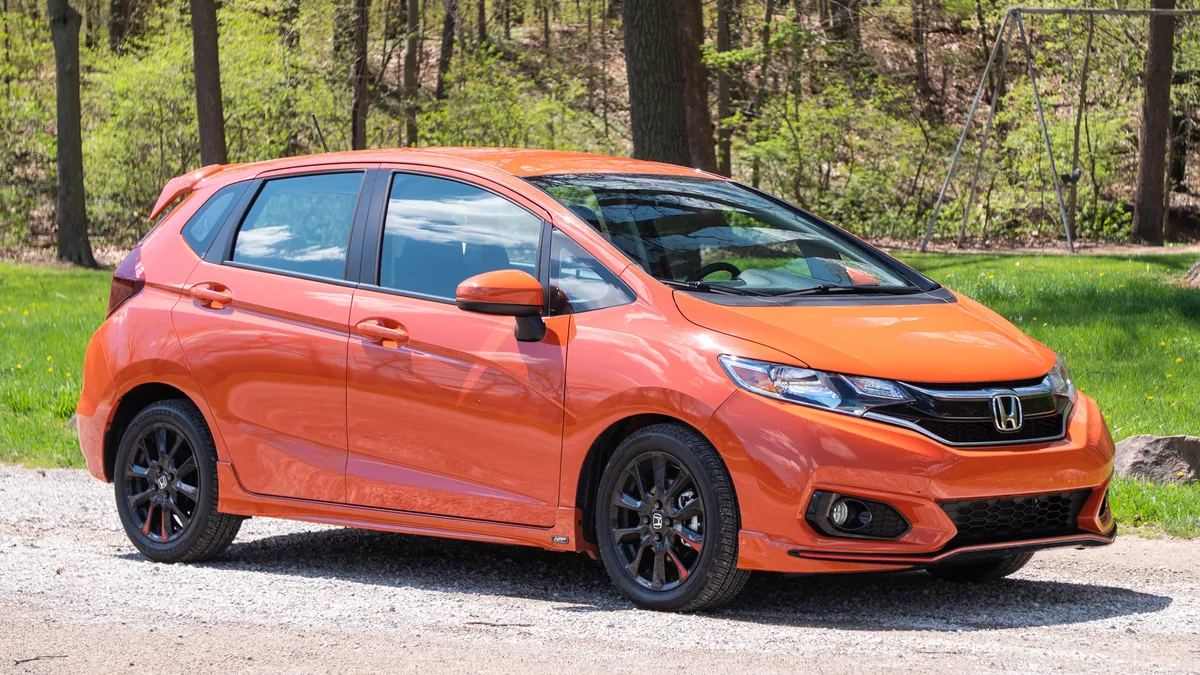
6. Honda Fit
The Honda Fit is widely regarded as one of the most practical and economical cars in its class. While it’s a subcompact, it offers a surprisingly roomy interior and flexible cargo configurations, thanks to Honda’s clever “Magic Seat” system.
But beyond its versatility, the Fit is also known for being one of the cheapest cars to maintain. Its small engine, lightweight build, and simple mechanics translate to very low annual maintenance costs, often falling well below the $500 mark.
One reason for this affordability is the car’s minimalistic engine layout. The Fit’s 1.5-liter engine is small but reliable and doesn’t require frequent attention. Oil changes are straightforward, and the vehicle typically uses regular-grade oil, which keeps service costs low.
The spark plugs, timing chain, and filters all have long replacement intervals, and none of these components are overly expensive. Additionally, the Fit’s compact size puts less strain on tires and brakes, meaning they wear more slowly and last longer.
Mechanically, the Honda Fit is easy to work on. Independent garages can handle most repairs and routine services, and labor times are generally short due to the compact nature of the vehicle.
The CVT transmission found in newer models has a good reputation for durability as long as fluid changes are performed according to schedule. The lack of complex turbocharging or all-wheel-drive systems also means fewer potential failure points, reducing the likelihood of surprise repair bills.
Honda’s reputation for quality engineering is well reflected in the Fit. Owners frequently report driving these cars for over 150,000 miles with minimal issues. Maintenance typically consists of regular oil changes, brake pad replacements every 40,000–60,000 miles, tire rotations, and the occasional fluid flush.
With aftermarket parts widely available and compatible across multiple Honda models, the Fit continues to offer low-cost upkeep year after year, making it one of the best choices for budget-conscious drivers.
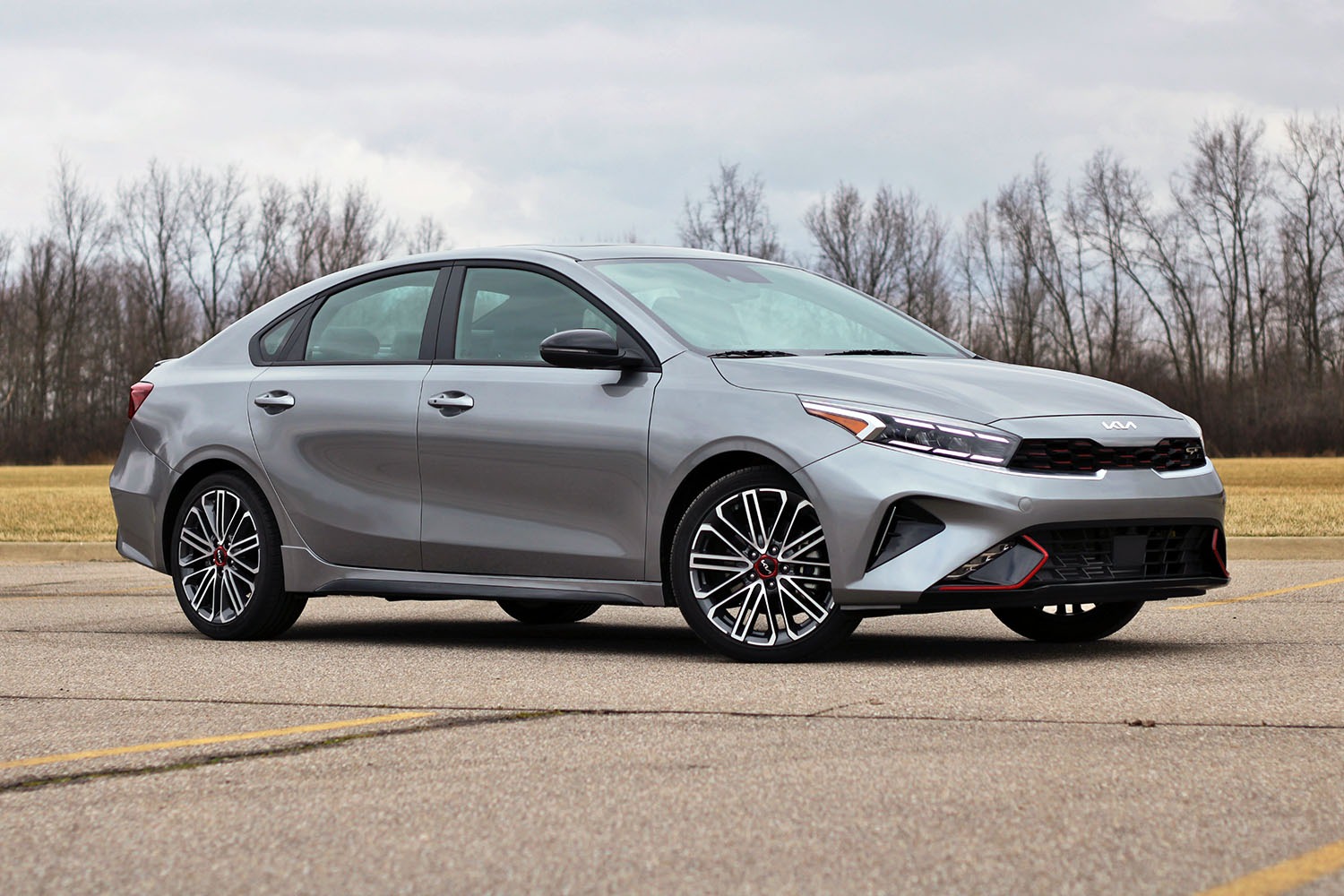
7. Kia Forte
The Kia Forte has undergone a major transformation over the past decade. Once seen as a bargain-basement compact, the Forte has grown into a well-built, efficient, and surprisingly refined sedan.
Perhaps more importantly for cost-conscious buyers, the Forte is one of the most affordable cars to maintain. Kia has put a great deal of effort into improving reliability, and it shows in the vehicle’s reduced need for expensive upkeep and long-term durability.
The Forte’s engines are designed with simplicity in mind. The most common configuration is a naturally aspirated 2.0-liter four-cylinder engine, which has proven itself to be robust and fuel-efficient.
Unlike many competitors, Kia does not load its base engines with complicated turbocharging or hybrid systems, which helps keep long-term maintenance both simple and affordable. Most Forte owners only need to worry about regular oil changes, brake service, and occasional fluid replacements, none of which are costly or frequent.
Another advantage of the Kia Forte is its parts compatibility across the Hyundai-Kia family. This shared engineering allows many components, such as filters, sensors, belts, and suspension parts, to be interchangeable.
As a result, parts availability is excellent, and costs are kept low. Labor times are also minimal due to the vehicle’s straightforward layout. Even dealership maintenance plans tend to be reasonably priced, and many drivers find independent garages even more economical.
Kia’s extended warranty program has also helped improve the perception of its reliability. While warranties don’t cover all maintenance, they reduce the likelihood of major repair expenses early in ownership. For drivers beyond the warranty period, maintenance remains manageable, with few surprise breakdowns or parts failures.
Provided the car is serviced according to the recommended schedule, most Forte owners find they spend between $300 and $450 per year on maintenance, well under the $500 benchmark.
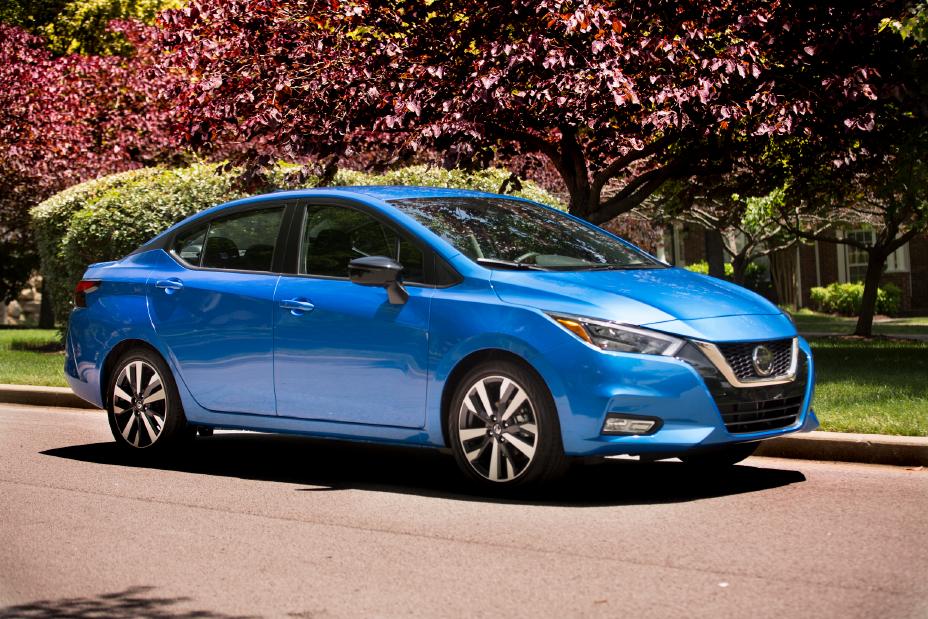
8. Nissan Versa
The Nissan Versa is one of the most affordable new cars available, and it also maintains a reputation for being one of the cheapest to own over time. This subcompact sedan emphasizes cost-effectiveness in every area, from its starting price to fuel economy, and of course, maintenance costs. Built with basic but proven components, the Versa delivers dependable transportation with minimal overhead.
The Versa’s small four-cylinder engine is efficient and not overly complex. Most models feature a naturally aspirated powertrain with very few high-tech components that might require expensive servicing.
As a result, regular oil changes, filter replacements, and brake servicing are all inexpensive. Even parts such as the battery, serpentine belt, and wiper motors tend to be cheaper than average and are widely available through aftermarket suppliers.
One of the key benefits of the Versa is its simplicity. There’s no intricate turbocharging system, no all-wheel drive, and no overly complicated infotainment systems to break down.
This means that when problems do arise, diagnostics are often quick and inexpensive. Basic repairs rarely require dealership intervention, and independent mechanics are typically very comfortable working on this vehicle due to its straightforward nature.
Tire replacement, brake servicing, and fluid changes make up the bulk of what Versa owners can expect to pay for. Thanks to the car’s light weight and mild driving performance, these components don’t wear out quickly. Many owners report putting 100,000 miles or more on their Versas with little more than routine upkeep.
This consistency makes the Versa a go-to choice for budget-conscious drivers and contributes to its place on this list of low-maintenance vehicles.
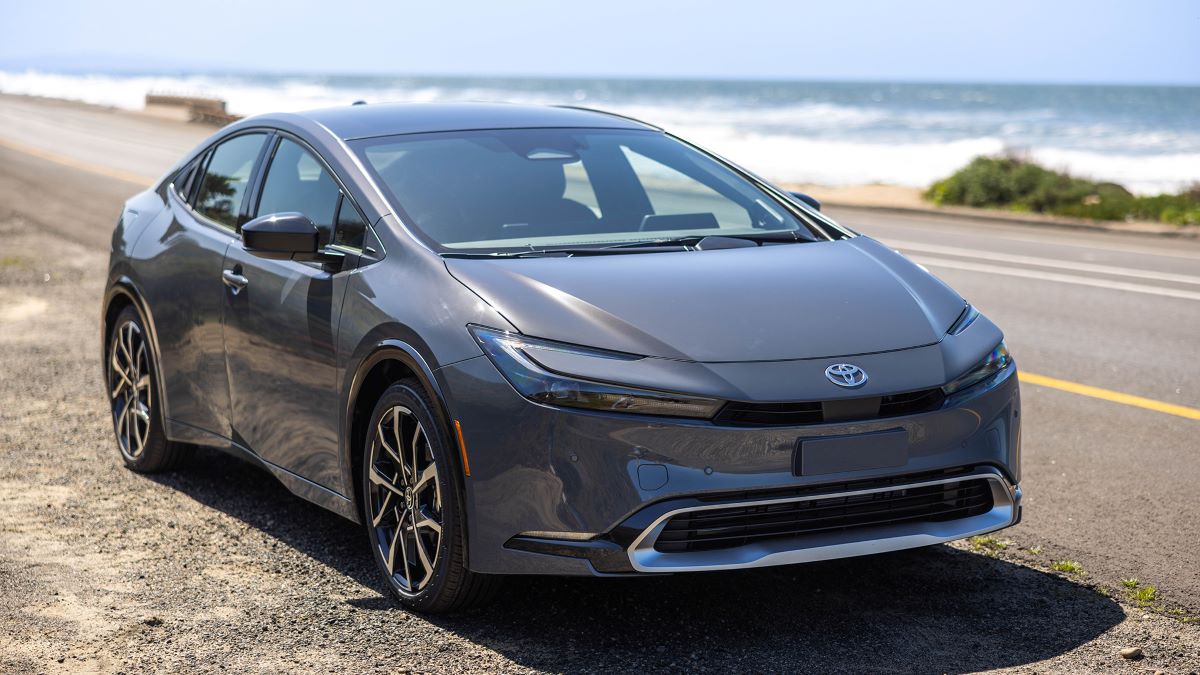
9. Toyota Prius
The Toyota Prius is well known for its hybrid technology and exceptional fuel economy, but what often surprises people is how affordable it is to maintain. Many assume that hybrids are expensive to service due to the complexity of their electric motors and battery packs.
However, the Prius defies this expectation by being one of the most reliable and least expensive cars to maintain year after year. Toyota has refined its hybrid system over decades, resulting in a car that is as easy to live with as it is efficient.
The gasoline engine in the Prius is small and operates at lower stress levels than traditional engines because it’s supported by the electric motor. This leads to less wear over time and longer intervals between services.
Oil changes are simple and infrequent, and because the engine isn’t running constantly, it can remain in better condition over a long mileage. Many Prius owners only need oil changes twice a year, and other standard services like air filters, cabin filters, and fluid checks are low-cost and rarely urgent.
Another factor that keeps maintenance costs down is regenerative braking. This system helps preserve brake life by using the electric motor to slow the car, converting kinetic energy into battery charge.
As a result, brake pads and rotors last much longer than they would in a traditional vehicle, sometimes over 100,000 miles without needing replacement. This feature alone can save hundreds of dollars over the life of the car.
There’s also a common misconception that hybrid battery replacement is inevitable and expensive. While it’s true that a new battery can be costly, they rarely fail within the first 10–15 years or 150,000–200,000 miles. When they do, refurbished units or third-party replacements are now widely available at a fraction of the original cost.
The car’s software and electronics have proven to be very stable over time, and Toyota’s hybrid tech is well understood by both dealerships and independent mechanics, making the Prius a top choice for low yearly maintenance costs.
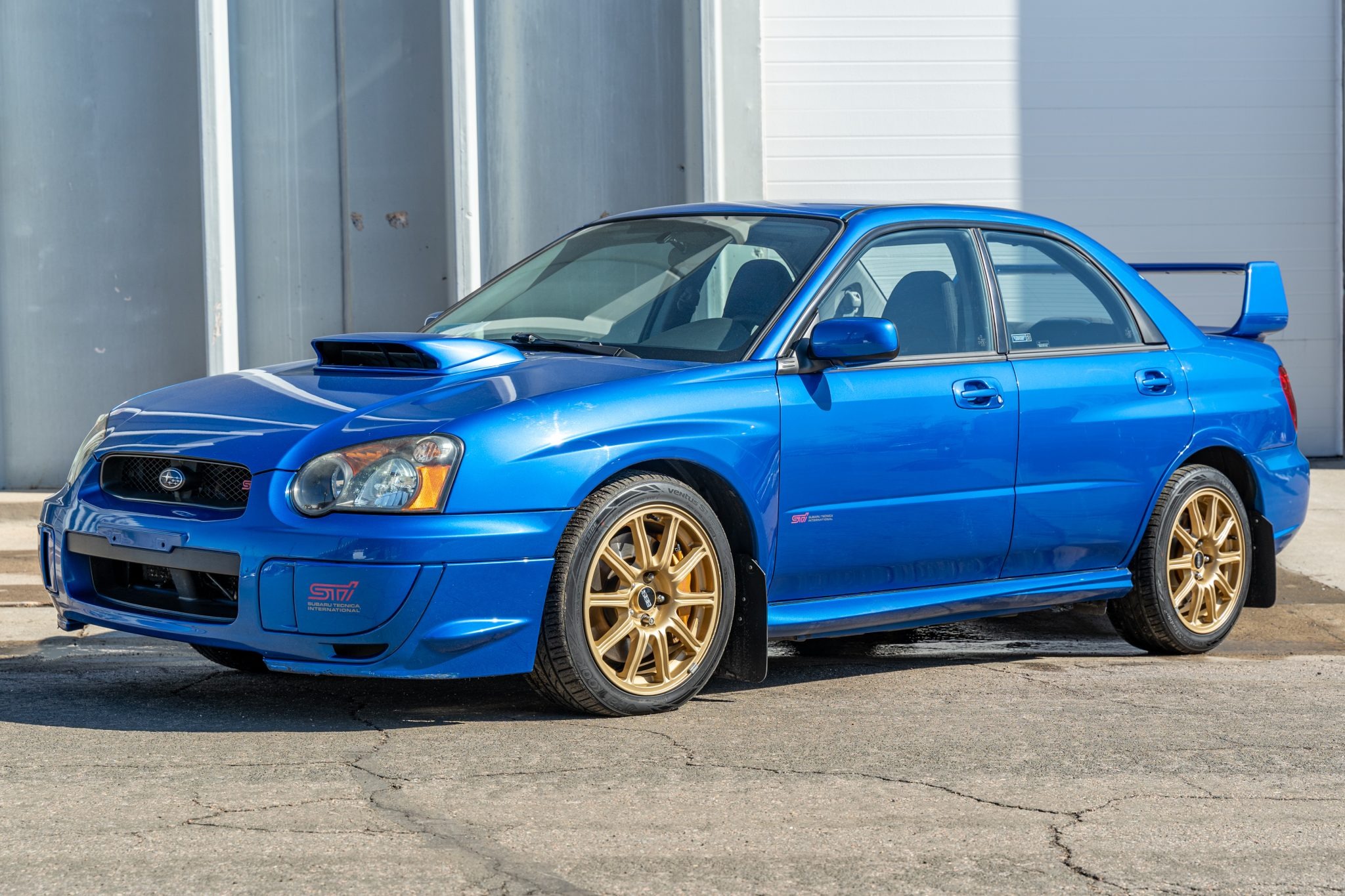
10. Subaru Impreza (Non-Turbo)
The Subaru Impreza in its base, non-turbocharged form, is often overshadowed by its WRX sibling, but it holds a strong place on this list for its affordable maintenance and impressive longevity.
With standard all-wheel drive (AWD), it offers utility and control in harsh weather while still remaining manageable in terms of upkeep. When driven gently and maintained regularly, the Impreza can be a dependable and inexpensive daily driver.
A large part of its affordability stems from its simple powertrain. The naturally aspirated four-cylinder boxer engine in the base Impreza is not highly stressed and has been used in many Subaru models with good reliability.
Oil changes, spark plug replacements, and coolant services are straightforward and don’t require expensive tools or complex diagnostics. Timing chains instead of belts eliminates a significant maintenance milestone, and routine services rarely cost more than those of a comparable front-wheel-drive sedan.
Even with AWD, the maintenance difference is not as large as some assume. Subaru’s symmetrical AWD system is durable and doesn’t require frequent servicing outside of the occasional differential fluid change. The system is mechanically simple compared to more complicated AWD systems found in premium vehicles.
Brake parts and suspension components are shared with other Subaru models, so parts availability and pricing remain very reasonable, especially for base models without the sport suspension.
As long as the car is not driven aggressively or modified (which is more common with the WRX and STI versions), the Impreza is unlikely to generate large repair bills. Owners who keep up with fluid changes and pay attention to minor issues before they grow bigger can keep the car running for years with little hassle.
This makes the non-turbo Impreza an excellent choice for those wanting year-round drivability and reliability without the cost typically associated with all-wheel-drive systems.
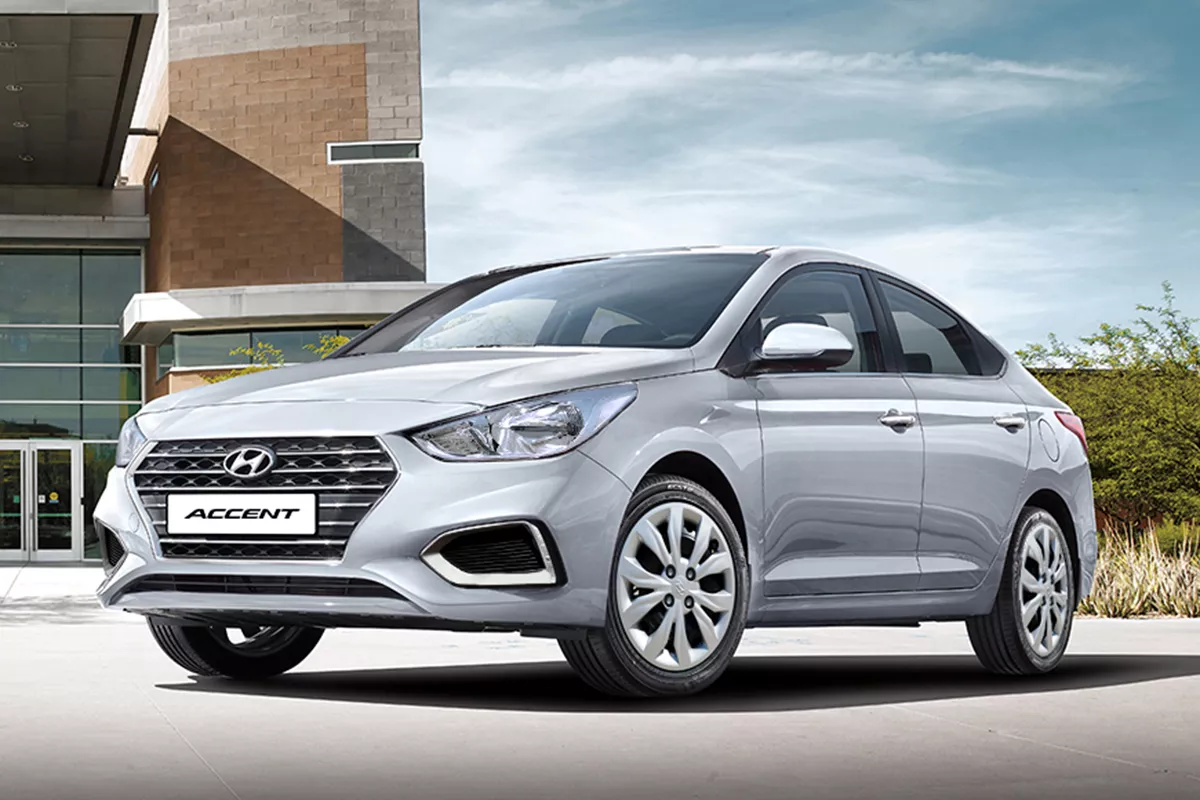
11. Hyundai Accent
The Hyundai Accent is one of the most consistently overlooked vehicles when it comes to low maintenance costs. As a compact, entry-level sedan or hatchback, the Accent doesn’t offer flashy features or high performance, but it does provide bulletproof reliability, efficient fuel usage, and extremely affordable upkeep. For many drivers, especially those seeking practical and stress-free ownership, it hits all the right notes.
Under the hood, the Accent uses a simple, naturally aspirated engine paired with a conventional automatic or manual transmission, depending on the model year. This keeps mechanical complexity low, reducing the likelihood of component failures and making routine servicing simple.
Oil changes, belt replacements, and filter swaps can be done quickly and cheaply at most local shops. Because the car doesn’t require synthetic oil and has generous service intervals, owners often spend less than $200 a year on basic maintenance alone.
The Accent’s minimalistic design also contributes to its cost-effectiveness. Brakes, tires, and suspension parts tend to last a long time because of the car’s light weight and conservative performance. This means replacements are less frequent and less expensive.
Since the car doesn’t come with advanced electronics or complicated driver-assist systems in older models, the likelihood of electrical gremlins or expensive sensor failures is very low. What few electronics it does have tend to be reliable and easy to troubleshoot.
Another strong point is Hyundai’s manufacturing improvements in the last decade. The build quality of the Accent has improved significantly, and many independent mechanics report that the car rarely shows up in the shop outside of scheduled services.
Add in the wide availability of affordable parts, many of which are shared with other Hyundai and Kia models, and the Accent proves to be one of the most financially friendly cars to maintain, especially for high-mileage drivers or first-time car owners.
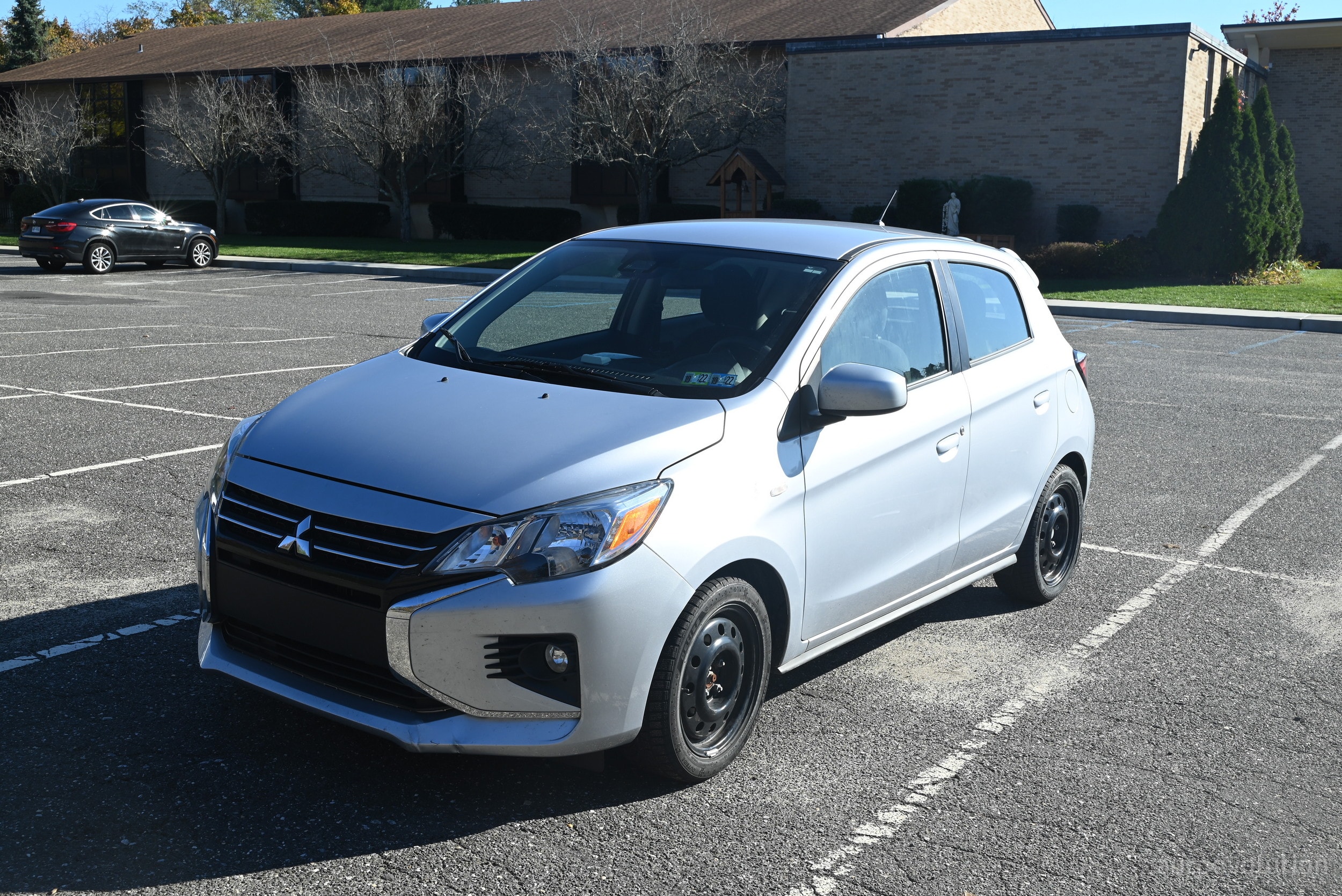
12. Mitsubishi Mirage
The Mitsubishi Mirage is perhaps the most basic new car sold in North America, but that simplicity is exactly what makes it so cheap to maintain.
With its compact size, low power output, and minimal electronics, the Mirage delivers point-A-to-point-B transportation without the complexity that often leads to higher maintenance costs. While it may not be exciting, it consistently ranks among the cheapest cars to run year after year.
The Mirage’s tiny three-cylinder engine is extremely fuel-efficient and designed for longevity, provided it is not pushed too hard. Oil changes are simple and use a small amount of oil, less than four quarts, so even with synthetic oil, costs remain low.
The engine bay is spacious for such a small car, making it easier for mechanics to access components without disassembling other parts, which saves on labor costs during routine service.
Tires and brakes on the Mirage also last longer than average. The car’s lightweight frame puts minimal stress on these parts, and many owners report going 50,000 miles or more before needing a brake pad replacement.
Basic tire sizes mean replacement tires are among the cheapest on the market. Even alignment and suspension work tends to be inexpensive, because the car’s geometry is basic and easy to adjust.
One of the Mirage’s few electronic systems is its continuously variable transmission (CVT), which does require proper fluid changes to stay reliable.
However, if maintained on schedule, the CVT tends to hold up well in daily driving. Beyond that, the Mirage has few other systems that require attention. With low insurance rates and high fuel economy combined with its low maintenance needs, the Mirage is often chosen by rideshare drivers or urban commuters who need an economical car with minimal surprises.
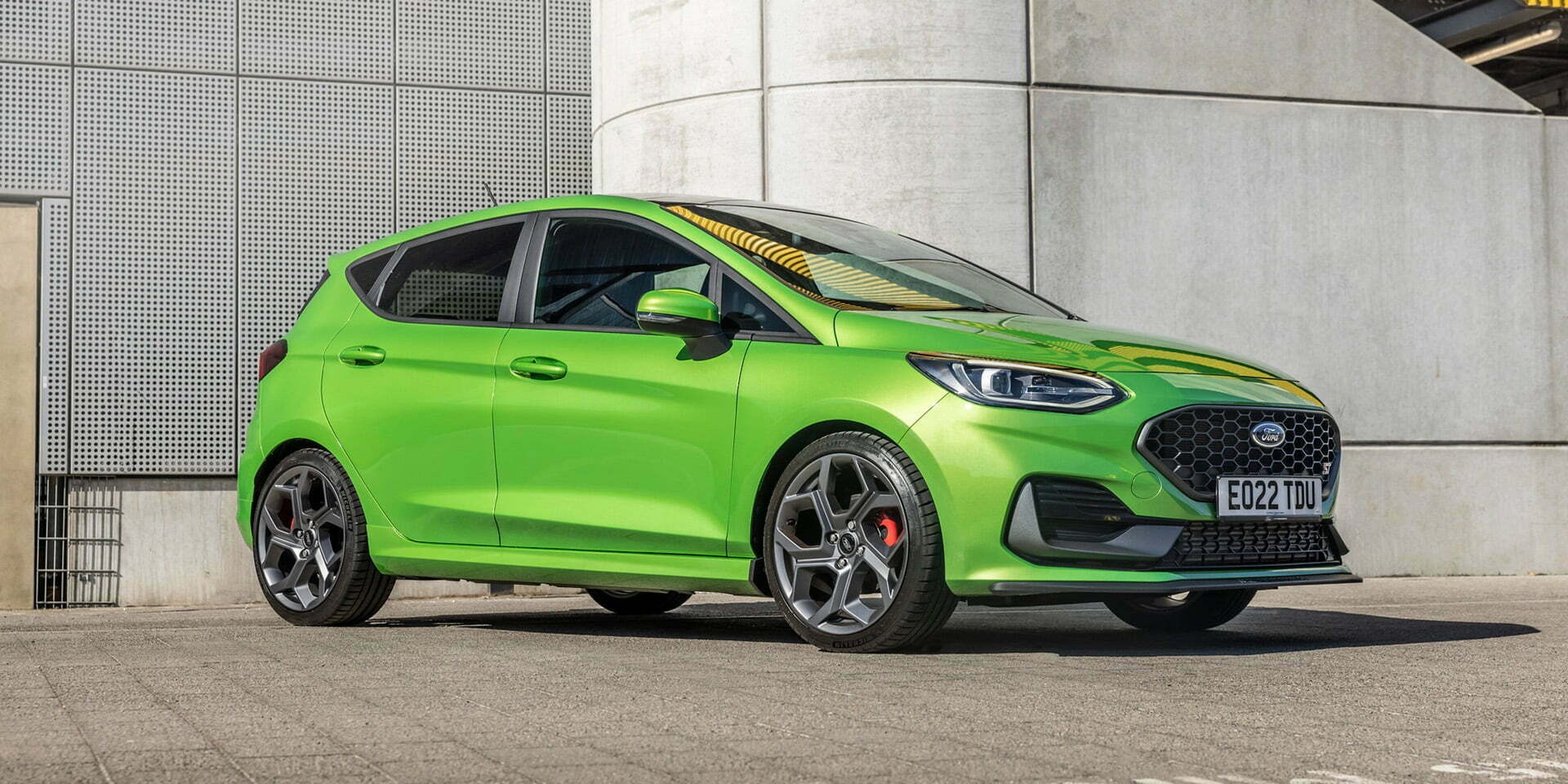
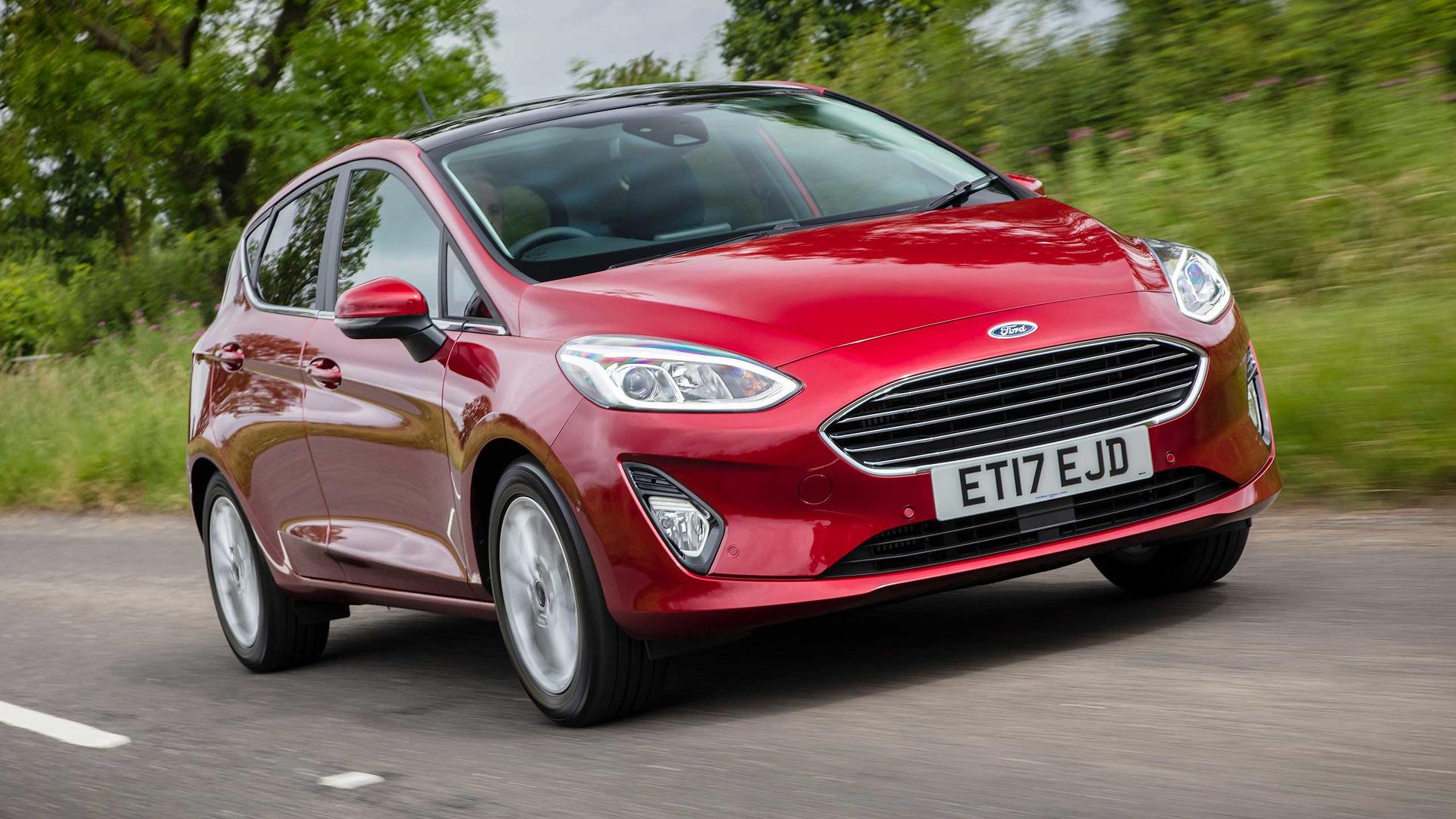
13. Ford Fiesta (Manual Transmission)
The Ford Fiesta, especially in its manual transmission version, offers a compelling combination of driving enjoyment and low maintenance costs.
While Ford has had issues with the automatic transmission versions, the manual models are far simpler, more reliable, and cheaper to maintain over time. This small hatchback or sedan delivers solid performance for its class and keeps yearly maintenance expenses well under control.
The 1.6-liter engine used in many Fiesta models is durable and widely used across various Ford vehicles, meaning parts are easy to source and relatively inexpensive.
Routine oil changes, spark plug replacements, and fluid top-offs are all straightforward. The engine doesn’t require premium fuel or synthetic oil, and service intervals are fairly standard. The manual gearbox, in particular, requires far less maintenance than the problematic dual-clutch automatic versions found in some trims.
What really helps the manual Fiesta shine is its mechanical simplicity. There are no complex drivetrain components to worry about, and repairs can often be completed in less time. The clutch system, while eventually requiring replacement like all manual cars, tends to last beyond 100,000 miles under normal driving conditions.
Brake components, suspension parts, and other wear items are also affordable and easy to access, making even higher-mileage examples a good value.
Because of its popularity, there is a robust aftermarket support system for the Fiesta. Whether you need a replacement sensor, an alternator, or a new set of brake pads, there are both OEM and aftermarket options available.
Owners often perform basic maintenance themselves, further cutting down on costs. If you’re looking for a fun-to-drive small car that doesn’t break the bank to maintain, the manual Ford Fiesta deserves a closer look.
