
When most people think about fast cars, they often imagine vehicles that are thrilling but fragile, machines that demand constant attention, expensive repairs, and a lot of careful handling. Sports cars and performance vehicles have a reputation for being temperamental, with complex engineering that sometimes sacrifices durability for speed.
However, this isn’t always the case. There are several fast cars on the market, both new and from past decades, that combine impressive speed and performance with a level of reliability that surprises many enthusiasts.
These vehicles can handle spirited driving without breaking down regularly, and many owners report long-term satisfaction without frequent trips to the repair shop.
Reliability in a fast car isn’t just about raw engineering; it also depends on the quality of parts, maintenance, and how manufacturers balance performance with durability. Some automakers have mastered this art by designing cars that provide exhilarating power and sharp handling while maintaining everyday usability and fewer mechanical headaches.
For those who want a thrilling ride without sacrificing peace of mind, these cars stand out as some of the best options. They prove that speed and reliability don’t have to be mutually exclusive, and owning a fast car can be both fun and practical.
This article highlights twelve fast cars that have earned praise for being surprisingly reliable. They represent a mix of modern sports cars and some classic models that have stood the test of time. These vehicles offer a range of power outputs, from quick but accessible performance to serious muscle and exotic speed.
What makes them interesting is that despite their speed capabilities, they maintain a track record of dependability, making them smart choices for drivers who want to enjoy performance without constant worry about repairs or breakdowns.
Whether you’re a car enthusiast looking for a weekend warrior, a daily driver who wants speed without compromise, or just curious about which fast cars can be trusted to last, the following list is a great starting point.
Each car included here has been noted by owners, experts, or data from reliability studies as performing well over time, even with spirited use. Let’s look at these twelve fast and reliable machines in more detail.
Porsche 911
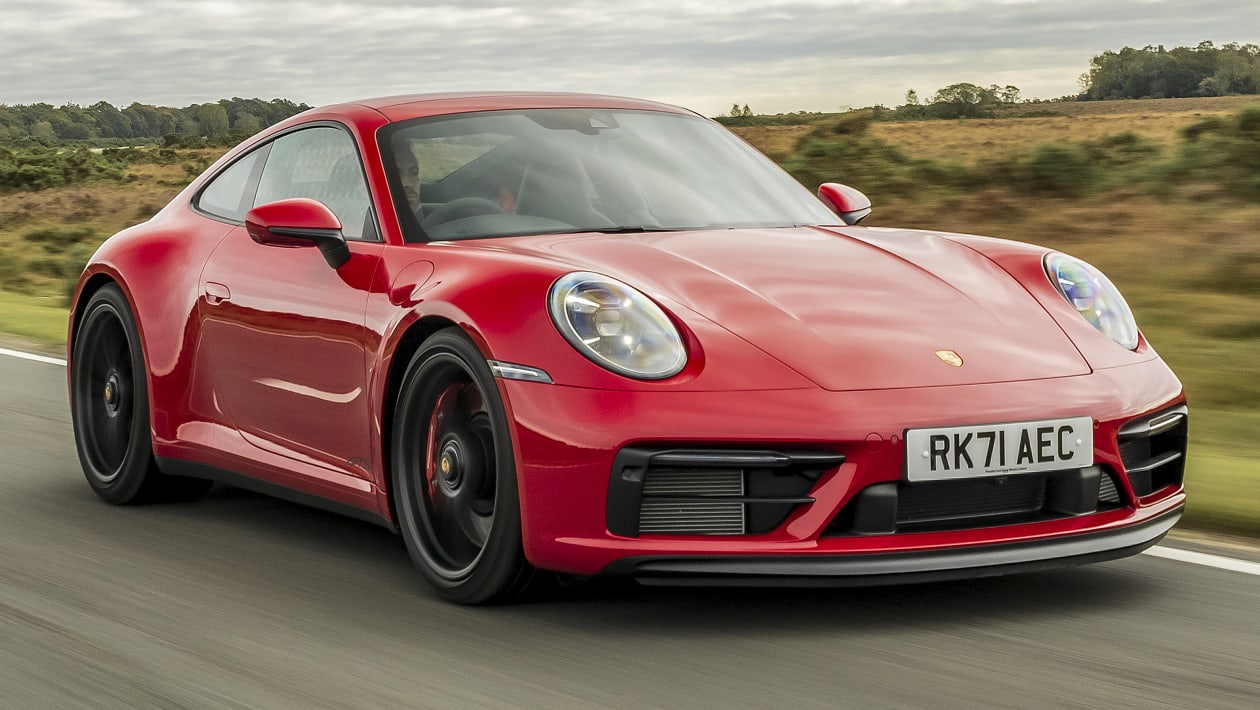
1. Porsche 911 (997 Generation)
The Porsche 911 997 generation is a perfect example of how a fast car can also be reliable. One of the key factors contributing to its dependability is Porsche’s engineering philosophy, which emphasizes precision and simplicity in mechanical design where possible.
The 997 generation was a significant evolution over previous models, integrating modern technology without overcomplicating the engine or drivetrain. This careful approach helped minimize common issues that plague many high-performance sports cars.
Beyond the engine, the 997’s chassis and suspension design provide a robust platform that can handle aggressive driving while maintaining structural integrity. The car’s use of quality materials and excellent build standards means that wear and tear are generally predictable and manageable.
Parts like the clutch, brakes, and suspension components tend to have longer service intervals compared to other sports cars, which reduces maintenance costs and downtime.
Another aspect that adds to the 997’s reputation for reliability is Porsche’s extensive service network and the availability of parts. This makes routine maintenance and repairs more straightforward and affordable compared to rarer or more exotic vehicles.
Many owners have reported that even high-mileage 997s remain drivable and enjoyable without significant mechanical interventions, provided the car has been cared for properly.
Finally, the 997’s interior and electronic systems also benefit from improvements in quality control. Early 997 models had some minor electrical gremlins, but these were largely ironed out in later production years. The car offers a well-thought-out balance of comfort and technology that supports everyday usability, further reinforcing its status as a fast car that doesn’t sacrifice reliability.
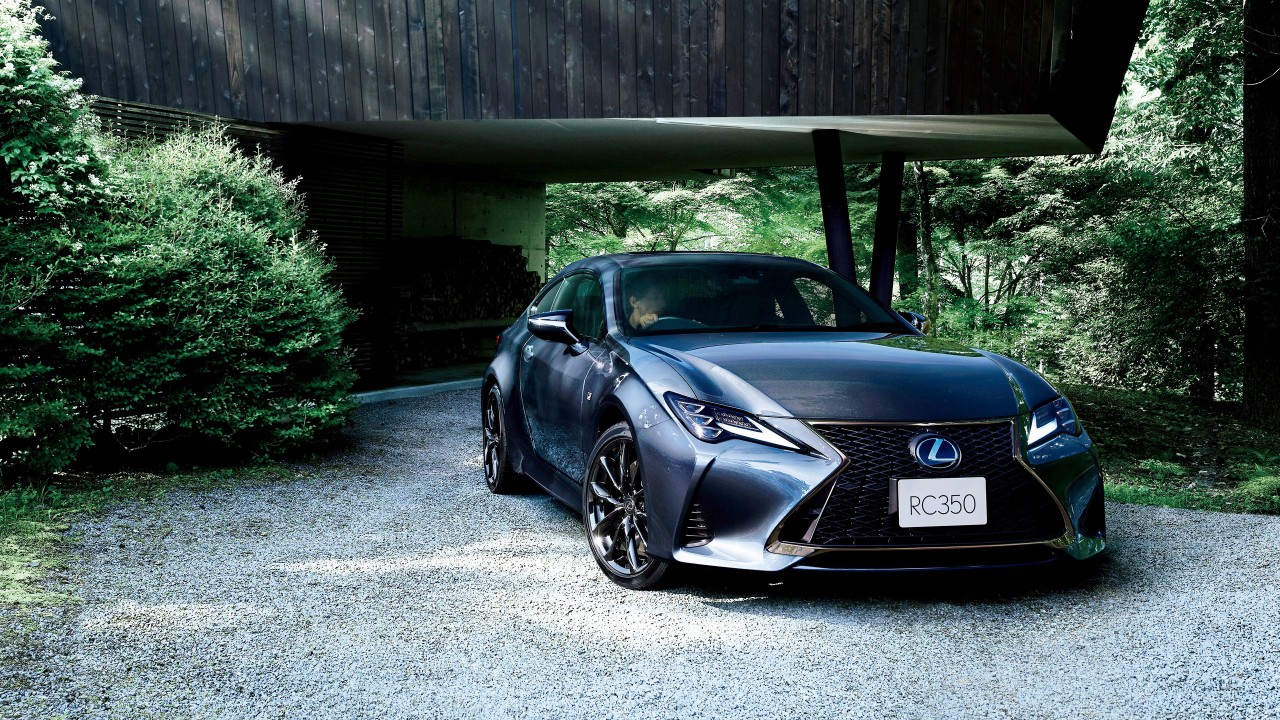
2. Lexus RC F
The Lexus RC F is built on the foundation of Lexus’s longstanding reputation for making reliable vehicles. This coupe stands out not just for its aggressive styling and powerful engine but also for the attention to detail Lexus puts into engineering for durability.
Unlike many sports cars that use complex turbocharging systems, the RC F’s naturally aspirated V8 delivers power in a way that is more straightforward and less prone to mechanical complications.
The construction quality of the RC F is exceptional. The chassis and body panels use materials that resist corrosion and damage, which is important for maintaining structural integrity over time. Lexus also applies rigorous testing standards during development to ensure that components can handle extreme conditions without premature wear.
This thorough approach is reflected in owner reports that the RC F remains mechanically sound even after years of enthusiastic driving.
In terms of maintenance, the RC F benefits from Lexus’s well-established dealership network and availability of OEM parts. This makes servicing the car easier and more affordable compared to more exotic or limited-production sports cars.
The car’s electronic systems, including the infotainment and driver assistance features, have proven stable and reliable, which helps prevent costly repairs related to technology failures.
Performance-wise, the RC F’s V8 engine provides smooth and linear power delivery, which reduces strain on the drivetrain and transmission. The robust eight-speed automatic transmission is designed to handle the engine’s torque without frequent issues.
This combination of engineering and build quality makes the RC F a standout in the realm of reliable fast cars, appealing to drivers who want muscle car performance without constant mechanical worries.
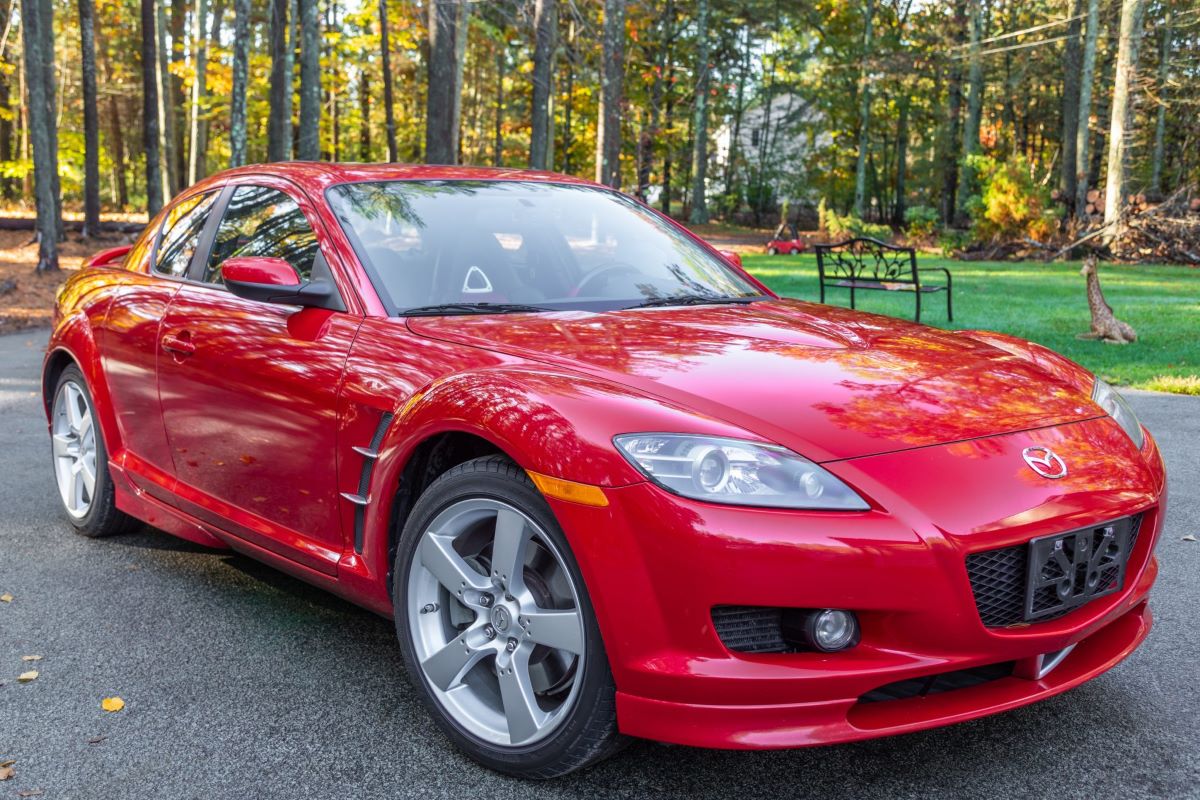
3. Mazda RX-8
The Mazda RX-8’s rotary engine sets it apart from most other sports cars, but this unique design also comes with challenges. Despite the reputation that rotary engines are less reliable than traditional piston engines, the RX-8’s version shows that with proper maintenance, these cars can be dependable.
Mazda worked hard to improve the seals and reduce oil consumption, making the RX-8 a more practical option for those willing to follow recommended care routines.
One important factor in the RX-8’s reliability is the need for regular maintenance, especially related to the engine’s apex seals and ignition components.
These parts wear differently from those in piston engines, so owners need to stay on top of oil changes and monitor engine health closely. When maintained properly, many RX-8 owners report strong performance and reliable operation over tens of thousands of miles.
Beyond the engine, the RX-8’s chassis is known for being lightweight and nimble. The car’s balanced weight distribution and sporty suspension setup allow for confident handling without putting undue stress on components.
The body and interior materials are also designed to hold up well under regular use, making the RX-8 more than just a weekend toy, it can be a reliable daily driver for enthusiasts.
The RX-8 also benefits from Mazda’s reputation for producing quality vehicles. While it does require some extra care compared to conventional engines, the rotary’s simplicity in terms of moving parts reduces the likelihood of catastrophic engine failure.
This aspect makes it a compelling choice for drivers who want a fast, unique sports car with a manageable level of maintenance and reasonable reliability.
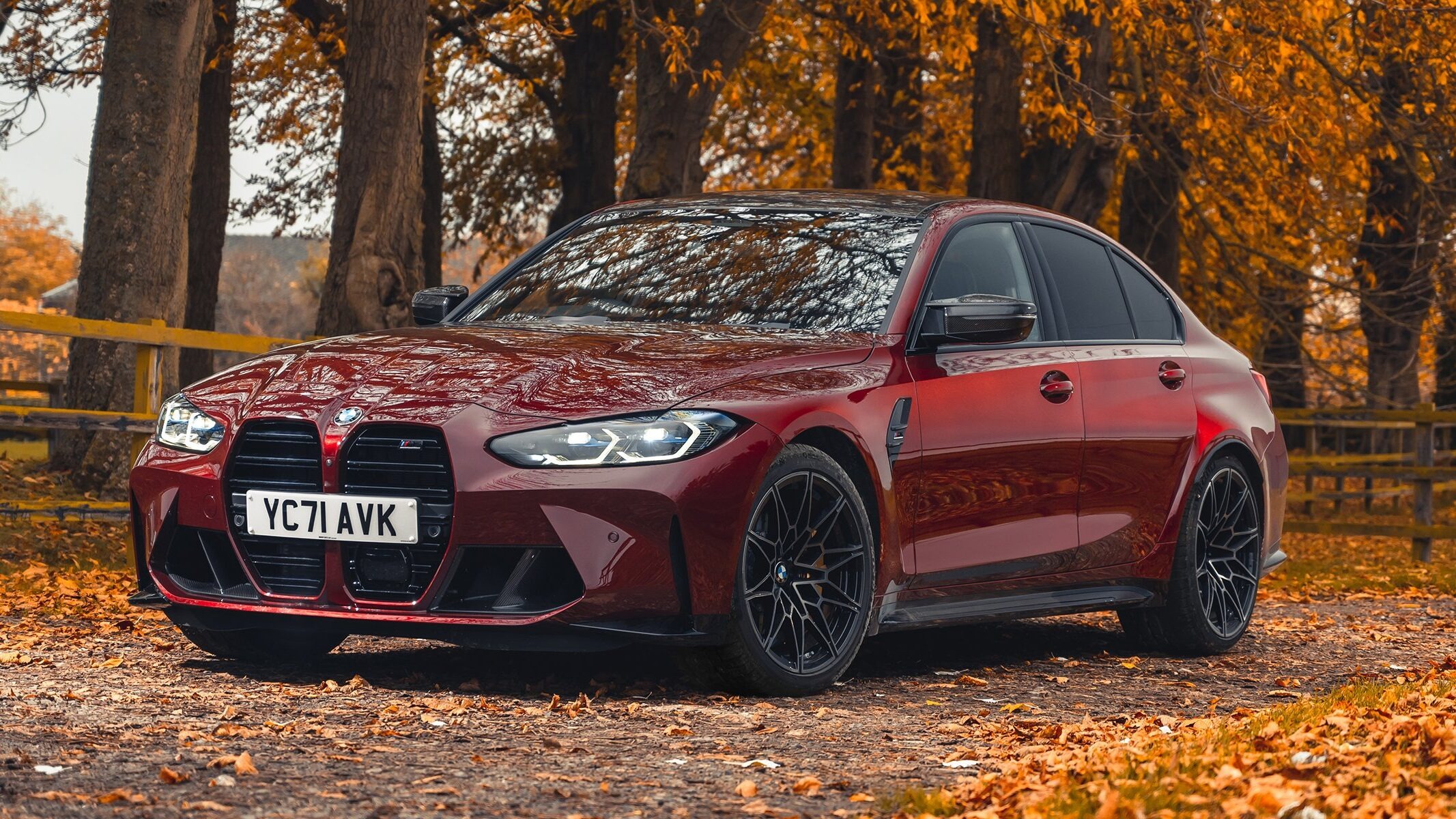
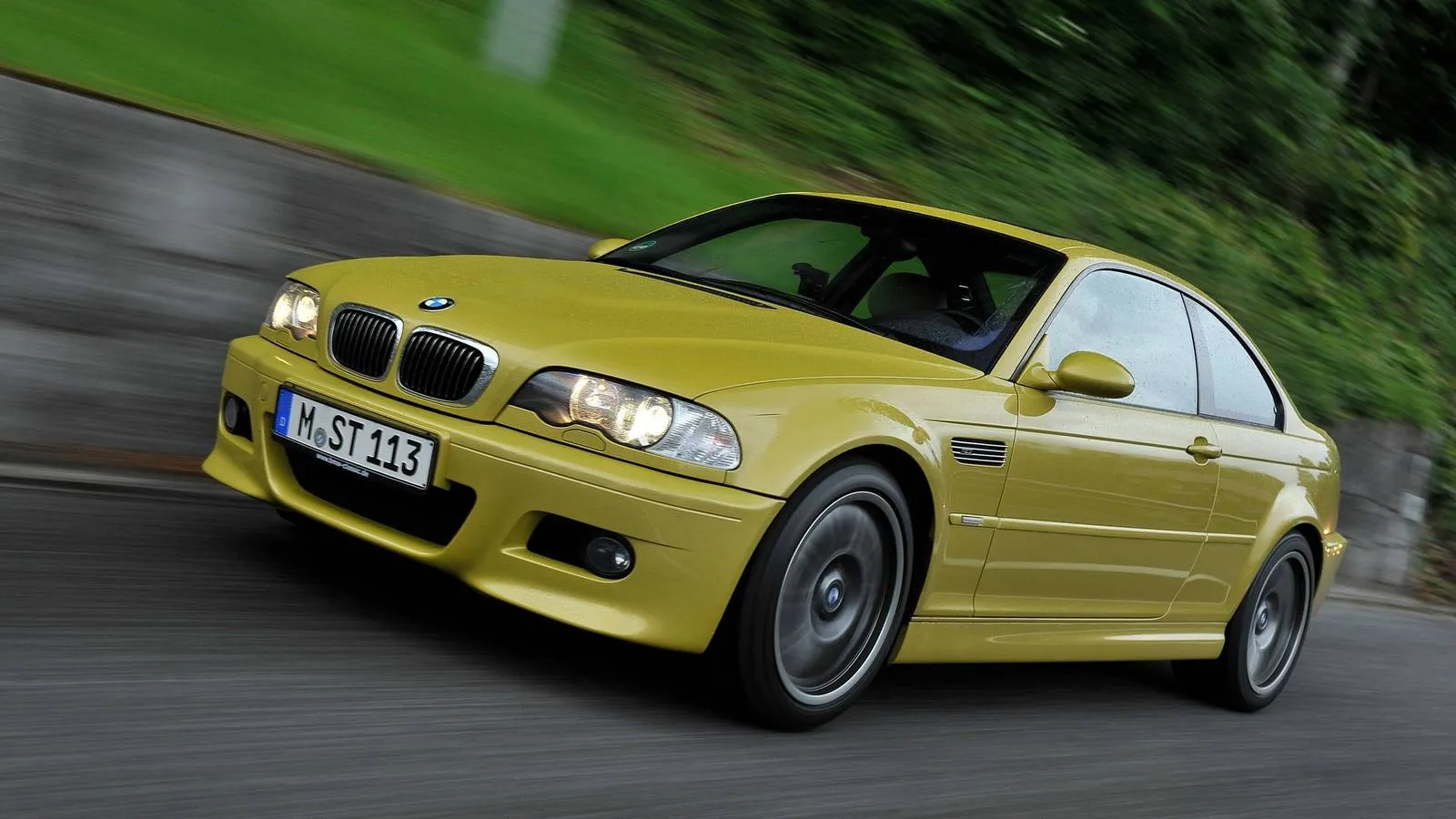
4. BMW M3 (E46)
The BMW M3 E46 is often seen as one of the best driving machines of its era, thanks to its combination of speed, handling, and reliability.
While BMW’s M division is known for pushing engineering boundaries, the E46 M3 stands out because it manages to deliver high performance without excessive mechanical fragility. The naturally aspirated S54 engine is a highlight, offering high-revving thrills and solid longevity when maintained correctly.
The E46 M3’s reliability benefits from BMW’s choice to use relatively straightforward mechanical systems. The S54 engine, although high-strung, is known for its durability if oil changes and valve adjustments are kept up to date.
Some components, such as the VANOS variable valve timing system, have been known to develop issues, but these tend to be manageable with proper care and repair.
From a chassis perspective, the E46 M3 was engineered with durability in mind. The suspension components and frame are robust, designed to withstand track use and aggressive driving without premature wear. The car’s braking system also features high-quality parts that provide strong stopping power while holding up well over time, contributing to a more reliable driving experience.
Interior build quality in the E46 M3 is another factor in its long-term appeal. While the design is straightforward, the materials are solid, and the electronics tend to be reliable compared to other performance cars from the same period. This helps reduce the frequency of expensive repairs and keeps the car comfortable and functional as a daily driver or weekend track car.
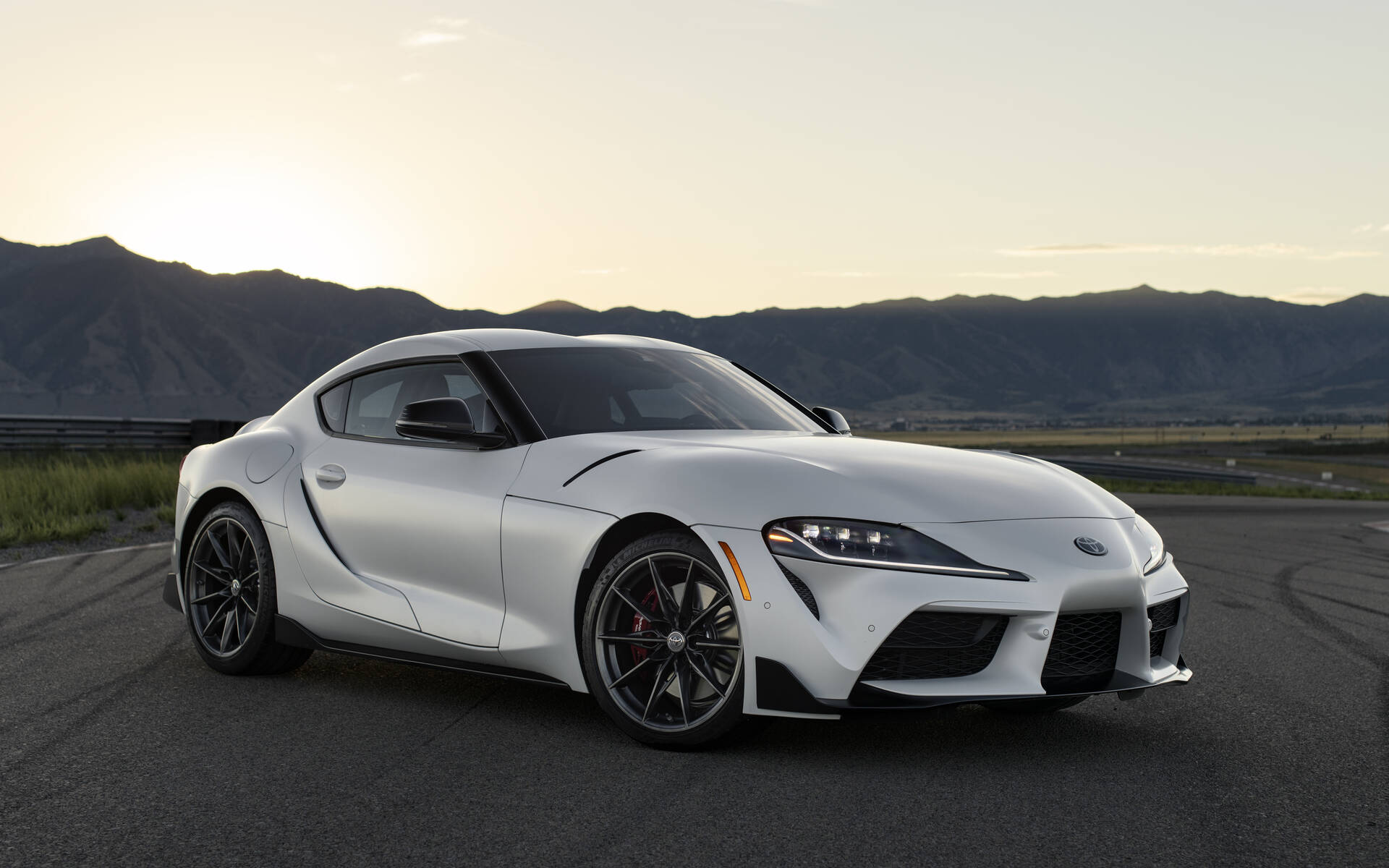
5. Toyota Supra (Mark IV)
The Toyota Supra Mark IV is legendary for many reasons, not least of which is the incredible reliability of its 2JZ-GTE engine. This engine is often cited as one of the most bulletproof performance engines ever produced.
It features a cast-iron block and robust internals that allow it to withstand extremely high horsepower levels, often far beyond factory settings. This engineering excellence is a major reason why the Supra continues to be beloved by enthusiasts around the world.
Aside from the engine, the Supra’s chassis and drivetrain are built for durability. The car’s suspension setup balances performance and comfort, with components designed to last even under spirited driving. The car’s transmission options, including a well-regarded manual gearbox, are similarly robust, capable of handling power surges without failing prematurely.
Toyota’s build quality extends to the interior and electrical systems, which are known for their longevity. While the car is now a classic, many Supra owners have reported minimal issues with electronics or other common failure points in older performance cars.
This combination of durability and engineering quality makes the Supra a rare find in the fast car world, combining legendary speed with real-world reliability.
Finally, the Supra’s aftermarket support and parts availability contribute to its reliability as well. Replacement components are widely accessible and often designed to meet or exceed OEM standards. This means owners can keep their cars running smoothly even after many years, with relatively straightforward repairs and maintenance.
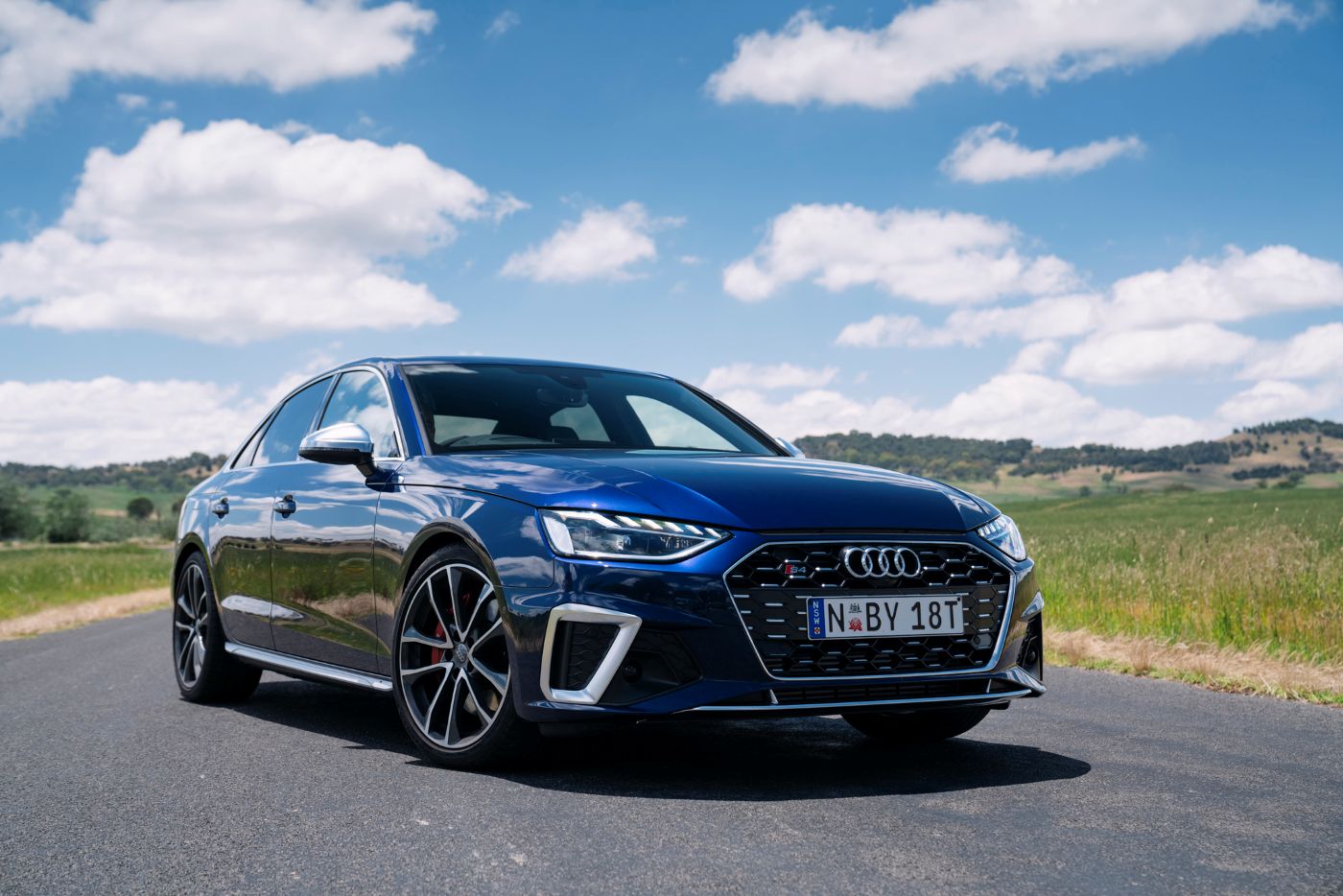
6. Audi S4 (B8 Generation)
The Audi S4 B8 generation represents a blend of performance and daily usability, backed by a surprisingly reliable powertrain. At its core is the supercharged 3.0-liter V6 engine, which produces ample power while maintaining a relatively straightforward mechanical layout.
Unlike turbocharged engines, which can suffer from heat-related issues and turbo failure, the supercharged setup offers linear power delivery and tends to have fewer stress points. This engine benefits from Audi’s advanced engineering and solid build quality, making it less prone to the common mechanical failures that affect some other performance cars.
The Quattro all-wheel-drive system in the B8 S4 is also for its dependability. This system, which distributes power evenly across all four wheels, is designed to improve handling and traction, especially in poor weather conditions.
While AWD systems can be complicated and expensive to maintain, the S4’s Quattro setup has been engineered for durability, with service intervals and fluid changes that, when followed, help ensure longevity. Owners often report that the system remains trouble-free over many miles, which is impressive for a high-performance car with this drivetrain complexity.
Structurally, the Audi S4 B8 is built with a robust chassis that balances sportiness with comfort. The suspension components are engineered to withstand aggressive driving, and many parts are crafted from corrosion-resistant materials, reducing wear caused by environmental factors.
This focus on build quality extends to the body panels and undercarriage, where Audi’s manufacturing processes help protect against rust and fatigue. As a result, many B8 S4s remain structurally sound and handle as well as the day they left the factory, even after years of use.
In terms of electronics and interior, the S4 B8 features a more refined infotainment system compared to earlier models, along with improved reliability in its electrical components.
While some earlier Audi models faced complaints about glitches, this generation benefited from incremental improvements that make the technology more user-friendly and less prone to faults. Combined with Audi’s growing service network and readily available parts, the S4 B8 stands out as a fast car that balances excitement with dependable engineering.
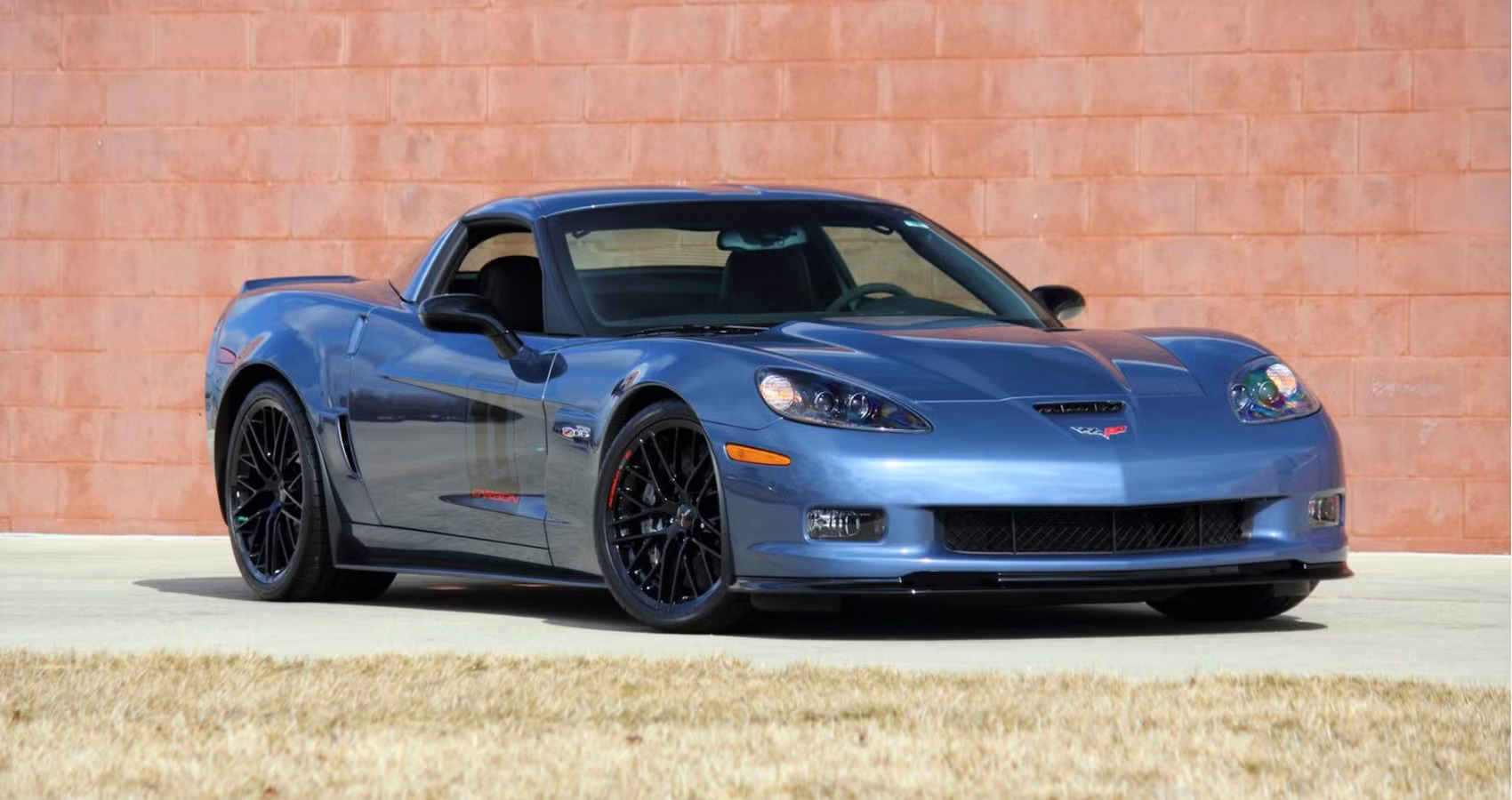
7. Chevrolet Corvette C6
The Chevrolet Corvette C6 is often praised for combining supercar performance with relatively low maintenance demands. Under its hood sits an LS-series V8 engine known for its toughness and reliability. The LS family has earned a reputation as one of the most durable engine platforms ever produced, used in a variety of vehicles from trucks to performance cars.
This shared heritage means that parts are plentiful and affordable, making repairs and upgrades easier than many exotic sports cars. The C6’s engine block is robust, and its fuel injection system is straightforward, contributing to smooth and dependable power delivery.
The chassis and suspension of the C6 were designed with a focus on reducing weight while increasing rigidity, which improves handling and performance. This engineering approach also means the car’s structure can endure aggressive driving and cornering without developing common issues like frame flex or suspension component failure.
Suspension parts such as control arms, shocks, and bushings are made from durable materials and tend to last long when maintained properly. This resilience has helped many C6 owners enjoy spirited driving without frequent costly repairs.
One significant factor that sets the C6 apart is its relatively simple electronic system. Compared to European sports cars with intricate electronics that can lead to expensive troubleshooting, the Corvette’s system is more straightforward to diagnose.
This simplicity reduces the risk of unexpected electrical problems and keeps repair bills more manageable. Additionally, the car’s onboard diagnostics and error codes make it easier for owners and mechanics to identify and fix issues quickly.
Inside, the C6 offers a functional yet comfortable interior with durable materials designed to withstand wear. While the cabin isn’t as opulent as some European rivals, the materials and build quality contribute to a longer-lasting experience for owners who regularly drive their cars.
Many report that the seats, dashboard, and controls hold up well even after years of use, further reinforcing the C6’s reputation as a fast car that doesn’t sacrifice everyday reliability.
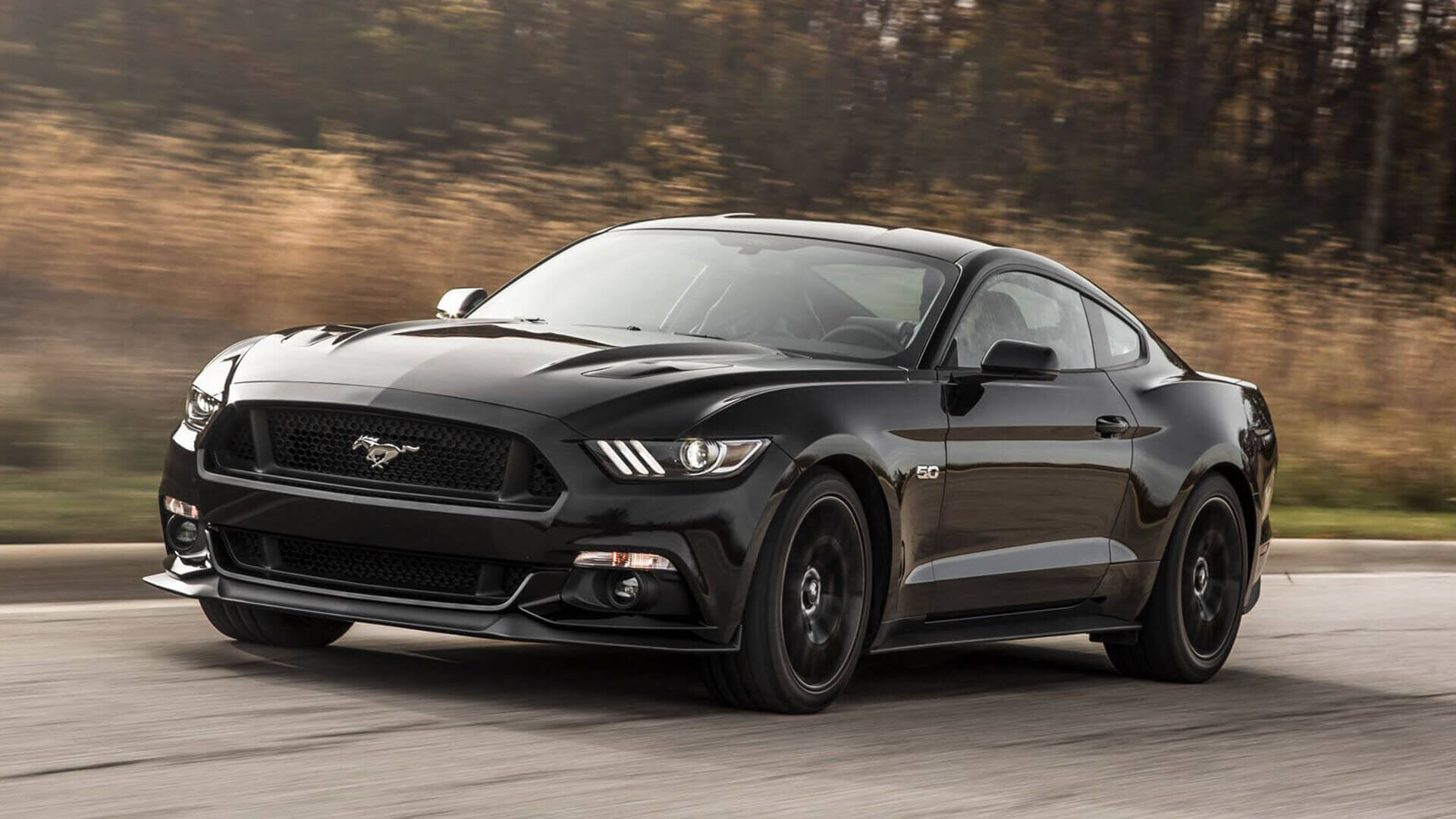
8. Ford Mustang GT (S197)
The Ford Mustang GT of the S197 generation is a standout example of American muscle with surprisingly solid reliability. Its 4.6-liter modular V8 engine is a key reason why this car is both fast and dependable.
The engine was designed with a focus on durability, using proven technologies that allow it to withstand high mileage without major issues. Regular oil changes and maintenance routines can keep the engine running smoothly for well over 150,000 miles, which is impressive for a performance V8.
The chassis and suspension design of the S197 Mustang are for their robustness. The body-on-frame construction and solid rear axle layout might seem basic compared to modern independent rear suspension setups, but this simplicity contributes to fewer points of failure and lower maintenance costs.
The suspension components, including springs, shocks, and bushings, are readily replaceable and durable, which helps the Mustang handle rough roads and spirited driving without excessive wear.
The Ford Mustang GT also benefits from a vast network of aftermarket support and parts availability. Because it has been in production for many years and has a large fan base, parts are widely available and affordable.
This support makes repairs and upgrades easier and keeps the car on the road for longer. The availability of performance parts also means owners can boost power or handling without compromising the car’s reliability.
Inside, the Mustang GT balances sporty design with durable materials, ensuring that the interior can endure daily use and still feel comfortable.
While some critics point to the Mustang’s interior as less refined than European counterparts, the durability of the plastics and upholstery make it a practical choice for drivers who want a fast car that can handle everyday life. The car’s infotainment and electrical systems are simple, which reduces the risk of electronic failures and costly repairs.
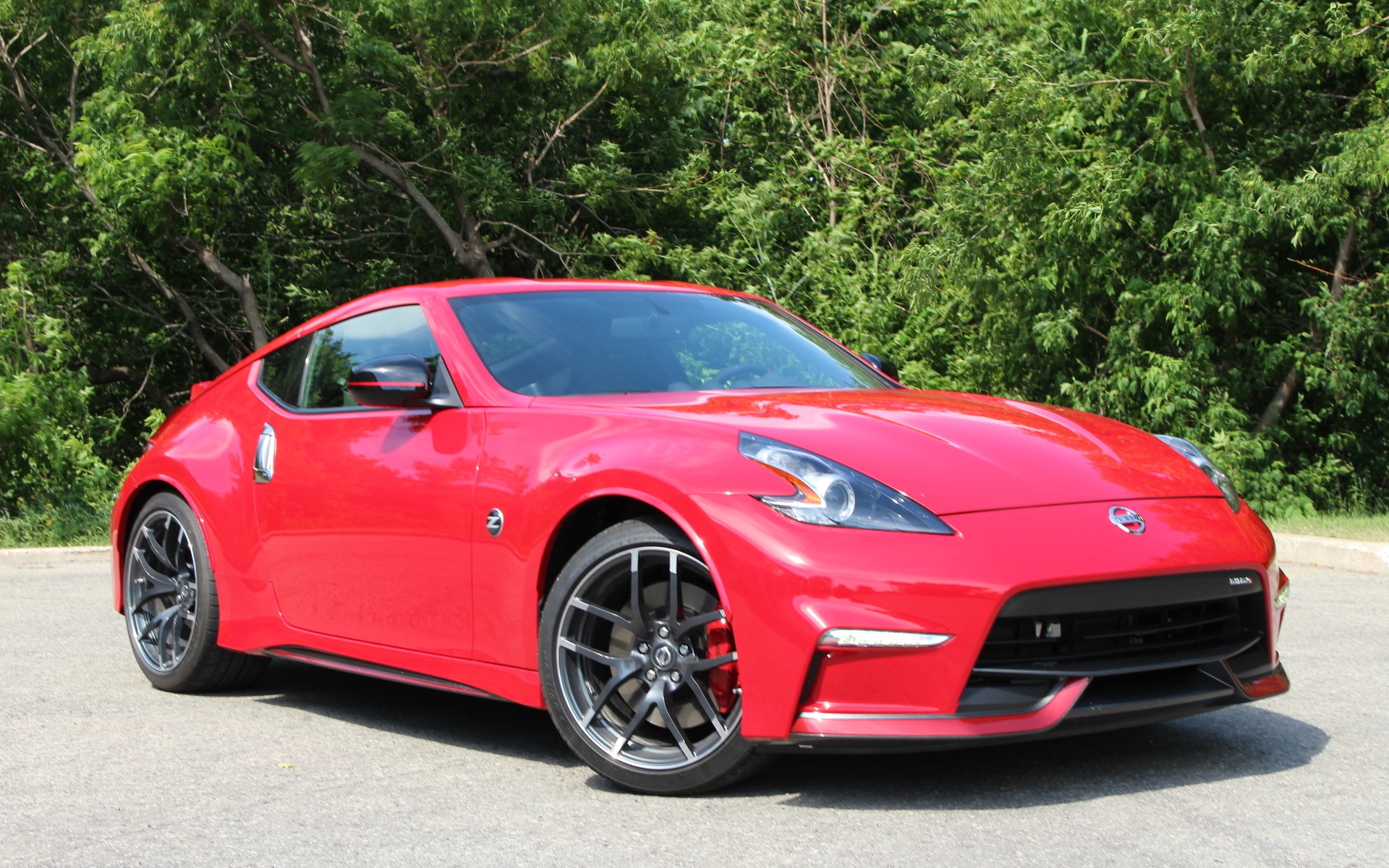
9. Nissan 370Z
The Nissan 370Z continues the legacy of the Z-car line by offering sharp performance combined with commendable reliability. At the heart of the 370Z is a naturally aspirated 3.7-liter V6 engine known for its robust construction and smooth power delivery.
Nissan engineered the VQ series engines with simplicity and reliability in mind, avoiding overly complex systems that could lead to premature failure. The result is a powertrain that responds well to regular maintenance and can comfortably endure many miles of spirited driving.
The 370Z’s drivetrain includes either a six-speed manual or a seven-speed automatic transmission, both designed to handle the engine’s torque without excessive wear.
The manual transmission, in particular, is favored for its mechanical simplicity and durability, while the automatic offers convenience without compromising too much on longevity. The rear-wheel-drive layout, coupled with a balanced chassis, makes the car engaging to drive but also reduces stress on drivetrain components.
Suspension and handling components in the 370Z are built with performance and durability in mind. High-quality bushings, shocks, and control arms tend to wear out more slowly than expected, contributing to lower maintenance costs.
The car’s chassis rigidity also enhances handling precision while preventing excessive flex or metal fatigue, which often occurs in less well-built sports cars. Owners appreciate that the 370Z can be used daily without suffering from frequent suspension-related repairs.
The interior of the Nissan 370Z is functional, with materials selected for durability rather than luxury. Although it lacks some premium touches found in more expensive competitors, the cabin’s design ensures long-lasting usability and comfort.
Controls and electronics are straightforward and reliable, minimizing the potential for glitches or failures. This practicality helps the 370Z maintain its appeal as a fast yet dependable sports car.
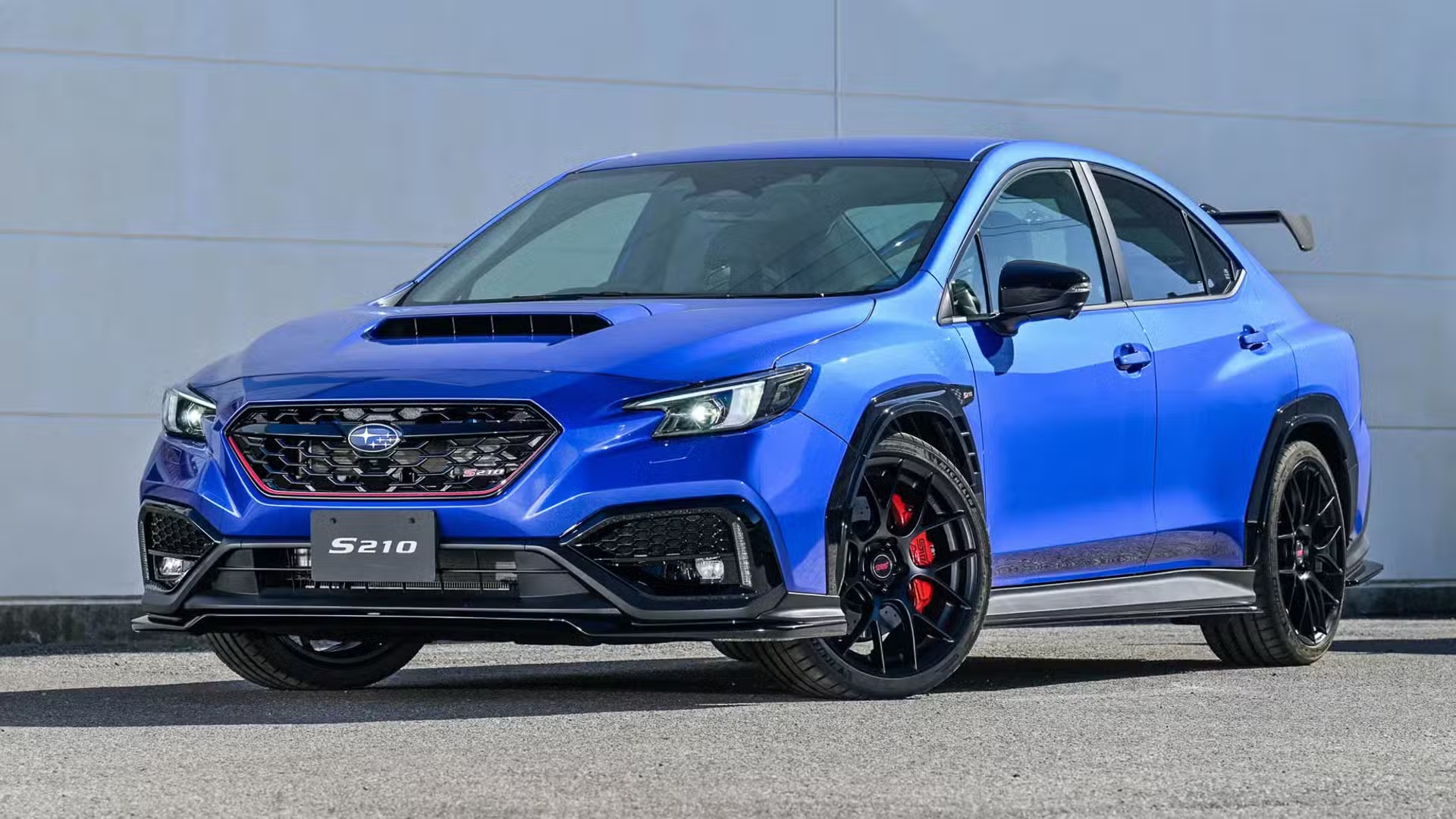
10. Subaru WRX STI (2008-2014)
The Subaru WRX STI from the 2008 to 2014 model years combines rally-inspired performance with a strong reputation for reliability. The turbocharged 2.5-liter boxer engine is designed to be resilient, featuring reinforced internals to handle increased boost and aggressive driving.
While turbocharged engines sometimes carry concerns about longevity, the STI’s engine has proven to be durable with proper maintenance and periodic inspections, including oil changes and turbo system checks.
Subaru’s signature symmetrical all-wheel-drive system plays a significant role in the STI’s dependable performance. This system offers excellent traction and stability while being engineered for durability.
Key components such as the center differential and transmission are built to withstand both daily driving and more intense track or rally conditions. Proper maintenance, including timely fluid changes and inspections, keeps these systems running smoothly over time.
The STI’s chassis and suspension are specifically designed to handle rough roads and spirited driving. The multi-link rear suspension, reinforced subframes, and upgraded bushings provide a balance of agility and durability. This setup ensures that the car remains composed and responsive without excessive wear on suspension components, making it suitable for both performance driving and everyday use.
Inside, the WRX STI is functional and rugged, featuring materials that hold up well under various conditions. The sporty seats and straightforward dashboard are built to endure the rigors of daily use and occasional off-road adventures.
Additionally, the car’s electronic systems, including its infotainment and driver aids, are generally reliable, with few reports of major issues during this period. This combination of performance, durability, and practicality makes the STI a favorite among enthusiasts seeking a fast, reliable all-wheel-drive sports car.
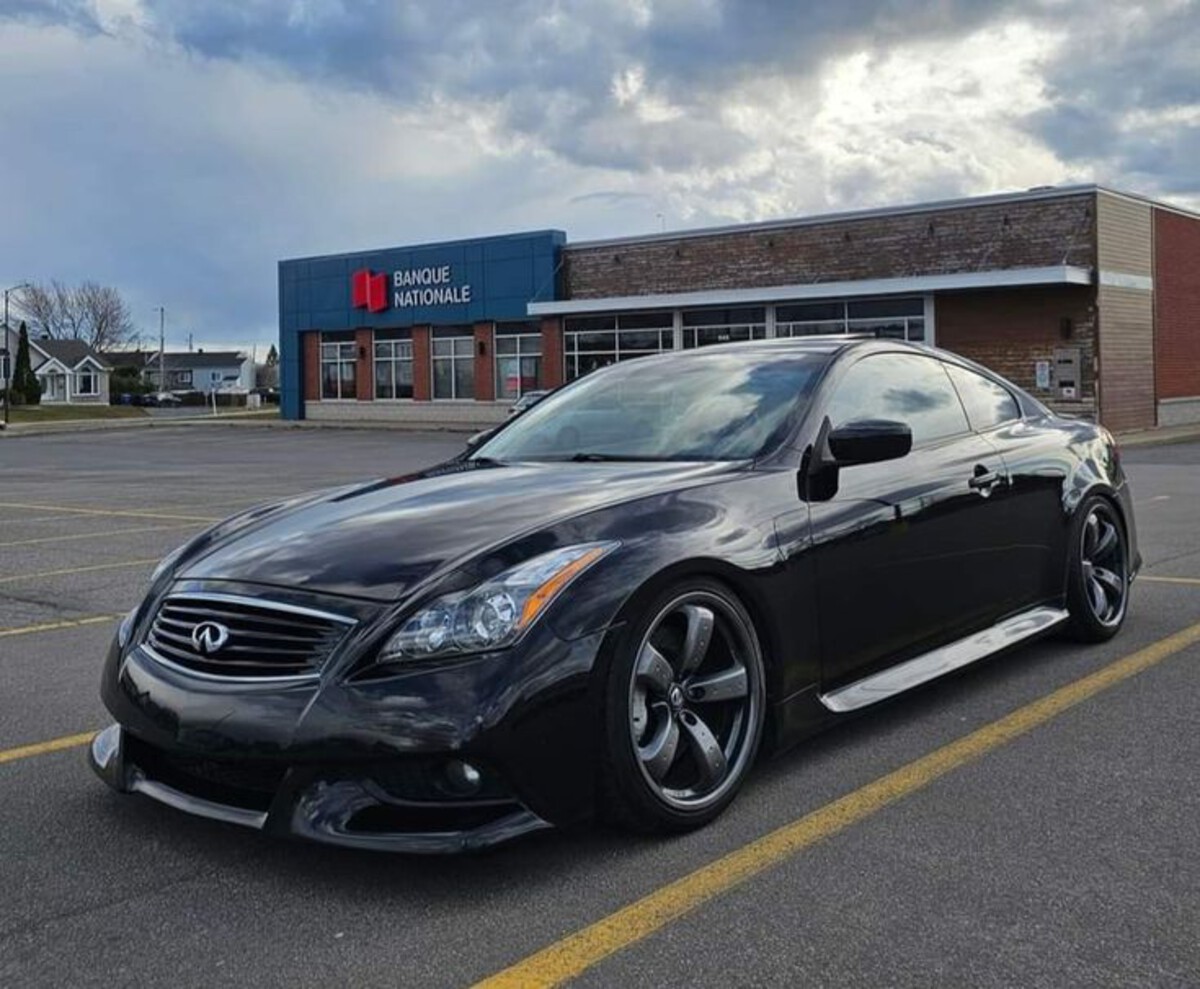
13. Infiniti G37 Coupe
The Infiniti G37 Coupe is often overlooked in conversations about performance cars, but it earns a spot on any list that values speed and reliability. Under the hood is Nissan’s well-known VQ37VHR engine, a 3.7-liter naturally aspirated V6 that produces solid horsepower and is known for its long-term durability.
This powerplant has been a staple in Nissan and Infiniti’s lineup, with a reputation for lasting well beyond 200,000 miles when maintained properly. Its simplicity, lack of forced induction, and proven design make it one of the most reliable engines in a performance coupe.
In terms of drivetrain, the G37 comes with either a smooth-shifting 7-speed automatic or a 6-speed manual, depending on the trim. Both options are dependable, but the manual version is especially prized by enthusiasts for its engagement and robustness.
The rear-wheel-drive setup allows for dynamic handling without overcomplicating the power delivery system, which also helps reduce long-term mechanical strain. Models equipped with the optional all-wheel-drive system (G37x) also fare well in terms of reliability, as long as maintenance is consistent.
Structurally, the G37 Coupe was built on Nissan’s FM (Front Midship) platform, which is also used in the 370Z. This architecture contributes to a balanced driving experience while offering a rigid, durable frame that resists wear and fatigue over time.
Suspension components are tuned for sportiness but remain durable under normal driving conditions, and many owners report consistent handling performance even after years of use.
14. Honda Civic Type R (FK8)
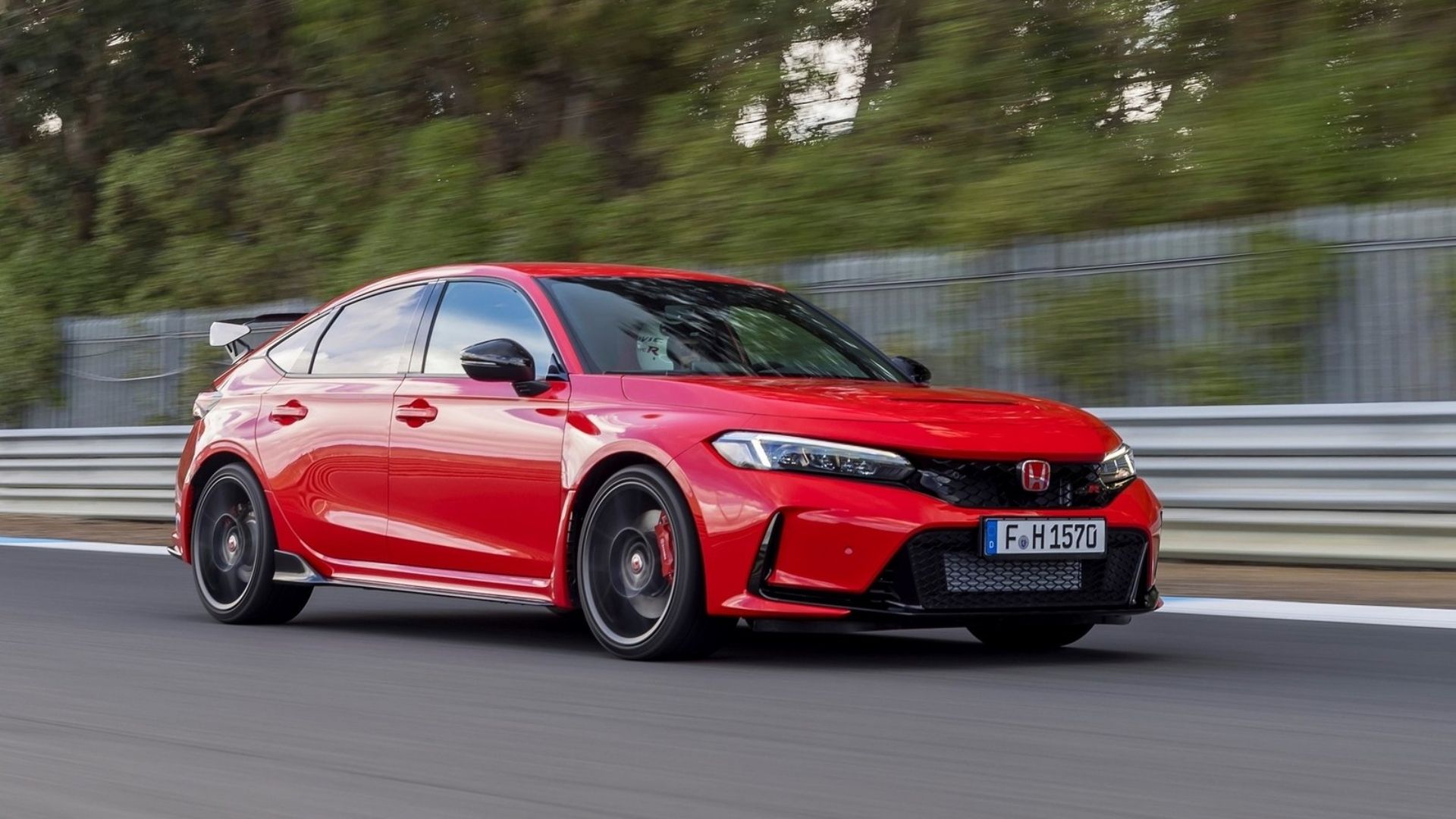
The Honda Civic Type R FK8 proved that front-wheel-drive performance doesn’t have to compromise on reliability. With its 2.0-liter turbocharged inline-four producing over 300 horsepower, the Type R delivers exhilarating performance while maintaining Honda’s trademark dependability.
Unlike many other turbocharged engines, the one found in the FK8 is built with reinforced internals and strong thermal management systems, making it more resilient under stress. It’s not uncommon to find these engines in excellent condition after extensive use on both road and track.
Honda engineered the FK8 with attention to long-term durability. The 6-speed manual gearbox is particularly well-built, offering crisp shifts and excellent durability. A mechanical, limited-slip differential adds to the driving enjoyment and improves traction, all while being built to last.
As long as fluid changes and general maintenance are performed on schedule, the transmission and drivetrain components hold up impressively well, even with aggressive driving.
The suspension and chassis are equally strong points. The adaptive dampers, strut tower bracing, and dual-axis front suspension help the car manage torque steer and maintain grip, all while being built with materials designed to handle years of spirited use.
Unlike many cars that feel loose or worn after extended hard driving, the FK8 retains its sharpness if properly maintained. Bushing wear and other minor suspension concerns tend to be minimal for the first 100,000 miles or more.
Inside, the Type R offers an interior that’s practical and well-made, despite the boy-racer aesthetic. The red Alcantara accents, deeply bolstered seats, and functional dashboard controls have all proven to wear well over time.
Moreover, the infotainment and digital displays, often a weak point in performance vehicles, are stable and user-friendly. For enthusiasts who want a fast, thrilling drive without constantly worrying about mechanical failures, the FK8 Type R is one of the safest bets.
15. Dodge Charger SRT 392
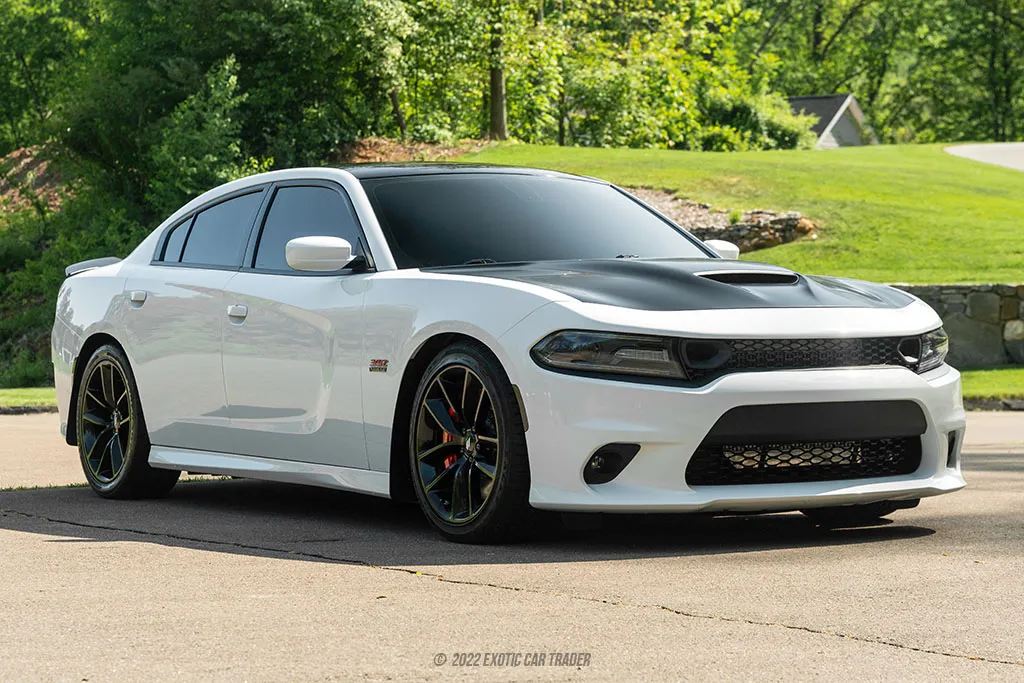
The Dodge Charger SRT 392 is a large, loud, and powerful sedan that surprises many with its long-term durability. At the heart of this muscle machine is the 6.4-liter HEMI V8, an engine that is as reliable as it is powerful.
With proper maintenance, this naturally aspirated motor can last hundreds of thousands of miles. It lacks the complexity of turbochargers or superchargers, which means fewer components are at risk of failure, particularly under high-stress conditions.
Another factor in the SRT 392’s reliability is its robust drivetrain. The 8-speed TorqueFlite automatic transmission paired with the HEMI is a strong, smooth-shifting unit designed to handle high torque without breaking down under pressure.
Dodge also gave this car a heavy-duty cooling system, performance suspension, and strong axles to ensure it could withstand hard launches and track days without excessive wear. Many owners use these cars as both daily drivers and weekend thrill rides, with few mechanical issues arising when maintenance is kept up.
While muscle cars often suffer from poor build quality, the SRT 392’s interior and fit and finish have improved significantly over older generations. The cabin is spacious, the materials are more durable than expected, and the technology suite, including Uconnect infotainment, is known for reliability.
Unlike many performance sedans from Europe, the Charger doesn’t suffer from temperamental electronics or fragile trim components, which helps it age more gracefully.
From a chassis standpoint, the SRT 392 is built like a tank. The car’s wide track and upgraded suspension components provide stability and reduce body roll without compromising durability. It’s not designed to be a lightweight corner carver, but it handles fast road driving better than expected while holding up to long-term wear.
