
The automotive industry is constantly shifting, not always with dramatic announcements or splashy launches. Some cars gradually rise to prominence through consistency, value, performance, and smart marketing. While flashy supercars often dominate headlines, many vehicles climb the sales charts with little fanfare.
These aren’t necessarily the ones plastered across billboards or featured in high-budget commercials. Instead, they win customers through reliable service, practical features, fuel efficiency, or simply providing great value for the price. People don’t always need excitement when buying a car; more often, they want something dependable and affordable.
The vehicles featured in this list are steadily building momentum in showrooms and driveways around the world. They reflect changing consumer preferences, whether it’s toward hybrid powertrains, increased tech features, or affordability without sacrificing quality.
In some cases, these cars have been redesigned with quieter engines and smoother performance, appealing to buyers who prioritize comfort and efficiency over raw power or dramatic aesthetics. Others are benefiting from stronger word-of-mouth or subtle improvements that make a difference in daily driving.
It’s also important to acknowledge the role of global markets. Some of these models may be more popular in Europe or Asia than in the United States, or vice versa. But all of them have a strong presence that’s been growing steadily.
This article identifies 11 such cars that are steadily gaining ground in the market. Their success is not built on spectacle but on delivering what customers want, when they want it.
Each car mentioned has proven itself in its segment, and many have become quiet leaders in terms of year-over-year growth or customer satisfaction. These models are worth paying attention to, even if they aren’t always the ones making headlines.
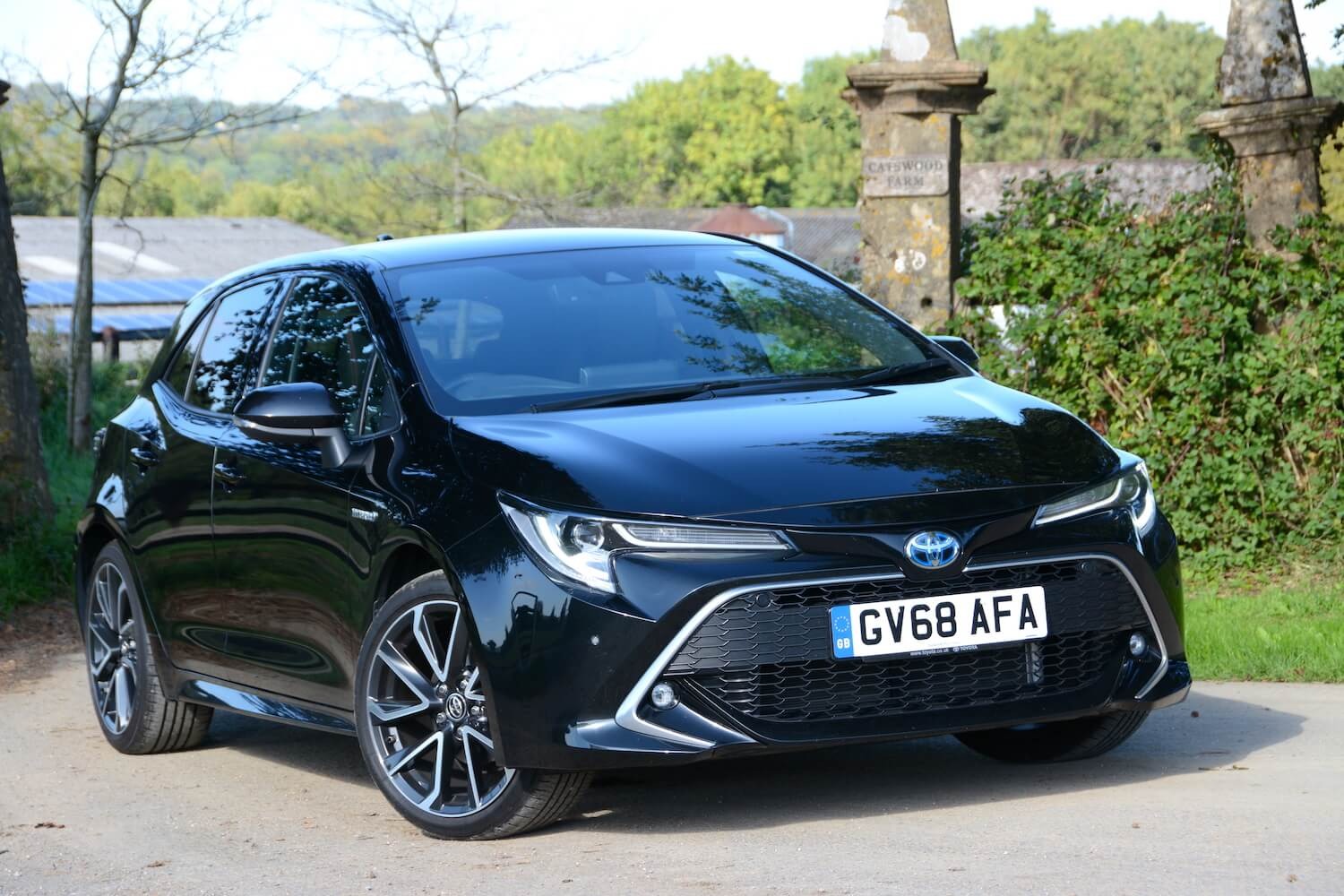
1. Toyota Corolla Hybrid
The Toyota Corolla has been a staple in the compact car category for decades, but its hybrid version is quickly becoming a star in its own right. The shift toward electrified powertrains has led many buyers to reconsider their options, and the Corolla Hybrid stands out by offering the practicality of a familiar nameplate with the benefits of fuel efficiency.
Unlike full electric vehicles, it doesn’t require charging, which appeals to drivers who want to save on gas but aren’t ready to deal with EV infrastructure. The hybrid system is smooth and proven, and the Corolla badge brings decades of reliability with it.
Toyota hasn’t made dramatic changes to the Corolla Hybrid’s exterior, and that works in its favor. Buyers looking for attention-grabbing styling may look elsewhere, but those who appreciate a more understated, mature design find a lot to like here.
The car is built with solid materials, and the cabin is well-insulated against road noise. Toyota paid attention to the daily driving experience rather than just marketing flair. The result is a car that feels calm, refined, and incredibly easy to live with.
Fuel economy is one of the car’s biggest strengths, with numbers that rival more expensive hybrids. This gives the Corolla Hybrid an edge in markets where gas prices remain a concern. Maintenance costs are low, and Toyota’s hybrid technology is known for its long-term durability.
This makes it especially appealing to first-time buyers and commuters who rack up miles quickly. It may not accelerate like a sports car, but it delivers smooth, predictable performance every time.
Another factor in its growing market share is pricing. The Corolla Hybrid is positioned competitively, often undercutting rivals with similar features.
When buyers compare what they’re getting in terms of fuel efficiency, reliability, and included tech, it becomes an easy decision. It’s a practical choice for anyone looking for a car that performs well in real-world conditions without drawing too much attention.
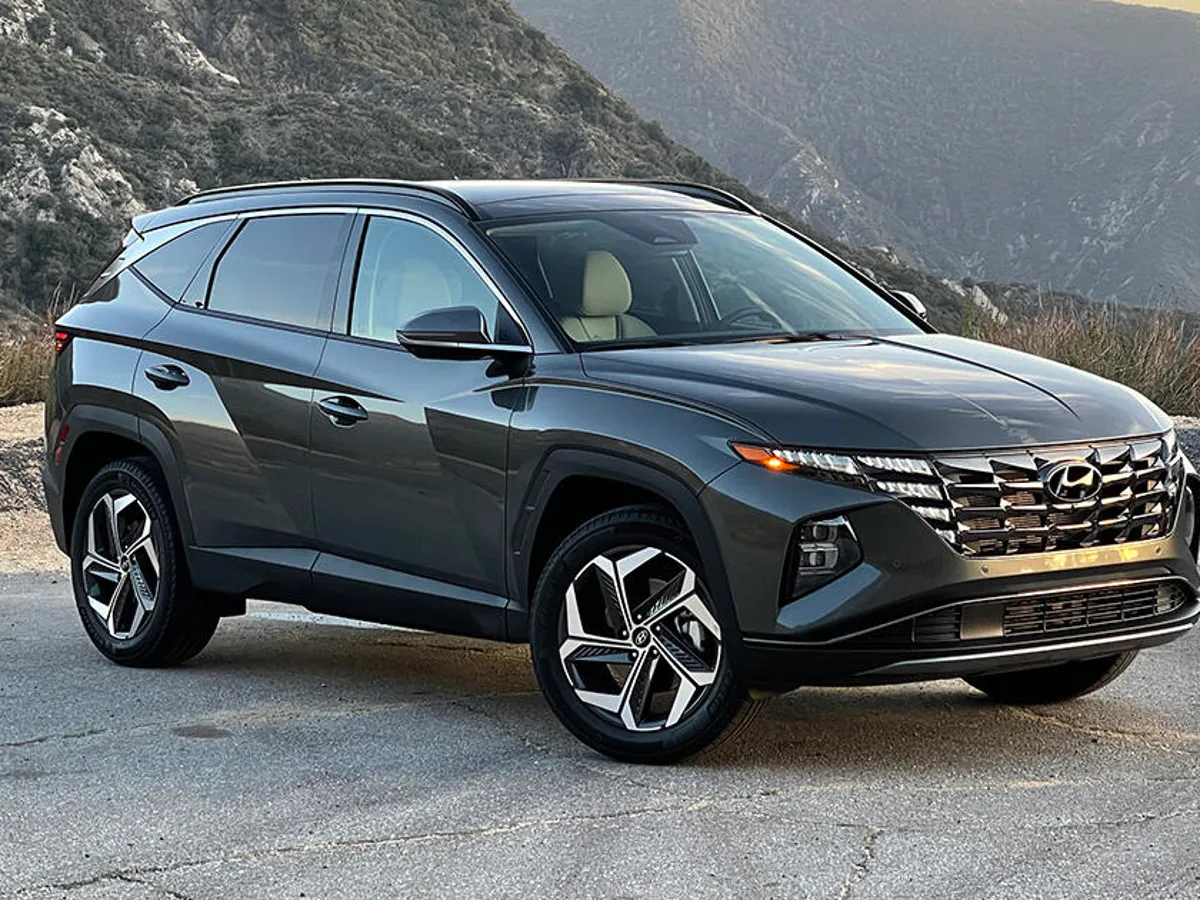
2. Hyundai Tucson
The Hyundai Tucson has slowly become one of the most compelling options in the compact SUV market. With a major redesign in recent years, it now offers a sharp exterior design, a high-quality interior, and a wide range of powertrains, including hybrid and plug-in hybrid versions.
It manages to strike a balance between style, performance, and affordability, which has helped it gain traction in highly competitive markets. The Tucson appeals to young families, professionals, and even retirees looking for a versatile and well-rounded vehicle.
One of the Tucson’s key strengths is how well-equipped it is across various trims. Even base models come with a solid array of features, such as touchscreen infotainment, smartphone connectivity, and advanced safety systems. As buyers look for more value in their purchases, the Tucson’s strong list of standard equipment becomes a clear advantage.
It competes favorably with more expensive rivals while offering better warranty coverage and often more interior space. These details might not make headlines, but they matter when people shop.
Another factor behind the Tucson’s success is its refinement. Hyundai has done a good job of improving ride quality, reducing interior noise, and tuning the suspension for comfort. This makes the car feel more premium than its price suggests.
The hybrid models offer great fuel efficiency without sacrificing too much performance, and the plug-in version provides an electric-only option for short commutes. This flexibility helps the Tucson appeal to a wide range of buyers with different driving habits.
Dealership support and after-sale service also contribute to its growing popularity. Hyundai has improved its reputation for quality and customer satisfaction, and the Tucson is one of the models leading that charge.
It’s the kind of car that people recommend to friends and family, not because it’s flashy, but because it consistently meets expectations. That kind of quiet confidence is exactly what helps a vehicle slowly take over its segment.
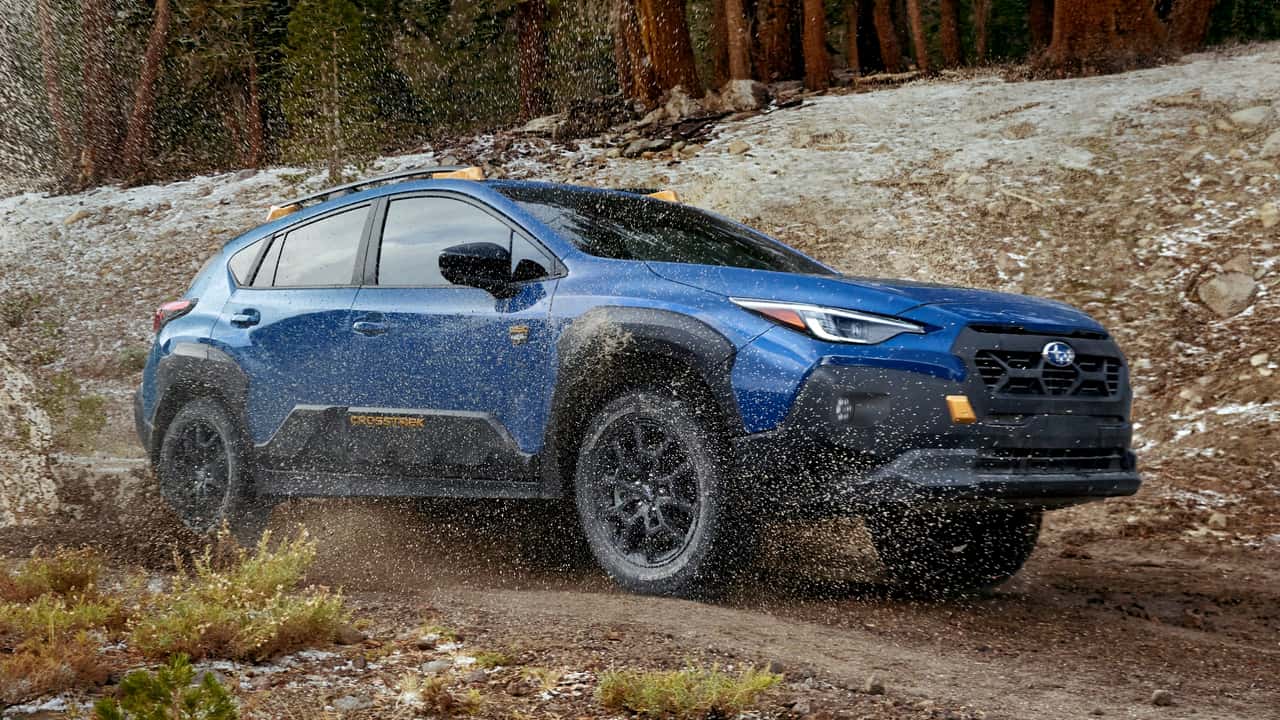
3. Subaru Crosstrek
The Subaru Crosstrek has found its niche as a compact crossover with real off-road credibility. While many crossovers focus only on comfort and tech, the Crosstrek offers something more rugged.
Standard all-wheel drive, higher ground clearance, and an adventurous design give it appeal beyond city driving. It fits perfectly into the lifestyles of outdoor enthusiasts, young professionals, and drivers living in snowy or mountainous areas. The Crosstrek isn’t trying to be flashy; it’s trying to be useful, and that approach is clearly working.
Recent updates have made the Crosstrek even more competitive. A stronger engine option, improved ride quality, and updated infotainment make it feel modern without losing its signature character.
Drivers appreciate how easy it is to maneuver in tight spaces while still offering enough cargo room for gear and weekend trips. Its practical size helps it avoid some of the bulkiness that plagues larger SUVs, making it a smart choice for urban and suburban areas alike.
Safety is another key selling point. Subaru has made advanced driver-assistance features standard on most models, including lane-keeping assist, adaptive cruise control, and pre-collision braking. These aren’t just marketing tools; they contribute to the car’s reputation for being one of the safest in its class.
Buyers who prioritize safety, especially those with families or long commutes, are increasingly turning to the Crosstrek as a reliable option that doesn’t feel like a compromise.
The Crosstrek has also benefited from brand loyalty. Subaru has a dedicated customer base that values reliability and longevity, and many Crosstrek owners are repeat Subaru buyers.
This strong community, combined with good resale value and consistent performance, helps the Crosstrek continue growing in popularity. It may not dominate in terms of raw sales numbers, but it has carved out a dependable and growing share of the market.
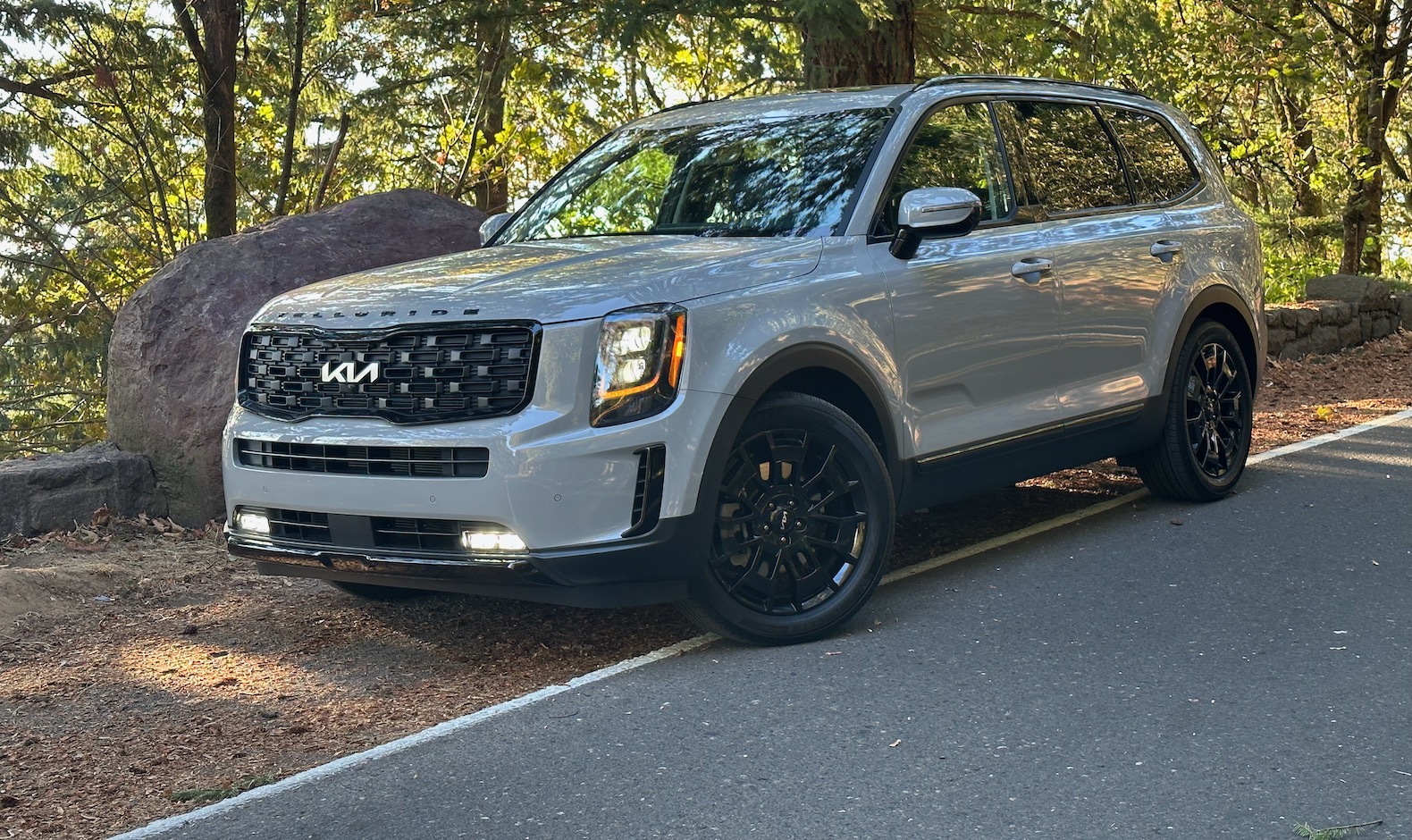
4. Kia Telluride
The Kia Telluride didn’t arrive with the same reputation as other large SUVs, but it has quickly made a name for itself. Since its debut, the Telluride has impressed both critics and customers with its spacious interior, high-end features, and attractive pricing.
Interior quality is one of its standout features. The cabin feels more refined than what you’d typically find in a non-luxury SUV. Soft-touch materials, a clean design, and well-placed tech give it a premium vibe that surprises first-time drivers.
Even the third row, which is often cramped in similar models, offers usable space for adults. This focus on comfort and practicality makes it a strong option for families who need both seating and cargo flexibility.
Performance-wise, the Telluride isn’t trying to be sporty, but it’s more than capable. It offers a smooth V6 engine, confident handling, and a quiet ride that holds up well on highways and city streets alike. Buyers have responded to its well-balanced design that avoids extremes.
There are no gimmicks or flashy design tricks; instead, it focuses on being dependable, roomy, and user-friendly. That approach has resonated with a wide audience.
Word-of-mouth has been a major factor in Telluride’s rise. Owners consistently report high satisfaction, and reviews have been overwhelmingly positive.
As more people look for a reliable SUV that can fit growing families without pushing them into luxury territory, the Telluride has become a go-to recommendation. Its steady growth in market share is no accident; it’s a direct result of smart design choices and a strong understanding of what buyers actually want.
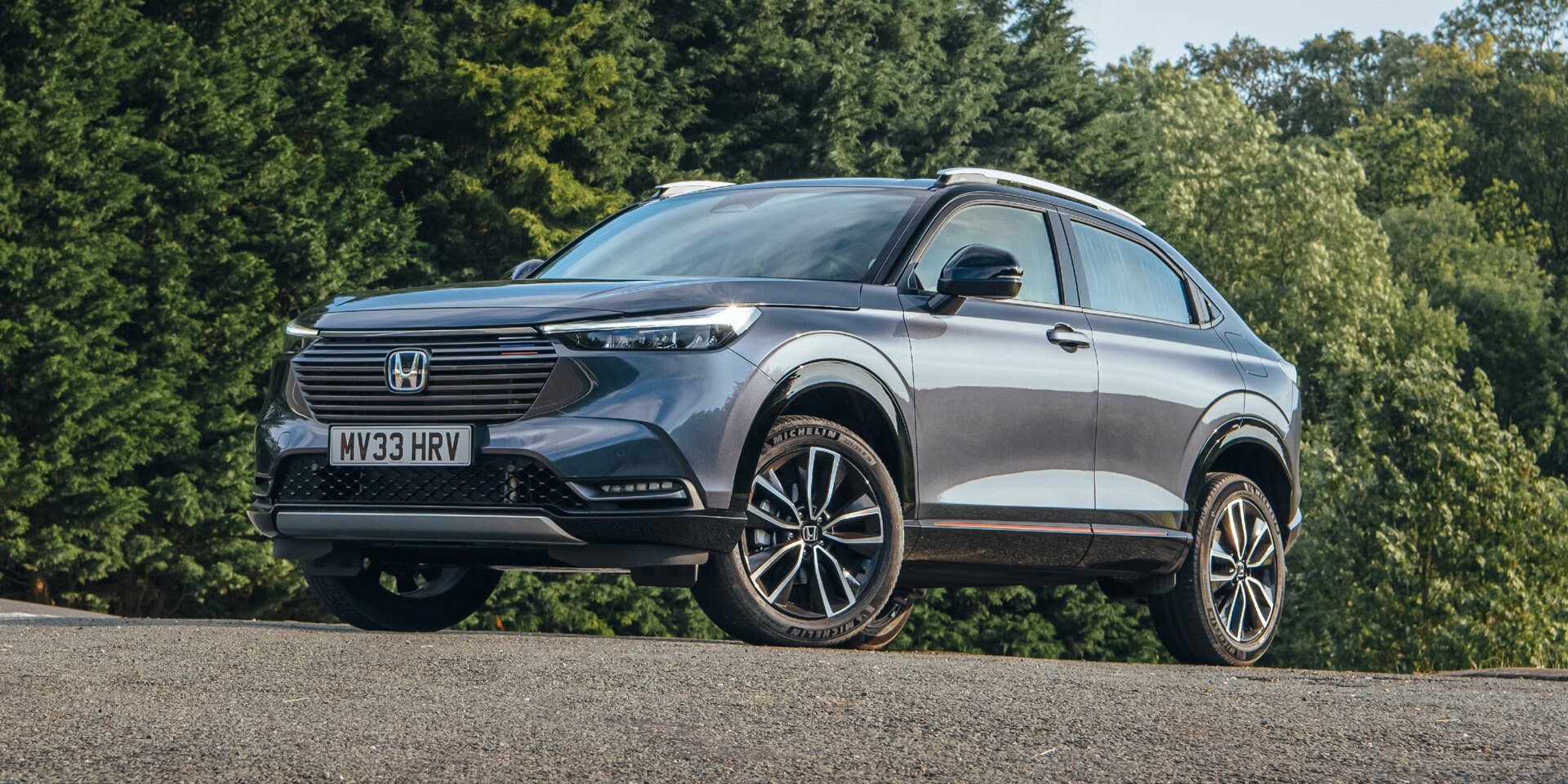
5. Honda HR-V
The Honda HR-V started as a somewhat overlooked subcompact crossover, but the latest generation has shifted perceptions significantly. The updated design looks more refined, and the proportions feel more grown-up. It’s no longer trying to stand out with quirky styling but instead embraces a cleaner, more universal look that appeals to a broader audience.
This move has helped the HR-V quietly slide into more shopping lists, especially for people who want something larger than a sedan but smaller than a traditional SUV. Honda has essentially repositioned the HR-V to serve as an ideal entry-level crossover for new buyers.
Interior space is another reason for the HR-V’s growing success. Despite being a subcompact, the HR-V offers surprisingly generous cargo room and rear-seat legroom. Honda’s engineers have done a great job of packaging the interior to maximize utility without increasing the vehicle’s footprint.
Families with one or two kids, urban dwellers, and even solo commuters find the HR-V practical in ways that many competitors can’t match. It provides a balance that’s rare at this price point, delivering both comfort and versatility in a small form factor.
The driving experience also plays a role. While the HR-V isn’t a performance car by any stretch, it feels stable and composed on the road. The steering is predictable, the suspension soaks up bumps nicely, and the cabin is relatively quiet for its class.
Honda has worked on improving insulation and reducing cabin noise, which makes a difference during long commutes or highway drives. It doesn’t have a turbocharged engine or high horsepower, but it handles daily driving duties with minimal fuss, and that’s exactly what many buyers are looking for.
Safety and technology have been updated as well. Honda now includes its suite of advanced driver-assist features as standard, which means even entry-level buyers get access to features like adaptive cruise control and lane keeping assist.
These were once reserved for higher trims or more expensive vehicles, but the HR-V brings them within reach. This blend of thoughtful packaging, brand reliability, and practical design is what’s helping the HR-V quietly climb the sales charts in many regions.
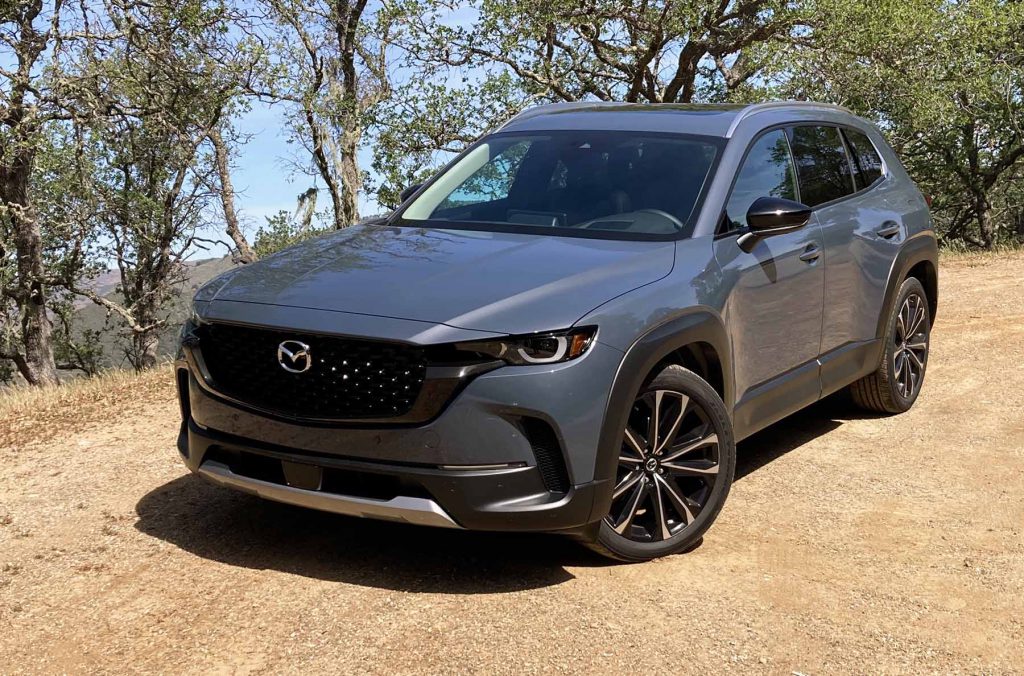
6. Mazda CX-50
The Mazda CX-50 is one of the newer entries in the crossover market, and it’s making a strong impression without relying on aggressive advertising or trend-chasing design. Unlike some compact SUVs that blur together in terms of looks and features, the CX-50 brings a distinct sense of purpose.
It emphasizes a slightly more rugged aesthetic while keeping Mazda’s signature driving dynamics. For people who want something a bit more athletic and refined than the average compact SUV, the CX-50 offers an appealing alternative. It builds on Mazda’s reputation for making vehicles that feel more premium than their price tags suggest.
One of the biggest talking points about the CX-50 is how it handles on the road. Mazda has consistently prioritized driving engagement across its lineup, and this model continues that trend.
Steering is responsive, the suspension is well-tuned, and the vehicle feels composed in corners. It may not have the raw power of a sports car, but it provides a driving experience that’s more involving than most in its class. This appeals to buyers who still enjoy the act of driving, even if they’re behind the wheel of a crossover.
The interior further reinforces this upscale feeling. Materials are soft where they should be, controls are intuitive, and the layout is clean without feeling cold. Mazda has found a way to make its cabins feel both functional and elegant.
The seats are supportive, and the available trims offer tasteful colors and finishes that wouldn’t feel out of place in a more expensive vehicle. This kind of attention to detail shows that Mazda understands its audience and is willing to go the extra mile to deliver value without compromise.
The CX-50 also comes equipped with a range of tech features that match what buyers expect in today’s market. From standard touchscreen displays to advanced safety systems, it checks the right boxes. But it avoids overcomplicating things with excessive menus or unnecessary gimmicks.
Everything feels purposeful. That’s a key reason the CX-50 is starting to gain ground. It doesn’t try too hard to impress; it simply does most things better than expected. That quiet confidence is helping it build a strong reputation among discerning buyers.
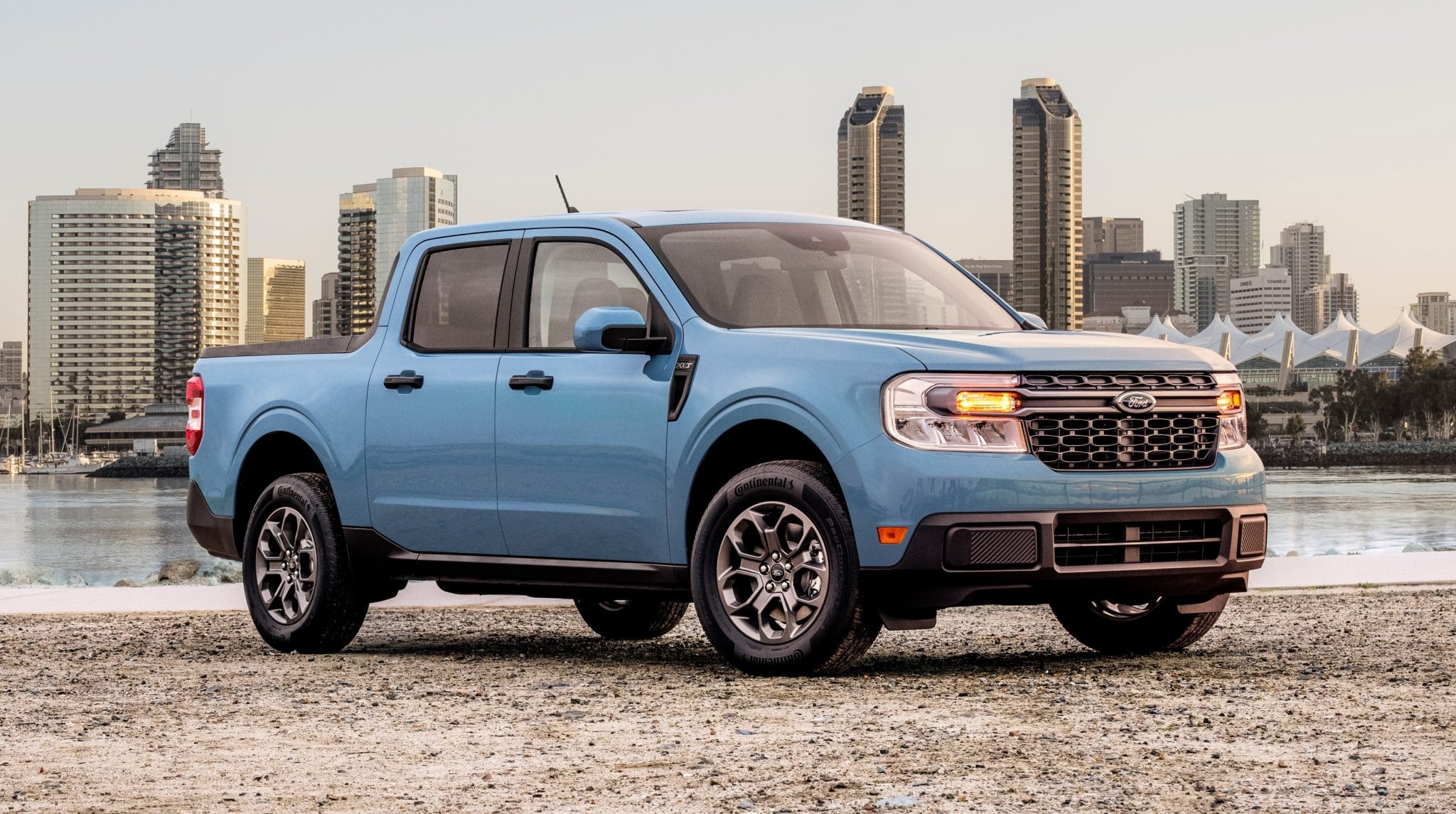
7. Ford Maverick
The Ford Maverick is reshaping how people view pickups. At first glance, it looks like a downsized truck, but that’s exactly what many buyers have been looking for. In a market where trucks have gotten larger and more expensive, the Maverick brings something different. It’s compact, efficient, affordable, and still highly functional.
This formula is striking a chord with a wide audience, including younger buyers, city dwellers, and those who want the utility of a truck without the bulk. It’s not making waves with loud marketing, but the Maverick is gaining serious ground in a short amount of time.
One of the Maverick’s standout features is its hybrid powertrain. In a segment dominated by large V6 or V8 engines, offering a standard hybrid setup is a bold move. The result is a truck that can return over 40 miles per gallon in city driving, which is almost unheard of in the pickup category.
That kind of fuel efficiency makes it an attractive choice for people who use their trucks for light-duty tasks or daily commuting rather than heavy hauling. It opens the door for people who might never have considered a truck in the past.
The interior is smartly designed and highly practical. Ford has embraced a more utilitarian style that feels well thought-out rather than cheap. There are clever storage solutions, easy-to-clean surfaces, and a layout that focuses on usability.
It doesn’t have the plushness of a luxury vehicle, but it’s not trying to. It’s made for people who want function and reliability, and in that sense, it delivers exactly what it promises. The fact that it can comfortably seat five and still handle weekend projects makes it a perfect all-rounder.
Demand for the Maverick has consistently exceeded supply in many markets. Buyers appreciate the low starting price, good resale potential, and the fact that it feels like a truck without the usual compromises.
Ford has effectively created a new category with this model. It’s not trying to dominate with brute force or cutting-edge tech. Instead, it’s quietly filling a gap in the market that other manufacturers didn’t even see. That subtle yet effective approach is paying off in a big way.
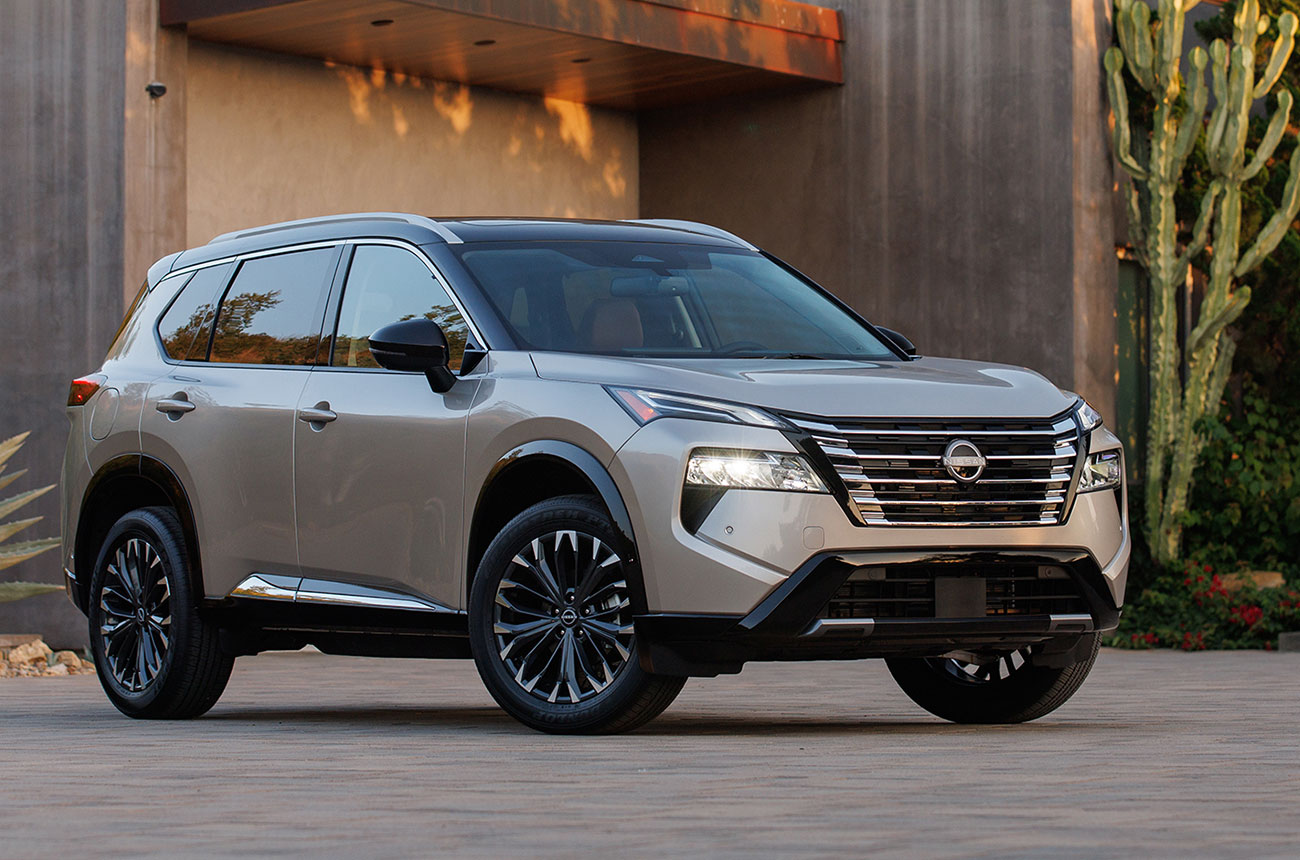
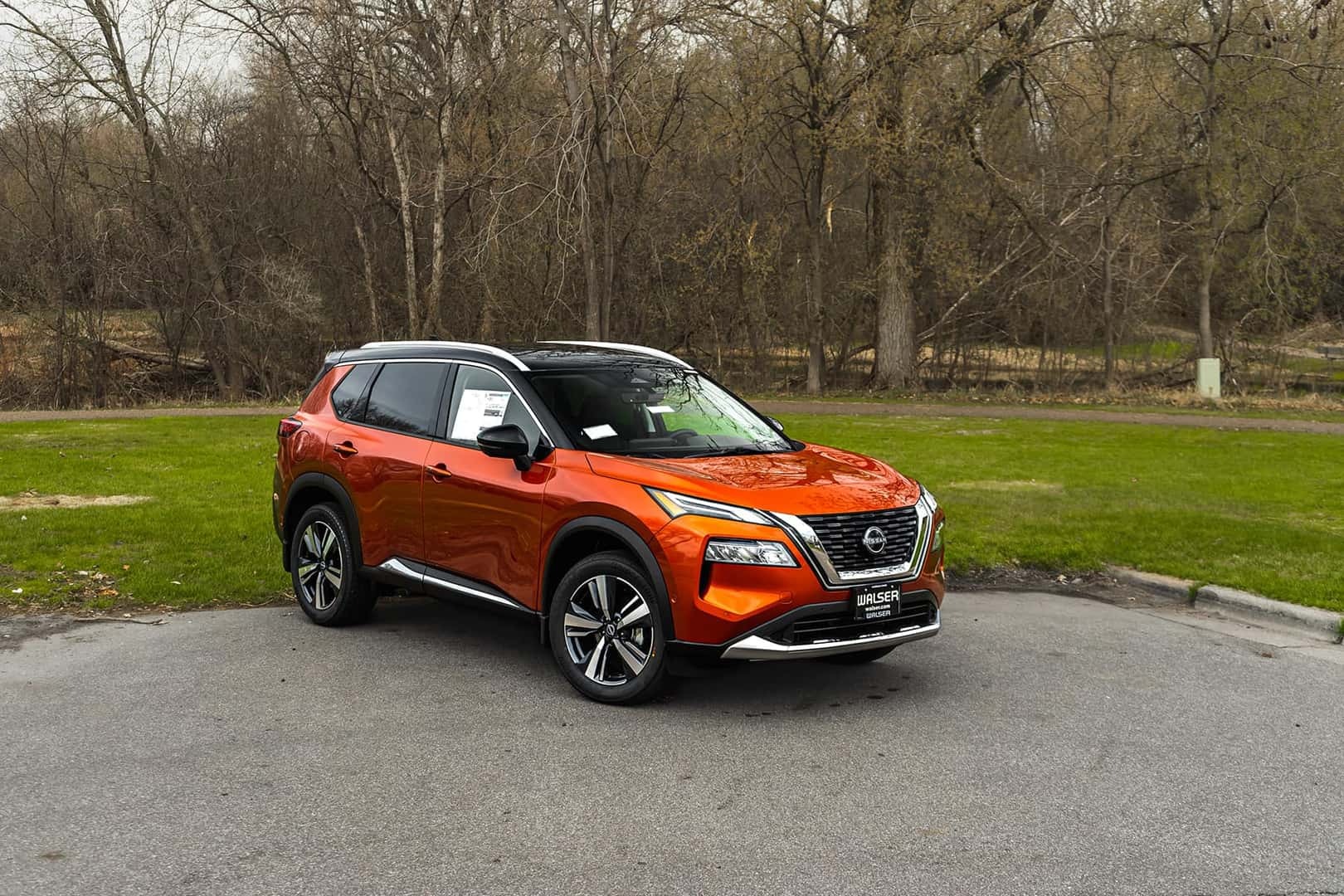
8. Nissan Rogue
The Nissan Rogue has long been one of the top-selling vehicles in its segment, but it’s never been the most talked-about. While some crossovers try to attract attention with bold styling or aggressive performance claims, the Rogue has taken a different path. It has steadily improved over the years, becoming more refined, more efficient, and more comfortable.
These updates haven’t always come with fanfare, but they’ve made a difference. The latest generation continues that pattern, offering a well-rounded package that quietly appeals to a huge section of the market.
One of the key improvements in recent versions is the driving experience. The Rogue now features a more advanced powertrain, including a variable-compression turbo engine that balances performance with efficiency.
This engine offers better low-end torque and smoother acceleration, especially in stop-and-go traffic. Paired with a continuously variable transmission that’s been tuned for comfort, the Rogue delivers a ride that feels composed and calm. It doesn’t try to be sporty, but it handles daily tasks with ease and a touch of polish.
Interior space has also been refined, both in terms of comfort and usability. The cabin is well-insulated, materials feel upscale for the segment, and rear-seat passengers have generous legroom.
The layout is clean and easy to navigate, with plenty of storage areas and charging ports. Nissan has clearly paid attention to what families need on a day-to-day basis. Features like the sliding rear seat and wide-opening rear doors make it easier to load kids, groceries, or gear without hassle.
Technology has become a major selling point for the Rogue as well. Nissan includes a strong suite of standard features, such as advanced driver-assist systems, a modern infotainment setup, and multiple USB ports. The inclusion of ProPILOT Assist on many trims offers semi-autonomous driving in highway conditions, which adds a layer of convenience during longer trips.
These are not gimmicks; they’re features that genuinely enhance the driving experience. By focusing on the right improvements and avoiding over-the-top redesigns, the Rogue continues to grow its place in the market through steady, reliable progress.
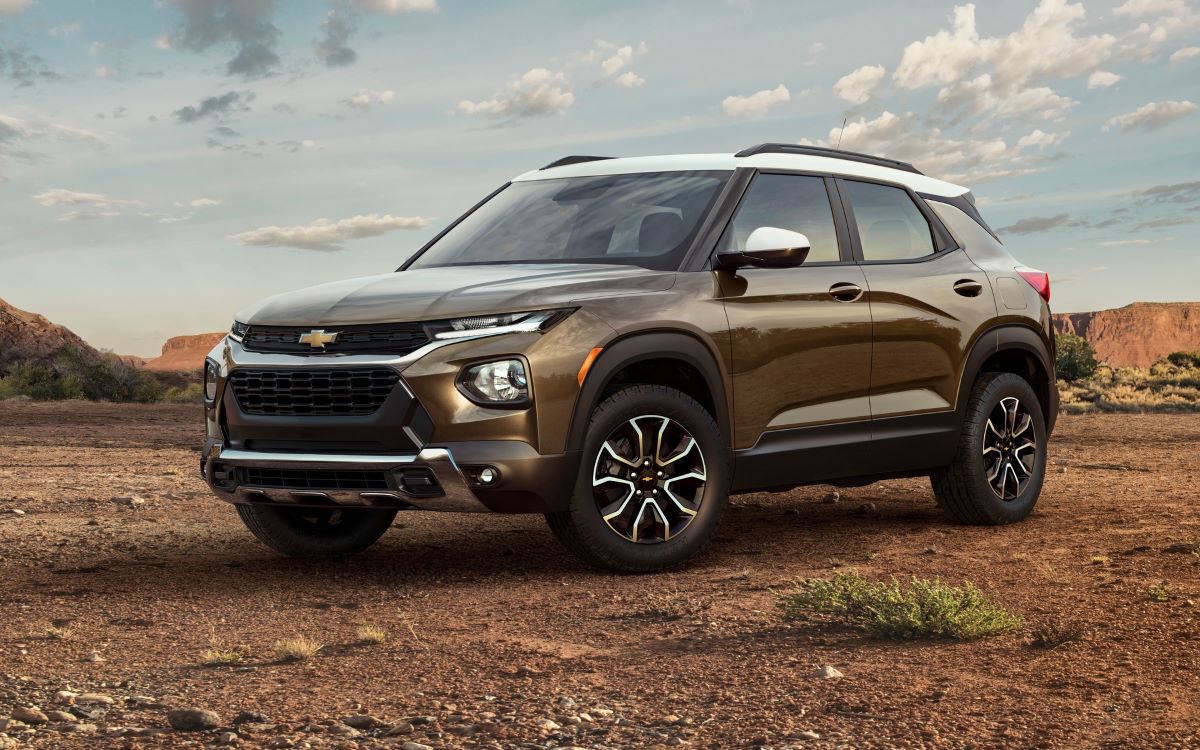
9. Chevrolet Trailblazer
The Chevrolet Trailblazer has been making quiet but consistent gains in the subcompact SUV segment. While its name might evoke memories of a larger SUV from years ago, the modern Trailblazer is a smaller, city-friendly model that blends affordability with surprising utility.
It isn’t flashy, and it doesn’t make performance claims that push boundaries, but that’s exactly why it’s working. Many buyers are turning toward smaller crossovers that are easy to park, simple to maintain, and economical to drive. The Trailblazer fits that description perfectly, and Chevrolet has priced it to compete effectively against imports.
One of the most appealing aspects of the Trailblazer is how well it balances size and interior space. Despite its small footprint, it offers a higher seating position, generous cargo capacity for the class, and enough rear-seat space for two adults or three kids.
This makes it ideal for first-time buyers, young professionals, and families looking for a second vehicle. It doesn’t feel cramped like some other subcompacts, and the smart use of space means it’s a more versatile vehicle than its dimensions suggest.
Under the hood, the Trailblazer comes with a choice of turbocharged three-cylinder engines. These may sound underwhelming on paper, but they provide enough power for everyday driving while keeping fuel consumption in check.
More importantly, they’re matched to either a continuously variable transmission or a traditional automatic, depending on configuration. This gives buyers a bit more choice, and it allows Chevrolet to appeal to people who care about how a car feels when they drive it, even if they’re not car enthusiasts.
The Trailblazer also benefits from Chevrolet’s investment in tech and safety. Most trims come with Apple CarPlay, Android Auto, and a full suite of driver-assistance features. These include lane departure warning, automatic emergency braking, and forward collision alerts.
For the price, these features offer great value and increase peace of mind. The Trailblazer is not trying to be revolutionary. It’s simply offering solid features, smart packaging, and just enough style to make buyers feel like they made a smart choice. That formula is helping it grow steadily in a tough market.
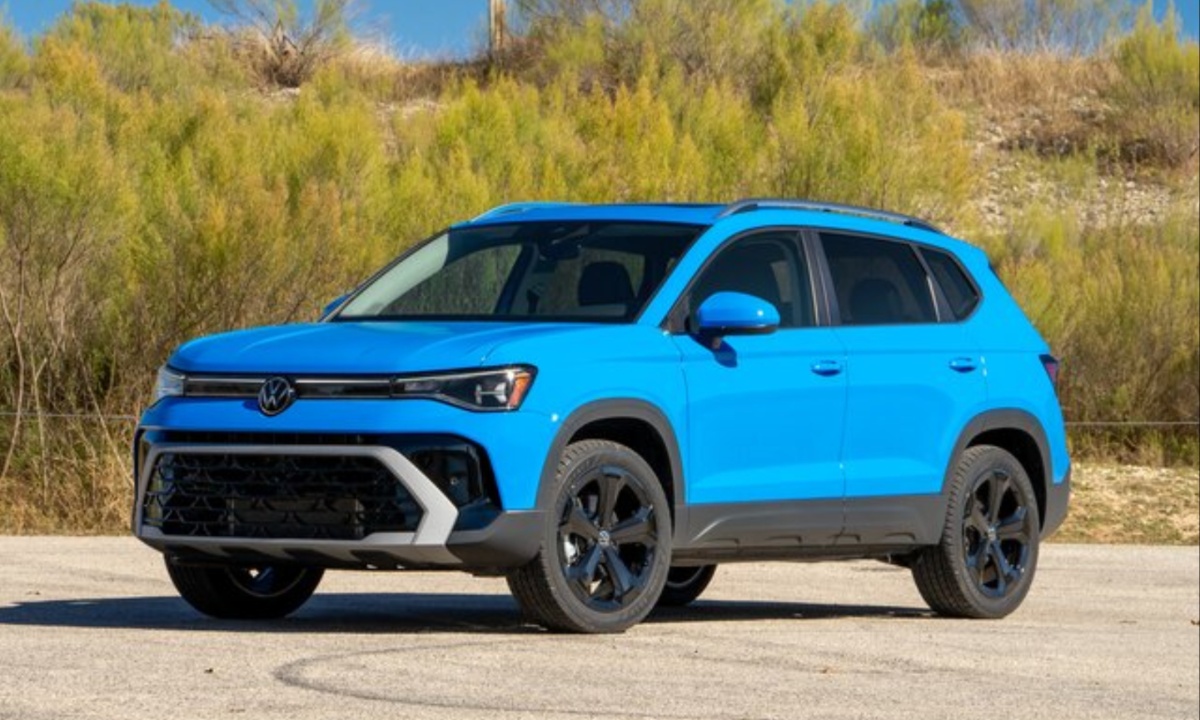
10. Volkswagen Taos
Volkswagen’s Taos is another subcompact SUV that’s gaining market share without a lot of noise. It fills a very specific gap in Volkswagen’s lineup and does so with a level of refinement that’s unusual in this segment.
The Taos was built with a clear understanding of what entry-level SUV buyers want: efficient space, easy controls, and a driving experience that doesn’t feel cheap. It may not be grabbing headlines like larger SUVs or electric models, but it’s making its mark with thoughtful engineering and a surprisingly polished feel.
The interior is where the Taos really surprises people. It offers more room than many direct competitors, especially in the rear seat and cargo area. The materials are also a step above what you usually find in this price bracket. Volkswagen has carried over much of its design language from more expensive models, which gives the cabin a more mature, clean appearance.
Everything feels well-assembled, and even base models avoid the stripped-down look that often plagues entry-level trims. This helps the Taos feel like a smaller version of a more expensive vehicle, rather than a cheap car made to fit a price point.
In terms of driving, the Taos is composed and stable. It offers a 1.5-liter turbocharged engine that feels responsive in city driving and competent on the highway. The handling isn’t sporty, but it’s more refined than what you get from most other subcompact SUVs.
This is where Volkswagen’s experience in tuning suspensions and calibrating steering pays off. The ride is smooth without being soft, and noise levels are well controlled even at higher speeds. It’s the kind of driving experience that encourages longer ownership simply because it’s so easy to live with.
Technology is another area where the Taos excels. It includes a standard digital cockpit, intuitive infotainment, and driver aids that come standard or are available across most trims. Buyers who are looking for a subcompact SUV that doesn’t feel stripped of modern conveniences will find the Taos meets and often exceeds expectations.
It’s not a trendsetter or a conversation starter, but it doesn’t need to be. Its quiet rise in popularity is built on solid foundations: comfort, efficiency, and real-world usability.
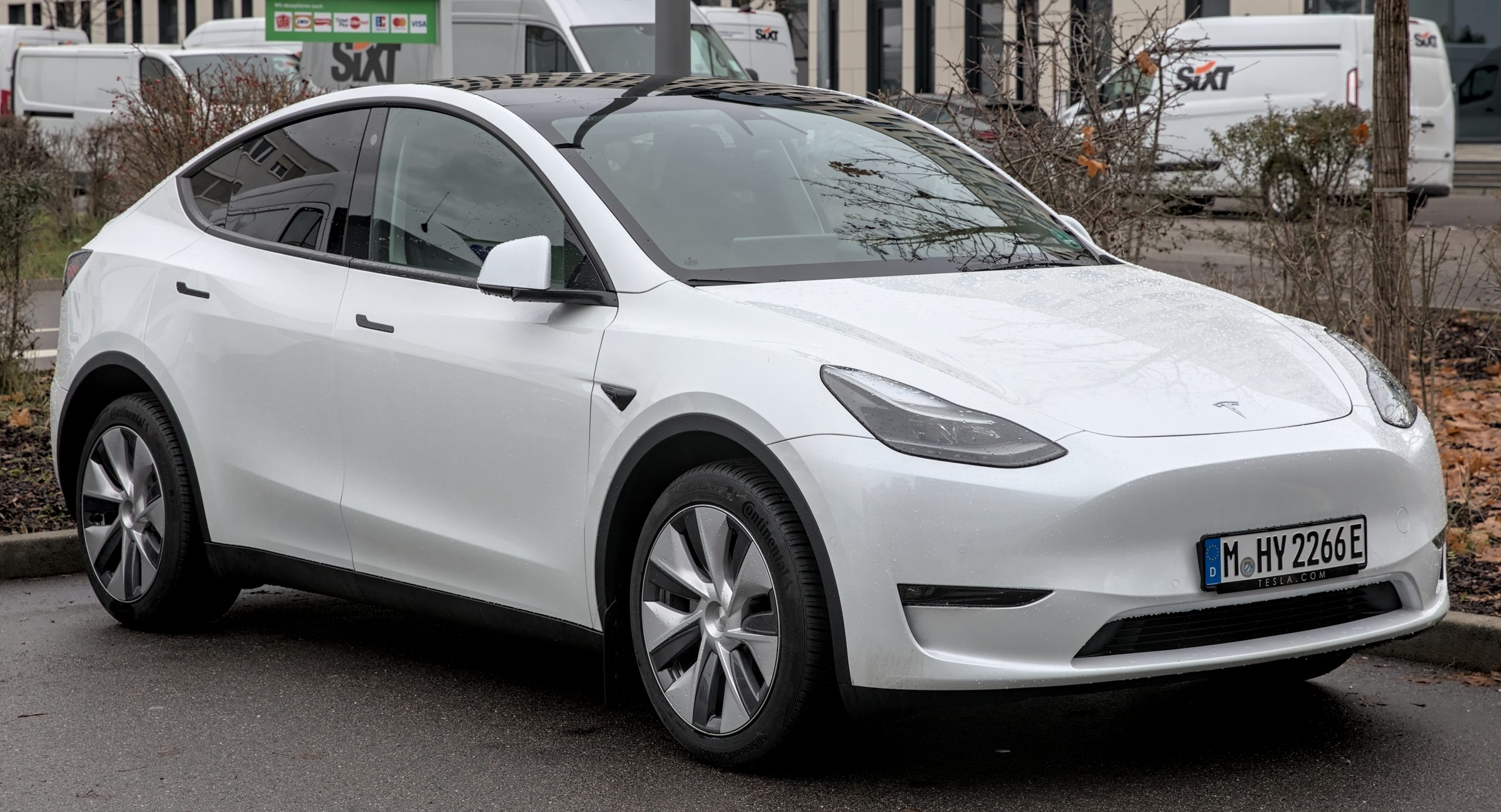
11. Tesla Model Y
While Tesla vehicles tend to generate media attention, the way the Model Y has taken over market segments has been more methodical than dramatic. It didn’t enter the market with a complete design overhaul or bold reimagining of the crossover space.
Instead, it took what Tesla already did well, efficient electric powertrains, minimalist design, and cutting-edge software, and packaged them into a form that more people actually want to buy. The Model Y’s popularity is growing fast not just among early adopters, but among everyday drivers who simply want a reliable, tech-forward vehicle with lower long-term costs.
One of the reasons the Model Y is taking over so quietly is because it blends into the world of compact crossovers with ease. From the outside, it’s not especially radical. It doesn’t scream “electric car,” which helps it appeal to a broader range of buyers.
People who were previously hesitant about switching to electric vehicles are finding the Model Y approachable. It looks like something familiar but brings in the efficiencies of an EV platform. With strong range, fast charging, and constant software improvements, it provides one of the most practical electric ownership experiences available today.
Interior design plays a huge part in Tesla’s draw. The minimalist cabin is either loved or hated, but many buyers appreciate the simplicity. There’s only one central screen, but it’s large, fast, and packed with features. Over-the-air updates have allowed Tesla to keep the Model Y feeling fresh long after it leaves the factory, something few other automakers can match.
This kind of continuous improvement means that even early adopters benefit from new features months or years after purchase. That approach contributes to buyer satisfaction and loyalty.
The Model Y also performs well when it comes to safety and reliability metrics. It has earned high crash-test scores, and the electric platform provides good weight distribution and stability. Add to that its spacious interior and optional third row, and the Model Y suddenly becomes a very practical family vehicle.
While it started as a niche product, it’s now becoming a common sight on highways and in parking lots around the world. That kind of growth doesn’t require loud advertising. It happens when people see something that works and tell others about it.
