
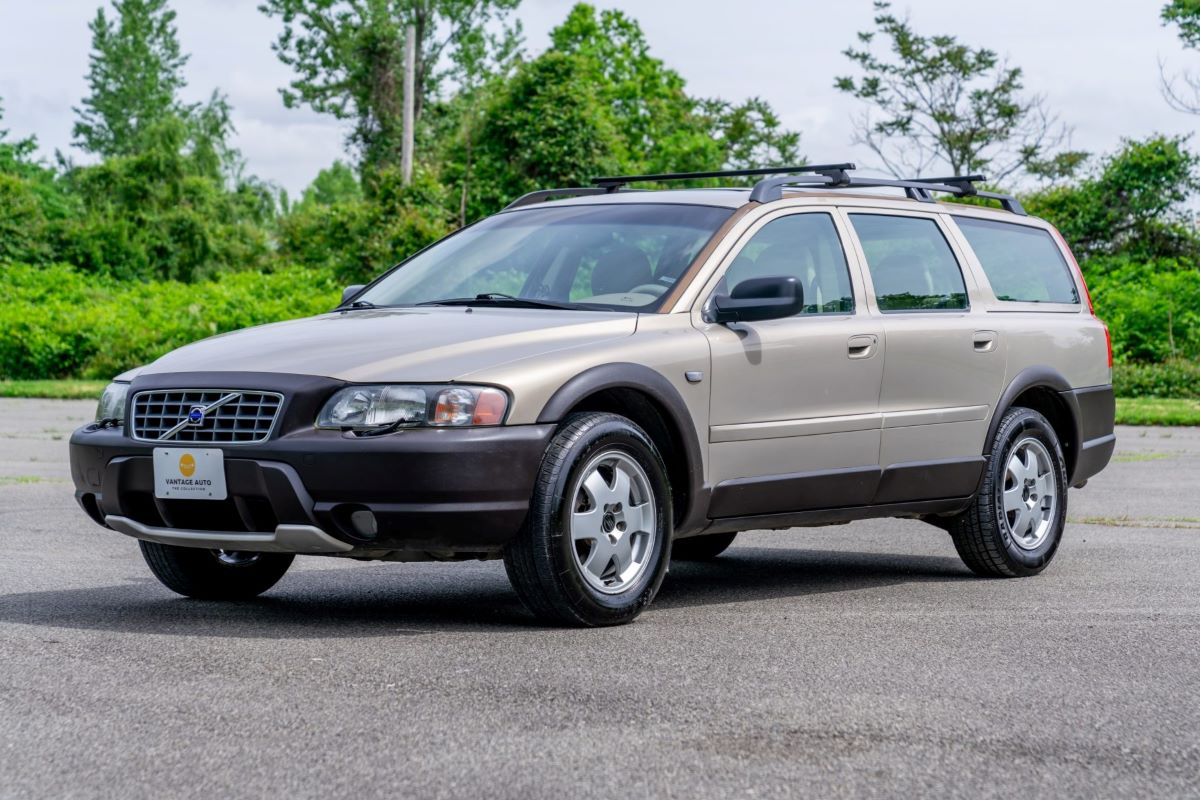
Many people believe that once a car crosses the 100,000-mile mark, it’s time to start thinking about a replacement. However, that isn’t always the case. Some vehicles manage to retain their structure, smoothness, and tightness even after piling on the miles.
They don’t develop excessive rattles, their suspension components stay strong, and their interiors don’t fall apart. These vehicles stand out because they’re not just mechanically reliable; they continue to feel solid long after most others would start to feel loose or worn.
Some cars age well mechanically, while others maintain their driving dynamics and cabin integrity. In this case, we’re talking about the ones that give you that same confident feel after 150,000 miles as they did when they were new or nearly new. They don’t become squeaky, floaty, or disconnected from the road. You’ll still feel a reassuring level of refinement, control, and structural stability.
Whether it’s a luxury sedan, a practical compact car, or a family SUV, each of the vehicles on this list has earned a reputation for staying tight long into its lifespan. Some of that comes from smart engineering, and some of it comes from thoughtful build quality and solid materials used from the start.
This list doesn’t only include the latest models, either. Many of these vehicles have been praised over multiple generations for aging gracefully. These are cars and SUVs that mechanics and long-term owners frequently talk about as “still driving like new,” even with a quarter-million miles.
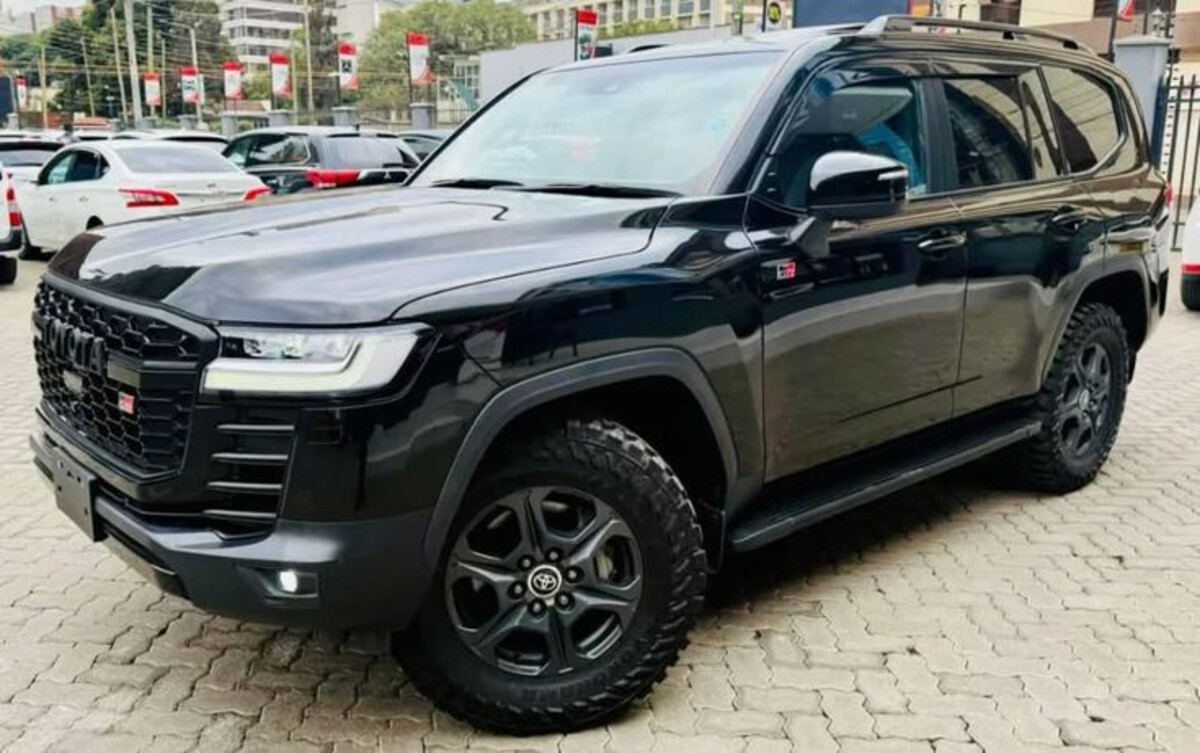
1. Toyota Land Cruiser
The Toyota Land Cruiser has built its reputation around rugged durability and long-term reliability. But one of its more underrated qualities is how tight it remains after extensive use. This full-size SUV was engineered to handle tough terrain and high-mileage abuse without showing signs of age in its structure or components.
The body-on-frame construction, paired with Toyota’s precision build quality, allows it to age slowly even with years of demanding use. Suspension bushings, joints, and chassis components are known to hold up longer than average, giving drivers a continued sense of confidence behind the wheel.
Owners who have racked up 200,000 to 300,000 miles on their Land Cruisers often report minimal cabin noise, tight steering, and a ride quality that doesn’t feel floaty or disconnected. That speaks volumes about how well these vehicles are put together from the factory.
Even the interior holds up well, with high-quality materials resisting wear and keeping the cabin looking and feeling solid over time. It’s not uncommon to see 20-year-old Land Cruisers with little more than minor creaks or rattles, even after years of off-roading or highway hauling.
Part of the reason the Land Cruiser feels tight over time is that it was designed to operate in extreme conditions around the world. Whether it’s sand, snow, or rocky mountain trails, this SUV was built to stay composed.
That same engineering discipline carries over to daily driving. It doesn’t become soft or unstable as some older SUVs do, especially those with high mileage. The steering remains precise, the body doesn’t flex unnecessarily, and it still inspires confidence long after others would start showing signs of fatigue.
For those who want a long-lasting SUV that retains its original driving feel, the Land Cruiser is a strong contender. While the newer models are expensive, older versions still command high resale value because of their proven ability to feel structurally sound and mechanically robust even after years on the road.
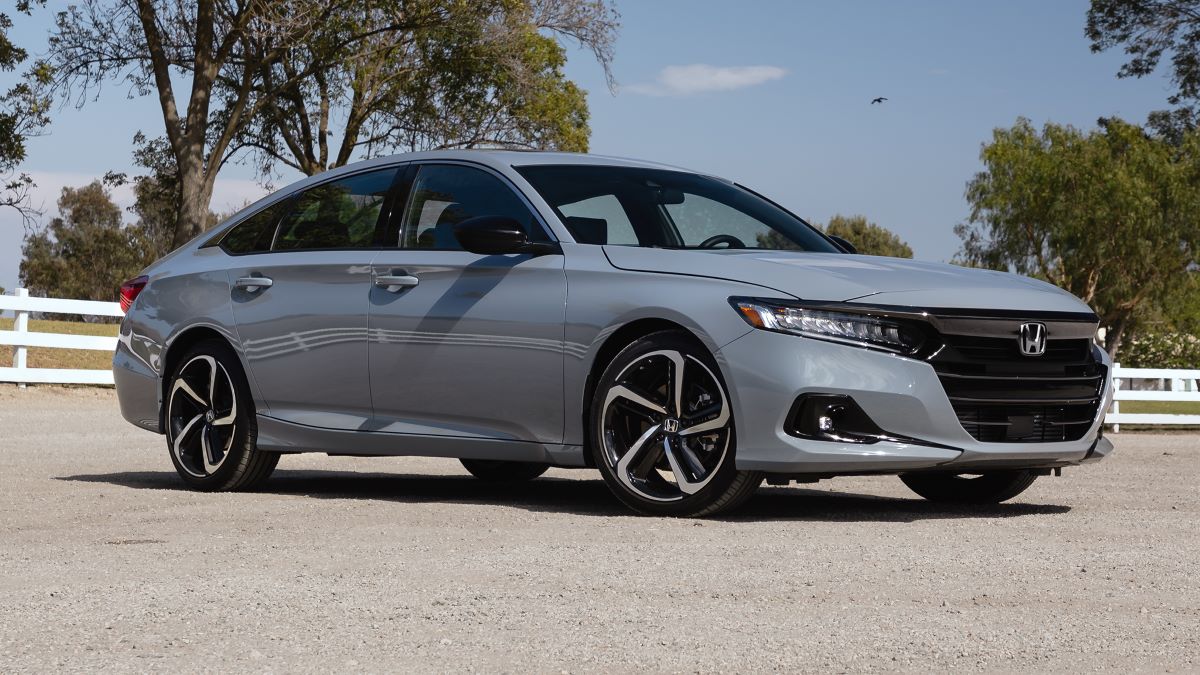
2. Honda Accord
The Honda Accord has long been a favorite among drivers who want something dependable, affordable, and well-built. What many don’t realize until they’ve driven one for several years is just how tightly these sedans hold together, even with mileage well past 150,000.
Whether it’s the eighth, ninth, or tenth generation, the Accord maintains its ride composure, responsive steering, and quiet cabin better than many other midsize sedans in its class.
Unlike some cars that begin to feel “loose” with age, where suspension components wear out, and body rigidity starts to wane, the Accord stays planted. Its chassis feels well-engineered, and even after long-term use, you don’t get the sensation of wobble or detachment that often comes with older vehicles.
The suspension components seem to age gracefully, and replacement parts (when needed) are not only affordable but help restore that like-new feel.
Honda also tends to use high-quality interior materials, especially in higher trims. That means that after 10 years and over 200,000 miles, the door panels, dashboard, and seats don’t feel like they’re falling apart.
Owners frequently mention how quiet and composed the cabin remains, especially when compared to other cars from the same era. It feels well-insulated and refined, even when it’s no longer young.
Another point in the Accord’s favor is how consistent its steering and handling remain. Even when driven hard or used as a daily commuter for over a decade, it tends to feel stable and secure.
This speaks to the quality of the suspension geometry and the tight tolerances used in its manufacturing. For anyone looking for a used sedan that still feels crisp and tight long after it’s left the showroom floor, the Accord should be near the top of the list.
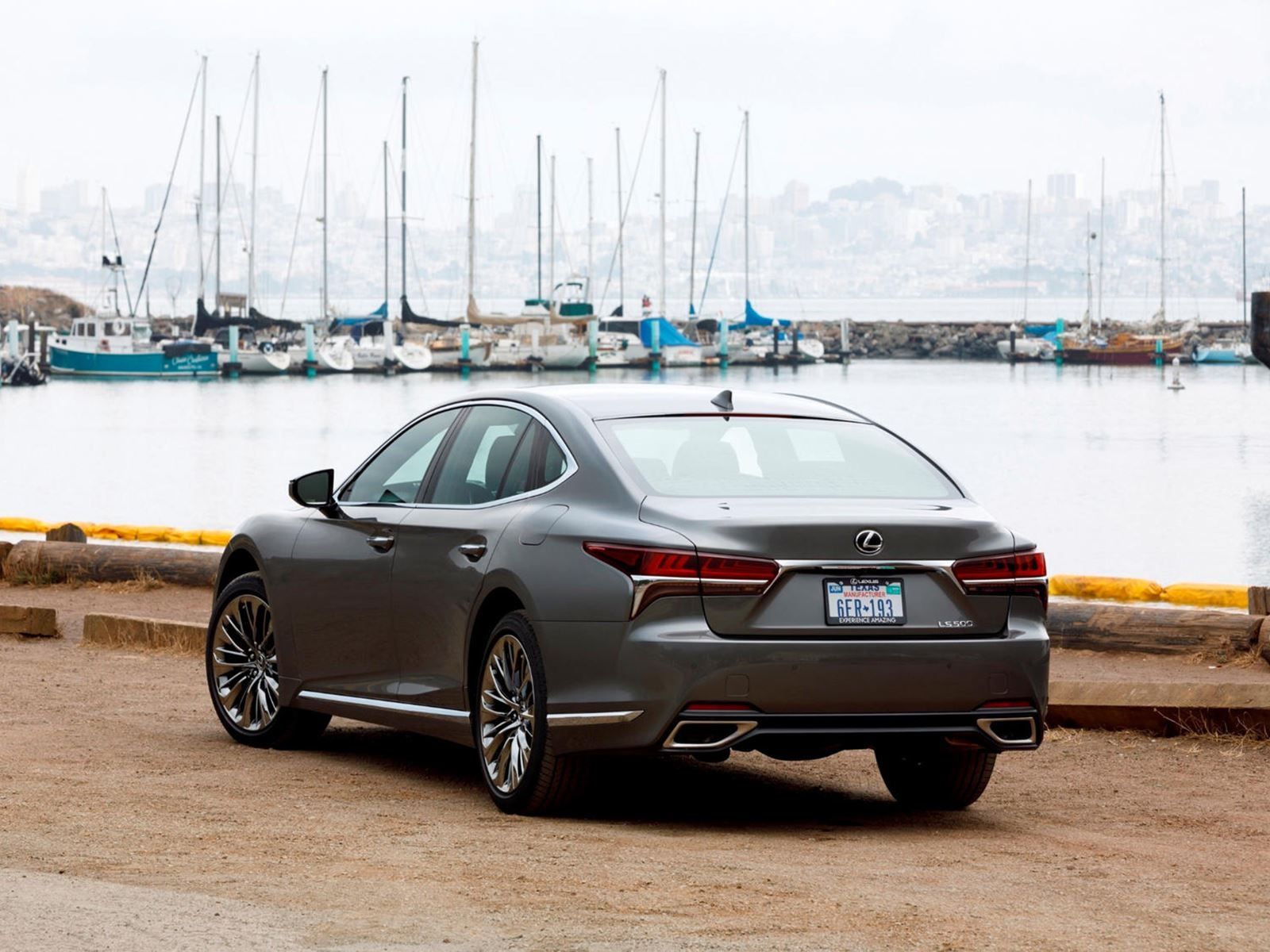
3. Lexus LS
Lexus is known for luxury and reliability, but the LS sedan takes things to another level when it comes to long-term structural quality. This is a car that’s not just reliable; it ages with almost no signs of deterioration in ride quality or build integrity. Even after 200,000 miles, the LS tends to feel incredibly tight, quiet, and composed, with a ride that rivals newer luxury models.
The LS is engineered to a high standard, often compared to flagship German sedans in terms of comfort, but surpassing many of them in long-term durability. The suspension is soft but well-controlled, and it doesn’t become sloppy with age.
Owners routinely report that even older LS models feel “bank-vault solid,” a testament to how well the body and chassis are designed. There’s very little body flex or creaking, even after years of use.
Inside the cabin, materials remain plush and durable. Leather doesn’t crack as quickly, plastics don’t rattle, and buttons still feel firm and click with precision. Lexus paid attention to the small things, and it shows when these cars age. Even the soft-close doors and automatic features tend to keep functioning well into high mileage, which isn’t something many luxury cars can claim.
Mechanically, the LS is also known for its long-lasting engine and transmission. But what makes it special in this context is how it doesn’t “feel old” when you drive it. It stays tight, smooth, and refined, not just in sound and performance but also in how it holds itself together. That’s something few other luxury vehicles manage to achieve past the 150,000-mile mark.
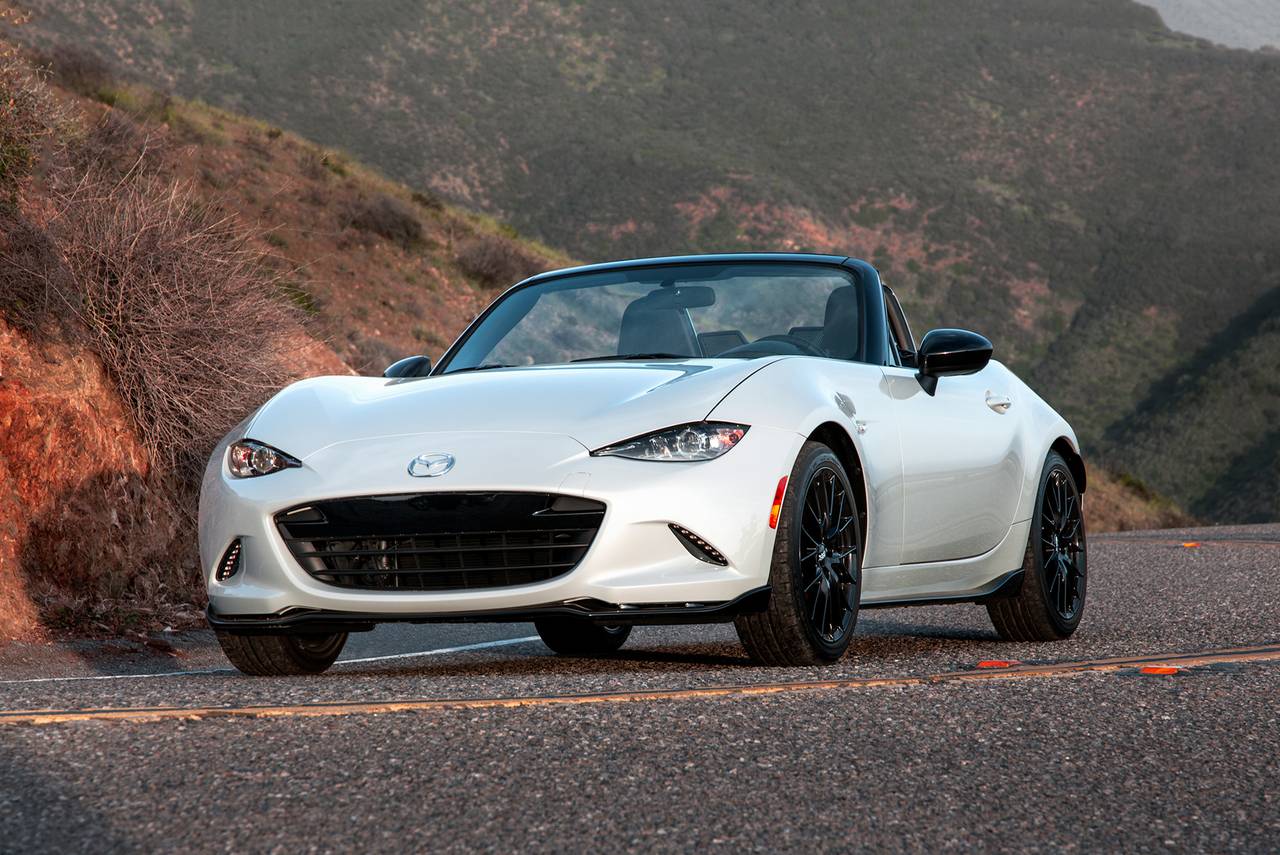
4. Mazda MX-5 Miata
The Miata might be a small sports car, but it punches well above its weight in how well it stays tight over time. Designed with simplicity and balance in mind, the MX-5 Miata has one of the most rigid and responsive chassis setups in its category. What makes it impressive is how well that feeling of lightness and precision holds up even after 100,000 or 150,000 miles.
This car doesn’t have a lot of extra weight, and it doesn’t have complicated air suspension or heavy electronics to go bad. That means fewer things that could make the driving experience feel less tight as it ages. The suspension setup is basic but effective, and components like bushings, ball joints, and control arms tend to last longer than you’d expect.
Even when they do need replacing, the Miata is easy and inexpensive to work on, making it simple to maintain that new-car feel.
Drivers love the way it handles, sharp, direct, and nimble. What’s even better is that this character doesn’t fade with high mileage. Even after years of driving, it still feels composed in corners, with minimal body roll and great steering response. This tightness in the chassis is one of the reasons Miata owners tend to keep their cars for a long time and drive them hard without much complaint.
Interior build quality, while not luxurious, is solid. Panels stay in place, switches still work properly, and rattles are rare. It’s a car that’s made to be driven, and Mazda did a good job making sure it doesn’t fall apart after extended use. For enthusiasts who care about a consistent driving experience, the Miata is one of the best examples of a vehicle that stays tight even with years of use.
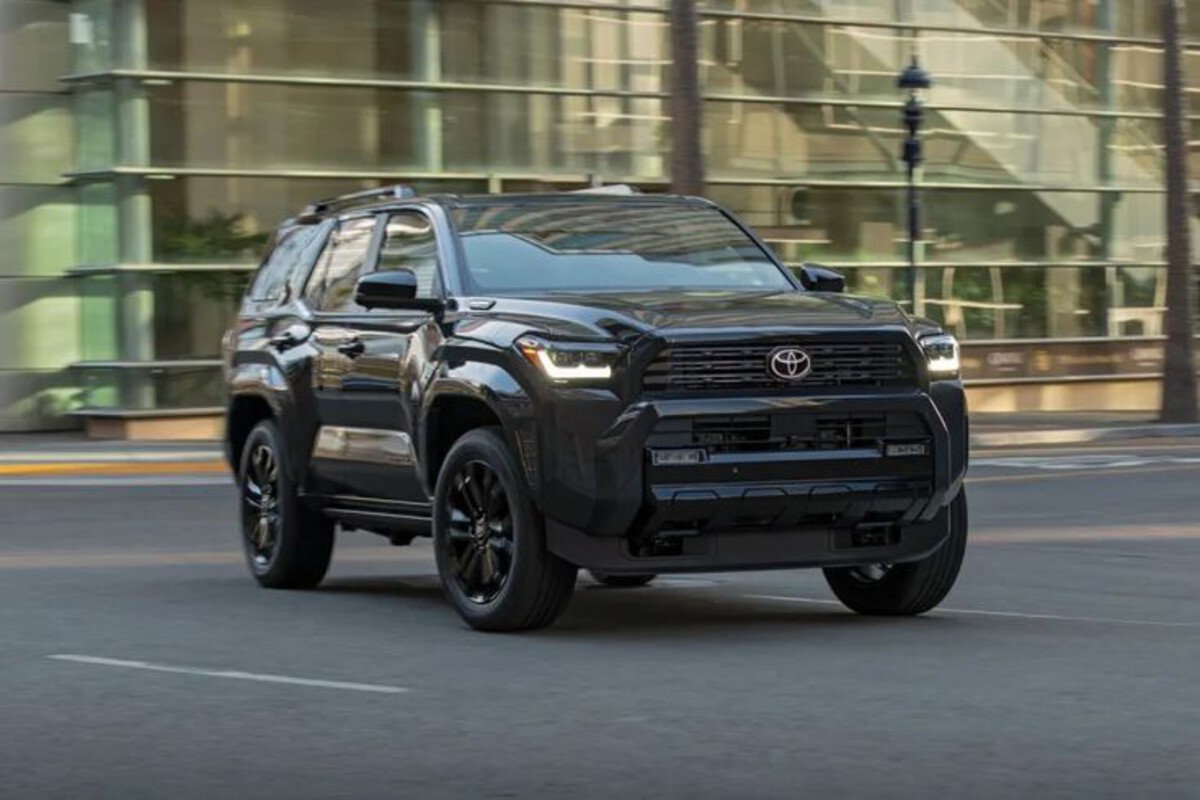
5. Toyota 4Runner
The Toyota 4Runner is another SUV that has built a loyal following for its incredible longevity and resilience. While many mid-size SUVs become soft and unrefined as they age, the 4Runner stands out because of how well it retains its driving feel even after 150,000 or 200,000 miles.
It shares a body-on-frame construction like the Land Cruiser, which means it is inherently more resistant to body flex and long-term deterioration. The frame gives it a strong backbone, and Toyota’s build quality ensures that the bolts, joints, and components stay secure even after years of use in harsh conditions.
This is especially noticeable in older 4Runners that have seen off-road trails, snow, salt, and heavy cargo use, yet still drive like a much newer vehicle.
One of the reasons the 4Runner stays tight over time is the consistency in its design philosophy. Toyota has not overcomplicated this SUV with air suspensions or over-electrified steering systems that can become unpredictable over time. Instead, the 4Runner sticks with proven mechanical designs that are built to last.
The suspension remains composed, and even though it may need occasional bushing or shock replacement, it doesn’t start to rattle or sag like many of its competitors. There’s a real sense of confidence when you take a high-mileage 4Runner over rough terrain or at highway speeds; it doesn’t wander, float, or shake like a worn-out truck might.
Inside, the 4Runner is basic but durable. The materials might not be as luxurious as a Lexus, but they’re built with toughness in mind. Owners often note that after years of family use or work duty, the seats still feel supportive, the dash doesn’t creak, and the door panels don’t rattle.
Toyota avoids gimmicks and instead focuses on making components that fit well and stay in place. That’s a huge part of why the 4Runner doesn’t start to feel old before its time. It maintains its structure and presence, which is a big reason why resale values remain strong, even for models with six-figure mileage.
Another point that sets the 4Runner apart is its steering and handling consistency. Even older models have surprisingly direct steering for a body-on-frame SUV, and it remains true over time. It doesn’t develop the excessive play or looseness you might expect from a vehicle that’s gone through a decade or more of use.
All of this makes the 4Runner a strong candidate for anyone who wants an SUV that feels tough and refined, even after it’s seen its share of roads, trails, and years.
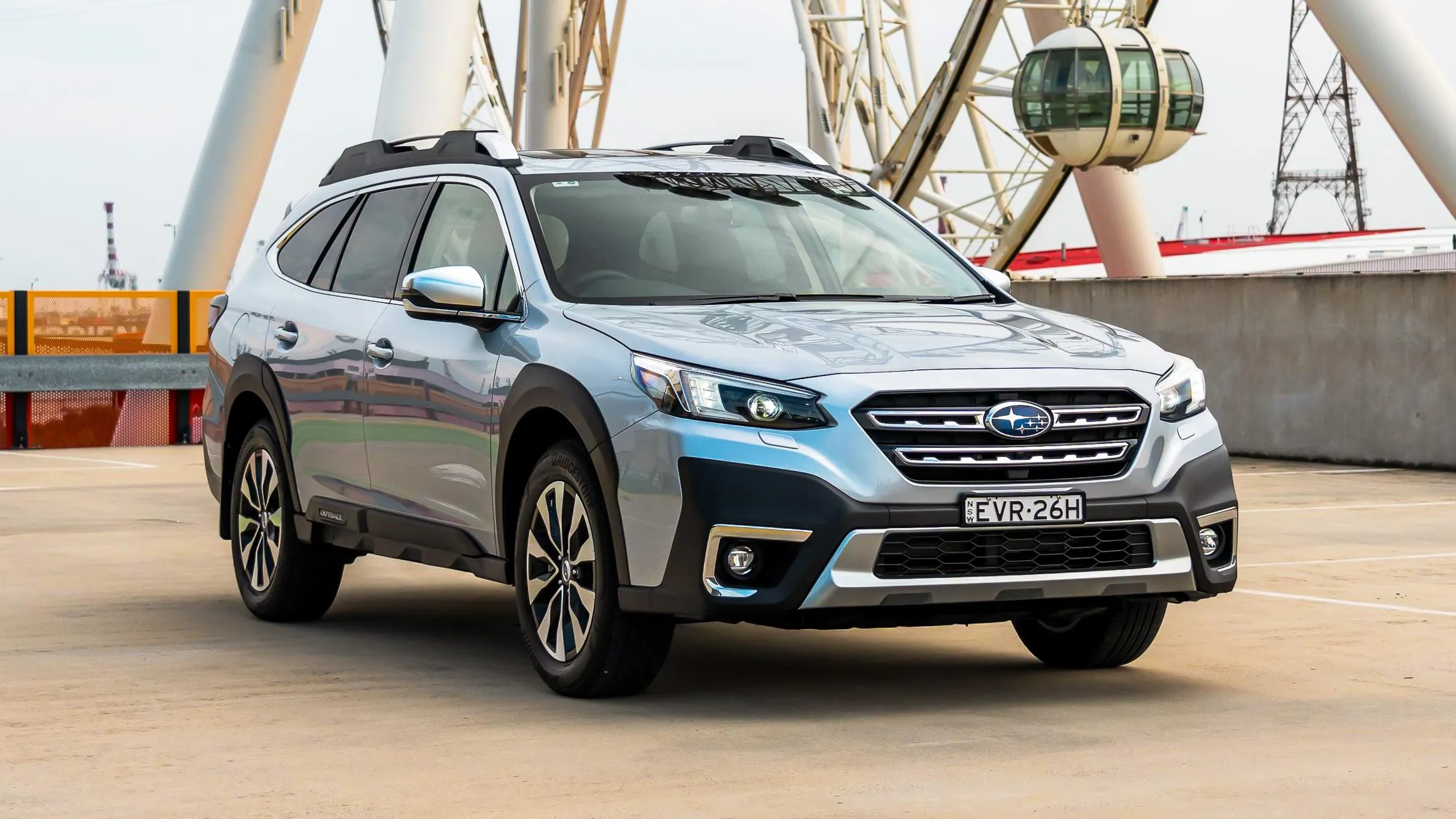
6. Subaru Outback
The Subaru Outback has earned its reputation as a go-anywhere, do-anything wagon that thrives in real-world driving conditions. It’s not just its all-wheel-drive system that keeps it capable over time, but the way the vehicle holds itself together that makes it stand out.
Owners of older Outbacks frequently report how solid they feel, even as they rack up the miles. It’s the kind of vehicle you can drive cross-country without worrying that it’s going to feel unstable or worn out. The suspension remains surprisingly composed over time, and it doesn’t begin to feel floaty or disconnected like some other high-mileage crossovers.
One of the reasons the Outback stays tight is due to Subaru’s thoughtful chassis design. It’s not a full SUV, nor is it a low-slung sedan; it’s a blend that benefits from a lower center of gravity and well-tuned suspension. Even after years of driving through snow, mud, and pothole-ridden roads, the Outback tends to maintain its composure.
Bushing wear and undercarriage fatigue are less common than you might expect for a vehicle that often lives a rugged life. Drivers often note that even at 180,000 miles, the Outback doesn’t feel like it’s falling apart, and that speaks to the structural integrity Subaru builds into each generation.
The interior is also a strong point. Subaru doesn’t always use luxury-level materials, but the cabin layout is functional, and the panels are well-secured. Buttons, switches, and door seals stay functional for years, and most owners find very few reasons to complain about wear and tear unless the vehicle was clearly neglected.
Rattles are surprisingly uncommon, even in earlier models, and that’s rare for a vehicle in this segment. It’s clear that Subaru knew people would be keeping these for the long haul, so they put the effort into making sure they wouldn’t feel tired after a decade.
Perhaps the most important trait of the Outback is how consistent its driving dynamics are over time. The steering stays accurate, and the ride quality remains balanced, even when the car is loaded up with gear or passengers. It doesn’t start to feel disconnected from the road like other older crossovers.
For people who value long-term comfort and dependability in a vehicle that can handle bad roads and bad weather, the Subaru Outback continues to prove it’s built to last in more ways than just mechanically.
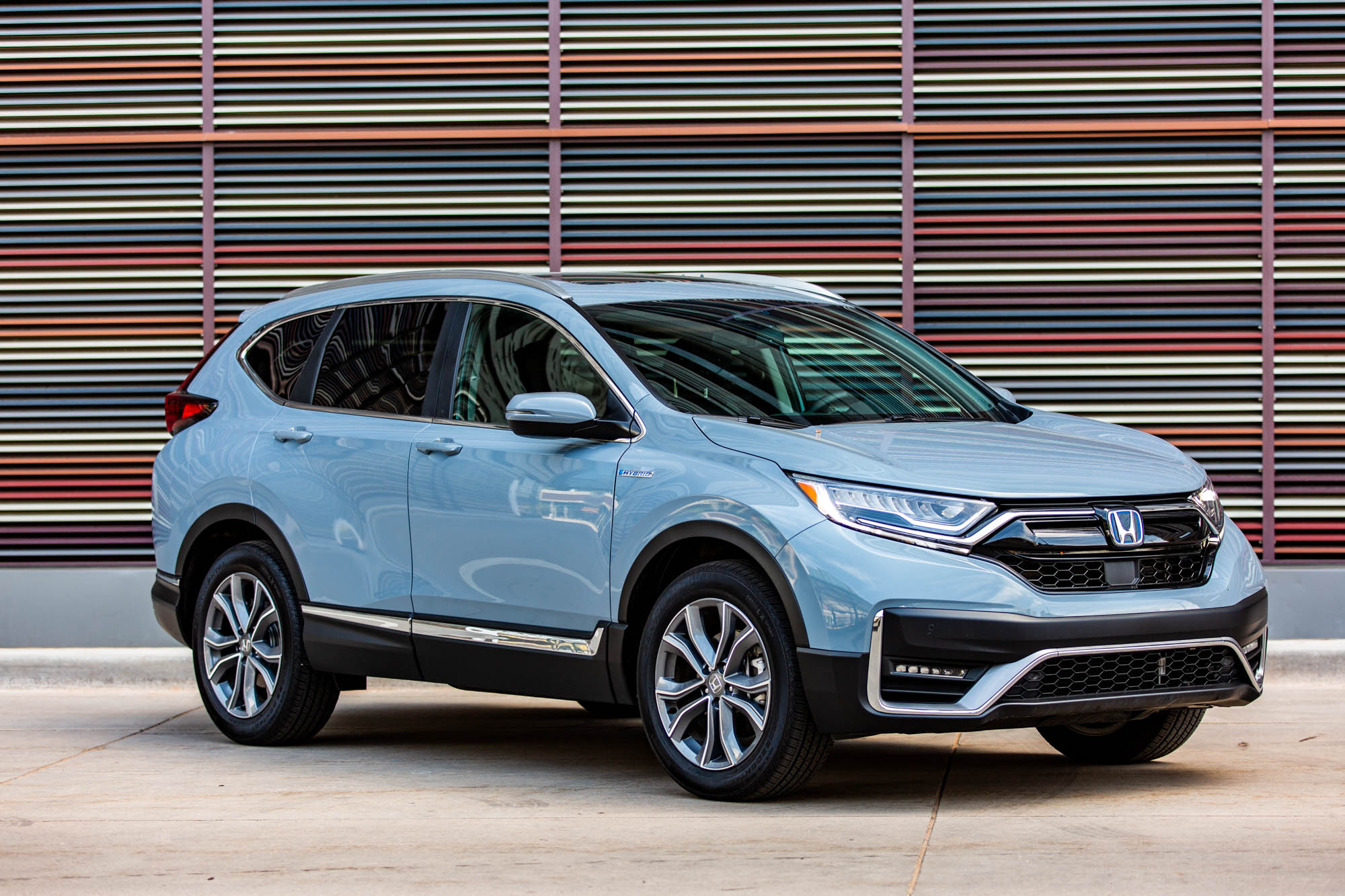
7. Honda CR-V
The Honda CR-V has quietly become one of the most dependable and tight-feeling crossovers on the road. While it’s not a flashy vehicle, what makes it stand out over time is how consistent and well-built it remains, even after passing 150,000 or 200,000 miles.
The chassis is tuned to handle daily commuting, road trips, and family hauling without feeling worn out. Honda didn’t just aim for reliability under the hood; they built the CR-V to age gracefully in terms of driving feel and interior quality. That’s why so many people end up keeping theirs long past the typical replacement point.
What makes the CR-V particularly impressive is how well it holds up in terms of suspension and ride quality. Even older models maintain a smooth but firm ride, with minimal body roll and no noticeable chassis sloppiness. It doesn’t bounce or shudder on rough roads, and the cabin remains relatively quiet.
The suspension geometry is well thought out, so when parts eventually wear, they don’t throw off the handling characteristics in a drastic way. And when those parts are replaced, the vehicle quickly returns to feeling tight and composed.
Interior durability is another strength. The materials are not premium, but they’re high quality for the class. Dashboards stay intact, plastics don’t easily scratch or rattle, and seat cushions hold their form over the years. Drivers often mention how the cabin still feels solid after a decade of use.
This is especially important for families, where the vehicle sees constant loading, unloading, and less-than-gentle treatment. The CR-V’s interior stands up to it all, and that gives the car an impression of staying tight and well-maintained even when it’s far from new.
The steering and handling also stay sharp. The CR-V never tries to be a sports car, but it offers a driving experience that’s more precise and predictable than many of its competitors. That doesn’t change much with age, which is another reason why it continues to be a favorite among used car buyers.
It doesn’t just keep running, it keeps feeling right. For those who want a compact SUV that doesn’t become loose or unrefined over time, the CR-V is a standout option.
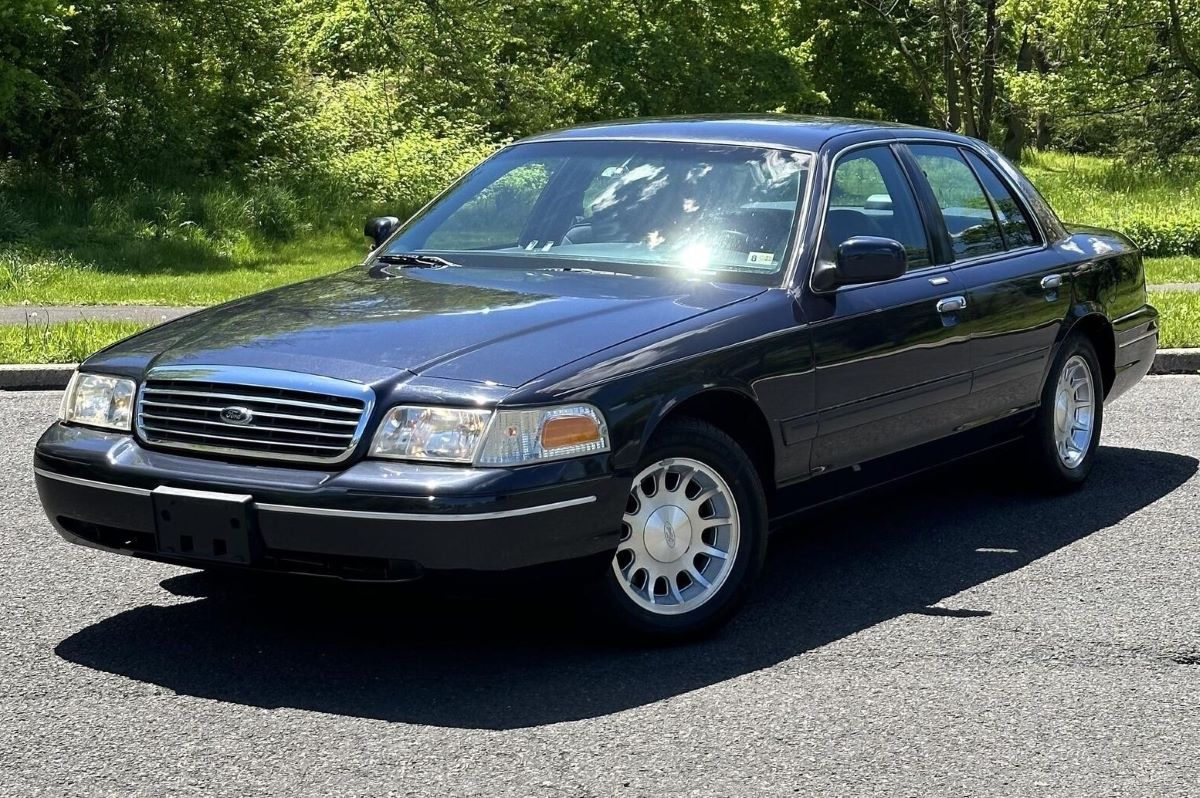
8. Ford Crown Victoria
Though it’s no longer in production, the Ford Crown Victoria remains a legendary vehicle for its durability, particularly among fleet users. What surprises most people is not just how long it lasts, but how well it holds together even after hundreds of thousands of miles.
Police departments, taxi companies, and private owners all report the same thing: even after grueling use, the Crown Vic stays remarkably tight and solid. The body-on-frame construction is a major reason for this, as it gives the car a rigid backbone that doesn’t flex easily under stress or time.
The Crown Vic’s suspension is simple but tough. Designed to handle heavy loads and constant abuse, it remains surprisingly composed over time. The car doesn’t become bouncy or unpredictable, even after years of service.
Many of these vehicles were driven hard every day, and yet they still manage to track straight, absorb bumps well, and avoid developing the creaks and groans that plague other cars with similar mileage. The components are overbuilt by modern standards, and that overengineering results in a car that feels tight even when the odometer has rolled past 250,000 miles.
Inside, the Crown Vic is far from luxurious, but it’s built to endure. Seats stay firm, dashboard panels don’t rattle excessively, and the basic controls keep functioning.
Because it was designed for high-use environments, Ford made sure the materials were thick and easy to clean, which also made them long-lasting. Even if the cabin shows cosmetic wear, the sense of structural integrity remains strong. That’s a big reason why so many of these are still on the road today, often in far better shape than you’d expect from vehicles of their age.
Driving a high-mileage Crown Vic still gives a sense of stability. The long wheelbase, solid steering, and balanced suspension all contribute to a vehicle that doesn’t feel like it’s falling apart.
Whether used for daily commuting or long road trips, it maintains its composure in ways that many newer cars simply don’t after years of use. That’s why it continues to have a devoted following and why it’s often used in harsh environments where staying tight over time is a necessity.
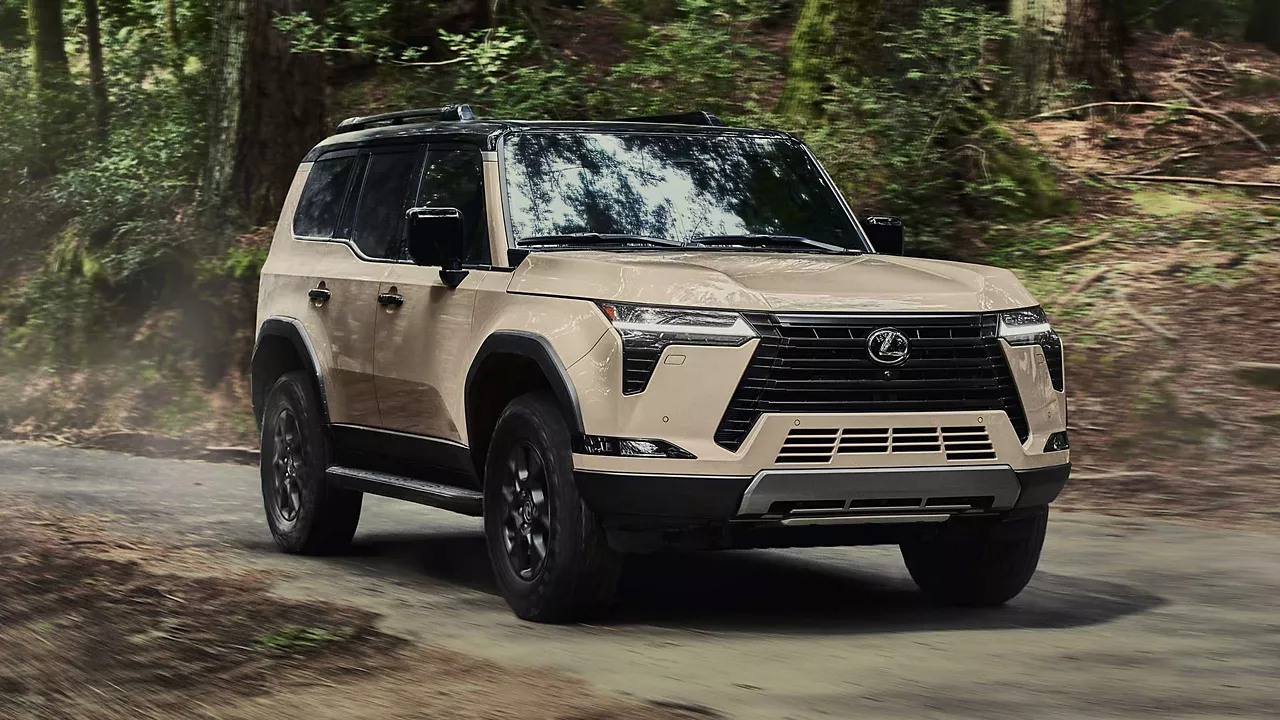
9. Lexus GX
The Lexus GX is one of those rare vehicles that bridges the gap between luxury and rugged capability while managing to stay structurally sound over time. Built on the same platform as the Toyota Land Cruiser Prado, the GX benefits from a solid body-on-frame design and decades of Toyota engineering focused on durability.
What makes the GX particularly impressive is how well it balances refinement and toughness, and how that balance doesn’t break down as the miles accumulate. Owners who have kept their GX models well past 200,000 miles often report that the ride remains smooth, the interior quiet, and the structure free from flex or rattles.
The ride quality of the GX is often described as smooth but not loose. Even with its off-road pedigree, it doesn’t develop the kind of suspension fatigue or instability that can plague other high-mileage SUVs.
The adaptive suspension system, particularly on newer models, remains effective and rarely causes issues that lead to deterioration in ride comfort. Its traditional suspension components are easy to service and respond well to proper maintenance.
Over time, even as shocks or bushings wear, the GX doesn’t fall into that common trap of feeling floaty or disconnected. Once refreshed, it regains that same tight, confident ride it had when it was newer.
Inside the cabin, Lexus does what it does best: create a quiet, well-constructed interior that can stand up to years of use. Unlike many luxury vehicles that start to squeak and rattle as they age, the GX is known for having an incredibly solid-feeling cabin, even when it’s been used extensively.
The materials Lexus chooses aren’t just attractive; they’re durable. The leather holds up well, the plastics don’t warp, and the electronic systems tend to keep functioning far beyond the expected lifespan. Even details like door seals and weather stripping maintain their form, which helps preserve that tight, isolated cabin feel over time.
Mechanically, the GX is overbuilt, with a proven V8 engine and transmission that are often described as bulletproof. But more important than simple reliability is the way it feels to drive after high mileage.
You don’t get excessive vibrations through the chassis. You don’t hear constant wind noise or feel the body roll awkwardly in corners. You get a composed, deliberate driving experience that is a result of thoughtful engineering and solid construction. It’s a luxury SUV you can confidently drive long after most others have given up that new-car feel.
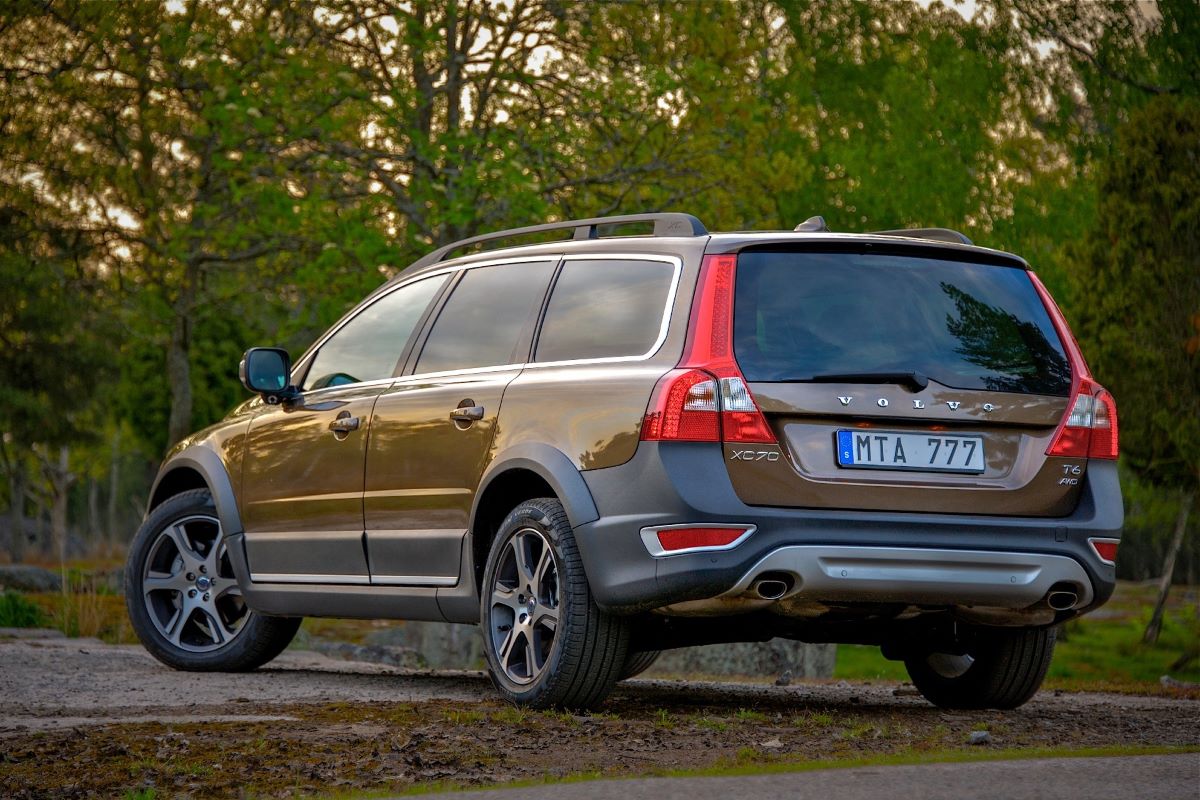
10. Volvo XC70
The Volvo XC70 is a vehicle that often flies under the radar, but for those who’ve owned one for years, it’s recognized as a car that holds up surprisingly well. Built on Volvo’s strong safety-first design principles, the XC70’s body structure is reinforced and engineered to handle both the rigors of daily driving and the occasional venture into more rugged conditions.
Over time, this wagon has proven itself capable of aging with grace. Even after 150,000 or 200,000 miles, many XC70s continue to feel stable and solid, with minimal degradation in ride quality or interior fit and finish.
One of the defining characteristics of the XC70 is how well it handles poor road conditions, not just when new but also years down the road. Its long-travel suspension absorbs bumps without becoming overly soft or prone to sagging. The ride remains composed, and even when components start to wear, they rarely compromise the structure of the car.
When replacements are needed, the car quickly returns to that composed, sure-footed ride that gives it a feeling of quality. This is especially important in older European wagons, where suspension tuning is crucial to the driving experience.
Inside the cabin, Volvo’s attention to detail pays off over the long haul. The seats, known for their comfort and support, retain their shape even after years of use. Controls feel deliberate, the dashboard materials hold up well, and the layout is free from the gimmicks that tend to age poorly.
Owners regularly praise the XC70’s quiet cabin and minimal rattling, even when the car is approaching two decades of use. This kind of longevity in refinement is rare, especially for a wagon that may have been used to haul kids, dogs, gear, and everything in between.
Driving a high-mileage XC70 is often described as predictable and reassuring. It doesn’t surprise the driver with odd noises or shifting behavior. The steering, while not overly sharp, remains accurate and free from excess play. These vehicles are not fast or flashy, but they stay solid and connected to the road in a way that reinforces trust.
For anyone looking at a used wagon that still feels tight, refined, and unbothered by time, the XC70 is a great example of quiet durability done right.
