
Longevity in cars isn’t just about mileage or reliability; it’s also about how they feel after time has passed. Some vehicles, even after a decade and a half, maintain a sense of tightness in their handling, a quiet and composed ride, and an impression of thoughtful engineering.
While others may rattle, squeak, or feel worn out long before they hit the 15-year mark, some standout models retain their solid feel, inspiring confidence and offering satisfaction well into their second decade.
This solid feeling comes from more than just a strong engine or dependable transmission. It’s about how well the doors still shut with a reassuring thud, how the suspension continues to absorb bumps with dignity, and how the interior trim hasn’t succumbed to warping or detaching.
These are vehicles that, when properly maintained, can age gracefully and resist the common symptoms of automotive wear. Some cars feel like they’re aging; others make you forget how old they really are.
The vehicles on this list weren’t chosen solely for their longevity. They earned their place because they tend to retain a certain driving character and physical integrity long after many of their peers begin to feel tired. These cars remind drivers what it feels like to pilot a well-built machine. It’s not about luxury, but about lasting quality and a design that was solid from the beginning.
Below are 12 cars that, even after 15 years on the road, still manage to feel composed, sturdy, and capable. Whether due to exceptional build quality, thoughtful engineering, or an inherent focus on durability, these models have consistently shown that they can endure not only in function but in the feeling of solidity and reassurance behind the wheel.
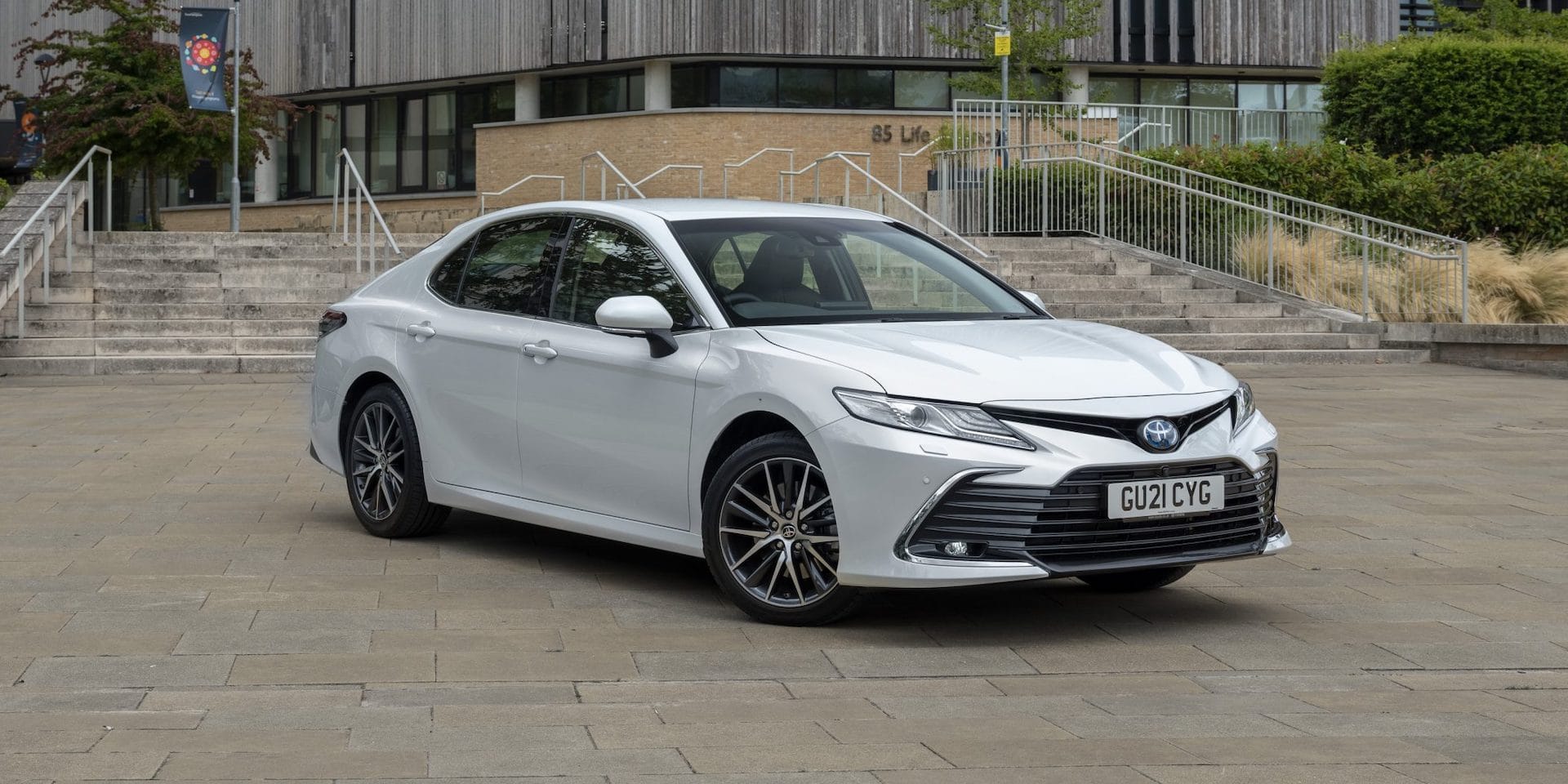
1. Toyota Camry (2008–2010)
The Toyota Camry has always been a symbol of practicality and reliability, but what often gets overlooked is how well it holds together over time. The 2008–2010 models, in particular, offer a balance of comfort and durability that’s hard to beat.
The doors still close with a satisfying weight, and the interior materials, while not flashy, are remarkably resistant to wear and tear. Fifteen years later, many of these Camrys still have dashboards that haven’t cracked, seats that haven’t collapsed, and electronics that just work.
Driving a 15-year-old Camry doesn’t feel like operating an old car. The suspension, if maintained, continues to soak up bumps smoothly. The steering is light but consistent, and road noise remains well-controlled.
It’s not a sports sedan, and it never tried to be, but what it does, it continues to do well even after years on the road. The powertrains, especially the 2.4-liter four-cylinder and the 3.5-liter V6, have aged with grace, delivering consistent performance with minimal complaints.
What makes the Camry stand out isn’t that it’s flashy or particularly fun, but that it doesn’t degrade in the ways many other cars do. Many owners report a feeling of minimal change even after a decade and a half of daily use.
That’s a testament to solid engineering and thoughtful assembly. Toyota seemed to prioritize consistency and long-term reliability over gimmicks, and that’s paid off.
This car remains a favorite for buyers looking for a used sedan that doesn’t feel old even though it technically is. Whether used for commuting or family duties, a well-kept Camry from this era still feels competent and surprisingly refined. It’s not exciting, but it doesn’t fall apart with time, and that’s what counts in this category.
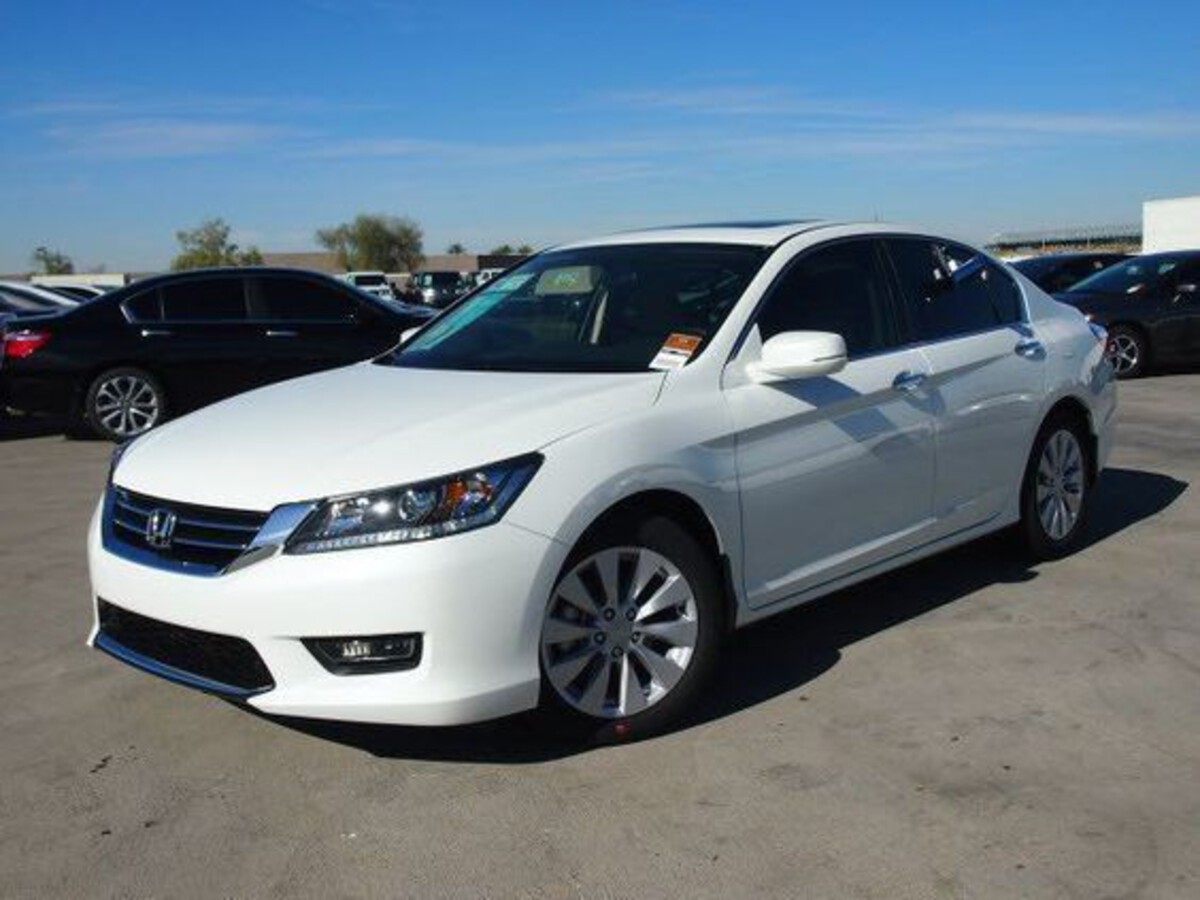
2. Honda Accord (2008–2010)
The Honda Accord has long stood alongside the Camry in discussions about dependable midsize sedans, but it brings its own flavor to the experience.
The 2008–2010 generation in particular offered a slightly larger footprint and more powerful engines, especially the 3.5-liter V6, which added a little extra punch. Yet what truly sets the Accord apart is how well it drives even after 15 years, with handling that remains balanced and a structure that feels tight and refined.
Step into one today, and you’re unlikely to be met with creaks or rattles. The cabin materials have aged well, with buttons and switches that still feel firm and intact. The layout is simple but functional, and many of the interior trim pieces remain well-fitted and durable. Unlike many other cars from the late 2000s, the Accord doesn’t show its age with peeling trim or loose panels.
On the road, it continues to impress. There’s a firmness to the steering and suspension that gives the Accord a connected feeling, one that’s not common among sedans this old. It doesn’t float over the road or feel like it’s falling apart.
Instead, it provides a controlled and predictable driving experience, whether you’re on the highway or weaving through city traffic. The ride is firm without being harsh, and the suspension doesn’t feel sloppy or worn out.
Even when compared to newer cars, a well-maintained 2008 Accord still feels more solid than some brand-new budget sedans. Honda’s attention to chassis tuning and material selection really shines through over time. It may not win awards for flashiness, but it earns quiet respect for how little it deteriorates in feel and function over the years.
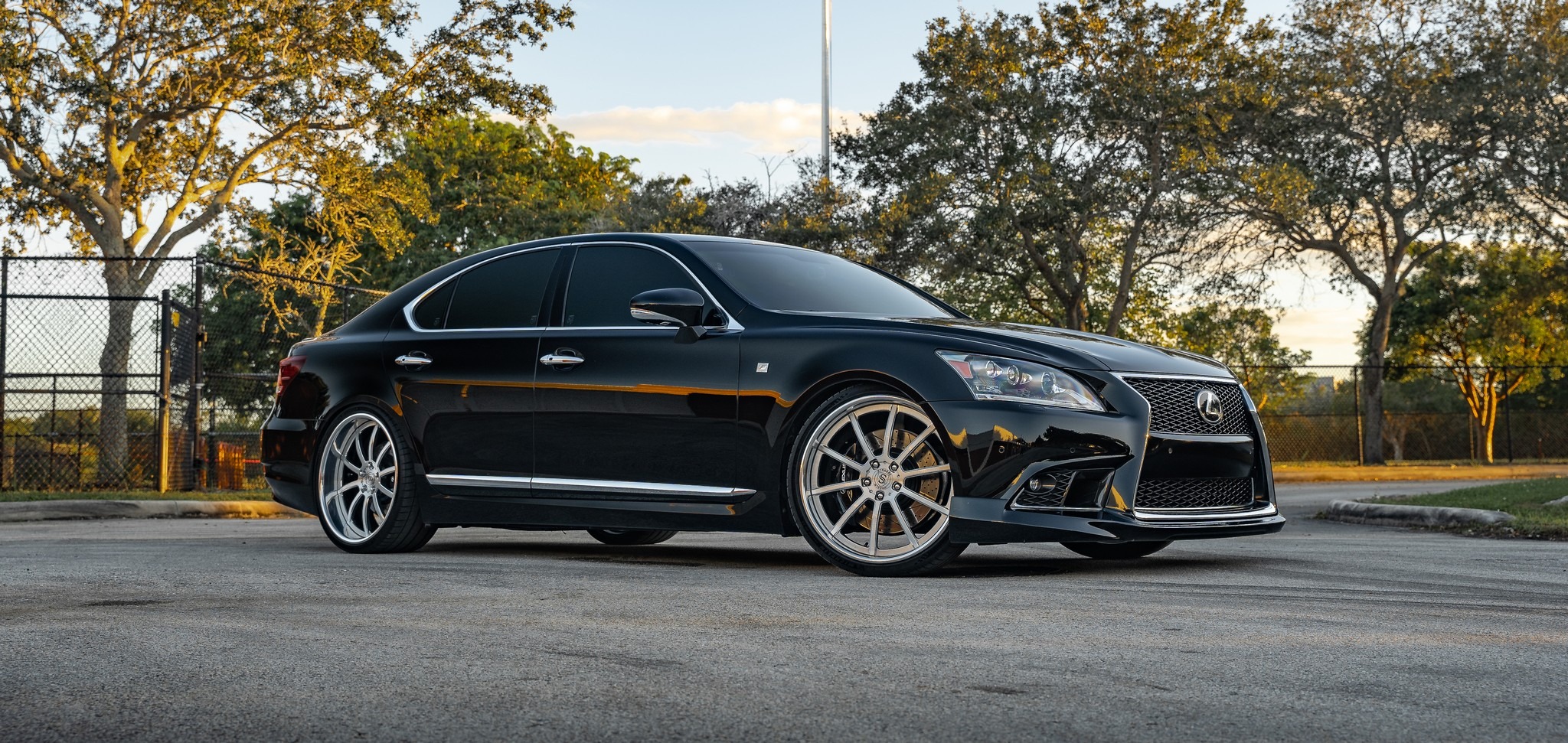
3. Lexus LS 460 (2007–2009)
When Lexus introduced the LS 460 in 2007, it was the result of years of refinement and obsessive attention to detail. Fifteen years later, that attention shows. This is a luxury sedan that doesn’t just age well; it ages in a way that makes you question if it ever really gets old. Even after well over a decade, many LS 460s feel like they just left the dealership.
Open and close a door, and you’ll notice it immediately: the car still feels like it was engineered with precision. The cabin is still quiet, thanks to superior sound insulation and double-pane windows in some models.
Even more impressive is how the electronics, seat adjusters, infotainment systems, and soft-close doors continue to function with minimal issues, a rarity among luxury cars of this age.
Driving an LS 460 today is a calming experience. The V8 engine is smooth and powerful, the ride is incredibly composed, and the suspension (especially if equipped with the air setup) isolates road imperfections with grace. Unlike many older luxury vehicles, the LS doesn’t suffer from clunky gear changes or inconsistent braking feel. Everything still feels intentional and smooth.
This is the kind of car that makes you forget how old it is. The materials used throughout the interior, real wood, supple leather, soft plastics- age with dignity. It feels expensive, and it continues to offer that sense of presence and quality even 15 years later. Few luxury vehicles from the late 2000s can make that claim without caveats or excuses.
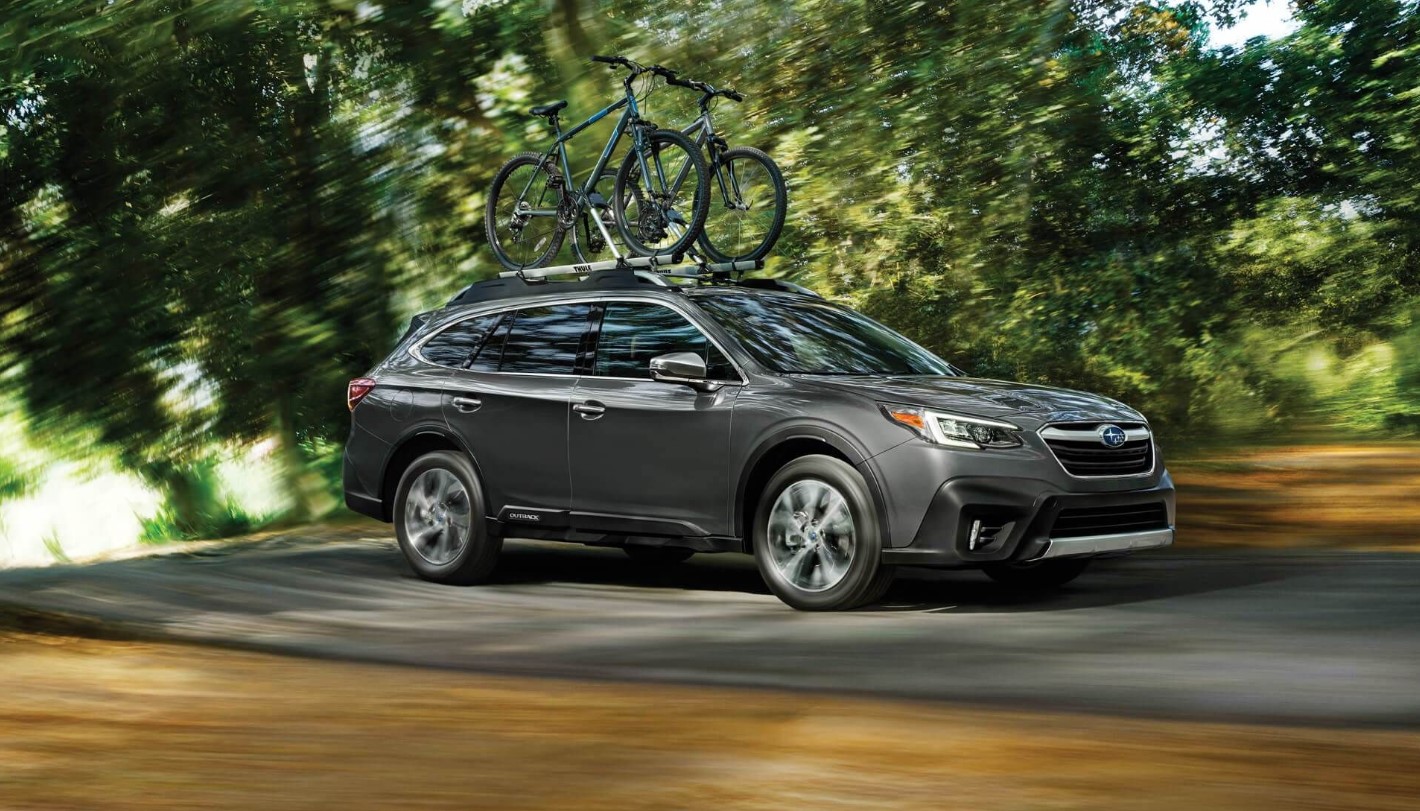
4. Subaru Outback (2007–2009)
The Subaru Outback from this era is a vehicle that combines rugged capability with a refined driving experience, and it still feels remarkably solid after 15 years. One of the key reasons for its longevity is Subaru’s use of a robust all-wheel-drive system paired with a boxer engine layout that inherently offers better balance and durability.
This combination helps the Outback maintain composure on all sorts of road surfaces, whether it’s paved highways or gravel trails, which in turn contributes to its solid feel over time. Owners frequently remark on how the suspension continues to deliver a firm yet forgiving ride, absorbing imperfections without developing the typical looseness or creaks that plague many aging crossovers.
Inside, the Outback’s cabin remains utilitarian but well put together. The materials used may not be luxurious, but they have proven resilient, resisting the fading, cracking, or peeling that many cars suffer from after years of sun exposure and temperature changes. The seats, often made of durable cloth or a resilient leatherette option, retain their shape and comfort, even after thousands of miles.
Furthermore, the door panels and dashboard parts hold steady, avoiding the common problem of rattles or loose fittings that can make an older vehicle feel worn out. Subaru’s engineering seems focused on practical longevity, making this Outback feel like a dependable partner rather than a tired relic.
Driving dynamics continue to impress for a vehicle that’s technically a crossover with a raised ride height. The Outback still feels planted, with minimal body roll and a steering system that delivers decent feedback and confidence.
Many older vehicles lose this sharpness over time as bushings and mounts degrade, but the Outback manages to keep its integrity through its solid chassis design and quality suspension components. This has made it a favorite among drivers who want a vehicle that can handle more challenging terrain without losing its car-like feel or slipping into “used car” discomfort.
Finally, from a maintenance and longevity standpoint, the Subaru Outback is well known for its mechanical robustness. While some issues do arise with age, the engineering of the drivetrain and chassis means that many Outbacks can surpass 200,000 miles or more without feeling structurally compromised.
The combination of thoughtful design, durable materials, and a drivetrain that hasn’t lost its edge makes this generation of Outback a clear example of a car that remains solid and dependable well past the 15-year mark.
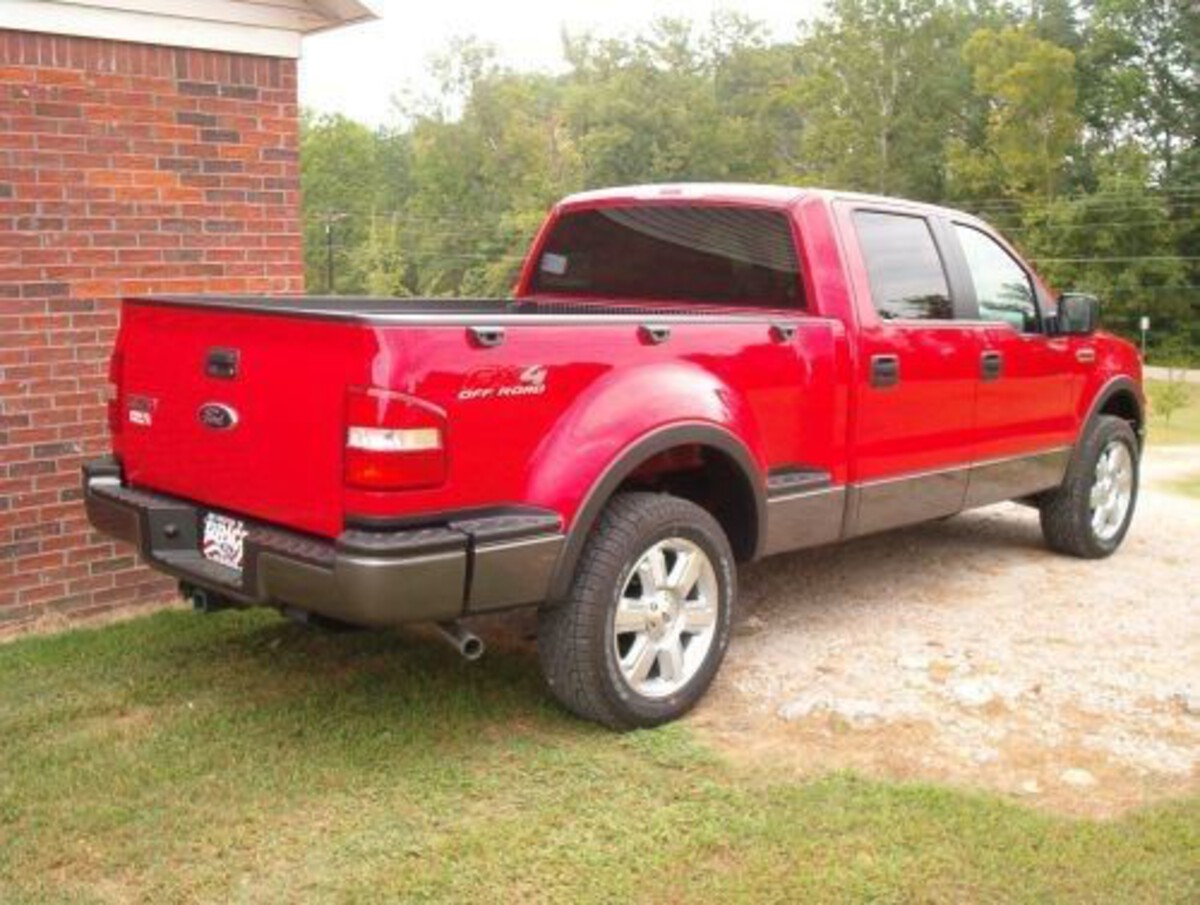
5. Ford F-150 (2008–2010)
The Ford F-150 has been America’s best-selling vehicle for decades, and the 2008 to 2010 models are a big reason why. These trucks are built with a no-nonsense approach to durability, and many of them continue to feel rock-solid even after 15 years of heavy use.
Their sturdy frames and robust body-on-frame construction contribute greatly to this perception. Unlike unibody SUVs or sedans, these trucks were designed to withstand harsh conditions, heavy loads, and rough terrain, all of which contribute to their solid and dependable feel, even as they accumulate years on the road.
One of the defining qualities of the F-150 is the way it handles the abuse of everyday life without developing the squeaks, rattles, or panel gaps that so many other vehicles succumb to over time. The doors still close firmly, the bed remains sturdy without excessive rust or warping, and the cabin, though simple, feels tough and purposeful.
The materials used in the interior may not be luxurious, but they were selected with durability in mind, so scratches and scuffs don’t detract from the experience. The seats maintain their form, and controls and switches usually continue to function properly, all of which make the truck feel well-preserved despite years of hard work.
On the road, the F-150 still offers a driving experience that is confident and stable. The suspension may feel a bit firm compared to newer models, but it continues to absorb bumps and potholes effectively. Steering feedback remains adequate, and the truck’s substantial weight gives it a planted feel, even when loaded or towing.
While not nimble or sporty, the truck’s chassis does not exhibit the sloppy or worn sensation that afflicts many trucks after extended use. The driving impression remains one of strength and reliability, a testament to Ford’s emphasis on building a truck that can last.
Mechanically, the 2008–2010 F-150 models feature engines that have proven to be reliable over time, especially the 5.4-liter V8, which has a reputation for durability when properly maintained. Transmission choices also tend to hold up well, contributing to the feeling of solidity.
For those who have kept up with regular maintenance and avoided severe neglect, this generation of F-150 offers not just the appearance but the genuine feeling of a vehicle that remains solid and capable after 15 years on the road.

6. Mazda MX-5 Miata (2006–2009)
The Mazda MX-5 Miata is widely known for its lightness, simplicity, and exceptional driving dynamics, but one of the less frequently discussed qualities is how well the early NC generation (2006–2009) holds up in terms of build quality and solidity.
Even after 15 years, these cars retain a tight, connected feel that is rare among older sports cars. The chassis was designed with an emphasis on precision and feedback, and this engineering focus pays dividends years down the road. The Miata’s suspension components continue to perform without excessive play, and the steering maintains its directness and responsiveness.
Inside, the Miata’s interior is compact but thoughtfully assembled. The materials may not be lavish, but the quality is more than adequate, and the design avoids unnecessary complications that might wear out or break over time. Buttons and knobs still have a firm, confident feel, and the seats retain their supportive shape. There are few signs of degradation in the trim or dashboard components, which helps keep the cockpit feeling fresh despite the car’s age.
What stands out most, however, is how well the Miata continues to drive. Many older sports cars lose their tautness and become sloppy with age, but this generation of Miata keeps the feel of a modern, well-engineered machine.
The ride is firm but not harsh, and body control remains excellent, with little evidence of worn suspension parts if properly maintained. This means the Miata still feels agile, light on its feet, and enjoyable, making it one of the rare sports cars that can genuinely be described as “solid” after 15 years.
Finally, the engine and transmission remain reliable and smooth, with the four-cylinder powerplants still delivering enthusiastic performance and smooth revving. The manual gearbox in particular is praised for its precise, mechanical feel, which contributes significantly to the sensation of driving a car that still feels like it was built with care and attention. For those seeking a sports car that doesn’t lose its essence over time, the NC Miata is a standout example.
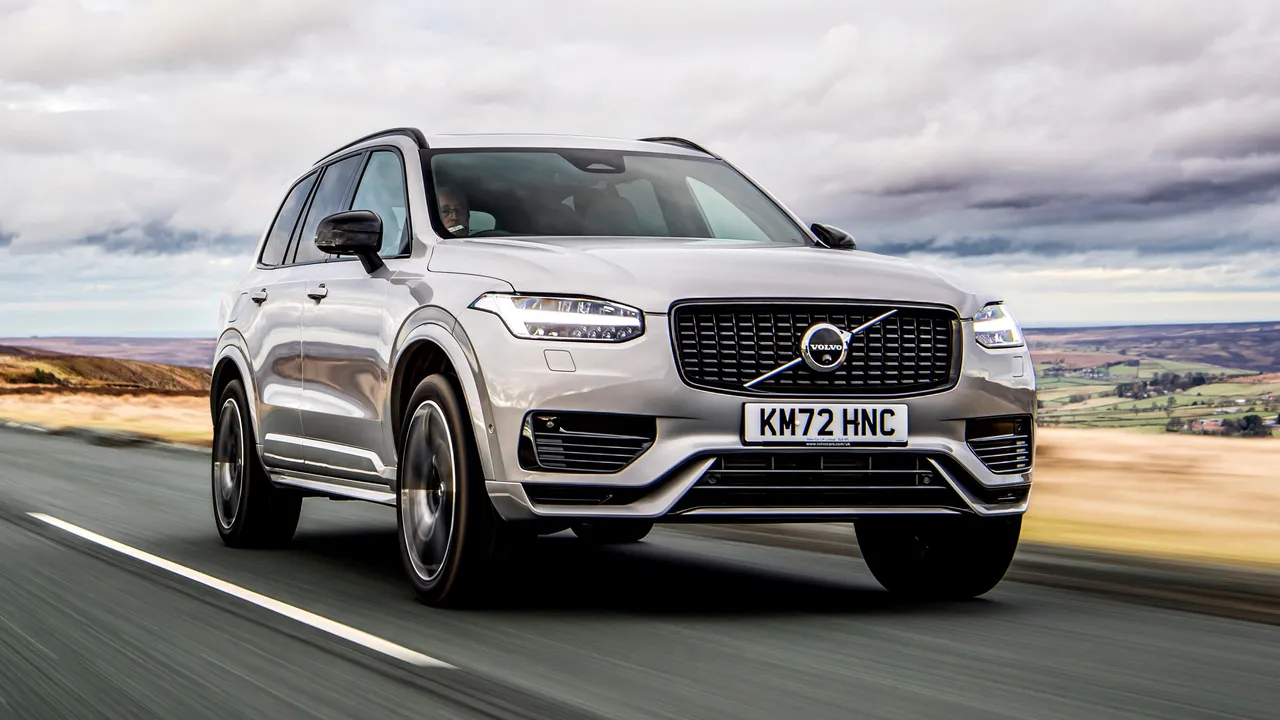
7. Volvo XC90 (2007–2010)
The first-generation Volvo XC90 was a landmark vehicle for the brand, blending Scandinavian design with rugged SUV capability. More than a decade after its release, the XC90 still maintains a sense of solidity that many SUVs of its era cannot match.
The body-on-frame construction, combined with a well-engineered chassis and high-quality interior materials, gives this vehicle a presence and durability that have stood the test of time. Owners frequently report that the doors still close with a reassuring thunk and that the cabin remains quiet and well-sealed, contributing to the feeling of a solid vehicle.
Inside, the XC90’s interior is both functional and elegant, with soft-touch materials, supportive seats, and a layout that emphasizes simplicity and durability. The design avoids overly complex or fragile elements, helping the interior resist wear and tear, even in models used by families or in harsher conditions.
Over time, the upholstery and trim materials maintain their quality, with fewer complaints about sagging seats or brittle plastics than is common in many other SUVs from the same period.
On the road, the XC90 continues to provide a composed and confident driving experience. Its suspension is tuned to handle both on-road comfort and light off-road duties without sacrificing composure.
The steering feedback remains stable and predictable, and the chassis exhibits minimal flex or looseness despite years of use. This contributes to a feeling of safety and control that is crucial in a larger SUV. It’s not the most athletic SUV, but it remains solid and reassuring.
The powertrains offered in this generation, particularly the inline-six and V8 engines, have proven reliable when properly maintained. While some owners note the potential for certain electrical issues, the core mechanical components tend to hold up well, helping the XC90 remain a durable and solid-feeling SUV even after 15 years on the road.
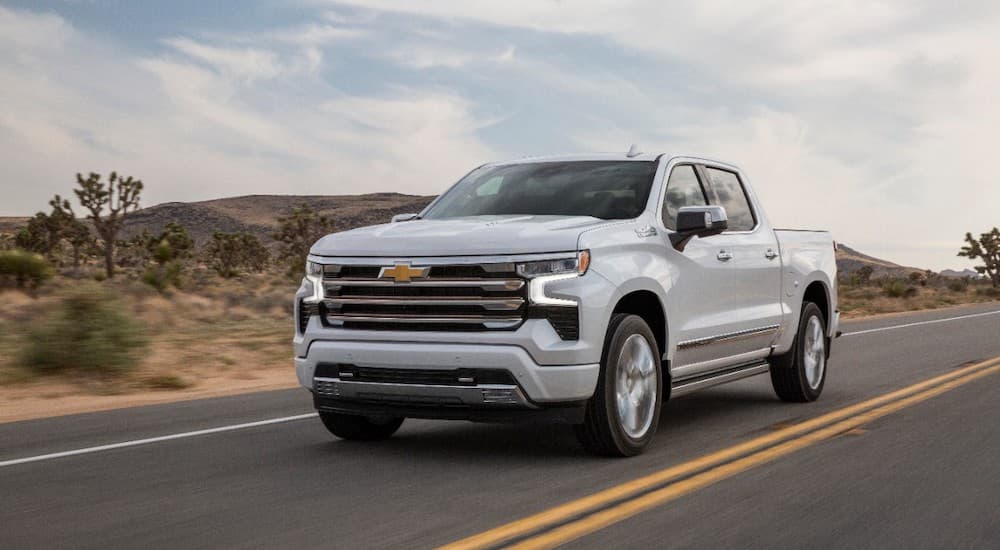
8. Chevrolet Silverado 1500 (2007–2010)
The Chevrolet Silverado 1500 from the late 2000s is a truck built for hard work and longevity. This generation of Silverado benefits from a sturdy body-on-frame design and solid engineering that give it a strong and durable feel, even after 15 years of service.
Unlike many aging trucks that start to develop rattles, loosen up, or feel less secure, the Silverado maintains a tangible presence. The door seals remain effective, the bed withstands heavy loads without warping or sagging, and the suspension components hold up well, continuing to provide a balanced, stable ride on and off the road.
Inside the Silverado, the materials are chosen for durability over luxury, which is one reason the cabin continues to feel intact even after years of use. While some interior plastics may show minor wear, they rarely crack or break, and the switches and controls keep working without feeling loose or sloppy.
The seats, often covered in hard-wearing cloth or optional leather, hold their shape, and the ergonomics are still user-friendly. The feeling inside is one of practical sturdiness rather than refinement, but it’s a quality that contributes to the truck’s long-lasting solid feel.
On the move, the Silverado retains a composed ride for a full-size pickup. Its suspension effectively absorbs rough roads without becoming harsh, and the truck remains stable during cornering or towing. The steering, while not precise like a sports car, is consistent and reliable, giving the driver a confident sense of control.
Many owners find that their trucks don’t lose the firmness or connected feeling that new models have, even after many years and many miles. This is important for a vehicle often used in demanding conditions.
Mechanically, the Silverado’s powertrains are robust, with the V8 engines particularly known for their durability. Maintenance is key, but when properly cared for, these trucks continue to start up and perform consistently without major degradation.
The transmission and drivetrain components are built to withstand heavy use, and this resilience translates to a truck that still feels solid and dependable after 15 years, making the late-2000s Silverado a trusted choice for those needing a durable full-size pickup.
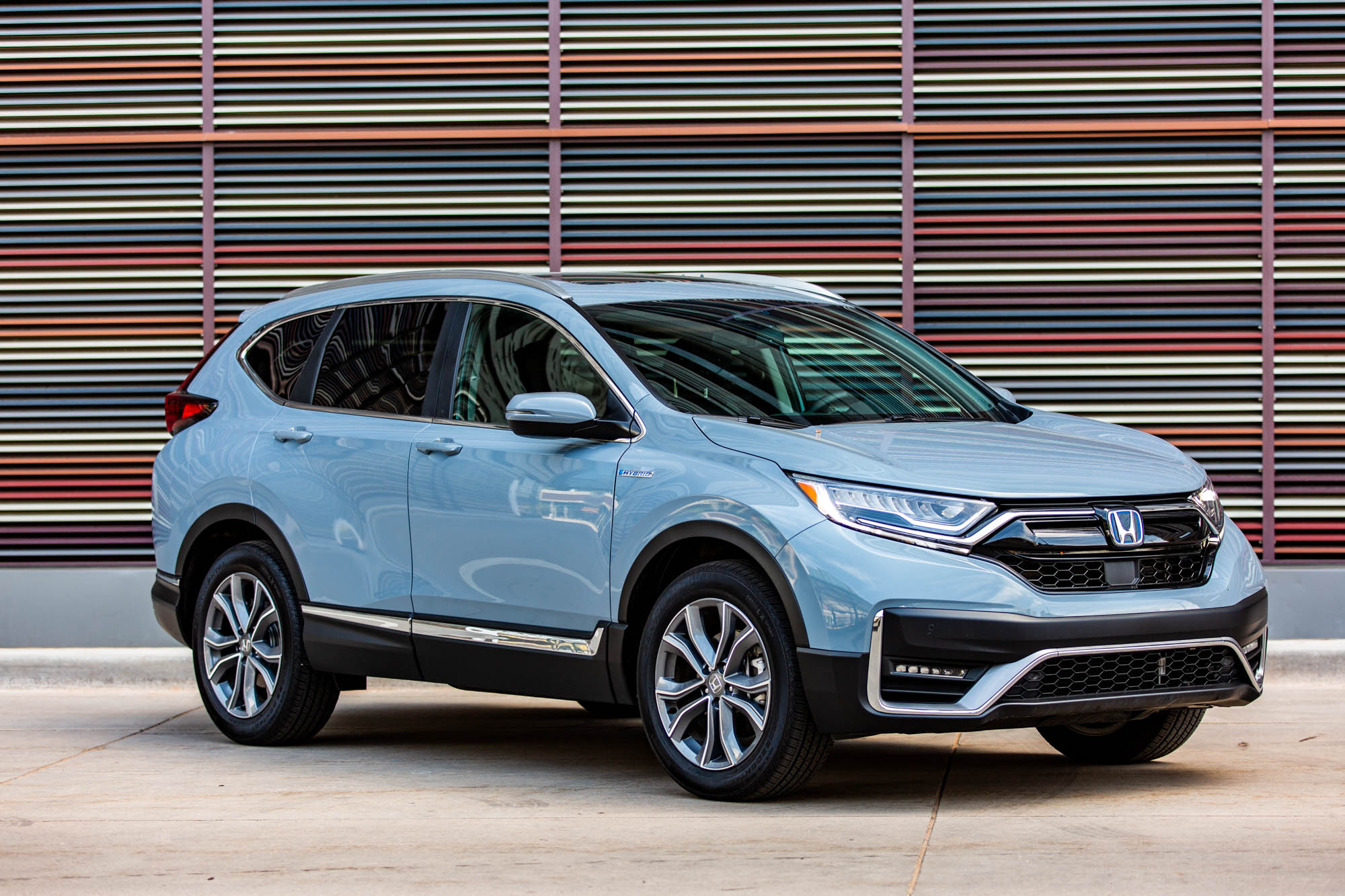
9. Honda CR-V (2007–2010)
The Honda CR-V has been a benchmark in the compact SUV segment for years, and the 2007 to 2010 generation exemplifies why. This model continues to hold up well after 15 years, not just mechanically but also in terms of build quality and driving feel.
The CR-V was designed with a focus on practicality and reliability, but it also features a well-constructed chassis that maintains rigidity over time, which is critical for preserving that “solid” sensation on the road. The suspension retains its composed nature, handling bumps and uneven surfaces with poise instead of feeling loose or tired.
The interior of the CR-V is surprisingly durable, especially given the vehicle’s everyday use as a family hauler or commuter. The plastics are soft enough to feel pleasant but hard enough to resist cracking or fading. The upholstery, whether cloth or leather, generally shows little sign of sagging or excessive wear, and controls remain firm with no rattling or looseness.
The cabin layout has aged well, and the ergonomics still make sense, which adds to the feeling of a car that was well thought out from the start.
On the road, the CR-V continues to deliver a smooth and confident drive. The steering is light but precise, offering good feedback for a compact SUV, and the brakes retain a solid, predictable feel.
Road noise is well-controlled, especially for a vehicle this age, which adds to the sense of refinement. The suspension remains compliant, soaking up rough pavement without transferring harshness into the cabin, so the vehicle feels planted rather than worn out.
Mechanically, the CR-V’s engines and transmissions are known for their long-term reliability when maintained properly. While some owners may face minor issues related to aging, the core drivetrain components rarely suffer catastrophic wear or loss of performance.
This combination of mechanical durability and a solid, well-built chassis makes the CR-V one of the compact SUVs that continues to feel dependable and “solid” even after 15 years on the road.
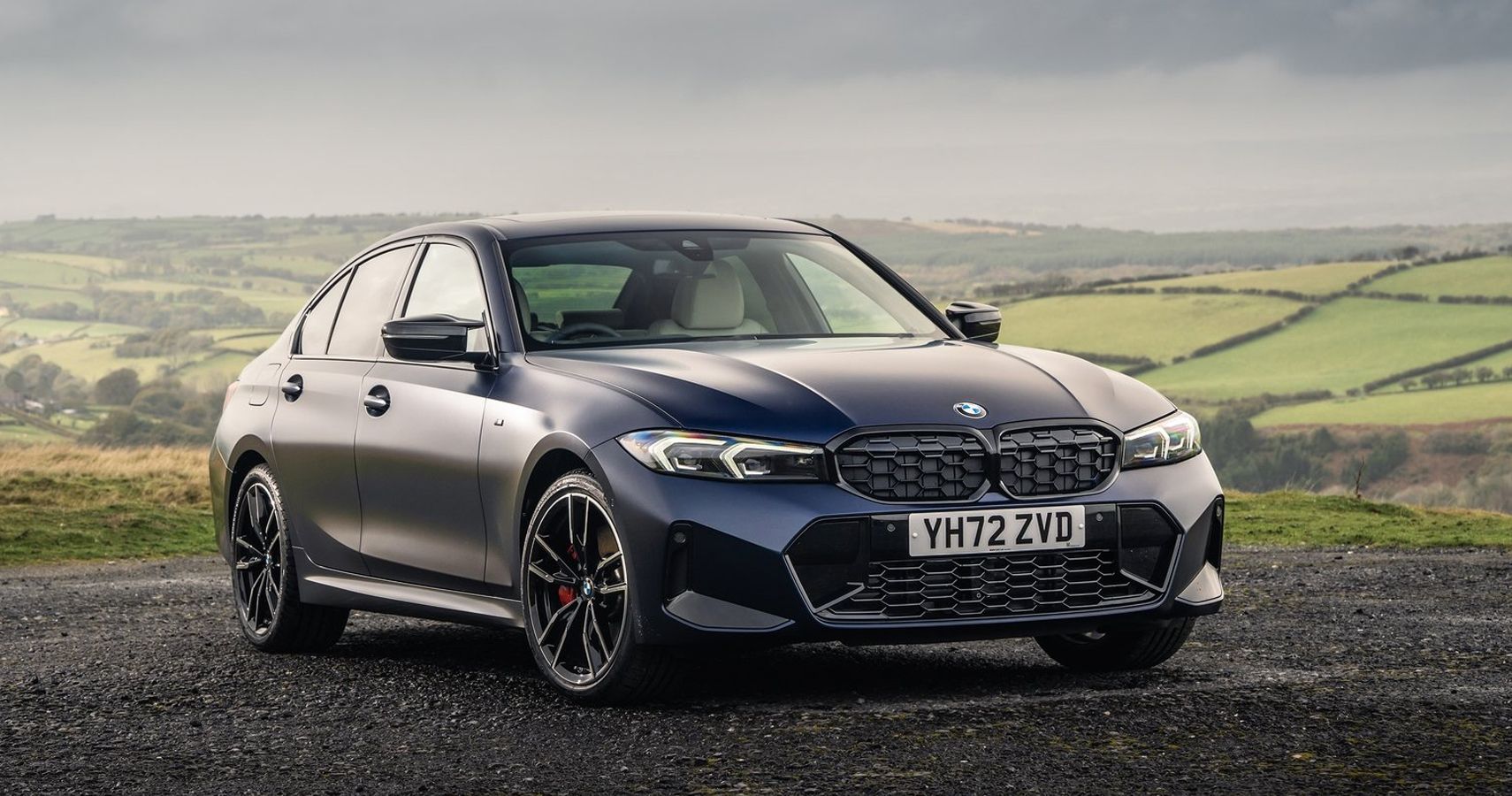
10. BMW 3 Series (E90, 2006–2011)
The BMW 3 Series, particularly the E90 generation, has earned a reputation for driving enjoyment and dynamic handling, and what’s impressive is how many of these cars continue to feel tight and refined even after 15 years.
The E90 chassis was designed with a focus on balance and driver engagement, and this engineering focus means that many examples retain a crisp and composed driving feel, something often lost in older vehicles as components wear or loosen.
The steering remains sharp, with excellent feedback, and the suspension continues to provide a firm but controlled ride, absorbing road imperfections without becoming harsh or noisy.
Inside, the E90 offers a driver-focused cockpit that, while showing some signs of age, remains well put together. The materials used, premium plastics, leather, and metal trim, have generally held up well over time, with fewer complaints about rattles or peeling surfaces than is common in cars of similar age.
The switches and controls maintain a satisfying tactile feel, contributing to the impression of quality and durability. Seating remains comfortable, with supportive bolsters that don’t sag easily even after years of use.
Driving a 15-year-old E90 3 Series still feels engaging. The powertrain options, including the smooth inline-six engines, deliver responsive performance with a character that hasn’t dulled over time.
Gear shifts, especially with the manual transmission, remain precise and satisfying, which helps preserve the driving experience. Although some maintenance costs may be higher than average, the car’s fundamental solidity and driver-focused design make it one of the rare sedans that doesn’t lose its essence or driving quality with age.
Finally, the E90’s build quality contributes greatly to its lasting solid feel. The suspension components are robust, chassis points remain tight, and the engineering resists the usual creaks and clunks that plague older performance sedans. For enthusiasts who appreciate a car that feels alive and connected behind the wheel, the E90 remains a benchmark even 15 years later.
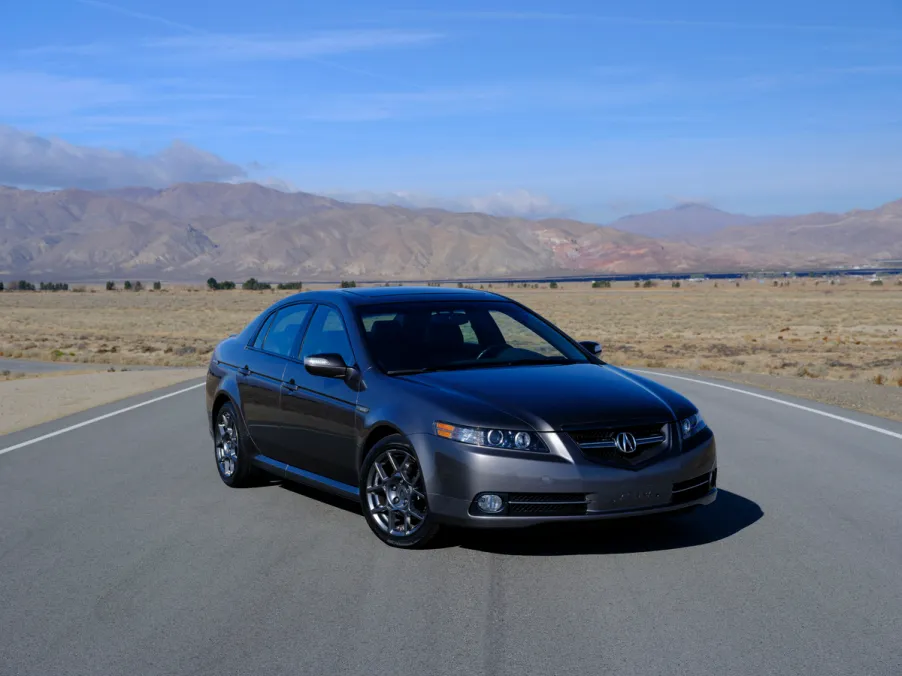
12. Acura TL (2004–2008)
The Acura TL from the mid-2000s is a midsize luxury sedan that continues to impress with its solid build quality and engaging driving experience, even after 15 years. Acura’s reputation for reliability and engineering excellence shines through in this model, which was designed with a focus on both performance and comfort.
The chassis feels rigid and well-constructed, providing a sense of stability and confidence on the road. Unlike many aging luxury sedans that begin to develop creaks, rattles, or vague steering inputs, the TL retains a precise, planted feeling that still rewards the driver.
Inside, the TL’s cabin feels durable and thoughtfully assembled. The interior materials, leather upholstery, soft-touch plastics, and well-finished trim have aged gracefully, resisting cracks and peeling that often plague vehicles of similar age. The seats remain supportive and comfortable, holding their shape despite years of use.
Controls and switches continue to operate smoothly, with a reassuring firmness that contributes to the feeling of quality. The ergonomics are driver-centered, and the dashboard layout has aged well, maintaining a modern and functional appearance.
Driving the Acura TL remains an engaging experience, thanks to its well-tuned suspension and responsive steering. The ride strikes a balance between comfort and sportiness, offering firm body control without sacrificing refinement.
The powerful V6 engine delivers smooth acceleration and plenty of passing power, while the automatic transmission shifts crisply and predictably. This combination ensures that the TL still feels lively and capable behind the wheel, rather than sluggish or worn out.
Finally, the TL’s reputation for mechanical reliability bolsters its long-term appeal. The engines and transmissions from this era are known for their durability, and the build quality supports consistent performance even as the car ages.
Many owners report driving these sedans well beyond the 200,000-mile mark without major issues, further emphasizing the TL’s ability to remain solid and dependable after 15 years. This makes the Acura TL a compelling choice for those seeking a luxury sedan that holds its composure over time.
