
Electric vehicles (EVs) have transitioned from niche status to mainstream transportation in the past decade. As governments push for cleaner alternatives and battery technology becomes more affordable, more manufacturers are entering the market with budget-friendly electric cars.
The idea of owning a zero-emission vehicle no longer demands a hefty investment, and this shift has encouraged buyers across income levels to consider going electric.
However, while affordability is a significant draw, not all low-cost EVs are built the same. Some budget-friendly EVs offer surprising quality, thoughtful design, and solid performance. Others cut corners, lack durability, and suffer from poor range or reliability.
This dual nature of the budget EV market creates confusion for buyers who want to make the switch without sacrificing too much in terms of comfort, safety, or long-term usability. It’s easy to be swayed by a low sticker price, but cheaper isn’t always better when it comes to vehicles, especially those relying heavily on newer tech.
EVs depend on software integration, battery management, and drive system quality, areas where cost-cutting can lead to frustrating ownership experiences. Some brands manage to deliver affordable options without compromising these core areas, while others end up flooding the market with vehicles that feel unfinished or outdated soon after launch.
In this article, we’ll go through five budget EVs that are genuinely worth every dollar, offering good range, dependable performance, and decent build quality. These are cars that prove you don’t need to spend a fortune to own a reliable and efficient electric vehicle.
We’ll also look at five EVs that are more on the disappointing side, where low cost also means low standards. These vehicles may seem appealing on paper but often fall short in critical areas such as safety, comfort, range, or long-term reliability. The goal here is to help you understand not just what’s cheap, but what’s worth your hard-earned money and what isn’t.
5 Budget EVs Worth Every Penny
1. Chevrolet Bolt EV
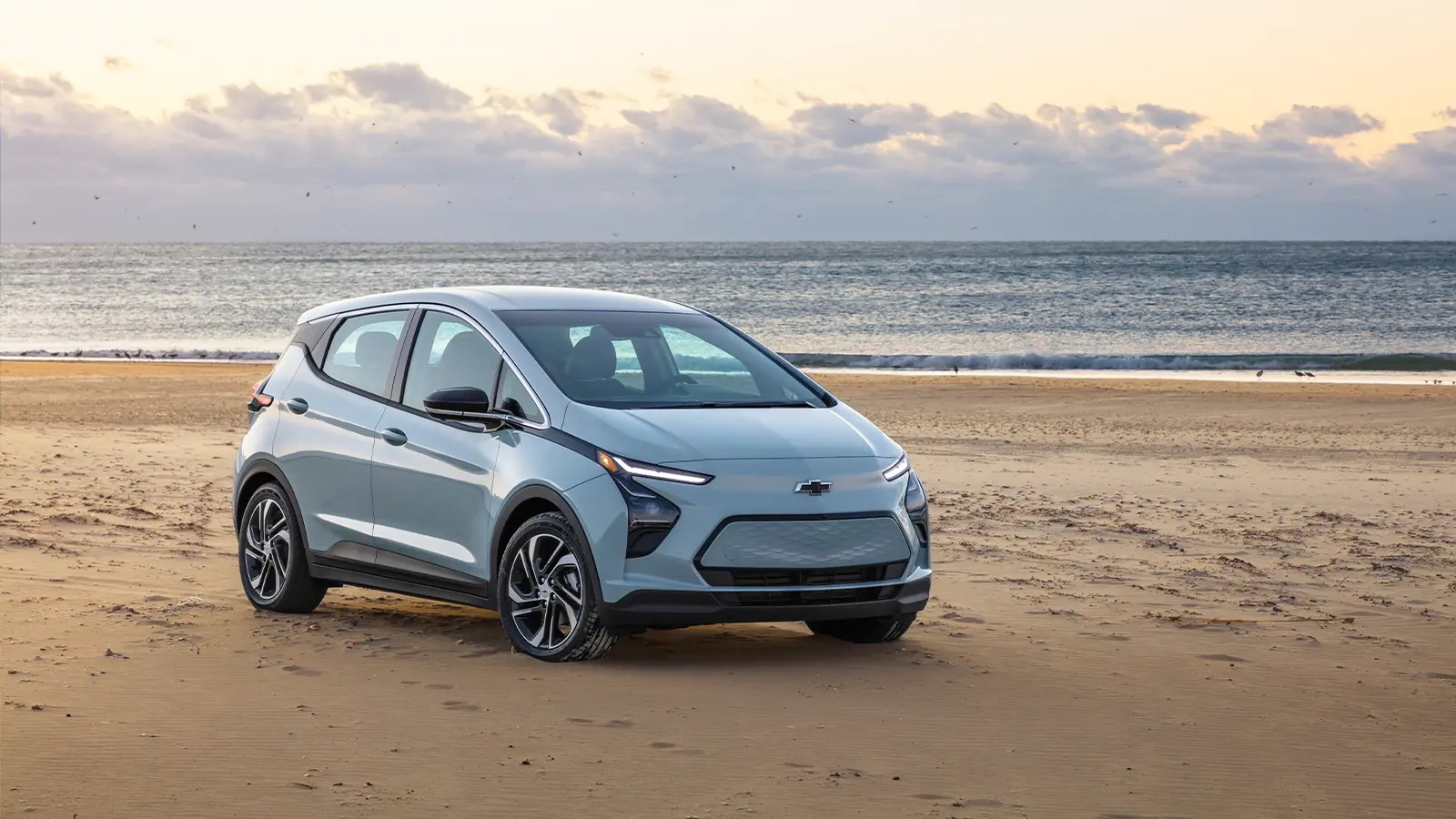
The Chevrolet Bolt EV is widely regarded as a groundbreaking electric vehicle that brought affordable range and practicality to the mass market. When it was first introduced, the Bolt challenged the notion that budget electric cars had to be small, slow, or range-limited.
With an EPA-rated range that consistently hits around 250 to 259 miles, it offers more than enough distance for most daily driving and even occasional road trips.
This range makes the Bolt a practical choice for those who want to cut their fuel costs without sacrificing flexibility or convenience. What really sets the Bolt apart in the budget EV space is how well-rounded it is, there’s no single area where it feels overly compromised.
Beyond its impressive range, the Bolt’s performance is surprisingly energetic for a car in its price class. Its electric motor delivers smooth and immediate torque, which means quick off-the-line acceleration and responsive driving dynamics. This makes it enjoyable to drive whether you’re zipping through city streets or merging onto highways.
The handling is nimble, thanks in part to its relatively low center of gravity, and the suspension strikes a good balance between comfort and road feedback. While it’s not a sports car by any means, the Bolt doesn’t feel dull or lifeless like some other budget EVs can. Instead, it offers a driving experience that feels purposeful and refined.
This connectivity makes it easy to integrate your smartphone and access navigation, music, or podcasts on the go. The Bolt’s interior also offers a surprisingly spacious feel for a compact hatchback, with ample headroom and legroom for both front and rear passengers. Cargo space is generous for the class, and the rear seats fold flat to expand storage capacity, making the Bolt a practical choice for a variety of lifestyle needs.
Another important factor in the Bolt’s favor is its strong safety record and suite of driver-assistance features. From standard automatic emergency braking to lane-keep assist, the Bolt offers many modern technologies that enhance safety without requiring expensive upgrades.
Reliability has also improved over the years, with Chevrolet addressing earlier battery-related recalls and software issues through updates and extended warranties.
As a result, the Bolt EV provides peace of mind alongside its affordability. When all these factors are combined, the Bolt EV clearly stands out as a budget electric vehicle that truly deserves the praise it has received and remains a top pick for anyone seeking a quality, affordable electric car.
Also Read: 10 Cars That Deliver the Most Comfort for the Least Money
2. Hyundai Kona Electric
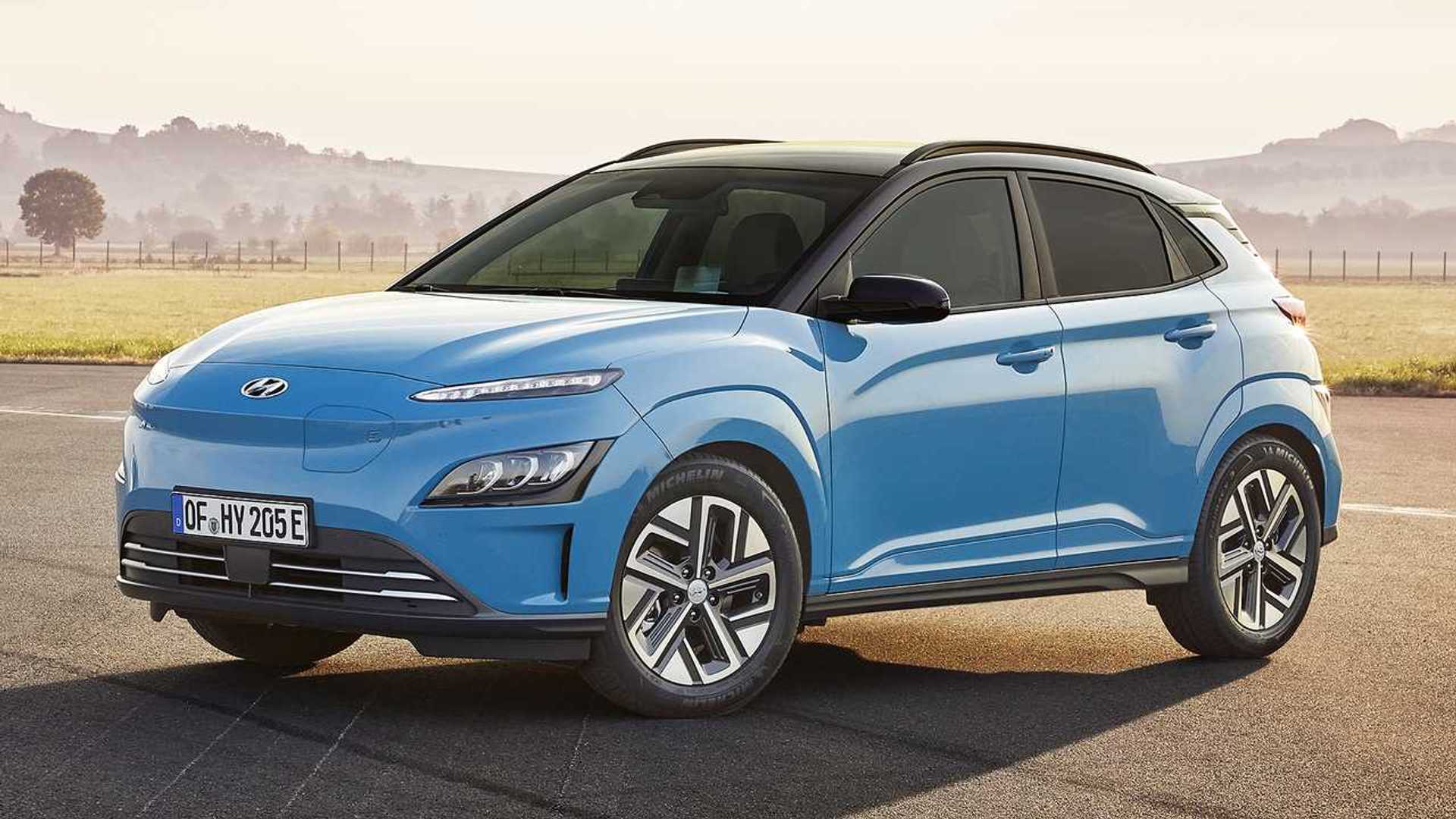
The Hyundai Kona Electric represents a near-perfect blend of range, style, and everyday usability, making it one of the standout options in the budget EV market. Unlike many early electric cars that felt like conversions or afterthoughts, the Kona Electric was designed from the ground up with electric propulsion in mind.
This thoughtful approach is apparent in every aspect of the vehicle. Its battery offers a class-leading range of about 258 miles on a single charge, which is more than sufficient for daily commuting, family errands, or even weekend getaways. The impressive range means less time spent worrying about charging and more time enjoying the benefits of electric driving.
Driving the Kona Electric is a confident experience, with plenty of pep and smooth power delivery. Its electric motor is capable of delivering strong acceleration, allowing it to merge onto highways and navigate urban traffic with ease.
The chassis and suspension are well-tuned, providing a balance between ride comfort and precise handling that few budget electric SUVs can match.
The elevated driving position also gives a good view of the road ahead, which is appreciated by many SUV buyers. The Kona Electric manages to feel more substantial and capable than some smaller or more budget-oriented competitors, which is a big plus for drivers who want a car that can do more than just get them from point A to B.
Inside, the Kona Electric delivers a surprisingly upscale experience for its price point. Materials are soft-touch and well-assembled, and the layout is driver-focused without feeling cluttered. The infotainment system is user-friendly, boasting an 8-inch touchscreen with wireless Apple CarPlay and Android Auto, which is often only found in more expensive vehicles.
Comfort is good for both front and rear passengers, and the cabin remains quiet even at highway speeds thanks to effective sound insulation. There’s also plenty of cargo space for a subcompact SUV, making the Kona Electric practical for daily life, including grocery runs, sports gear, or weekend trips.
Hyundai has also equipped the Kona Electric with a robust suite of safety features as standard. These include forward collision warning, lane departure warning, and blind-spot monitoring, which are vital for peace of mind in busy traffic. Warranty coverage is excellent, offering a 10-year/100,000-mile battery warranty and one of the best powertrain warranties in the industry.
This combination of strong safety, quality construction, and excellent warranty support makes the Kona Electric a very smart buy. It shows that a budget EV doesn’t have to mean cutting corners, and for many buyers, it represents outstanding value for the money spent.
3. Nissan Leaf
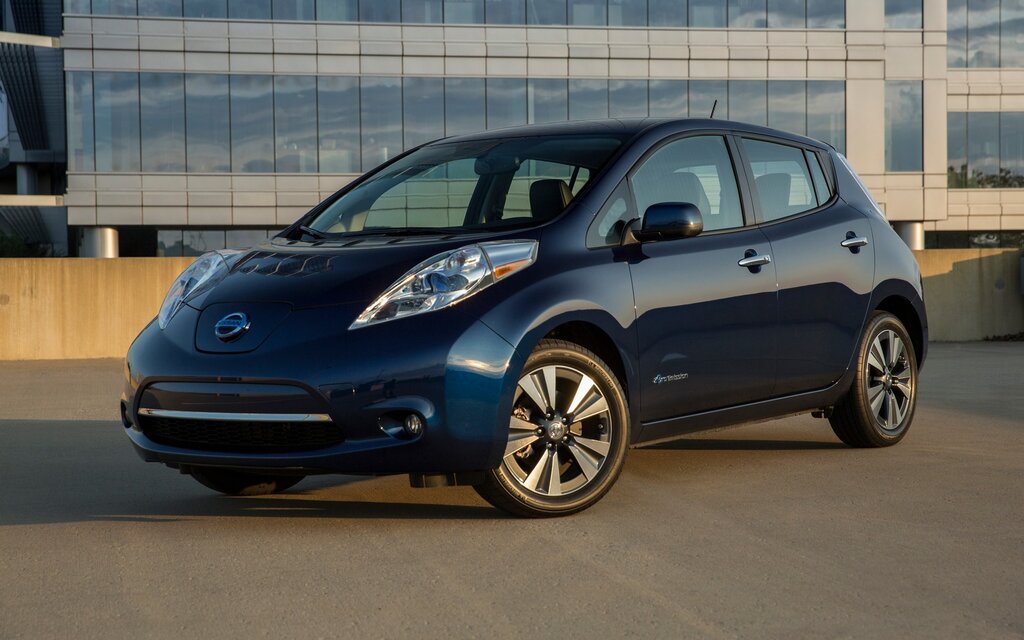
The Nissan Leaf holds a special place in the history of electric vehicles as one of the first mass-produced EVs that made electric driving accessible to everyday consumers.
While it has evolved significantly since its introduction, the latest models of the Leaf continue to offer an excellent entry point for those seeking a reliable, affordable electric car. One of the Leaf’s greatest strengths is its simplicity and practicality.
The car’s design prioritizes ease of use and efficiency over flash or gimmicks, which means it appeals to buyers who want a straightforward, no-nonsense EV.
The latest Leaf offers two battery options: the standard 40 kWh pack, providing about 150 miles of range, and a larger 62 kWh pack, pushing the range to around 226 miles. While not the longest in the budget EV segment, these ranges suit a large number of urban and suburban drivers perfectly.
The driving experience of the Leaf is smooth and quiet, with a very composed ride that makes daily commuting pleasant. While it’s not designed for sporty driving, the Leaf’s electric motor provides adequate torque for city streets and suburban roads.
It has an intuitive regenerative braking system that allows for one-pedal driving, which many drivers find convenient and helps maximize range.
The Leaf also benefits from Nissan’s years of experience in electric vehicle development, which translates into a well-engineered drivetrain and reliable battery system. Maintenance costs are generally low, with fewer moving parts than combustion-engine vehicles, making the Leaf a budget-friendly ownership option over time.
Inside, the Leaf offers a clean and comfortable cabin with a focus on functionality. The interior materials are decent and feel durable, though not luxurious. The infotainment system includes a touchscreen with navigation and smartphone integration options, though earlier base models might lack some features now considered standard.
Space is ample for a compact hatchback, with enough rear seat legroom for adults and flexible cargo capacity thanks to fold-flat rear seats.
The Leaf also shines when it comes to safety, featuring Nissan’s Safety Shield 360 suite on most trims. This package includes automatic emergency braking, blind-spot monitoring, rear cross-traffic alert, and more. It’s a comprehensive set of features that enhances both driver confidence and passenger protection.
One of the biggest reasons the Leaf continues to be a good budget EV choice is its widespread availability and competitive pricing on the used market. With many used Leafs available at affordable prices, buyers can step into electric driving without a huge upfront investment.
The car’s proven track record, solid warranty coverage, and practical design make it a sensible option for first-time EV buyers. While it may not have the flashiest design or the longest range anymore, the Nissan Leaf remains a cornerstone in the budget EV market and a car that genuinely delivers value for the money.
4. Mini Cooper SE Electric
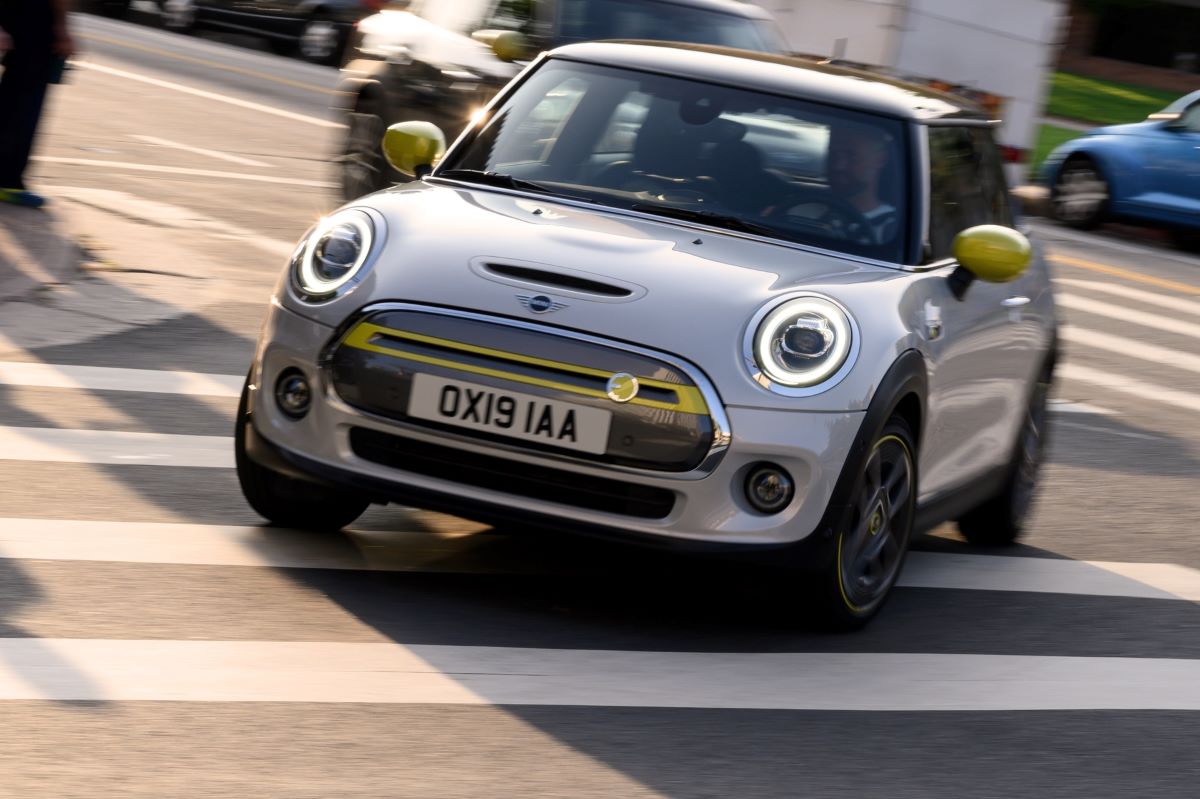
The Mini Cooper SE Electric combines the fun-to-drive character of the iconic Mini brand with the benefits of electric propulsion. It’s a budget EV that manages to retain the playful spirit and nimble handling Mini is known for, making it a standout choice for those who want an affordable electric car that’s also engaging behind the wheel.
The SE’s range is modest at about 110 miles, which places it on the lower end of the spectrum. However, its quick acceleration and precise steering help offset the range limitations by making it a joy to drive in urban environments and short trips. It’s perfect for drivers who value style, brand identity, and driving dynamics over long-distance capability.
Performance-wise, the Mini Cooper SE offers zippy and responsive acceleration, thanks to its electric motor that delivers instant torque. It feels lively and sporty, which makes navigating city streets or tight parking spaces a breeze. The chassis and suspension tuning carry over the classic Mini feel, emphasizing sharp handling and minimal body roll.
Despite its small size, the Cooper SE feels planted and confident, making it one of the more driver-focused EVs in the budget category. Its compact dimensions also help with parking in crowded urban areas where space is at a premium.
The interior maintains the signature Mini design aesthetic, blending retro charm with modern technology. The cabin materials are high-quality for the price, with soft-touch plastics and leatherette upholstery options. The infotainment system includes a touchscreen with smartphone connectivity, and the circular central display stays true to Mini’s unique style.
Passenger space is tighter compared to some other budget EVs, especially in the rear seats, so it’s best suited for singles, couples, or small families. Cargo space is limited but manageable for daily errands or short trips.
Safety features are solid, including automatic emergency braking, adaptive cruise control, and lane-keeping assist, depending on the trim. Mini’s build quality and brand reputation add a layer of confidence to ownership.
While the limited range may dissuade some buyers, those who primarily drive in cities or suburbs and value a fun, distinctive driving experience will find the Mini Cooper SE Electric an excellent choice. It proves that a budget EV can be both practical and entertaining without breaking the bank.
5. Kia Soul EV
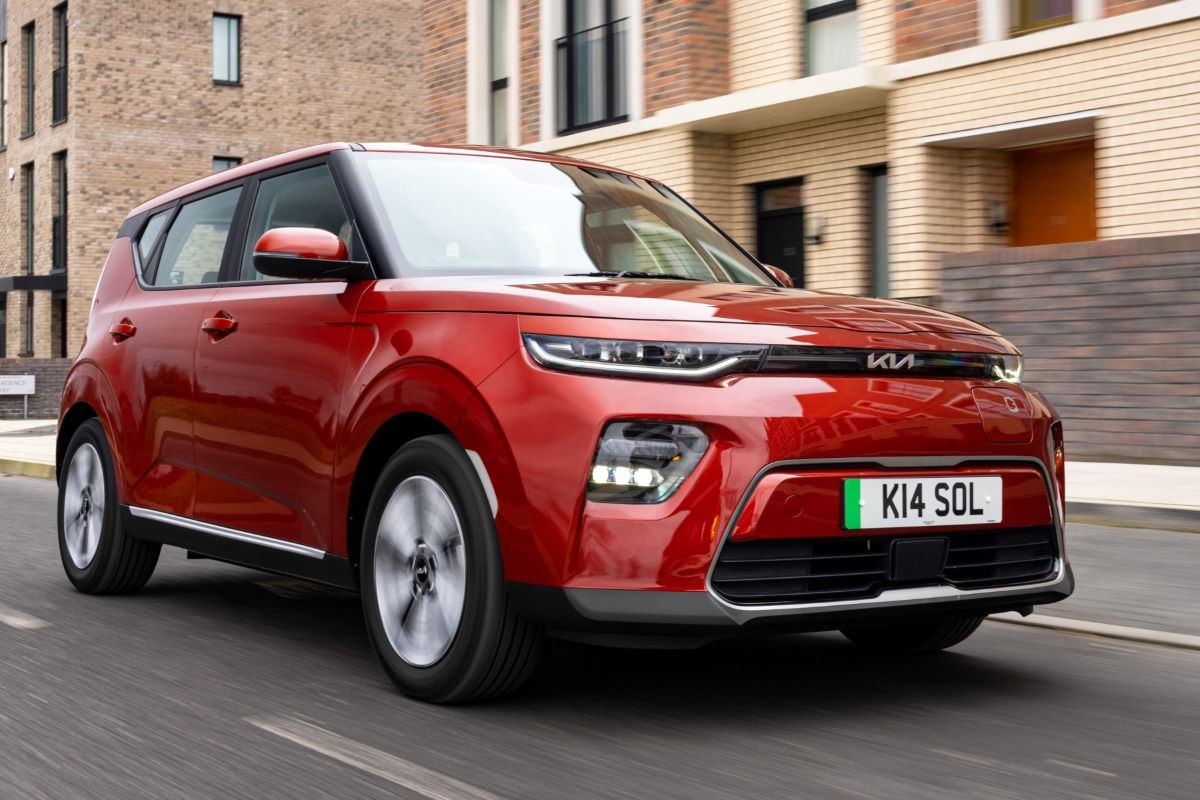
The Kia Soul EV offers a distinctive and practical package for budget EV buyers looking for something a little different. Its boxy design sets it apart visually from other compact electric vehicles, and this shape also translates into a roomy and versatile interior.
The latest Soul EV model boasts an EPA-estimated range of around 243 miles, which places it comfortably in the middle of the pack for budget-friendly EVs.
This range is sufficient for most drivers and provides confidence for longer trips or daily commutes without constant range anxiety. Additionally, Kia’s focus on efficiency means that the Soul EV performs well even in stop-and-go traffic and varied driving conditions.
Driving the Soul EV is enjoyable thanks to its smooth and responsive electric motor. It may not be the fastest car in its class, but its steady power delivery and solid torque make it well-suited for city driving and highway cruising alike. The suspension provides a comfortable ride that absorbs bumps without sacrificing too much handling precision.
While the Soul EV is not designed to be sporty, its higher driving position offers good visibility, which is a practical advantage for everyday use. Its maneuverability and compact footprint make it easy to park and navigate in urban settings.
Inside, the Kia Soul EV shines with spaciousness and practicality. The boxy exterior allows for a tall roofline and wide cabin, creating a surprisingly roomy interior for both front and rear passengers. The seats are supportive and comfortable for longer journeys, and there is ample cargo space with split-folding rear seats that enhance versatility.
The infotainment system is straightforward and modern, featuring a responsive touchscreen with Apple CarPlay and Android Auto. Kia also includes a range of standard tech features and driver-assist systems, such as blind-spot monitoring and rear cross-traffic alert, enhancing safety and convenience.
One of the most appealing aspects of the Kia Soul EV is its value proposition. It offers a compelling mix of range, interior space, and features at a price point accessible to many budget-conscious buyers. Kia’s warranty coverage is among the best in the industry, adding peace of mind for those investing in electric vehicles for the first time.
The Soul EV is a practical and versatile choice that delivers on the promise of affordable electric transportation without the compromises often seen in cheaper EVs. Its combination of style, utility, and range makes it a worthy contender in the budget EV segment.
Also Read: 10 Best SUVs That Still Get Top Dollar at Auction
5 Budget EVs That Are Cheap Quality
1. Mitsubishi i-MiEV
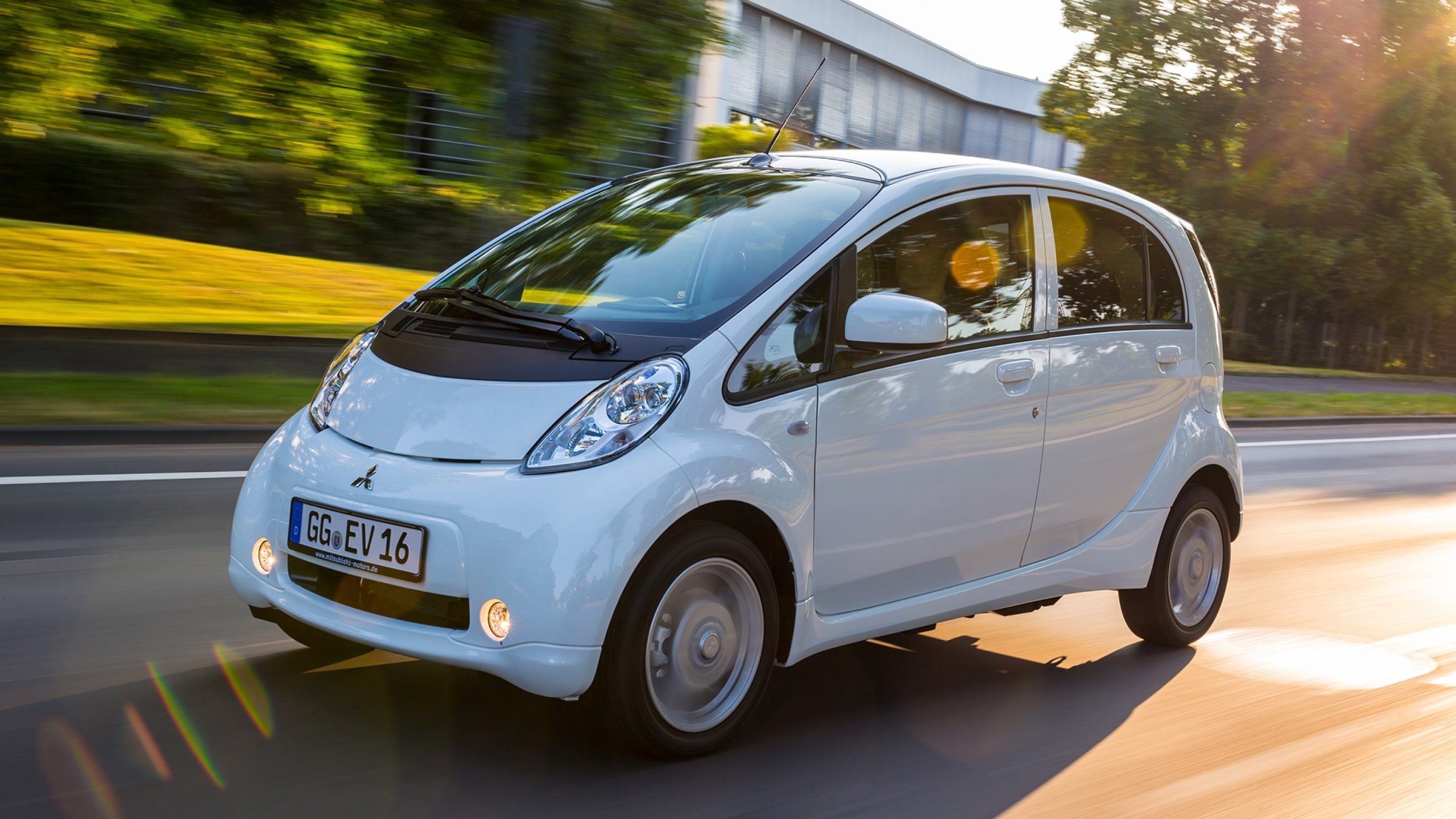
The Mitsubishi i-MiEV is one of the earliest examples of a mass-market electric vehicle, and unfortunately, it shows. While it may have had novelty appeal when it first launched, time has not been kind to this compact electric car. The i-MiEV suffers from several serious drawbacks that make it difficult to recommend, even at its very low price point on the used market.
One of its most glaring weaknesses is the extremely limited range, which maxes out around 60 to 70 miles per charge under real-world conditions. In a time when most budget EVs offer at least double that, the i-MiEV simply feels out of step with modern expectations. This short range severely limits its practicality, even for those who only use their car for commuting or city errands.
Beyond the battery limitations, the car’s performance is lackluster and uninspiring. Acceleration is slow, especially when merging onto highways or dealing with uphill routes. The handling is also soft and uninvolving, making it feel more like an appliance than a driver-focused machine.
It’s not that every budget EV needs to be fun, but the i-MiEV doesn’t even manage to be confident or secure on the road. Add to that its narrow stance, which leads to a less stable ride at higher speeds, and you get a vehicle that feels out of place on anything other than quiet residential roads. For a car meant to encourage EV adoption, the i-MiEV often does the opposite, it highlights all the limitations people fear about electric vehicles.
Interior quality is another weak point. The materials feel extremely cheap, even by budget car standards. Hard plastics dominate the cabin, and the seats provide minimal comfort, especially on longer drives. The infotainment system is outdated, with very basic audio and navigation features.
There’s little in the way of sound insulation either, so road and wind noise make their way into the cabin quite easily. It’s a car that reminds you of its cost at every touchpoint, which undermines the entire ownership experience. Budget-friendly doesn’t have to mean low-quality, but in this case, it absolutely does.
The i-MiEV was an important stepping stone in EV history, but as a current purchase, it’s tough to justify. Even for those with extremely limited budgets, the compromises in range, comfort, safety, and performance are simply too great.
When more modern alternatives offer dramatically better experiences at similar or slightly higher prices, the i-MiEV becomes difficult to see as a smart buy. Its main appeal is affordability, but that alone doesn’t make it worth the downsides that come with it.
2. Smart EQ ForTwo
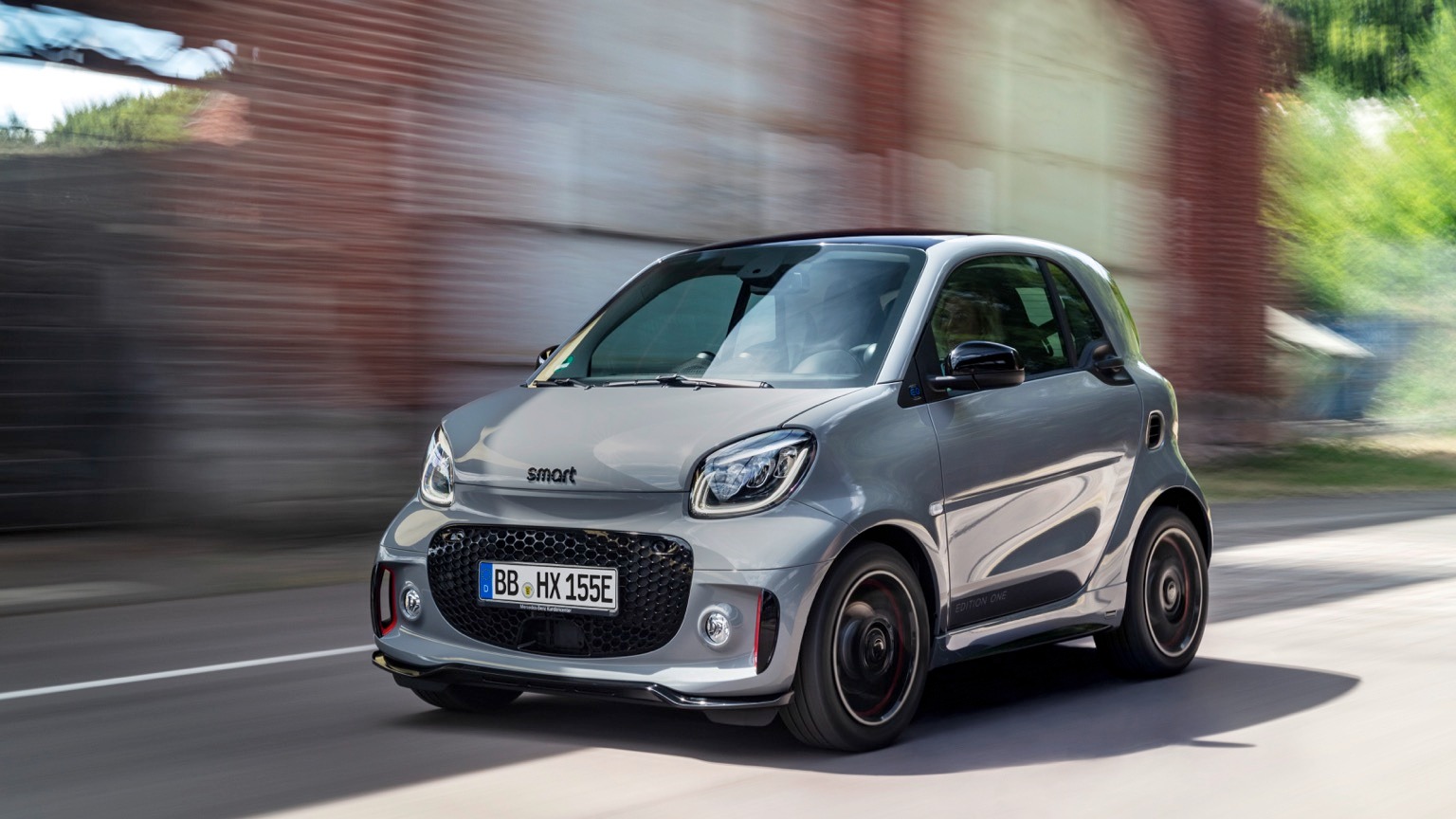
The Smart EQ ForTwo is marketed as an ultra-compact solution for urban drivers who prioritize small size and maneuverability. While it does succeed in being one of the smallest and easiest-to-park EVs available, nearly every other aspect of the car leaves something to be desired.
First and foremost is the alarmingly low range. With a real-world driving distance of around 58 to 70 miles on a full charge, it is only marginally better than the earliest electric cars released a decade ago.
That limited range might be acceptable if the car were priced accordingly, but it often costs as much as or more than significantly better-equipped competitors. It quickly becomes clear that you’re paying a premium for the brand and niche design, rather than substance.
The driving experience itself is unimpressive. While the car’s small size should make it nimble, the actual performance is underwhelming. Acceleration is sluggish, and highway driving is a chore. It takes a long time to reach cruising speeds, and once it does, it struggles to maintain them comfortably.
There’s also a surprising amount of body roll for a car with such a short wheelbase. You can feel the limitations of its design every time you hit a bump or try to corner with any enthusiasm. As a result, driving the Smart EQ ForTwo doesn’t feel like modern EV transportation, it feels like an experiment that never fully matured.
The interior does little to help its case. While it has a quirky charm, it feels small even for a compact car. Storage space is minimal, and there’s a distinct lack of comfort for both driver and passenger. It’s a two-seater, which significantly limits its usefulness for anyone who needs to transport more than one other person.
The infotainment system is functional but basic, and many features that come standard on other budget EVs are either missing or locked behind higher trim levels. Build quality is also mediocre, with cheap-feeling panels and switchgear that lacks the refined feedback you’d expect for the price.
The trade-offs in range, space, and driving dynamics are too steep, and it ends up being more of a novelty car than a serious transportation option. Budget doesn’t have to mean basic, but in this case, it absolutely does.
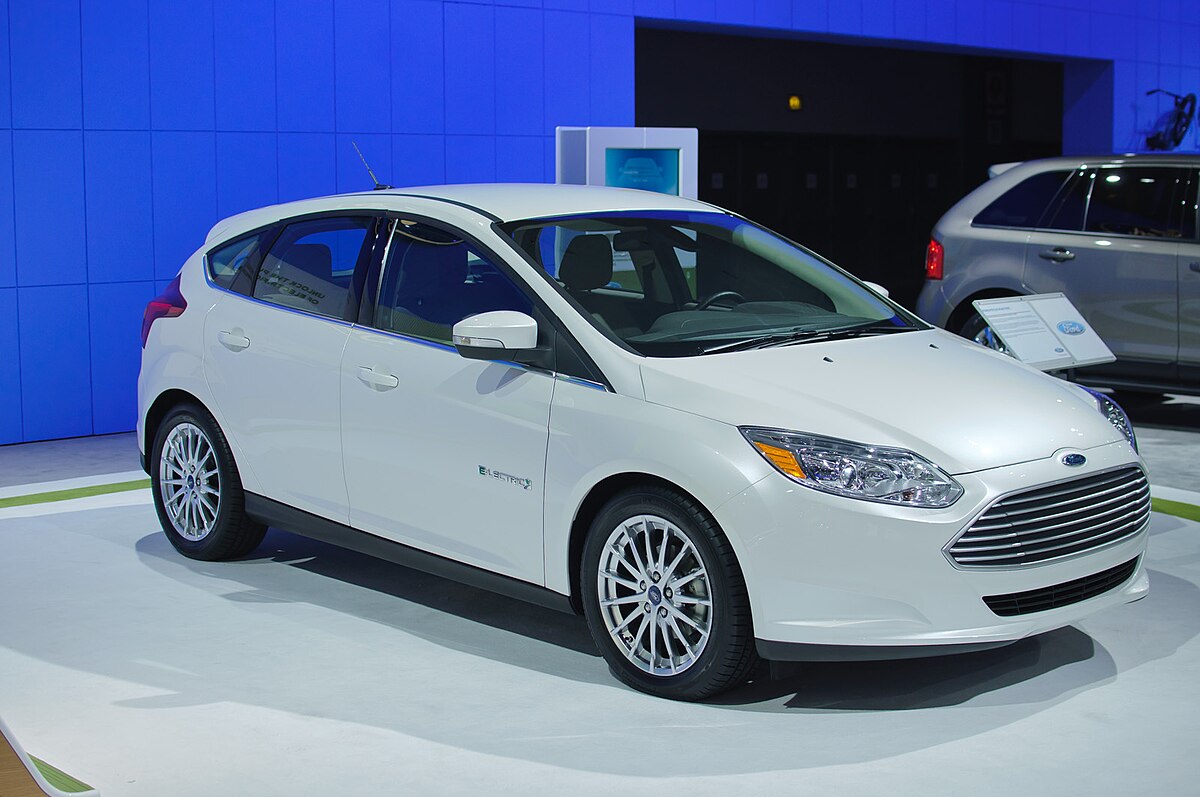
3. Ford Focus Electric
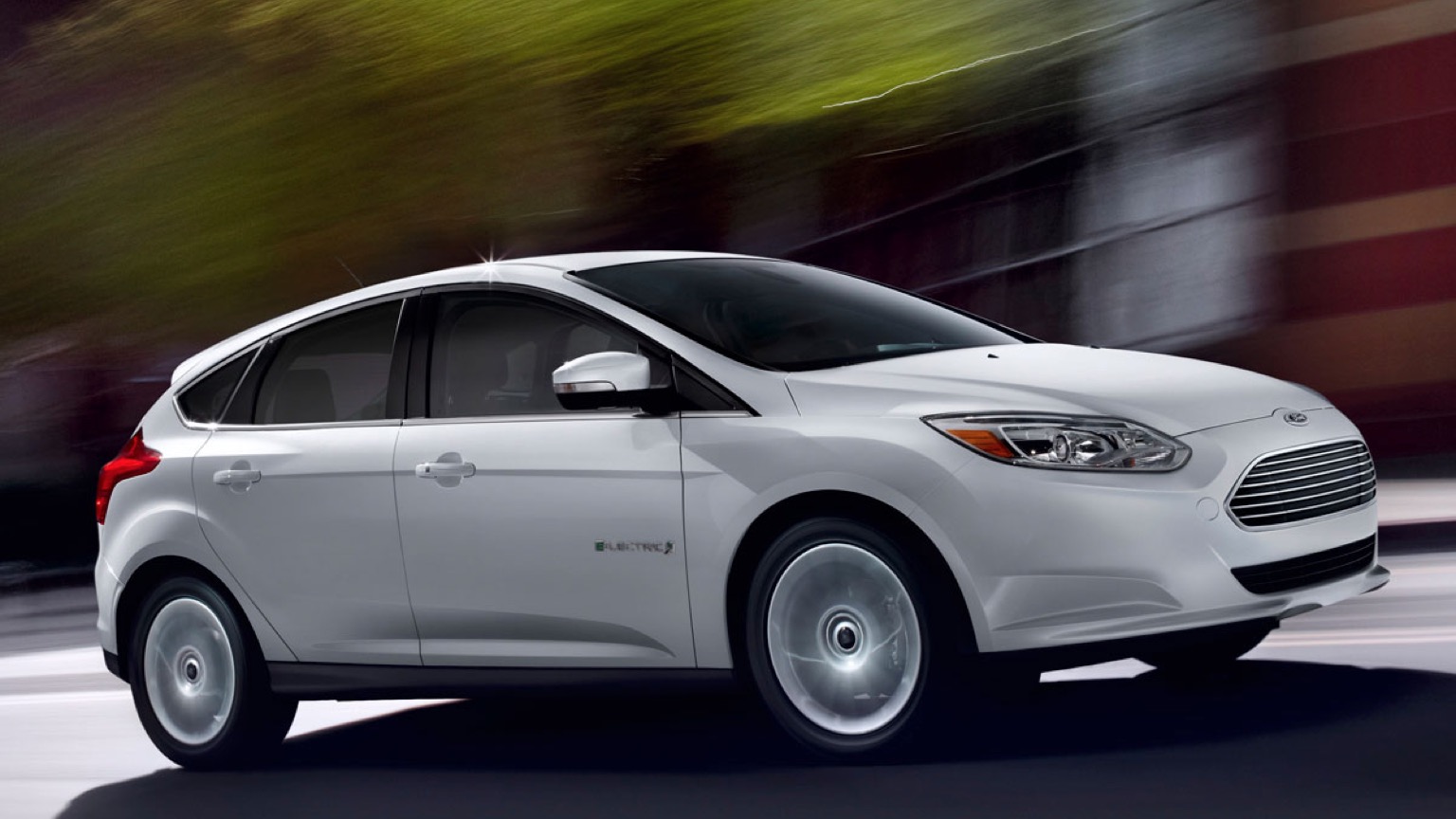
The Ford Focus Electric was one of the early attempts by a legacy automaker to compete in the EV space using a modified version of an existing gas-powered car. While that approach helped reduce production costs and bring an electric vehicle to market faster, it also introduced a lot of compromises that became apparent to owners fairly quickly.
One of the biggest issues with the Focus Electric is that it never quite felt like it was designed to be an EV from the start. The battery pack takes up a lot of space in the rear, drastically cutting into cargo capacity and making the trunk unusually shallow. This limits the car’s practicality, especially when compared to other hatchbacks that make better use of their space.
In terms of range, the Focus Electric struggles to keep up. Even at its peak, it offered around 115 miles on a single charge, better than some older models, but not competitive with newer budget EVs.
While this range might suit city commuters, the lack of fast-charging capability on earlier models meant longer downtimes and fewer options for road trips or emergency top-ups. Charging at home was fine for overnight use, but the lack of infrastructure compatibility became a sticking point. With better-range EVs available in the same price bracket, it’s easy to see why the Focus Electric faded from relevance quickly.
Driving dynamics were decent, mostly because the Focus platform was already well-tuned for handling. However, the added weight of the battery made the car feel sluggish in corners and under hard acceleration. It wasn’t particularly engaging to drive, nor was it especially quiet or refined.
There was nothing outright bad about the way it handled daily driving, but there was also nothing memorable about it. It existed in a kind of middle ground where it failed to stand out in any way, and that lack of identity hurt its value proposition.
Ford has since moved on to much more capable EVs, which only highlights how dated the Focus Electric now feels. It lacked purpose-built design, competitive range, and modern features, which all work against it in today’s market.
4. Fiat 500e
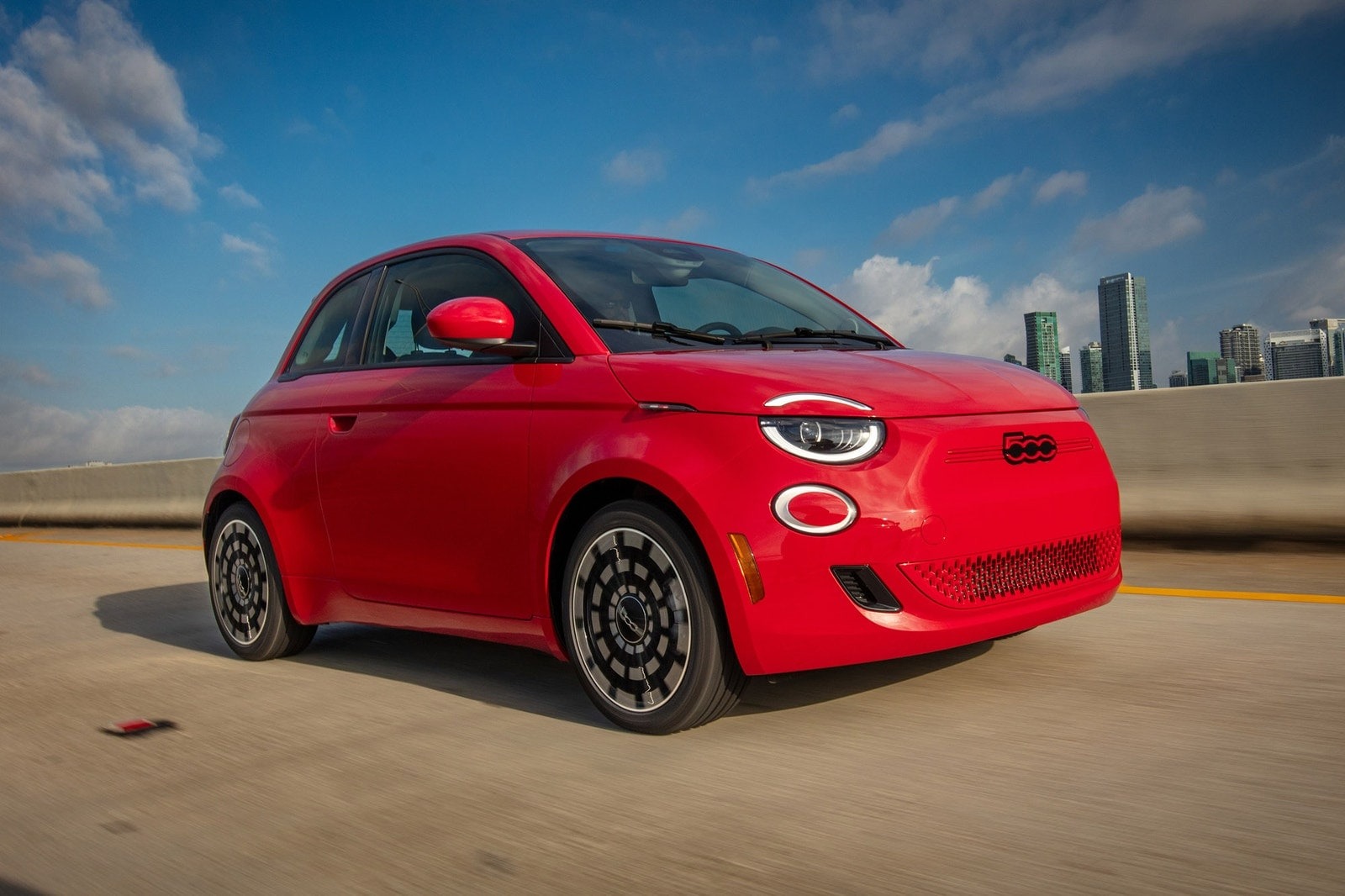
The Fiat 500e has an interesting backstory. It was originally built to satisfy emissions regulations in specific U.S. states and was never meant to be a global or long-term product. That history becomes painfully obvious when you drive it or try to live with it day-to-day.
At first glance, the Fiat 500e has charm. The retro styling and compact dimensions give it a certain visual appeal, and it’s undeniably easy to park in tight spaces. But those are its only real strengths. Beyond that, it’s a deeply compromised vehicle that only makes sense for a narrow slice of the market.
Range is one of its most glaring weaknesses. Topping out around 84 miles per charge, the 500e has less range than many electric vehicles that came before or after it. That might be acceptable for a used car in a city setting, but it’s hard to justify even at its current low price point when other budget EVs now offer twice the range.
Additionally, the car has no real fast-charging capability, which further limits its usefulness on anything longer than a daily commute. It’s the kind of vehicle that demands constant planning, which quickly becomes frustrating for owners.
The driving experience is also underwhelming. While the car is small and maneuverable, it doesn’t feel planted or confident at higher speeds. It gets pushed around easily on the freeway, and the ride is harsh on anything but smooth pavement.
Road noise is quite pronounced due to minimal insulation, and the suspension does little to absorb bumps. Inside, the cabin is cramped, especially for taller passengers, and cargo space is virtually nonexistent. The infotainment system feels like an afterthought, and the build quality is far from impressive.
The 500e is often treated as a bargain option because of its low resale value, but the truth is that even at a discount, it can be a tough sell. There’s not much in the way of long-term support, parts can be expensive or hard to find, and the car itself feels like it was rushed to market rather than carefully engineered.
5. Toyota bZ4X (Base FWD Version)
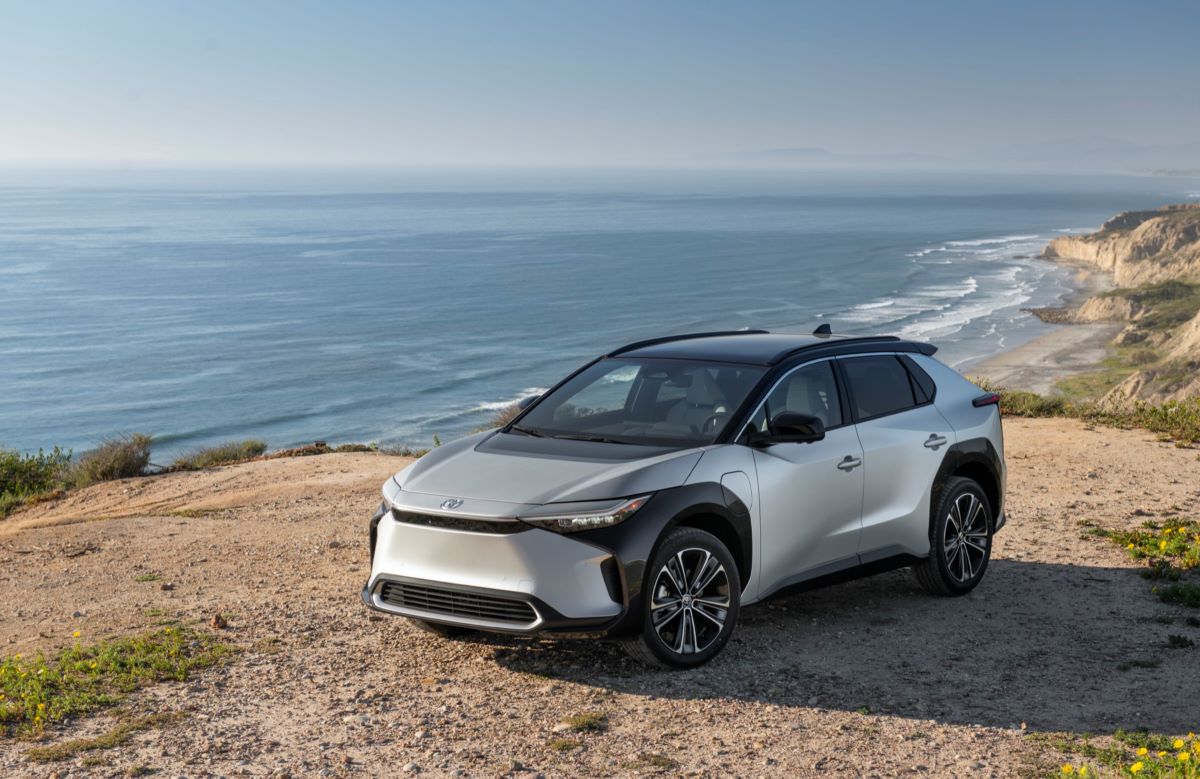
Toyota’s entry into the EV world with the bZ4X was met with high expectations, but the execution, especially in the base front-wheel-drive version, left many buyers and critics underwhelmed. Coming from a brand with a long history of hybrid innovation and reliability, the bZ4X seemed poised to challenge the growing field of electric crossovers.
Unfortunately, the vehicle struggled to live up to that legacy. One of the major disappointments is the range. On paper, the front-wheel-drive version offers just around 250 miles per charge, but in real-world conditions, that number is often lower due to less efficient battery management and software throttling.
The driving dynamics also fail to impress. While Toyota is known for smooth, reliable rides, the bZ4X feels vague and disconnected from the road. Steering is light but lacks feedback, and the vehicle feels heavy in corners without the payoff of powerful acceleration. In fact, the base front-wheel-drive version delivers sluggish performance for its class.
Acceleration is adequate at best, but certainly not competitive with similarly priced rivals like the Hyundai Kona Electric or the Chevy Bolt EUV. The suspension is soft, which helps with comfort on rough roads, but it also adds a sense of floatiness and reduces driver confidence at highway speeds or in emergency maneuvers.
Interior quality is another area where expectations were not met. While the cabin design is futuristic, it doesn’t feel particularly premium or well-constructed, especially given Toyota’s reputation for quality. The materials in the base trim are uninspired, with hard plastics dominating the dash and door panels.
The instrument panel layout is also controversial, placing the gauge cluster above the steering wheel sounds innovative in theory, but in practice, it can be difficult for drivers of varying heights to see clearly.
Meanwhile, Toyota’s infotainment system has improved over the years, but it still lags behind competitors in responsiveness and user-friendliness. Even basic functions like climate control can feel unintuitive due to the heavy reliance on touch-based inputs.
Perhaps most frustratingly, the bZ4X doesn’t seem to know what kind of car it wants to be. It lacks the sporty appeal of a Tesla, the luxury touches of a Kia EV6, or the value and practicality of something like the Nissan Leaf or Hyundai Ioniq 5. As a result, it ends up feeling like a placeholder, a car that exists just so Toyota can say it has an EV on the market.
It’s not that the bZ4X is a terrible vehicle, but when judged against its price tag and the weight of customer expectations, it falls short in too many key areas. For a company that led the hybrid revolution, this entry into the fully electric world is a step backward rather than a confident stride into the future.
