
The rise of electric vehicles has brought a fresh wave of design opportunities for manufacturers. Without the need for traditional gas-powered components like large engines, transmissions, and fuel tanks, electric SUVs are often designed to be more space-efficient than their internal combustion counterparts.
This should theoretically mean more cargo room, better interior layout, and smarter use of space. Yet, not all electric SUVs take advantage of this freedom. While some manufacturers go the extra mile to give families and daily commuters ample storage room for groceries, sports gear, luggage, and baby strollers, others fall short by prioritizing style, battery placement, or tech-heavy cabins at the expense of cargo space.
Choosing an electric SUV is no longer just about range and performance. For many buyers, practicality is the deciding factor. Cargo space plays a key role in how usable a vehicle is day to day. Whether you’re planning a long road trip or simply hauling weekly groceries, a roomy cargo area makes life much easier.
It also means less stress when it comes to folding rear seats, packing large items, or carrying both passengers and gear. Buyers with kids, pets, or active lifestyles often place this requirement high on their list. Unfortunately, not all electric SUVs live up to expectations when it comes to accommodating real-life storage needs.
There are a few standout electric SUVs that offer generous cargo space without sacrificing comfort, handling, or aesthetics. These models provide thoughtful designs, flat load floors, split-folding seats, and wide tailgate openings.
But on the other hand, some well-known models feel cramped, forcing drivers to make awkward compromises between passengers and storage. These SUVs may look futuristic and drive well, but their limited cargo room can quickly become a daily annoyance.
This article compares five electric SUVs that make the most of their cargo space against five that feel much more restrictive. Each vehicle will be discussed in terms of its layout, rear-seat folding mechanism, cargo volume, and ease of use when packing gear. No vehicle is perfect, but when practicality matters, the difference between feeling spacious and feeling squeezed is hard to ignore.
5 Electric SUVs That Offer the Best Cargo Space
1. Tesla Model Y
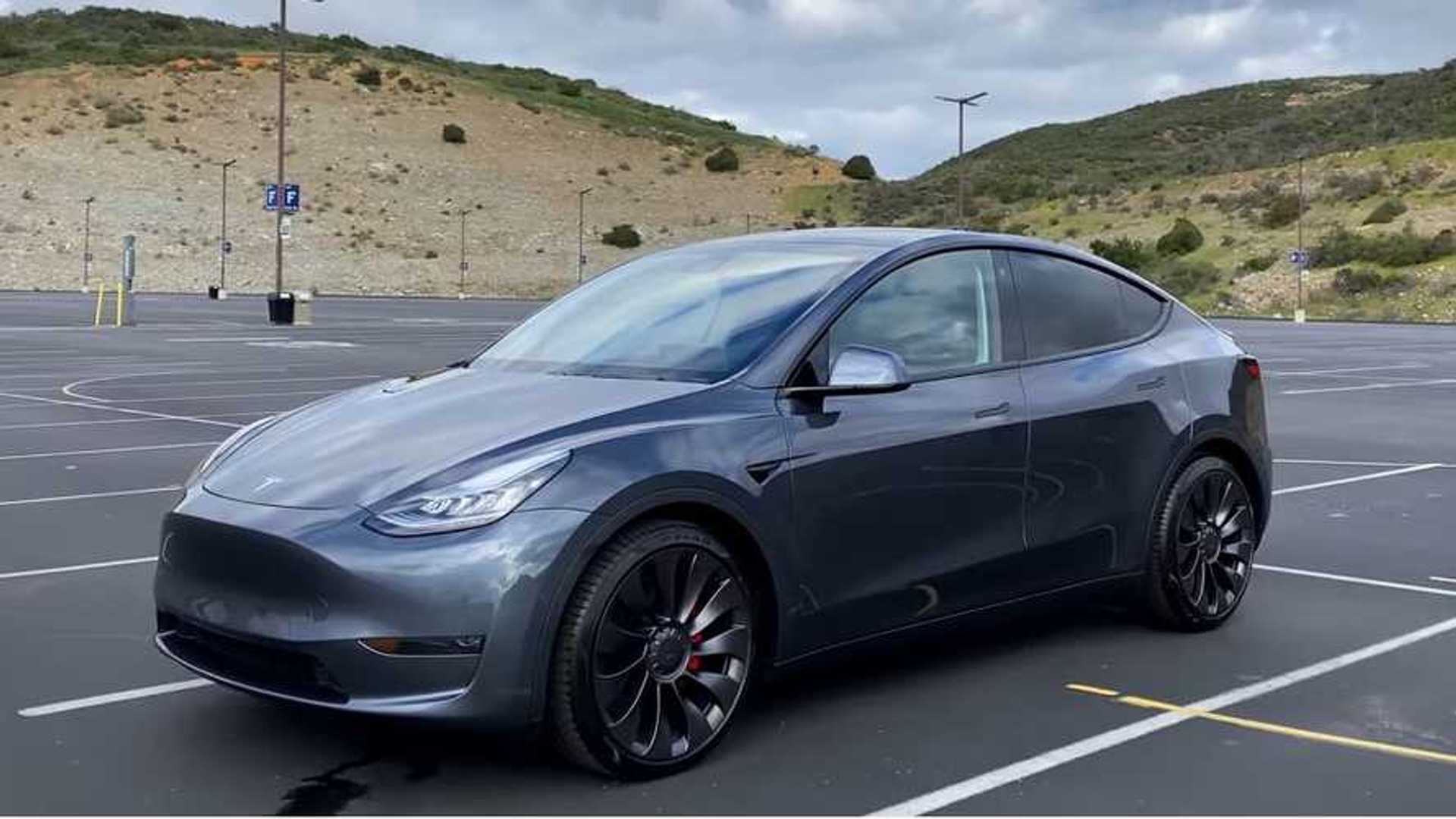
The Tesla Model Y remains one of the most spacious and versatile electric SUVs in the current market. It boasts over 68 cubic feet of cargo capacity when the rear seats are folded down, making it a strong choice for people who prioritize storage space. Even when the seats are up, the trunk area is deep and well-shaped, offering plenty of usable room.
The inclusion of a front trunk (or “frunk”) adds a bonus compartment that’s great for storing smaller items or keeping valuables out of sight. With both front and rear compartments, the Model Y gives users flexibility that many competitors still lack.
Tesla has done a commendable job with the Model Y’s interior layout, especially in the rear. The 40/20/40 split-folding rear seatbacks give it more configuration options than typical two-way splits. This means you can fold down just the center section to slide in skis or long boxes while still carrying two passengers in the back.
This small detail significantly improves its usefulness on road trips or while transporting oddly shaped gear. The flat-folding mechanism also ensures that there’s no annoying hump in the floor, making the loading process easier and safer.
Another strength of the Model Y is the accessibility of its cargo space. The power liftgate opens wide, and the loading lip is low, reducing the effort required to lift heavy objects into the trunk. The underfloor compartment in the back adds to its practicality by providing a hidden space for items like tool kits, grocery bags, or charging cables.
It’s particularly helpful for organizing small items that would otherwise roll around in the cargo area. These design touches show that Tesla considered real-world needs, not just aesthetics.
Beyond just the numbers, the Model Y’s spacious feel plays an important role in its appeal. The panoramic glass roof adds light and a sense of openness, which makes even a full carload feel less claustrophobic.
Whether you’re using it for daily school runs or longer adventures, the space inside remains usable and accommodating. For families with kids or people who frequently carry pets or gear, this model offers the kind of cargo handling usually expected from larger gas-powered SUVs.
Tesla’s minimalist interior design also contributes to the vehicle’s practicality. With fewer physical buttons and a clean dashboard, the front of the cabin feels uncluttered, making room for wide center consoles and storage cubbies.
There are thoughtful bins throughout the car, and even the rear passengers benefit from decent legroom and small-item storage. The combination of smart design, strong cargo numbers, and flexible seating makes the Model Y one of the most storage-friendly electric SUVs you can buy.
2. Rivian R1S
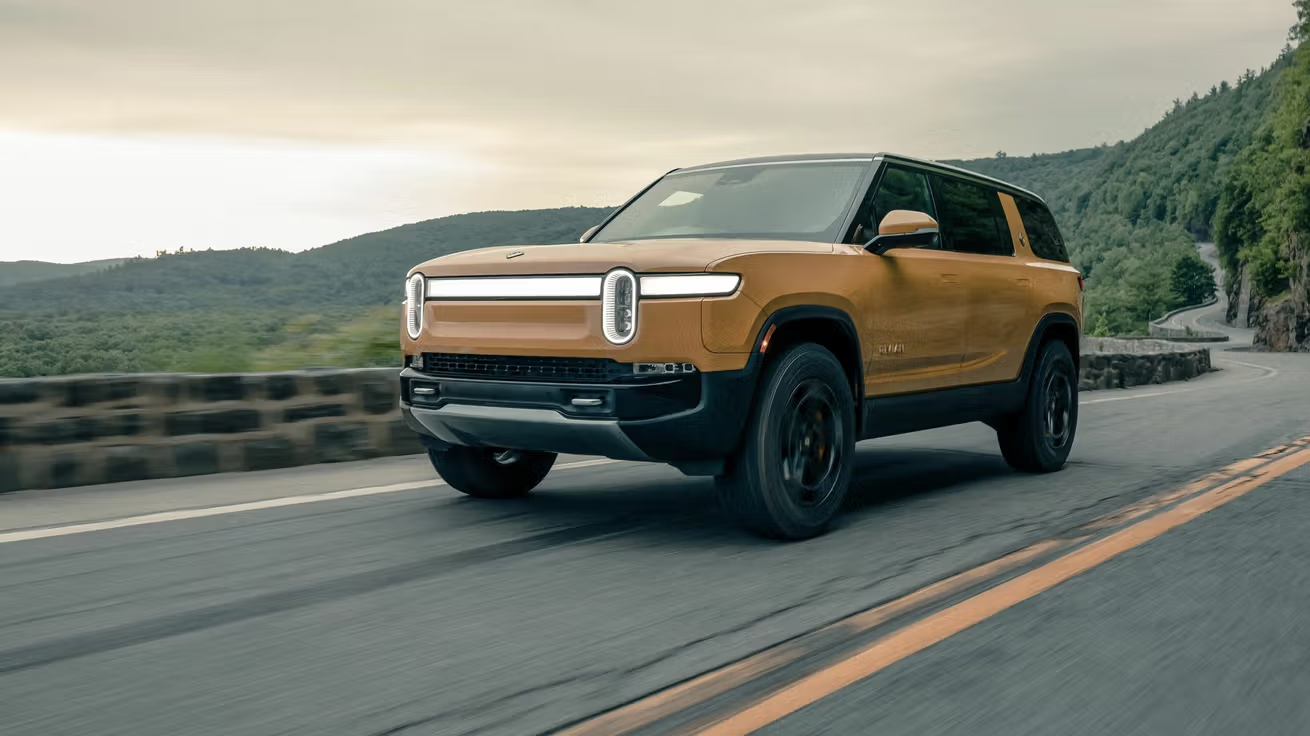
The Rivian R1S is purpose-built for utility, and its cargo space reflects that ambition. This is a full-size electric SUV that delivers nearly 88 cubic feet of maximum cargo capacity with both the second and third-row seats folded down.
For context, this is on par with large traditional SUVs like the Chevy Tahoe or Ford Expedition, which are known for hauling everything from luggage to camping gear. The R1S isn’t just about numbers, it’s about how that space is structured. It offers a squared-off rear end with a high roof, which means even taller items fit without awkward angles or tight squeezes.
One of the most convenient aspects of the R1S is its tailgate design. Unlike most modern SUVs that use a single liftgate, the R1S has a split tailgate, part of it folds down like a pickup truck bed. This not only supports heavy objects when loading but also functions as a seat or a platform when camping or tailgating.
The flat load floor inside the vehicle makes it easy to push in heavy items like coolers, toolboxes, or suitcases. This feature is especially handy for people who use their vehicle for both daily driving and outdoor adventures.
Storage in the R1S goes beyond just the main cargo hold. There’s a large front trunk that rivals those in other electric vehicles, offering more than just a token space, it’s actually usable for weekend bags or grocery runs. Inside the cabin, there are multiple under-seat storage bins, large door pockets, and a huge center console that doubles as an organizational hub.
Despite its rugged build and serious off-road chops, the R1S remains user-friendly and comfortable. The second and third rows fold with ease, and the large cabin windows keep the interior from feeling dark or claustrophobic.
The quality of materials doesn’t drop off in the cargo area either; everything feels well-constructed and thoughtfully placed. Families, overlanders, and dog owners will all find that the R1S handles their gear with ease, offering enough space for even the most demanding tasks.
If your lifestyle involves a lot of hauling, whether it’s furniture, bikes, or tents, the R1S is among the best options in the electric SUV space. It’s not just big; it’s smartly designed, with functional touches that make it suitable for both city use and wilderness escapes. Few electric vehicles combine size, storage, and off-road readiness as effectively as this one.
3. Kia EV9
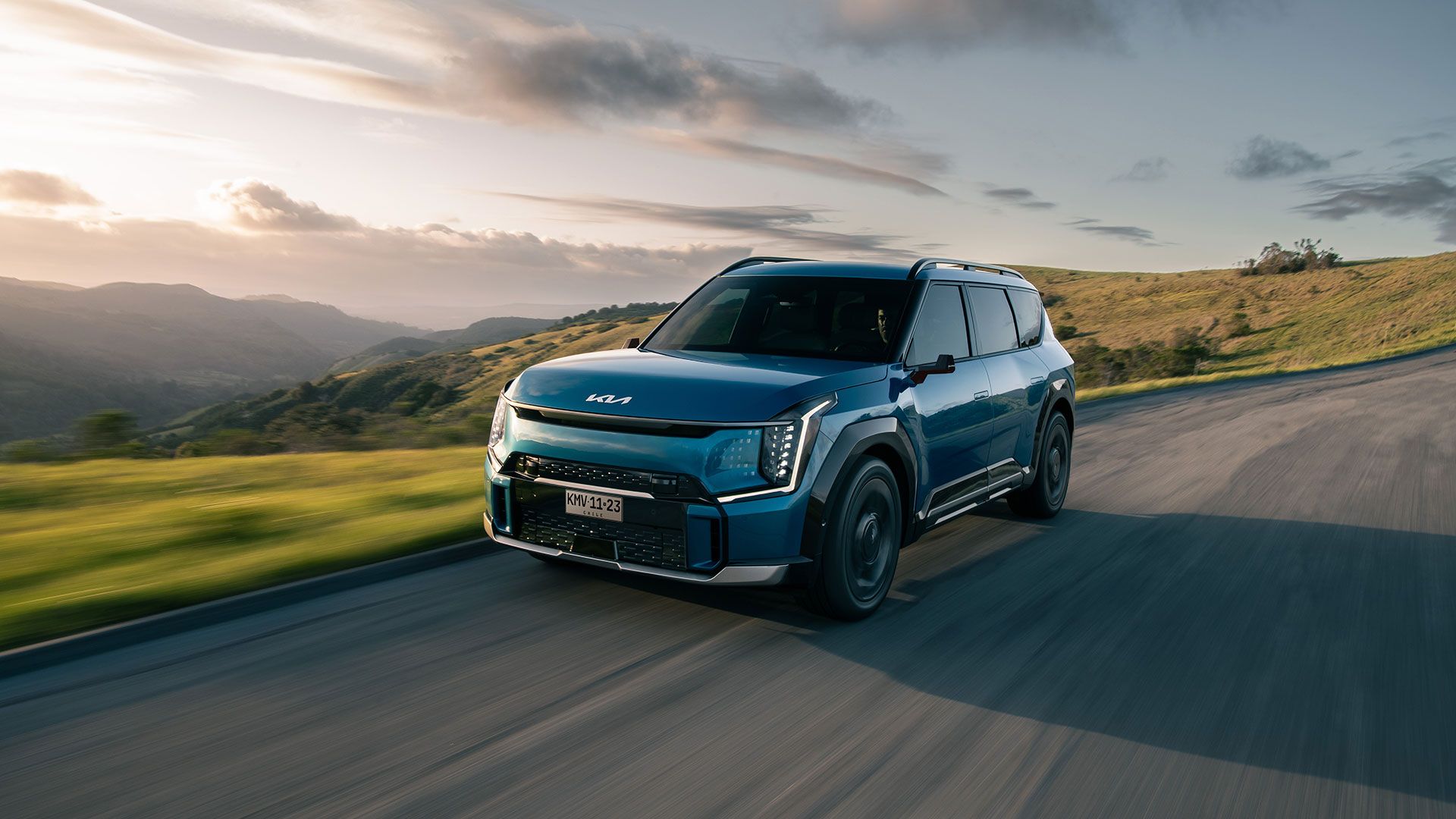
The Kia EV9 is Kia’s flagship electric SUV, and it brings serious cargo functionality to the table, especially for those who want three-row seating without sacrificing too much trunk space.
With the third row folded, you get about 44 cubic feet of space, and when both the second and third rows are down, you’re looking at over 80 cubic feet, an impressive figure that competes with many full-size SUVs. The EV9’s squared-off rear makes full use of this volume, offering a tall, wide, and flat cargo area that’s easy to pack.
What makes the EV9 stand out is its seat folding mechanics. Both the second and third-row seats fold completely flat, creating a nearly van-like interior space. The power folding function (available on higher trims) adds a layer of convenience, especially when you need to reconfigure the space on the go.
The rear liftgate is wide and tall, and the load floor is low, making it easier to lift bulky items like strollers or large storage bins into the trunk without strain. These features make a big difference for families or those who move gear often.
Beyond raw space, the EV9 includes plenty of small storage areas throughout the cabin. There are deep pockets in the doors, seatback nets, and a wide center console with multiple compartments for drinks, snacks, electronics, or tools.
There’s also an under-floor storage area in the rear cargo area, great for charging cables or emergency gear. Kia has paid attention to the details here, and it’s clear the brand intended this vehicle to be used not just admired.
Passenger comfort doesn’t suffer from the EV9’s practical layout. Even with the third row in use, legroom and headroom are competitive. Many three-row SUVs have a cramped back row and little cargo room when all seats are up, but the EV9 manages to strike a better balance. It’s not a minivan, but it offers many of the conveniences one might expect from that category, without looking like one.
The EV9 also benefits from a modern, spacious interior that feels more upscale than expected for its price. The minimalist dashboard, floating center console, and generous window space give it an open, airy feeling that complements its physical cargo space. For buyers who want real-world utility in a stylish and tech-savvy package, the EV9 is a top-tier choice among electric SUVs.
4. BMW iX
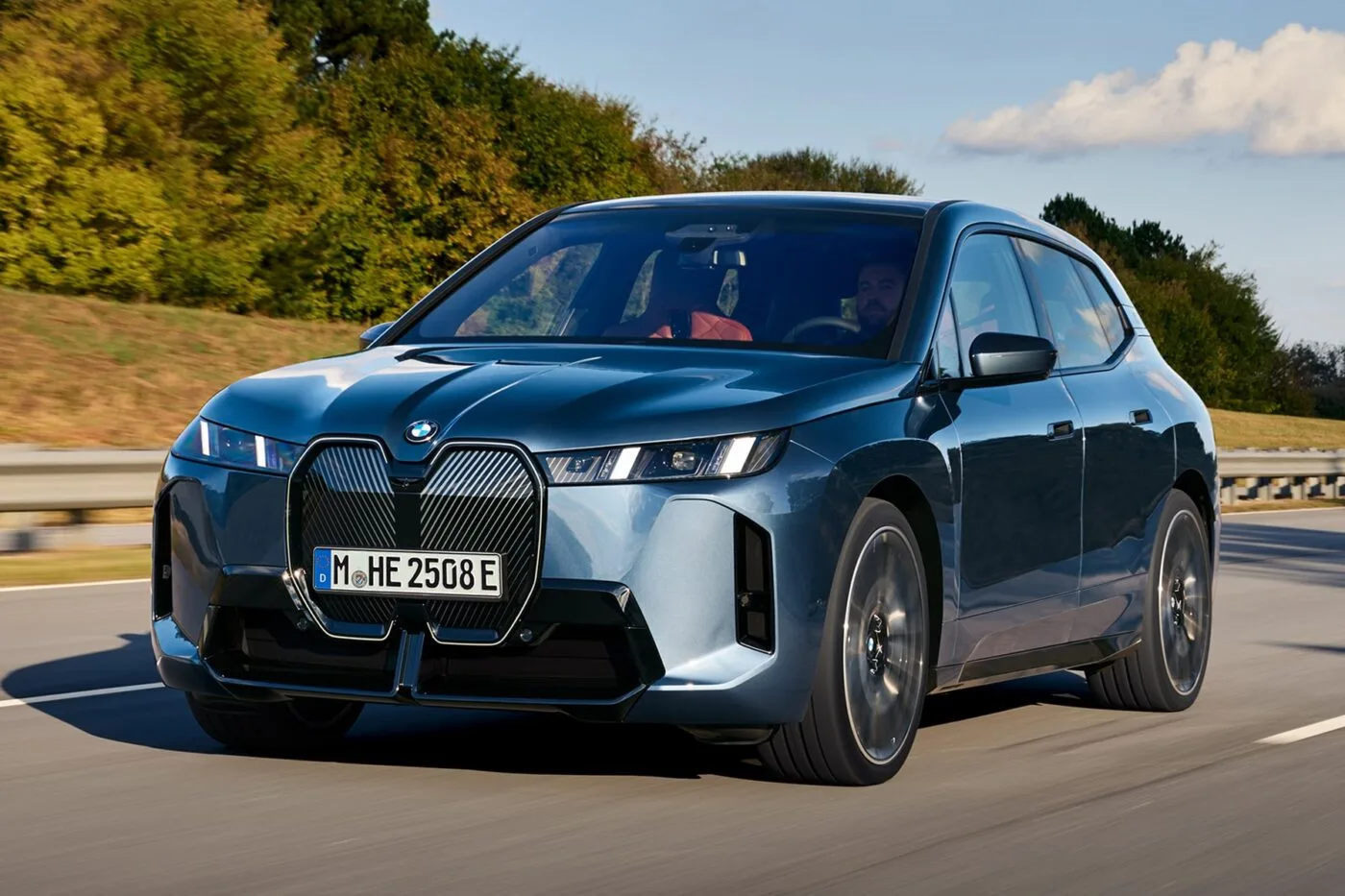
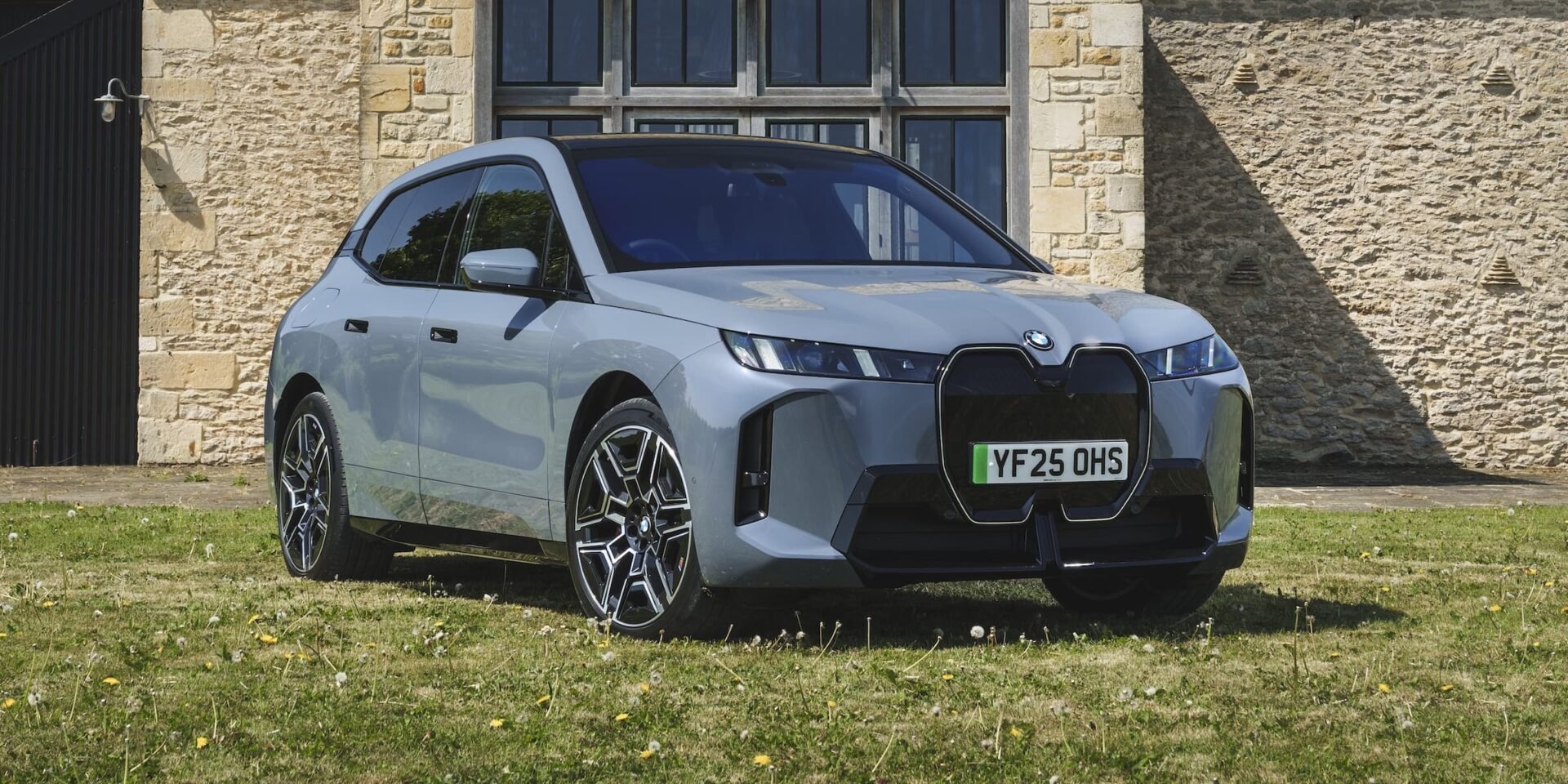
The BMW iX offers a unique blend of luxury, performance, and practical cargo space that’s rare in the premium electric SUV segment. With around 78 cubic feet of maximum storage space, it stands above many competitors in the same size class.
BMW has achieved this without turning the vehicle into a boxy utility van, the iX still maintains a sleek and modern profile. The wide tailgate and nearly flat rear floor make it easy to load and unload items of all sizes.
One of the standout features of the iX’s cargo area is its squareness. The wheel wells do not intrude as much into the cargo floor, and the floor itself is flat from front to back when the seats are folded.
This means you can slide boxes or long gear inside with minimal resistance. The seats fold in a 40/20/40 split, offering excellent flexibility when you need to carry both people and longer items like skis or tripods. These small touches show that BMW has considered functionality alongside luxury.
While the iX doesn’t include a frunk, it compensates with a large center console and several hidden storage spaces throughout the cabin. The door bins are wide and lined with soft-touch materials to reduce noise, and the seatback pockets are large enough to store tablets, magazines, or headphones.
The center console is also very deep and includes removable trays that make organizing easier. These features make the iX convenient for long-distance travel or busy families.
Passenger comfort is also key to the iX’s appeal. The rear seat passengers enjoy ample legroom and headroom, and the panoramic glass roof makes the cabin feel even more spacious.
BMW’s signature high-quality materials carry all the way to the back, meaning the cargo area isn’t just functional, it’s also well-finished and pleasant to use. Loading groceries or luggage doesn’t feel like a chore, thanks to thoughtful design and ease of access.
The iX shows that premium electric SUVs don’t have to sacrifice cargo functionality for style. It competes well against traditional gas SUVs in space, while also offering a smoother ride and high-end features. Whether you’re carrying sports equipment, musical instruments, or family gear, the iX handles it with elegance and ease.
5. Hyundai IONIQ 5
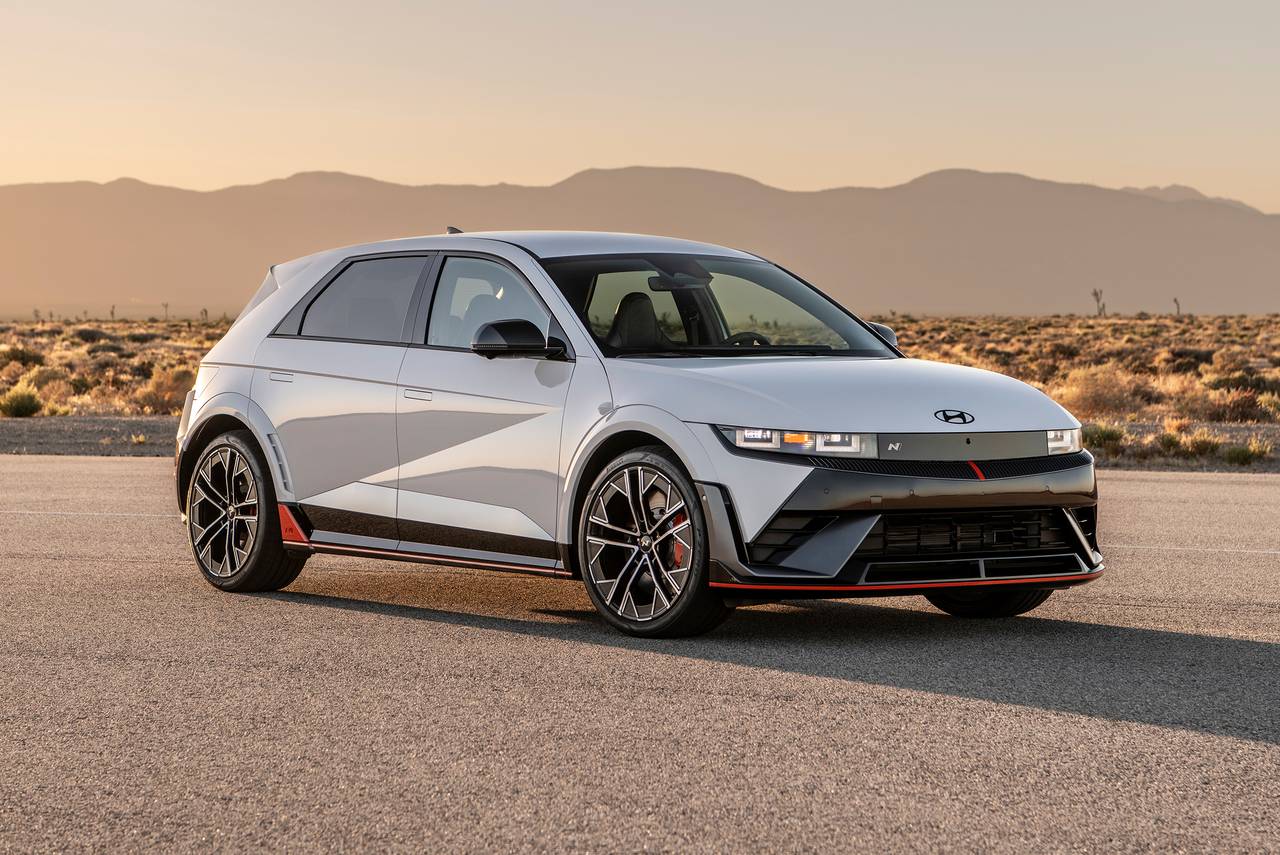
The Hyundai IONIQ 5 punches above its weight when it comes to cargo handling. Though technically a compact SUV, it feels much larger inside. With the rear seats down, it offers about 59 cubic feet of cargo volume, which is excellent for its category.
The rear load floor is wide and flat, with minimal lip, which simplifies the task of loading boxes, groceries, or suitcases. This isn’t just about numbers; the real benefit is how easy the space is to use.
A major strength of the IONIQ 5 is its sliding rear seat bench. This feature allows users to adjust the balance between rear legroom and trunk space. When pushed forward, you gain extra cargo volume without folding the seats.
The seats also fold flat, which creates an uninterrupted load floor from the tailgate to the back of the front seats. This is perfect for long items like camping gear, furniture, or large boxes during moves.
The IONIQ 5 also includes thoughtful interior storage throughout the cabin. A floating center console gives front passengers extra legroom and storage underneath, while the glovebox slides out like a drawer for easier access.
There are also deep door pockets and dedicated spaces for cups, phones, and tablets. These details enhance daily usability and keep the interior organized during longer trips.
Though it lacks a large frunk, Hyundai includes a small front compartment that can still store small tools or the charging cable. It’s not a game-changer, but it adds a bit more utility to an already spacious setup. The tailgate is powered on higher trims, and the opening is wide enough to accommodate bulky items without awkward angling.
Families, couples, and commuters will find the IONIQ 5 to be a very practical EV. It’s not flashy, but it delivers on the kind of everyday usability that many larger SUVs claim to offer but don’t fully deliver. It’s a smart use of space wrapped in a futuristic design, making it one of the most well-balanced electric SUVs when it comes to carrying both people and cargo.
5 Electric SUVs That Feel Congested
While electric vehicles (EVs) are lauded for their eco-friendliness and cutting-edge technology, some electric SUVs fall short in terms of interior space and cargo capacity.
These models may offer impressive performance metrics or sleek designs but can leave passengers and their belongings feeling cramped. Let’s delve into five such electric SUVs that, despite their many merits, may not be the best choice for those prioritizing spaciousness.
1. Chevrolet Bolt EUV
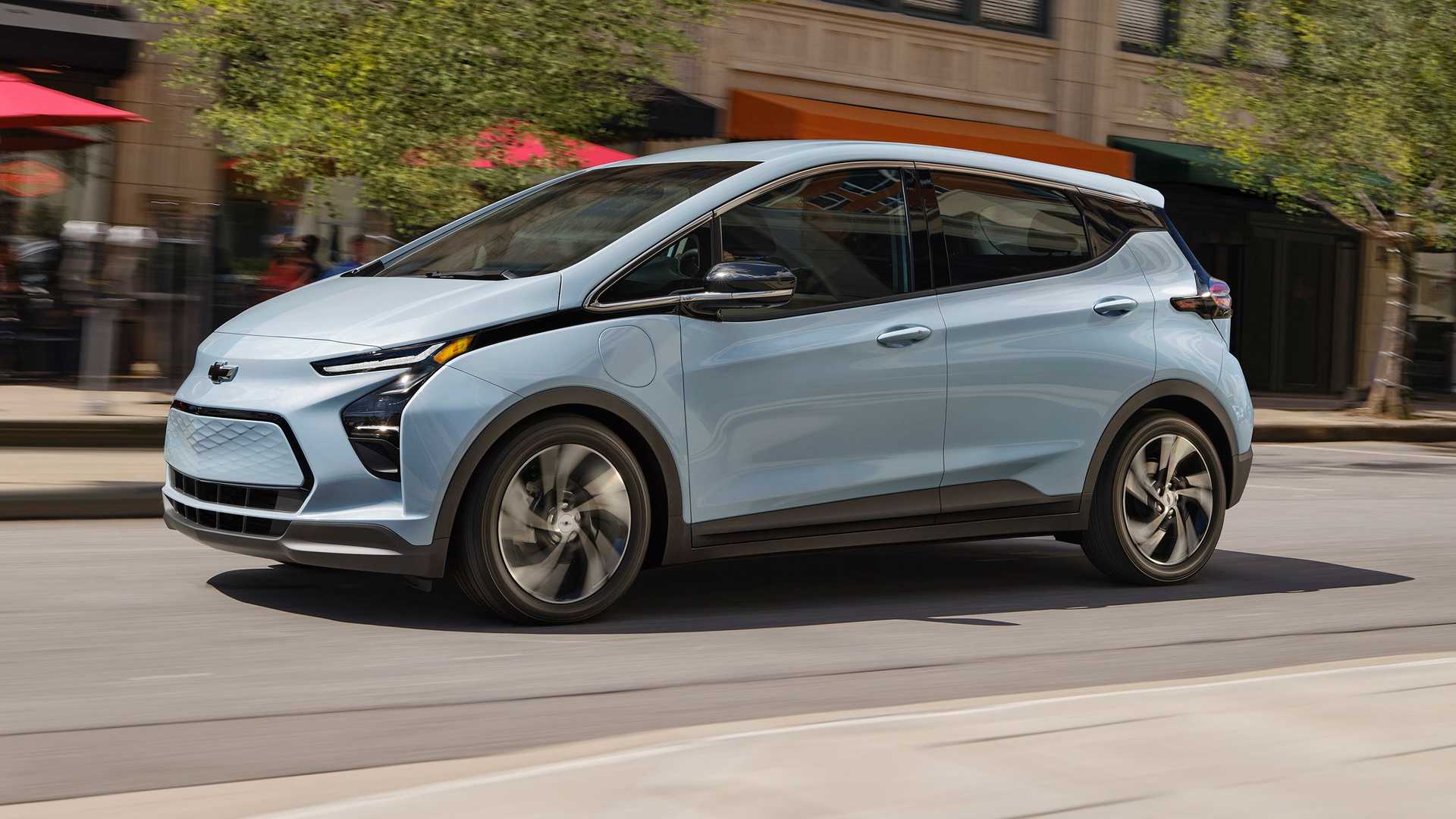
The Chevrolet Bolt EUV is a compact electric SUV that offers an affordable entry point into the EV market. However, its interior space is somewhat limited, especially in the rear seats. Taller passengers may find the legroom and headroom less accommodating, leading to a less comfortable ride on longer journeys.
The rear cargo area, while adequate for daily errands, may not suffice for larger families or those needing to transport bulky items. The rear seats do fold flat to expand the cargo space, but the capacity remains modest compared to some competitors.
Despite its compact size, the Bolt EUV’s design doesn’t maximize interior space as efficiently as other EVs in its class. The sloping roofline and rear seat configuration contribute to a more enclosed feel inside the cabin.
While the front seats are reasonably spacious, the rear passengers might feel confined, particularly on extended trips. This lack of expansive space can detract from the driving experience, especially for families or groups who value comfort and roominess.
In terms of cargo capacity, the Bolt EUV offers a practical solution for everyday needs but falls short for those requiring more substantial storage.
The rear cargo area can accommodate groceries, small luggage, or sports equipment, but it may struggle to fit larger items without requiring the rear seats to be folded down. Even with the seats folded, the available space is limited, making it less ideal for long road trips or transporting larger loads.
The interior design, while modern and functional, doesn’t prioritize maximizing space. The center console and door pockets are of average size, and the layout doesn’t offer the same level of clever storage solutions found in some other EVs. This can lead to a cluttered cabin, especially when carrying multiple passengers and their belongings.
While the Chevrolet Bolt EUV is a commendable effort in the EV market, its interior space limitations may make it less appealing for those seeking a more spacious and versatile electric SUV. Potential buyers should weigh these factors against the vehicle’s other attributes to determine if it aligns with their needs and expectations.
2. Nissan Ariya
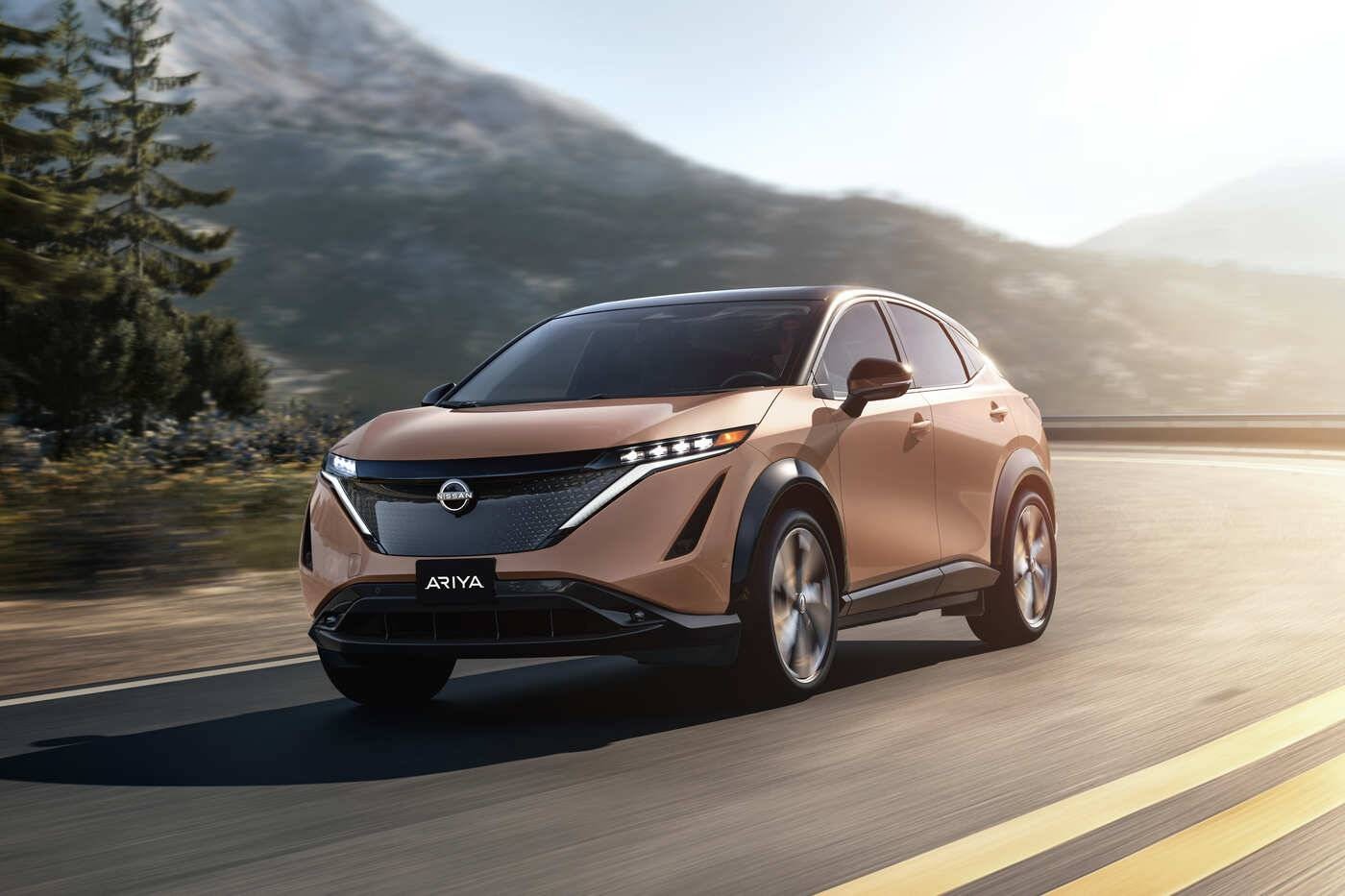
The Nissan Ariya is a stylish and technologically advanced electric SUV that offers a smooth driving experience. However, its interior space, particularly in the rear seats, may not meet the expectations of taller passengers.
The sloping roofline, while contributing to the vehicle’s sleek appearance, reduces headroom in the back, making it less comfortable for adults on longer trips. Additionally, the rear seat cushions are positioned higher than the front, which can lead to a less relaxed seating posture.
The interior design focuses on creating a minimalist and futuristic ambiance, but this approach can sometimes come at the expense of practicality.
The center console, while sleek, lacks the versatility and storage options found in some other EVs. The door pockets and glove compartment are of average size, and the layout doesn’t offer the same level of clever storage solutions that maximize space efficiency.
While the Nissan Ariya impresses with its technology and design, its interior space limitations may be a consideration for potential buyers. Those who frequently travel with passengers or require substantial cargo capacity might find the Ariya’s space offerings less accommodating compared to other electric SUVs in the market.
3. BMW iX
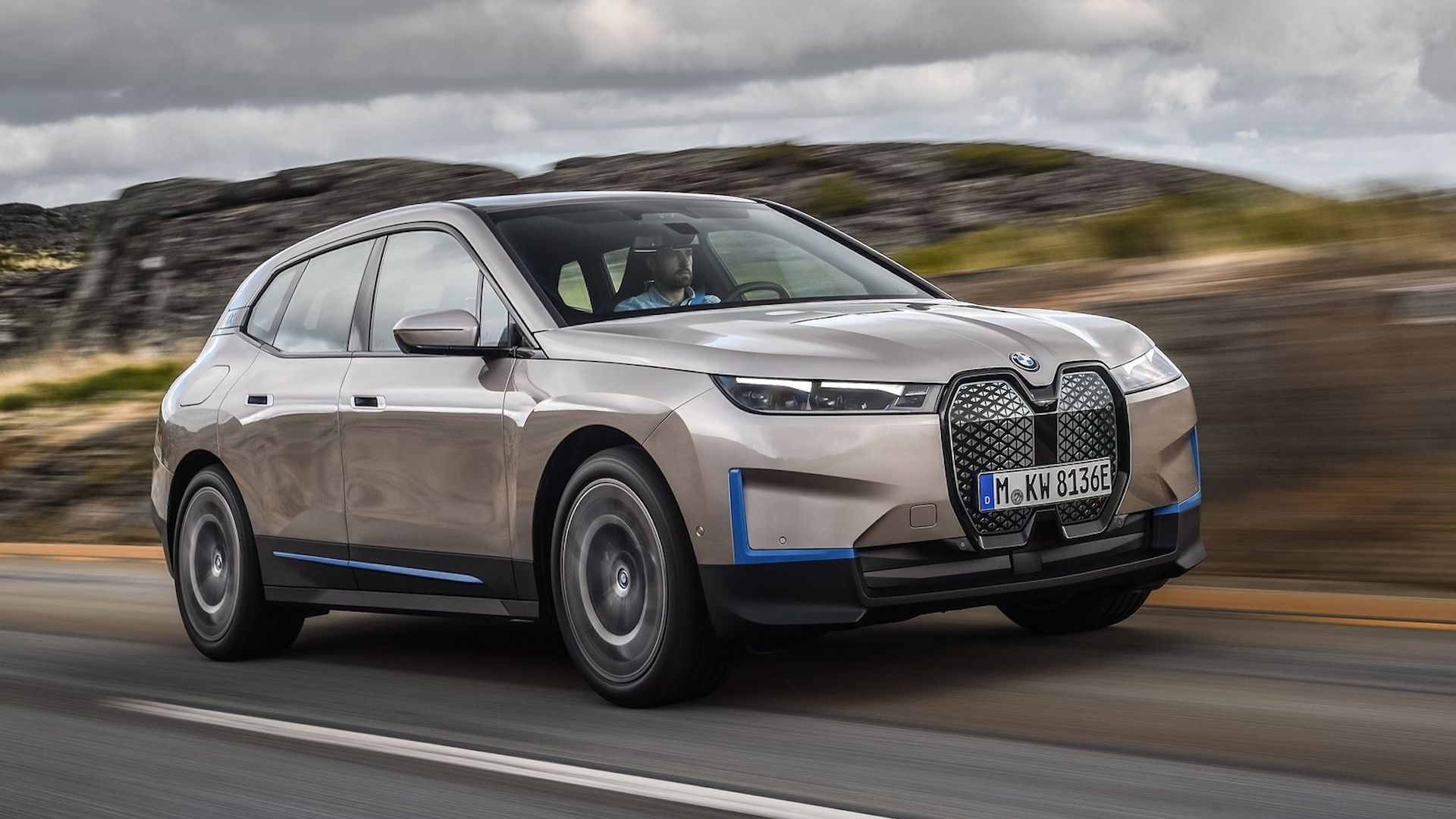
The BMW iX is a luxury electric SUV that combines performance with advanced technology. However, its interior space, particularly in the rear seats, may not be as generous as expected for a vehicle in this segment. The rear seat cushions are positioned higher than the front, which can lead to a less relaxed seating posture for passengers.
Additionally, the sloping roofline reduces headroom in the back, making it less comfortable for taller individuals on longer journeys.
Cargo capacity in the iX is competitive but not class-leading. The rear cargo area provides ample space for everyday items, but the sloping roofline again reduces the usable volume.
While the rear seats do fold flat to expand the cargo space, the resulting area may not accommodate larger items as easily as some competitors. The presence of a front trunk (frunk) offers additional storage, but it’s relatively small and may not significantly alleviate the space constraints.
The interior design focuses on creating a luxurious and high-tech ambiance, but this approach can sometimes come at the expense of practicality.
The center console, while sleek, lacks the versatility and storage options found in some other EVs. The door pockets and glove compartment are of average size, and the layout doesn’t offer the same level of clever storage solutions that maximize space efficiency.
While the BMW iX impresses with its performance and technology, its interior space limitations may be a consideration for potential buyers. Those who frequently travel with passengers or require substantial cargo capacity might find the iX’s space offerings less accommodating compared to other electric SUVs in the market.
4. Audi e-tron
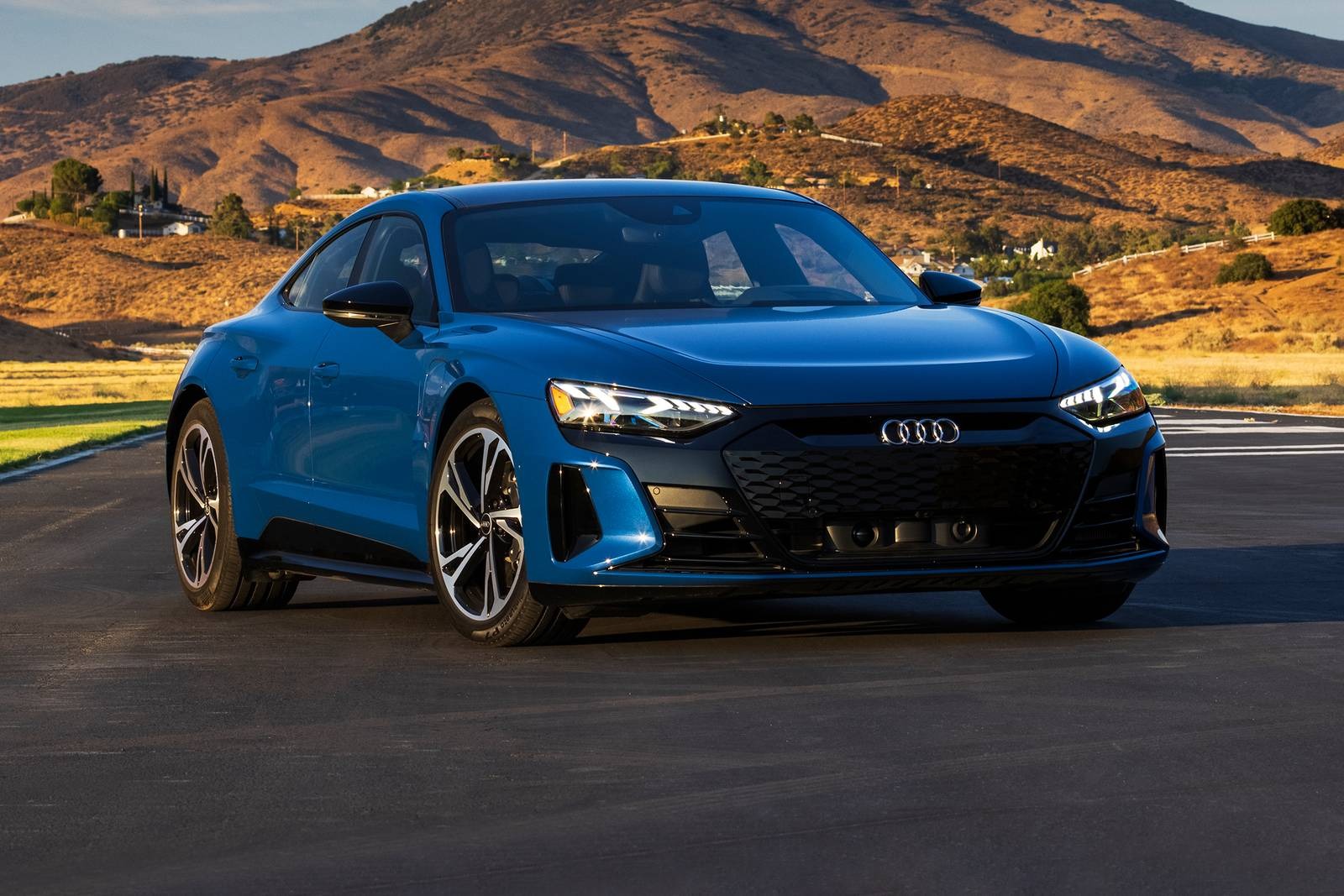
The Audi e-tron is a well-rounded electric SUV that offers a comfortable ride and a premium interior. However, its interior space, particularly in the rear seats, may not be as spacious as some might expect.
The rear seat cushions are positioned higher than the front, which can lead to a less relaxed seating posture for passengers. Additionally, the sloping roofline reduces headroom in the back, making it less comfortable for taller individuals on longer journeys.
Cargo capacity in the e-tron is adequate but not exceptional. The rear cargo area provides sufficient space for everyday items, but the sloping roofline reduces the usable volume.
While the rear seats do fold flat to expand the cargo space, the resulting area may not accommodate larger items as easily as some competitors. The presence of a front trunk (frunk) offers additional storage, but it’s relatively small and may not significantly alleviate the space constraints.
The interior design focuses on creating a luxurious and high-tech ambiance, but this approach can sometimes come at the expense of practicality.
The center console, while sleek, lacks the versatility and storage options found in some other EVs. The door pockets and glove compartment are of average size, and the layout doesn’t offer the same level of clever storage solutions that maximize space efficiency.
While the Audi e-tron impresses with its ride quality and interior features, its interior space limitations may be a consideration for potential buyers. Those who frequently travel with passengers or require substantial cargo capacity might find the e-tron’s space offerings less accommodating compared to other electric SUVs in the market.
5. Mercedes-Benz EQB
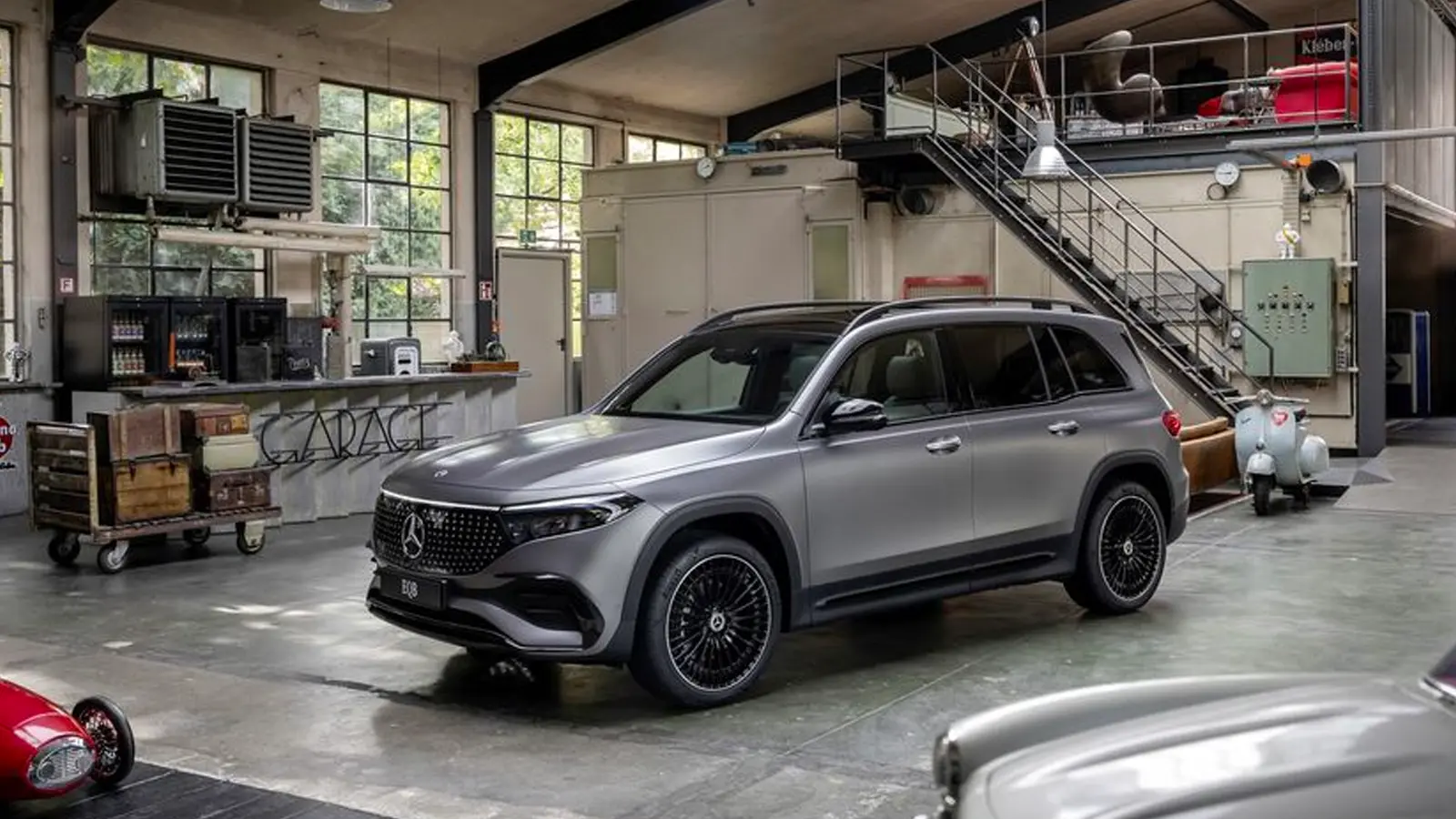
The Mercedes-Benz EQB is a compact electric SUV that brings luxury and style to the EV segment but struggles somewhat with interior spaciousness, especially when compared to larger or more cleverly packaged competitors.
While it offers the appeal of Mercedes’ premium build quality and a refined driving experience, passengers, particularly those seated in the third row if equipped, may feel confined.
The third row is best suited for children or shorter adults, as legroom is limited and headroom is compromised by the sloping roofline. Even in the second row, taller passengers might find the space a bit tight for extended trips.
Cargo capacity in the EQB is adequate for city errands or weekend getaways but limited for more ambitious hauling needs. With all seats in place, the cargo area behind the third row is quite small, restricting what can be carried without folding down seats.
Folding the third row flat does increase cargo volume, but the space remains modest. Folding the second row down opens up a more useful flat load floor but still falls short of the cargo capacity offered by larger electric SUVs or those with more optimized interiors. The hatch opening is wide but somewhat shallow, limiting the size of items that can be loaded without awkward maneuvering.
The EQB’s interior is thoughtfully designed with high-quality materials and the latest tech features, but the layout doesn’t prioritize maximizing usable space. Storage compartments like door pockets and center console bins are functional but average in size.
The compact footprint of the vehicle limits the number and size of clever storage solutions that might otherwise help to manage clutter on longer trips. While the cabin feels premium and modern, its spatial limitations can become apparent once passengers and luggage fill the space.
Despite these constraints, the EQB shines in other areas, such as ride comfort, technology, and safety features. Its refined suspension soaks up road imperfections, and the MBUX infotainment system provides an intuitive and visually appealing user experience.
However, these strengths don’t entirely offset the fact that the vehicle’s interior and cargo space can feel congested, especially when compared to more spacious electric SUVs designed with utility in mind. The Mercedes-Benz EQB caters well to those prioritizing style, luxury, and advanced technology in a compact electric SUV.
However, it is less suited for buyers who need generous interior space or ample cargo capacity. Families or users who frequently carry multiple passengers and large amounts of gear might find the EQB’s confined interior and limited cargo room less than ideal, pushing them to consider larger or more spacious alternatives in the electric SUV segment.
