
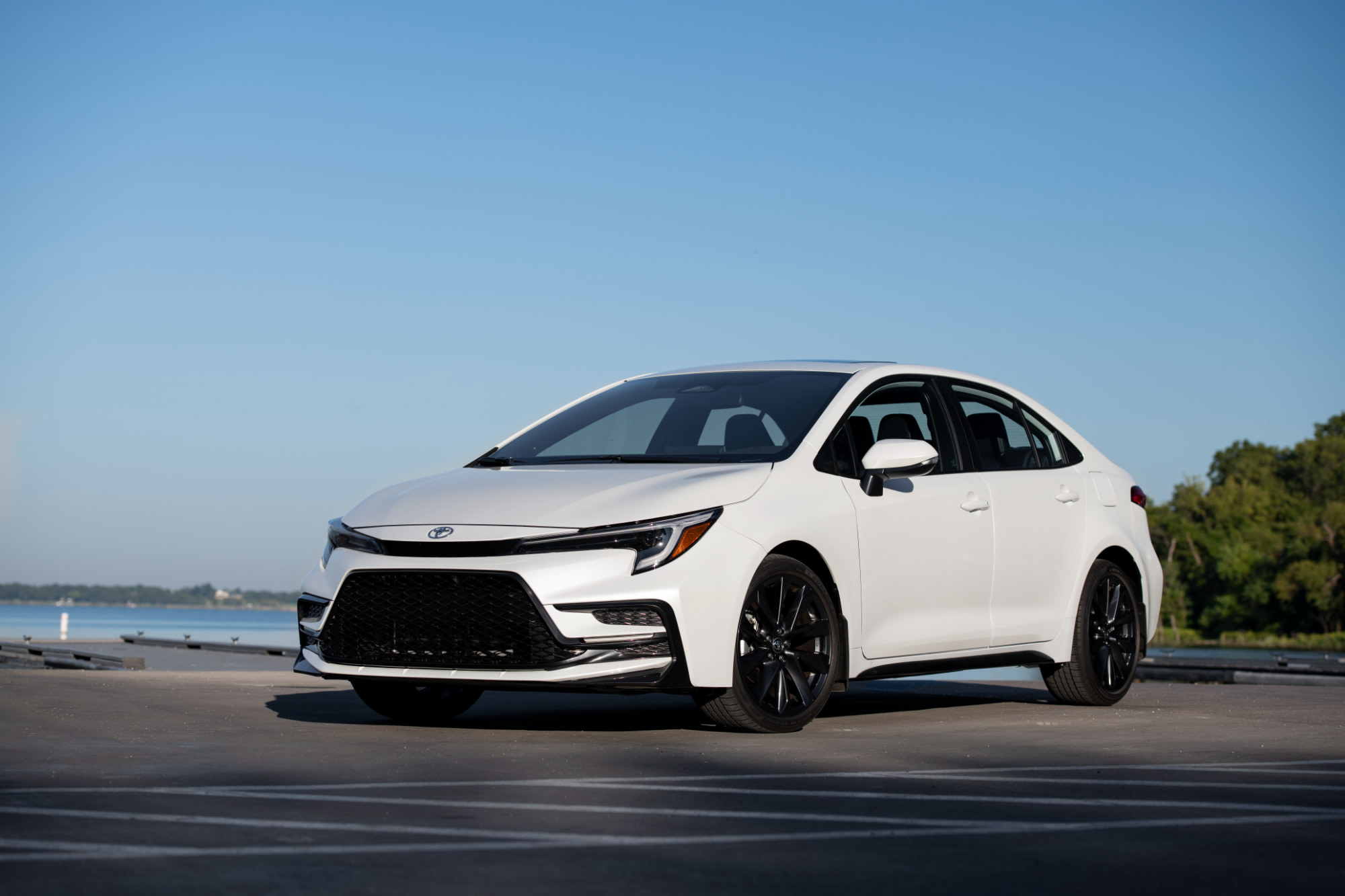
The thrill of driving is something that many car enthusiasts cherish deeply. It is the connection between the driver and machine that makes a car special, beyond just getting from point A to point B. Driving joy often comes from how a car feels, responds, and communicates with the driver, offering an engaging experience.
However, in today’s automotive market, many cars that fall under the $40,000 price tag range vary drastically in how much driving excitement they provide. Some models are crafted with precision to ignite passion behind the wheel, while others feel watered down and overly simplified, focusing mostly on basic transportation rather than a spirited drive.
Finding a car that balances affordability with driving enjoyment is no small task. The challenge is to find a machine that combines performance, handling, and design in a way that makes daily driving more pleasurable. Cars under $40,000 are often seen as budget-friendly options, but not all deliver on the promise of excitement.
On one side, some vehicles manage to keep the soul of driving alive, often with sharp handling, responsive engines, and a manual transmission that invites you to be involved. On the other hand, many newer cars emphasize comfort, technology, and convenience to the extent that the driving experience feels sterile or uninspired.
This article compares two groups of cars under $40,000: those that genuinely deliver driving joy and those that feel too simple or bland for enthusiasts who want to feel connected to the road. By examining the characteristics of both, it becomes clear what features and qualities contribute to a memorable driving experience and what takes away from it.
Whether you’re a potential buyer looking for a fun car on a budget or a car lover interested in what makes driving exciting, this comparison aims to shed light on the real essence of driving joy.
5 Cars That Deliver Pure Driving Joy Under $40K

1. Mazda MX-5 Miata
The Mazda MX-5 Miata has held its place as a beacon of affordable driving joy for decades. It isn’t just a sports car; it’s a celebration of the essentials. Everything about the Miata is focused on the driver. From the very first turn of the steering wheel, you can tell that this car was built with intention.
It doesn’t try to be everything at once. Instead, it commits itself to one purpose: making driving fun. While other cars are growing in size and complexity, the Miata remains compact, light, and pure. It doesn’t overwhelm you with horsepower. Instead, it invites you to use every bit of what it offers and enjoy the road, no matter the speed.
The Miata’s 2.0-liter four-cylinder engine produces around 181 horsepower, but the magic is in how that power is delivered. It’s responsive, quick-revving, and perfectly suited to the car’s weight and dimensions. Combined with a six-speed manual transmission, the driving experience becomes tactile and involving.
Handling is where the Miata truly shines. With near-perfect weight distribution and a low center of gravity, the car handles like a dream through tight corners and sweeping bends. The steering is light yet communicative, allowing you to feel the road surface and judge grip levels intuitively.
The suspension, though firm, is not harsh, and it communicates changes in weight transfer without unsettling the car. Even on stock tires, the Miata encourages you to drive smoothly and precisely, rewarding finesse over aggression. It’s the kind of car that makes every road feel like a racetrack, even if you’re just on your way home from work.
The open-top experience further enhances its charm. Driving with the top down allows you to hear every mechanical sound and feel more connected to your surroundings. The sensation of the wind, the visibility of the road ahead, and the exposure to the elements all contribute to the Miata’s unique driving appeal.
It’s not just about performance, but also about the atmosphere and mood it creates. This car offers an experience, not just transportation. It brings back the simple joy of motoring that many modern cars have lost in the pursuit of technology and convenience.
Inside the cabin, the MX-5 is minimalistic but thoughtful. The controls are laid out intuitively, and there’s just enough technology to feel modern without being distracting. Seating is tight but supportive, ideal for spirited driving. Everything about the interior feels designed around the driver, not passengers or gimmicks.
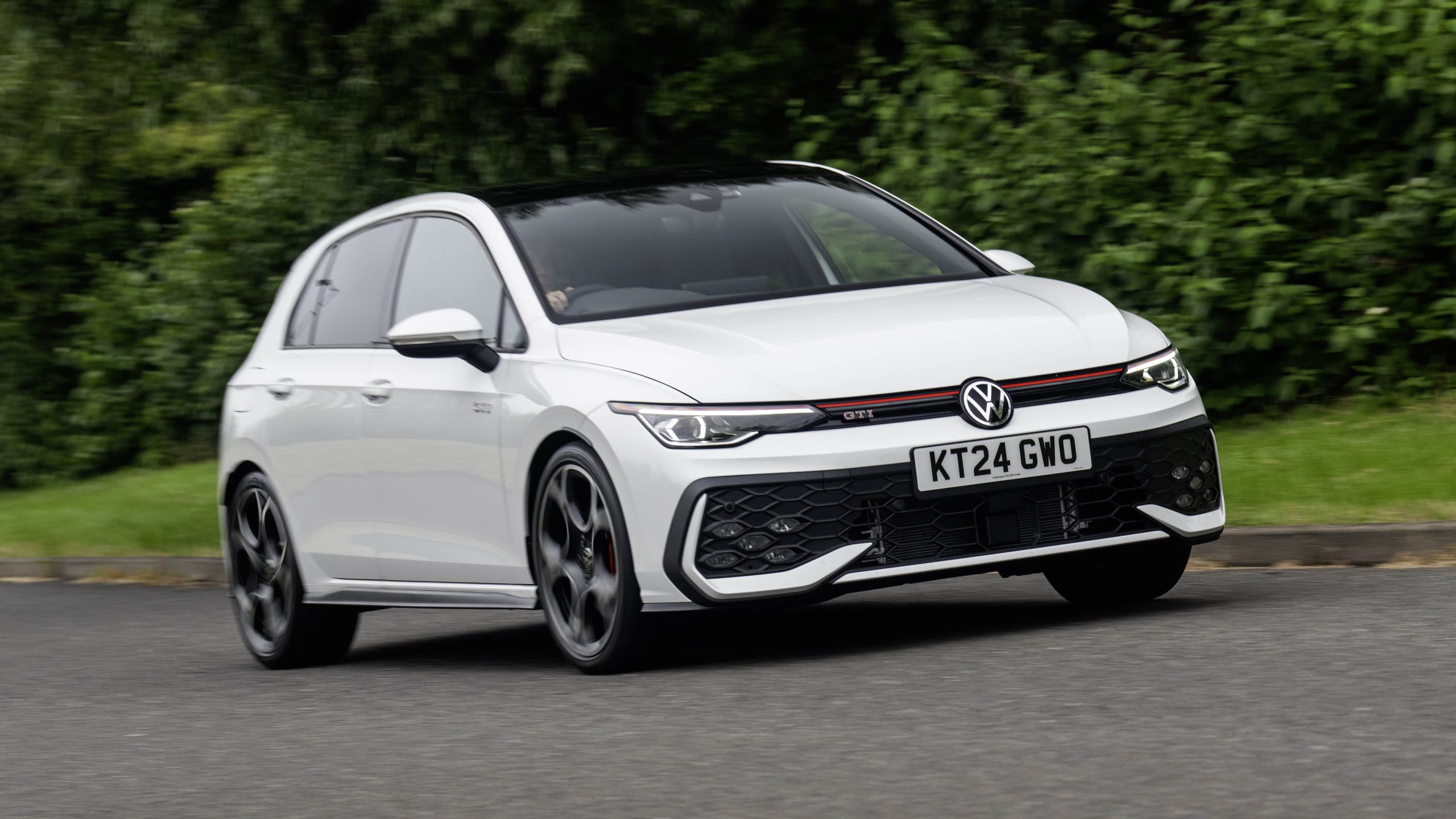
2. Volkswagen Golf GTI
The Volkswagen Golf GTI has long been the benchmark for combining daily practicality with genuine driving enjoyment. It’s a car that proves you don’t need a low-slung coupe or a loud engine to have fun behind the wheel.
With its mature styling, useful interior space, and strong performance, the GTI offers a complete package. It’s refined when you want comfort and responsive when you’re ready to push it a bit. That dual personality is what makes it so widely loved. It’s equally at home on a long highway cruise or tearing through a set of backroad corners.
Under the hood, the GTI features a turbocharged 2.0-liter engine that puts out around 241 horsepower in its latest form. The power delivery is smooth and linear, with a nice surge of torque available low in the rev range. This means you don’t have to wring it out to feel quick.
The engine feels flexible, always ready to respond. Paired with either a six-speed manual or a fast-shifting dual-clutch automatic, the GTI provides real versatility. For those who prefer a more hands-on experience, the manual offers tight gear throws and a satisfying clutch feel.
What really sets the GTI apart is its chassis tuning. Volkswagen has managed to make a front-wheel-drive car feel extremely balanced and composed, even during aggressive driving. The front differential and suspension setup work together to reduce understeer and keep the car feeling planted.
The steering is well-weighted and communicative, allowing you to make precise adjustments mid-corner. The ride is firm but comfortable, striking a perfect balance between sporty handling and daily drivability. You get confidence without punishment, which is rare at this price point.
Inside, the GTI’s interior design is clean and functional, with a sporty flair. The iconic plaid seats, bolstered for support, add character while providing real-world comfort. Materials are of good quality, and the seating position is excellent.
The digital cockpit is modern and easy to read, and while some of the touch-sensitive controls are polarizing, they don’t ruin the experience. What’s most important is that everything the driver needs is easy to find and use. This contributes to the car’s feeling of refinement and ease of operation.
Practicality is another key reason the GTI stands out. With four doors and a usable hatchback cargo area, it fits into everyday life with ease. You don’t have to sacrifice space or comfort to enjoy a sporty drive.
It’s rare to find a car that can be both your fun weekend toy and your daily commuter. The GTI does both without compromise. For under $40,000, it offers a level of versatility and driving enjoyment that’s hard to match.
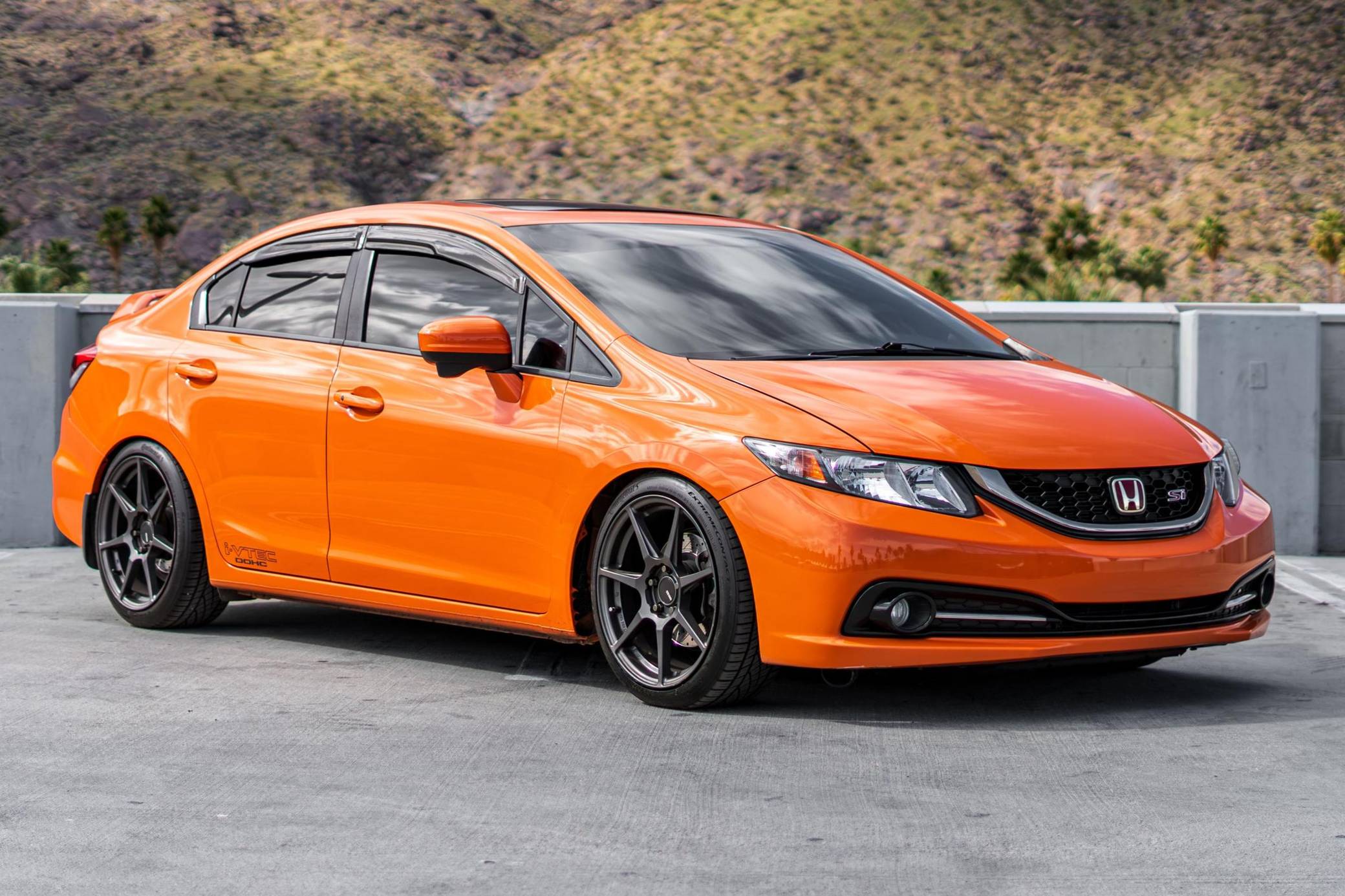
3. Honda Civic Si
The Honda Civic Si carries the spirit of driver-focused engineering in a world where many compact cars have become dull and disconnected. Honda’s reputation for making rev-happy, engaging engines carries through in the Civic Si, which comes equipped with a 1.5-liter turbocharged engine that’s tuned specifically for quick throttle response and strong mid-range torque.
While it may not boast the biggest horsepower numbers, the way this car delivers power is part of what makes it so enjoyable to drive. It encourages you to keep shifting and stay involved with every aspect of the drive.
The six-speed manual transmission is a highlight, featuring Honda’s famously precise shifter feel and a light, responsive clutch. It’s one of the best manual transmissions you can find at any price point, and it transforms the car into a truly engaging machine.
Rev-matching is standard, making downshifts smooth and helping less experienced drivers feel more confident when pushing the car. It’s these little details that make the Civic Si feel like it was designed by people who care about how a car drives, not just how it looks or what features it has.
Handling is another strong suit. The Civic Si uses a well-balanced suspension that provides a connected feel without being overly stiff. The chassis feels taut and well-damped, soaking up rough pavement while remaining responsive in corners.
Steering is light but accurate, offering enough feedback to keep you involved in every turn. It’s a car that feels just right on twisty roads but doesn’t beat you up in everyday driving. The mechanical grip and limited-slip differential further enhance its confidence-inspiring performance.
Inside, the Civic Si continues its theme of balanced sportiness. The seats are supportive and bolstered, designed to hold you in place during spirited driving while still being comfortable enough for longer trips. Red accents and stitching give the cabin a sporty touch, without going overboard.
The driving position is excellent, with clear sightlines and easy-to-reach controls. Technology is present but not overpowering, with a focus on keeping the driver engaged with the road rather than buried in menus and screens.
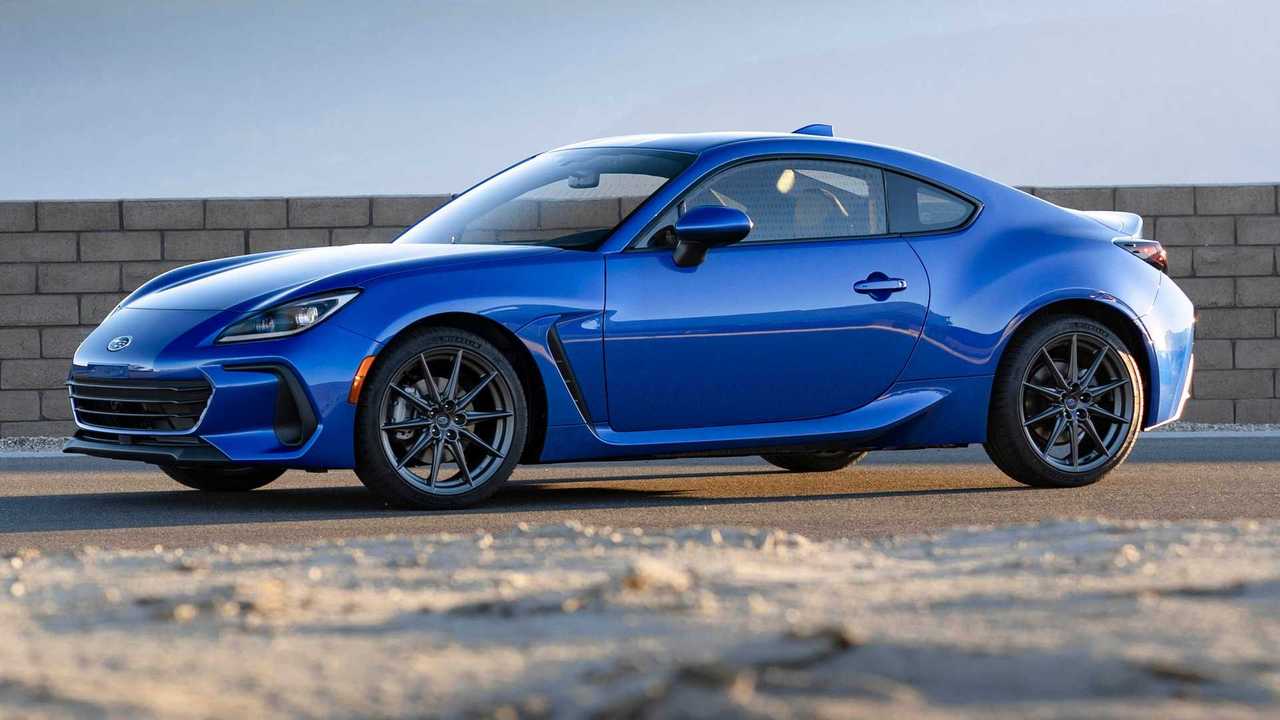
4. Subaru BRZ / Toyota GR 86
The Subaru BRZ and Toyota GR 86 stand out in today’s market as rare examples of lightweight, rear-wheel-drive sports cars that don’t rely on excessive power to deliver excitement. These two cars, built on a shared platform but with slight tuning differences, prioritize balance, agility, and simplicity.
They serve as proof that a well-tuned chassis and proper weight distribution can provide a deeply rewarding driving experience, even without sky-high horsepower figures. The philosophy here is not about raw numbers, but how the car feels through your fingertips and seat.
At the heart of both cars is a naturally aspirated 2.4-liter flat-four engine that produces around 228 horsepower. While that figure might seem modest in a world where many economy cars have more power, the light weight of these vehicles (around 2,800 pounds) means the power-to-weight ratio is very usable.
The throttle response is immediate, and the engine has a lively personality that matches the car’s vibe. The available six-speed manual transmission is a standout, with short throws and a mechanical feel that adds to the engagement. It’s a car that encourages revs, quick shifts, and smooth inputs.
The handling is where the BRZ and GR 86 truly shine. With rear-wheel drive and a low center of gravity thanks to the flat engine layout, these cars rotate beautifully through corners.
The steering is light but incredibly precise, giving you the confidence to push harder and adjust your line mid-corner. Body roll is minimal, and the suspension tuning strikes a great balance between responsiveness and everyday livability. It’s a car that feels like an extension of the driver’s body, which is rare at any price point.
Inside, the interior is simple but functional. Everything is designed around the driver’s needs, with easy-to-read gauges, supportive seating, and a low driving position.
There’s not a lot of luxury, but that’s by design. The focus here is on driving, not distracting features. The small rear seats are mostly symbolic, but they do allow for extra storage or occasional use. Visibility is good, and the feel of the cabin is tight and purposeful.
For under $40,000, it’s difficult to find anything that offers the same combination of balance, responsiveness, and driver focus. These are cars that reward skill and involvement, rather than relying on brute force.
They’re perfect for enthusiasts who want to develop their driving abilities and enjoy every part of the journey. Whether you choose the Subaru or Toyota version, you’re getting one of the most honest sports cars available today.
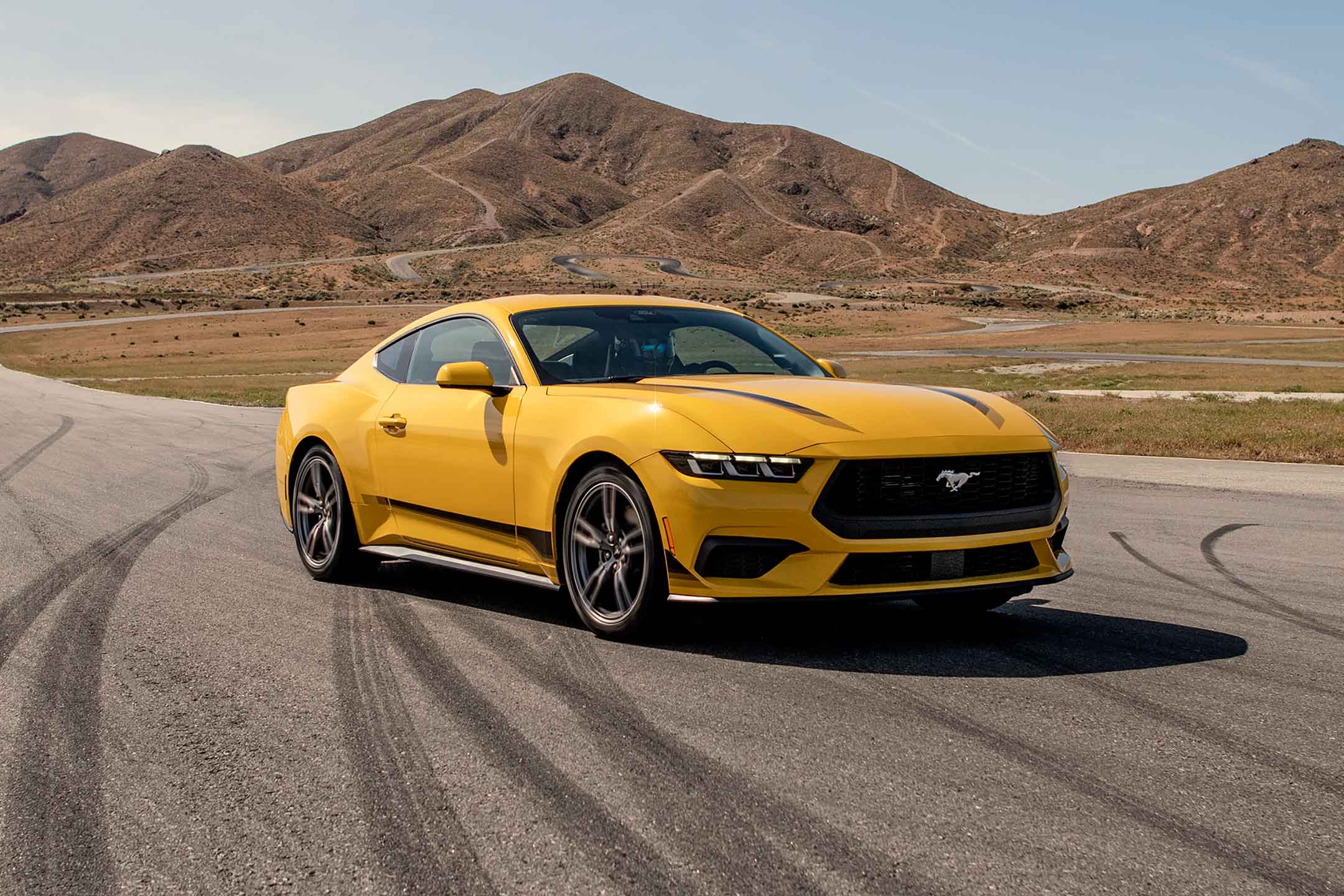
5. Ford Mustang EcoBoost
The Ford Mustang EcoBoost gives drivers the chance to experience classic American muscle car styling with a more modern and efficient powertrain. While the GT with its V8 is the performance flagship, the EcoBoost model delivers surprising excitement with a turbocharged 2.3-liter four-cylinder engine.
Producing over 300 horsepower, the EcoBoost is no slouch, and when paired with a manual transmission, it becomes a surprisingly fun and quick car for the money. It offers real power and rear-wheel-drive dynamics at a price that stays below the $40K mark.
The Mustang’s platform has improved over the years, and the EcoBoost benefits from a well-sorted chassis. The steering has decent weight and feel, giving the driver a sense of control when attacking corners or cruising on the highway. The independent rear suspension introduced in recent generations has transformed the Mustang into a genuinely capable handler.
It’s no longer just a straight-line machine; it can hold its own on a twisty road or even a track day. The optional performance package further enhances the car’s capabilities with bigger brakes, improved tires, and a tighter suspension setup.
In terms of power delivery, the turbocharged engine offers a wide torque band and strong mid-range pull. Acceleration is brisk, and turbo lag is minimal. It doesn’t have the sound or feel of a V8, but it compensates with efficiency, lighter weight, and a more modern character.
The manual transmission is available and adds to the involvement, although even the automatic is quick and responsive. It’s a car that can be calm and quiet during the commute, but come alive when you ask it to.
Inside, the Mustang offers a mix of retro design and modern functionality. The cabin feels driver-focused, with a clear view of the road, large gauges, and supportive seating.
Materials have improved over the years, and the available infotainment and tech options are competitive. It’s still a car that feels like it’s built to be driven, with good visibility and a strong sense of purpose in the layout. The optional Recaro seats are a welcome upgrade for those who take performance more seriously.
The EcoBoost Mustang provides real muscle car DNA in a more accessible and affordable package. It’s a car that brings together history, modern engineering, and real-world usability. For those who want a powerful, rear-wheel-drive experience with styling and presence, the Mustang EcoBoost is hard to ignore under $40,000.
5 That Are Too Simple
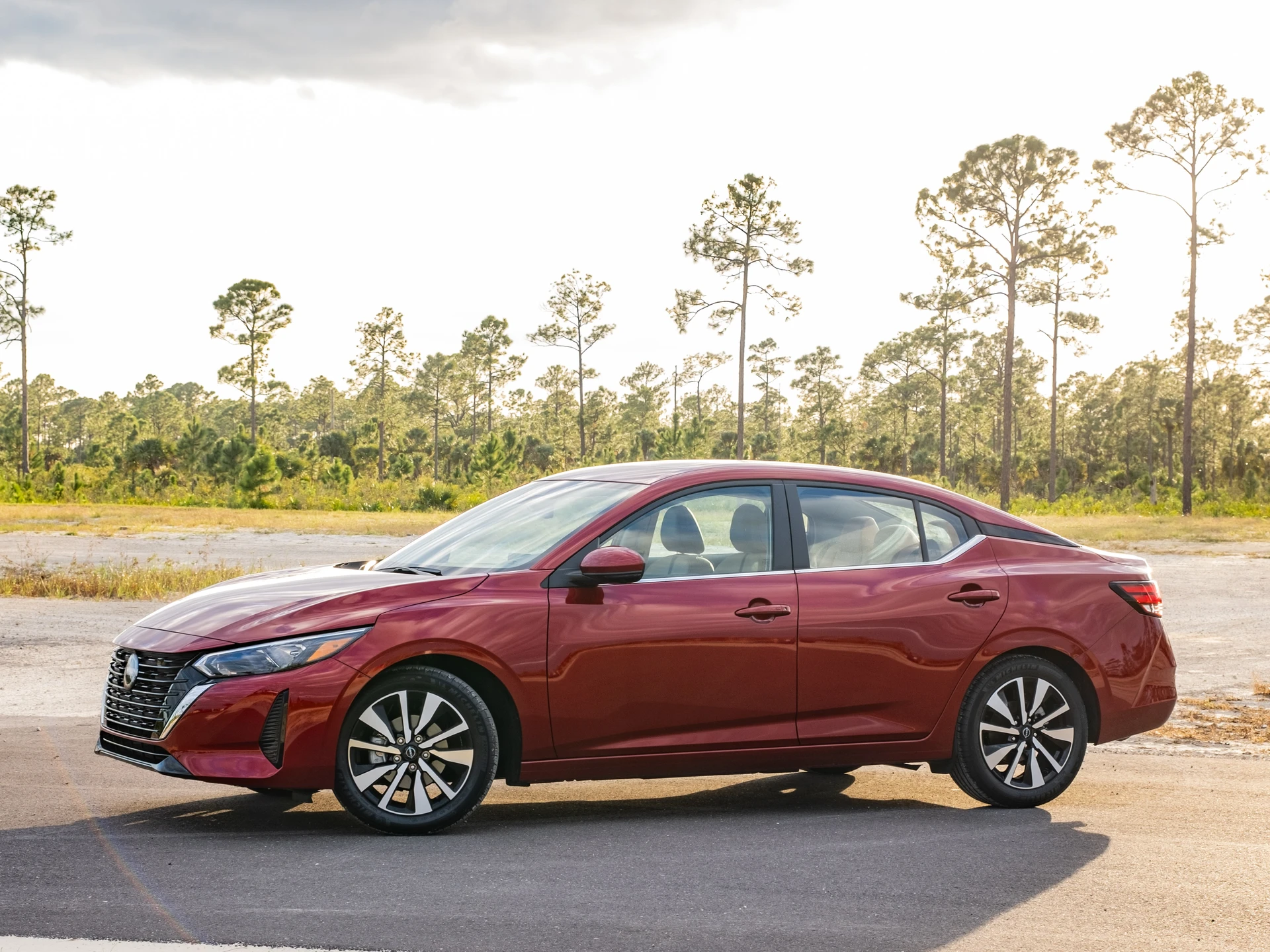
1. Nissan Sentra
The Nissan Sentra has long been positioned as an affordable, no-nonsense compact sedan. While it delivers good value and basic transportation, it doesn’t offer much in terms of driving excitement. The latest generation has improved in design and interior comfort, but under the surface, the experience remains very tame.
The car feels like it’s been tuned primarily for smoothness and predictability, which is fine for commuters or first-time drivers, but there’s little about it that makes you want to take the long way home. It simply gets the job done with minimal driver involvement.
Under the hood, the Sentra comes with a naturally aspirated 2.0-liter four-cylinder engine that delivers around 149 horsepower. While it’s adequate for city driving and freeway merging, it doesn’t respond with much urgency. Acceleration is modest, and the car rarely feels eager.
The CVT (continuously variable transmission) further dulls the driving experience. It often holds revs awkwardly or responds with a sluggish delay when you step on the gas. This setup is tuned for fuel efficiency rather than responsiveness, and that shows clearly in how detached the entire experience feels.
When it comes to handling, the Sentra doesn’t offer much to talk about. The steering is light but vague, providing minimal feedback to the driver. It’s easy to park and maneuver at low speeds, but it lacks any real connection to the road. The suspension is soft and tuned for comfort, which means the car absorbs bumps well, but it also leans noticeably in corners.
Inside the cabin, the Sentra is surprisingly comfortable and well-equipped for the price. The seats are supportive enough for daily driving, and the infotainment system is user-friendly. There’s also decent legroom in both rows and a good amount of cargo space. However, the interior lacks any sense of sportiness or uniqueness.
It feels very generic, which matches the car’s uninspired driving characteristics. It’s a fine place to sit if you’re commuting or running errands, but it doesn’t encourage interaction or engagement behind the wheel.
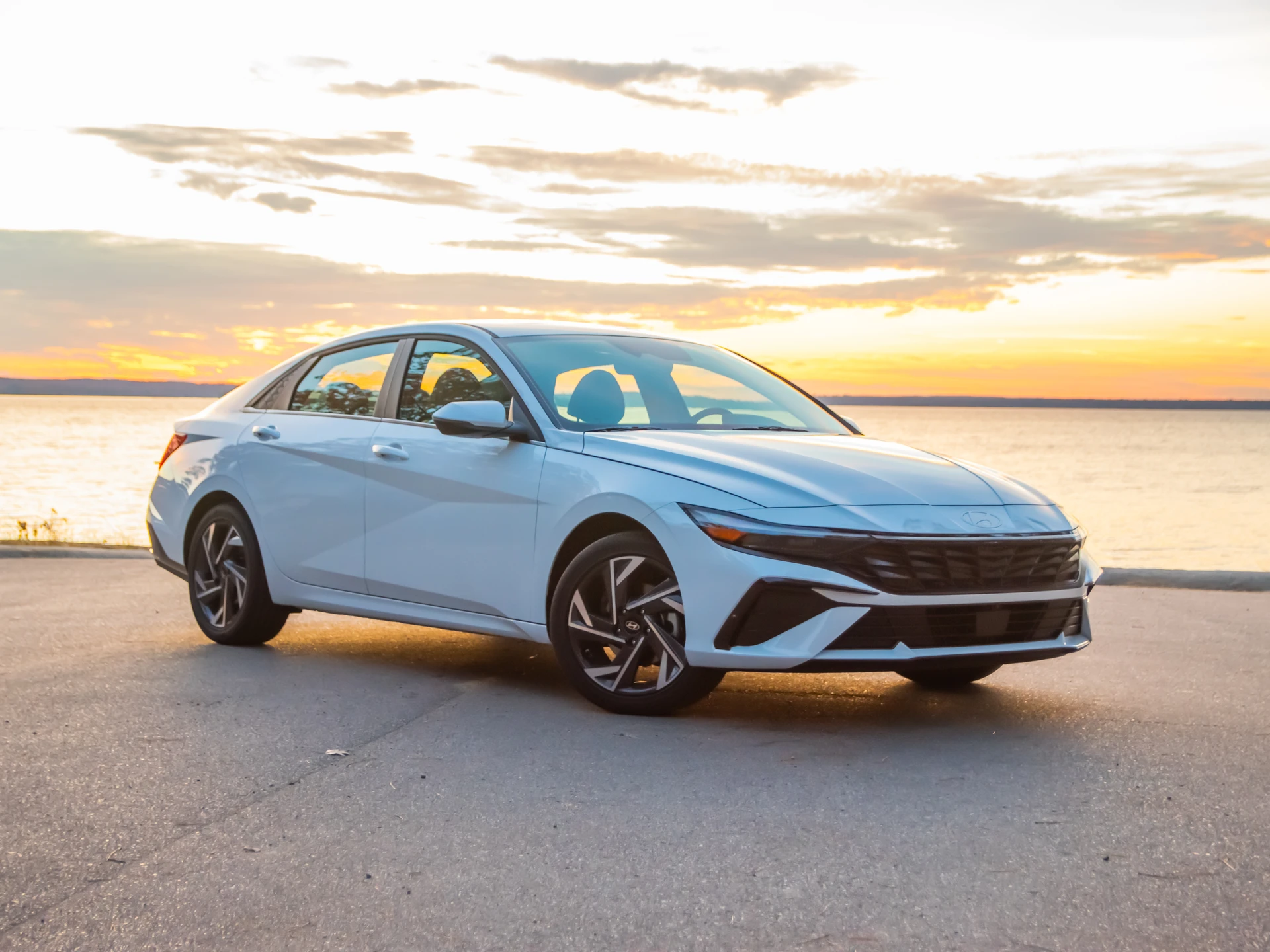
2. Hyundai Elantra (Base Trim)
The Hyundai Elantra has grown into a stylish and feature-packed compact sedan in recent years. Its exterior design is bold and modern, often turning heads despite its low price tag. However, underneath the attractive sheet metal, especially in the base trims, sits a car that prioritizes economy and smoothness over driving character.
The Elantra excels in offering value, space, and technology, but it fails to spark any real emotion when it comes to how it drives. It’s competent and quiet, but there’s very little feedback or enjoyment to be had.
The base engine is a naturally aspirated 2.0-liter four-cylinder paired with an intelligent variable transmission (Hyundai’s version of a CVT). With just 147 horsepower, the Elantra moves along well enough, but without any sense of urgency.
Power delivery is smooth and linear, which works fine for daily traffic but doesn’t add excitement or responsiveness. The CVT tends to sap energy from the engine, making acceleration feel drawn out and disconnected. The experience is calm but uneventful, with little reason to push the car beyond basic cruising.
In terms of handling, the Elantra doesn’t offer much driver involvement either. The steering feels overly light and lacks precision. There’s little in the way of road feel, which makes the car easier to drive for beginners but less rewarding for seasoned drivers.
The suspension is tuned more for comfort than agility, absorbing bumps fairly well but lacking the firmness and control that make a car feel planted. On twisty roads, the Elantra feels soft and uninterested, almost like it’s asking to be driven slowly.
The interior of the Elantra is one of its strengths, especially given the price. The dashboard layout is clean, and the infotainment system is intuitive. Materials are decent, and higher trims offer premium features like wireless Apple CarPlay and digital displays.
However, while the cabin is pleasant, it doesn’t do much to support any sporty driving intentions. The seats are more comfort-focused than supportive, and there’s no sense of a driver-centric layout.
For people prioritizing reliability, value, and style, the base Hyundai Elantra is an attractive package. But for those who care about steering feel, throttle response, or cornering stability, it’s not the right fit. While higher trims like the Elantra N Line or full Elantra N change the formula completely, the standard model remains too simple and disconnected to deliver any true driving satisfaction.
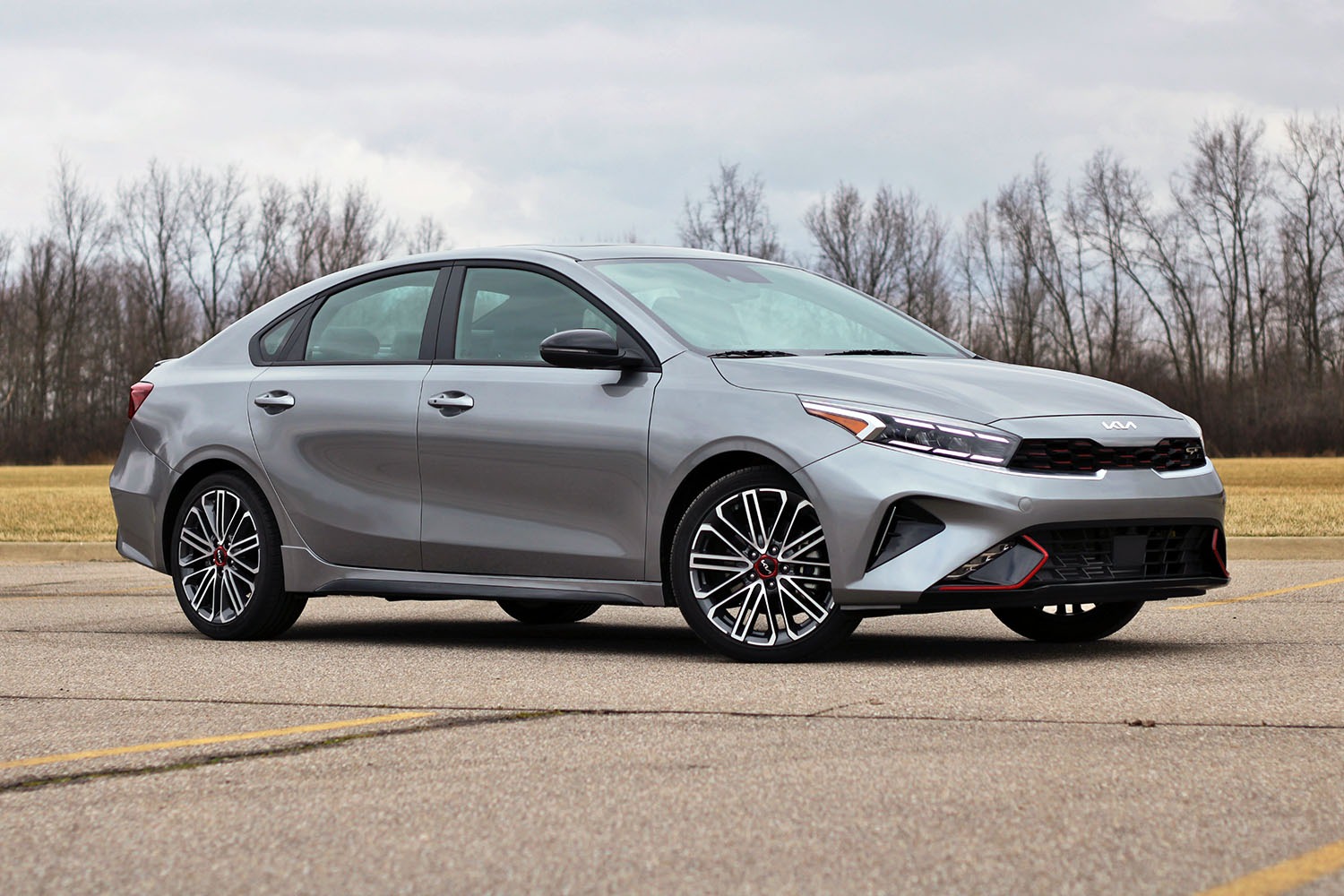
3. Kia Forte
The Kia Forte follows a familiar formula in the compact sedan world: affordable pricing, attractive styling, and a long list of features. It’s a practical car that makes a lot of sense for commuting, ride-sharing, or basic family use.
However, from a driving perspective, the Forte lacks the personality and responsiveness that enthusiasts look for. It’s a car that feels engineered to avoid offense rather than to inspire connection. While that may be a success for the average buyer, it leaves a lot to be desired when it comes to real engagement behind the wheel.
The base Forte is powered by a 2.0-liter four-cylinder engine paired with an automatic CVT. It produces around 147 horsepower and offers smooth, quiet operation. While the power is fine for normal city driving, it quickly runs out of breath under harder acceleration.
There’s no drama, no surge, and no personality. The CVT is tuned for efficiency, which means it rarely gives you the direct feel of a traditional automatic or the involvement of a manual. Even when pushed, the car doesn’t respond with much enthusiasm.
Steering feel in the Forte is muted, and it’s clear the car was built with ease of use in mind. The electric power steering is light, making parking and city driving a breeze, but it lacks weight and road feedback.
There’s a noticeable delay between input and response when navigating more demanding roads. The suspension setup is soft, absorbing bumps reasonably well, but the trade-off is body roll and a lack of precision during turns. The car is safe and predictable, but uninspiring.
The interior is clean and functional. Kia has done a good job of making the cabin feel modern, with decent materials and a straightforward infotainment system. However, the cabin feels sterile.
The seats are adequate for comfort but lack lateral support for dynamic driving. There are a few elements here that suggest the car is meant for anyone who enjoys driving. It feels more like a tool than a toy, with everything arranged for convenience rather than fun.
4. Toyota Corolla
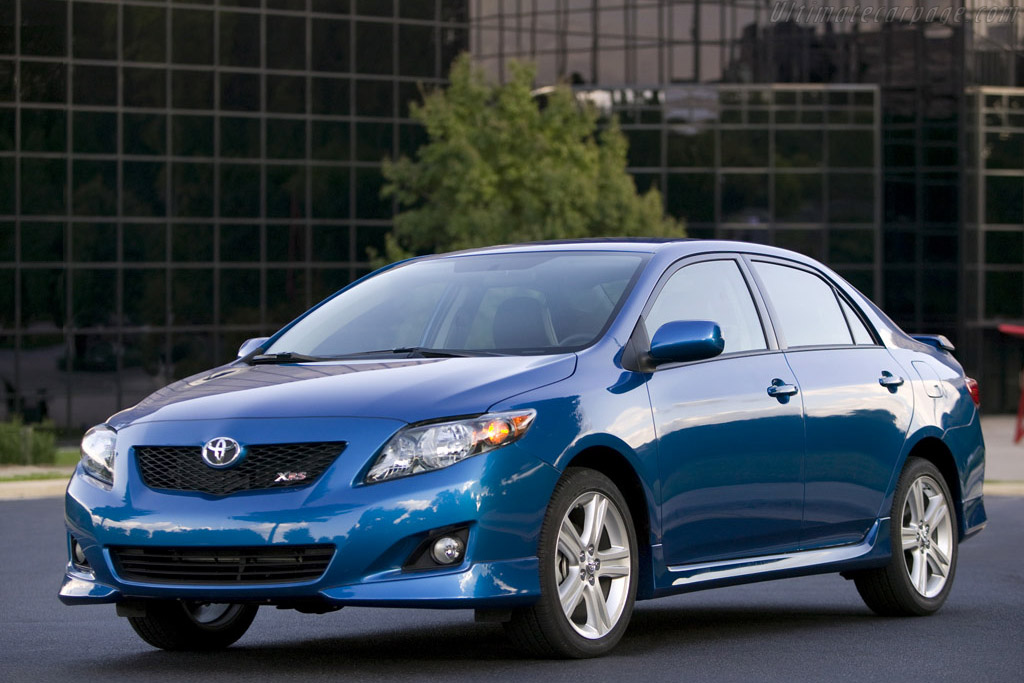
The Toyota Corolla is a name synonymous with dependability. It has been the go-to choice for drivers seeking long-lasting, fuel-efficient, no-fuss transportation for generations. However, that same reputation for reliability comes with a catch: it rarely excites.
The Corolla’s conservative engineering philosophy means it rarely pushes boundaries in terms of performance or handling. As a result, it’s a car that plays it safe to the point of boredom. It does everything adequately, but it does so with as little emotional involvement as possible.
Acceleration is leisurely, and the CVT amplifies that feeling with a rubber-band-like response. It’s hard to feel connected to a car that responds more like an appliance than a machine meant to be driven with intention.
Handling in the Corolla is predictable but uninspiring. The electric power steering is overly assisted and provides little road feedback. The car feels secure on the road but never encourages you to explore its limits.
The suspension does a good job isolating bumps and imperfections, but the result is a floaty, vague feeling when driving at higher speeds or through curves. There’s no sense of communication between the car and driver, just a sense of going through the motions.
Inside, the Corolla is well-built and functional, with a solid reputation for durability. The materials are average for the class, and the tech features are sufficient for daily use. However, like the exterior and performance, the interior lacks any spark.
5. Chevrolet Spark
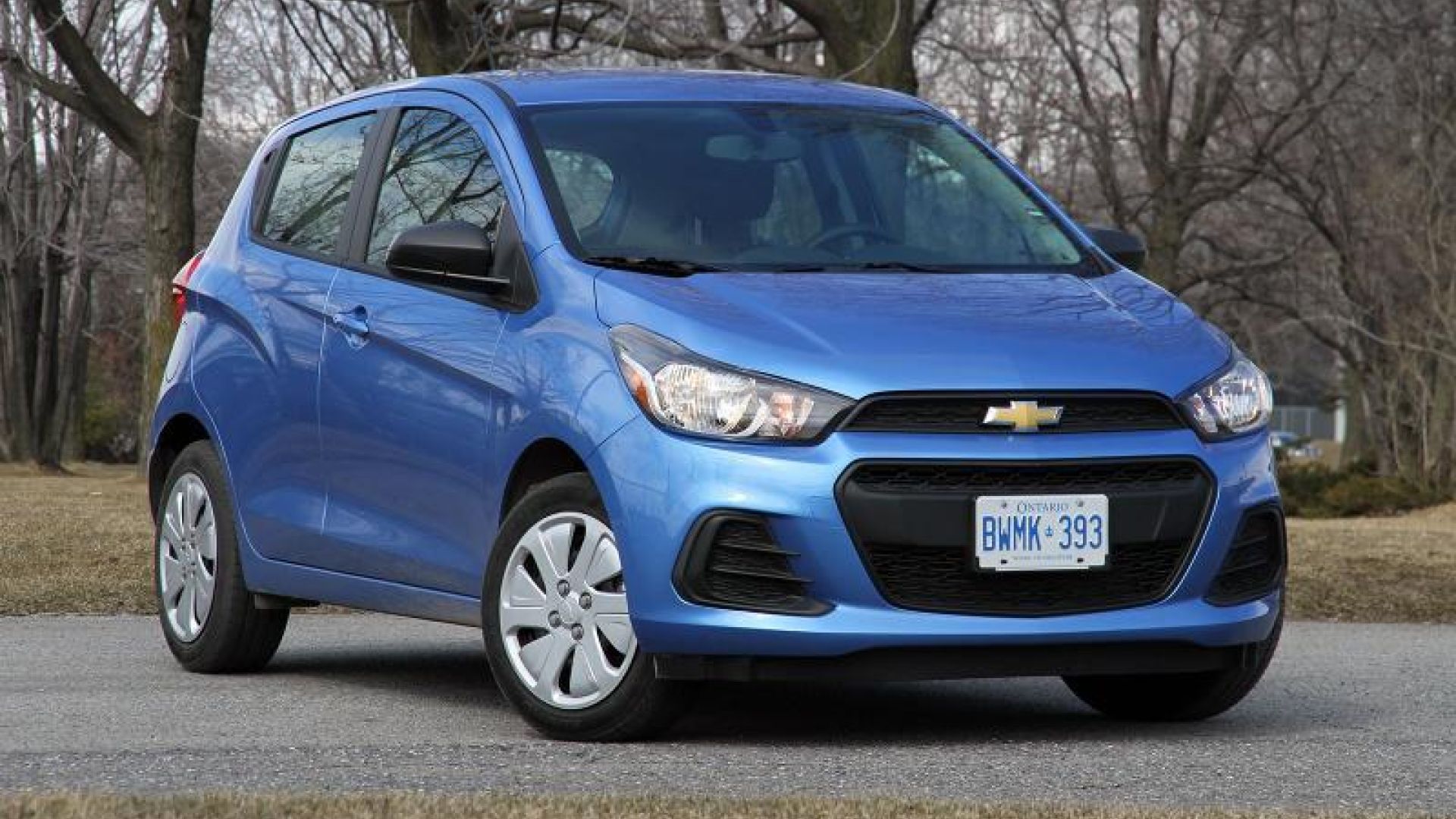
The Chevrolet Spark is often praised for its low price, compact size, and easy maneuverability in tight urban environments. It’s the quintessential city car, small, efficient, and affordable. Unfortunately, these strengths come with significant compromises when it comes to driving enjoyment.
The Spark is designed for simple transportation, and its driving dynamics reflect that. It lacks the power, refinement, and feedback that would make driving more than just a means to an end. For anyone looking for excitement or connection, the Spark feels overly basic and uninspired.
Powering the Spark is a modest 1.4-liter four-cylinder engine producing around 98 horsepower. This engine is sufficient to get around town but struggles on highways or steep inclines. Acceleration is sluggish, and the car’s lightweight nature doesn’t help much because it doesn’t feel nimble in a way that would compensate for the lack of power.
The available transmissions, either a manual or a CVT, fail to engage the driver, with the CVT in particular contributing to a disconnected feel. The engine note is bland and uninvolving, and the car doesn’t encourage any sense of fun.
The handling characteristics of the Spark follow the same theme of simplicity. The steering is light and lacks any meaningful feedback, which makes precise driving or spirited cornering difficult. The suspension setup favors comfort and absorbs bumps reasonably well, but the result is a vague and floaty ride.
There’s no confidence-inspiring sharpness or poise. Instead, the car feels jittery over uneven surfaces and less stable during quick maneuvers. Its small size makes it easy to park and weave through traffic, but it offers very little in terms of engagement or connection.
Seats are small and not particularly supportive, which makes longer drives uncomfortable. The interior space is limited, particularly in the rear seats, which further emphasizes that the Spark is meant as a short-distance commuter car rather than an enjoyable driver’s machine.
The Chevrolet Spark is an economical choice for those who prioritize cost and convenience above all else. It is easy to drive in urban environments, simple to maintain, and very affordable.
But for anyone who cares about driving pleasure, connection, or dynamic performance, the Spark will feel too stripped down and basic. It is a practical tool but one that offers little more than the bare minimum when it comes to the emotional side of driving.
